

Hercules-club
Zanthoxylum clava-herculis
In the Carolinas and Georgia, found in maritime forests, dunes, shell middens, shell hammocks, maritime scrub, inland (in FL and GA) in hammocks. Weakley, Flora of the Southeastern United States (2025), Carolinas & Georgia edition What its natural habitat tells you
Native to Louisiana (estimated). How scores work Is it native here?
Profile 94%
- Height
- 30–40 feet
- Spread
- 12–15 feet
- Light
- Full sun, Partial shade
- Soil moisture
- Somewhat dry to moist
Space about 13.5 ft apart from its recorded spread. Enter your bed size for a count
Will it fit your yard?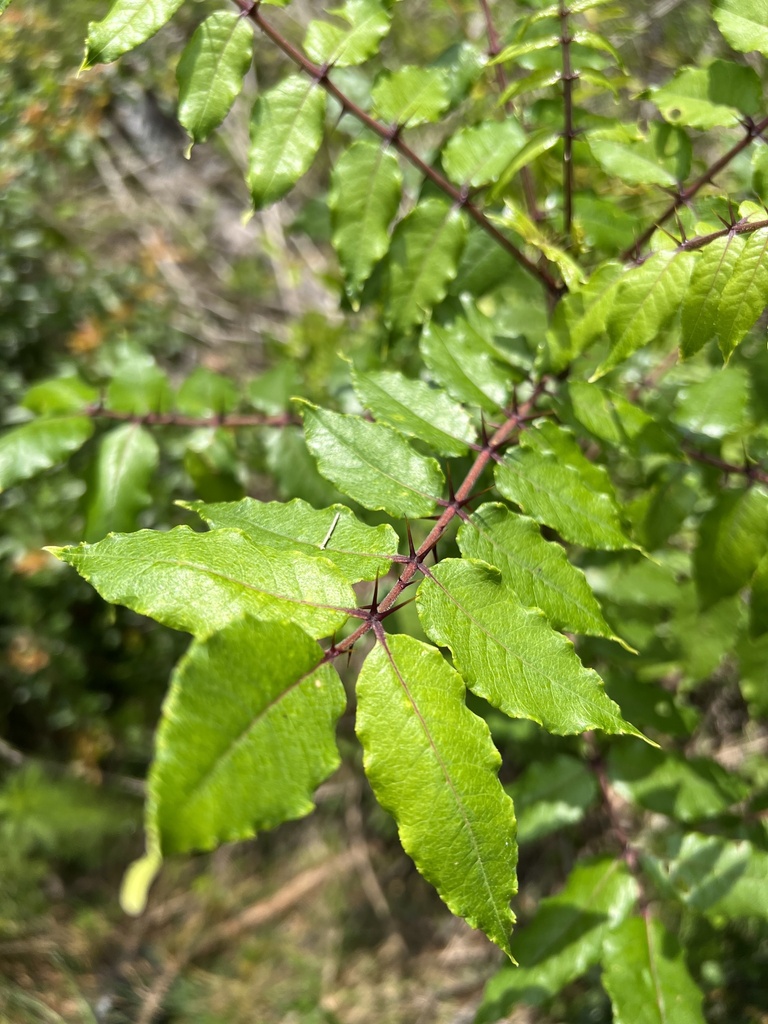
At a glance
- Life cycle
- Woody perennial
- Leaves
- Deciduous
- Bloom
- March to May
- Fruiting season
- June to September
Recorded in 52 Louisiana parishes.
Natural habitats
Places it grows wild. Not a planting requirement. Each habitat page lists the plants and wildlife also found there.
Salt-pruned forests and shrub thickets behind coastal dunes.
Open sand of beaches, dunes and the hollows between them.
Also found with this plant
Wildlife whose habitat models include habitats this plant grows in, in Louisiana. Shared habitat, not food. 83 animals.
- Northern ParulaParula americana
- OvenbirdSeiurus aurocapilla
- Red-breasted NuthatchSitta canadensis
- Red-shouldered HawkButeo lineatus
- Rusty BlackbirdEuphagus carolinus
- Scarlet TanagerPiranga olivacea
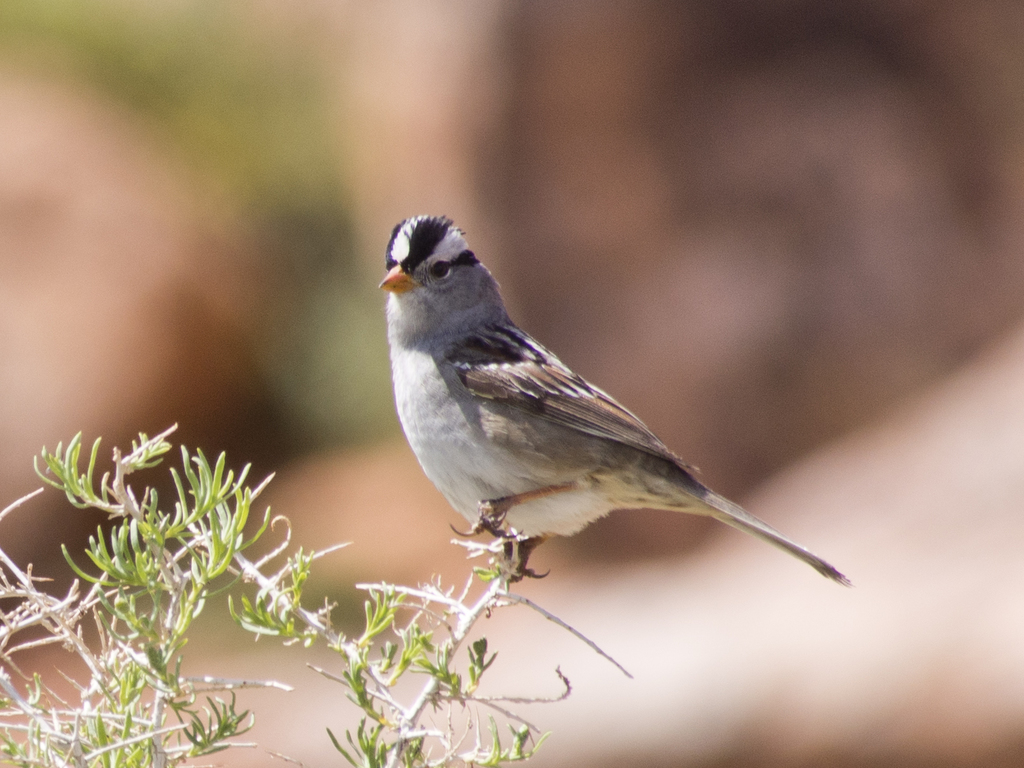
- White-crowned SparrowZonotrichia leucophrys
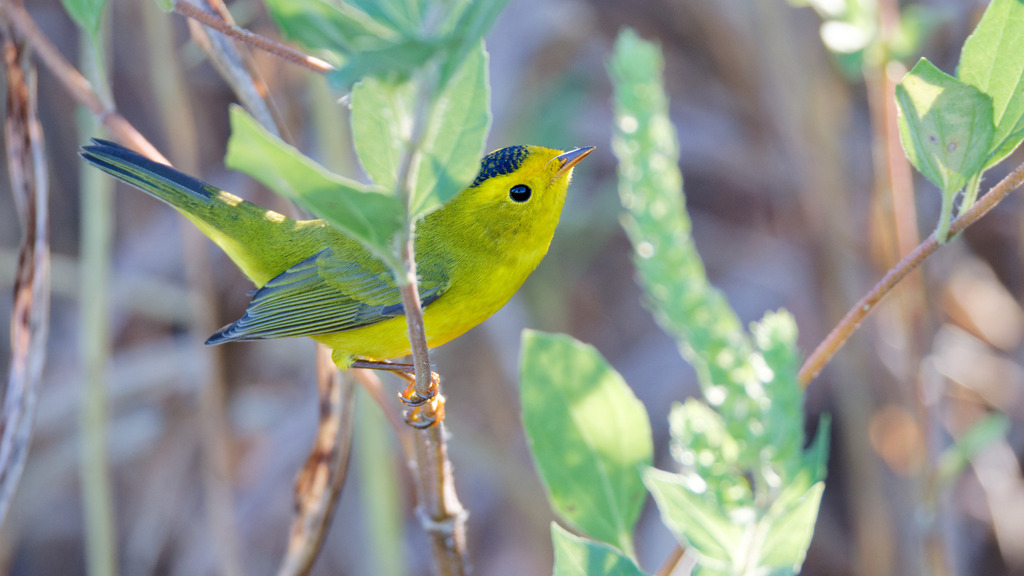
- Wilson's WarblerWilsonia pusilla
- Wood ThrushHylocichla mustelina
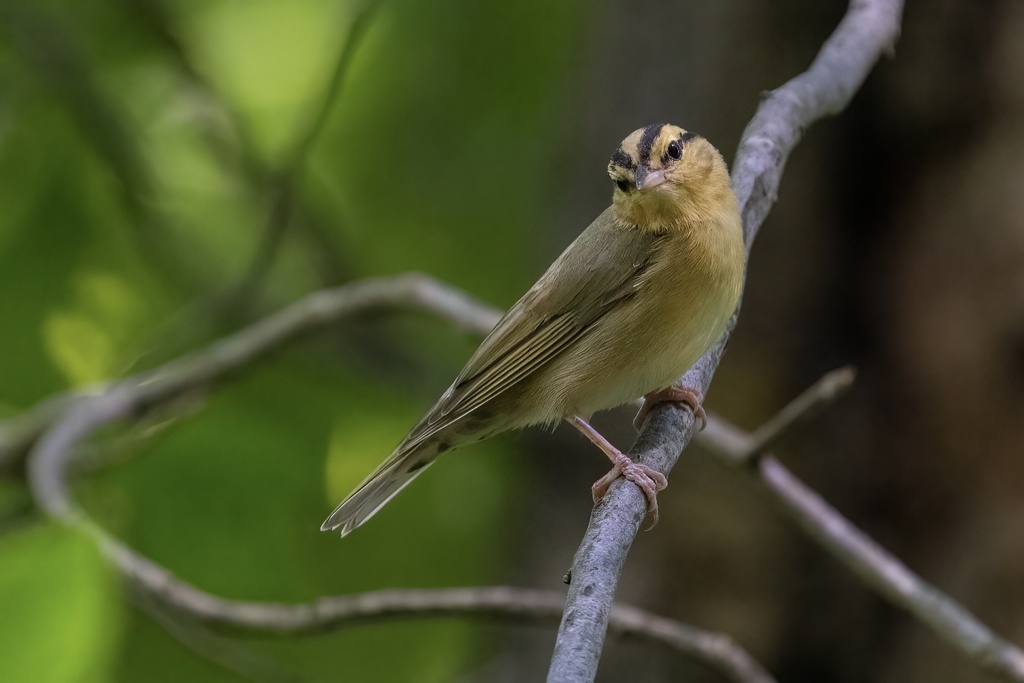
- Worm-eating WarblerHelmitheros vermivorum
- Yellow-crowned Night-heronNyctanassa violacea







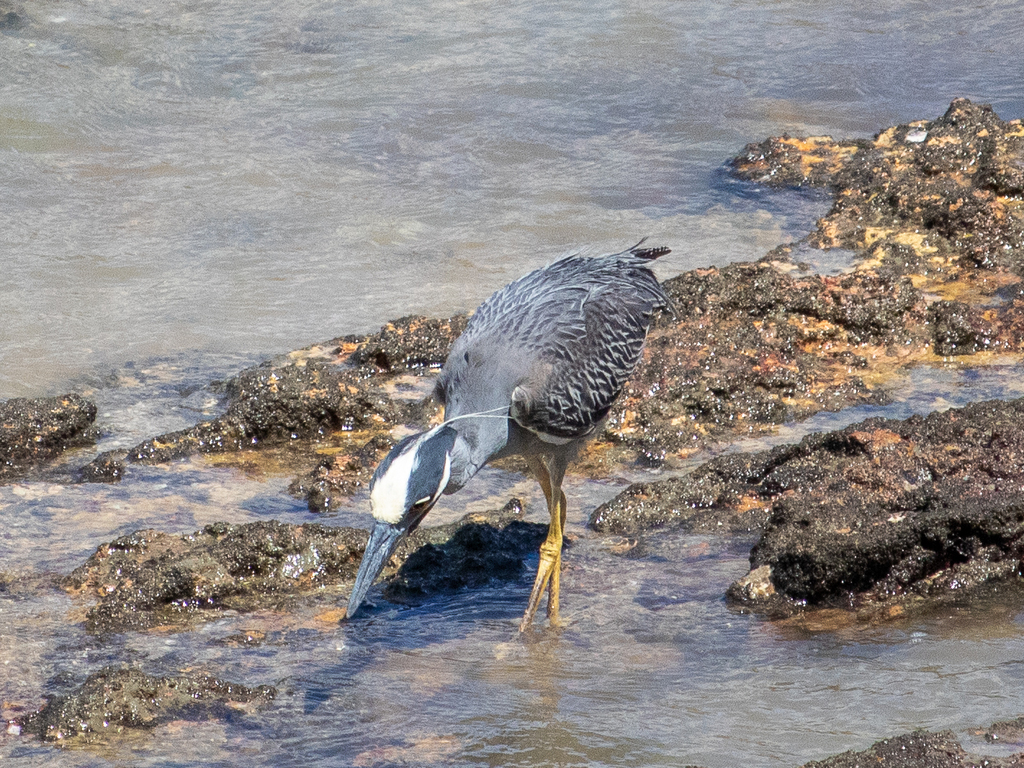
Widespread birds also seen here (17)
Found in many habitats here, so not listed above.
Who uses this plant?
 7CaterpillarsGenus host records with ranges including LA
Genus host records with ranges including LA · Zanthoxylum
- Cryptothelea gloveriiOrange Bagworm
- Dichomeris citrifoliellaOrange Webworm Moth
- Hyphantria cuneaFall Webworm
- Orgyia leucostigmaWhite-Marked Tussock Moth
- Papilio cresphontesEastern Giant Swallowtail
- Papilio glaucusEastern Tiger Swallowtail
- Papilio troilusSpicebush Swallowtail
 5BeesSoutheastern regional records
Southeastern regional records · Zanthoxylum
Individual names are not available yet.
Noori, Seltmann & Orr 2026, A curated and integrated dataset for exploring global bee-plant interactions (GloBI), Zenodo, CC BY 4.0 0Specialist beesPollen specialists
 4BirdsRecorded eating Zanthoxylum in Louisiana
Diet records by plant genus, from studies across North America. Not a record from this state. Birds whose range includes Louisiana, most records first.
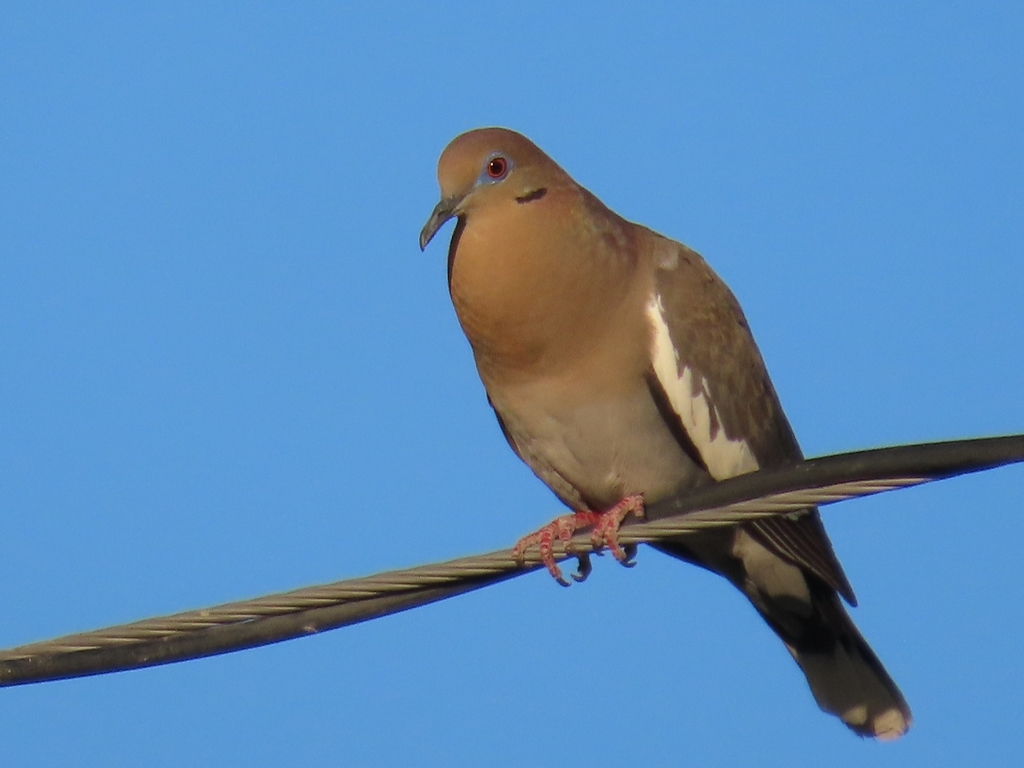
- White-winged Dove14 diet records
- Northern Bobwhite3 diet records
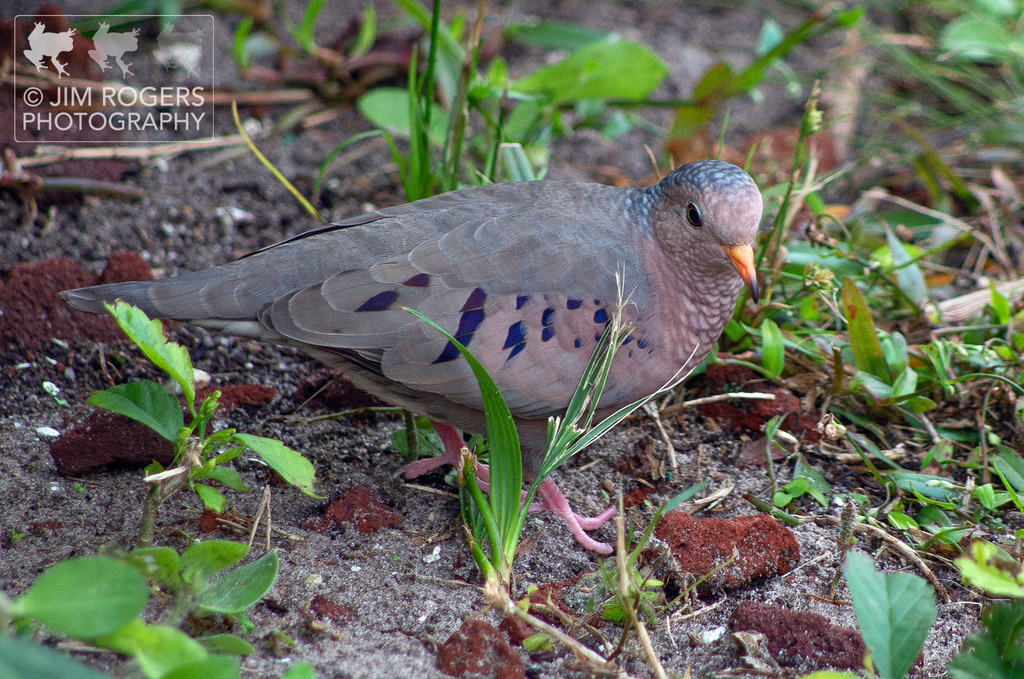
- Common Ground-dove2 diet records
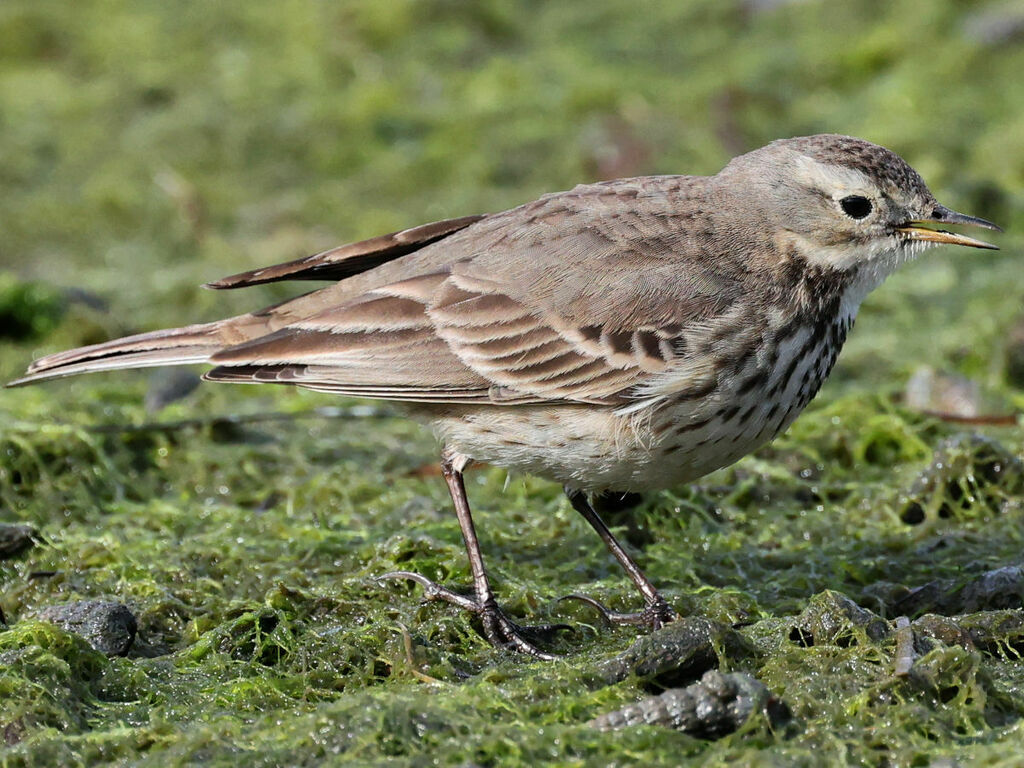
- American Pipit1 diet record
Direct food only. Caterpillars on host plants also feed nesting birds. NC Native Plant Society: butterfly gardening
No records yet · Ants · Beetles · Flies · Adult butterflies / moths · Other wasps · Other insects
Birds that eat Zanthoxylum 4
Diet records by plant genus, from studies across North America. Not a record from this state. Avian Diet Database (Hurlbert Lab), CC0 1.0.
- White-winged DoveZenaida asiatica
- Northern BobwhiteColinus virginianus
- Common Ground-doveColumbina passerina
- American PipitAnthus rubescens

Plant details
- Family
- Rutaceae
- Flower color
- Yellow, green or white
- Fruit begins
- June
- Fruit ends
- September
Safety has not been reviewed for this plant; check toxicity and thorns before planting.
Growing sources and scope
- Bloom · “March to May” · Weakley, Flora of the Southeastern United States (2025), Carolinas & Georgia edition · Carolinas and Georgia
- Flower color · “Yellow, green or white” · NC Extension Plant Toolbox (ranked first; Lady Bird Johnson Wildflower Center differs)
- Fruit begins · “June” · Weakley, Flora of the Southeastern United States (2025), Carolinas & Georgia edition · Carolinas and Georgia
- Fruit ends · “September” · Weakley, Flora of the Southeastern United States (2025), Carolinas & Georgia edition · Carolinas and Georgia
- Height · “30–40 feet” · NC Extension Plant Toolbox (ranked first; Lady Bird Johnson Wildflower Center differs)
- Leaves · “Deciduous” · NC Extension Plant Toolbox
- Life cycle · “Woody perennial” · NC Extension Plant Toolbox (ranked first; Lady Bird Johnson Wildflower Center differs)
- Light · “Full sun (6 or more hours of direct sunlight a day); Partial shade (direct sunlight only part of the day, 2-6 hours)” · NC Extension Plant Toolbox (ranked first; Lady Bird Johnson Wildflower Center differs)
- Soil · “Moist; Occasionally dry” · NC Extension Plant Toolbox (ranked first; Lady Bird Johnson Wildflower Center differs)
- Spread · “12–15 feet” · NC Extension Plant Toolbox
Also known as
Hercules club
Conservation status
| Louisiana rank | SNR |
|---|---|
| Global rank | G4 |
| LA status | Not verified |
| Federal status | Not verified |
Will it fit your yard?
Check this plant against your county, sun and soil moisture. Conditions are checked in your browser.
Sources
- USDA PLANTS
- Vascular Plants of North Carolina (NC Natural Heritage Program)
- Weakley, Flora of the Southeastern United States (2025)
- Louisiana occurrence source
- Shropshire & Tallamy 2025, Lepidoptera of North America north of Mexico, ZooKeys 1261 (ODbL)
- Noori, Seltmann & Orr 2026, A curated and integrated dataset for exploring global bee-plant interactions (GloBI), Zenodo, CC BY 4.0
- Smith, Bachelder, Russell, Morales, Mosher & Seltmann 2024, Bee-Specialization-Modeling v0.6.1 (specialist host table compiled from J. Fowler's pollen specialist bee lists), Zenodo, CC BY 4.0
- Hurlbert, Olsen, Sawyer & Winner 2021, Avian Diet Database, Scientific Data 8: 260 (CC0)
- Narango, Tallamy & Shropshire 2020, Few keystone plant genera support the majority of Lepidoptera species, Nature Communications