

Bird
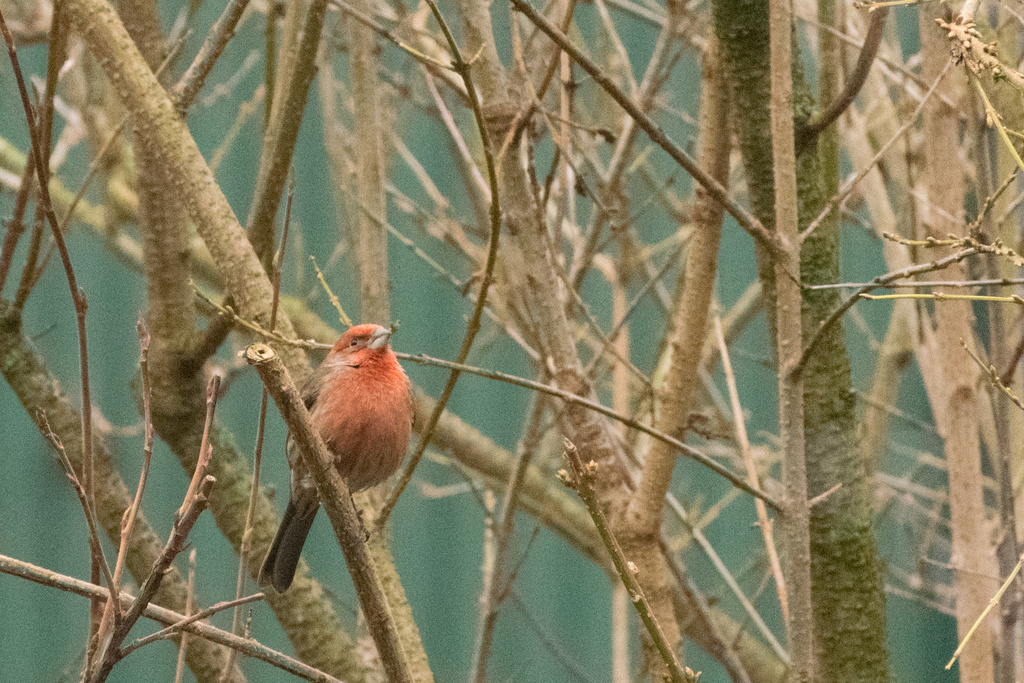
House Finch
Carpodacus mexicanus
Lives in Louisiana all year and nests here. Found in 48 of 64 parishes, across 4 habitats.
- Here
- All year
- Nesting
- Nests here
- Range
- 48 of 64 parishes
- Habitats
- 4
At a glance
- Group
- Birds
- Here
- All year
- Nesting
- Nests here
- Range
- 48 of 64 parishes
- Habitats
- 4
- Habitat models
- Year-round
Where it lives
The places its habitat model includes. It is not found everywhere a habitat occurs.
Habitats in Louisiana 4
Each habitat page lists the plants and wildlife also found there.
Borders of forests, clearings and shrubby thickets.
Open, grass-dominated places kept open by fire, grazing or thin soil, from tallgrass prairie to Piedmont prairies.
Roadsides, fields and disturbed ground
Ground opened by people: roadsides, old fields, pastures, fencerows and lots.
Tree plantations and managed pine
Planted or intensively managed stands of pine or hardwoods grown for timber; a land use rather than a natural community.
Other habitats in its models (16)
Land cover, or classes with no habitat page in Louisiana.
- Developed, Low Intensity Year-round.
- Developed, Medium Intensity Year-round.
- Developed, High Intensity Year-round.
- East Gulf Coastal Plain Black Belt Calcareous Prairie and Woodland - Herbaceous Modifier Year-round.
- East Gulf Coastal Plain Northern Dry Upland Hardwood Forest - Offsite Pine Modifier Year-round.
- West Gulf Coastal Plain Catahoula Barrens Year-round.
- Central Mixedgrass Prairie Year-round.
- Arkansas Valley Prairie and Woodland Year-round.
- Florida Dry Prairie Year-round.
- West Gulf Coastal Plain Northern Calcareous Prairie Year-round.
- Harvested Forest - Grass/Forb Regeneration Year-round.
- Recently Burned Grassland Year-round.
- Recently Burned Shrubland Year-round.
- Introduced Upland Vegetation - Forbland Year-round.
- Introduced Upland Vegetation - Perennial Grassland Year-round.
- Western Great Plains Floodplain Systems Year-round.
Seasons in Louisiana
- Year-round: nests here, in 48 of 64 parishes.
Also found in this habitat
Plants 126
Plants named in NatureServe descriptions of these habitats that grow in Louisiana. Shared habitat, not food.
- Heliotropium tenellumHeliotropium tenellum
- HerbertiaHerbertia lahue
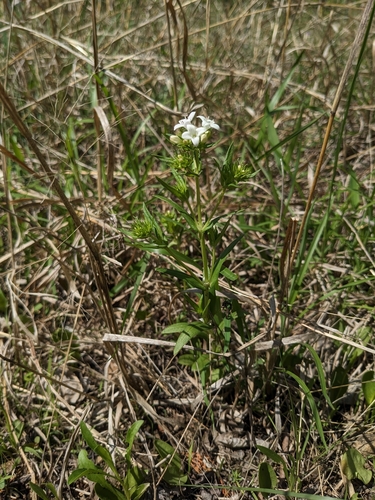
- Lanceleaf BluetHoustonia purpurea var. calycosa
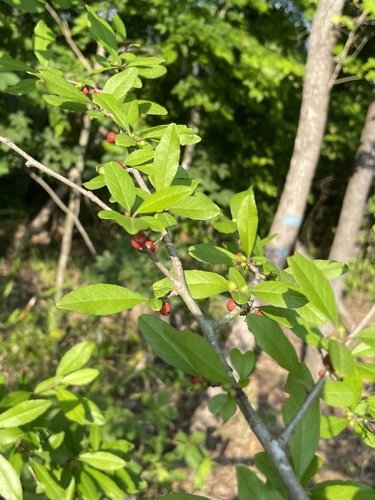
- Possumhaw HollyIlex decidua
- Indigofera miniataIndigofera miniata
- Annual Marsh-elderIva annua
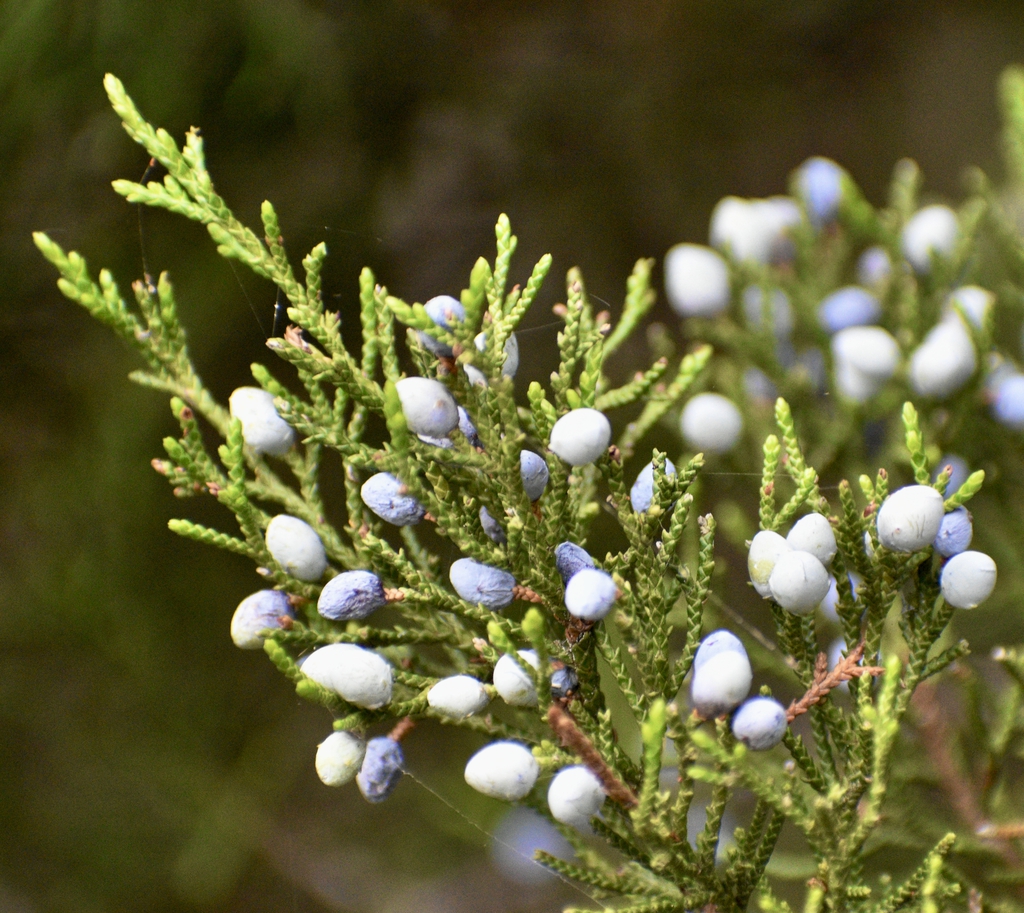
- Eastern Red CedarJuniperus virginiana
- Juniperus virginiana var. virginianaJuniperus virginiana var. virginiana
- Slender GayfeatherLiatris tenuis
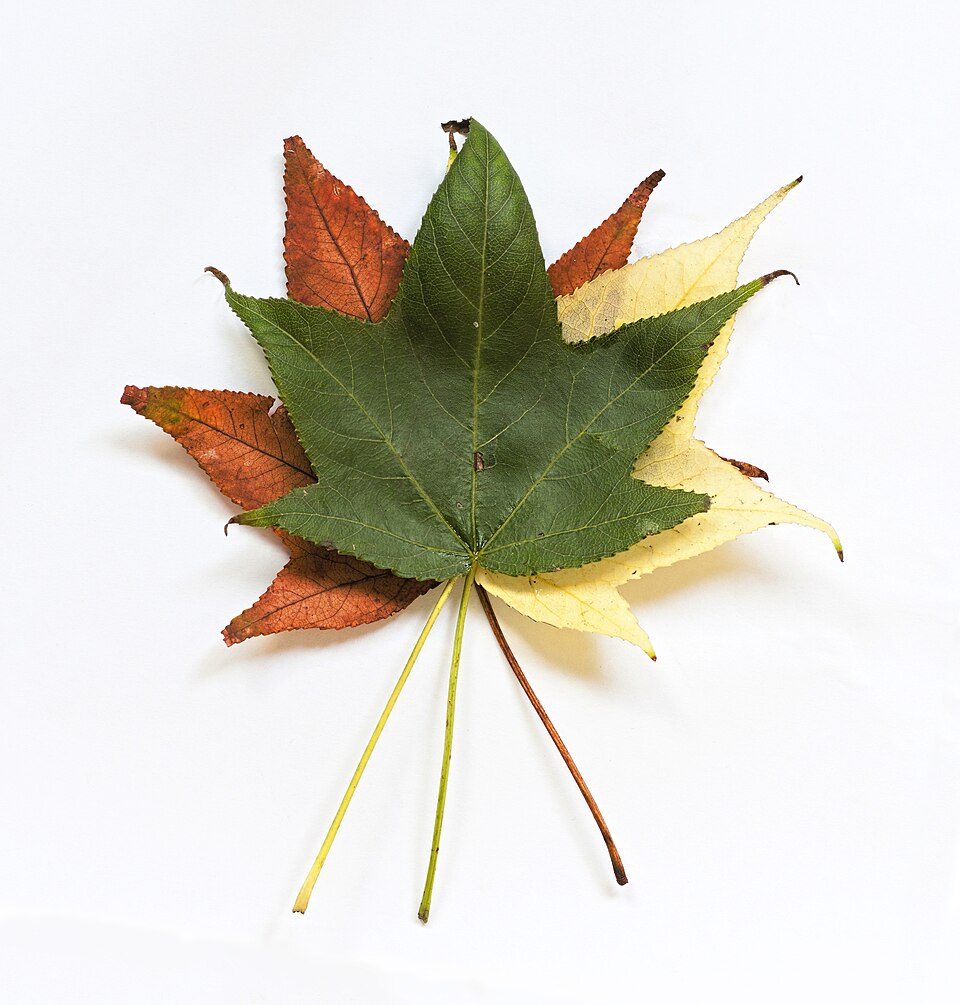
- SweetgumLiquidambar styraciflua
- Southern StoneseedLithospermum tuberosum
- Two-flower MelicgrassMelica mutica
- Hair-awn MuhlyMuhlenbergia capillaris
- Prairie CelestialNemastylis geminiflora
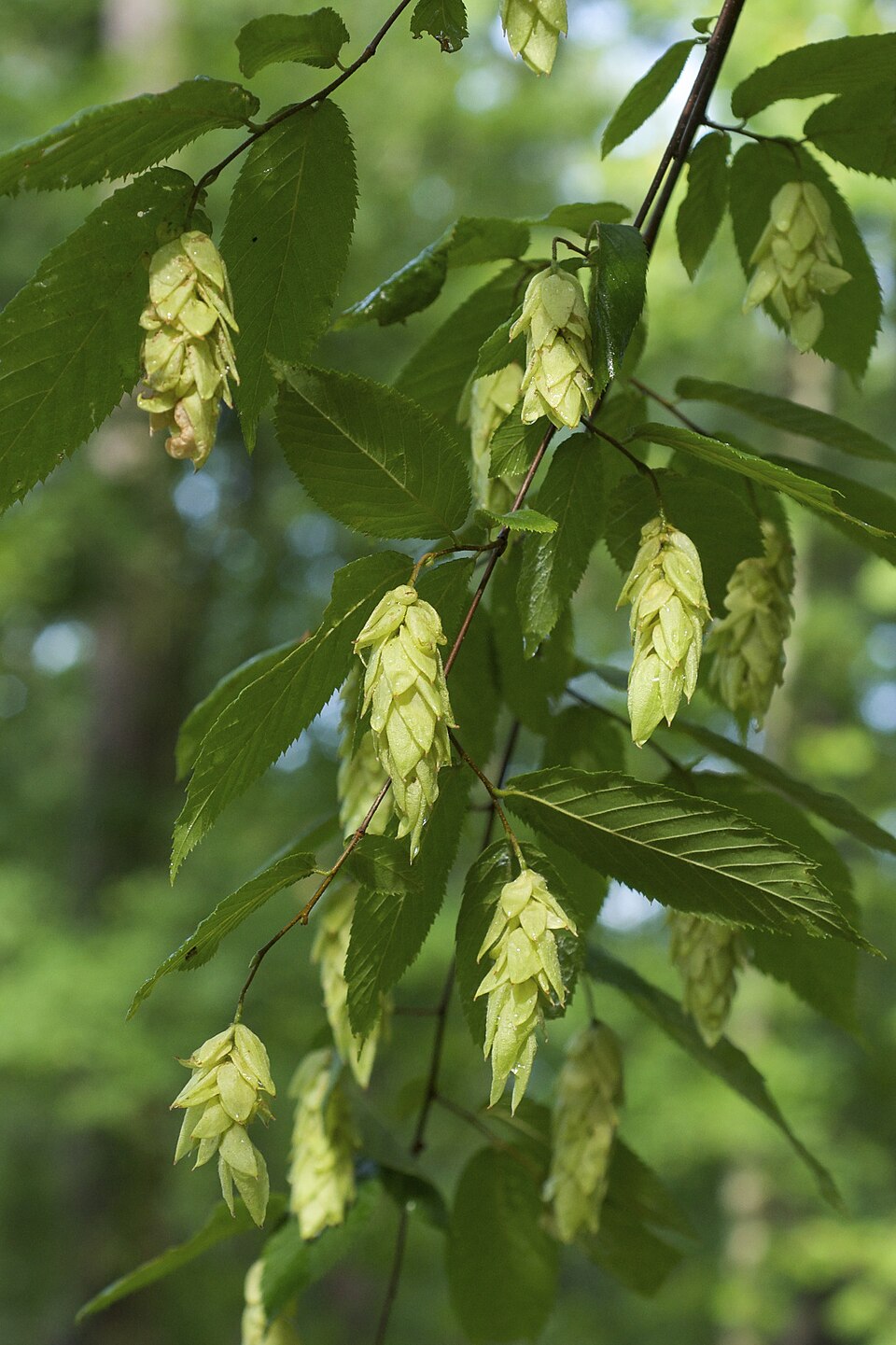
- American Hop-hornbeamOstrya virginiana
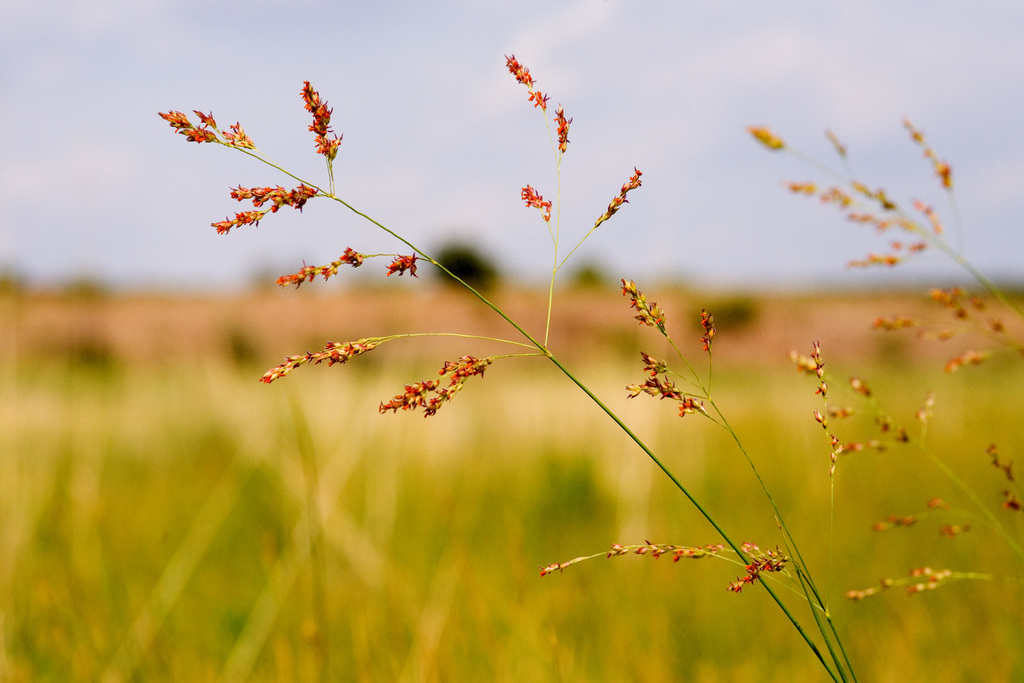
- Wiry PanicgrassPanicum flexile
- SwitchgrassPanicum virgatum
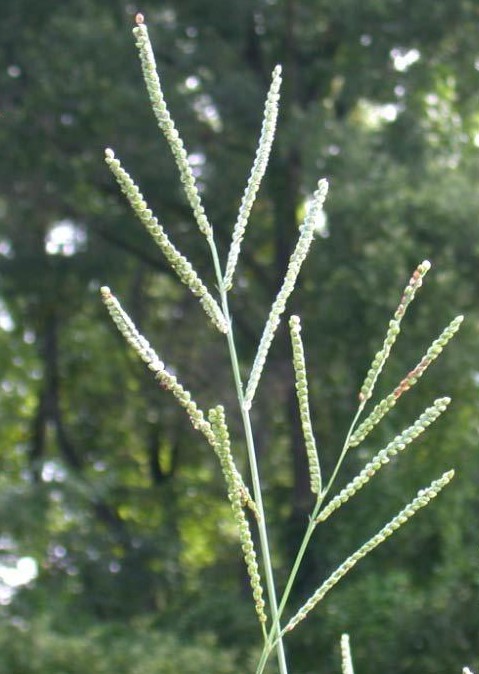
- Florida PaspalumPaspalum floridanum
- Smooth ScorpionweedPhacelia glabra
- Small Flower Rock PinkPhemeranthus parviflorus
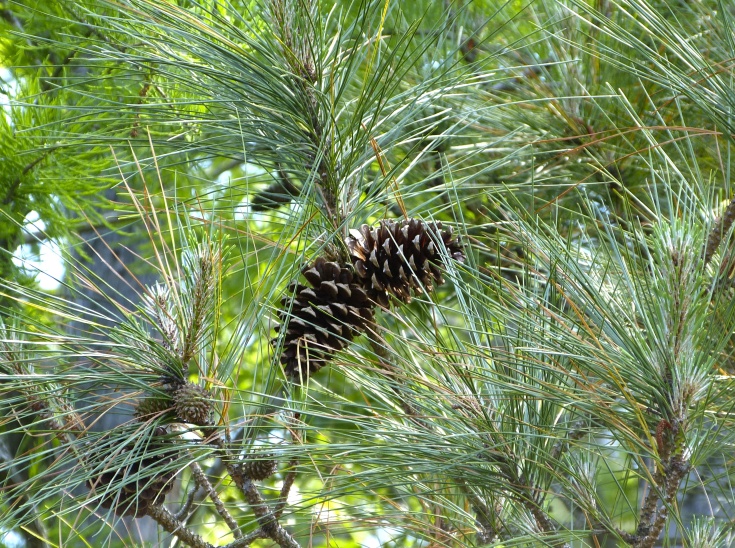
- Loblolly PinePinus taeda
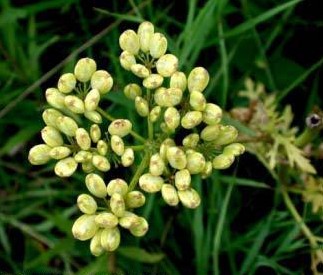
- Prairie ParsleyPolytaenia nuttallii
- Eastern Shooting-starPrimula meadia
Wildlife 205
Other animals whose habitat models include the same habitats in Louisiana. Not sighting records.
- American GoldfinchCarduelis tristis
- American RobinTurdus migratorius
- Blue GrosbeakPasserina caerulea
- Chimney SwiftChaetura pelagica
- Chipping SparrowSpizella passerina
- Common NighthawkChordeiles minor
- Common YellowthroatGeothlypis trichas
- Cooper's HawkAccipiter cooperii
- Dark-eyed JuncoJunco hyemalis
- Eastern KingbirdTyrannus tyrannus
- Eurasian Collared-doveStreptopelia decaocto
- European StarlingSturnus vulgaris
- Great Horned OwlBubo virginianus
- Indigo BuntingPasserina cyanea
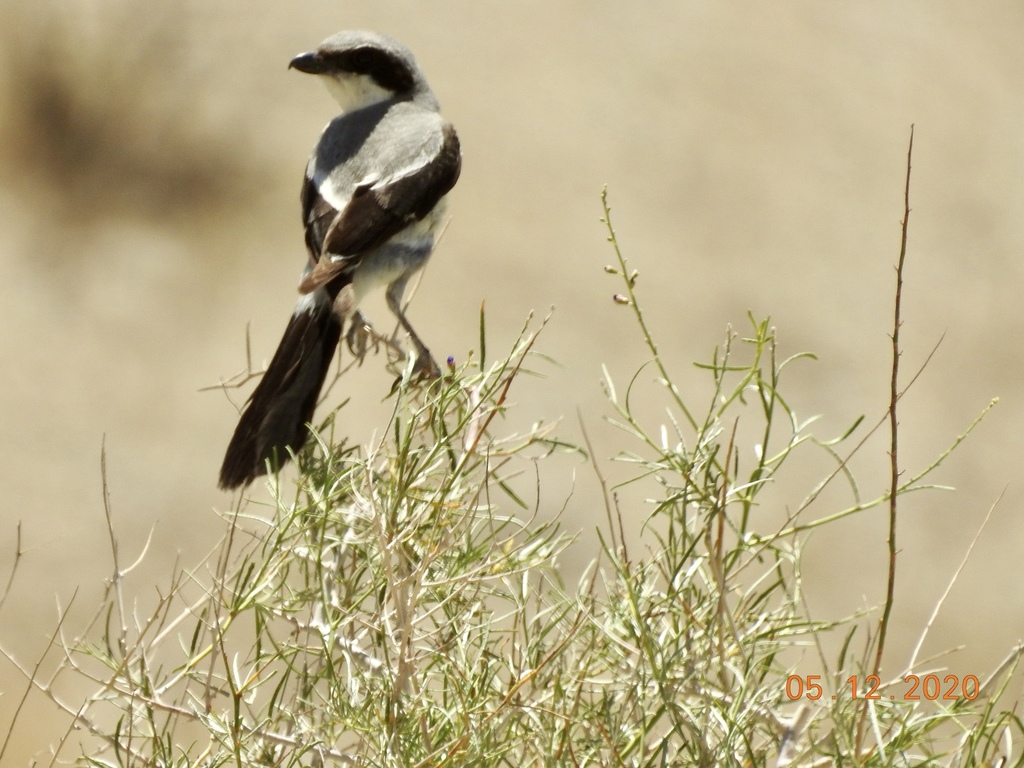
- Loggerhead ShrikeLanius ludovicianus
- Mourning DoveZenaida macroura
- Northern BobwhiteColinus virginianus
- Northern CardinalCardinalis cardinalis
- Northern FlickerColaptes auratus
- Northern MockingbirdMimus polyglottos
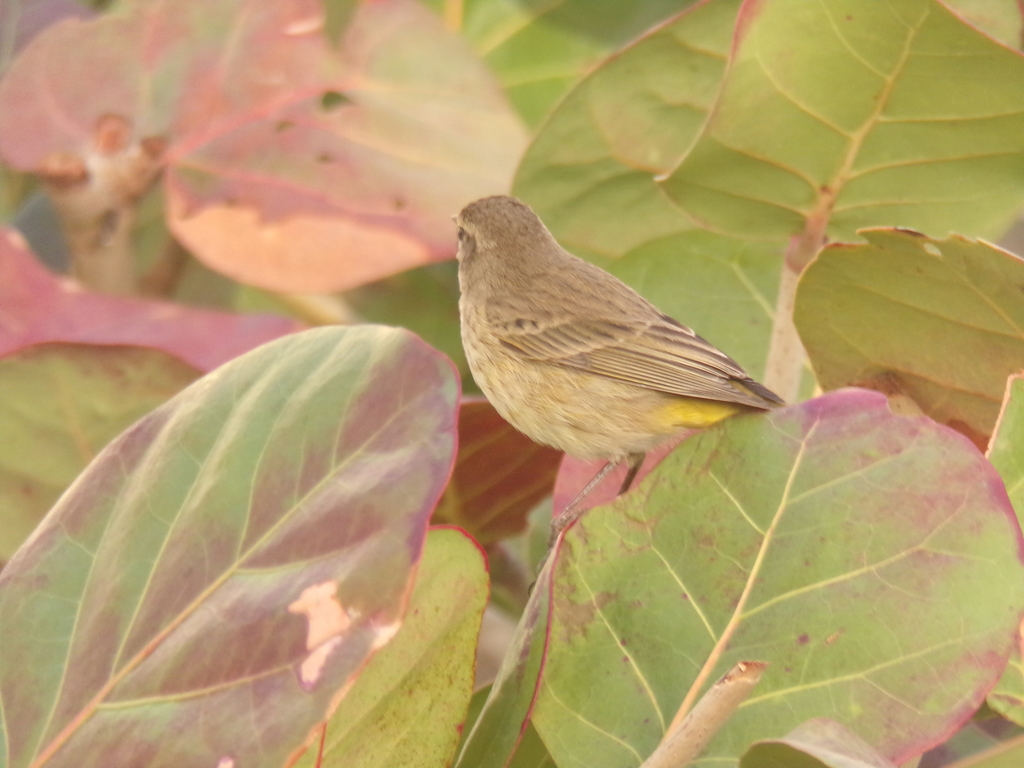
- Palm WarblerDendroica palmarum
- Pine SiskinCarduelis pinus
- Prairie WarblerDendroica discolor
- Purple FinchCarpodacus purpureus






















NatureServe Explorer, CC BY 4.0. USGS Gap Analysis Project habitat models.
Sources
- USGS Gap Analysis Project habitat models (2001)
- USGS GAP year-round habitat model for House Finch Elevation -47 to 914 m. Avoids forest interior
- USGS Gap Analysis Project range maps (2001), modeled by watershed; migratory gives no dates
- NatureServe Explorer (CC BY 4.0), habitat names
- US Census TIGER/Line counties
- Names follow the USGS Gap Analysis Project (2001)