

Bird
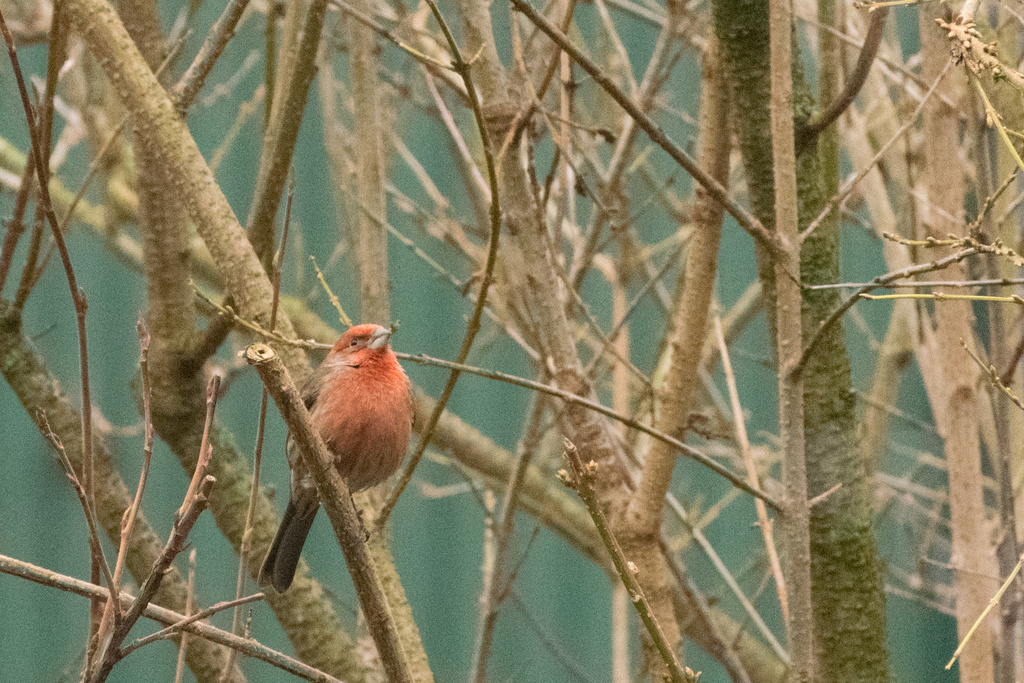
House Finch
Carpodacus mexicanus
Lives in Louisiana all year and nests here. Found in 48 of 64 parishes, across 4 habitats.
- Here
- All year
- Nesting
- Nests here
- Range
- 48 of 64 parishes
- Habitats
- 4
At a glance
- Group
- Birds
- Here
- All year
- Nesting
- Nests here
- Range
- 48 of 64 parishes
- Habitats
- 4
- Habitat models
- Year-round
Where it lives
The places its habitat model includes. It is not found everywhere a habitat occurs.
Habitats in Louisiana 4
Each habitat page lists the plants and wildlife also found there.
Borders of forests, clearings and shrubby thickets.
Open, grass-dominated places kept open by fire, grazing or thin soil, from tallgrass prairie to Piedmont prairies.
Roadsides, fields and disturbed ground
Ground opened by people: roadsides, old fields, pastures, fencerows and lots.
Tree plantations and managed pine
Planted or intensively managed stands of pine or hardwoods grown for timber; a land use rather than a natural community.
Other habitats in its models (16)
Land cover, or classes with no habitat page in Louisiana.
- Developed, Low Intensity Year-round.
- Developed, Medium Intensity Year-round.
- Developed, High Intensity Year-round.
- East Gulf Coastal Plain Black Belt Calcareous Prairie and Woodland - Herbaceous Modifier Year-round.
- East Gulf Coastal Plain Northern Dry Upland Hardwood Forest - Offsite Pine Modifier Year-round.
- West Gulf Coastal Plain Catahoula Barrens Year-round.
- Central Mixedgrass Prairie Year-round.
- Arkansas Valley Prairie and Woodland Year-round.
- Florida Dry Prairie Year-round.
- West Gulf Coastal Plain Northern Calcareous Prairie Year-round.
- Harvested Forest - Grass/Forb Regeneration Year-round.
- Recently Burned Grassland Year-round.
- Recently Burned Shrubland Year-round.
- Introduced Upland Vegetation - Forbland Year-round.
- Introduced Upland Vegetation - Perennial Grassland Year-round.
- Western Great Plains Floodplain Systems Year-round.
Seasons in Louisiana
- Year-round: nests here, in 48 of 64 parishes.
Also found in this habitat
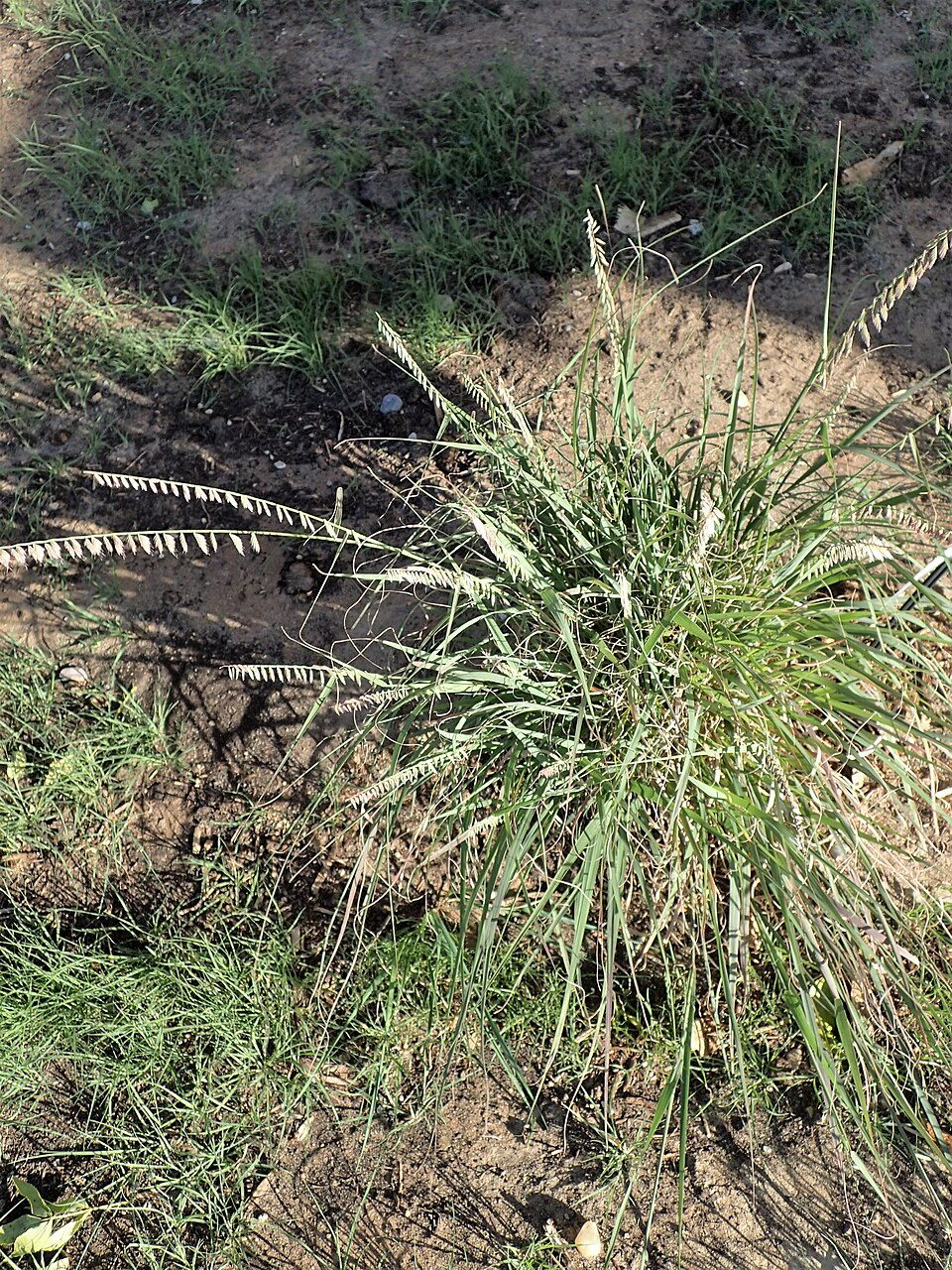
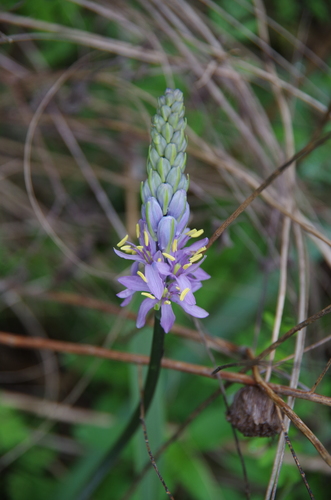
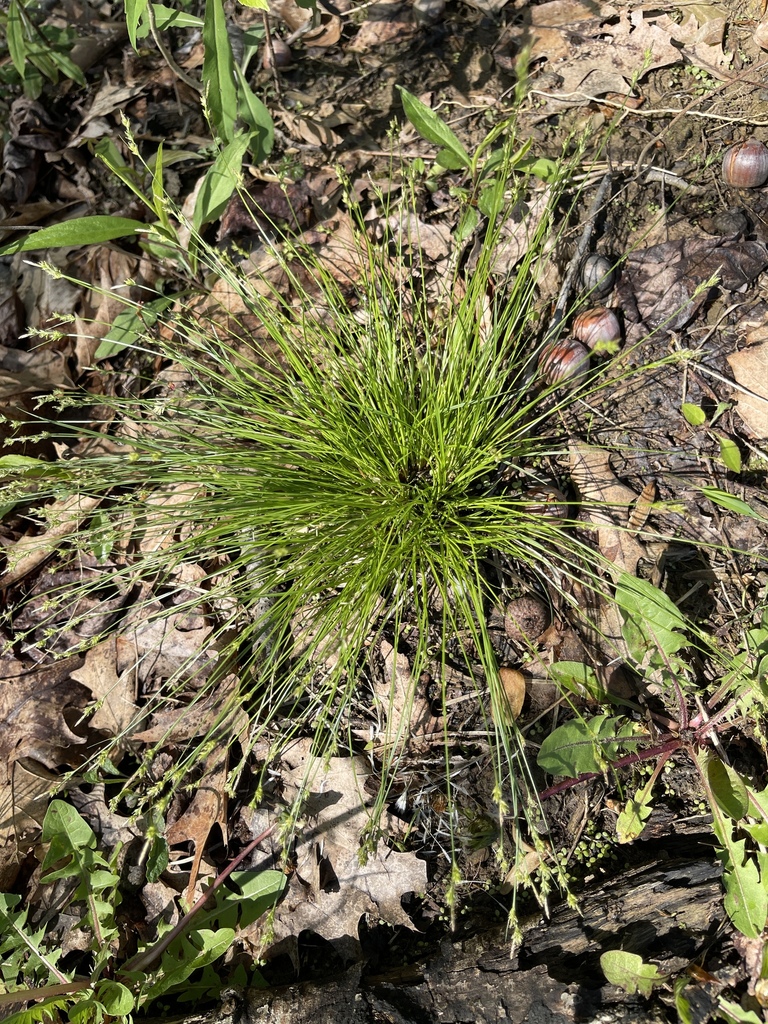
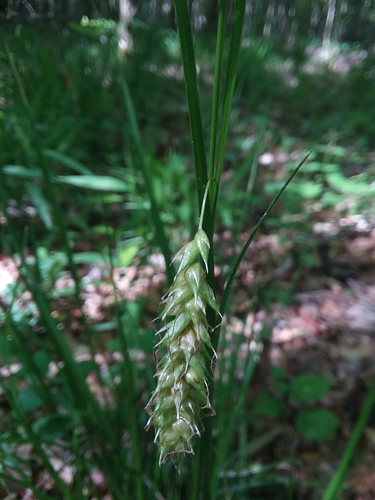
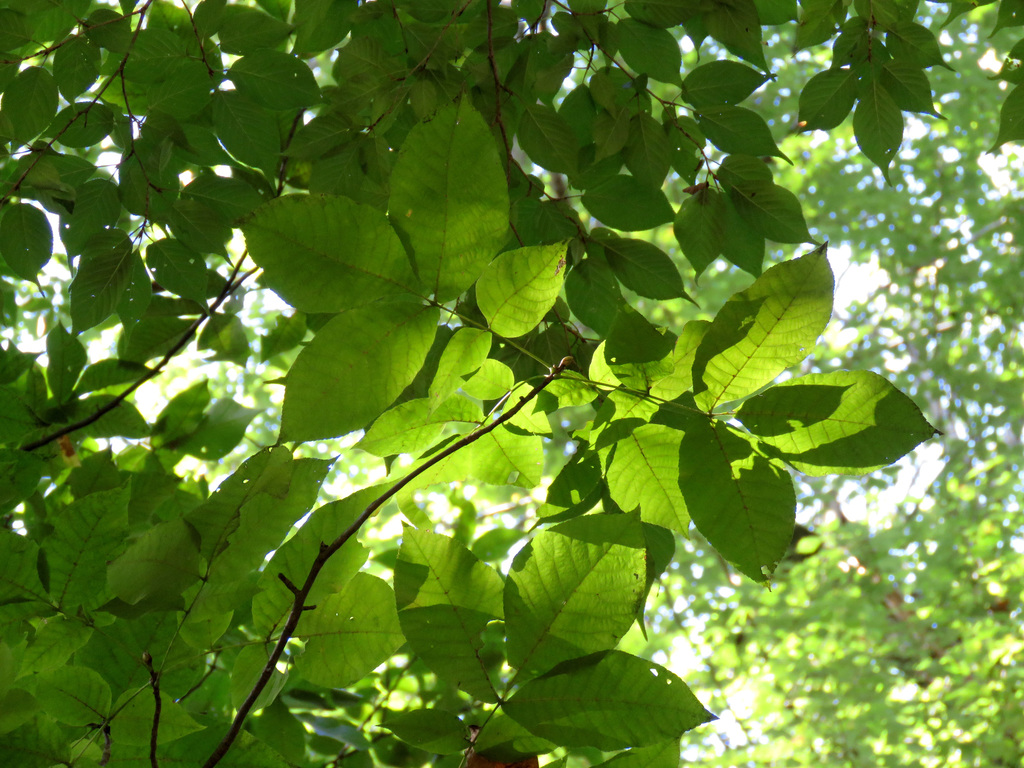
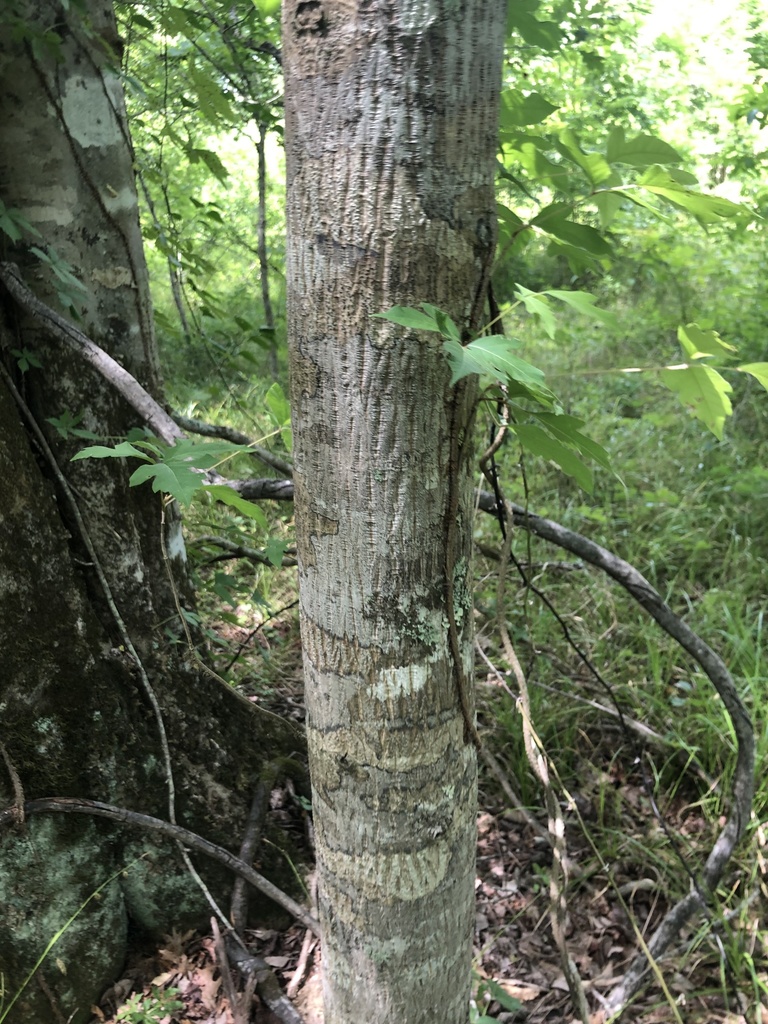
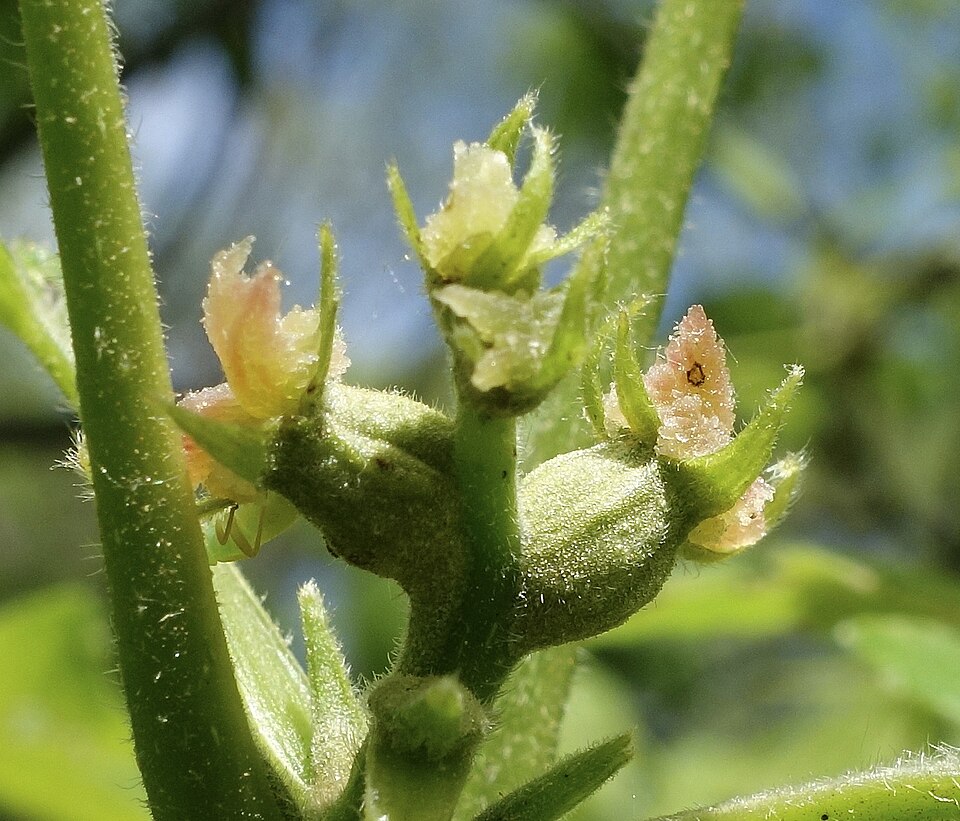
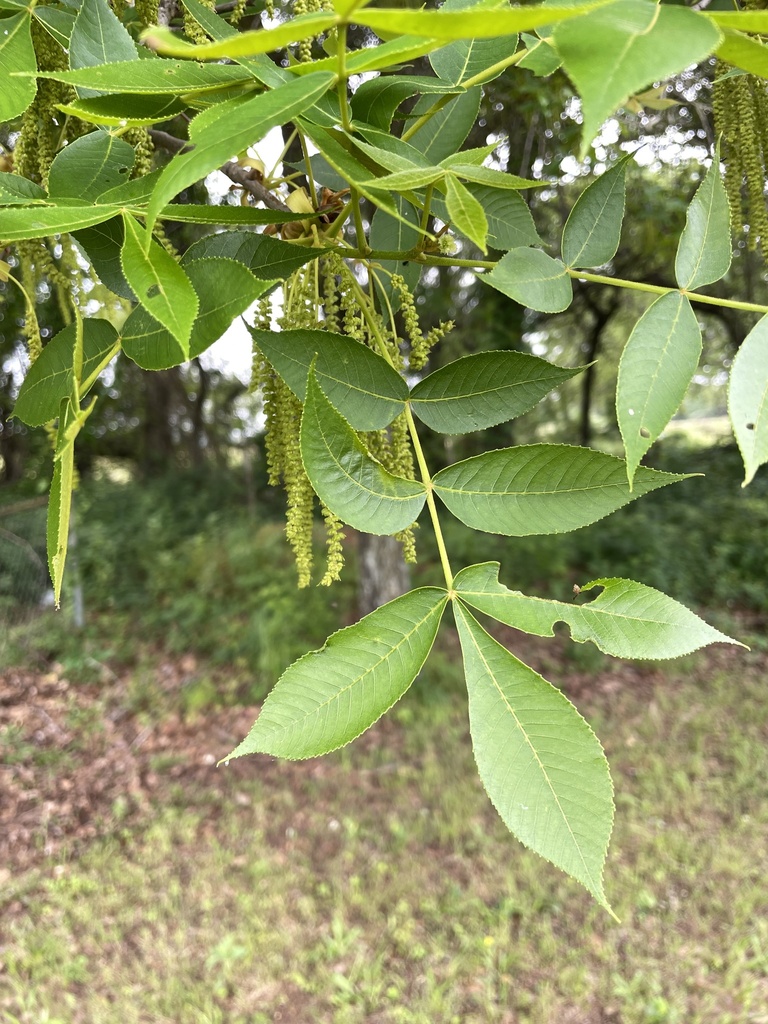
Plants 126
Plants named in NatureServe descriptions of these habitats that grow in Louisiana. Shared habitat, not food.
- Amsonia ludovicianaAmsonia ludoviciana
- Longleaf SpikegrassChasmanthium sessiliflorum
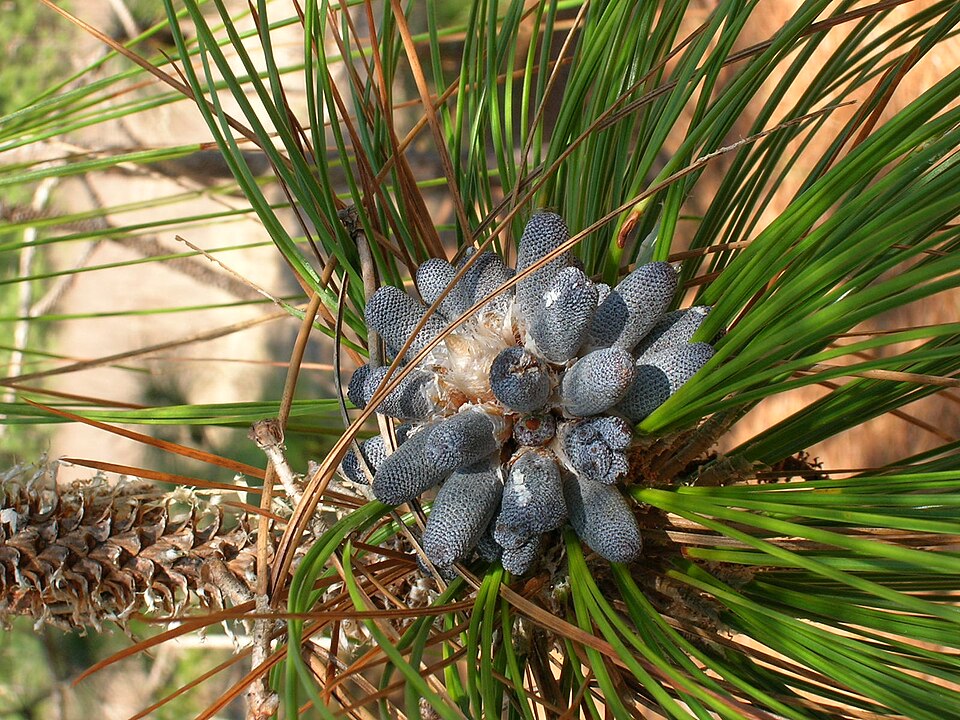
- Longleaf PinePinus palustris
- Spiked MedusaPteroglossaspis ecristata
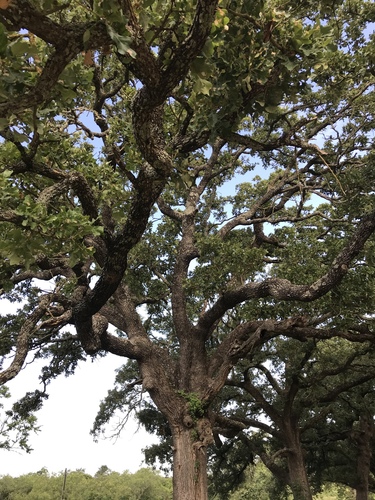
- Post OakQuercus stellata
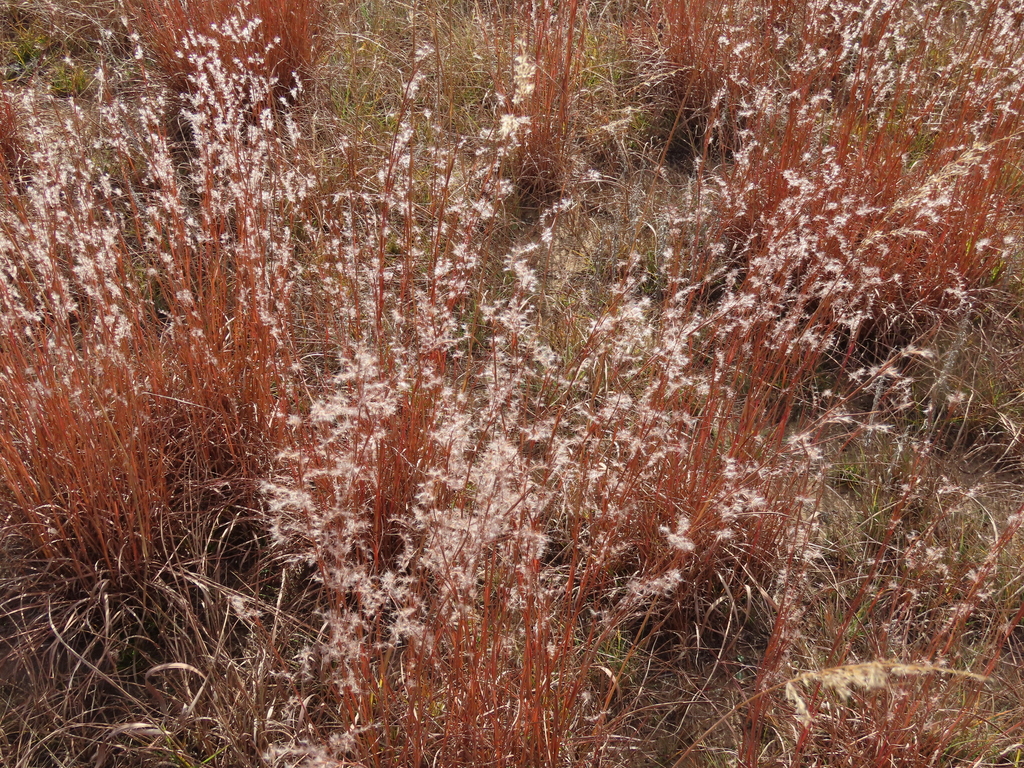
- Little BluestemSchizachyrium maritimum
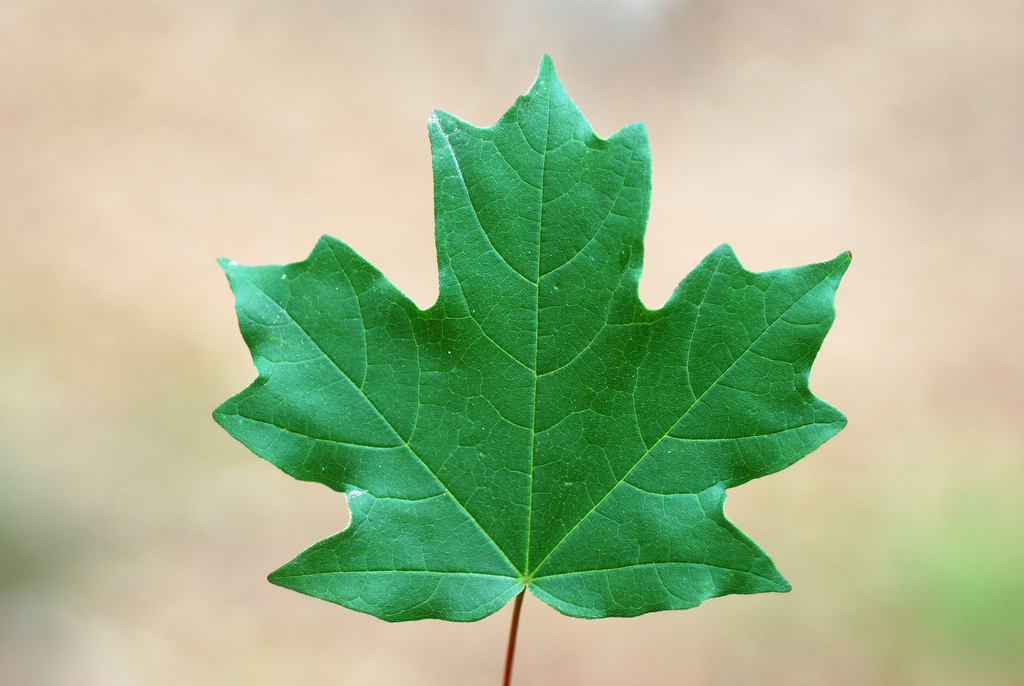
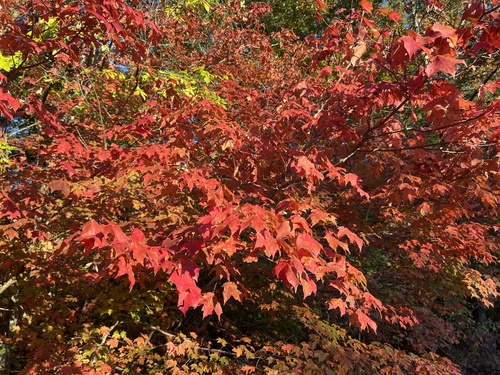
- Florida MapleAcer floridanum
- Chalk MapleAcer leucoderme
- Bushy BluestemAndropogon glomeratus
- Splitbeard BluestemAndropogon ternarius
- Churchmouse Three-awnAristida dichotoma
- Southeastern Slimspike Three-awnAristida longespica
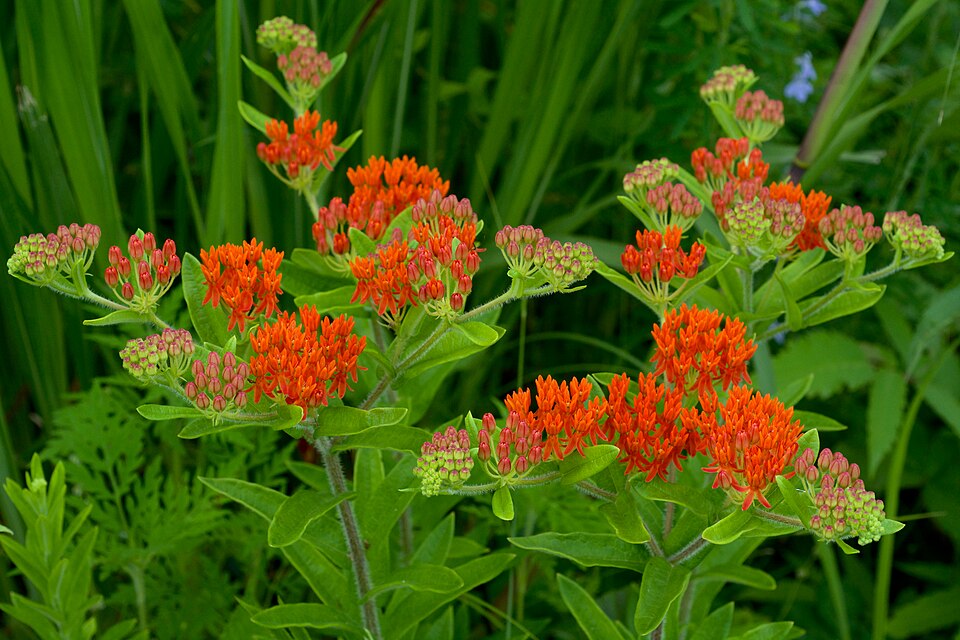
- Butterfly MilkweedAsclepias tuberosa
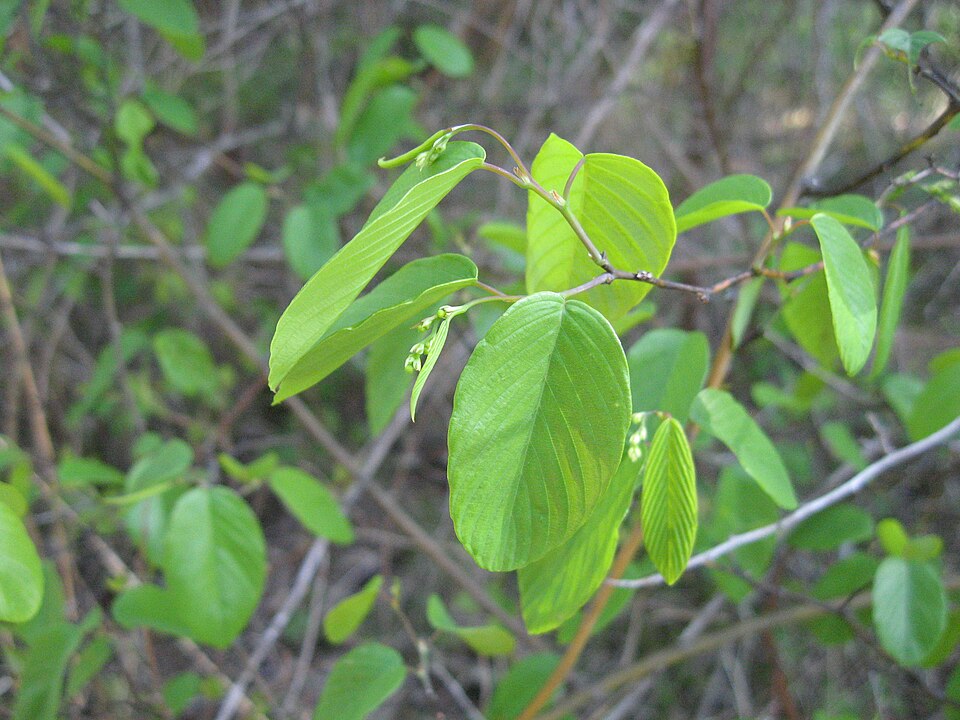
- SupplejackBerchemia scandens
- Sideoats GramaBouteloua curtipendula
- Wild HyacinthCamassia scilloides
- Whitetinge SedgeCarex albicans
- Cherokee SedgeCarex cherokeensis
- Little Tooth SedgeCarex microdonta
- Pignut HickoryCarya glabra
- Nutmeg HickoryCarya myristiciformis
- Shagbark HickoryCarya ovata
- Black HickoryCarya texana
Wildlife 205
Other animals whose habitat models include the same habitats in Louisiana. Not sighting records.
- Red-tailed HawkButeo jamaicensis
- Red-winged BlackbirdAgelaius phoeniceus
- Sharp-shinned HawkAccipiter striatus
- Song SparrowMelospiza melodia
- Turkey VultureCathartes aura
- Wild TurkeyMeleagris gallopavo
- Yellow-breasted ChatIcteria virens
- Alder FlycatcherEmpidonax alnorum
- American CrowCorvus brachyrhynchos
- American WoodcockScolopax minor
- Baltimore OrioleIcterus galbula
- Bank SwallowRiparia riparia
- Black VultureCoragyps atratus
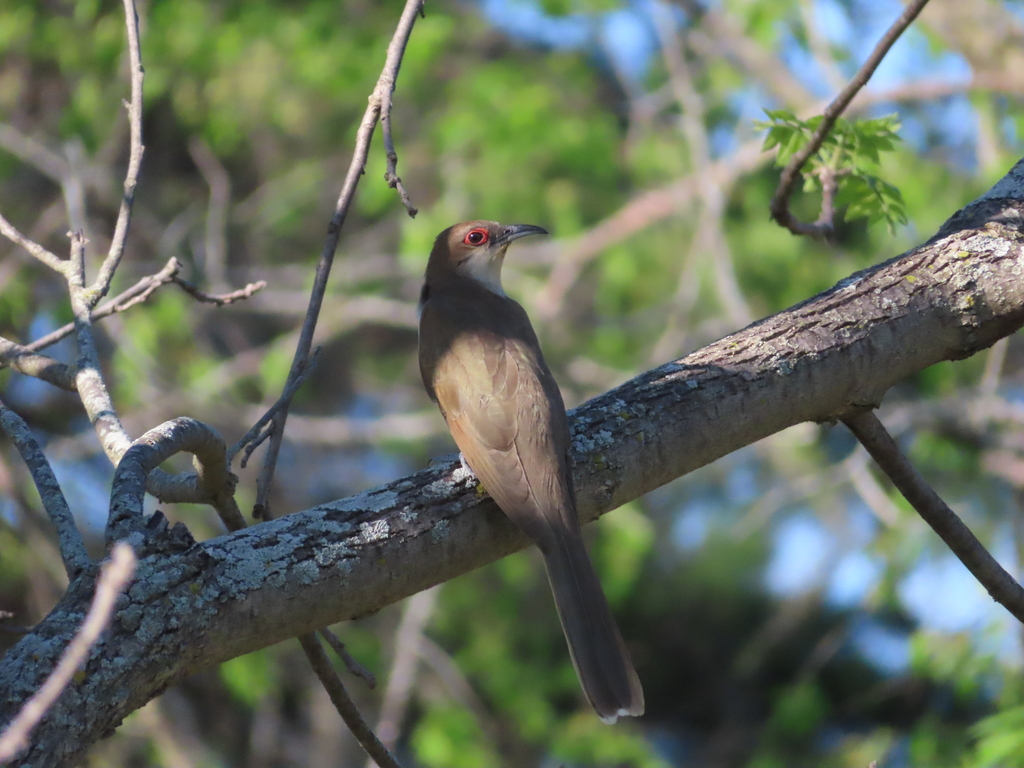
- Black-billed CuckooCoccyzus erythropthalmus
- Black-crowned Night-heronNycticorax nycticorax
- Blue-gray GnatcatcherPolioptila caerulea
- Blue-winged WarblerVermivora pinus
- Brown ThrasherToxostoma rufum
- Brown-headed CowbirdMolothrus ater
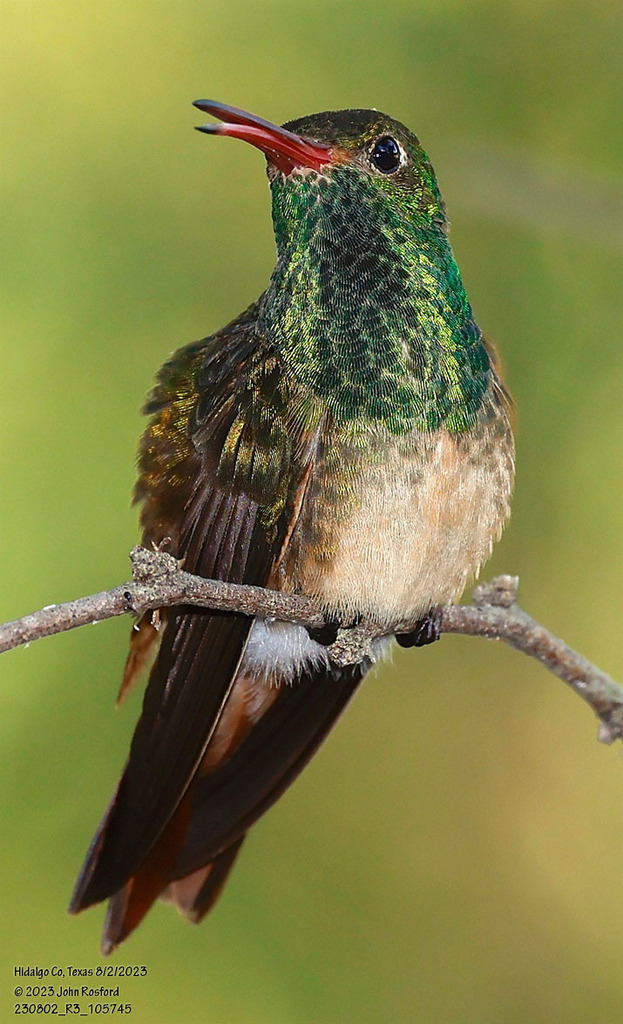
- Buff-bellied HummingbirdAmazilia yucatanensis
- Canada GooseBranta canadensis
- Carolina WrenThryothorus ludovicianus
- Cedar WaxwingBombycilla cedrorum
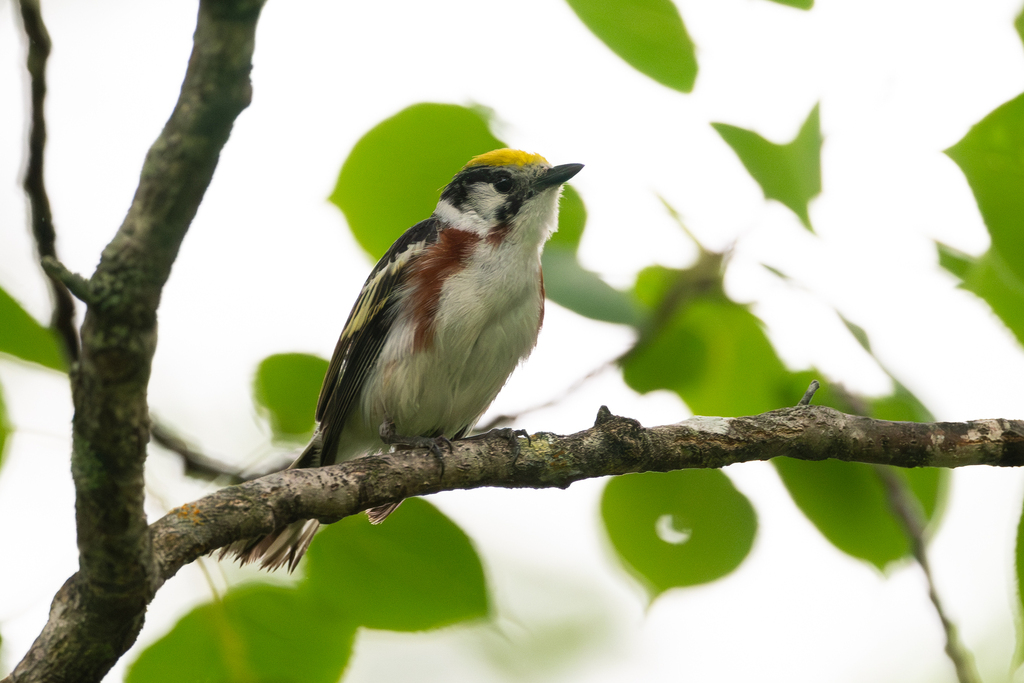
- Chestnut-sided WarblerDendroica pensylvanica





















NatureServe Explorer, CC BY 4.0. USGS Gap Analysis Project habitat models.
Sources
- USGS Gap Analysis Project habitat models (2001)
- USGS GAP year-round habitat model for House Finch Elevation -47 to 914 m. Avoids forest interior
- USGS Gap Analysis Project range maps (2001), modeled by watershed; migratory gives no dates
- NatureServe Explorer (CC BY 4.0), habitat names
- US Census TIGER/Line counties
- Names follow the USGS Gap Analysis Project (2001)