

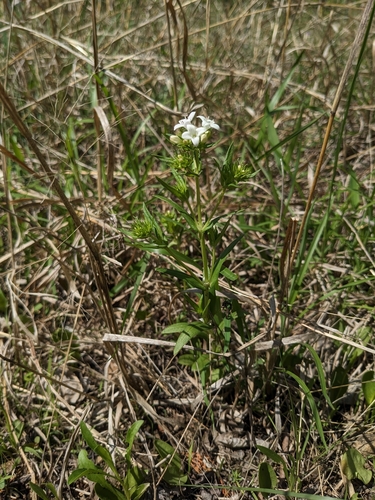
Lanceleaf Bluet
Houstonia purpurea var. calycosa
In the Carolinas and Georgia, found in calcareous prairies and barrens, dry woodlands, banks, rock outcrops, shallow soils around mafic and calcareous rock outcrops. Weakley, Flora of the Southeastern United States (2025), Carolinas & Georgia edition What its natural habitat tells you
Native to Louisiana. How scores work Is it native here?
Profile 94%
- Height
- Up to about 20 inches
- Light
- Partial shade, Full sun
- Soil moisture
- Dry to moist
Rare or protected plant. Specialist conservation planting; excluded from routine garden suggestions. Plant caution source
Hidden from default planting suggestions. Wildlife value and native status remain unchanged.
At a glance
- Life cycle
- Perennial
- Bloom
- May to July
- Fruiting season
- July to August
Not yet recorded · Spread · Leaves
Recorded in 3 Louisiana parishes.
Natural habitats
Places it grows wild. Not a planting requirement. Each habitat page lists the plants and wildlife also found there.
Glades, barrens and outcrops on limestone
Open, thin-soil openings and rock on limestone, dolomite or other lime-rich rock, including cedar glades.
Open, grass-dominated places kept open by fire, grazing or thin soil, from tallgrass prairie to Piedmont prairies.
Forests and open woodlands on dry ridges and slopes, often oak or pine.
Cliffs, ledges and rocky summits
Cliffs, ledges, rock outcrops, talus and rocky summits where the source does not name the rock. A named rock files the place under its own glade or outcrop type instead.
Glades, barrens and outcrops on mafic or serpentine rock
Open, thin-soil openings, outcrops and cliffs on dark, magnesium- or iron-rich rock such as serpentine, diabase or gabbro.
Also found with this plant
Wildlife whose habitat models include habitats this plant grows in, in Louisiana. Shared habitat, not food. 67 animals.
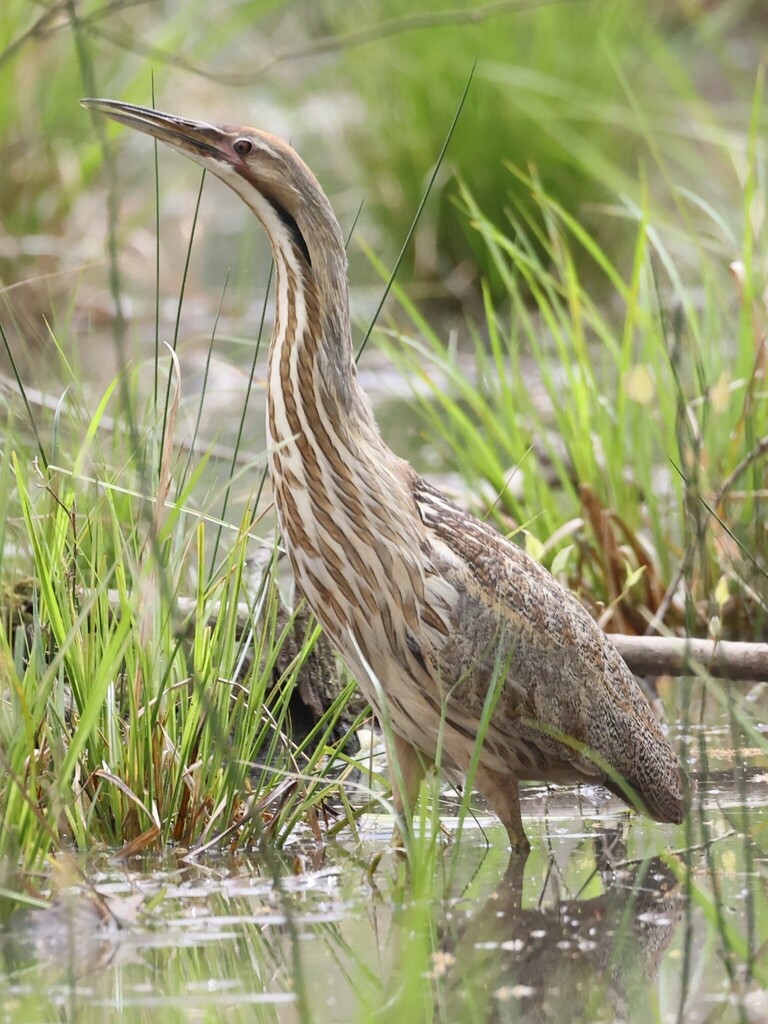
- American BitternBotaurus lentiginosus
- American GoldfinchCarduelis tristis
- American KestrelFalco sparverius
- American RobinTurdus migratorius
- American WoodcockScolopax minor
- Bank SwallowRiparia riparia
- Black-crowned Night-heronNycticorax nycticorax
- Blue GrosbeakPasserina caerulea
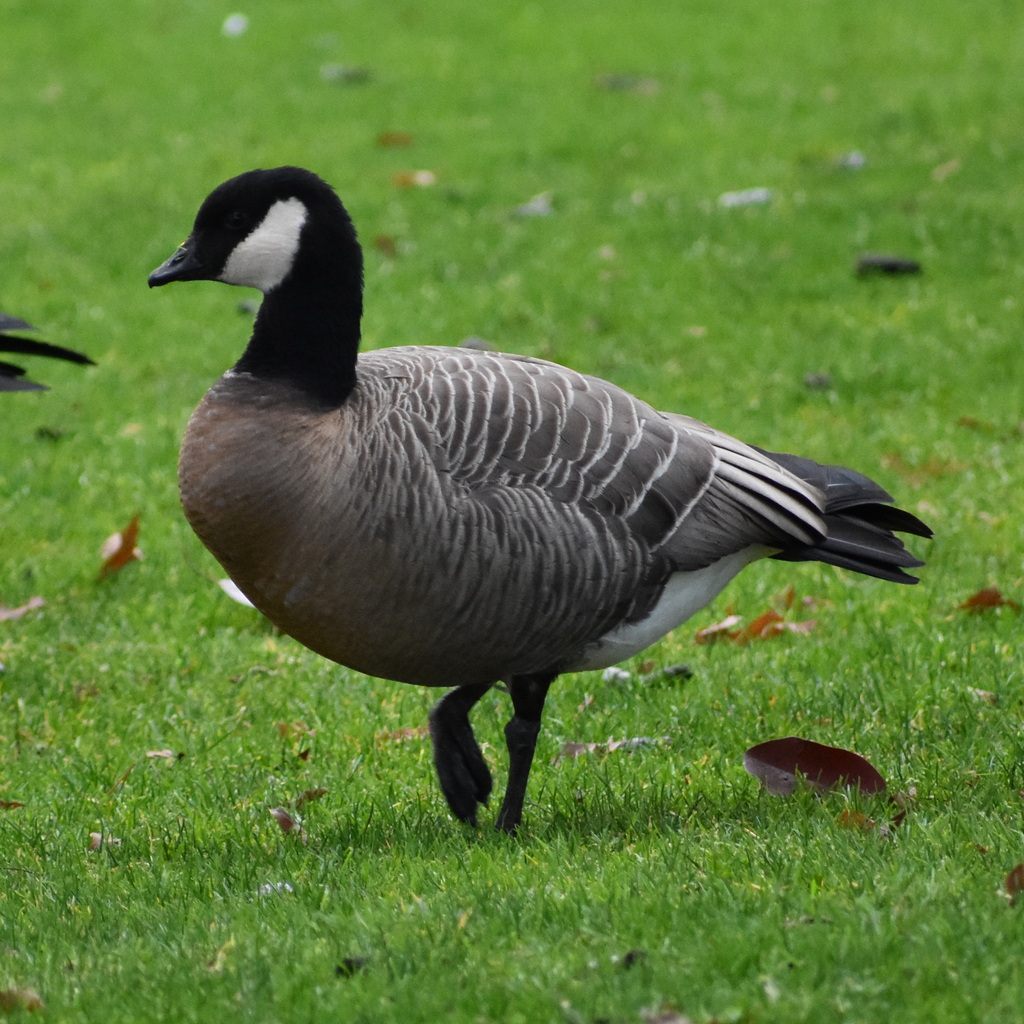
- Cackling GooseBranta hutchinsii
- Canada GooseBranta canadensis
- Chimney SwiftChaetura pelagica
- Chipping SparrowSpizella passerina
- Cliff SwallowPetrochelidon pyrrhonota
- Common NighthawkChordeiles minor
- Cooper's HawkAccipiter cooperii
- Dark-eyed JuncoJunco hyemalis
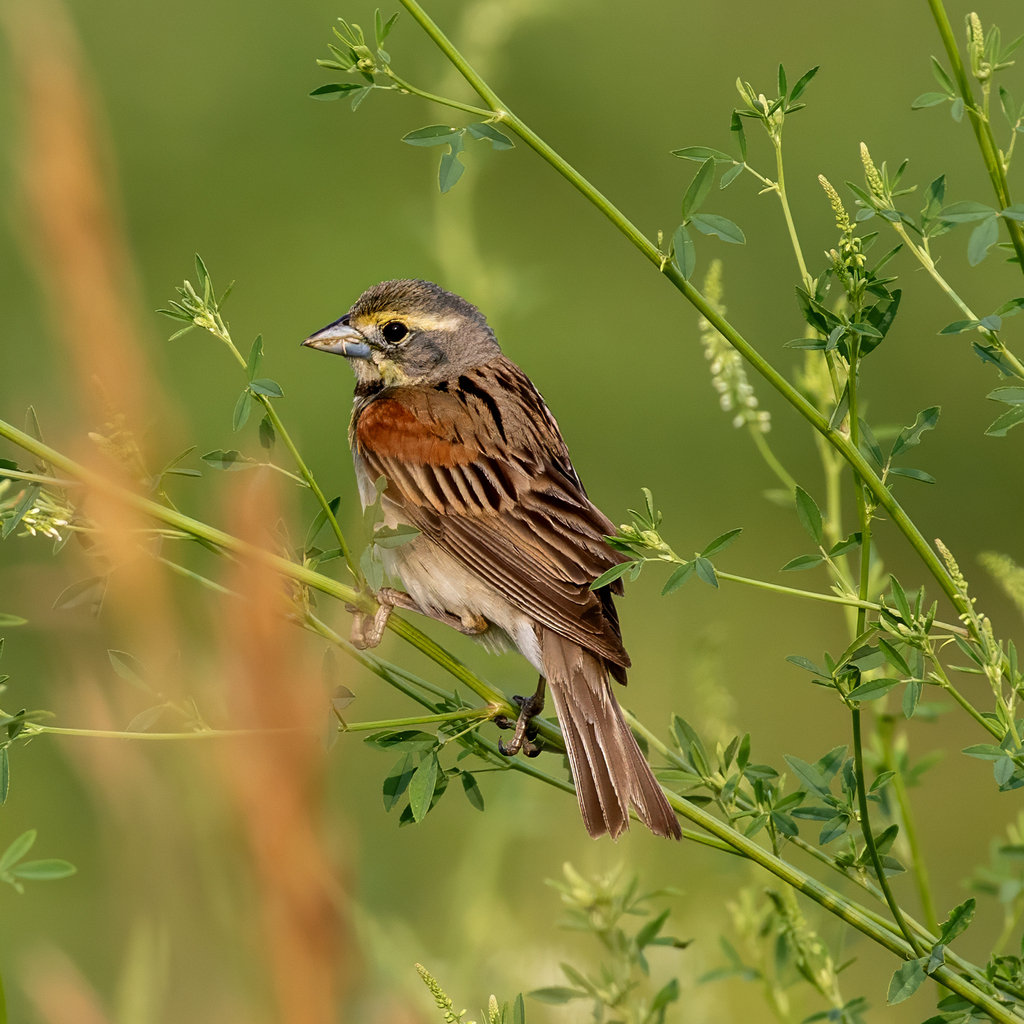
- DickcisselSpiza americana
- Eastern BluebirdSialia sialis
- Eastern KingbirdTyrannus tyrannus
- Eastern Screech-owlMegascops asio
- Eurasian Collared-doveStreptopelia decaocto
- European StarlingSturnus vulgaris
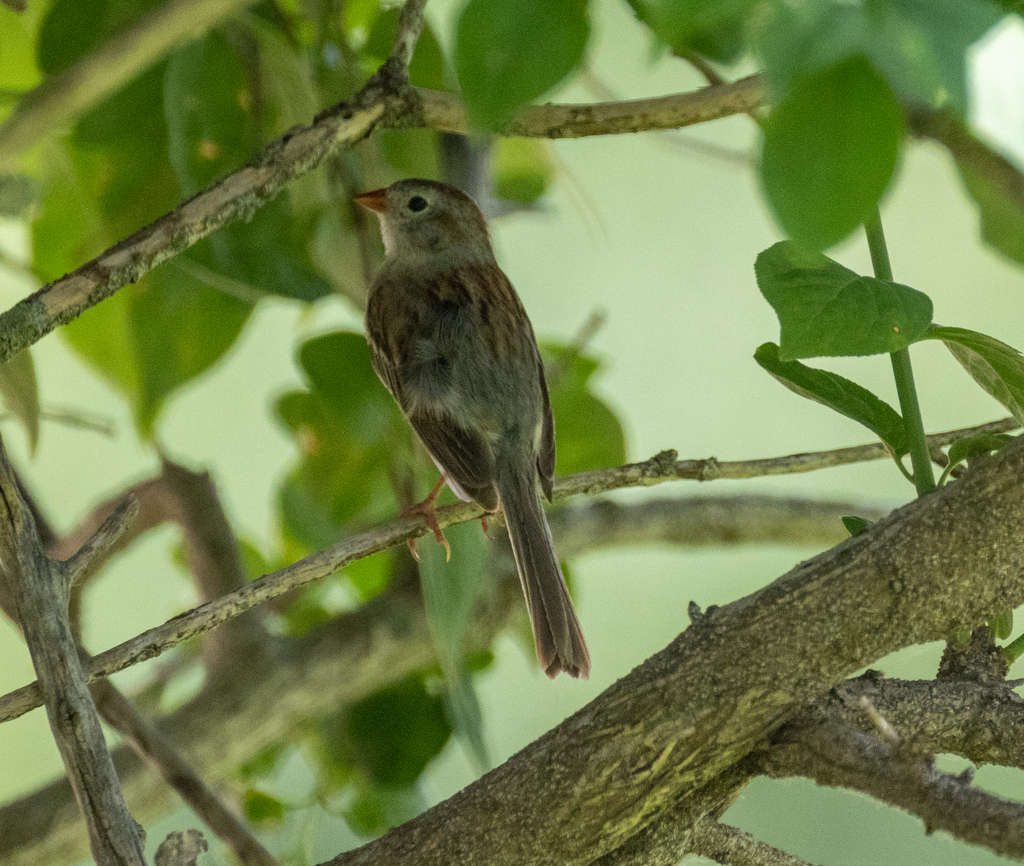
- Field SparrowSpizella pusilla
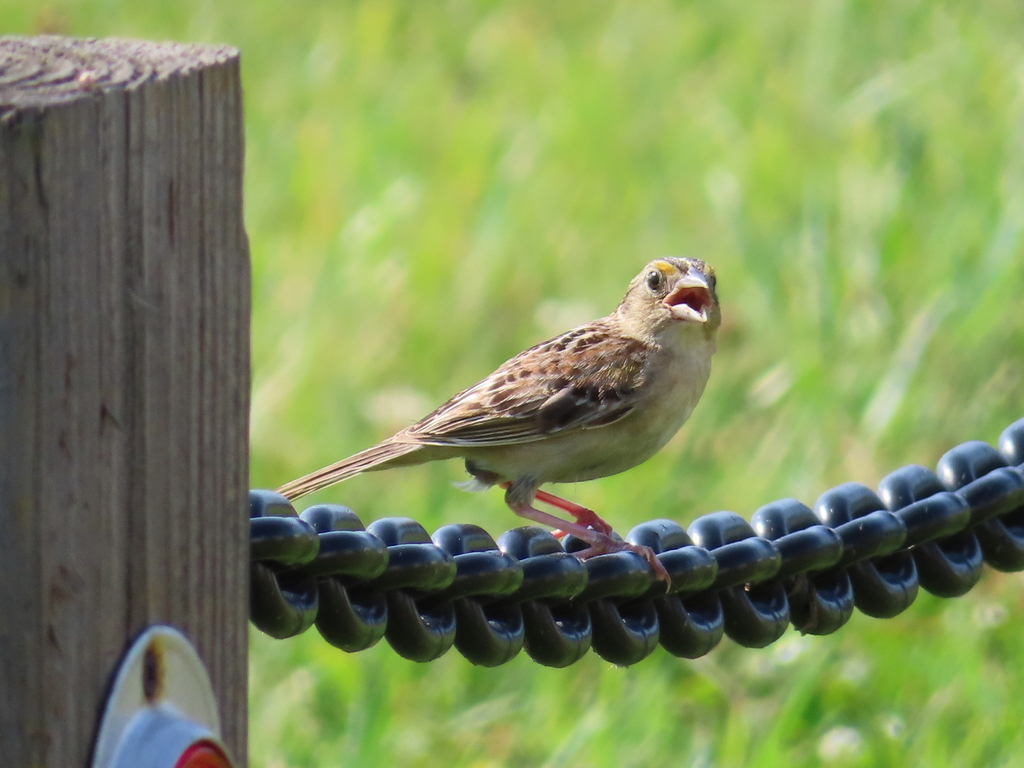
- Grasshopper SparrowAmmodramus savannarum



















Who uses this plant?
 1CaterpillarsGenus host records with ranges including LA
Genus host records with ranges including LA · Houstonia
- Thyris maculataSpotted Thyris
 13BeesSoutheastern regional records
Southeastern regional records · Houstonia
Individual names are not available yet.
Noori, Seltmann & Orr 2026, A curated and integrated dataset for exploring global bee-plant interactions (GloBI), Zenodo, CC BY 4.0 1Specialist beesPollen specialists
Pollen specialists · Houstonia
- Perdita pedernalensis
 —BirdsRecorded genus food-resource interactions; not a state feeding claim
No records yet · Ants · Beetles · Flies · Adult butterflies / moths · Other wasps · Other insects
Plant details
- Family
- Rubiaceae
- Flower color
- White, pink or purple
- Fruit begins
- July
- Fruit ends
- August
Growing sources and scope
- Bloom · “May to July” · Weakley, Flora of the Southeastern United States (2025), Carolinas & Georgia edition · Carolinas and Georgia
- Flower color · “White, pink or purple” · Lady Bird Johnson Wildflower Center
- Fruit begins · “July” · Weakley, Flora of the Southeastern United States (2025), Carolinas & Georgia edition · Carolinas and Georgia
- Fruit ends · “August” · Weakley, Flora of the Southeastern United States (2025), Carolinas & Georgia edition · Carolinas and Georgia
- Height · “Up to about 20 inches” · Lady Bird Johnson Wildflower Center
- Life cycle · “Perennial” · Lady Bird Johnson Wildflower Center
- Light · “Partial shade; Full sun (documented habitat)” · Weakley, Flora of the Southeastern United States (2025), Carolinas & Georgia edition · Carolinas and Georgia
- Soil · “Dry; Moist (documented habitat)” · Weakley, Flora of the Southeastern United States (2025), Carolinas & Georgia edition · Carolinas and Georgia
Also known as
Calycose Bluet; Houstonia purpurea var. calycosa; Lance Leaf Bluet
Conservation status
| Louisiana rank | S2 |
|---|---|
| Global rank | G5T5 [G5] |
| LA status | Not verified |
| Federal status | Not verified |
Will it fit your yard?
Check this plant against your county, sun and soil moisture. Conditions are checked in your browser.
Sources
- NatureServe Explorer
- USDA PLANTS
- Vascular Plants of North Carolina (NC Natural Heritage Program)
- Weakley, Flora of the Southeastern United States (2025)
- Louisiana occurrence source
- Shropshire & Tallamy 2025, Lepidoptera of North America north of Mexico, ZooKeys 1261 (ODbL)
- Noori, Seltmann & Orr 2026, A curated and integrated dataset for exploring global bee-plant interactions (GloBI), Zenodo, CC BY 4.0
- Smith, Bachelder, Russell, Morales, Mosher & Seltmann 2024, Bee-Specialization-Modeling v0.6.1 (specialist host table compiled from J. Fowler's pollen specialist bee lists), Zenodo, CC BY 4.0
- Hurlbert, Olsen, Sawyer & Winner 2021, Avian Diet Database, Scientific Data 8: 260 (CC0)
- Narango, Tallamy & Shropshire 2020, Few keystone plant genera support the majority of Lepidoptera species, Nature Communications