

Twowing Silverbell; Twowingged Silverbell; Two Wing Silverbell; Two Wingged Silverbell; Twowing Silver Bell; Twowingged Silver Bell; Two Wing Silver Bell; Two Wingged Silver Bell
Halesia diptera
Native status unresolved in Louisiana. How scores work Is it native here?
Profile 18%
- Soil moisture
- Somewhat dry to moist
No photograph yet. Looking for an old drawing…
At a glance
Not yet recorded · Height · Spread · Light · Life cycle · Leaves · Bloom
This plant is missing most of its facts, so Quercus is looking them up in old botany books.
Recorded in 35 Louisiana parishes.
Also found with this plant
Wildlife whose habitat models include habitats this plant grows in, in Louisiana. Shared habitat, not food. 61 animals.
- Eurasian Collared-doveStreptopelia decaocto
- Fish CrowCorvus ossifragus
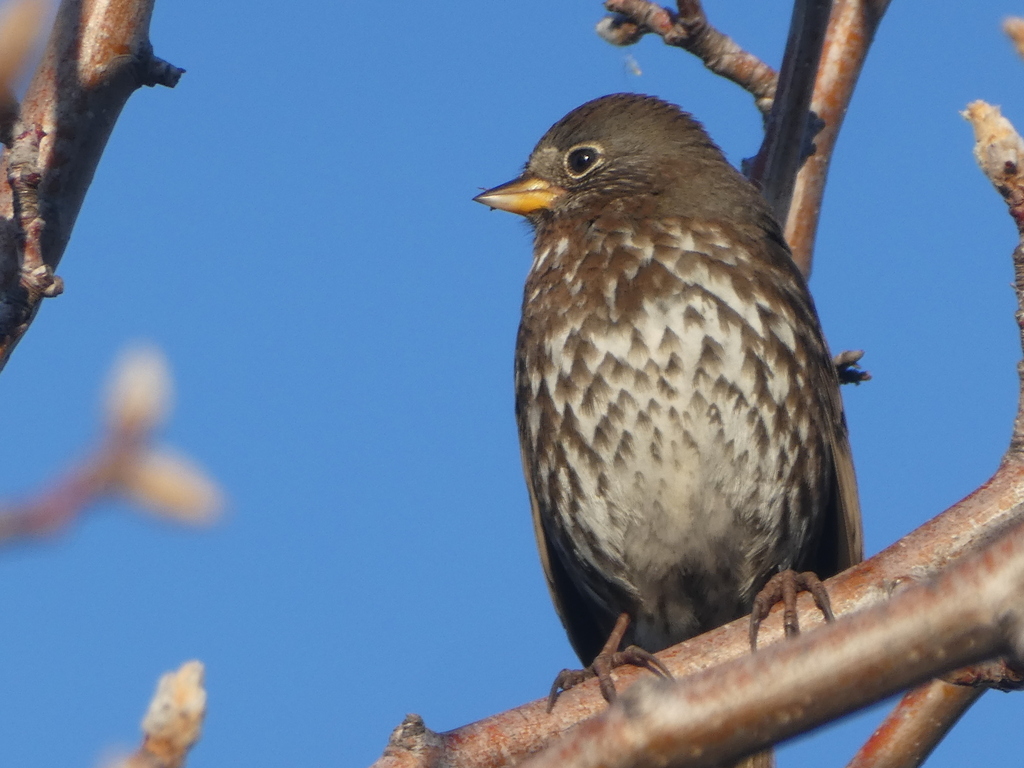
- Fox SparrowPasserella iliaca
- Golden-crowned KingletRegulus satrapa
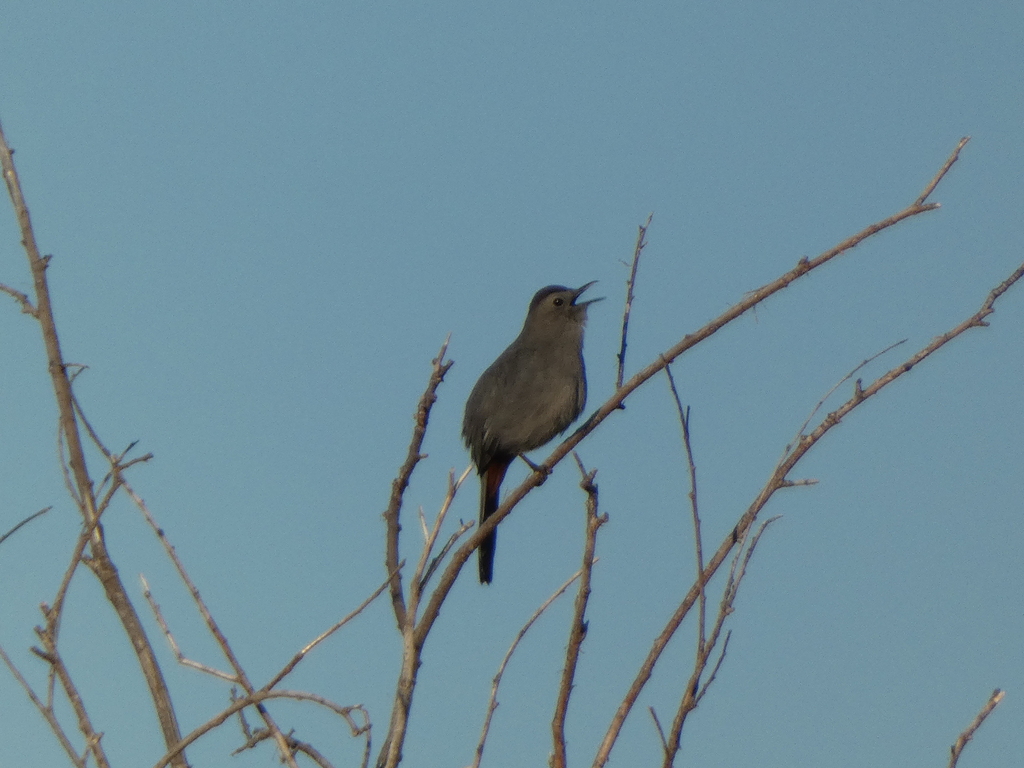
- Gray CatbirdDumetella carolinensis
- Great Crested FlycatcherMyiarchus crinitus
- Hairy WoodpeckerPicoides villosus
- Hermit ThrushCatharus guttatus
- Hooded MerganserLophodytes cucullatus
- Hooded WarblerWilsonia citrina
- Kentucky WarblerOporornis formosus
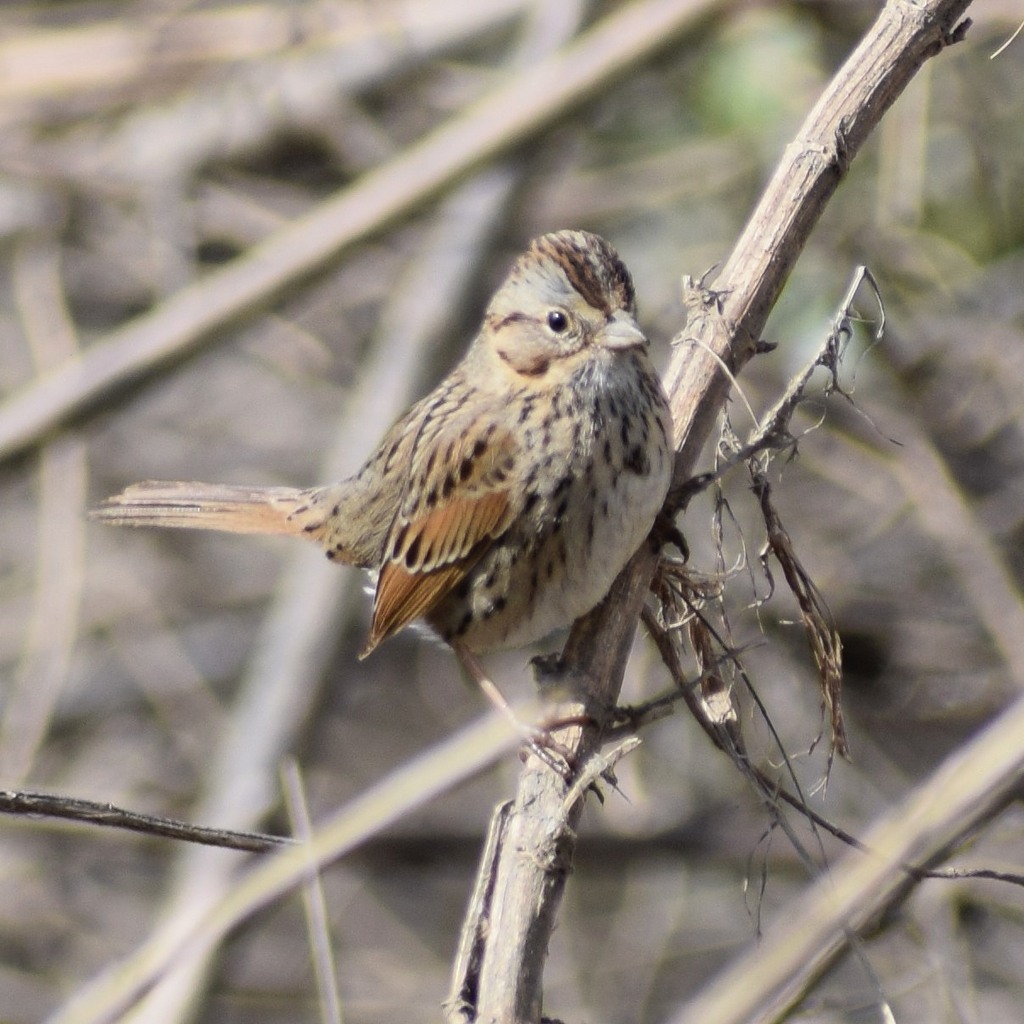
- Lincoln's SparrowMelospiza lincolnii
- Louisiana WaterthrushSeiurus motacilla
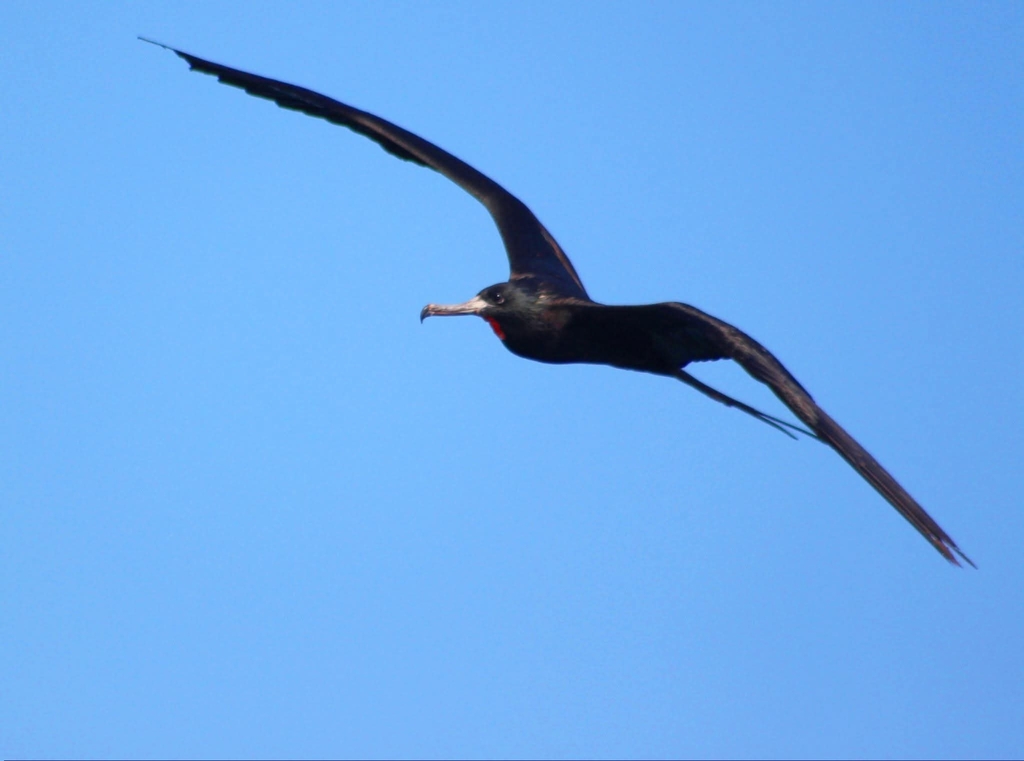
- Magnificent FrigatebirdFregata magnificens
- Northern ParulaParula americana
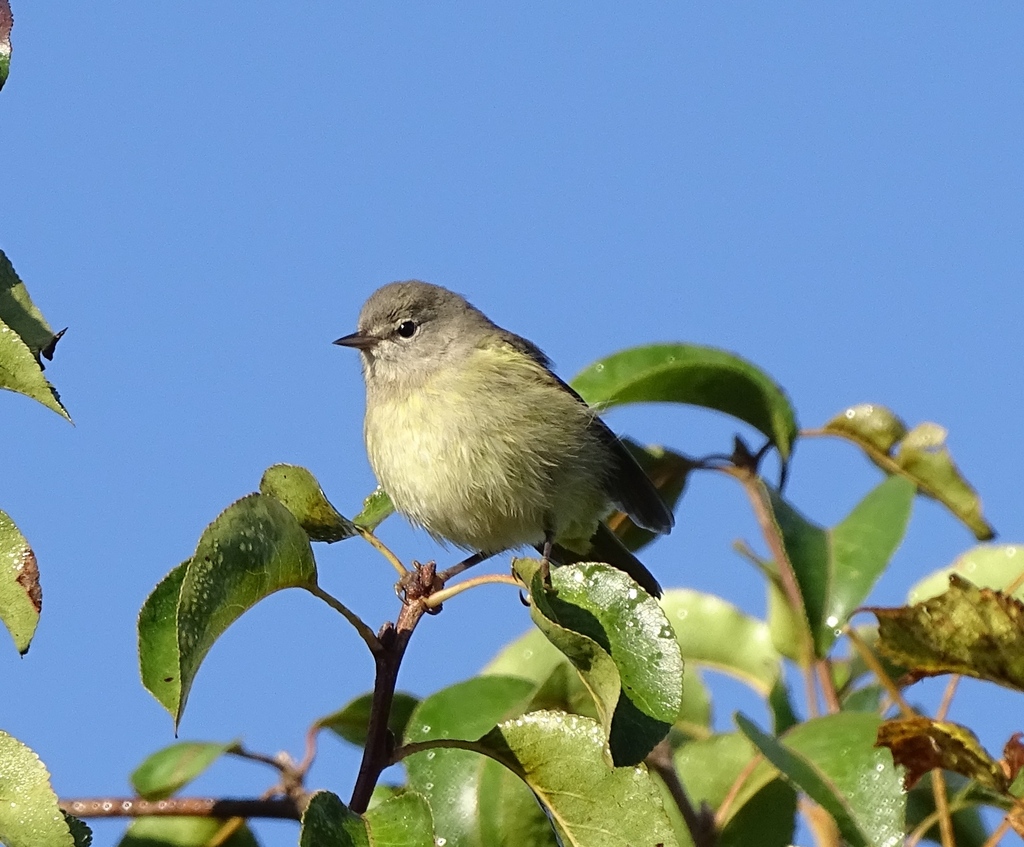
- Orange-crowned WarblerVermivora celata
- OvenbirdSeiurus aurocapilla
- Pileated WoodpeckerDryocopus pileatus
- Red-bellied WoodpeckerMelanerpes carolinus
- Red-breasted NuthatchSitta canadensis
- Red-headed WoodpeckerMelanerpes erythrocephalus
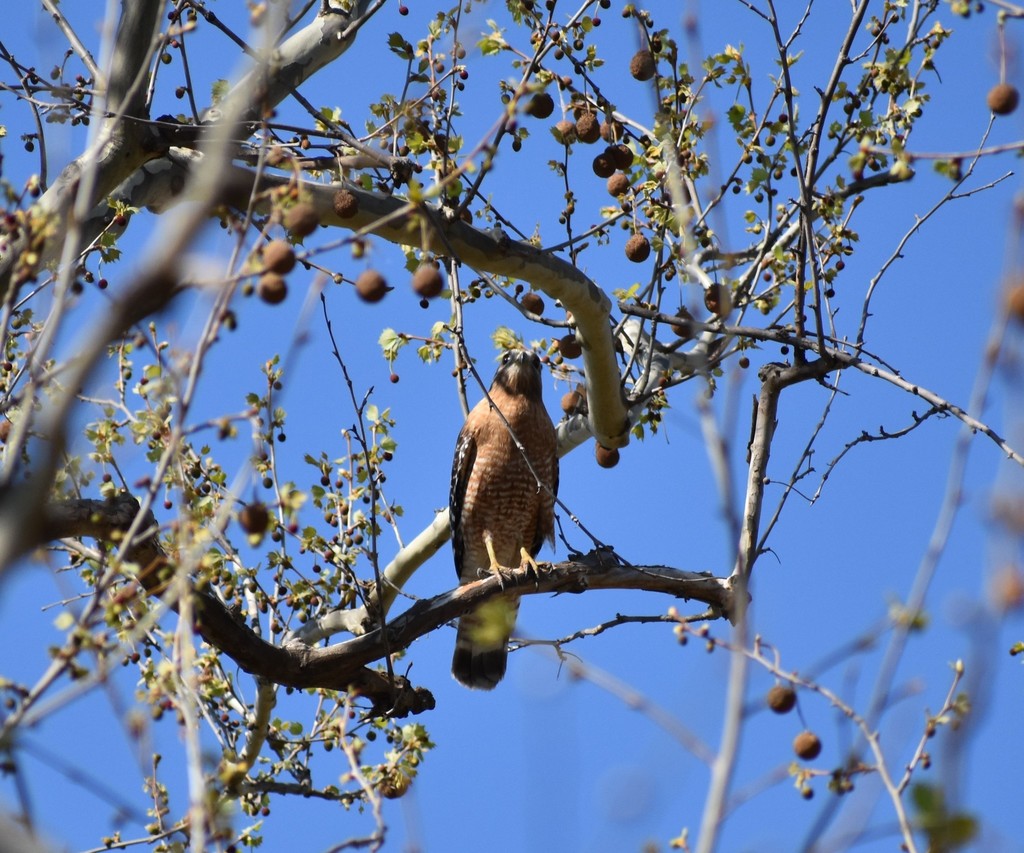
- Red-shouldered HawkButeo lineatus
- Ruby-crowned KingletRegulus calendula
- Ruby-throated HummingbirdArchilochus colubris


















Widespread birds also seen here (29)
Found in many habitats here, so not listed above.
- American Goldfinch
- American Kestrel
- American Robin
- Bald Eagle
- Blue Grosbeak
- Blue-gray Gnatcatcher
- Cedar Waxwing
- Chimney Swift
- Common Nighthawk
- Common Yellowthroat
- Cooper's Hawk
- Double-crested Cormorant
- Eastern Kingbird
- European Starling
- Great Horned Owl
- Mourning Dove
- Northern Cardinal
- Northern Flicker
- Northern Mockingbird
- Osprey
- Pine Siskin
- Purple Finch
- Red-tailed Hawk
- Red-winged Blackbird
- Sharp-shinned Hawk
- Turkey Vulture
- White-throated Sparrow
- Yellow-breasted Chat
- Yellow-rumped Warbler
Who uses this plant?
 11CaterpillarsGenus host records with ranges including LA
Genus host records with ranges including LA · Halesia
- Callosamia prometheaPromethea Silkmoth, Promethea Moth
- Egira alternansAlternate Woodling
- Herpetogramma pertextalisBold-Feathered Grass Moth
- Herpetogramma thestealisZigzag Herpetogramma, Subtle-Feathered Grass Moth
- Hyalophora cecropiaCecropia Silkmoth, Cecropia Moth
- Lambdina fervidariaCurve-Lined Looper Moth
- Melanolophia canadariaCanadian Melanolphia, Variable Redmarked Looper
- Oedemasia concinnaRed-Humped Caterpillar, Red-Humped Appleworm
- Plagodis fervidariaFervid Plagodis
- Pseudeustrotia indeterminataBrown Pseudeustrotia
Show all 11
- Schizura ipomaeaeMorning-Glory Prominent, Checkered-Fringe Prominent
 —BeesSoutheastern regional records
 —Specialist beesPollen specialists
 —BirdsRecorded genus food-resource interactions; not a state feeding claim
Plant details
- Family
- STYRACACEAE
What its natural habitat tells you
Safety has not been reviewed for this plant; check toxicity and thorns before planting.
Conservation status
| Louisiana rank | SNR |
|---|---|
| Global rank | Not available |
| LA status | Not verified |
| Federal status | Not verified |
Will it fit your yard?
Check this plant against your county, sun and soil moisture. Conditions are checked in your browser.
Sources
- Louisiana occurrence source
- Shropshire & Tallamy 2025, Lepidoptera of North America north of Mexico, ZooKeys 1261 (ODbL)
- Noori, Seltmann & Orr 2026, A curated and integrated dataset for exploring global bee-plant interactions (GloBI), Zenodo, CC BY 4.0
- Smith, Bachelder, Russell, Morales, Mosher & Seltmann 2024, Bee-Specialization-Modeling v0.6.1 (specialist host table compiled from J. Fowler's pollen specialist bee lists), Zenodo, CC BY 4.0
- Hurlbert, Olsen, Sawyer & Winner 2021, Avian Diet Database, Scientific Data 8: 260 (CC0)
- Narango, Tallamy & Shropshire 2020, Few keystone plant genera support the majority of Lepidoptera species, Nature Communications