

Bird
Spot-breasted Oriole
Icterus pectoralis
Lives in Florida all year and nests here. Found in 13 of 67 counties, across 6 habitats.
- Here
- All year
- Nesting
- Nests here
- Range
- 13 of 67 counties
- Habitats
- 6
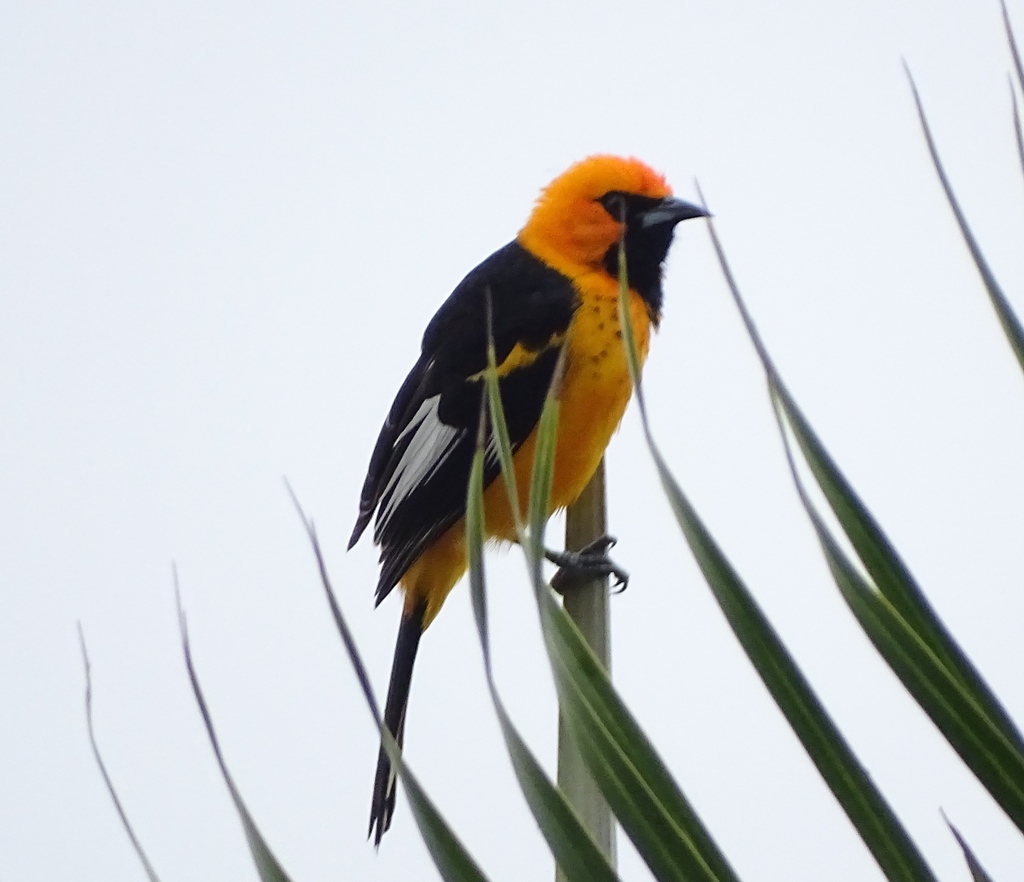
At a glance
- Group
- Birds
- Here
- All year
- Nesting
- Nests here
- Range
- 13 of 67 counties
- Habitats
- 6
- Habitat models
- Year-round
Where it lives
The places its habitat model includes. It is not found everywhere a habitat occurs.
Habitats in Florida 6
Each habitat page lists the plants and wildlife also found there.
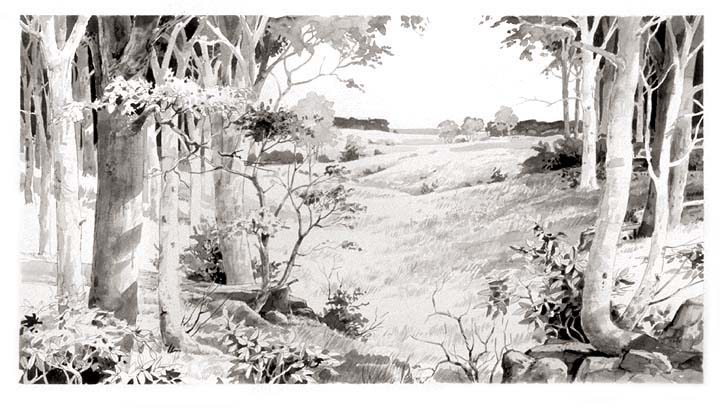
Dense, evergreen groves of live oak, magnolia and other hardwoods in the southern Coastal Plain, from dry oak domes to wet hydric hammocks and south Florida's tropical hammocks; salt-shaped maritime hammocks are maritime forests.
Forests and open woodlands on dry ridges and slopes, often oak or pine.
Evergreen scrub oaks, sand pine and rosemary on deep, white, drought-prone sand ridges, burned rarely but intensely; distinct from the longleaf and turkey oak sandhills.
Roadsides, fields and disturbed ground
Ground opened by people: roadsides, old fields, pastures, fencerows and lots.
Tree plantations and managed pine
Planted or intensively managed stands of pine or hardwoods grown for timber; a land use rather than a natural community.
Other habitats in its models (10)
Land cover, or classes with no habitat page in Florida.
- Developed, Low Intensity Year-round.
- Developed, Medium Intensity Year-round.
- Atlantic Coastal Plain Dry and Dry-Mesic Oak Forest Year-round.
- Atlantic Coastal Plain Mesic Hardwood and Mixed Forest Year-round.
- Atlantic Coastal Plain Fall-line Sandhills Longleaf Pine Woodland - Offsite Hardwood Modifier Year-round.
- Recently Logged Areas Year-round.
- Recently Burned Year-round.
- Recently Burned Forest Year-round.
- Recently Burned Shrubland Year-round.
- Introduced Upland Vegetation - Shrub Year-round.
Seasons in Florida
- Year-round: nests here, in 13 of 67 counties.
Also found in this habitat
Plants 97
Plants named in NatureServe descriptions of these habitats that grow in Florida. Shared habitat, not food.
- Scrub PalmettoSabal etonia
- Serenoa repensSerenoa repens
- Pignut HickoryCarya glabra
- Eccremidium floridanumEccremidium floridanum
- Lyonia ferrugineaLyonia ferruginea
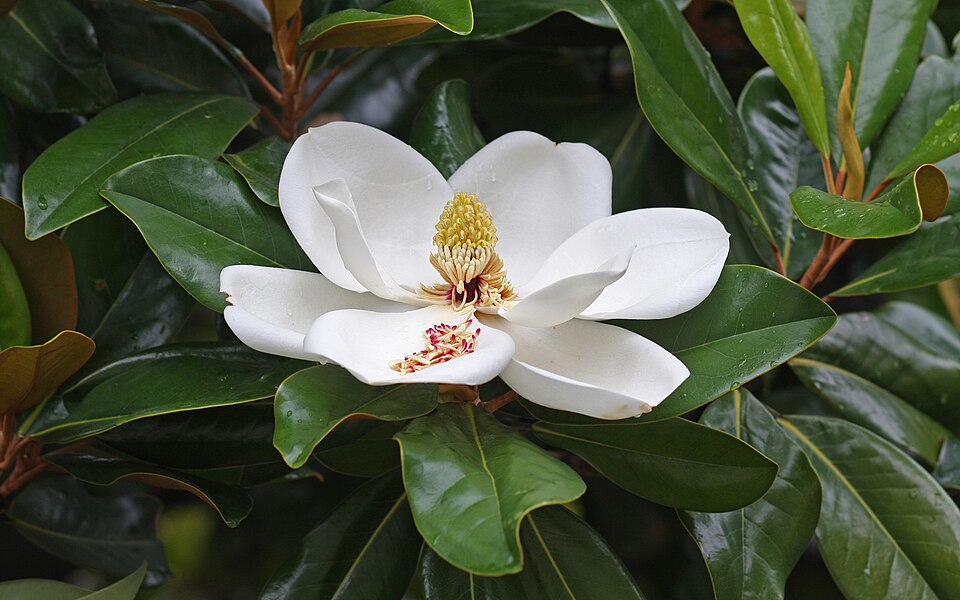
- Southern MagnoliaMagnolia grandiflora
- Spiked MedusaOrthochilus ecristatus
- Sand Live OakQuercus geminata
- Water OakQuercus nigra
- Tough BumeliaSideroxylon tenax
- SparkleberryVaccinium arboreum
- Andropogon floridanusAndropogon floridanus
- Carolina WiregrassAristida stricta
- Arnoglossum diversifoliumArnoglossum diversifolium
- Curtiss' MilkweedAsclepias curtissii
- Fourpetal PawpawAsimina tetramera
- ScareweedBaptisia simplicifolia
- Florida Lady's NightcapBonamia grandiflora
- Brickellia cordifoliaBrickellia cordifolia
- Clinopodium asheiCalamintha ashei
- Trumpet-creeperCampsis radicans
- Carex baltzelliiCarex baltzellii
- Wild OliveCartrema americanum
- Scrub HickoryCarya floridana
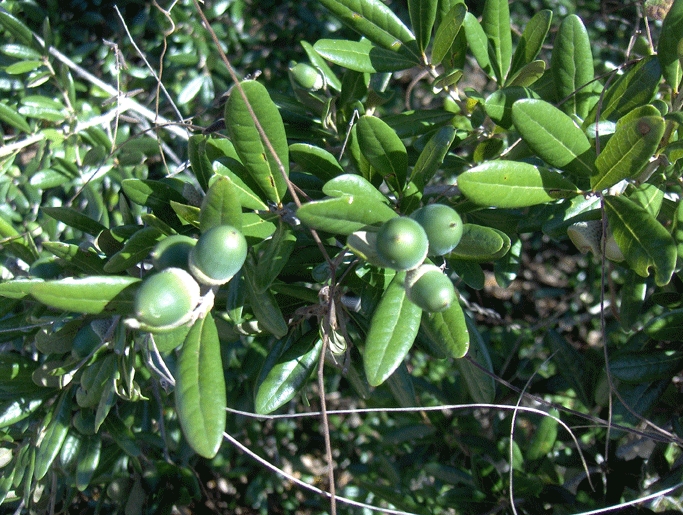
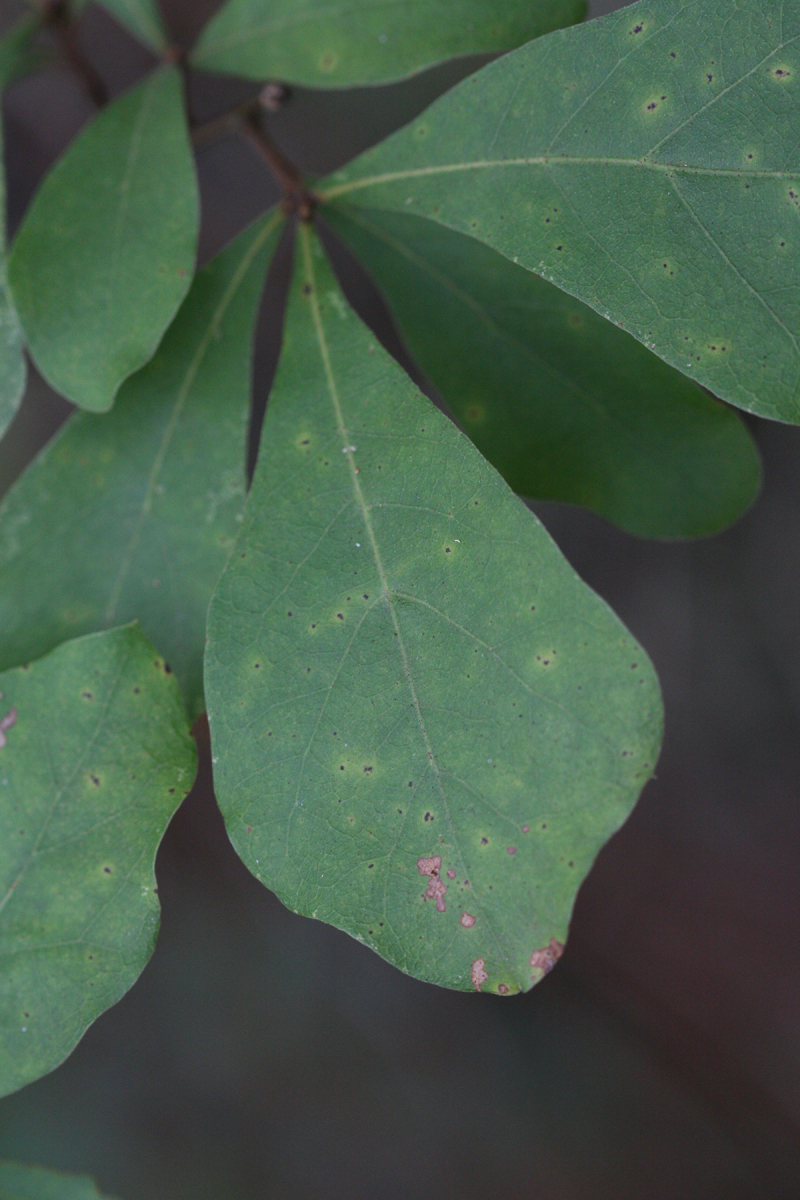
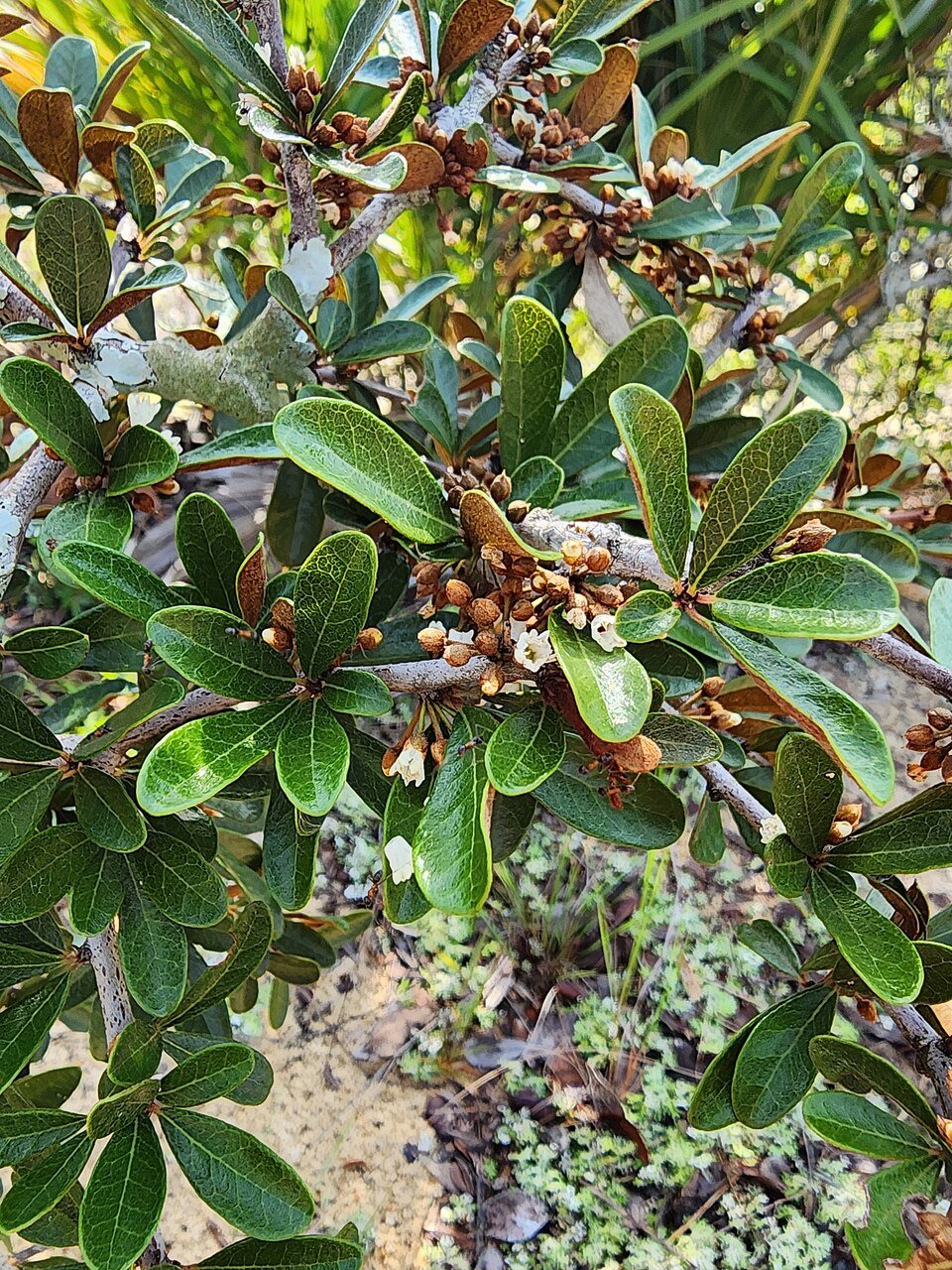
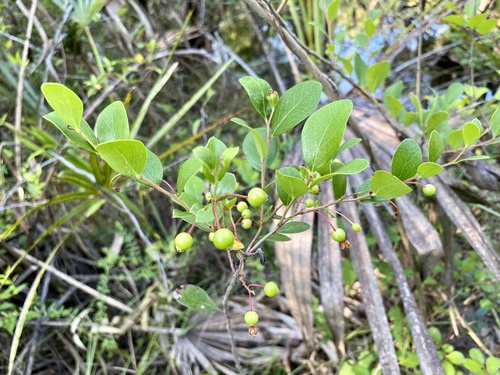
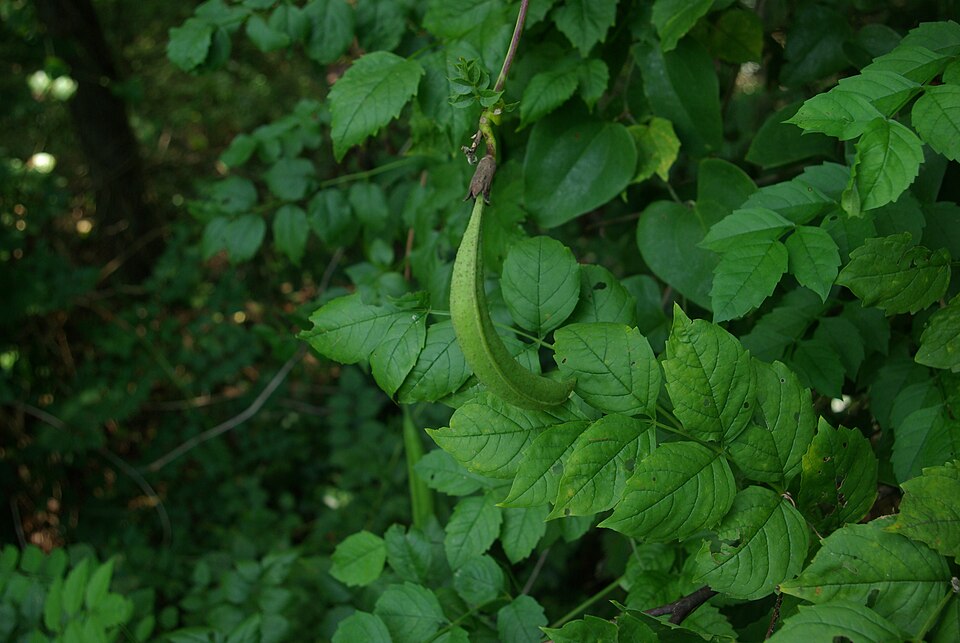
Wildlife 222
Other animals whose habitat models include the same habitats in Florida. Not sighting records.
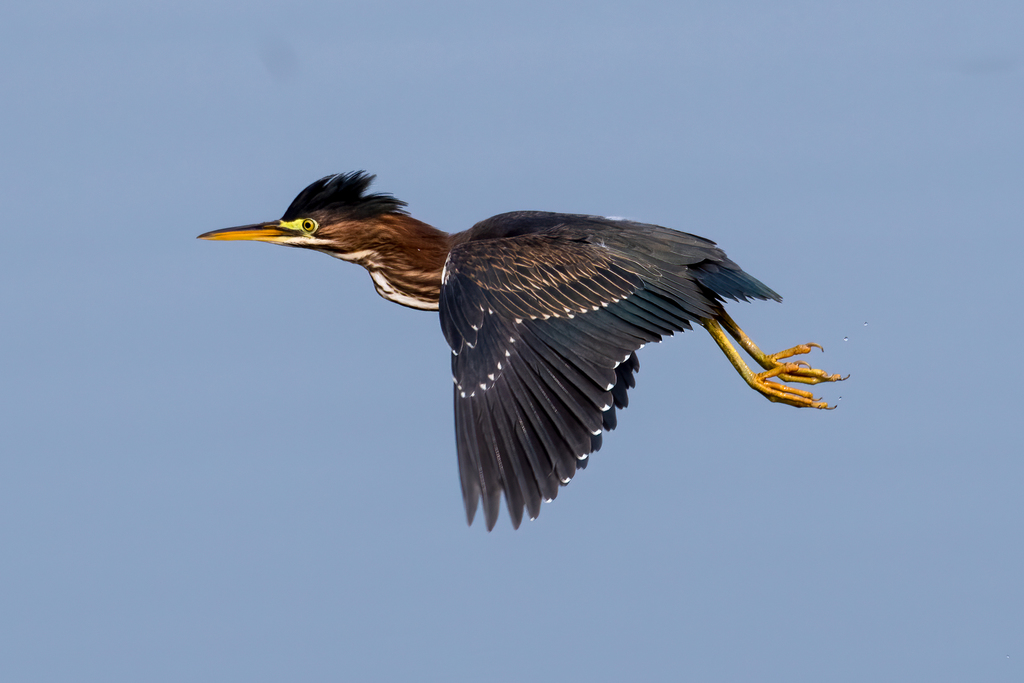
- Green HeronButorides virescens
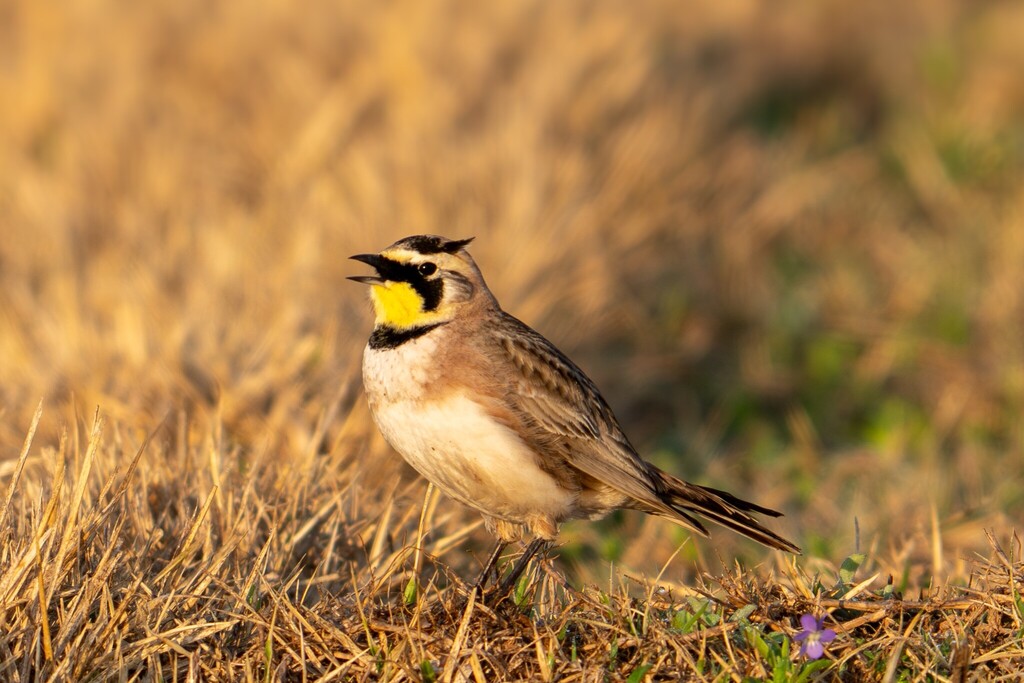
- Horned LarkEremophila alpestris
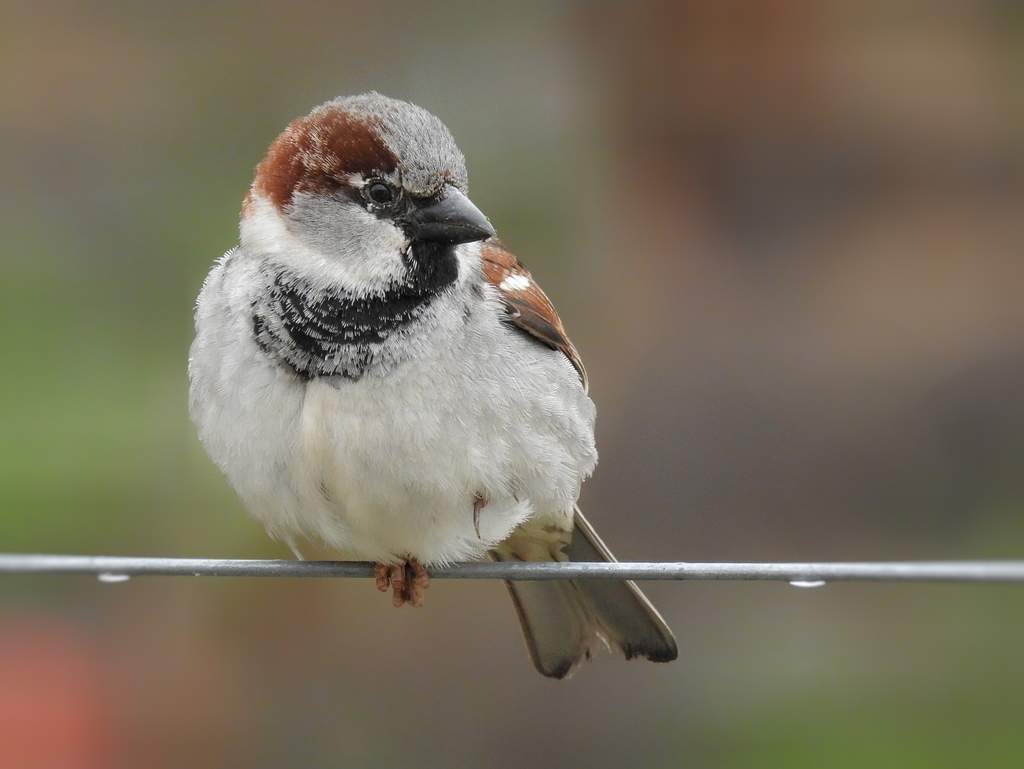
- House SparrowPasser domesticus
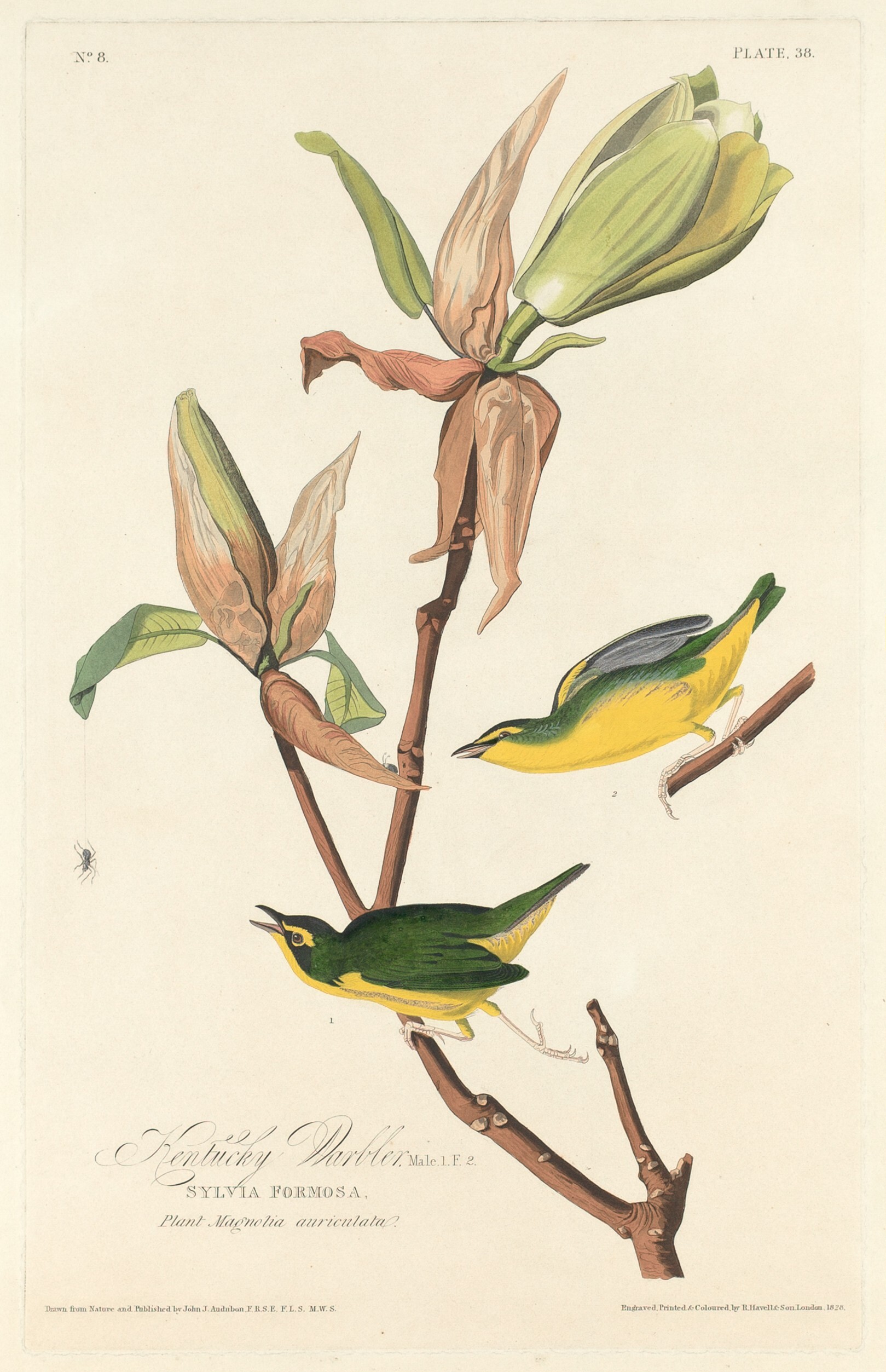
- Kentucky WarblerOporornis formosus
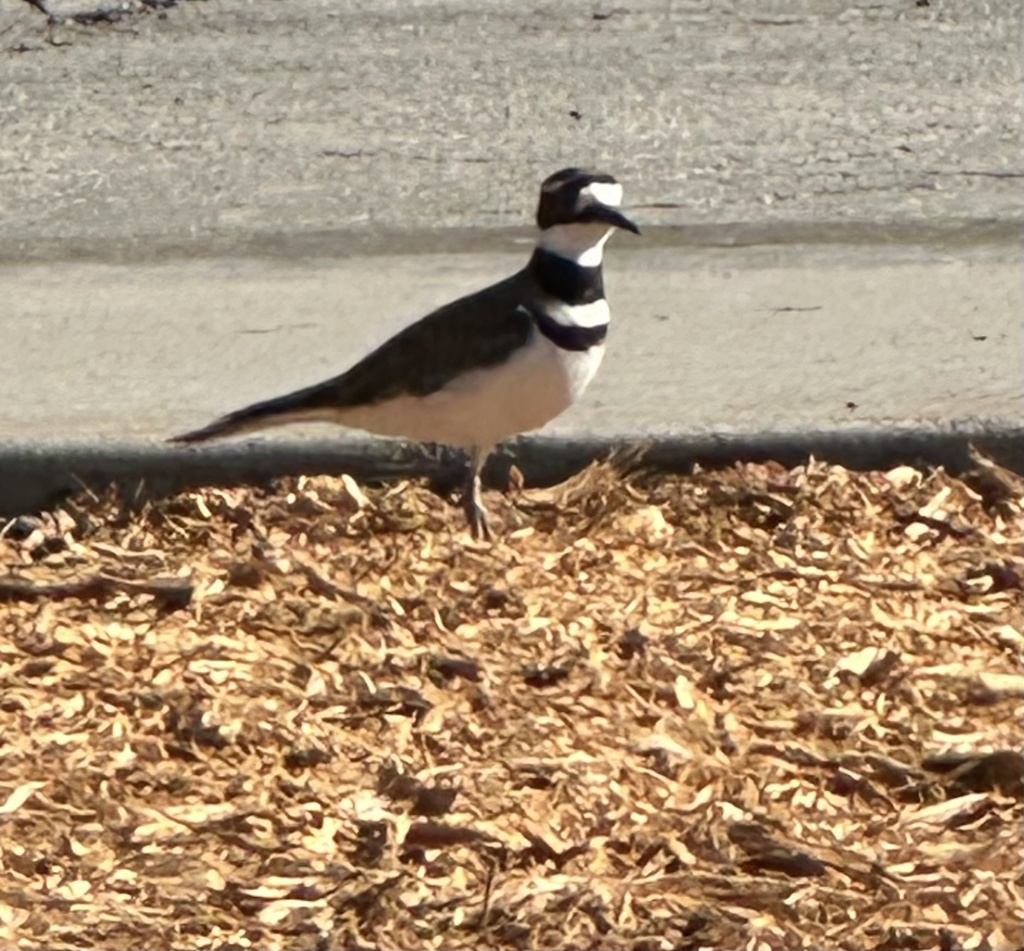
- KilldeerCharadrius vociferus
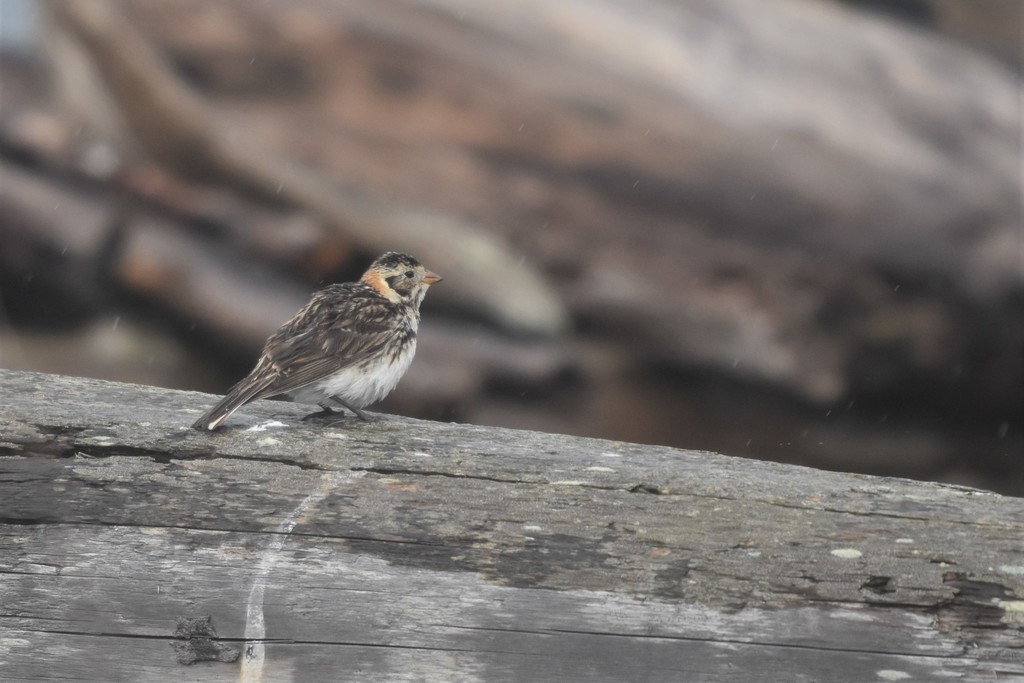
- Lapland LongspurCalcarius lapponicus
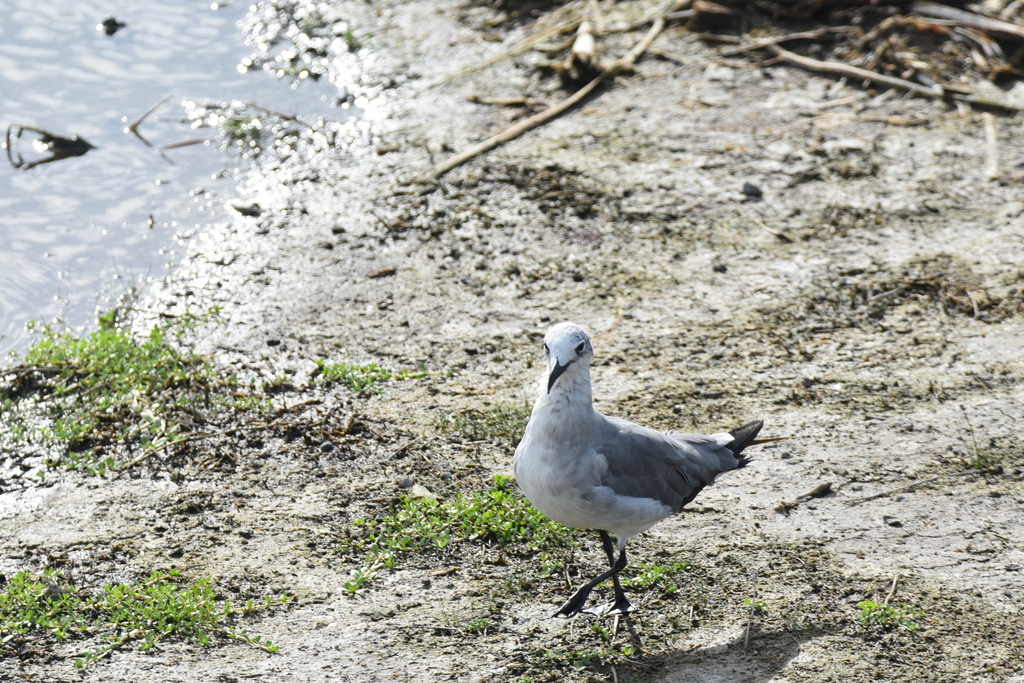
- Laughing GullLeucophaeus atricilla
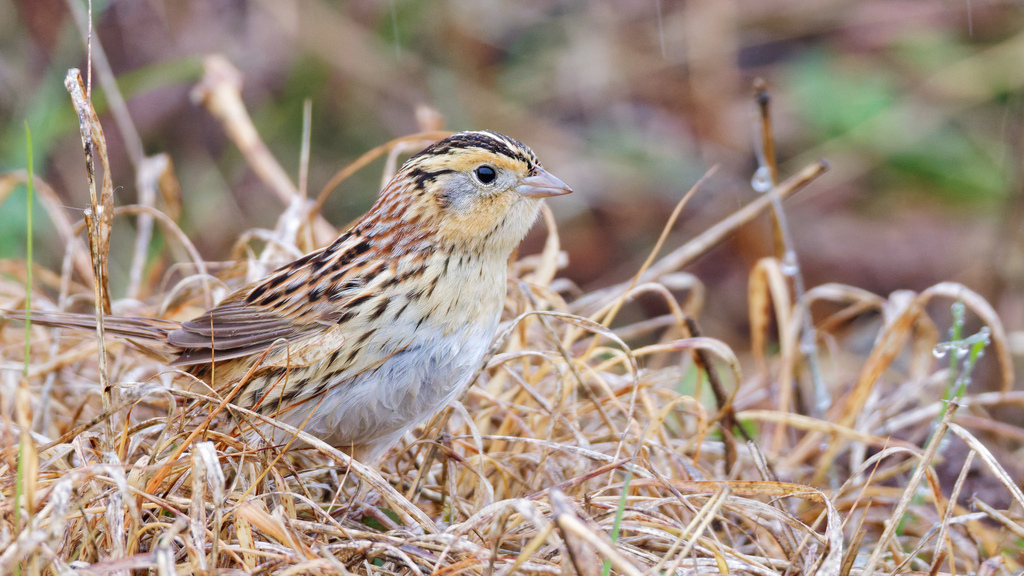
- Le Conte's SparrowAmmodramus leconteii
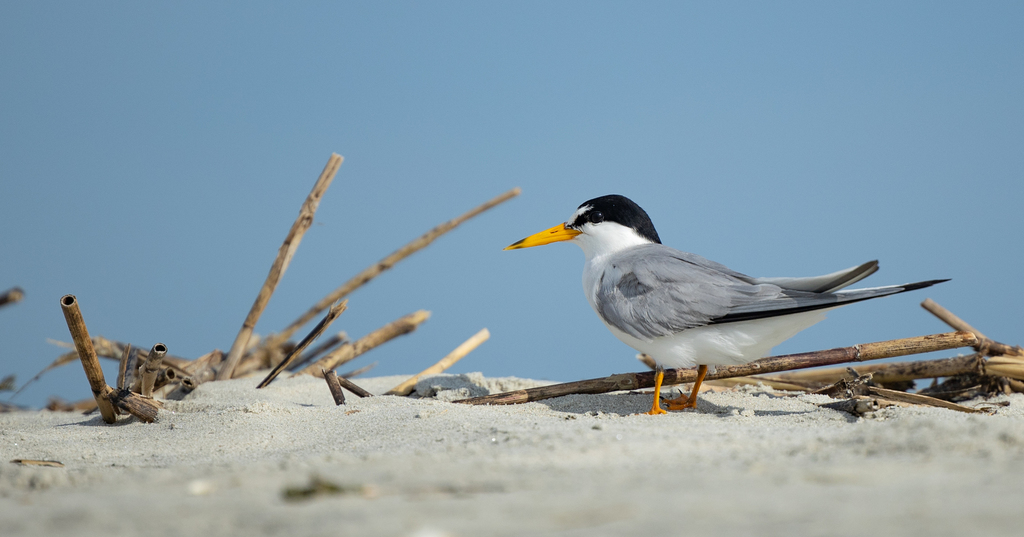
- Least TernSternula antillarum
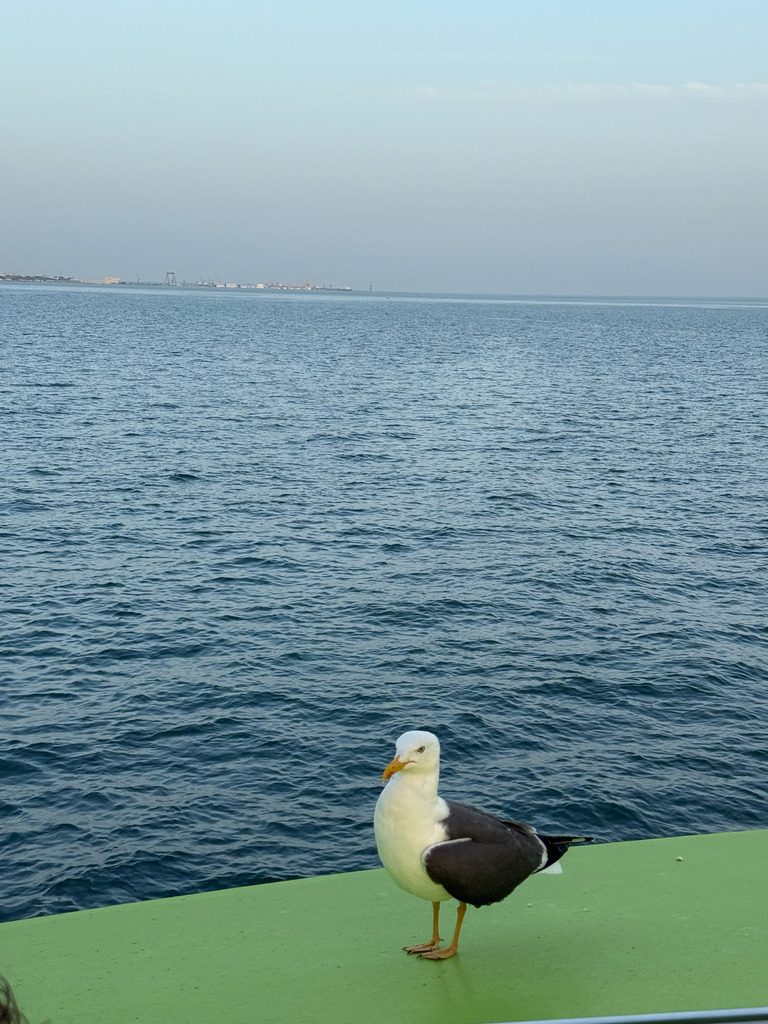
- Lesser Black-backed GullLarus fuscus
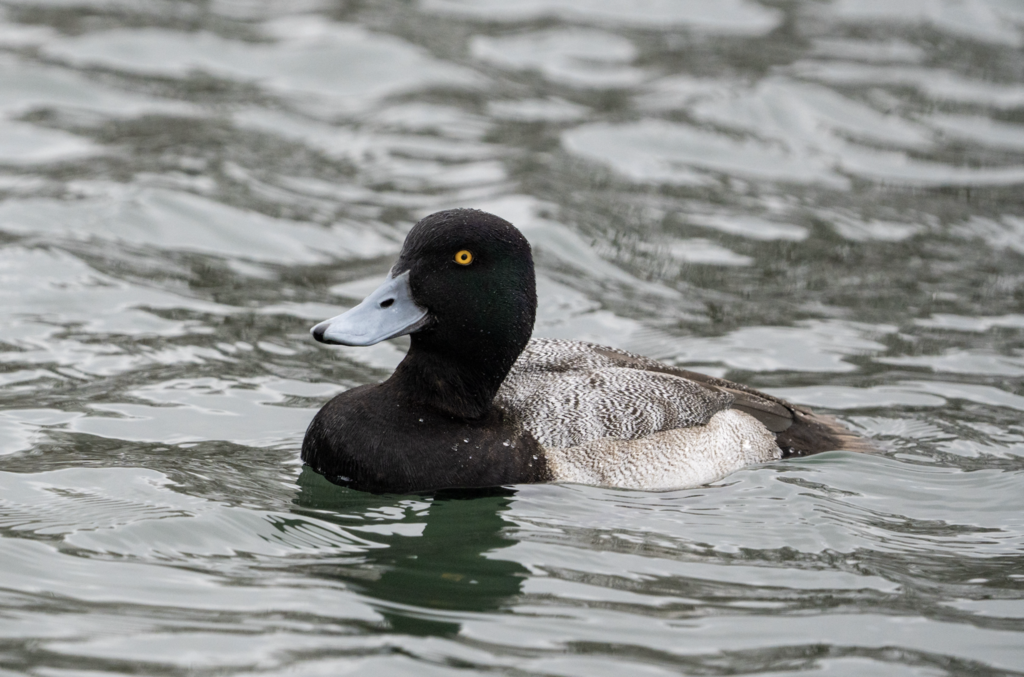
- Lesser ScaupAythya affinis
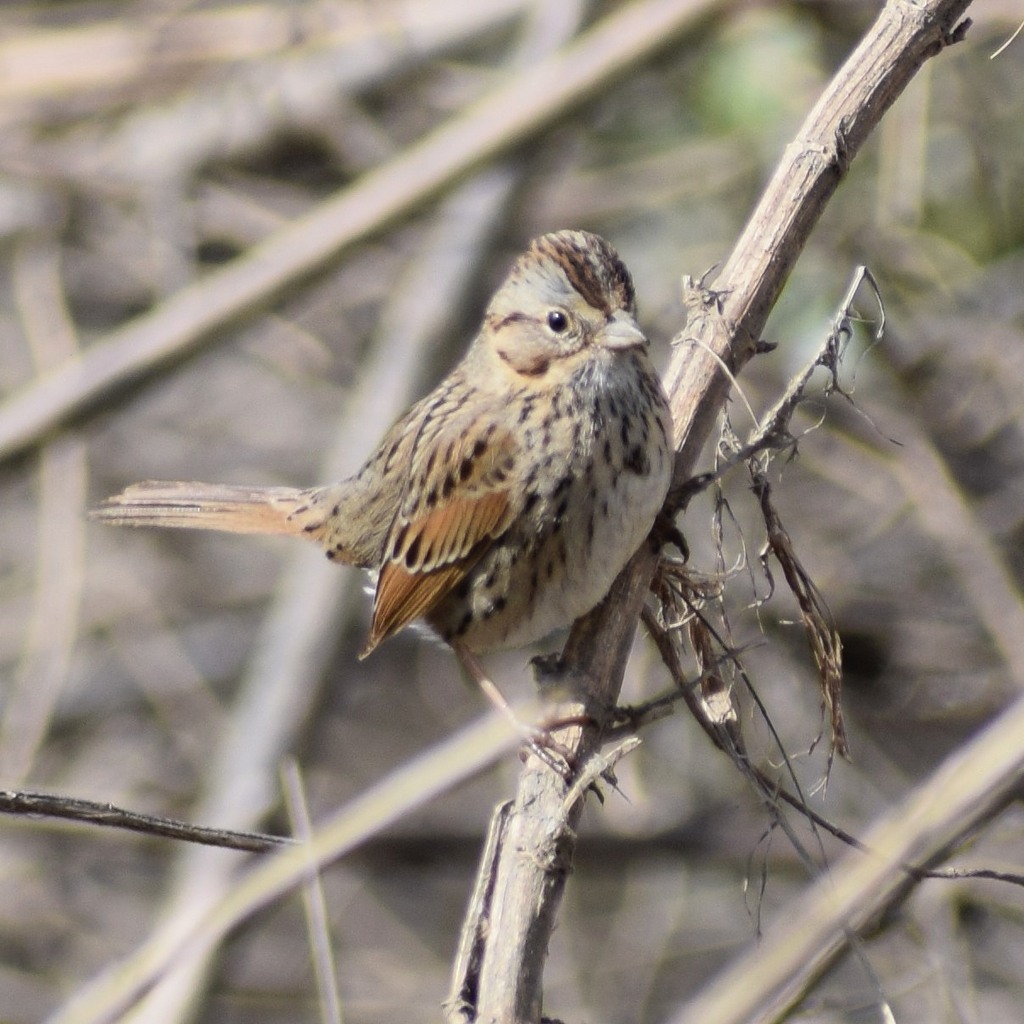
- Lincoln's SparrowMelospiza lincolnii
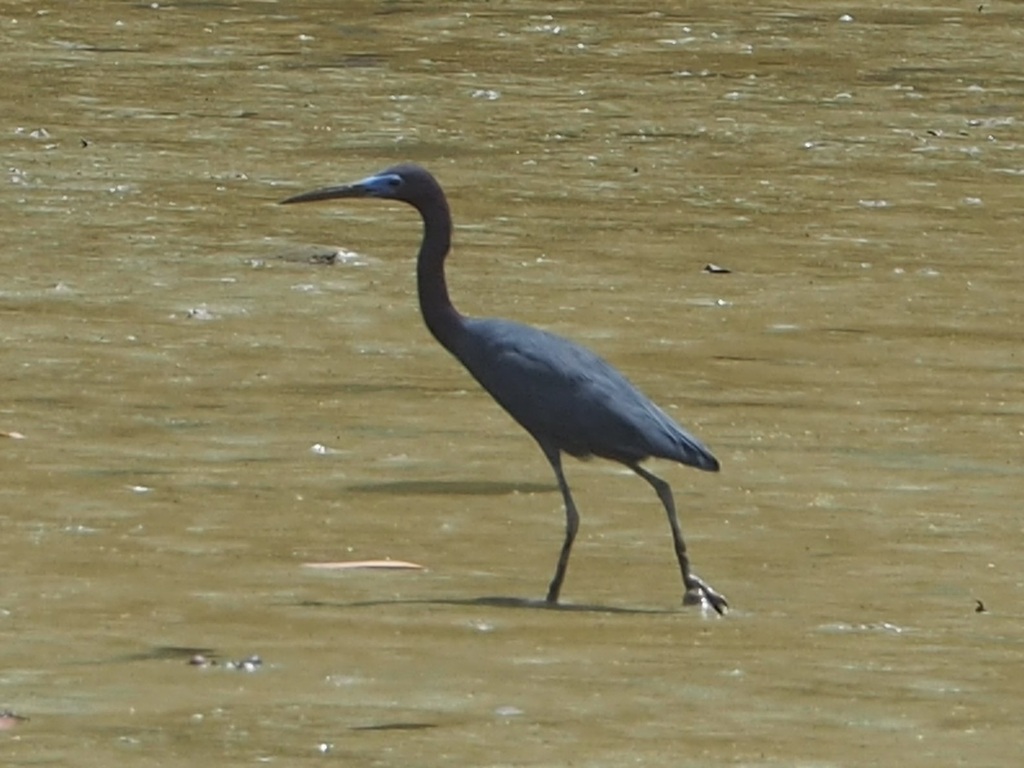
- Little Blue HeronEgretta caerulea
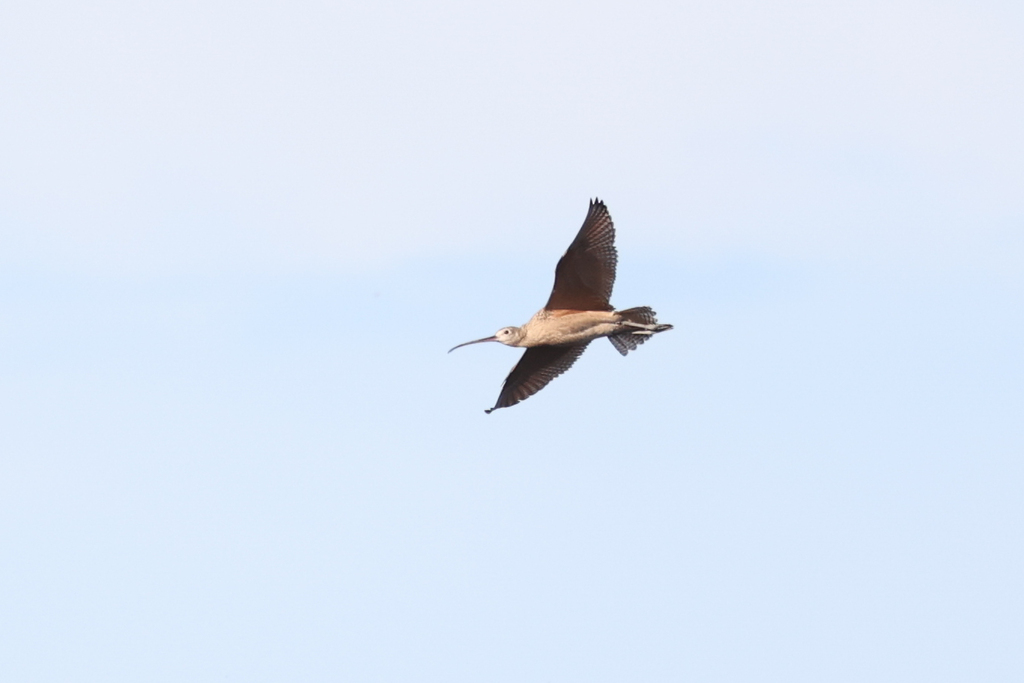
- Long-billed CurlewNumenius americanus
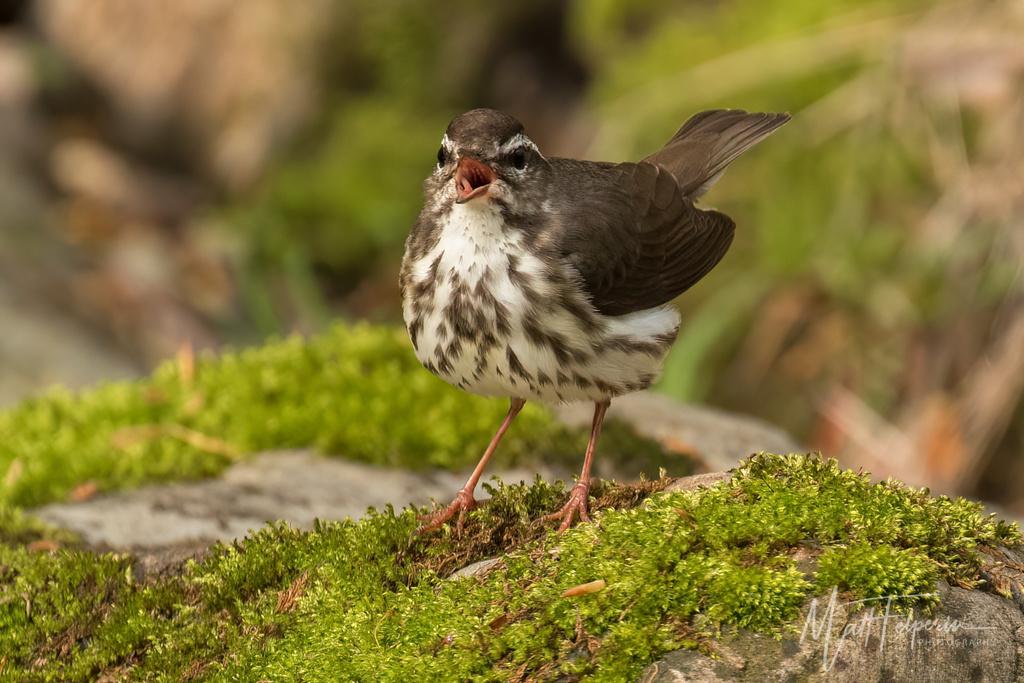
- Louisiana WaterthrushSeiurus motacilla
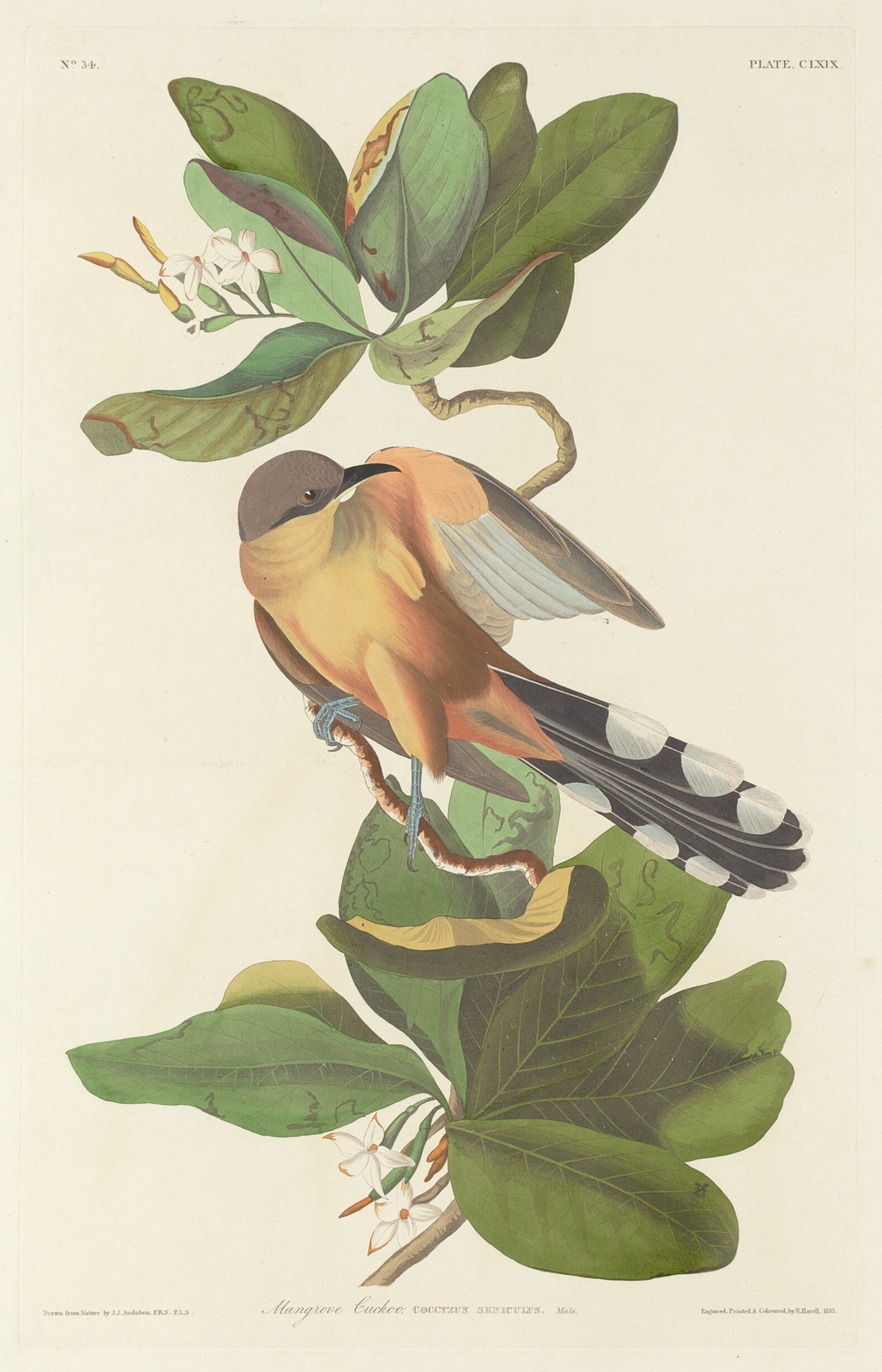
- Mangrove CuckooCoccyzus minor
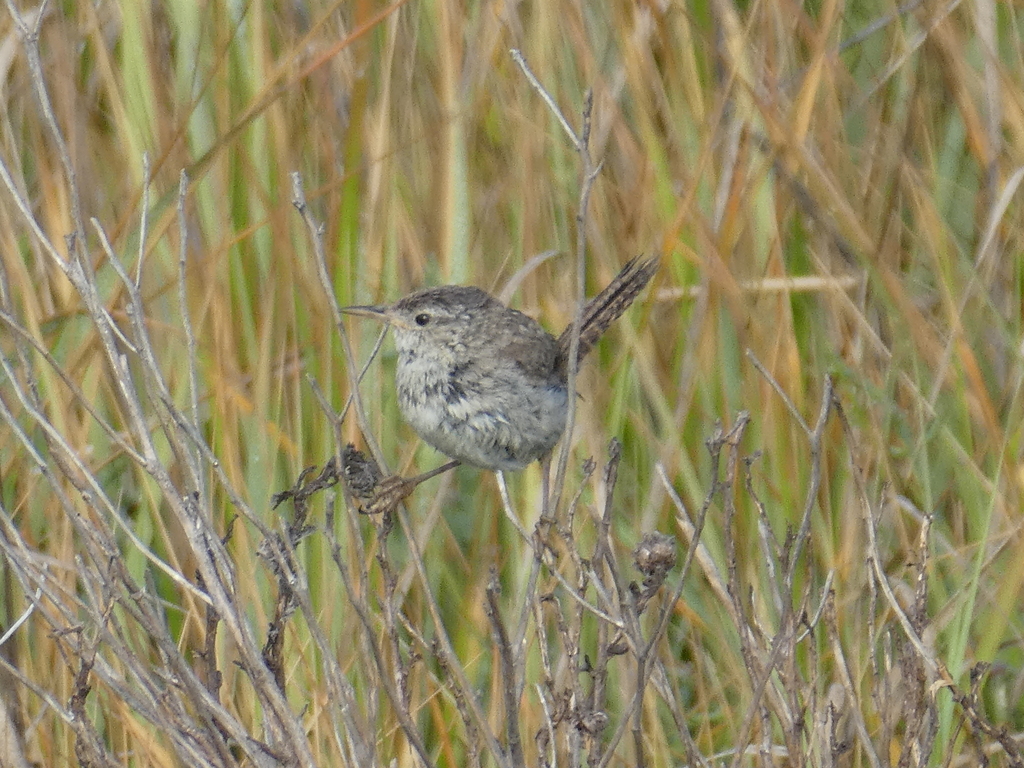
- Marsh WrenCistothorus palustris
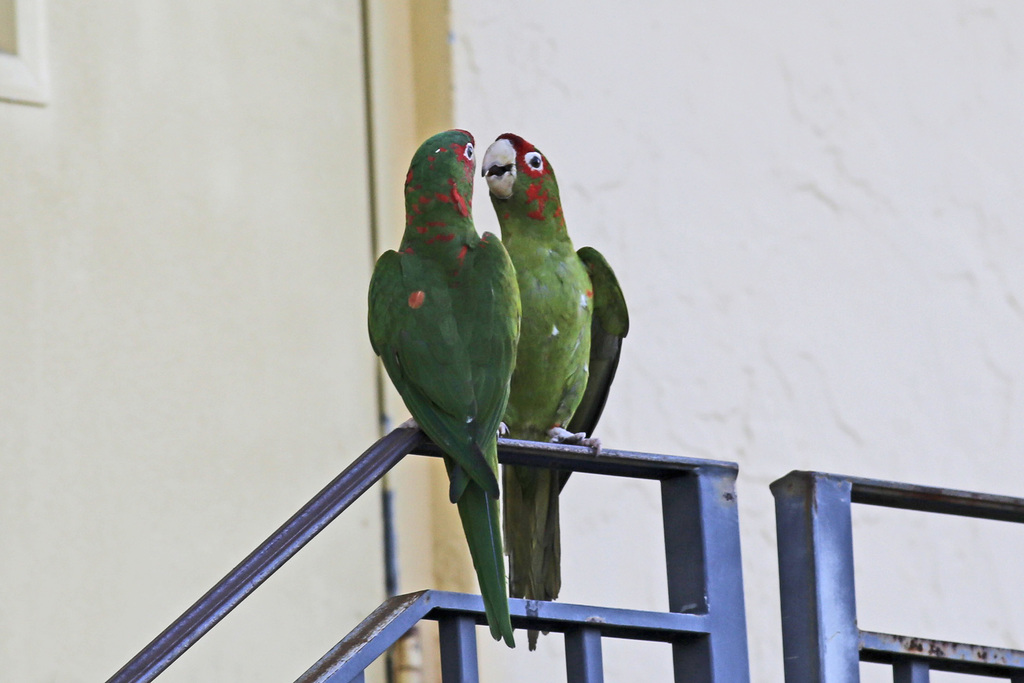
- Mitred ParakeetAratinga mitrata
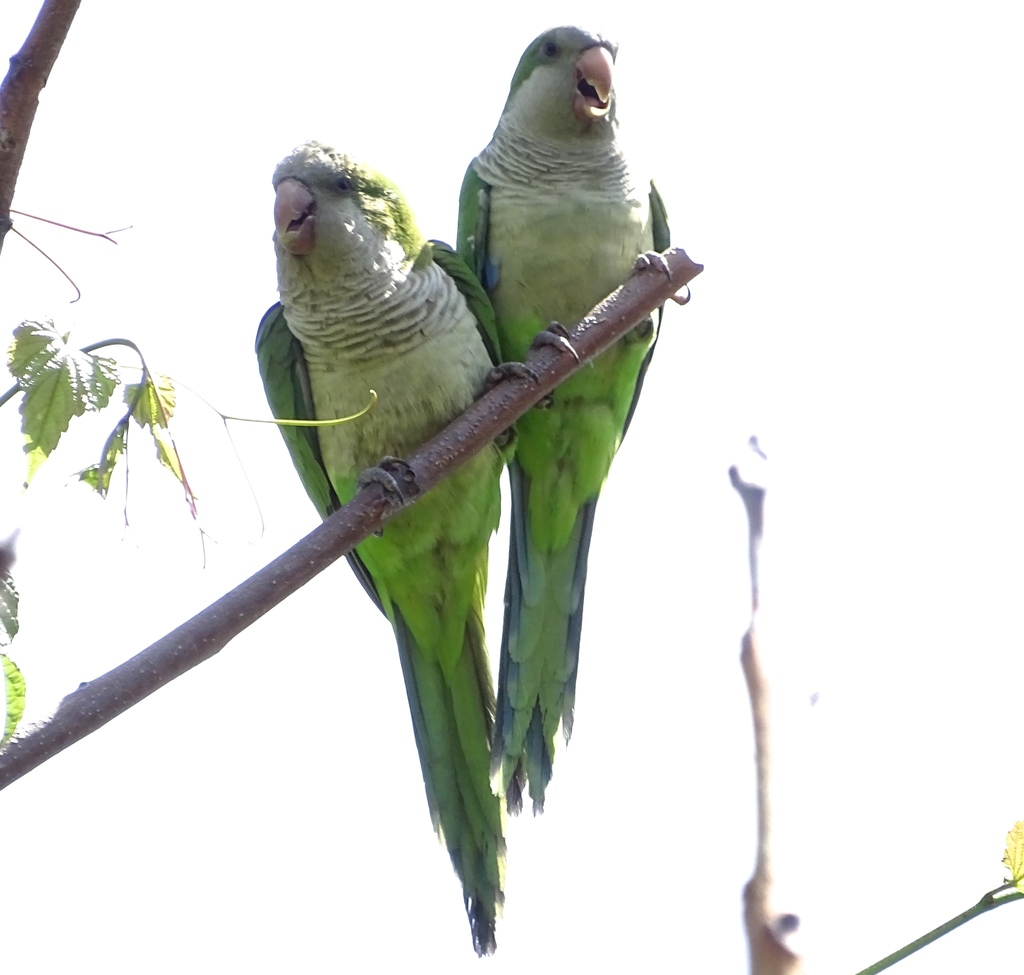
- Monk ParakeetMyiopsitta monachus
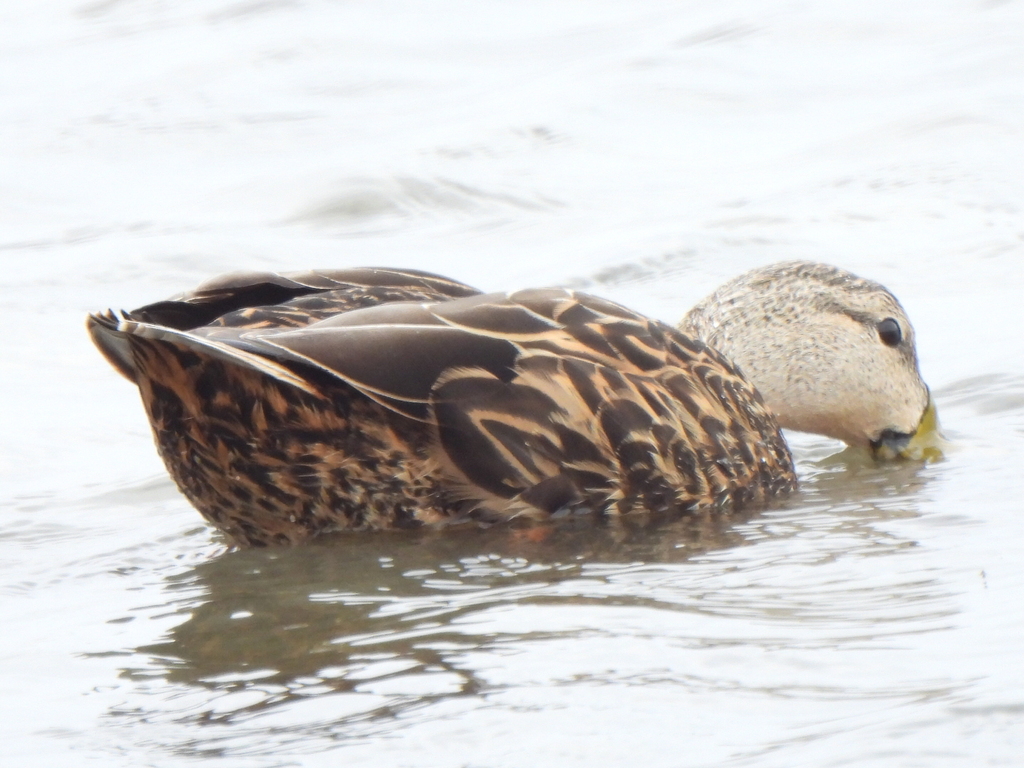
- Mottled DuckAnas fulvigula
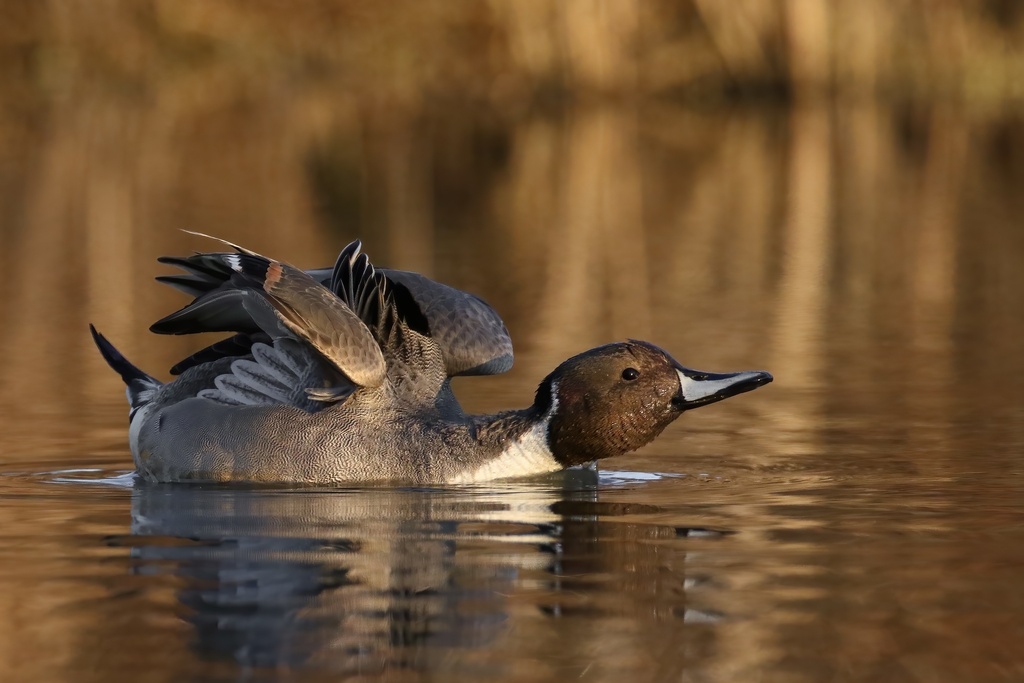
- Northern PintailAnas acuta
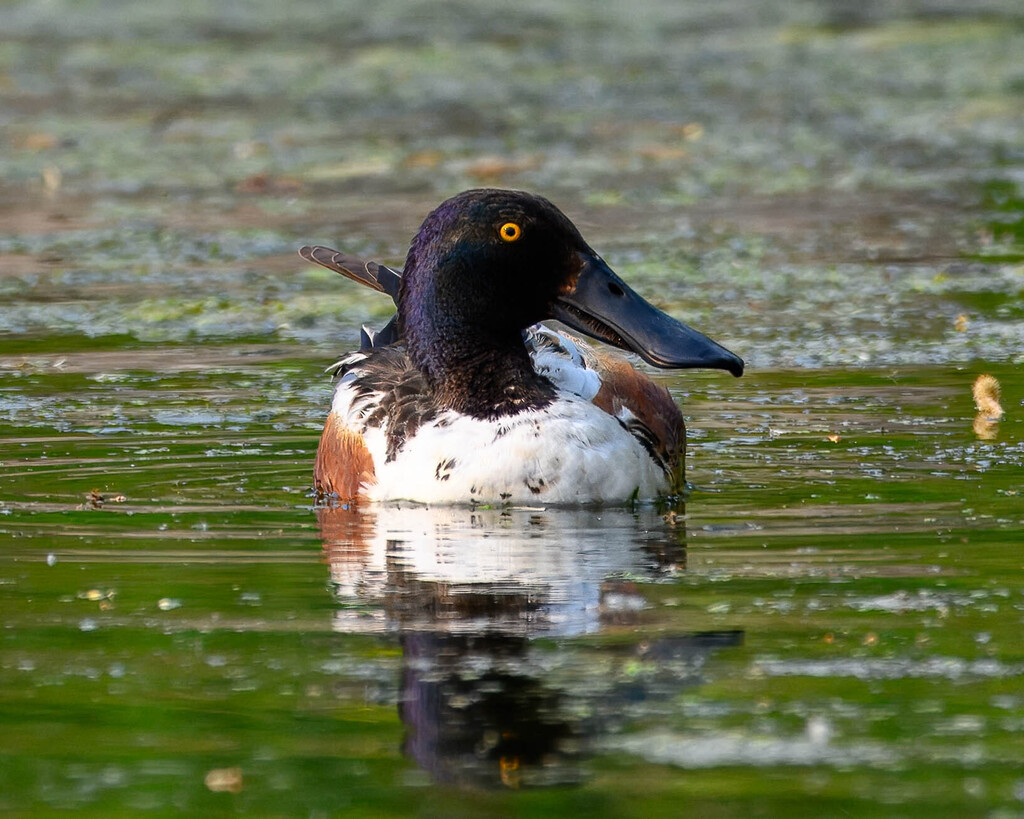
- Northern ShovelerAnas clypeata
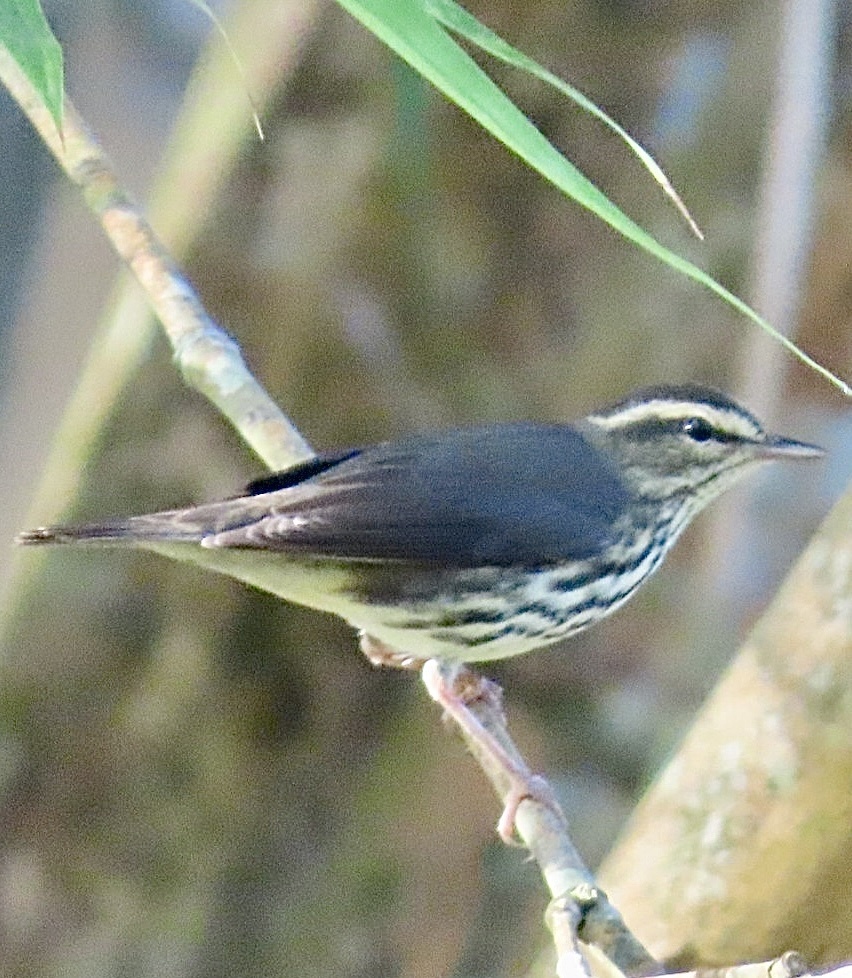
- Northern WaterthrushSeiurus noveboracensis
- Peregrine FalconFalco peregrinus
NatureServe Explorer, CC BY 4.0. USGS Gap Analysis Project habitat models.
Sources
- USGS Gap Analysis Project habitat models (2001)
- USGS GAP year-round habitat model for Spot-breasted Oriole
- USGS Gap Analysis Project range maps (2001), modeled by watershed; migratory gives no dates
- NatureServe Explorer (CC BY 4.0), habitat names
- US Census TIGER/Line counties
- Names follow the USGS Gap Analysis Project (2001)