

Bird
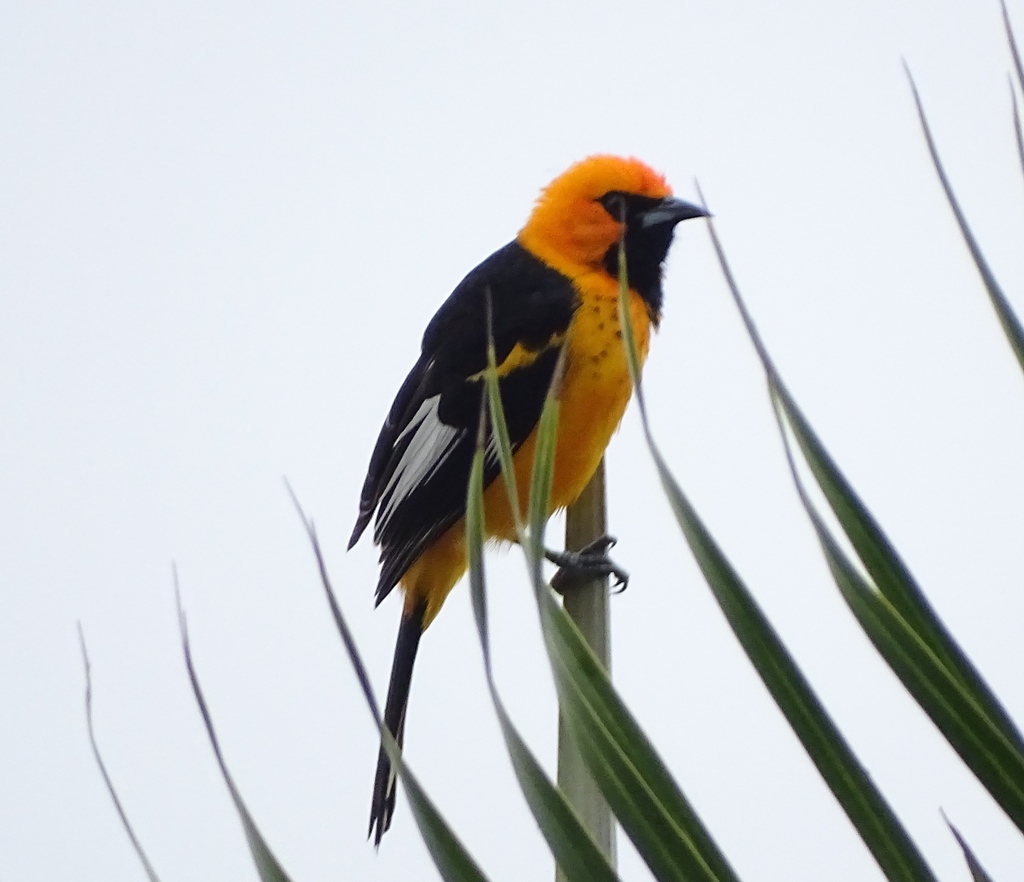
Spot-breasted Oriole
Icterus pectoralis
Lives in Florida all year and nests here. Found in 13 of 67 counties, across 6 habitats.
- Here
- All year
- Nesting
- Nests here
- Range
- 13 of 67 counties
- Habitats
- 6
At a glance
- Group
- Birds
- Here
- All year
- Nesting
- Nests here
- Range
- 13 of 67 counties
- Habitats
- 6
- Habitat models
- Year-round
Where it lives
The places its habitat model includes. It is not found everywhere a habitat occurs.
Habitats in Florida 6
Each habitat page lists the plants and wildlife also found there.

Dense, evergreen groves of live oak, magnolia and other hardwoods in the southern Coastal Plain, from dry oak domes to wet hydric hammocks and south Florida's tropical hammocks; salt-shaped maritime hammocks are maritime forests.
Forests and open woodlands on dry ridges and slopes, often oak or pine.
Evergreen scrub oaks, sand pine and rosemary on deep, white, drought-prone sand ridges, burned rarely but intensely; distinct from the longleaf and turkey oak sandhills.
Roadsides, fields and disturbed ground
Ground opened by people: roadsides, old fields, pastures, fencerows and lots.
Tree plantations and managed pine
Planted or intensively managed stands of pine or hardwoods grown for timber; a land use rather than a natural community.
Other habitats in its models (10)
Land cover, or classes with no habitat page in Florida.
- Developed, Low Intensity Year-round.
- Developed, Medium Intensity Year-round.
- Atlantic Coastal Plain Dry and Dry-Mesic Oak Forest Year-round.
- Atlantic Coastal Plain Mesic Hardwood and Mixed Forest Year-round.
- Atlantic Coastal Plain Fall-line Sandhills Longleaf Pine Woodland - Offsite Hardwood Modifier Year-round.
- Recently Logged Areas Year-round.
- Recently Burned Year-round.
- Recently Burned Forest Year-round.
- Recently Burned Shrubland Year-round.
- Introduced Upland Vegetation - Shrub Year-round.
Seasons in Florida
- Year-round: nests here, in 13 of 67 counties.
Also found in this habitat
Plants 96
Plants named in NatureServe descriptions of these habitats that grow in Florida. Shared habitat, not food.
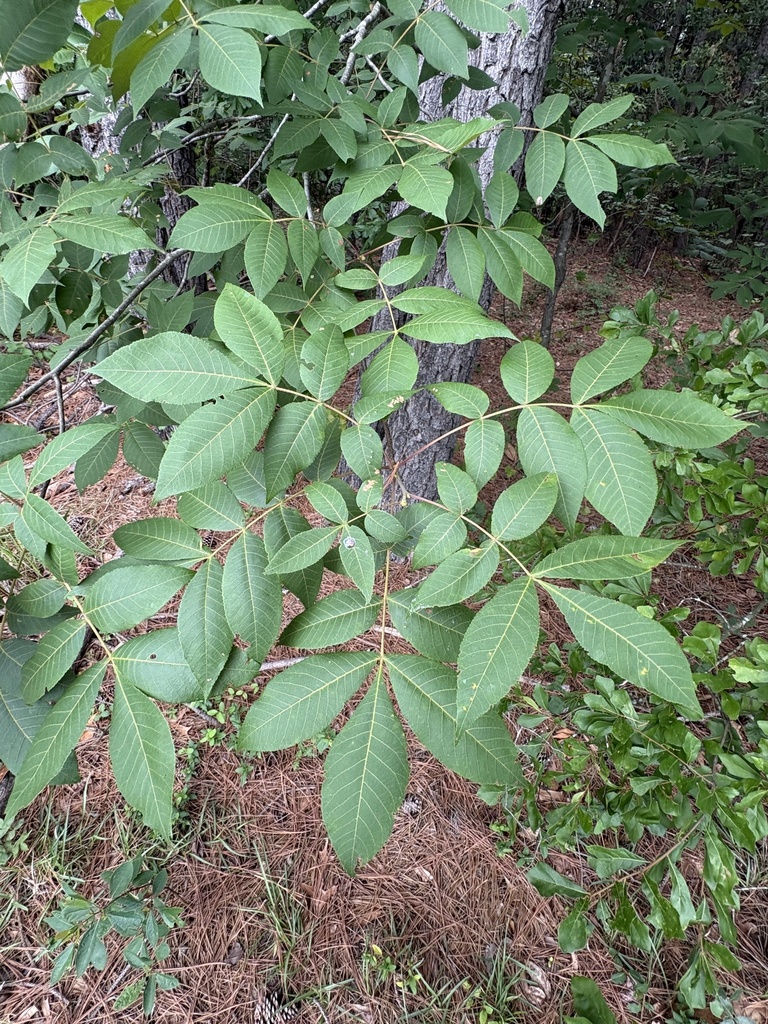
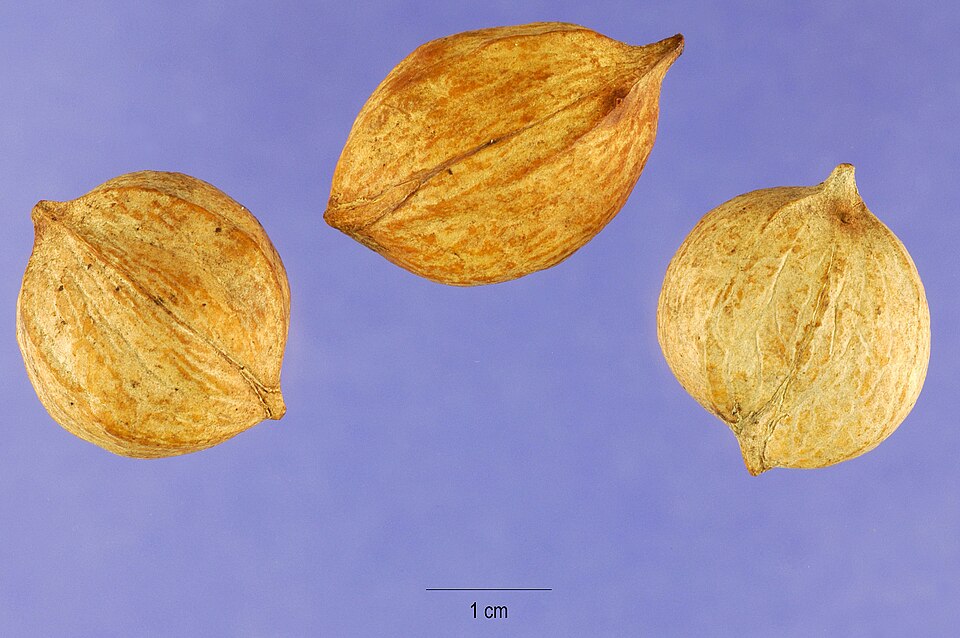
- Sand HickoryCarya pallida
- Mockernut HickoryCarya tomentosa
- Ceratiola ericoidesCeratiola ericoides
- Longleaf SpikegrassChasmanthium sessiliflorum
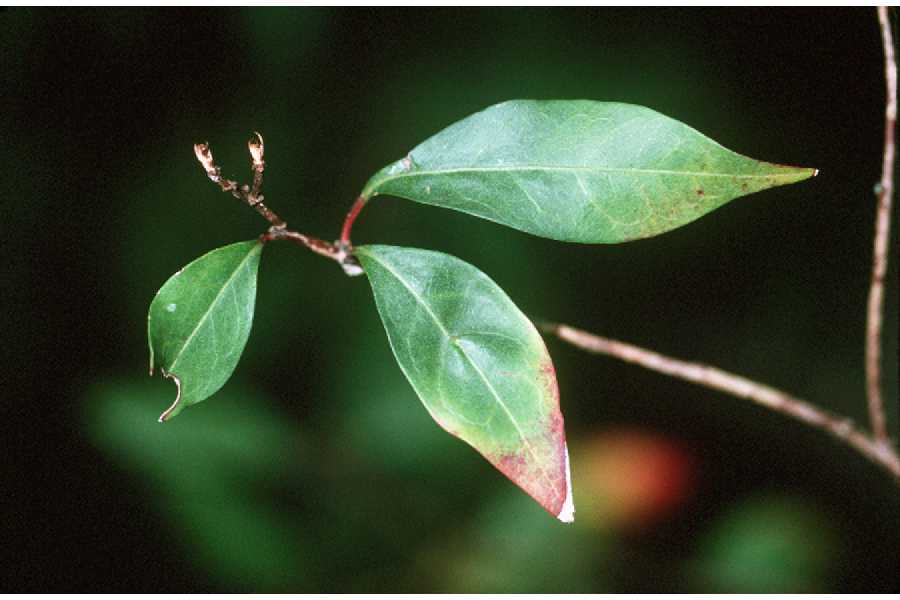
- Pigmy FringetreeChionanthus pygmaeus
- Florida GoldenasterChrysopsis floridana
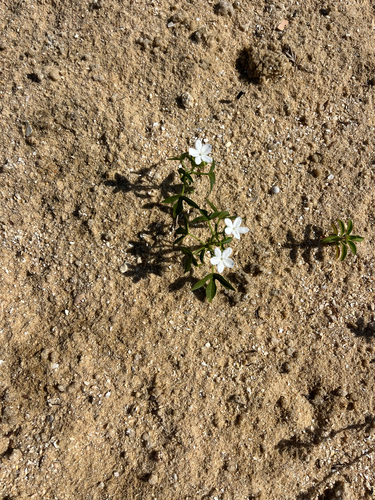
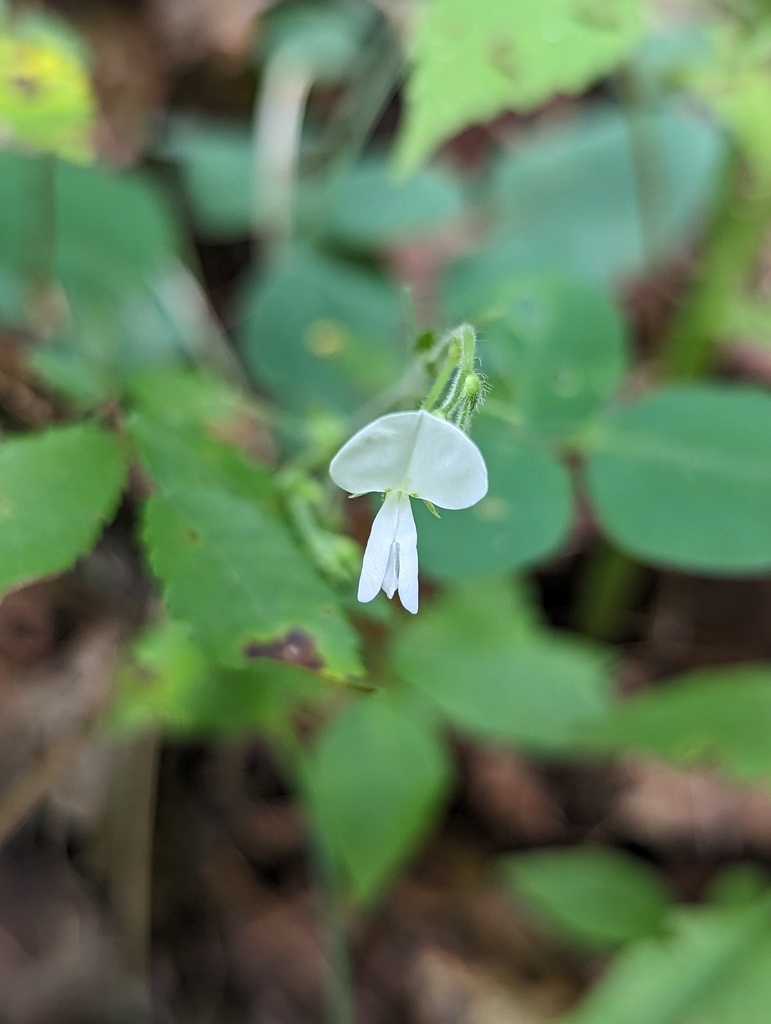
- Sweetscented PigeonwingsClitoria fragrans
- Spurge-nettleCnidoscolus stimulosus
- False RosemaryConradina canescens
- Largeflower False RosemaryConradina grandiflora
- Avon Park RattleboxCrotalaria avonensis
- Croton elliottiiCroton elliottii
- Ctenium floridanumCtenium floridanum
- Silky OatgrassDanthonia sericea
- Cream Tick-trefoilDesmodium ochroleucum
- Lake Wales BalmDicerandra christmanii
- Longspur BalmDicerandra cornutissima
- Scrub BalmDicerandra frutescens
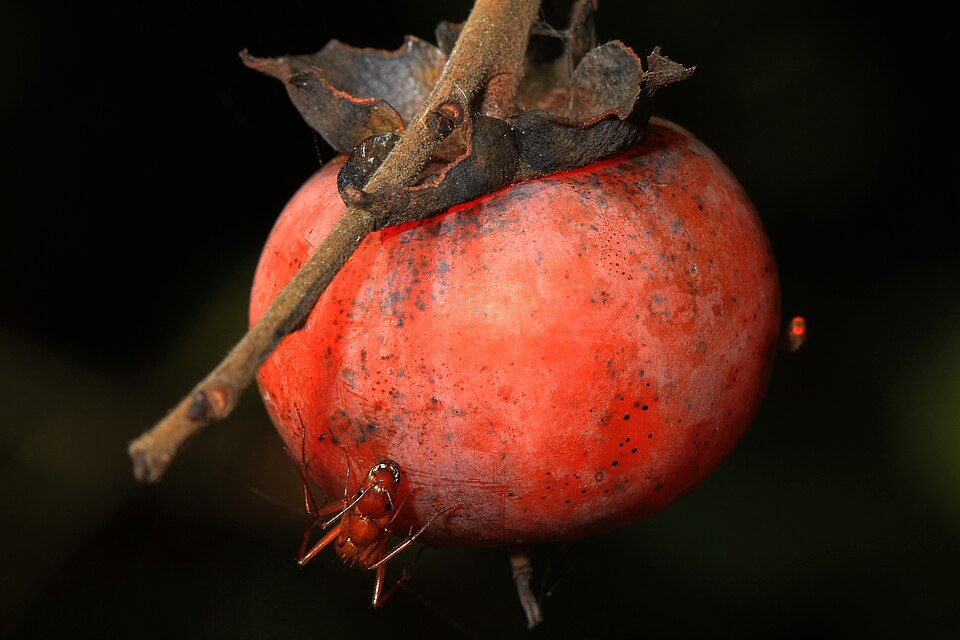
- American PersimmonDiospyros virginiana
- Gulf Sebastian-bushDitrysinia fruticosa
- Donnellia commutataDonnellia commutata
- Longleaf Wild BuckwheatEriogonum longifolium var. gnaphalifolium
- Wedgeleaf EryngoEryngium cuneifolium
- Telephus SpurgeEuphorbia telephioides
Wildlife 222
Other animals whose habitat models include the same habitats in Florida. Not sighting records.
- American CrowCorvus brachyrhynchos
- American GoldfinchCarduelis tristis
- American RobinTurdus migratorius
- Baltimore OrioleIcterus galbula
- Black VultureCoragyps atratus
- Brown ThrasherToxostoma rufum
- Brown-headed CowbirdMolothrus ater
- Chimney SwiftChaetura pelagica
- Chipping SparrowSpizella passerina
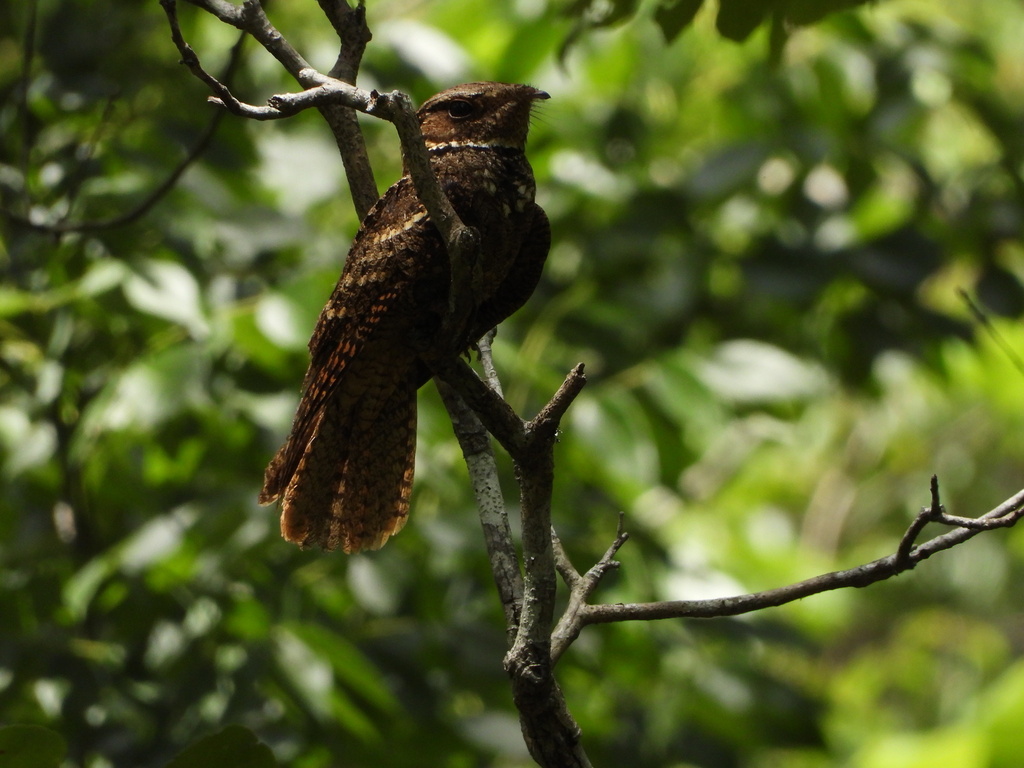
- Chuck-will's-widowCaprimulgus carolinensis
- Common GrackleQuiscalus quiscula
- Common NighthawkChordeiles minor
- Cooper's HawkAccipiter cooperii
- Eastern KingbirdTyrannus tyrannus
- Eastern TowheePipilo erythrophthalmus
- Great Crested FlycatcherMyiarchus crinitus
- Great Horned OwlBubo virginianus
- Indigo BuntingPasserina cyanea
- Mourning DoveZenaida macroura
- Northern CardinalCardinalis cardinalis
- Northern FlickerColaptes auratus
- Northern MockingbirdMimus polyglottos
- Prairie WarblerDendroica discolor
- Red-tailed HawkButeo jamaicensis
















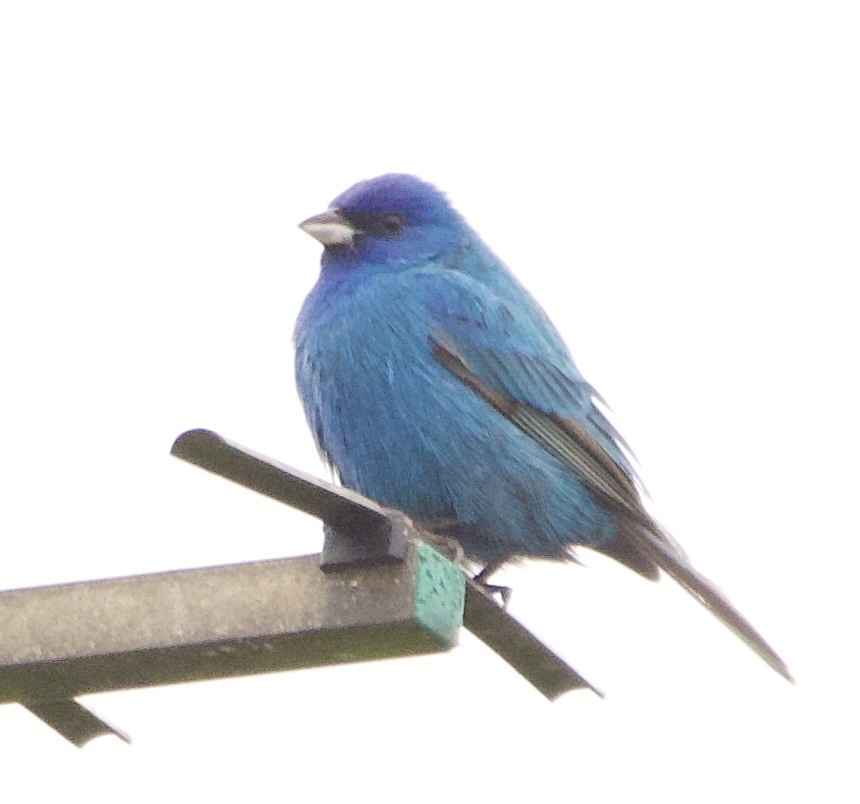




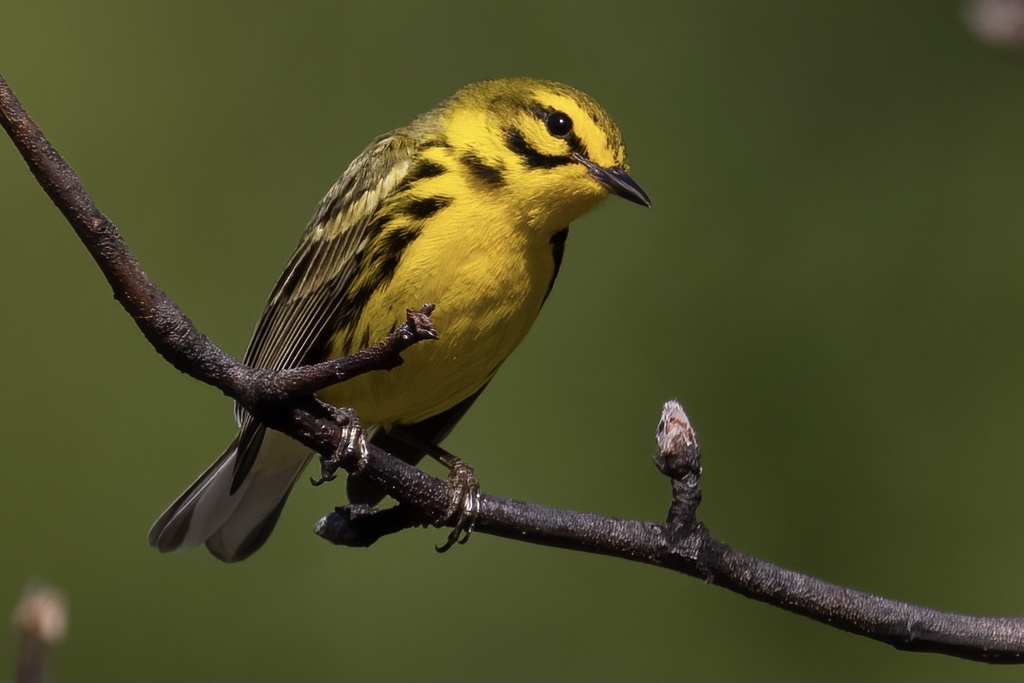

NatureServe Explorer, CC BY 4.0. USGS Gap Analysis Project habitat models.
Sources
- USGS Gap Analysis Project habitat models (2001)
- USGS GAP year-round habitat model for Spot-breasted Oriole
- USGS Gap Analysis Project range maps (2001), modeled by watershed; migratory gives no dates
- NatureServe Explorer (CC BY 4.0), habitat names
- US Census TIGER/Line counties
- Names follow the USGS Gap Analysis Project (2001)