

Scrub Palmetto
Sabal etonia
Found in florida scrub. FloraQuest, phone app (app page) What its natural habitat tells you
Native to Florida. How scores work Is it native here?
Profile 24%
Will it fit your yard?No photograph yet. Looking for an old drawing…
At a glance
Not yet recorded · Height · Spread · Light · Soil · Life cycle · Leaves · Bloom
This plant is missing most of its facts, so Quercus is looking them up in old botany books.
Recorded in 25 Florida counties.
Natural habitats
Places it grows wild. Not a planting requirement. Each habitat page lists the plants and wildlife also found there.
Evergreen scrub oaks, sand pine and rosemary on deep, white, drought-prone sand ridges, burned rarely but intensely; distinct from the longleaf and turkey oak sandhills.
Also found with this plant
Wildlife whose habitat models include habitats this plant grows in, in Florida. Shared habitat, not food. 121 animals.
- American CrowCorvus brachyrhynchos
- American GoldfinchCarduelis tristis
- American RobinTurdus migratorius
- Black-and-White WarblerMniotilta varia
- Blue JayCyanocitta cristata
- Brown ThrasherToxostoma rufum
- Carolina ChickadeePoecile carolinensis
- Chipping SparrowSpizella passerina
- Common GrackleQuiscalus quiscula
- Common NighthawkChordeiles minor
- Cooper's HawkAccipiter cooperii
- Eastern KingbirdTyrannus tyrannus
- Eastern Screech-owlMegascops asio
- Eastern TowheePipilo erythrophthalmus
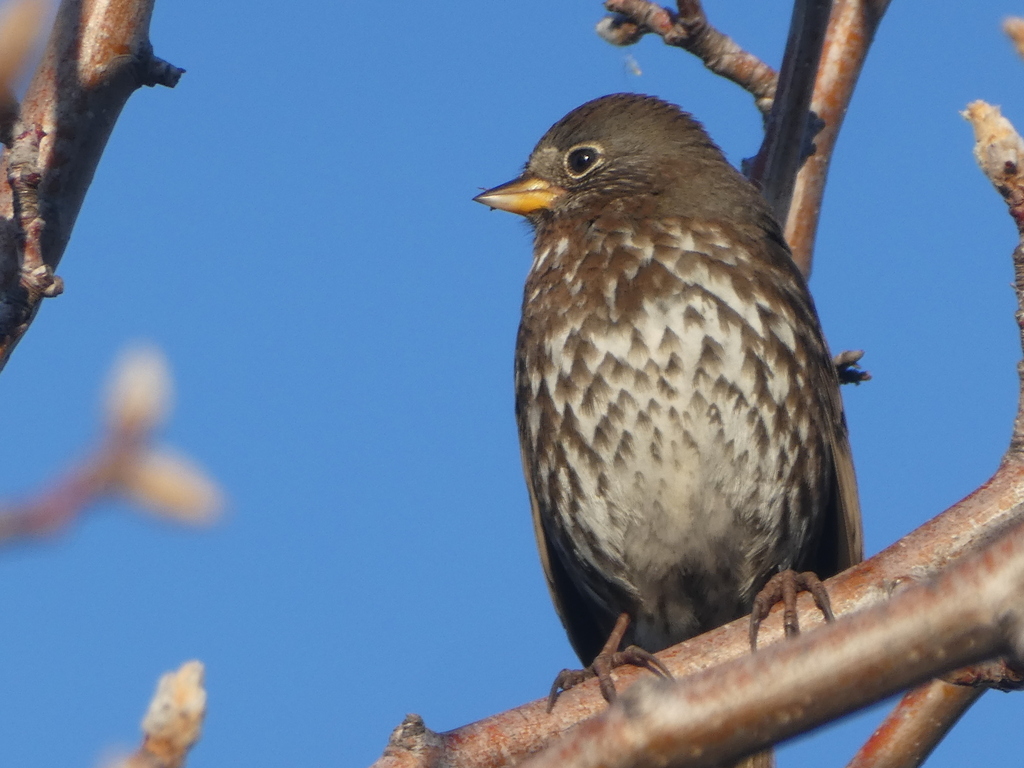
- Fox SparrowPasserella iliaca
- Great Horned OwlBubo virginianus
- Mourning DoveZenaida macroura
- Northern CardinalCardinalis cardinalis
- Northern FlickerColaptes auratus
- Northern MockingbirdMimus polyglottos
- OvenbirdSeiurus aurocapilla
- Red-tailed HawkButeo jamaicensis
- Red-winged BlackbirdAgelaius phoeniceus
- Ruby-crowned KingletRegulus calendula























Who uses this plant?
 12CaterpillarsGenus host records with ranges including FL
Genus host records with ranges including FL · Sabal
- Atheloca subrufellaPalm Bud Moth
- Automeris ioIo Moth
- Erechthias minusculaCaribbean Scavenger Moth
- Euphyes arpaPalmetto Skipper
- Homaledra heptathalamaExclamation Moth
- Homaledra sabalellaPalm Leaf Skeletonizer
- Litoprosopus futilisCabbage Palm Caterpillar, Palmetto Borer
- Seirarctia echoEcho Moth
- Strymon melinusGray Hairstreak
- Homaledra howardi
Show all 12
- Homaledra knudsoni
- Phormoestes palmettovora
 30BeesSoutheastern regional records
Southeastern regional records · Sabal
Individual names are not available yet.
Noori, Seltmann & Orr 2026, A curated and integrated dataset for exploring global bee-plant interactions (GloBI), Zenodo, CC BY 4.0 0Specialist beesPollen specialists
 1BirdsRecorded genus food-resource interactions; not a state feeding claim
Recorded genus food-resource interactions; not a state feeding claim · Sabal
- Meleagris gallopavoWild Turkey
Direct food only: birds recorded eating this genus across North America. Caterpillars on host plants also feed nesting birds. NC Native Plant Society: butterfly gardening
No records yet · Ants · Beetles · Flies · Adult butterflies / moths · Other wasps · Other insects
Plant details
- Family
- Arecaceae
Safety has not been reviewed for this plant; check toxicity and thorns before planting.
Conservation status
| Florida rank | S4 |
|---|---|
| Global rank | Not available |
| FL status | Not verified |
| Federal status | Not verified |
Will it fit your yard?
Check this plant against your county, sun and soil moisture. Conditions are checked in your browser.
Sources
- Atlas of Florida Plants
- FloraQuest: Florida (Weakley), phone app (app page)
- NatureServe Explorer
- Shropshire & Tallamy 2025, Lepidoptera of North America north of Mexico, ZooKeys 1261 (ODbL)
- Noori, Seltmann & Orr 2026, A curated and integrated dataset for exploring global bee-plant interactions (GloBI), Zenodo, CC BY 4.0
- Smith, Bachelder, Russell, Morales, Mosher & Seltmann 2024, Bee-Specialization-Modeling v0.6.1 (specialist host table compiled from J. Fowler's pollen specialist bee lists), Zenodo, CC BY 4.0
- Hurlbert, Olsen, Sawyer & Winner 2021, Avian Diet Database, Scientific Data 8: 260 (CC0)
- Narango, Tallamy & Shropshire 2020, Few keystone plant genera support the majority of Lepidoptera species, Nature Communications