

Bird
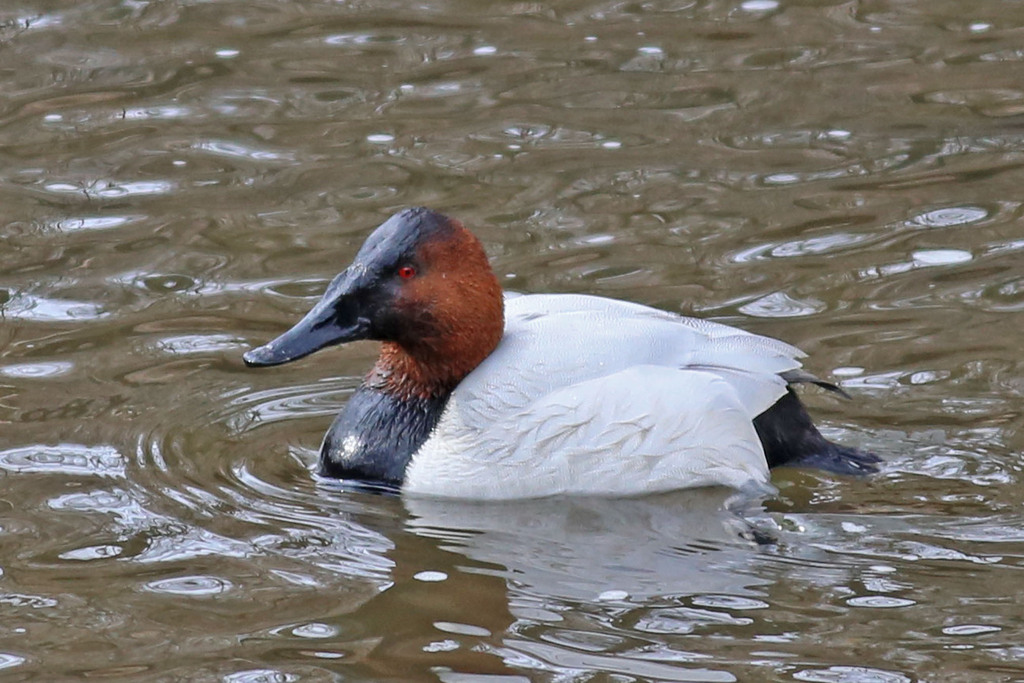
Canvasback
Aythya valisineria
A winter visitor to Florida, found in all 67 counties and 12 habitats.
- Here
- Winter
- Nesting
- Not known to nest here
- Range
- All 67 counties
- Habitats
- 12
At a glance
- Group
- Birds
- Here
- Winter
- Nesting
- Not known to nest here
- Range
- All 67 counties
- Habitats
- 12
- Habitat models
- Winter
Where it lives
The places its habitat model includes. It is not found everywhere a habitat occurs.
Habitats in Florida 12
Each habitat page lists the plants and wildlife also found there.

Open sand of beaches, dunes and the hollows between them.
Open, wet, seepage-fed bogs of the Coastal Plain and Sandhills, often with pitcher plants.
Coastal tidal marshes (salinity not stated)
Tidal marshes of the Atlantic and Gulf coasts where the source does not say whether the water is fresh, brackish or salt. A stated salinity files the marsh under freshwater tidal marshes or salt and brackish marshes instead.
Depression ponds and limesinks
Shallow ponds in Coastal Plain depressions, such as limesinks and the ponds in some Carolina bays, that rise and fall with the seasons.
Disturbed and introduced wetlands
Wet ground taken over by weedy or introduced plants after disturbance, such as common reed, Chinese tallow or tamarisk stands; the upland counterpart is roadsides, fields and disturbed ground.
Floodplain and bottomland forests
Forests on low ground beside rivers and streams that flood from time to time.
Marshes along tidal rivers where the water is fresh but rises and falls with the tide.
Coastal marshes flooded by salty or brackish tides.
Salt and brackish open water of sounds, bays and estuaries, with the mud and sand flats and seagrass beds that tides cover and uncover; the vegetated marsh is salt and brackish marshes.
Flat, sandy Coastal Plain pine woodlands, wetter than sandhills and denser than savannas.
Other habitats in its models (32)
Land cover, or classes with no habitat page in Florida.
- Open Water (Aquaculture) Winter.
- Unconsolidated Shore (Lake/River/Pond) Winter.
- Unconsolidated Shore Winter.
- Atlantic Coastal Plain Embayed Region Tidal Salt and Brackish Marsh Winter.
- Atlantic Coastal Plain Northern Tidal Salt Marsh Winter.
- Atlantic Coastal Plain Clay-Based Carolina Bay Herbaceous Wetland Winter.
- Atlantic Coastal Plain Embayed Region Tidal Freshwater Marsh Winter.
- Atlantic Coastal Plain Nonriverine Swamp and Wet Hardwood Forest - Taxodium/Nyssa Modifier Winter.
- Atlantic Coastal Plain Nonriverine Swamp and Wet Hardwood Forest - Oak Dominated Modifier Winter.
- Atlantic Coastal Plain Clay-Based Carolina Bay Forested Wetland Winter.
- Southern and Central Appalachian Bog and Fen Winter.
- Lower Mississippi River Bottomland Depressions - Forest Modifier Winter.
- East Gulf Coastal Plain Southern Depression Pondshore Winter.
- Southern Piedmont/Ridge and Valley Upland Depression Swamp Winter.
- Mississippi River Bottomland Depression Winter.
- Central Appalachian Floodplain - Forest Modifier Winter.
- South-Central Interior Large Floodplain - Forest Modifier Winter.
- Southern Piedmont Large Floodplain Forest - Forest Modifier Winter.
- South-Central Interior Large Floodplain - Herbaceous Modifier Winter.
- Mississippi River Riparian Forest Winter.
- Mississippi River Low Floodplain (Bottomland) Forest Winter.
- West Gulf Coastal Plain Small Stream and River Forest Winter.
- West Gulf Coastal Plain Large River Floodplain Forest Winter.
- Southern Piedmont Small Floodplain and Riparian Forest Winter.
- Atlantic Coastal Plain Small Brownwater River Floodplain Forest Winter.
- Atlantic Coastal Plain Brownwater Stream Floodplain Forest Winter.
- Texas-Louisiana Coastal Prairie Slough Winter.
- Mississippi River Floodplain and Riparian Forest Winter.
- South-Central Interior Large Floodplain Winter.
- East Gulf Coastal Plain Near-Coast Pine Flatwoods - Offsite Hardwood Modifier Winter, only within 30 m of water.
- South-Central Interior / Upper Coastal Plain Wet Flatwoods Winter.
- West Gulf Coastal Plain Nonriverine Wet Hardwood Flatwoods Winter.
Seasons in Florida
- Winter: does not nest here, in all 67 counties.
Also found in this habitat
Plants 431
Plants named in NatureServe descriptions of these habitats that grow in Florida. Shared habitat, not food.
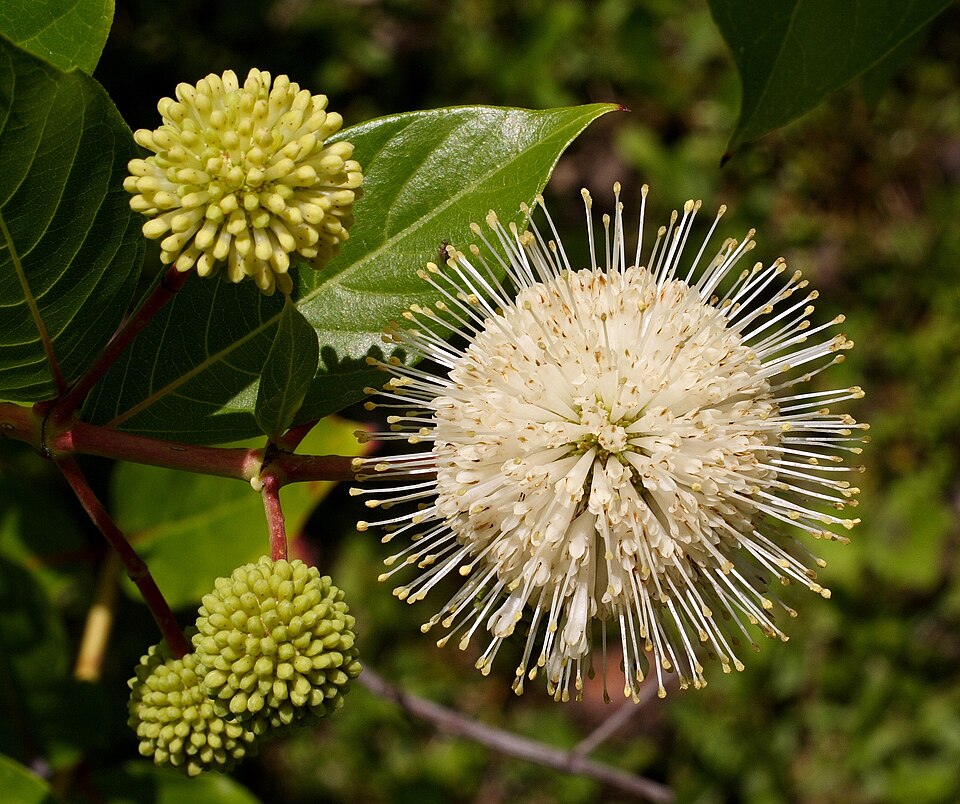
- ButtonbushCephalanthus occidentalis
- Black NeedlerushJuncus roemerianus
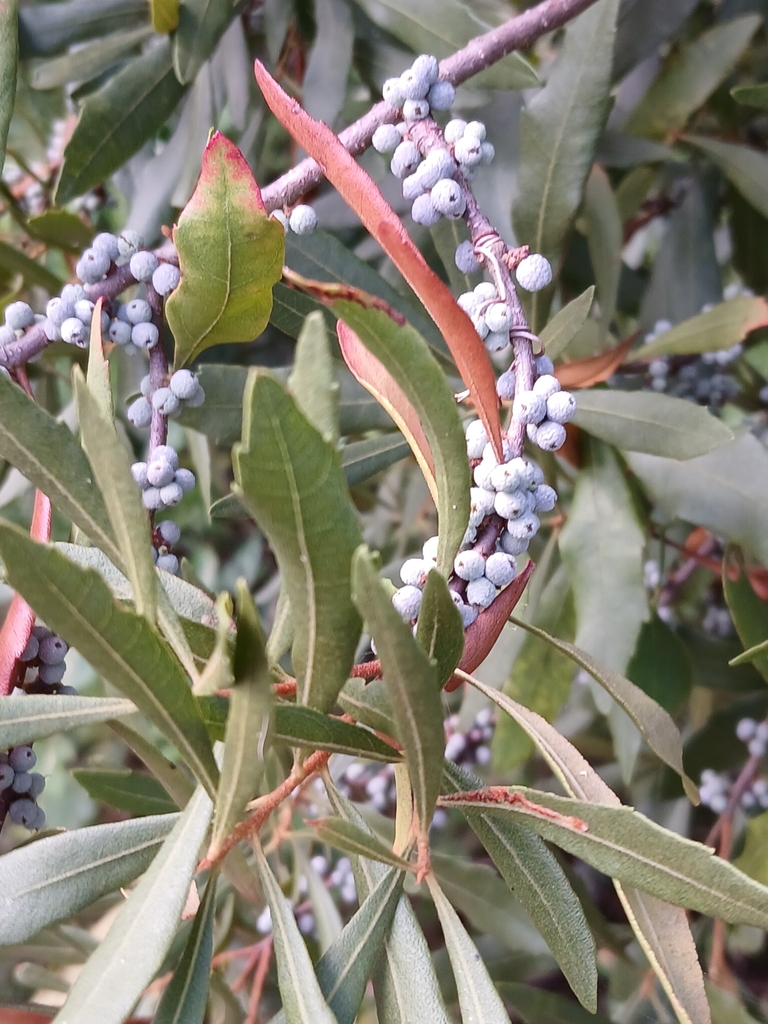
- Common WaxmyrtleMorella cerifera
- Serenoa repensSerenoa repens
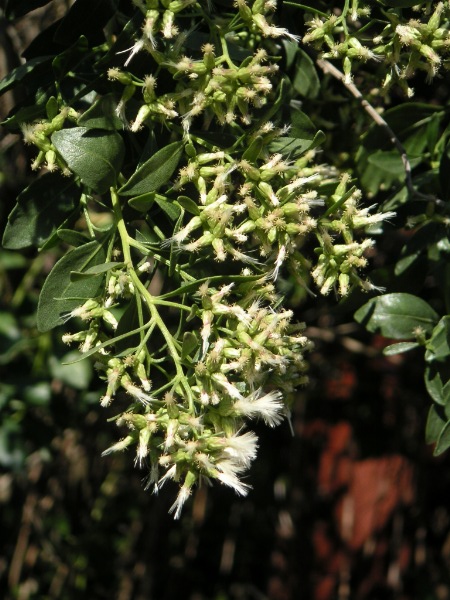
- Groundsel-treeBaccharis halimifolia
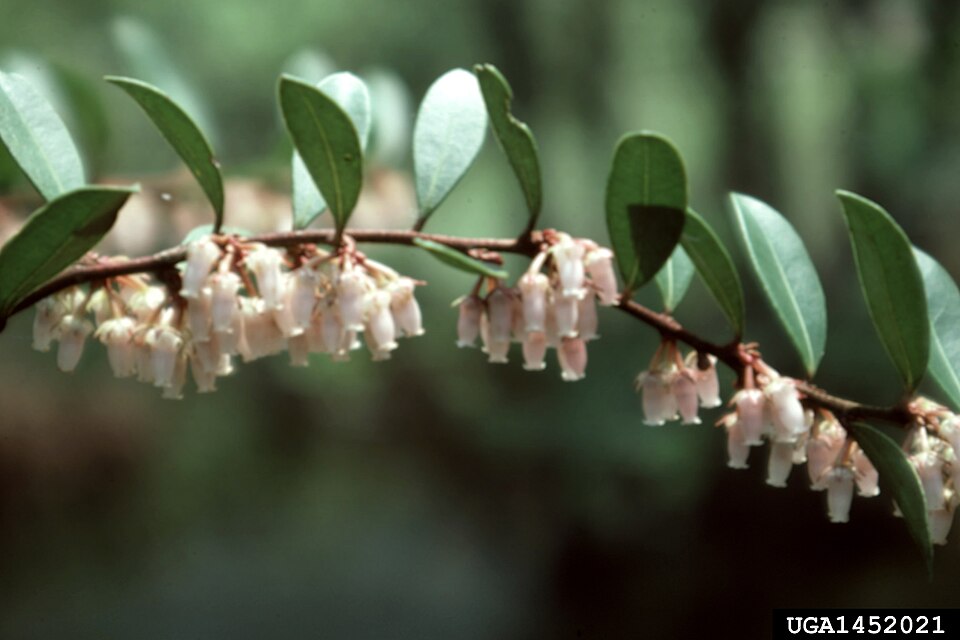
- Shining FetterbushLyonia lucida
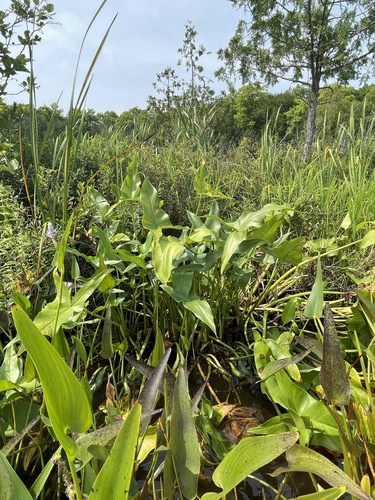
- Green Arrow-arumPeltandra virginica
- Violet ButterwortPinguicula ionantha
- Saltmarsh CordgrassSpartina alterniflora
- Tropical WaxweedCuphea aspera
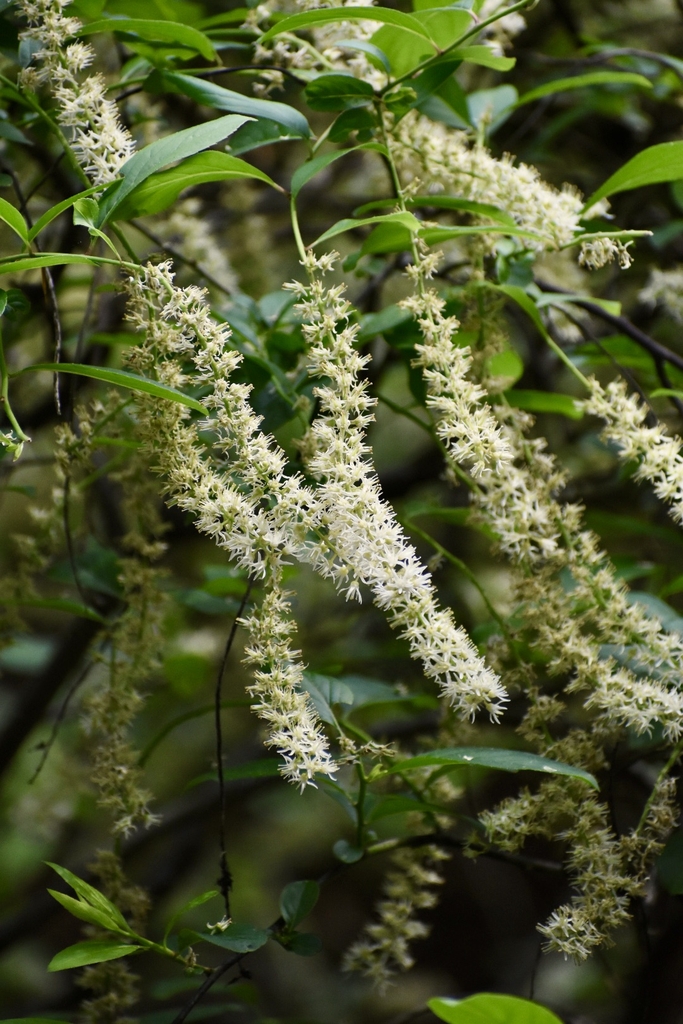
- TitiCyrilla racemiflora
- Seashore SaltgrassDistichlis spicata
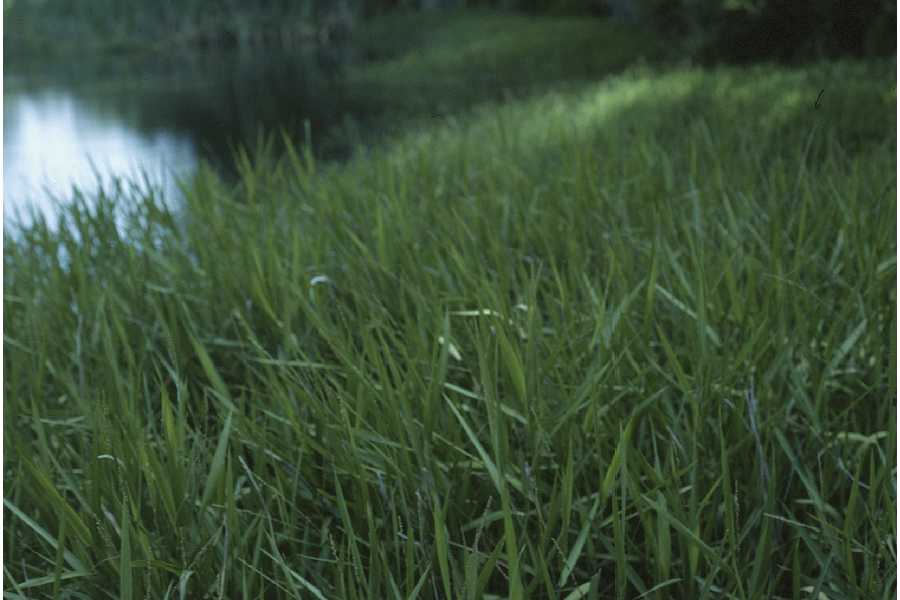
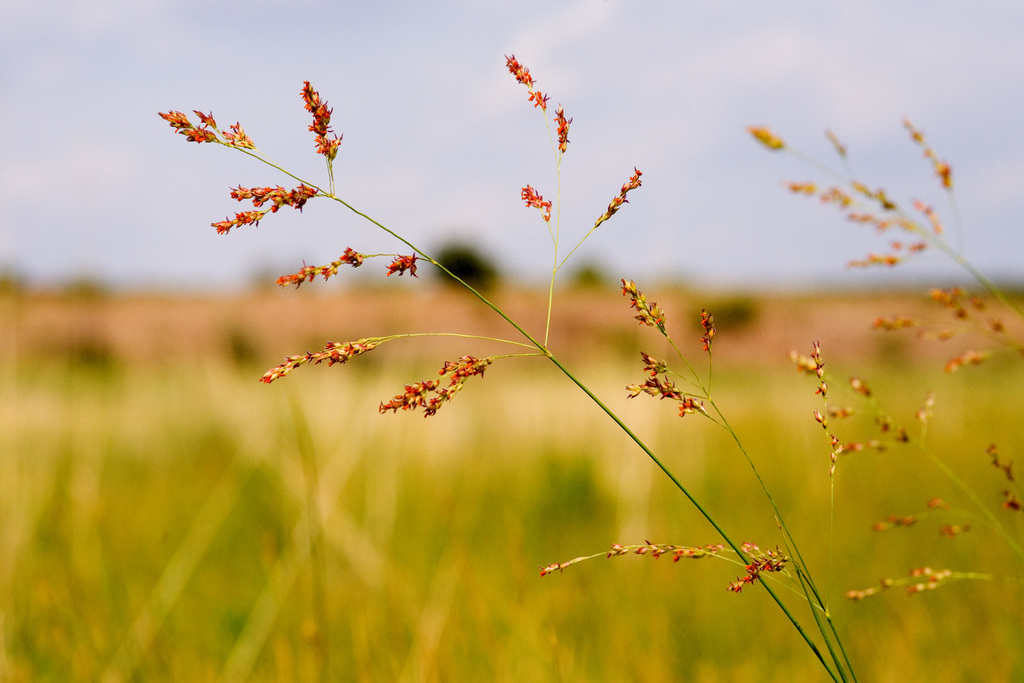
- MaidencaneHymenachne hemitomon
- Virginia SweetspireItea virginica
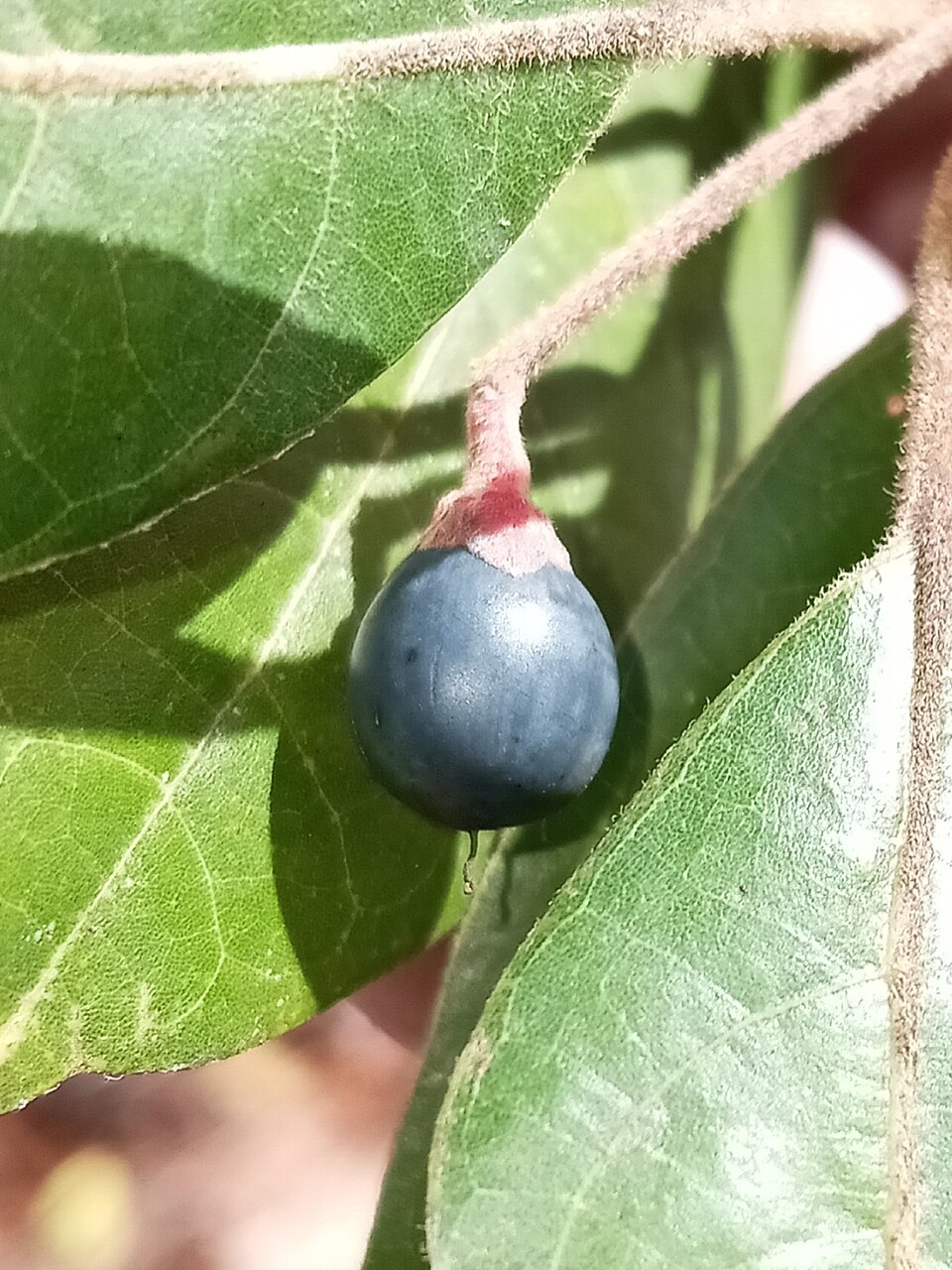
- PondberryLindera melissifolia
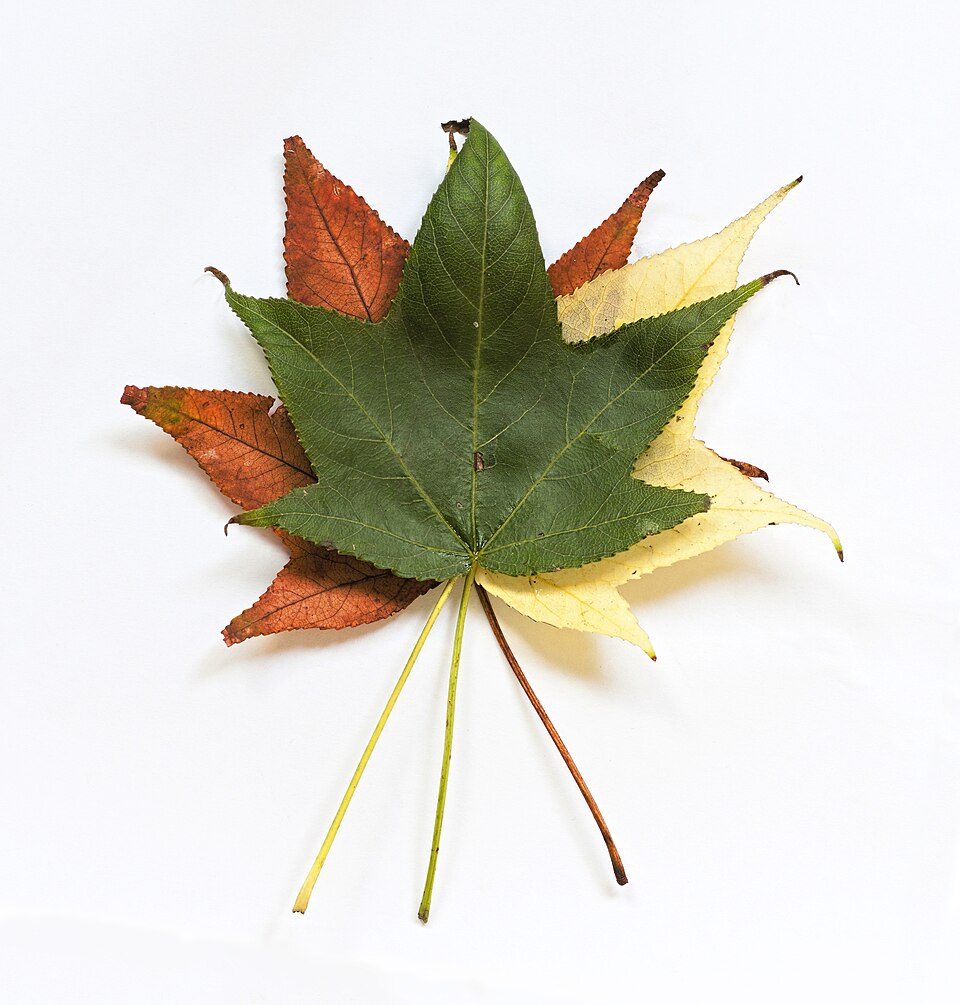
- SweetgumLiquidambar styraciflua
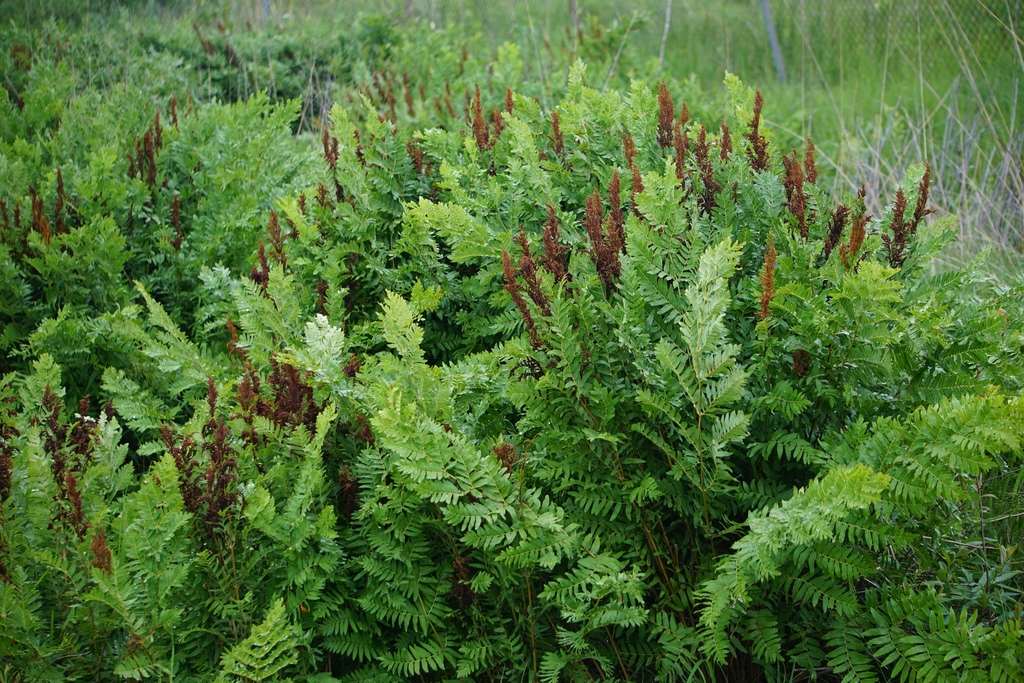
- Royal FernOsmunda spectabilis
- SwitchgrassPanicum virgatum
- Swamp RedbayPersea palustris
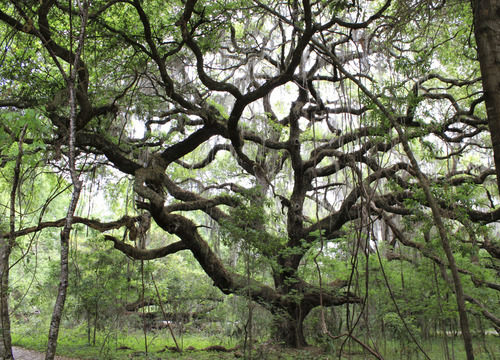
- Live OakQuercus virginiana
- Common Three Square BulrushSchoenoplectus pungens
- Saltmeadow CordgrassSpartina patens
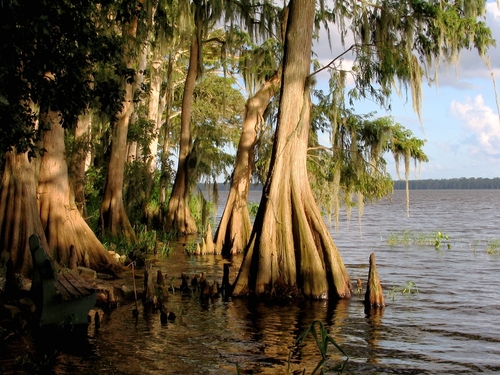
- Bald CypressTaxodium distichum
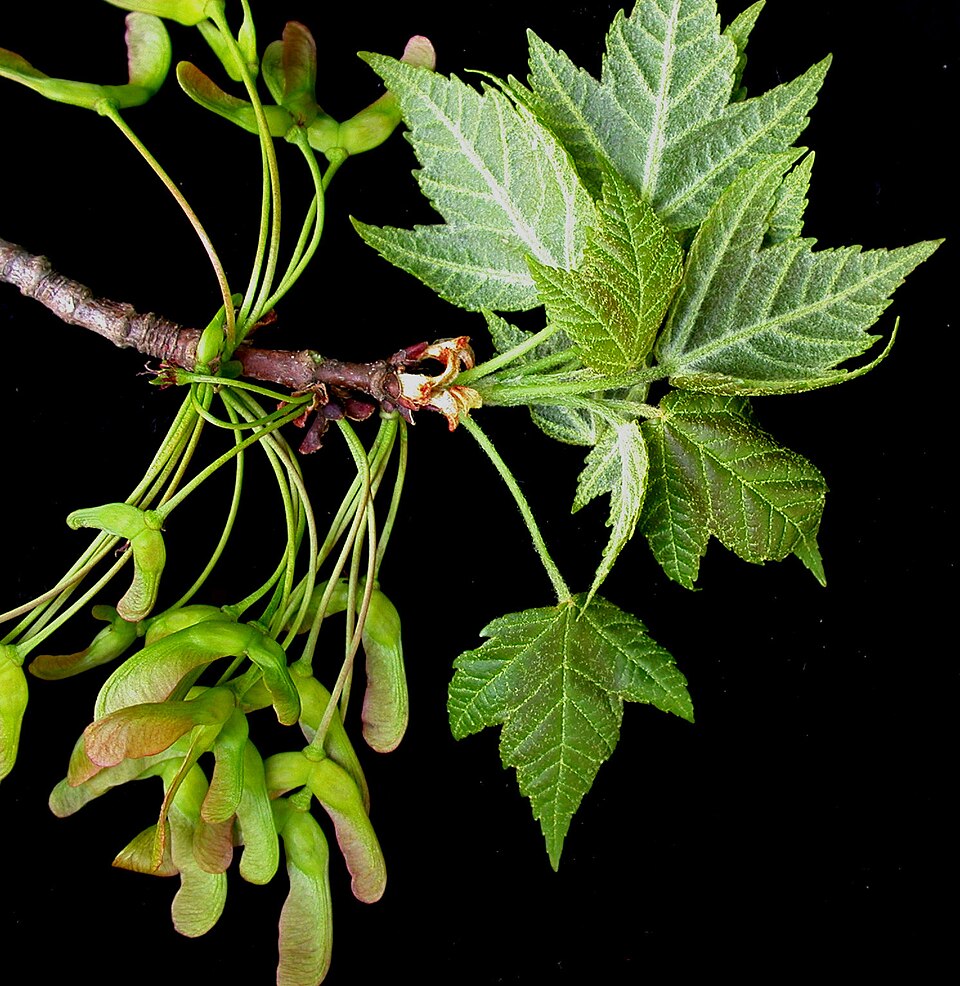
- Red MapleAcer rubrum
Wildlife 279
Other animals whose habitat models include the same habitats in Florida. Not sighting records.
- Red-winged BlackbirdAgelaius phoeniceus
- Ring-necked DuckAythya collaris
- Sharp-shinned HawkAccipiter striatus
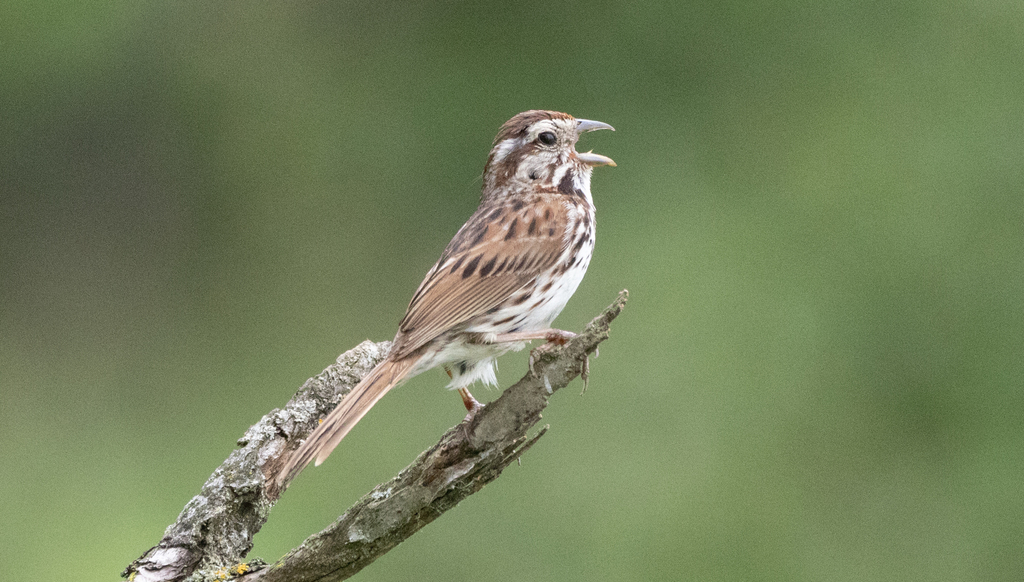
- Song SparrowMelospiza melodia
- Turkey VultureCathartes aura
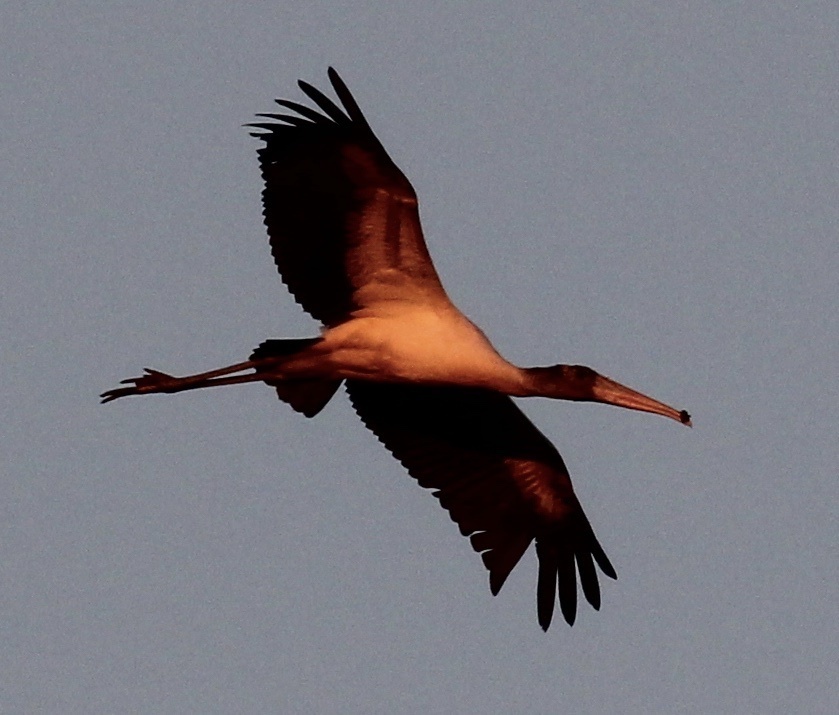
- Wood StorkMycteria americana
- Yellow-breasted ChatIcteria virens
- American CrowCorvus brachyrhynchos
- Belted KingfisherMegaceryle alcyon
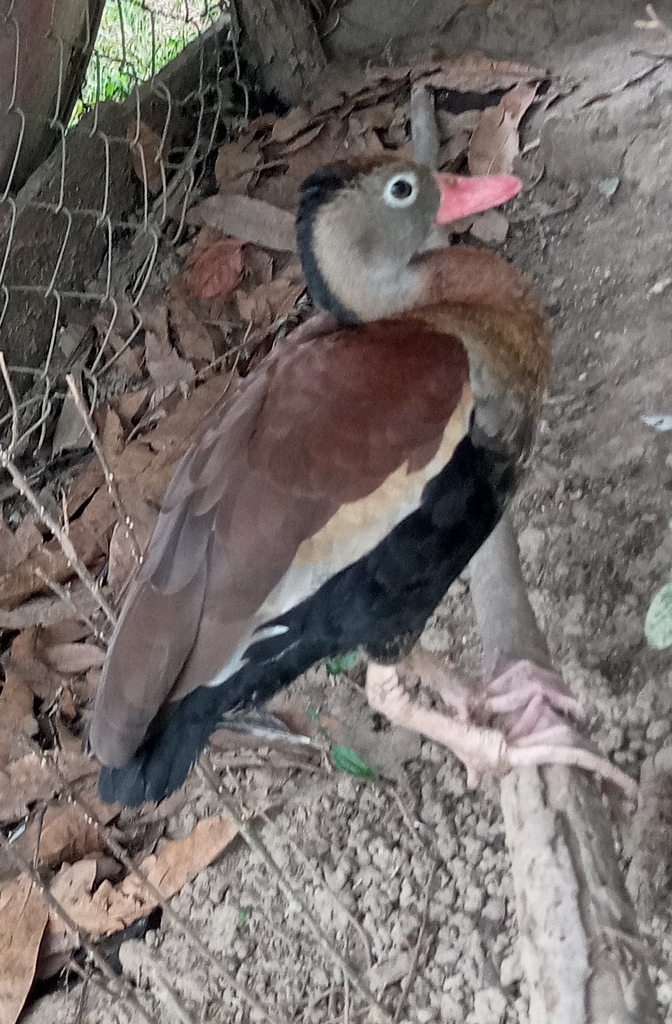
- Black-bellied Whistling-DuckDendrocygna autumnalis
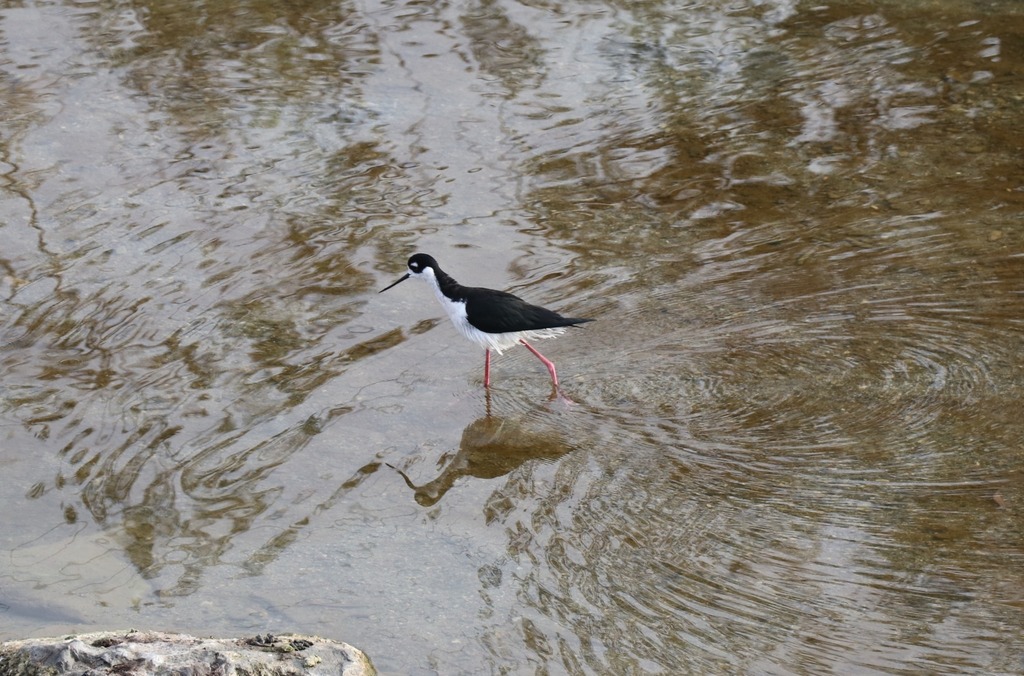
- Black-necked StiltHimantopus mexicanus
- Eastern KingbirdTyrannus tyrannus
- European StarlingSturnus vulgaris
- Fish CrowCorvus ossifragus
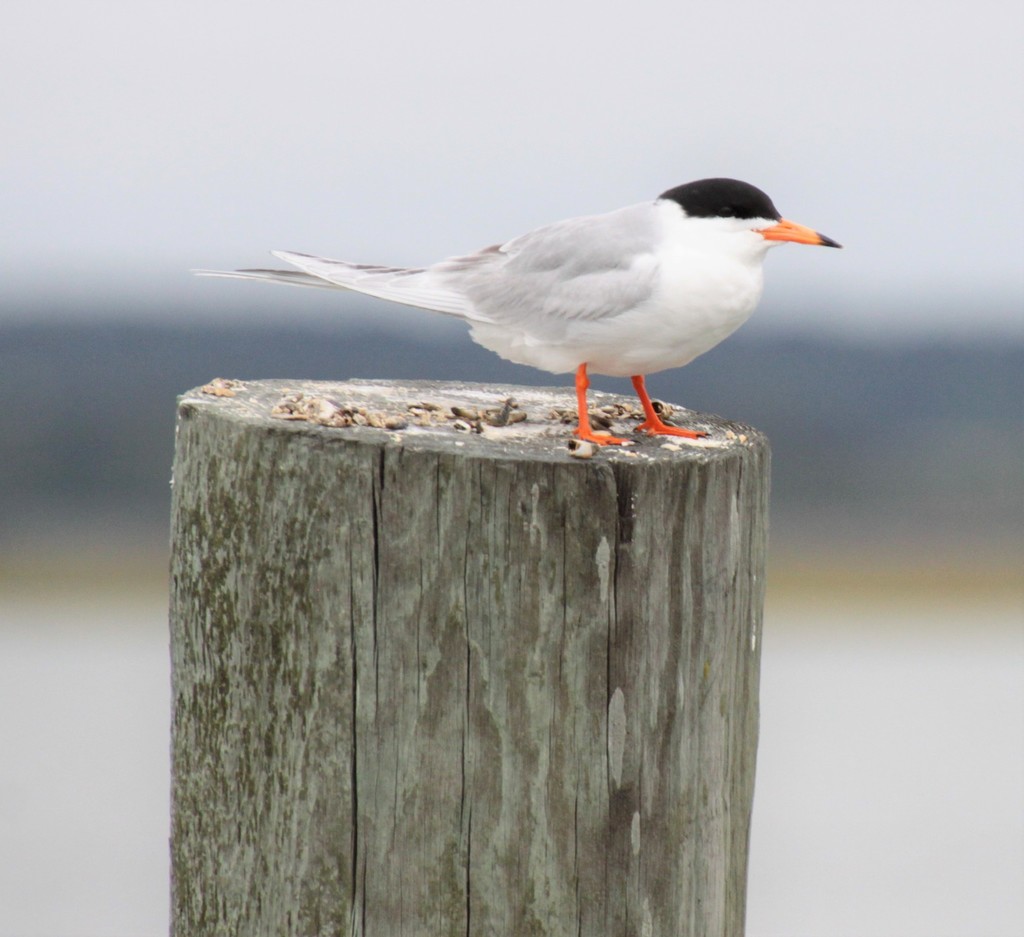
- Forster's TernSterna forsteri
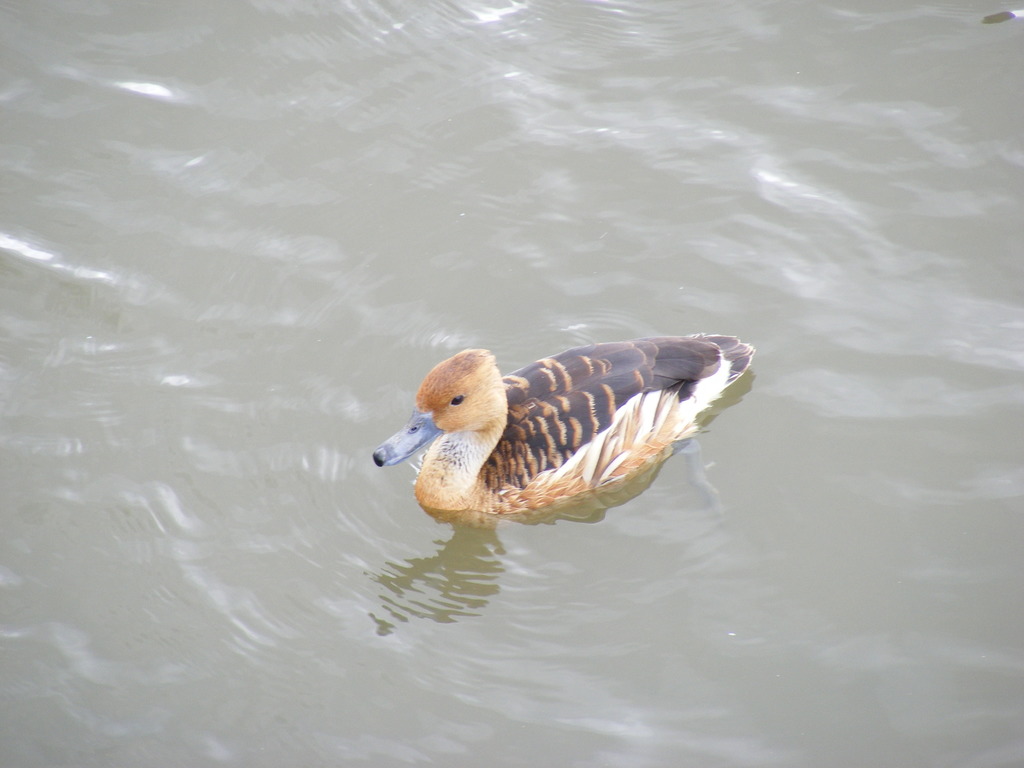
- Fulvous Whistling-duckDendrocygna bicolor
- Greater YellowlegsTringa melanoleuca
- Hooded MerganserLophodytes cucullatus
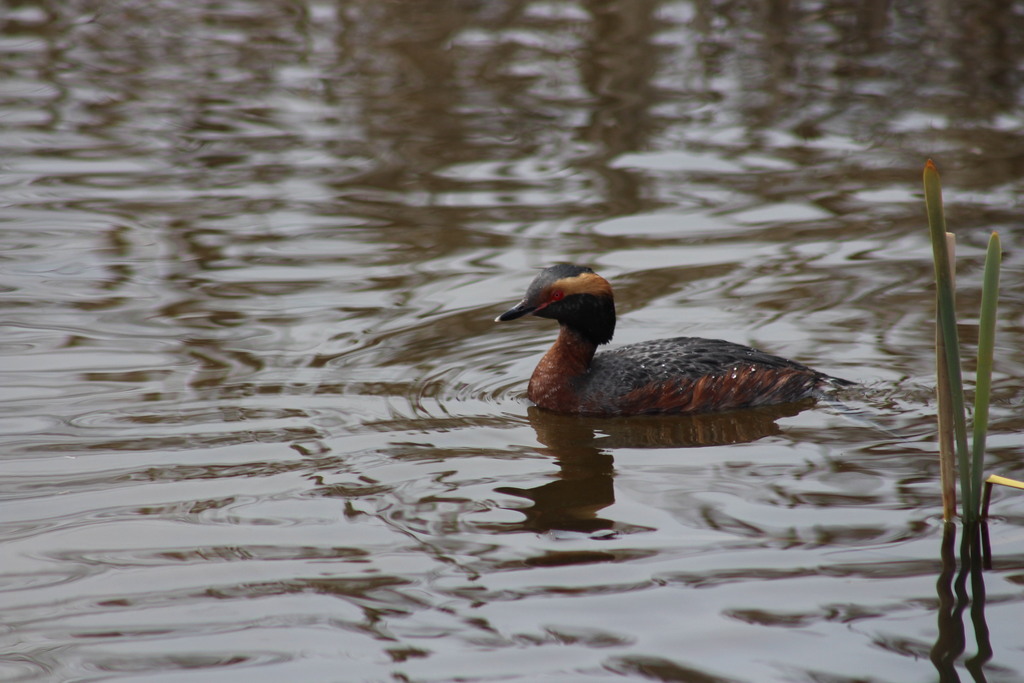
- Horned GrebePodiceps auritus
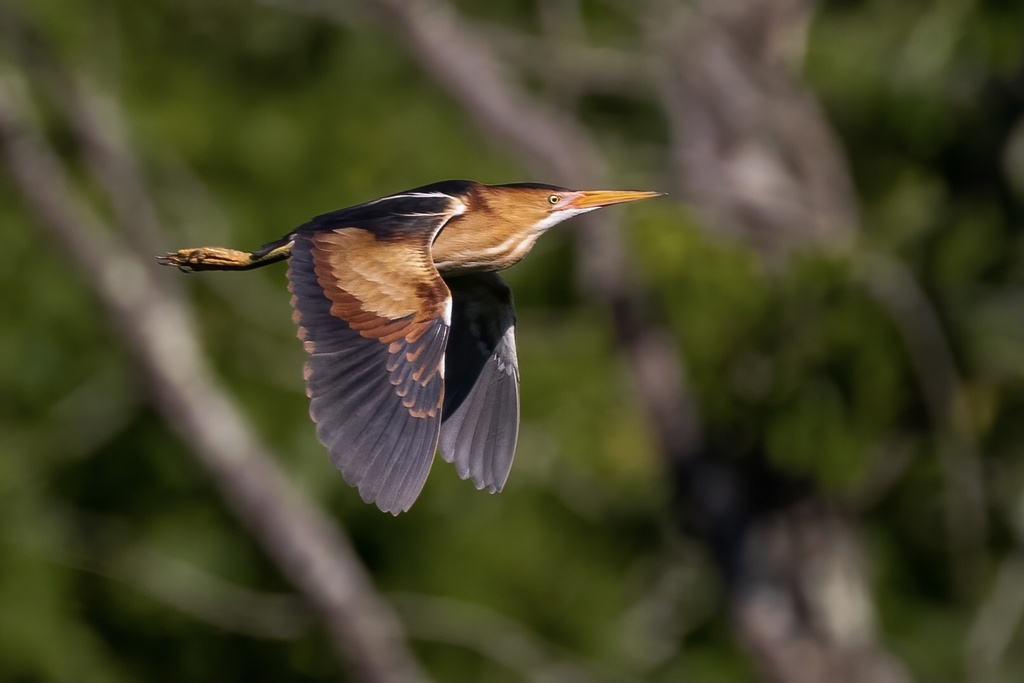
- Least BitternIxobrychus exilis
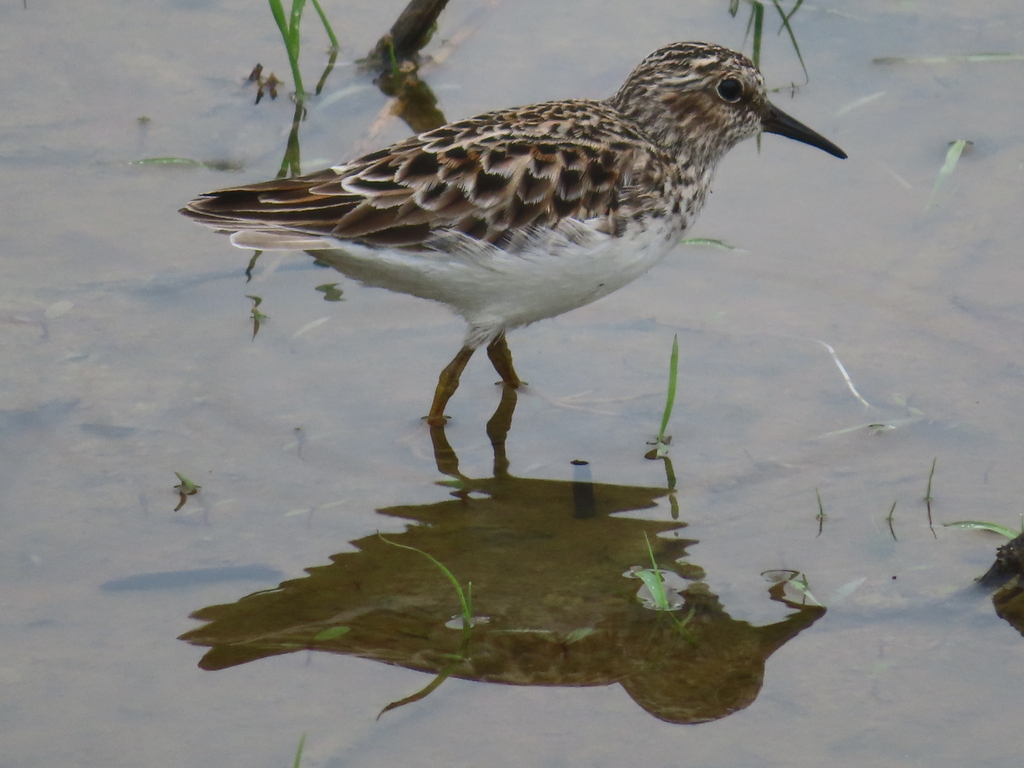
- Least SandpiperCalidris minutilla
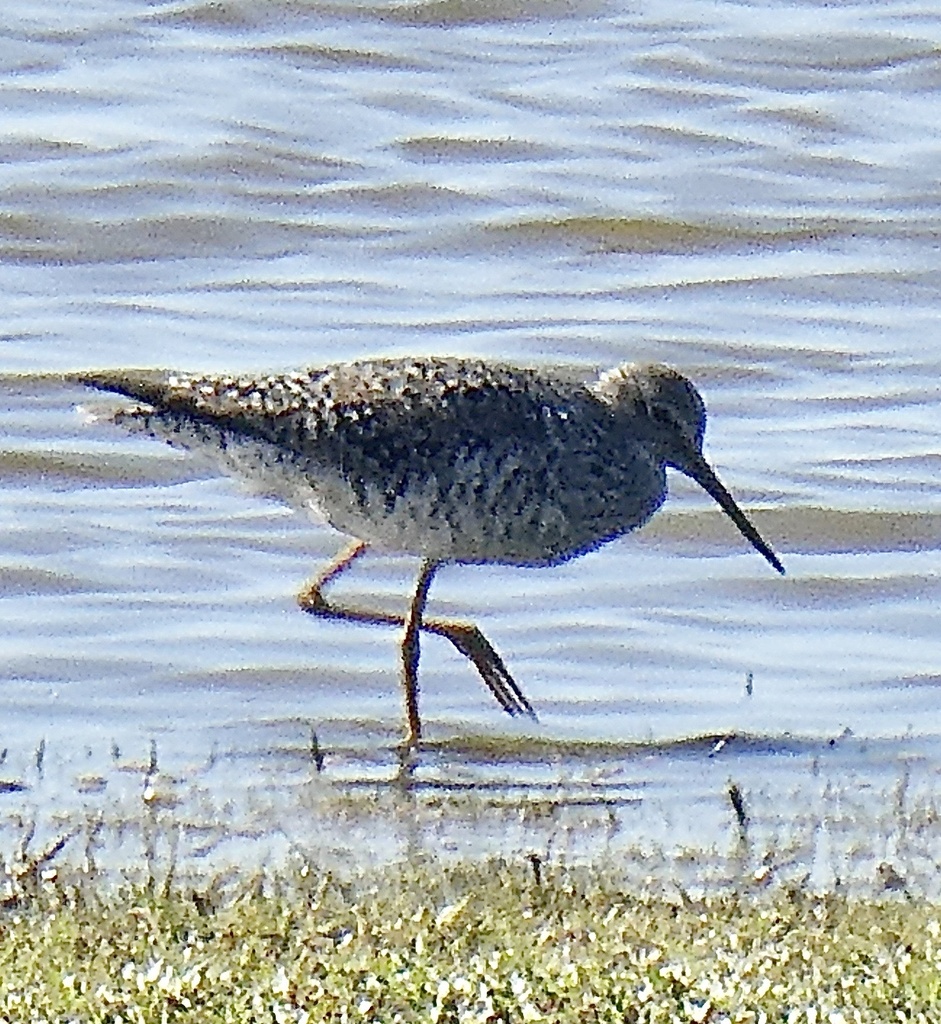
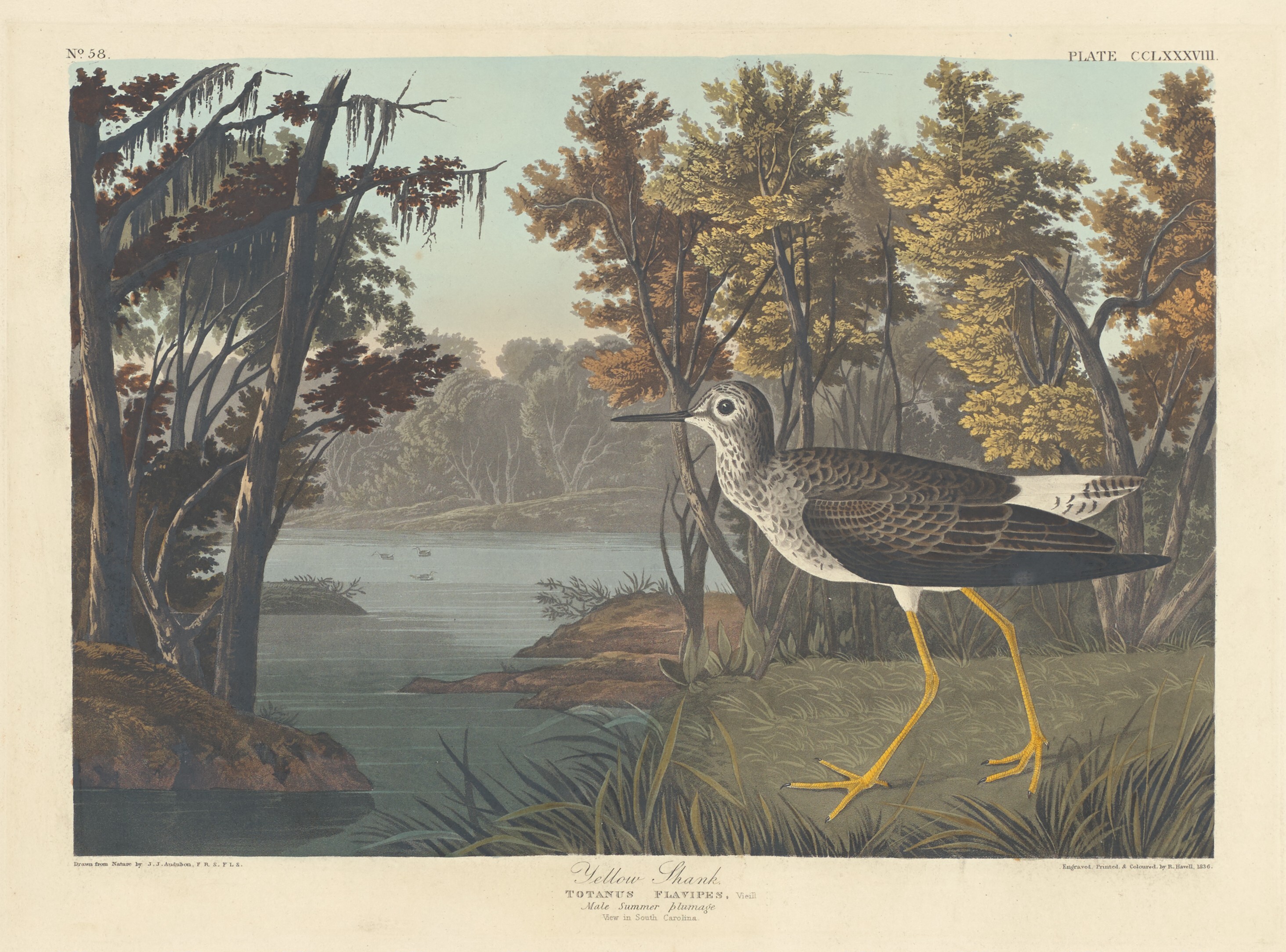
- Lesser YellowlegsTringa flavipes
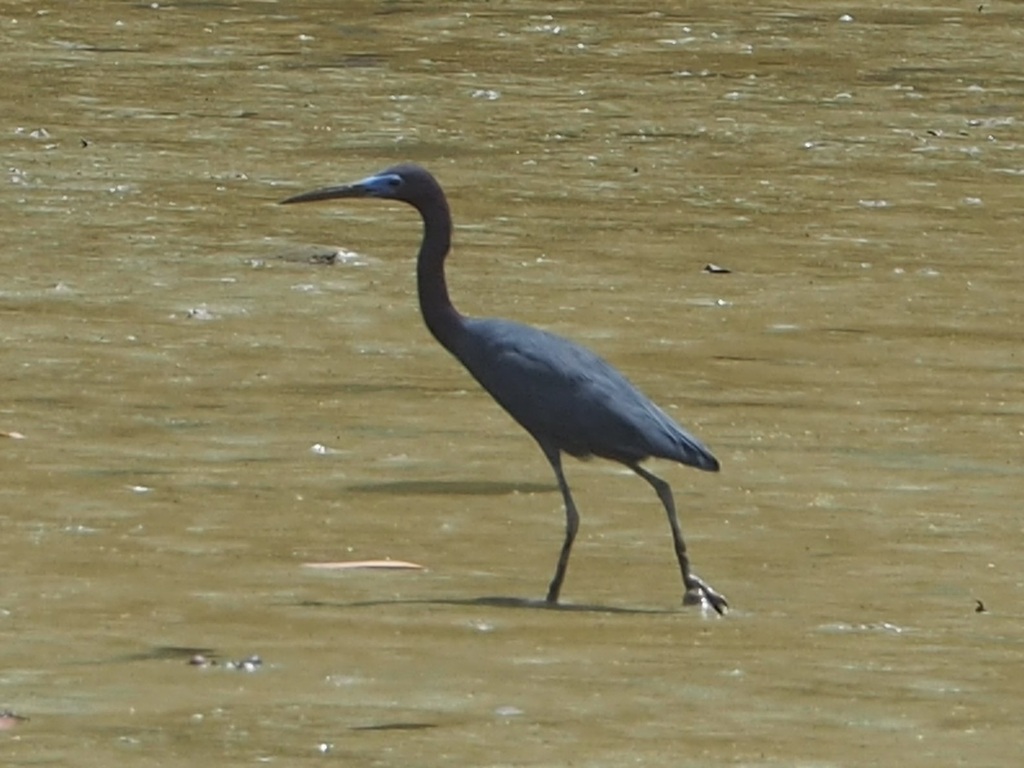
- Little Blue HeronEgretta caerulea
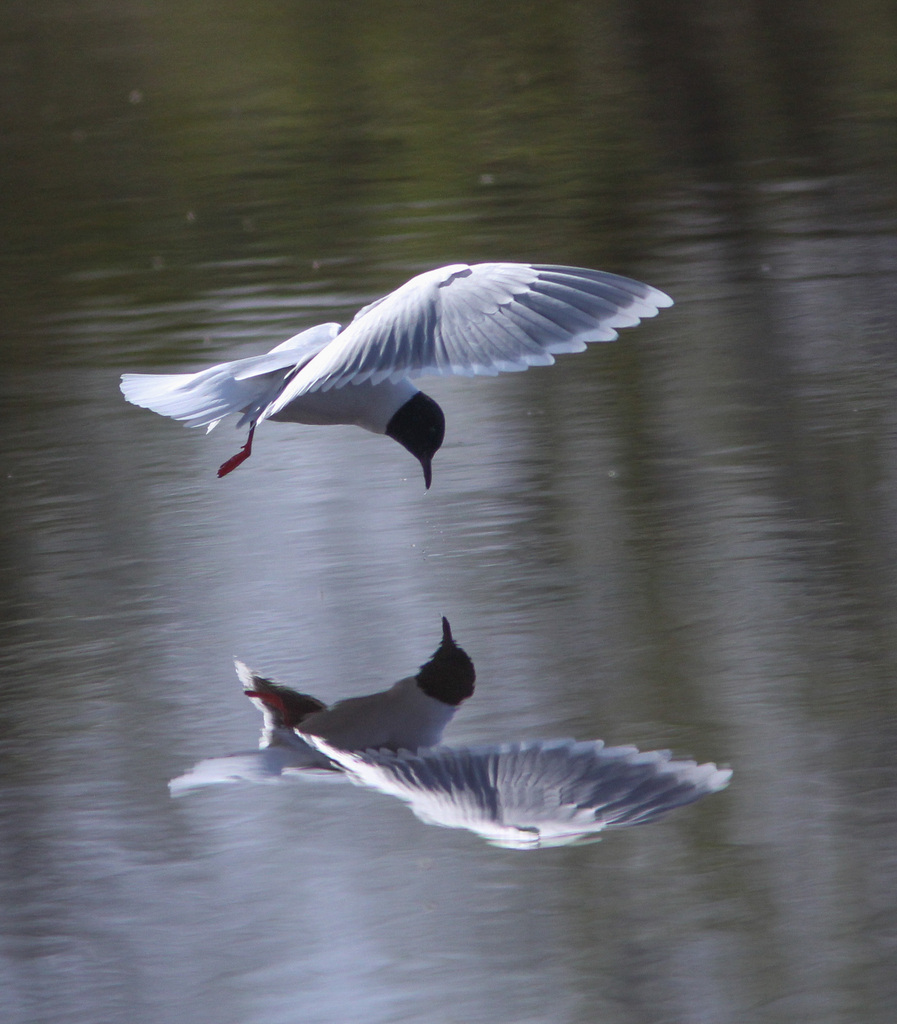
- Little GullHydrocoloeus minutus











NatureServe Explorer, CC BY 4.0. USGS Gap Analysis Project habitat models.
Sources
- USGS Gap Analysis Project habitat models (2001)
- USGS GAP winter habitat model for Canvasback
- USGS Gap Analysis Project range maps (2001), modeled by watershed; migratory gives no dates
- NatureServe Explorer (CC BY 4.0), habitat names
- US Census TIGER/Line counties
- Names follow the USGS Gap Analysis Project (2001)