

Royal Fern
Osmunda spectabilis
Found in bogs, marshes (including tidal), moist forests, floodplains, wet meadows, swamp forests, ditches, and other wetlands. FloraQuest, phone app (app page) What its natural habitat tells you
Native to Florida. How scores work Is it native here?
Profile 100%
- Height
- About 4.5 feet
- Spread
- 2–3 feet
- Light
- Partial sun
- Soil moisture
- Average to wet
Space about 2.5 ft apart from its recorded spread, about 16 per 100 sq ft. Enter your bed size for a count
Will it fit your yard?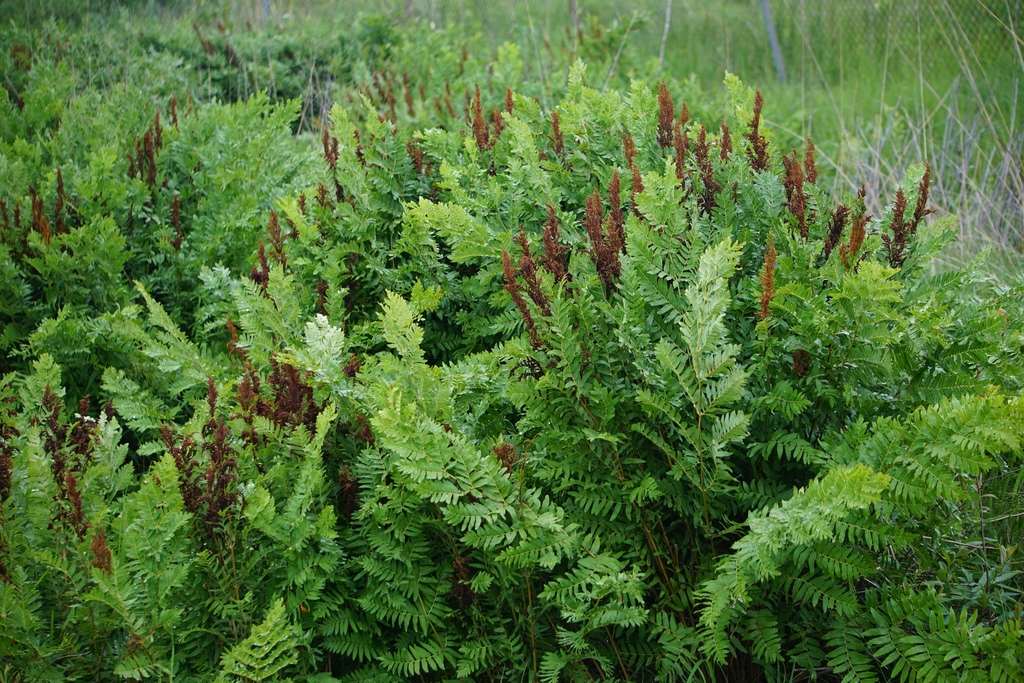
At a glance
- Life cycle
- Biennial
- Bloom
- March to June
- Fruiting season
- Spring to summer
Not yet recorded · Leaves
Recorded in 66 Florida counties.
Natural habitats
Places it grows wild. Not a planting requirement. Each habitat page lists the plants and wildlife also found there.


Forests on moist but not wet ground, such as rich slopes and ravines.
Floodplain and bottomland forests
Forests on low ground beside rivers and streams that flood from time to time.
Open, wet, grassy or sedgy ground that is not a bog.
Roadsides, fields and disturbed ground
Ground opened by people: roadsides, old fields, pastures, fencerows and lots.
Also found with this plant
Wildlife whose habitat models include habitats this plant grows in, in Florida. Shared habitat, not food. 197 animals.
- American Black DuckAnas rubripes
- American CootFulica americana
- American CrowCorvus brachyrhynchos
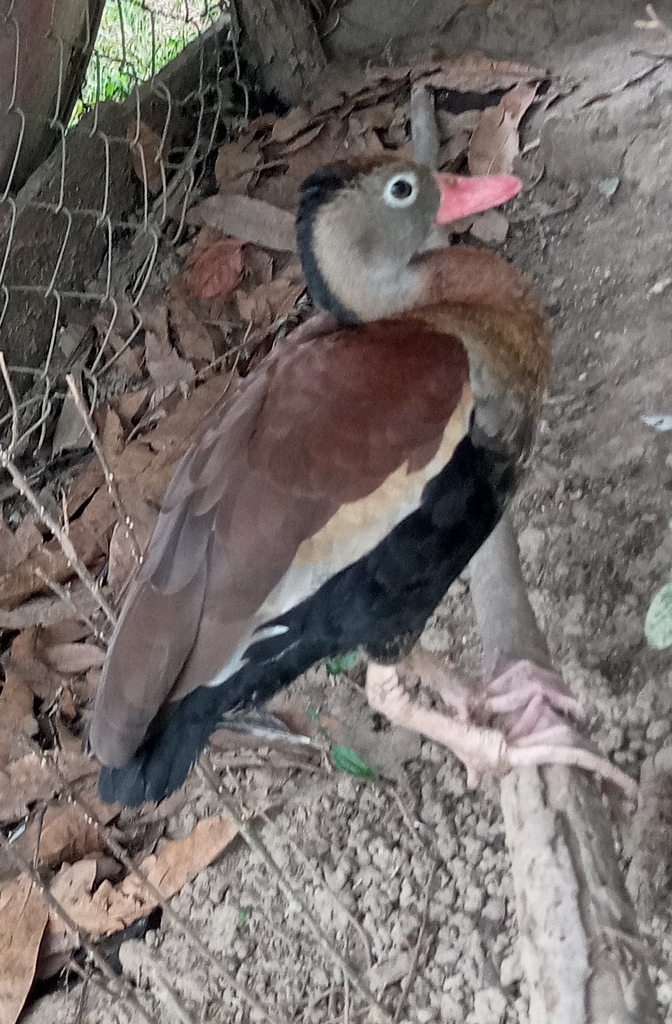
- Black-bellied Whistling-DuckDendrocygna autumnalis
- Black-crowned Night-heronNycticorax nycticorax
- Common GrackleQuiscalus quiscula
- Common NighthawkChordeiles minor
- Common YellowthroatGeothlypis trichas
- Cooper's HawkAccipiter cooperii
- Eastern KingbirdTyrannus tyrannus
- Fish CrowCorvus ossifragus
- Great Blue HeronArdea herodias
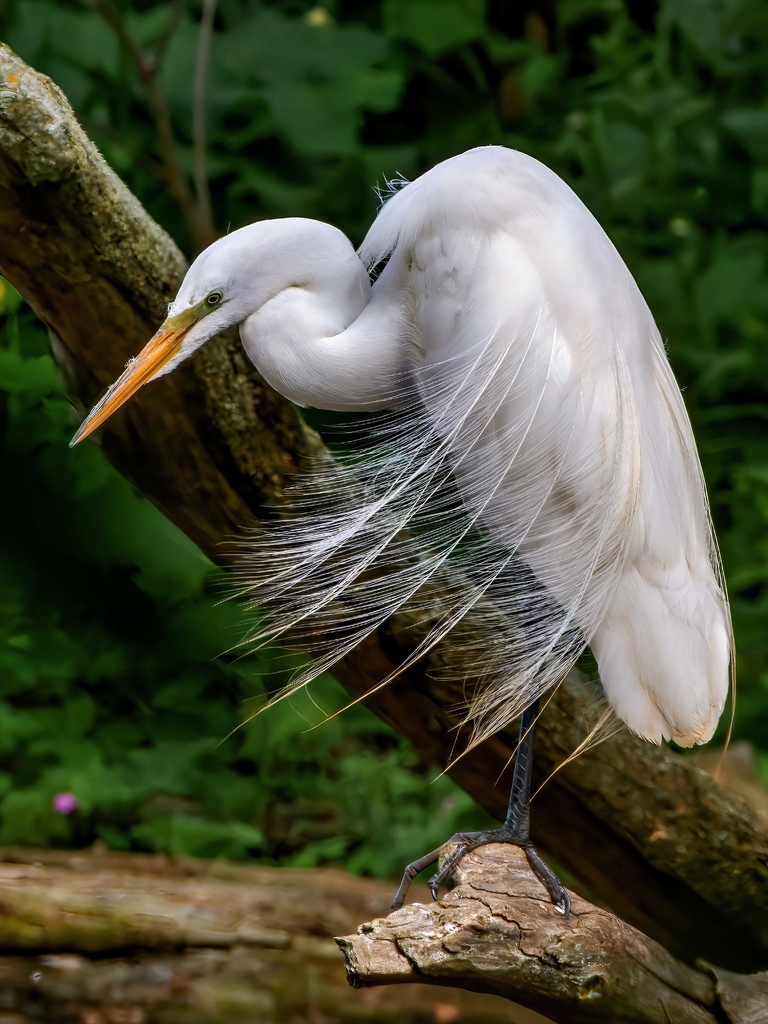
- Great EgretArdea alba
- Great Horned OwlBubo virginianus
- Green HeronButorides virescens
- Hooded MerganserLophodytes cucullatus
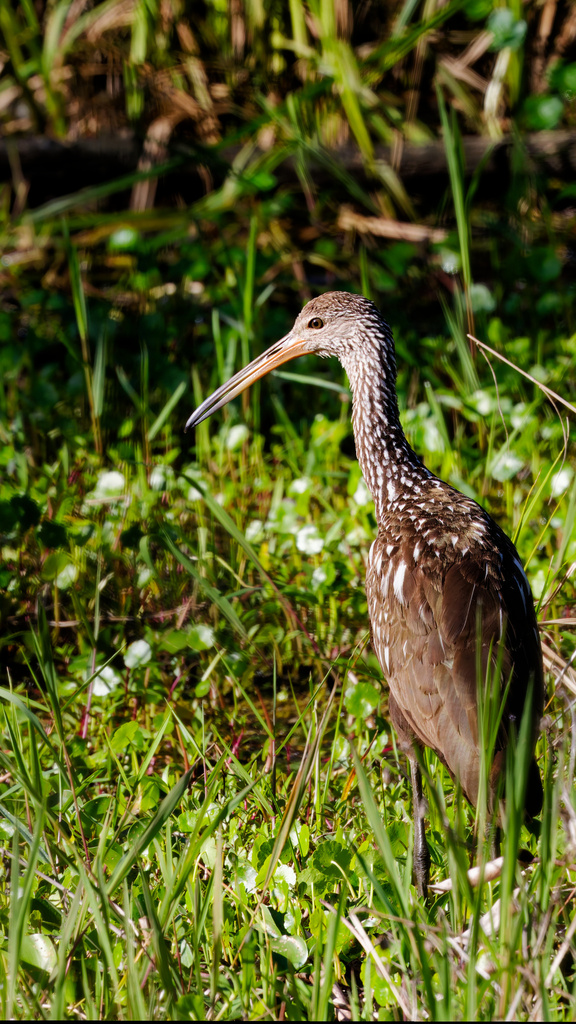
- LimpkinAramus guarauna
- MallardAnas platyrhynchos
- Northern CardinalCardinalis cardinalis
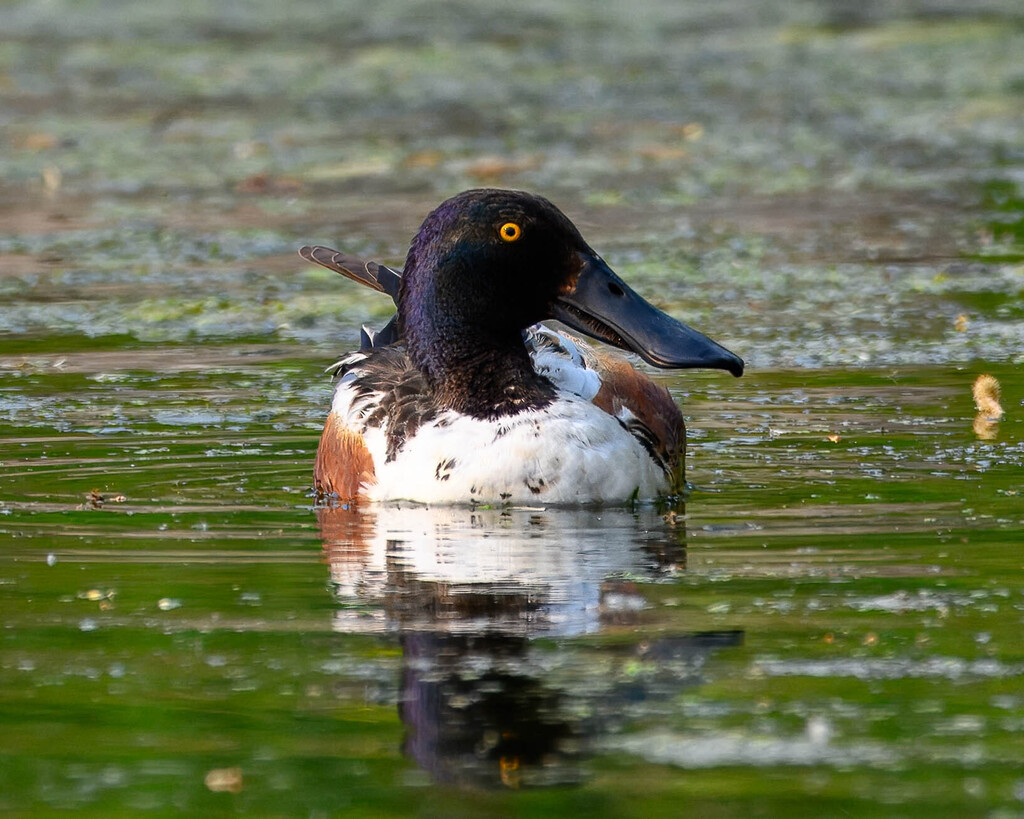
- Northern ShovelerAnas clypeata
- OspreyPandion haliaetus
- Sharp-shinned HawkAccipiter striatus
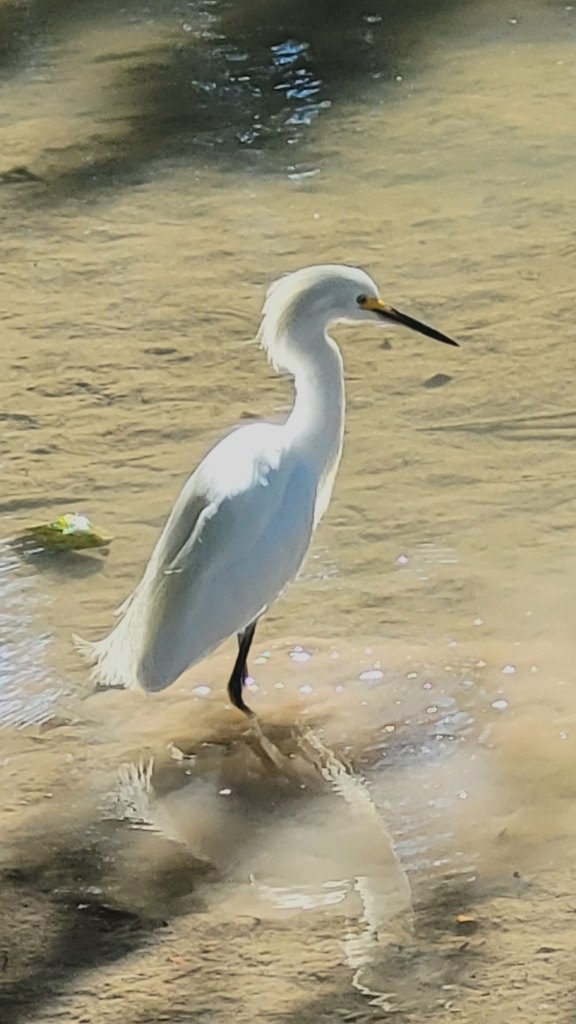
- Snowy EgretEgretta thula
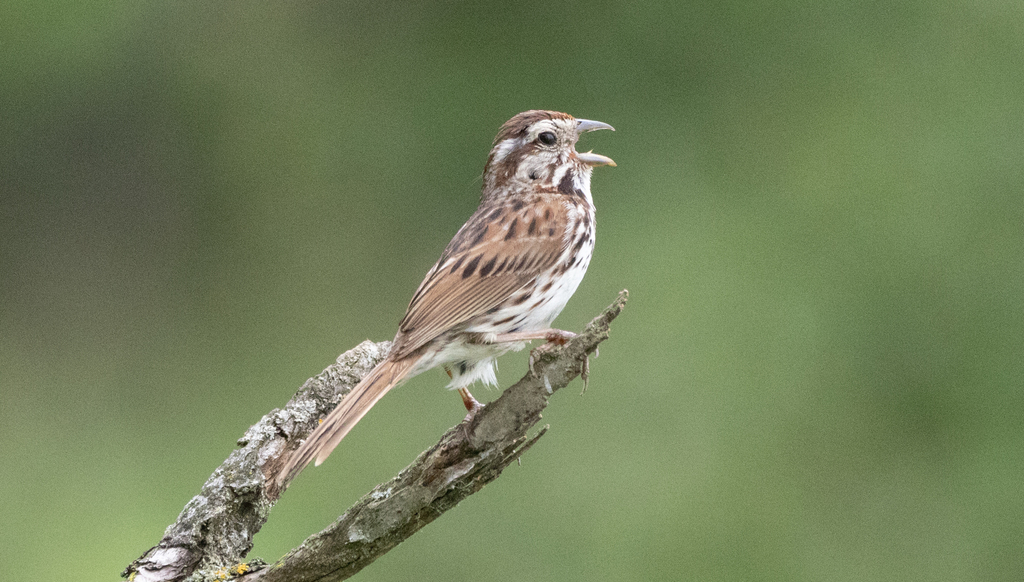
- Song SparrowMelospiza melodia


















Who uses this plant?
 7CaterpillarsGenus host records with ranges including FL
Genus host records with ranges including FL · Osmunda
- Euplexia benesimilisAmerican Angle Shades
- Fagitana litteraMarsh Fern Moth
- Herpetogramma aeglealisSerpentine Webworm
- Olethreutes osmundanaFern Olethreutes
- Pandemis limitataThree-Lined Leafroller Moth
- Papaipema speciosissimaOsmunda Borer
- Herpetogramma theseusalis
 0BeesSoutheastern regional records
 0Specialist beesPollen specialists
 —BirdsRecorded genus food-resource interactions; not a state feeding claim
No records yet · Ants · Beetles · Flies · Adult butterflies / moths · Other wasps · Other insects
Plant details
- Family
- Osmundaceae
- Flower color
- Non-flowering
- Growth rate
- Rapid
- Growth habit
- Spreads by rhizomes
- Foliage color
- Green
- Fruit begins
- Spring
- Fruit ends
- Summer
Safety has not been reviewed for this plant; check toxicity and thorns before planting.
Growing sources and scope
- Bloom · “March to June” · FloraQuest: Carolinas, Georgia (Southeastern Flora Team), phone app (app page) (ranked first; USDA PLANTS differs) · Carolinas and Georgia
- Flower color · “Non-flowering” · Missouri Botanical Garden: Osmunda regalis var. spectabilis
- Foliage color · “Green” · USDA PLANTS · Nationwide species characteristics; local growing conditions may vary
- Fruit begins · “Spring” · USDA PLANTS · Nationwide species characteristics; local growing conditions may vary
- Fruit ends · “Summer” · USDA PLANTS · Nationwide species characteristics; local growing conditions may vary
- Growth habit · “Spreads by rhizomes” · USDA PLANTS · Nationwide species characteristics; local growing conditions may vary
- Growth rate · “Rapid” · USDA PLANTS · Nationwide species characteristics; local growing conditions may vary
- Height · “About 4.5 feet” · USDA PLANTS (ranked first; Minnesota Wildflowers differs) · Nationwide species characteristics; local growing conditions may vary
- Life cycle · “Biennial” · Minnesota Wildflowers
- Light · “Partial sun (minimum requirement)” · Virginia DCR Piedmont · Virginia regional planting chart; sunlight is a minimum requirement, moisture is low/moderate/high
- Soil · “Medium; Wet” · Missouri Botanical Garden: Osmunda regalis var. spectabilis
- Spread · “2–3 feet” · Missouri Botanical Garden: Osmunda regalis var. spectabilis
Also known as
American Royal Fern; Osmunda regalis
Conservation status
| Florida rank | S5 |
|---|---|
| Global rank | G5 |
| FL status | Not verified |
| Federal status | Not verified |
Will it fit your yard?
Check this plant against your county, sun and soil moisture. Conditions are checked in your browser.
Growing cautions
- Spreads by rhizomes. USDA PLANTS lists its growth form as rhizomatous. USDA PLANTS
For planning only; these do not change the score or Fit.
Sources
- Atlas of Florida Plants
- USDA PLANTS
- Vascular Plants of North Carolina (NC Natural Heritage Program)
- FloraQuest: Florida (Weakley), phone app (app page)
- NatureServe Explorer
- Shropshire & Tallamy 2025, Lepidoptera of North America north of Mexico, ZooKeys 1261 (ODbL)
- Noori, Seltmann & Orr 2026, A curated and integrated dataset for exploring global bee-plant interactions (GloBI), Zenodo, CC BY 4.0
- Smith, Bachelder, Russell, Morales, Mosher & Seltmann 2024, Bee-Specialization-Modeling v0.6.1 (specialist host table compiled from J. Fowler's pollen specialist bee lists), Zenodo, CC BY 4.0
- Hurlbert, Olsen, Sawyer & Winner 2021, Avian Diet Database, Scientific Data 8: 260 (CC0)
- Narango, Tallamy & Shropshire 2020, Few keystone plant genera support the majority of Lepidoptera species, Nature Communications