

Bird
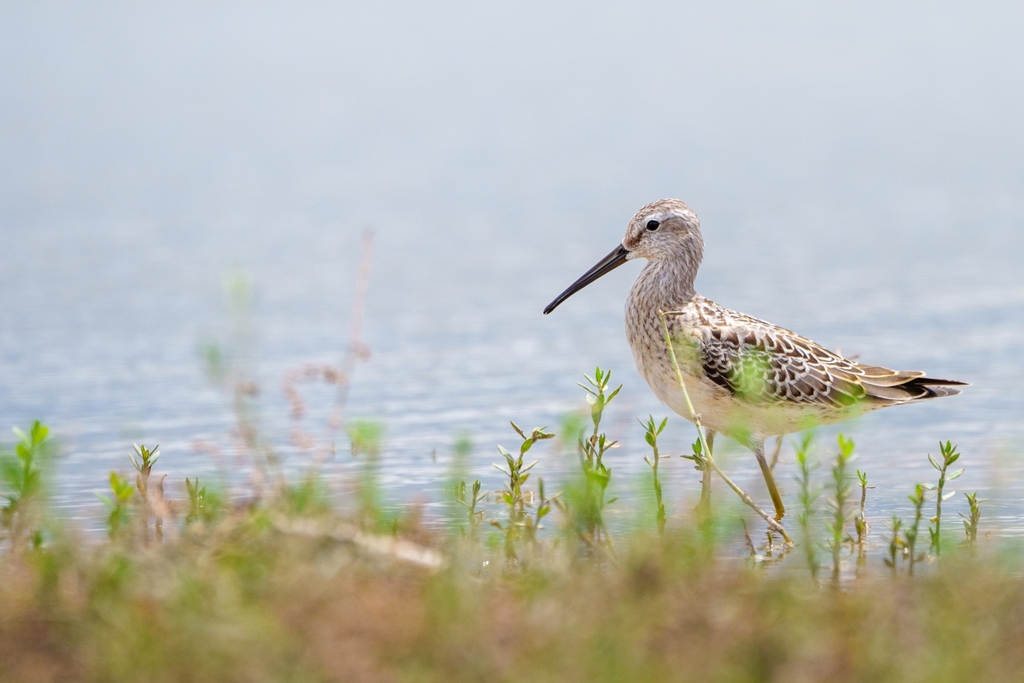
Lesser Yellowlegs
Tringa flavipes
Names as given by USGS GAP.
Migratory and winter in Florida, in the USGS range maps. Its habitat models include 11 habitats found here.
- Seasons here
- Migratory and winter
- Breeding
- Nonbreeding
- Range
- 66 of 67 counties
- Habitats
- 11
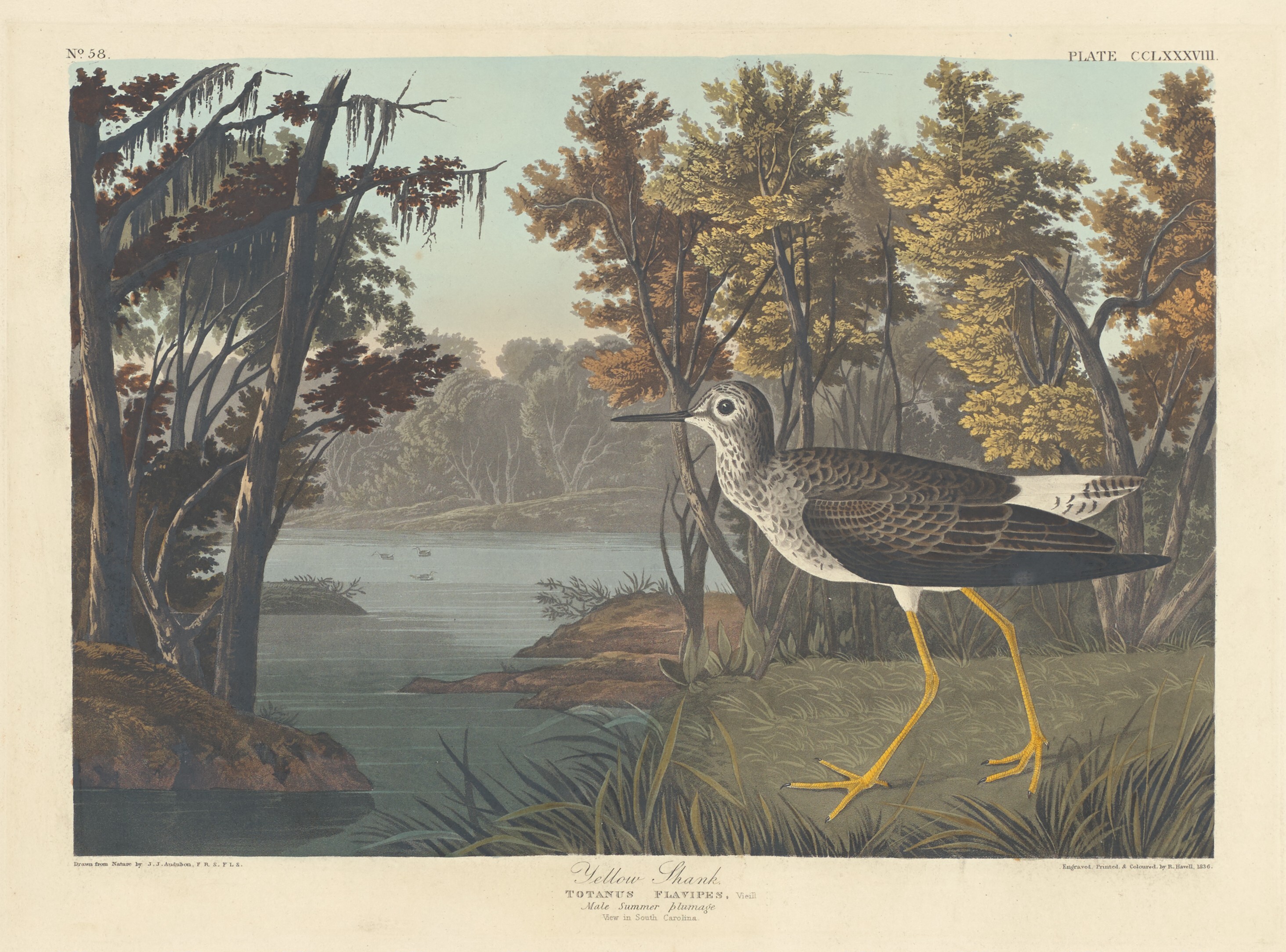
At a glance
- Group
- Birds
- Seasons in Florida
- Migratory and winter
- Breeding
- Nonbreeding
- Counties in known range
- 66 of 67
- Habitat models
- Winter
Where it lives
Southeast habitat models (USGS, 2001 land cover). The bird is not in every place a habitat occurs. USGS Gap Analysis Project habitat models Winter model
Habitats in Florida 11
Each habitat page lists the plants and wildlife also found there. Shared habitat, not food.

Open sand of beaches, dunes and the hollows between them.
Open, wet, seepage-fed bogs of the Coastal Plain and Sandhills, often with pitcher plants.
Coastal tidal marshes (salinity not stated)
Tidal marshes of the Atlantic and Gulf coasts where the source does not say whether the water is fresh, brackish or salt. A stated salinity files the marsh under freshwater tidal marshes or salt and brackish marshes instead.
Depression ponds and limesinks
Shallow ponds in Coastal Plain depressions, such as limesinks and the ponds in some Carolina bays, that rise and fall with the seasons.
Disturbed and introduced wetlands
Wet ground taken over by weedy or introduced plants after disturbance, such as common reed, Chinese tallow or tamarisk stands; the upland counterpart is roadsides, fields and disturbed ground.
Marshes along tidal rivers where the water is fresh but rises and falls with the tide.
Open, fire-kept longleaf pine stands over grasses and wildflowers on wet to moist sandy soil.
Coastal marshes flooded by salty or brackish tides.
Salt and brackish open water of sounds, bays and estuaries, with the mud and sand flats and seagrass beds that tides cover and uncover; the vegetated marsh is salt and brackish marshes.
Other habitats in its models (19)
Land cover, or classes with no habitat page in Florida.
- Open Water (Aquaculture) Winter
- Unconsolidated Shore (Lake/River/Pond) Winter
- Unconsolidated Shore Winter
- Upper Texas Coast Beach Winter
- Texas Coastal Bend Beach Winter
- East-Central Texas Plains Riparian Forest Winter
- East-Central Texas Plains Floodplain Forest Winter
- Atlantic Coastal Plain Xeric River Dune Winter
- Atlantic Coastal Plain Northern Tidal Salt Marsh Winter
- Atlantic Coastal Plain Clay-Based Carolina Bay Herbaceous Wetland Winter
- Central Florida Herbaceous Seep Winter
- South Florida Wet Marl Prairie Winter
- East Gulf Coastal Plain Southern Depression Pondshore Winter
- South Florida Freshwater Slough and Gator Hole Winter
- East Gulf Coastal Plain Large River Floodplain Forest - Herbaceous Modifier Winter
- South-Central Interior Large Floodplain - Herbaceous Modifier Winter
- West Gulf Coastal Plain Small Stream and River Forest Winter
- West Gulf Coastal Plain Large River Floodplain Forest Winter
- Texas-Louisiana Coastal Prairie Slough Winter
Model settings
Settings in the USGS model, not field measurements.
- Winter model: Elevation 0 to 3,800 m
Habitat names: NatureServe Explorer, CC BY 4.0.
Seasons in Florida
Modeled range from USGS maps (2001), by watershed. Not sighting records. Migratory gives no dates. USGS Gap Analysis Project range maps
- Migratory. Nonbreeding. Range includes 14 of 67 counties
- Winter. Nonbreeding. Range includes 66 of 67 counties
Also found in this habitat
Plants 296
Plants named in NatureServe descriptions of these habitats that grow in Florida. Shared habitat, not food.
- Black NeedlerushJuncus roemerianus
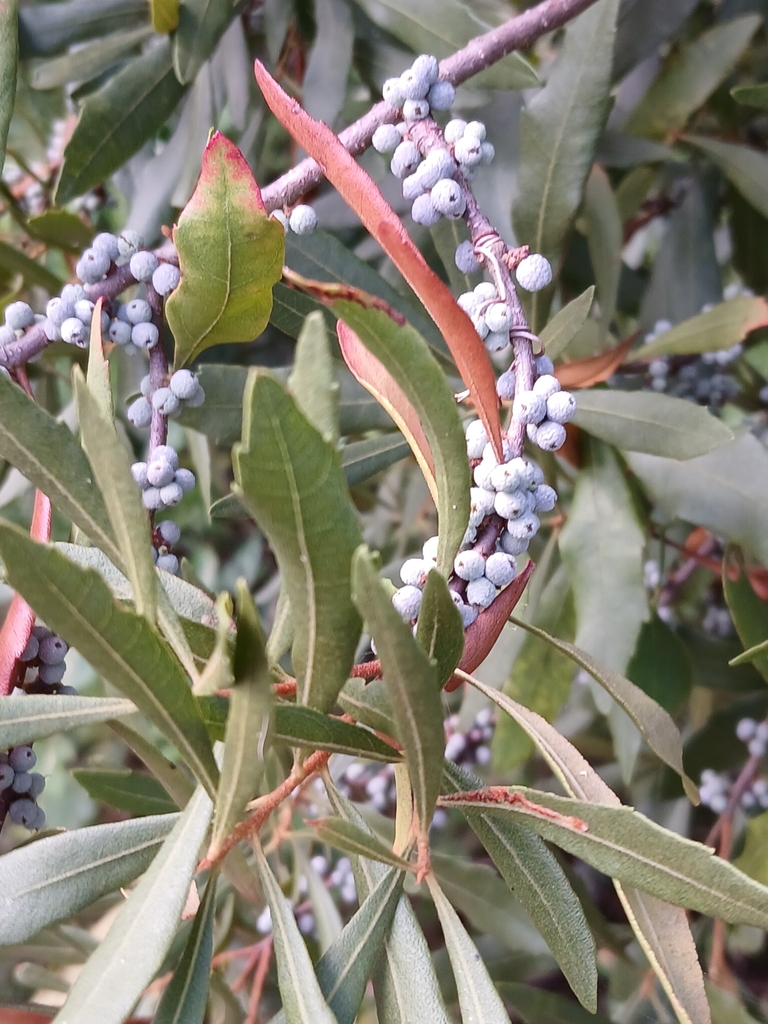
- Common WaxmyrtleMorella cerifera
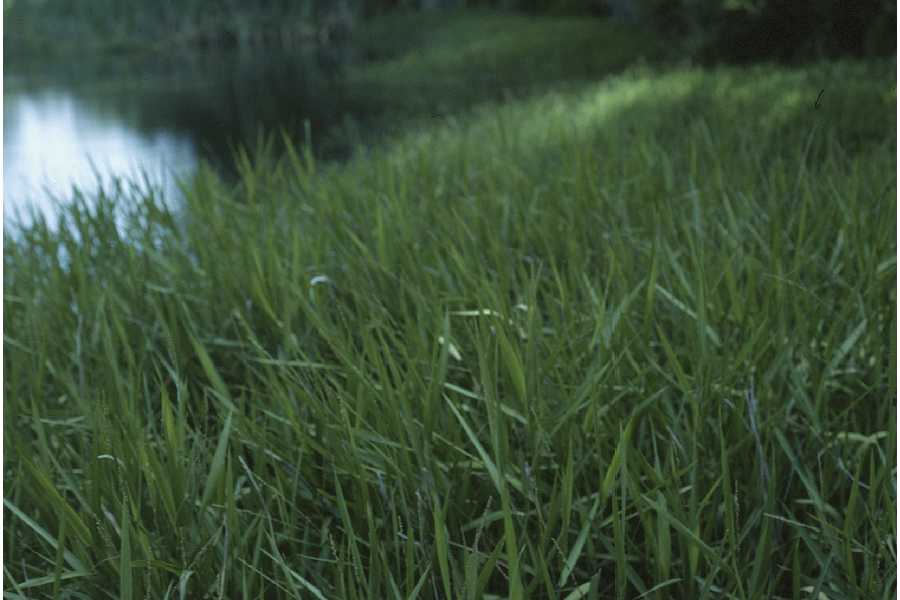
- MaidencaneHymenachne hemitomon
- Violet ButterwortPinguicula ionantha
- Saltmarsh CordgrassSpartina alterniflora
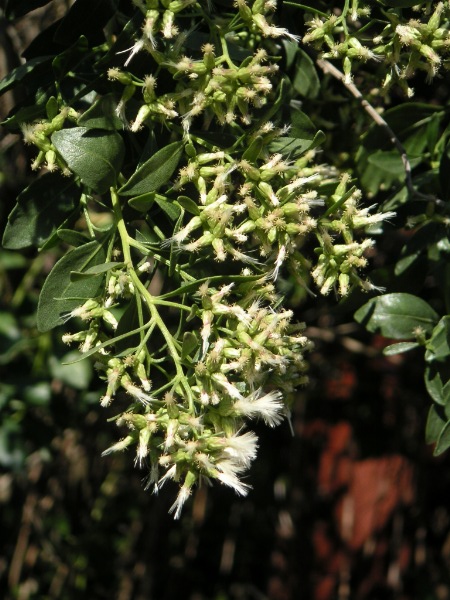
- Groundsel-treeBaccharis halimifolia
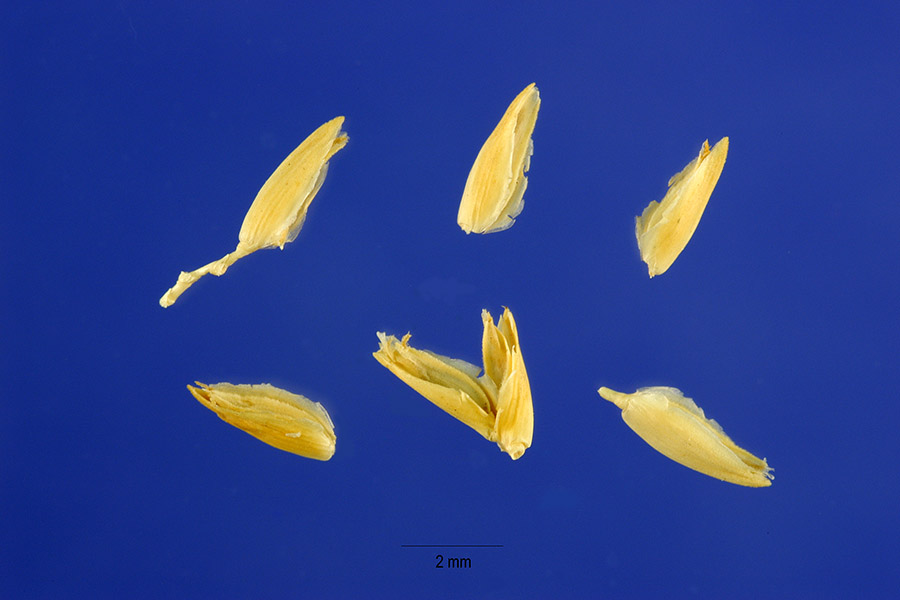
- Coelorachis tuberculosaCoelorachis tuberculosa
- Tropical WaxweedCuphea aspera
- Seashore SaltgrassDistichlis spicata
- Curtiss' PrimrosewillowLudwigia curtissii
- Common Three Square BulrushSchoenoplectus pungens
- Saltmeadow CordgrassSpartina patens
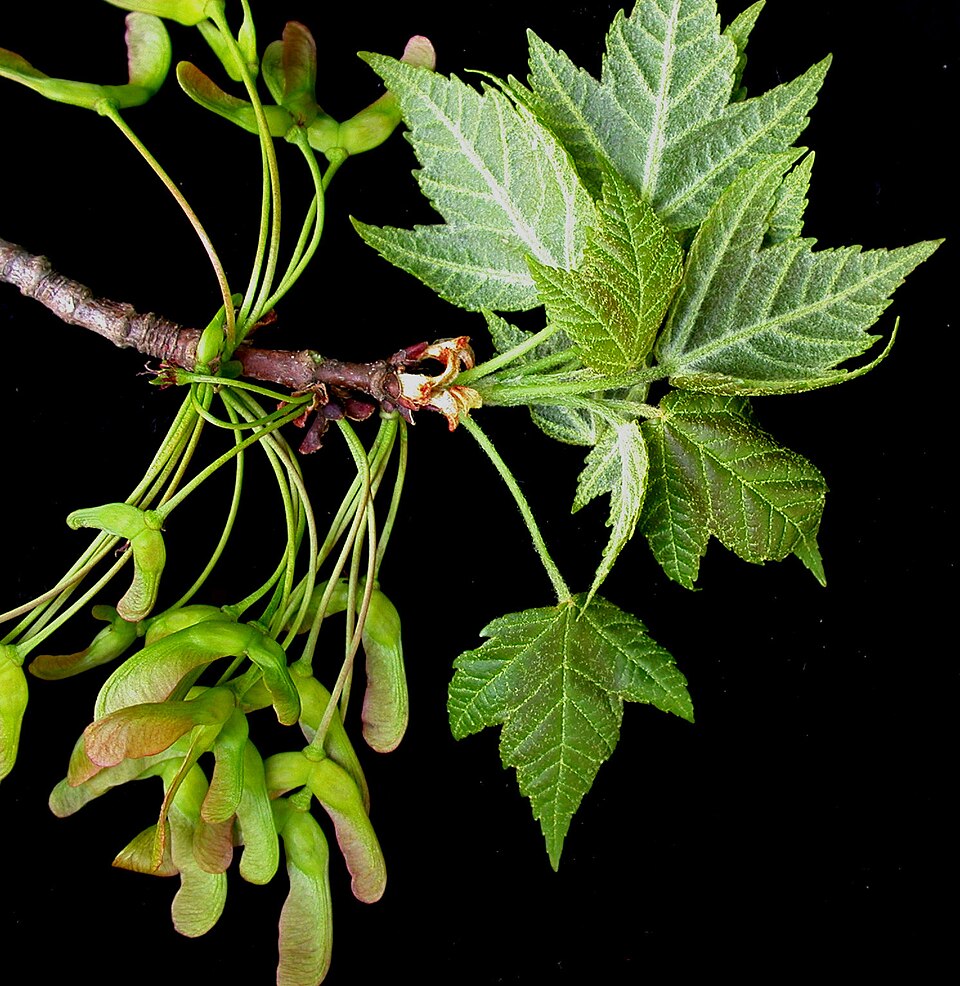
- Red MapleAcer rubrum
- Agalinis filicaulisAgalinis filicaulis
- Hairy BluestemAndropogon glomeratus var. hirsutior
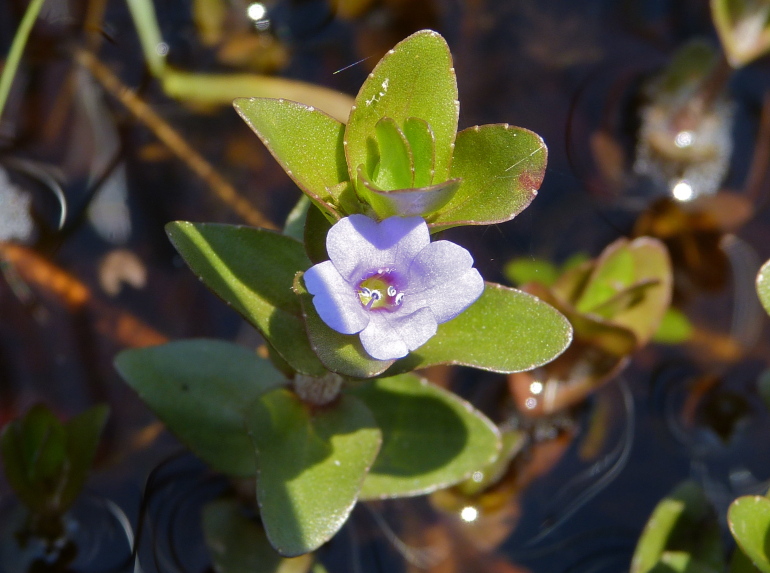
- Blue Water-hyssopBacopa caroliniana
- Sea OxeyeBorrichia frutescens
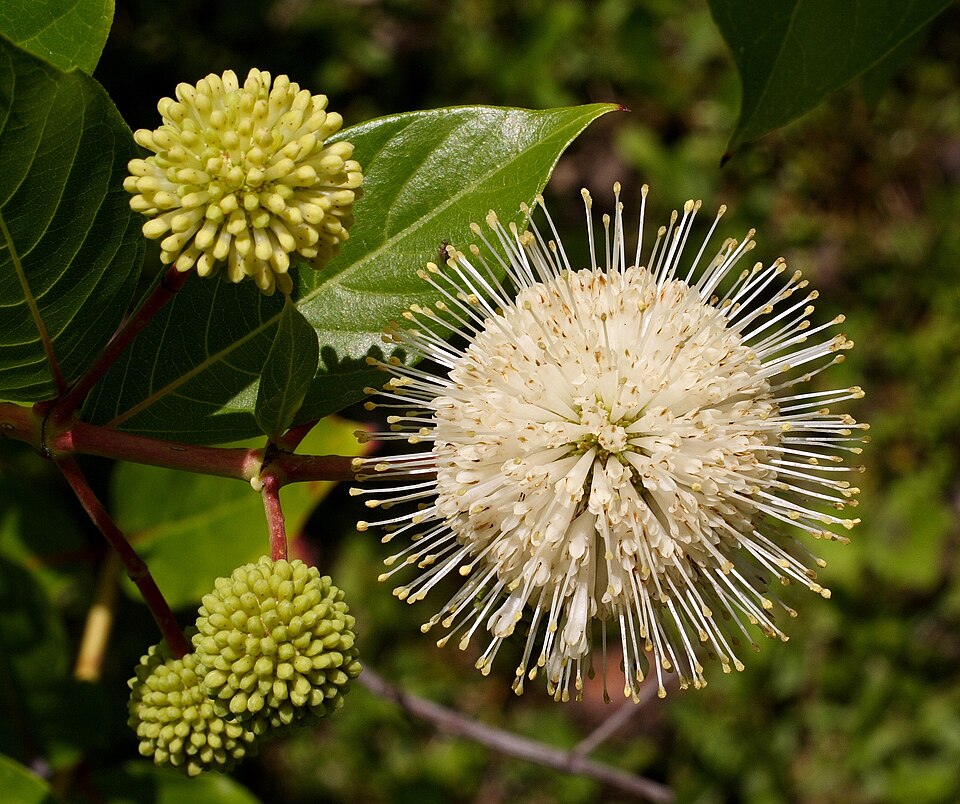
- ButtonbushCephalanthus occidentalis
- TitiCyrilla racemiflora
- Erectleaf WitchgrassDichanthelium erectifolium
- Semaphore ThoroughwortEupatorium mikanioides
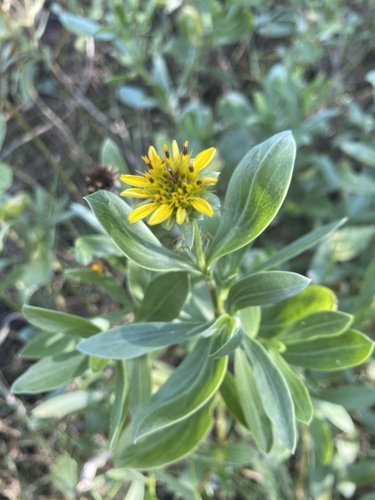
- Hartwrightia floridanaHartwrightia floridana
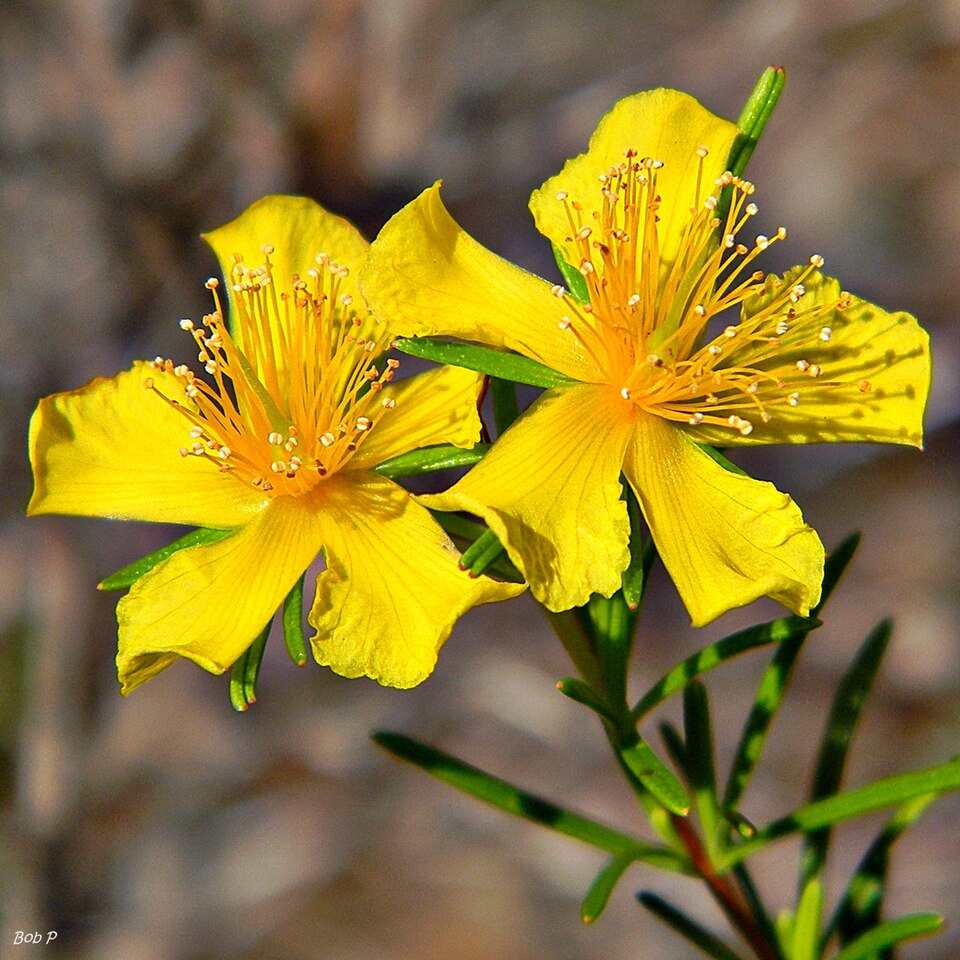
- Peelbark St. John's-wortHypericum fasciculatum
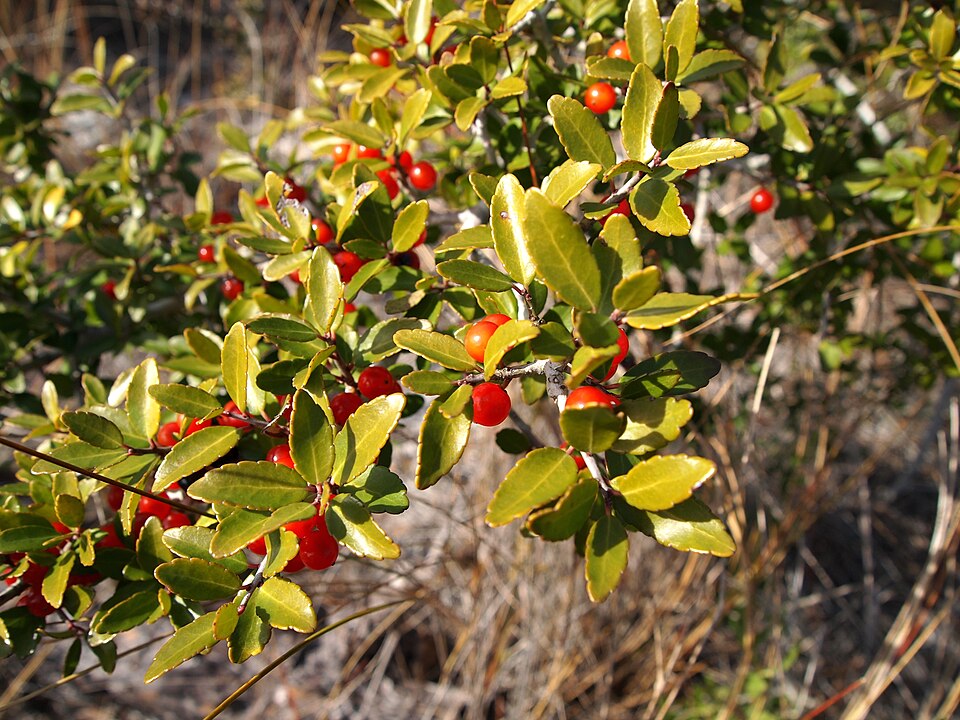
- Yaupon HollyIlex vomitoria
Wildlife 270
Other animals whose habitat models include the same habitats in Florida. Not sighting records.
- American Black DuckAnas rubripes
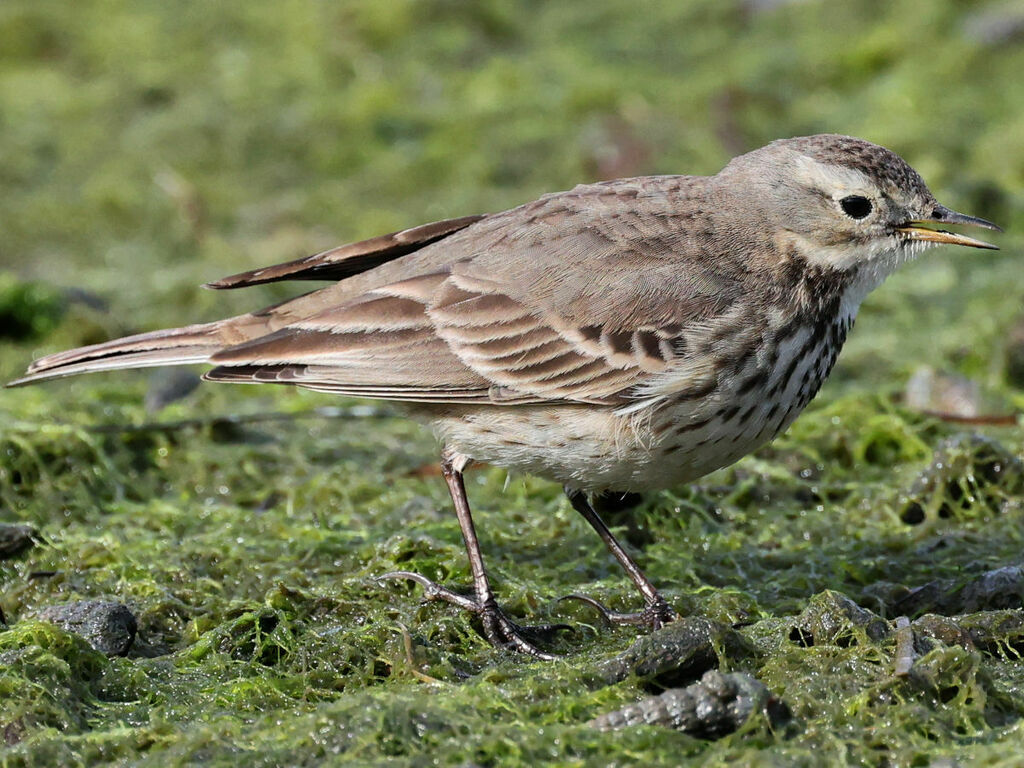
- American PipitAnthus rubescens
- Bank SwallowRiparia riparia
- Black-crowned Night-heronNycticorax nycticorax
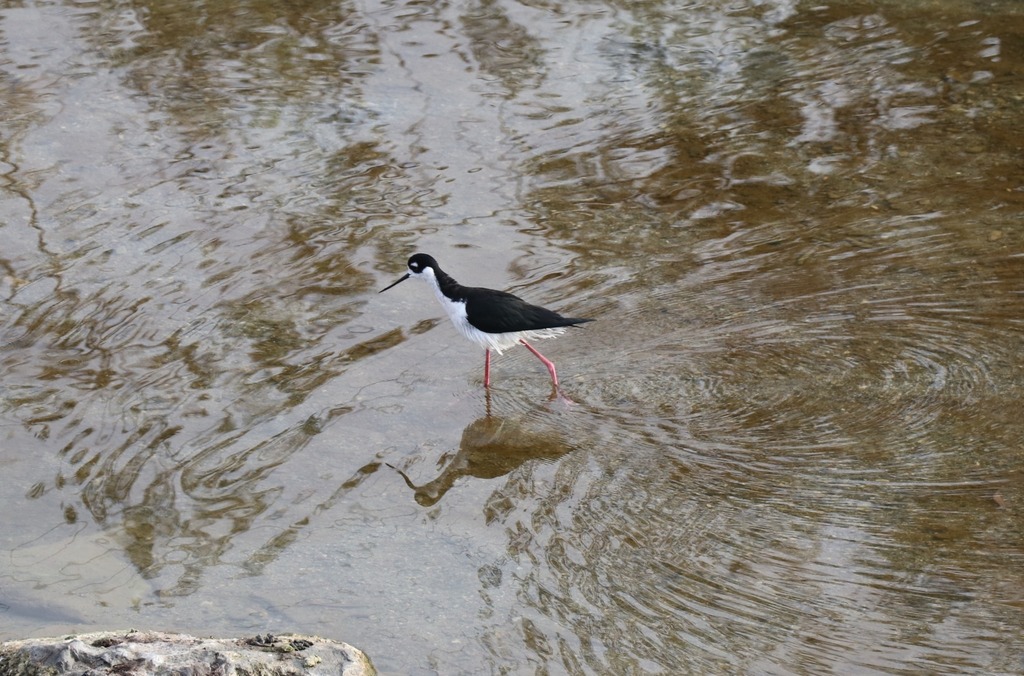
- Black-necked StiltHimantopus mexicanus
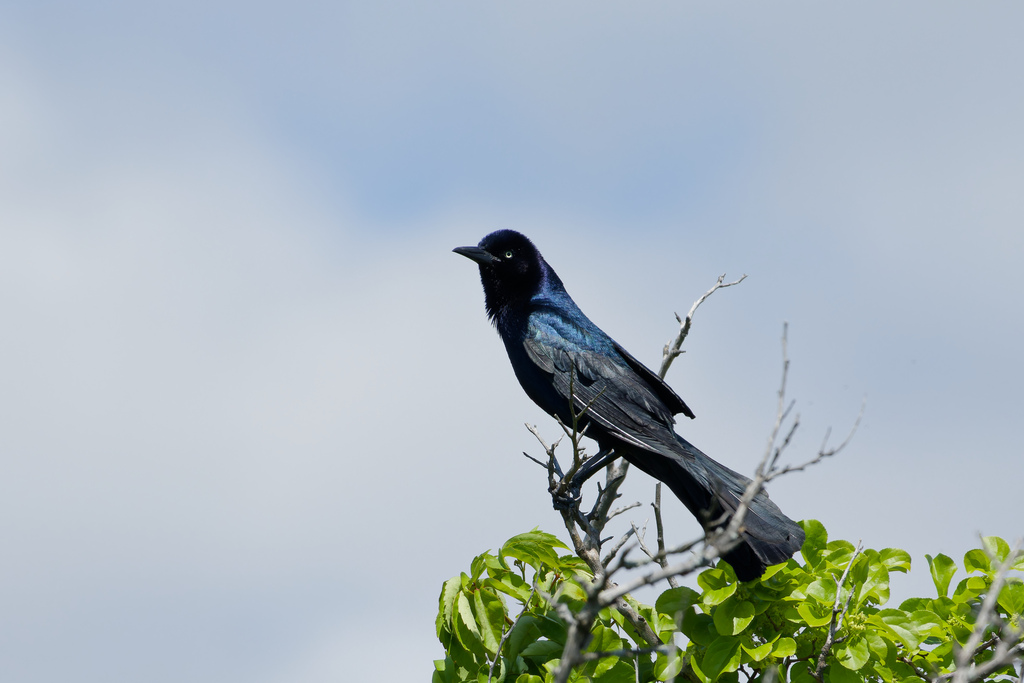
- Boat-tailed GrackleQuiscalus major
- Canada GooseBranta canadensis
- Common NighthawkChordeiles minor
- Great Blue HeronArdea herodias
- Great EgretArdea alba
- Great Horned OwlBubo virginianus
- Green HeronButorides virescens
- Least SandpiperCalidris minutilla
- Little GullHydrocoloeus minutus
- Mottled DuckAnas fulvigula
- Snowy EgretEgretta thula
- Stilt SandpiperCalidris himantopus
- Tree SwallowTachycineta bicolor
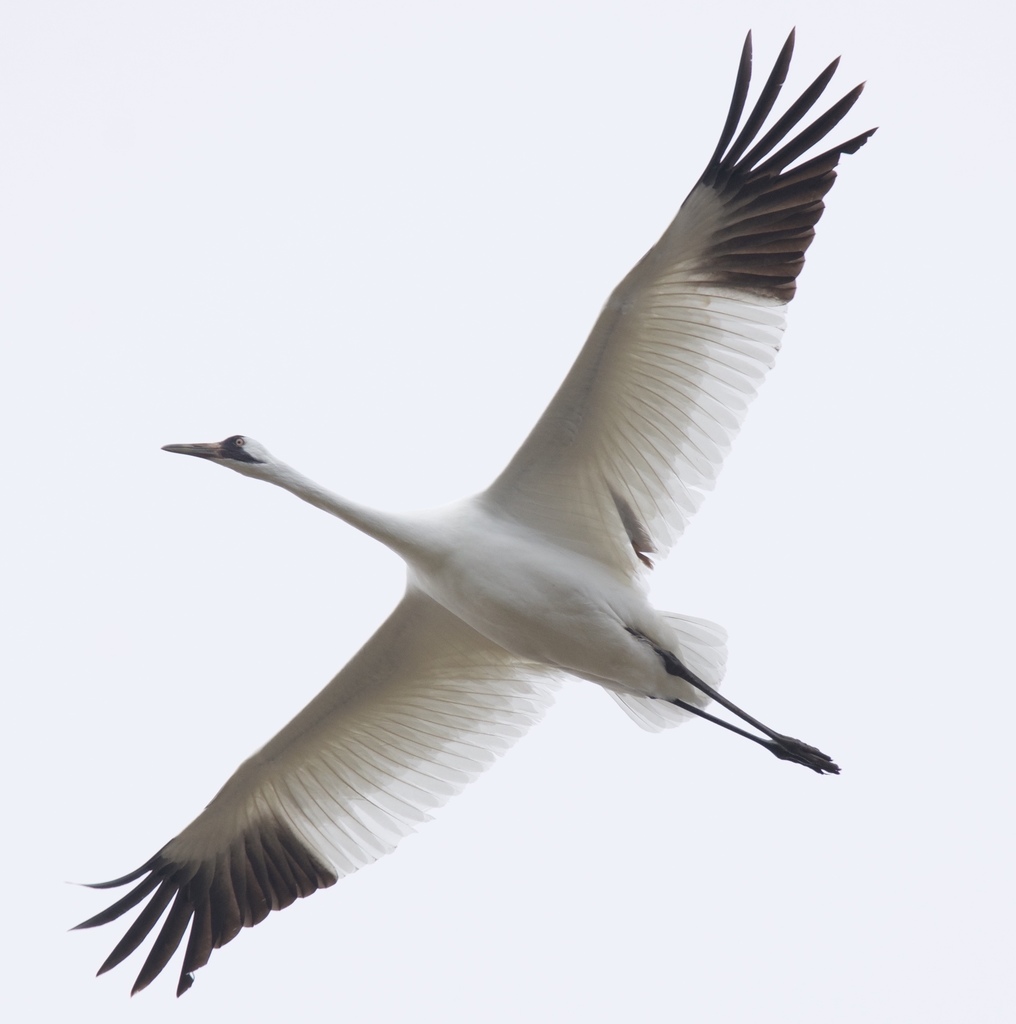
- Whooping CraneGrus americana
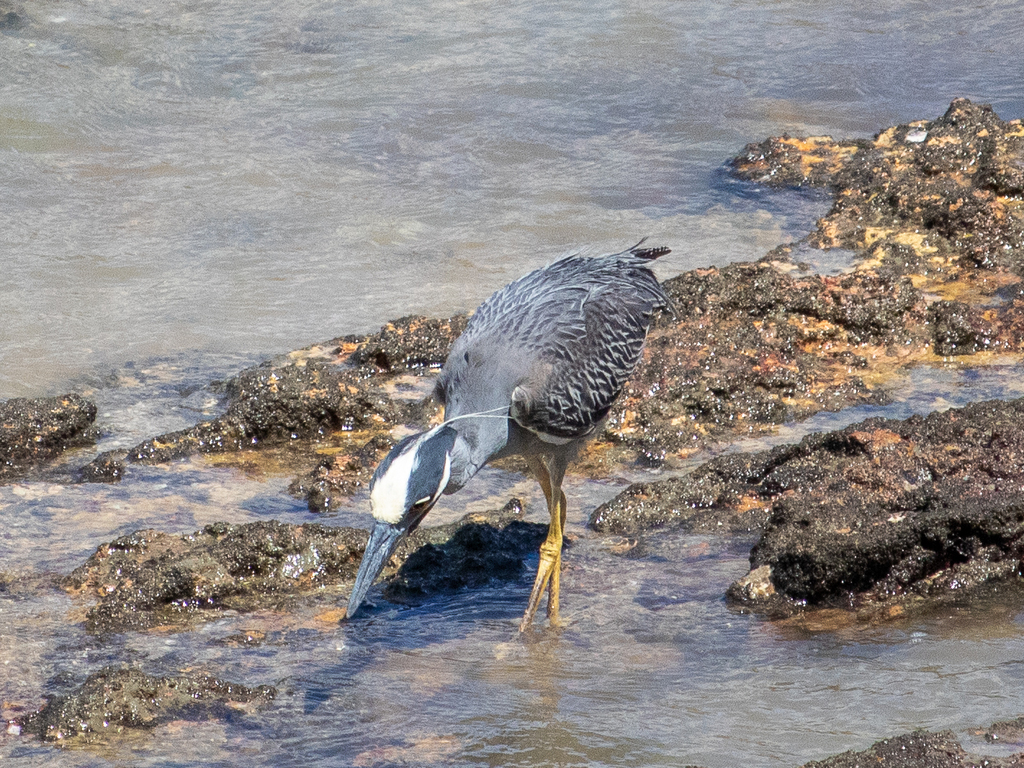
- Yellow-crowned Night-heronNyctanassa violacea
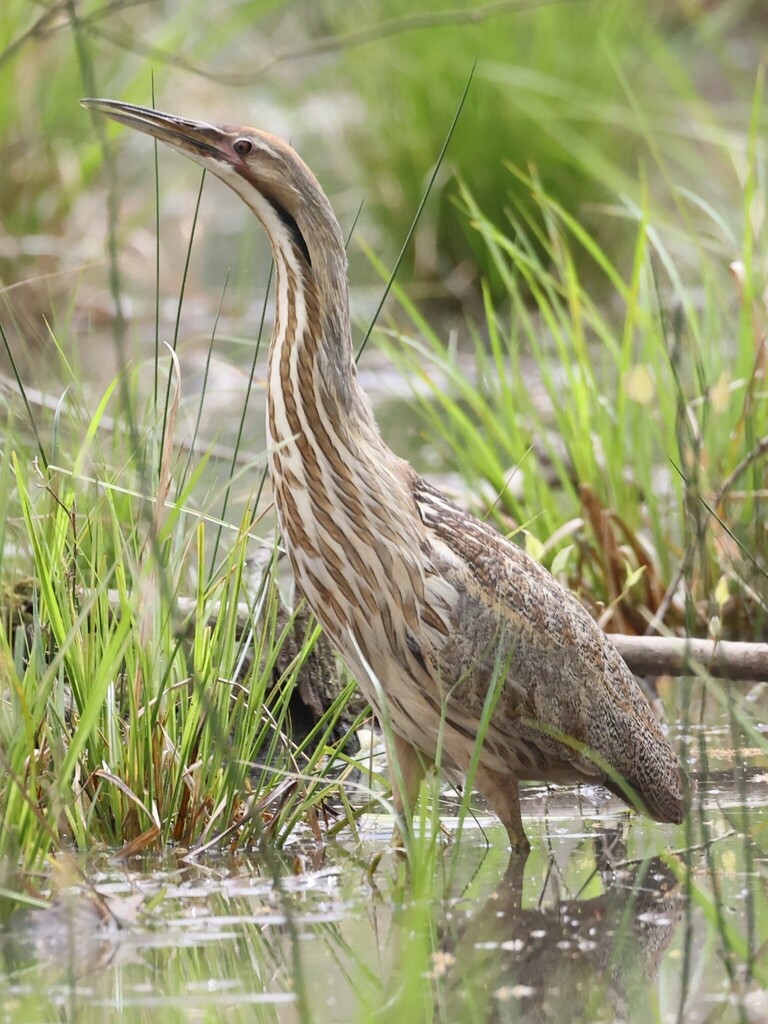
- American BitternBotaurus lentiginosus
- American CootFulica americana
- Bald EagleHaliaeetus leucocephalus
- Belted KingfisherMegaceryle alcyon









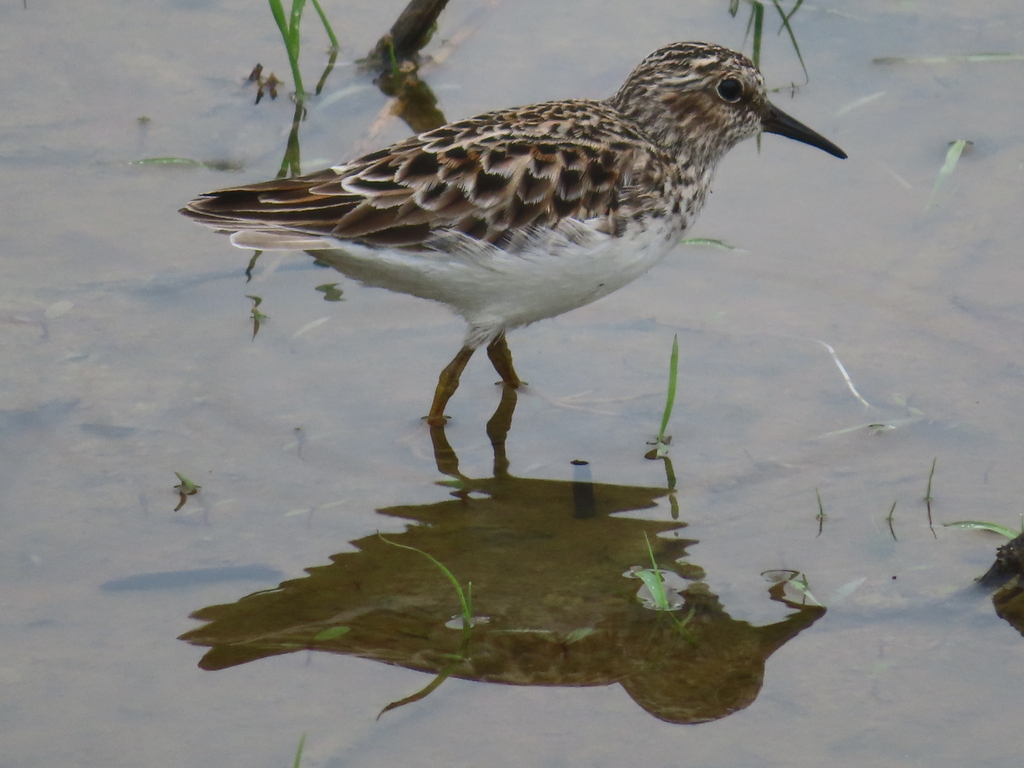
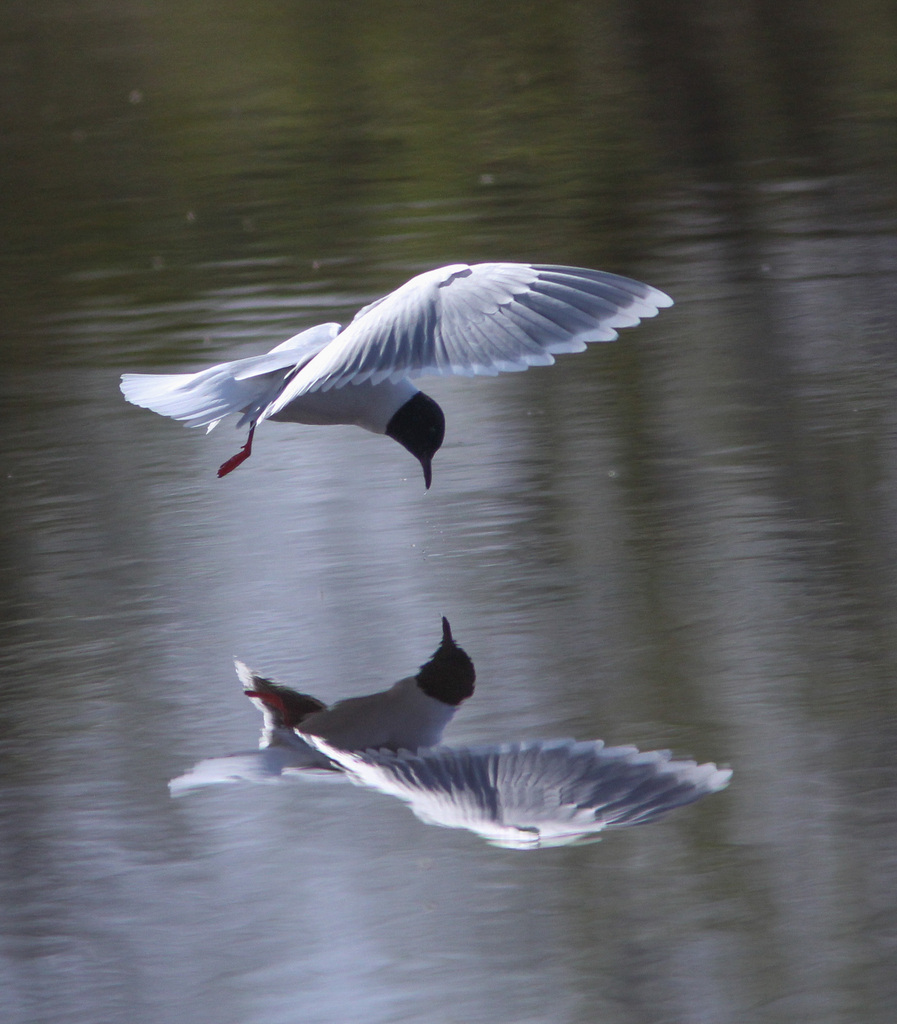
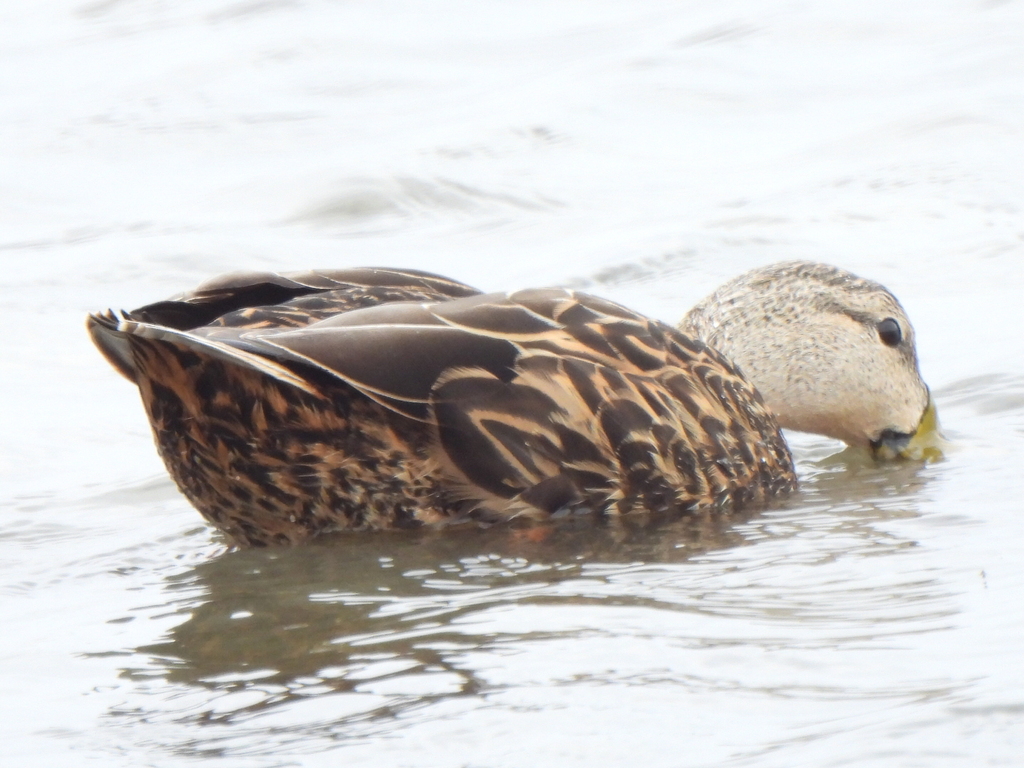
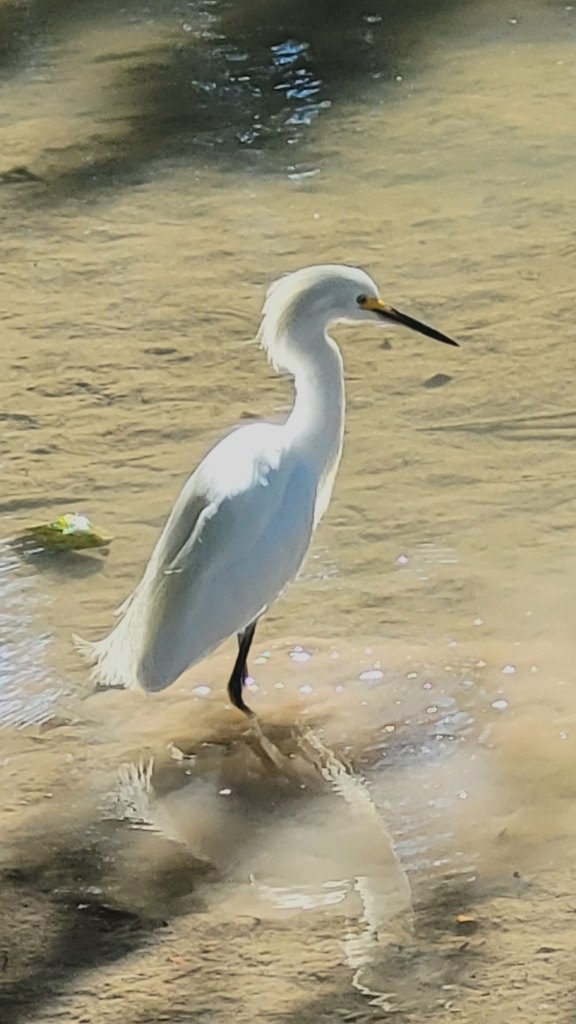

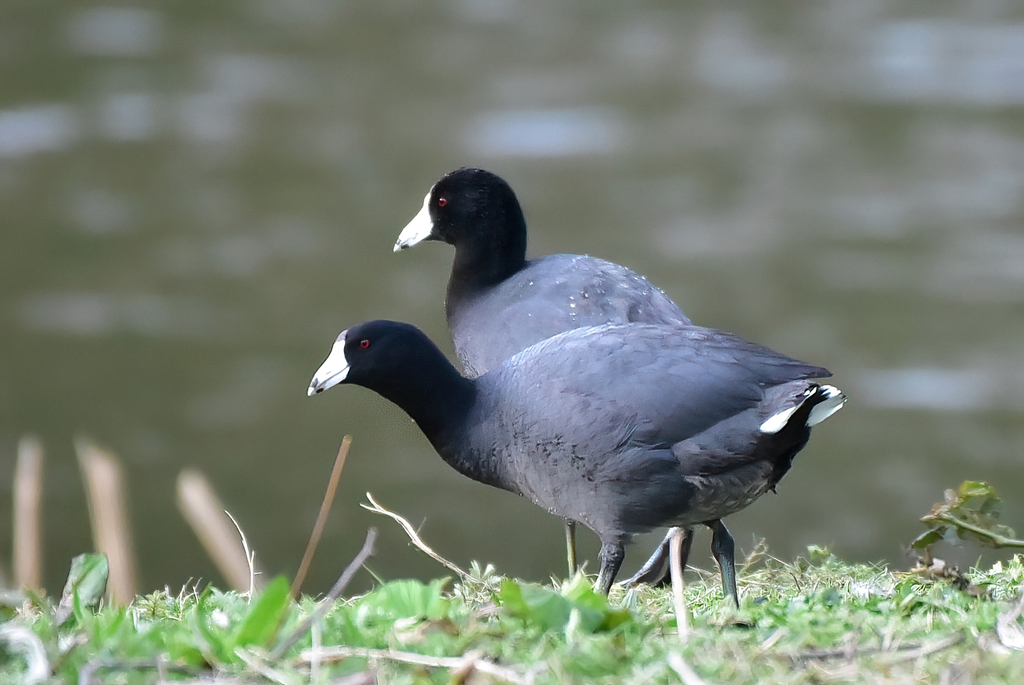


NatureServe Explorer, CC BY 4.0. USGS Gap Analysis Project habitat models.