

Chinese Tallow-tree
Triadica sebifera
Found in freshwater marshes; swamps; streams, rivers and their banks; forests and woodlands; roadsides, fields and disturbed ground. Weakley, Flora of the Southeastern United States (2025), Florida edition What its natural habitat tells you
Not native to Florida. How scores work Is it native here?
Profile 82%
- Height
- 30–40 feet
- Spread
- 30–40 feet
- Light
- Dappled sunlight, Deep shade, Full sun, Partial shade
- Soil moisture
- Usually moist
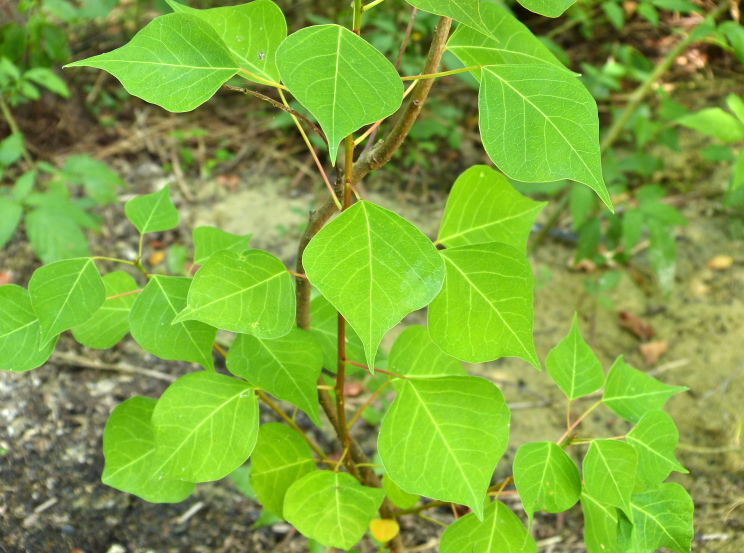
Do not plant. Listed invasive in Florida.
Plant this instead
Choose your county to list local plants first.
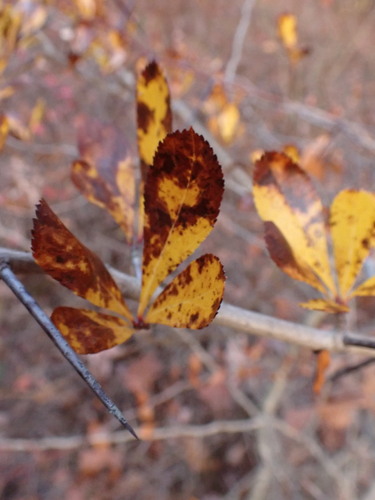
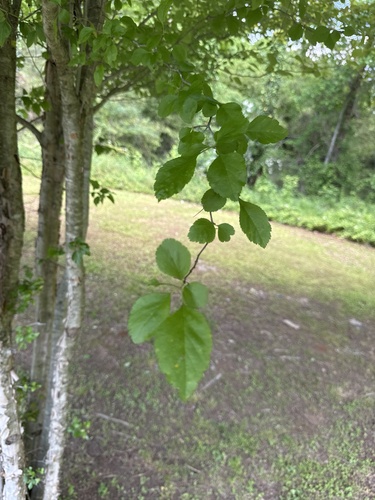
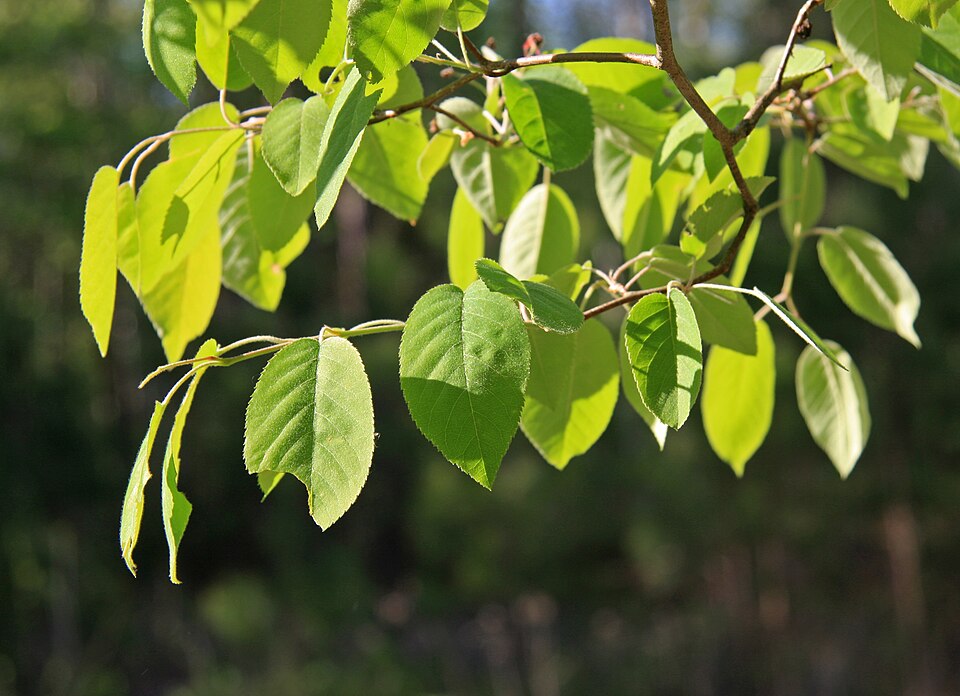
No recorded swaps for this county. Try the garden finder.
At a glance
- Life cycle
- Woody perennial
- Leaves
- Deciduous
- Bloom
- May to June
- Fruiting season
- August to November
Recorded in 58 Florida counties.
Natural habitats
Places it grows wild. Not a planting requirement. Each habitat page lists the plants and wildlife also found there.


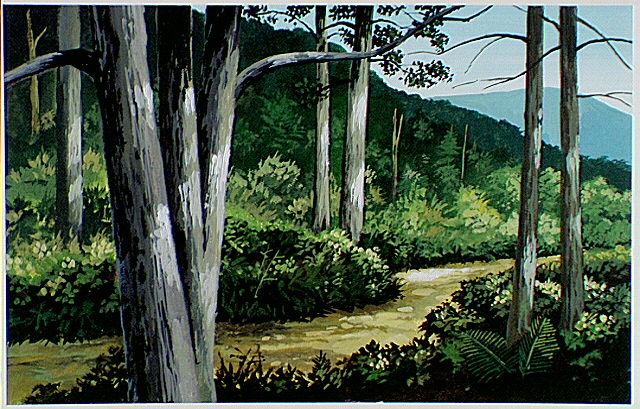
Streams, rivers and their banks
Flowing water and its banks, bars and rocky shoals.
Roadsides, fields and disturbed ground
Ground opened by people: roadsides, old fields, pastures, fencerows and lots.
Also found with this plant
Wildlife whose habitat models include habitats this plant grows in, in Florida. Shared habitat, not food. 219 animals.
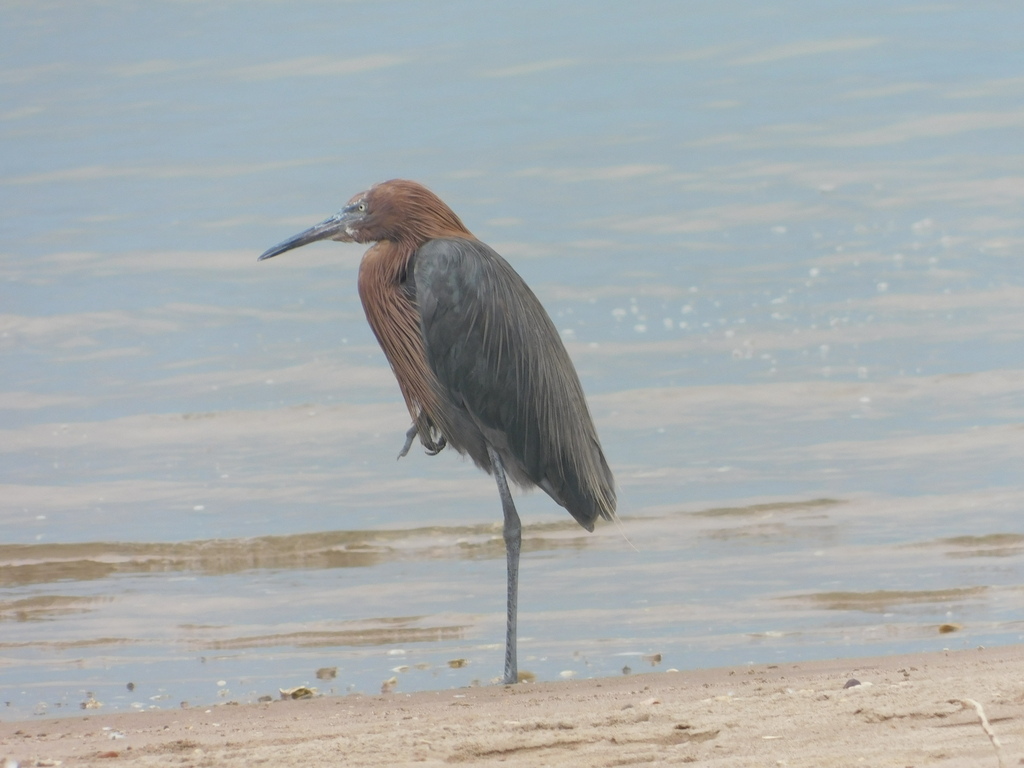
- Reddish EgretEgretta rufescens
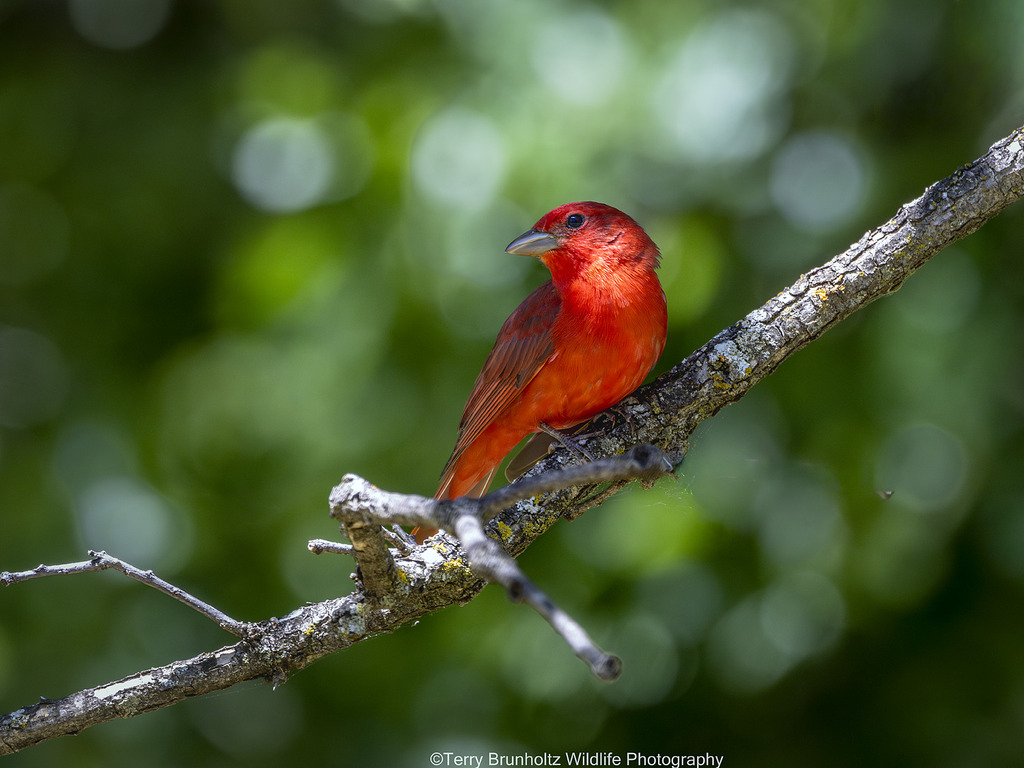
- Summer TanagerPiranga rubra
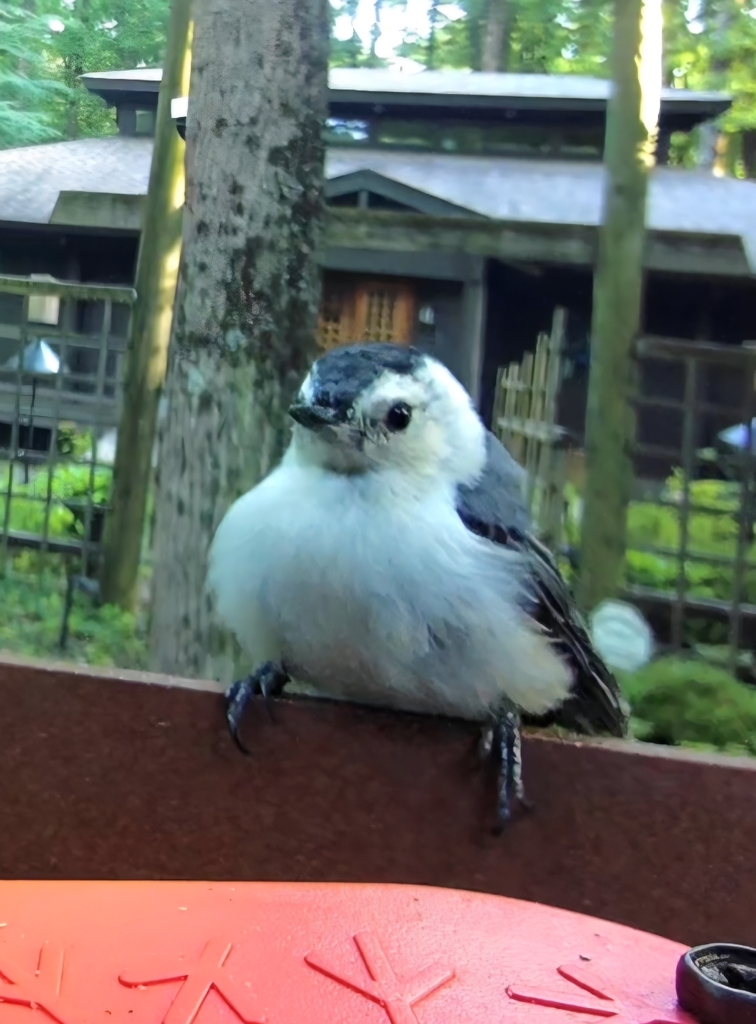
- White-breasted NuthatchSitta carolinensis
- White-faced IbisPlegadis chihi
- White-winged DoveZenaida asiatica
- Wild TurkeyMeleagris gallopavo
- Black-bellied PloverPluvialis squatarola
- Brown-headed CowbirdMolothrus ater
- Chuck-will's-widowCaprimulgus carolinensis
- Common MynaAcridotheres tristis
- Eastern PhoebeSayornis phoebe
- Field SparrowSpizella pusilla
- Kentucky WarblerOporornis formosus
- Le Conte's SparrowAmmodramus leconteii
- Lincoln's SparrowMelospiza lincolnii
- Louisiana WaterthrushSeiurus motacilla
- Northern Saw-whet OwlAegolius acadicus
- Prairie WarblerDendroica discolor
- Purple MartinProgne subis
- Red-breasted NuthatchSitta canadensis
- Red-headed WoodpeckerMelanerpes erythrocephalus
- Short-tailed HawkButeo brachyurus
- Swainson's WarblerLimnothlypis swainsonii
- Western SandpiperCalidris mauri
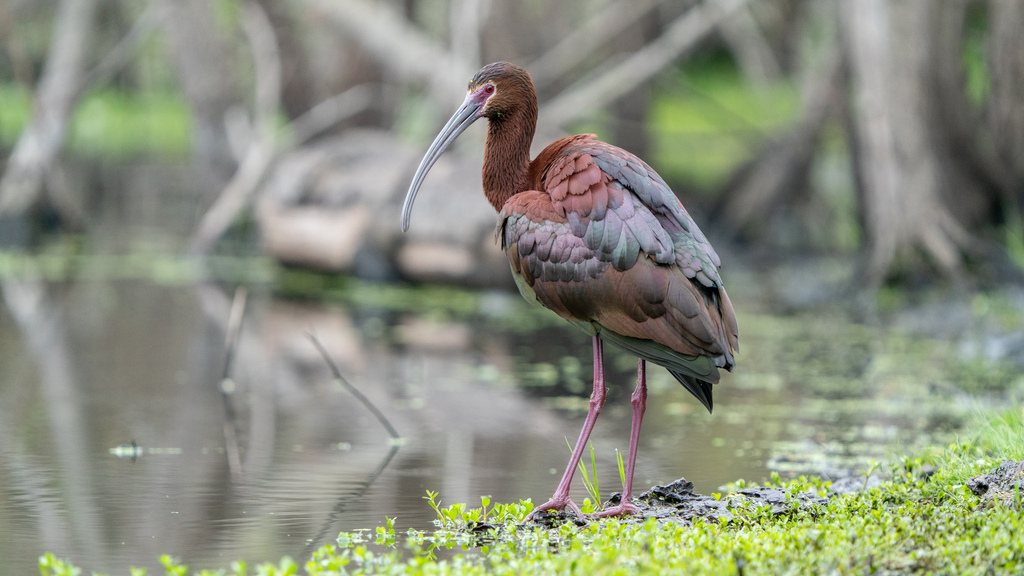
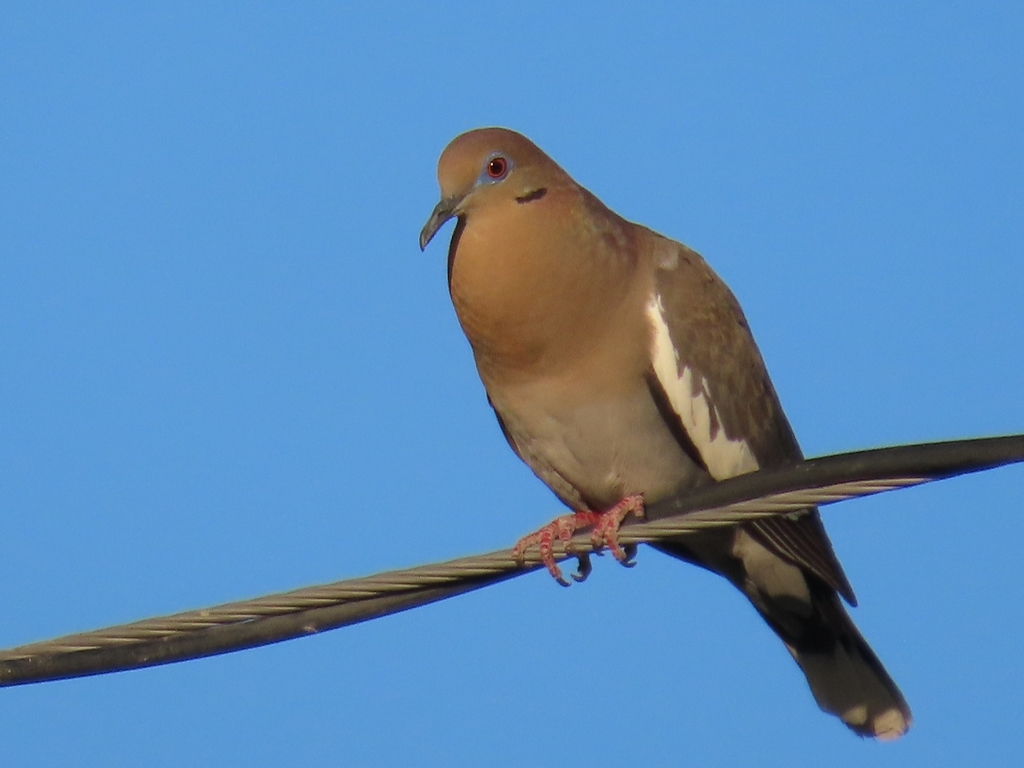

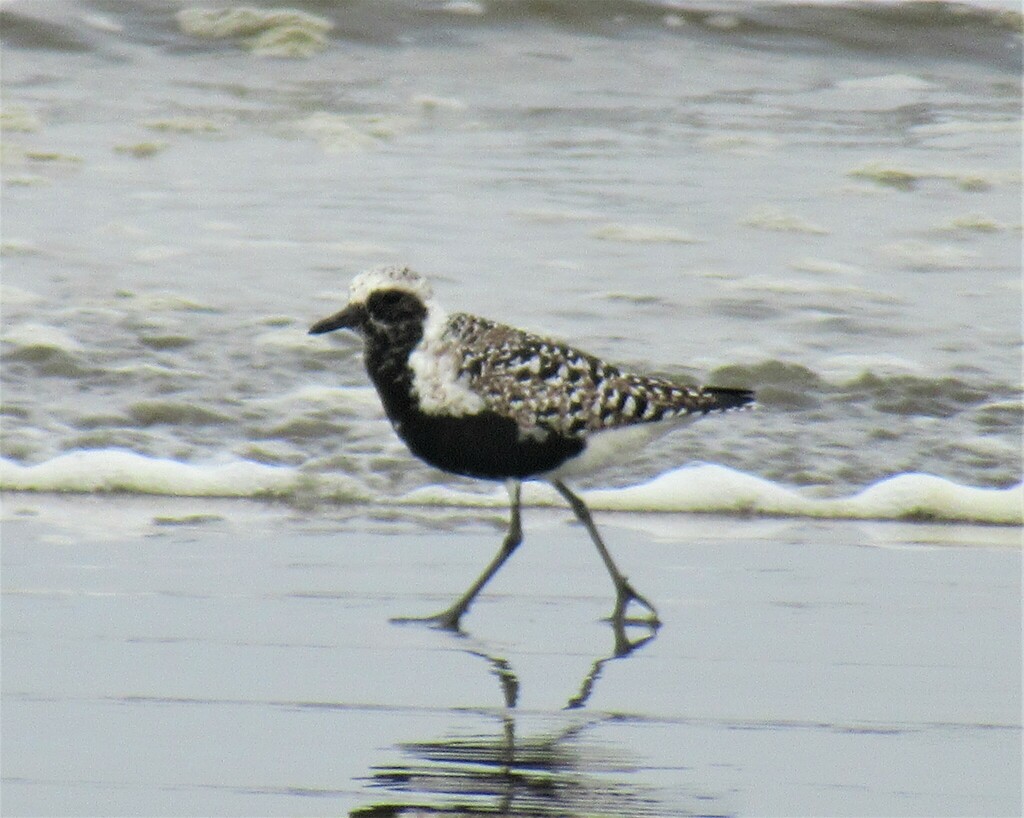

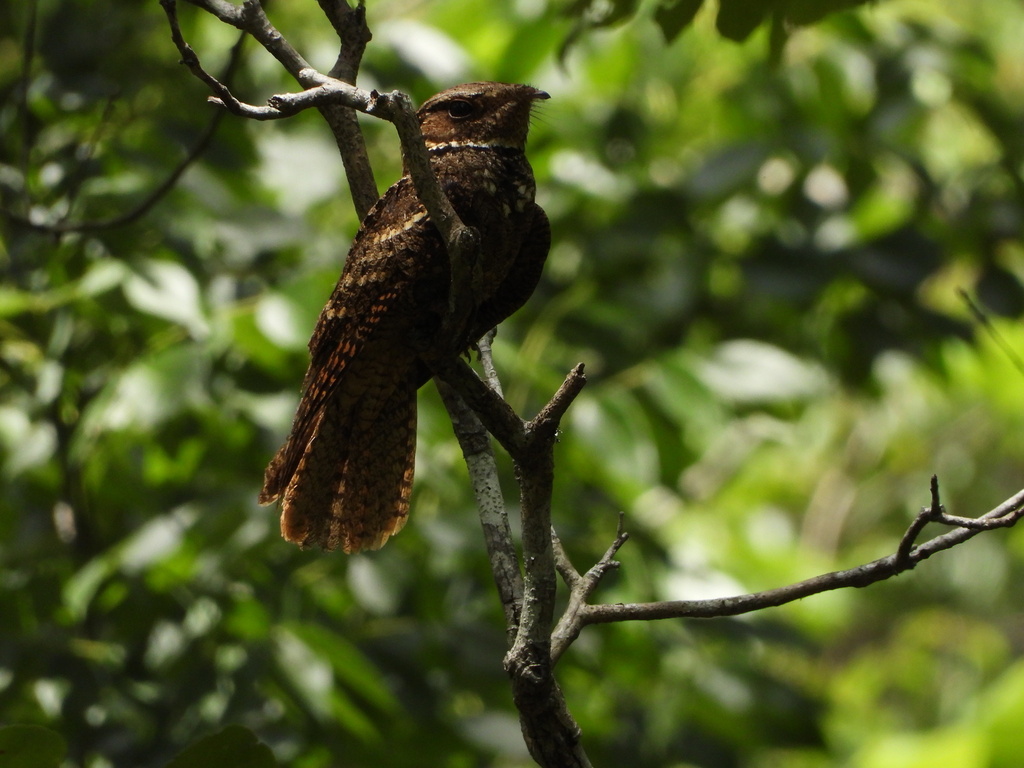
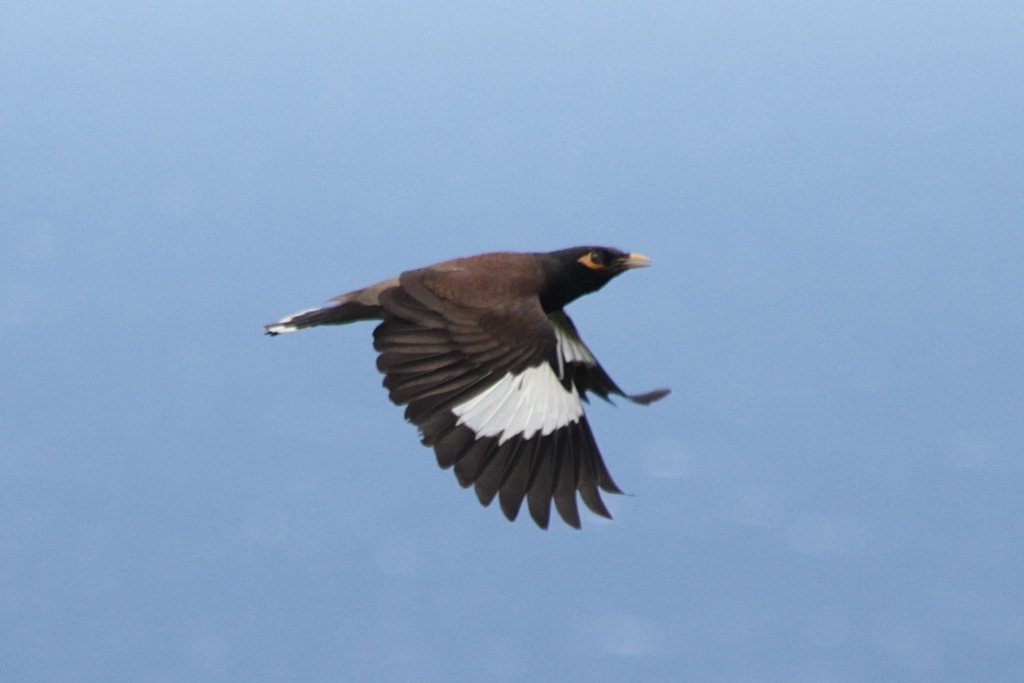

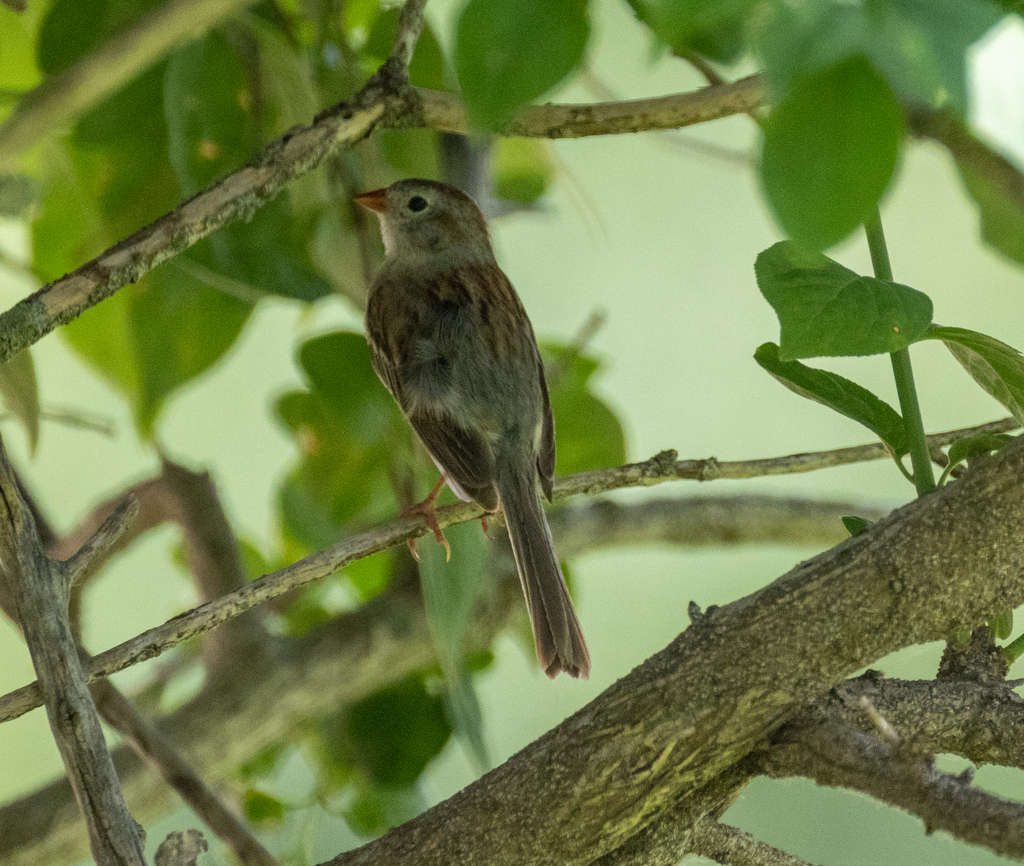

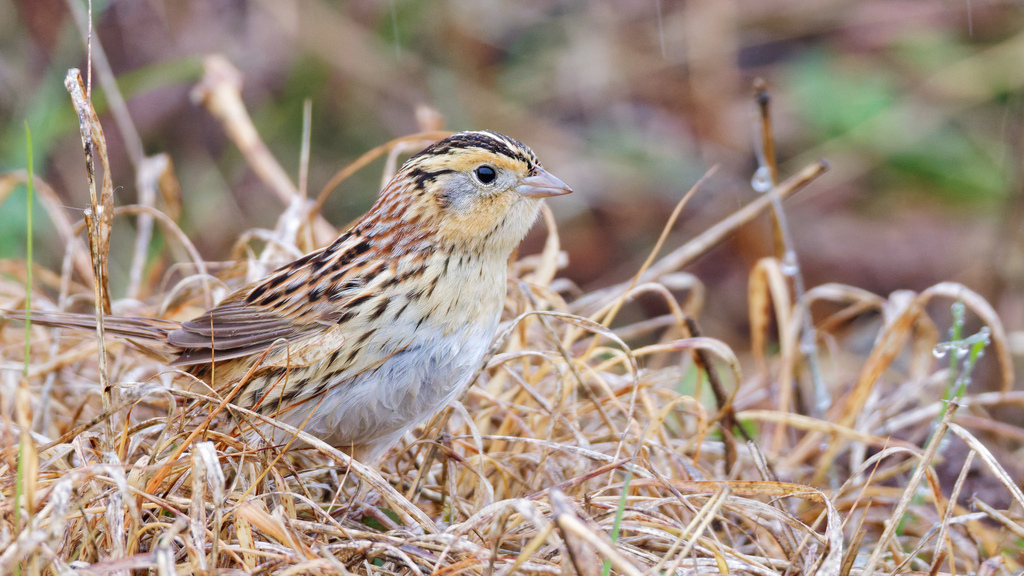


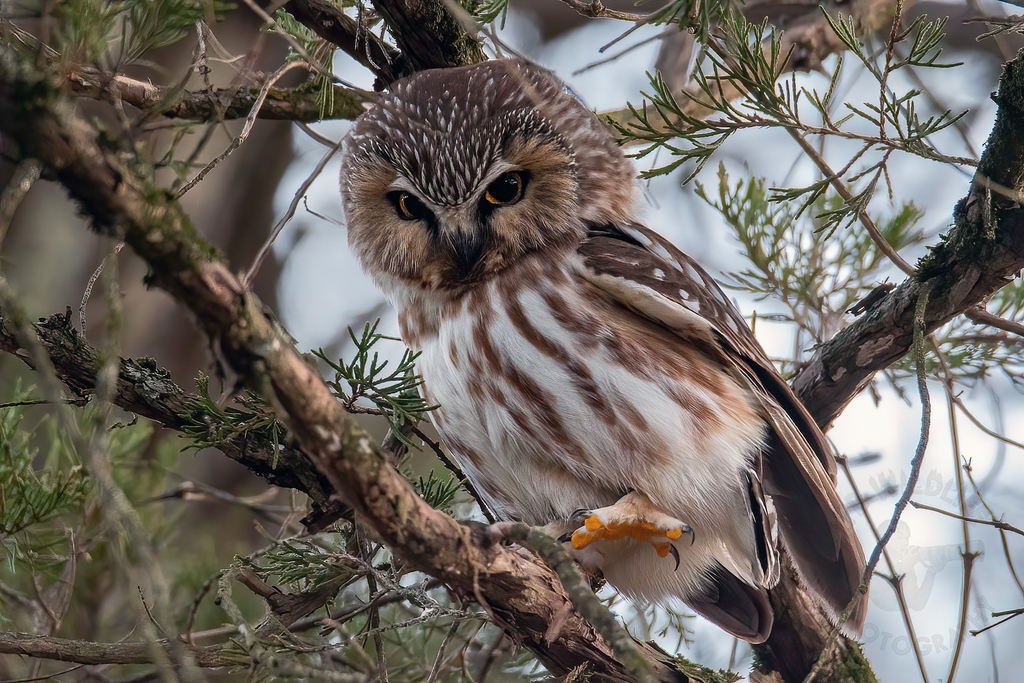
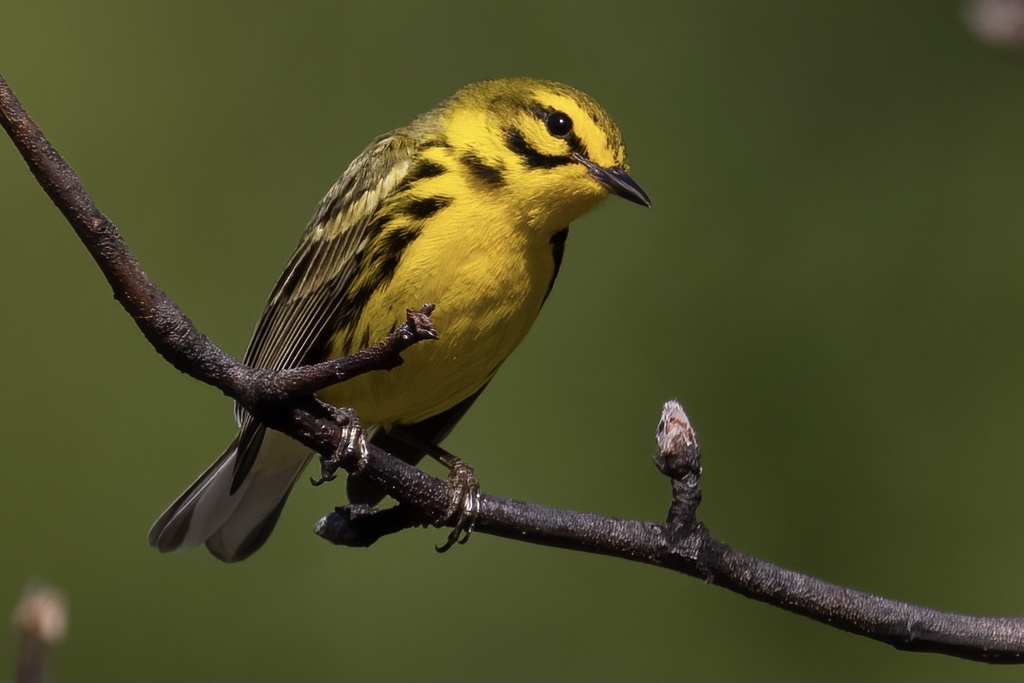
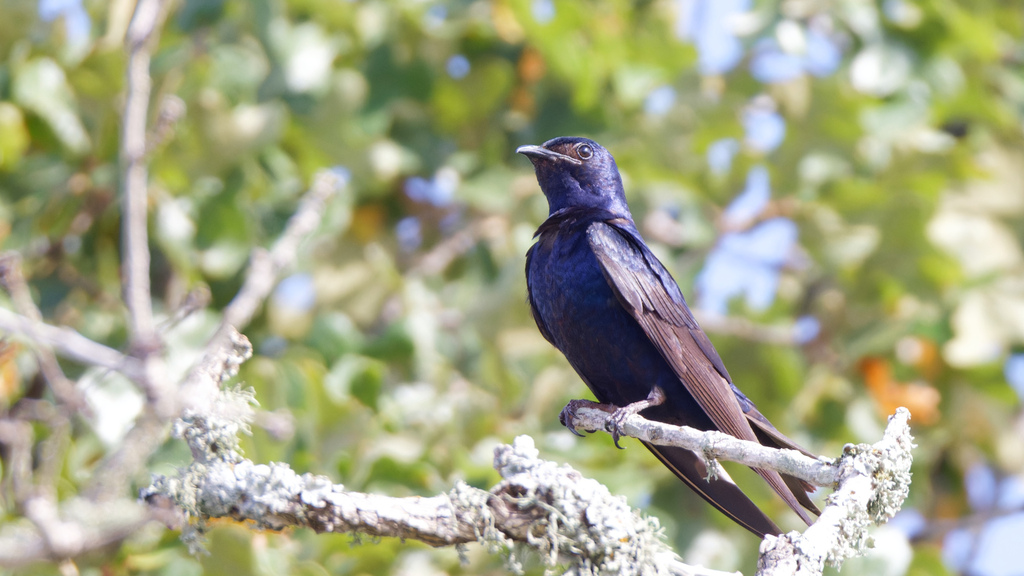


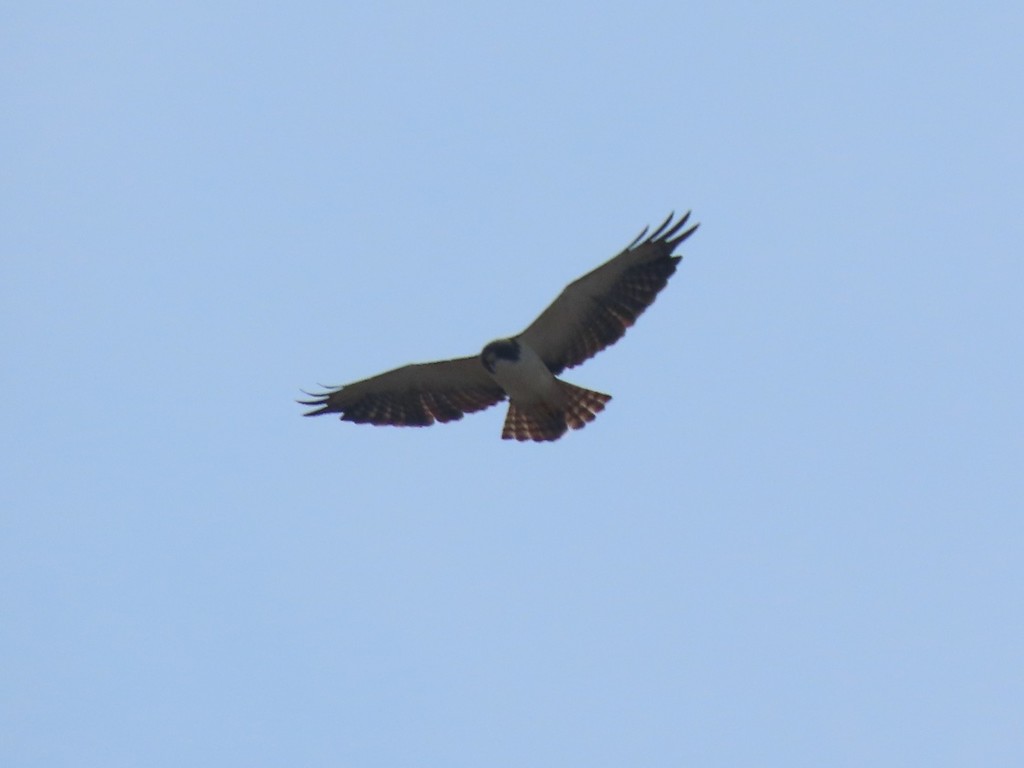

Who uses this plant?
 3CaterpillarsGenus host records with ranges including FL
Genus host records with ranges including FL · Triadica
- Megalopyge opercularisSouthern Flannel Moth, Puss Caterpillar
- Selenisa sueroidesTailpipes, Pale-Edged Selenisa Moth
- Caloptilia triadicae
 —BeesSoutheastern regional records
 —Specialist beesPollen specialists
 1BirdsRecorded genus food-resource interactions; not a state feeding claim
Recorded genus food-resource interactions; not a state feeding claim · Triadica
- Sturnus vulgarisEuropean Starling
Direct food only: birds recorded eating this genus across North America. Caterpillars on host plants also feed nesting birds. NC Native Plant Society: butterfly gardening
Plant details
- Family
- Euphorbiaceae
- Hardiness
- Zones 8a–10b
- Soil pH
- Acidic to neutral
- Flower color
- Yellow or green
- Fruit begins
- August
- Fruit ends
- November
Safety has not been reviewed for this plant; check toxicity and thorns before planting.
Growing sources and scope
- Bloom · “May to June” · Weakley, Flora of the Southeastern United States (2025), Carolinas & Georgia edition · Carolinas and Georgia
- Flower color · “Yellow or green” · NC Extension Plant Toolbox
- Fruit begins · “August” · Weakley, Flora of the Southeastern United States (2025), Carolinas & Georgia edition · Carolinas and Georgia
- Fruit ends · “November” · Weakley, Flora of the Southeastern United States (2025), Carolinas & Georgia edition · Carolinas and Georgia
- Hardiness · “Zones 8a–10b” · NC Extension Plant Toolbox
- Height · “30–40 feet” · NC Extension Plant Toolbox (ranked first; Fire Effects Information System: Triadica sebifera differs)
- Leaves · “Deciduous” · NC Extension Plant Toolbox
- Life cycle · “Woody perennial” · NC Extension Plant Toolbox
- Light · “Dappled sunlight (shade through upper canopy all day); Deep shade (less than 2 hours to no direct sunlight); Full sun (6 or more hours of direct sunlight a day); Partial shade (direct sunlight only part of the day, 2-6 hours)” · NC Extension Plant Toolbox
- Soil · “Moist” · NC Extension Plant Toolbox
- Soil pH · “Acidic to neutral” · NC Extension Plant Toolbox
- Spread · “30–40 feet” · NC Extension Plant Toolbox
Also known as
Chinese Tallow Tree; Chinese Tallowtree; Popcorn Tree; Popcorntree; Sapium sebiferum
Conservation status
| Florida rank | SNA |
|---|---|
| Global rank | GNR |
| FL status | Not verified |
| Federal status | Not verified |
Sources
- Atlas of Florida Plants
- Florida Invasive Species Council list
- USDA PLANTS
- Weakley, Flora of the Southeastern United States (2025), Carolinas & Georgia edition
- NatureServe Explorer
- Shropshire & Tallamy 2025, Lepidoptera of North America north of Mexico, ZooKeys 1261 (ODbL)
- Noori, Seltmann & Orr 2026, A curated and integrated dataset for exploring global bee-plant interactions (GloBI), Zenodo, CC BY 4.0
- Smith, Bachelder, Russell, Morales, Mosher & Seltmann 2024, Bee-Specialization-Modeling v0.6.1 (specialist host table compiled from J. Fowler's pollen specialist bee lists), Zenodo, CC BY 4.0
- Hurlbert, Olsen, Sawyer & Winner 2021, Avian Diet Database, Scientific Data 8: 260 (CC0)
- Narango, Tallamy & Shropshire 2020, Few keystone plant genera support the majority of Lepidoptera species, Nature Communications