

Bird
Neotropic Cormorant
Phalacrocorax brasilianus
A summer resident that nests in Arkansas. Found in 1 of 75 counties, across 4 habitats.
- Here
- Summer
- Nesting
- Nests here
- Range
- 1 of 75 counties
- Habitats
- 4
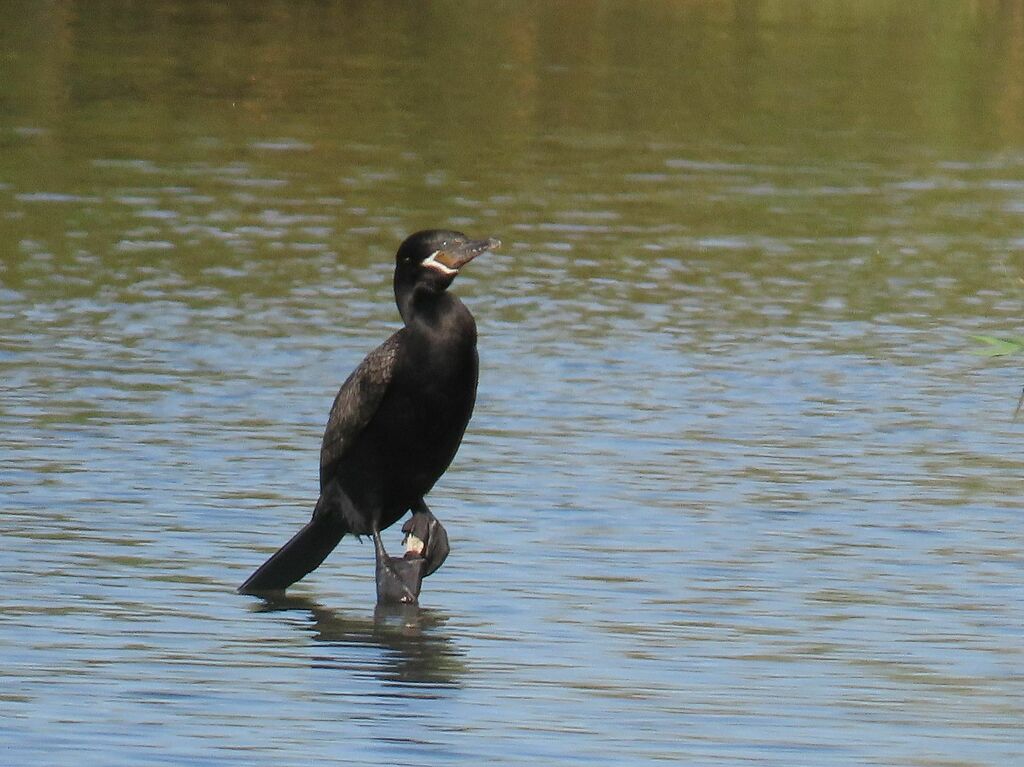
At a glance
- Group
- Birds
- Here
- Summer
- Nesting
- Nests here
- Range
- 1 of 75 counties
- Habitats
- 4
- Habitat models
- Summer, Winter
Where it lives
The places its habitat model includes. It is not found everywhere a habitat occurs.
Habitats in Arkansas 4
Each habitat page lists the plants and wildlife also found there.
Disturbed and introduced wetlands
Wet ground taken over by weedy or introduced plants after disturbance, such as common reed, Chinese tallow or tamarisk stands; the upland counterpart is roadsides, fields and disturbed ground.
Floodplain and bottomland forests
Forests on low ground beside rivers and streams that flood from time to time.
Still water and its edges: ponds, lakes, millponds and reservoirs.
Forested wetlands with standing water much of the year, such as cypress and gum swamps.
Other habitats in its models (25)
Land cover, or classes with no habitat page in Arkansas.
- Open Water (Brackish/Salt) Summer and winter.
- Open Water (Aquaculture) Summer and winter.
- Central and South Texas Coastal Fringe Forest and Woodland Summer and winter, only within 250 m of water.
- East-Central Texas Plains Riparian Forest Summer and winter.
- East-Central Texas Plains Floodplain Forest Summer and winter.
- Central and Upper Texas Coast Dune and Coastal Grassland Summer and winter.
- Southern Coastal Plain Nonriverine Basin Swamp - Okefenokee Bay/Gum Modifier Summer and winter.
- Southern Coastal Plain Nonriverine Basin Swamp - Okefenokee Pine Modifier Summer and winter.
- Southern Coastal Plain Nonriverine Basin Swamp - Okefenokee Nupea Modifier Summer and winter.
- Southern Coastal Plain Nonriverine Basin Swamp - Okefenokee Clethra Modifier Summer and winter.
- Southern Coastal Plain Seepage Swamp and Baygall Summer and winter.
- Gulf and Atlantic Coastal Plain Swamp Systems Summer and winter.
- Gulf and Atlantic Coastal Plain Tidal Marsh Systems Summer and winter.
- West Gulf Coastal Plain Near-Coast Large River Swamp Summer and winter.
- Texas Saline Coastal Prairie Summer and winter.
- Southern Coastal Plain Nonriverine Cypress Dome Summer and winter.
- Western Great Plains Depressional Wetland Systems Summer and winter.
- Western Great Plains Open Freshwater Depression Wetland Summer and winter.
- Western Great Plains Closed Depression Wetland Summer and winter.
- Western Great Plains Saline Depression Wetland Summer and winter.
- Western Great Plains Floodplain Systems Summer and winter.
- Western Great Plains Floodplain Summer and winter.
- Southern Coastal Plain Hydric Hammock Summer and winter.
- Western Great Plains Riparian Woodland and Shrubland Summer and winter.
- Texas-Louisiana Coastal Prairie Slough Summer and winter.
Seasons in Arkansas
- Summer: nests here, in 1 of 75 counties.
Also found in this habitat
Plants 199
Plants named in NatureServe descriptions of these habitats that grow in Arkansas. Shared habitat, not food.
- False NettleBoehmeria cylindrica
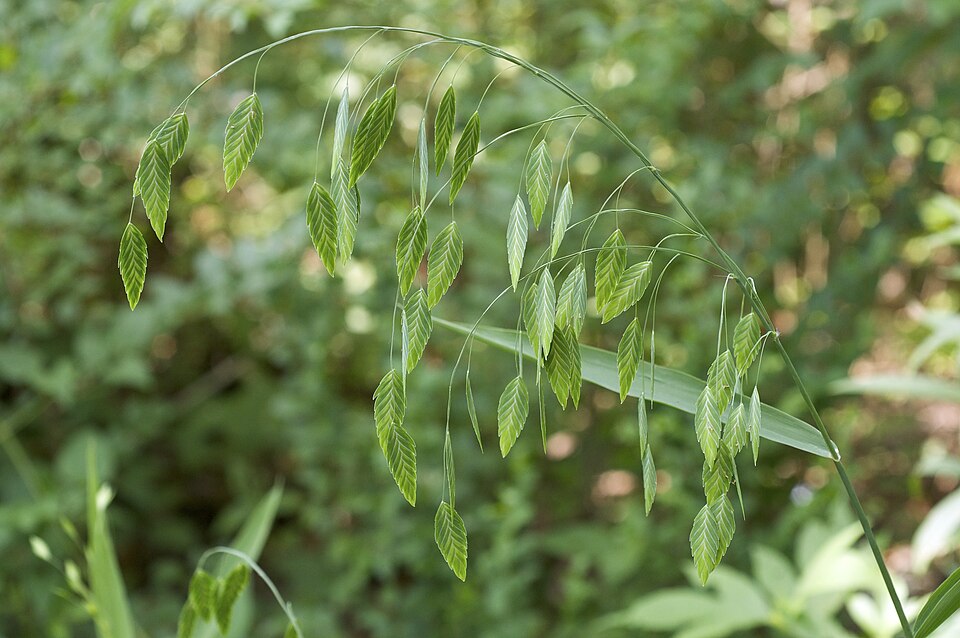
- River OatsChasmanthium latifolium
- Slender SpikegrassChasmanthium laxum
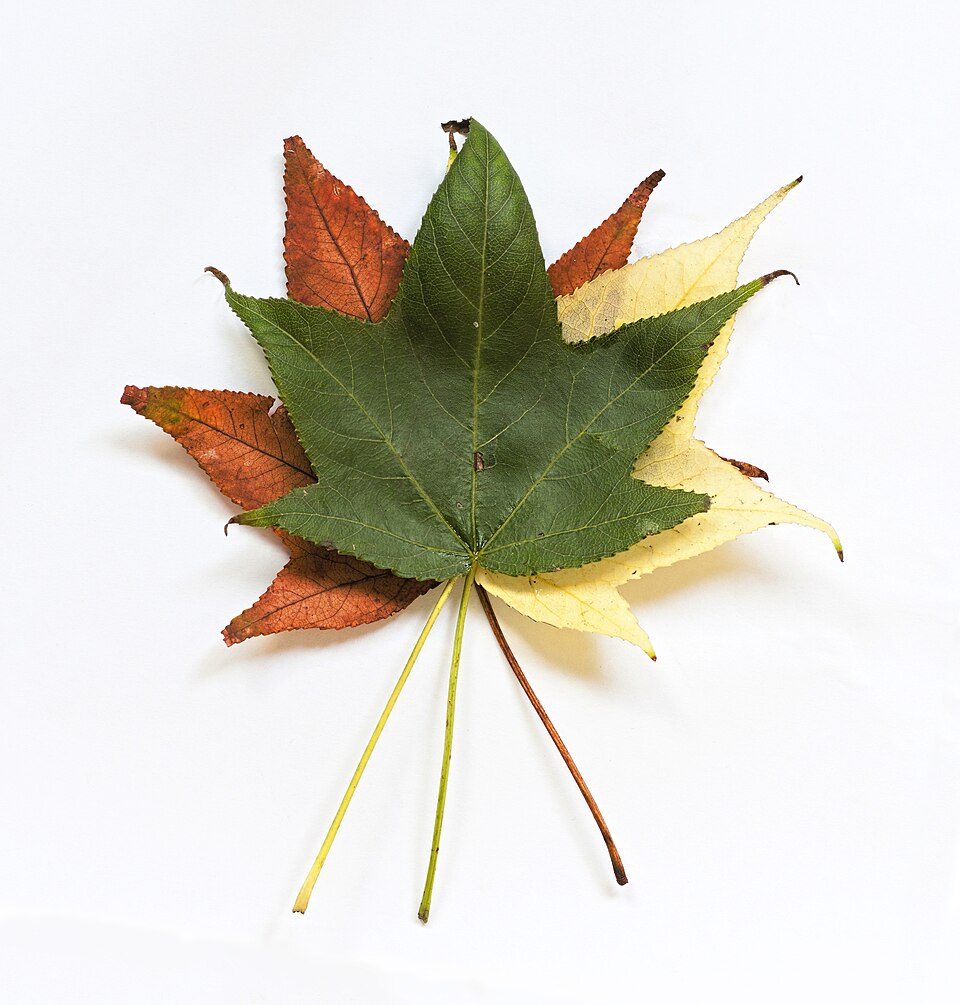
- SweetgumLiquidambar styraciflua
- Laurel OakQuercus laurifolia
- Water OakQuercus nigra
- Bald CypressTaxodium distichum
- Red MapleAcer rubrum
- Drummonds Red MapleAcer rubrum var. drummondii
- Hazel AlderAlnus serrulata
- Giant CaneArundinaria gigantea
- SupplejackBerchemia scandens
- River BirchBetula nigra
- Bladder SedgeCarex intumescens
- Cypress-swamp SedgeCarex joorii
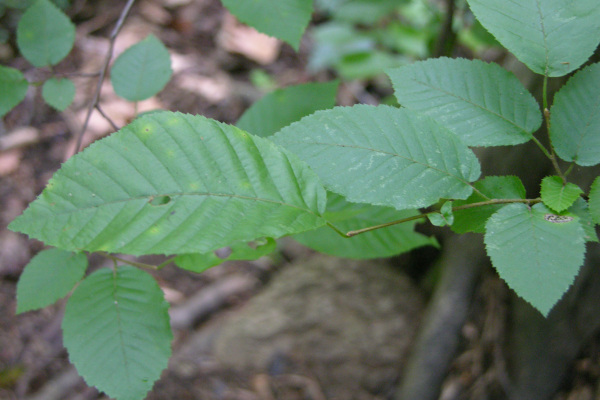
- American HornbeamCarpinus caroliniana
- SugarberryCeltis laevigata
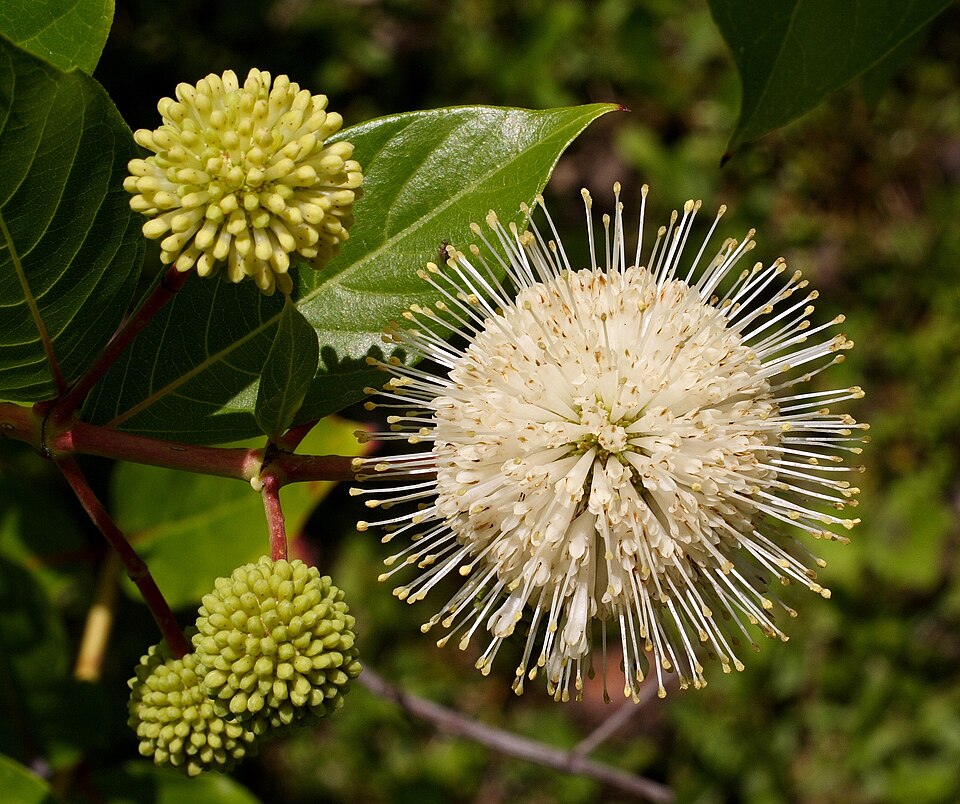
- ButtonbushCephalanthus occidentalis
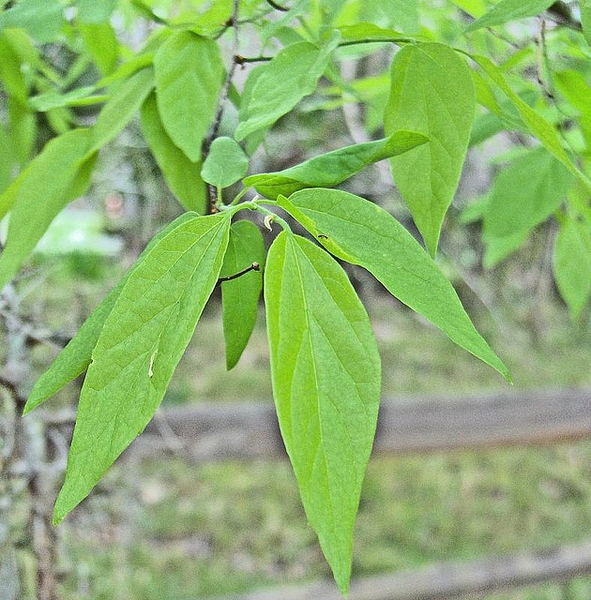
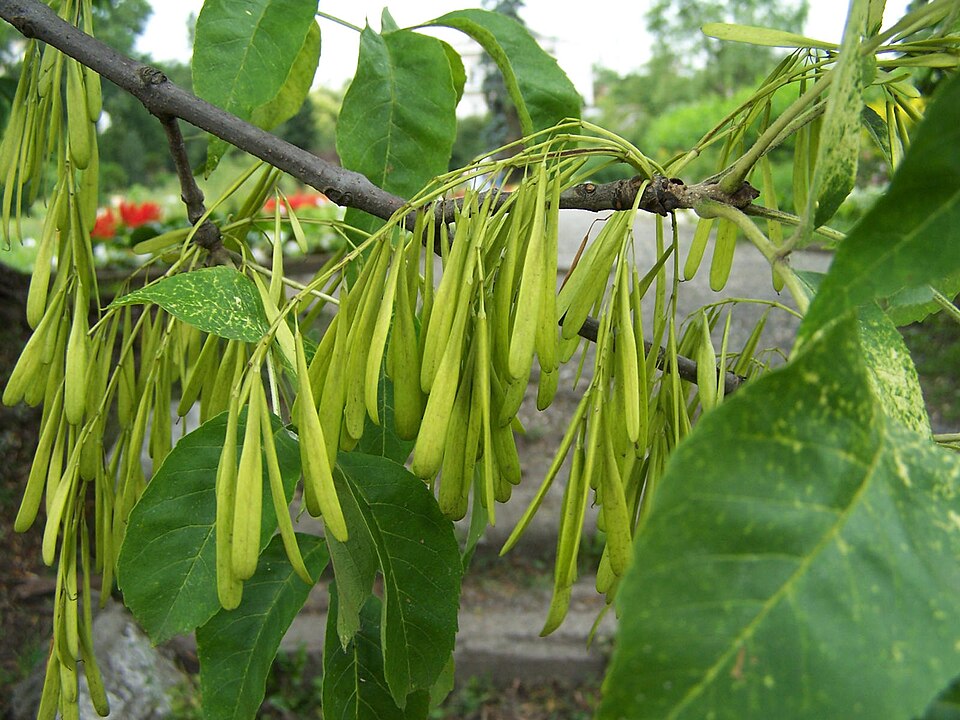
- Green AshFraxinus pennsylvanica
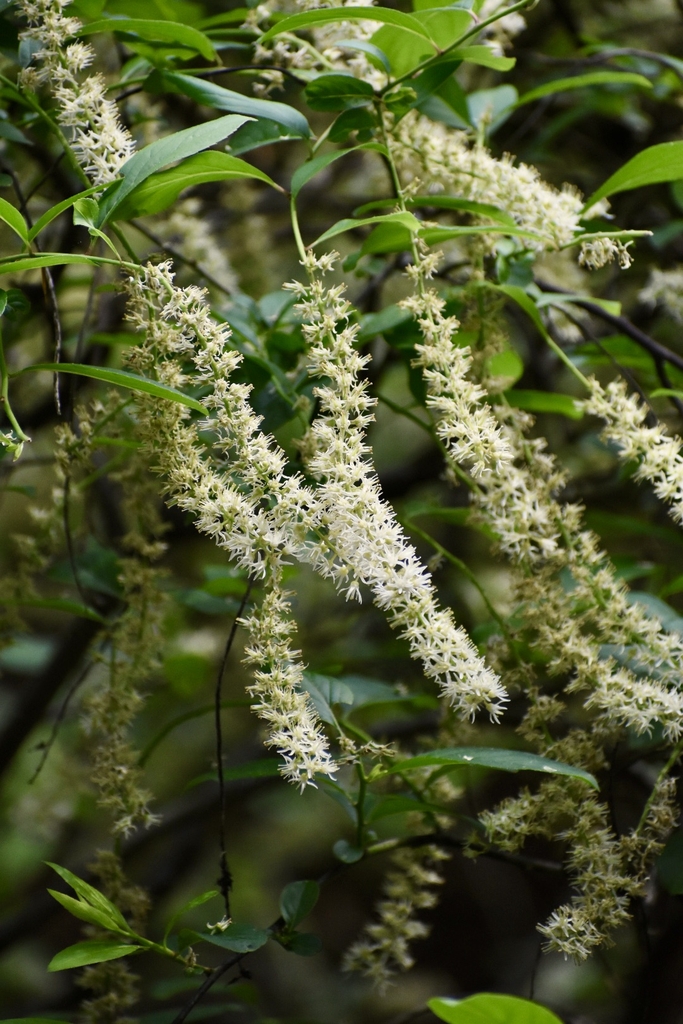
- Virginia SweetspireItea virginica
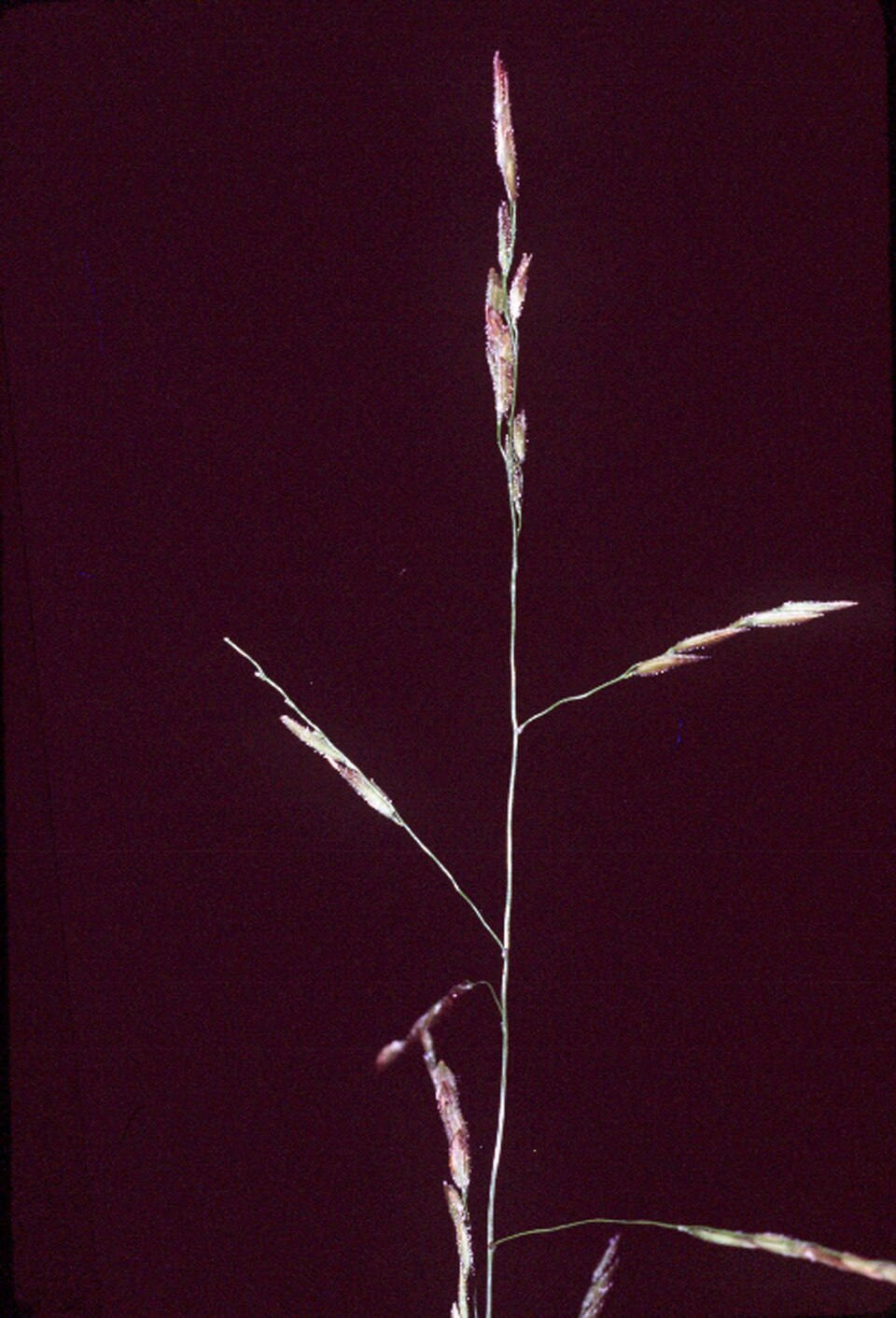
- White CutgrassLeersia virginica
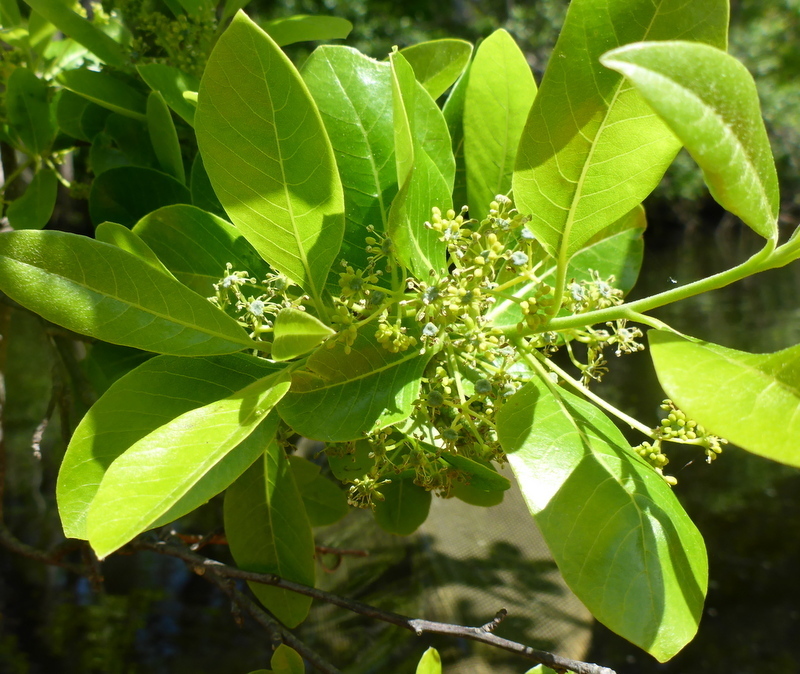
- Swamp TupeloNyssa biflora
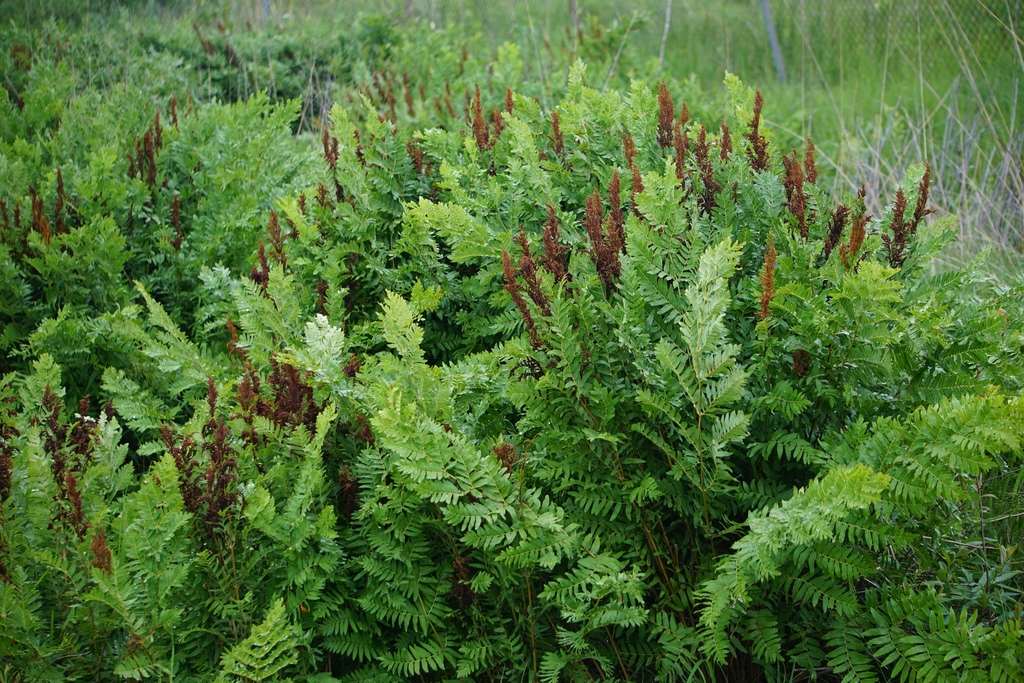
- Royal FernOsmunda spectabilis
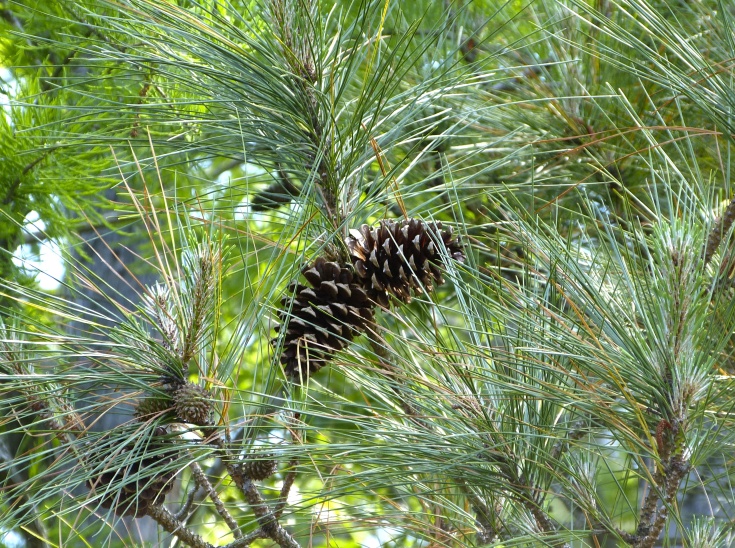
- Loblolly PinePinus taeda
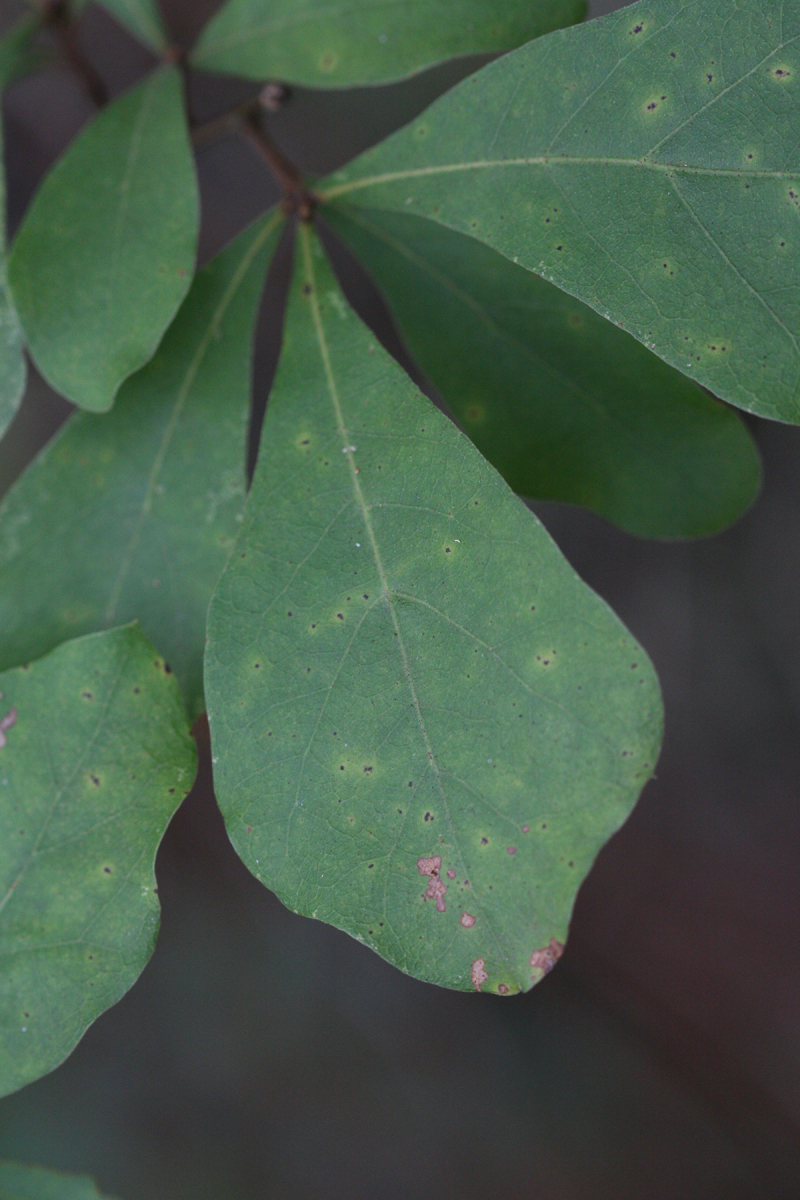
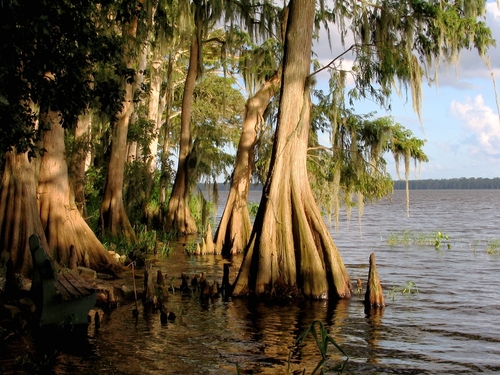
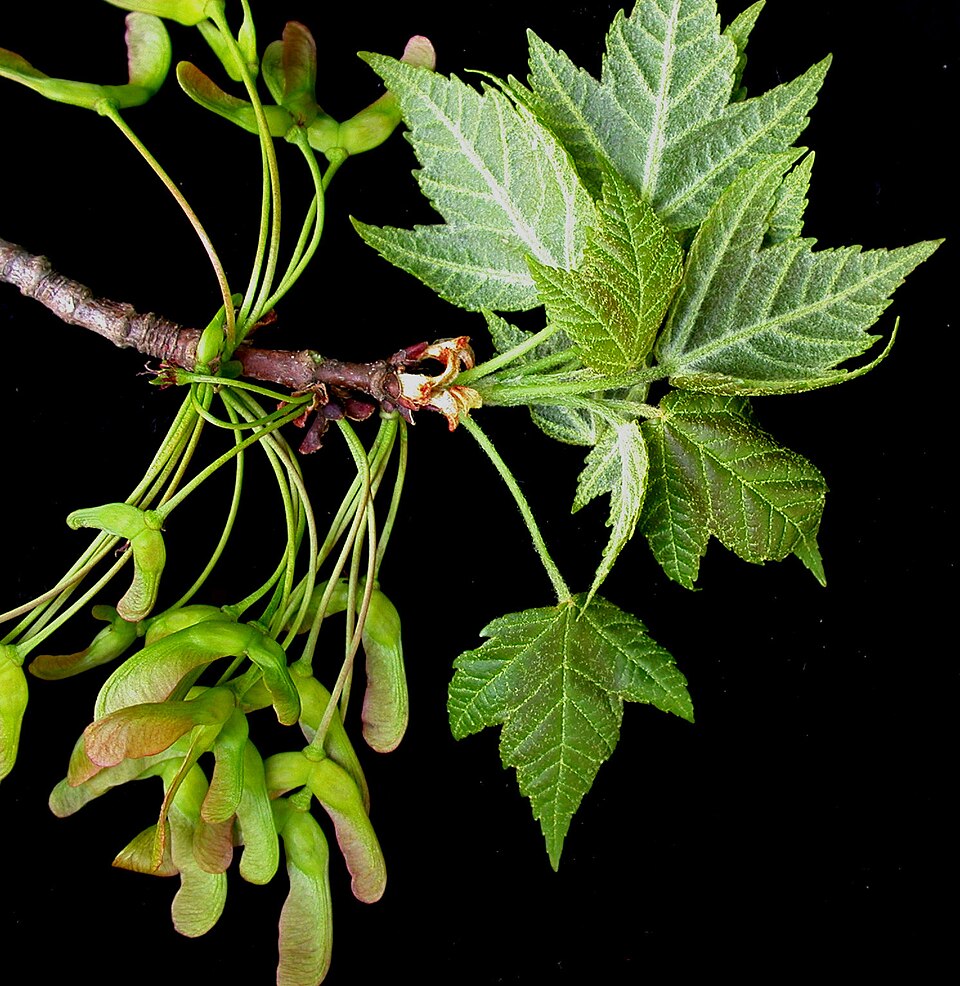
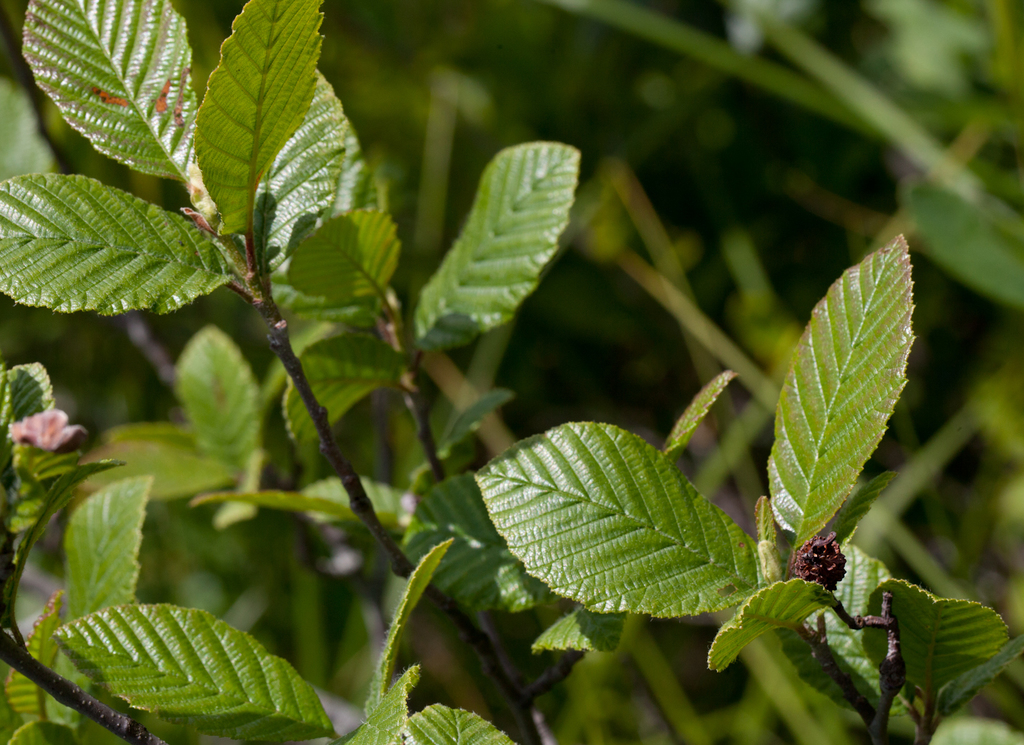
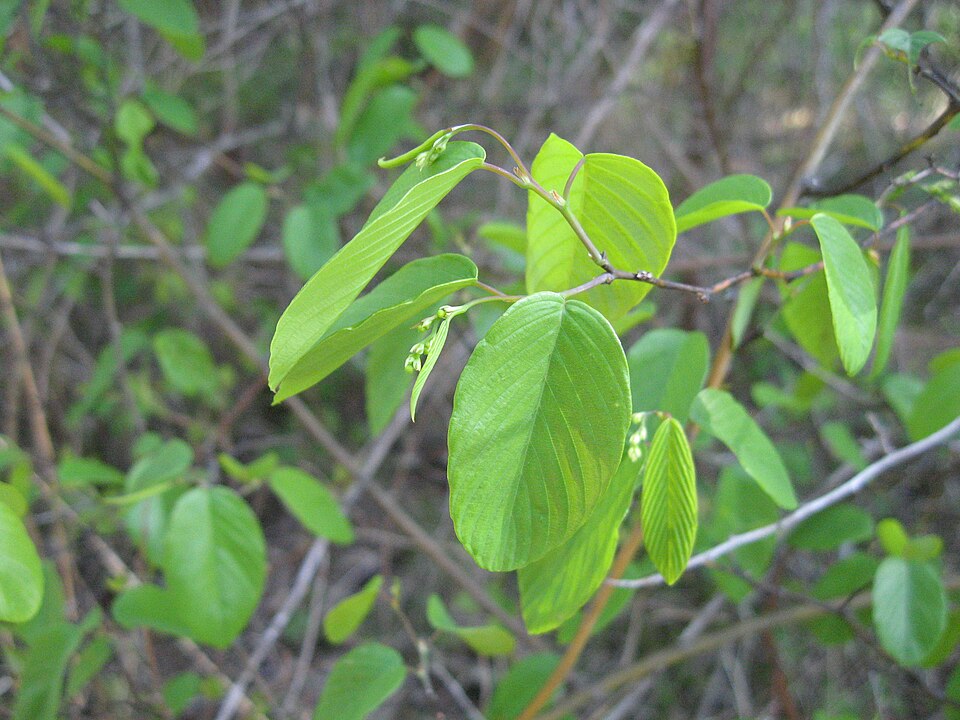
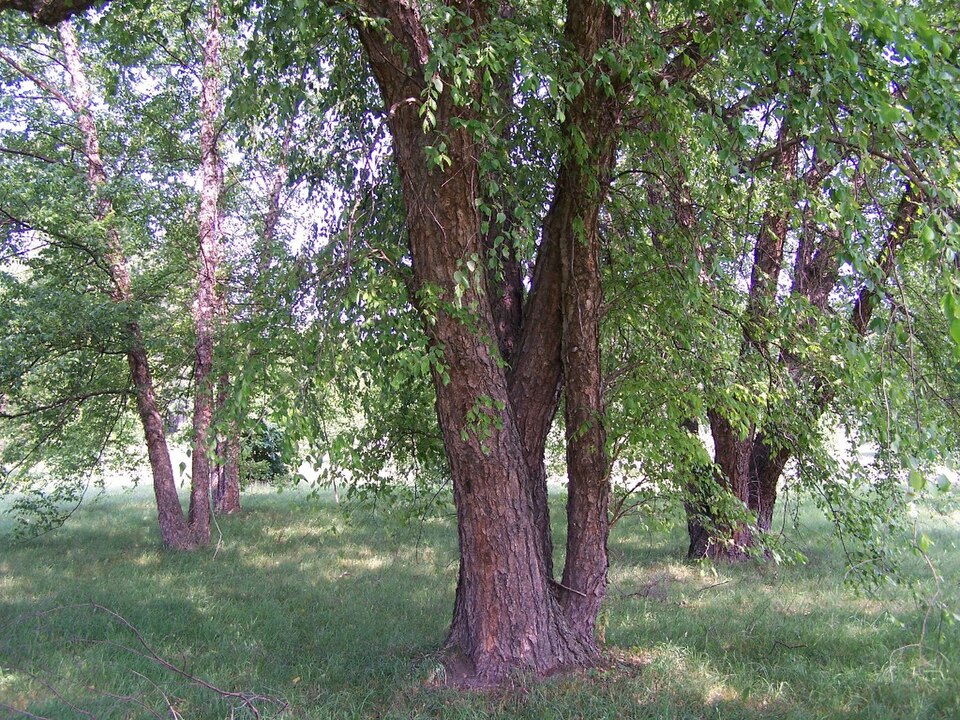
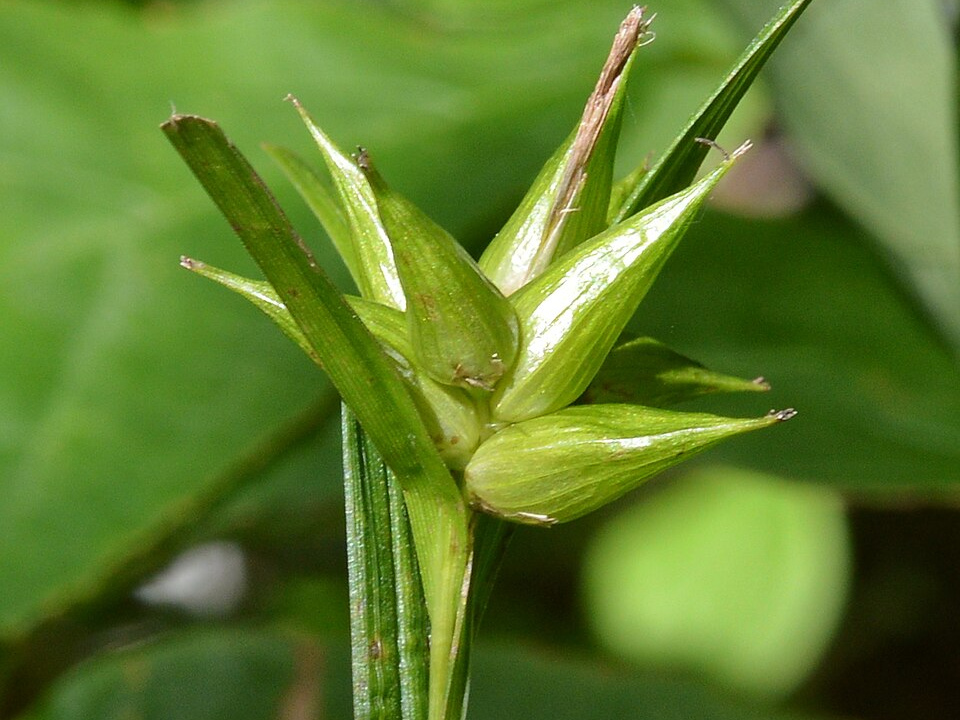
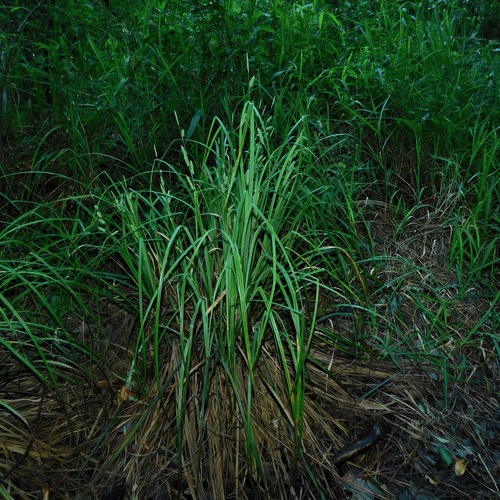
Wildlife 216
Other animals whose habitat models include the same habitats in Arkansas. Not sighting records.
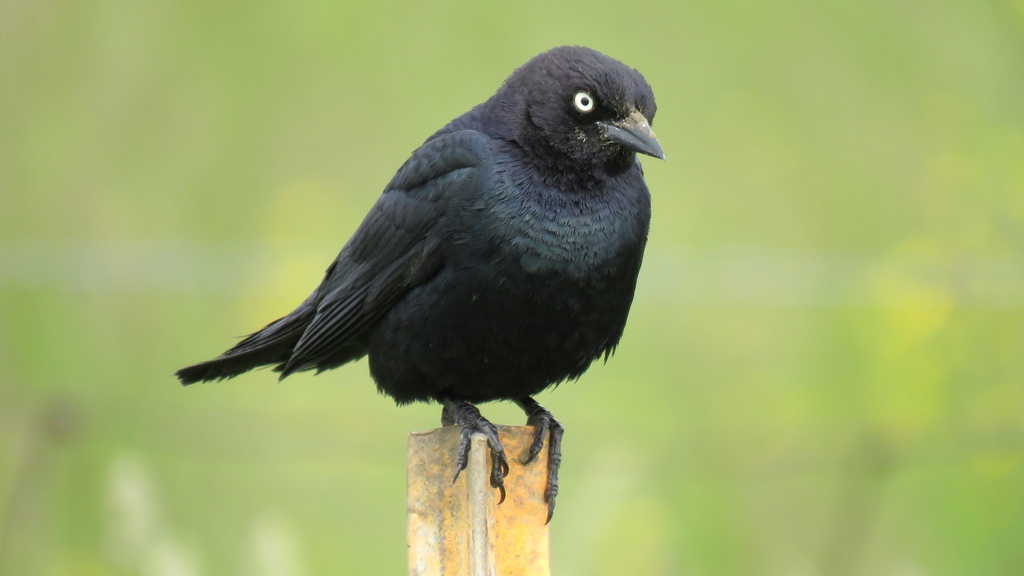
- Brewer's BlackbirdEuphagus cyanocephalus
- Brown-headed CowbirdMolothrus ater
- Carolina ChickadeePoecile carolinensis
- Carolina WrenThryothorus ludovicianus
- Cedar WaxwingBombycilla cedrorum
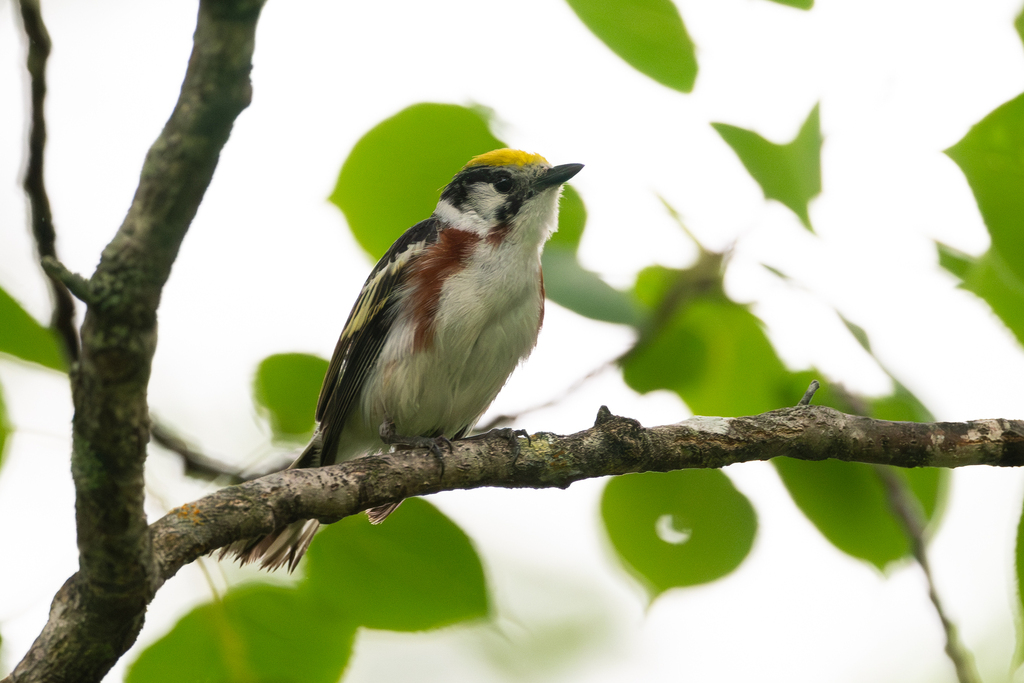
- Chestnut-sided WarblerDendroica pensylvanica
- Common GrackleQuiscalus quiscula
- Common YellowthroatGeothlypis trichas
- Cooper's HawkAccipiter cooperii
- Eastern Screech-owlMegascops asio
- Eastern TowheePipilo erythrophthalmus
- Eastern Wood-peweeContopus virens
- European StarlingSturnus vulgaris
- Fish CrowCorvus ossifragus
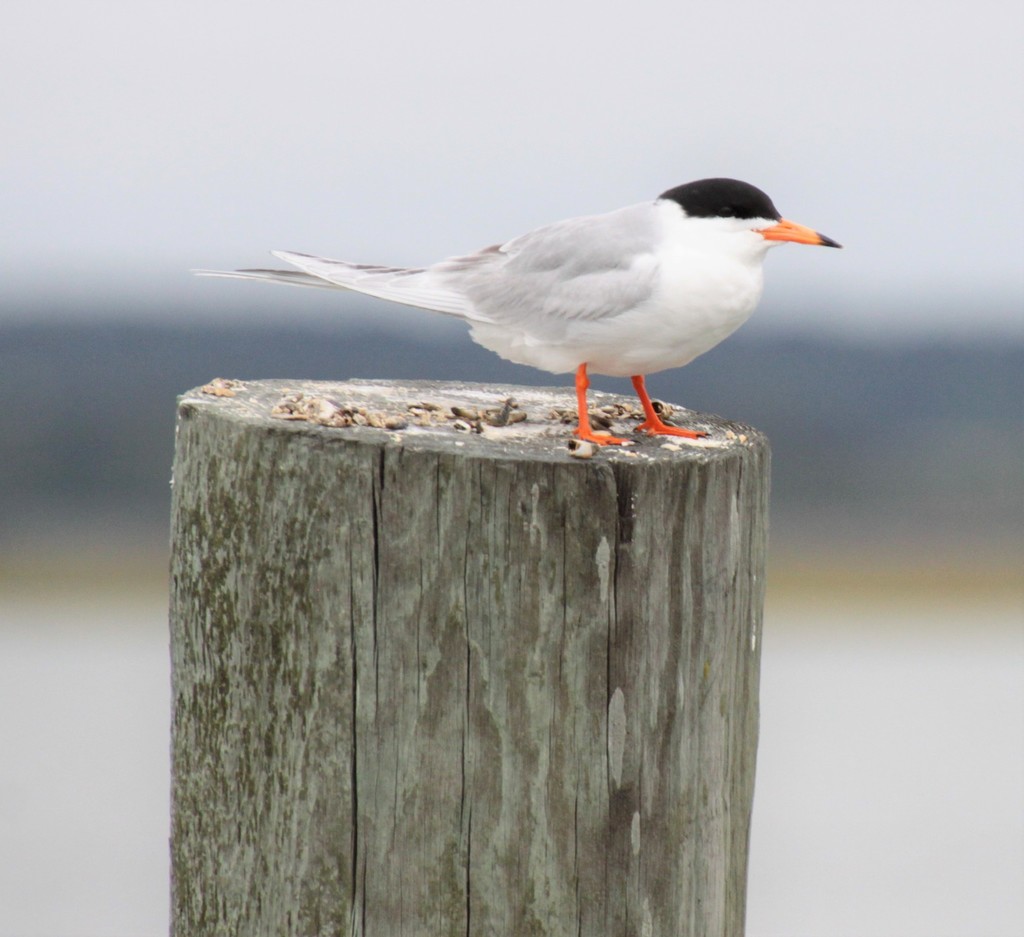
- Forster's TernSterna forsteri
- Fox SparrowPasserella iliaca
- GadwallAnas strepera
- Gray CatbirdDumetella carolinensis
- Great Crested FlycatcherMyiarchus crinitus
- Great-tailed GrackleQuiscalus mexicanus
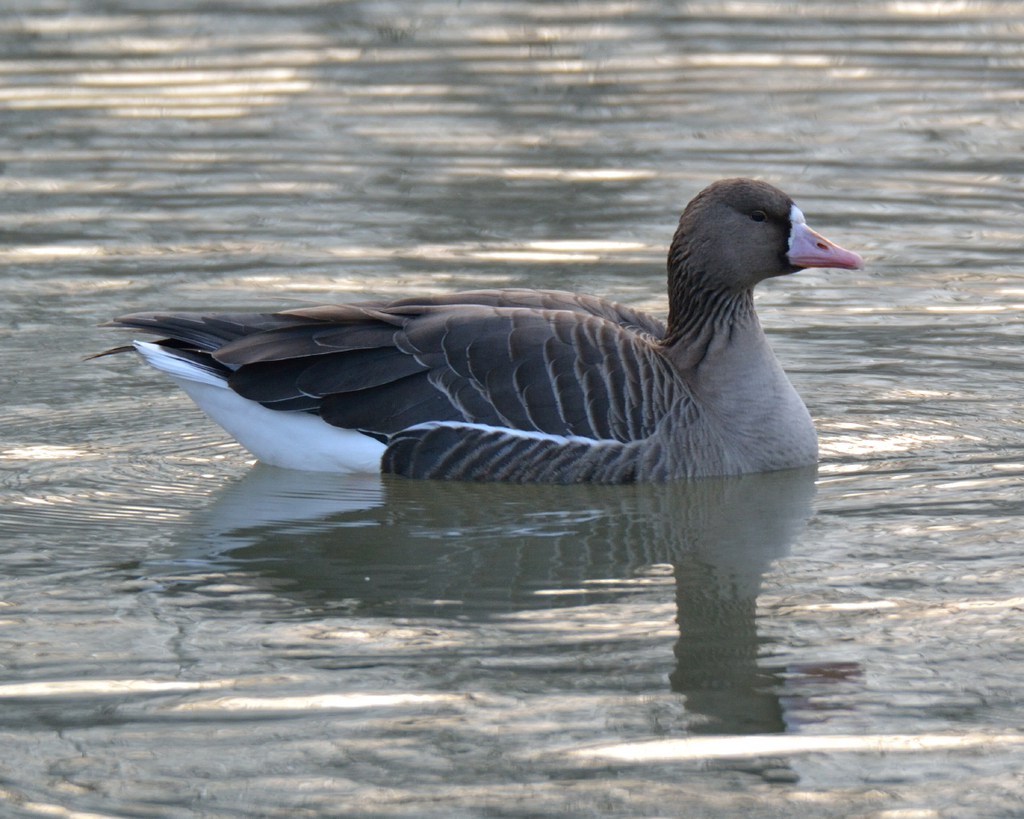
- Greater White-fronted GooseAnser albifrons
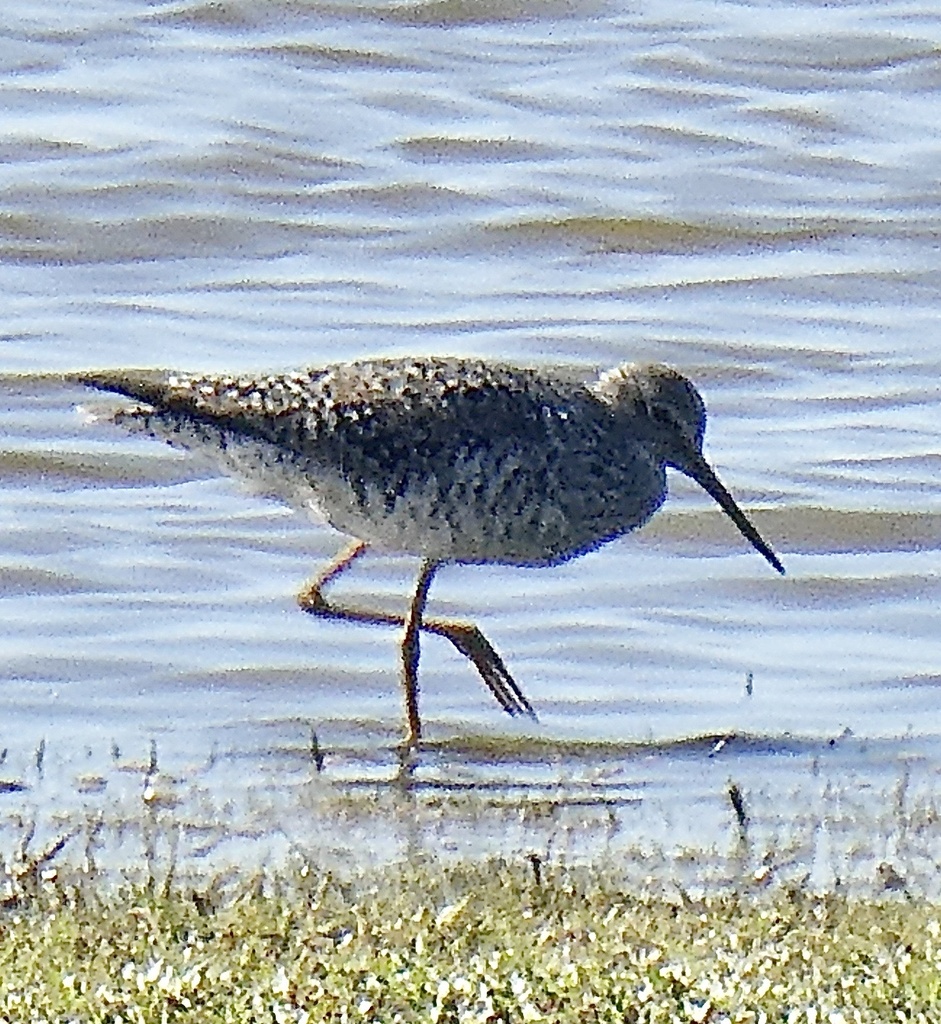
- Greater YellowlegsTringa melanoleuca
- Hairy WoodpeckerPicoides villosus
- Hermit ThrushCatharus guttatus












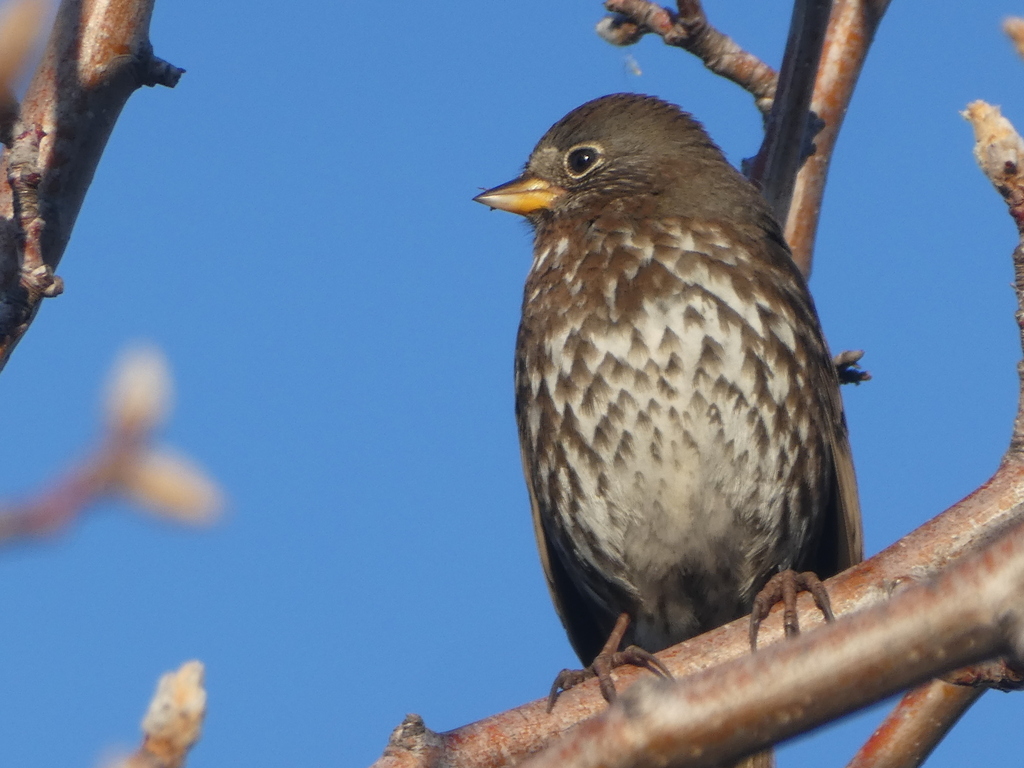
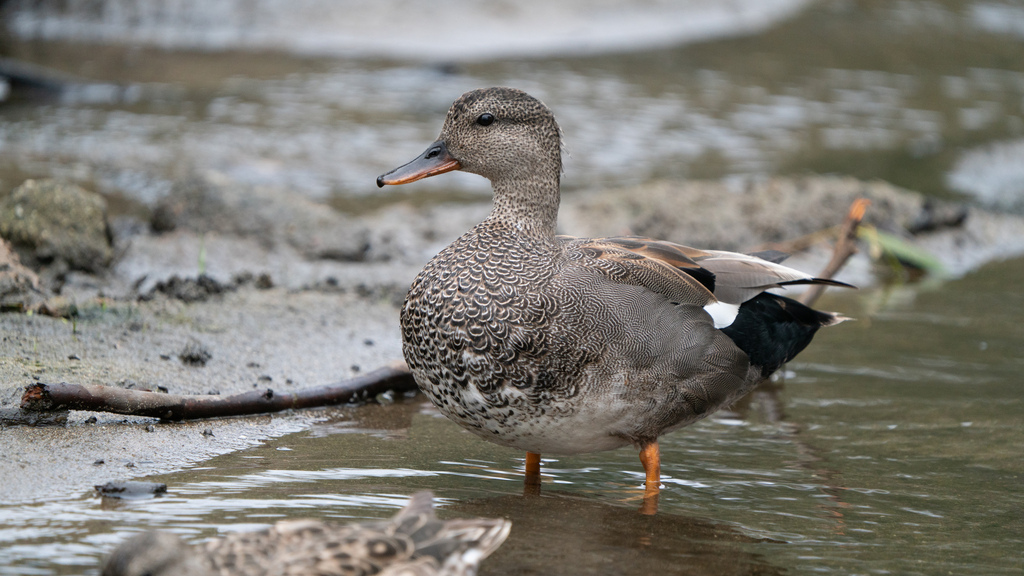
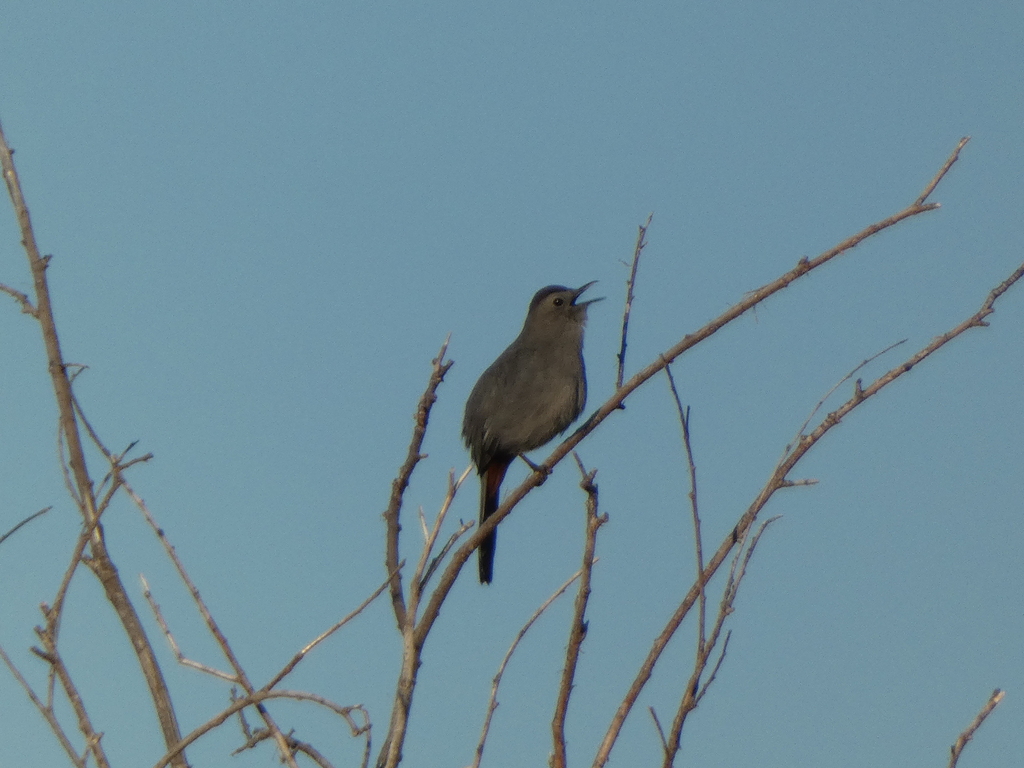

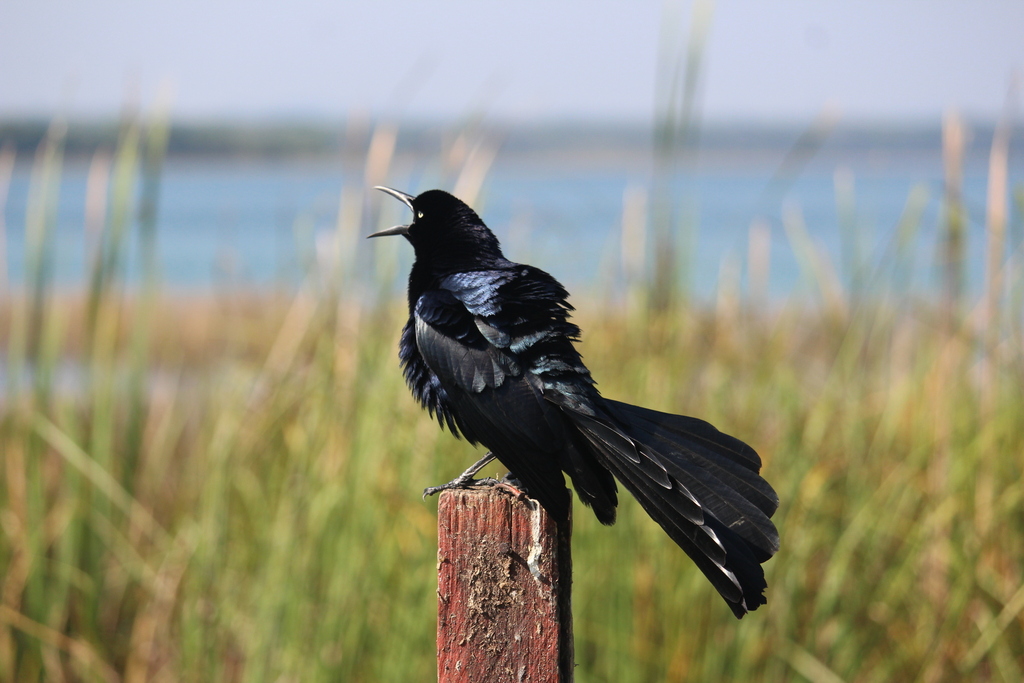


NatureServe Explorer, CC BY 4.0. USGS Gap Analysis Project habitat models.
Sources
- USGS Gap Analysis Project habitat models (2001)
- USGS GAP winter habitat model for Neotropic Cormorant Elevation 0 to 5,000 m
- USGS Gap Analysis Project range maps (2001), modeled by watershed; migratory gives no dates
- NatureServe Explorer (CC BY 4.0), habitat names
- US Census TIGER/Line counties
- Names follow the USGS Gap Analysis Project (2001)