

Bird
Neotropic Cormorant
Phalacrocorax brasilianus
A summer resident that nests in Arkansas. Found in 1 of 75 counties, across 4 habitats.
- Here
- Summer
- Nesting
- Nests here
- Range
- 1 of 75 counties
- Habitats
- 4
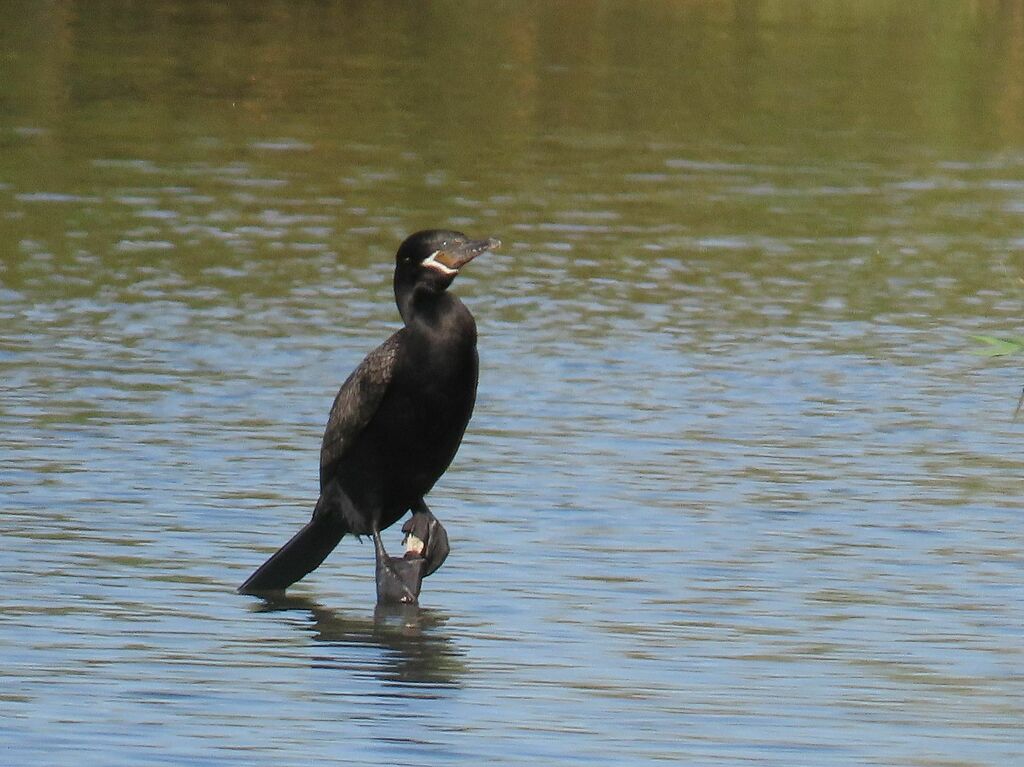
At a glance
- Group
- Birds
- Here
- Summer
- Nesting
- Nests here
- Range
- 1 of 75 counties
- Habitats
- 4
- Habitat models
- Summer, Winter
Where it lives
The places its habitat model includes. It is not found everywhere a habitat occurs.
Habitats in Arkansas 4
Each habitat page lists the plants and wildlife also found there.
Disturbed and introduced wetlands
Wet ground taken over by weedy or introduced plants after disturbance, such as common reed, Chinese tallow or tamarisk stands; the upland counterpart is roadsides, fields and disturbed ground.
Floodplain and bottomland forests
Forests on low ground beside rivers and streams that flood from time to time.
Still water and its edges: ponds, lakes, millponds and reservoirs.
Forested wetlands with standing water much of the year, such as cypress and gum swamps.
Other habitats in its models (25)
Land cover, or classes with no habitat page in Arkansas.
- Open Water (Brackish/Salt) Summer and winter.
- Open Water (Aquaculture) Summer and winter.
- Central and South Texas Coastal Fringe Forest and Woodland Summer and winter, only within 250 m of water.
- East-Central Texas Plains Riparian Forest Summer and winter.
- East-Central Texas Plains Floodplain Forest Summer and winter.
- Central and Upper Texas Coast Dune and Coastal Grassland Summer and winter.
- Southern Coastal Plain Nonriverine Basin Swamp - Okefenokee Bay/Gum Modifier Summer and winter.
- Southern Coastal Plain Nonriverine Basin Swamp - Okefenokee Pine Modifier Summer and winter.
- Southern Coastal Plain Nonriverine Basin Swamp - Okefenokee Nupea Modifier Summer and winter.
- Southern Coastal Plain Nonriverine Basin Swamp - Okefenokee Clethra Modifier Summer and winter.
- Southern Coastal Plain Seepage Swamp and Baygall Summer and winter.
- Gulf and Atlantic Coastal Plain Swamp Systems Summer and winter.
- Gulf and Atlantic Coastal Plain Tidal Marsh Systems Summer and winter.
- West Gulf Coastal Plain Near-Coast Large River Swamp Summer and winter.
- Texas Saline Coastal Prairie Summer and winter.
- Southern Coastal Plain Nonriverine Cypress Dome Summer and winter.
- Western Great Plains Depressional Wetland Systems Summer and winter.
- Western Great Plains Open Freshwater Depression Wetland Summer and winter.
- Western Great Plains Closed Depression Wetland Summer and winter.
- Western Great Plains Saline Depression Wetland Summer and winter.
- Western Great Plains Floodplain Systems Summer and winter.
- Western Great Plains Floodplain Summer and winter.
- Southern Coastal Plain Hydric Hammock Summer and winter.
- Western Great Plains Riparian Woodland and Shrubland Summer and winter.
- Texas-Louisiana Coastal Prairie Slough Summer and winter.
Seasons in Arkansas
- Summer: nests here, in 1 of 75 counties.
Also found in this habitat
Plants 199
Plants named in NatureServe descriptions of these habitats that grow in Arkansas. Shared habitat, not food.
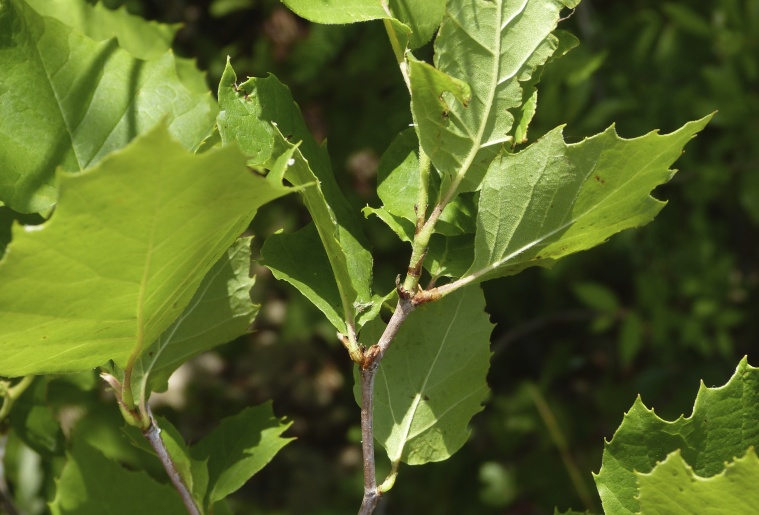
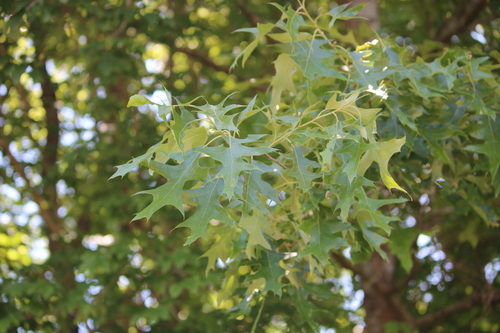
- American SycamorePlatanus occidentalis
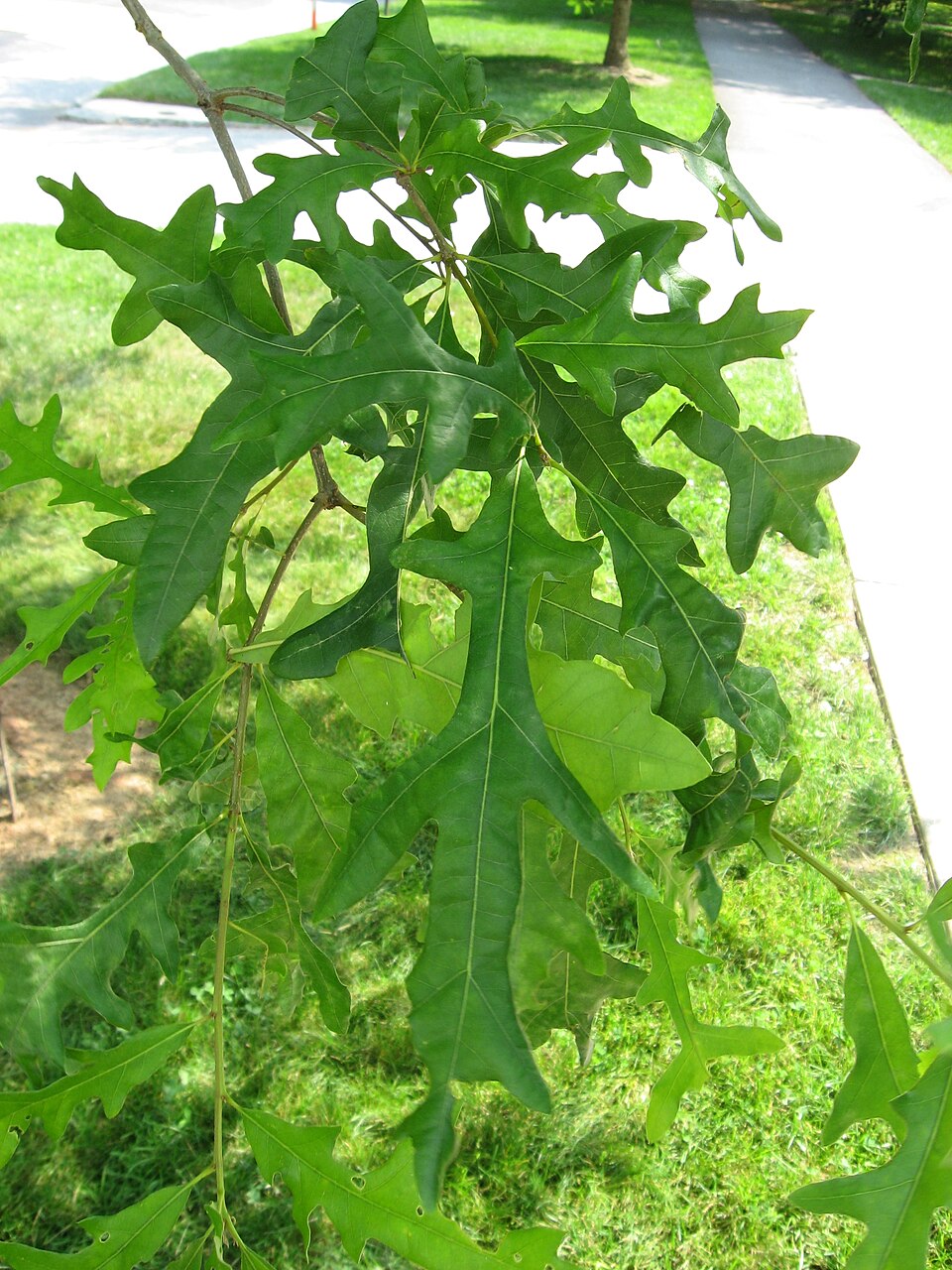
- Overcup OakQuercus lyrata
- Swamp Chestnut OakQuercus michauxii
- Cherrybark OakQuercus pagoda
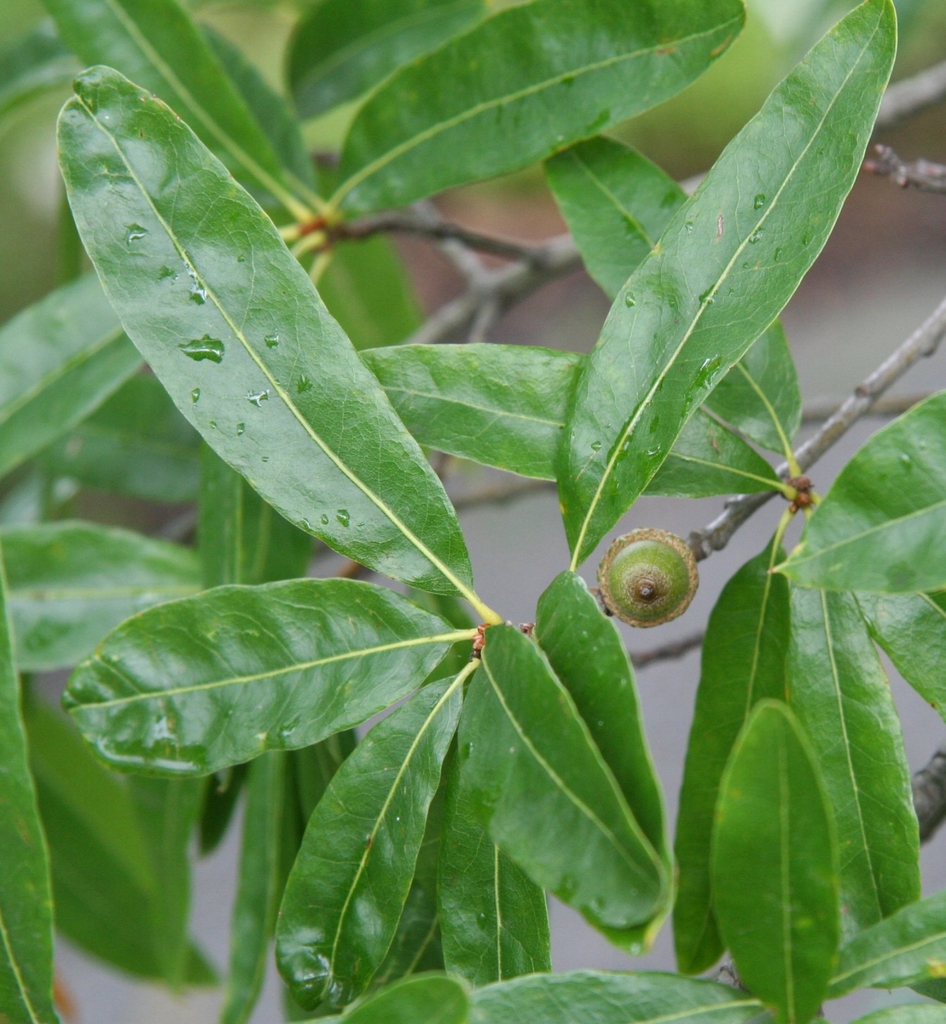
- Willow OakQuercus phellos
- Texas Red OakQuercus texana
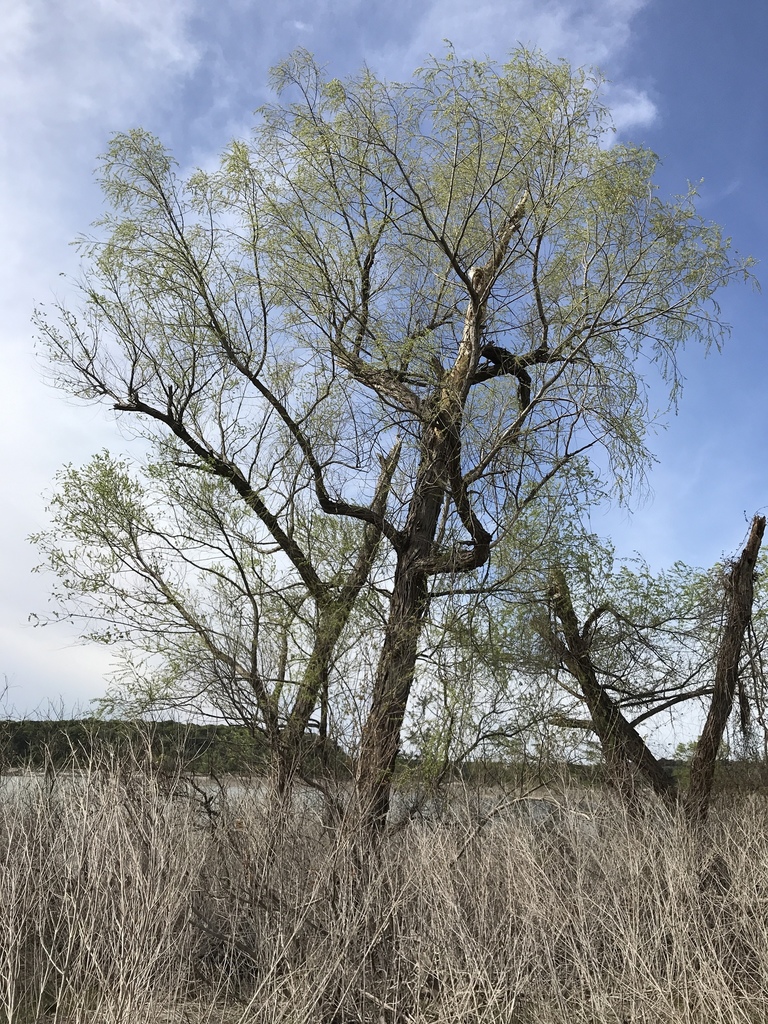
- Black WillowSalix nigra
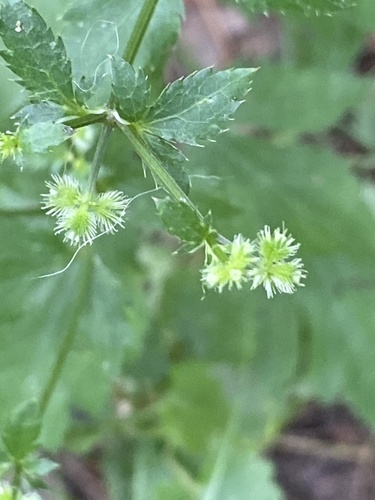
- Canadian Black-snakerootSanicula canadensis
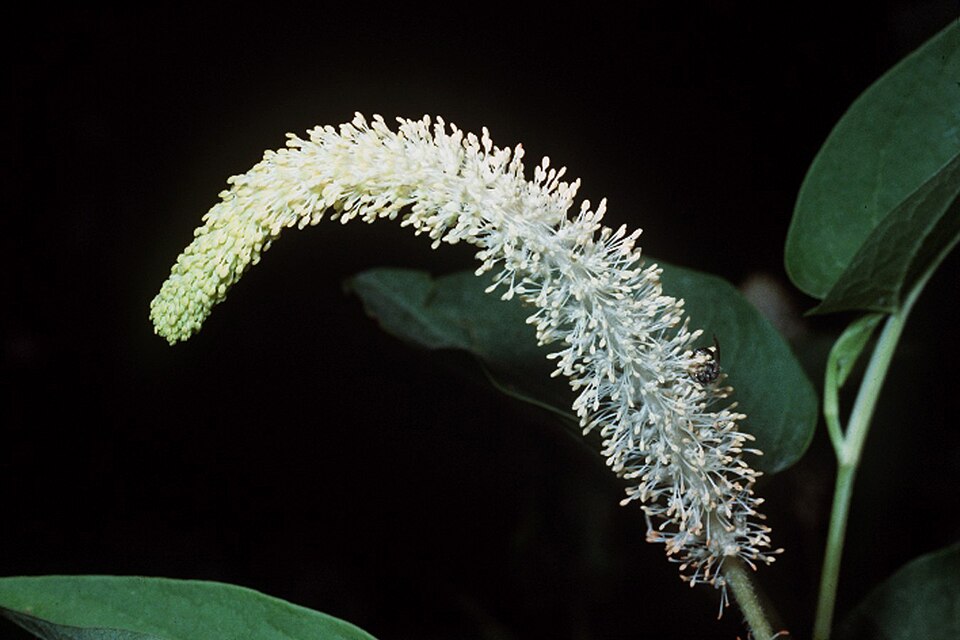
- Lizard's-tailSaururus cernuus
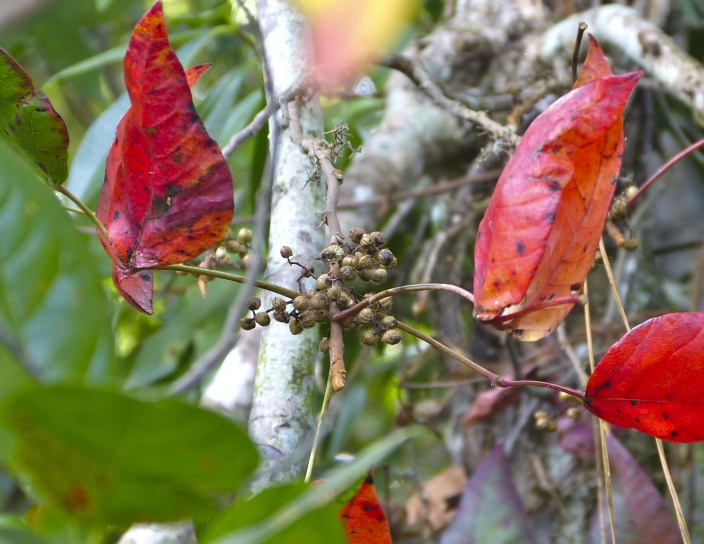
- Poison-ivyToxicodendron radicans
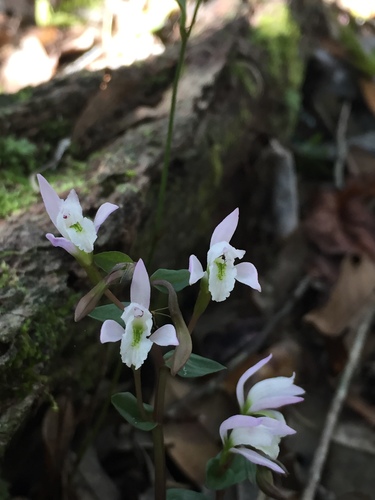
- Three Birds OrchidTriphora trianthophora
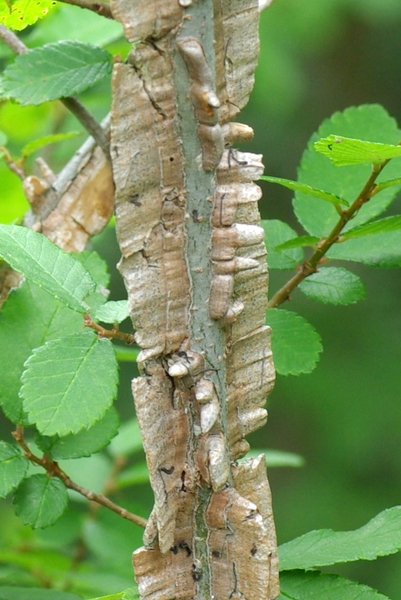
- Winged ElmUlmus alata
- American ElmUlmus americana
- Cedar ElmUlmus crassifolia
- Slippery ElmUlmus rubra
- Box-elderAcer negundo
- Creeping SpotflowerAcmella oppositifolia var. repens
- Red BuckeyeAesculus pavia
- Maritime BluestemAndropogon tenuispatheus
- American GroundnutApios americana
- Dwarf PawpawAsimina parviflora
- Mexican Mosquito FernAzolla mexicana
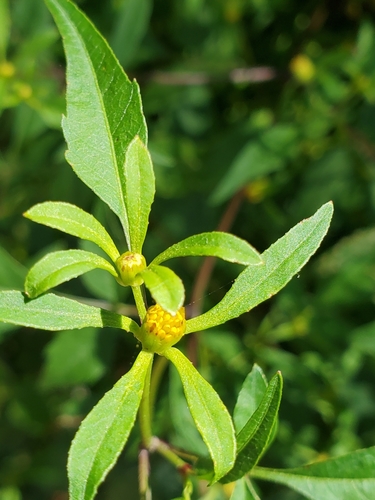
- Small BeggarticksBidens discoidea
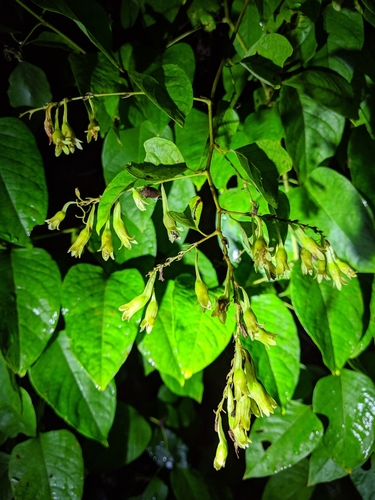
- Buckwheat VineBrunnichia ovata
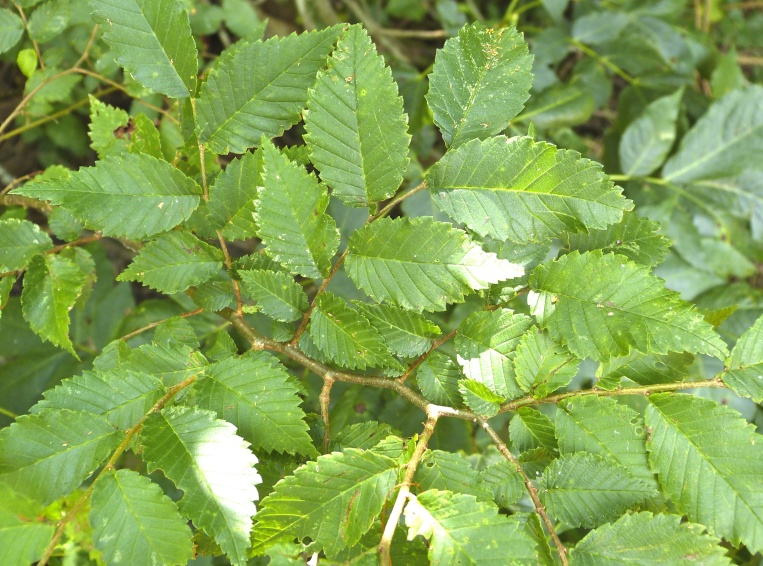
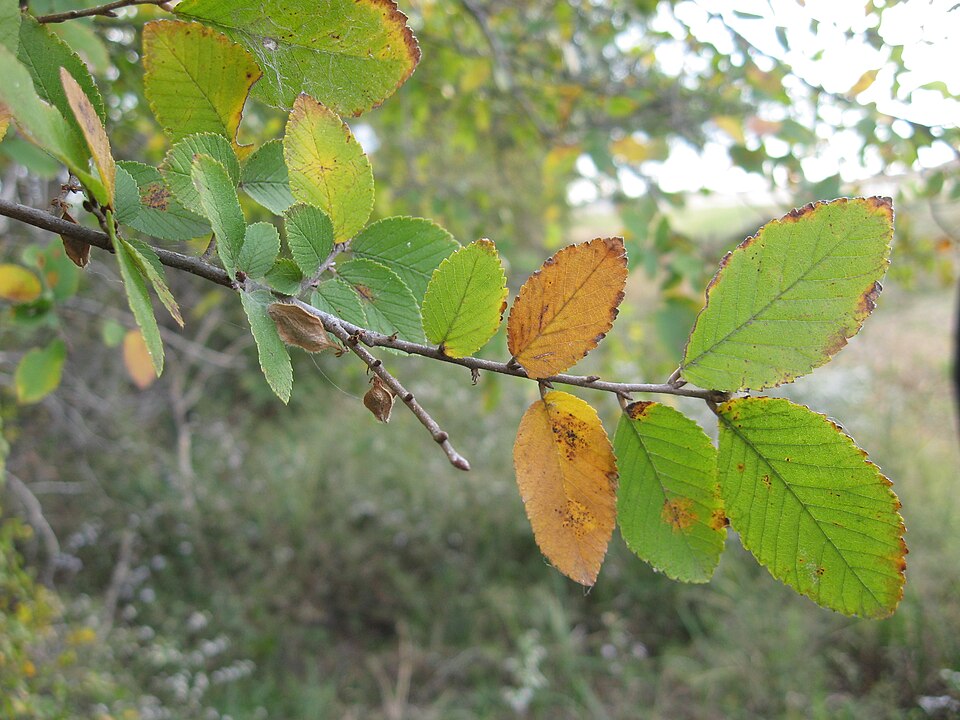
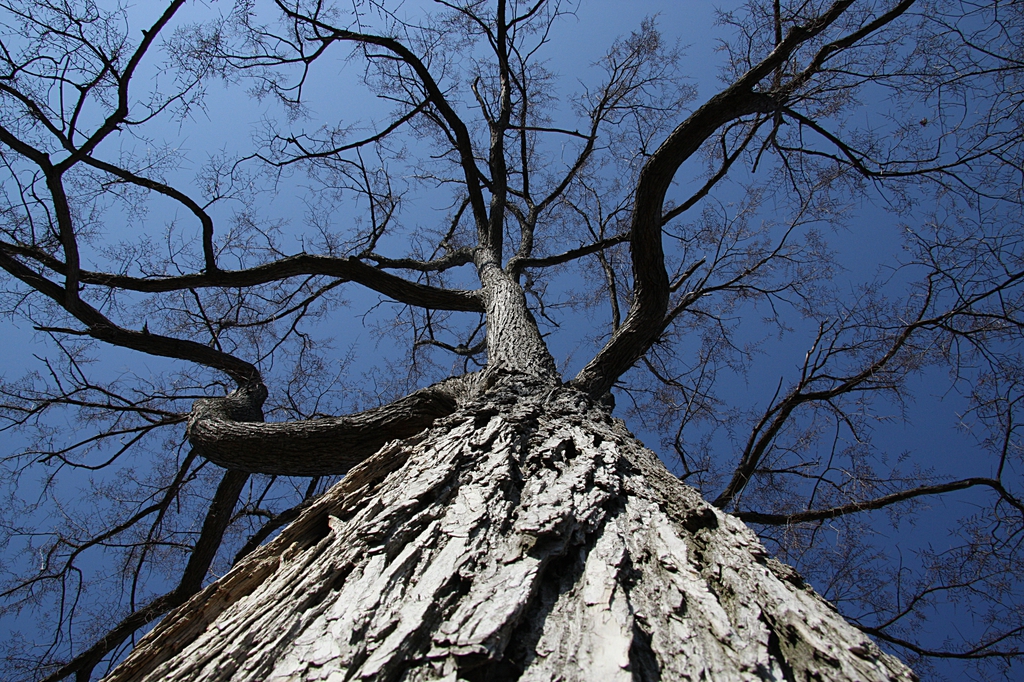
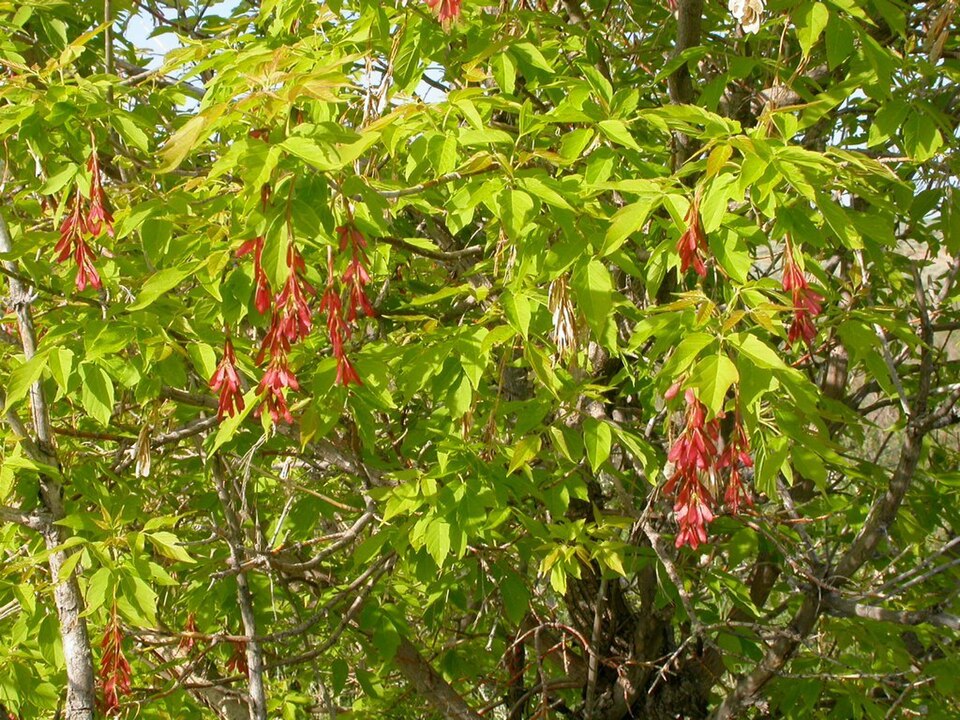
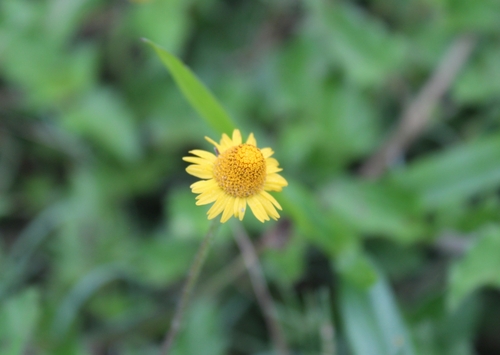
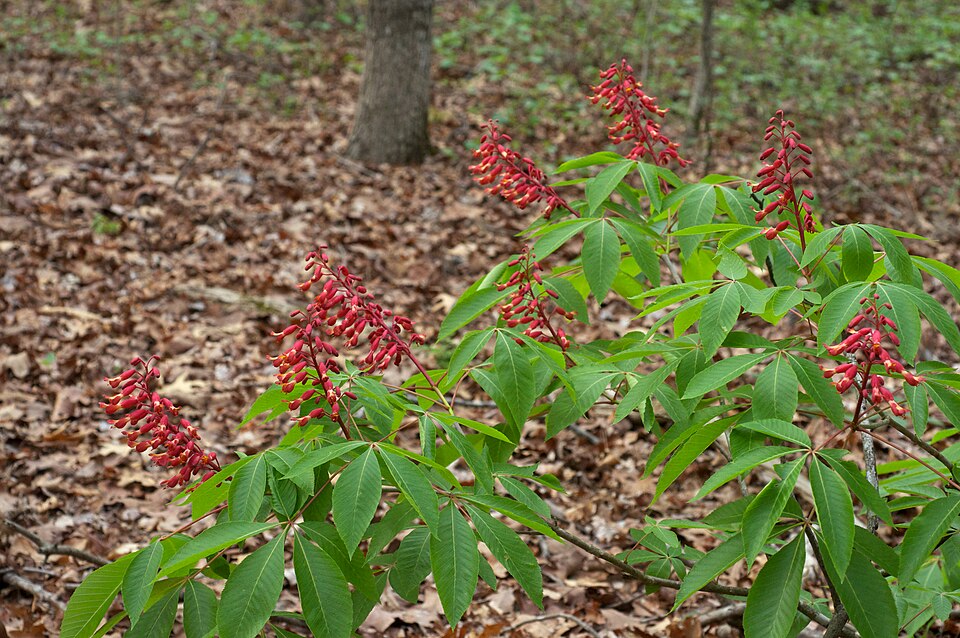
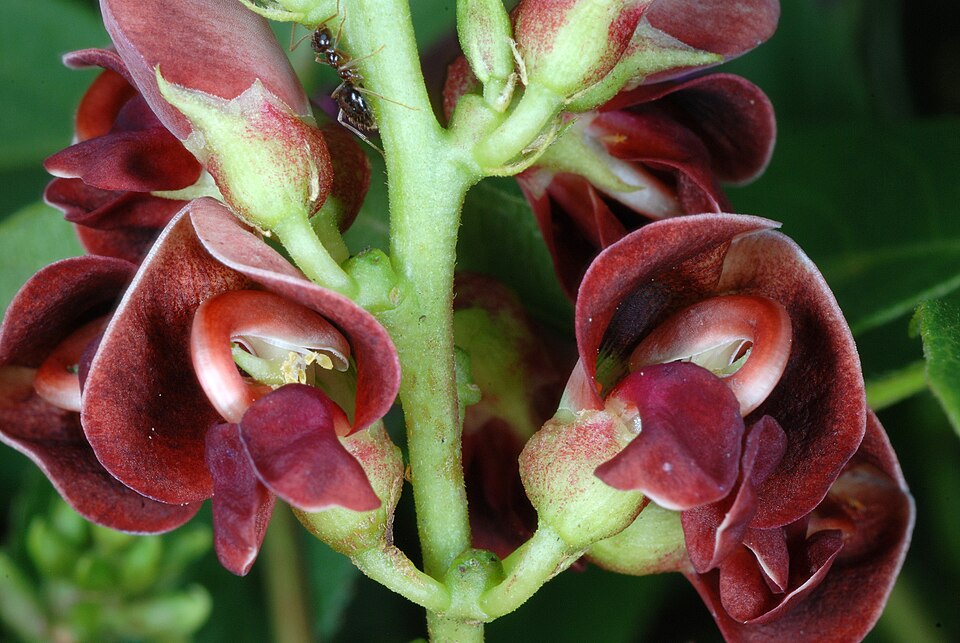
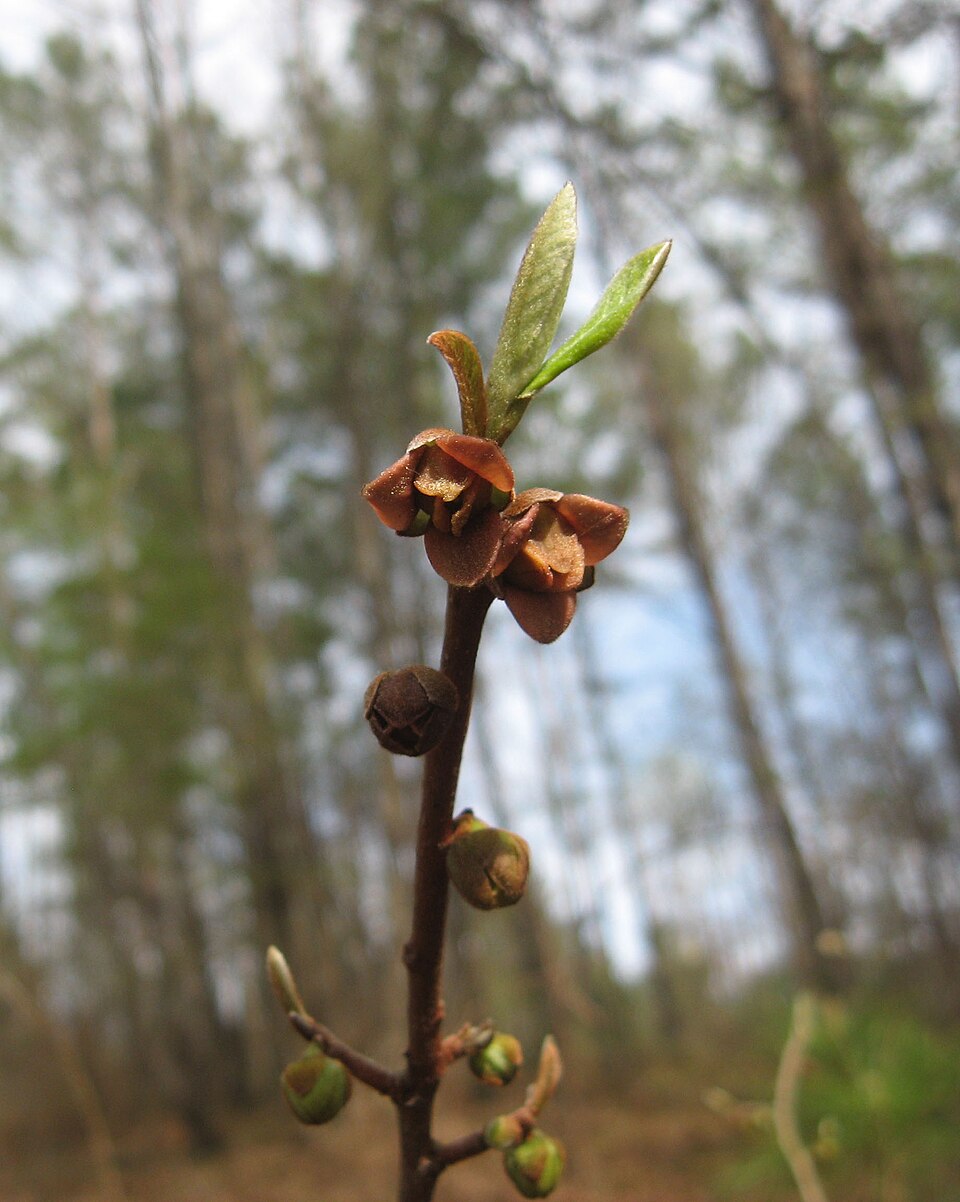
Wildlife 216
Other animals whose habitat models include the same habitats in Arkansas. Not sighting records.
- American Black DuckAnas rubripes
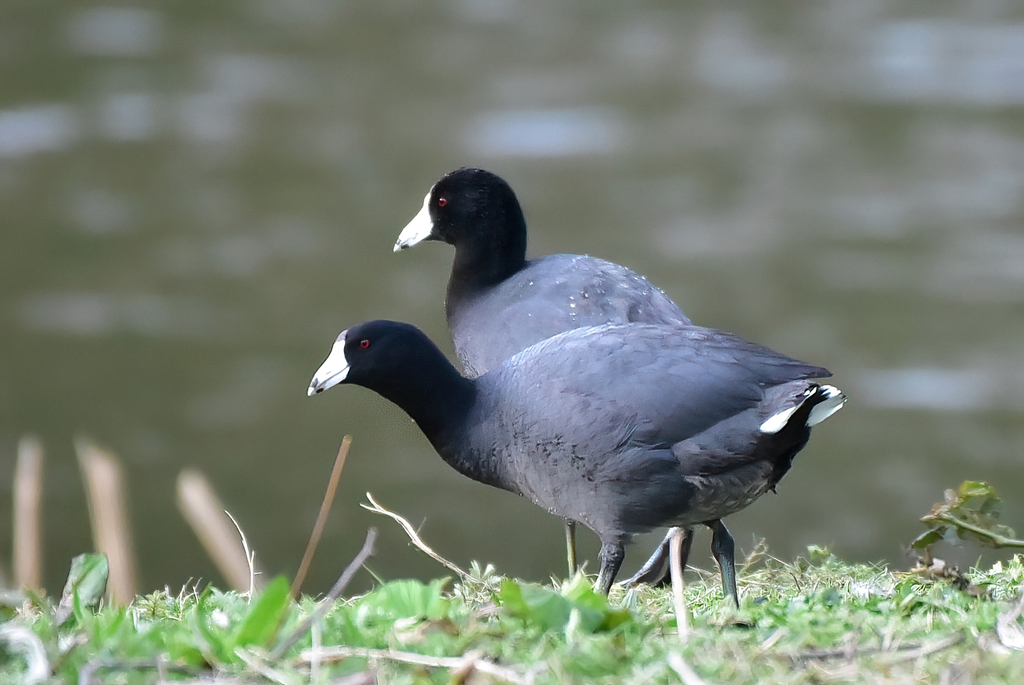
- American CootFulica americana
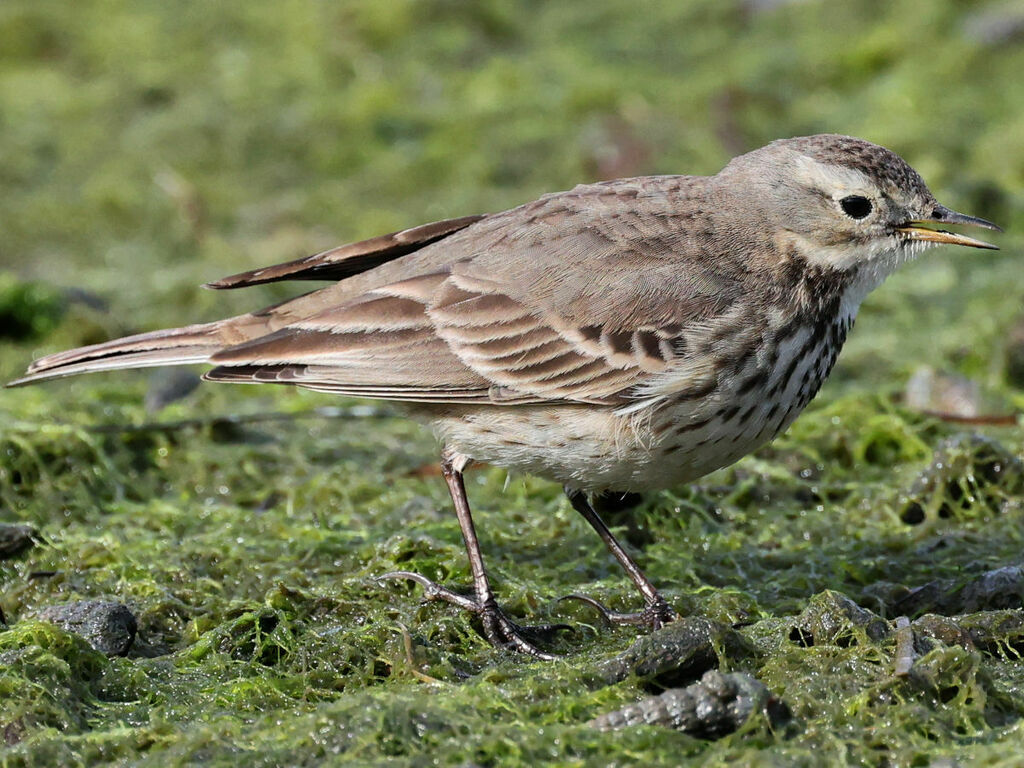
- American PipitAnthus rubescens
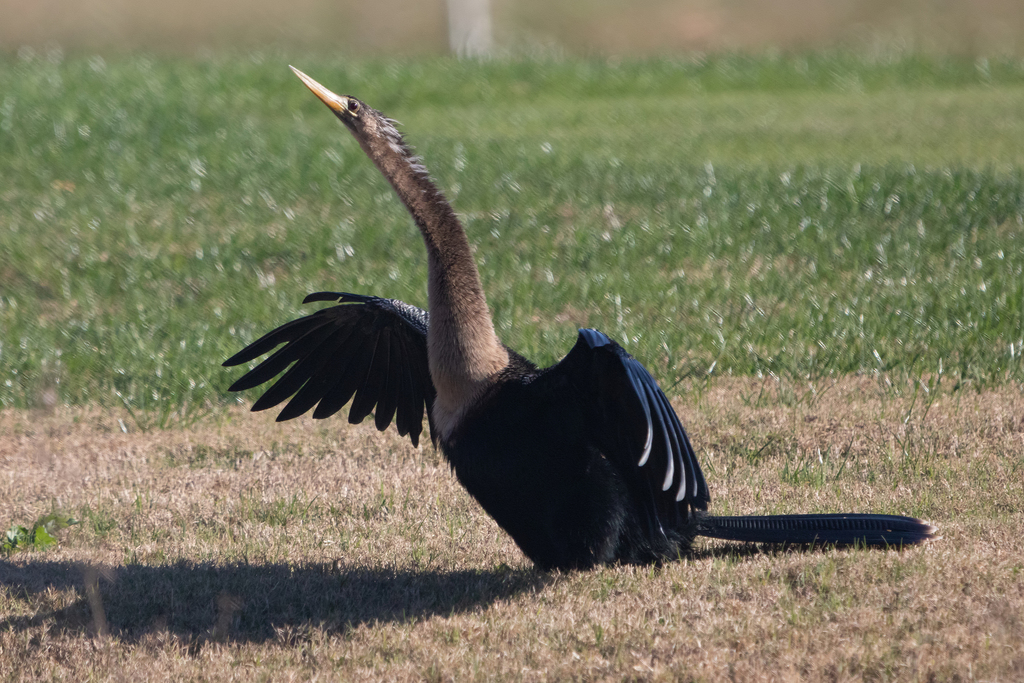
- AnhingaAnhinga anhinga
- Bald EagleHaliaeetus leucocephalus
- Belted KingfisherMegaceryle alcyon
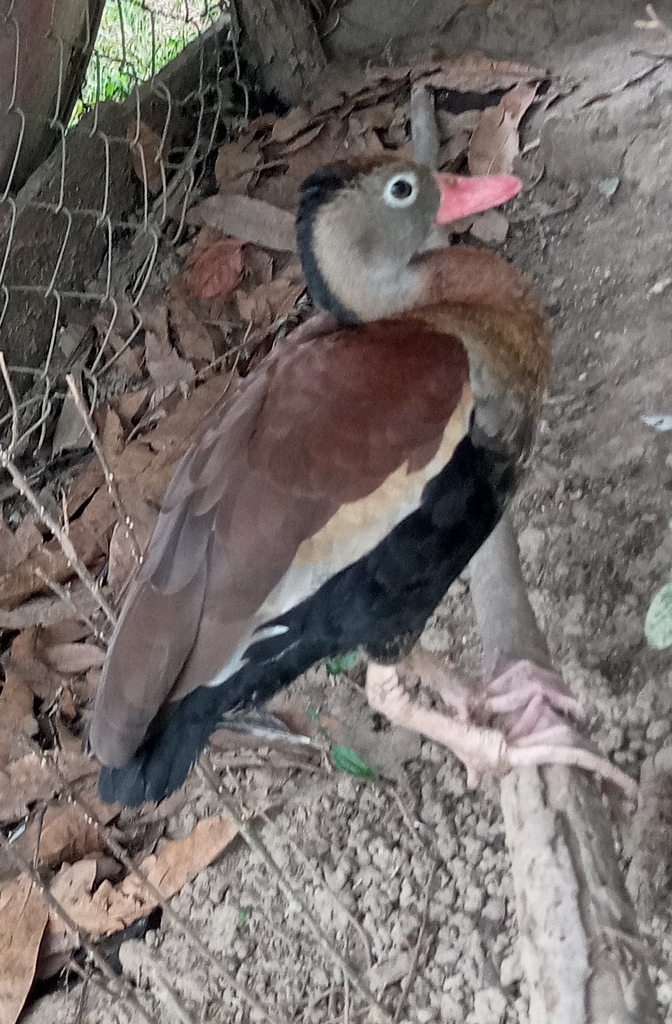
- Black-bellied Whistling-DuckDendrocygna autumnalis
- Black-crowned Night-heronNycticorax nycticorax
- Canada GooseBranta canadensis
- CanvasbackAythya valisineria
- Chimney SwiftChaetura pelagica
- Cliff SwallowPetrochelidon pyrrhonota
- Common NighthawkChordeiles minor
- Double-crested CormorantPhalacrocorax auritus
- Eastern KingbirdTyrannus tyrannus
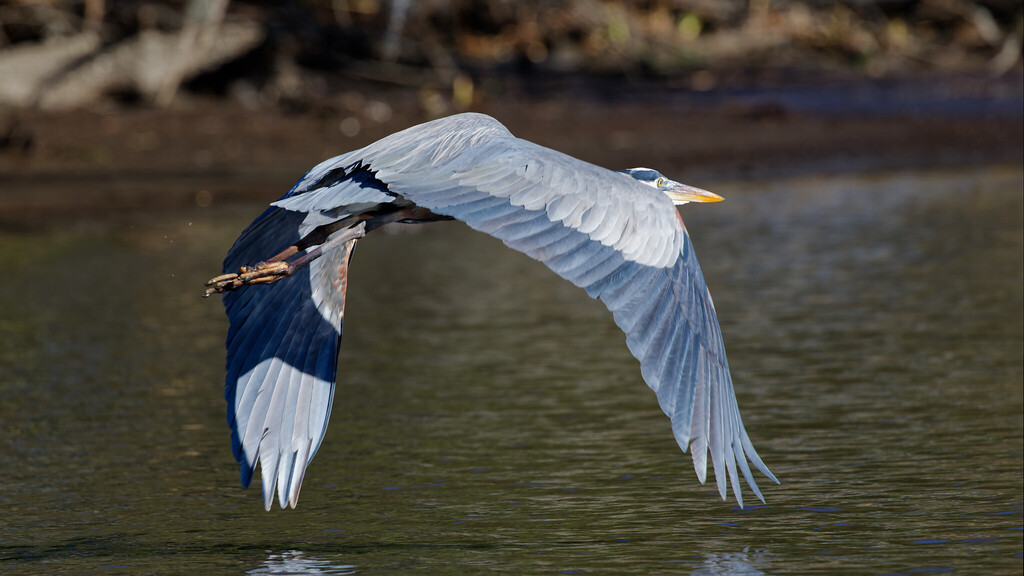
- Great Blue HeronArdea herodias
- Great EgretArdea alba
- Great Horned OwlBubo virginianus
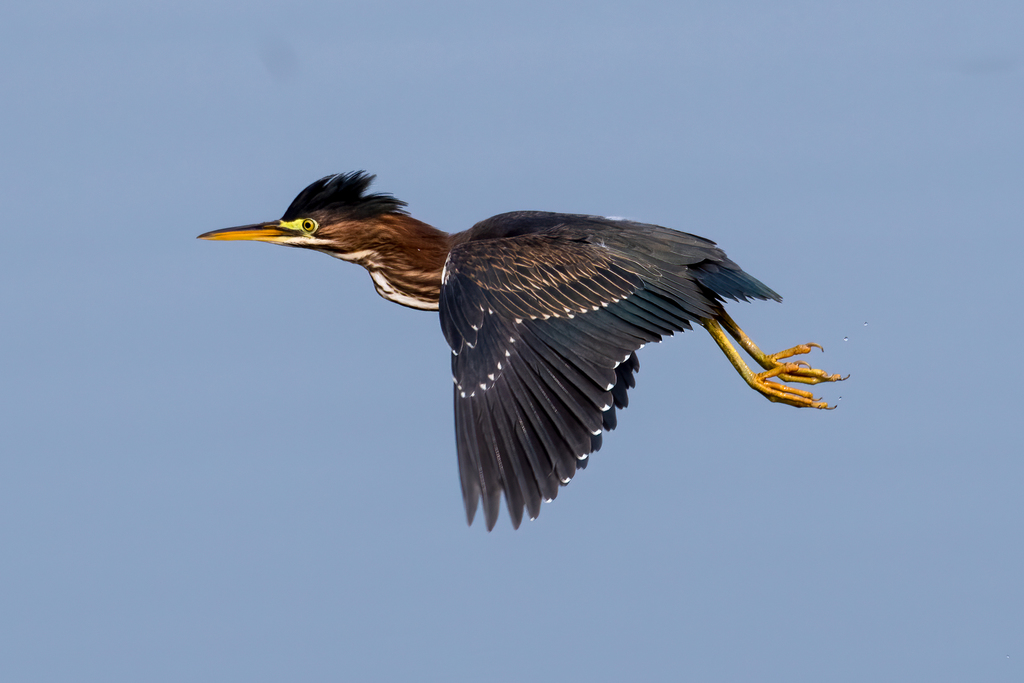
- Green HeronButorides virescens
- Hooded MerganserLophodytes cucullatus
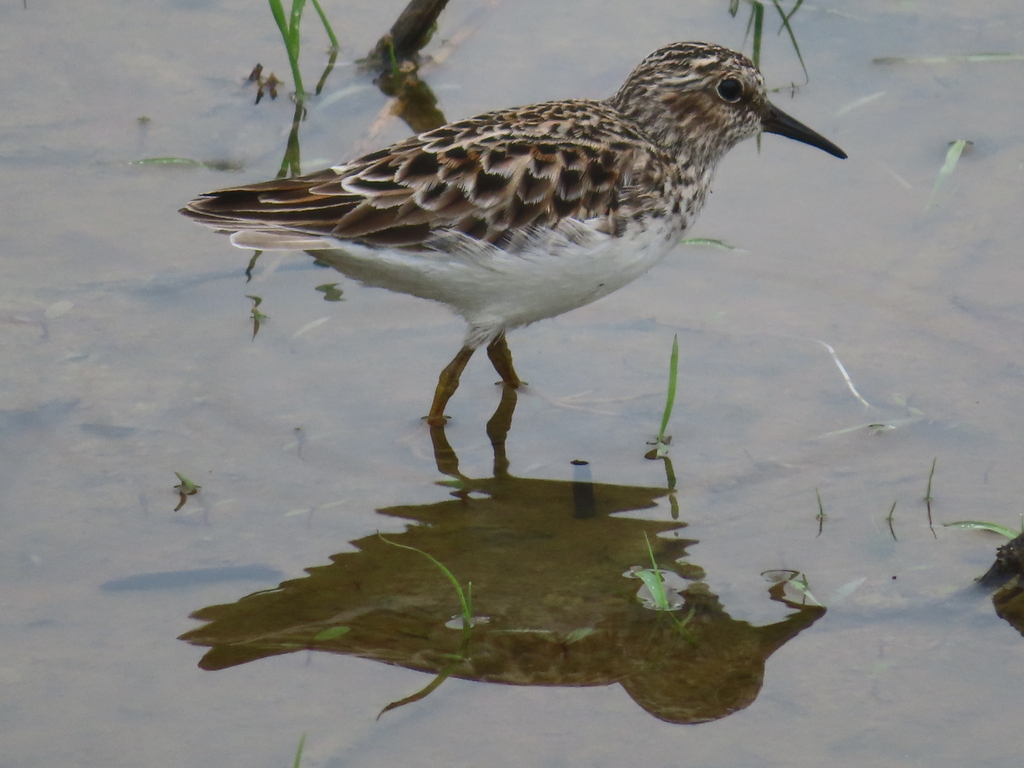
- Least SandpiperCalidris minutilla
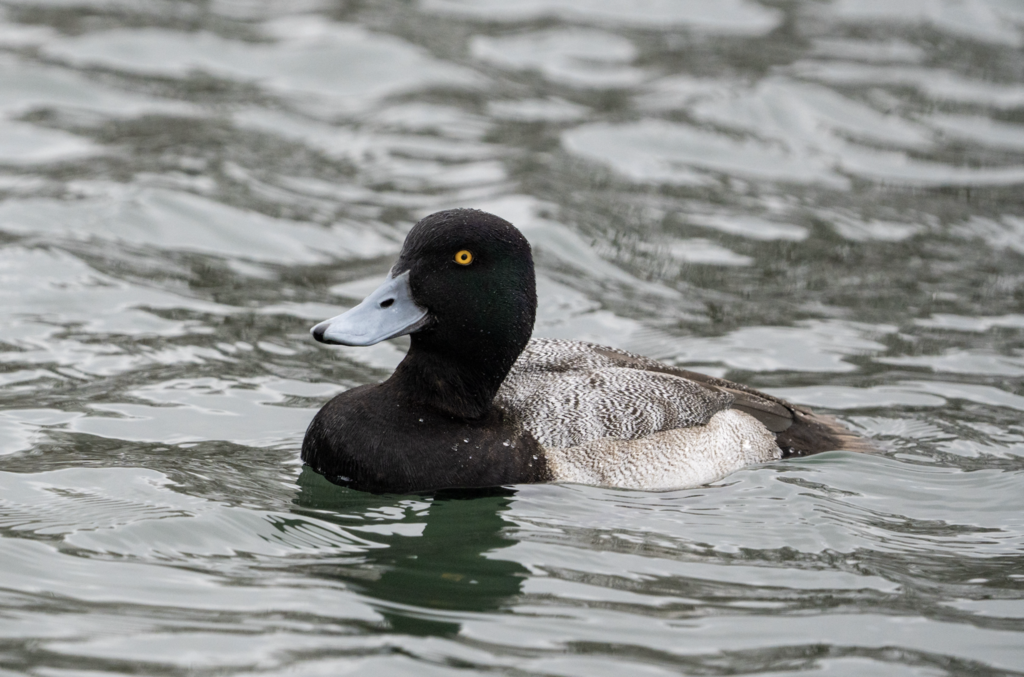
- Lesser ScaupAythya affinis
- Little Blue HeronEgretta caerulea
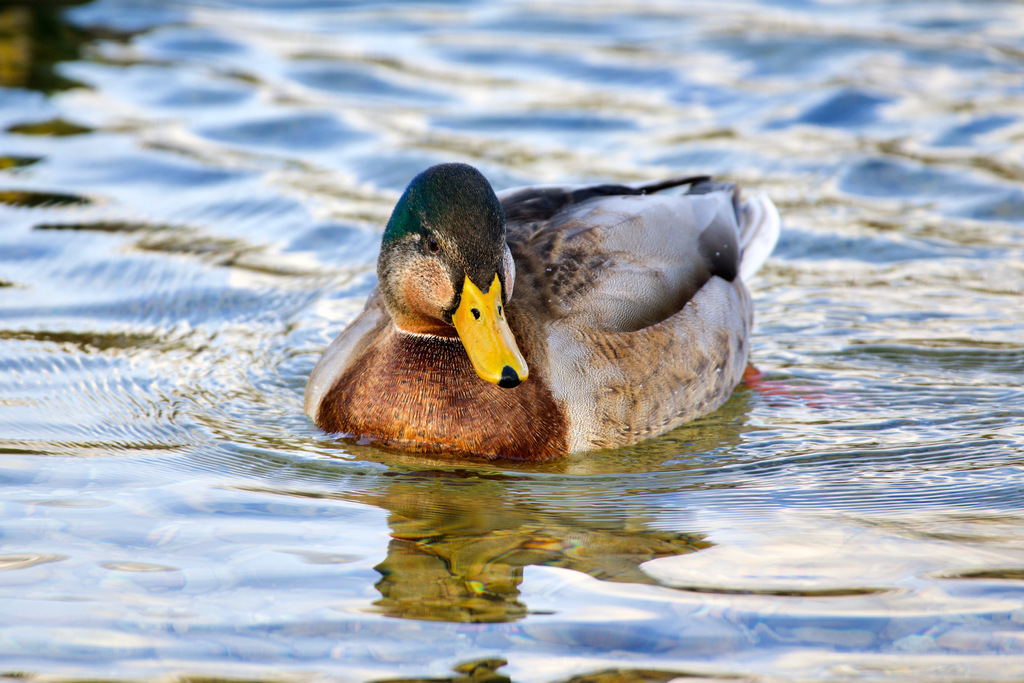
- MallardAnas platyrhynchos














NatureServe Explorer, CC BY 4.0. USGS Gap Analysis Project habitat models.
Sources
- USGS Gap Analysis Project habitat models (2001)
- USGS GAP winter habitat model for Neotropic Cormorant Elevation 0 to 5,000 m
- USGS Gap Analysis Project range maps (2001), modeled by watershed; migratory gives no dates
- NatureServe Explorer (CC BY 4.0), habitat names
- US Census TIGER/Line counties
- Names follow the USGS Gap Analysis Project (2001)