

Bird
Alder Flycatcher
Empidonax alnorum
Passes through Arkansas on migration. Found in all 75 counties, across 9 habitats.
- Here
- On migration
- Nesting
- Not known to nest here
- Range
- All 75 counties
- Habitats
- 9

At a glance
- Group
- Birds
- Here
- On migration
- Nesting
- Not known to nest here
- Range
- All 75 counties
- Habitats
- 9
- Habitat models
- Summer
Where it lives
The places its habitat model includes. It is not found everywhere a habitat occurs.
Habitats in Arkansas 9
Each habitat page lists the plants and wildlife also found there.
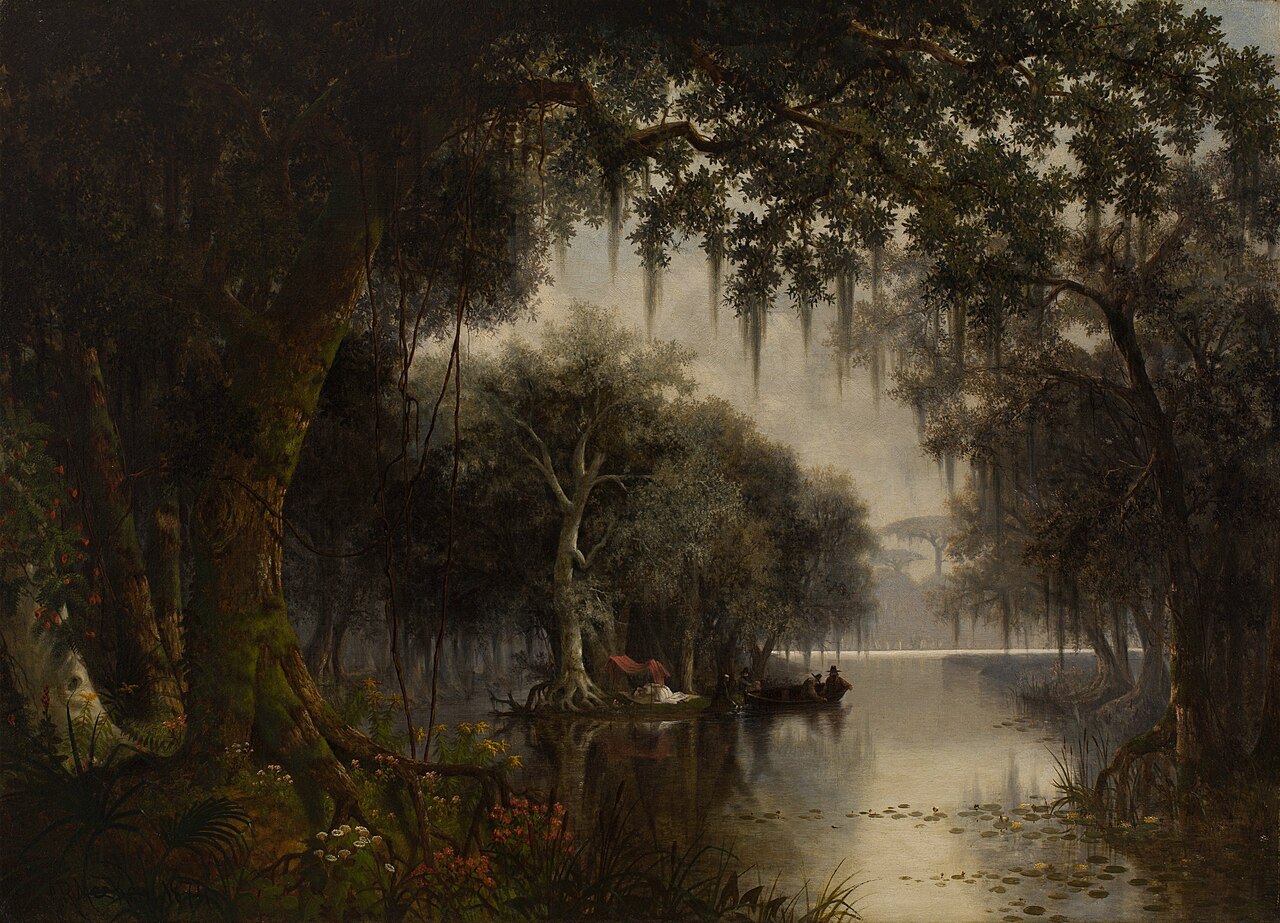
Disturbed and introduced wetlands
Wet ground taken over by weedy or introduced plants after disturbance, such as common reed, Chinese tallow or tamarisk stands; the upland counterpart is roadsides, fields and disturbed ground.
Floodplain and bottomland forests
Forests on low ground beside rivers and streams that flood from time to time.
Borders of forests, clearings and shrubby thickets.
Roadsides, fields and disturbed ground
Ground opened by people: roadsides, old fields, pastures, fencerows and lots.
Streams, rivers and their banks
Flowing water and its banks, bars and rocky shoals.
Tree plantations and managed pine
Planted or intensively managed stands of pine or hardwoods grown for timber; a land use rather than a natural community.
Forests between dry and moist, often oak-hickory on slopes.
Forests on moist but not wet ground, such as rich slopes and ravines.
Other habitats in its models (35)
Land cover, or classes with no habitat page in Arkansas. Those recorded in Arkansas first, the rest by region.
In Arkansas 1
- Crosstimbers Oak Forest and Woodland Summer, beside its main habitat.
Elsewhere in the South (7)
- Cumberland Riverscour Summer.
- South-Central Interior / Upper Coastal Plain Flatwoods Summer, beside its main habitat.
- South-Central Interior / Upper Coastal Plain Wet Flatwoods Summer, beside its main habitat.
- Southern and Central Appalachian Bog and Fen Summer.
- Southern and Central Appalachian Cove Forest Summer, beside its main habitat.
- Southern and Central Appalachian Oak Forest Summer, beside its main habitat.
- Southern Piedmont Small Floodplain and Riparian Forest Summer.
Northeast (7)
- Appalachian Hemlock-Hardwood Forest Summer, beside its main habitat.
- Central Appalachian Oak and Pine Forest Summer, beside its main habitat.
- Eastern Boreal Floodplain Summer.
- North-Central Interior Wet Flatwoods Summer, beside its main habitat.
- Northeastern Interior Dry-Mesic Oak Forest Summer, beside its main habitat.
- Northern Atlantic Coastal Plain Basin Swamp and Wet Hardwood Forest Summer, beside its main habitat.
- Northern Atlantic Coastal Plain Dry Hardwood Forest Summer, beside its main habitat.
Midwest (3)
- Boreal Aspen-Birch Forest Summer, beside its main habitat.
- North-Central Interior Beech-Maple Forest Summer, beside its main habitat.
- North-Central Interior Maple-Basswood Forest Summer, beside its main habitat.
Land cover and other classes (17)
- Atlantic Coastal Plain Nonriverine Swamp and Wet Hardwood Forest - Oak Dominated Modifier Summer, beside its main habitat.
- Boreal Acidic Peatland Systems Summer.
- Boreal White Spruce-Fir-Hardwood Forest Summer, beside its main habitat.
- Central Appalachian Floodplain - Forest Modifier Summer.
- Central Appalachian Riparian - Forest Modifier Summer.
- Central Interior and Appalachian Shrub-Herbaceous Wetland Systems Summer.
- Eastern Great Plains Floodplain Systems Summer.
- Eastern Great Plains Wet Meadow, Prairie, and Marsh Summer.
- Introduced Upland Vegetation - Shrub Summer.
- Recently Burned Summer.
- Recently Burned Forest Summer.
- Recently Burned Shrubland Summer.
- Recently Logged Areas Summer.
- South-Central Interior Large Floodplain - Herbaceous Modifier Summer.
- Southern Appalachian Grass and Shrub Bald - Shrub Modifier Summer.
- Southern Piedmont Large Floodplain Forest - Forest Modifier Summer.
- Southern Piedmont/Ridge and Valley Upland Depression Swamp Summer.
Seasons in Arkansas
- Migratory: does not nest here, in all 75 counties.
Also found in its main habitats
Its main habitats in Arkansas, by how much of its habitat model each one is, with the birds most characteristic of each and the plants that grow wild there. Shared habitat, not food.
Floodplain and bottomland forests
Birds 97
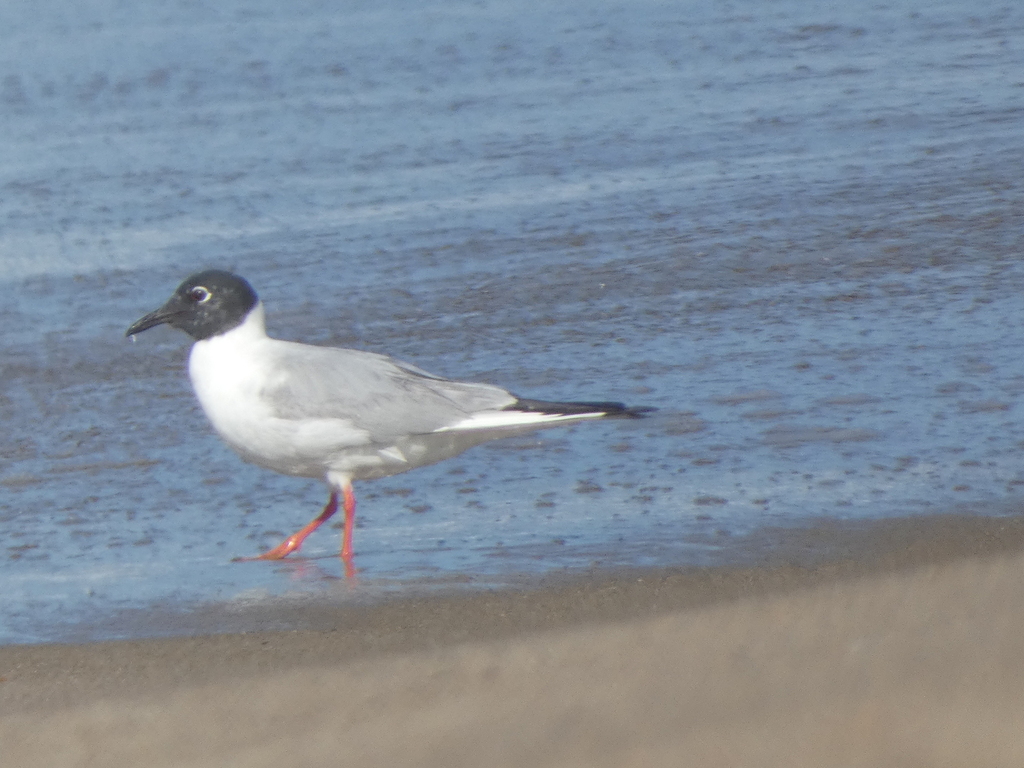
- Bonaparte's GullChroicocephalus philadelphia
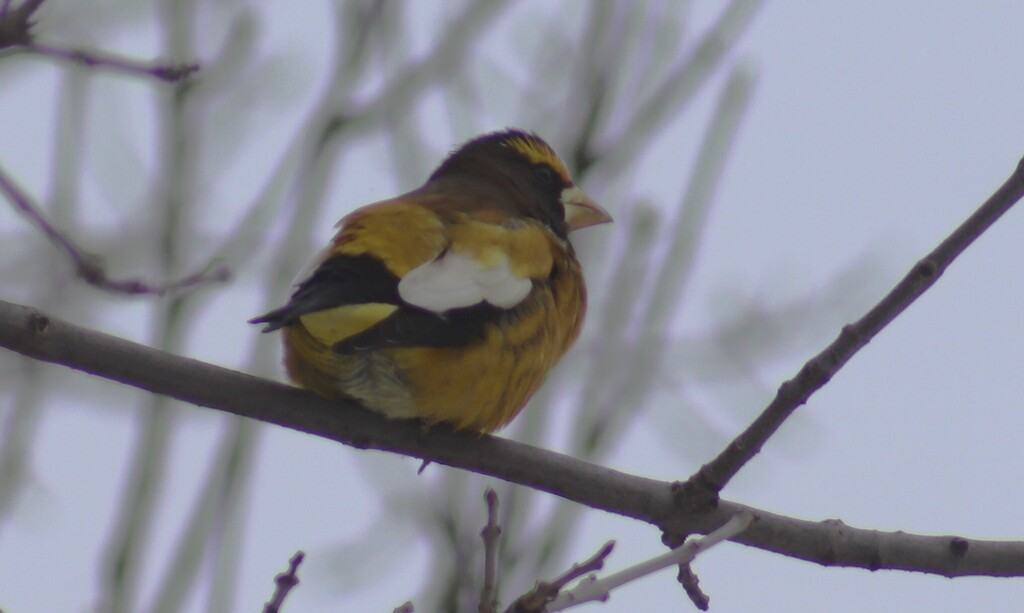
- Evening GrosbeakCoccothraustes vespertinus
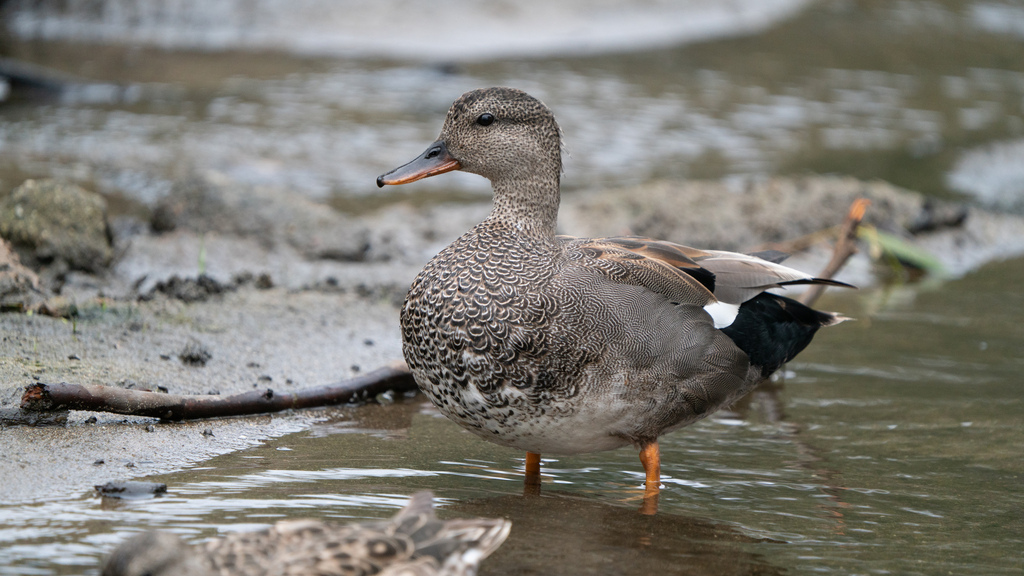
- GadwallAnas strepera
- Least BitternIxobrychus exilis
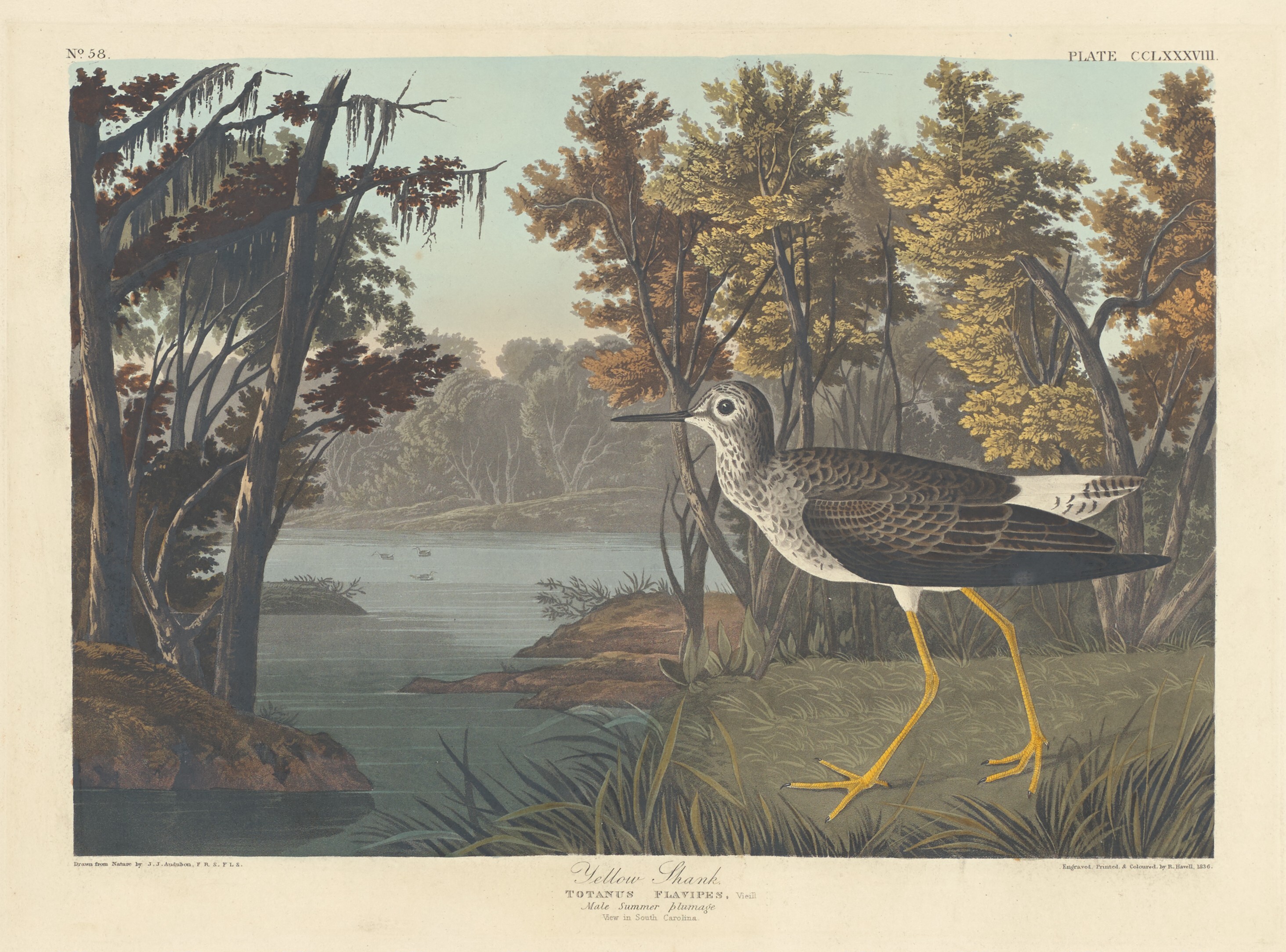
- Lesser YellowlegsTringa flavipes
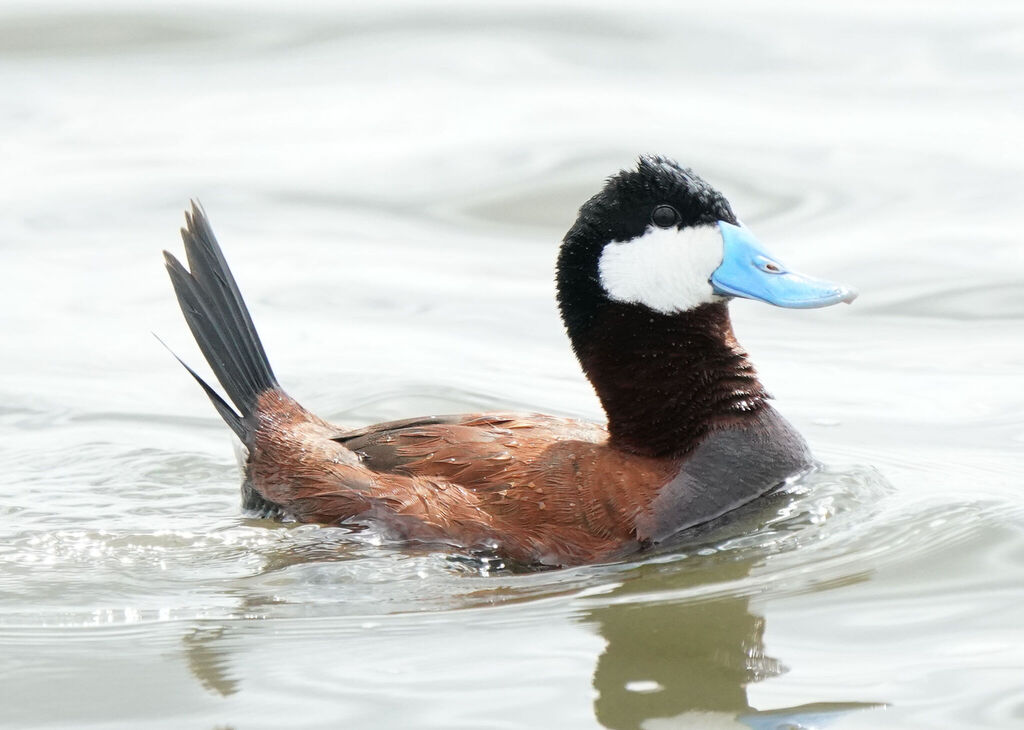
- Ruddy DuckOxyura jamaicensis
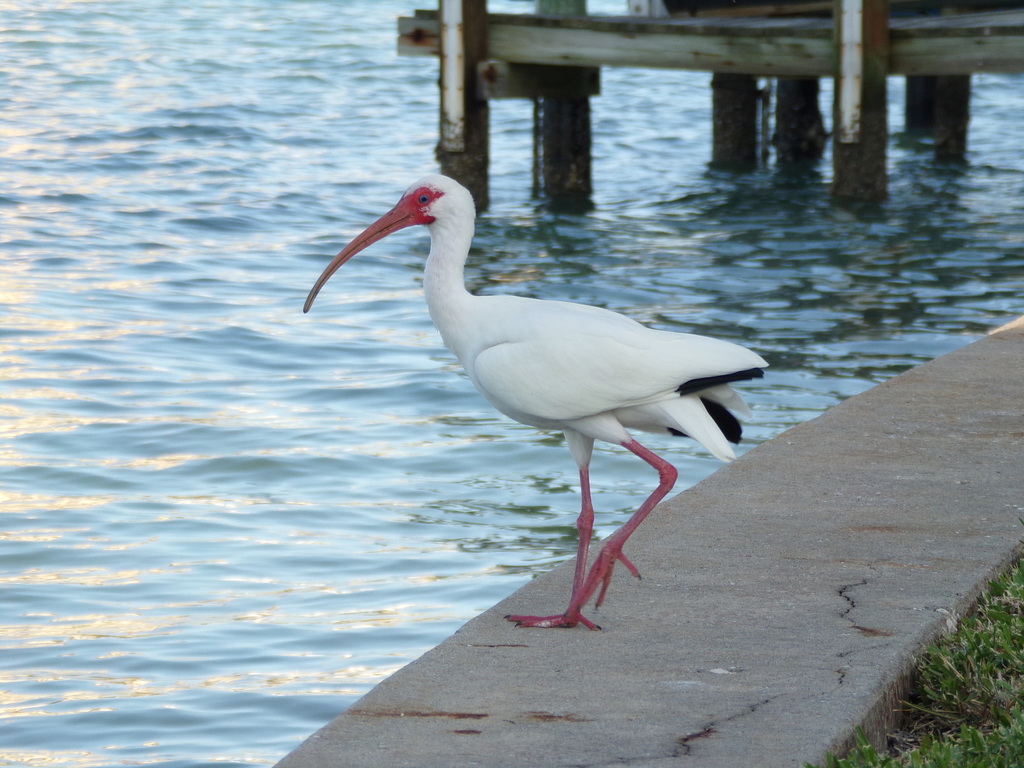
- White IbisEudocimus albus
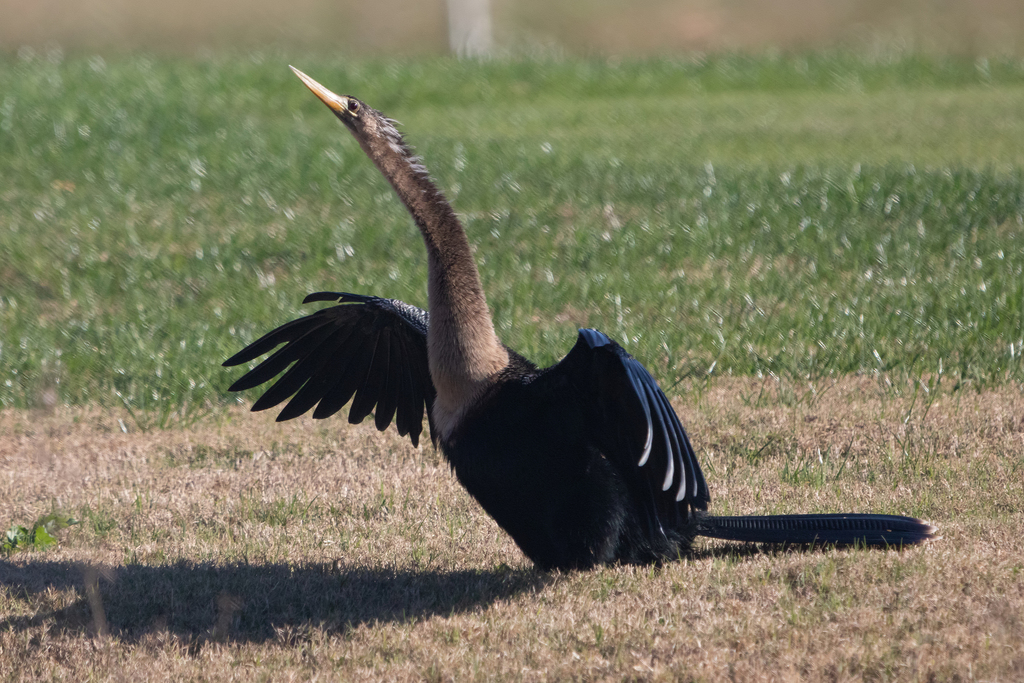
- AnhingaAnhinga anhinga
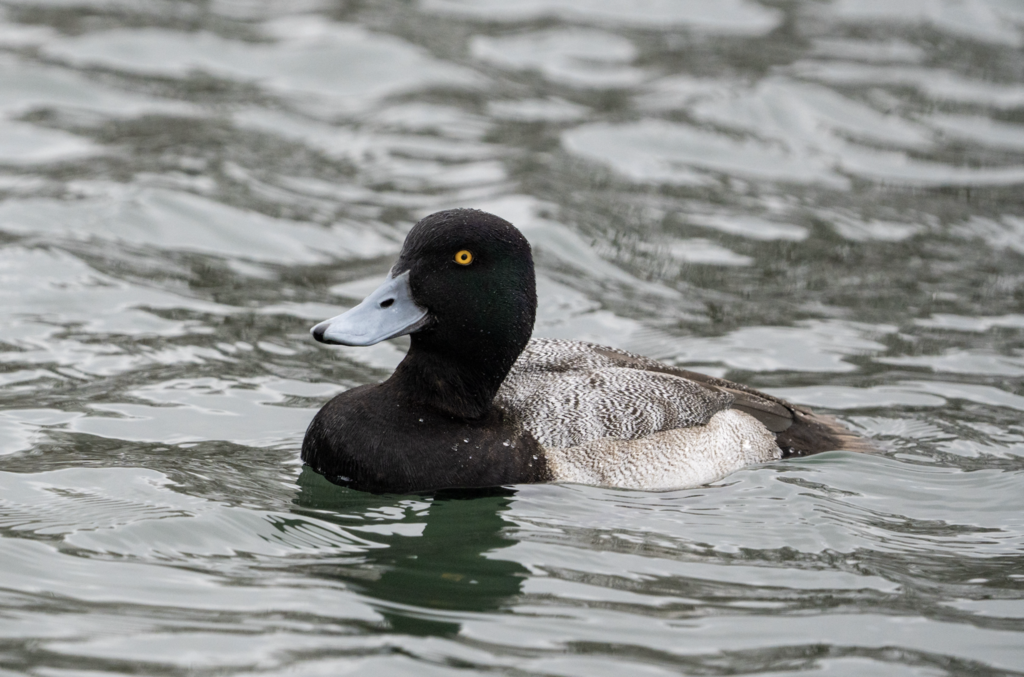
- Lesser ScaupAythya affinis
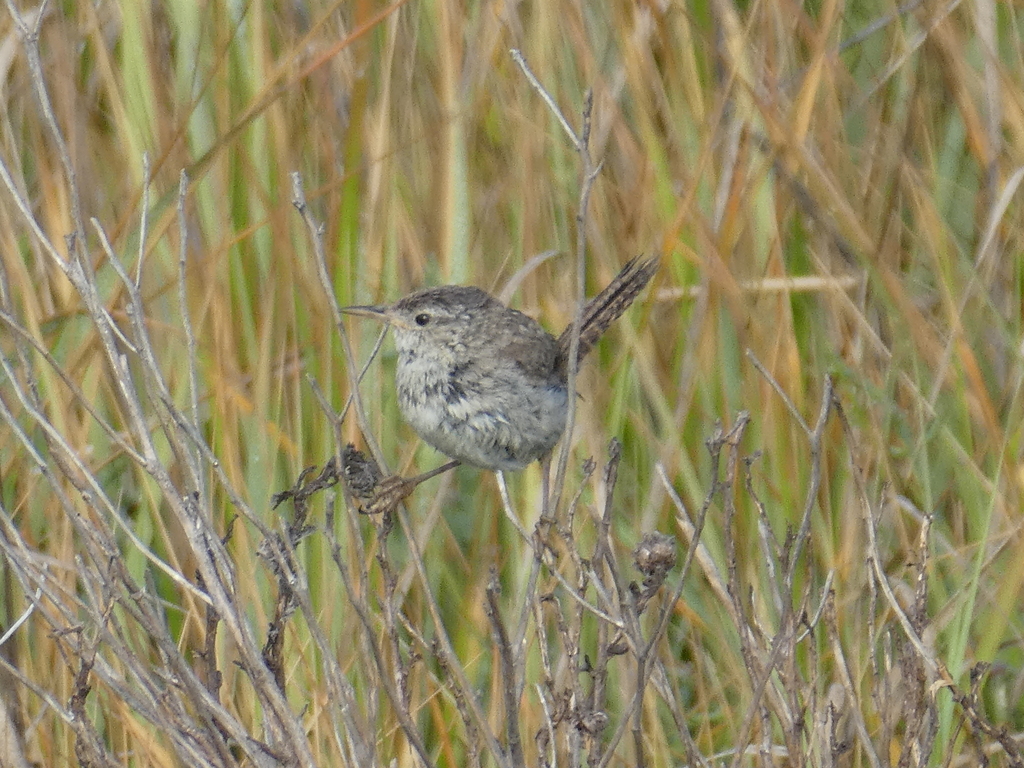
- Marsh WrenCistothorus palustris
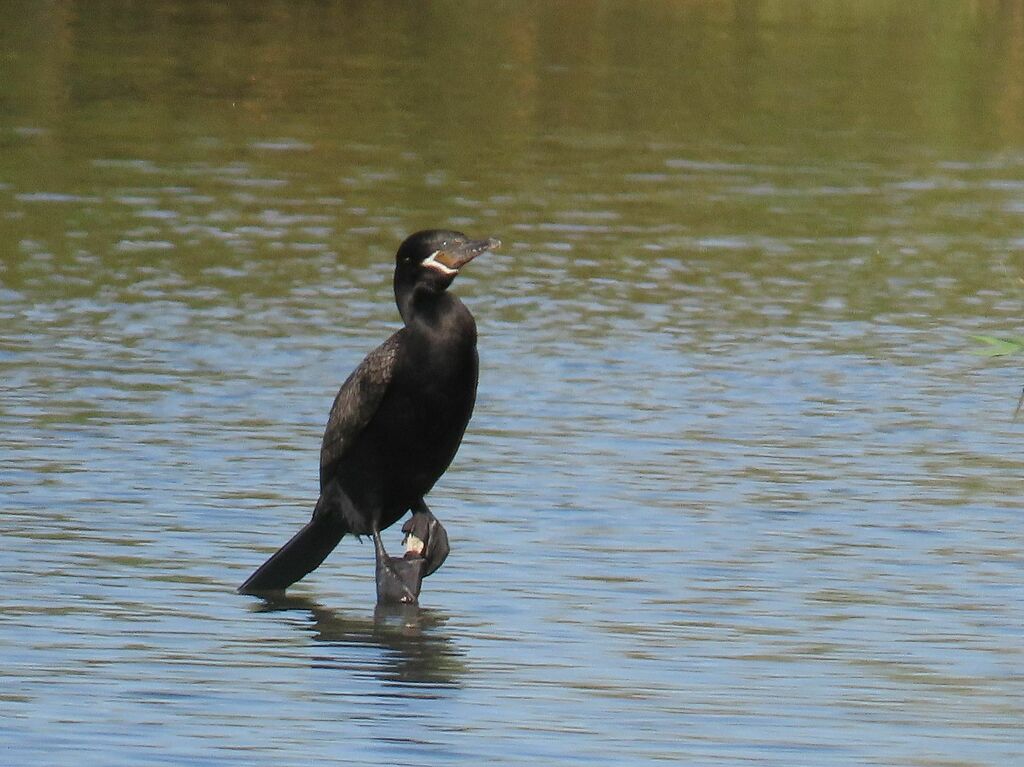
- Neotropic CormorantPhalacrocorax brasilianus
- Northern ParulaParula americana


Plants 313
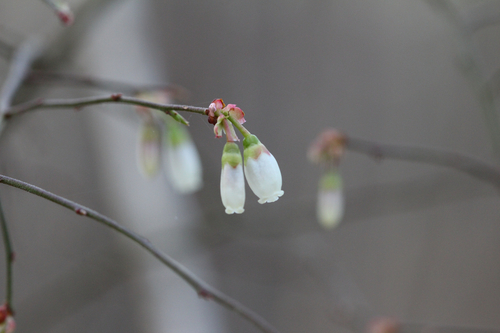
- Elliott's BlueberryVaccinium elliottii
- Possumhaw HollyIlex decidua
- Cherrybark OakQuercus pagoda
- Swamp Chestnut OakQuercus michauxii
- Canada VioletViola canadensis
- Appalachian Orange ConeflowerRudbeckia fulgida var. umbrosa
- Shagbark HickoryCarya ovata
- Camphor PlucheaPluchea camphorata
- PondberryLindera melissifolia
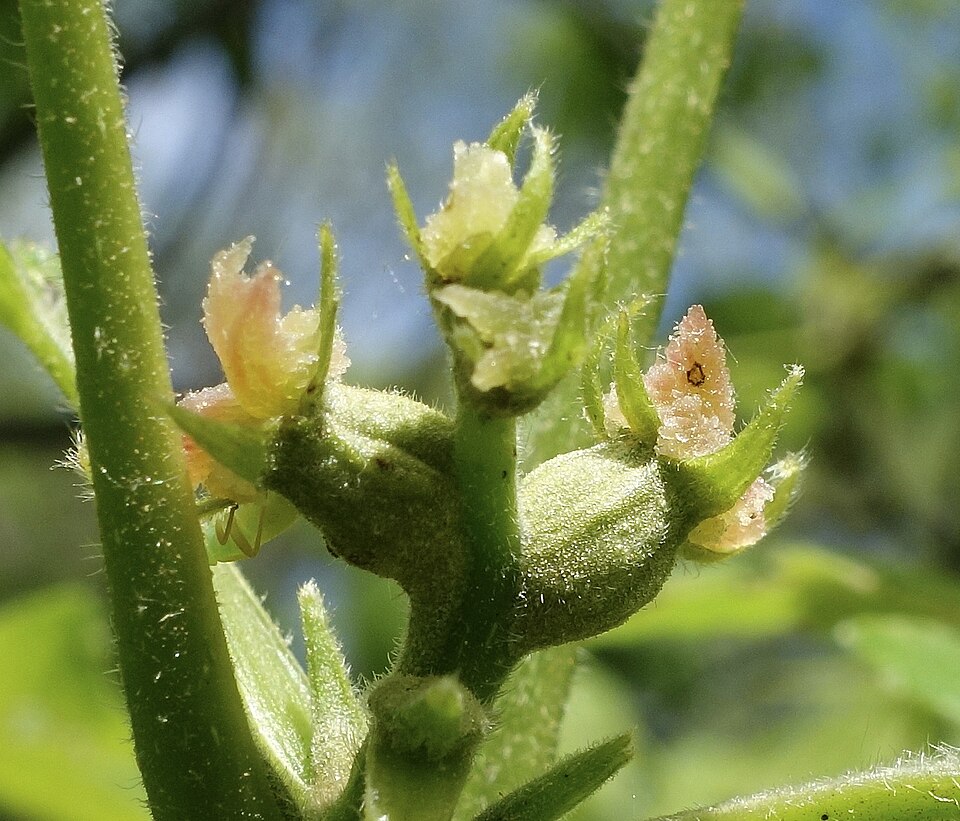
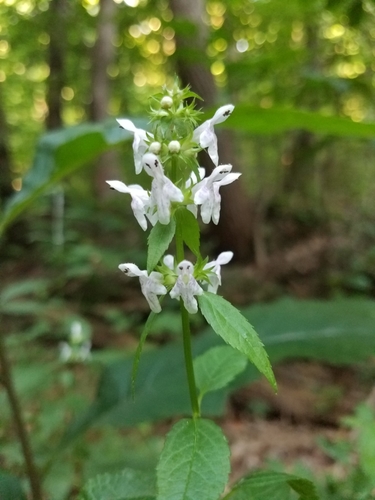
- Smooth Hedge-nettleStachys tenuifolia
- Wolf's BluegrassPoa wolfii
- Spreading SedgeCarex laxiculmis
Forest edges and thickets
Birds 56
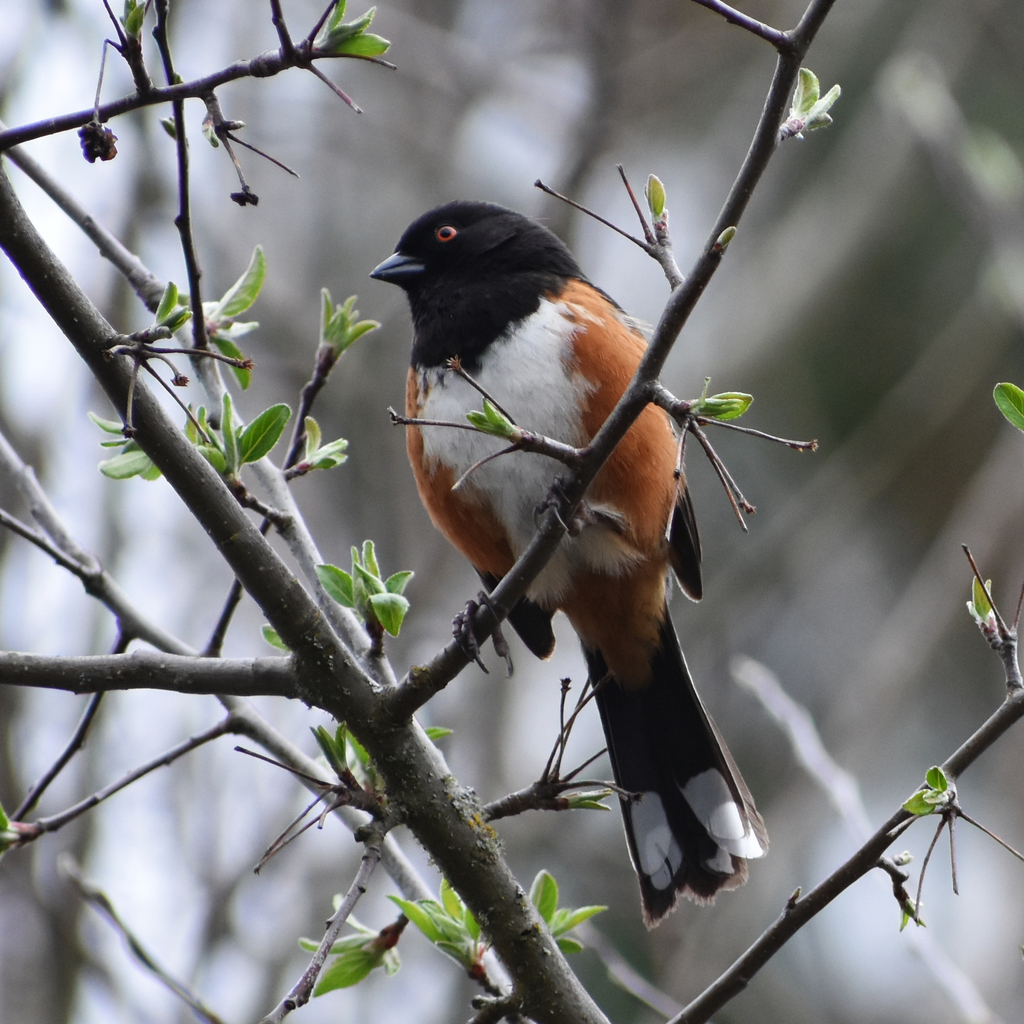
- Spotted TowheePipilo maculatus
- Rufous-crowned SparrowAimophila ruficeps
- Painted BuntingPasserina ciris
- Vesper SparrowPooecetes gramineus
- Field SparrowSpizella pusilla
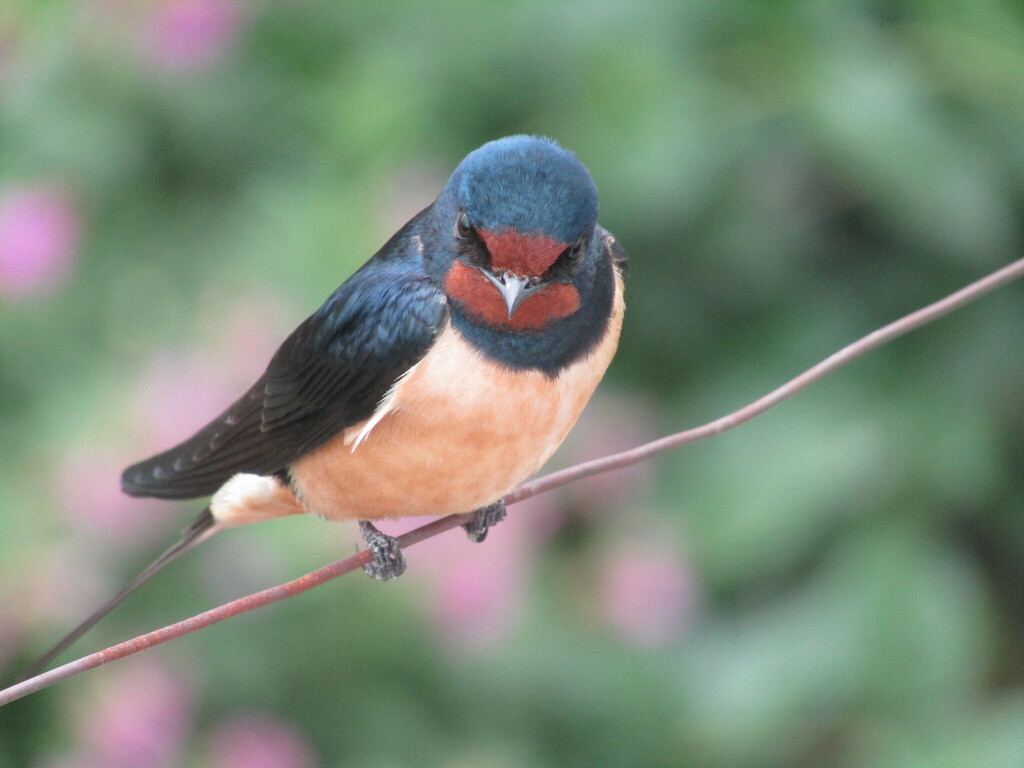
- Barn SwallowHirundo rustica
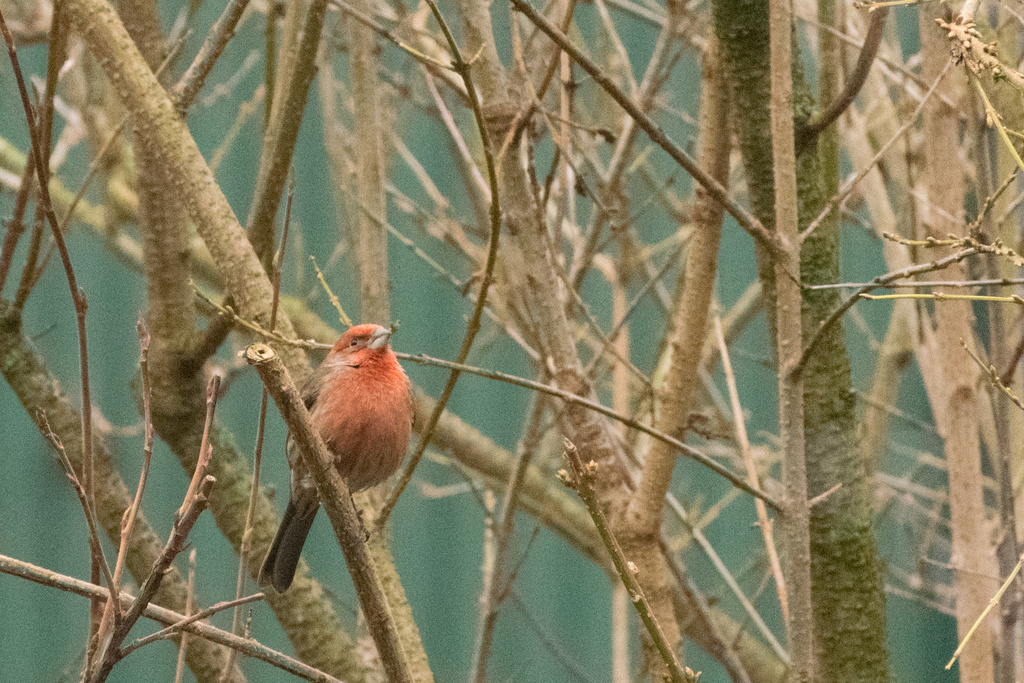
- House FinchCarpodacus mexicanus
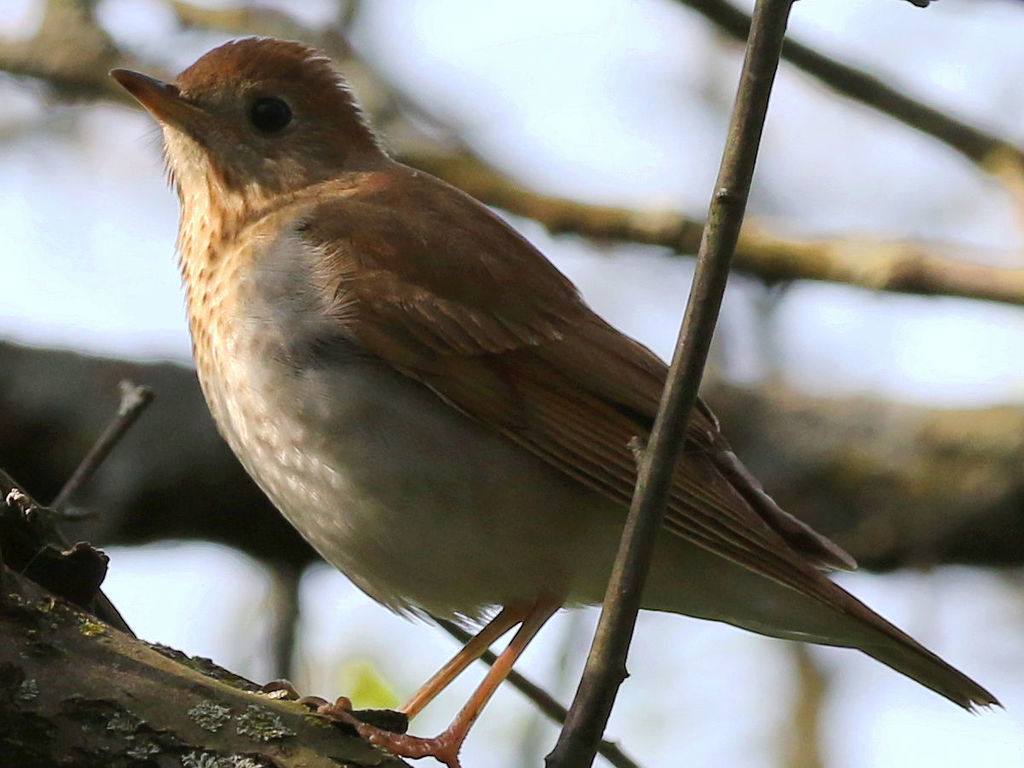
- VeeryCatharus fuscescens
- Willow FlycatcherEmpidonax traillii
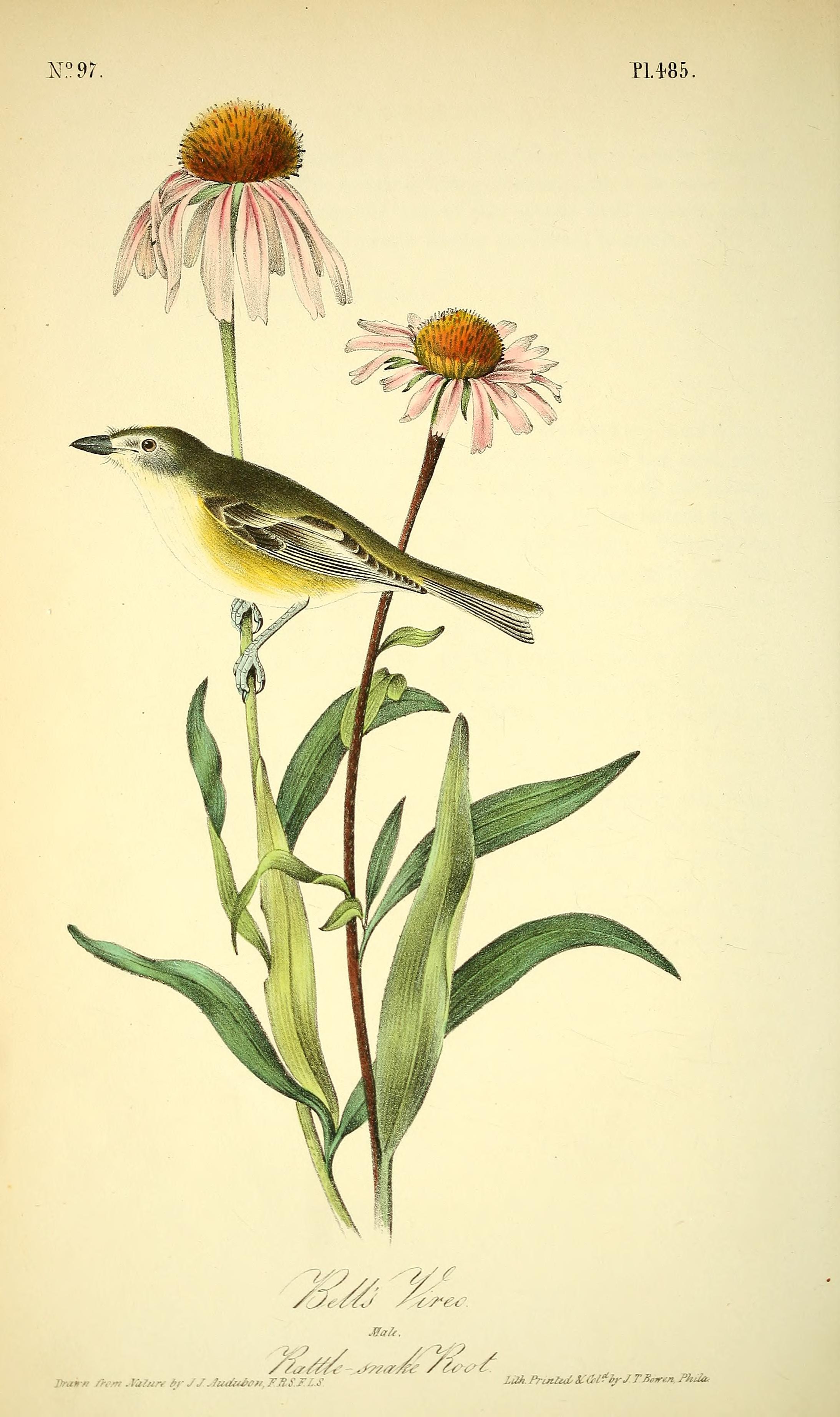
- Bell's VireoVireo bellii
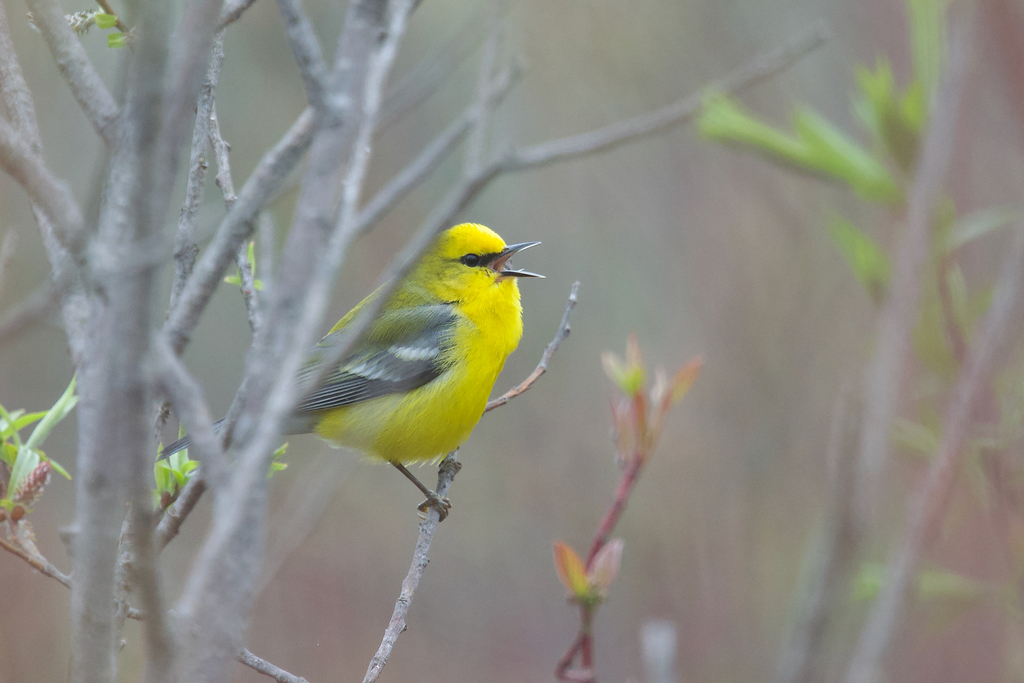
- Blue-winged WarblerVermivora pinus
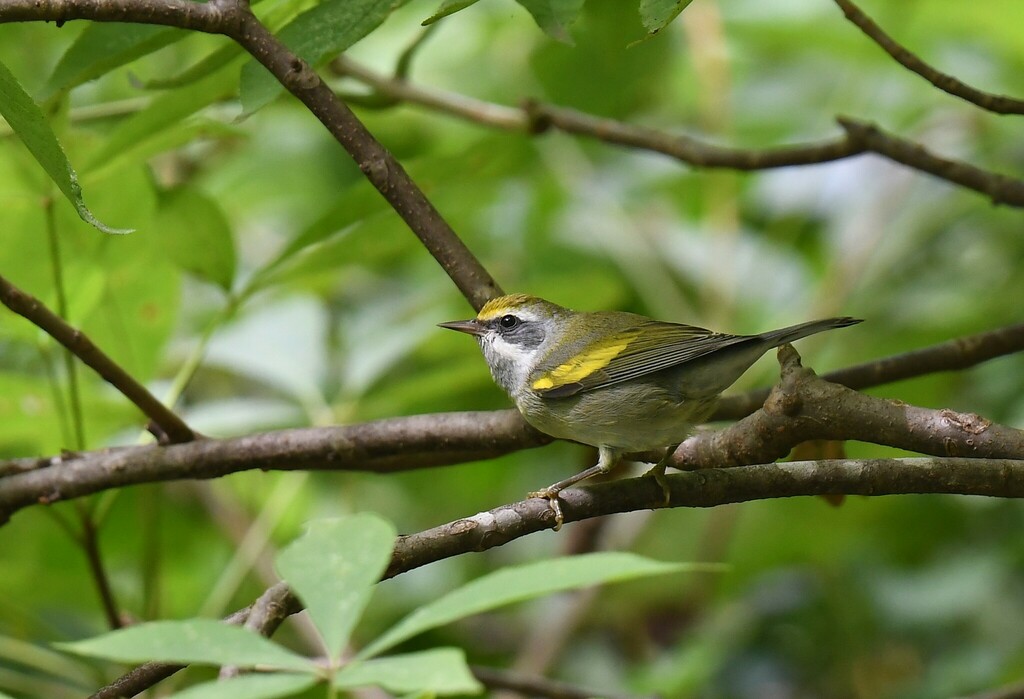
- Golden-winged WarblerVermivora chrysoptera
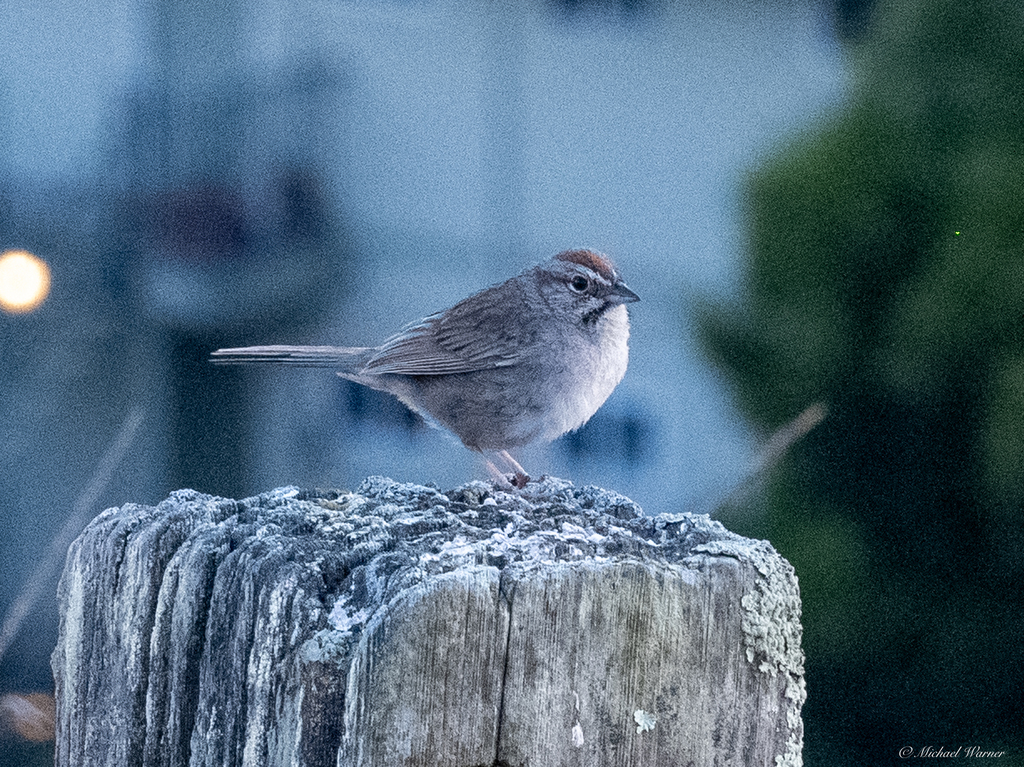
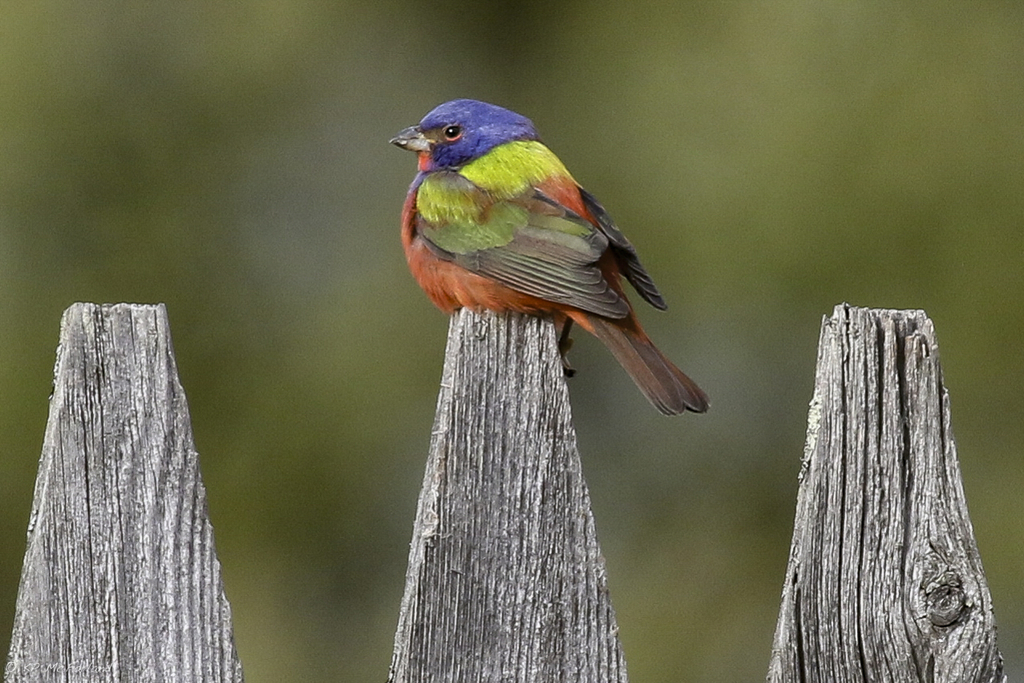
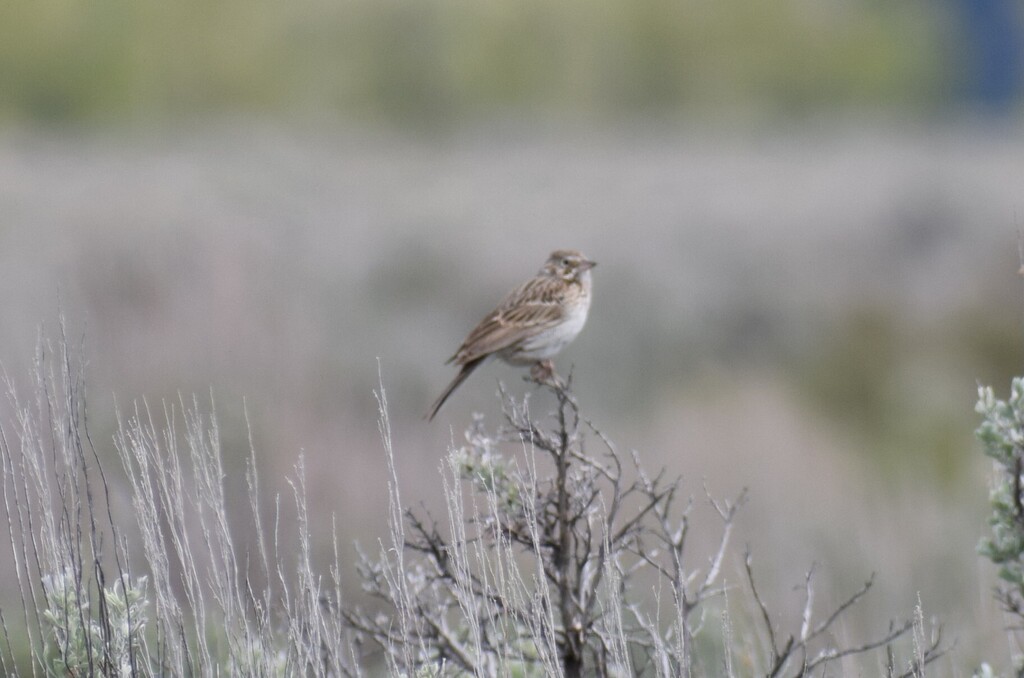
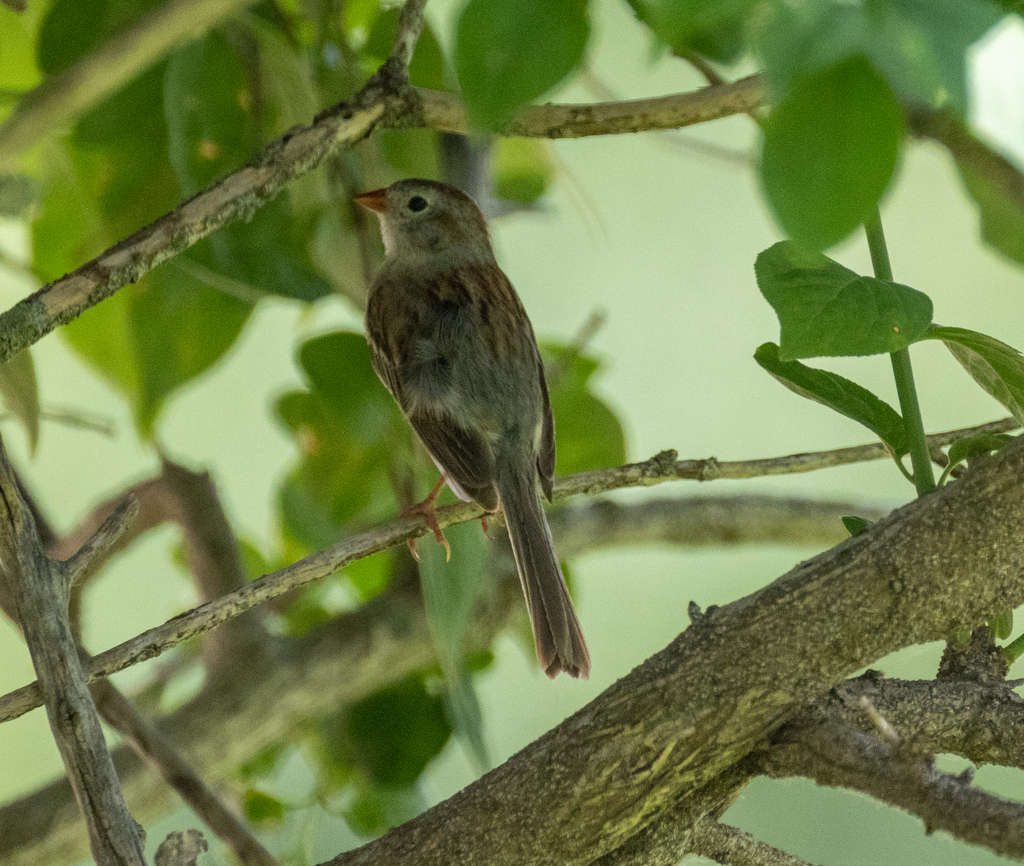
Plants 142
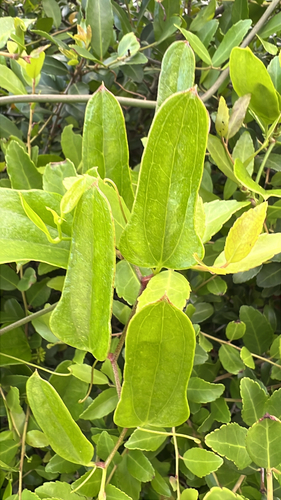
- Earleaf GreenbrierSmilax auriculata
- Fringed NutrushScleria ciliata
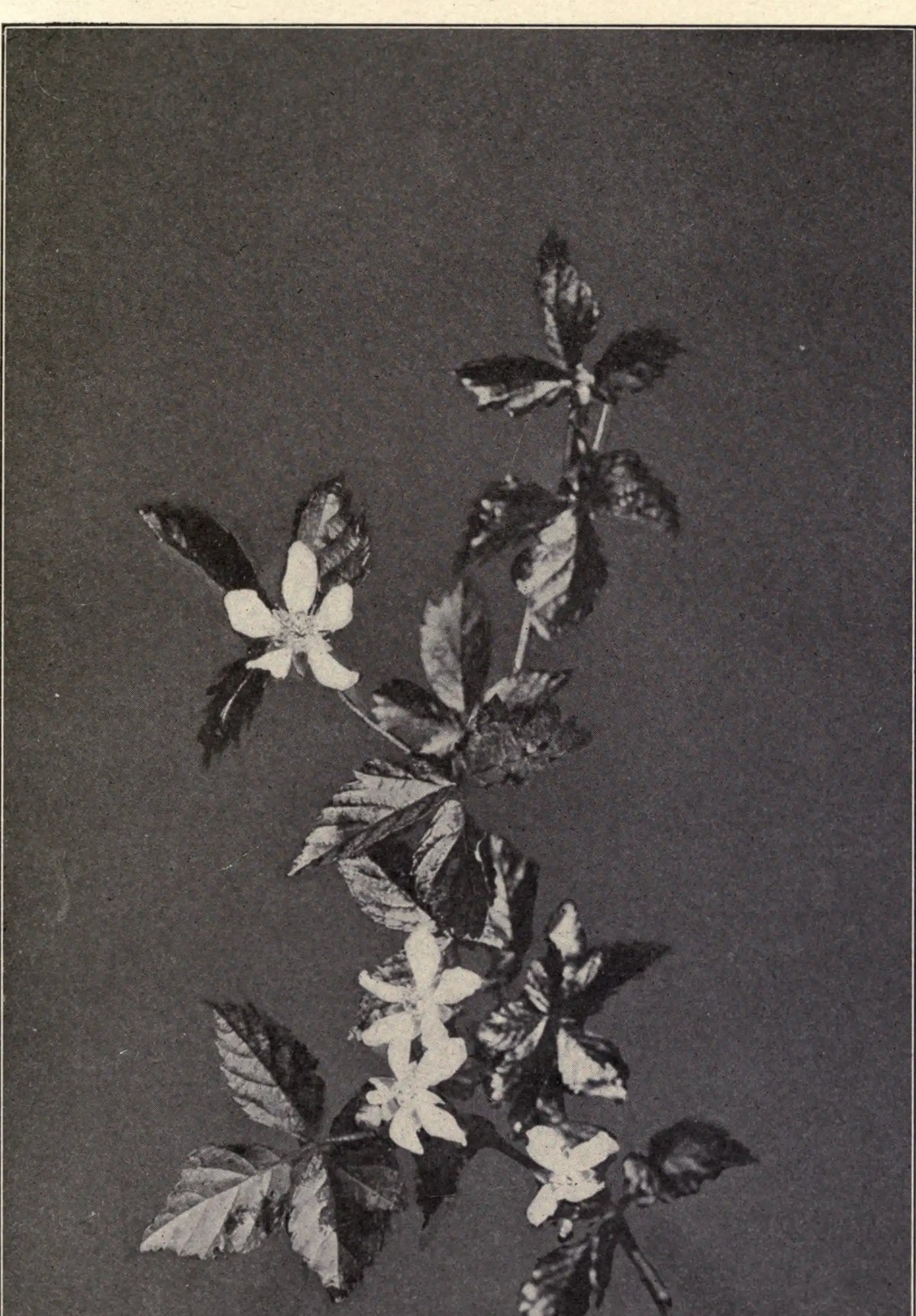
- Southern DewberryRubus trivialis
- Buffalo CloverTrifolium reflexum
- Gray DogwoodCornus racemosa
- Cutleaf GoldenrodSolidago arguta
- Hairy LettuceLactuca hirsuta
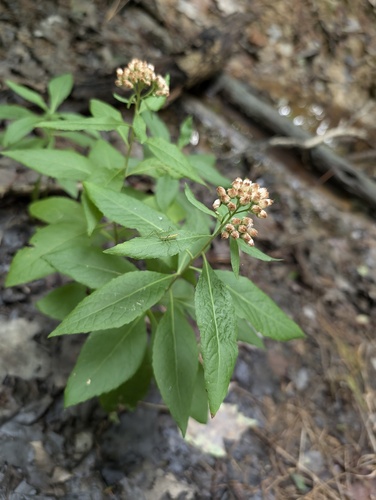
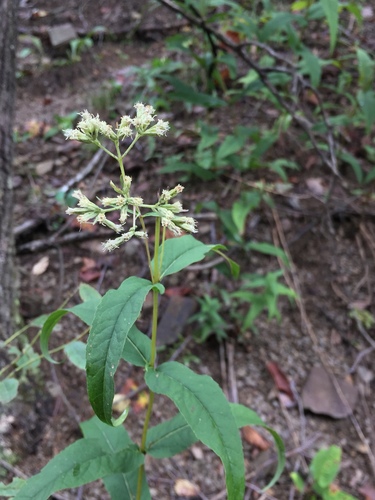
- Upland BonesetEupatorium sessilifolium
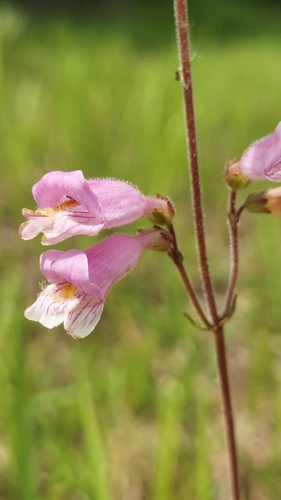
- Eustis Lake BeardtonguePenstemon australis
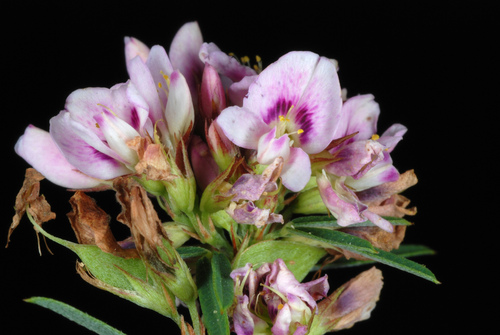
- Slender LespedezaLespedeza virginica
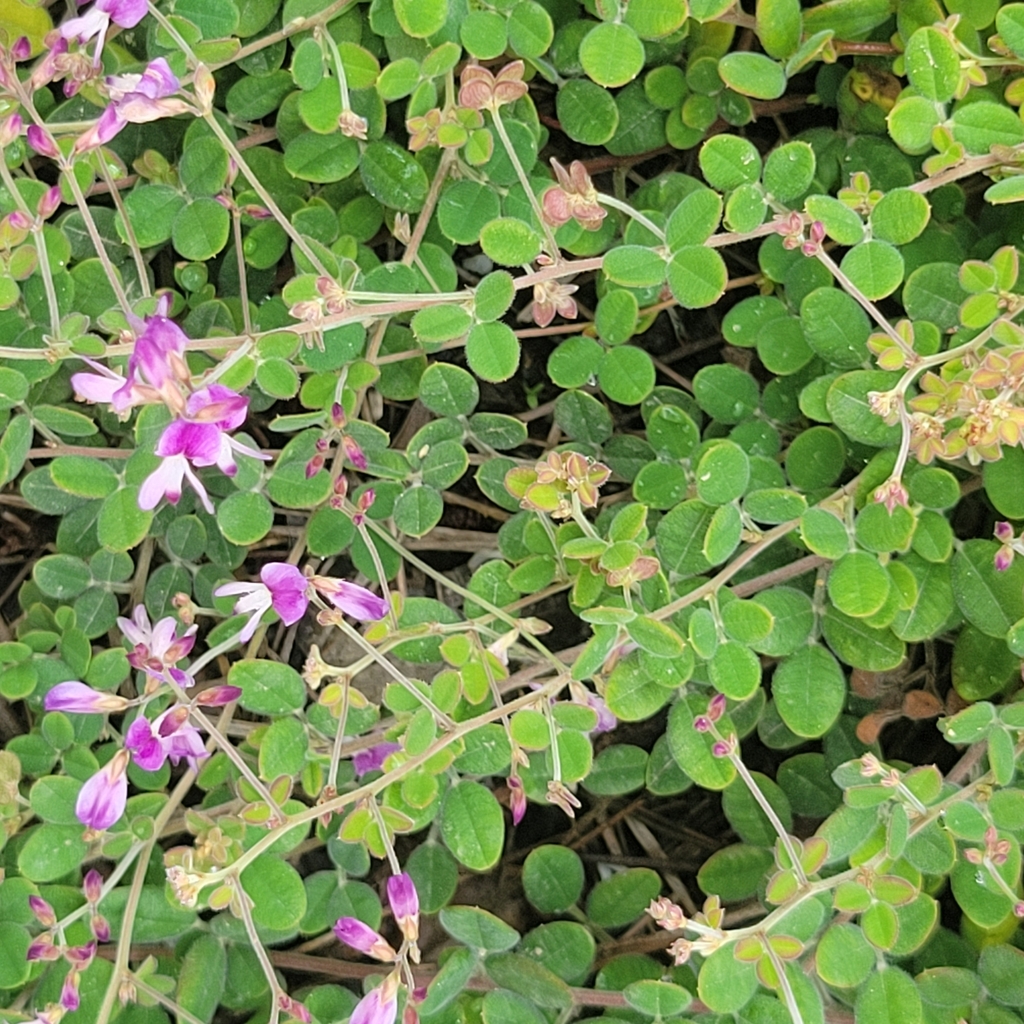
- Trailing LespedezaLespedeza procumbens
- Creeping LespedezaLespedeza repens
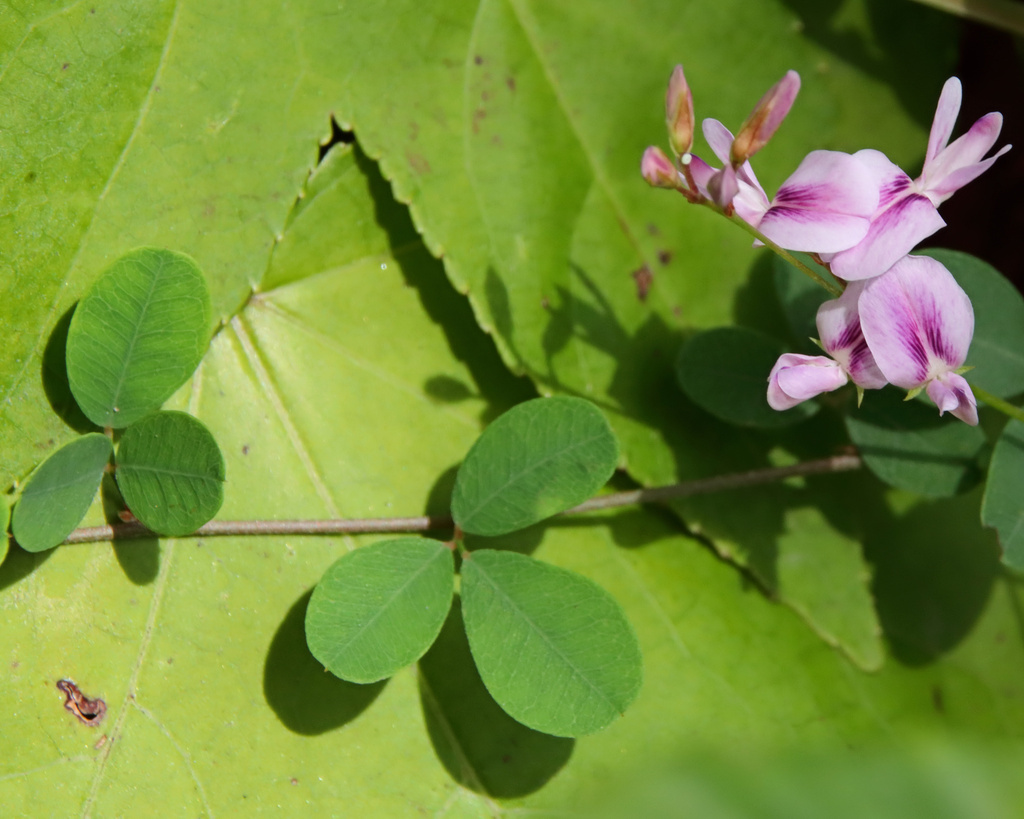
Disturbed and introduced wetlands
Birds 121
- Nelson's Sharp-tailed SparrowAmmodramus nelsoni
- Northern WaterthrushSeiurus noveboracensis
- Black TernChlidonias niger
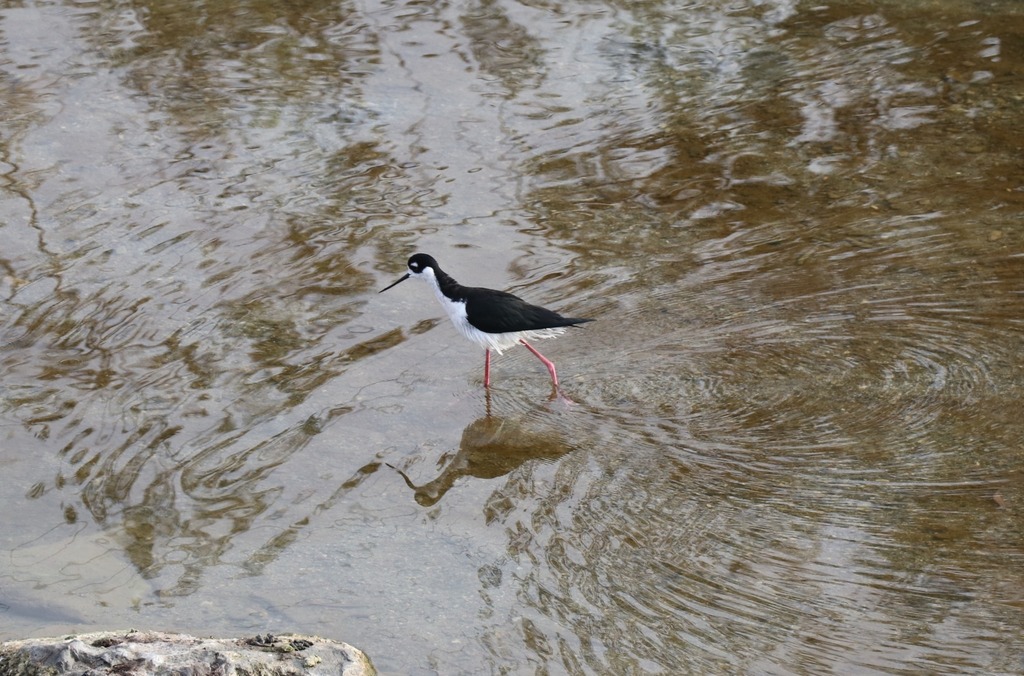
- Black-necked StiltHimantopus mexicanus
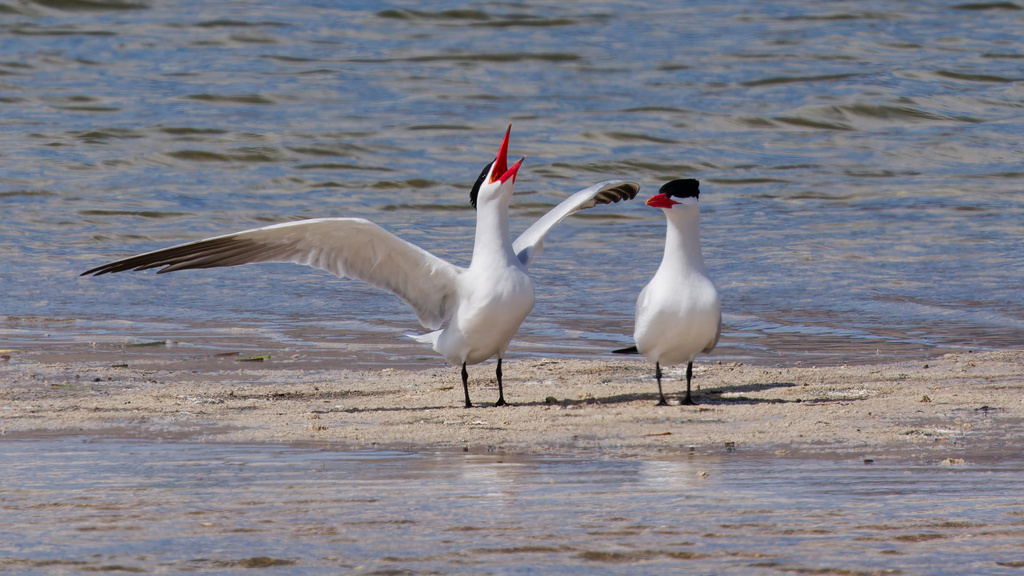
- Caspian TernHydroprogne caspia
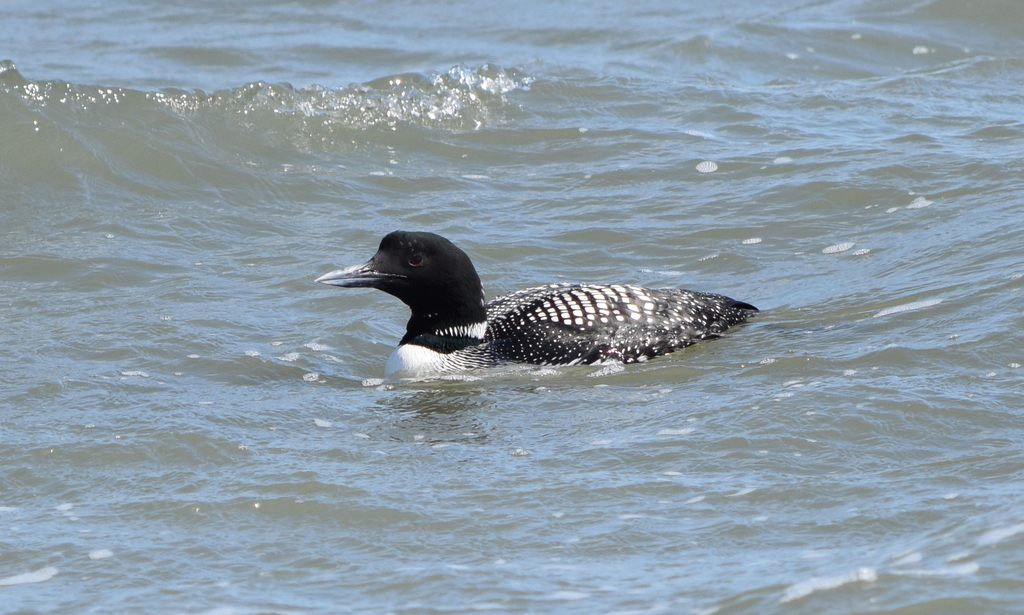
- Common LoonGavia immer
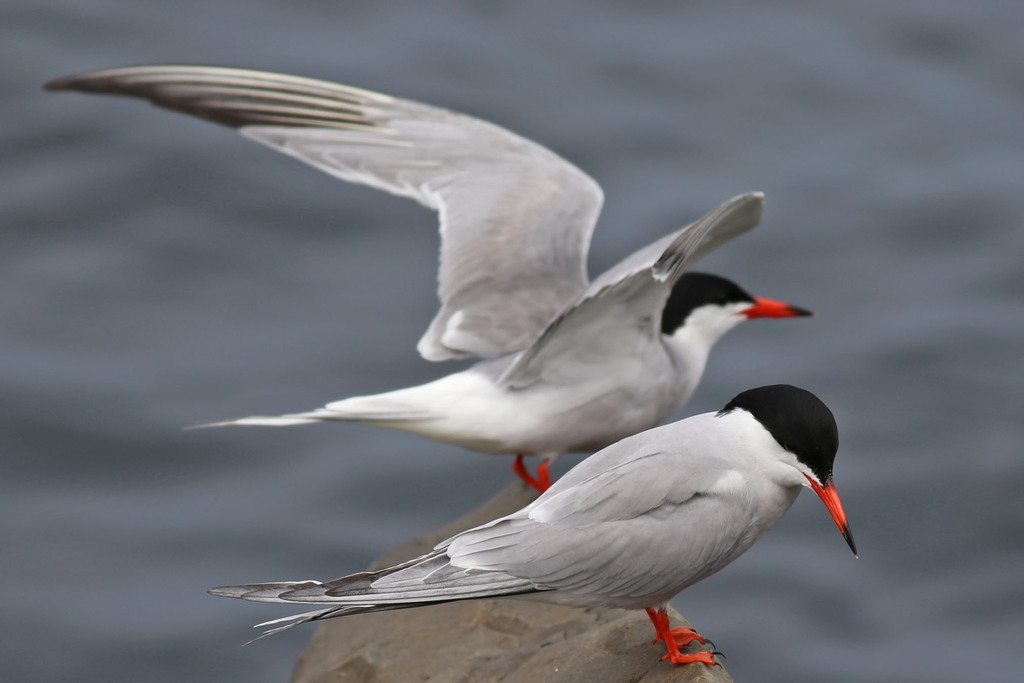
- Common TernSterna hirundo
- Forster's TernSterna forsteri
- King RailRallus elegans
- Pied-billed GrebePodilymbus podiceps
- Red-breasted MerganserMergus serrator
- Western SandpiperCalidris mauri
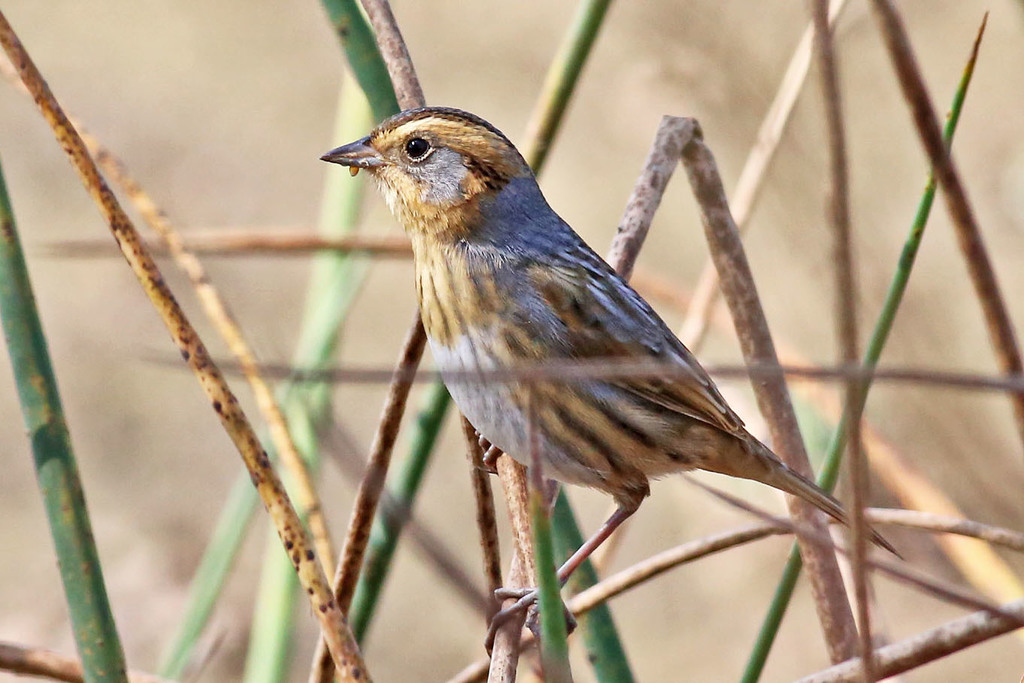
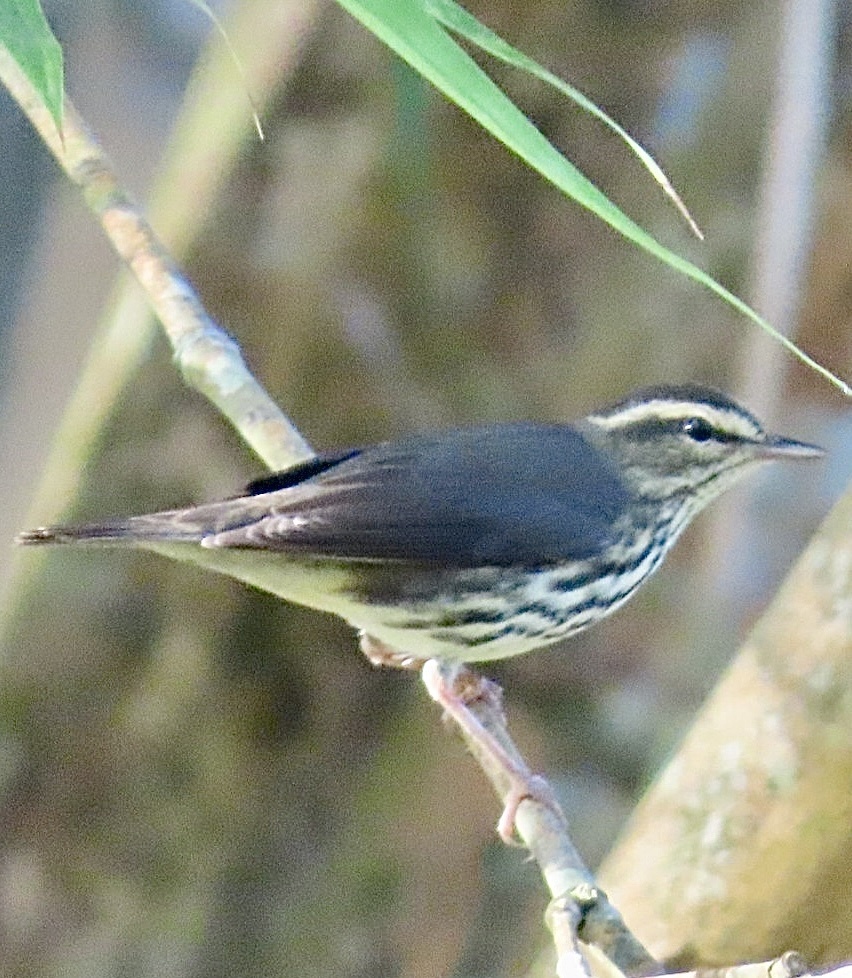
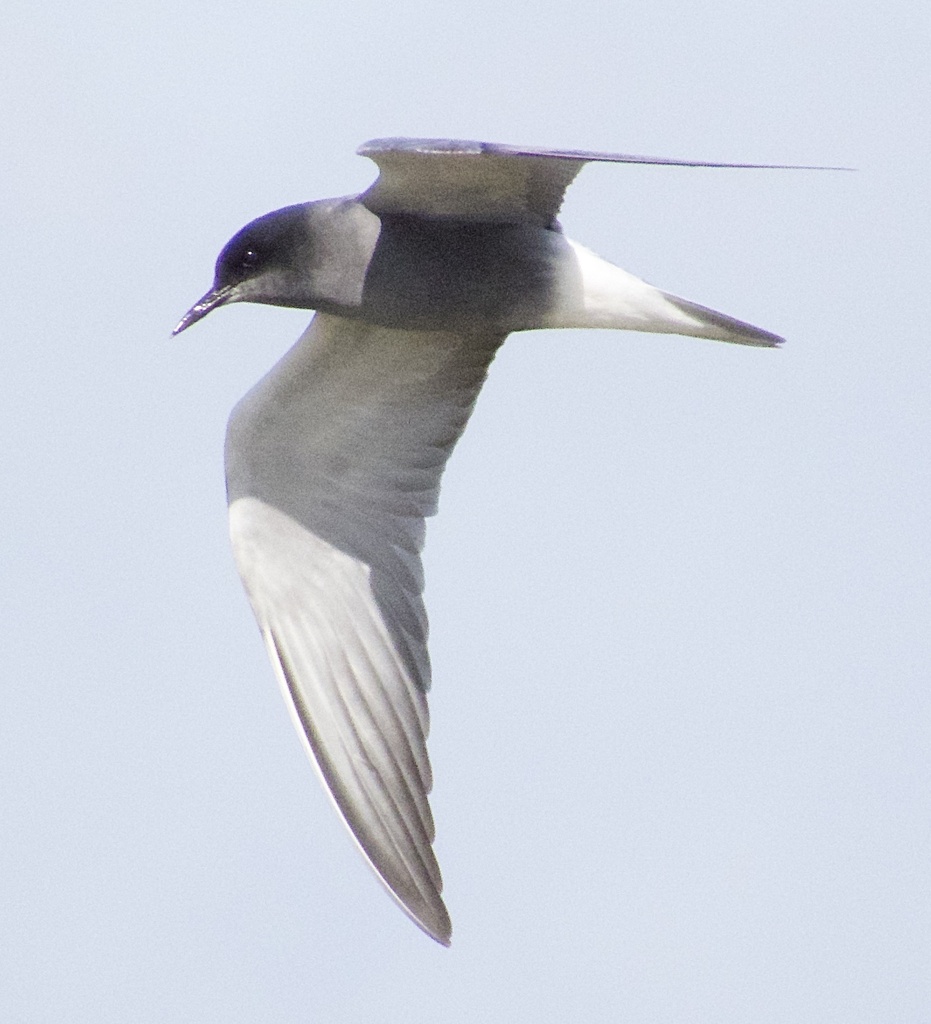
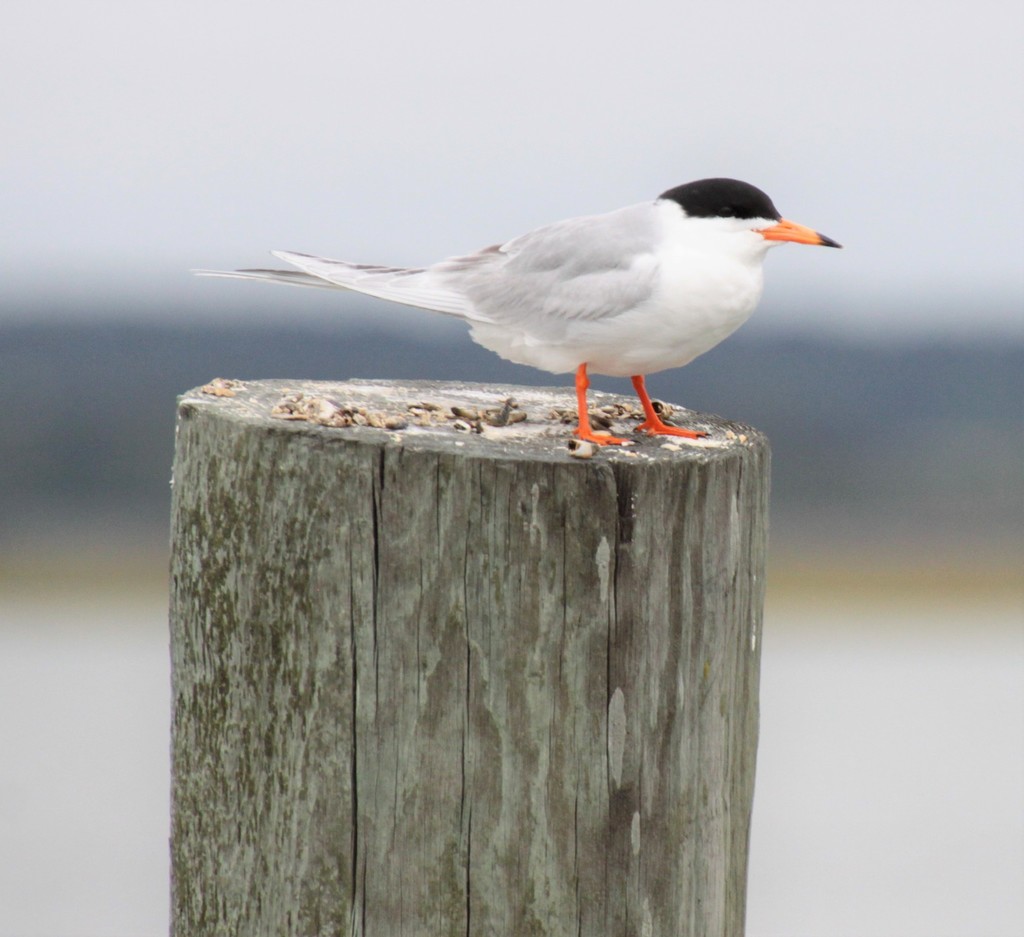
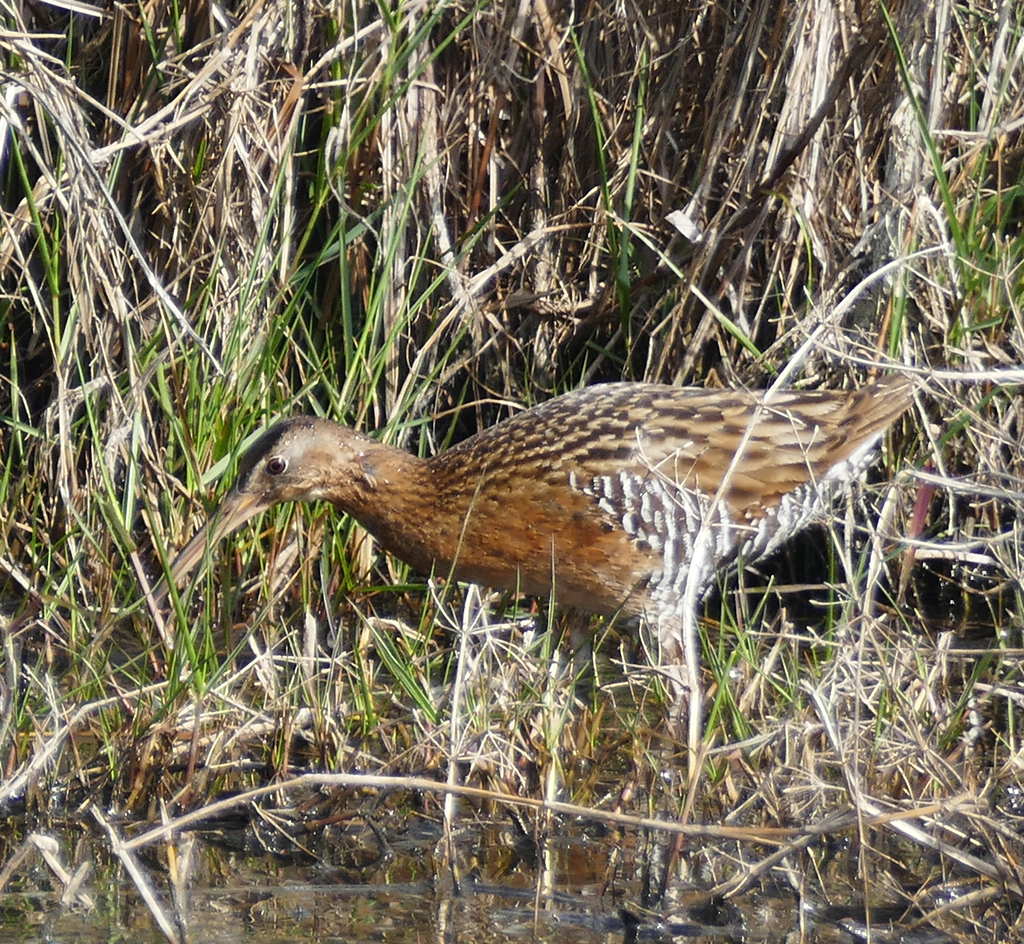
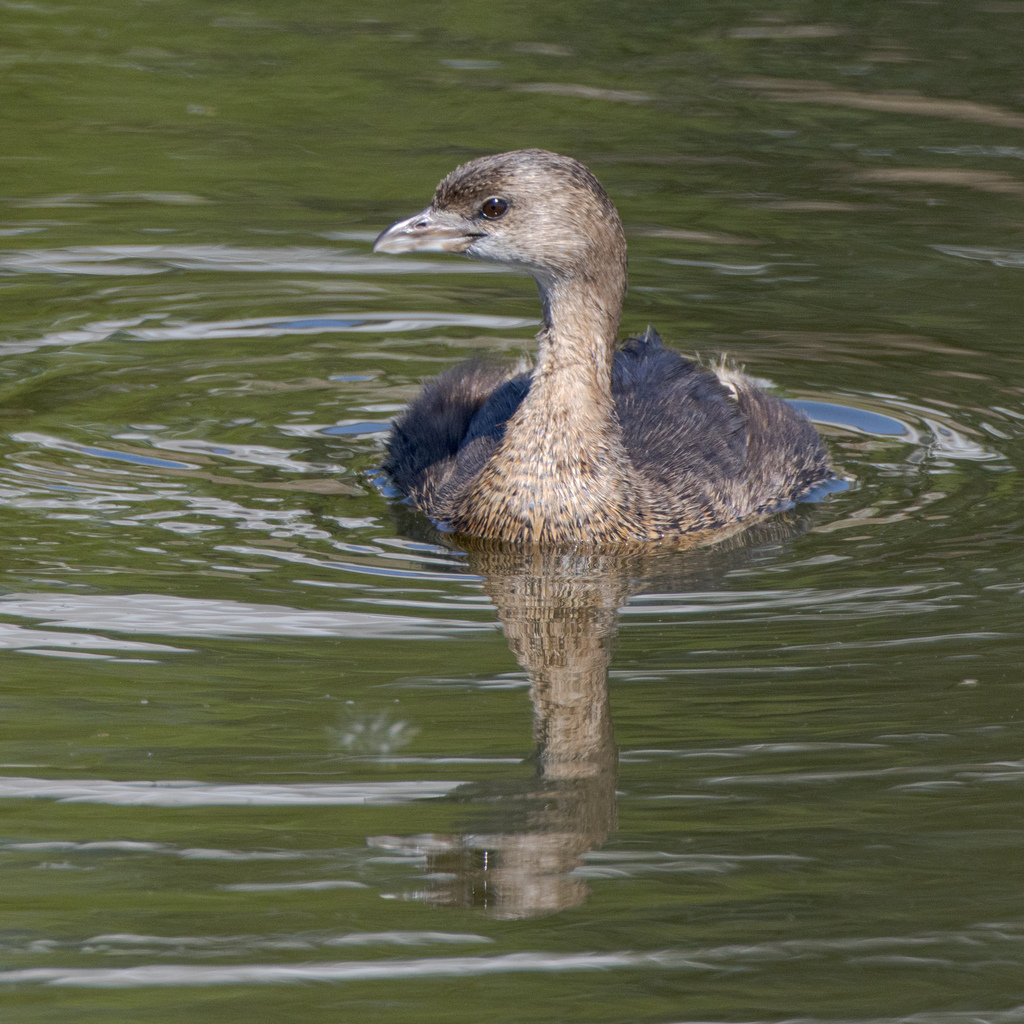
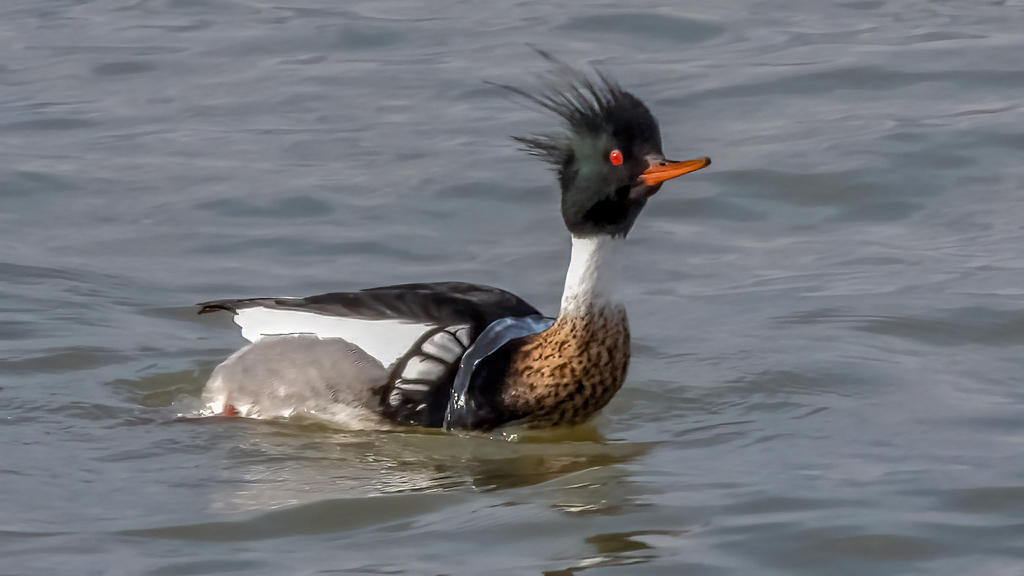
Plants 17
- Slender FimbryFimbristylis autumnalis
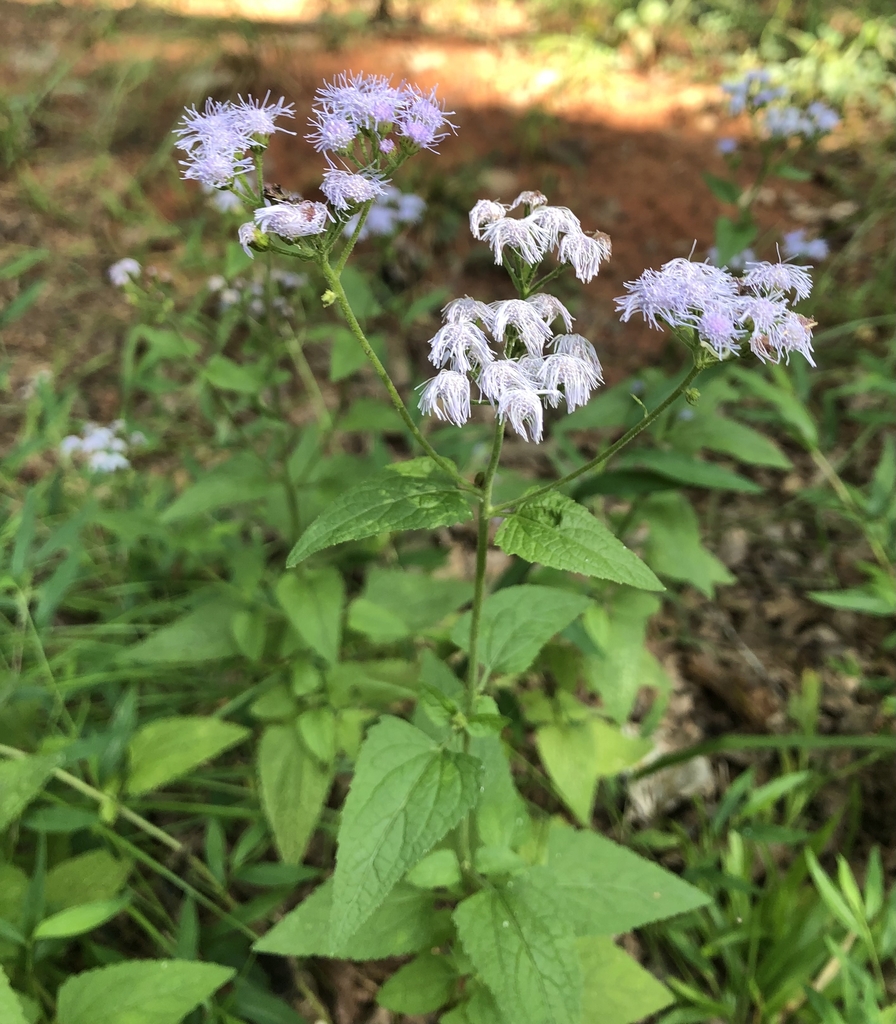
- Blue MistflowerConoclinium coelestinum
- BagpodGlottidium vesicarium
- Oklahoma SedgeCarex oklahomensis
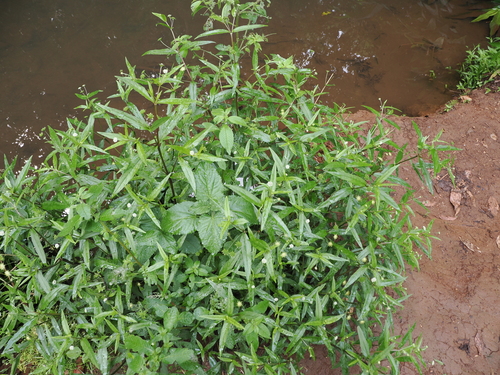
- False DaisyEclipta prostrata
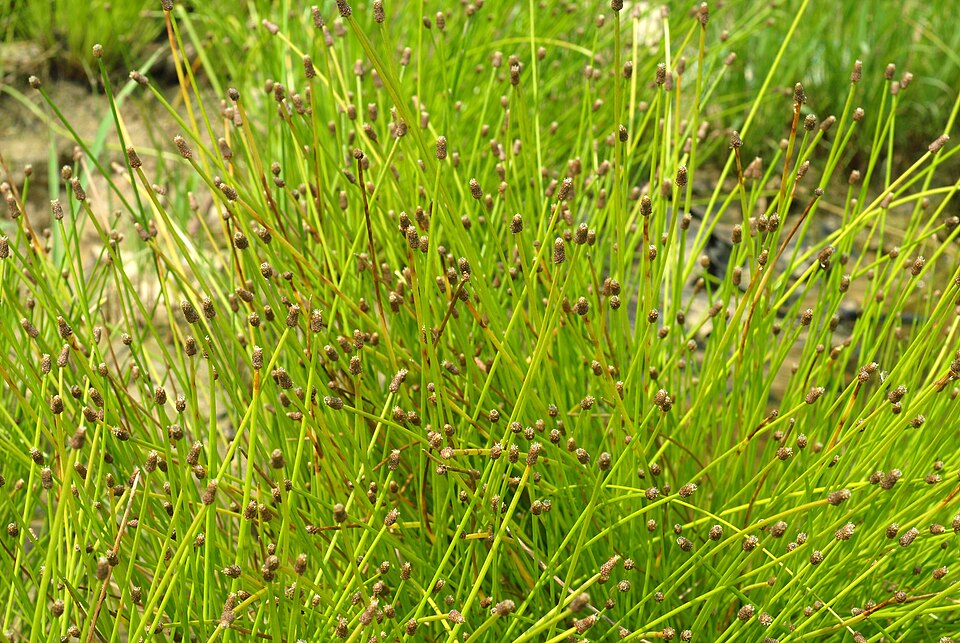
- Blunt Spike RushEleocharis obtusa
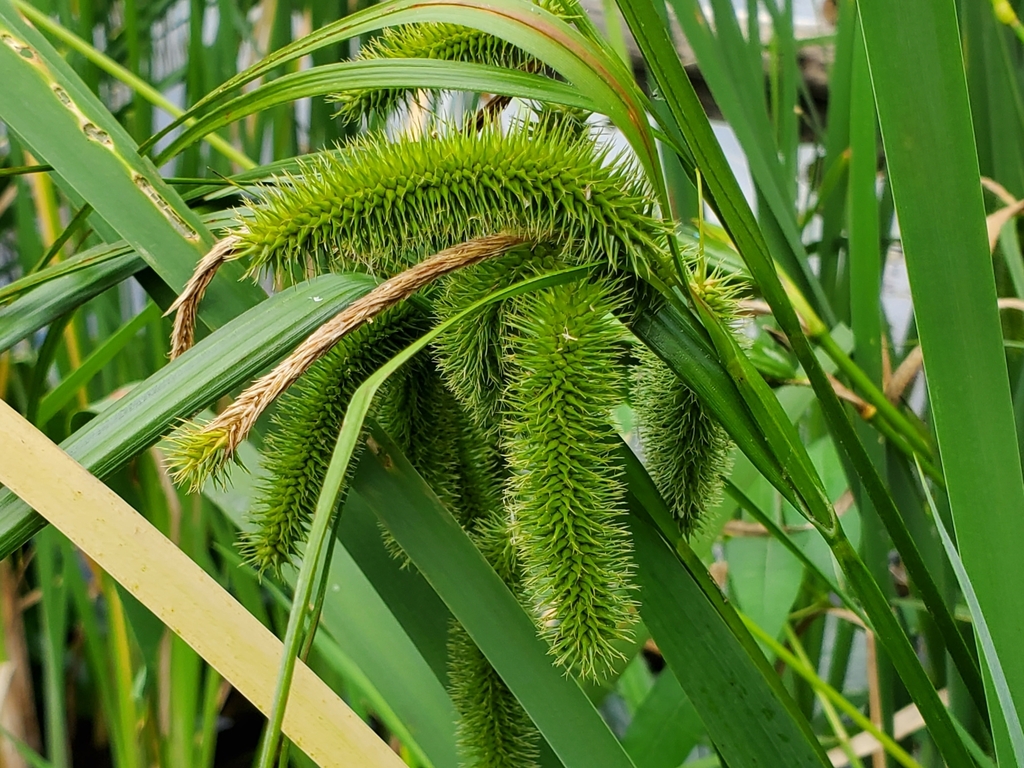
- Bristly SedgeCarex comosa
- Heart Leaf WillowSalix eriocephala
- Southern Marsh YellowcressRorippa teres
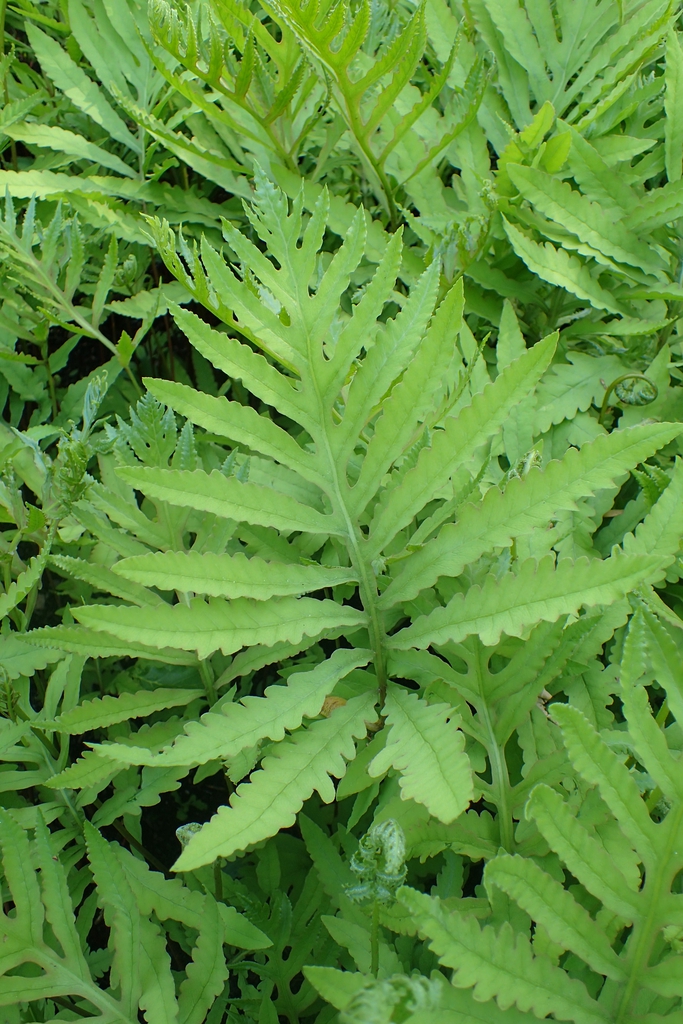
- Sensitive FernOnoclea sensibilis
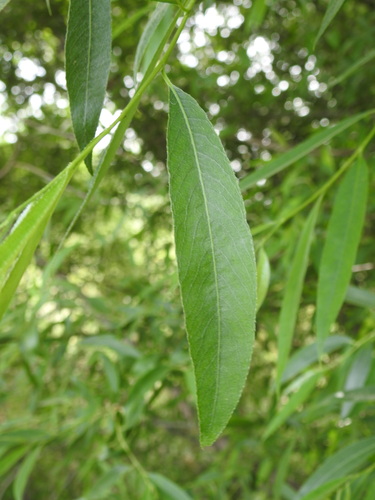
- White WillowSalix alba
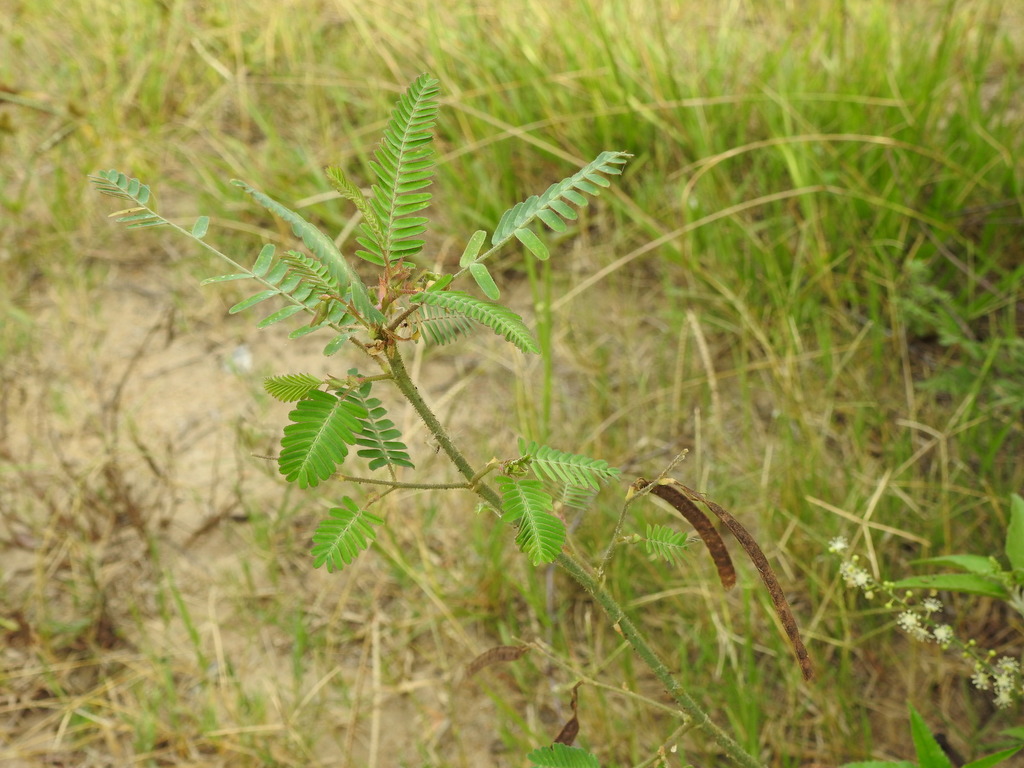
- Zigzag JointvetchAeschynomene rudis

Sources
- USGS Gap Analysis Project habitat models (2001)
- USGS GAP summer habitat model for Alder Flycatcher
- USGS Gap Analysis Project range maps (2001), modeled by watershed; migratory gives no dates
- NatureServe Explorer (CC BY 4.0), habitat names
- US Census TIGER/Line counties
- Names follow the USGS Gap Analysis Project (2001)