

Wineberry
Rubus phoenicolasius
In the Carolinas and Georgia, found in moist forests, roadsides, thickets. Weakley, Flora of the Southeastern United States (2025), Carolinas & Georgia edition What its natural habitat tells you
Not native to Arkansas. How scores work Is it native here?
Profile 82%
- Height
- may reach 9 feet tall
- Light
- Full sun, Partial shade
- Soil moisture
- Dry to moist
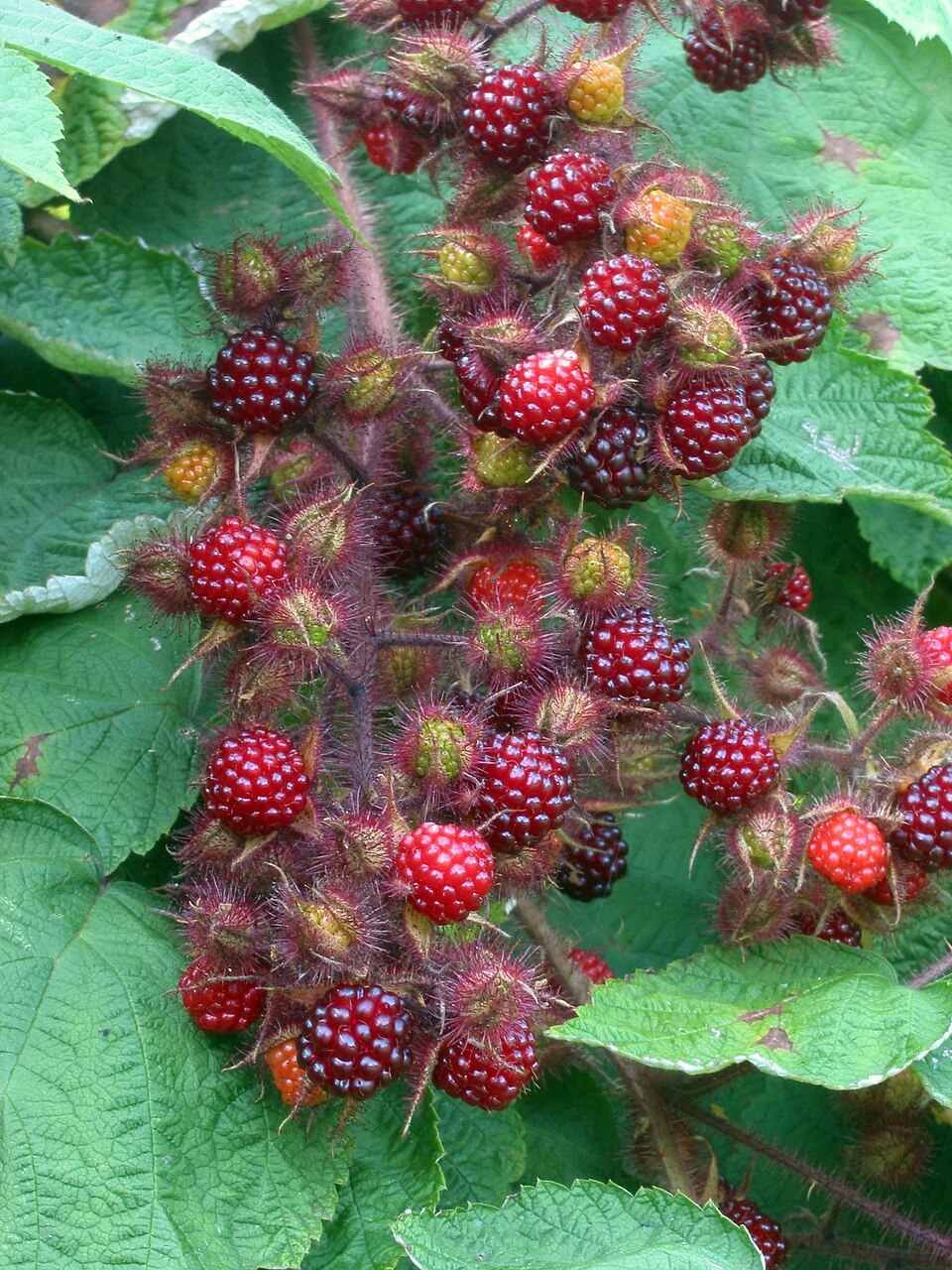
Do not plant. Listed invasive in Arkansas.
Plant this instead
Choose your county to list local plants first.
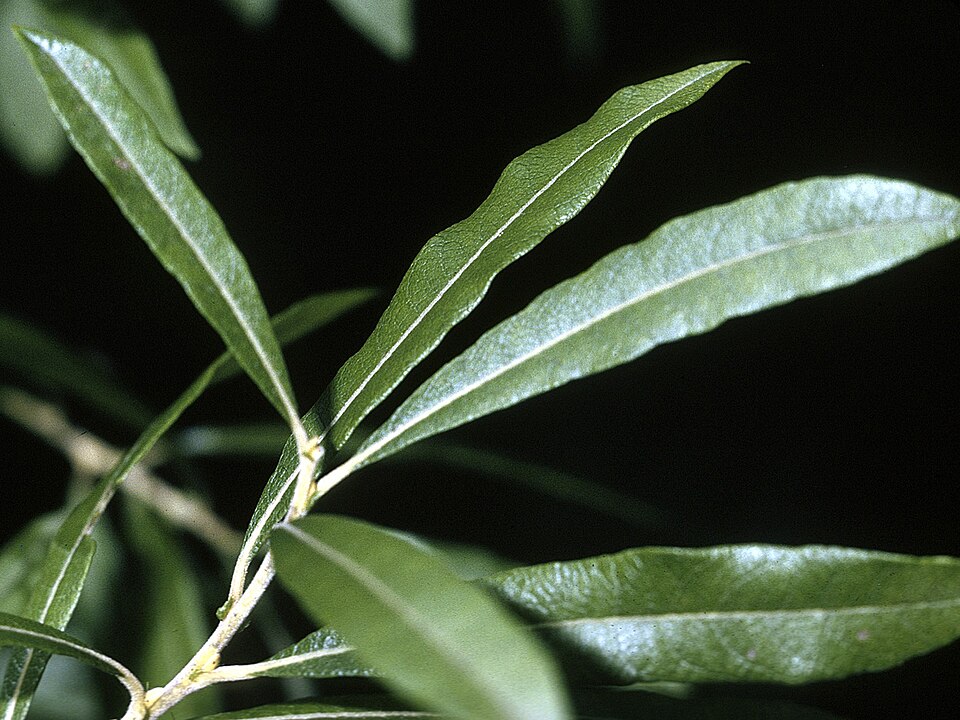
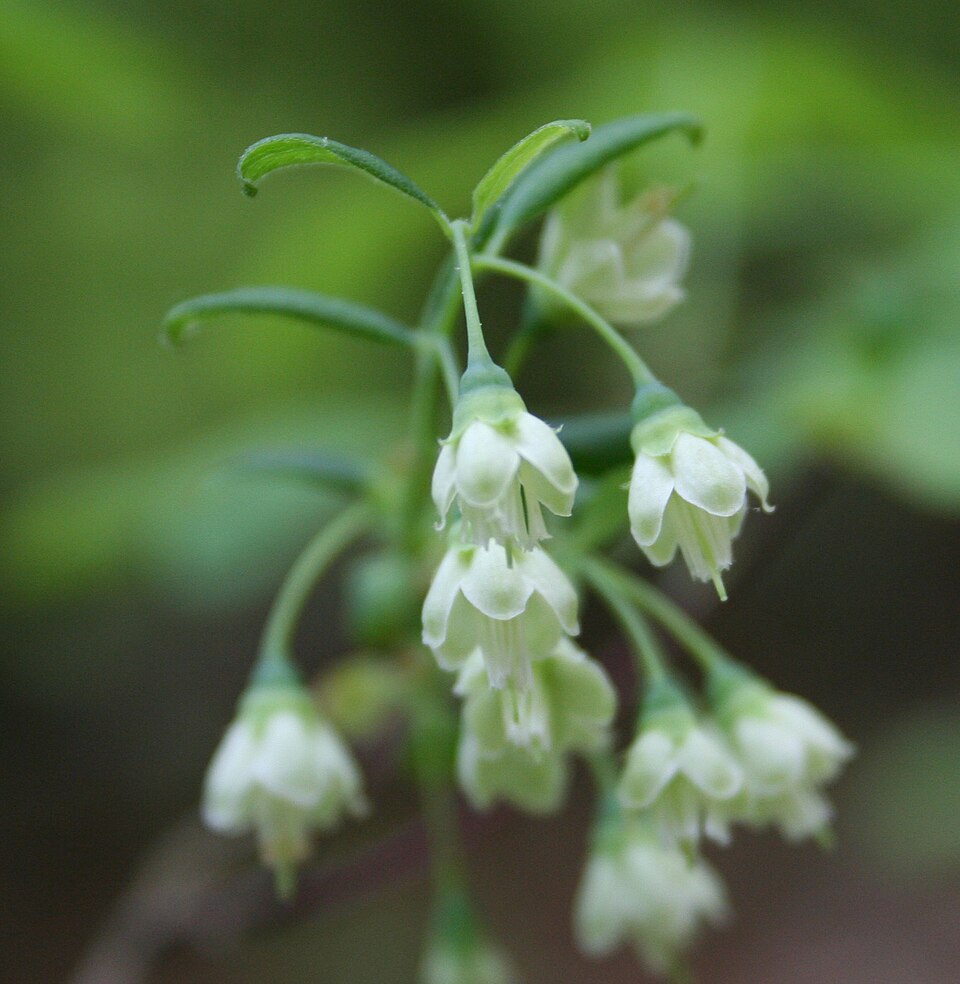
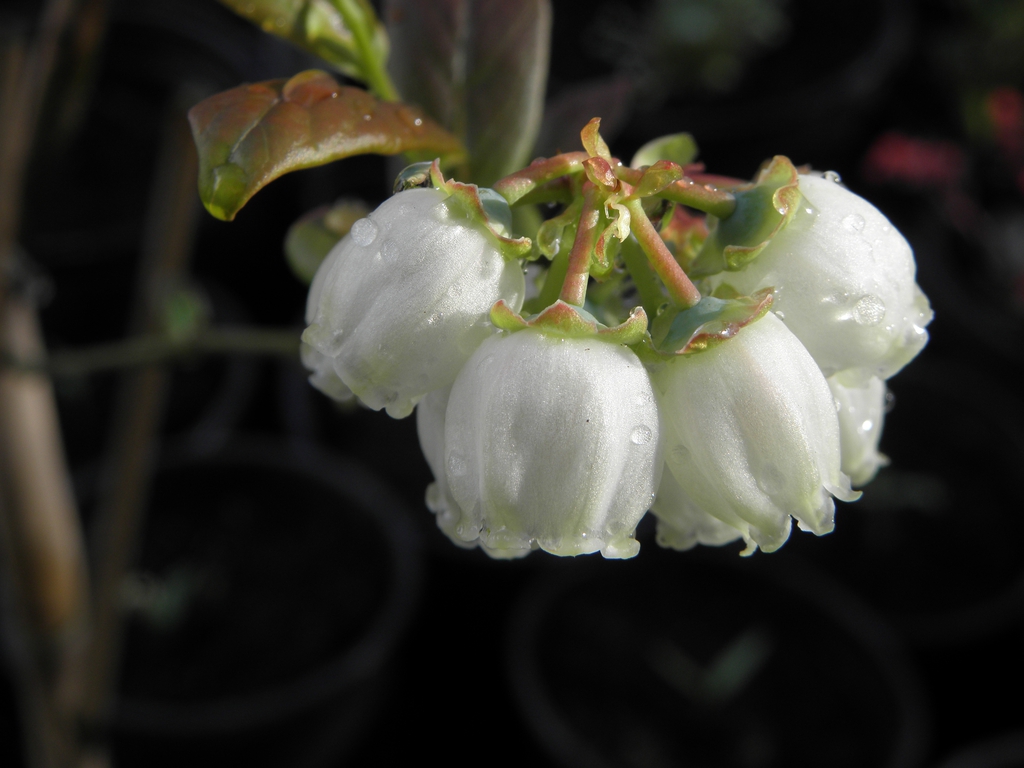
No recorded swaps for this county. Try the garden finder.
At a glance
- Life cycle
- Perennial
- Leaves
- Deciduous
- Bloom
- May to June
- Fruiting season
- June to July
Not yet recorded · Spread
Recorded in 5 Arkansas counties.
Natural habitats
Places it grows wild. Not a planting requirement. Each habitat page lists the plants and wildlife also found there.
Forests on moist but not wet ground, such as rich slopes and ravines.
Roadsides, fields and disturbed ground
Ground opened by people: roadsides, old fields, pastures, fencerows and lots.
Borders of forests, clearings and shrubby thickets.
Also found with this plant
Wildlife whose habitat models include habitats this plant grows in, in Arkansas. Shared habitat, not food. 62 animals.
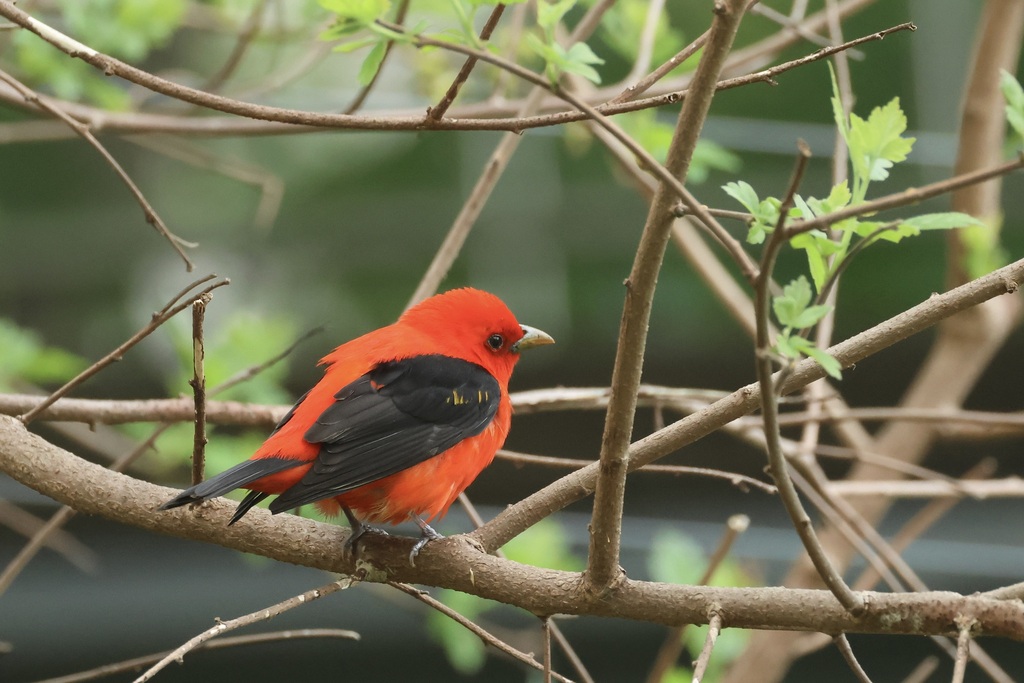
- Scarlet TanagerPiranga olivacea
- Song SparrowMelospiza melodia
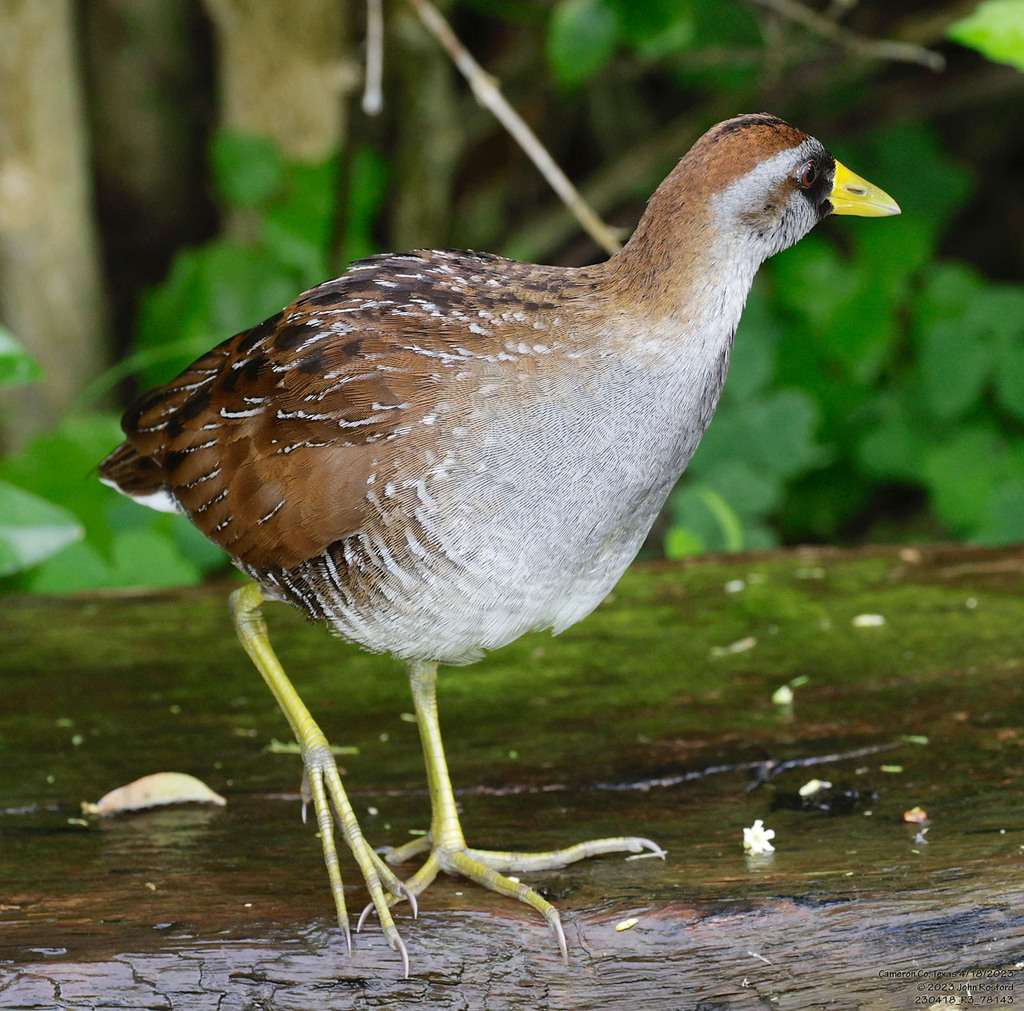
- SoraPorzana carolina
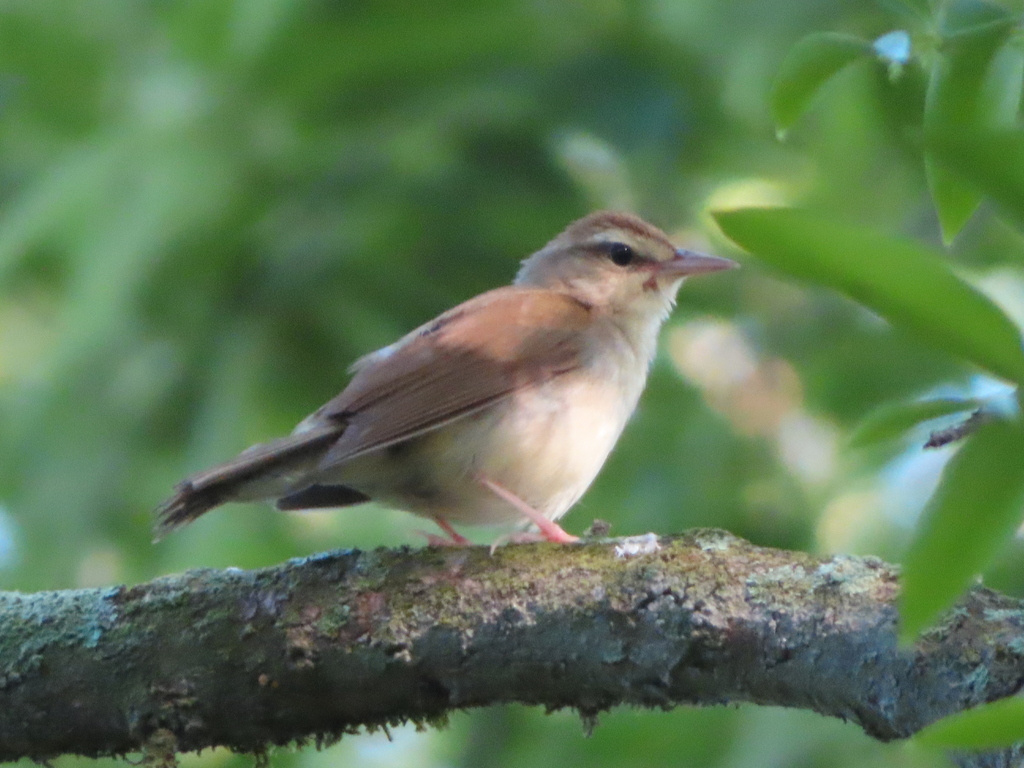
- Swainson's WarblerLimnothlypis swainsonii
- Tree SwallowTachycineta bicolor
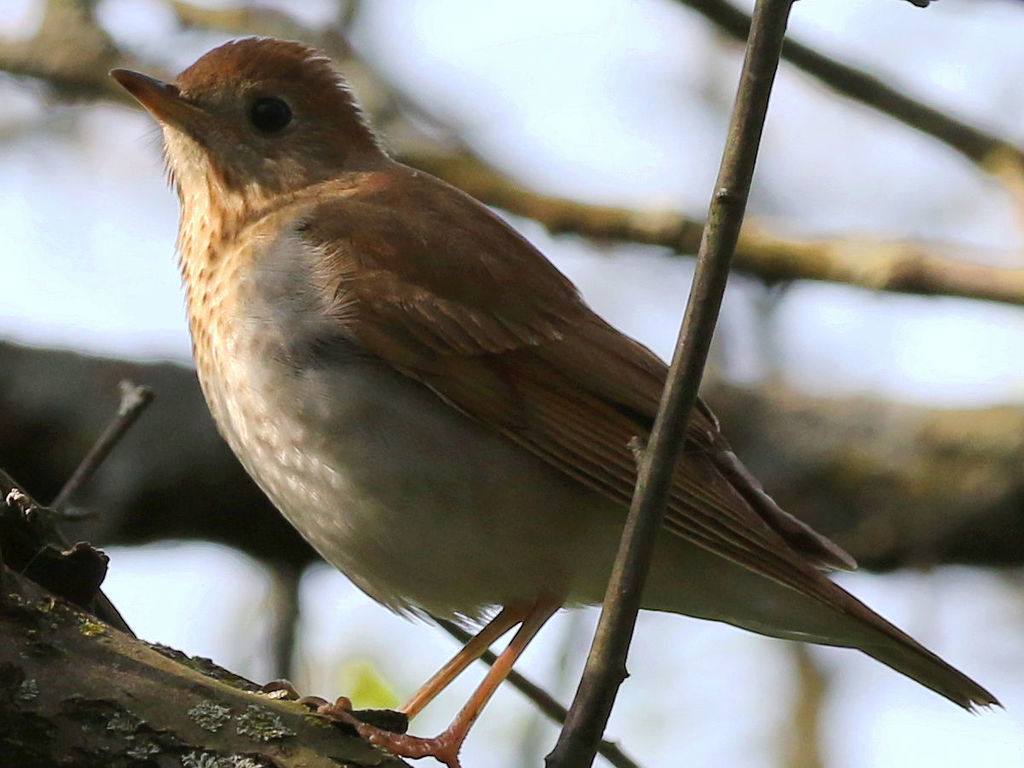
- VeeryCatharus fuscescens
- White-breasted NuthatchSitta carolinensis
- White-eyed VireoVireo griseus
- Willow FlycatcherEmpidonax traillii
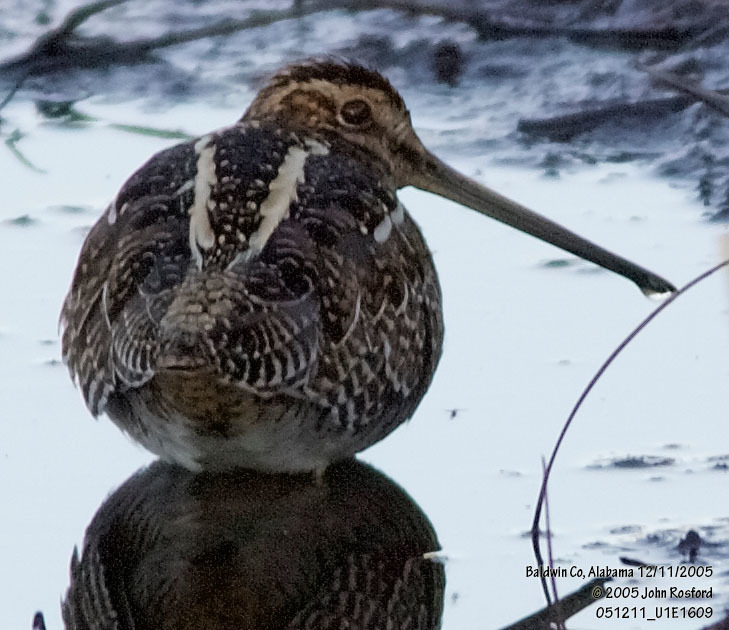
- Wilson's SnipeGallinago delicata
- Wood DuckAix sponsa
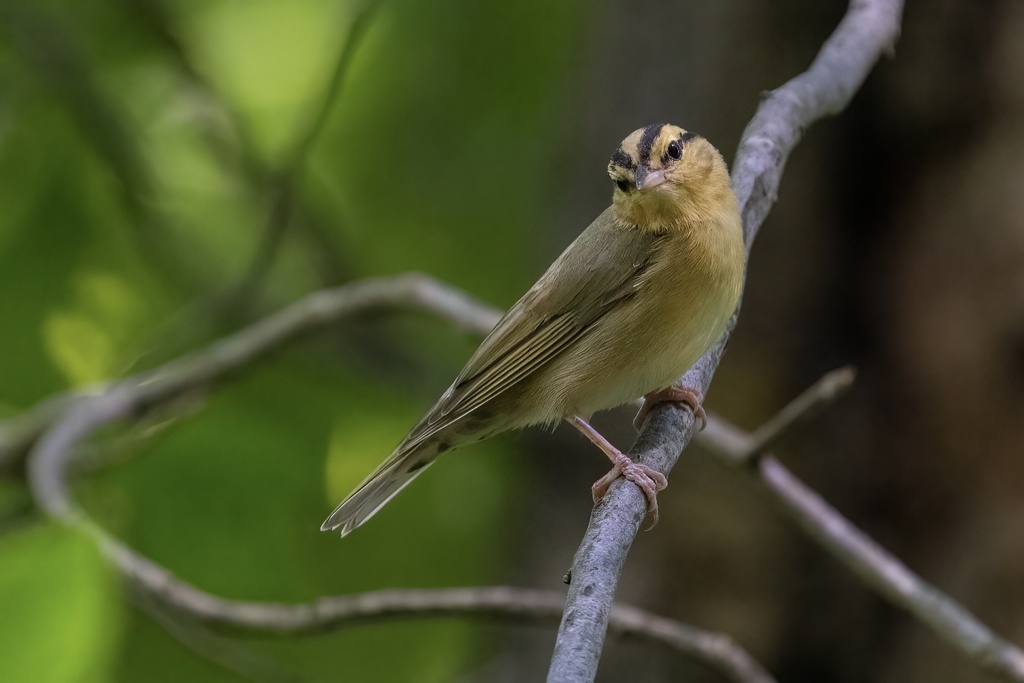
- Worm-eating WarblerHelmitheros vermivorum
- Yellow-crowned Night-heronNyctanassa violacea
- Yellow-throated WarblerDendroica dominica







Widespread birds also seen here (57)
Found in many habitats here, so not listed above.
- American Goldfinch
- American Kestrel
- American Robin
- Baltimore Oriole
- Belted Kingfisher
- Black-crowned Night-heron
- Blue Grosbeak
- Blue Jay
- Blue-gray Gnatcatcher
- Brown Creeper
- Brown Thrasher
- Cedar Waxwing
- Chimney Swift
- Chipping Sparrow
- Cliff Swallow
- Common Nighthawk
- Common Yellowthroat
- Cooper's Hawk
- Double-crested Cormorant
- Downy Woodpecker
- Eastern Kingbird
- Eastern Screech-owl
- Eurasian Collared-dove
- European Starling
- Golden-crowned Kinglet
- Great Horned Owl
- Hairy Woodpecker
- Harris's Sparrow
- Hooded Merganser
- Indigo Bunting
- Mourning Dove
- Northern Cardinal
- Northern Flicker
- Northern Mockingbird
- Orange-crowned Warbler
- Orchard Oriole
- Osprey
- Pileated Woodpecker
- Pine Siskin
- Purple Finch
- Red-bellied Woodpecker
- Red-headed Woodpecker
- Red-tailed Hawk
- Red-winged Blackbird
- Ruby-crowned Kinglet
- Ruby-throated Hummingbird
- Sharp-shinned Hawk
- Spotted Sandpiper
- Tufted Titmouse
- Turkey Vulture
- White-throated Sparrow
- Wild Turkey
- Wood Thrush
- Yellow-bellied Sapsucker
- Yellow-billed Cuckoo
- Yellow-breasted Chat
- Yellow-rumped Warbler
Who uses this plant?
 111CaterpillarsGenus host records with ranges including AR
Genus host records with ranges including AR · Rubus
- Acharia stimuleaSaddleback Caterpillar Moth
- Achatia distinctaDistinct Quaker
- Acronicta americanaAmerican Dagger
- Acronicta funeralisFunerary Dagger, Paddle Caterpillar
- Acronicta impressaImpressive Dagger, Printed Dagger
- Acronicta longaLong-Winged Dagger, Darkish Dagger
- Acronicta oblinitaSmeared Dagger
- Agrotis gladiariaSwordsman Dart, Clay-Backed Cut-Worm
- Agrotis vetustaOld Man Dart
- Amorbia humerosanaWhite-Lined Leafroller Moth
Show all 111
- Amphipyra pyramidoidesMiranda Underwing, Copper Underwing, Copper Amphipyra
- Anavitrinella pampinariaCommon Gray, Cranberry Spanworm
- Ancylis floridanaStrawberry Leafroller
- Ancylis muricanaRed-Headed Ancylis
- Anisota senatoriaOrange-Tipped Oakworm Moth, Orangestriped Oakworm
- Antepione thisoariaVariable Antepione
- Apatelodes torrefactaSpotted Apatelodes
- Archips argyrospilaFruit-Tree Leafroller Moth
- Archips purpuranaOmnivorous Leafroller Moth
- Argyrotaenia marianaGray-Banded Leafroller Moth
- Argyrotaenia quercifolianaYellow-Winged Oak Leafroller Moth, Lined Oak Leafroller
- Argyrotaenia velutinanaRed-Banded Leafroller Moth, Jack Pine Tube Moth
- Automeris ioIo Moth
- Biston betulariaSalt-and-Pepper Geometer, Cleft-Headed Looper
- Cecrita guttivittaMaple Prominent, Saddled Prominent
- Cenopis directanaChokecherry Leafroller Moth
- Cenopis reticulatanaReticulated Fruitworm Moth
- Cerastis tenebriferaReddish Speckled Dart
- Chloridea virescensTobacco Budworm Moth
- Chlorochlamys chloroleucariaBlackberry Looper Moth
- Choristoneura fractivittanaBroken-Banded Leafroller, Lined Corn-Borer Moth
- Choristoneura obsoletanaObsolete Leafroller
- Choristoneura rosaceanaOblique-Banded Leafroller Moth, Rosaceous Leaf Roller
- Coelodasys unicornisUnicorn Caterpillar Moth
- Coptotriche aeneaBlackberry Leafminer Moth
- Datana ministraYellow-Necked Caterpillar Moth
- Ectropis crepusculariaThe Small Engrailed, Saddleback Looper
- Erastria colorariaBroad-Lined Erastria
- Erastria cruentariaThin-Lined Erastria
- Euclea delphiniiSpiny Oak-Slug Moth
- Eupithecia miserulataCommon Eupithacia, Common Pug
- Eupithecia peckorumPeck's Pug
- Eupsilia cirripaleaFranclemont's Sallow
- Eupsilia sidusSidus Sallow
- Feltia jaculiferaDingy Cutworm
- Feltia subgothicaSubgothic Dart
- Geina tenuidactylaHimmelman's Plume Moth
- Habrosyne scriptaLettered Habrosyne
- Halysidota tessellarisBanded Tussock Moth, Pale Tiger Moth
- Haploa leconteiLeconte's Haploa
- Hedya separatanaPink-Washed Leafroller Moth
- Herpetogramma aeglealisSerpentine Webworm
- Herpetogramma bipunctalisSouthern Beet Webworm, Two-Spotted Herpetogramma
- Herpetogramma pertextalisBold-Feathered Grass Moth
- Herpetogramma thestealisZigzag Herpetogramma, Subtle-Feathered Grass Moth
- Hyalophora cecropiaCecropia Silkmoth, Cecropia Moth
- Hyles lineataWhite-Lined Sphinx
- Hypena scabraGreen Cloverworm Bomolocha, Black Snout
- Hyphantria cuneaFall Webworm
- Iridopsis defectariaBrown-Shaded Gray, Willow Looper
- Iridopsis humariaSmall Purplish Gray
- Iridopsis larvariaBent-Line Gray
- Kocakina fidelisIntractable Quaker, Green Fruitworm, Fourlined Green Fruitworm
- Lascoria ambigualisAmbiguous Moth, Ambiguous Litter Moth
- Malacosoma disstriaForest Tent Caterpillar
- Megalopyge crispataBlack-Waved Flannel Moth, Crinkled Flannel Moth
- Melanchra pictaPainted Arches, Zebra Caterpillar Moth
- Melanolophia canadariaCanadian Melanolphia, Variable Redmarked Looper
- Mesoleuca ruficillataWhite-Ribboned Carpet, Red-fringed Carpet
- Mythimna unipunctaArmyworm Moth, White Speck
- Nematocampa resistariaFilament Bearer, Horned Spanworm Moth
- Nymphalis antiopaMourning Cloak
- Oedemasia concinnaRed-Humped Caterpillar, Red-Humped Appleworm
- Olethreutes furfuranumWoolly-Backed Moth
- Olethreutes permundanaRaspberry Leafroller
- Orgyia leucostigmaWhite-Marked Tussock Moth
- Orthodes majusculaRustic Quaker, Rustic Groundcat
- Orthosia rubescensRuby Quaker
- Palthis angulalisDark-Spotted Palthis
- Paonias excaecataBlinded Sphinx, Blind Eyed Sphinx
- Papaipema cataphractaBurdock Border, Potato-Stalk Borer
- Papaipema nebrisStalk Borer
- Pennisetia marginatumRaspberry Crown Borer Moth
- Phigalia strigatariaSmall Phigalia, Small Oak Looper
- Phigalia titeaThe Half-Wing Geometer, Spiney Looper, Eastern Oak Looper
- Phyllodesma americanaLappet Moth, American Lappet Moth, Southern Lappet Moth
- Platynota flavedanaBlack-Shaded Platynota
- Platynota idaeusalisTufted Apple-Bud Moth
- Platynota stultanaOmnivorous Leafroller
- Pseudothyatira cymatophoroidesTufted Thyatirid
- Pyrrharctia isabellaIsabella Tiger Moth, Banded Woolybear
- Pyrrhia ciliscaAmerican Bordered Sallow, Noble Sun Moth
- Satyrium liparopsStriped Hairstreak
- Schizura ipomaeaeMorning-Glory Prominent, Checkered-Fringe Prominent
- Scopula limboundataLarge Lace-Border
- Spilosoma virginicaVirginian Tiger Moth, Yellow Woolybear Moth, Yellow Bear
- Spodoptera dolichosSweetpotato Armyworm, Dolichos Armyworm, Large Cotton Armyworm
- Spodoptera eridaniaSouthern Armyworm Moth
- Spodoptera ornithogalliYellow-Striped Armyworm Moth, Cotton Cutworm
- Strymon melinusGray Hairstreak
- Synchlora aerataWavy-Lined Emerald, Camouflaged Looper
- Synchlora frondariaSouthern Emerald
- Syndemis afflictanaFall Dead-Leaf Roller, Gray Leafroller, Black-and-Grey Banded Leafroller
- Thyridopteryx ephemeraeformisEvergreen Bagworm Moth
- Trichordestra legitimaStriped Garden Caterpillar Moth
- Xanthorhoe lacustrataToothed Brown Carpet
- Xestia smithiiSmith's Dart
- Zale lunataLunate Zale
- Zale minereaColorful Zale
- Menesta tortriciformella
- Stigmella rosaefoliella
 —BeesSoutheastern regional records
 1Specialist beesPollen specialists
 25BirdsRecorded eating Rubus in Arkansas
Diet records by plant genus, from studies across North America. Not a record from this state. Birds whose range includes Arkansas, most records first.
- Wild TurkeySeeds. 13 diet records
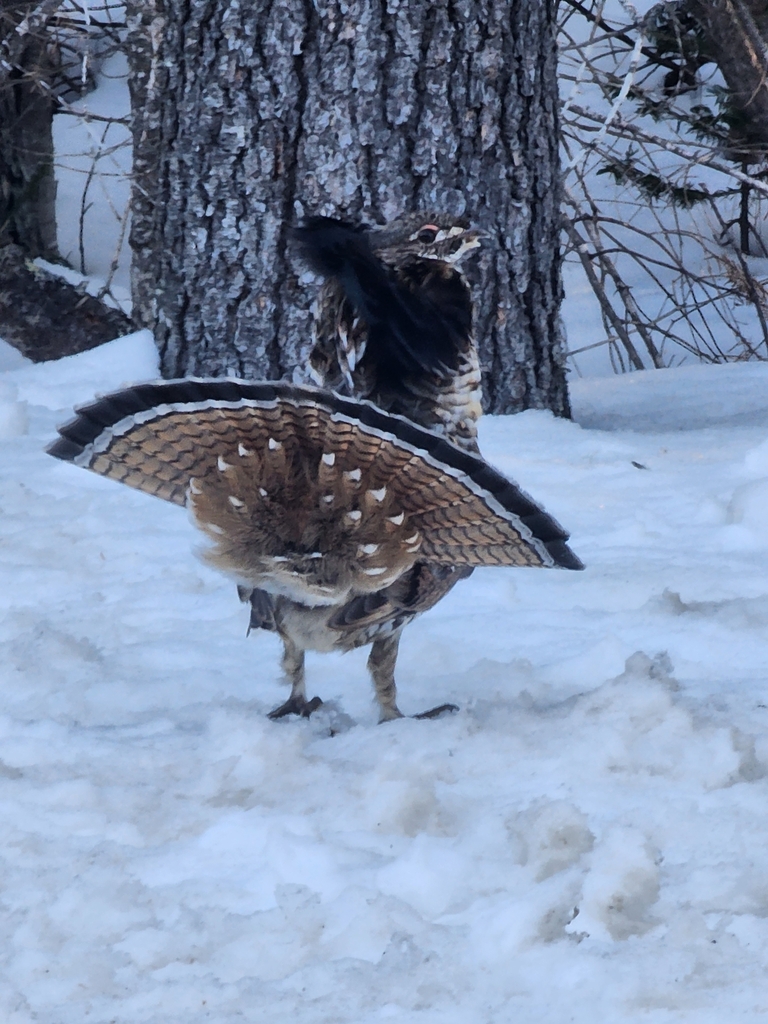
- Ruffed GrouseFruit. 9 diet records
- American RobinFruit. 5 diet records
- Cedar WaxwingFruit. 3 diet records
- European Starling3 diet records
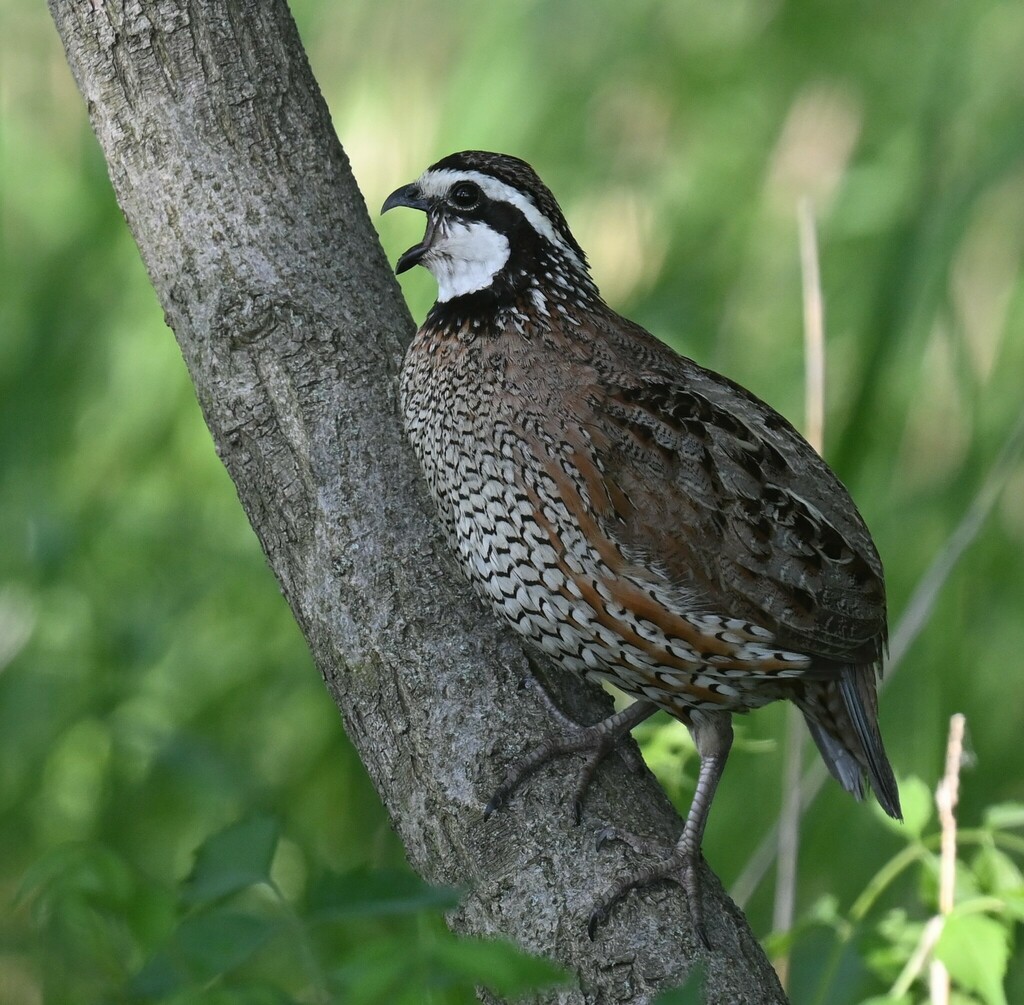
- Northern Bobwhite3 diet records
- Wood DuckFruit. 2 diet records
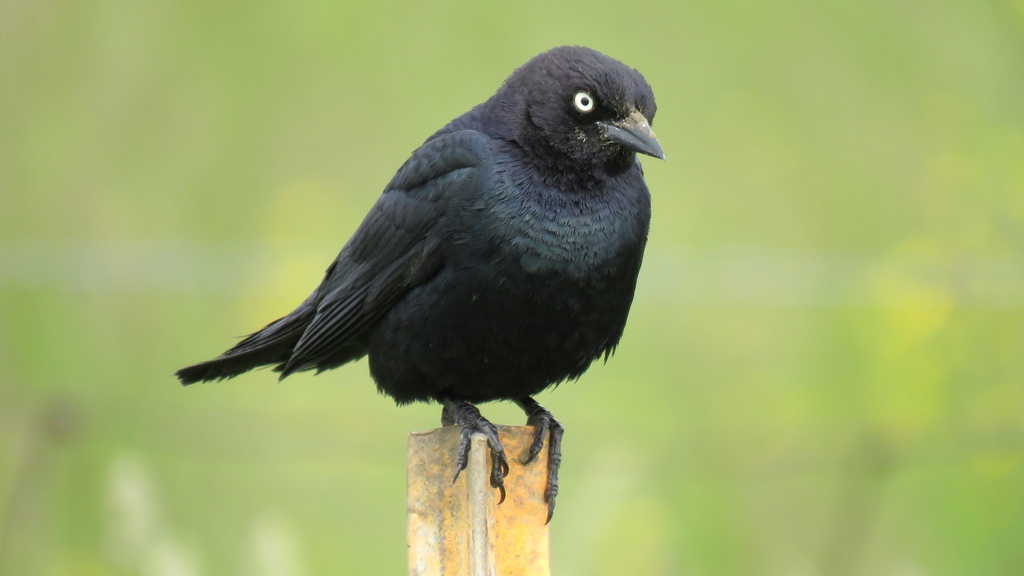
- Brewer's BlackbirdFruit. 1 diet record
- Eastern BluebirdFruit. 1 diet record
- Eastern KingbirdFruit. 1 diet record
Show all 25
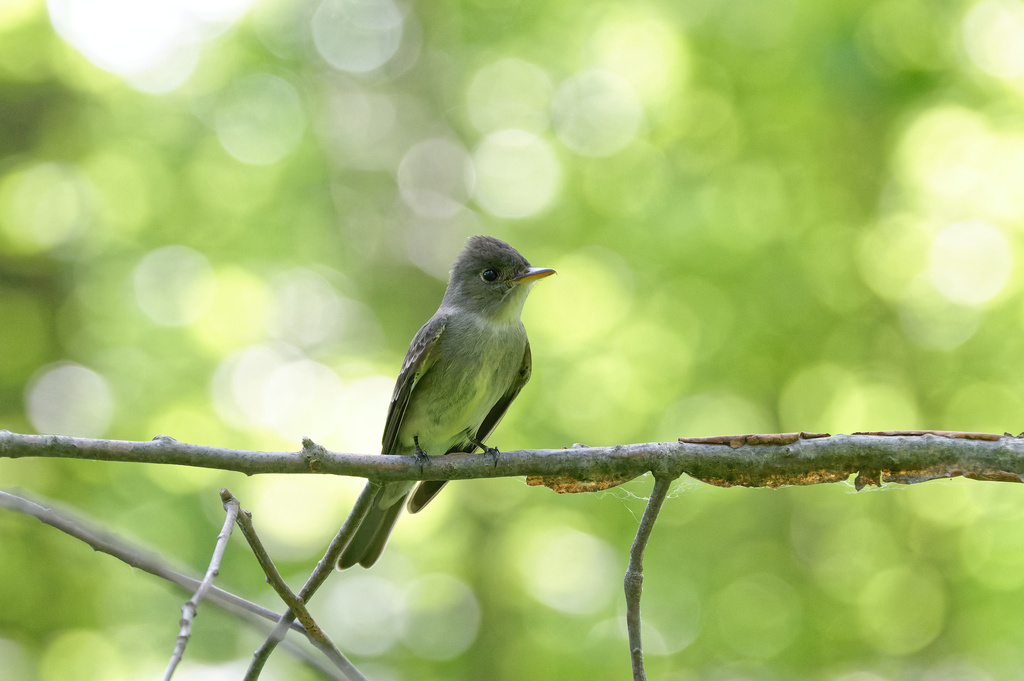
- Eastern Wood-peweeSeeds. 1 diet record
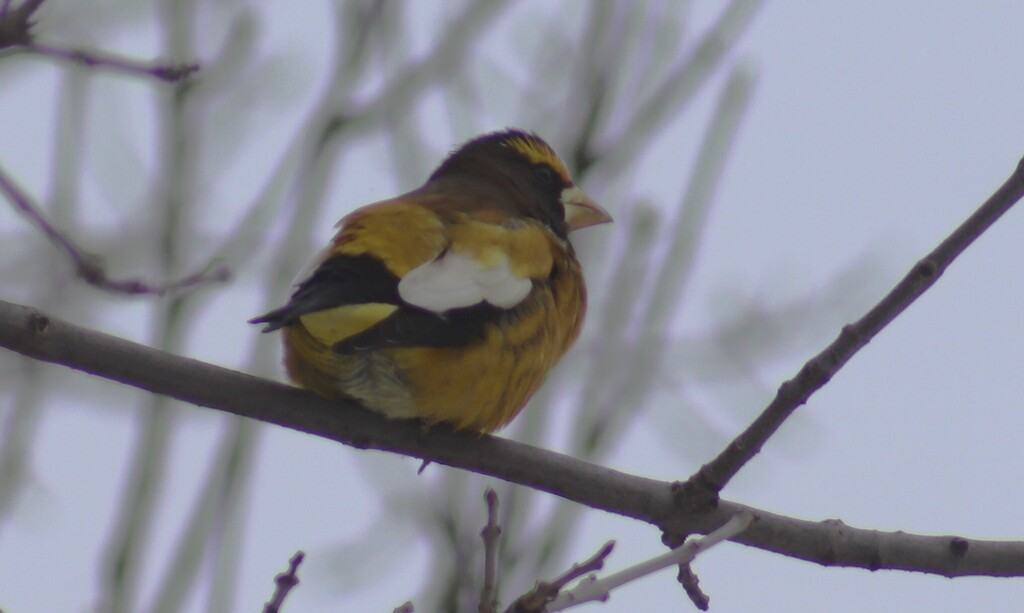
- Evening Grosbeak1 diet record
- Hermit ThrushFruit and seeds. 1 diet record
- Indigo Bunting1 diet record
- Northern CardinalFruit. 1 diet record
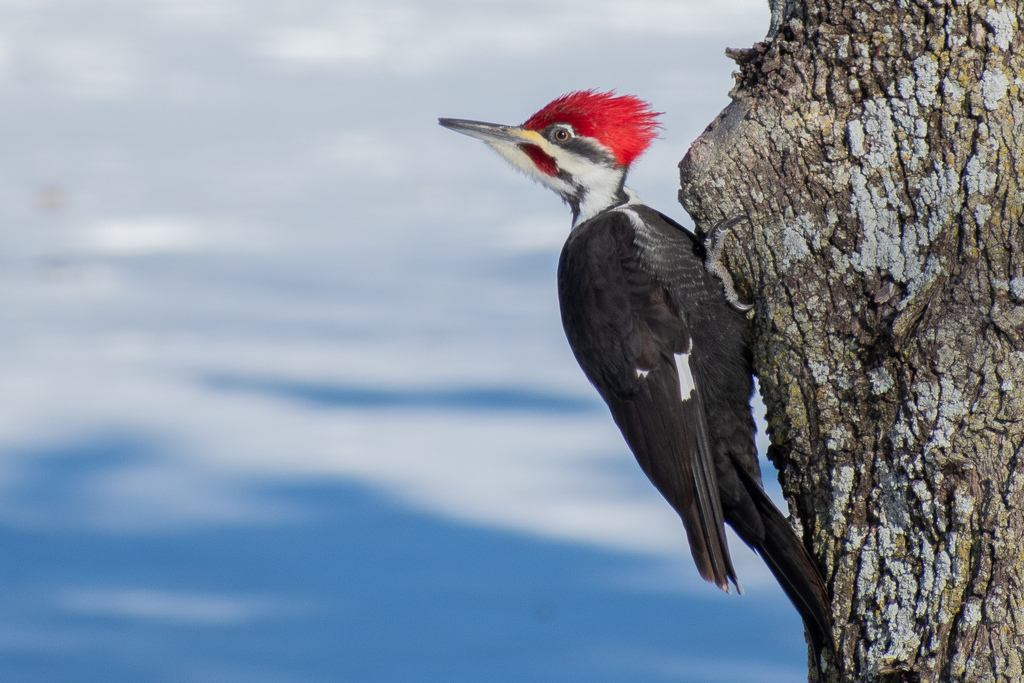
- Pileated WoodpeckerSeeds. 1 diet record
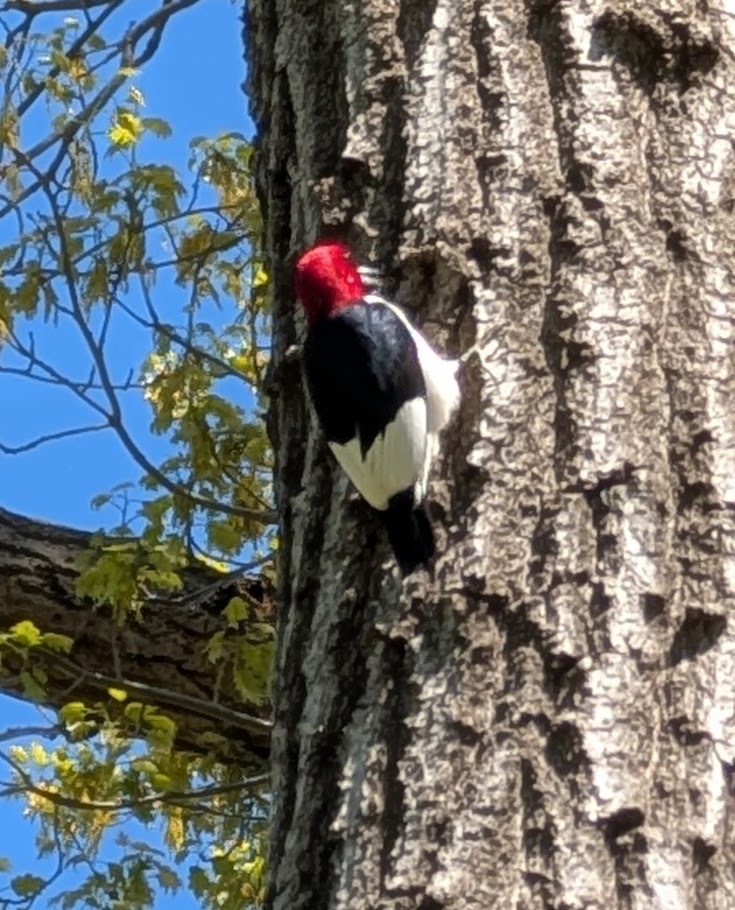
- Red-headed WoodpeckerFruit. 1 diet record
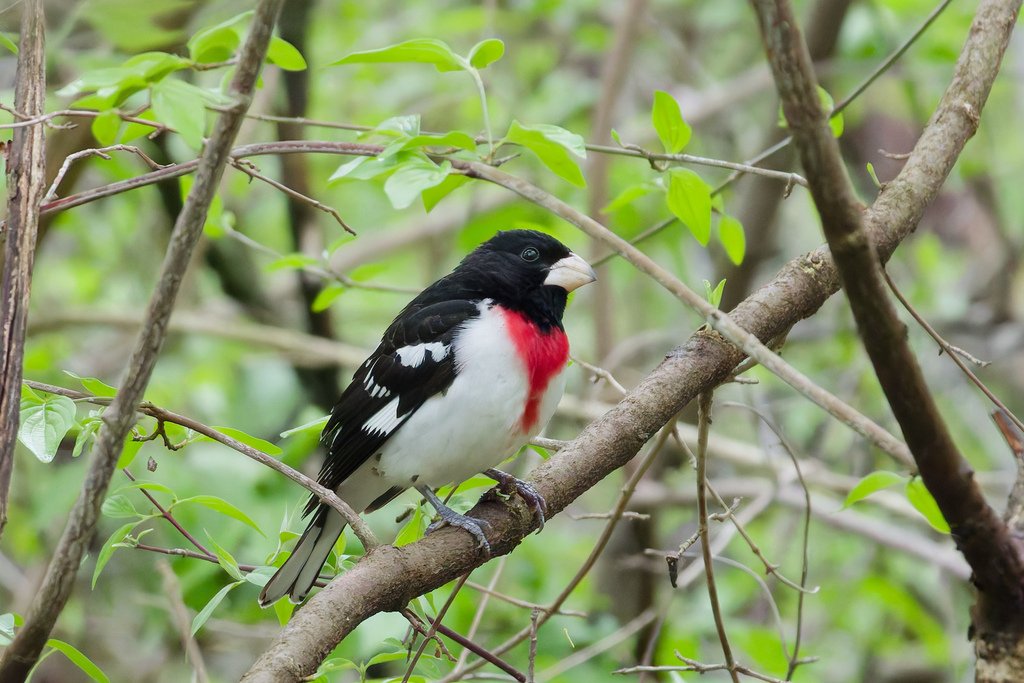
- Rose-breasted GrosbeakFruit. 1 diet record
- Song SparrowFruit. 1 diet record
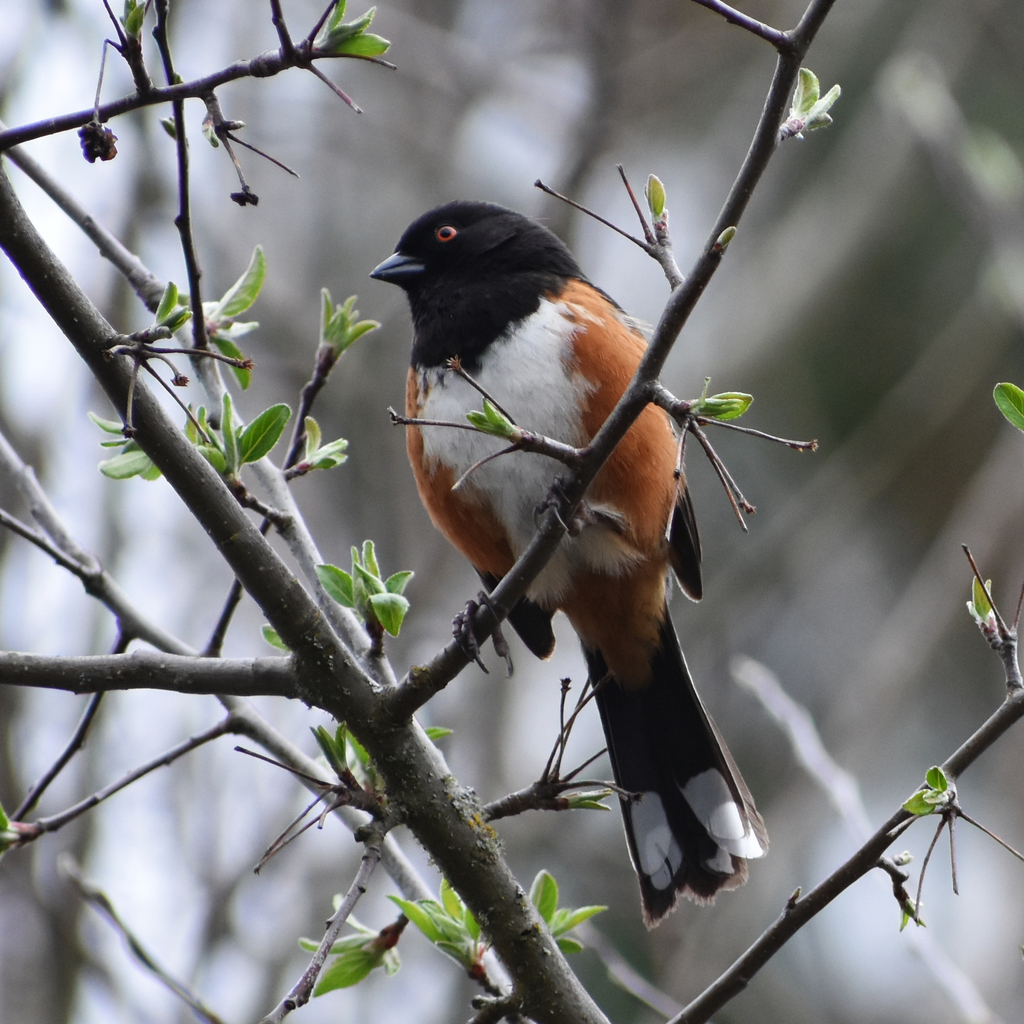
- Spotted TowheeFruit. 1 diet record
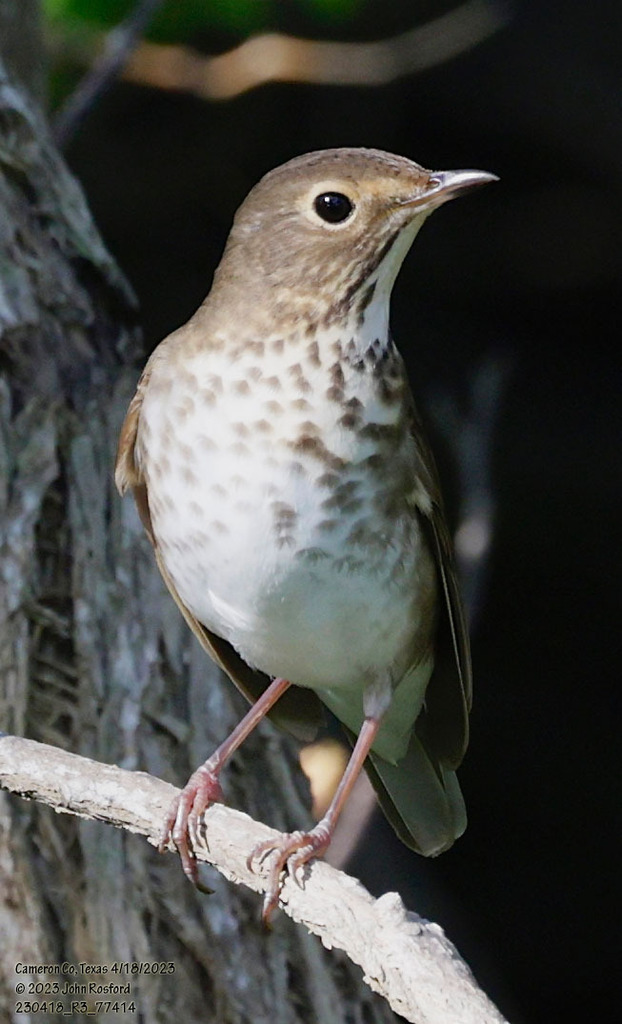
- Swainson's ThrushFruit and seeds. 1 diet record
- VeeryFruit and seeds. 1 diet record
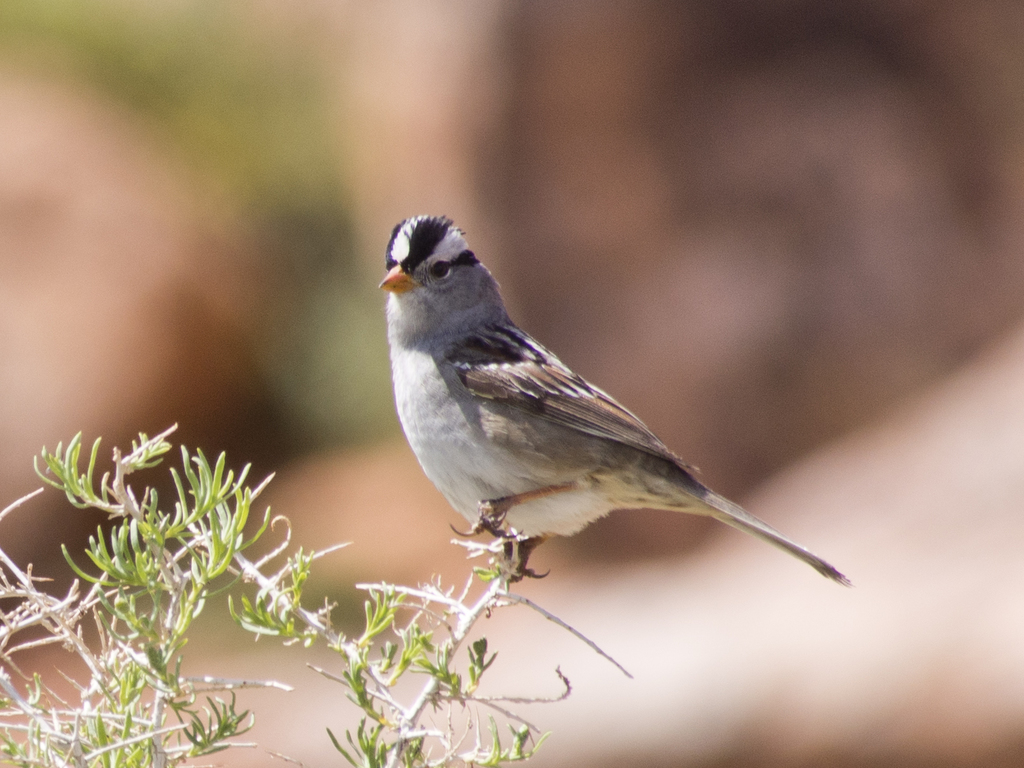
- White-crowned SparrowFruit. 1 diet record
- White-eyed Vireo1 diet record
- Wood ThrushFruit and seeds. 1 diet record
Direct food only. Caterpillars on host plants also feed nesting birds. NC Native Plant Society: butterfly gardening
Birds that eat Rubus 25
Diet records by plant genus, from studies across North America. Not a record from this state. Avian Diet Database (Hurlbert Lab), CC0 1.0.
- Wild TurkeyMeleagris gallopavo
- Ruffed GrouseBonasa umbellus
- American RobinTurdus migratorius
- Cedar WaxwingBombycilla cedrorum
- European StarlingSturnus vulgaris
- Northern BobwhiteColinus virginianus
- Wood DuckAix sponsa
- Brewer's BlackbirdEuphagus cyanocephalus
- Eastern BluebirdSialia sialis
- Eastern KingbirdTyrannus tyrannus
- Eastern Wood-peweeContopus virens
- Evening GrosbeakCoccothraustes vespertinus
- Hermit ThrushCatharus guttatus
- Indigo BuntingPasserina cyanea
- Northern CardinalCardinalis cardinalis
- Pileated WoodpeckerDryocopus pileatus
- Red-headed WoodpeckerMelanerpes erythrocephalus
- Rose-breasted GrosbeakPheucticus ludovicianus
- Song SparrowMelospiza melodia
- Spotted TowheePipilo maculatus
- Swainson's ThrushCatharus ustulatus
- VeeryCatharus fuscescens
- White-crowned SparrowZonotrichia leucophrys
- White-eyed VireoVireo griseus
- Wood ThrushHylocichla mustelina











Plant details
- Family
- Rosaceae
- Hardiness
- Zones 4a–8b
- Soil pH
- Acidic to alkaline
- Flower color
- Red or white
- Fruit begins
- June
- Fruit ends
- July
Safety has not been reviewed for this plant; check toxicity and thorns before planting.
Growing sources and scope
- Bloom · “May to June” · Weakley, Flora of the Southeastern United States (2025), Carolinas & Georgia edition · Carolinas and Georgia
- Flower color · “Red or white” · NC Extension Plant Toolbox
- Fruit begins · “June” · Weakley, Flora of the Southeastern United States (2025), Carolinas & Georgia edition · Carolinas and Georgia
- Fruit ends · “July” · Weakley, Flora of the Southeastern United States (2025), Carolinas & Georgia edition · Carolinas and Georgia
- Hardiness · “Zones 4a–8b” · NC Extension Plant Toolbox
- Height · “may reach 9 feet (2.7 m) tall” · Fire Effects Information System: Rubus phoenicolasius · Source botanical description; original units and scope retained
- Leaves · “Deciduous” · NC Extension Plant Toolbox
- Life cycle · “Perennial” · NC Extension Plant Toolbox
- Light · “Full sun (6 or more hours of direct sunlight a day); Partial shade (direct sunlight only part of the day, 2-6 hours)” · NC Extension Plant Toolbox
- Soil · “Dry; Moist (documented habitat)” · Weakley, Flora of the Southeastern United States (2025), Carolinas & Georgia edition · Carolinas and Georgia
- Soil pH · “Acidic to alkaline” · NC Extension Plant Toolbox
Also known as
Wine Raspberry
Conservation status
| Arkansas rank | SNA |
|---|---|
| Global rank | G5 |
| AR status | Not verified |
| Federal status | Not verified |
Sources
- Atlas of the Vascular Plants of Arkansas (2013)
- USDA PLANTS
- Weakley, Flora of the Southeastern United States (2025), Carolinas & Georgia edition
- NatureServe Explorer
- Arkansas occurrence source
- Shropshire & Tallamy 2025, Lepidoptera of North America north of Mexico, ZooKeys 1261 (ODbL)
- Noori, Seltmann & Orr 2026, A curated and integrated dataset for exploring global bee-plant interactions (GloBI), Zenodo, CC BY 4.0
- Smith, Bachelder, Russell, Morales, Mosher & Seltmann 2024, Bee-Specialization-Modeling v0.6.1 (specialist host table compiled from J. Fowler's pollen specialist bee lists), Zenodo, CC BY 4.0
- Hurlbert, Olsen, Sawyer & Winner 2021, Avian Diet Database, Scientific Data 8: 260 (CC0)
- Narango, Tallamy & Shropshire 2020, Few keystone plant genera support the majority of Lepidoptera species, Nature Communications