

Copper Iris
Iris fulva
Native to Arkansas. How scores work Is it native here?
Profile 100%
- Height
- 3–5 feet
- Spread
- 1–2 feet
- Light
- Full to part sun
- Soil moisture
- Average to wet
Space about 1.5 ft apart from its recorded spread, about 44 per 100 sq ft. Enter your bed size for a count
Will it fit your yard?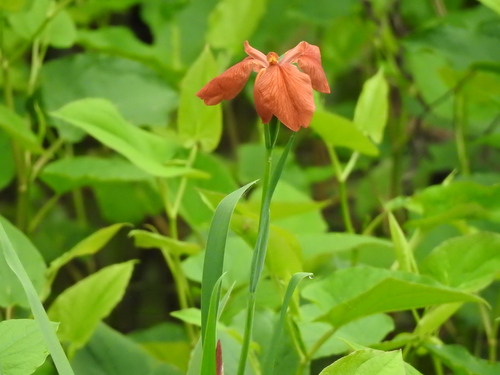
At a glance
- Bloom
- Mid spring
- Fruiting season
- Spring to summer
Not yet recorded · Life cycle · Leaves
Recorded in 9 Arkansas counties.
Also found with this plant
Wildlife whose habitat models include habitats this plant grows in, in Arkansas. Shared habitat, not food. 77 animals.
- Black VultureCoragyps atratus
- Black-bellied Whistling-DuckDendrocygna autumnalis
- Blue-winged TealAnas discors
- Bonaparte's GullChroicocephalus philadelphia
- Carolina ChickadeePoecile carolinensis
- Carolina WrenThryothorus ludovicianus
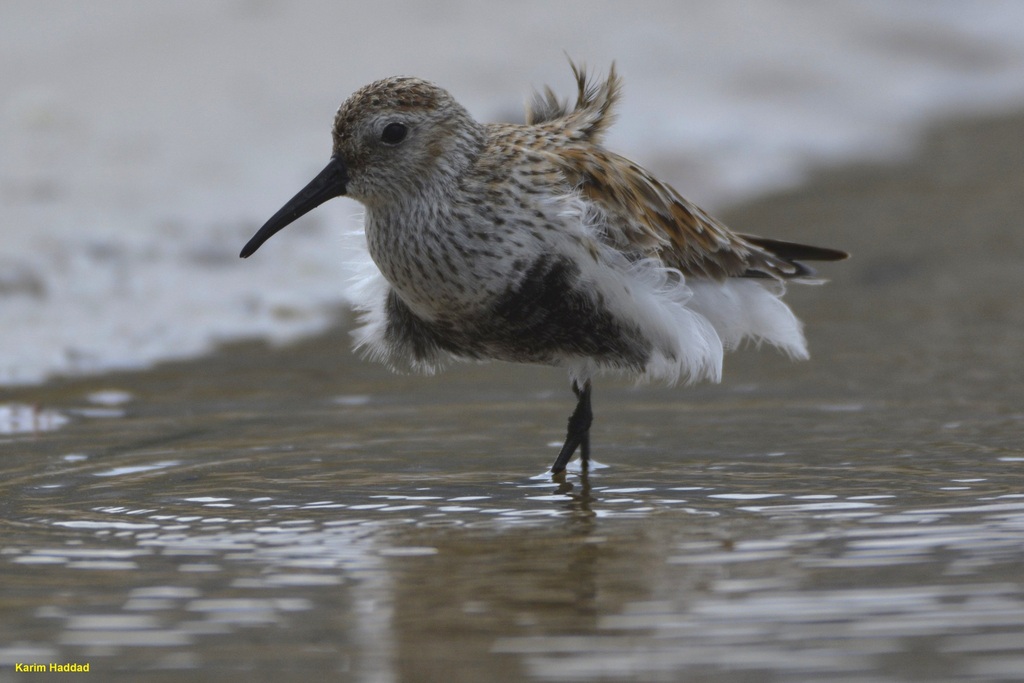
- DunlinCalidris alpina
- Eastern Wood-peweeContopus virens
- Fish CrowCorvus ossifragus
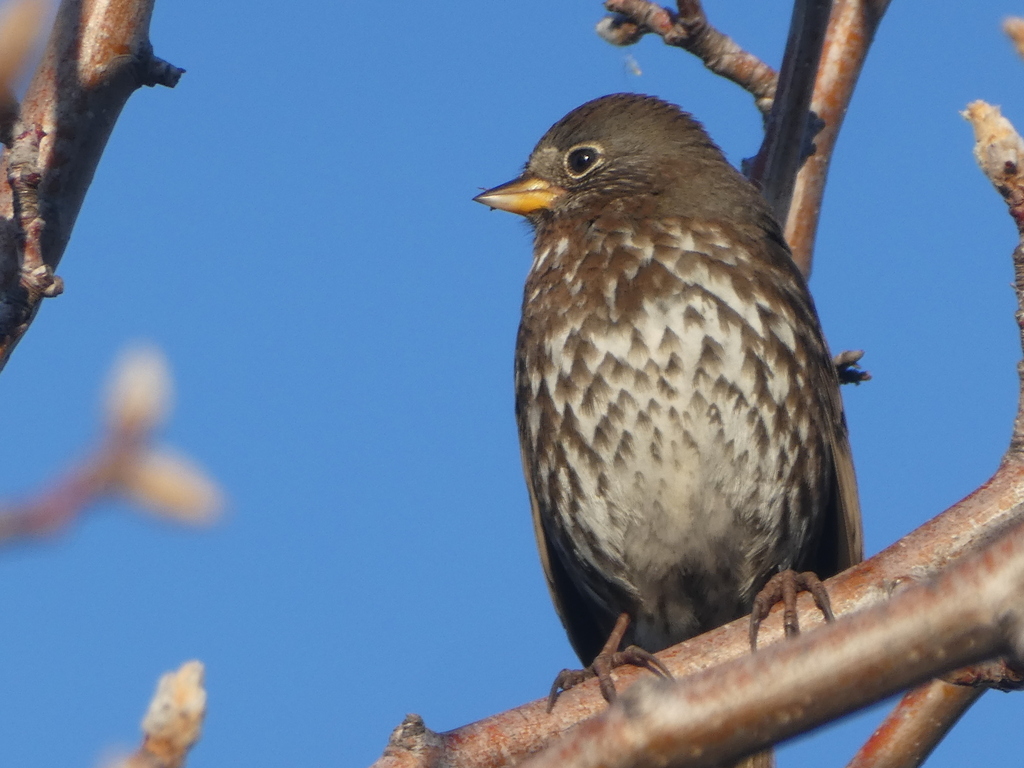
- Fox SparrowPasserella iliaca
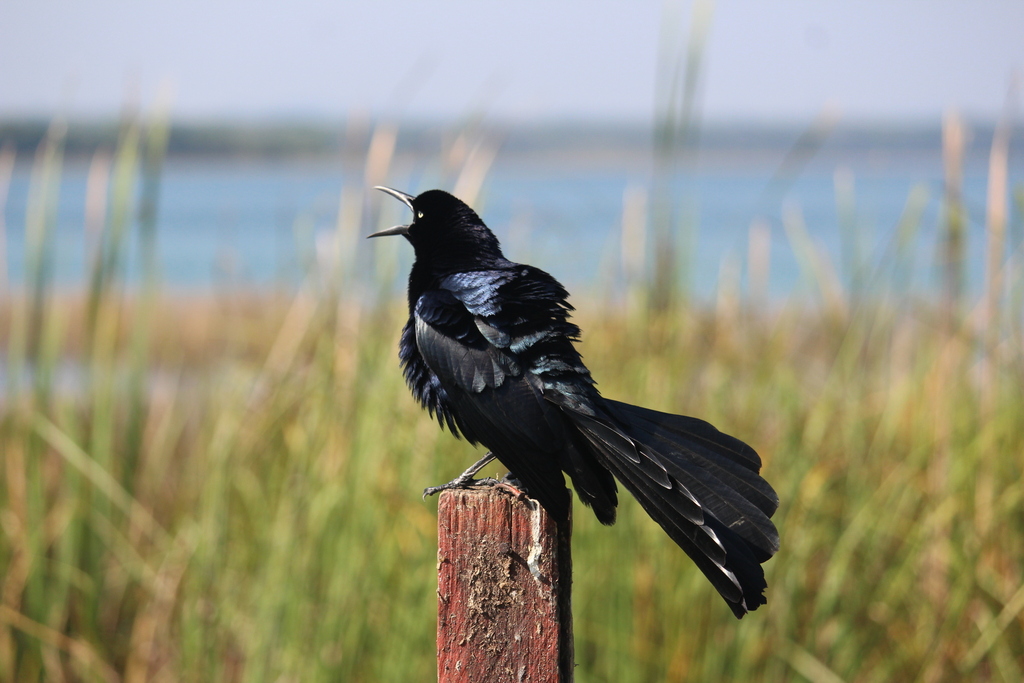
- Great-tailed GrackleQuiscalus mexicanus
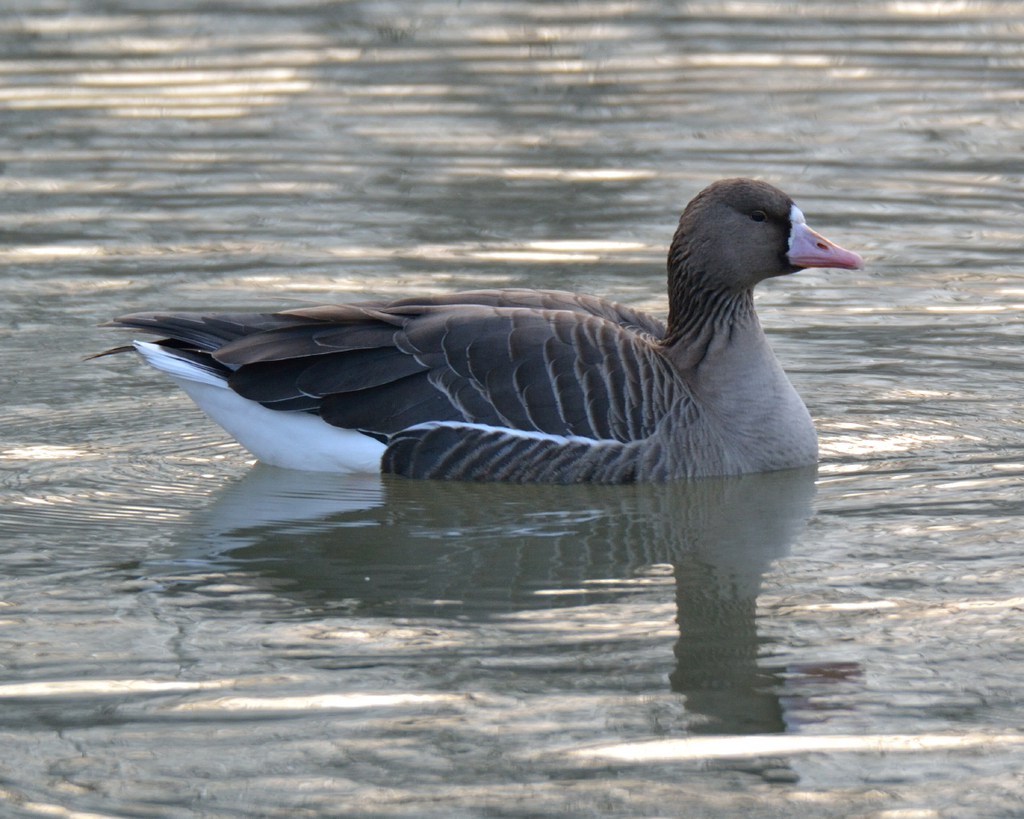
- Greater White-fronted GooseAnser albifrons
- Greater YellowlegsTringa melanoleuca
- Hooded WarblerWilsonia citrina
- Lapland LongspurCalcarius lapponicus
- Least BitternIxobrychus exilis
- Lesser ScaupAythya affinis
- Lesser YellowlegsTringa flavipes
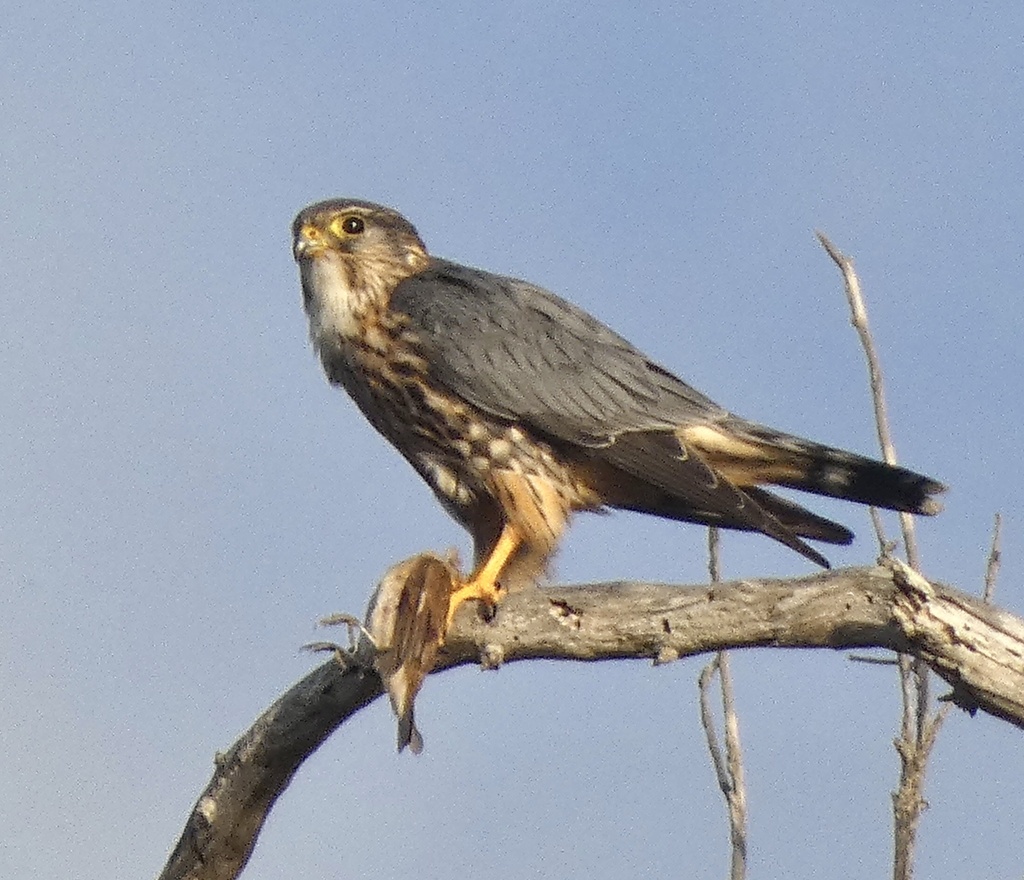
- MerlinFalco columbarius
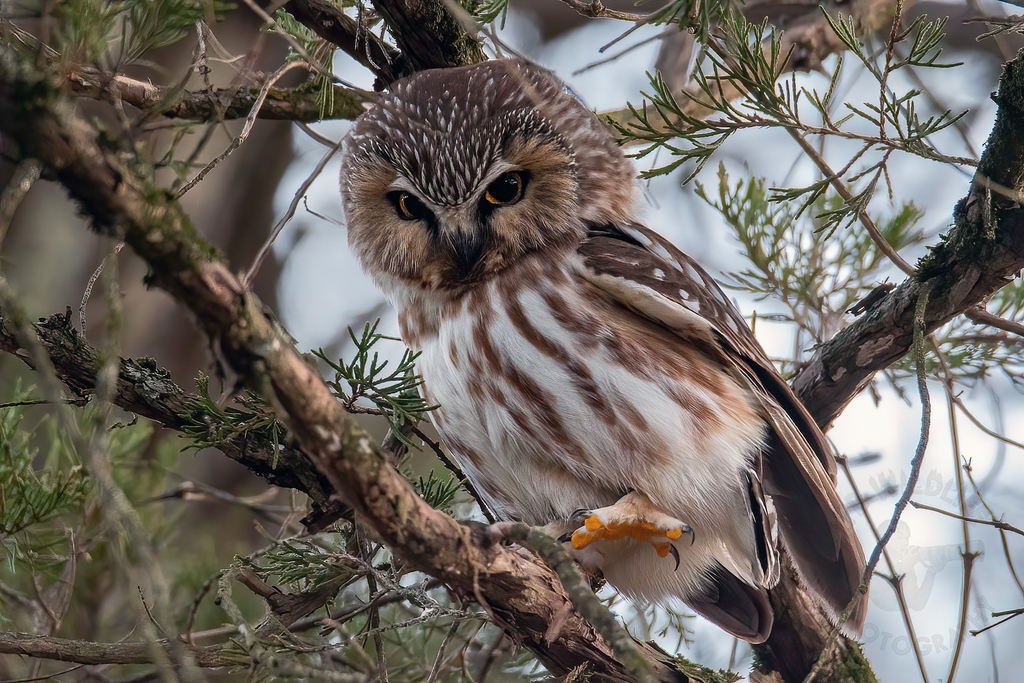
- Northern Saw-whet OwlAegolius acadicus
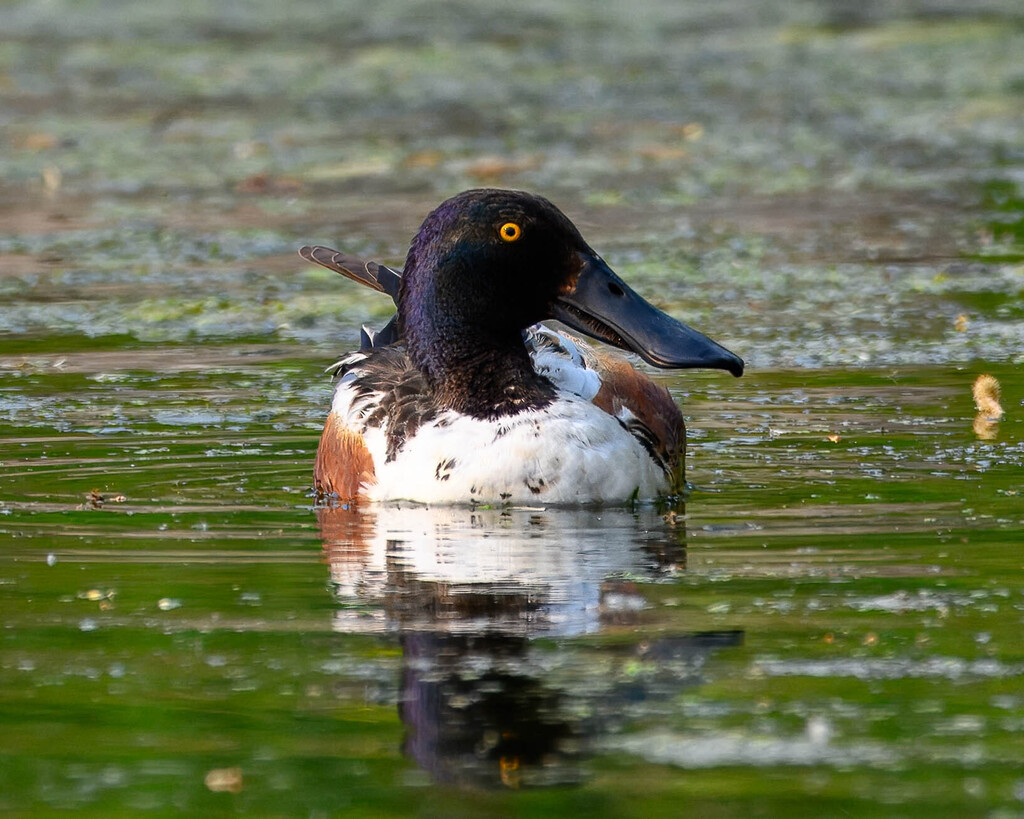
- Northern ShovelerAnas clypeata
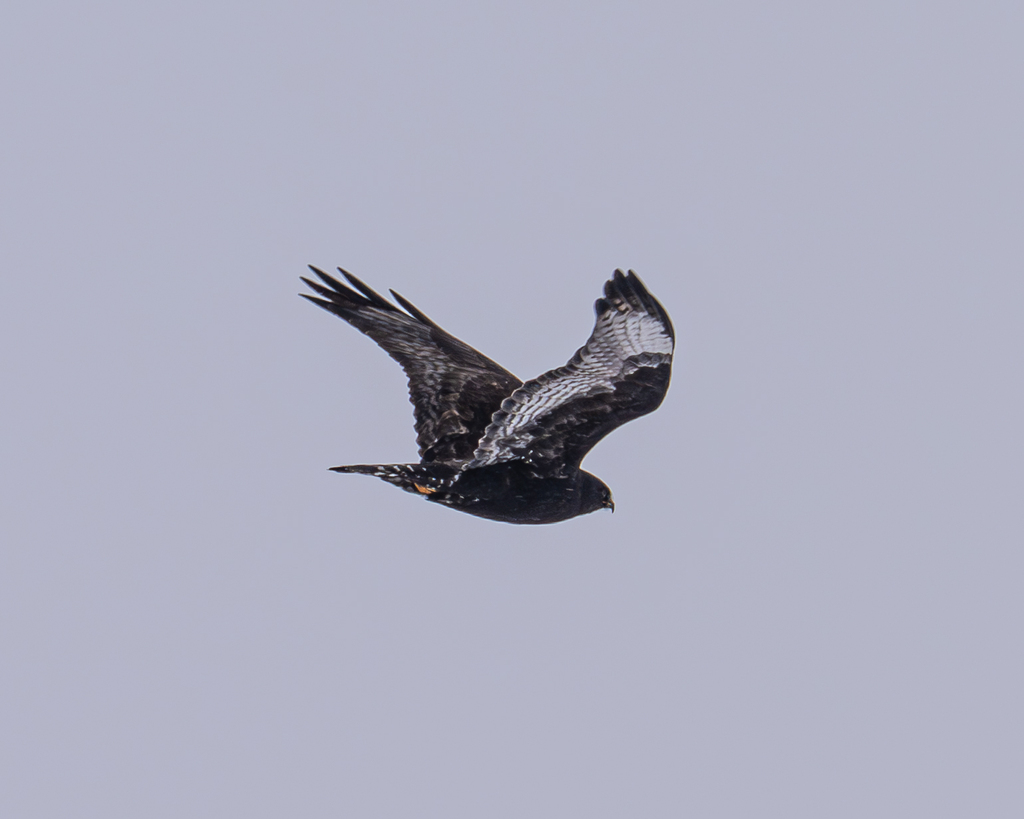
- Rough-legged HawkButeo lagopus
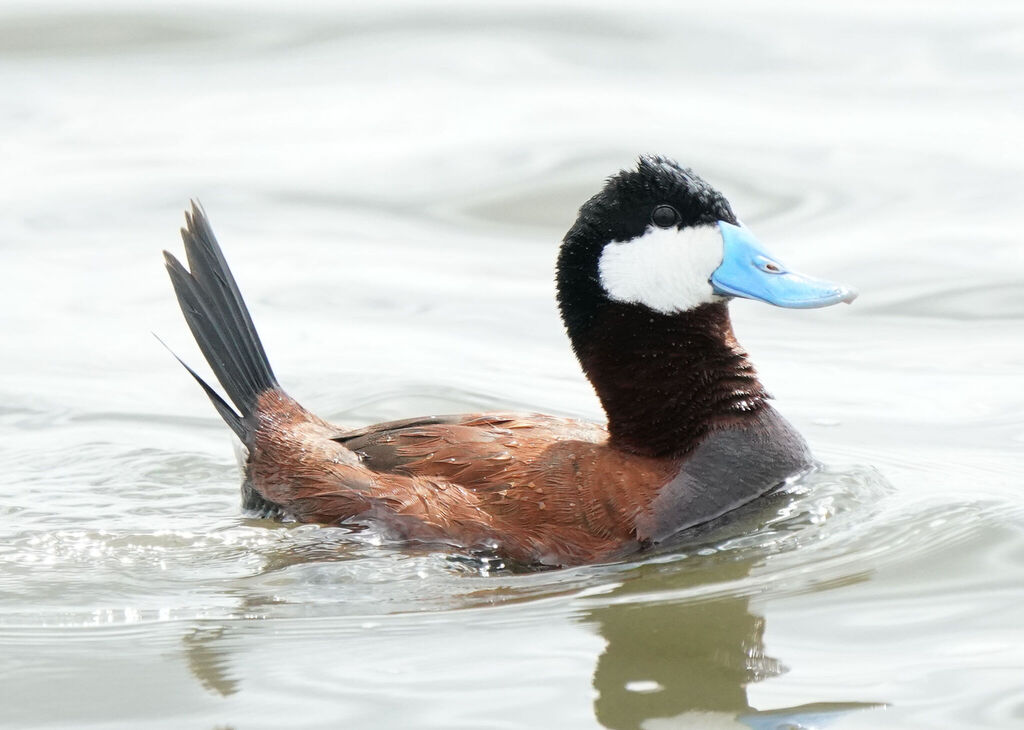
- Ruddy DuckOxyura jamaicensis
- Ruffed GrouseBonasa umbellus

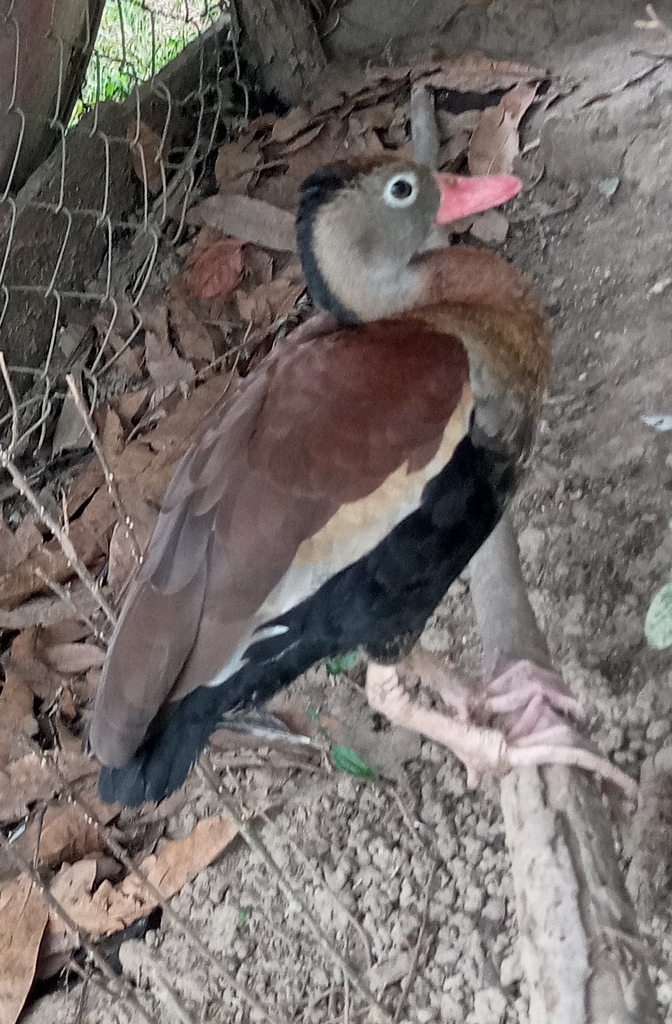
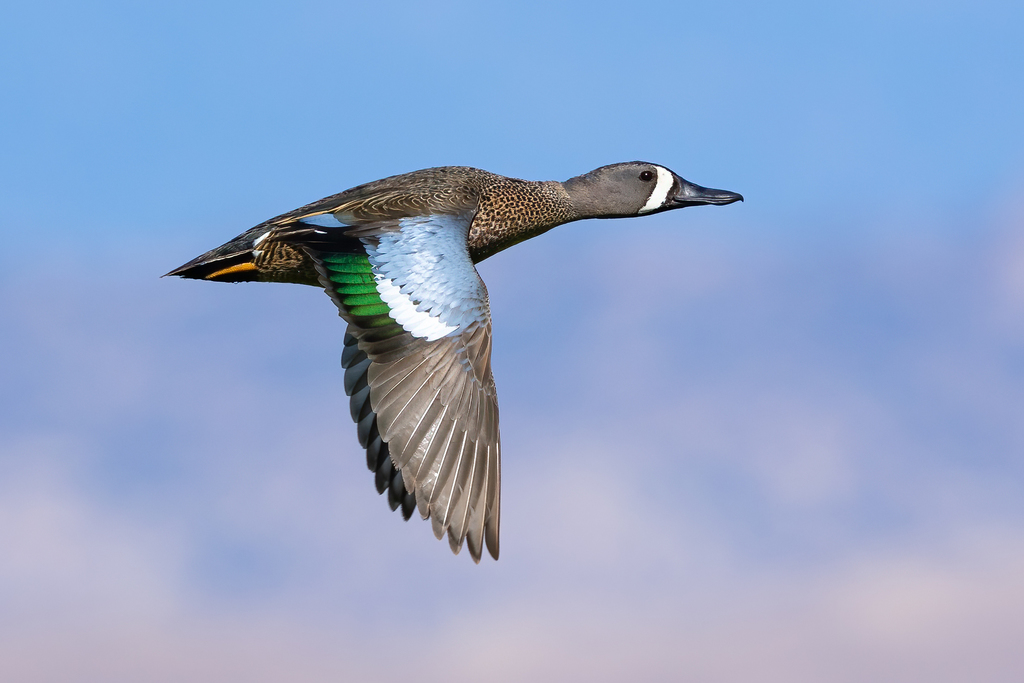
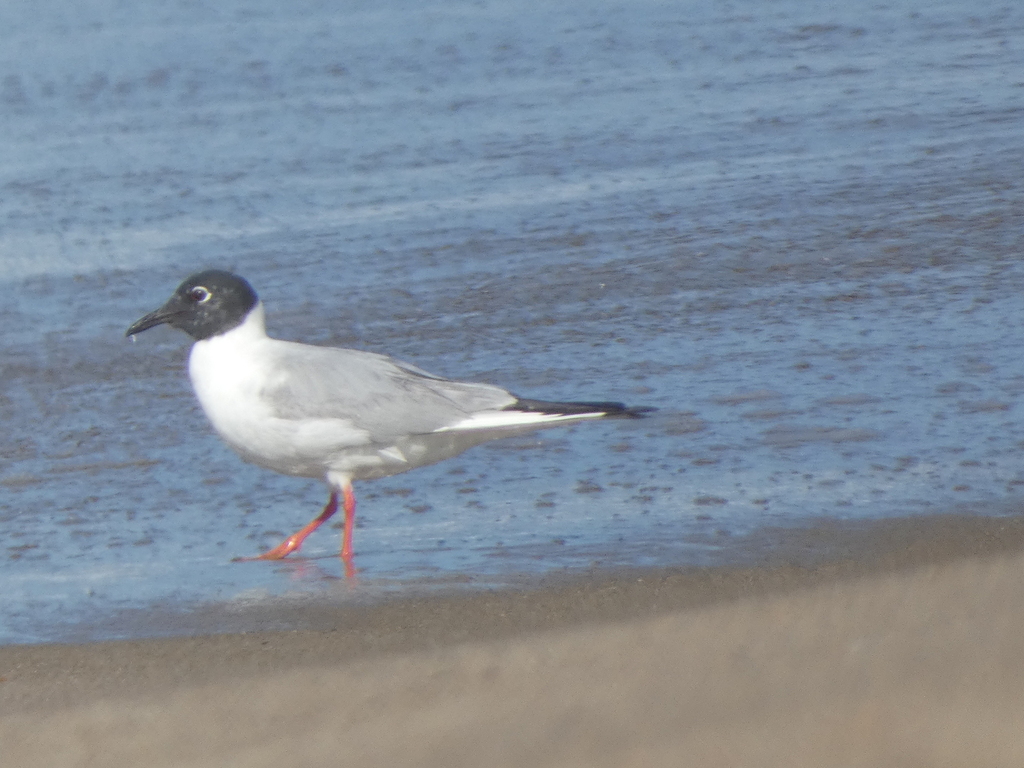




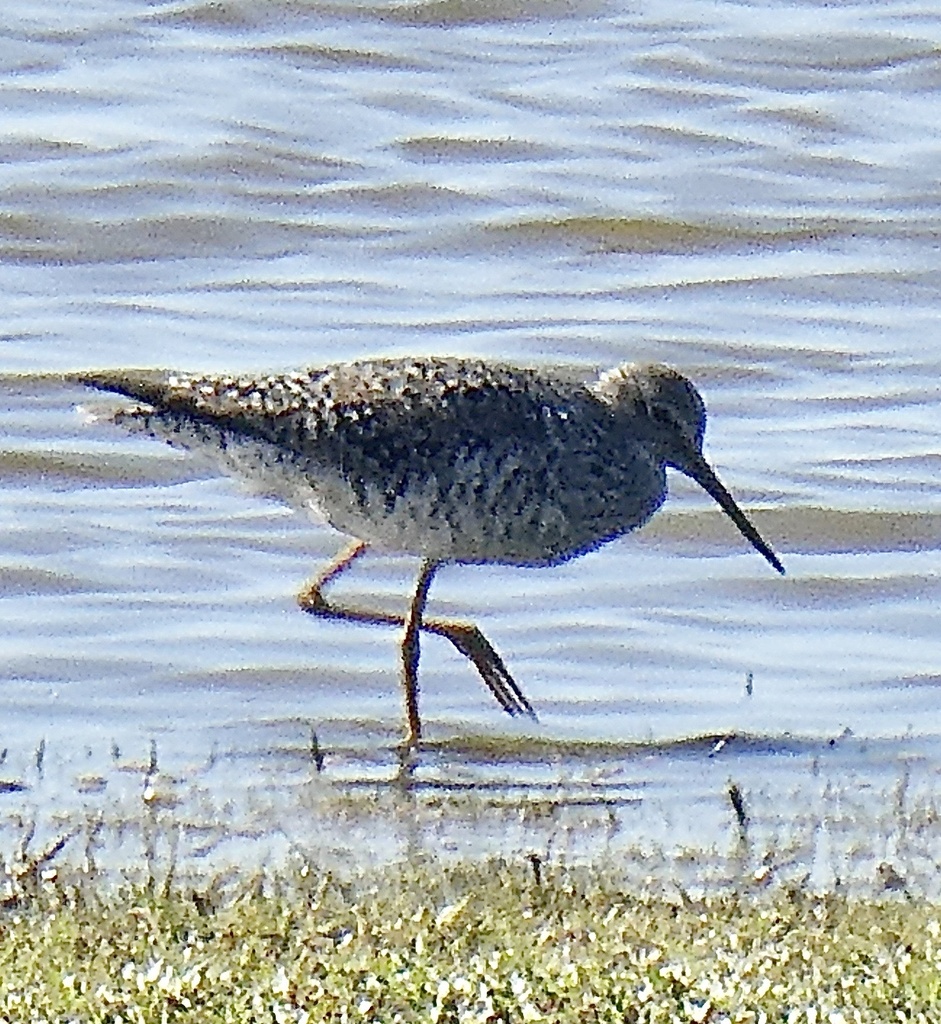

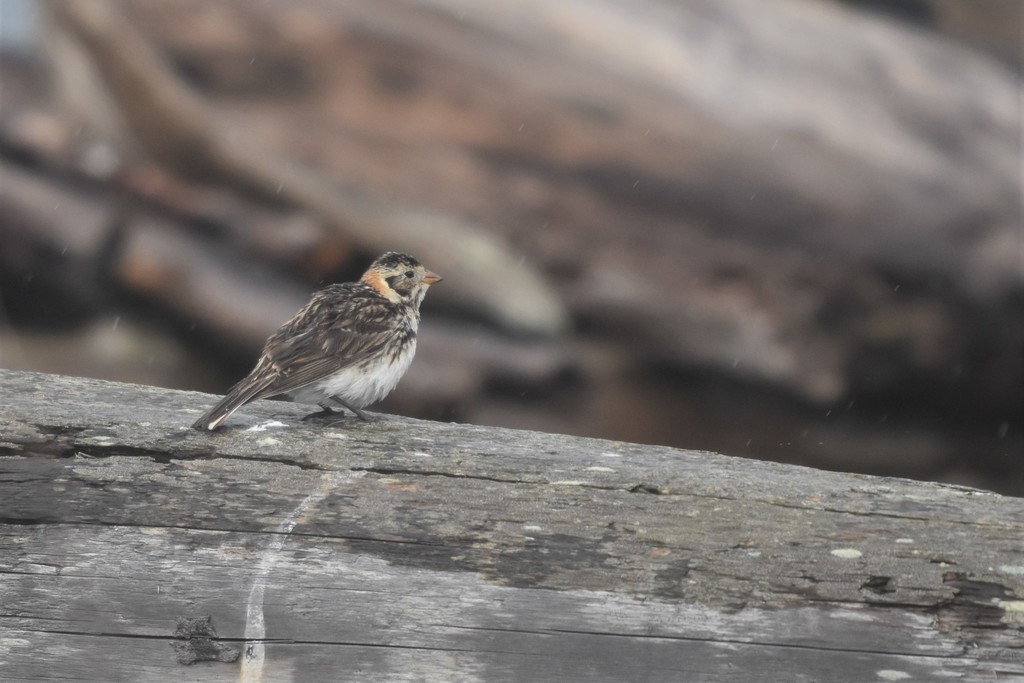

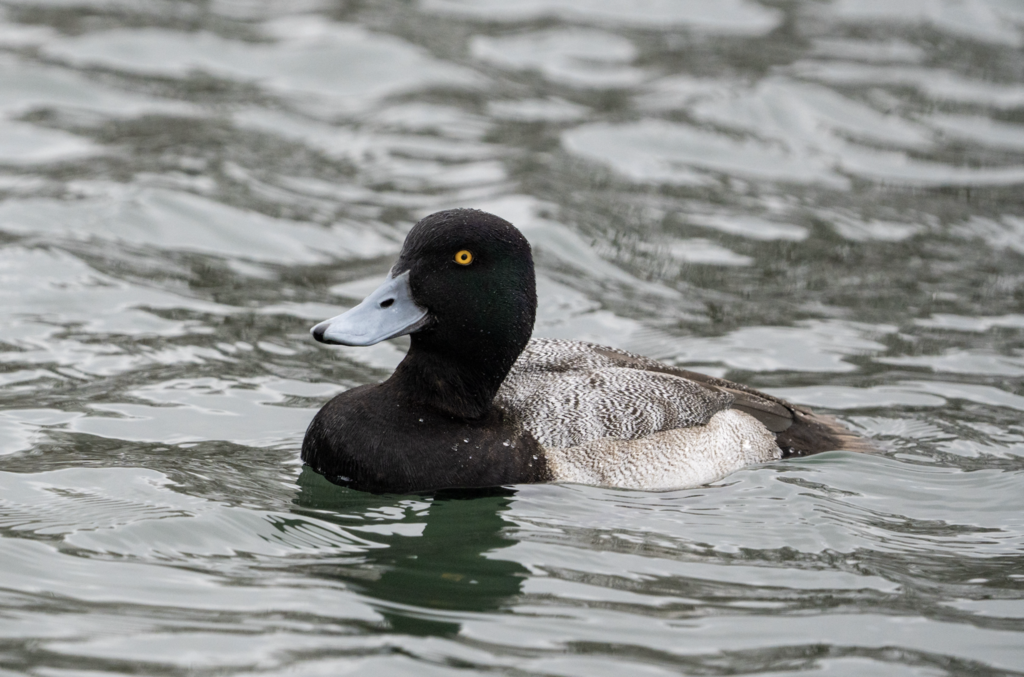
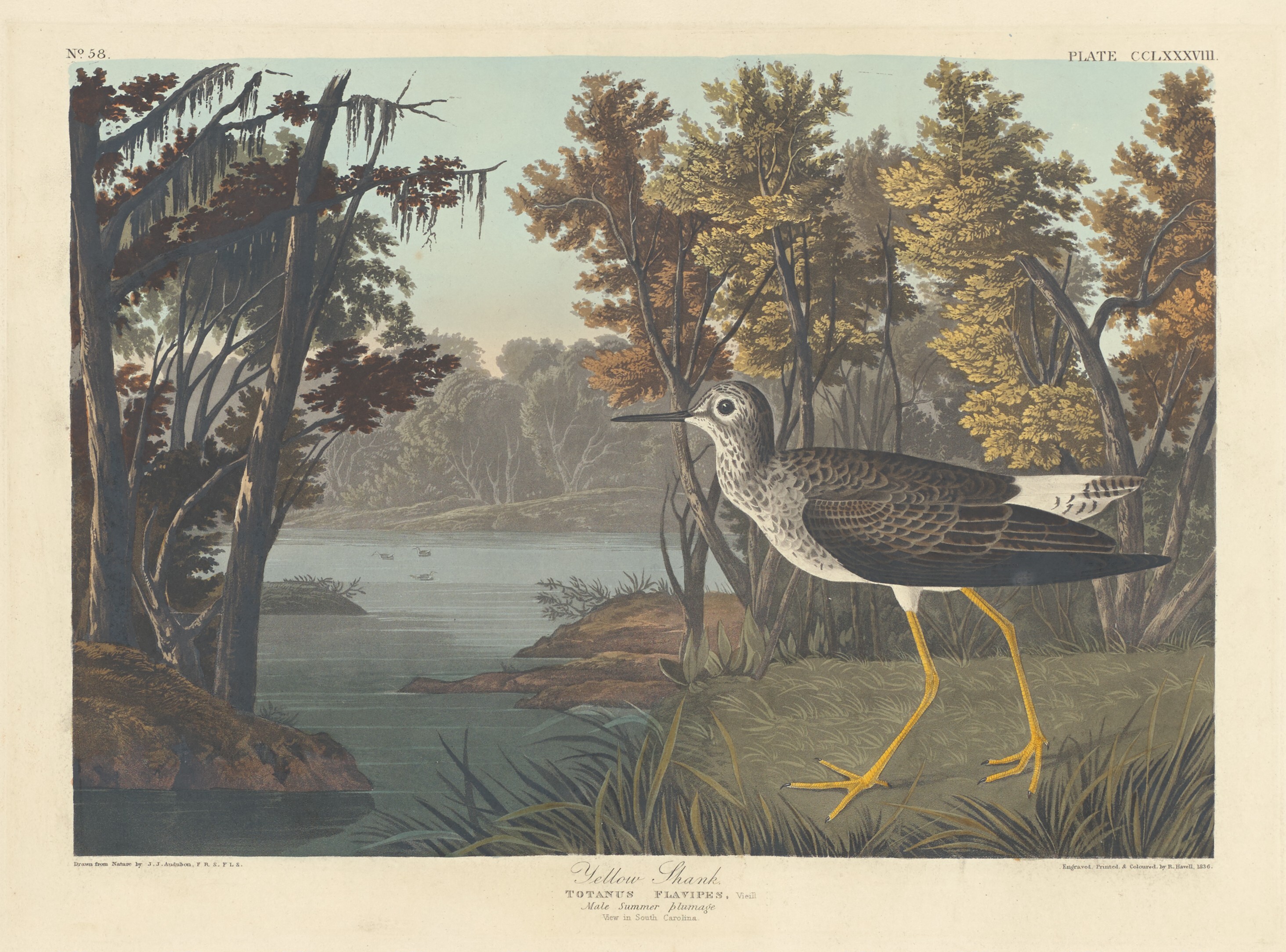

Widespread birds also seen here (57)
Found in many habitats here, so not listed above.
- American Goldfinch
- American Kestrel
- American Robin
- Bald Eagle
- Belted Kingfisher
- Black-crowned Night-heron
- Blue Grosbeak
- Blue Jay
- Blue-gray Gnatcatcher
- Brown Creeper
- Brown Thrasher
- Cedar Waxwing
- Chimney Swift
- Chipping Sparrow
- Cliff Swallow
- Common Nighthawk
- Common Yellowthroat
- Cooper's Hawk
- Double-crested Cormorant
- Downy Woodpecker
- Eastern Bluebird
- Eastern Kingbird
- Eastern Screech-owl
- Eurasian Collared-dove
- European Starling
- Golden-crowned Kinglet
- Great Horned Owl
- Hairy Woodpecker
- Harris's Sparrow
- Hooded Merganser
- Mourning Dove
- Northern Cardinal
- Northern Flicker
- Northern Mockingbird
- Orange-crowned Warbler
- Osprey
- Pileated Woodpecker
- Pine Siskin
- Purple Finch
- Red-bellied Woodpecker
- Red-headed Woodpecker
- Red-tailed Hawk
- Red-winged Blackbird
- Ruby-crowned Kinglet
- Ruby-throated Hummingbird
- Sharp-shinned Hawk
- Spotted Sandpiper
- Tufted Titmouse
- Turkey Vulture
- White-crowned Sparrow
- White-throated Sparrow
- Wild Turkey
- Wood Thrush
- Yellow-bellied Sapsucker
- Yellow-billed Cuckoo
- Yellow-breasted Chat
- Yellow-rumped Warbler
Who uses this plant?
 9CaterpillarsGenus host records with ranges including AR
Genus host records with ranges including AR · Iris
- Amphipoea americanaAmerican Ear Moth, American Borer
- Endothenia hebesanaVerbena Bud Moth
- Moodna ostrinellaDarker Moodna
- Orgyia leucostigmaWhite-Marked Tussock Moth
- Papaipema cataphractaBurdock Border, Potato-Stalk Borer
- Papaipema nebrisStalk Borer
- Tetracis cachexiataWhite Slant-Line
- Thyridopteryx ephemeraeformisEvergreen Bagworm Moth
- Xanthopastis regnatrixConvict Caterpillar, Spanish Quaker, Spanish Moth
 15BeesSoutheastern regional records
Southeastern regional records · Iris
Individual names are not available yet.
Noori, Seltmann & Orr 2026, A curated and integrated dataset for exploring global bee-plant interactions (GloBI), Zenodo, CC BY 4.0 0Specialist beesPollen specialists
 1BirdsRecorded eating Iris in Arkansas
Diet records by plant genus, from studies across North America. Not a record from this state. Birds whose range includes Arkansas, most records first.
- Wild Turkey4 diet records
Direct food only. Caterpillars on host plants also feed nesting birds. NC Native Plant Society: butterfly gardening
No records yet · Ants · Beetles · Flies · Adult butterflies / moths · Other wasps · Other insects
Birds that eat Iris 1
Diet records by plant genus, from studies across North America. Not a record from this state. Avian Diet Database (Hurlbert Lab), CC0 1.0.
- Wild TurkeyMeleagris gallopavo

Plant details
- Family
- Iridaceae
- Hardiness
- Zones 5–9
- Flower color
- Red
- Growth rate
- Moderate
- Growth habit
- Spreads by rhizomes
- Foliage color
- Green
- Fruit begins
- Spring
- Fruit ends
- Summer
What its natural habitat tells you
Safety has not been reviewed for this plant; check toxicity and thorns before planting.
Growing sources and scope
- Bloom · “Mid spring” · USDA PLANTS · Nationwide species characteristics; local growing conditions may vary
- Flower color · “Red” · USDA PLANTS · Nationwide species characteristics; local growing conditions may vary
- Foliage color · “Green” · USDA PLANTS · Nationwide species characteristics; local growing conditions may vary
- Fruit begins · “Spring” · USDA PLANTS · Nationwide species characteristics; local growing conditions may vary
- Fruit ends · “Summer” · USDA PLANTS · Nationwide species characteristics; local growing conditions may vary
- Growth habit · “Spreads by rhizomes” · USDA PLANTS · Nationwide species characteristics; local growing conditions may vary
- Growth rate · “Moderate” · USDA PLANTS · Nationwide species characteristics; local growing conditions may vary
- Hardiness · “Zones 5–9” · Missouri Botanical Garden Plant Finder
- Height · “3–5 feet” · Tennessee Smart Yards (ranked first; USDA PLANTS, Missouri Botanical Garden Plant Finder differ) · Published Tennessee growing guidance; exact cached scientific heading
- Light · “Full to part sun” · Tennessee Smart Yards (ranked first; Missouri Botanical Garden Plant Finder differs) · Published Tennessee growing guidance; exact cached scientific heading
- primary_flower_color · “red” · USDA PLANTS
- Soil · “wet to medium” · Tennessee Smart Yards (ranked first; Missouri Botanical Garden Plant Finder differs) · Published Tennessee growing guidance; exact cached scientific heading
- Spread · “1–2 feet” · Missouri Botanical Garden Plant Finder
Conservation status
| Arkansas rank | SNR |
|---|---|
| Global rank | G5 |
| AR status | Not verified |
| Federal status | Not verified |
Will it fit your yard?
Check this plant against your county, sun and soil moisture. Conditions are checked in your browser.
Growing cautions
- Spreads by rhizomes. Spreads by rhizomes at a moderate rate. Tennessee Smart Yards
For planning only; these do not change the score or Fit.
Sources
- Atlas of the Vascular Plants of Arkansas (2013)
- USDA PLANTS
- Weakley, Flora of the Southeastern United States (2025)
- Arkansas occurrence source
- Shropshire & Tallamy 2025, Lepidoptera of North America north of Mexico, ZooKeys 1261 (ODbL)
- Noori, Seltmann & Orr 2026, A curated and integrated dataset for exploring global bee-plant interactions (GloBI), Zenodo, CC BY 4.0
- Smith, Bachelder, Russell, Morales, Mosher & Seltmann 2024, Bee-Specialization-Modeling v0.6.1 (specialist host table compiled from J. Fowler's pollen specialist bee lists), Zenodo, CC BY 4.0
- Hurlbert, Olsen, Sawyer & Winner 2021, Avian Diet Database, Scientific Data 8: 260 (CC0)
- Narango, Tallamy & Shropshire 2020, Few keystone plant genera support the majority of Lepidoptera species, Nature Communications