

Habitat in Arkansas
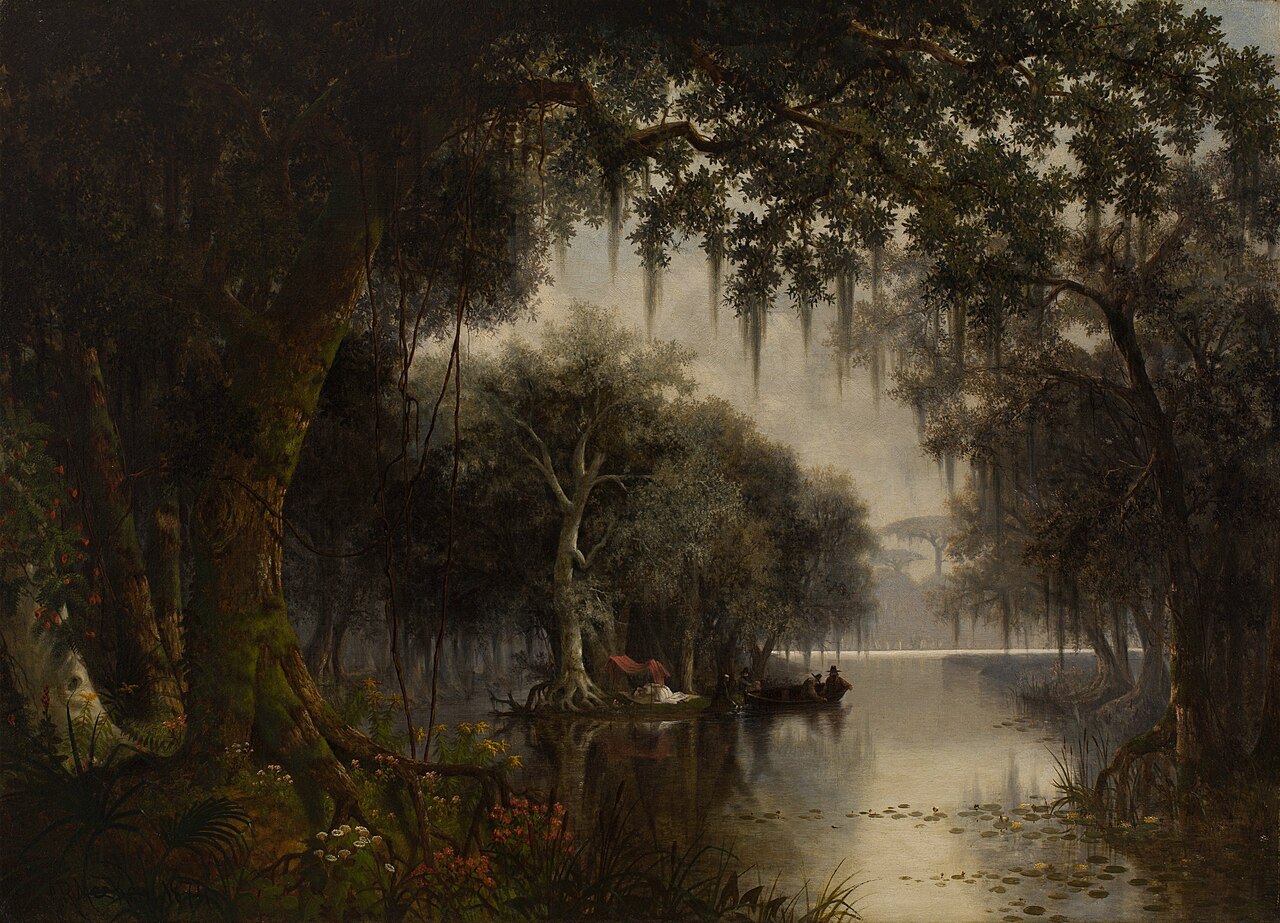
Swamps
Forested wetlands with standing water much of the year, such as cypress and gum swamps. Schafale
- Plants
- 223
- Birds
- 134
Plants
Plants that grow wild in this habitat in Arkansas. Not a planting list.
Most characteristic plants of this habitat 223
Natives first, plants found in fewer other habitats first.
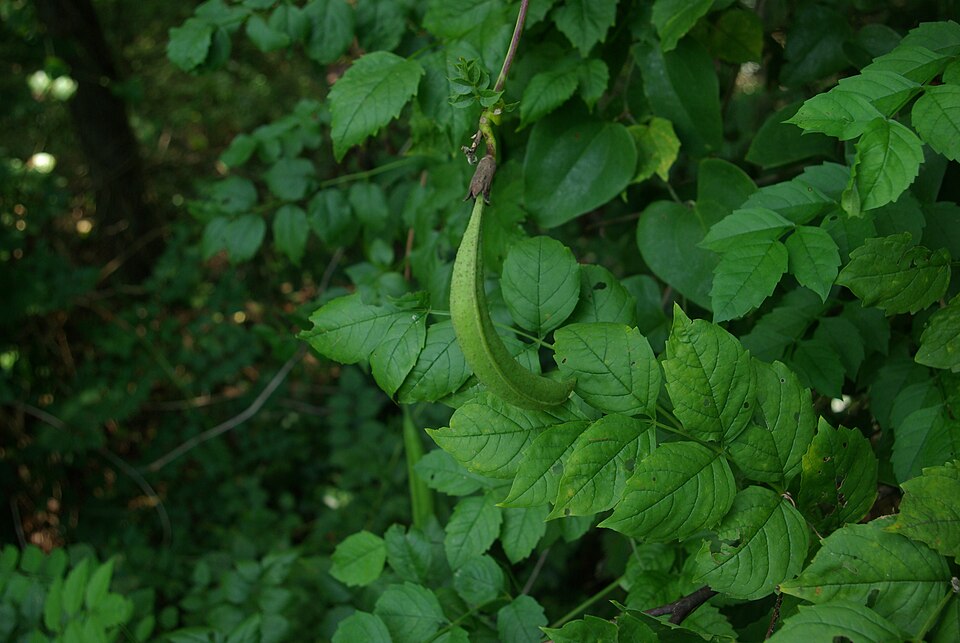
- Trumpet-creeperCampsis radicans
- Longspike FluffgrassTridens strictus
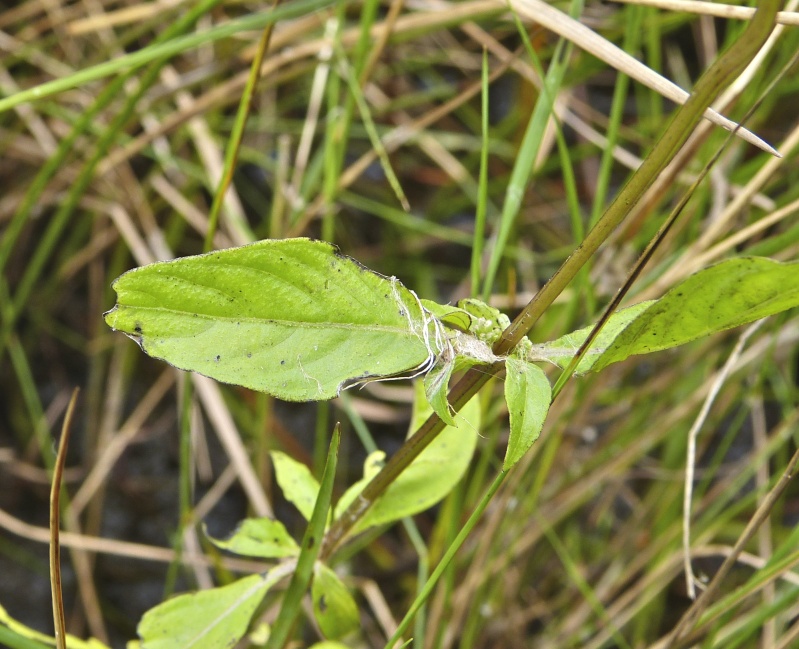
- Southern Marsh YellowcressRorippa teres
- Kentucky CoffeetreeGymnocladus dioicus
- Fowl Manna GrassGlyceria striata var. striata
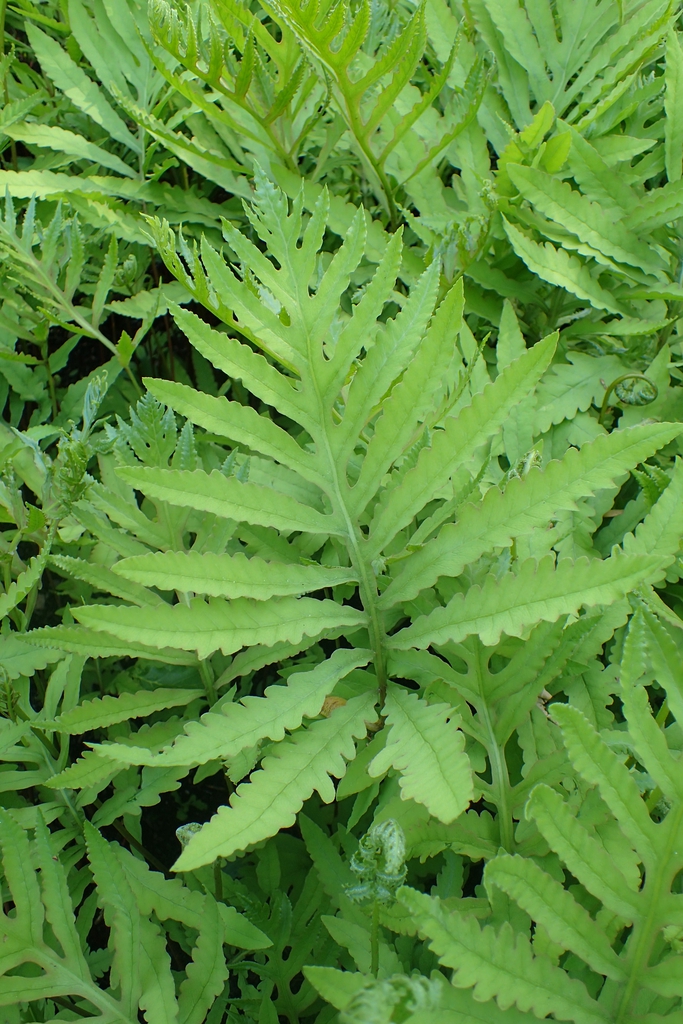
- Sensitive FernOnoclea sensibilis
- Lax HornpodMitreola petiolata
- Carolina Tassel-rueTrautvetteria caroliniensis
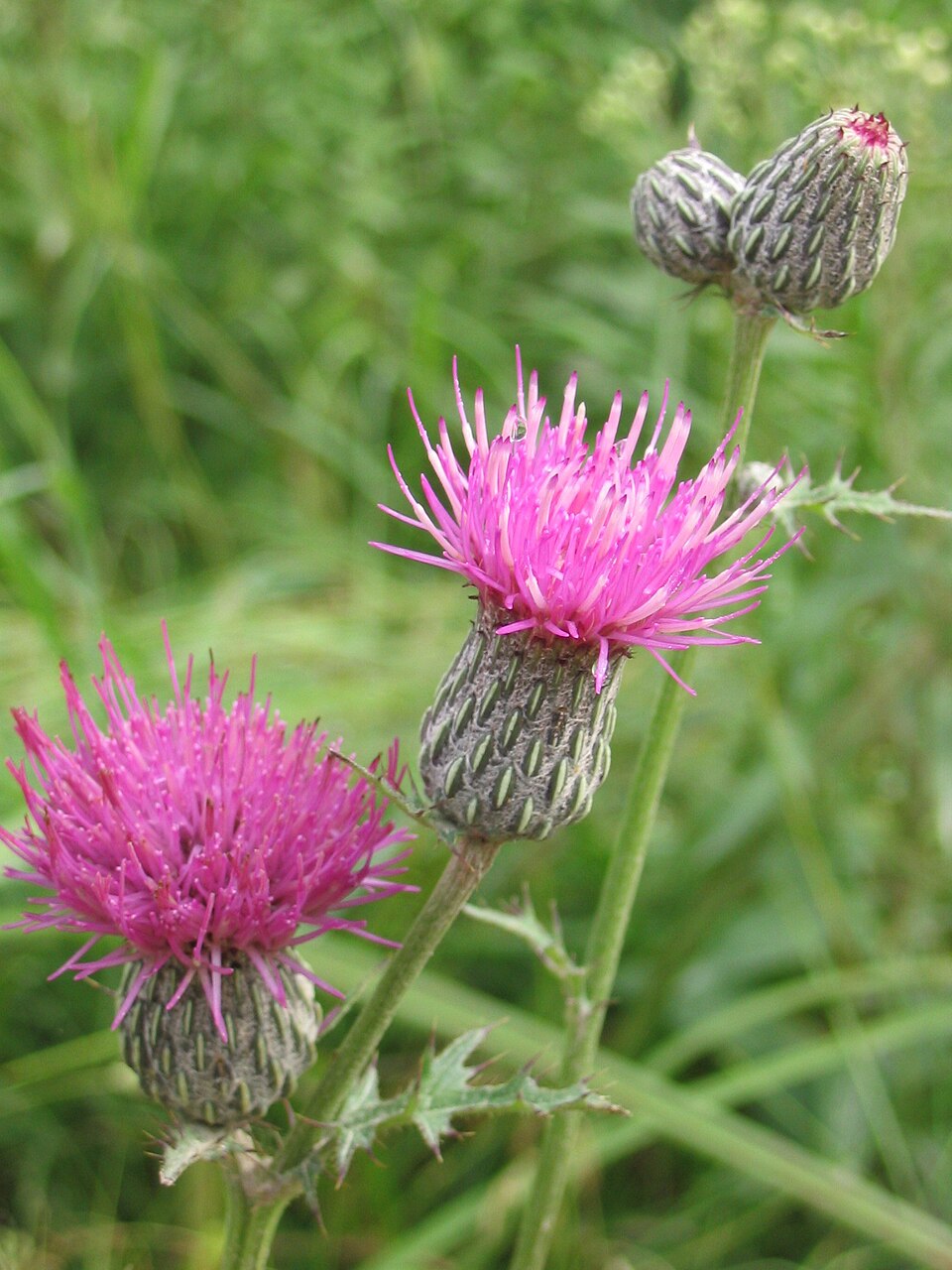
- Swamp ThistleCirsium muticum
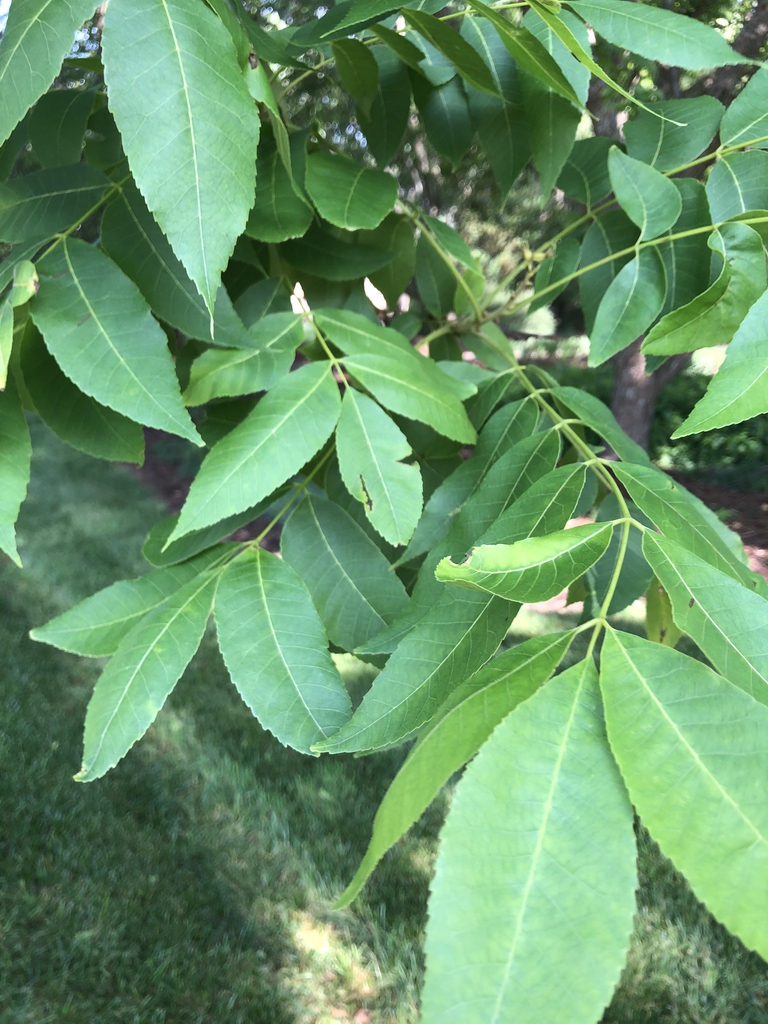
- PecanCarya illinoinensis
- Canadian RushJuncus canadensis
- Compact DodderCuscuta compacta
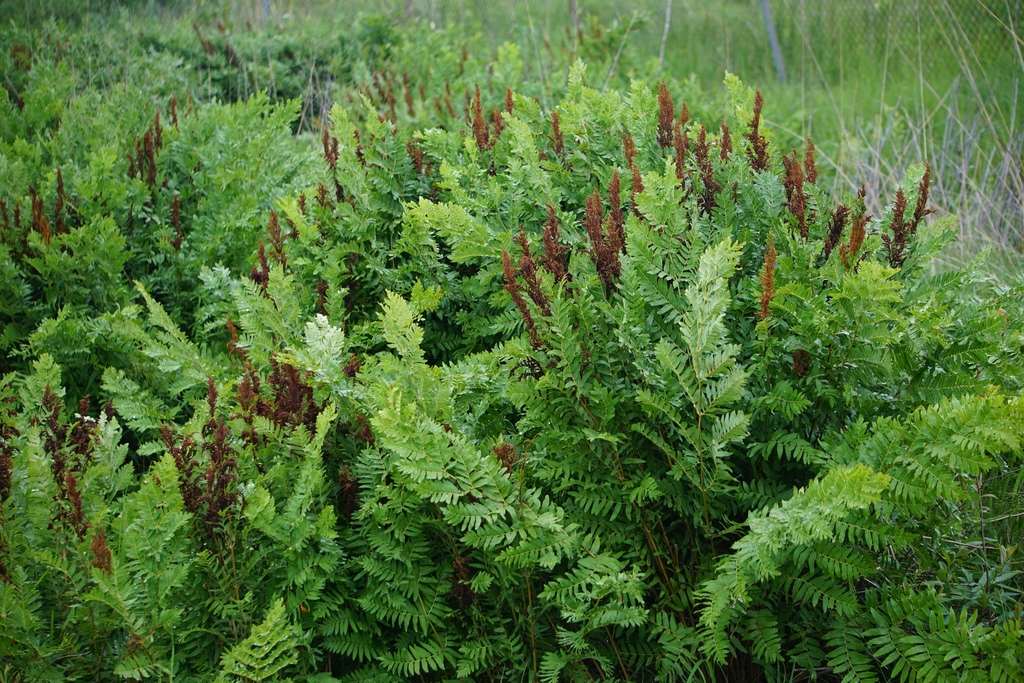
- Royal FernOsmunda spectabilis
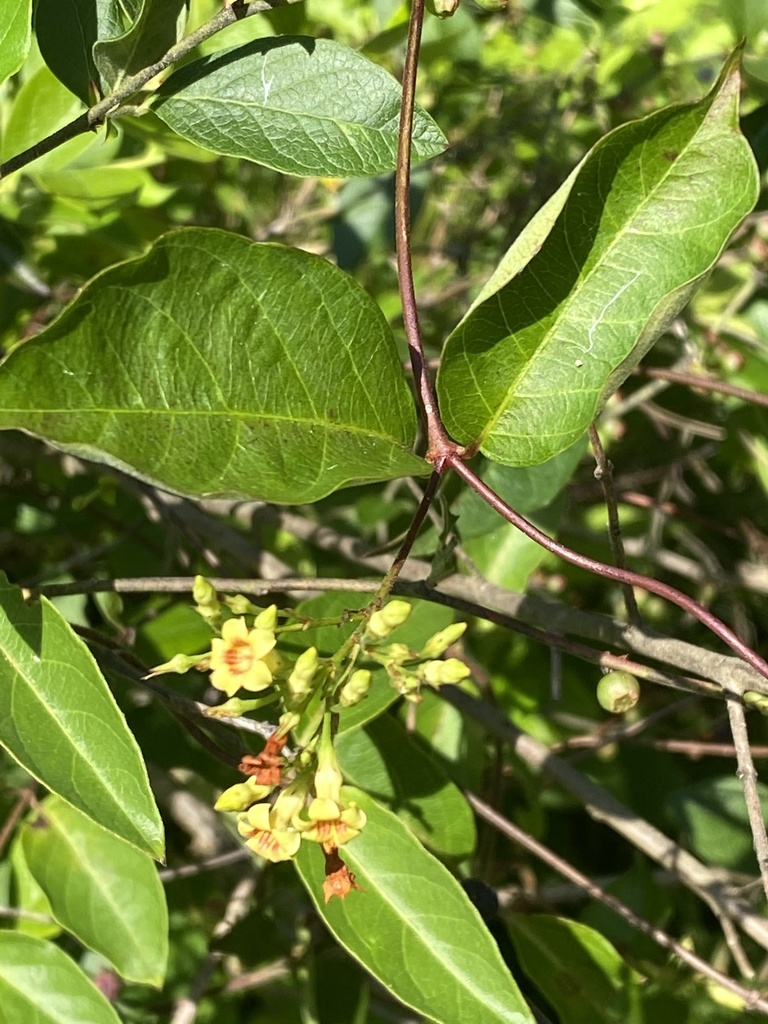
- Climbing DogbaneTrachelospermum difforme
- Seaside BrookweedSamolus parviflorus
- Savanna PanicgrassPhanopyrum gymnocarpon
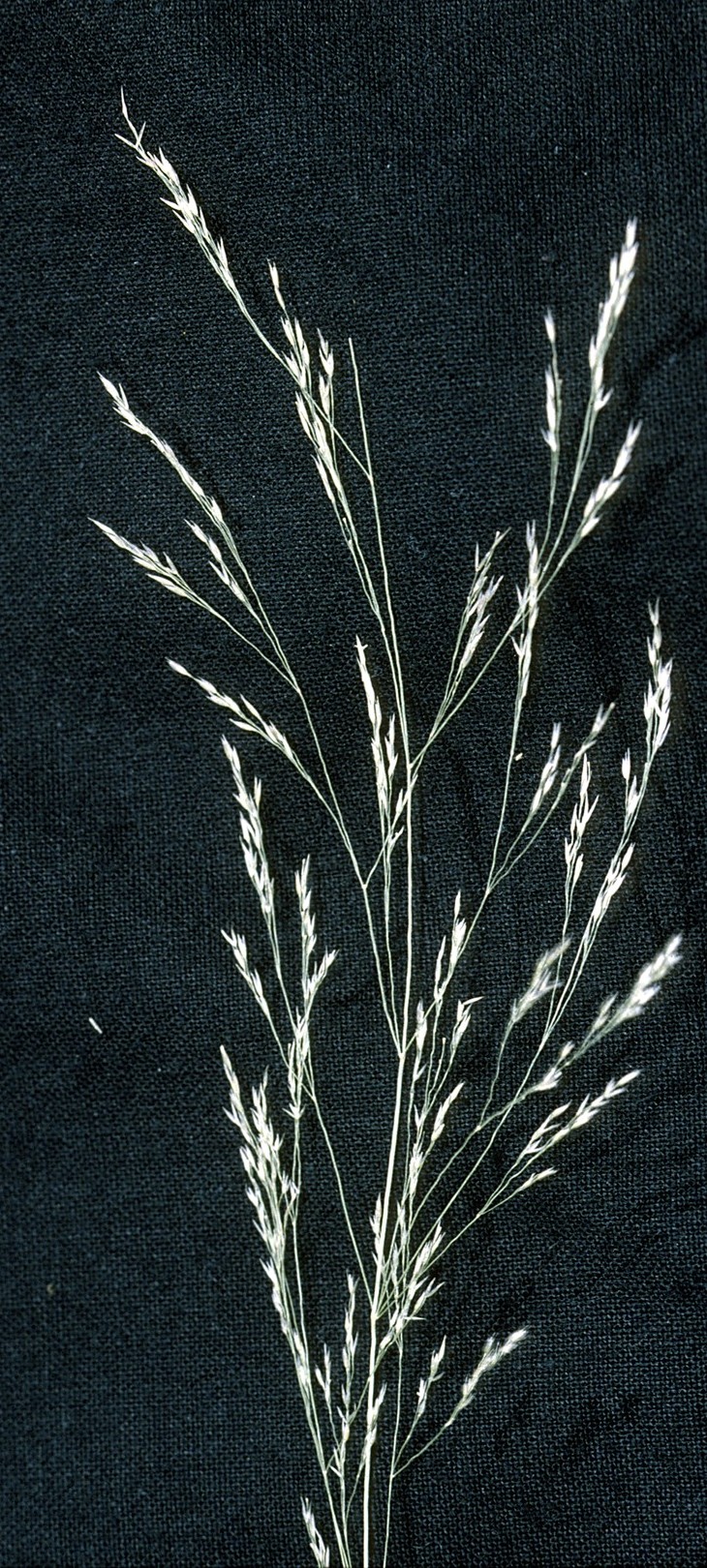
- Upland BentgrassAgrostis perennans
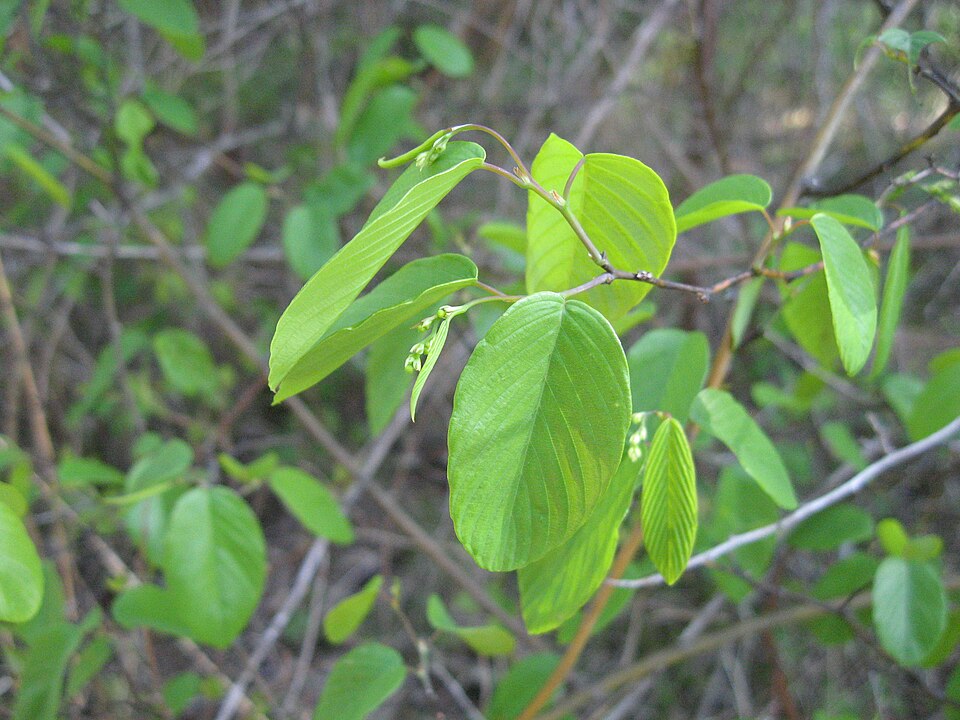
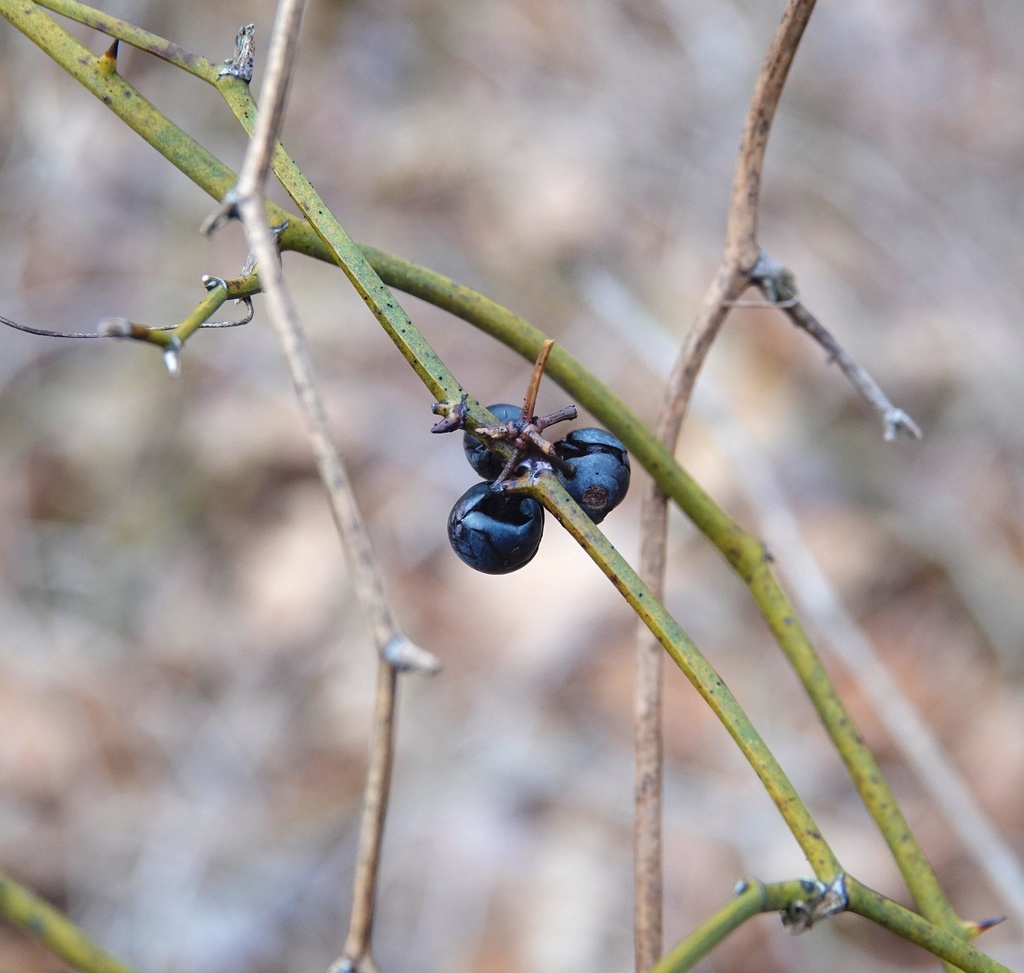
- SupplejackBerchemia scandens
- Common GreenbrierSmilax rotundifolia
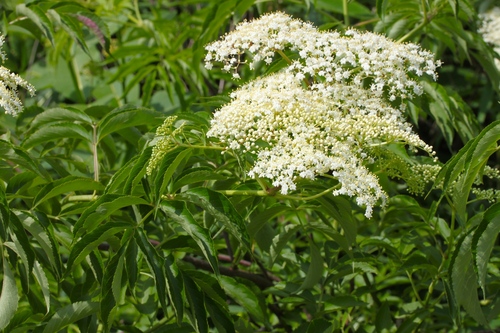
- Common ElderberrySambucus nigra subsp. canadensis
- Lake CressRorippa aquatica
- Hairy SeedboxLudwigia pilosa
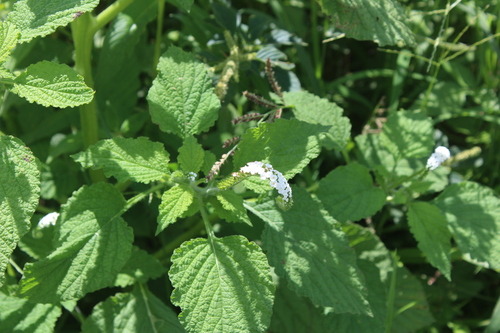
- Indian HeliotropeHeliotropium indicum
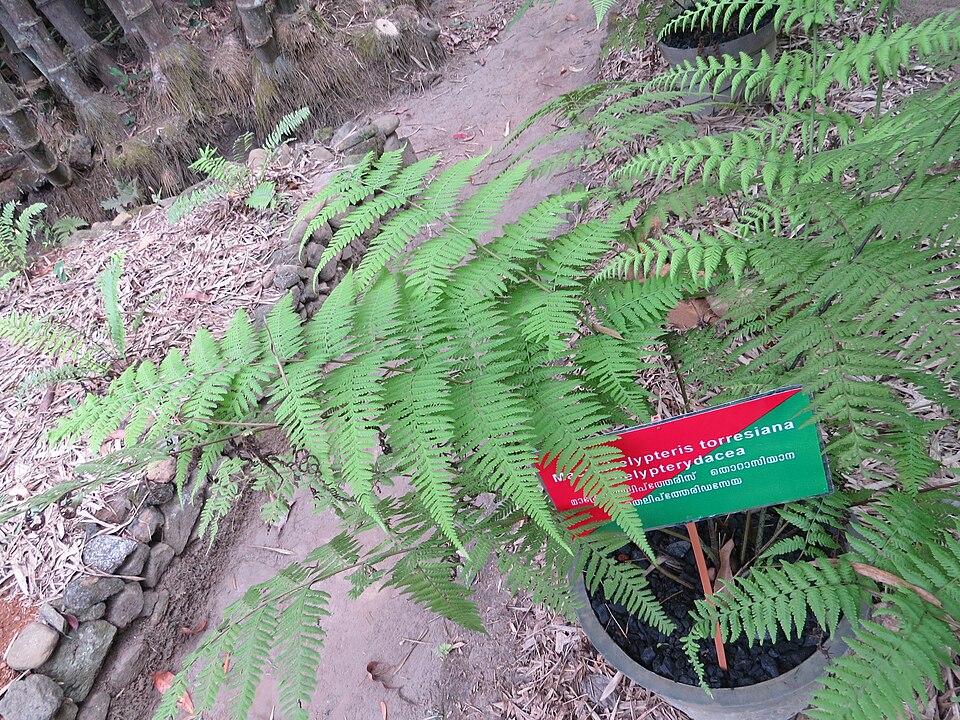
- False Maiden-fernMacrothelypteris torresiana
- Stalked PanicgrassPanicum rigidulum subsp. elongatum
- Dotted DuckmeatSpirodela punctata
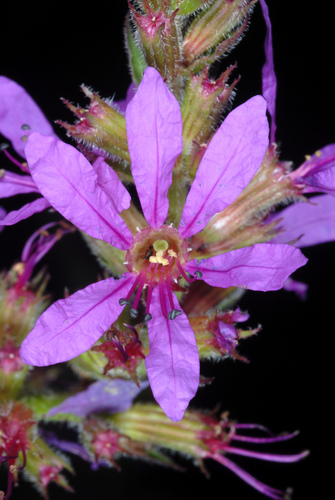
- Purple LoosestrifeLythrum salicaria
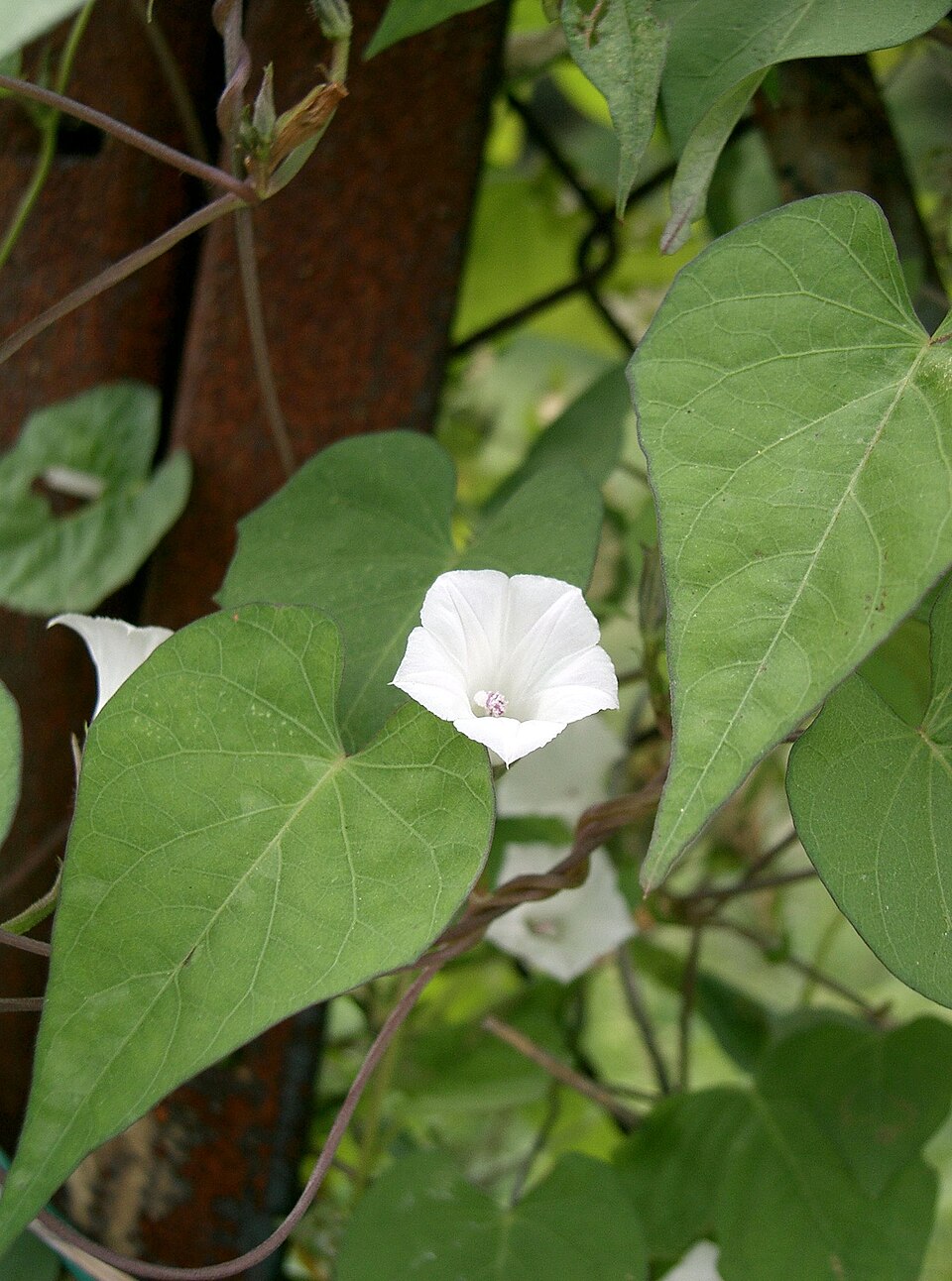
- White Morning-gloryIpomoea lacunosa
- Yellow IrisIris pseudacorus
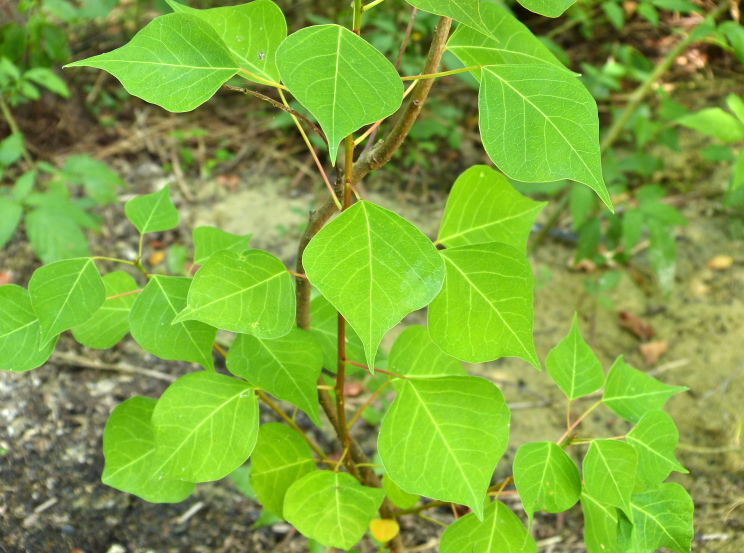
- Chinese Tallow-treeTriadica sebifera
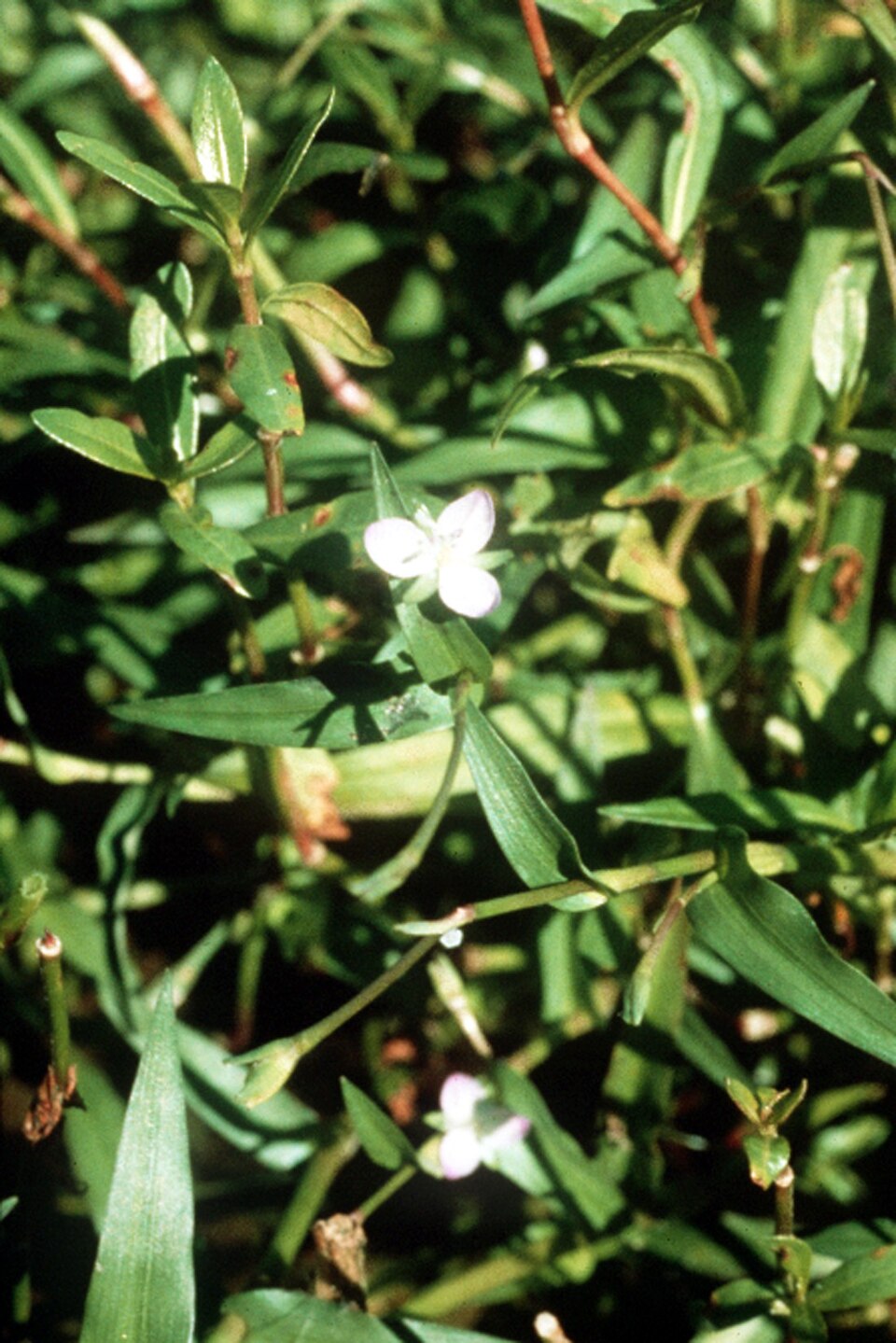
- Marsh DewflowerMurdannia keisak

Wildlife
Animals whose habitat model includes this habitat in Arkansas. Shared habitat, not food.
Most characteristic birds of this habitat 0
Widespread birds also seen here (71)
Found in many habitats here, so not listed above.
- Alder Flycatcher
- American Goldfinch
- American Kestrel
- American Redstart
- American Robin
- Bald Eagle
- Baltimore Oriole
- Belted Kingfisher
- Black-and-White Warbler
- Black-crowned Night-heron
- Blue Grosbeak
- Blue Jay
- Blue-gray Gnatcatcher
- Brown Creeper
- Canada Goose
- Carolina Chickadee
- Cedar Waxwing
- Chimney Swift
- Cliff Swallow
- Common Nighthawk
- Common Yellowthroat
- Cooper's Hawk
- Double-crested Cormorant
- Downy Woodpecker
- Eastern Kingbird
- Eastern Screech-owl
- Eastern Wood-pewee
- Eurasian Collared-dove
- European Starling
- Fox Sparrow
- Golden-crowned Kinglet
- Gray Catbird
- Great Horned Owl
- Hairy Woodpecker
- Hermit Thrush
- Hooded Merganser
- Indigo Bunting
- Lincoln's Sparrow
- Mallard
- Mississippi Kite
- Mourning Dove
- Northern Cardinal
- Northern Flicker
- Northern Mockingbird
- Orchard Oriole
- Osprey
- Pileated Woodpecker
- Pine Siskin
- Purple Finch
- Red-bellied Woodpecker
- Red-headed Woodpecker
- Red-tailed Hawk
- Red-winged Blackbird
- Ruby-crowned Kinglet
- Ruby-throated Hummingbird
- Rusty Blackbird
- Sharp-shinned Hawk
- Song Sparrow
- Spotted Sandpiper
- Tree Swallow
- Tufted Titmouse
- Turkey Vulture
- White-breasted Nuthatch
- White-throated Sparrow
- Wild Turkey
- Wood Thrush
- Yellow-bellied Sapsucker
- Yellow-billed Cuckoo
- Yellow-breasted Chat
- Yellow-crowned Night-heron
- Yellow-rumped Warbler
Sources
- Schafale, Guide to the Natural Communities of North Carolina, Fourth Approximation (NC Natural Heritage Program, 2012) habitat description
- Weakley, Flora of the Southeastern United States (2025), Carolinas & Georgia edition, habitat text phone app
- NC Parks species accounts
- USDA Forest Service Fire Effects Information System (reviewed notes)
- USGS Gap Analysis Project habitat models (2001)
- USGS Gap Analysis Project range maps (2001)
- NatureServe Explorer ecological systems (CC BY 4.0)
- The Land of Evangeline, Joseph Rusling Meeker habitat picture
Habitat classes are filed under these habitat types by reviewed matches; descriptions are short glosses.