

Yellow Iris
Iris pseudacorus
In the Carolinas and Georgia, found in swamps, marshes, streams, ponds, streambanks, tidal wetlands, cultivated as a water plant. Weakley, Flora of the Southeastern United States (2025), Carolinas & Georgia edition What its natural habitat tells you
Not native to Arkansas. How scores work Is it native here?
Profile 65%
- Height
- Single or multiple flowering stems are 20 to 39 inches tall, usually shorter than or equaling leaves [21].
- Light
- Full sun
- Soil moisture
- Moist to standing water
No photograph yet. Looking for an old drawing…
Do not plant. Listed invasive in Arkansas.
At a glance
- Life cycle
- Perennial
- Bloom
- March to July
- Fruiting season
- Late June to October
Not yet recorded · Spread · Leaves
Recorded in 4 Arkansas counties.
Natural habitats
Places it grows wild. Not a planting requirement. Each habitat page lists the plants and wildlife also found there.
Forested wetlands with standing water much of the year, such as cypress and gum swamps.
Open, herb-covered wetlands with fresh, non-tidal water.
Streams, rivers and their banks
Flowing water and its banks, bars and rocky shoals.
Still water and its edges: ponds, lakes, millponds and reservoirs.
Also found with this plant
Wildlife whose habitat models include habitats this plant grows in, in Arkansas. Shared habitat, not food. 119 animals.
- Acadian FlycatcherEmpidonax virescens
- Alder FlycatcherEmpidonax alnorum
- American Black DuckAnas rubripes
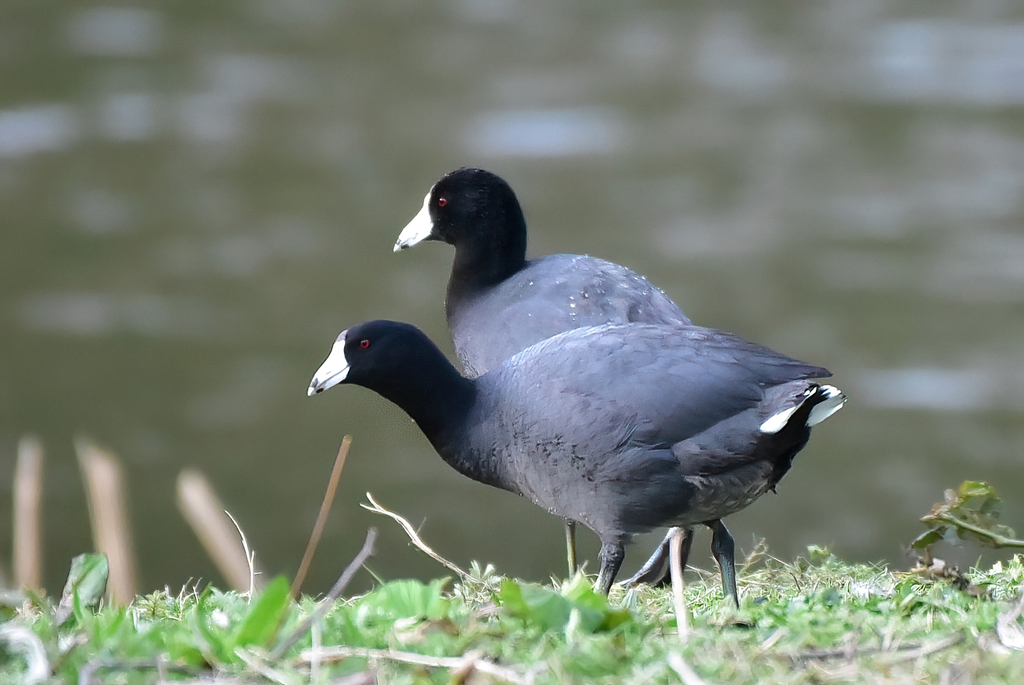
- American CootFulica americana
- American CrowCorvus brachyrhynchos
- American GoldfinchCarduelis tristis
- American KestrelFalco sparverius
- American RedstartSetophaga ruticilla
- American RobinTurdus migratorius
- American WoodcockScolopax minor
- Baltimore OrioleIcterus galbula
- Bank SwallowRiparia riparia
- Barred OwlStrix varia
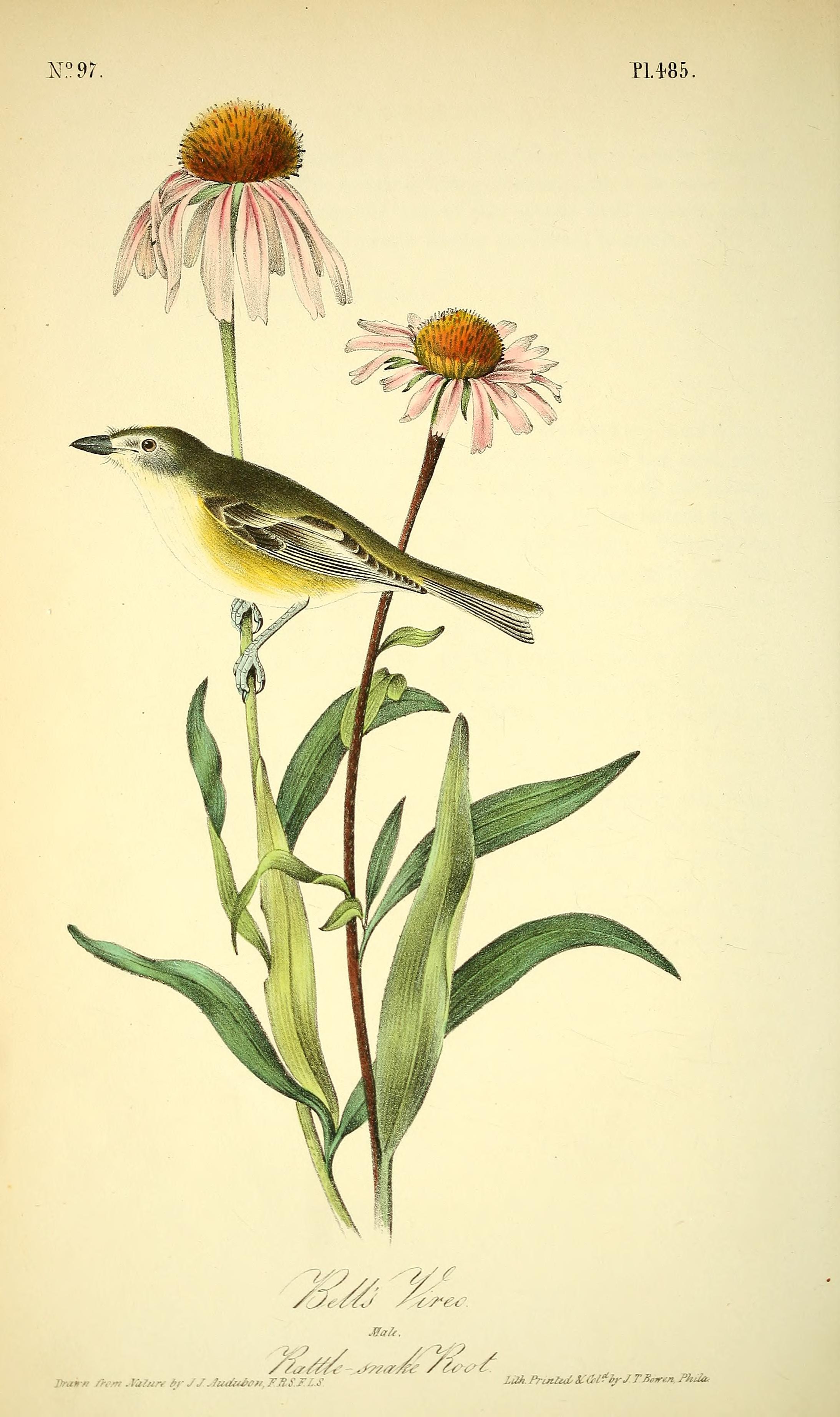
- Bell's VireoVireo bellii
- Belted KingfisherMegaceryle alcyon
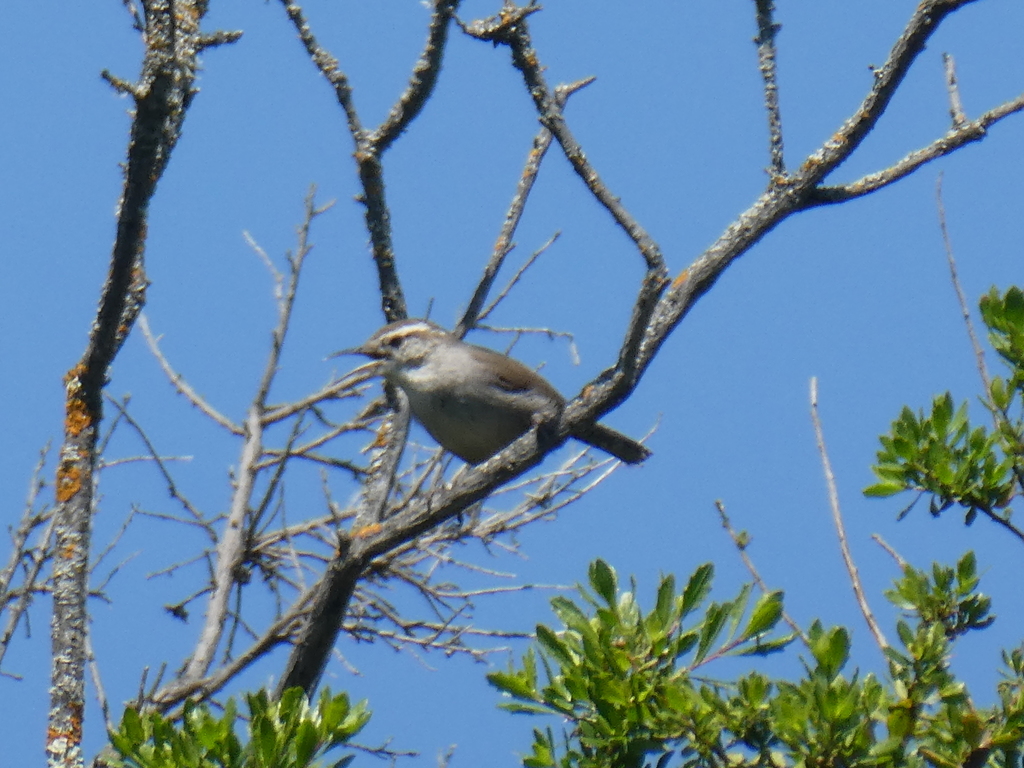
- Bewick's WrenThryomanes bewickii
- Black VultureCoragyps atratus
- Black-and-White WarblerMniotilta varia
- Black-billed CuckooCoccyzus erythropthalmus
- Black-crowned Night-heronNycticorax nycticorax
- Blue GrosbeakPasserina caerulea
- Blue JayCyanocitta cristata
- Blue-gray GnatcatcherPolioptila caerulea
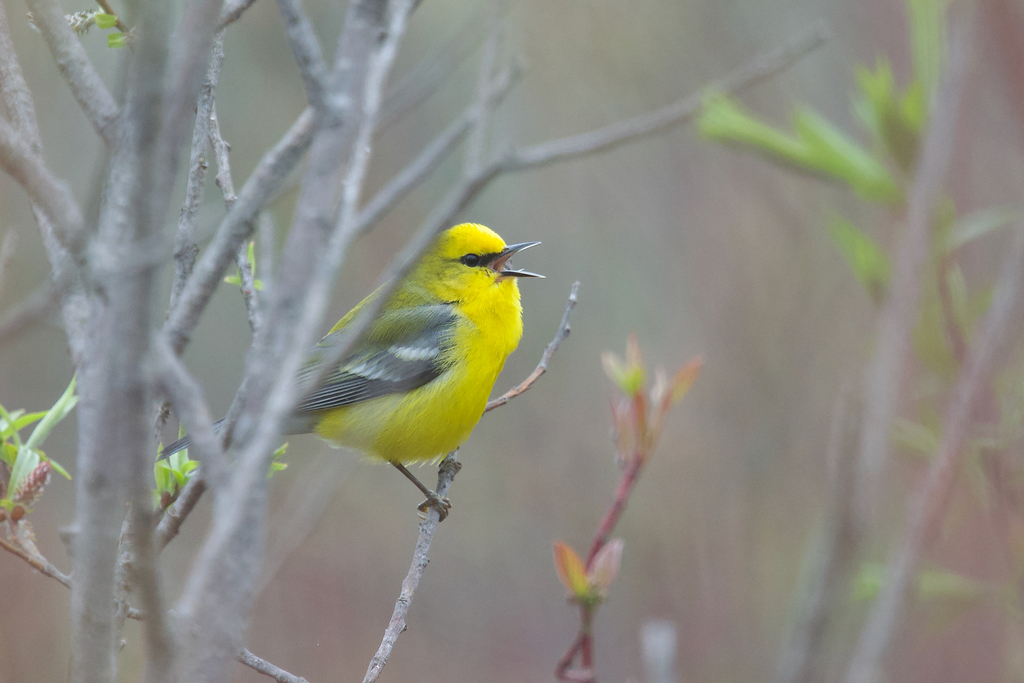
- Blue-winged WarblerVermivora pinus




















Who uses this plant?
 9CaterpillarsGenus host records with ranges including AR
Genus host records with ranges including AR · Iris
- Amphipoea americanaAmerican Ear Moth, American Borer
- Endothenia hebesanaVerbena Bud Moth
- Moodna ostrinellaDarker Moodna
- Orgyia leucostigmaWhite-Marked Tussock Moth
- Papaipema cataphractaBurdock Border, Potato-Stalk Borer
- Papaipema nebrisStalk Borer
- Tetracis cachexiataWhite Slant-Line
- Thyridopteryx ephemeraeformisEvergreen Bagworm Moth
- Xanthopastis regnatrixConvict Caterpillar, Spanish Quaker, Spanish Moth
 —BeesSoutheastern regional records
 —Specialist beesPollen specialists
 1BirdsRecorded genus food-resource interactions; not a state feeding claim
Recorded genus food-resource interactions; not a state feeding claim · Iris
- Meleagris gallopavoWild Turkey
Direct food only: birds recorded eating this genus across North America. Caterpillars on host plants also feed nesting birds. NC Native Plant Society: butterfly gardening
Plant details
- Family
- Iridaceae
- Hardiness
- Zones 5a–9b
- Soil pH
- Acidic to neutral
- Flower color
- Yellow
- Fruit begins
- Late June
- Fruit ends
- October
Safety has not been reviewed for this plant; check toxicity and thorns before planting.
Growing sources and scope
- Bloom · “Late March to July” · Weakley, Flora of the Southeastern United States (2025), Carolinas & Georgia edition · Carolinas and Georgia
- Flower color · “Yellow” · NC Extension Plant Toolbox
- Fruit begins · “Late June” · Weakley, Flora of the Southeastern United States (2025), Carolinas & Georgia edition · Carolinas and Georgia
- Fruit ends · “October” · Weakley, Flora of the Southeastern United States (2025), Carolinas & Georgia edition · Carolinas and Georgia
- Hardiness · “Zones 5a–9b” · NC Extension Plant Toolbox
- Height · “Single or multiple flowering stems are 20 to 39 inches (50-100 cm) tall, usually shorter than or equaling leaves [21].” · Fire Effects Information System: Iris pseudacorus (ranked first; Minnesota Wildflowers differs) · Source botanical description; original units and scope retained
- Life cycle · “Perennial” · NC Extension Plant Toolbox
- Light · “Full sun (6 or more hours of direct sunlight a day)” · NC Extension Plant Toolbox
- primary_flower_color · “yellow” · NC Extension Plant Toolbox
- Soil · “Frequent standing water; Moist; Occasionally wet” · NC Extension Plant Toolbox
- Soil pH · “Acidic to neutral” · NC Extension Plant Toolbox
Also known as
Pale Yellow Iris
Conservation status
| Arkansas rank | SNA |
|---|---|
| Global rank | GNR |
| AR status | Not verified |
| Federal status | Not verified |
Native alternatives
Find natives for your gardenSources
- Atlas of the Vascular Plants of Arkansas (2013)
- USDA PLANTS
- Weakley, Flora of the Southeastern United States (2025), Carolinas & Georgia edition
- NatureServe Explorer
- Arkansas occurrence source
- Shropshire & Tallamy 2025, Lepidoptera of North America north of Mexico, ZooKeys 1261 (ODbL)
- Noori, Seltmann & Orr 2026, A curated and integrated dataset for exploring global bee-plant interactions (GloBI), Zenodo, CC BY 4.0
- Smith, Bachelder, Russell, Morales, Mosher & Seltmann 2024, Bee-Specialization-Modeling v0.6.1 (specialist host table compiled from J. Fowler's pollen specialist bee lists), Zenodo, CC BY 4.0
- Hurlbert, Olsen, Sawyer & Winner 2021, Avian Diet Database, Scientific Data 8: 260 (CC0)
- Narango, Tallamy & Shropshire 2020, Few keystone plant genera support the majority of Lepidoptera species, Nature Communications