

Florida Maple
Acer floridanum
Also listed as Acer saccharum ssp. floridanum
In the Carolinas and Georgia, found in floodplain and bottomland forests; moist forests. Weakley, Flora of the Southeastern United States (2025), Carolinas & Georgia edition What its natural habitat tells you
Native to Arkansas (estimated). How scores work Is it native here?
Profile 100%
- Height
- 20–60 feet
- Spread
- 25–40 feet
- Light
- Deep shade, Full sun, Partial shade
- Soil moisture
- Usually moist
Space about 30 ft apart from its recorded spread. Enter your bed size for a count
Will it fit your yard?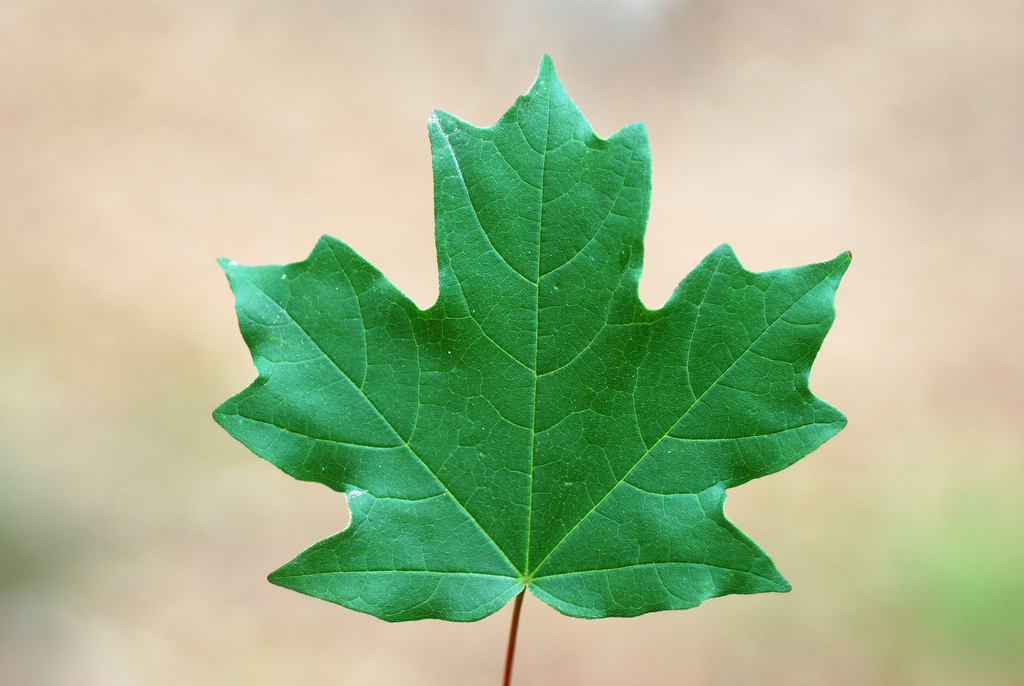
At a glance
- Life cycle
- Woody perennial
- Leaves
- Deciduous
- Bloom
- Spring
- Fruiting season
- June to October
Recorded in 11 Arkansas counties.
Natural habitats
Places it grows wild. Not a planting requirement. Each habitat page lists the plants and wildlife also found there.
Floodplain and bottomland forests
Forests on low ground beside rivers and streams that flood from time to time.
Forests on moist but not wet ground, such as rich slopes and ravines.
Also found with this plant
Wildlife whose habitat models include habitats this plant grows in, in Arkansas. Shared habitat, not food. 103 animals.
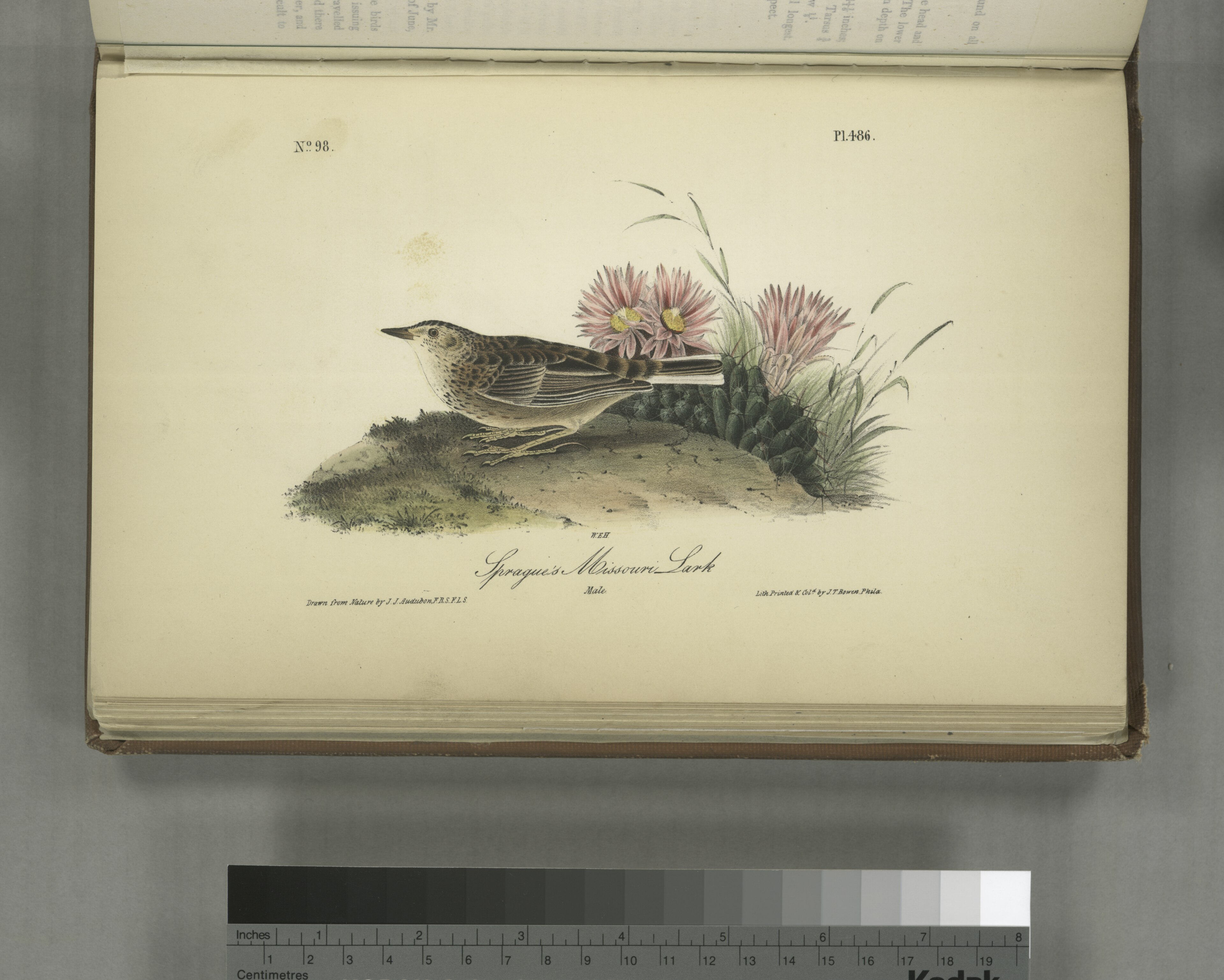
- Sprague's PipitAnthus spragueii
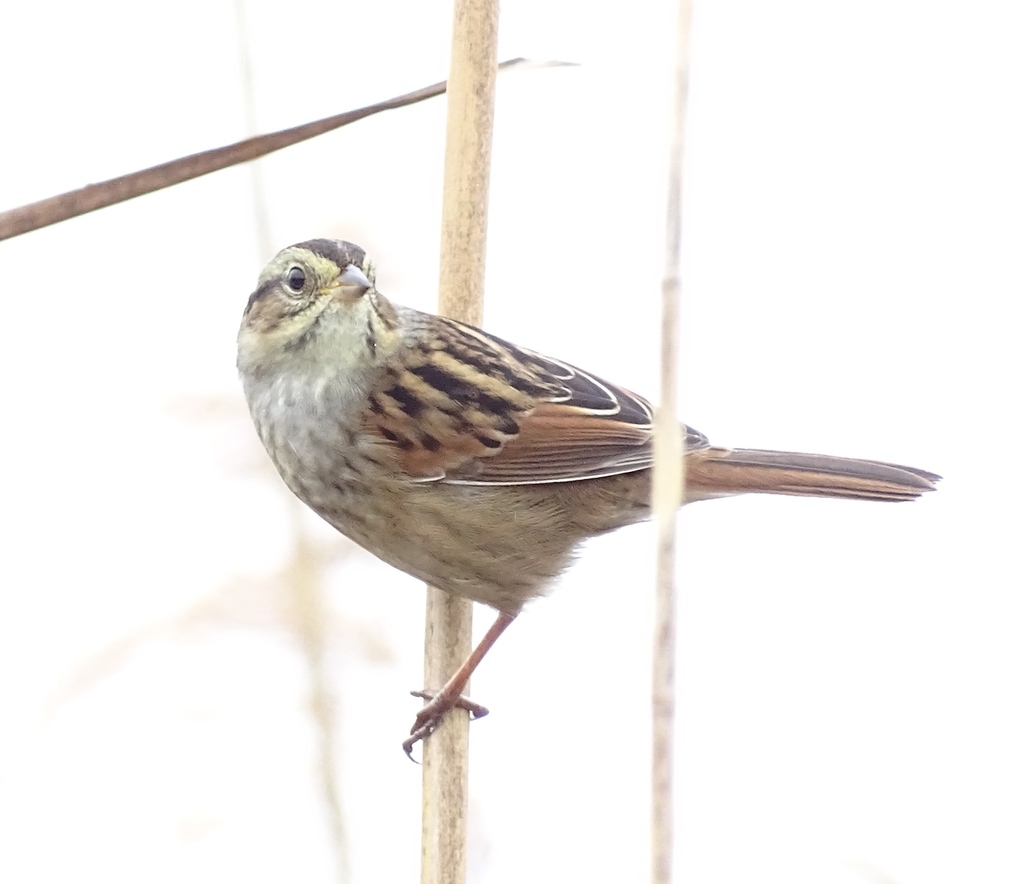
- Swamp SparrowMelospiza georgiana
- VeeryCatharus fuscescens
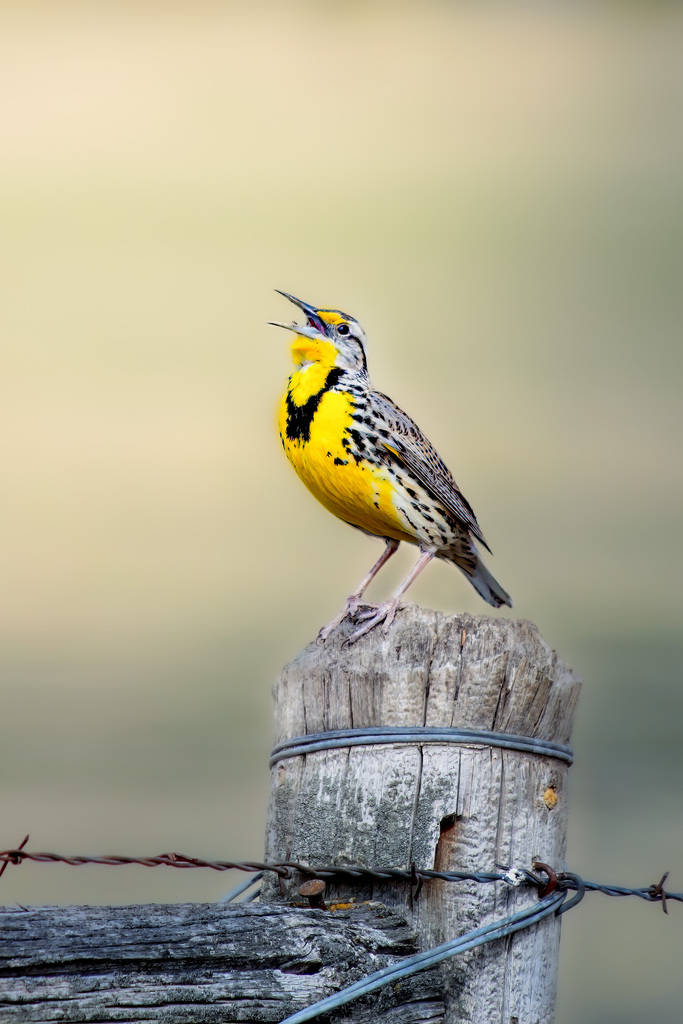
- Western MeadowlarkSturnella neglecta
- Willow FlycatcherEmpidonax traillii
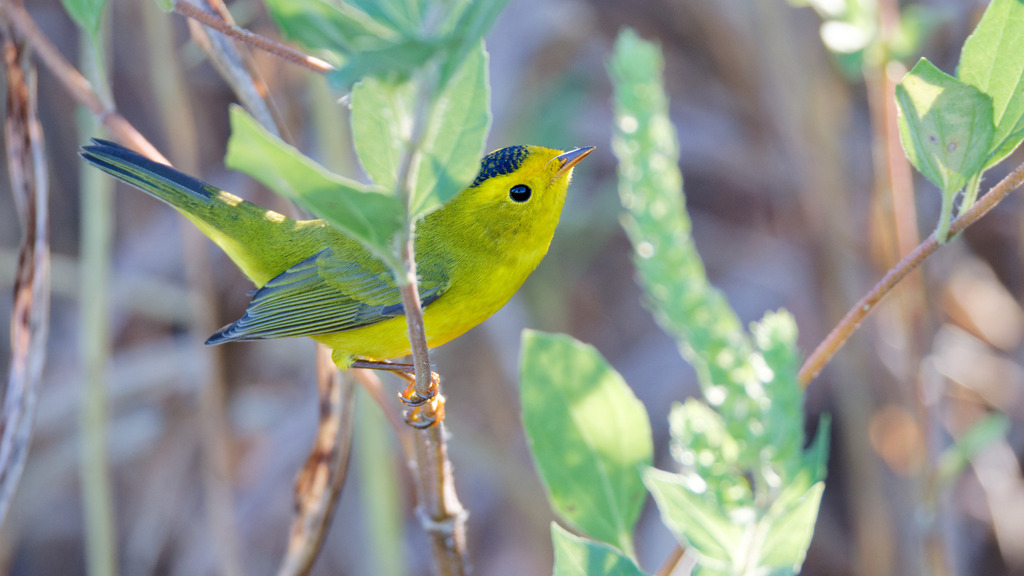
- Wilson's WarblerWilsonia pusilla
- Yellow-throated WarblerDendroica dominica


Widespread birds also seen here (59)
Found in many habitats here, so not listed above.
- American Goldfinch
- American Kestrel
- American Robin
- Bald Eagle
- Baltimore Oriole
- Belted Kingfisher
- Black-crowned Night-heron
- Blue Grosbeak
- Blue Jay
- Blue-gray Gnatcatcher
- Brown Creeper
- Brown Thrasher
- Cedar Waxwing
- Chimney Swift
- Chipping Sparrow
- Cliff Swallow
- Common Nighthawk
- Common Yellowthroat
- Cooper's Hawk
- Double-crested Cormorant
- Downy Woodpecker
- Eastern Bluebird
- Eastern Kingbird
- Eastern Screech-owl
- Eurasian Collared-dove
- European Starling
- Golden-crowned Kinglet
- Great Horned Owl
- Hairy Woodpecker
- Harris's Sparrow
- Hooded Merganser
- Indigo Bunting
- Mourning Dove
- Northern Cardinal
- Northern Flicker
- Northern Mockingbird
- Orange-crowned Warbler
- Orchard Oriole
- Osprey
- Pileated Woodpecker
- Pine Siskin
- Purple Finch
- Red-bellied Woodpecker
- Red-headed Woodpecker
- Red-tailed Hawk
- Red-winged Blackbird
- Ruby-crowned Kinglet
- Ruby-throated Hummingbird
- Sharp-shinned Hawk
- Spotted Sandpiper
- Tufted Titmouse
- Turkey Vulture
- White-throated Sparrow
- Wild Turkey
- Wood Thrush
- Yellow-bellied Sapsucker
- Yellow-billed Cuckoo
- Yellow-breasted Chat
- Yellow-rumped Warbler
Who uses this plant?
 215CaterpillarsGenus host records with ranges including AR
Genus host records with ranges including AR · Acer
- Antheraea polyphemusPolyphemus Moth
- Automeris ioIo Moth
- Eacles imperialisImperial Moth
- Hyalophora cecropiaCecropia Moth
- Acharia stimuleaSaddleback Caterpillar Moth
- Achatia distinctaDistinct Quaker
- Acleris chalybeanaLesser Maple Leafroller Moth
- Acleris semiannulaHalf-Ringed Acleris
- Acronicta americanaAmerican Dagger
- Acronicta funeralisFunerary Dagger, Paddle Caterpillar
Show all 215
- Acronicta impletaYellow-Haired Dagger
- Acronicta oblinitaSmeared Dagger
- Acronicta ovataOvate Dagger, Epauleted Oak Dagger
- Acronicta retardataBantam Maple Dagger, Retarded Dagger
- Actias lunaLuna Moth
- Adoxophyes negundanaShimmering Adoxophyes Moth
- Alsophila pometariaFall Cankerworm Moth
- Amorbia humerosanaWhite-Lined Leafroller Moth
- Amphipyra pyramidoidesMiranda Underwing, Copper Underwing, Copper Amphipyra
- Anavitrinella pampinariaCommon Gray, Cranberry Spanworm
- Ancylis platananaSycamore Leafroller
- Anisota senatoriaOrange-Tipped Oakworm Moth, Orangestriped Oakworm
- Anisota virginiensisPink-striped Oakworm Moth
- Antaeotricha leucillanaWell-Marked Leaf Tier, Pale Gray Bird-Dropping Moth
- Antepione thisoariaVariable Antepione
- Apatelodes torrefactaSpotted Apatelodes
- Archips argyrospilaFruit-Tree Leafroller Moth
- Archips semiferanusOak Leafroller Moth
- Argyrotaenia marianaGray-Banded Leafroller Moth
- Argyrotaenia quercifolianaYellow-Winged Oak Leafroller Moth, Lined Oak Leafroller
- Argyrotaenia velutinanaRed-Banded Leafroller Moth, Jack Pine Tube Moth
- Baileya ophthalmicaEyed Baileya
- Besma endropiariaStraw Besma
- Besma quercivorariaOak Besma
- Biston betulariaSalt-and-Pepper Geometer, Cleft-Headed Looper
- Callosamia prometheaPromethea Silkmoth, Promethea Moth
- Campaea perlataPale Beauty, Fringed Looper
- Catocala cerogamaYellow-Banded Underwing
- Catocala micronymphaLittle Nymph
- Catocala palaeogamaOldwife Underwing
- Cecrita biundataWavy-Lined Heterocampa
- Cecrita guttivittaMaple Prominent, Saddled Prominent
- Cenopis diluticostanaSpring Dead-Leaf Roller Moth, Oak Cenopis
- Cenopis niveanaAproned Cenopis Moth
- Cenopis pettitanaMaple-Basswood Leafroller Moth
- Cenopis reticulatanaReticulated Fruitworm Moth
- Chaetaglaea sericeaSilky Sallow
- Charadra deridensThe Laugher
- Chionodes obscurusellaBoxelder Leafworm Moth
- Choristoneura fractivittanaBroken-Banded Leafroller, Lined Corn-Borer Moth
- Choristoneura rosaceanaOblique-Banded Leafroller Moth, Rosaceous Leaf Roller
- Cladara atroliturataThe Scribbler
- Clostera inclusaAngle-Lined Prominent, Poplar Tent Maker, Poplar Leaf-Tier
- Coelodasys unicornisUnicorn Caterpillar Moth
- Colocasia flavicornisYellowhorn, Saddled Yellowhorn
- Colocasia propinquilineaClosebanded Yellowhorn
- Crocigrapha normaniNorman's Quaker
- Dasychira dorsipennataSharp-Lined Tussock Moth
- Dasychira obliquataStreaked Tussock Moth
- Dasychira tephraTephra Tussock Moth
- Datana ministraYellow-Necked Caterpillar Moth
- Dichomeris ligulellaPalmerworm
- Dryocampa rubicundaRosy Maple Moth, Green-Striped Mapleworm, Rosy Dryocampa
- Ectropis crepusculariaThe Small Engrailed, Saddleback Looper
- Elaphria alapallidaPale-Winged Midget, Northern Festive Midget
- Elaphria chalcedoniaChalcedony Midget
- Elaphria versicolorVariegated Midget
- Ennomos magnariaMaple Spanworm Moth, Notchwing Geometer
- Ennomos subsignariaElm Spanworm Moth
- Episimus tyriusMaple Tip Borer
- Erannis tiliariaLinden Looper Moth, Western Winter Moth, Lime Looper
- Eubaphe mendicaThe Beggar
- Euchlaena amoenariaDeep Yellow Euchlaena
- Euchlaena irrariaLeast-Marked Euchlaena
- Euchlaena serrataThe Saw-Wing
- Eucirroedia pampinaScalloped Sallow
- Euclea delphiniiSpiny Oak-Slug Moth
- Eupithecia miserulataCommon Eupithacia, Common Pug
- Eupsilia cirripaleaFranclemont's Sallow
- Eupsilia sidusSidus Sallow
- Eupsilia vinulentaStraight-Toothed Sallow
- Eutrapela clematariaCurved-Tooth Geometer, Purplish Brown Looper
- Euxoa messoriaReaper Dart, Darksided Cutworm, Dark-Sided Cutworm
- Gesta juvenalisJuvenal's Duskywing
- Glena cognatariaBlueberry Gray
- Glena cribratariaDotted Gray
- Halysidota tessellarisBanded Tussock Moth, Pale Tiger Moth
- Haploa leconteiLeconte's Haploa
- Herpetogramma pertextalisBold-Feathered Grass Moth
- Herpetogramma thestealisZigzag Herpetogramma, Subtle-Feathered Grass Moth
- Heterocampa pulvereaWhite-Blotched Heterocampa
- Heterophleps triguttariaThree-Spotted Fillip
- Homorthodes furfurataNorthern Scurfy Quaker
- Hypagyrtis unipunctataOne-Spotted Variant
- Hypena baltimoralisBaltimore Bomolocha, Baltimore Snout
- Hypena scabraGreen Cloverworm Bomolocha, Black Snout
- Hyphantria cuneaFall Webworm
- Iridopsis defectariaBrown-Shaded Gray, Willow Looper
- Iridopsis ephyrariaPale-Winged Gray
- Iridopsis humariaSmall Purplish Gray
- Iridopsis larvariaBent-Line Gray
- Isa textulaCrowned Slug
- Kocakina fidelisIntractable Quaker, Green Fruitworm, Fourlined Green Fruitworm
- Laetilia coccidivoraScale-Feeding Snout
- Lambdina fervidariaCurve-Lined Looper Moth
- Lambdina fiscellariaHemlock Looper, Western Oak Looper
- Lambdina pellucidariaYellow-Headed Looper, Eastern Pine Looper
- Lithacodes fasciolaYellow-Shouldered Slug
- Lithophane bethuneiBethune's Pinion
- Lithophane groteiGrote's Pinion, Green Fruit Worm
- Lithophane petulcaWanton Pinion
- Lochmaeus manteoVariable Oakleaf Caterpillar Moth
- Lomographa vestaliataWhite Spring Moth
- Lytrosis sinuosaSinuous Lytrosis
- Lytrosis unitariaCommon Lytrosis
- Macaria aemulatariaCommon Angle
- Macaria pustulariaLesser Maple Spanworm Moth
- Machimia tentoriferellaGold-Striped Leaftier Moth
- Macrurocampa marthesiaMottled Prominent
- Malacosoma americanaEastern Tent Caterpillar
- Malacosoma disstriaForest Tent Caterpillar
- Megalopyge crispataBlack-Waved Flannel Moth, Crinkled Flannel Moth
- Megalopyge opercularisSouthern Flannel Moth, Puss Caterpillar
- Melanolophia canadariaCanadian Melanolphia, Variable Redmarked Looper
- Melanolophia signatariaSignate Melanolphia
- Metaxaglaea viaticaRoadside Sallow
- Morrisonia confusaConfused Woodgrain
- Morrisonia latexFluid Arches, Fluid Mamestra
- Nadata gibbosaWhite-Dotted Prominent
- Natada nasoniNason's Slug Moth
- Nematocampa resistariaFilament Bearer, Horned Spanworm Moth
- Nemoria lixariaRed-Bordered Emerald
- Nemoria mimosariaWhite-Fringed Emerald
- Nymphalis antiopaMourning Cloak
- Oedemasia concinnaRed-Humped Caterpillar, Red-Humped Appleworm
- Oedemasia semirufescensRed-Washed Prominent
- Oiketicus abbotiiAbbot's Bagworm Moth
- Orgyia definitaDefinite Tussock Moth
- Orgyia leucostigmaWhite-Marked Tussock Moth
- Orthosia alurinaGray Quaker
- Orthosia garmaniGarman's Quaker
- Orthosia hibisciSpeckled Green Fruitworm Moth, Speckled Green Quaker
- Orthosia revictaSubdued Quaker
- Orthosia rubescensRuby Quaker
- Packardia elegansElegant Tailed Slug
- Paleacrita vernataSpring Cankerworm Moth
- Palthis angulalisDark-Spotted Palthis
- Pandemis lamprosanaWoodgrain Leafroller
- Pandemis limitataThree-Lined Leafroller Moth
- Paonias excaecataBlinded Sphinx, Blind Eyed Sphinx
- Paonias myopsSmall-Eyed Sphinx
- Papaipema cataphractaBurdock Border, Potato-Stalk Borer
- Papaipema furcataAsh-Tip Borer
- Papaipema nebrisStalk Borer
- Papilio glaucusEastern Tiger Swallowtail
- Parallelia bistriarisMaple Looper Moth
- Parasa indeterminaStinging Rose Caterpillar Moth, Rose Slug Caterpillar
- Peridea basitriensOval-Based Prominent
- Pero ancetariaHubner's Pero
- Pero morrisonariaMorrison's Pero
- Phaeoura quernariaOak Beauty Moth
- Phigalia strigatariaSmall Phigalia, Small Oak Looper
- Phigalia titeaThe Half-Wing Geometer, Spiney Looper, Eastern Oak Looper
- Phlogophora periculosaBrown Angle Shades
- Phobetron pitheciumHag Moth, Monkey Slug
- Phyllodesma americanaLappet Moth, American Lappet Moth, Southern Lappet Moth
- Plagodis alcoolariaHollow-Spotted Plagodis
- Plagodis fervidariaFervid Plagodis
- Plagodis phlogosariaStraight-Lined Plagodis
- Plagodis serinariaLemon Plagodis
- Platynota flavedanaBlack-Shaded Platynota
- Pococera asperatellaMaple Webworm
- Prionoxystus macmurtreiLittle Carpenterworm, Lesser Oak Carpenter Worm
- Prionoxystus robiniaeCarpenterworm Moth, Black Locust Borer, Cottonwood Borer
- Probole alienariaDogwood Probole, Alien Probole
- Probole amicariaFriendly Probole
- Prochoerodes lineolaLarge Maple Spanworm Moth
- Prolimacodes badiaSkiff Moth, Skiff Caterpillar
- Proteoteras aesculanaMaple Seed Caterpillar, Maple Twig Borer
- Proteoteras moffatianaMaple Bud Borer, Maple Shoot Borer
- Protoboarmia porcelariaPorcelain Gray, Dashedlined Looper
- Psaphida resumensFigure-Eight Sallow
- Psaphida styracisFawn Sallow
- Pseudexentera spolianaBare-Patched Leafroller
- Pseudothyatira cymatophoroidesTufted Thyatirid
- Psilocorsis cryptolechiellaBlack-Fringed Leaftier
- Psilocorsis reflexellaDotted Leaftier Moth
- Pyrrharctia isabellaIsabella Tiger Moth, Banded Woolybear
- Rifargia subrotataSmall Heterocampa
- Satyrium calanusBanded Hairstreak, Falacer Hairstreak
- Schizura ipomaeaeMorning-Glory Prominent, Checkered-Fringe Prominent
- Selenia kentariaKent's Geometer
- Sonia canadanaCanadian Sonia Moth
- Spilosoma virginicaVirginian Tiger Moth, Yellow Woolybear Moth, Yellow Bear
- Strepsicrates smithianaBayberry Leaftier
- Sunira bicoloragoBicolored Sallow
- Synanthedon acerniMaple Callus Borer Moth
- Synanthedon acerrubriRed Maple Borer, Maple Clearwing
- Tetracis cachexiataWhite Slant-Line
- Tetracis crocallataYellow Slant-Line
- Thyridopteryx ephemeraeformisEvergreen Bagworm Moth
- Tolype velledaLarge Tolype, Large Lappet Moth, Vellada Lappet Moth
- Tortricidia flexuosaAbbreviated Button Slug Moth
- Tortricidia pallidaRed-Cross Button Slug
- Tortricidia testaceaEarly Button Slug
- Xanthotype urticariaFalse Crocus Geometer
- Xestia c-nigrumSpotted Cut-Worm, Setaceous Hebrew Character, Lesser Black-letter Dart
- Xestia dolosaGreater Black-Letter Dart, Greater Spotted Cutworm
- Zale galbanataMaple Zale, Boxelder Zale
- Zale lunataLunate Zale
- Zale minereaColorful Zale
- Zanclognatha cruralisEarly Zanclognatha, Early Fan-Foot
- Eupithecia swettii
- Proteoteras naracana
- Trypanisma prudens
 15BeesSoutheastern regional records
Southeastern regional records · Acer
Individual names are not available yet.
Noori, Seltmann & Orr 2026, A curated and integrated dataset for exploring global bee-plant interactions (GloBI), Zenodo, CC BY 4.0 0Specialist beesPollen specialists
 5BirdsRecorded eating Acer in Arkansas
Diet records by plant genus, from studies across North America. Not a record from this state. Birds whose range includes Arkansas, most records first.
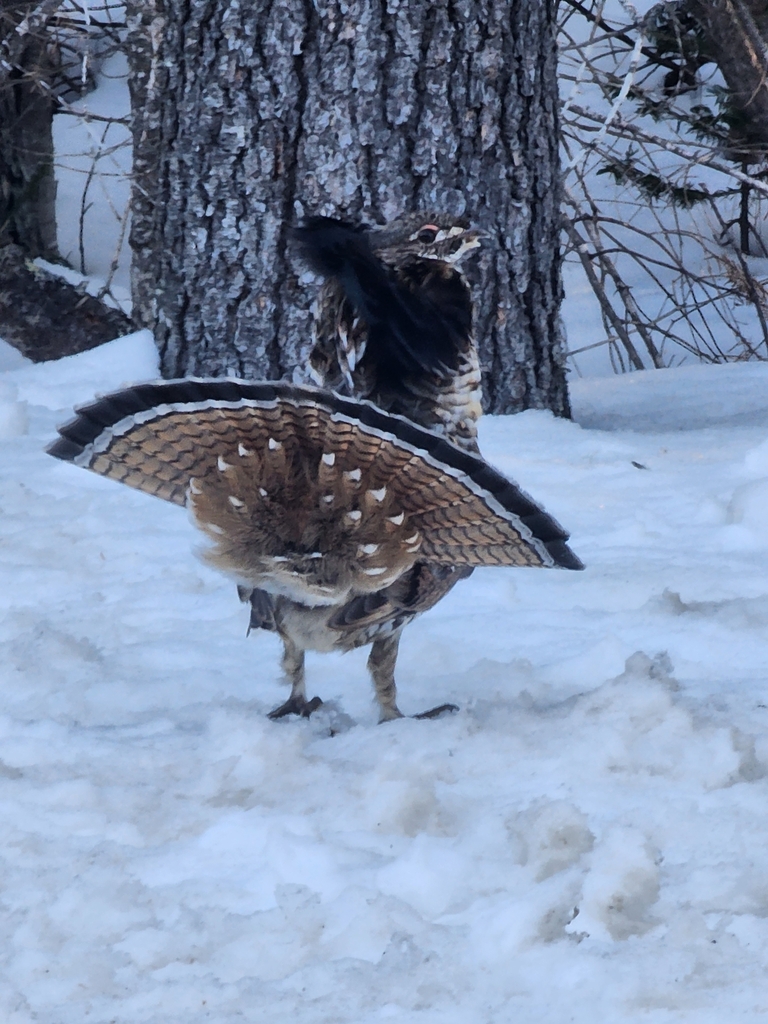
- Ruffed GrouseFruit and buds. 25 diet records
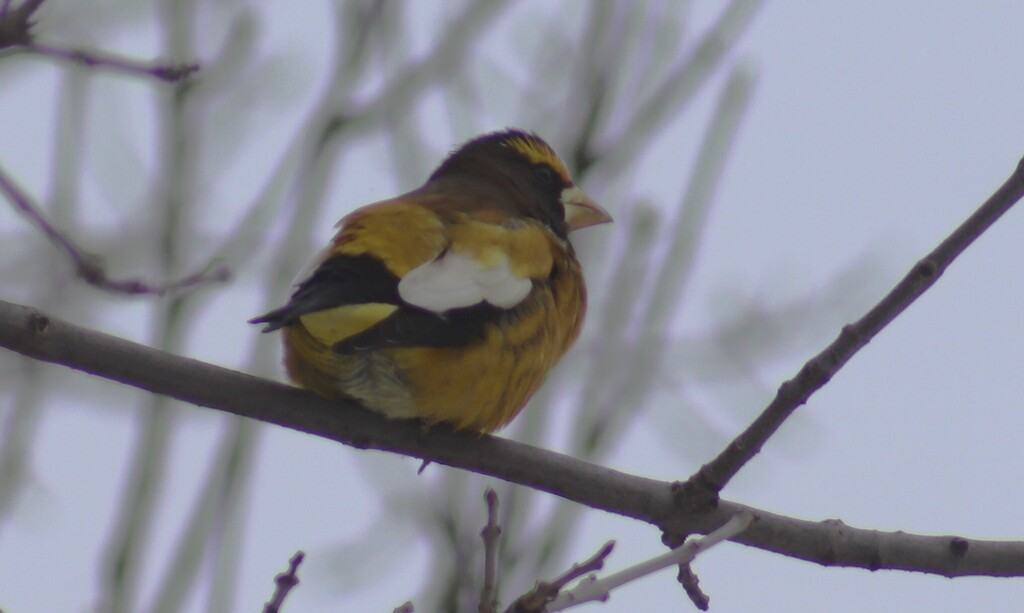
- Evening Grosbeak2 diet records
- Northern CardinalFlowers. 1 diet record
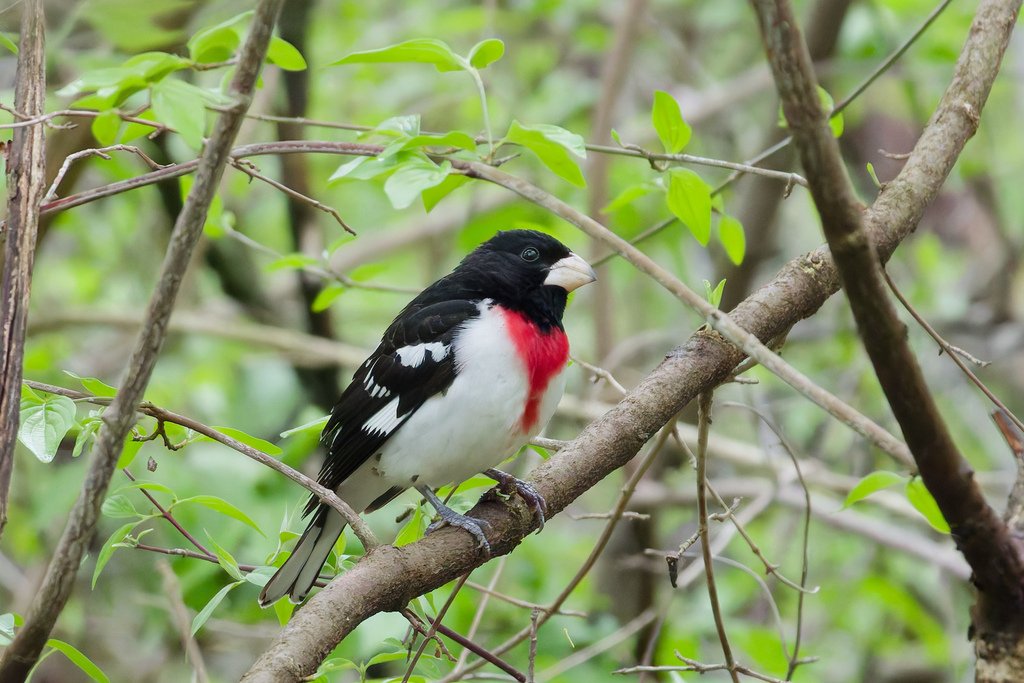
- Rose-breasted GrosbeakFlowers. 1 diet record
- Wood DuckSeeds. 1 diet record
Direct food only. Caterpillars on host plants also feed nesting birds. NC Native Plant Society: butterfly gardening
No records yet · Ants · Beetles · Flies · Adult butterflies / moths · Other wasps · Other insects
Birds that eat Acer 5
Diet records by plant genus, from studies across North America. Not a record from this state. Avian Diet Database (Hurlbert Lab), CC0 1.0.
- Ruffed GrouseBonasa umbellus
- Evening GrosbeakCoccothraustes vespertinus
- Northern CardinalCardinalis cardinalis
- Rose-breasted GrosbeakPheucticus ludovicianus
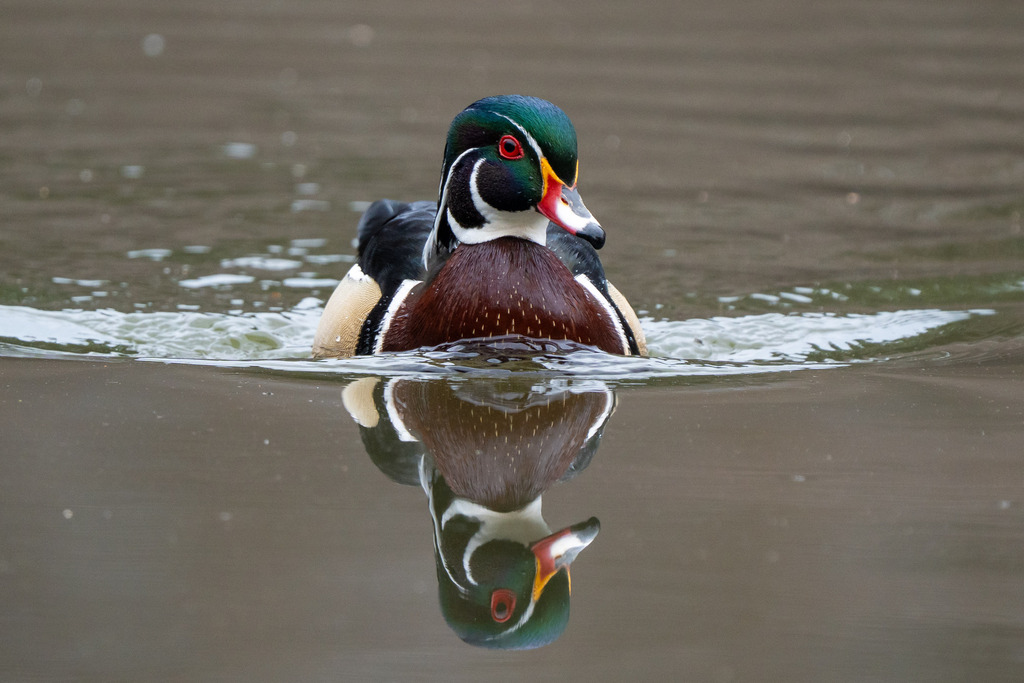
- Wood DuckAix sponsa

Plant details
- Family
- Sapindaceae
- Hardiness
- Zones 6a–9b
- Soil pH
- Acidic to neutral
- Flower color
- Yellow or green
- Growth rate
- Moderate
- Growth habit
- Single stem
- Foliage color
- Green
- Fruit begins
- June
- Fruit ends
- October
Safety has not been reviewed for this plant; check toxicity and thorns before planting.
Growing sources and scope
- Bloom · “Spring” · NC Extension Plant Toolbox (ranked first; Weakley, Flora of the Southeastern United States (2025), Carolinas & Georgia edition, USDA PLANTS differ)
- Flower color · “Yellow or green” · NC Extension Plant Toolbox (ranked first; USDA PLANTS differs)
- Foliage color · “Green” · USDA PLANTS · Nationwide species characteristics; local growing conditions may vary
- Fruit begins · “June” · Weakley, Flora of the Southeastern United States (2025), Carolinas & Georgia edition (ranked first; USDA PLANTS differs) · Carolinas and Georgia
- Fruit ends · “October” · Weakley, Flora of the Southeastern United States (2025), Carolinas & Georgia edition (ranked first; USDA PLANTS differs) · Carolinas and Georgia
- Growth habit · “Single stem” · USDA PLANTS · Nationwide species characteristics; local growing conditions may vary
- Growth rate · “Moderate” · USDA PLANTS · Nationwide species characteristics; local growing conditions may vary
- Hardiness · “Zones 6a–9b” · NC Extension Plant Toolbox
- Height · “20–60 feet” · NC Extension Plant Toolbox (ranked first; USDA PLANTS differs)
- Leaves · “Deciduous” · NC Extension Plant Toolbox
- Life cycle · “Woody perennial” · NC Extension Plant Toolbox (ranked first; Lady Bird Johnson Wildflower Center differs)
- Light · “Deep shade (less than 2 hours to no direct sunlight); Full sun (6 or more hours of direct sunlight a day); Partial shade (direct sunlight only part of the day, 2-6 hours)” · NC Extension Plant Toolbox (ranked first; Lady Bird Johnson Wildflower Center differs)
- Soil · “Good drainage; Moist; Occasionally wet” · NC Extension Plant Toolbox (ranked first; Lady Bird Johnson Wildflower Center differs)
- Soil pH · “Acidic to neutral” · NC Extension Plant Toolbox
- Spread · “25–40 feet” · NC Extension Plant Toolbox
Also known as
Acer barbatum; Acer saccharum ssp. floridanum; Southern Sugar Maple
Conservation status
| Arkansas rank | SNR |
|---|---|
| Global rank | G4G5Q |
| AR status | Not verified |
| Federal status | Not verified |
Will it fit your yard?
Check this plant against your county, sun and soil moisture. Conditions are checked in your browser.
Sources
- USDA PLANTS
- Vascular Plants of North Carolina (NC Natural Heritage Program)
- Weakley, Flora of the Southeastern United States (2025)
- Arkansas occurrence source
- Shropshire & Tallamy 2025, Lepidoptera of North America north of Mexico, ZooKeys 1261 (ODbL)
- Noori, Seltmann & Orr 2026, A curated and integrated dataset for exploring global bee-plant interactions (GloBI), Zenodo, CC BY 4.0
- Smith, Bachelder, Russell, Morales, Mosher & Seltmann 2024, Bee-Specialization-Modeling v0.6.1 (specialist host table compiled from J. Fowler's pollen specialist bee lists), Zenodo, CC BY 4.0
- Hurlbert, Olsen, Sawyer & Winner 2021, Avian Diet Database, Scientific Data 8: 260 (CC0)
- Narango, Tallamy & Shropshire 2020, Few keystone plant genera support the majority of Lepidoptera species, Nature Communications