

Bird
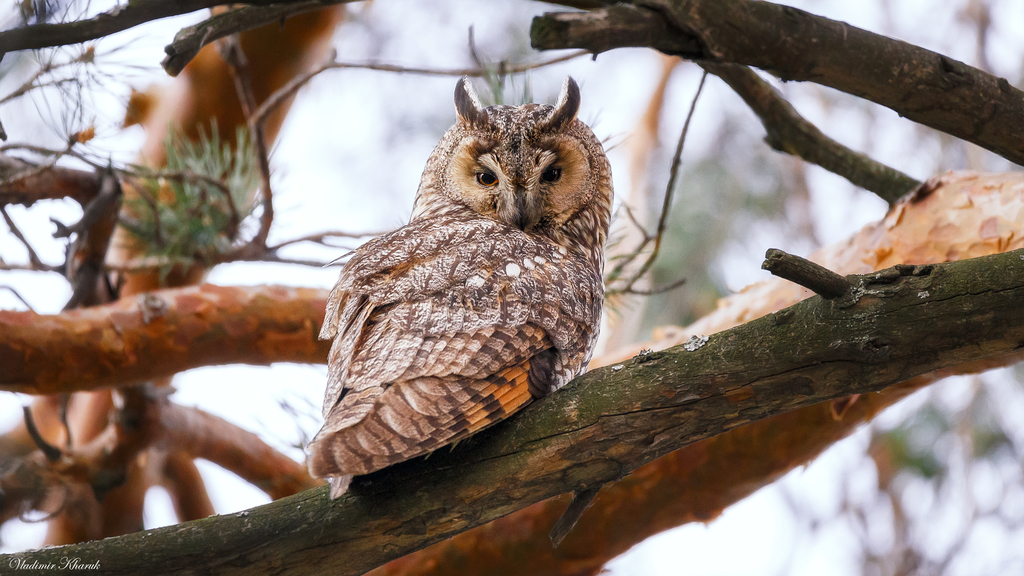
Long-eared Owl
Asio otus
A winter visitor to Alabama, found in 59 of 67 counties and 6 habitats.
- Here
- Winter
- Nesting
- Not known to nest here
- Range
- 59 of 67 counties
- Habitats
- 6
At a glance
- Group
- Birds
- Here
- Winter
- Nesting
- Not known to nest here
- Range
- 59 of 67 counties
- Habitats
- 6
- Habitat models
- Summer, Winter
Where it lives
The places its habitat model includes. It is not found everywhere a habitat occurs.
Habitats in Alabama 6
Each habitat page lists the plants and wildlife also found there.
Roadsides, fields and disturbed ground
Ground opened by people: roadsides, old fields, pastures, fencerows and lots.
Streams, rivers and their banks
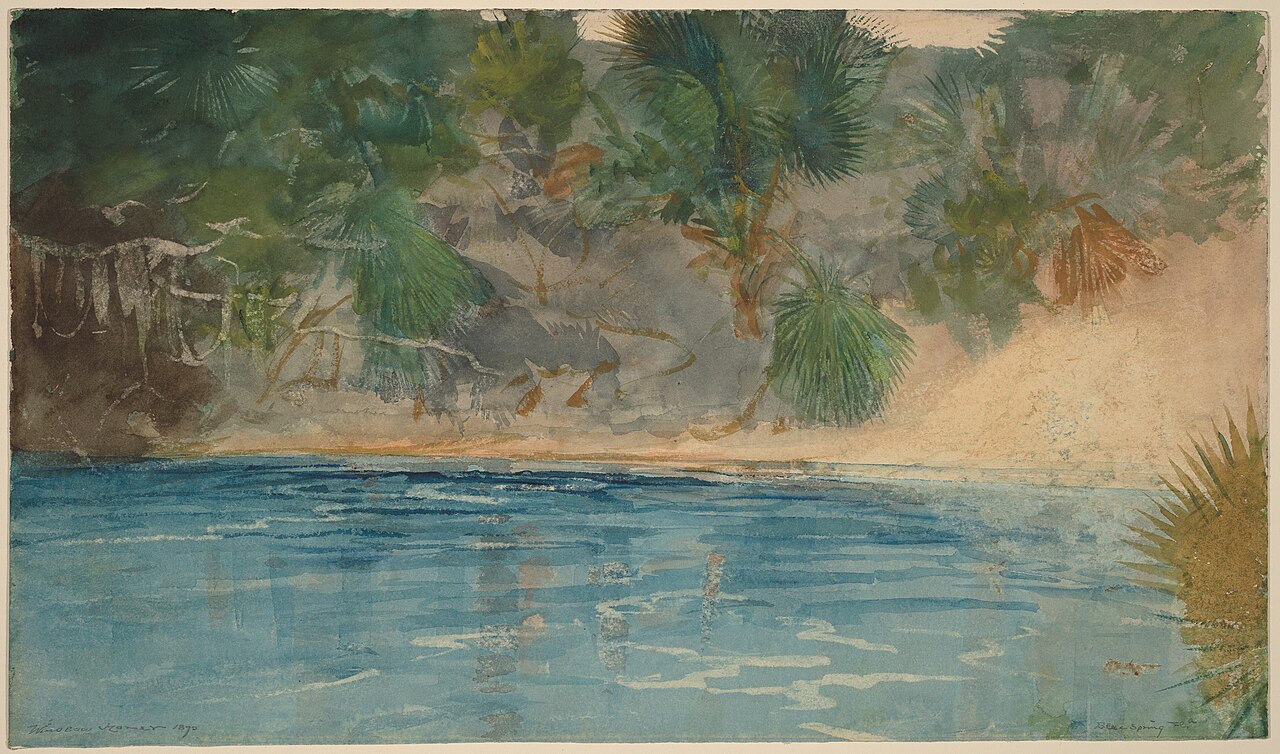
Forests and open woodlands on dry ridges and slopes, often oak or pine.
Floodplain and bottomland forests
Forests on low ground beside rivers and streams that flood from time to time.
Glades, barrens and outcrops on limestone
Open, thin-soil openings and rock on limestone, dolomite or other lime-rich rock, including cedar glades.
Forests on moist but not wet ground, such as rich slopes and ravines.
Other habitats in its models (40)
Land cover, or classes with no habitat page in Alabama. Those recorded in Alabama first, the rest by region.
Elsewhere in the South (9)
- Appalachian Shale Barrens Summer and winter, beside its main habitat.
- Central and Southern Appalachian Montane Oak Forest Summer and winter, beside its main habitat.
- Central and Southern Appalachian Northern Hardwood Forest Summer and winter, beside its main habitat.
- Central and Southern Appalachian Spruce-Fir Forest Summer and winter, beside its main habitat.
- Southeastern Great Plains Tallgrass Prairie Summer and winter.
- Southern and Central Appalachian Cove Forest Summer and winter, beside its main habitat.
- Southern and Central Appalachian Oak Forest Summer and winter, beside its main habitat.
- Southern Appalachian Montane Pine Forest and Woodland Summer and winter, beside its main habitat.
- Southern Appalachian Northern Hardwood Forest Summer and winter, beside its main habitat.
Northeast (7)
- Appalachian Hemlock-Hardwood Forest Summer and winter, beside its main habitat.
- Central Appalachian Alkaline Glade and Woodland Summer and winter, beside its main habitat.
- Central Appalachian Oak and Pine Forest Summer and winter, beside its main habitat.
- Central Appalachian Pine-Oak Rocky Woodland Summer and winter, beside its main habitat.
- North-Central Interior Wet Flatwoods Summer and winter, beside its main habitat.
- Northeastern Interior Dry-Mesic Oak Forest Summer and winter, beside its main habitat.
- Northern Atlantic Coastal Plain Dry Hardwood Forest Summer and winter, beside its main habitat.
Midwest (7)
- North-Central Interior Beech-Maple Forest Summer and winter, beside its main habitat.
- North-Central Interior Dry Oak Forest and Woodland Summer and winter, beside its main habitat.
- North-Central Interior Dry-Mesic Oak Forest and Woodland Summer and winter, beside its main habitat.
- North-Central Interior Maple-Basswood Forest Summer and winter, beside its main habitat.
- North-Central Interior Oak Savanna Summer and winter.
- North-Central Interior Sand and Gravel Tallgrass Prairie Summer and winter.
- North-Central Oak Barrens Summer and winter.
Land cover and other classes (17)
- Central Appalachian Floodplain - Forest Modifier Summer and winter, beside its main habitat.
- Central Appalachian Riparian - Forest Modifier Summer and winter, beside its main habitat.
- Eastern Great Plains Floodplain Systems Summer and winter, beside its main habitat.
- Harvested Forest - Grass/Forb Regeneration Summer and winter.
- Introduced Upland Vegetation - Annual Grassland Summer and winter.
- Introduced Upland Vegetation - Forbland Winter.
- Introduced Upland Vegetation - Perennial Grassland Summer and winter.
- Introduced Upland Vegetation - Perennial Grassland and Forbland Winter.
- Northeastern Interior Dry Oak Forest - Mixed Modifier Summer and winter, beside its main habitat.
- Northeastern Interior Dry Oak Forest - Virginia/Pitch Pine Modifier Summer and winter, beside its main habitat.
- Northeastern Interior Dry Oak Forest-Hardwood Modifier Summer and winter, beside its main habitat.
- Recently Burned Grassland Summer and winter.
- Recently Burned Shrubland Summer and winter.
- Recently Logged Areas Summer and winter.
- Southern and Central Appalachian Oak Forest - Xeric Summer and winter, beside its main habitat.
- Southern Appalachian Grass and Shrub Bald - Herbaceous Modifier Summer and winter.
- Southern Ridge and Valley Dry Calcareous Forest - Pine modifier Summer and winter, beside its main habitat.
Seasons in Alabama
- Winter: does not nest here, in 59 of 67 counties.
Also found in its main habitats
Its main habitats in Alabama, by how much of its habitat model each one is, with the birds most characteristic of each and the plants that grow wild there. Shared habitat, not food.
Roadsides, fields and disturbed ground
Birds 114
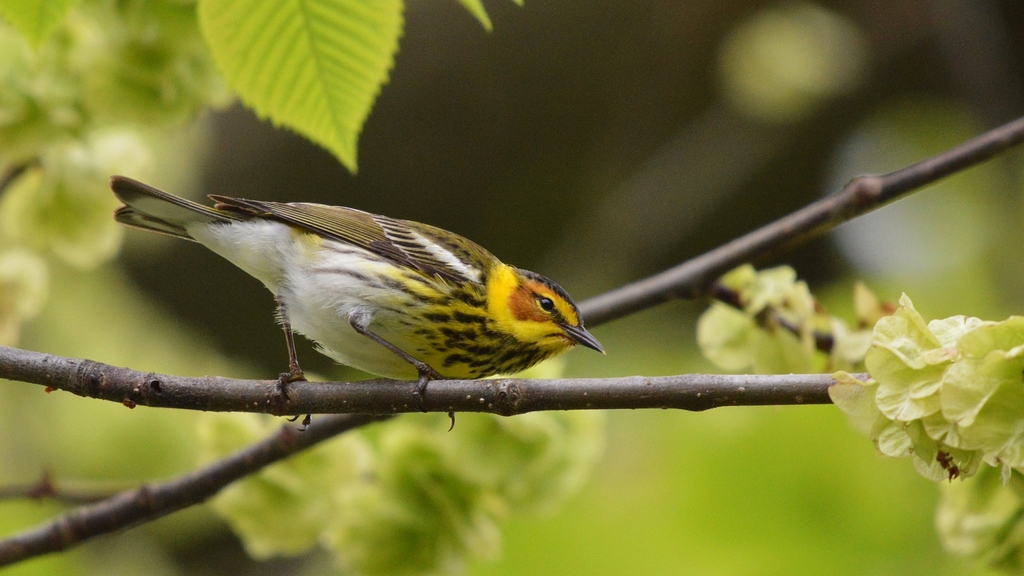
- Cape May WarblerDendroica tigrina
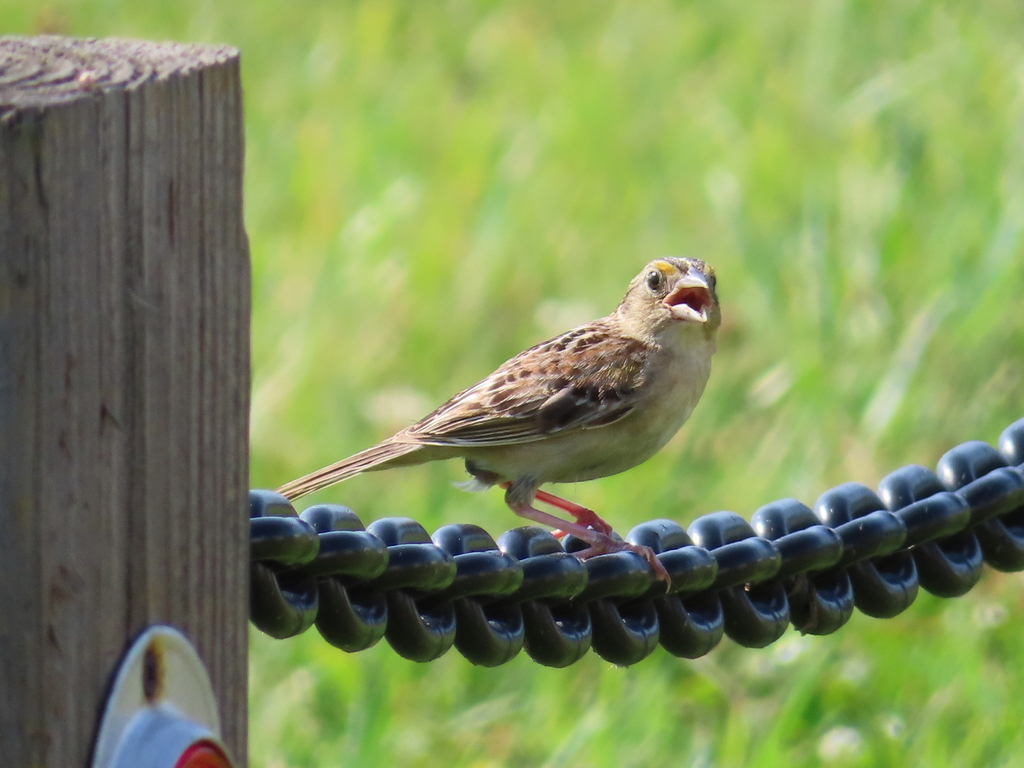
- Grasshopper SparrowAmmodramus savannarum
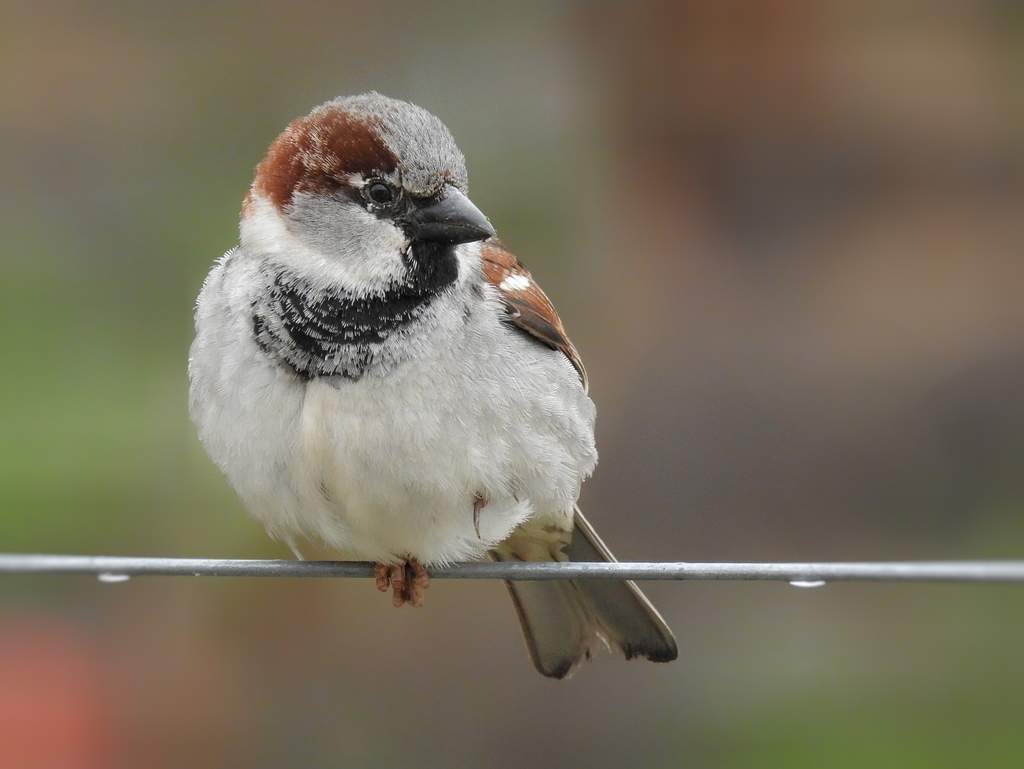
- House SparrowPasser domesticus
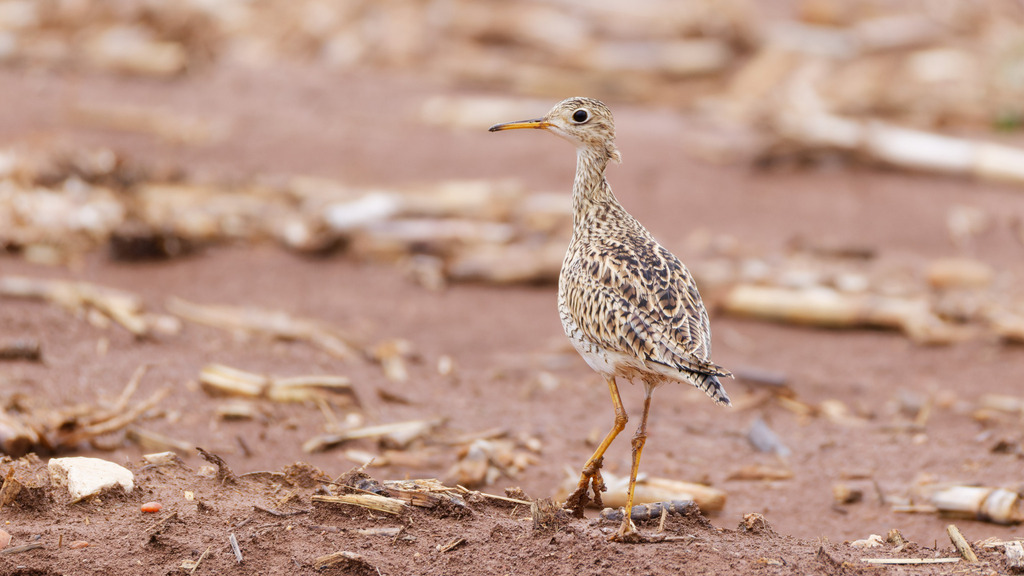
- Upland SandpiperBartramia longicauda
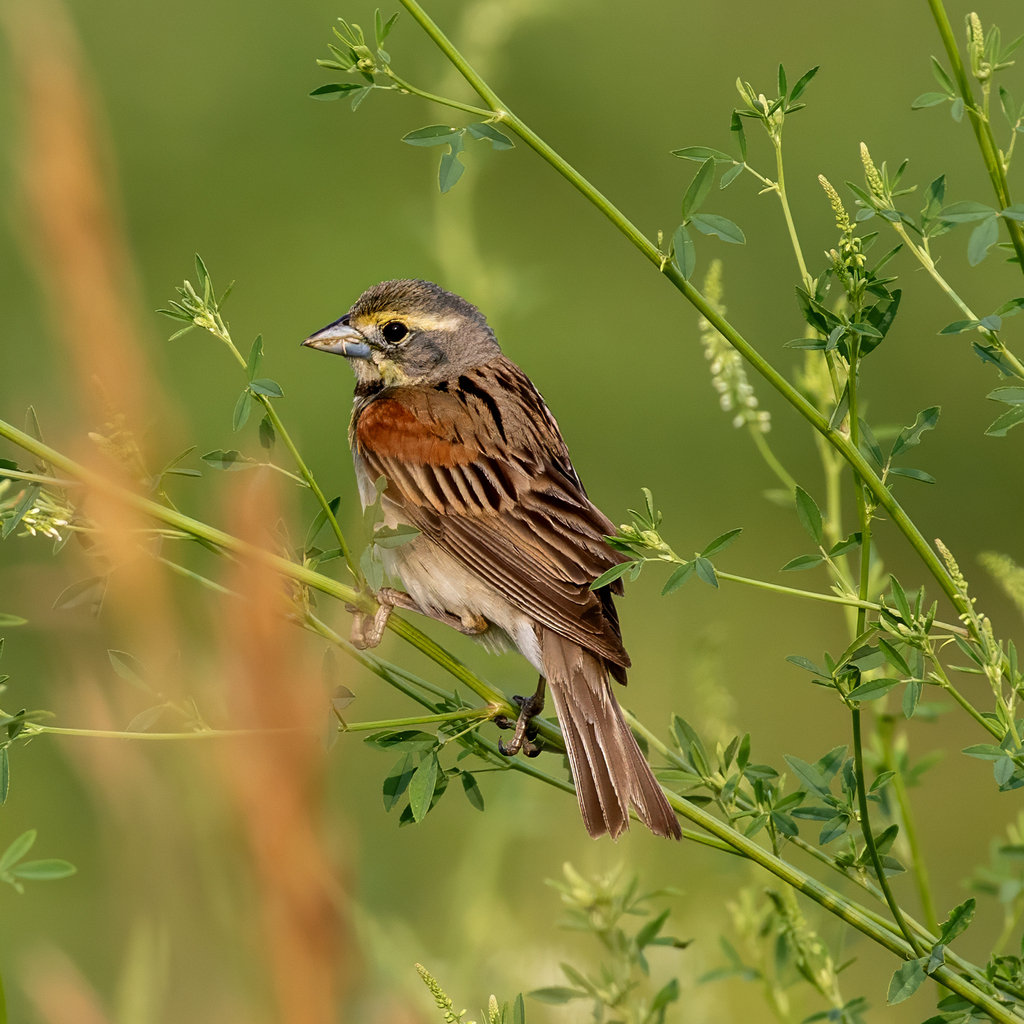
- DickcisselSpiza americana
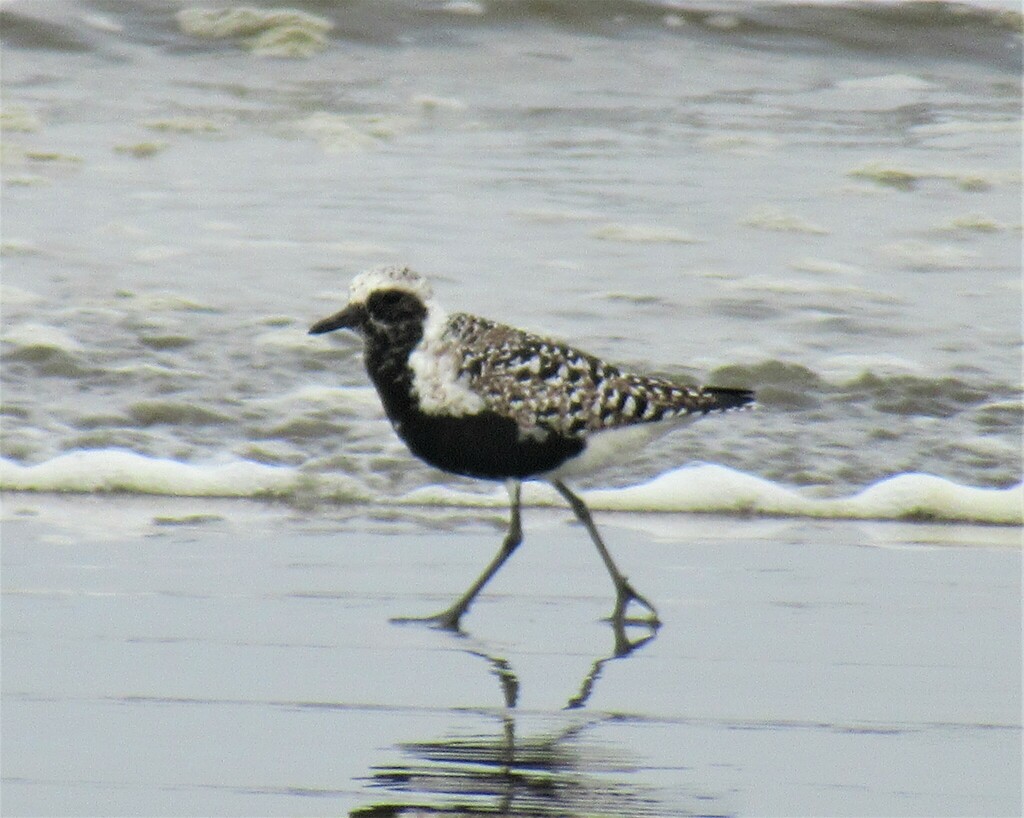
- Black-bellied PloverPluvialis squatarola
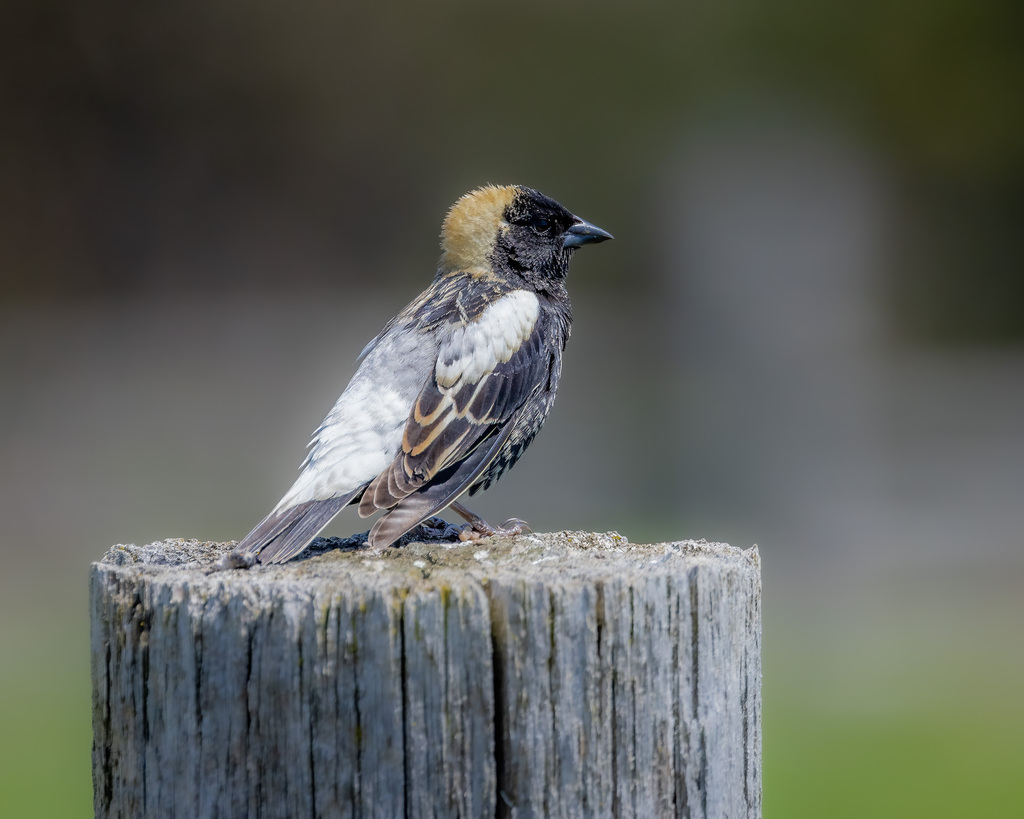
- BobolinkDolichonyx oryzivorus
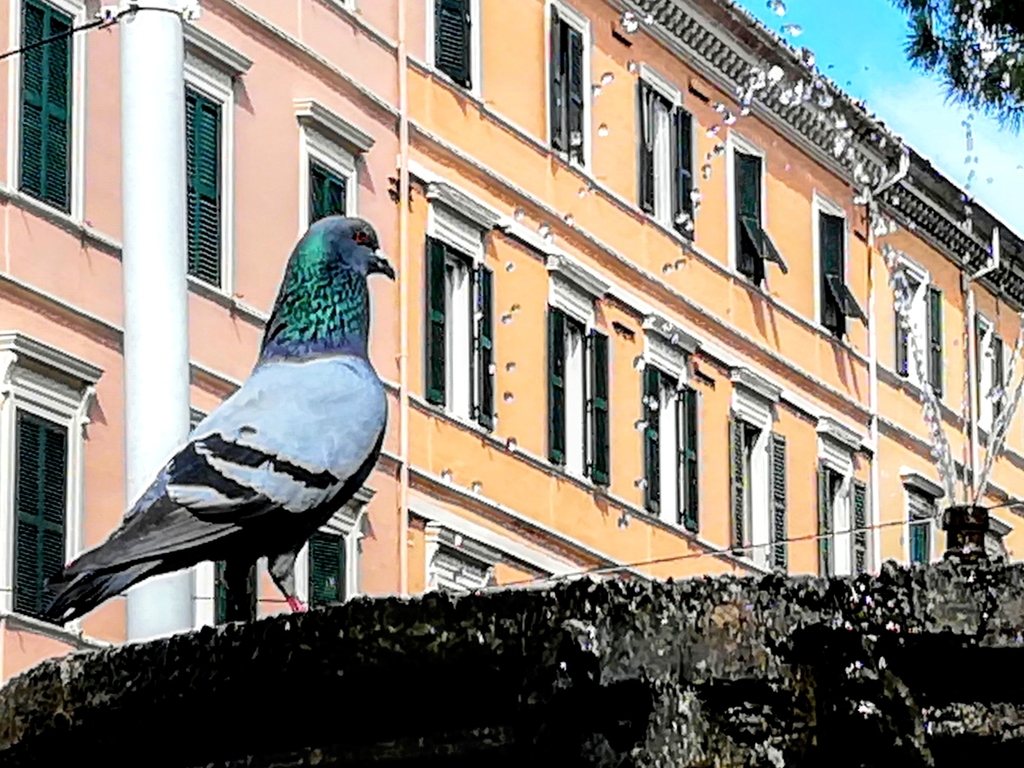
- Rock PigeonColumba livia
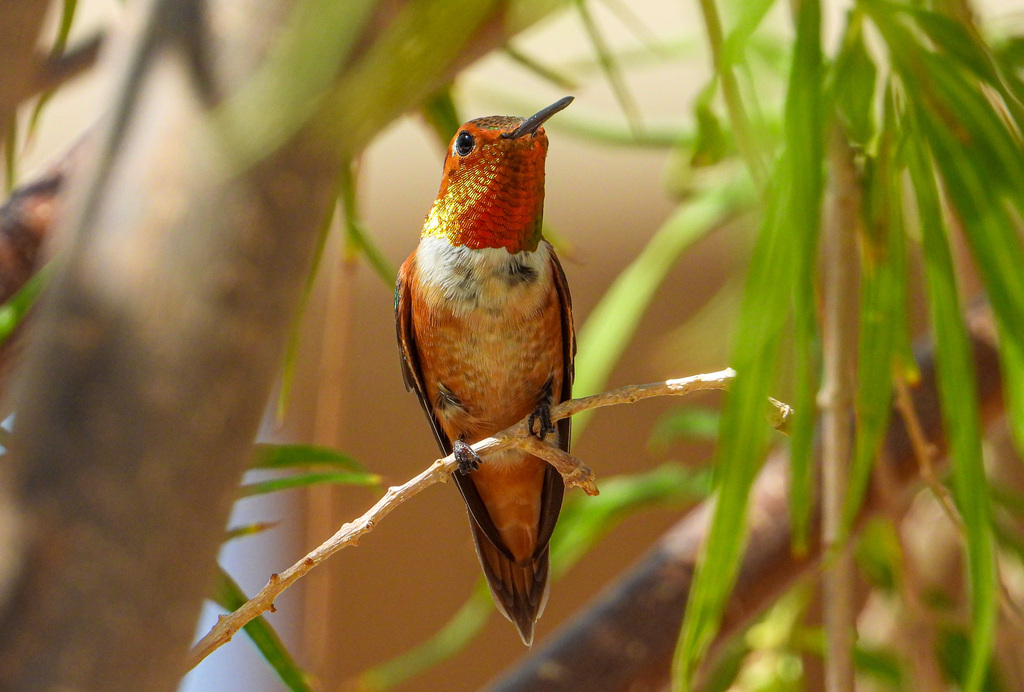
- Rufous HummingbirdSelasphorus rufus
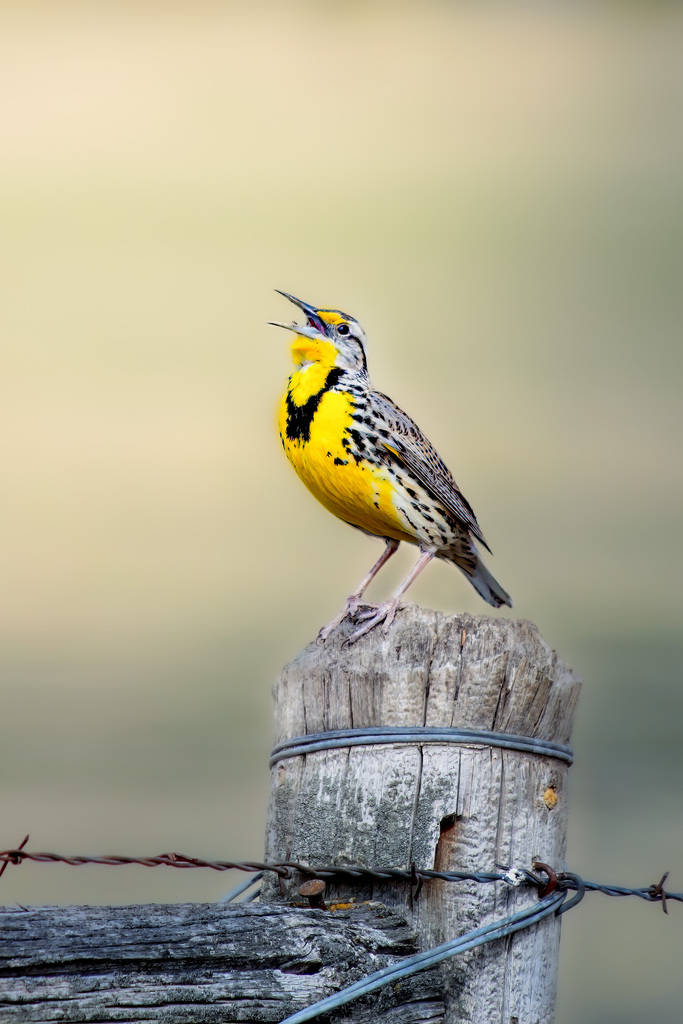
- Western MeadowlarkSturnella neglecta
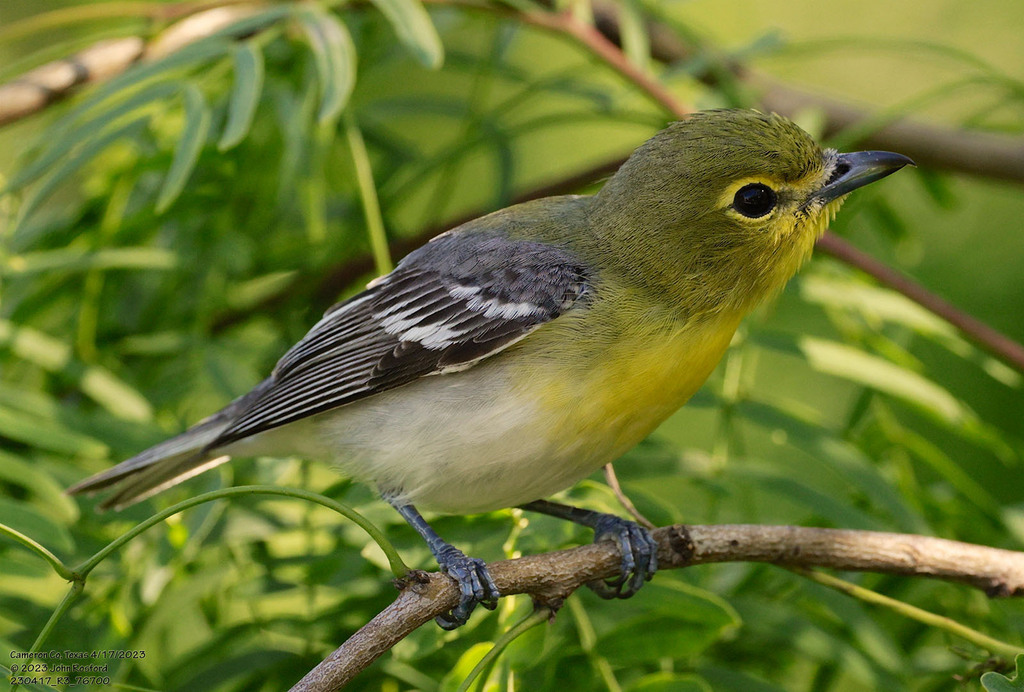
- Yellow-throated VireoVireo flavifrons
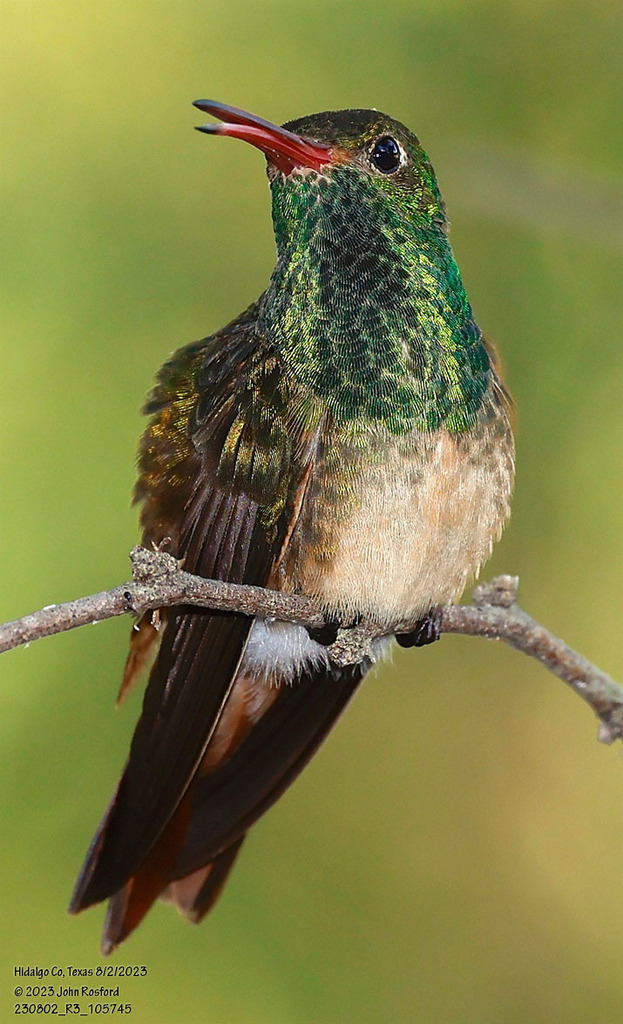
- Buff-bellied HummingbirdAmazilia yucatanensis
Plants 1485
- Muck SunflowerHelianthus simulans
- Dwarf HorseweedErigeron divaricatus
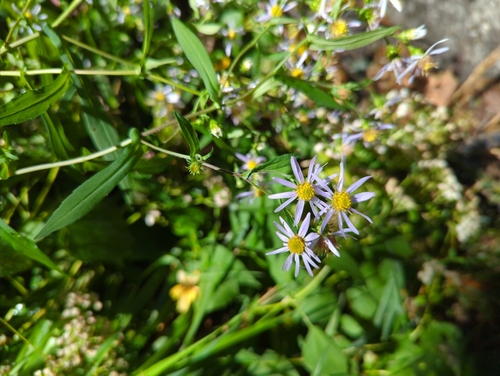
- Crooked-stem AsterSymphyotrichum prenanthoides
- Whitestar Morning-gloryIpomoea leucantha
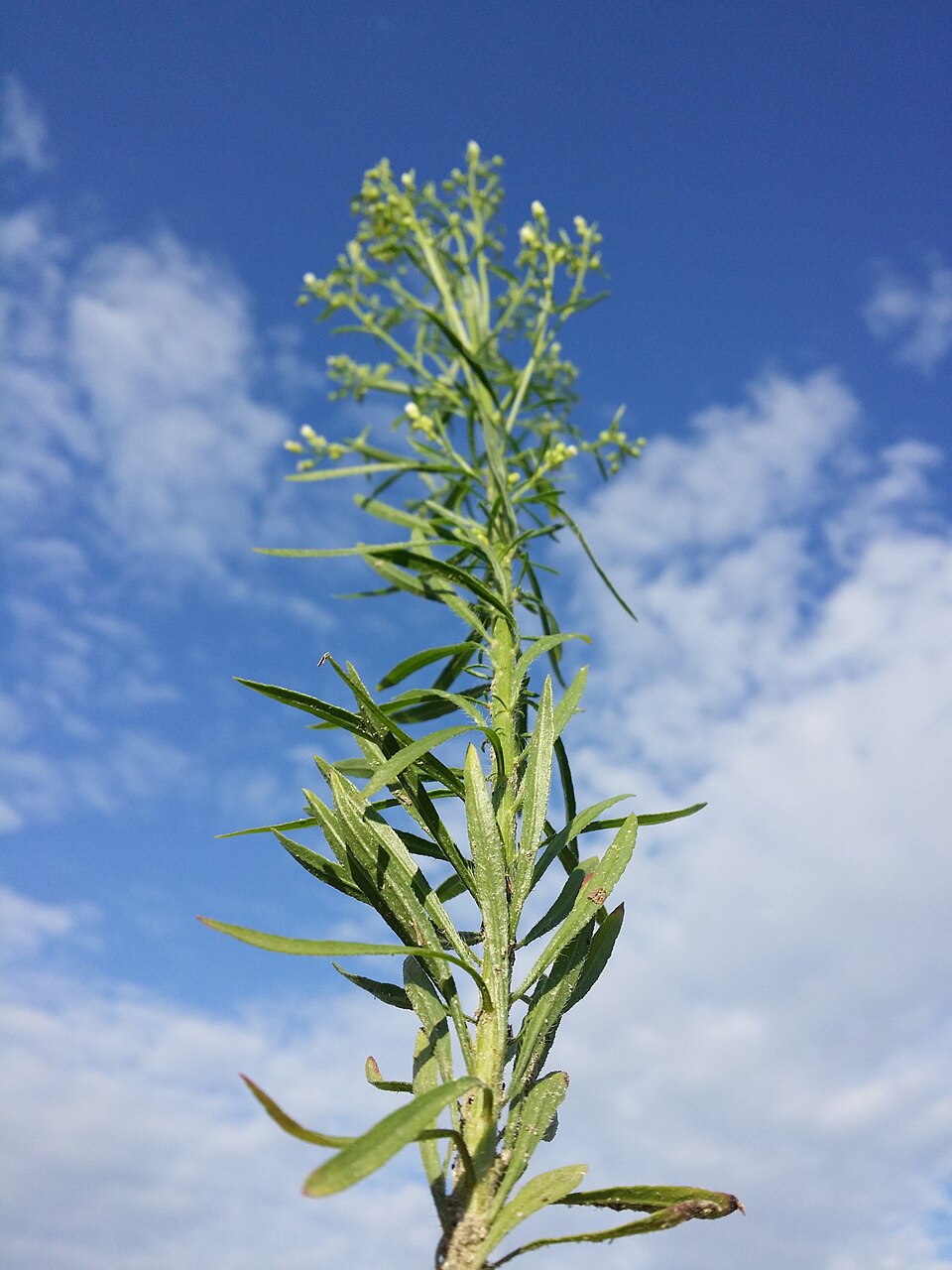
- Common HorseweedErigeron canadensis
- Annual FleabaneErigeron annuus
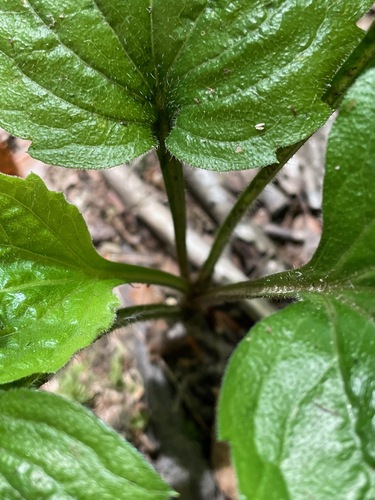
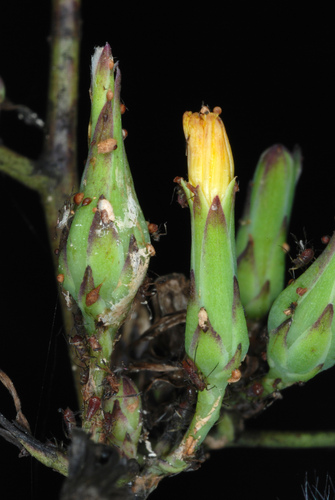
- Canada LettuceLactuca canadensis
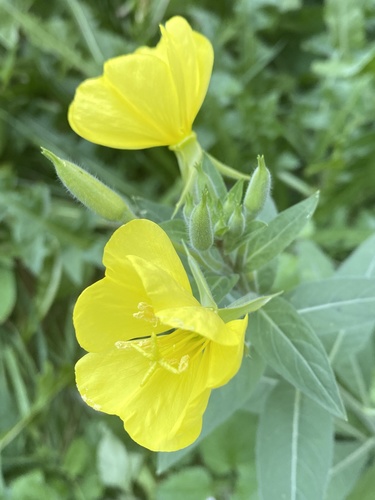
- Common Evening-primroseOenothera biennis
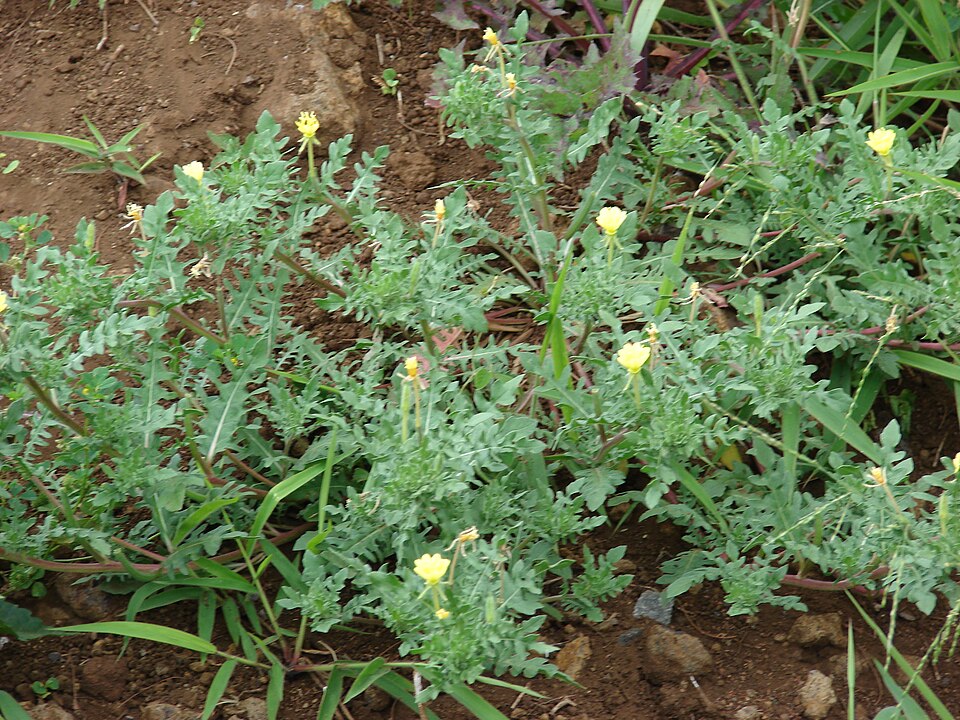
- Cutleaf Evening-primroseOenothera laciniata
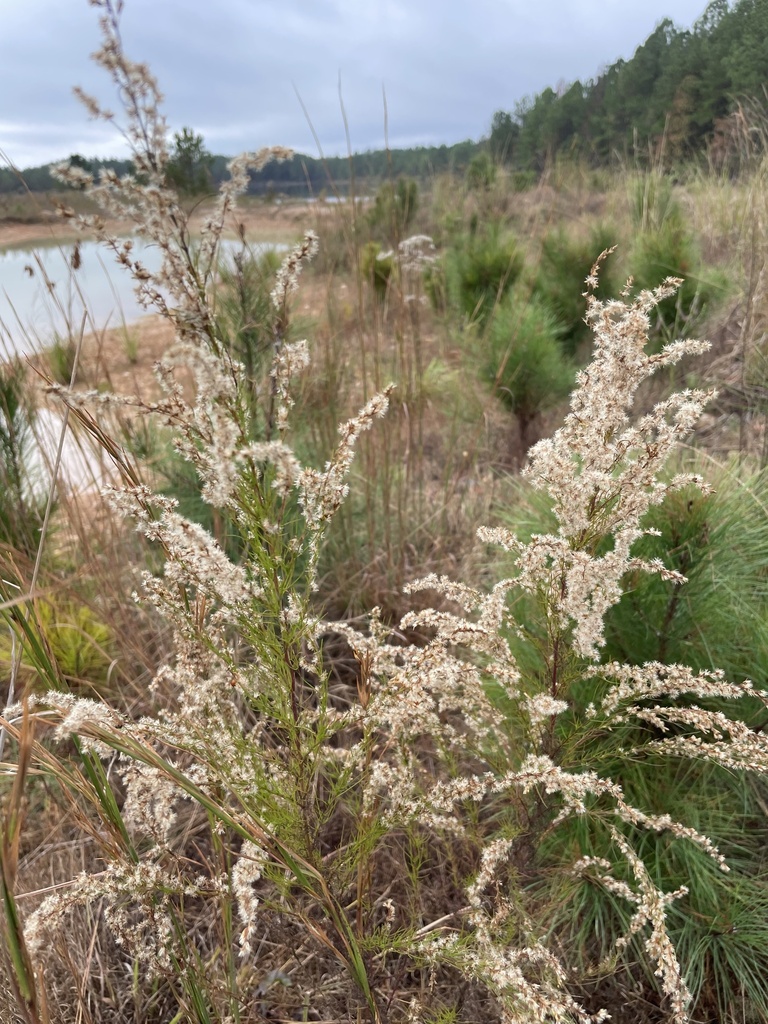
- Dog-fennelEupatorium capillifolium
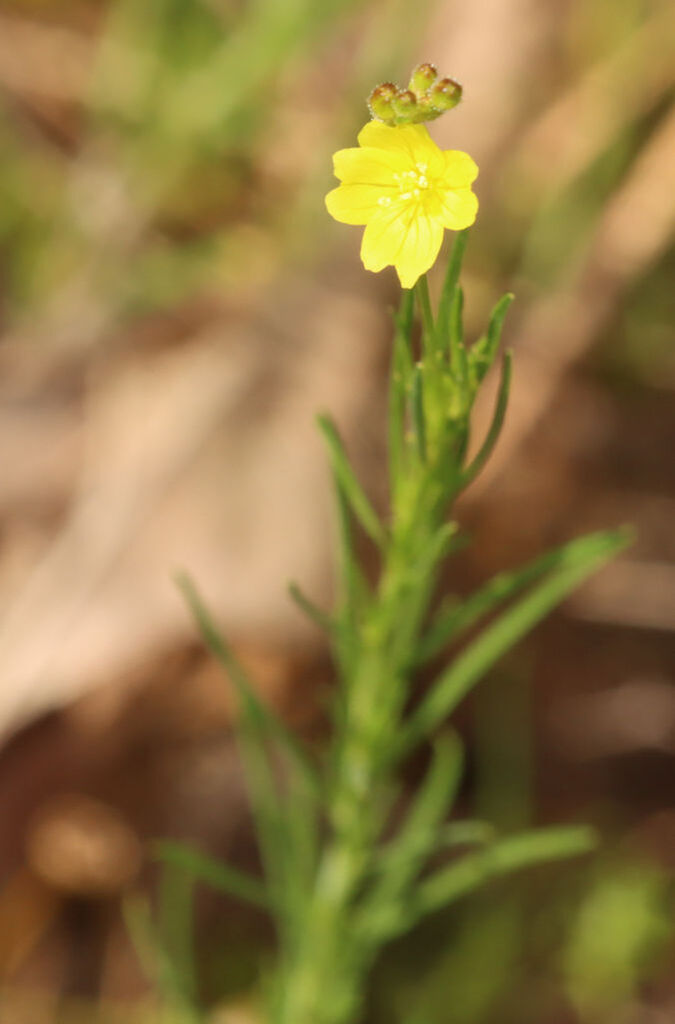
- Threadleaf SundropsOenothera linifolia
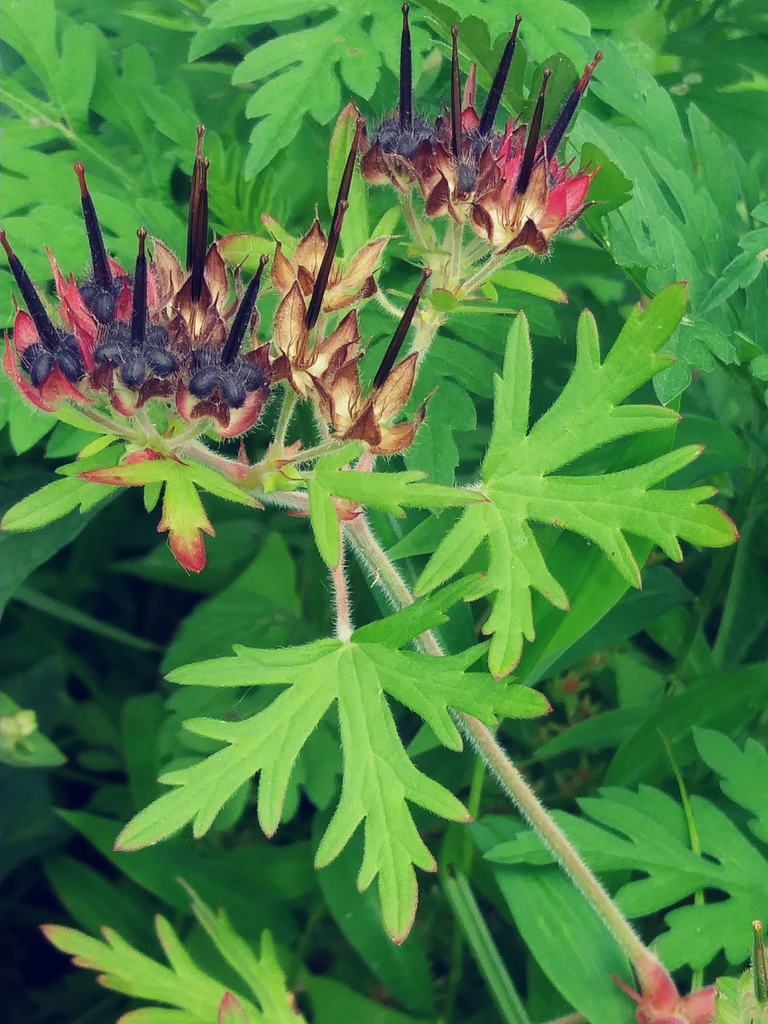
- Carolina Crane's-billGeranium carolinianum
Dry forests and woodlands
Birds 79
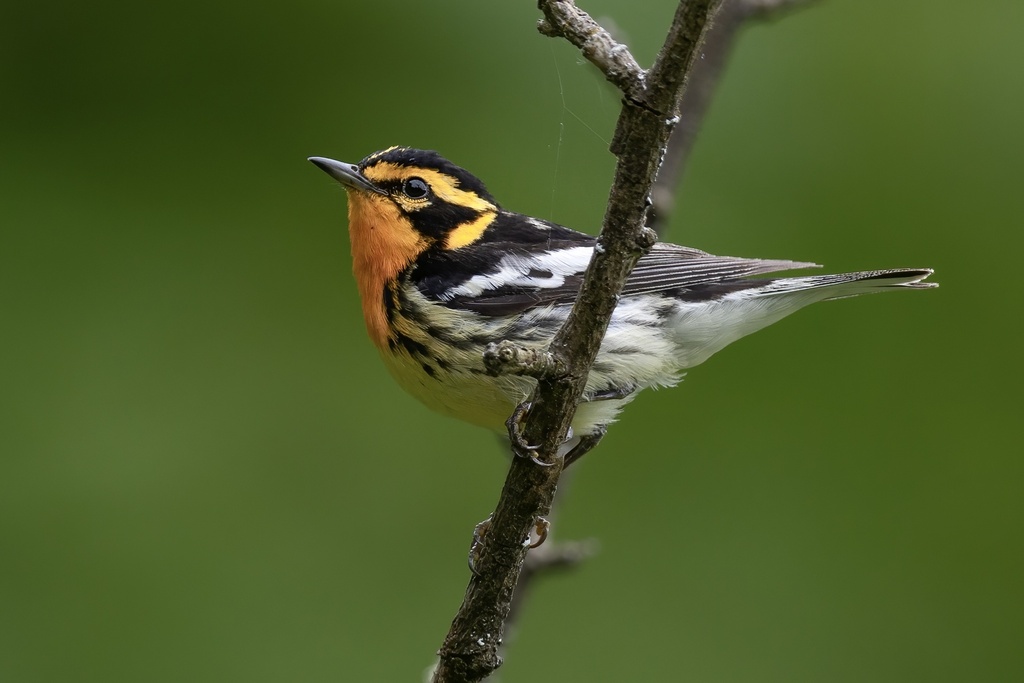
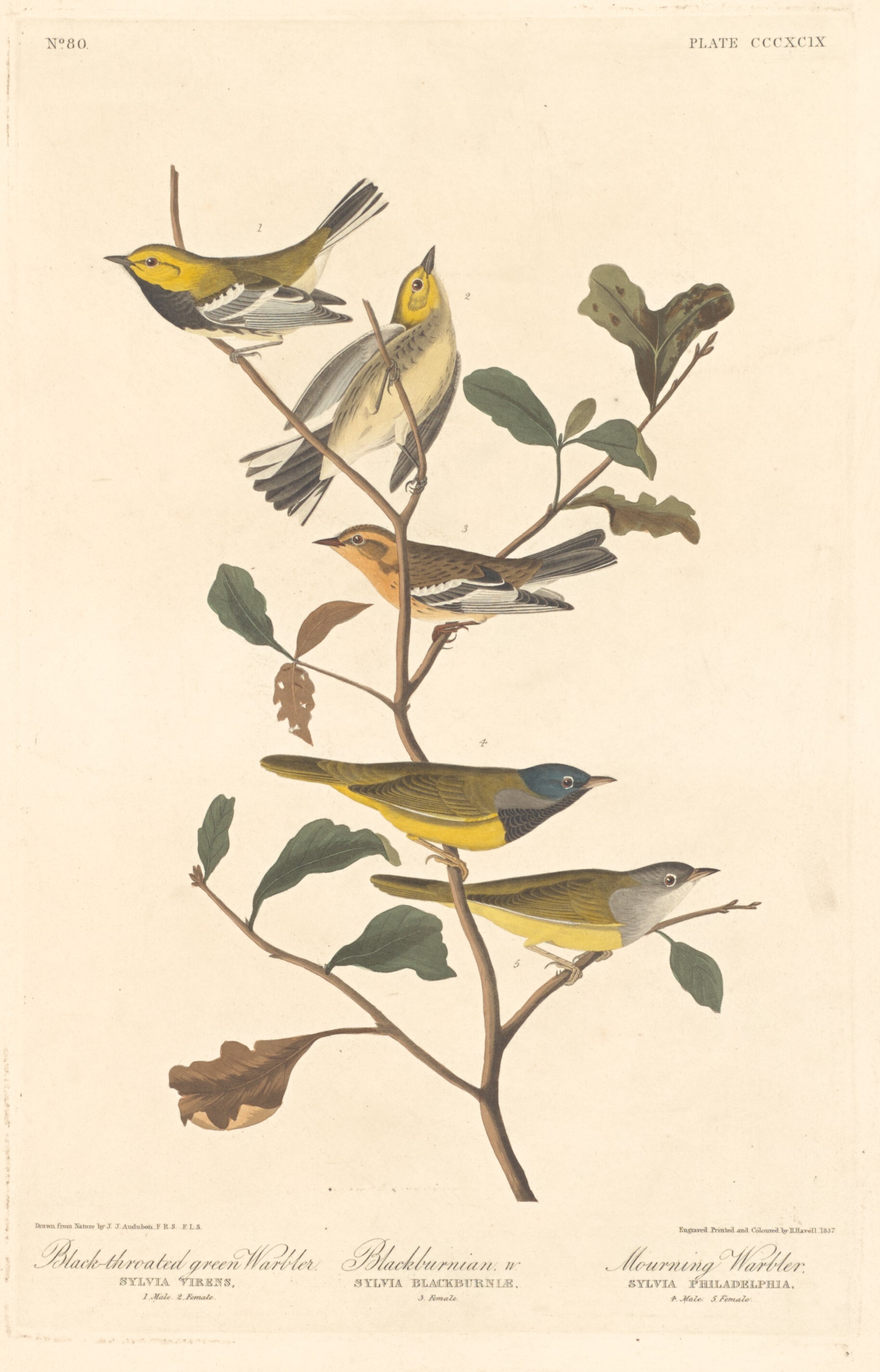
- Blackburnian WarblerDendroica fusca
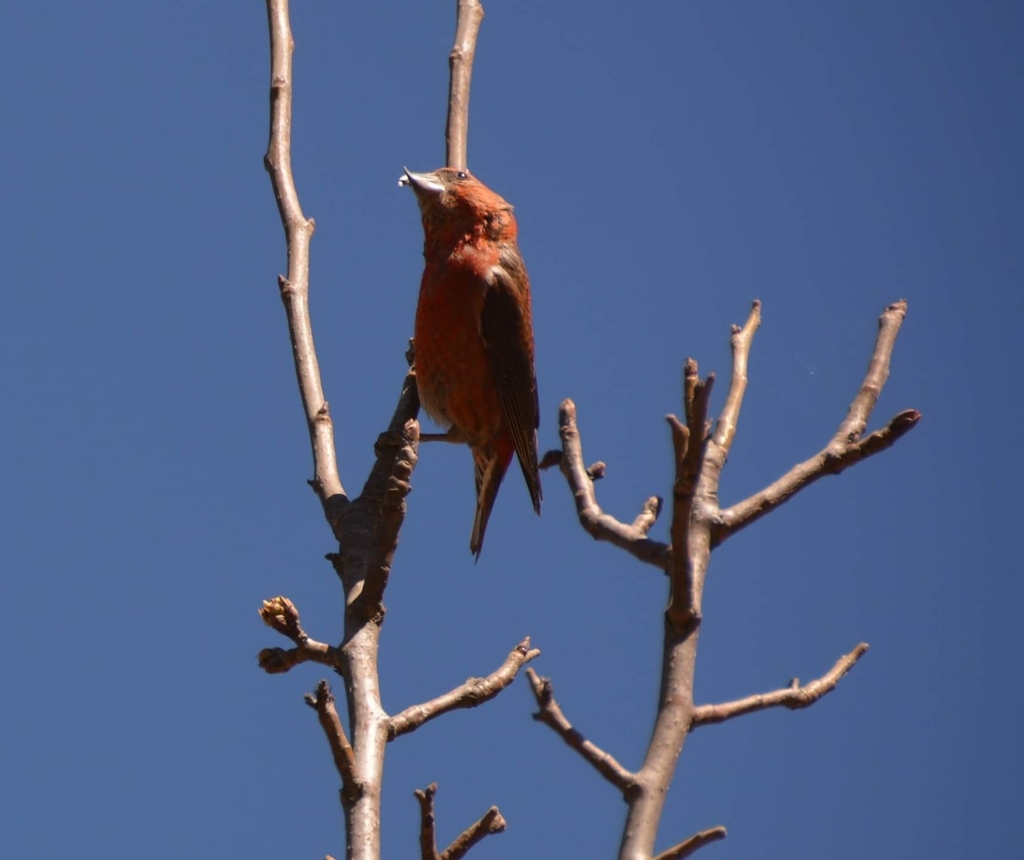
- Red CrossbillLoxia curvirostra
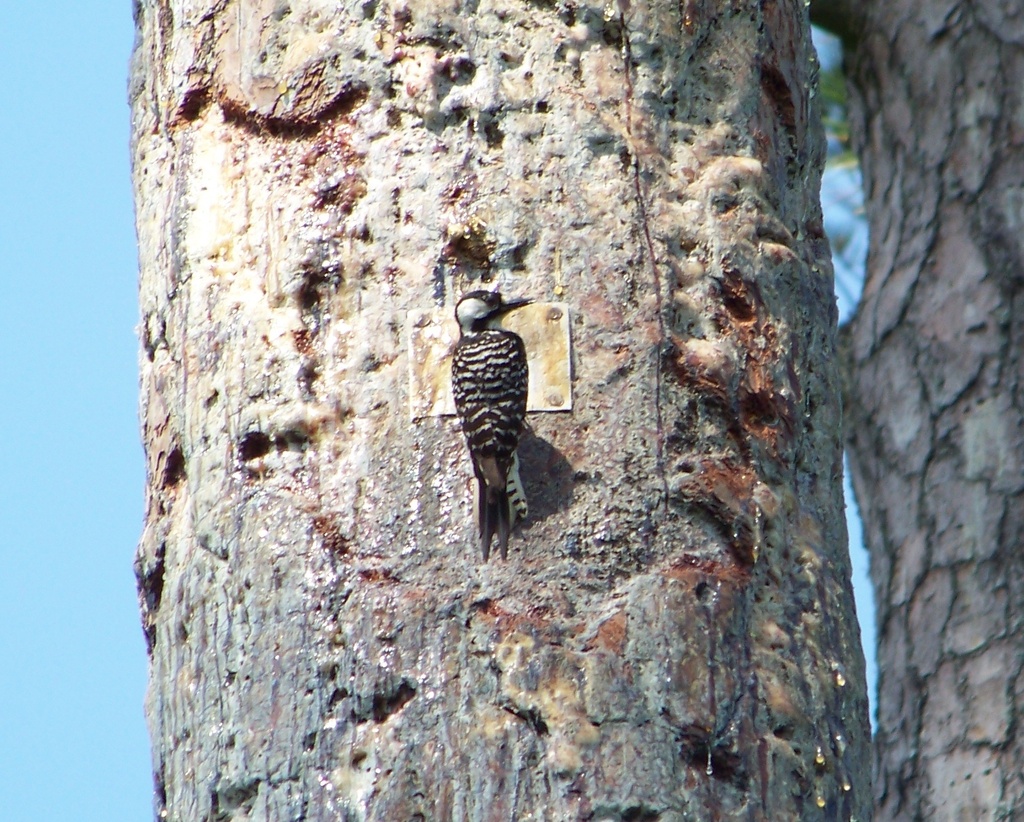
- Red-cockaded WoodpeckerPicoides borealis
- Black-throated Green WarblerDendroica virens
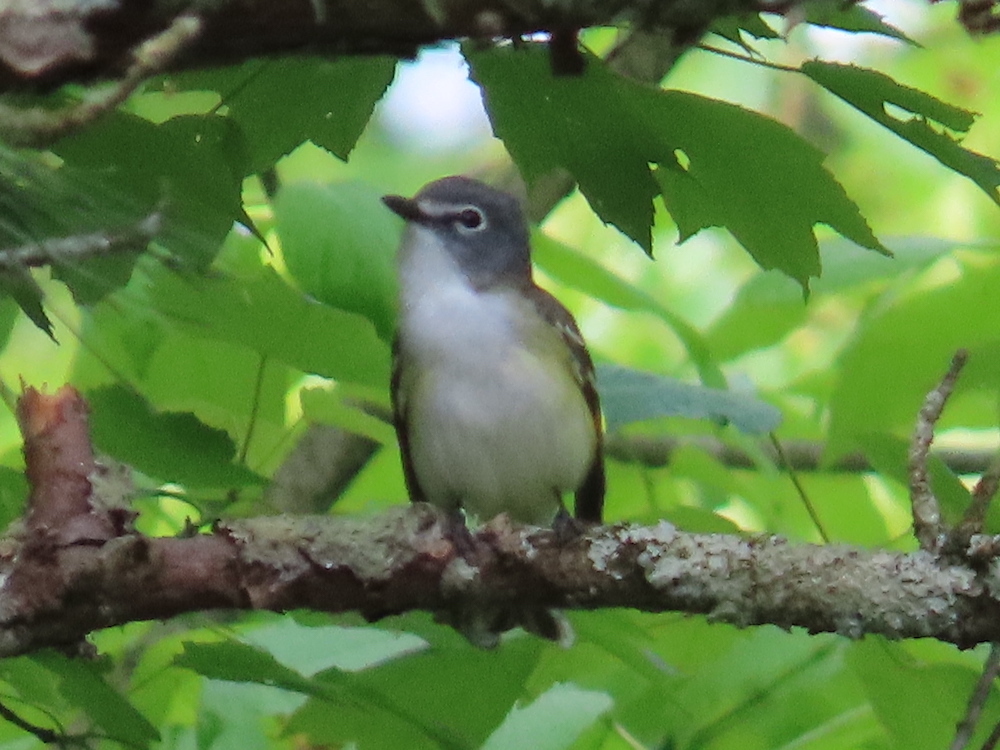
- Blue-headed VireoVireo solitarius
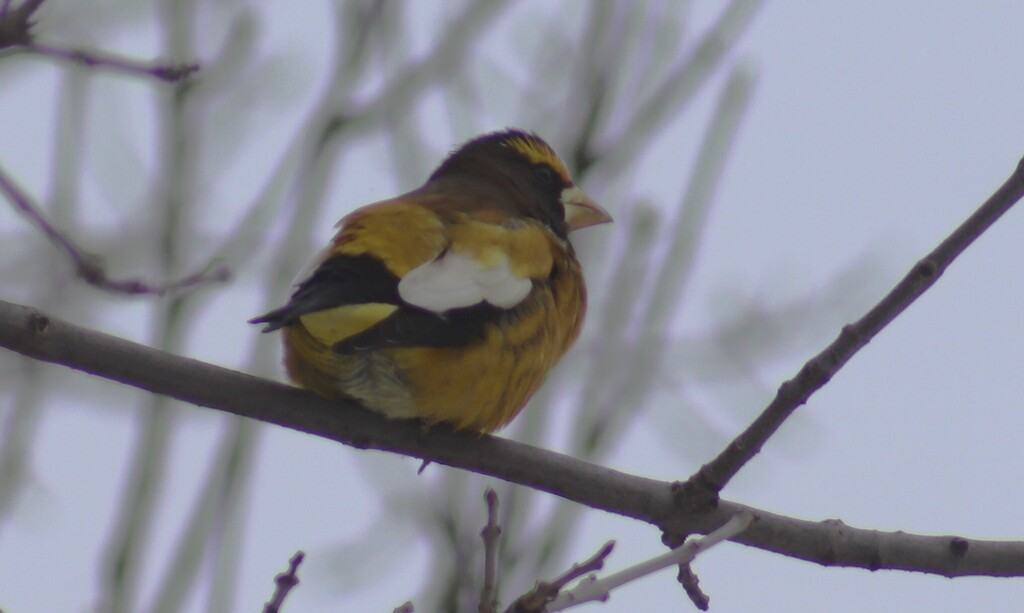
- Evening GrosbeakCoccothraustes vespertinus
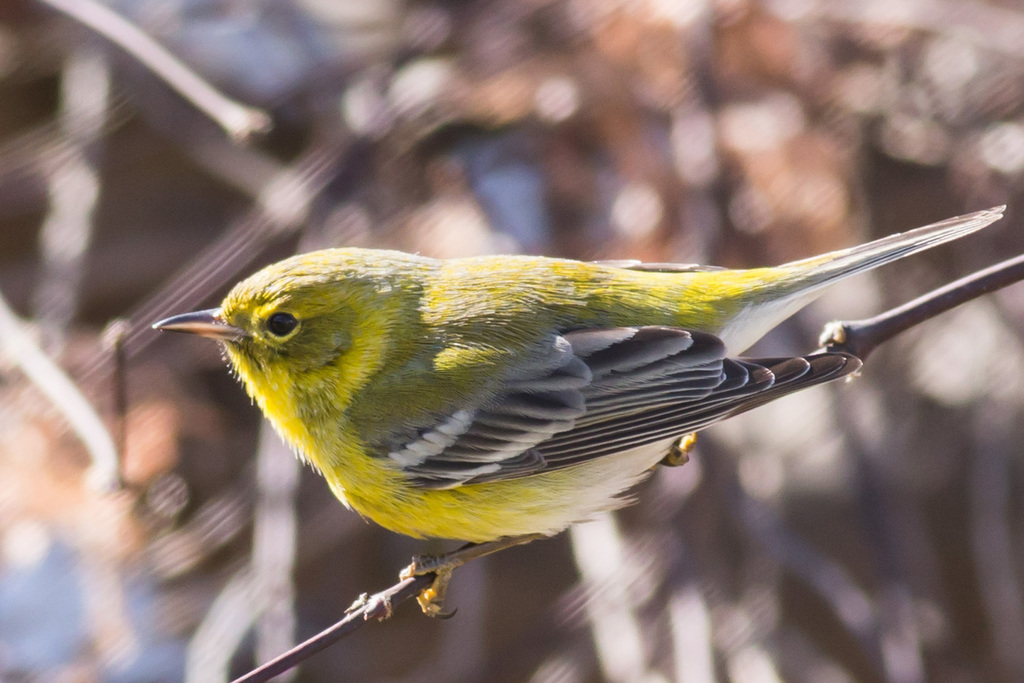
- Pine WarblerDendroica pinus
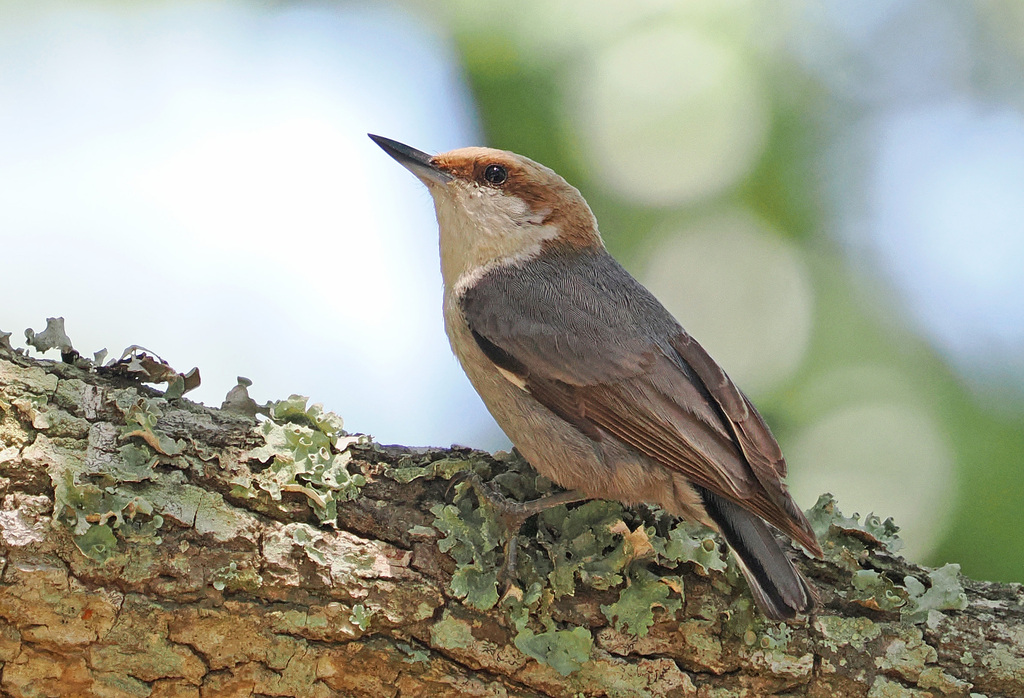
- Brown-headed NuthatchSitta pusilla
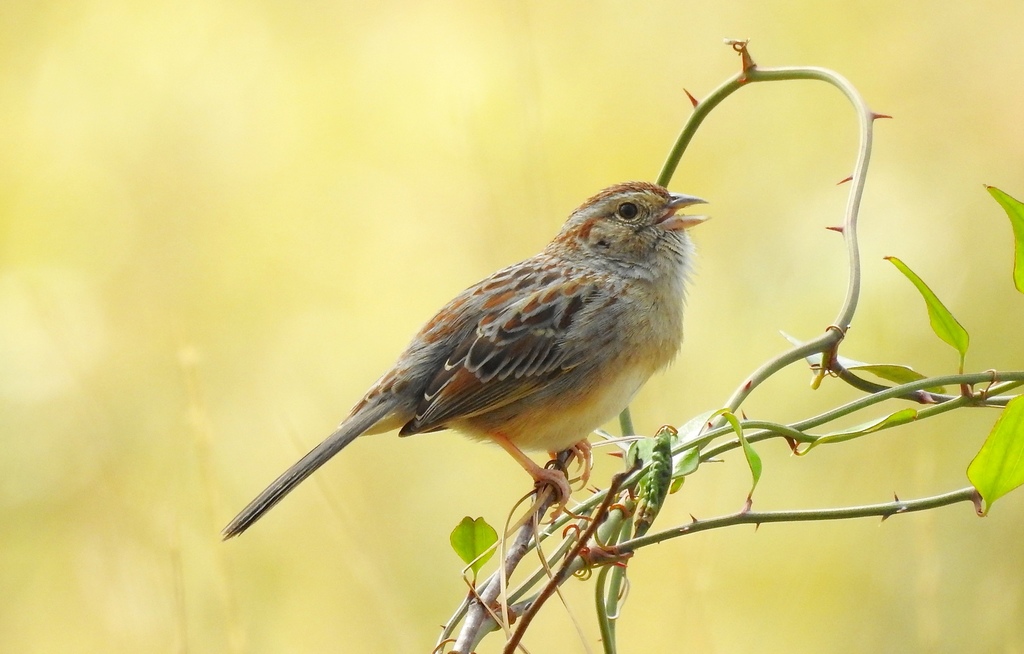
- Bachman's SparrowAimophila aestivalis
- OvenbirdSeiurus aurocapilla
- Red-breasted NuthatchSitta canadensis
- Swainson's WarblerLimnothlypis swainsonii


Plants 224
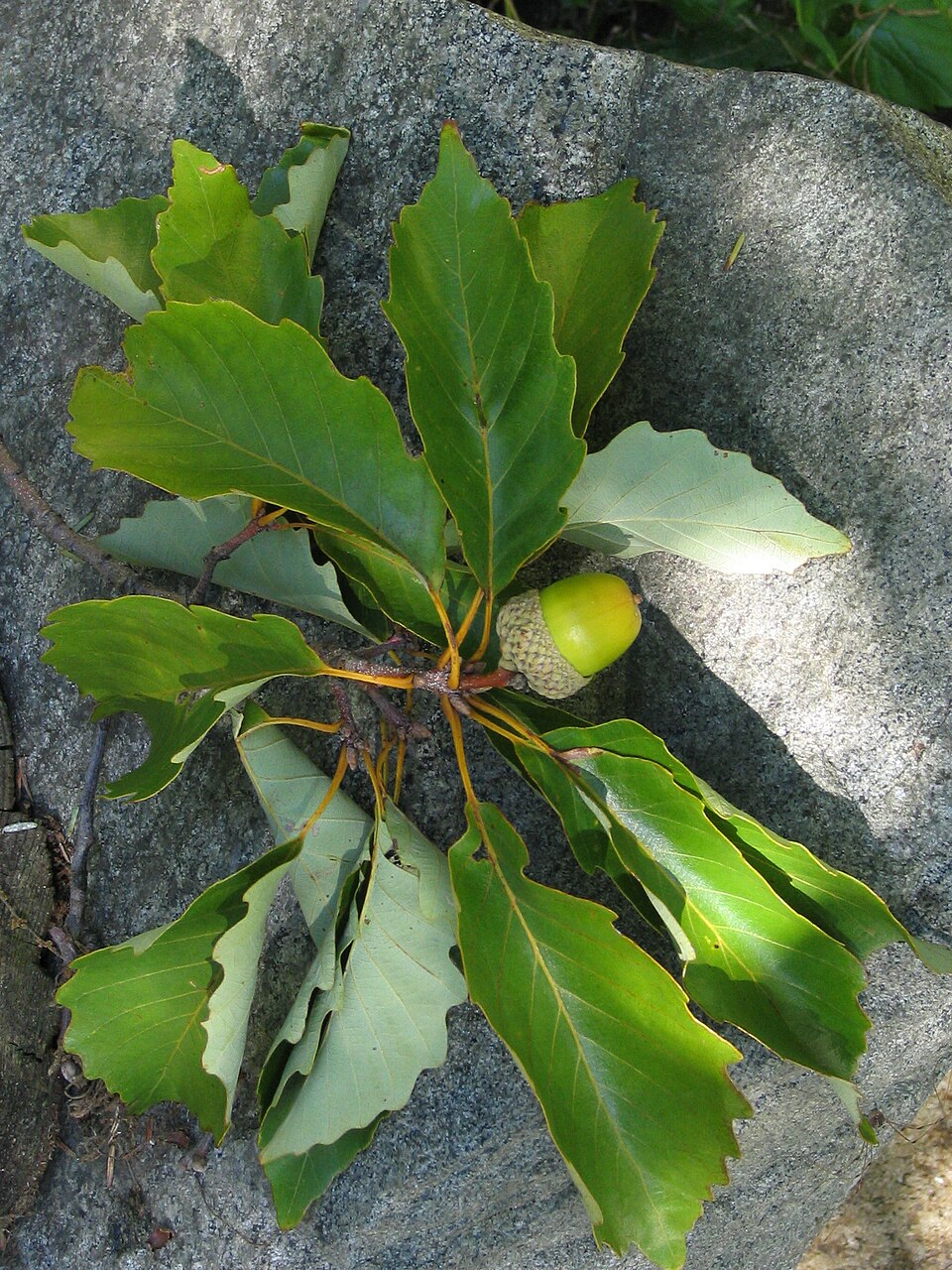
- Chestnut OakQuercus montana
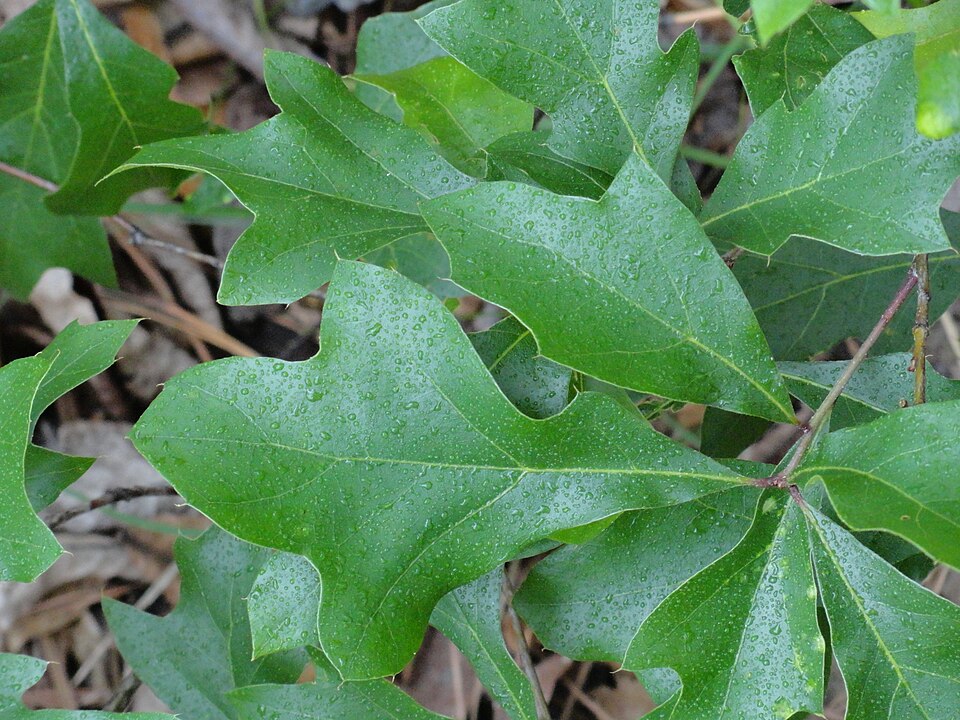
- Georgia OakQuercus georgiana
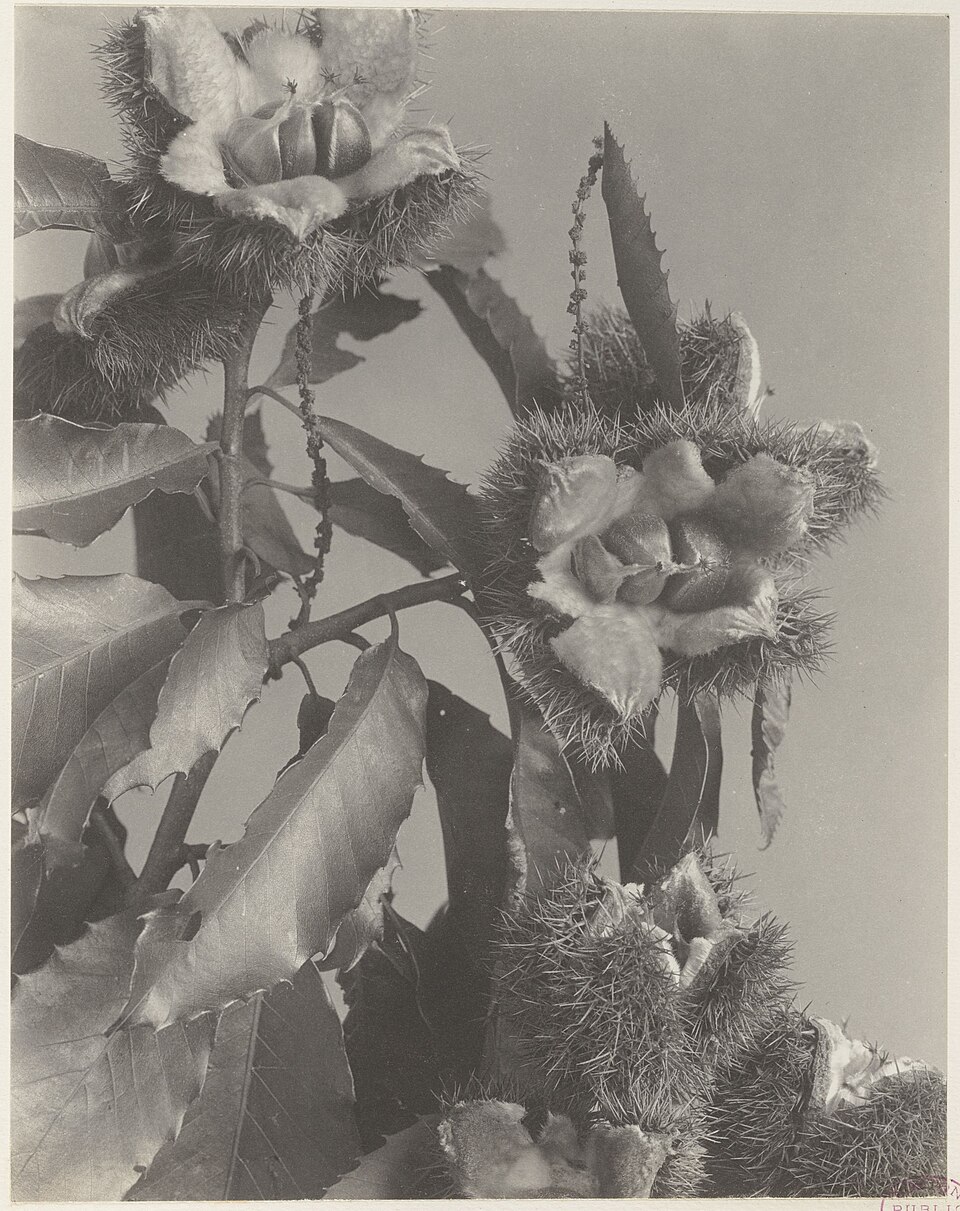
- American ChestnutCastanea dentata
- Boynton's OakQuercus boyntonii
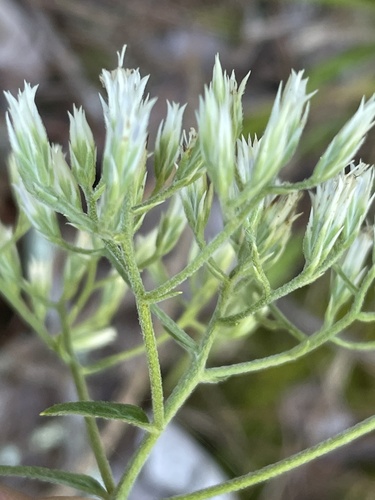
- White ThoroughwortEupatorium album
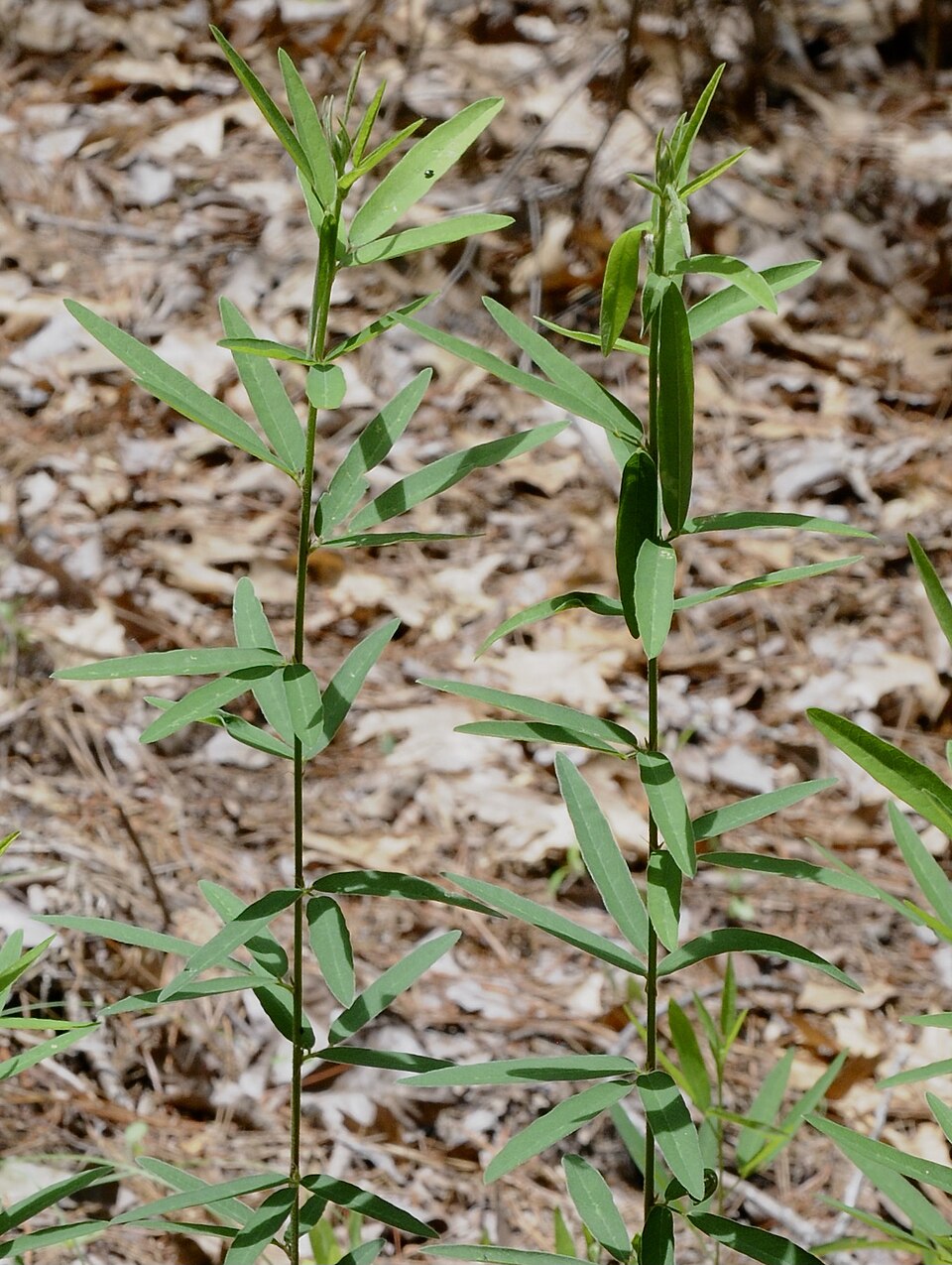
- Sessileleaf Tick-trefoilDesmodium sessilifolium
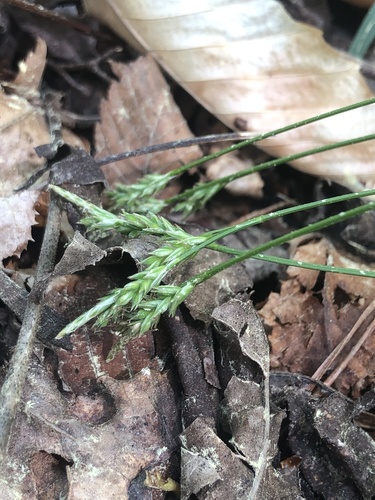
- Painted SedgeCarex picta
- Ernests SpiderwortTradescantia ernestiana
- Leavenworth's SedgeCarex leavenworthii
- Southern Whitetinge SedgeCarex albicans var. australis
- Southern LoosestrifeSteironema tonsa
- Alabama SkullcapScutellaria alabamensis
Glades, barrens and outcrops on limestone
Birds 49
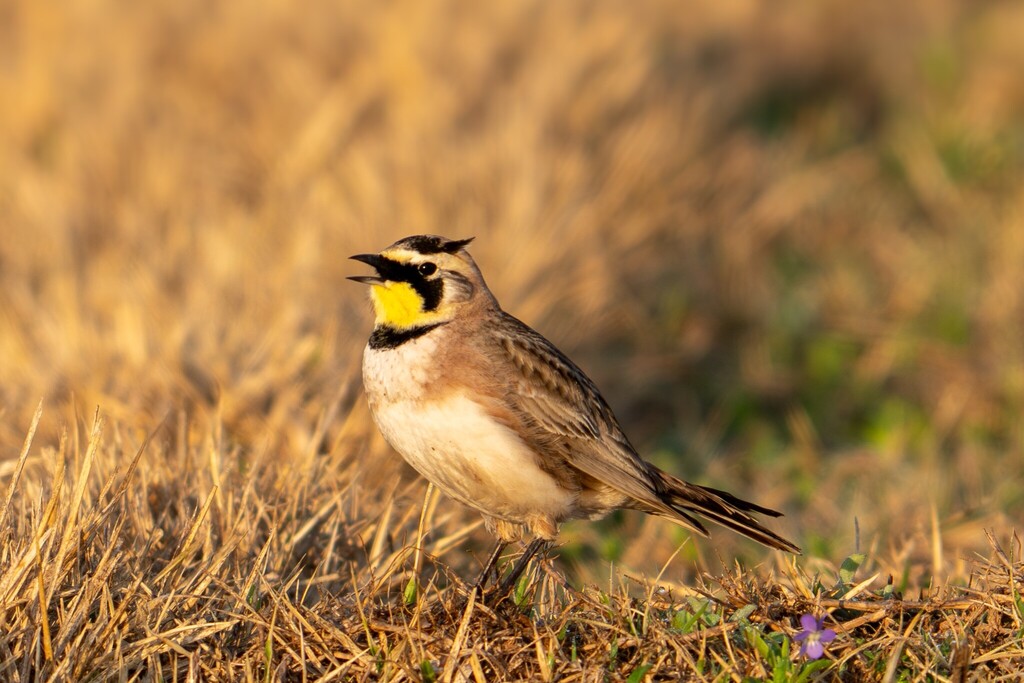
- Horned LarkEremophila alpestris
- Rock PigeonColumba livia
- Ruffed GrouseBonasa umbellus
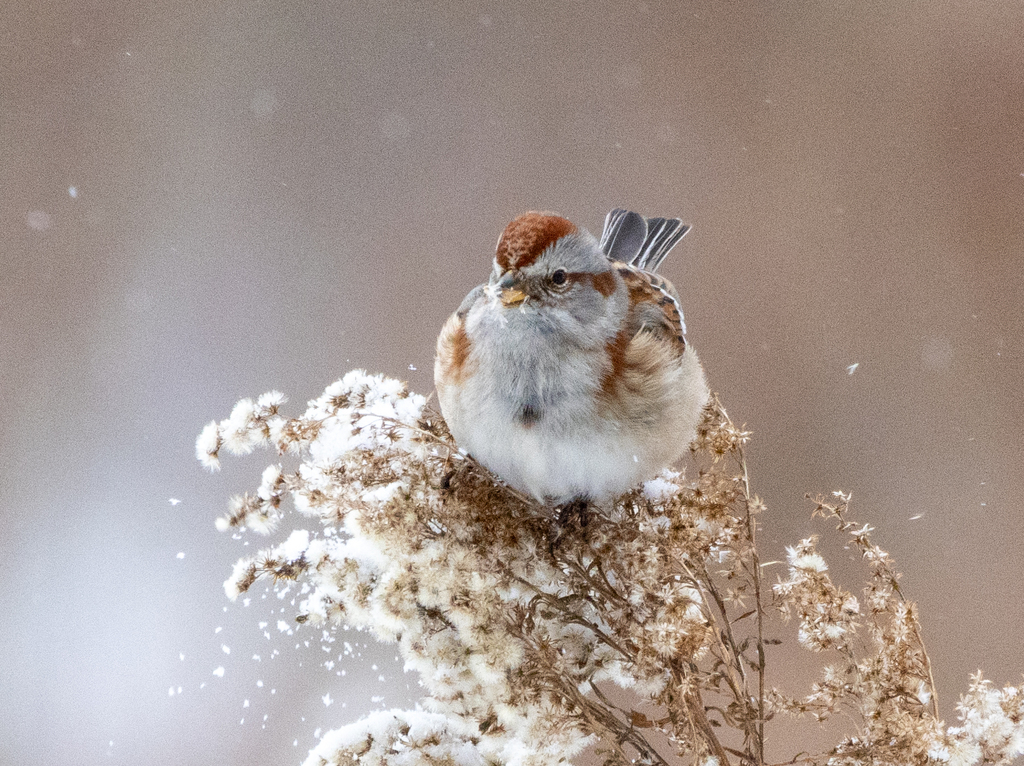
- American Tree SparrowSpizella arborea
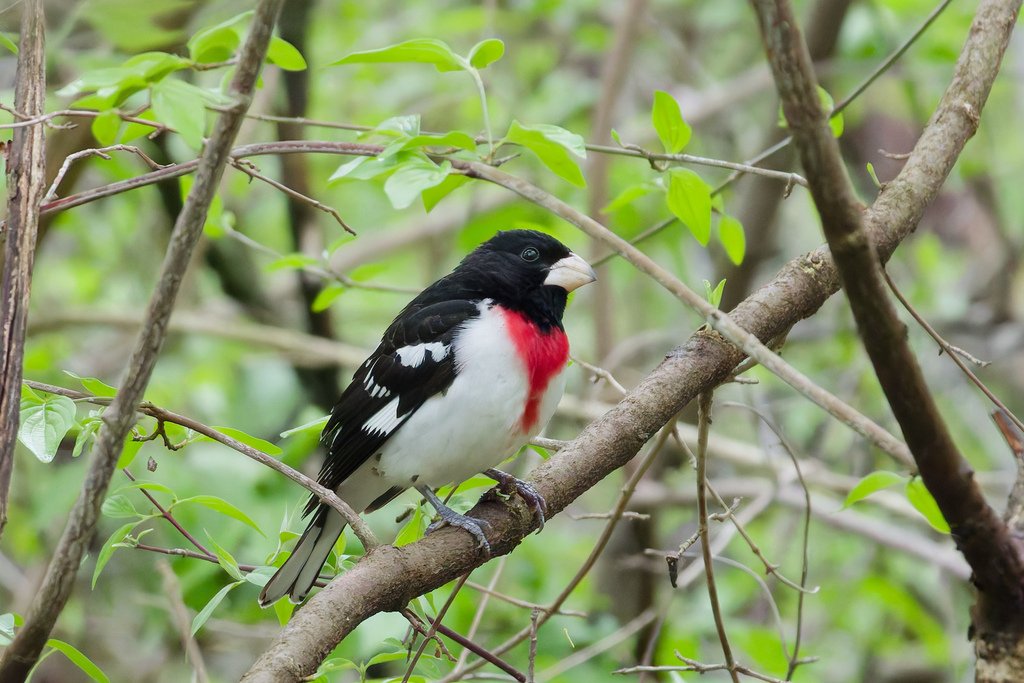
- Rose-breasted GrosbeakPheucticus ludovicianus
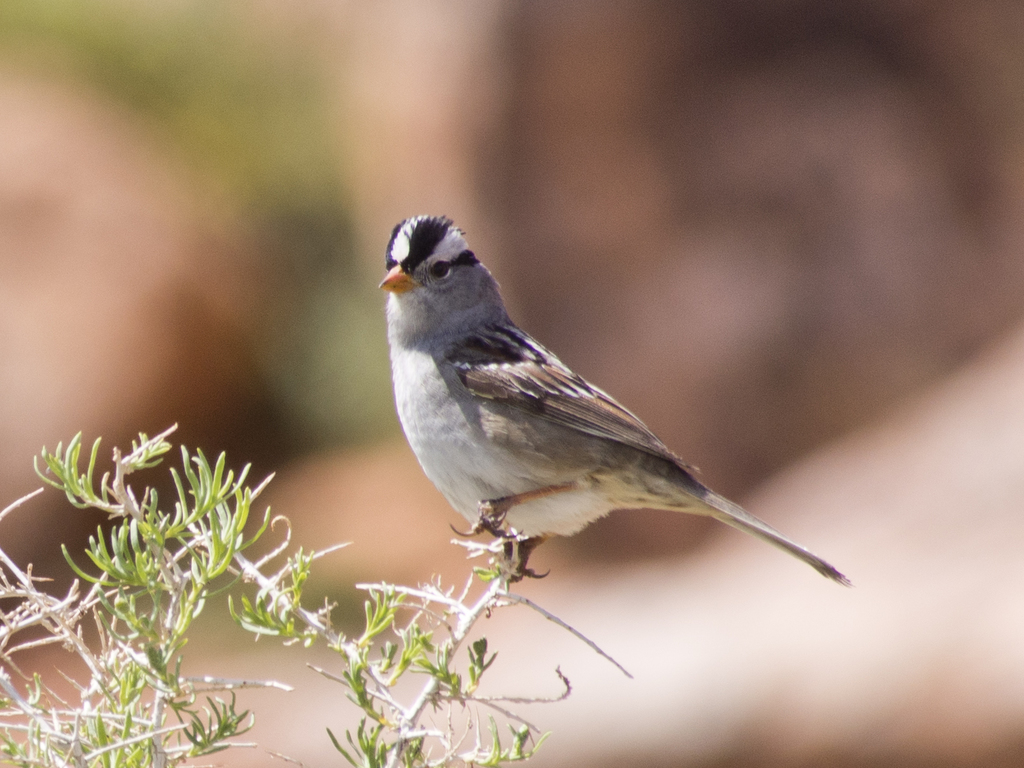
- White-crowned SparrowZonotrichia leucophrys
- Prairie WarblerDendroica discolor
- Eastern BluebirdSialia sialis
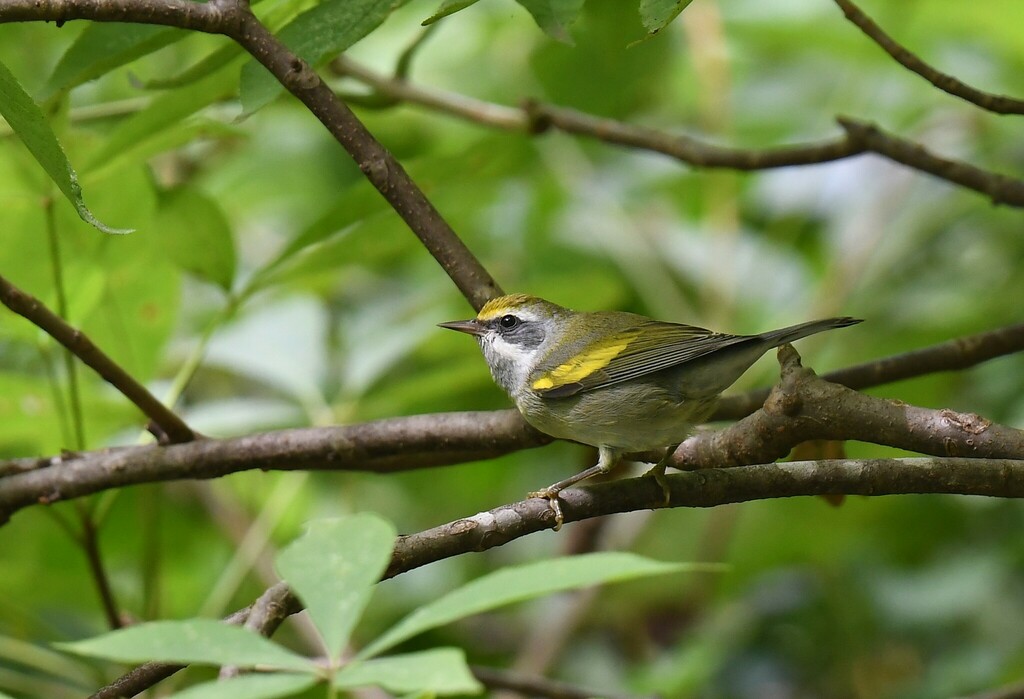
- Golden-winged WarblerVermivora chrysoptera
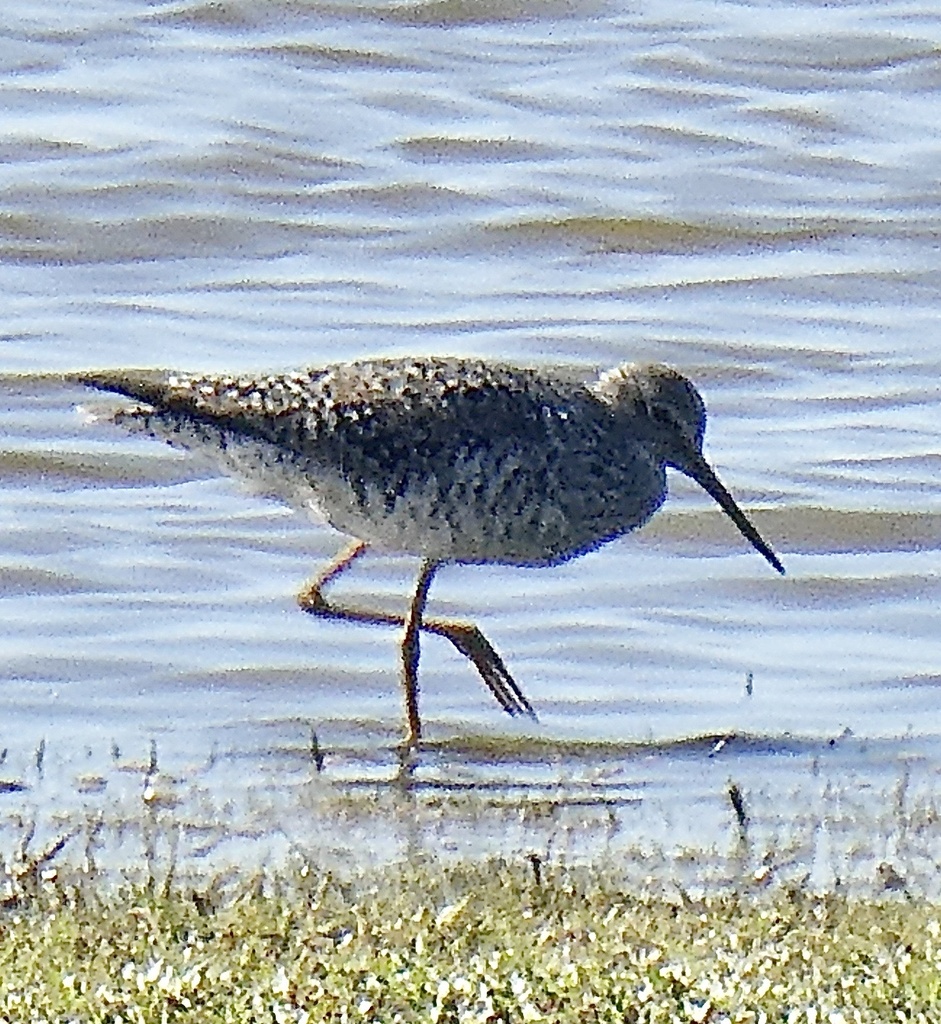
- Greater YellowlegsTringa melanoleuca
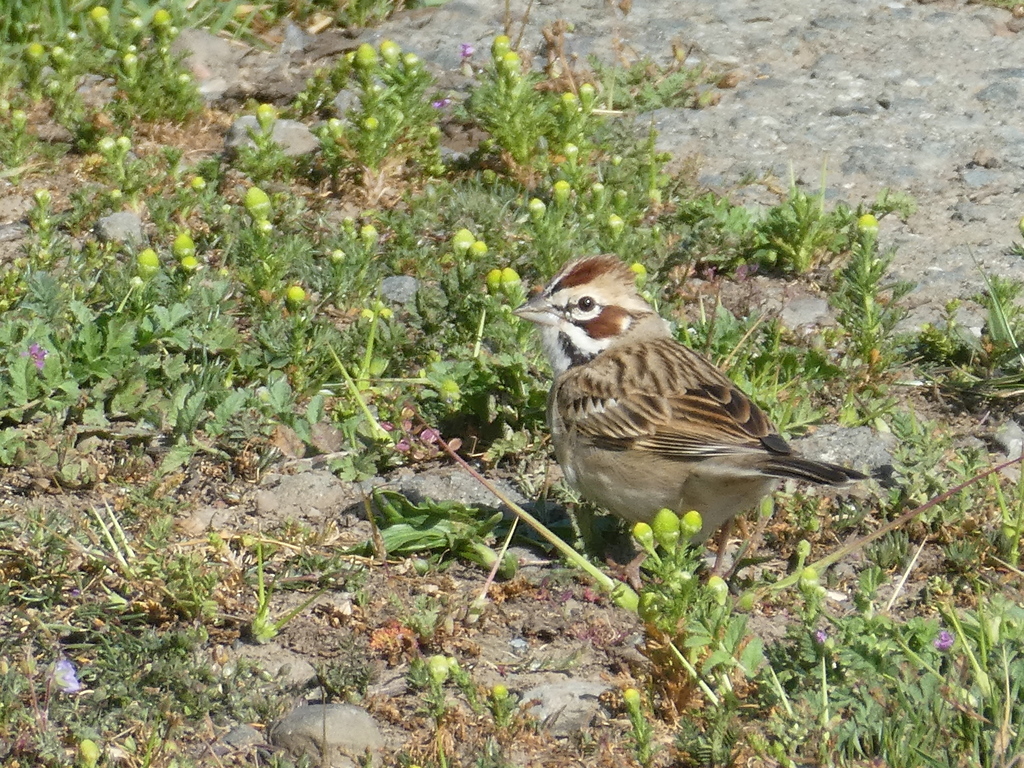
- Lark SparrowChondestes grammacus
- Brown ThrasherToxostoma rufum




Plants 191
- Cahaba FleabaneErigeron dolomiticola
- Erigeron strigosus var. calcicolaErigeron allisonii
- Cahaba Prairie CloverDalea cahaba
- Cedar Glade Prairie CloverDalea foliosa
- Gattingers Prairie CloverDalea gattingeri
- Tennessee Ground PlumAstragalus tennesseensis
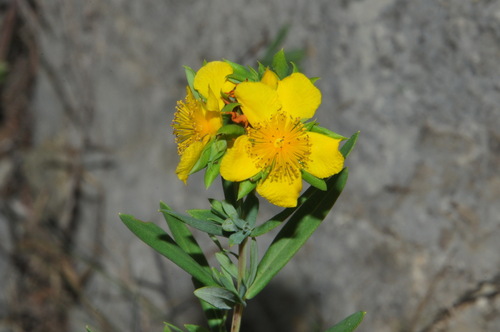
- Glade St. JohnswortHypericum dolabriforme
- Cahaba Blazing StarLiatris oligocephala
- Harpers Wild BuckwheatEriogonum harperi
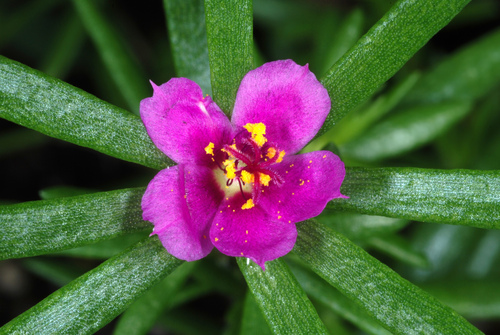
- Pink PurslanePortulaca pilosa
- Sticky RosinweedSilphium glutinosum
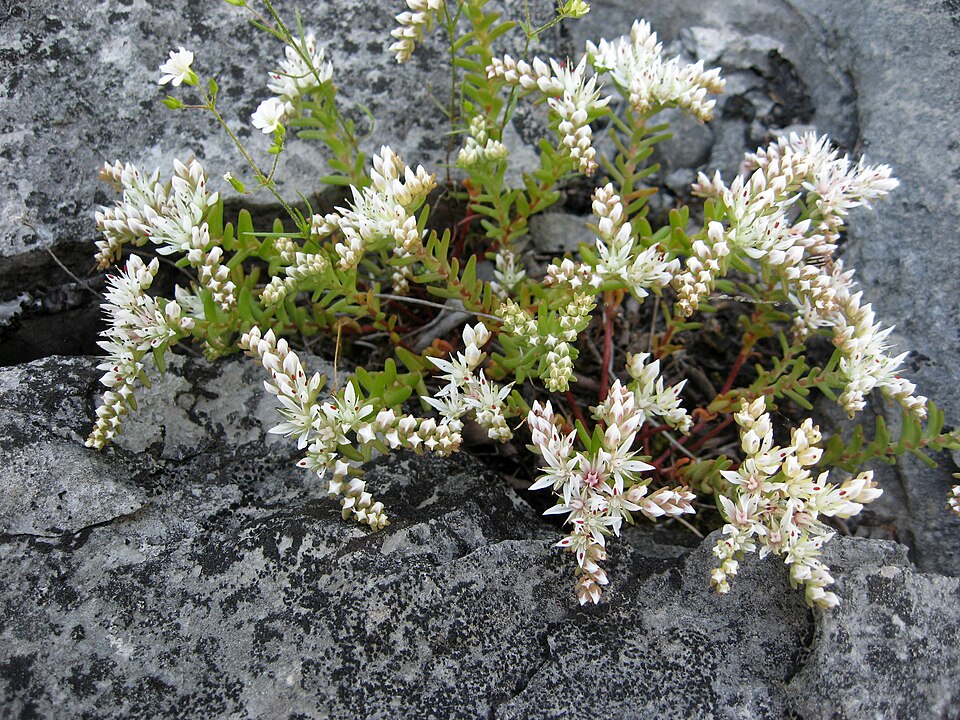
- WidowscrossSedum pulchellum

Sources
- USGS Gap Analysis Project habitat models (2001)
- USGS GAP winter habitat model for Long-eared Owl
- USGS Gap Analysis Project range maps (2001), modeled by watershed; migratory gives no dates
- NatureServe Explorer (CC BY 4.0), habitat names
- US Census TIGER/Line counties
- Names follow the USGS Gap Analysis Project (2001)