

Gattingers Prairie Clover
Dalea gattingeri
Found in calcareous glades and barrens. Weakley, Flora of the Southeastern United States (2025), South Central edition What its natural habitat tells you
Native to Alabama. How scores work Is it native here?
Profile 88%
- Height
- 3–6 inches
- Spread
- 1–2 feet
- Light
- Full sun
- Soil moisture
- Somewhat dry to average
Space about 1.5 ft apart from its recorded spread, about 44 per 100 sq ft. Enter your bed size for a count
Will it fit your yard?No photograph yet. Looking for an old drawing…
At a glance
- Life cycle
- Perennial
- Bloom
- May to August
Not yet recorded · Leaves
Recorded in 7 Alabama counties.
Natural habitats
Places it grows wild. Not a planting requirement. Each habitat page lists the plants and wildlife also found there.
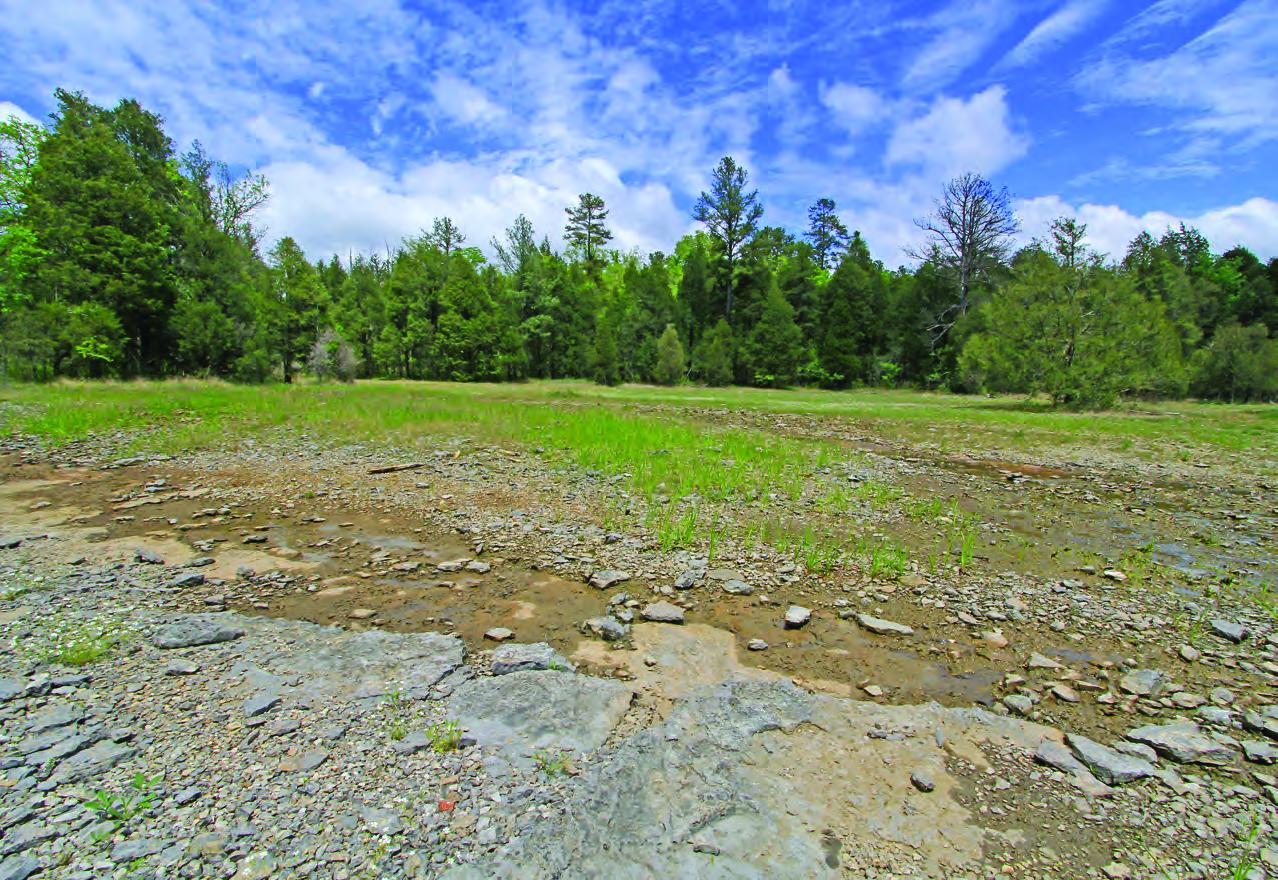
Glades, barrens and outcrops on limestone
Also found with this plant
Wildlife whose habitat models include habitats this plant grows in, in Alabama. Shared habitat, not food. 84 animals.
- American GoldfinchCarduelis tristis
- American KestrelFalco sparverius
- American RobinTurdus migratorius
- Bank SwallowRiparia riparia
- Blue GrosbeakPasserina caerulea
- Blue JayCyanocitta cristata
- Blue-gray GnatcatcherPolioptila caerulea
- Brown CreeperCerthia americana
- Brown ThrasherToxostoma rufum
- Brown-headed CowbirdMolothrus ater
- Cedar WaxwingBombycilla cedrorum
- Chipping SparrowSpizella passerina
- Common NighthawkChordeiles minor
- Cooper's HawkAccipiter cooperii
- Dark-eyed JuncoJunco hyemalis
- Double-crested CormorantPhalacrocorax auritus
- Downy WoodpeckerPicoides pubescens
- Eastern BluebirdSialia sialis
- Eastern KingbirdTyrannus tyrannus
- Eastern PhoebeSayornis phoebe
- Eastern Screech-owlMegascops asio
- Eurasian Collared-doveStreptopelia decaocto
- European StarlingSturnus vulgaris
- Golden-crowned KingletRegulus satrapa
























Who uses this plant?
 7CaterpillarsGenus host records with ranges including AL
Genus host records with ranges including AL · Dalea
- Aristotelia roseosuffusellaPink-Washed Aristotelia
- Hypomecis umbrosariaUmber Moth
- Iridopsis humariaSmall Purplish Gray
- Papaipema nebrisStalk Borer
- Schinia lucensAmorpha Flower Moth, Leadplant Moth, Flase Indigo Flower Moth
- Stegasta bosqueellaRed-Necked Peanutworm
- Zerene cesoniaSouthern Dogface
 42BeesSoutheastern regional records
Southeastern regional records · Dalea
Individual names are not available yet.
Noori, Seltmann & Orr 2026, A curated and integrated dataset for exploring global bee-plant interactions (GloBI), Zenodo, CC BY 4.0 5Specialist beesPollen specialists
Pollen specialists · Dalea
- Colletes aberrans
- Colletes howardi
- Colletes robertsonii
- Colletes susannae
- Colletes wilmattae
 1BirdsRecorded genus food-resource interactions; not a state feeding claim
Recorded genus food-resource interactions; not a state feeding claim · Dalea
- Tympanuchus pallidicinctusLesser Prairie-Chicken
Direct food only: birds recorded eating this genus across North America. Caterpillars on host plants also feed nesting birds. NC Native Plant Society: butterfly gardening
No records yet · Ants · Beetles · Flies · Adult butterflies / moths · Other wasps · Other insects
Plant details
- Family
- Fabaceae
- Hardiness
- Zones 6–8
- Flower color
- Purple
Safety has not been reviewed for this plant; check toxicity and thorns before planting.
Growing sources and scope
- Bloom · “May to August” · Weakley, Flora of the Southeastern United States (2025), Carolinas & Georgia edition · Carolinas and Georgia
- Flower color · “Purple” · Lady Bird Johnson Wildflower Center
- Hardiness · “Zones 6–8” · Missouri Botanical Garden Plant Finder
- Height · “3–6 inches” · Tennessee Smart Yards (ranked first; Lady Bird Johnson Wildflower Center, Missouri Botanical Garden Plant Finder differ) · Published Tennessee growing guidance; exact cached scientific heading
- Life cycle · “Perennial” · Lady Bird Johnson Wildflower Center
- Light · “Full sun” · Tennessee Smart Yards · Published Tennessee growing guidance; exact cached scientific heading
- primary_flower_color · “purple” · Lady Bird Johnson Wildflower Center
- Soil · “medium to moderately dry” · Tennessee Smart Yards (ranked first; Missouri Botanical Garden Plant Finder differs) · Published Tennessee growing guidance; exact cached scientific heading
- Spread · “1–2 feet” · Missouri Botanical Garden Plant Finder
Also known as
Purple Tassels
Conservation status
| Alabama rank | S3 |
|---|---|
| Global rank | Not available |
| AL status | Not verified |
| Federal status | Not verified |
Will it fit your yard?
Check this plant against your county, sun and soil moisture. Conditions are checked in your browser.
Sources
- Alabama Plant Atlas
- Weakley, Flora of the Southeastern United States (2025), Carolinas & Georgia edition
- NatureServe Explorer
- Shropshire & Tallamy 2025, Lepidoptera of North America north of Mexico, ZooKeys 1261 (ODbL)
- Noori, Seltmann & Orr 2026, A curated and integrated dataset for exploring global bee-plant interactions (GloBI), Zenodo, CC BY 4.0
- Smith, Bachelder, Russell, Morales, Mosher & Seltmann 2024, Bee-Specialization-Modeling v0.6.1 (specialist host table compiled from J. Fowler's pollen specialist bee lists), Zenodo, CC BY 4.0
- Hurlbert, Olsen, Sawyer & Winner 2021, Avian Diet Database, Scientific Data 8: 260 (CC0)
- Narango, Tallamy & Shropshire 2020, Few keystone plant genera support the majority of Lepidoptera species, Nature Communications