

Bird
Least Flycatcher
Empidonax minimus
Passes through Alabama on migration. Found in all 67 counties, across 15 habitats.
- Here
- On migration
- Nesting
- Not known to nest here
- Range
- All 67 counties
- Habitats
- 15

At a glance
- Group
- Birds
- Here
- On migration
- Nesting
- Not known to nest here
- Range
- All 67 counties
- Habitats
- 15
- Habitat models
- Summer, Winter
Where it lives
The places its habitat model includes. It is not found everywhere a habitat occurs.
Habitats in Alabama 15
Each habitat page lists the plants and wildlife also found there.


Dense, evergreen groves of live oak, magnolia and other hardwoods in the southern Coastal Plain, from dry oak domes to wet hydric hammocks and south Florida's tropical hammocks; salt-shaped maritime hammocks are maritime forests.
Disturbed and introduced wetlands
Wet ground taken over by weedy or introduced plants after disturbance, such as common reed, Chinese tallow or tamarisk stands; the upland counterpart is roadsides, fields and disturbed ground.
Forests and open woodlands on dry ridges and slopes, often oak or pine.
Floodplain and bottomland forests
Forests on low ground beside rivers and streams that flood from time to time.
Flat, poorly drained uplands and terraces with oaks, sweetgum and sometimes loblolly pine, wet in winter and dry in summer, but neither a floodplain nor a swamp.
Salt-pruned forests and shrub thickets behind coastal dunes.
Forests between dry and moist, often oak-hickory on slopes.
Forests on moist but not wet ground, such as rich slopes and ravines.
Flat, sandy Coastal Plain pine woodlands, wetter than sandhills and denser than savannas.
Streams, rivers and their banks
Flowing water and its banks, bars and rocky shoals.
Tree plantations and managed pine
Planted or intensively managed stands of pine or hardwoods grown for timber; a land use rather than a natural community.

Roadsides, fields and disturbed ground
Ground opened by people: roadsides, old fields, pastures, fencerows and lots.
Other habitats in its models (36)
Land cover, or classes with no habitat page in Alabama.
- Developed, Low Intensity Summer and winter, beside its main habitat.
- Orchards Vineyards and Other High Structure Agriculture Summer, beside its main habitat.
- Central and Southern Appalachian Northern Hardwood Forest Summer.
- Southern and Central Appalachian Oak Forest - Xeric Summer.
- Southern Appalachian Northern Hardwood Forest Summer.
- Southern and Central Appalachian Oak Forest Summer.
- Central and Southern Appalachian Montane Oak Forest Summer.
- South Florida Hardwood Hammock Winter.
- Southwest Florida Coastal Strand and Maritime Hammock Winter.
- Southeast Florida Coastal Strand and Maritime Hammock Winter.
- Southern Piedmont Dry Oak-(Pine) Forest - Loblolly Pine Modifier Summer.
- Southern Piedmont Dry Oak-(Pine) Forest - Mixed Modifier Summer.
- Southern Piedmont Dry Oak-Heath Forest - Mixed Modifier Summer.
- Central Appalachian Oak and Pine Forest Summer.
- Appalachian Hemlock-Hardwood Forest Summer.
- Central Appalachian Pine-Oak Rocky Woodland Summer.
- Southern and Central Appalachian Cove Forest Summer.
- Florida Peninsula Inland Scrub Winter.
- Southern Appalachian Grass and Shrub Bald - Shrub Modifier Summer, beside its main habitat.
- Recently Logged Areas Summer, beside its main habitat.
- Recently Burned Summer, beside its main habitat.
- Recently Burned Forest Summer, beside its main habitat.
- Recently Burned Shrubland Summer, beside its main habitat.
- Introduced Upland Vegetation - Shrub Summer, beside its main habitat.
- Southern Coastal Plain Nonriverine Basin Swamp - Okefenokee Pine Modifier Winter.
- Southern Coastal Plain Nonriverine Basin Swamp - Okefenokee Clethra Modifier Winter.
- South Florida Mangrove Swamp Winter.
- South Florida Bayhead Swamp Winter.
- Southern and Central Appalachian Bog and Fen Summer.
- South Florida Cypress Dome Winter.
- Central Appalachian Floodplain - Forest Modifier Summer.
- Central Appalachian Riparian - Forest Modifier Summer.
- East Gulf Coastal Plain Large River Floodplain Forest - Herbaceous Modifier Winter.
- South-Central Interior Large Floodplain - Herbaceous Modifier Summer.
- South Florida Pine Flatwoods Winter.
- Central Florida Pine Flatwoods Winter.
Seasons in Alabama
- Migratory: does not nest here, in all 67 counties.
Also found in this habitat
Plants 831
Plants named in NatureServe descriptions of these habitats that grow in Alabama. Shared habitat, not food.
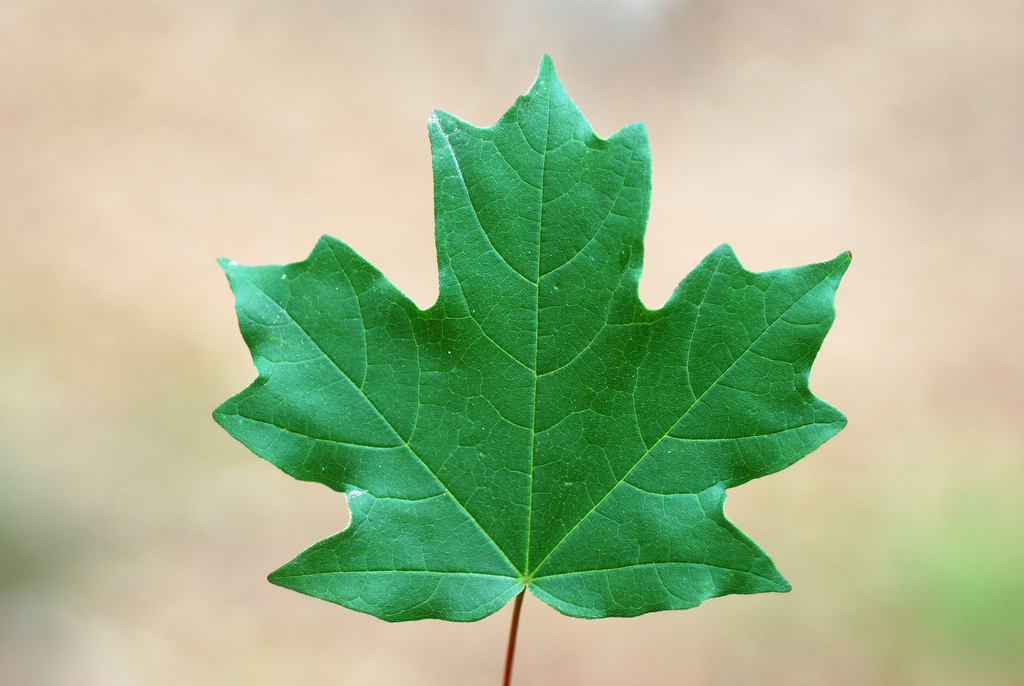
- Red MapleAcer rubrum
- SweetgumLiquidambar styraciflua
- TuliptreeLiriodendron tulipifera
- Pignut HickoryCarya glabra
- Poison-ivyToxicodendron radicans
- American BeechFagus grandifolia
- White AshFraxinus americana
- Mountain LaurelKalmia latifolia
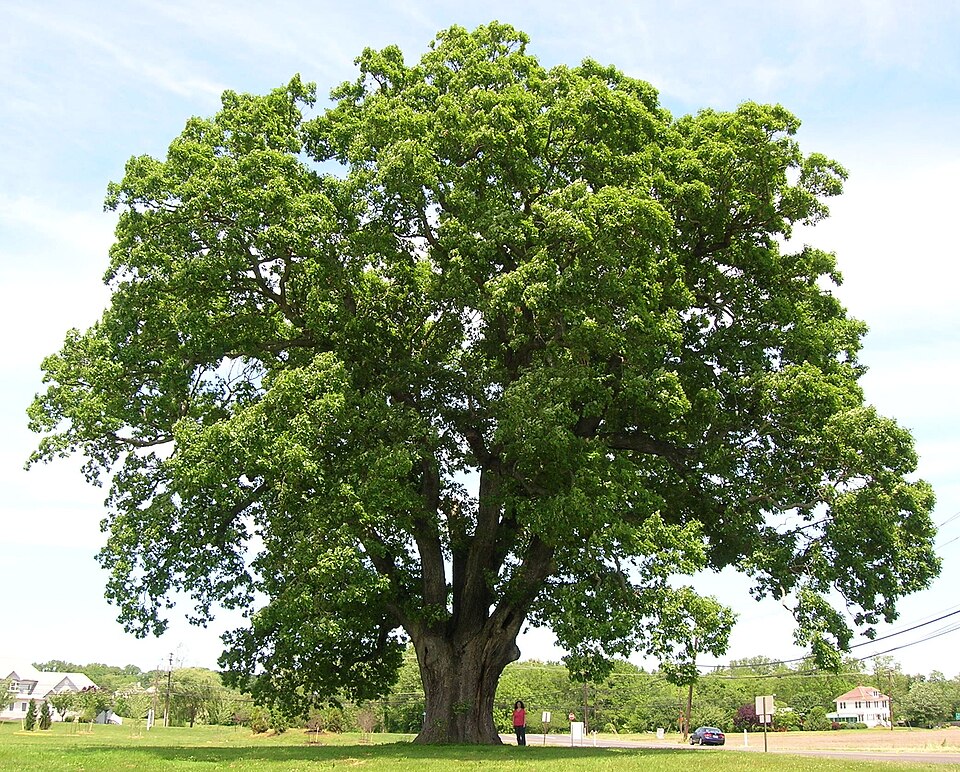
- White OakQuercus alba
- Water OakQuercus nigra
- Florida MapleAcer floridanum
- Shagbark HickoryCarya ovata
- Green AshFraxinus pennsylvanica
- Northern SpicebushLindera benzoin
- Sweetbay MagnoliaMagnolia virginiana
- Swamp TupeloNyssa biflora
- BlackgumNyssa sylvatica
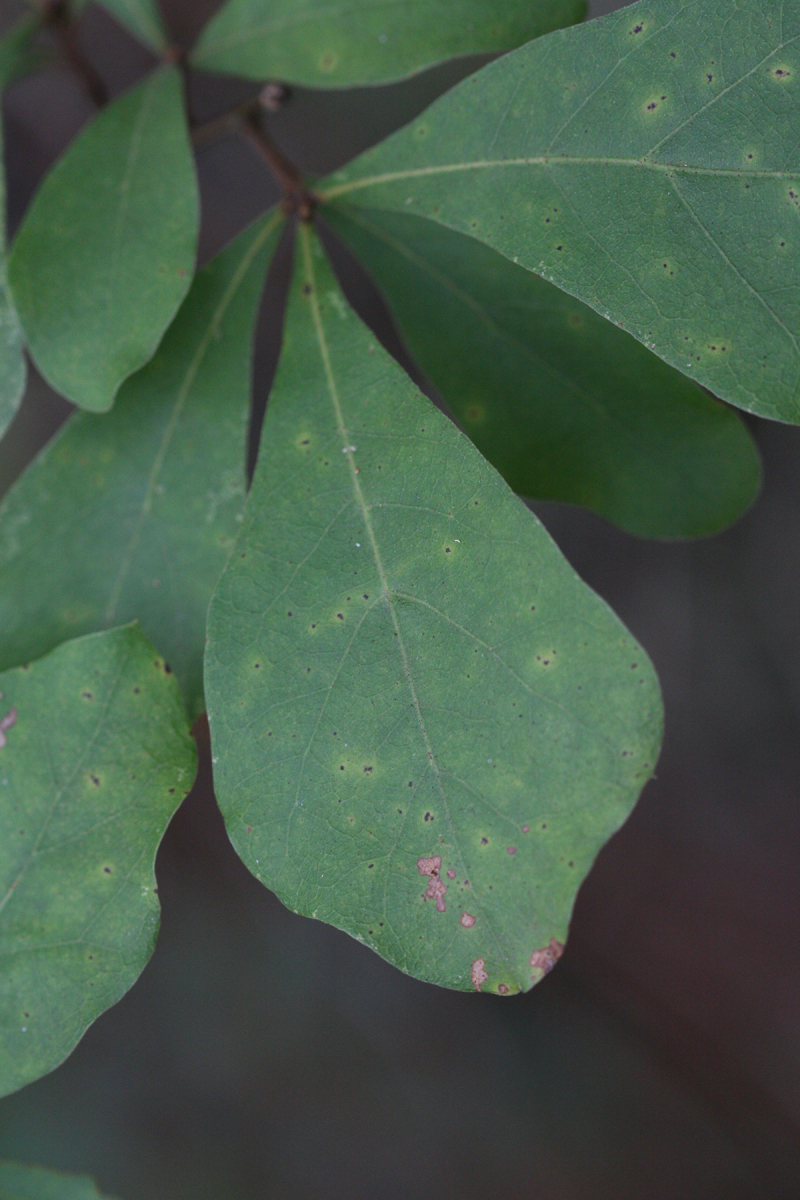
- Loblolly PinePinus taeda
- Serenoa repensSerenoa repens
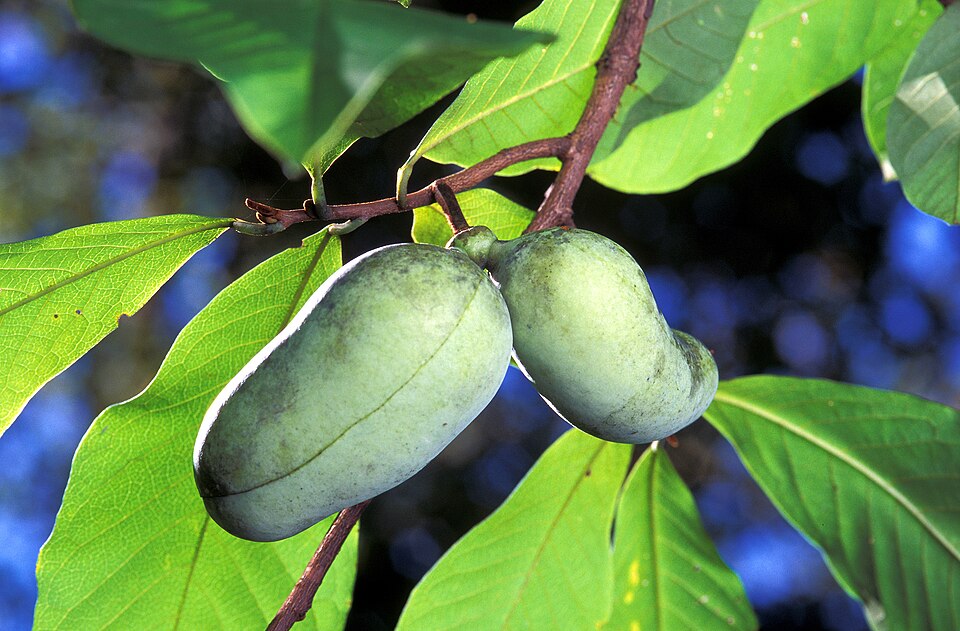
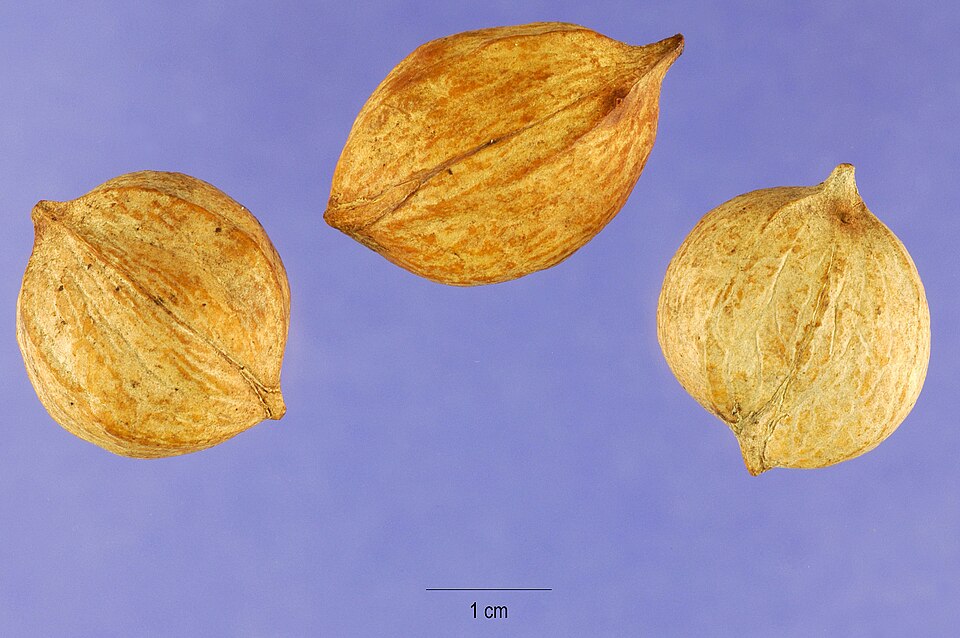
- Common PawpawAsimina triloba
- Trumpet-creeperCampsis radicans
- Mockernut HickoryCarya tomentosa
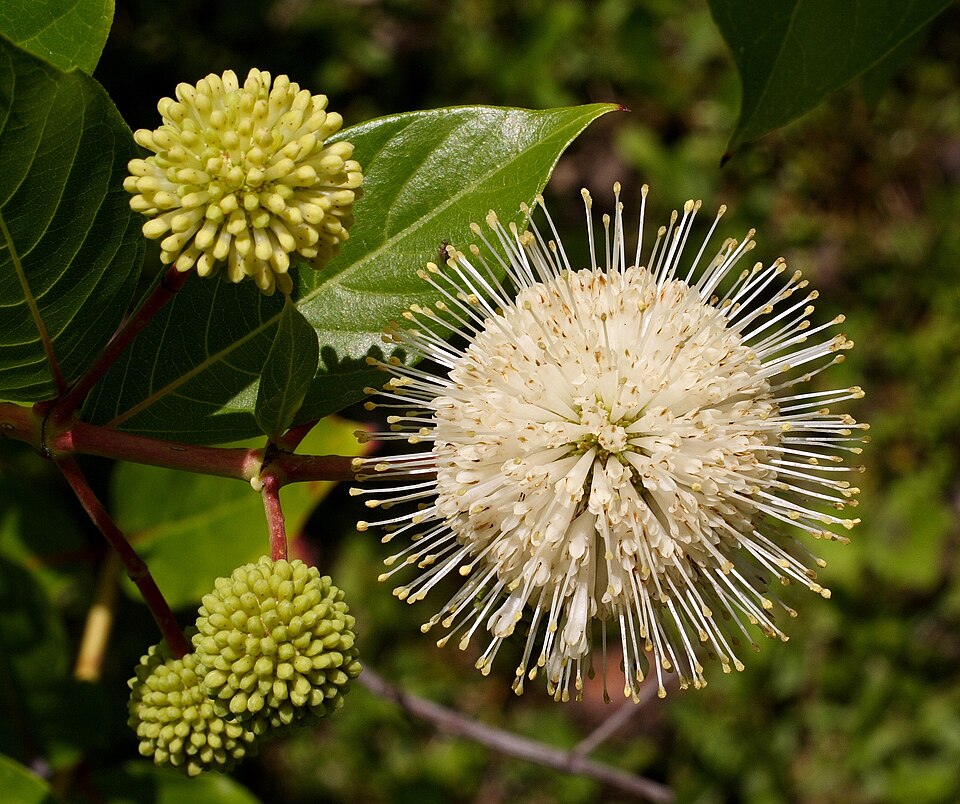
- ButtonbushCephalanthus occidentalis
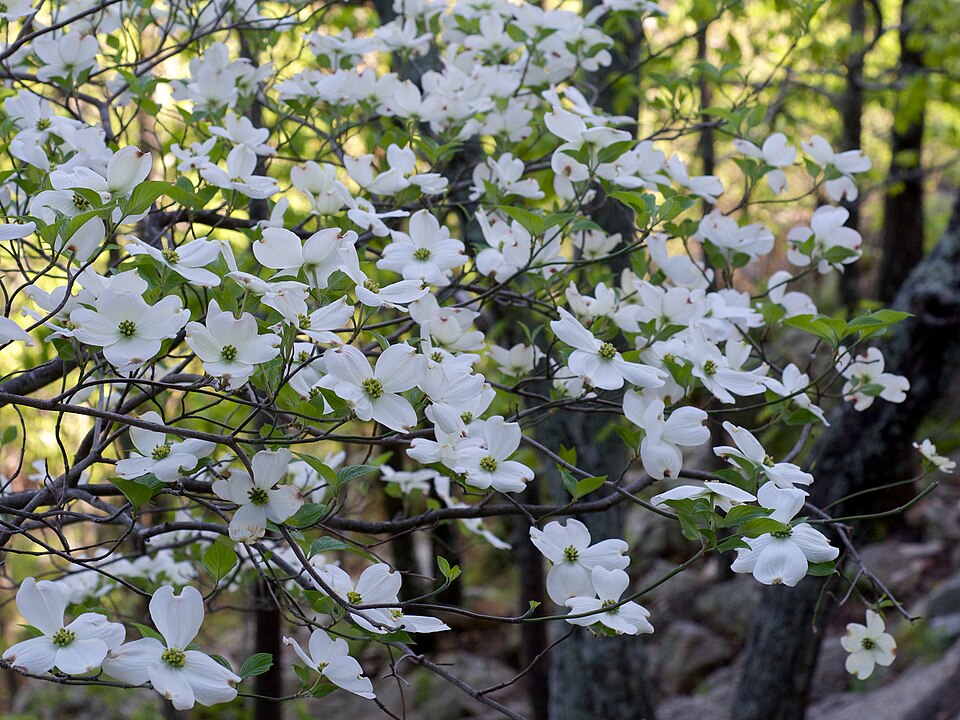
- Flowering DogwoodCornus florida
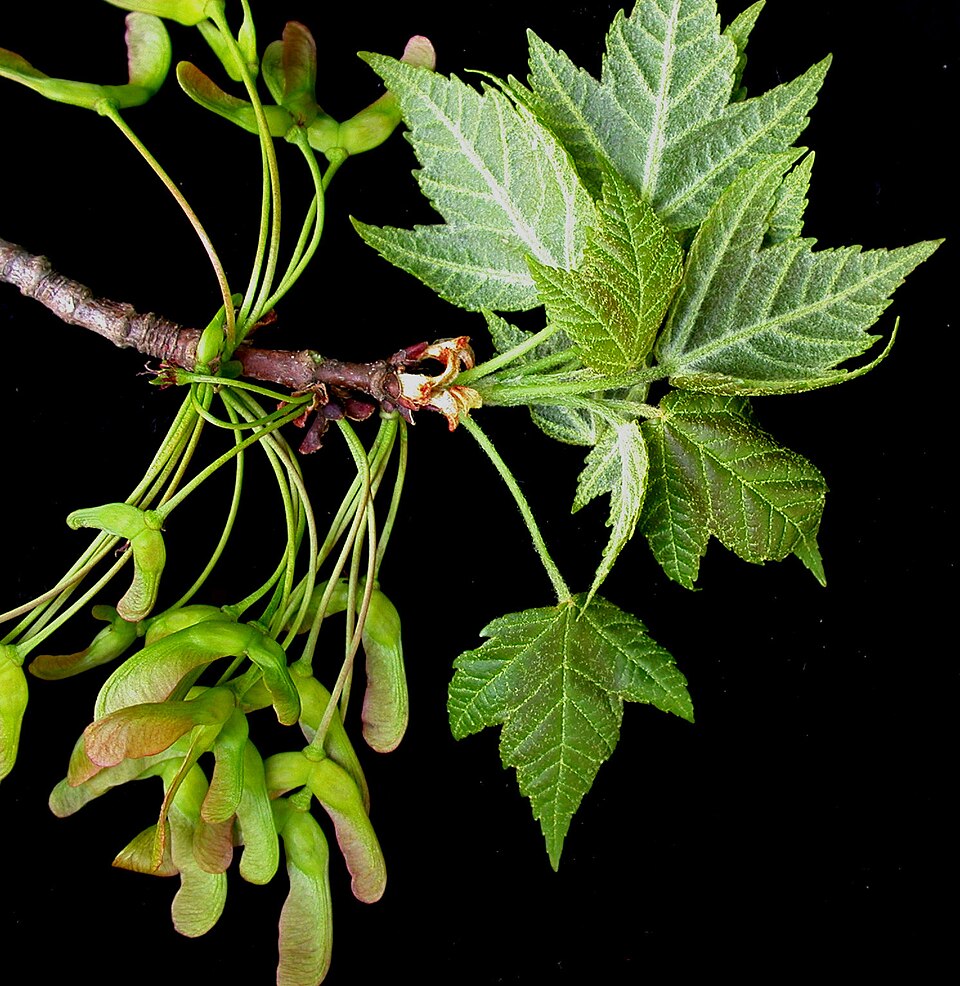
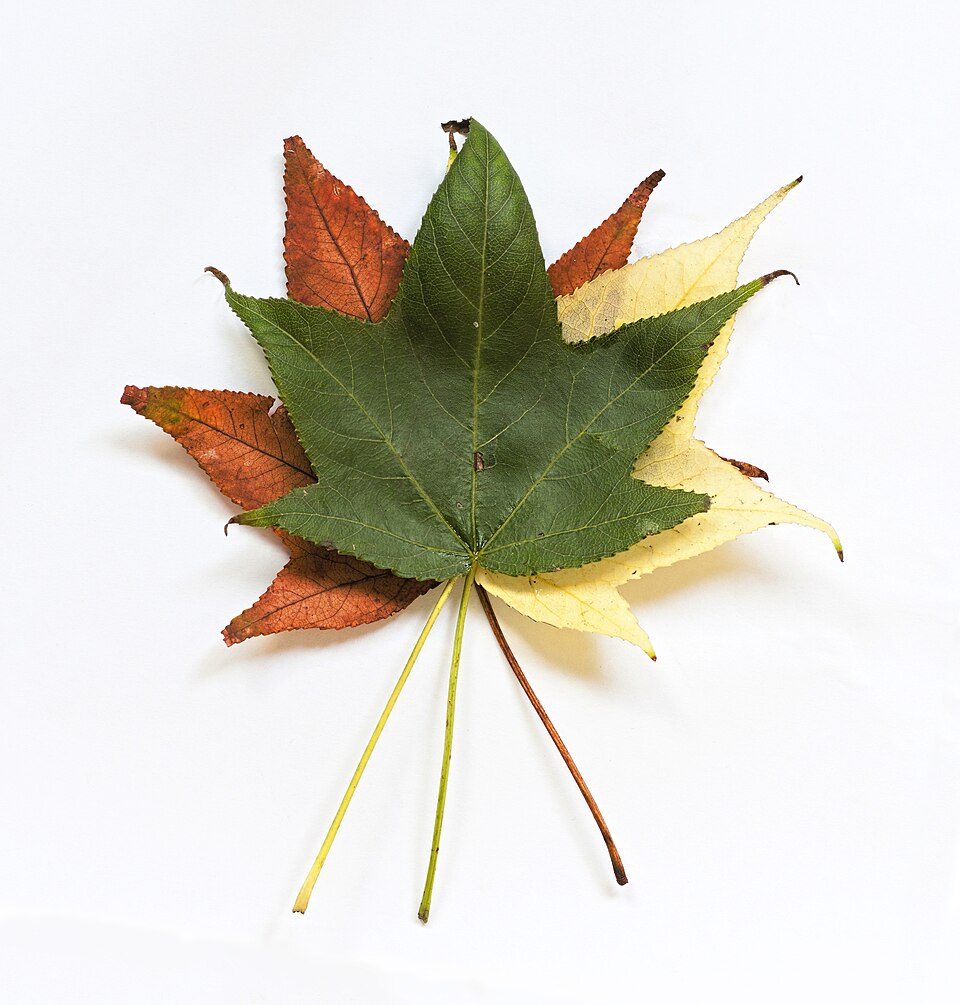
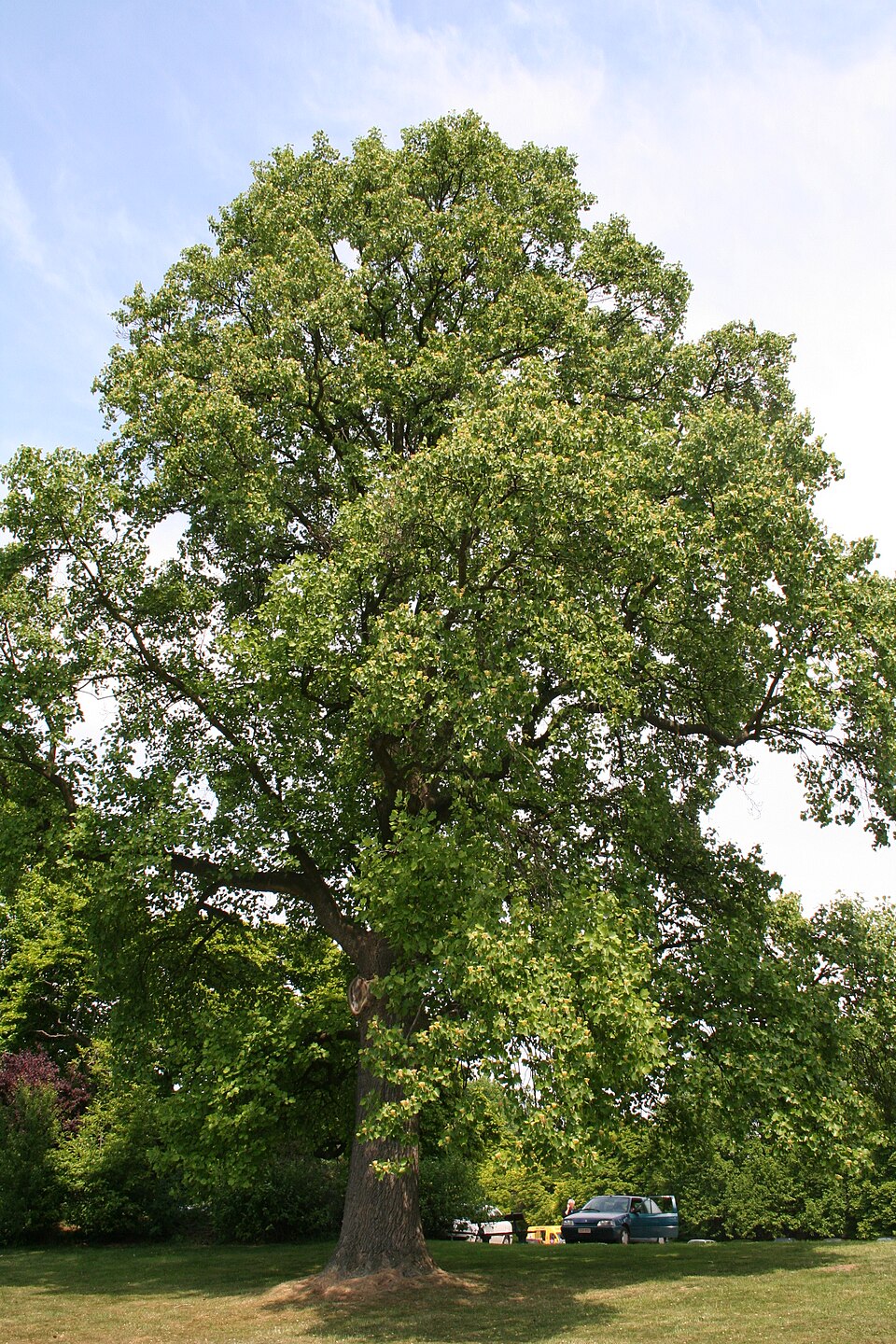
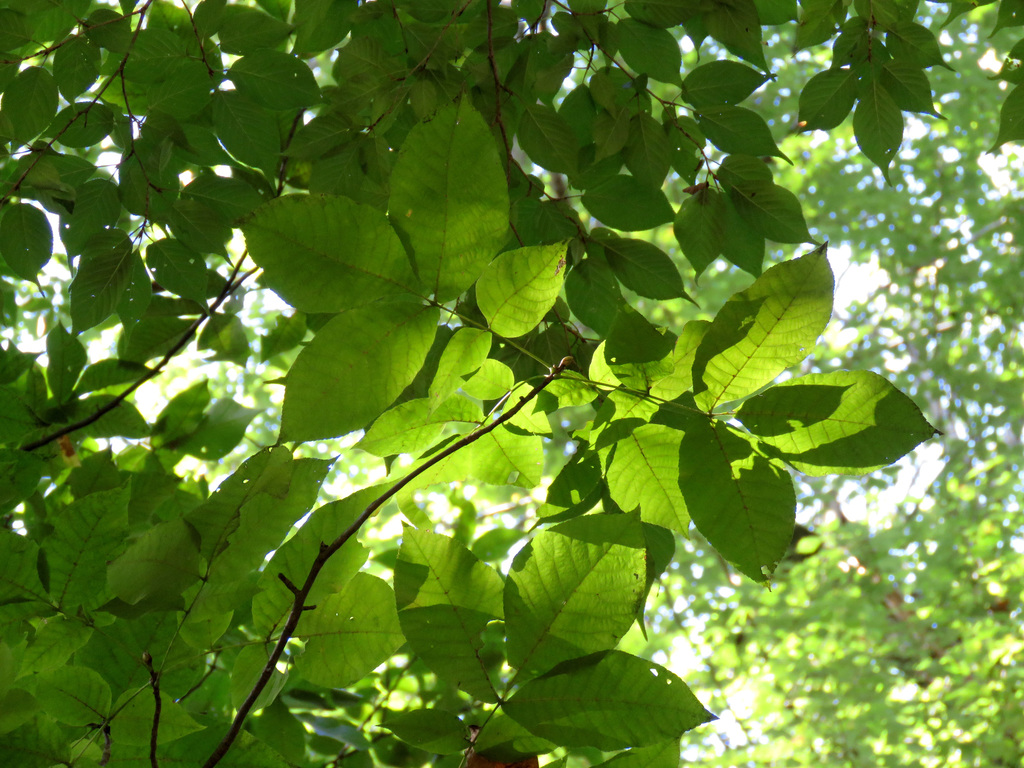
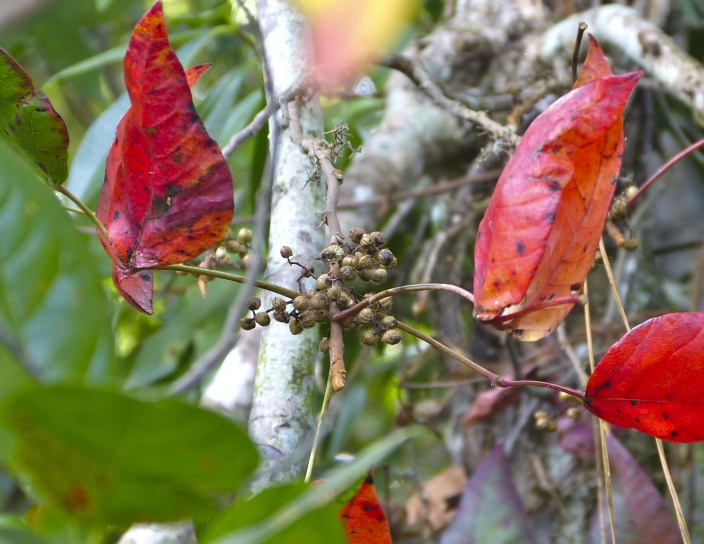
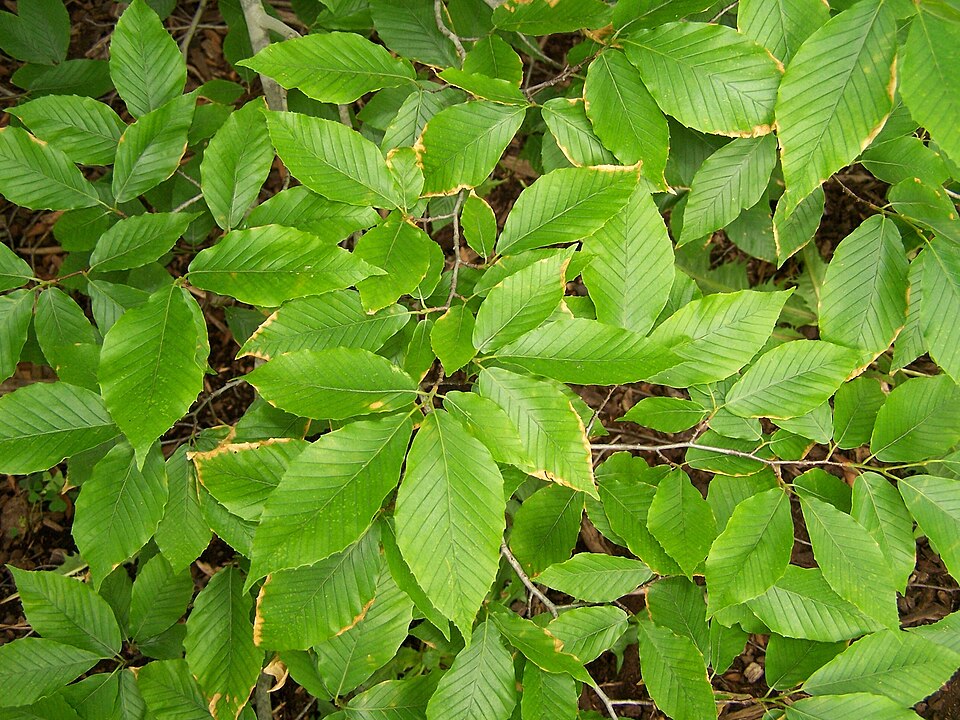
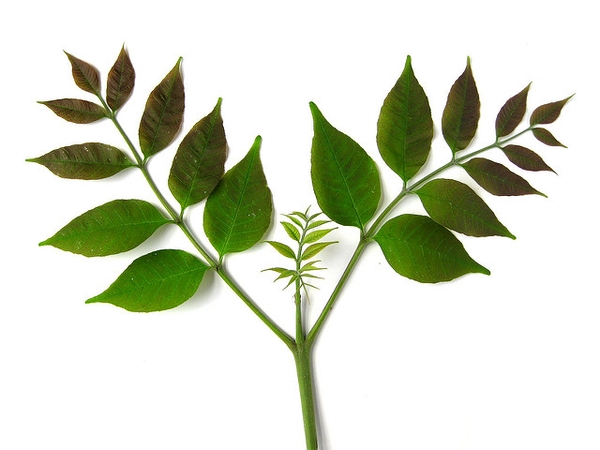
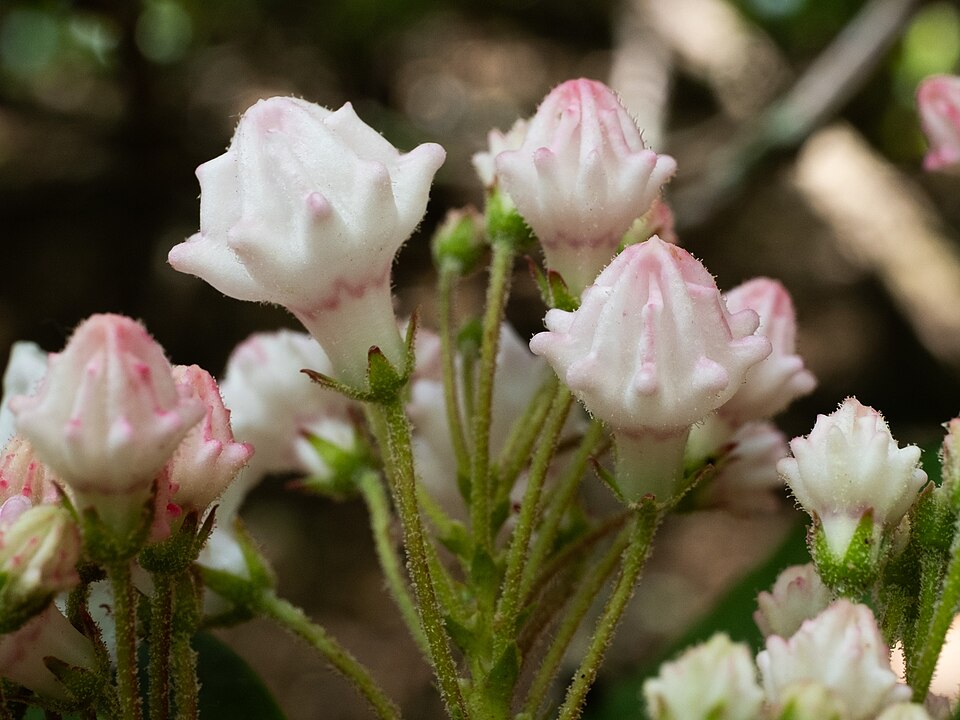
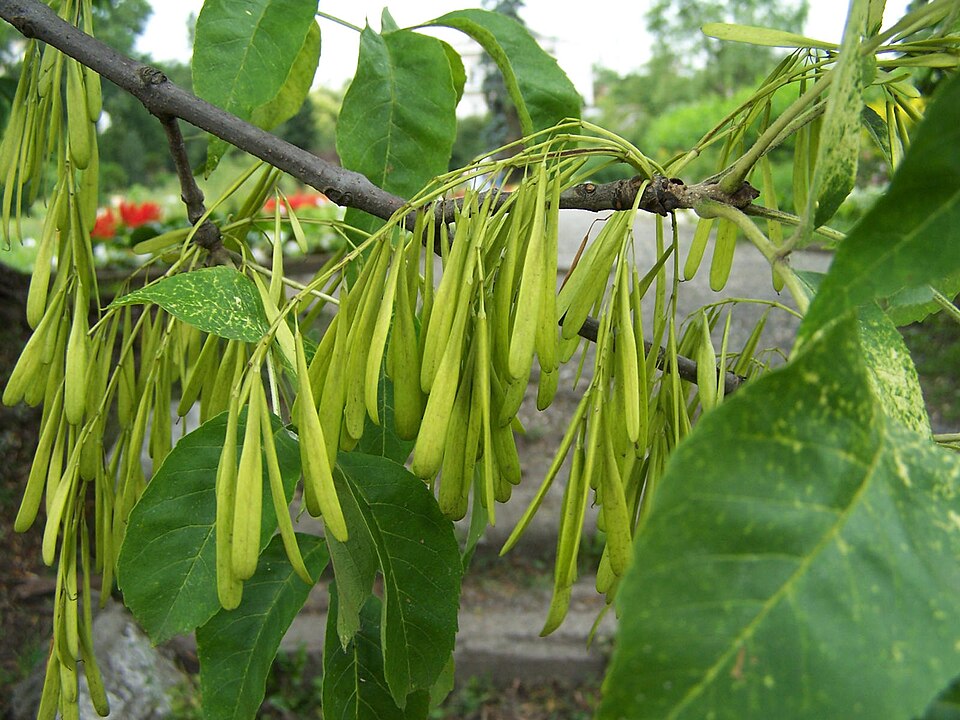
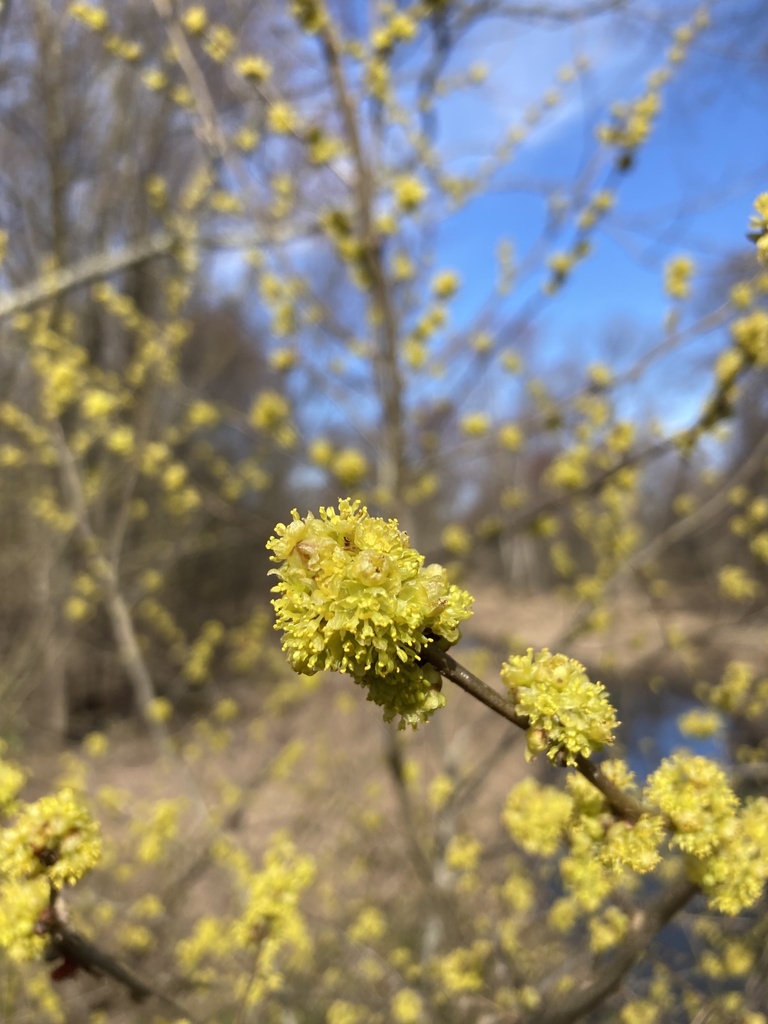
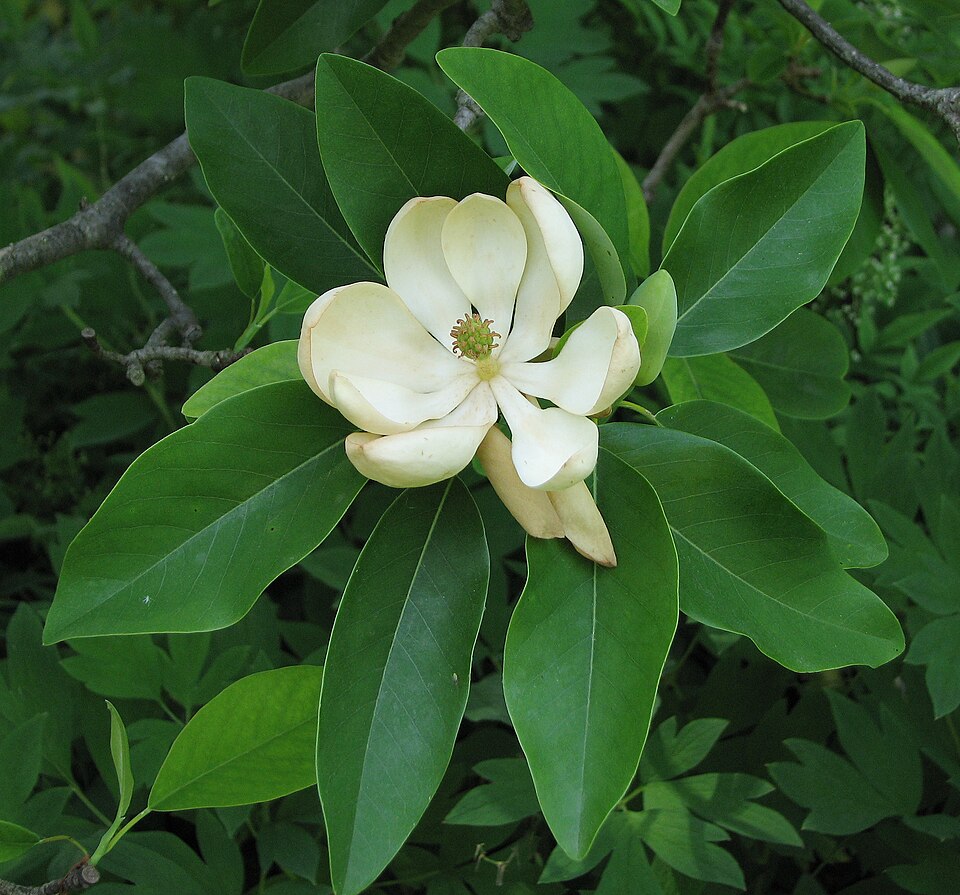
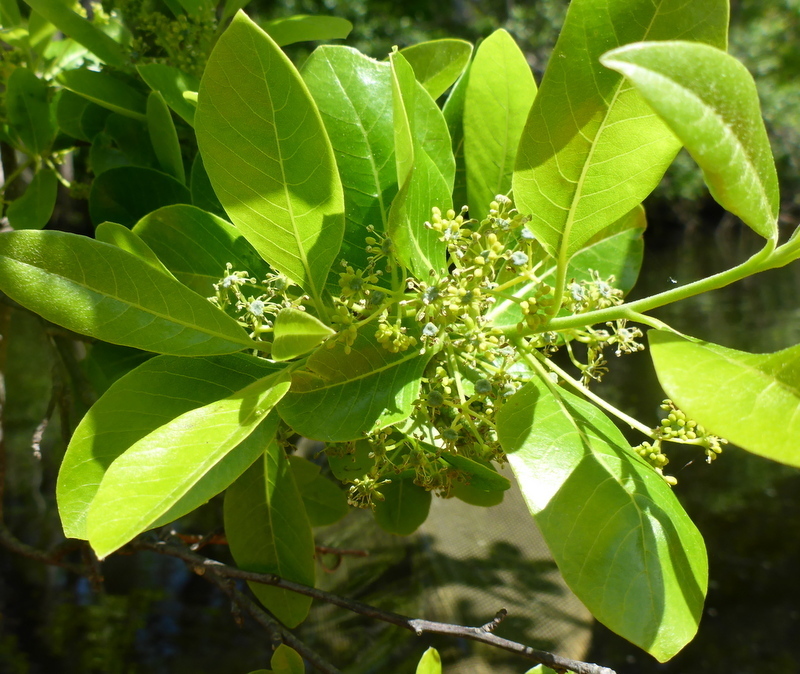
Wildlife 245
Other animals whose habitat models include the same habitats in Alabama. Not sighting records.
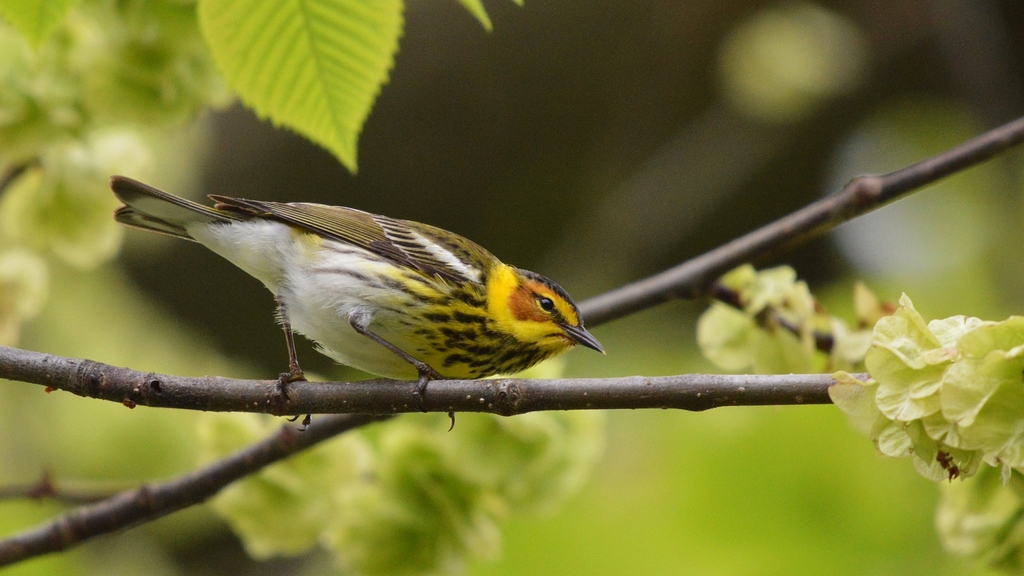
- Cape May WarblerDendroica tigrina
- Caspian TernHydroprogne caspia
- Common LoonGavia immer
- Common TernSterna hirundo
- Eastern Brown PelicanPelecanus occidentalis carolinensis
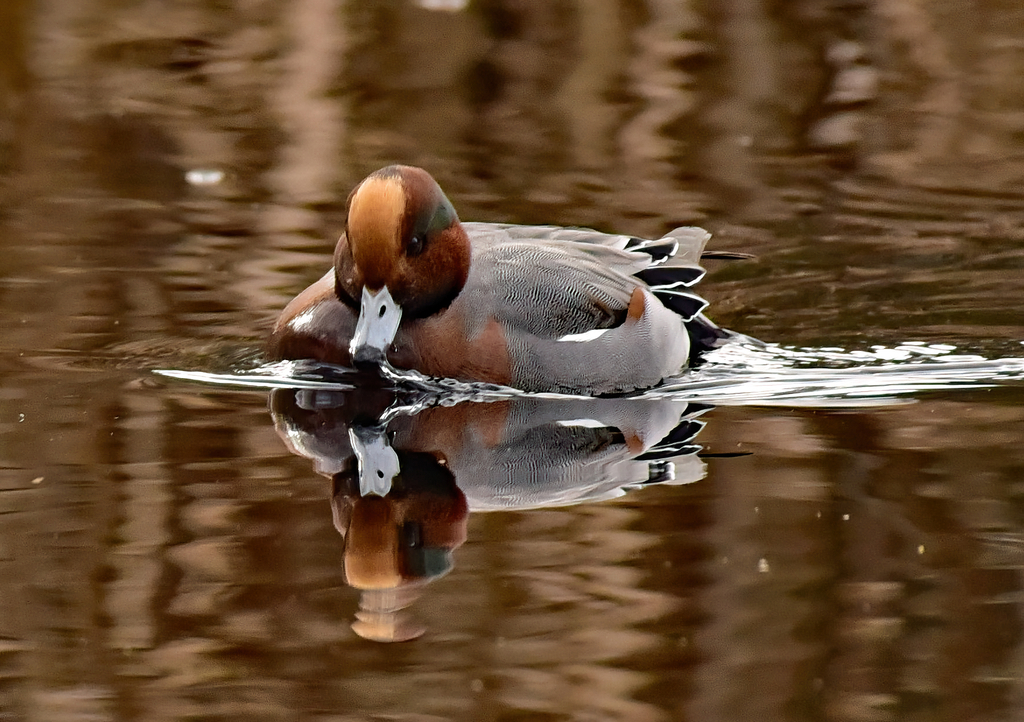
- Eurasian WigeonAnas penelope
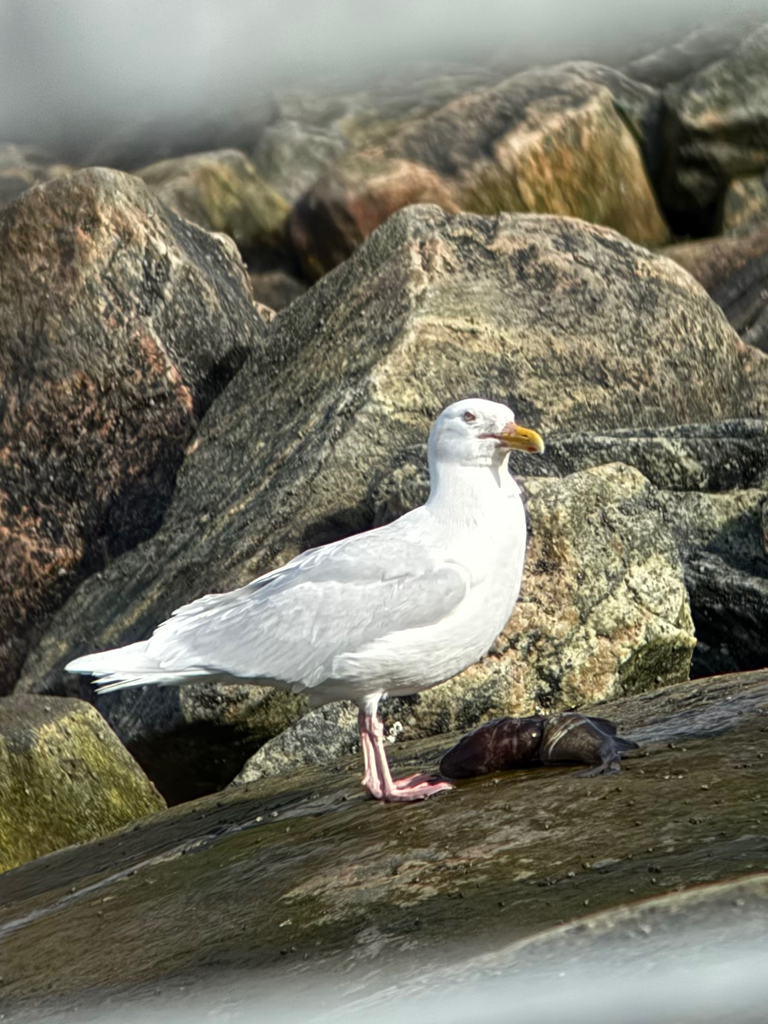
- Glaucous GullLarus hyperboreus
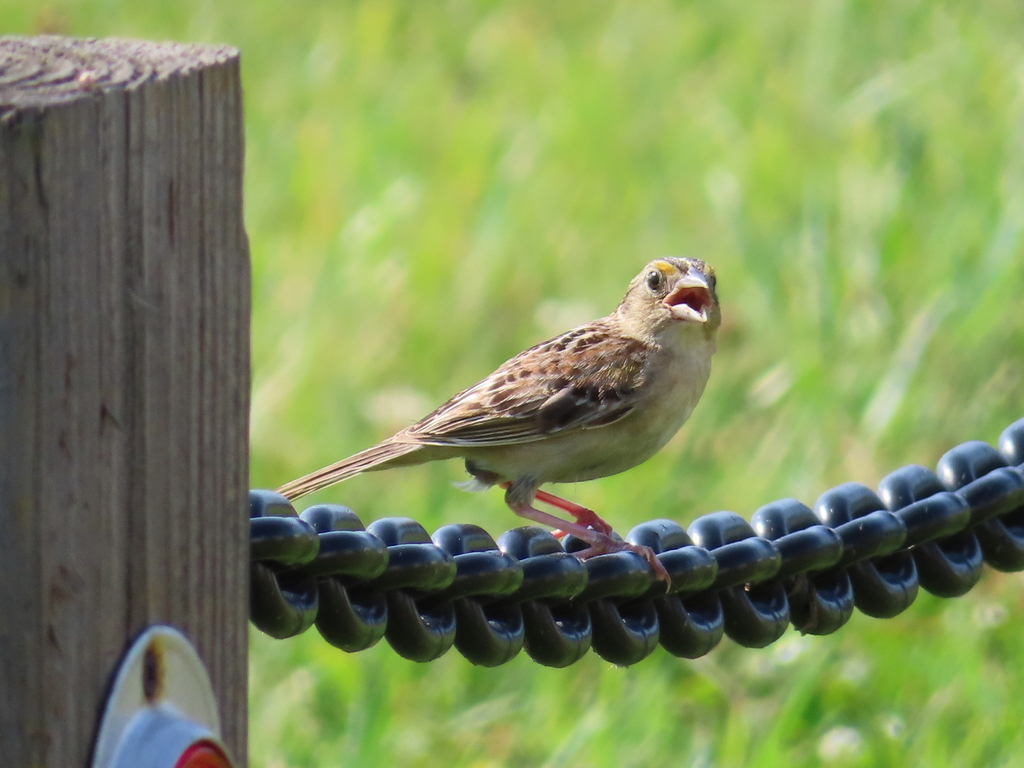
- Grasshopper SparrowAmmodramus savannarum
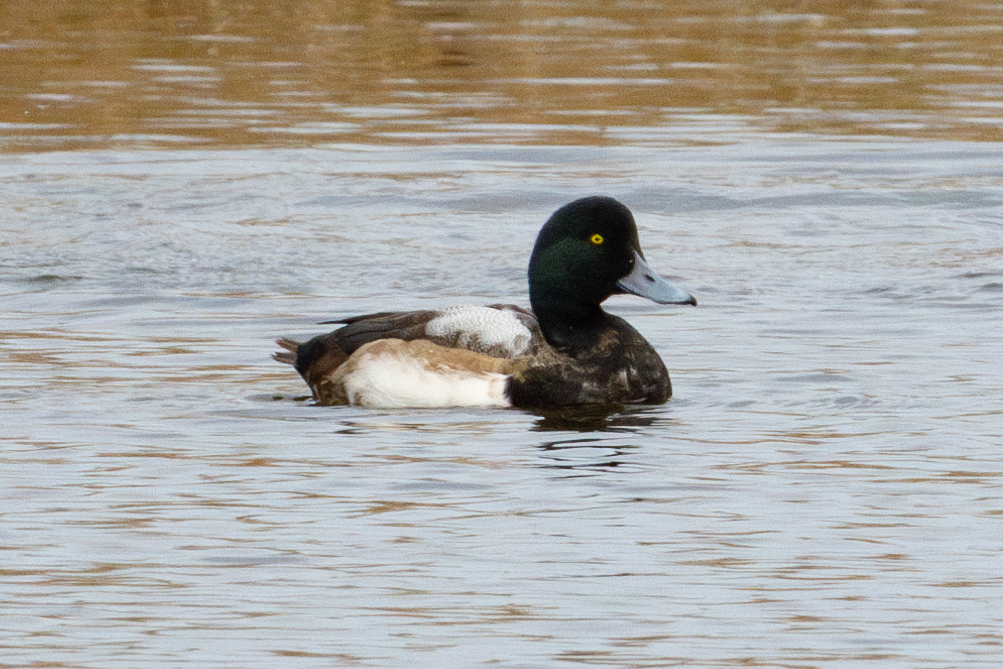
- Greater ScaupAythya marila
- Gull-billed TernGelochelidon nilotica
- Horned LarkEremophila alpestris
- House SparrowPasser domesticus
- Least TernSternula antillarum
- Lesser YellowlegsTringa flavipes
- Little GullHydrocoloeus minutus
- Nelson's Sharp-tailed SparrowAmmodramus nelsoni
- Pied-billed GrebePodilymbus podiceps
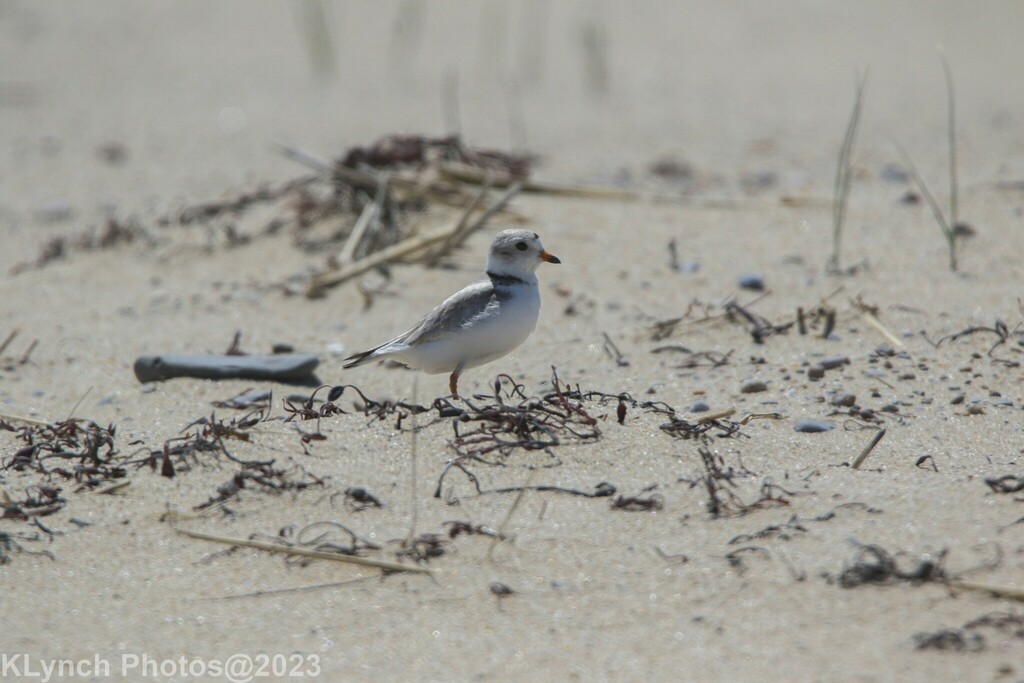
- Piping PloverCharadrius melodus
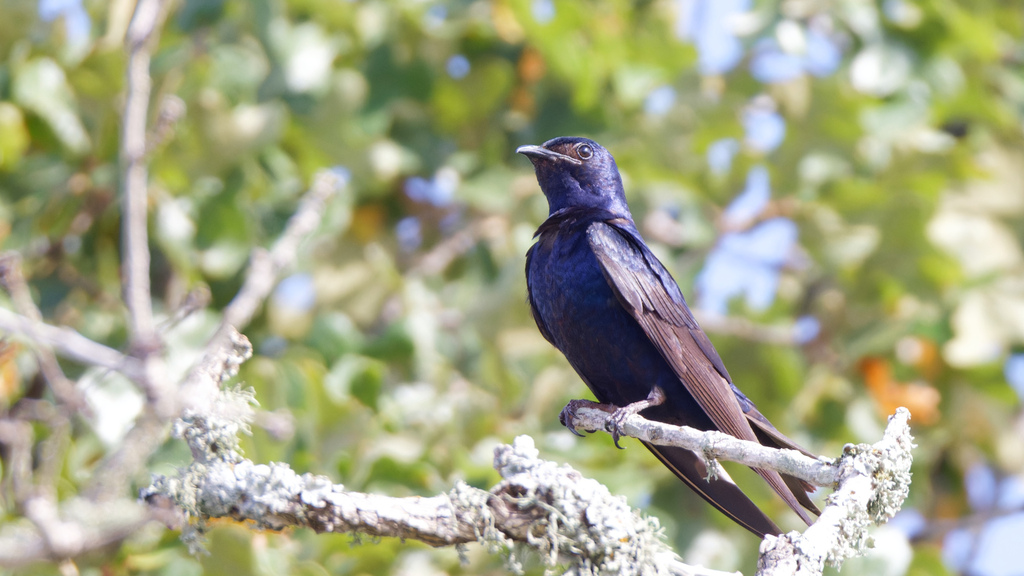
- Purple MartinProgne subis
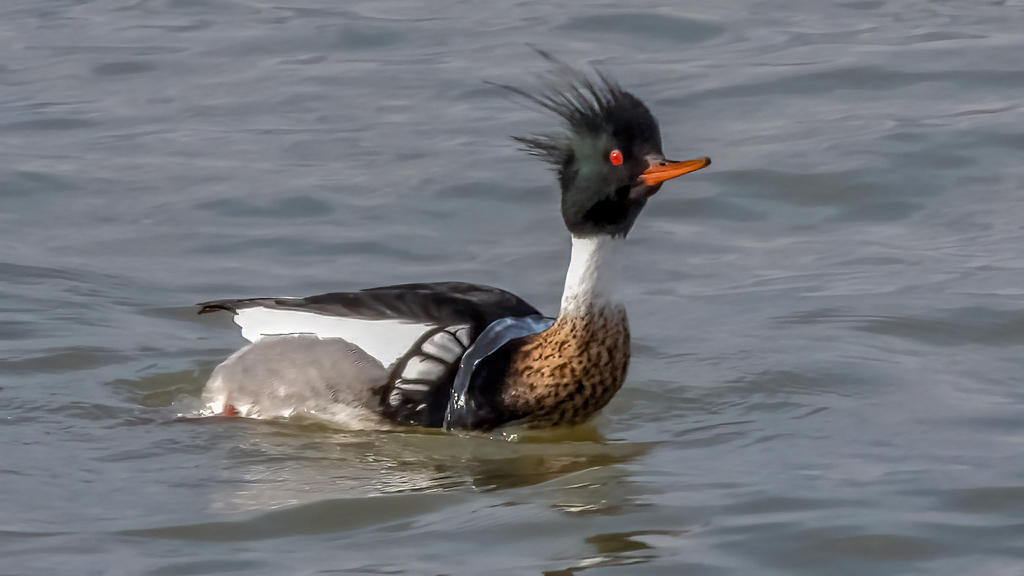
- Red-breasted MerganserMergus serrator
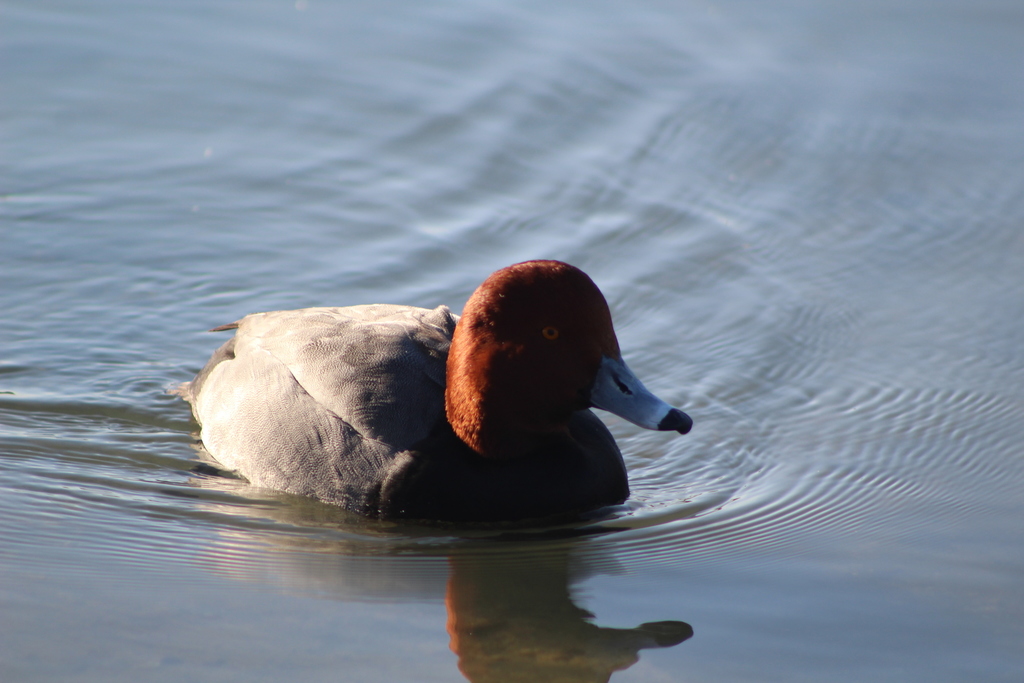
- RedheadAythya americana
- Rock PigeonColumba livia
- Royal TernThalasseus maximus
- Sandwich TernThalasseus sandvicensis
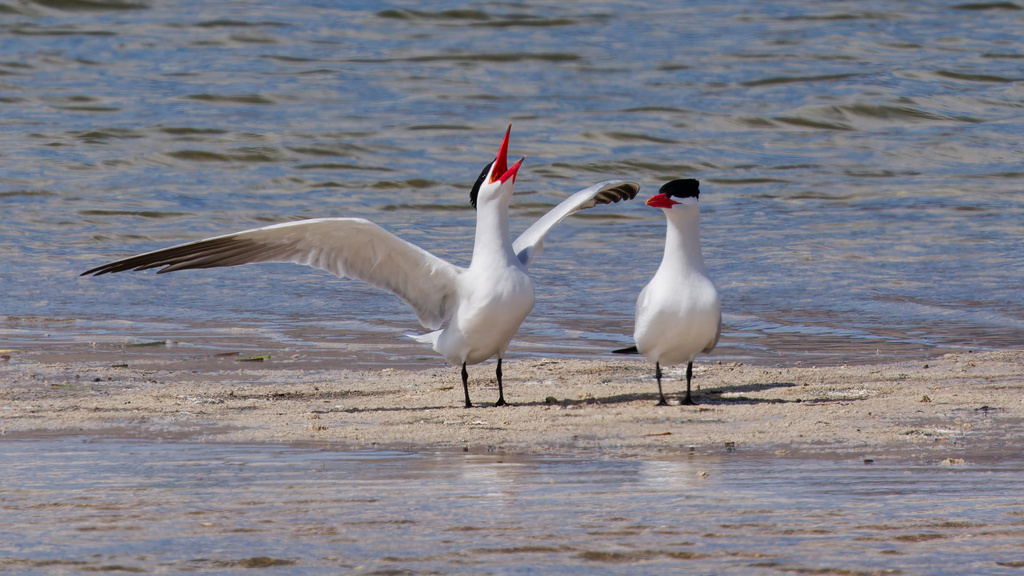
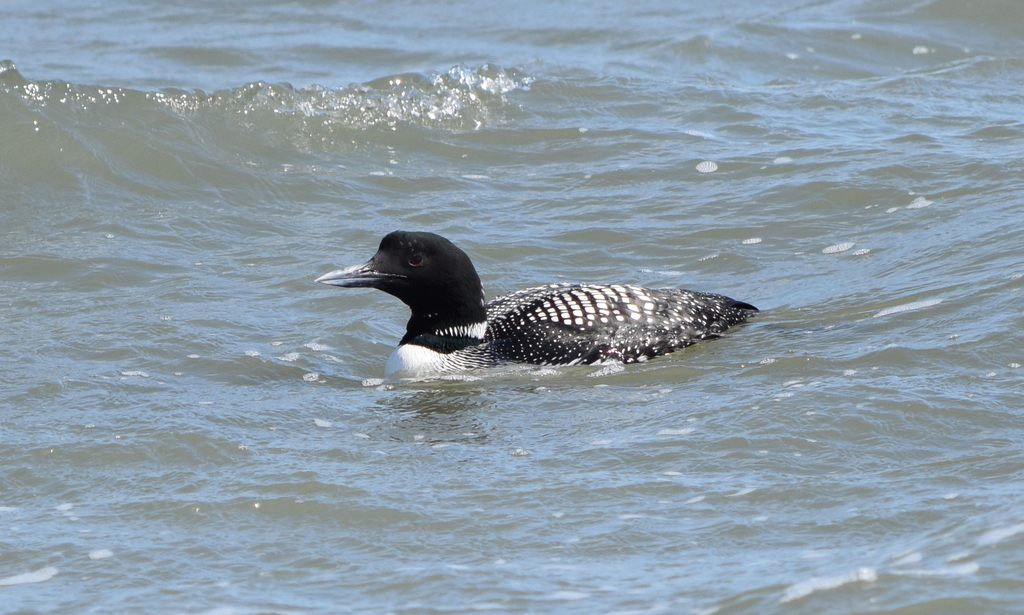
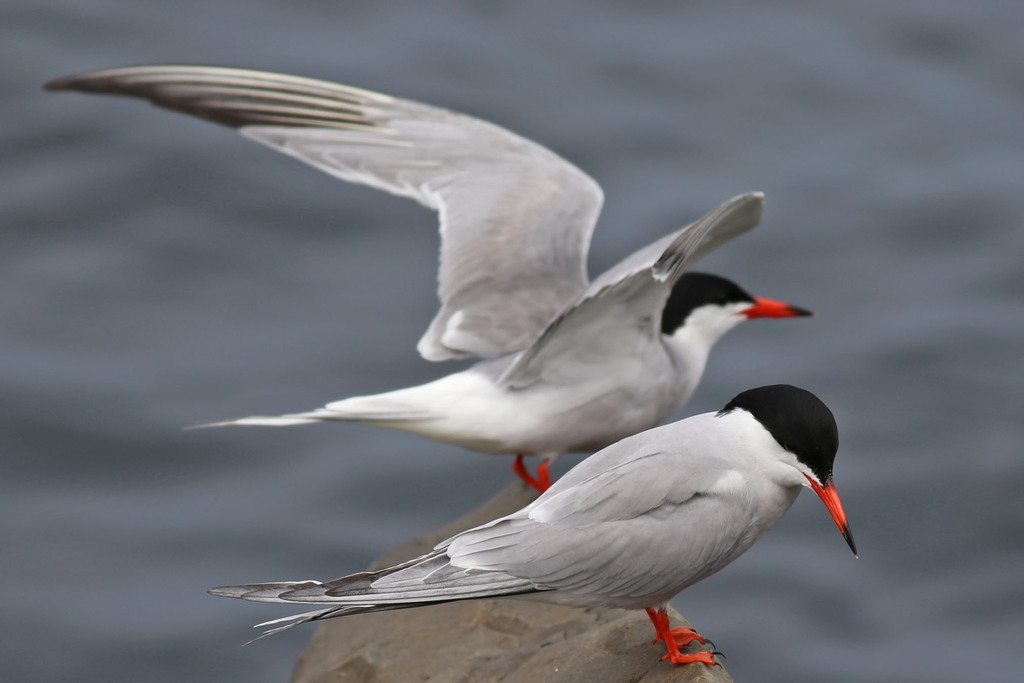
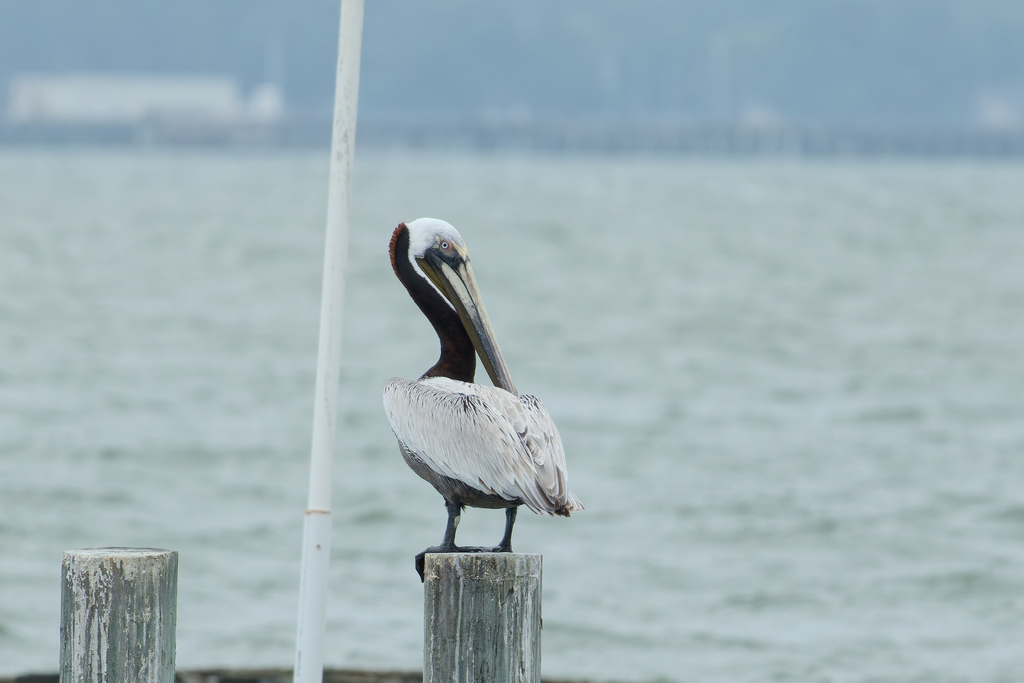
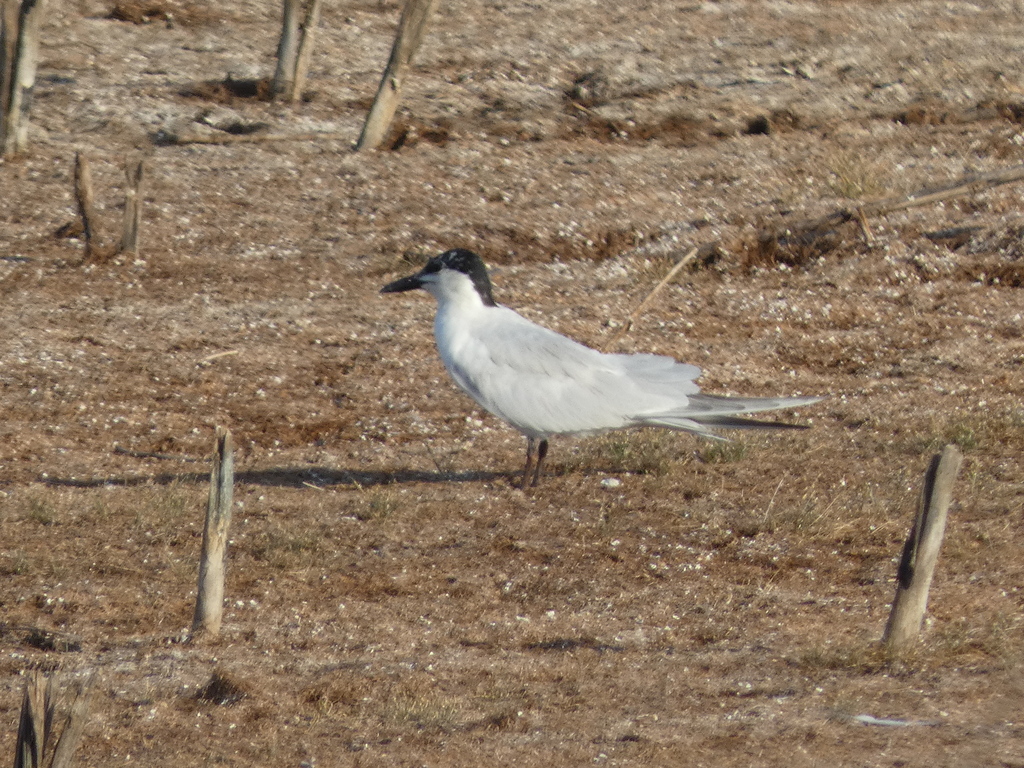
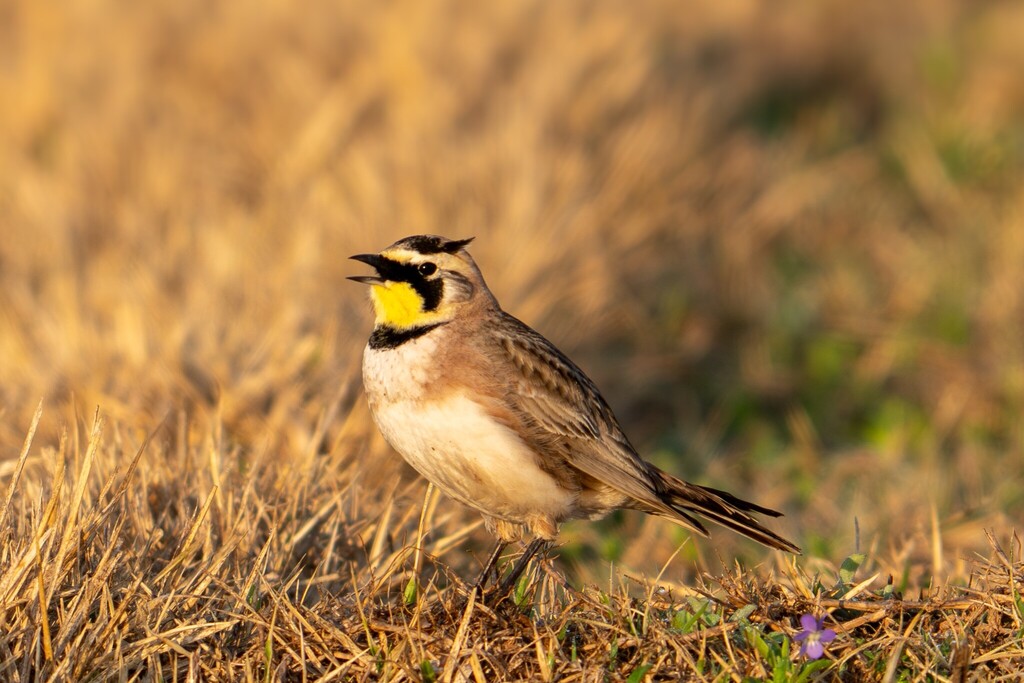
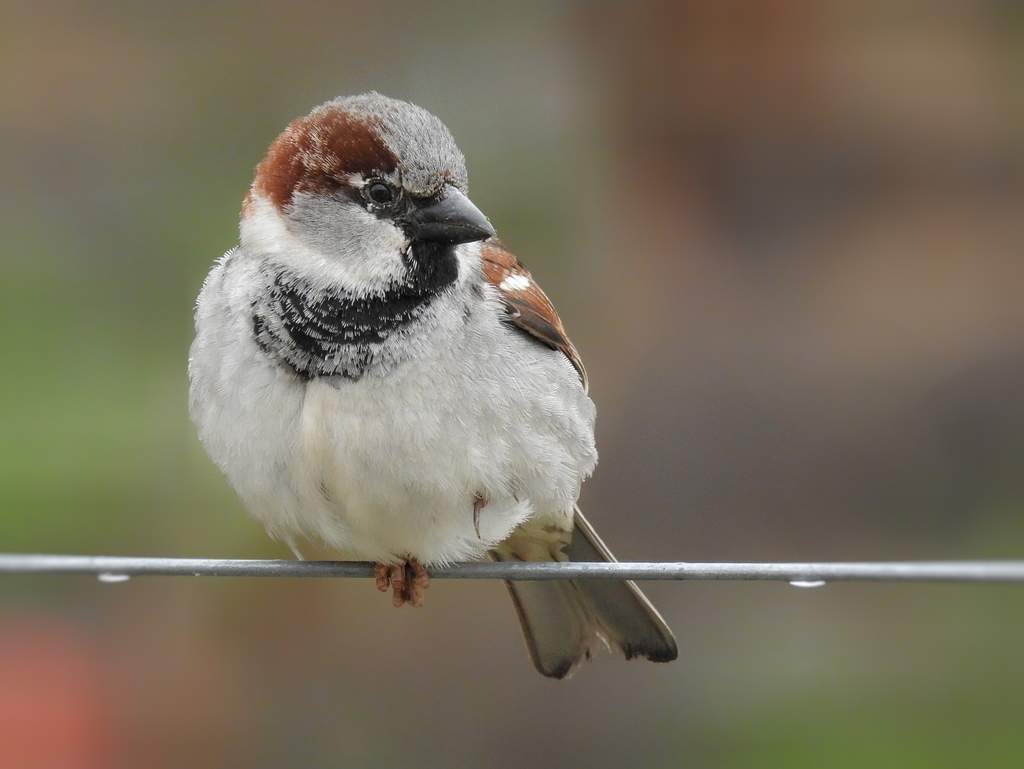
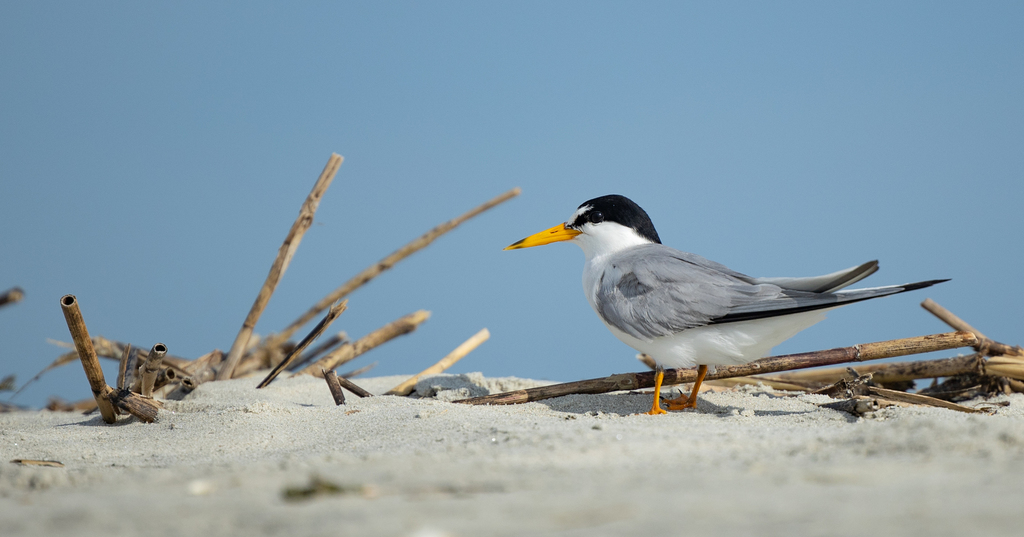
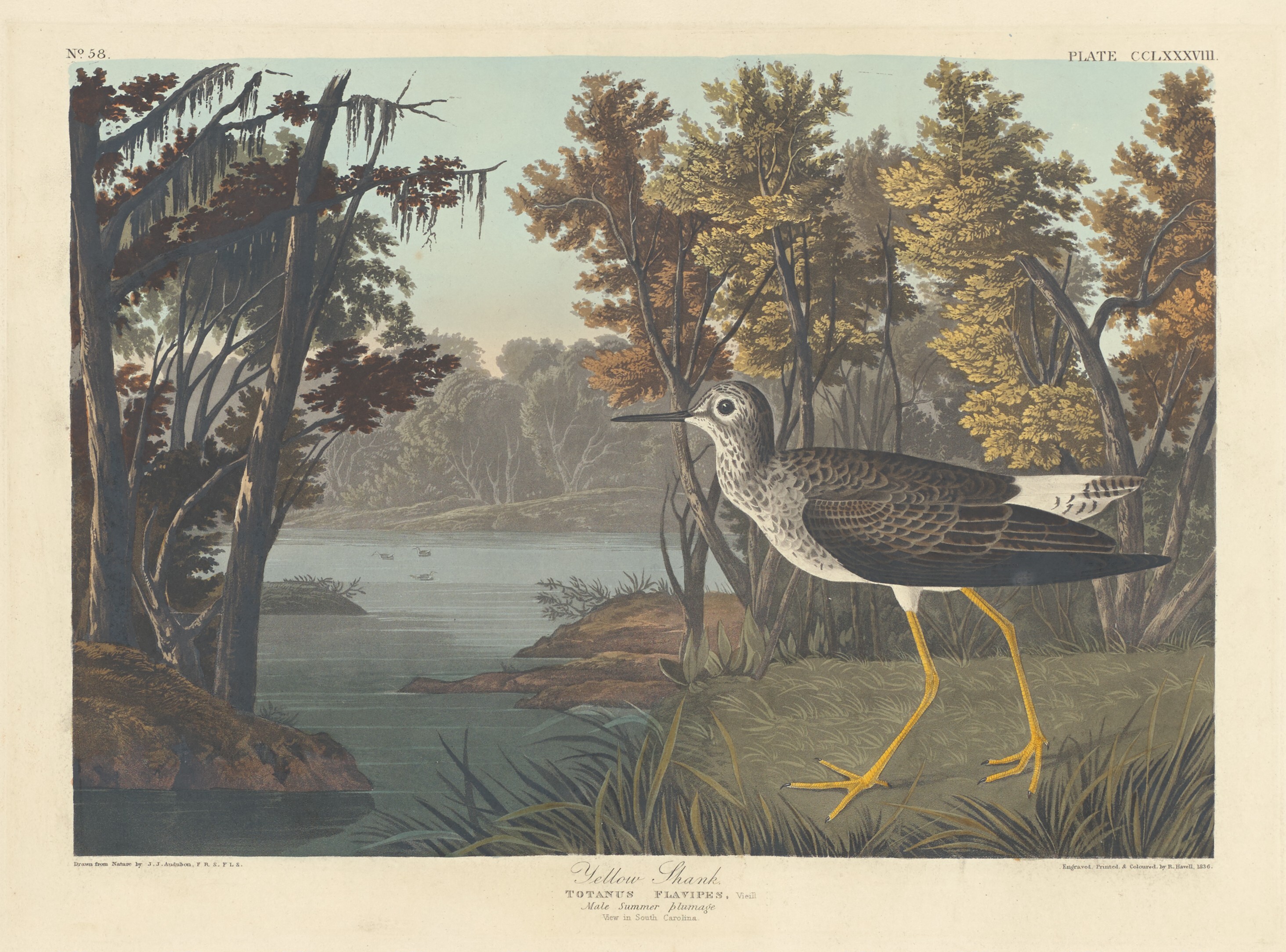
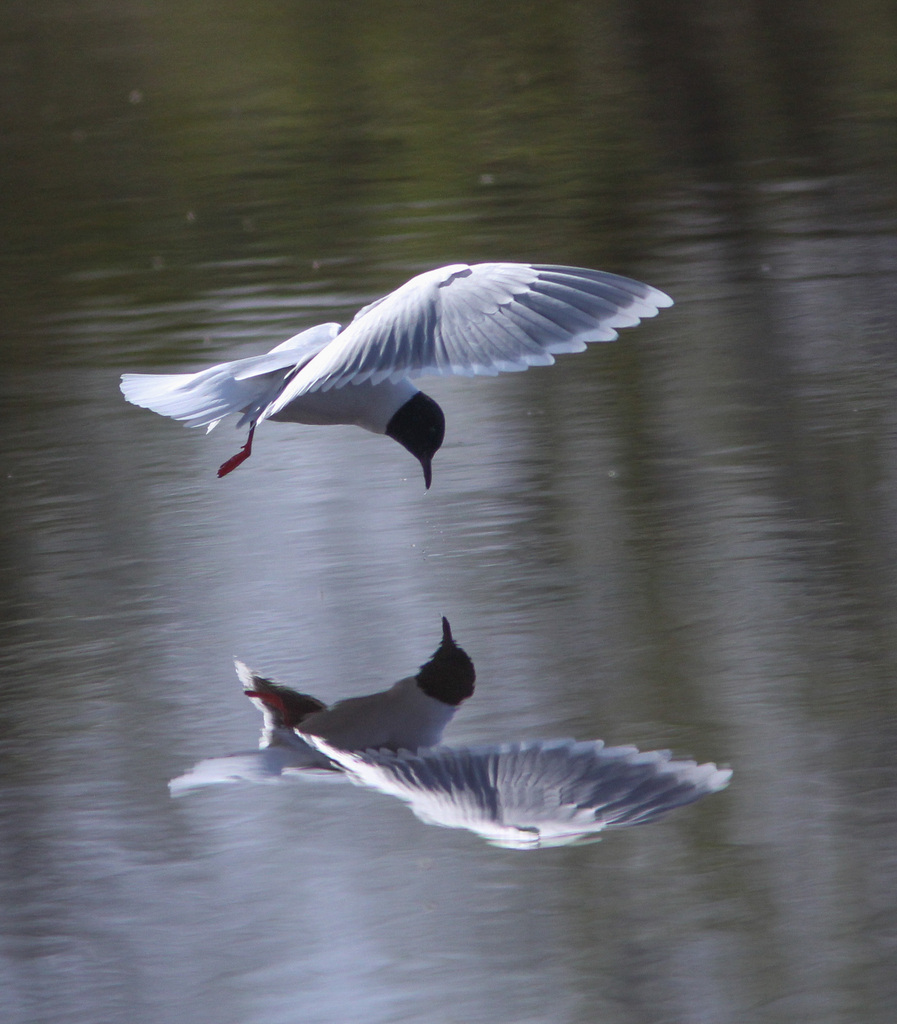
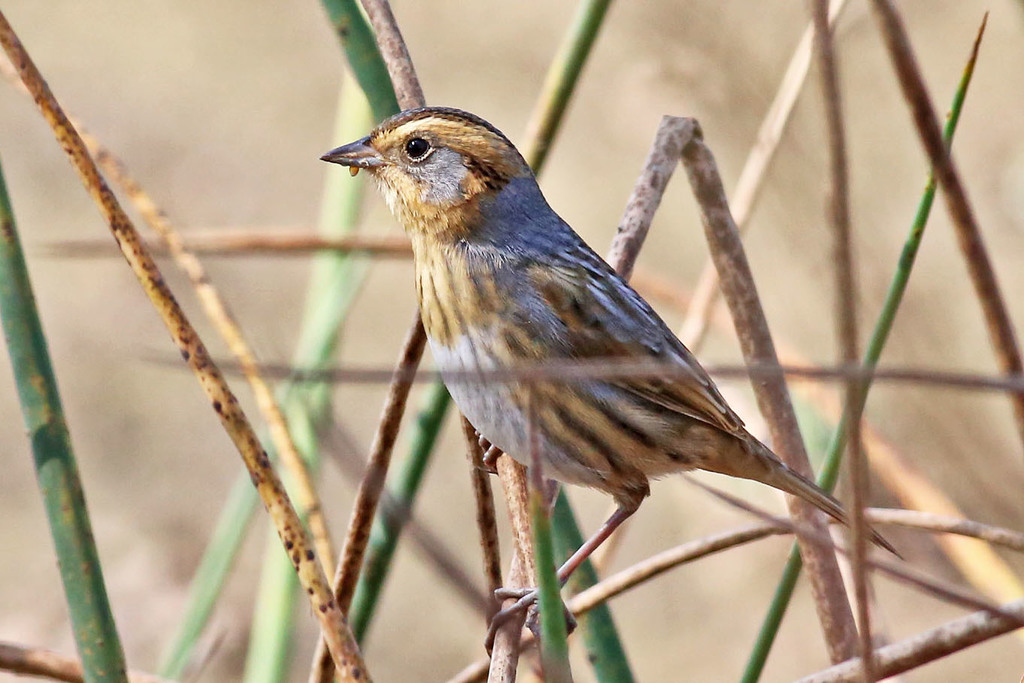
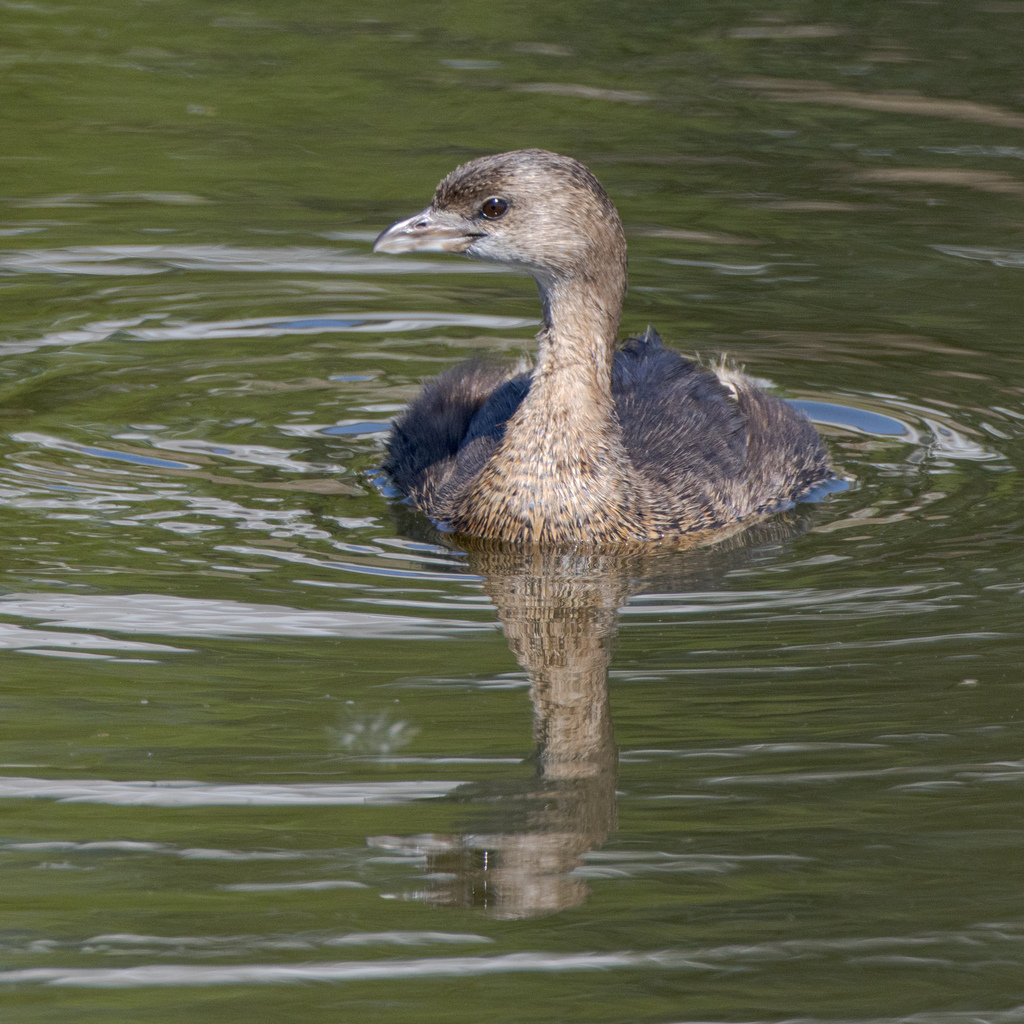
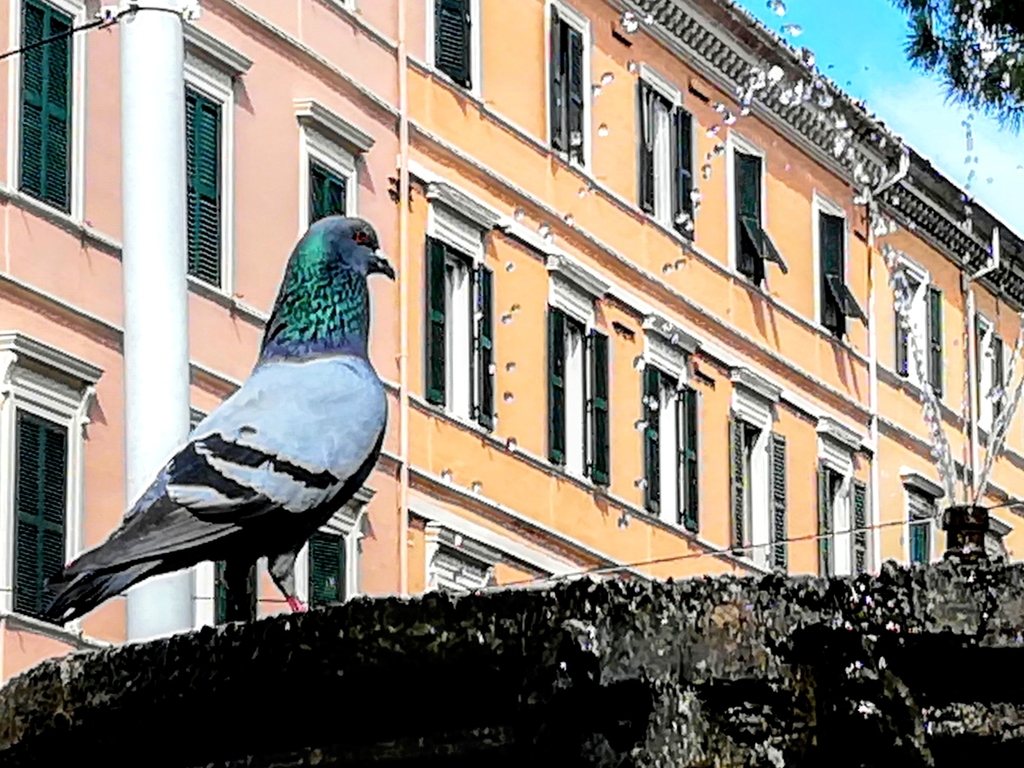
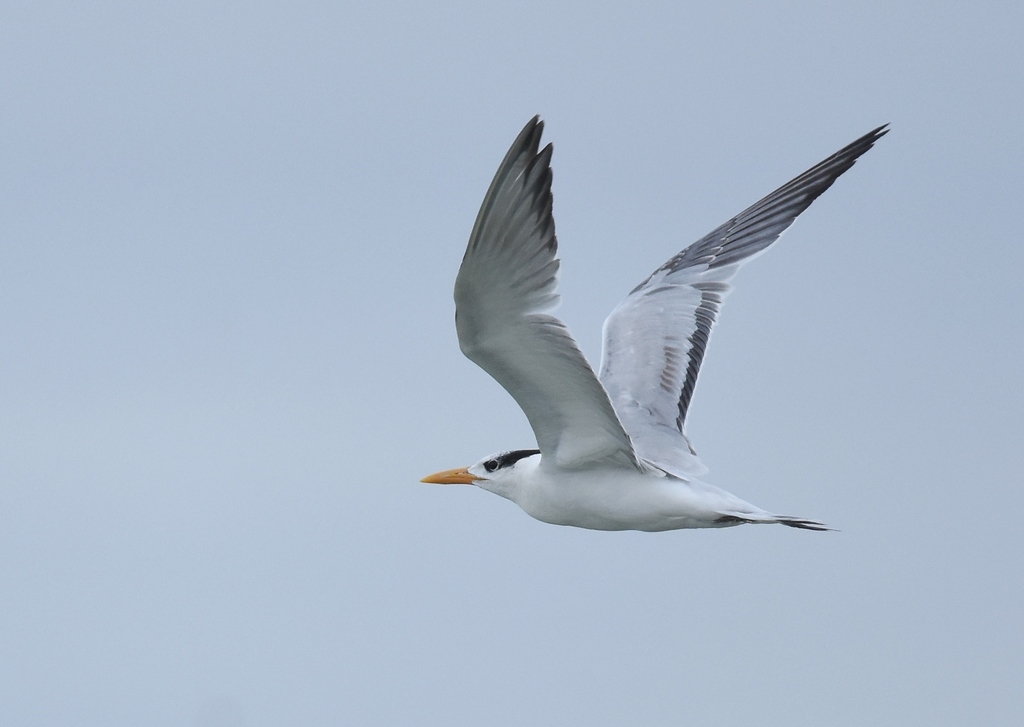
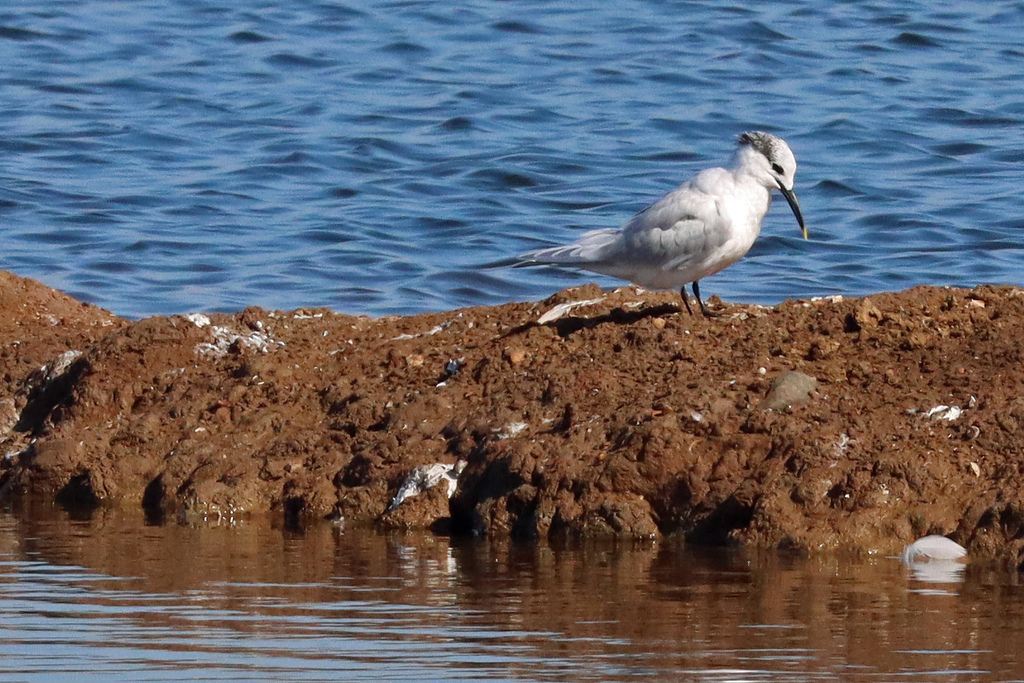
NatureServe Explorer, CC BY 4.0. USGS Gap Analysis Project habitat models.
Sources
- USGS Gap Analysis Project habitat models (2001)
- USGS GAP winter habitat model for Least Flycatcher
- USGS Gap Analysis Project range maps (2001), modeled by watershed; migratory gives no dates
- NatureServe Explorer (CC BY 4.0), habitat names
- US Census TIGER/Line counties
- Names follow the USGS Gap Analysis Project (2001)