

Bird
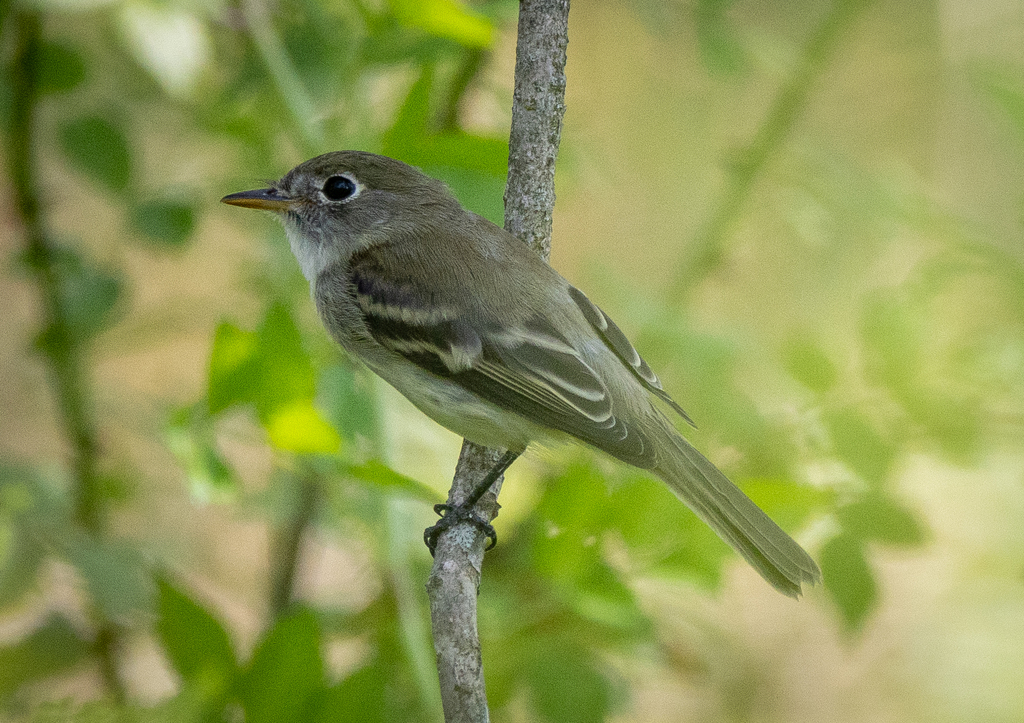
Least Flycatcher
Empidonax minimus
Passes through Alabama on migration. Found in all 67 counties, across 15 habitats.
- Here
- On migration
- Nesting
- Not known to nest here
- Range
- All 67 counties
- Habitats
- 15
At a glance
- Group
- Birds
- Here
- On migration
- Nesting
- Not known to nest here
- Range
- All 67 counties
- Habitats
- 15
- Habitat models
- Summer, Winter
Where it lives
The places its habitat model includes. It is not found everywhere a habitat occurs.
Habitats in Alabama 15
Each habitat page lists the plants and wildlife also found there.
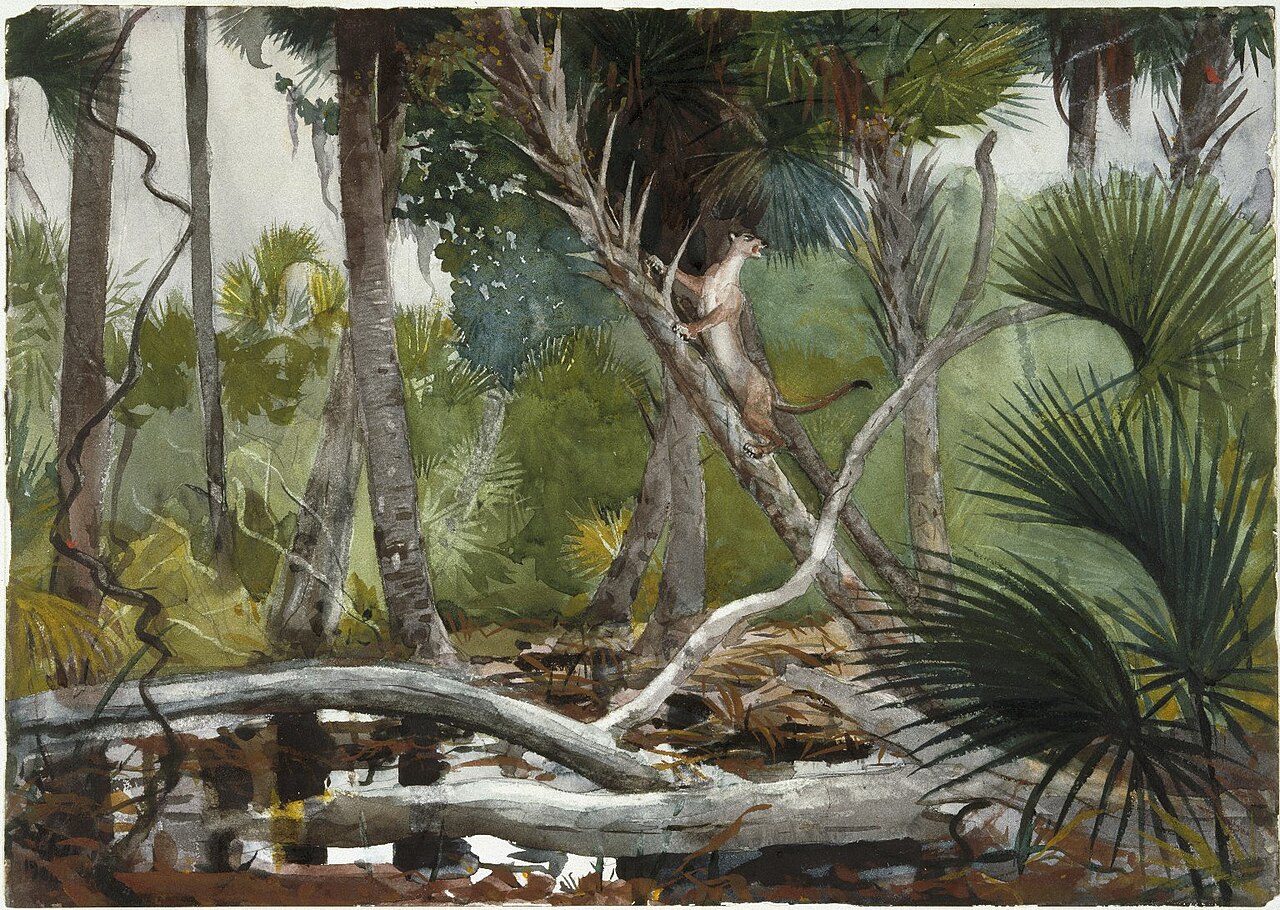
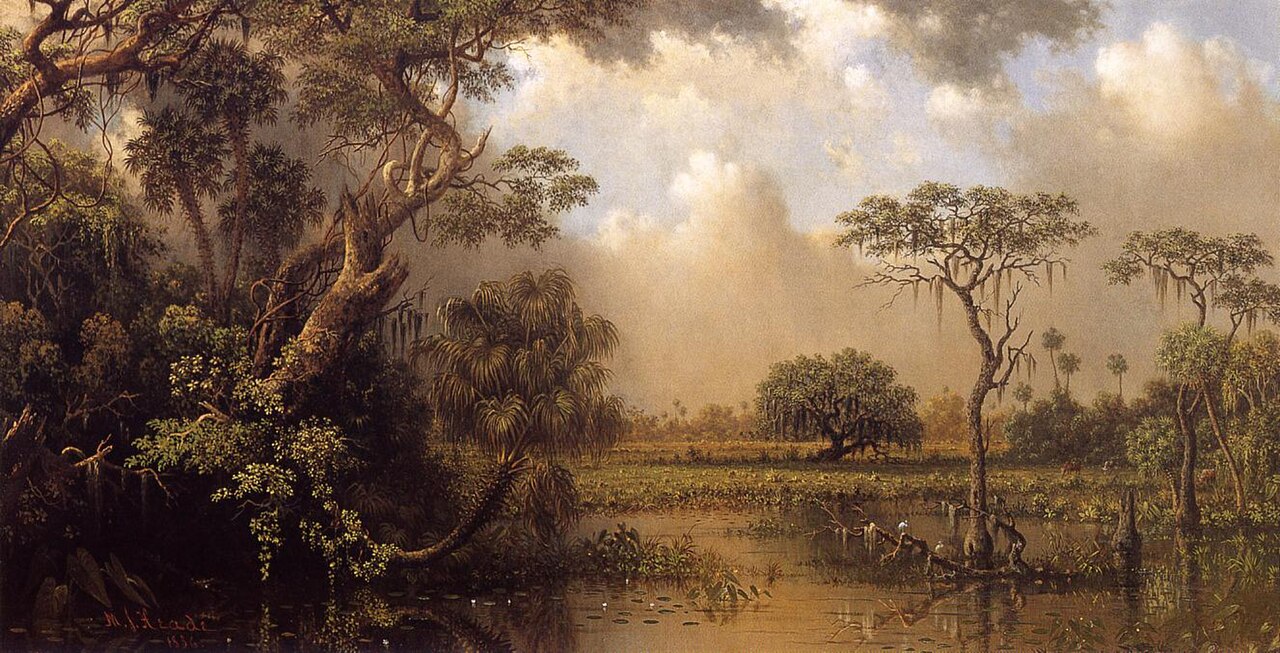
Streams, rivers and their banks
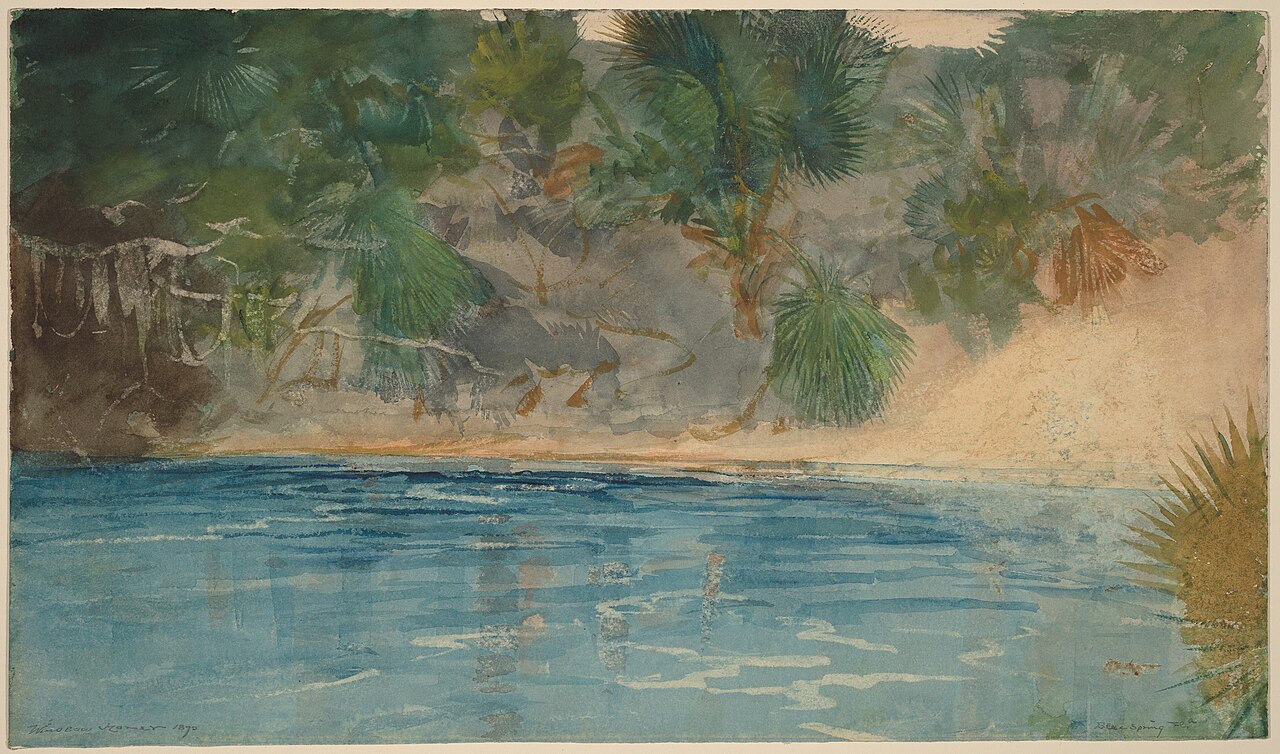
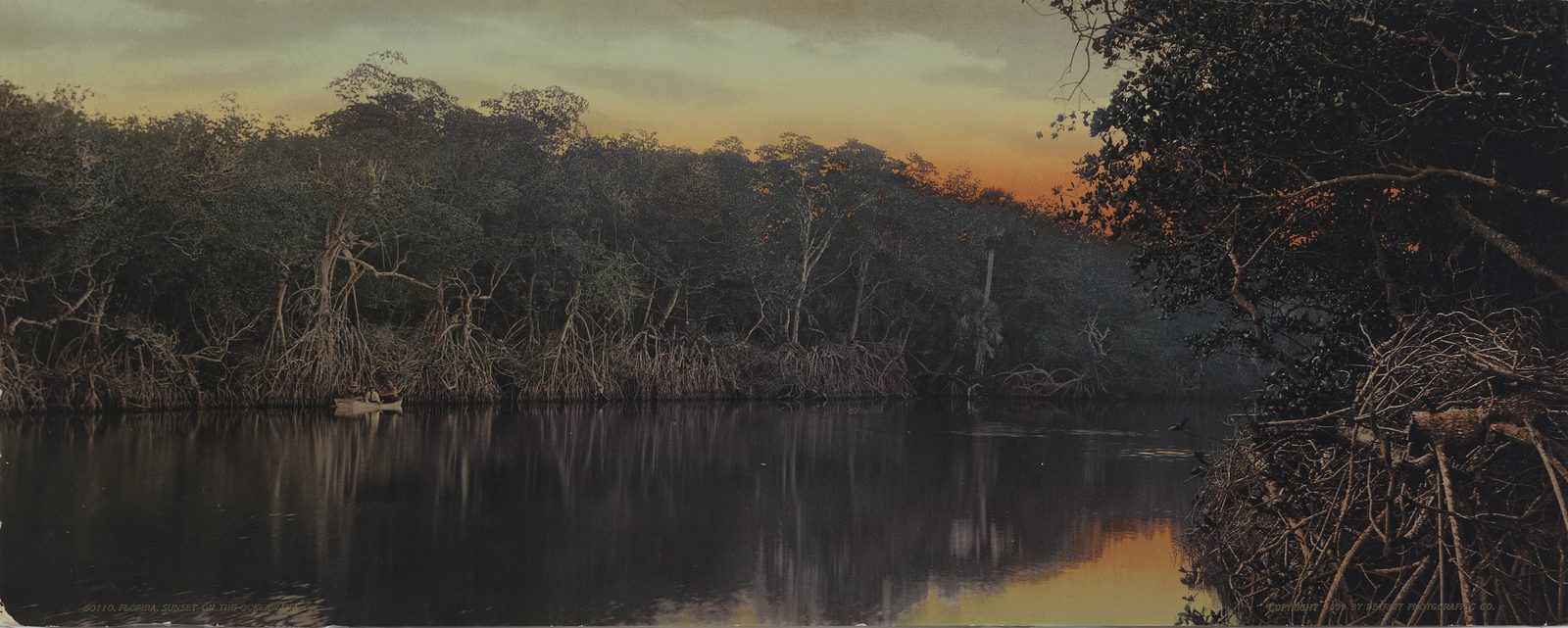
Disturbed and introduced wetlands
Wet ground taken over by weedy or introduced plants after disturbance, such as common reed, Chinese tallow or tamarisk stands; the upland counterpart is roadsides, fields and disturbed ground.
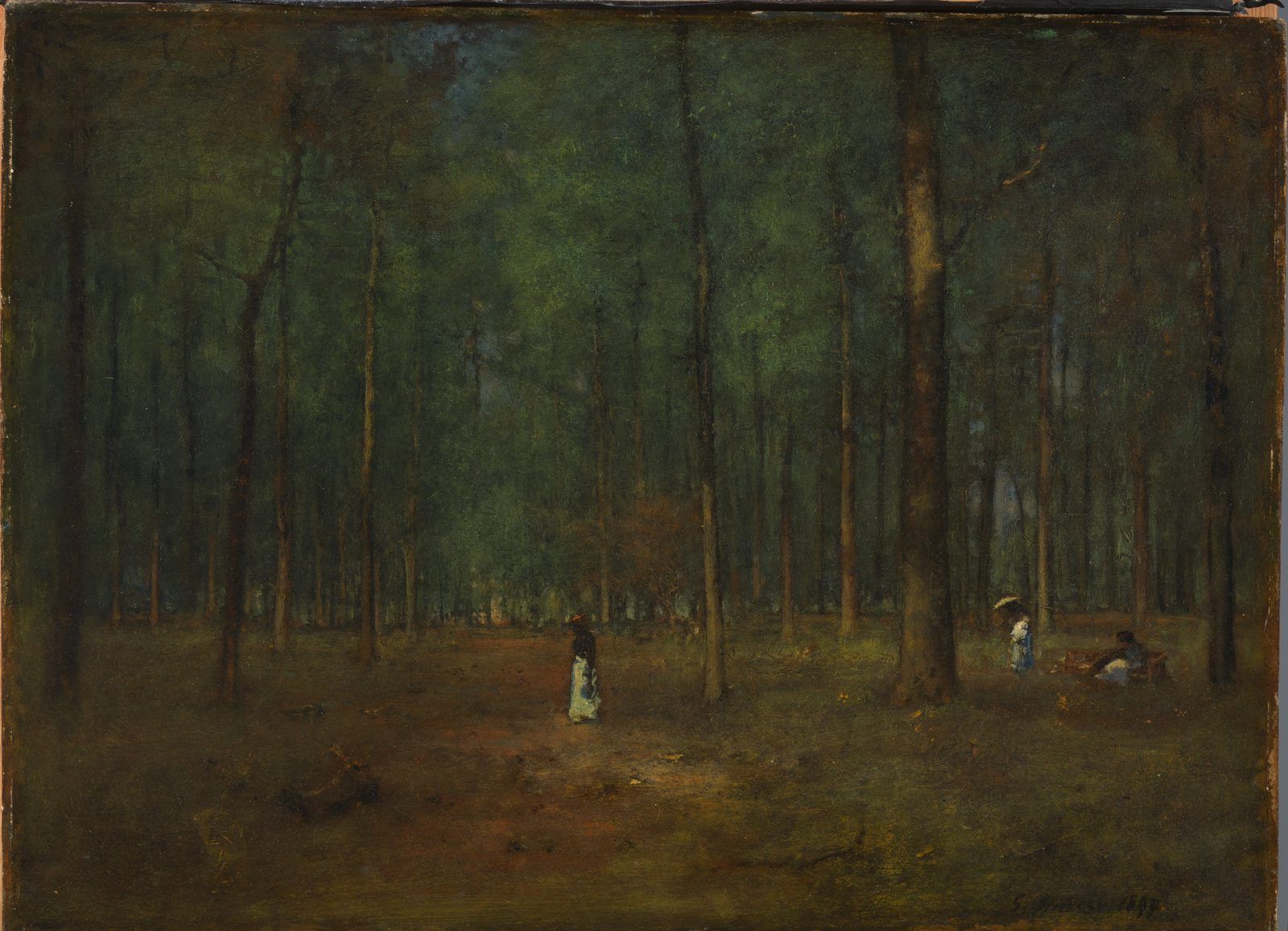
Forests and open woodlands on dry ridges and slopes, often oak or pine.
Floodplain and bottomland forests
Forests on low ground beside rivers and streams that flood from time to time.
Flat, poorly drained uplands and terraces with oaks, sweetgum and sometimes loblolly pine, wet in winter and dry in summer, but neither a floodplain nor a swamp.
Salt-pruned forests and shrub thickets behind coastal dunes.
Forests between dry and moist, often oak-hickory on slopes.
Forests on moist but not wet ground, such as rich slopes and ravines.
Tree plantations and managed pine
Planted or intensively managed stands of pine or hardwoods grown for timber; a land use rather than a natural community.
Borders of forests, clearings and shrubby thickets.
Roadsides, fields and disturbed ground
Ground opened by people: roadsides, old fields, pastures, fencerows and lots.
Other habitats in its models (36)
Land cover, or classes with no habitat page in Alabama. Those recorded in Alabama first, the rest by region.
Elsewhere in the South (15)
- Central and Southern Appalachian Montane Oak Forest Summer.
- Central and Southern Appalachian Northern Hardwood Forest Summer.
- Central Florida Pine Flatwoods Winter.
- Florida Peninsula Inland Scrub Winter.
- South Florida Bayhead Swamp Winter.
- South Florida Cypress Dome Winter.
- South Florida Hardwood Hammock Winter.
- South Florida Mangrove Swamp Winter.
- South Florida Pine Flatwoods Winter.
- Southeast Florida Coastal Strand and Maritime Hammock Winter.
- Southern and Central Appalachian Bog and Fen Summer.
- Southern and Central Appalachian Cove Forest Summer.
- Southern and Central Appalachian Oak Forest Summer.
- Southern Appalachian Northern Hardwood Forest Summer.
- Southwest Florida Coastal Strand and Maritime Hammock Winter.
Northeast (3)
- Appalachian Hemlock-Hardwood Forest Summer.
- Central Appalachian Oak and Pine Forest Summer.
- Central Appalachian Pine-Oak Rocky Woodland Summer.
Land cover and other classes (18)
- Central Appalachian Floodplain - Forest Modifier Summer.
- Central Appalachian Riparian - Forest Modifier Summer.
- Developed, Low Intensity Summer and winter, beside its main habitat.
- East Gulf Coastal Plain Large River Floodplain Forest - Herbaceous Modifier Winter.
- Introduced Upland Vegetation - Shrub Summer, beside its main habitat.
- Orchards Vineyards and Other High Structure Agriculture Summer, beside its main habitat.
- Recently Burned Summer, beside its main habitat.
- Recently Burned Forest Summer, beside its main habitat.
- Recently Burned Shrubland Summer, beside its main habitat.
- Recently Logged Areas Summer, beside its main habitat.
- South-Central Interior Large Floodplain - Herbaceous Modifier Summer.
- Southern and Central Appalachian Oak Forest - Xeric Summer.
- Southern Appalachian Grass and Shrub Bald - Shrub Modifier Summer, beside its main habitat.
- Southern Coastal Plain Nonriverine Basin Swamp - Okefenokee Clethra Modifier Winter.
- Southern Coastal Plain Nonriverine Basin Swamp - Okefenokee Pine Modifier Winter.
- Southern Piedmont Dry Oak-(Pine) Forest - Loblolly Pine Modifier Summer.
- Southern Piedmont Dry Oak-(Pine) Forest - Mixed Modifier Summer.
- Southern Piedmont Dry Oak-Heath Forest - Mixed Modifier Summer.
Seasons in Alabama
- Migratory: does not nest here, in all 67 counties.
Also found in its main habitats
Its main habitats in Alabama, by how much of its habitat model each one is, with the birds most characteristic of each and the plants that grow wild there. Shared habitat, not food.
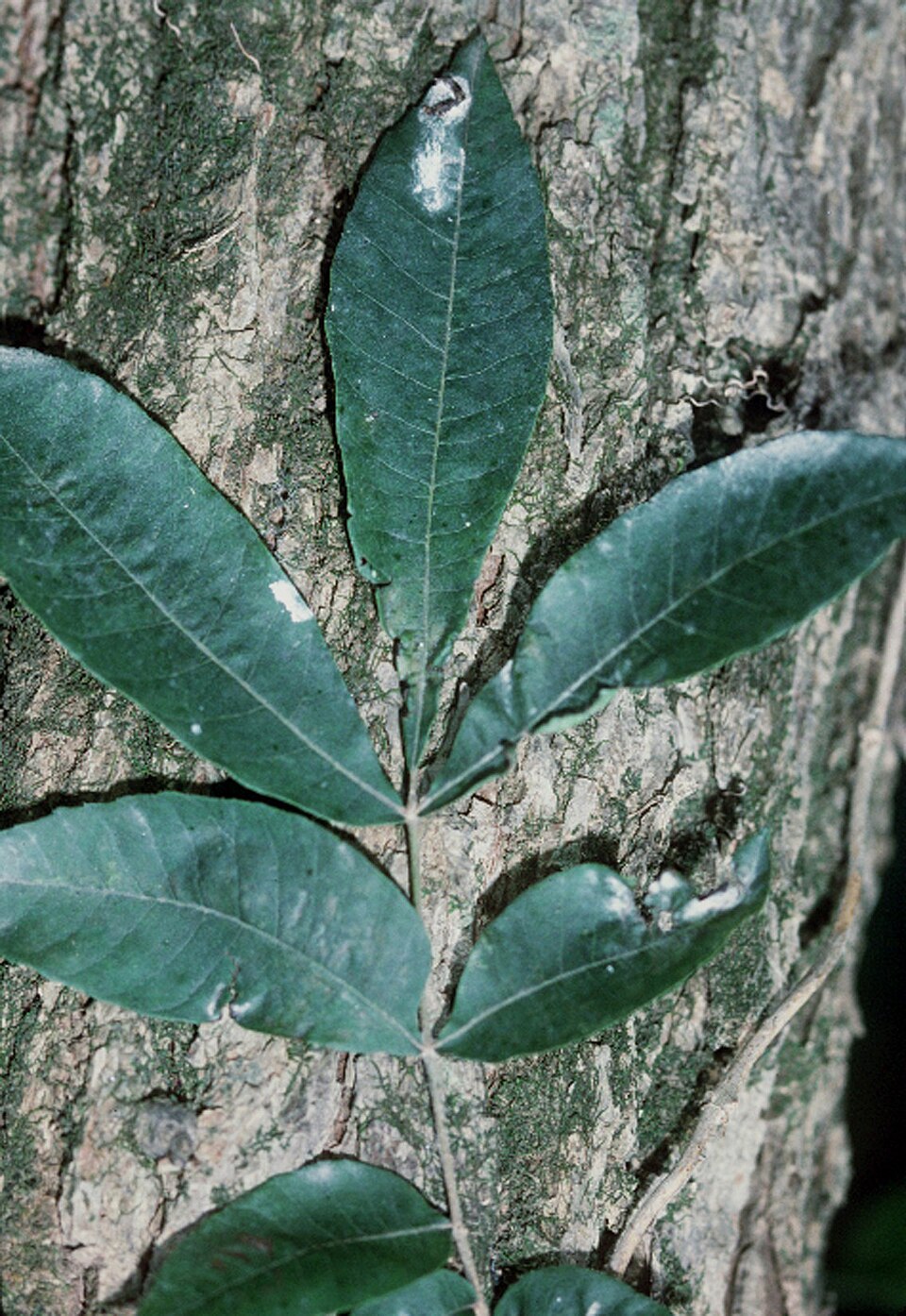
Floodplain and bottomland forests
Birds 104
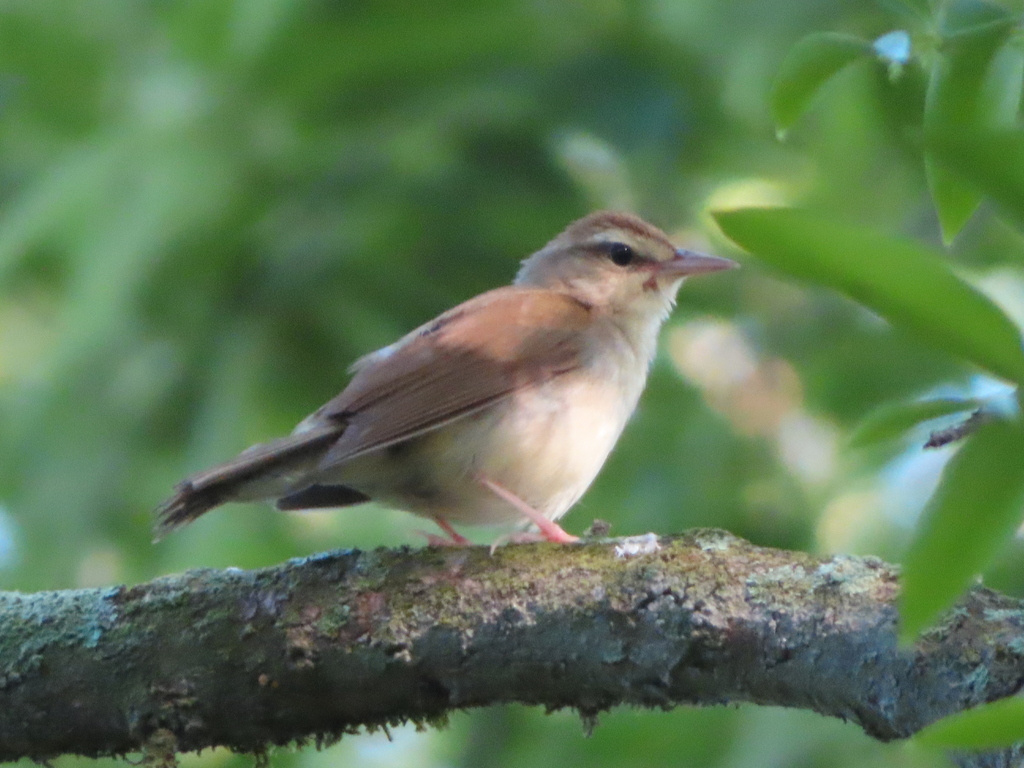
- Black-throated Blue WarblerDendroica caerulescens
- Willow FlycatcherEmpidonax traillii
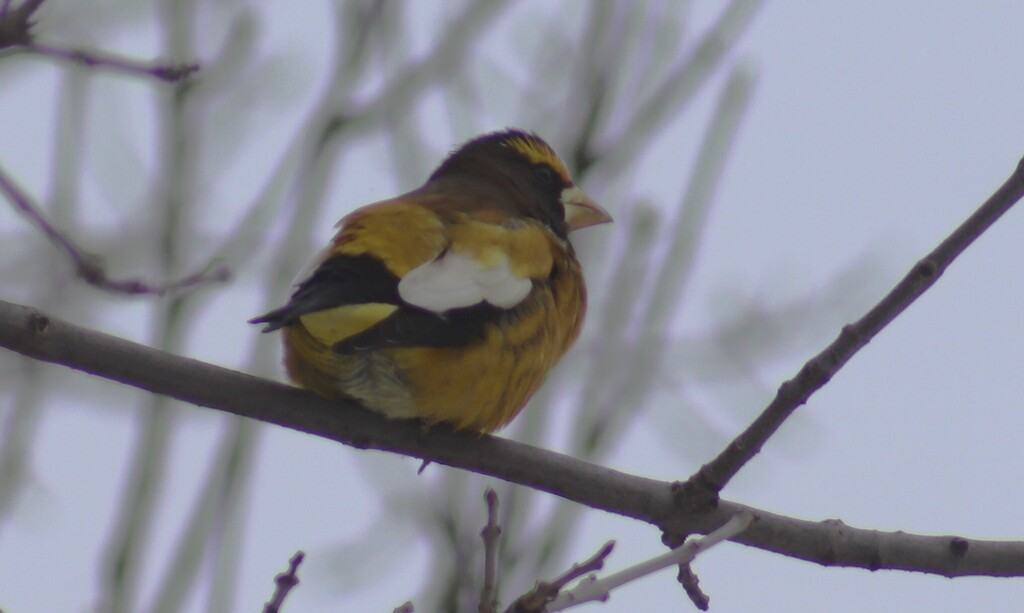
- Evening GrosbeakCoccothraustes vespertinus
- Louisiana WaterthrushSeiurus motacilla
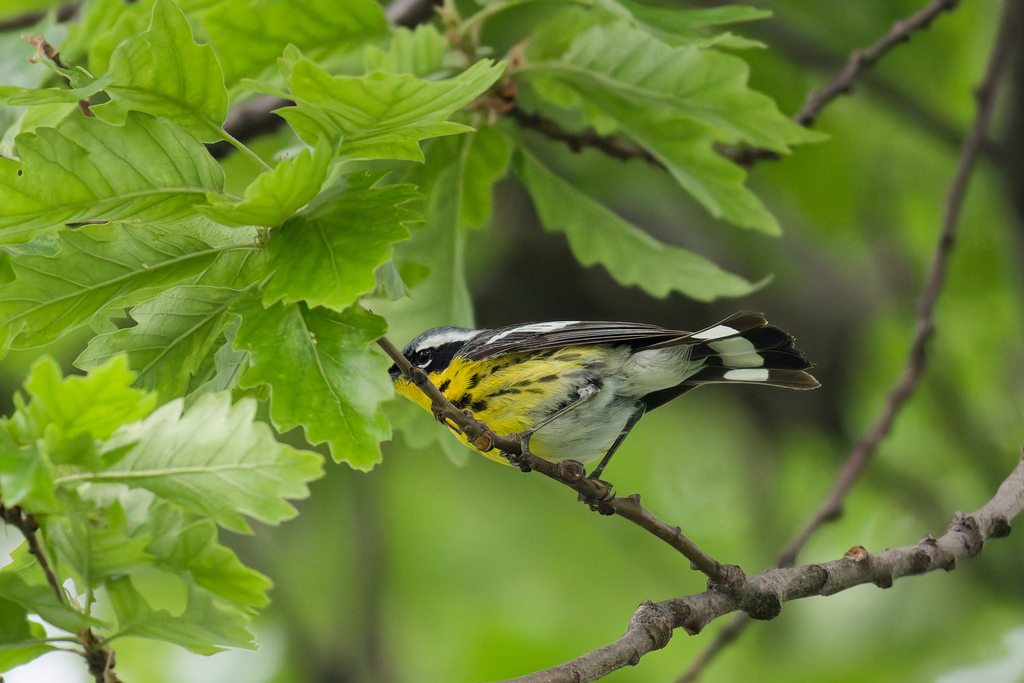
- Magnolia WarblerDendroica magnolia
- OvenbirdSeiurus aurocapilla
- Red-breasted NuthatchSitta canadensis
- Swainson's WarblerLimnothlypis swainsonii
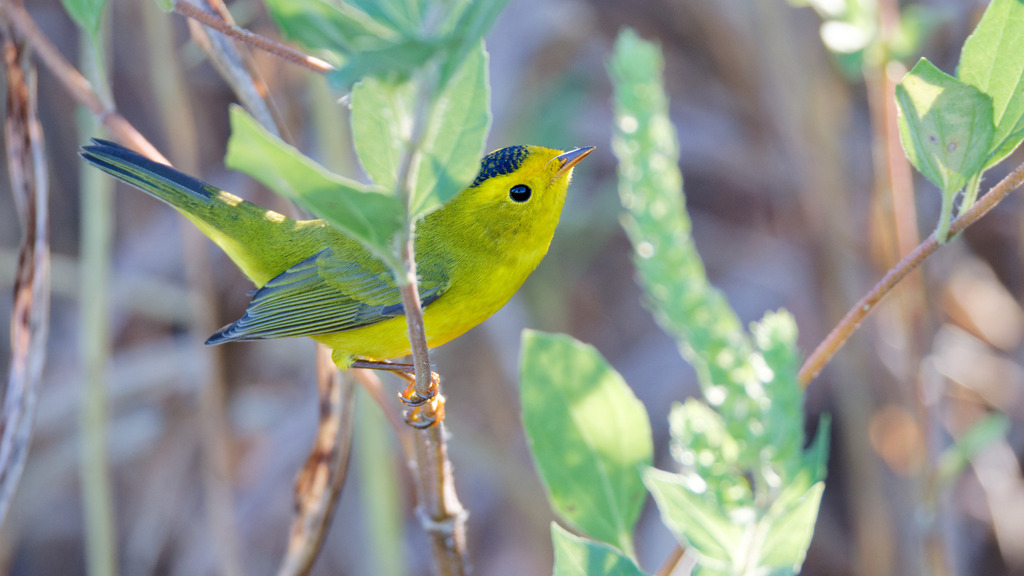
- Wilson's WarblerWilsonia pusilla
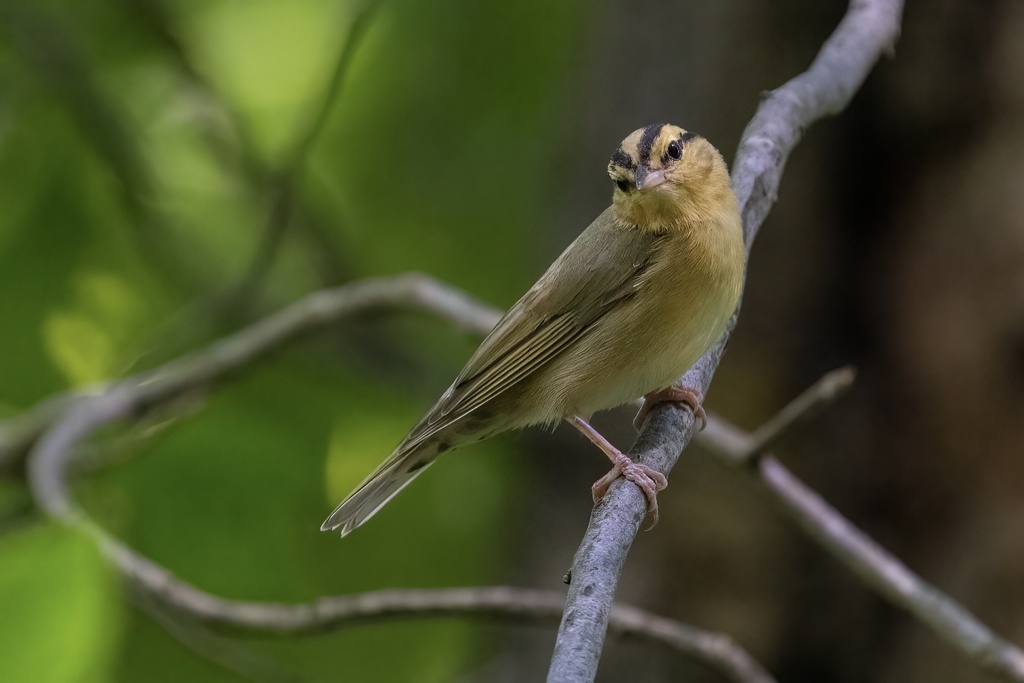
- Worm-eating WarblerHelmitheros vermivorum
- American WoodcockScolopax minor
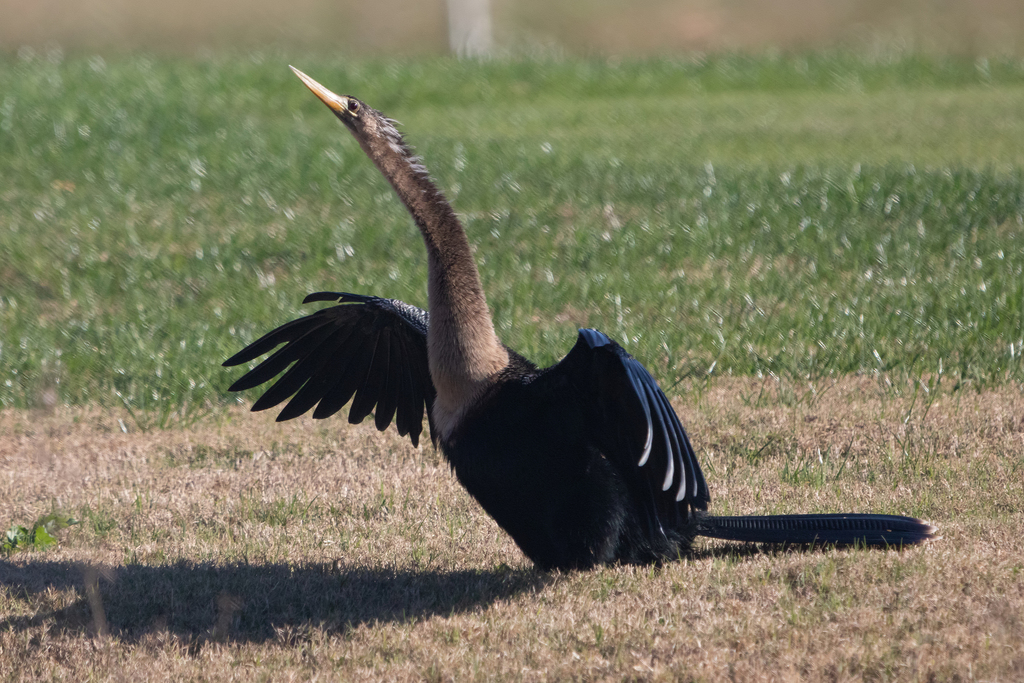
- AnhingaAnhinga anhinga





Plants 418
- Elliott's BlueberryVaccinium elliottii
- White Panicled Aster; Eastern Lined AsterSymphyotrichum lanceolatum var. latifolium
- Possumhaw HollyIlex decidua
- Cherrybark OakQuercus pagoda
- Appalachian Orange ConeflowerRudbeckia umbrosa
- Rudbeckia fulgida var. spathulataRudbeckia spathulata
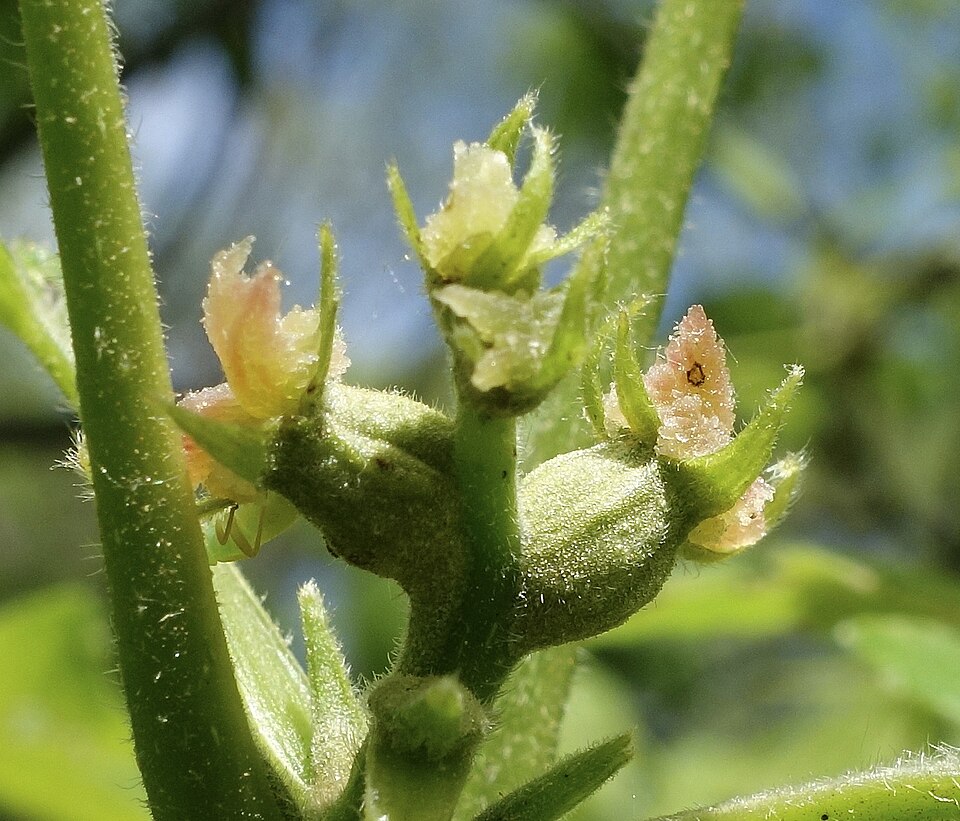
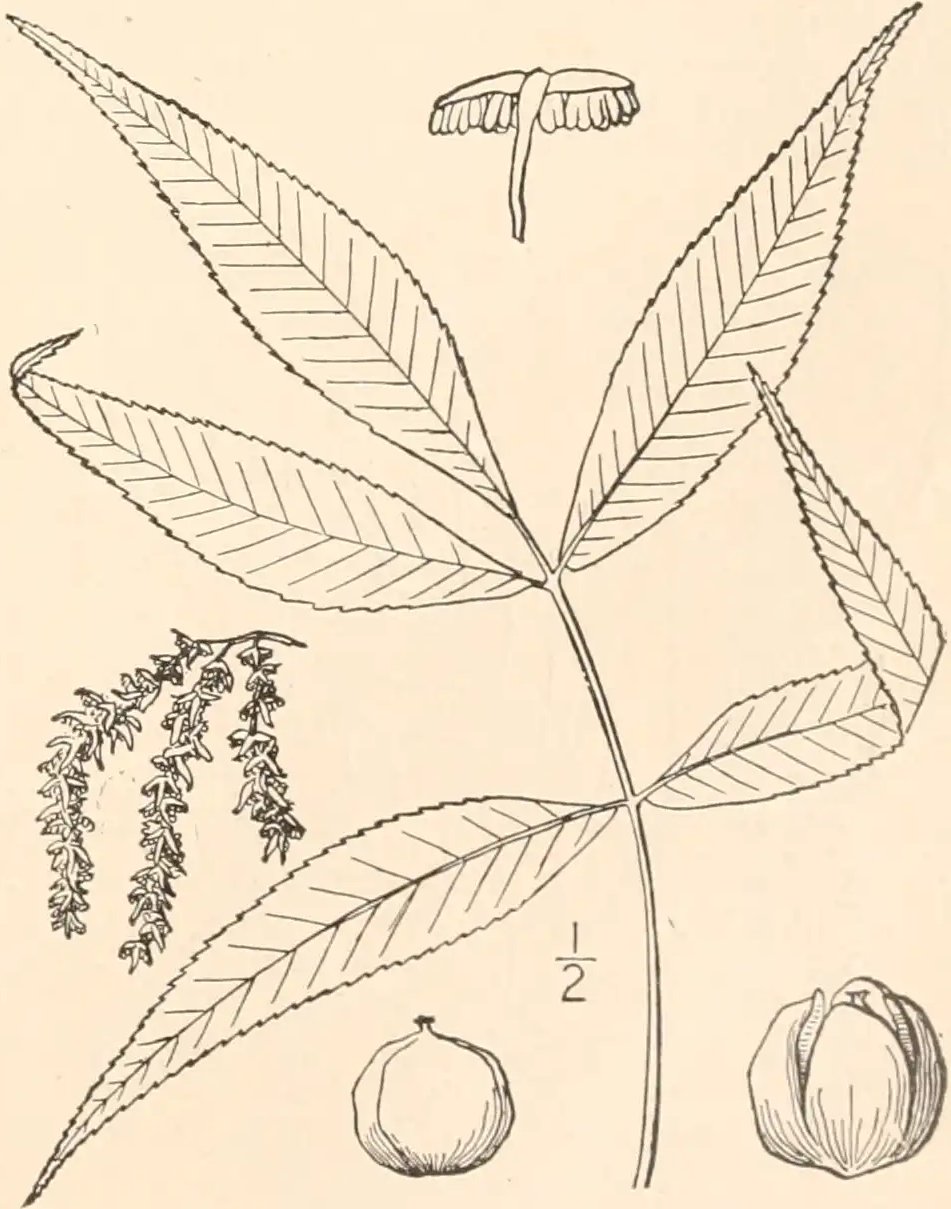
- Shagbark HickoryCarya ovata
- Southern Shagbark HickoryCarya carolinae-septentrionalis
- Spruce Pine; Walters Pine; Cedar PinePinus glabra
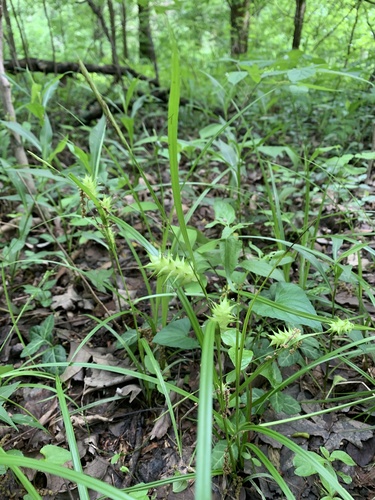
- Spreading SedgeCarex laxiculmis
- Louisiana SedgeCarex louisianica
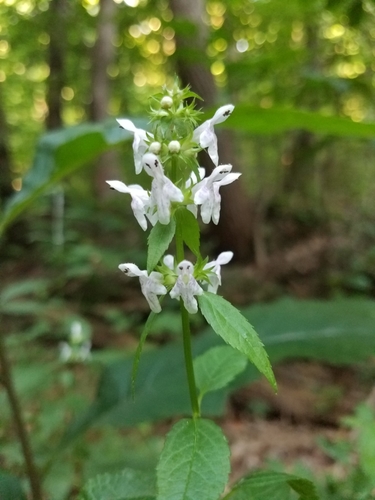
- Smooth Hedge-nettleStachys tenuifolia
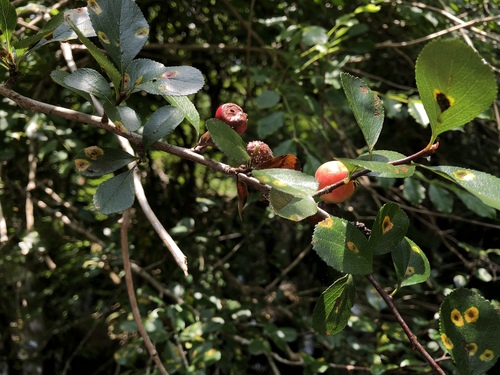
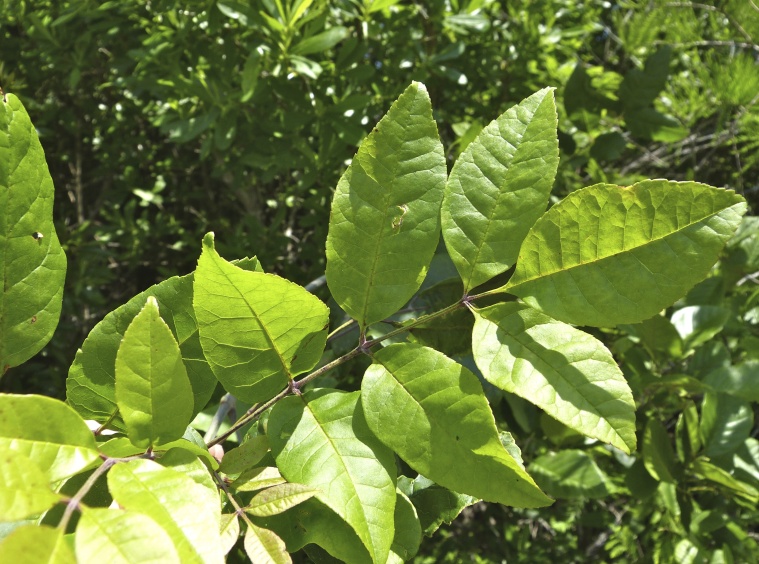
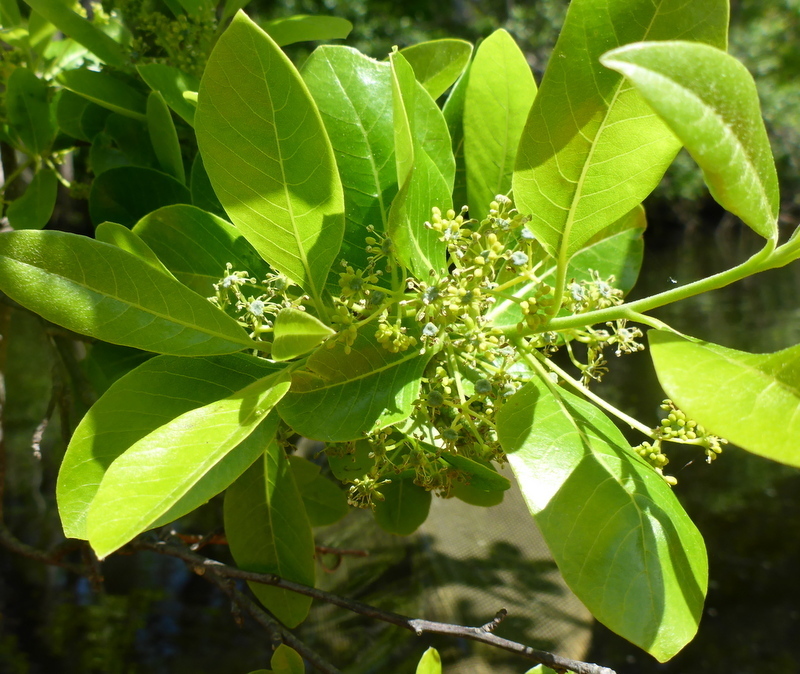
Swamps
Birds 102
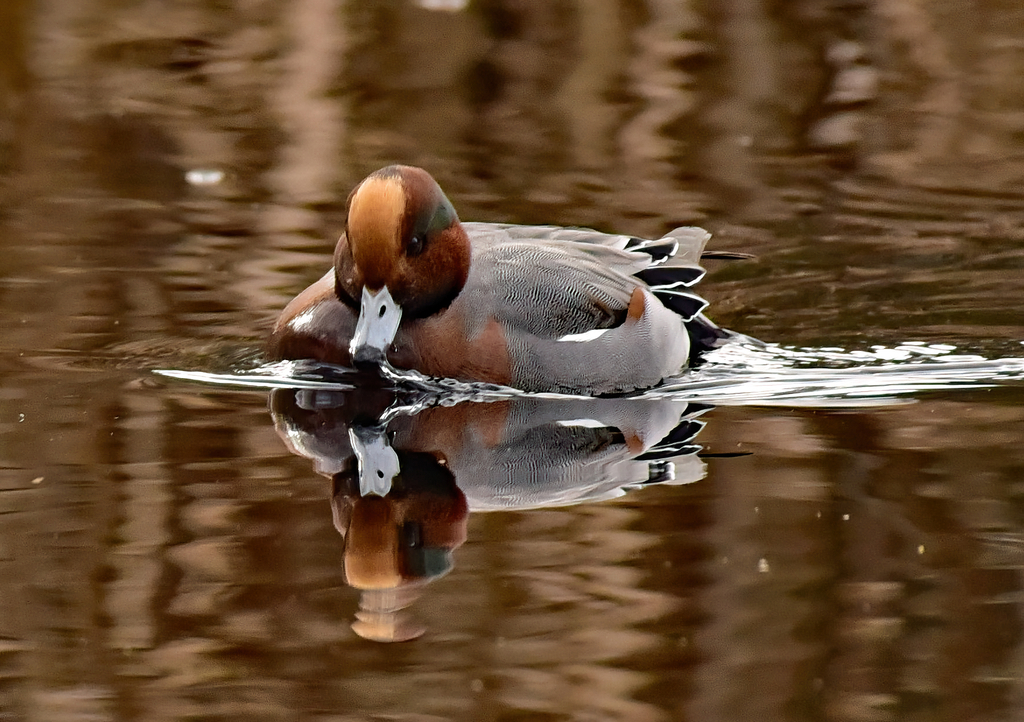
- Eurasian WigeonAnas penelope
- Louisiana WaterthrushSeiurus motacilla
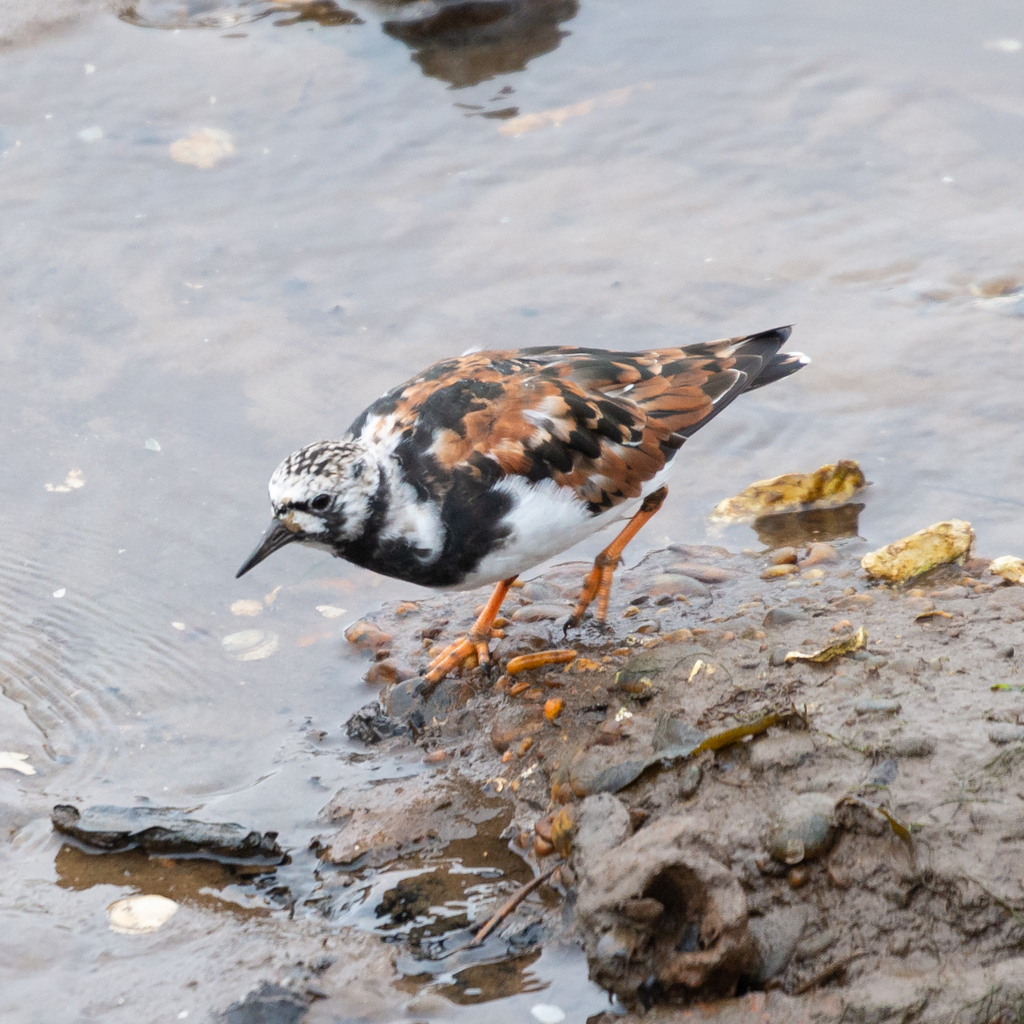
- Ruddy TurnstoneArenaria interpres
- Magnolia WarblerDendroica magnolia
- Red-breasted NuthatchSitta canadensis
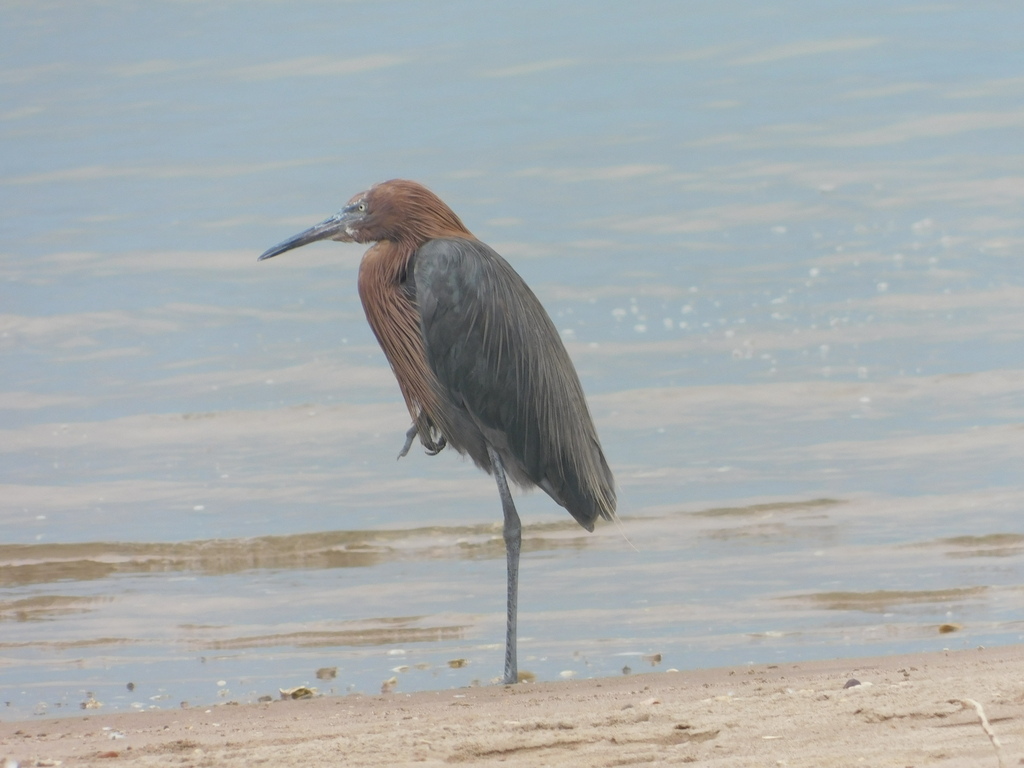
- Reddish EgretEgretta rufescens
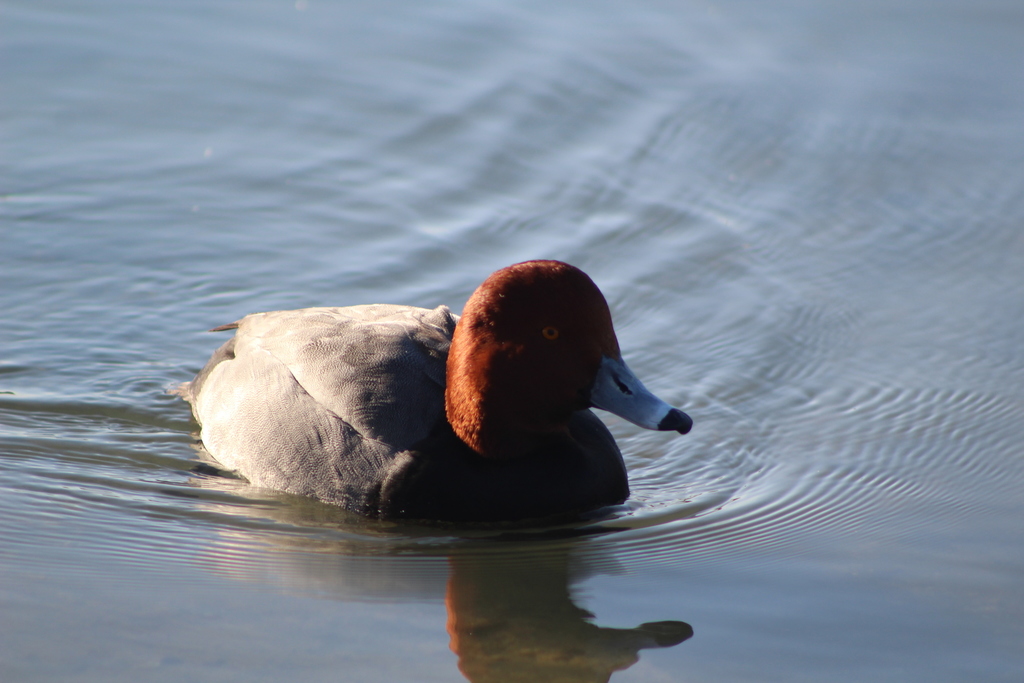
- RedheadAythya americana
- Swainson's WarblerLimnothlypis swainsonii
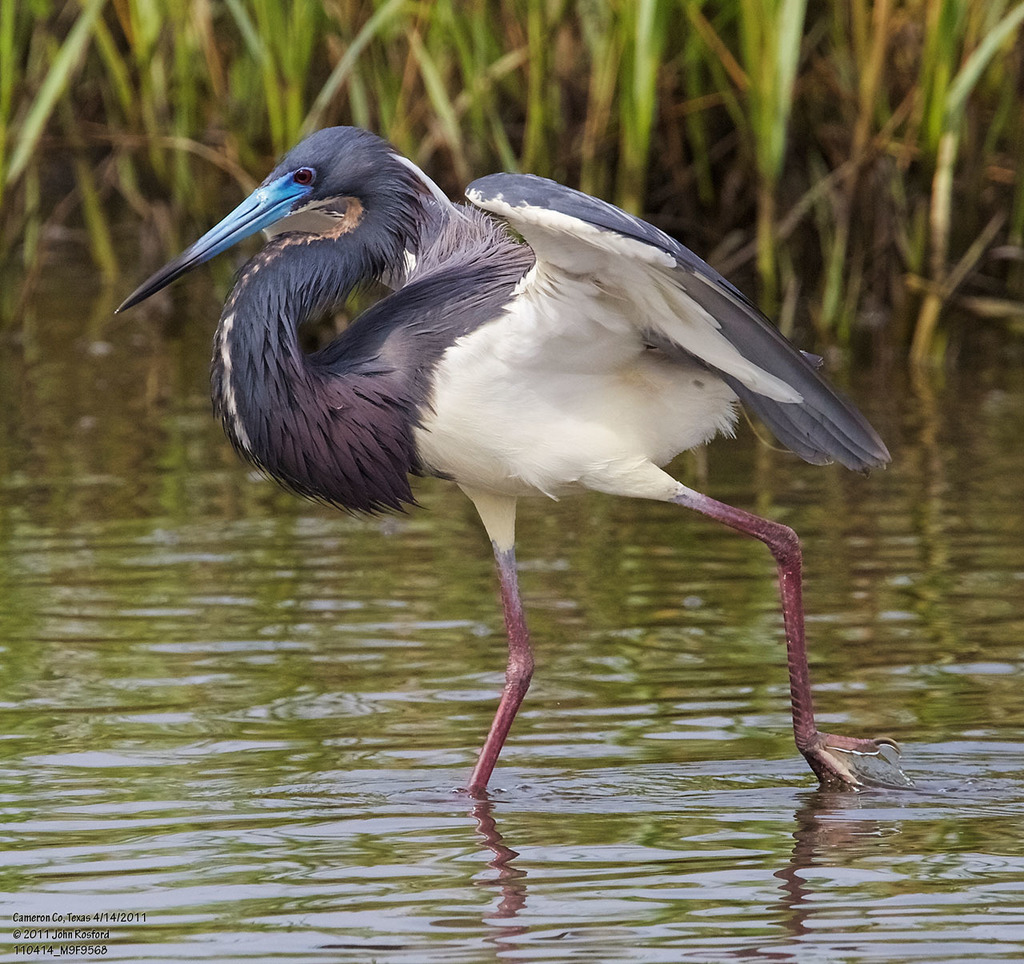
- Tricolored HeronEgretta tricolor
- AnhingaAnhinga anhinga
- Broad-winged HawkButeo platypterus
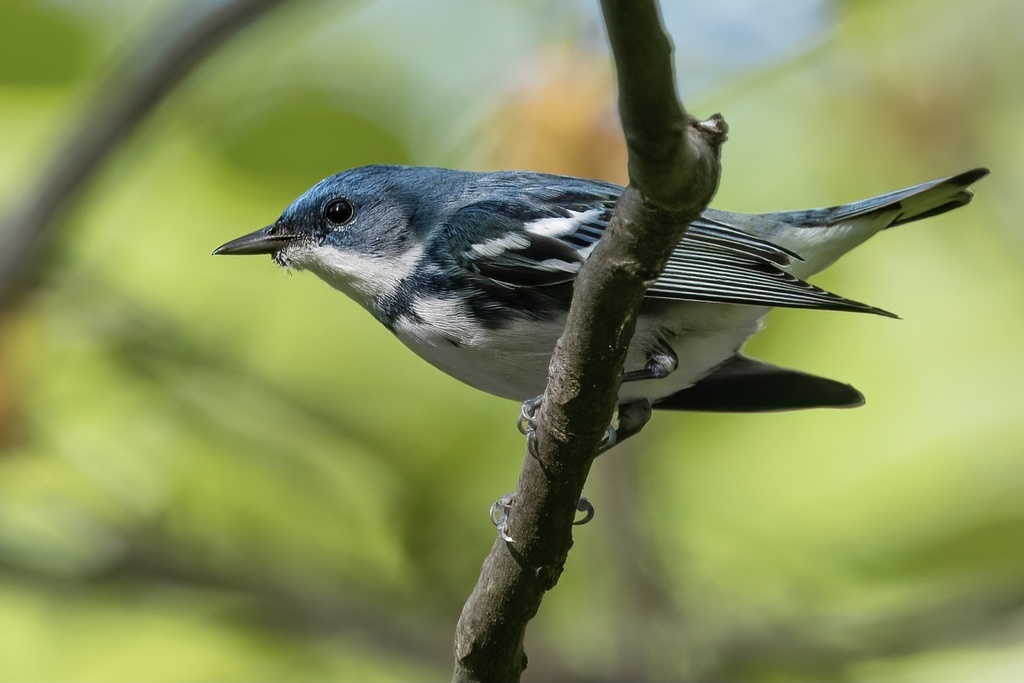
- Cerulean WarblerDendroica cerulea

Plants 327
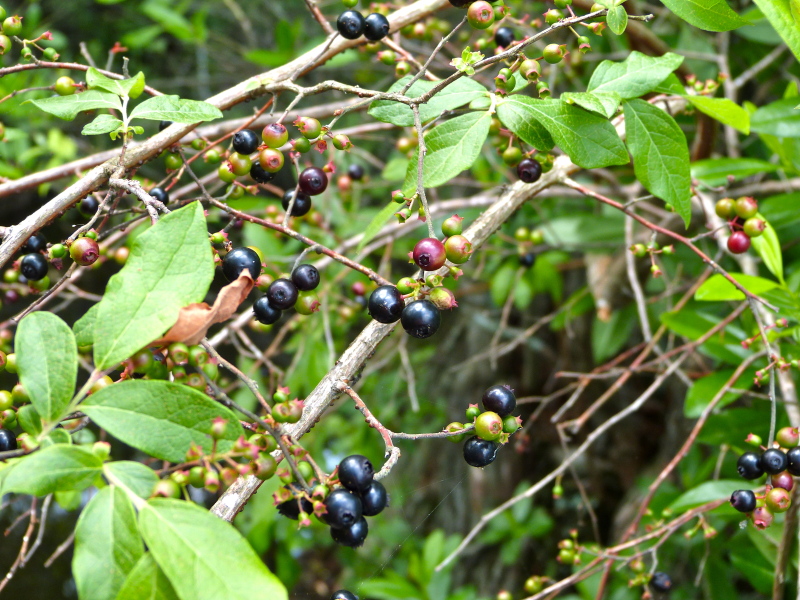
- Black Highbush BlueberryVaccinium fuscatum
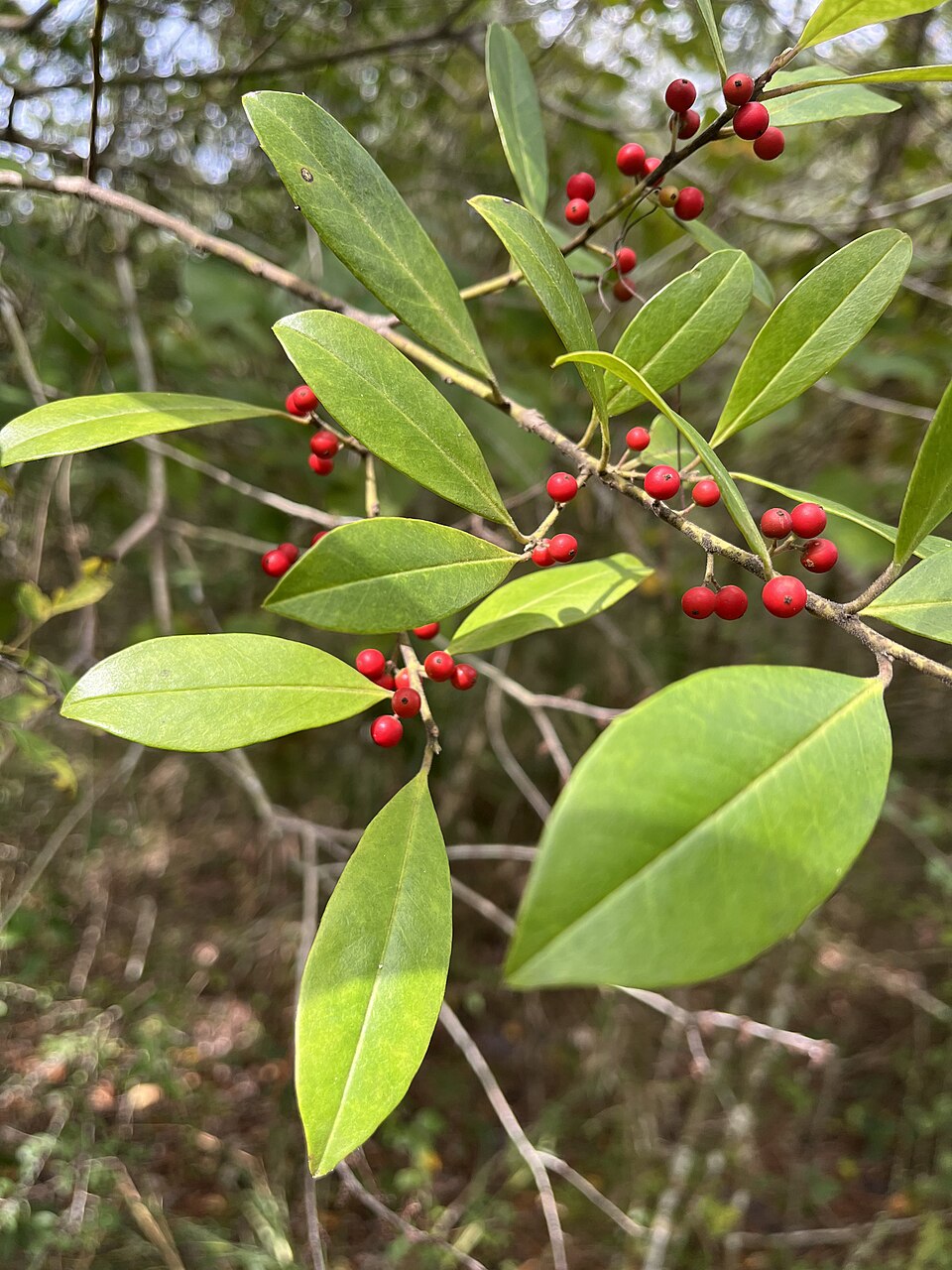
- Dahoon HollyIlex cassine
- May HawthornCrataegus aestivalis
- Carolina AshFraxinus caroliniana
- Dense-flower SmartweedPersicaria densiflora
- Swamp TupeloNyssa biflora
- Water HickoryCarya aquatica
- Bent SedgeCarex styloflexa
- Collins's SedgeCarex collinsii
- Cypress-swamp SedgeCarex joorii
- Dark-green SedgeCarex venusta
- Fringed SedgeCarex crinita
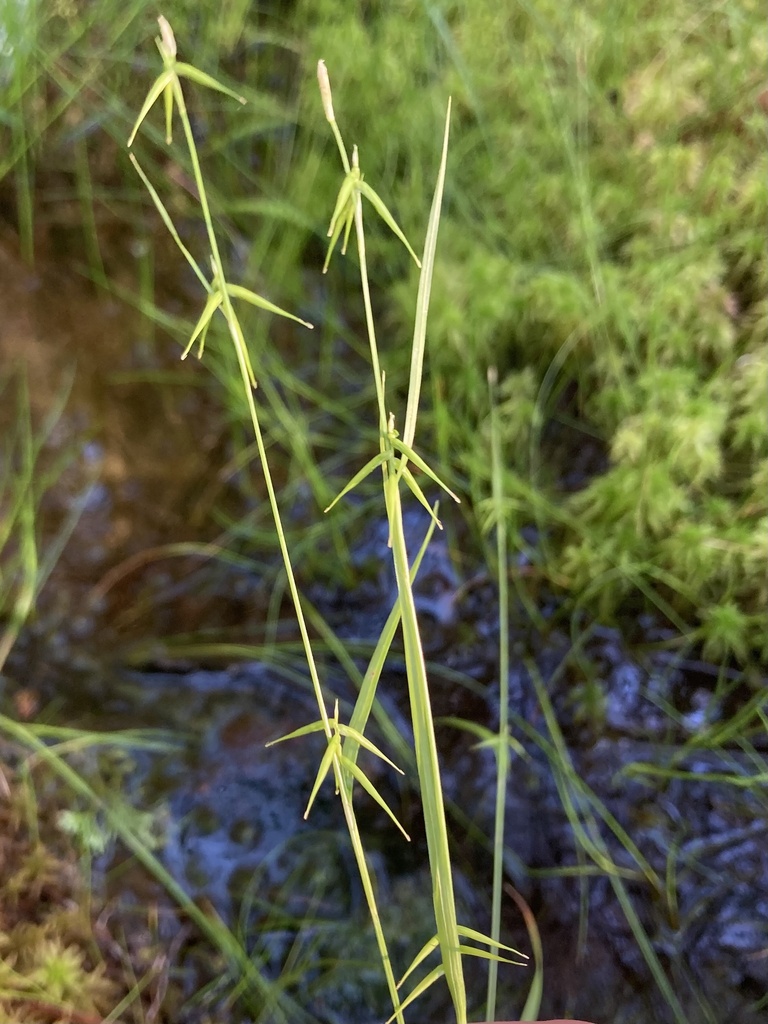
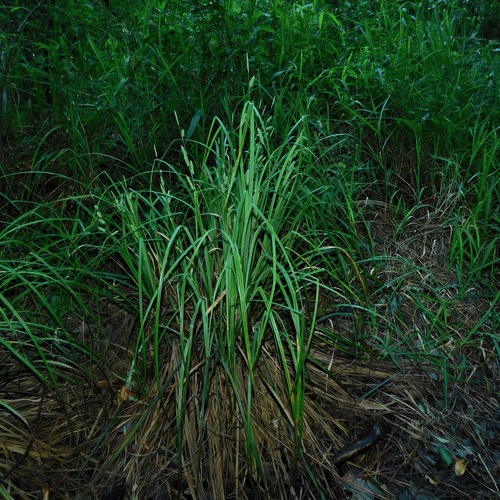
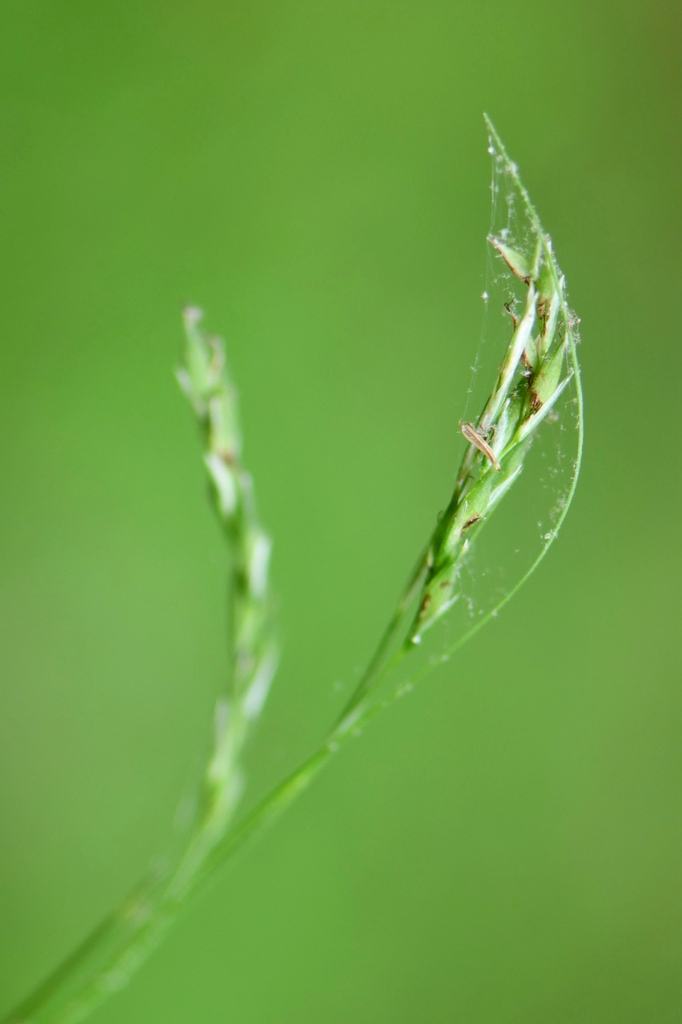
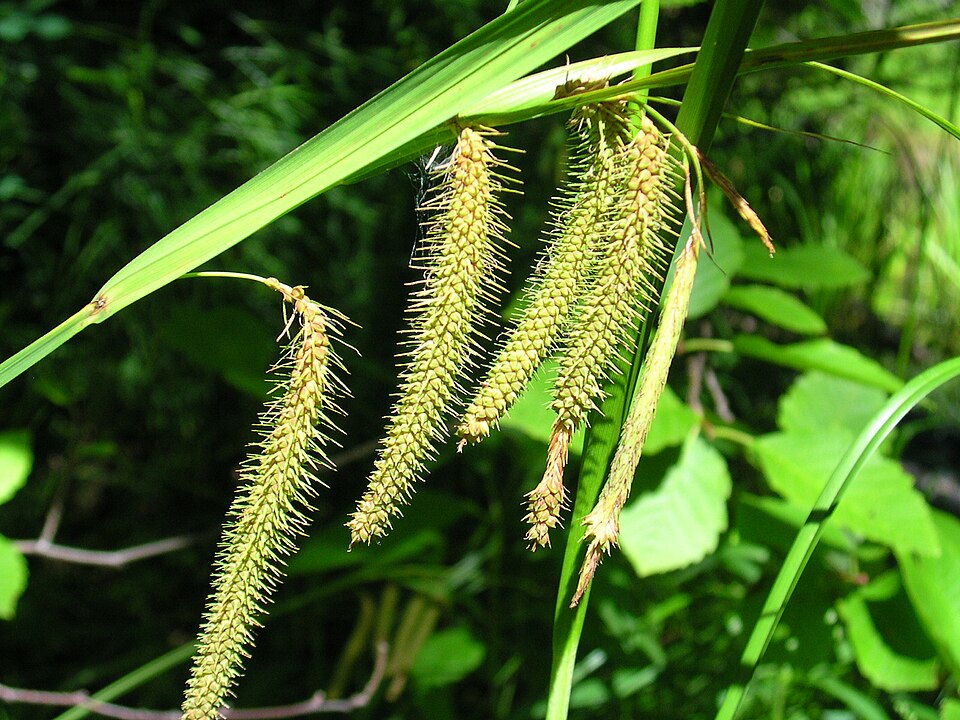
Disturbed and introduced wetlands
Birds 144
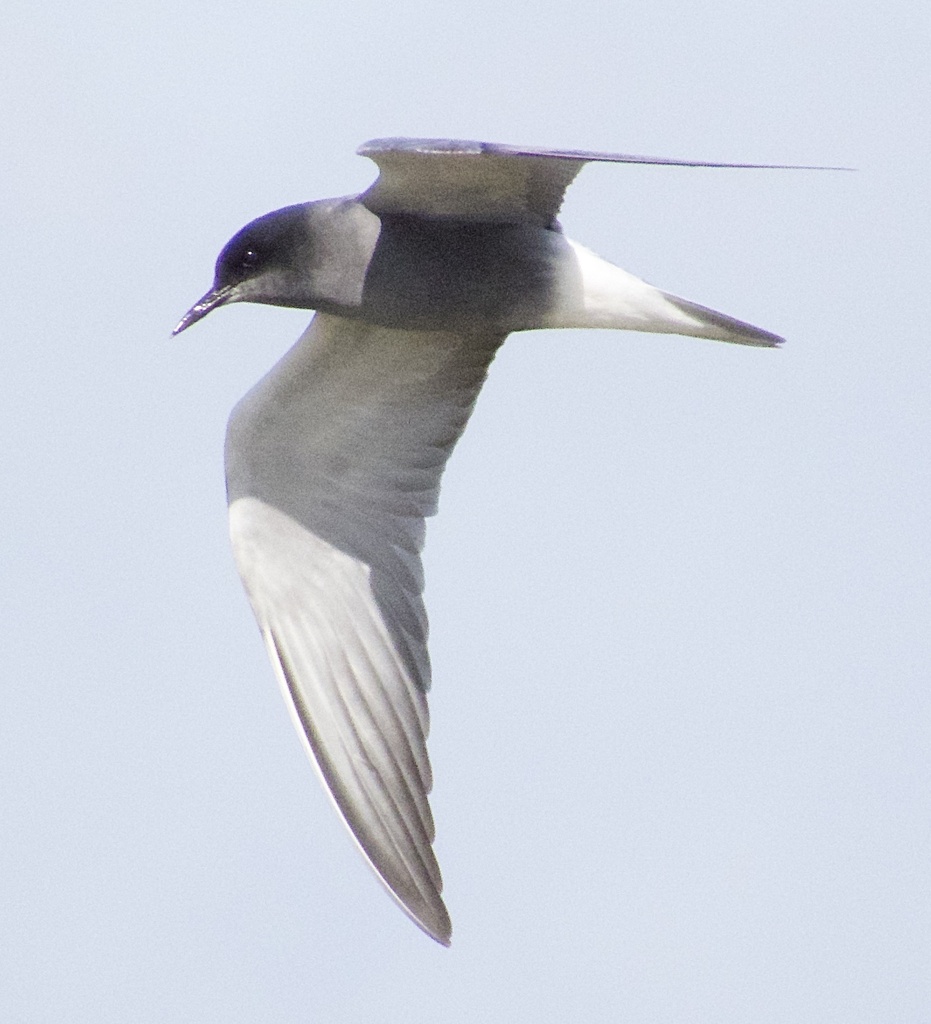
- Black TernChlidonias niger
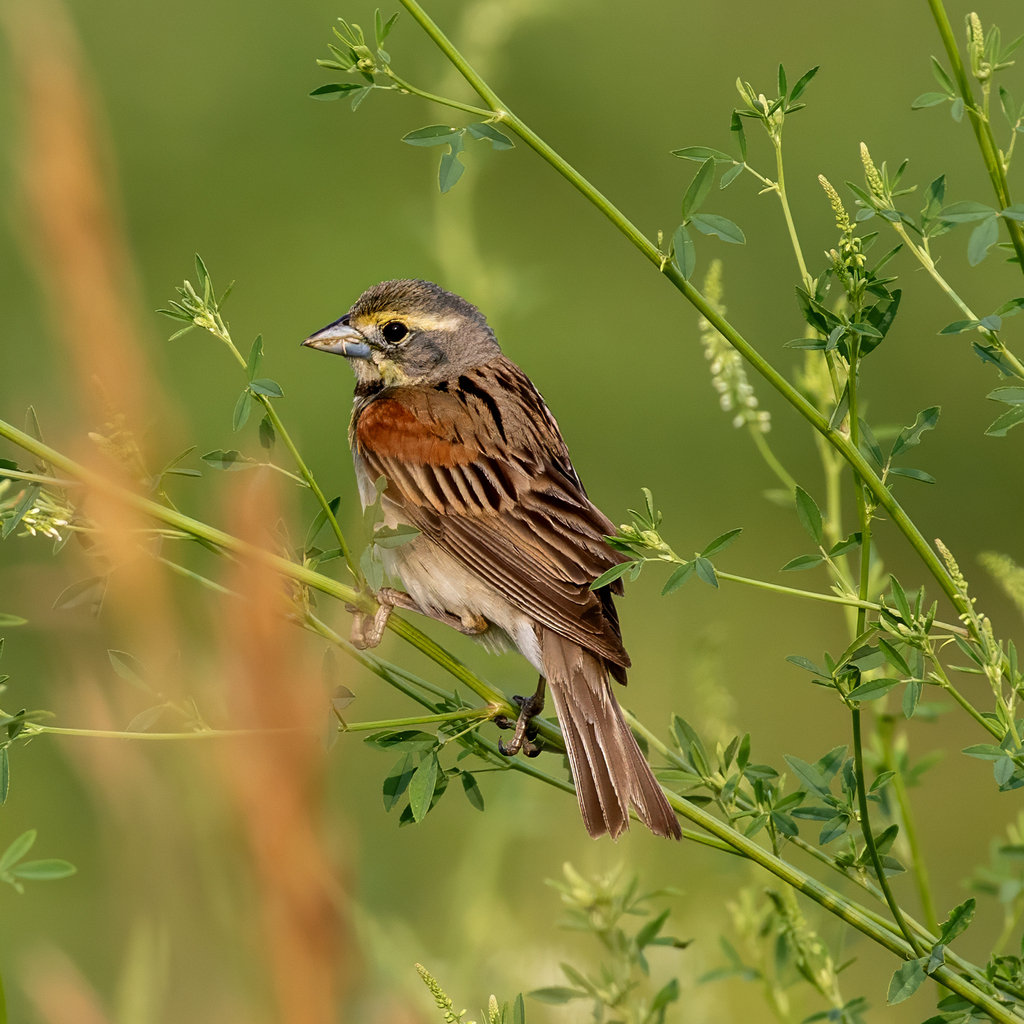
- DickcisselSpiza americana
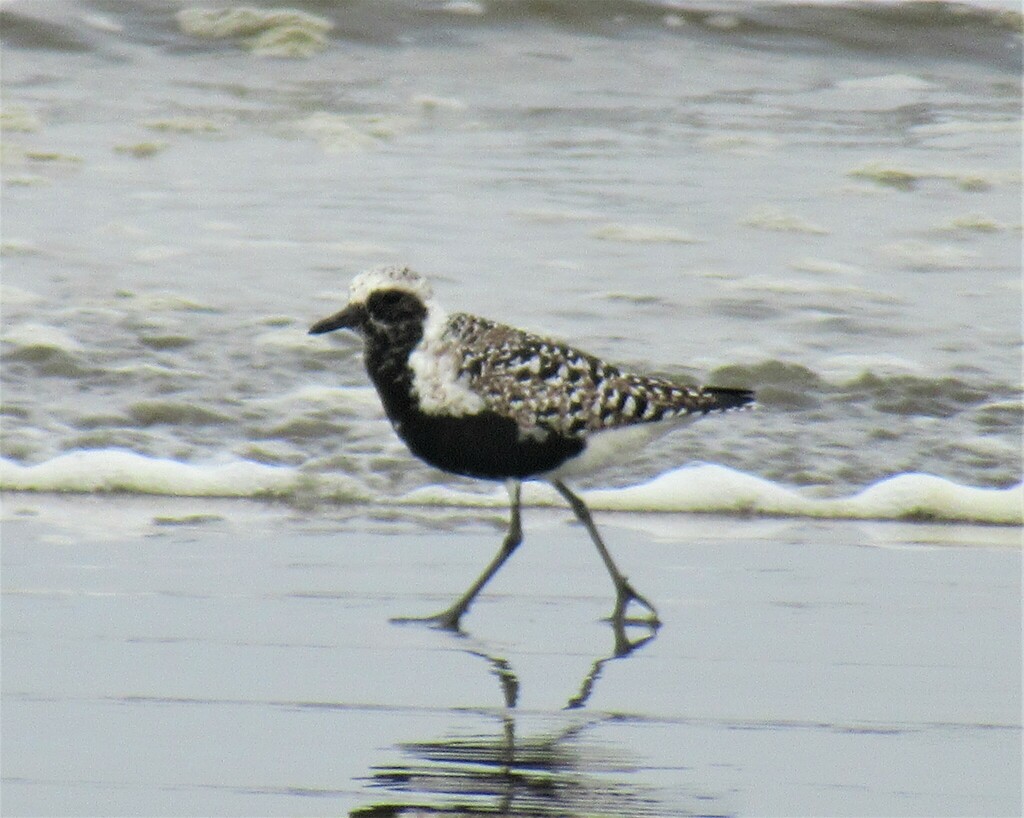
- Black-bellied PloverPluvialis squatarola
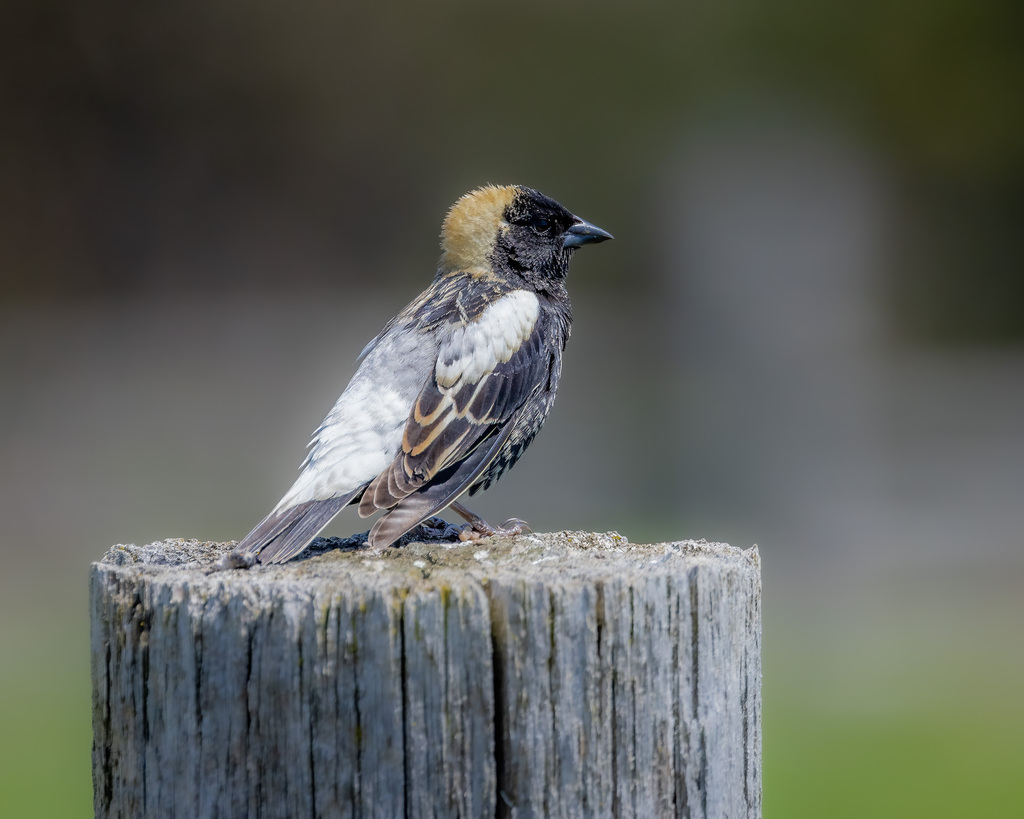
- BobolinkDolichonyx oryzivorus
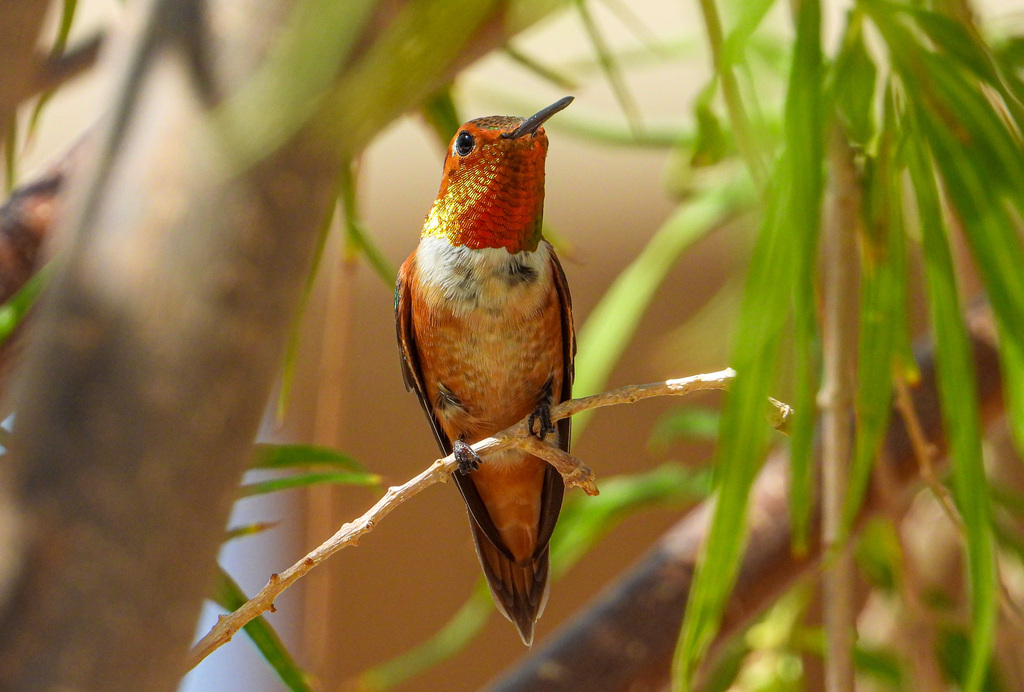
- Rufous HummingbirdSelasphorus rufus
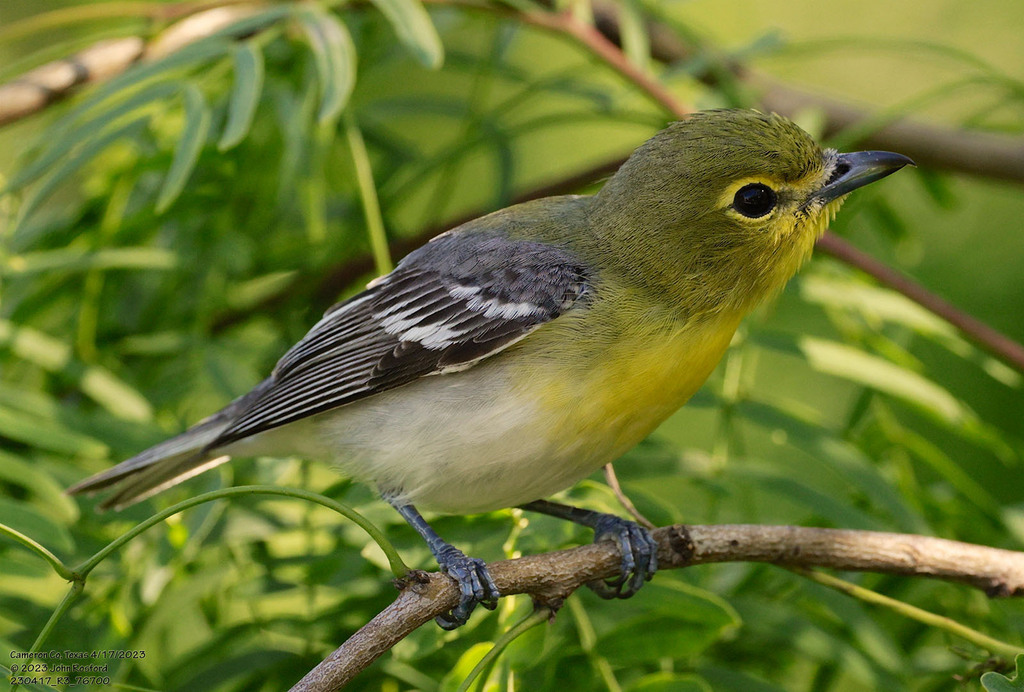
- Yellow-throated VireoVireo flavifrons
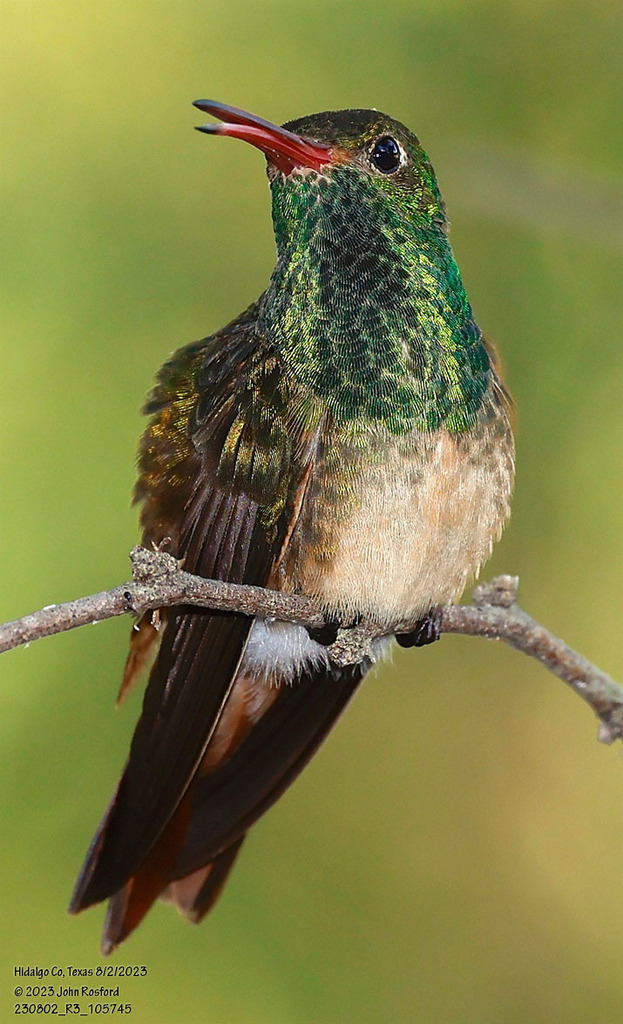
- Buff-bellied HummingbirdAmazilia yucatanensis
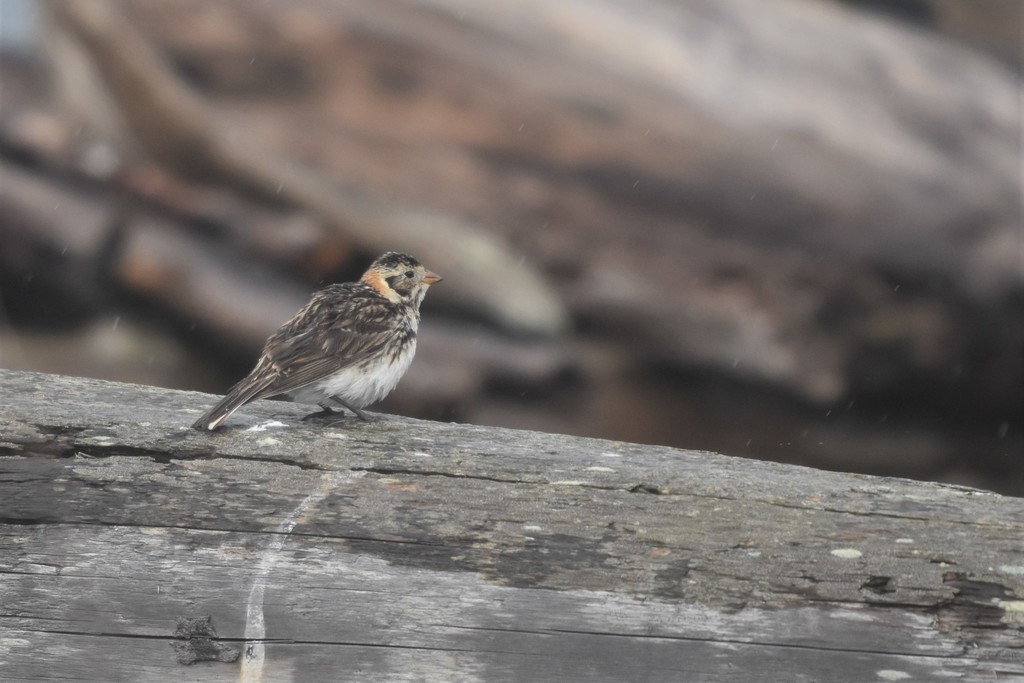
- Lapland LongspurCalcarius lapponicus
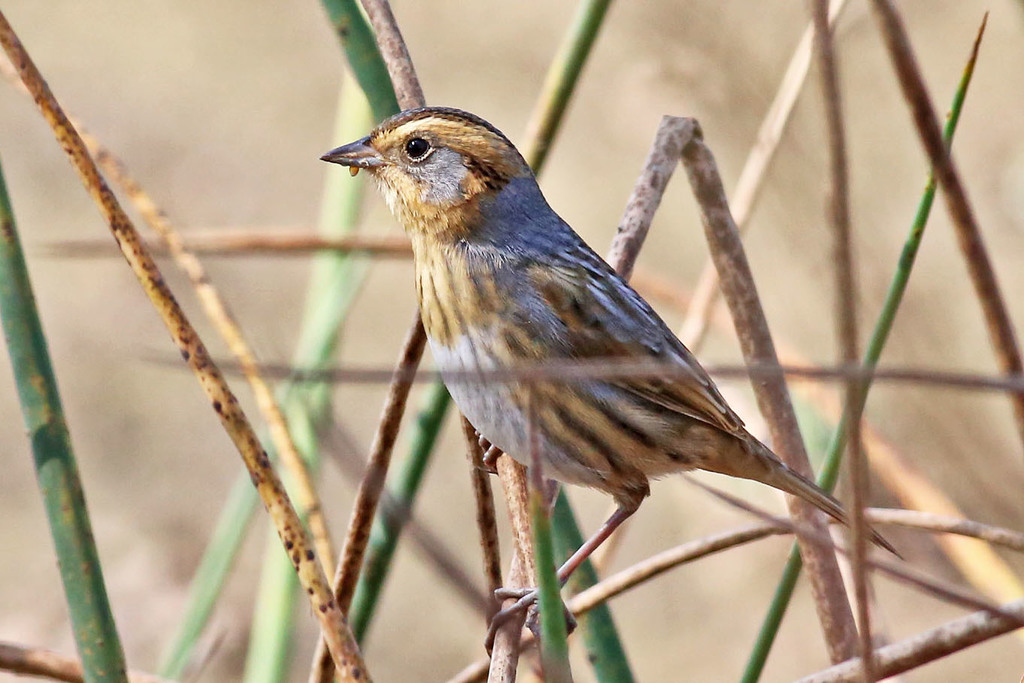
- Nelson's Sharp-tailed SparrowAmmodramus nelsoni
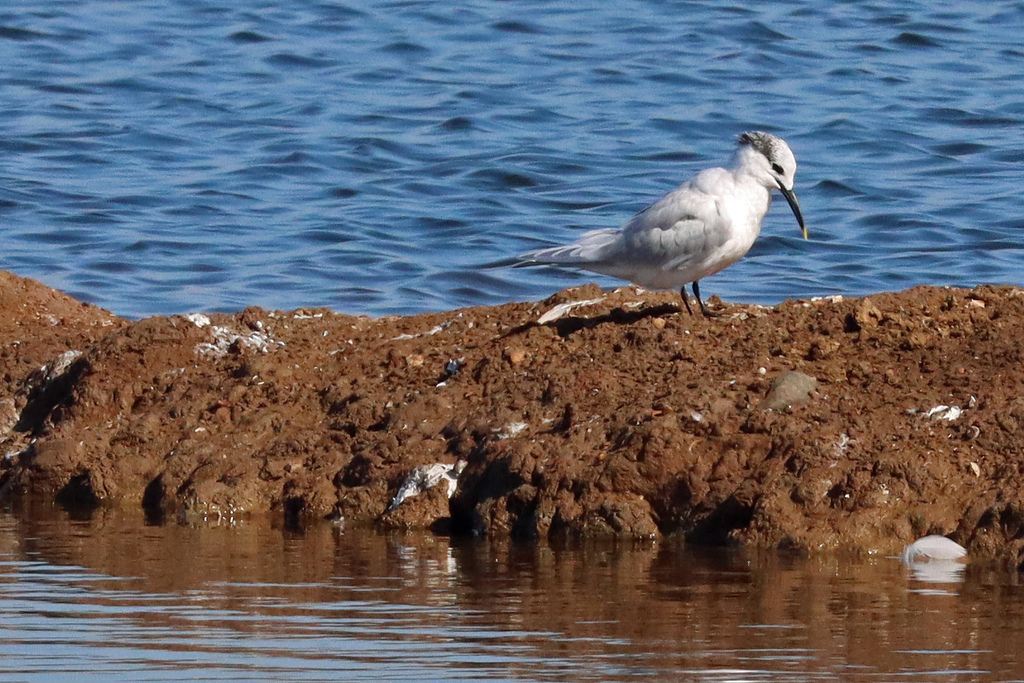
- Sandwich TernThalasseus sandvicensis
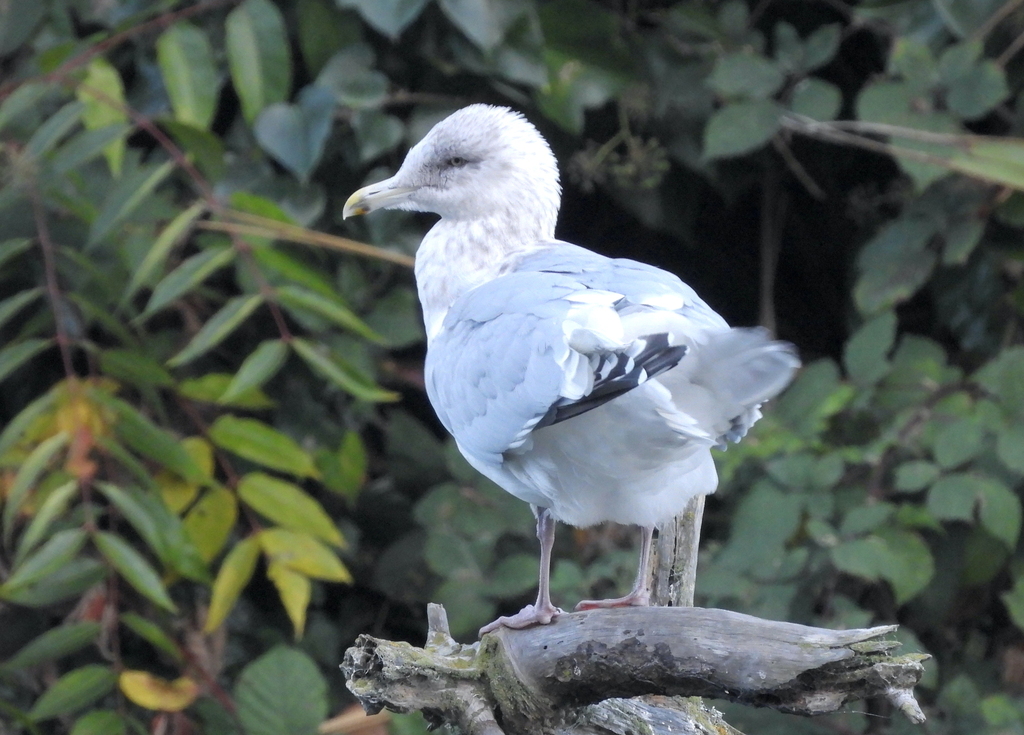
- Thayer's GullLarus thayeri
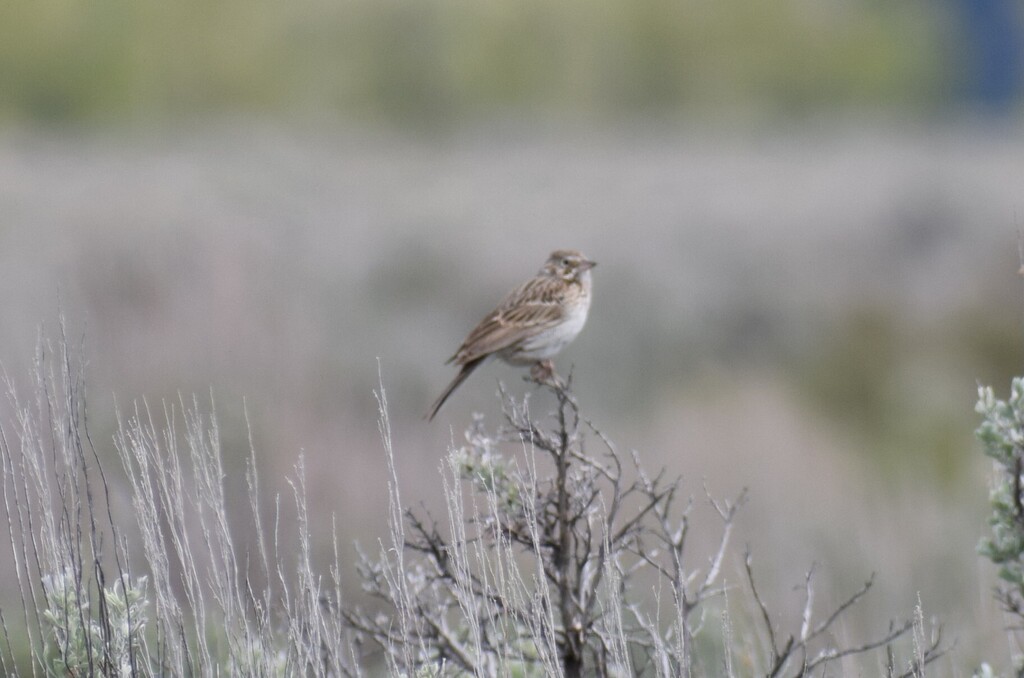
- Vesper SparrowPooecetes gramineus
Plants 38
- Slender FimbryFimbristylis autumnalis
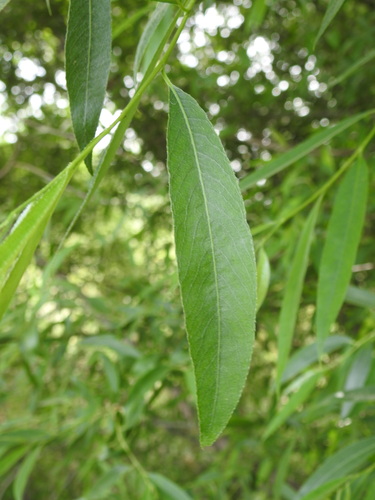
- White WillowSalix alba
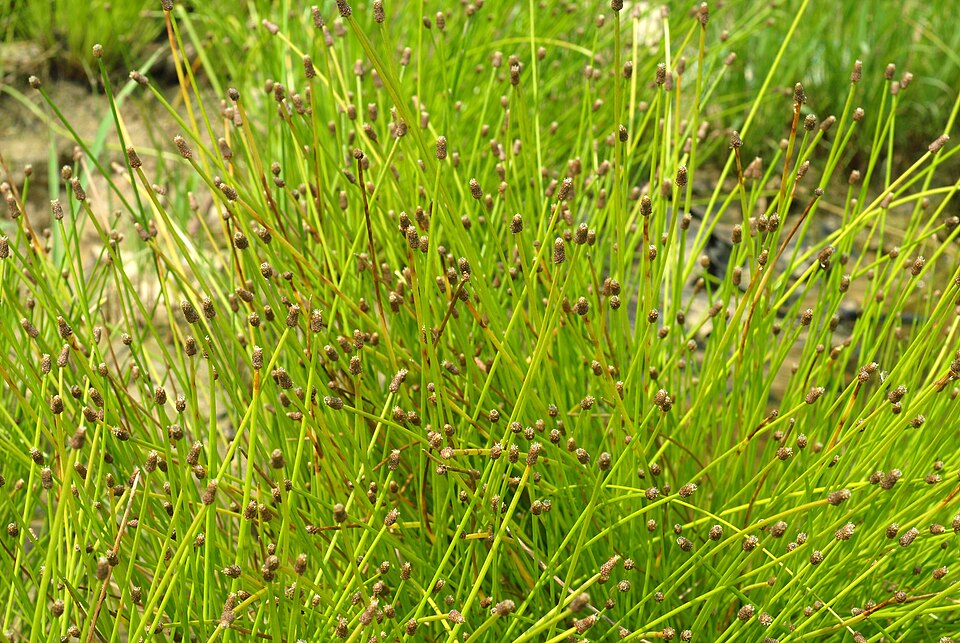
- Purple SpikerushEleocharis atropurpurea
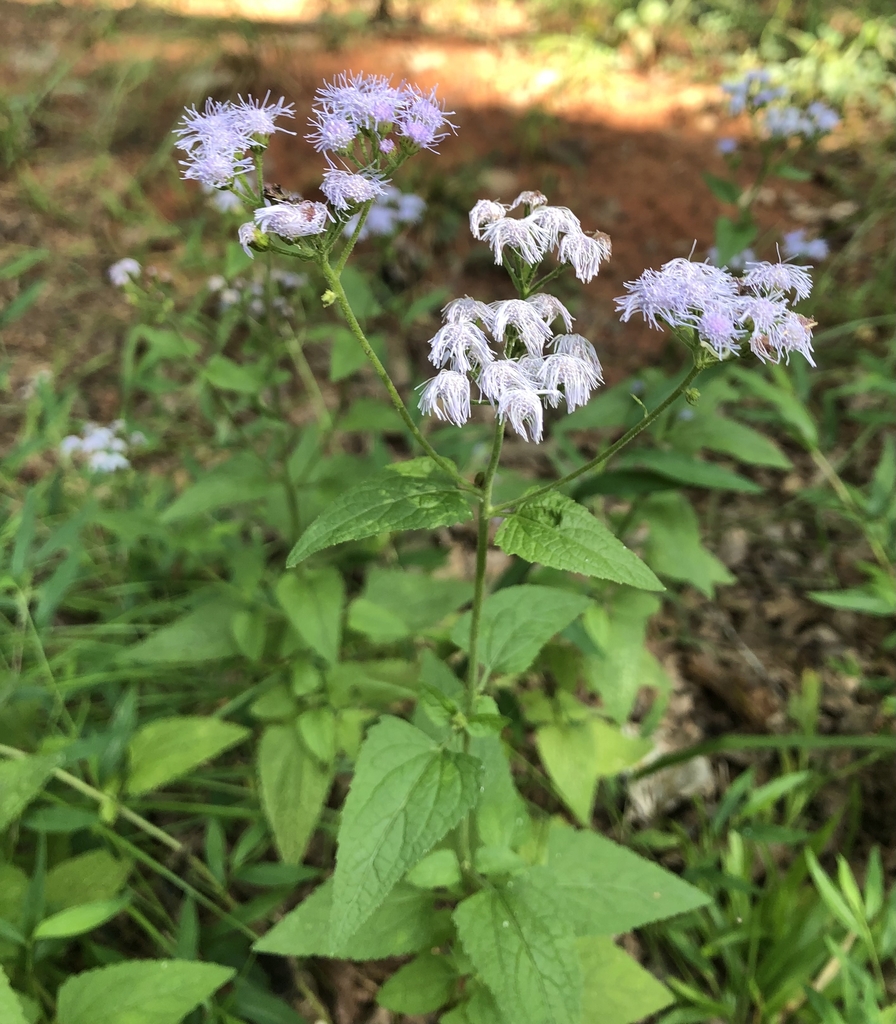
- Blue MistflowerConoclinium coelestinum
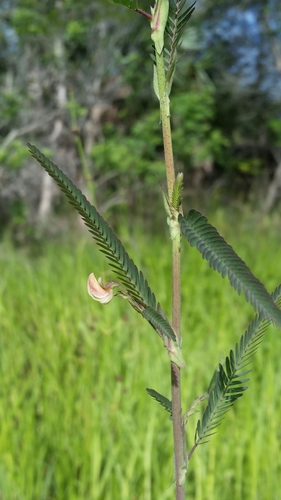
- BagpodSesbania vesicaria
- Cyperus ochraceusCyperus ochraceus
- Tropical FlatsedgeCyperus surinamensis
- Blunt Spike RushEleocharis obtusa
- Indian JointvetchAeschynomene indica
- Reimar GrassPaspalum eglume
- Bristly SedgeCarex comosa
- ChaffweedCentunculus minimus


Sources
- USGS Gap Analysis Project habitat models (2001)
- USGS GAP winter habitat model for Least Flycatcher
- USGS Gap Analysis Project range maps (2001), modeled by watershed; migratory gives no dates
- NatureServe Explorer (CC BY 4.0), habitat names
- US Census TIGER/Line counties
- Names follow the USGS Gap Analysis Project (2001)