

Bird
Eastern Phoebe
Sayornis phoebe
Lives in Alabama all year and nests here. Found in all 67 counties, across 13 habitats.
- Here
- All year
- Nesting
- Nests here
- Range
- All 67 counties
- Habitats
- 13

At a glance
- Group
- Birds
- Here
- All year
- Nesting
- Nests here
- Range
- All 67 counties
- Habitats
- 13
- Habitat models
- Summer, Winter
Where it lives
The places its habitat model includes. It is not found everywhere a habitat occurs.
Habitats in Alabama 13
Each habitat page lists the plants and wildlife also found there.
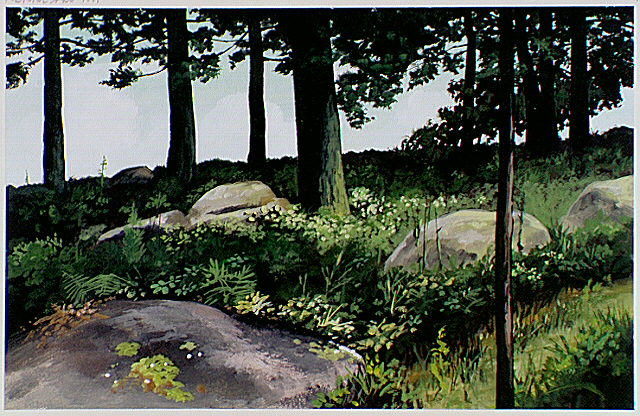
Cliffs, ledges and rocky summits
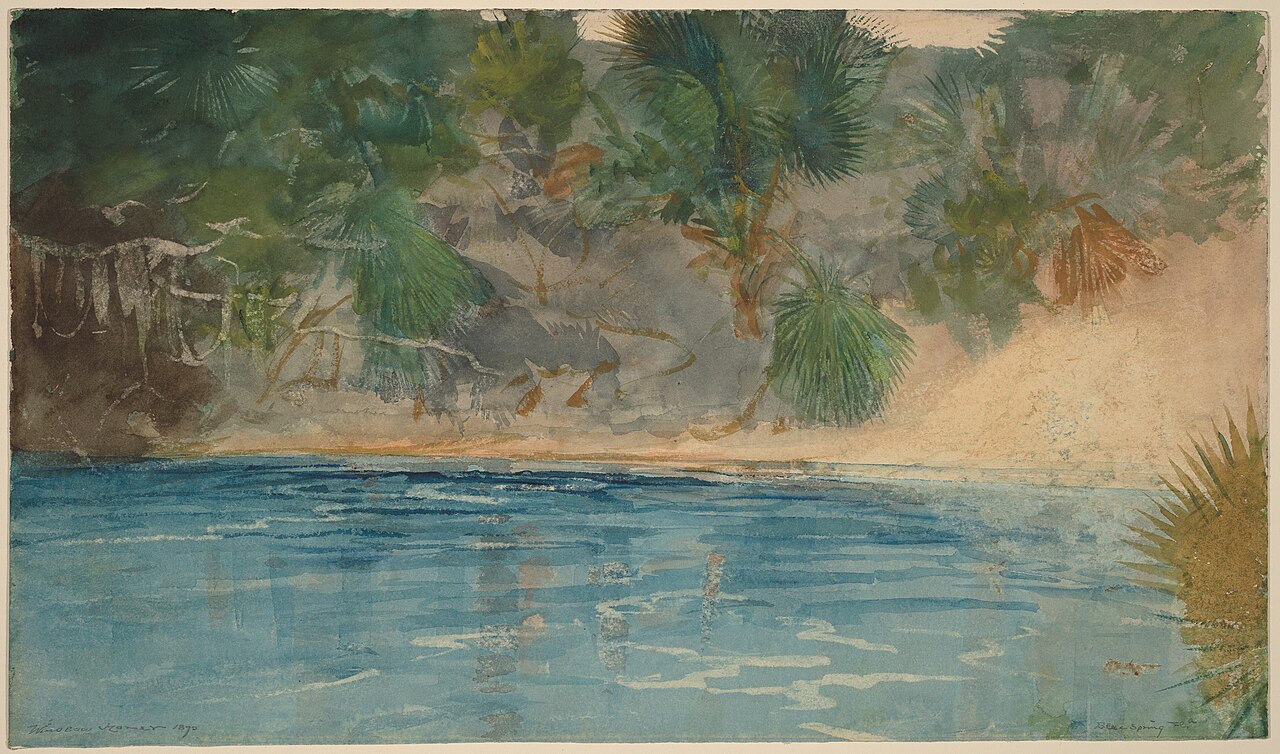
Streams, rivers and their banks
Disturbed and introduced wetlands
Wet ground taken over by weedy or introduced plants after disturbance, such as common reed, Chinese tallow or tamarisk stands; the upland counterpart is roadsides, fields and disturbed ground.
Forests and open woodlands on dry ridges and slopes, often oak or pine.
Floodplain and bottomland forests
Forests on low ground beside rivers and streams that flood from time to time.
Borders of forests, clearings and shrubby thickets.
Glades, barrens and outcrops on limestone
Open, thin-soil openings and rock on limestone, dolomite or other lime-rich rock, including cedar glades.
Granite and other acidic rock outcrops
Bare or thin-soil rock on granite, gneiss, sandstone, quartzite and similar acidic rock, including granite flatrocks and domes.
Flat, poorly drained uplands and terraces with oaks, sweetgum and sometimes loblolly pine, wet in winter and dry in summer, but neither a floodplain nor a swamp.
Open, grass-dominated places kept open by fire, grazing or thin soil, from tallgrass prairie to Piedmont prairies.
Roadsides, fields and disturbed ground
Ground opened by people: roadsides, old fields, pastures, fencerows and lots.
Other habitats in its models (66)
Land cover, or classes with no habitat page in Alabama. Those recorded in Alabama first, the rest by region.
In Alabama 1
- Southern Piedmont Glade and Barrens Summer and winter.
Elsewhere in the South (23)
- Appalachian Shale Barrens Summer and winter.
- Atlantic Coastal Plain Brownwater Stream Floodplain Forest Summer and winter.
- Atlantic Coastal Plain Large Natural Lakeshore Summer and winter.
- Atlantic Coastal Plain Small Blackwater River Floodplain Forest Summer and winter.
- Atlantic Coastal Plain Small Brownwater River Floodplain Forest Summer and winter.
- Atlantic Coastal Plain Upland Longleaf Pine Woodland Summer and winter.
- Central and South Texas Coastal Fringe Forest and Woodland Winter.
- Central Atlantic Coastal Plain Wet Longleaf Pine Savanna and Flatwoods Summer and winter.
- Crosstimbers Oak Forest and Woodland Winter.
- East-Central Texas Plains Post Oak Savanna and Woodland Summer and winter.
- East-Central Texas Plains Riparian Forest Summer and winter.
- Edwards Plateau Limestone Savanna and Woodland Winter.
- Nashville Basin Limestone Glade Summer and winter.
- Ozark-Ouachita Dry Oak Woodland Summer and winter.
- Ozark-Ouachita Shortleaf Pine-Oak Forest and Woodland Summer and winter.
- Southern Appalachian Montane Cliff Summer and winter.
- Southern Appalachian Montane Pine Forest and Woodland Summer and winter.
- Southern Appalachian Rocky Summit Summer and winter.
- West Gulf Coastal Plain Chenier and Upper Texas Coastal Fringe Forest and Woodland Summer and winter.
- West Gulf Coastal Plain Large River Floodplain Forest Winter.
- West Gulf Coastal Plain Sandhill Oak and Shortleaf Pine Forest and Woodland Winter.
- West Gulf Coastal Plain Small Stream and River Forest Winter.
- Western Great Plains Mesquite Woodland and Shrubland Summer and winter.
Northeast (4)
- Central Appalachian Alkaline Glade and Woodland Summer and winter.
- Central Appalachian Pine-Oak Rocky Woodland Summer and winter.
- North-Central Appalachian Acidic Cliff and Talus Summer and winter.
- North-Central Appalachian Circumneutral Cliff and Talus Summer and winter.
Midwest (7)
- Central Interior Acidic Cliff and Talus Summer and winter.
- Central Interior Calcareous Cliff and Talus Summer and winter.
- North-Central Interior Dry Oak Forest and Woodland Summer and winter.
- North-Central Interior Dry-Mesic Oak Forest and Woodland Summer and winter.
- North-Central Interior Oak Savanna Summer and winter.
- North-Central Oak Barrens Summer and winter.
- Western Great Plains Wooded Draw and Ravine Summer and winter.
Land cover and other classes (31)
- Arkansas Valley Prairie and Woodland Summer and winter.
- Atlantic Coastal Plain Blackwater Stream Floodplain Forest - Forest Modifier Summer and winter.
- Atlantic Coastal Plain Depression Pondshore Summer and winter.
- Atlantic Coastal Plain Fall-Line Sandhills Longleaf Pine Woodland - Loblolly Modifier Summer and winter.
- Atlantic Coastal Plain Fall-line Sandhills Longleaf Pine Woodland - Offsite Hardwood Modifier Summer and winter.
- Central Appalachian Floodplain - Forest Modifier Summer and winter.
- Central Appalachian Riparian - Forest Modifier Summer and winter.
- Developed, Low Intensity Summer and winter.
- East Gulf Coastal Plain Black Belt Calcareous Prairie and Woodland - Woodland Modifier Summer and winter.
- East Gulf Coastal Plain Interior Upland Longleaf Pine Woodland - Offsite Hardwood Modifier Summer and winter.
- East Gulf Coastal Plain Interior Upland Longleaf Pine Woodland - Scrub/Shrub Modifier Summer and winter.
- East Gulf Coastal Plain Large River Floodplain Forest - Herbaceous Modifier Summer and winter.
- East Gulf Coastal Plain Southern Depression Pondshore Summer and winter.
- Eastern Great Plains Floodplain Systems Summer and winter.
- Eastern Highland Rim Prairie and Barrens - Dry Modifier Summer and winter.
- Harvested Forest - Grass/Forb Regeneration Summer and winter.
- Introduced Upland Vegetation - Forbland Summer and winter.
- Introduced Upland Vegetation - Perennial Grassland Summer and winter.
- Introduced Upland Vegetation - Perennial Grassland and Forbland Summer and winter.
- Introduced Upland Vegetation - Shrub Summer and winter.
- Quarries, Mines, Gravel Pits and Oil Wells Summer and winter.
- Recently Burned Summer and winter.
- Recently Burned Forest Summer and winter.
- Recently Burned Grassland Summer and winter.
- Recently Burned Shrubland Summer and winter.
- Recently Logged Areas Summer and winter.
- South-Central Interior Large Floodplain - Herbaceous Modifier Summer and winter.
- Southern Appalachian Grass and Shrub Bald - Shrub Modifier Summer and winter.
- Unconsolidated Shore Summer and winter.
- Unconsolidated Shore (Lake/River/Pond) Summer and winter.
- Western Great Plains Floodplain Systems Summer and winter.
Seasons in Alabama
- Year-round: nests here, in 65 of 67 counties.
- Winter: does not nest here, in 13 of 67 counties.
Also found in its main habitats
Its main habitats in Alabama, by how much of its habitat model each one is, with the birds most characteristic of each and the plants that grow wild there. Shared habitat, not food.
Floodplain and bottomland forests
Birds 104
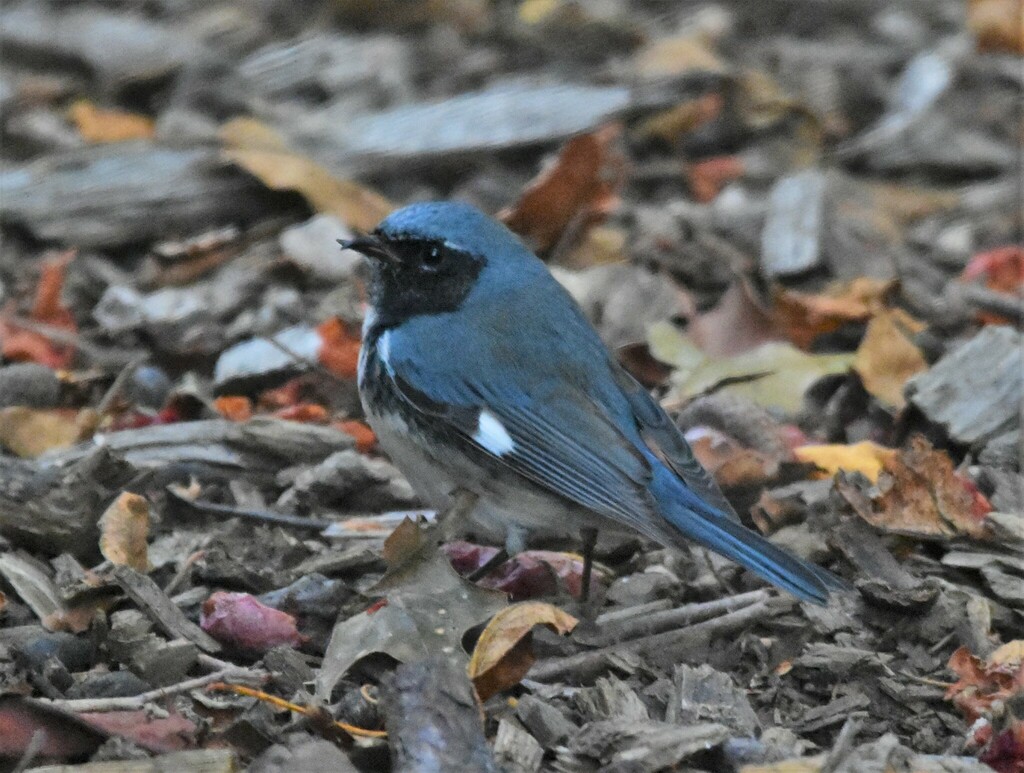
- Black-throated Blue WarblerDendroica caerulescens
- Willow FlycatcherEmpidonax traillii
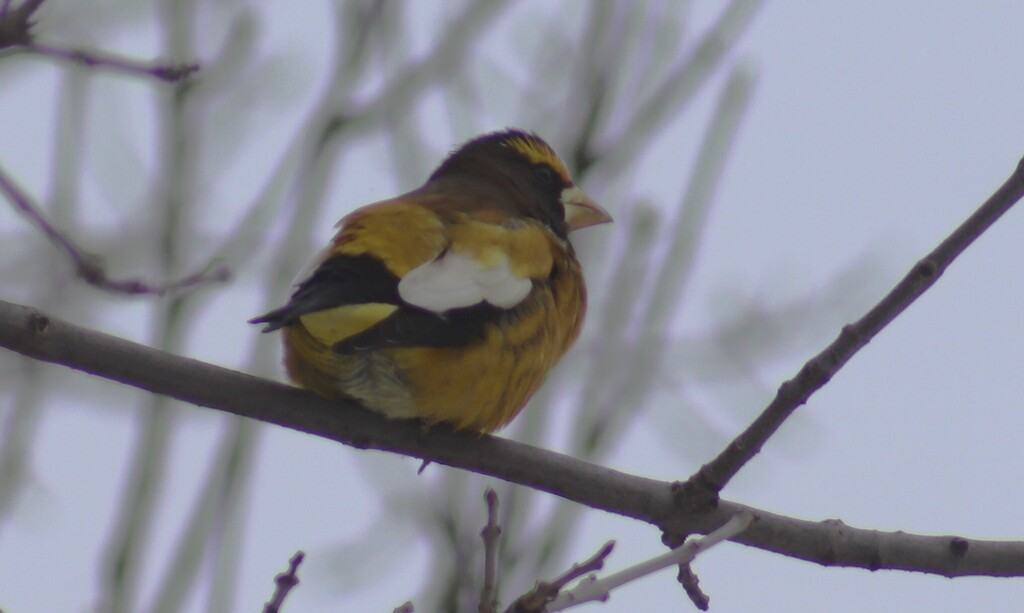
- Evening GrosbeakCoccothraustes vespertinus
- Louisiana WaterthrushSeiurus motacilla
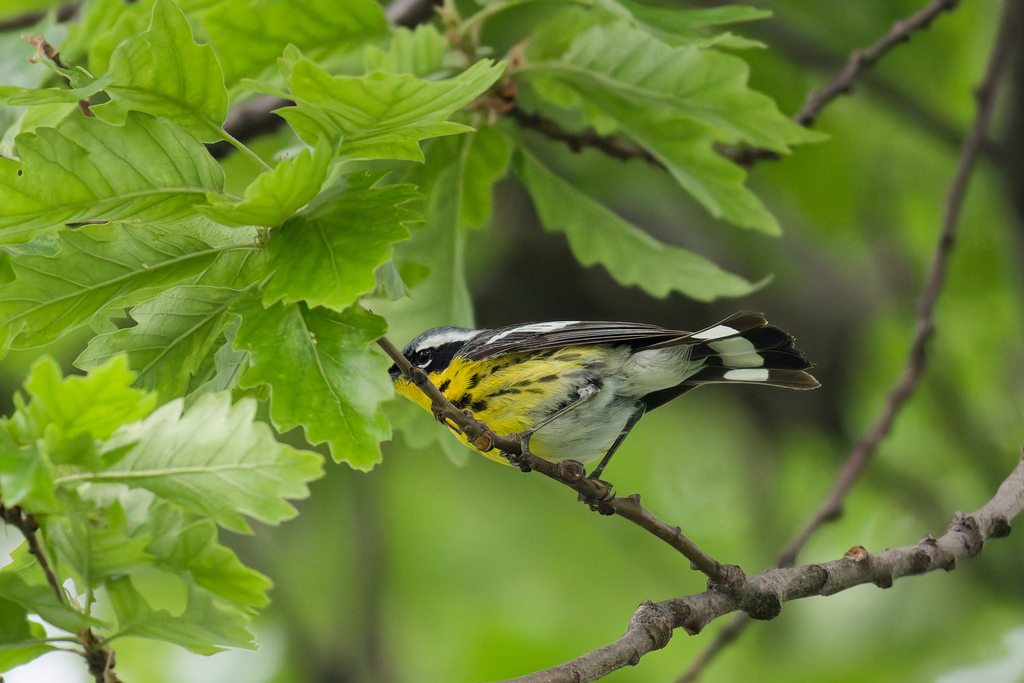
- Magnolia WarblerDendroica magnolia
- OvenbirdSeiurus aurocapilla
- Red-breasted NuthatchSitta canadensis
- Swainson's WarblerLimnothlypis swainsonii
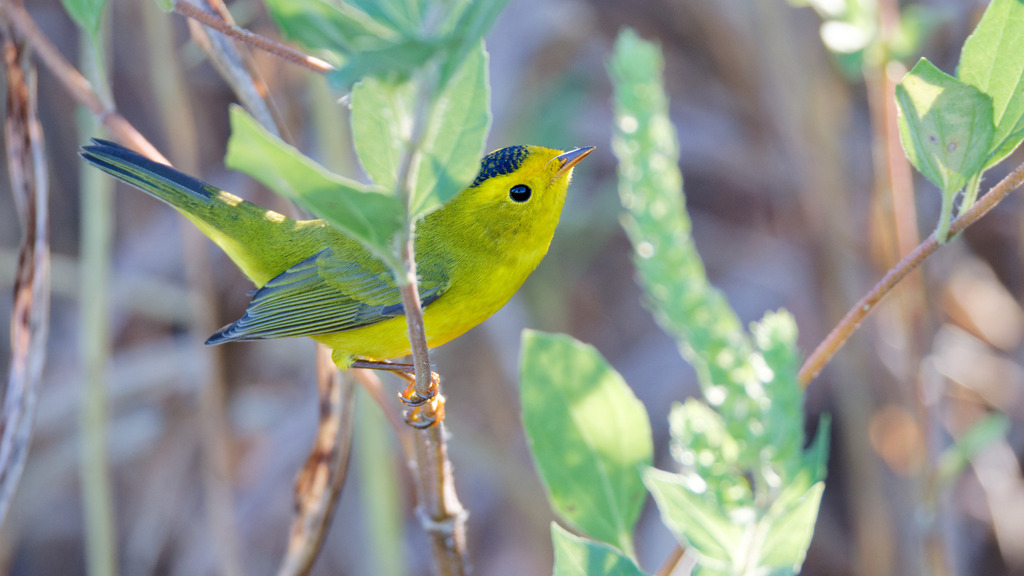
- Wilson's WarblerWilsonia pusilla
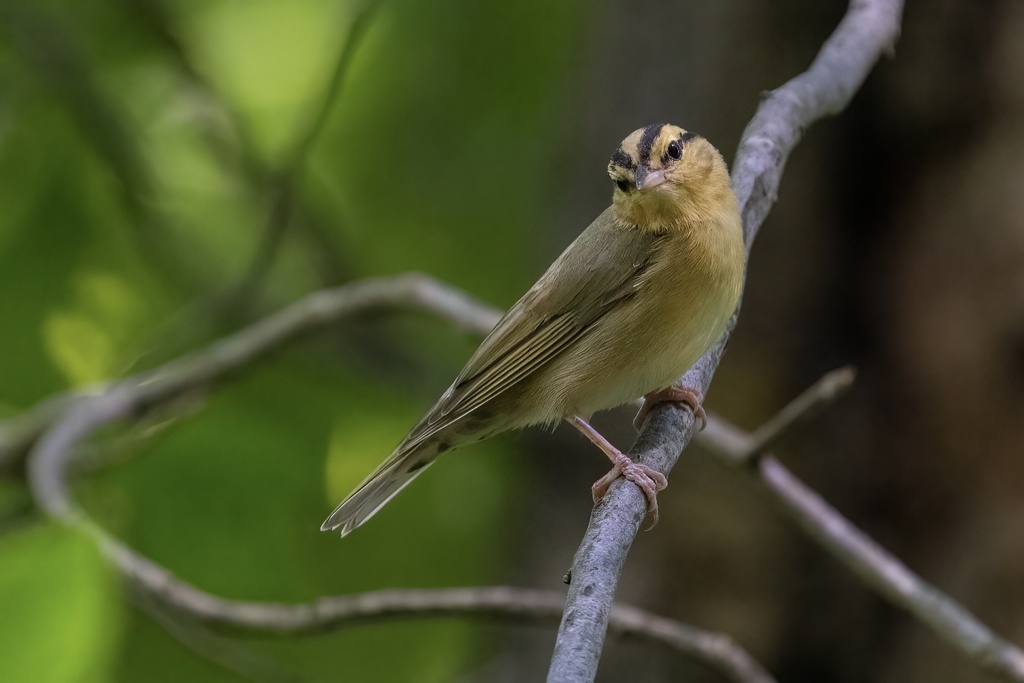
- Worm-eating WarblerHelmitheros vermivorum
- American WoodcockScolopax minor
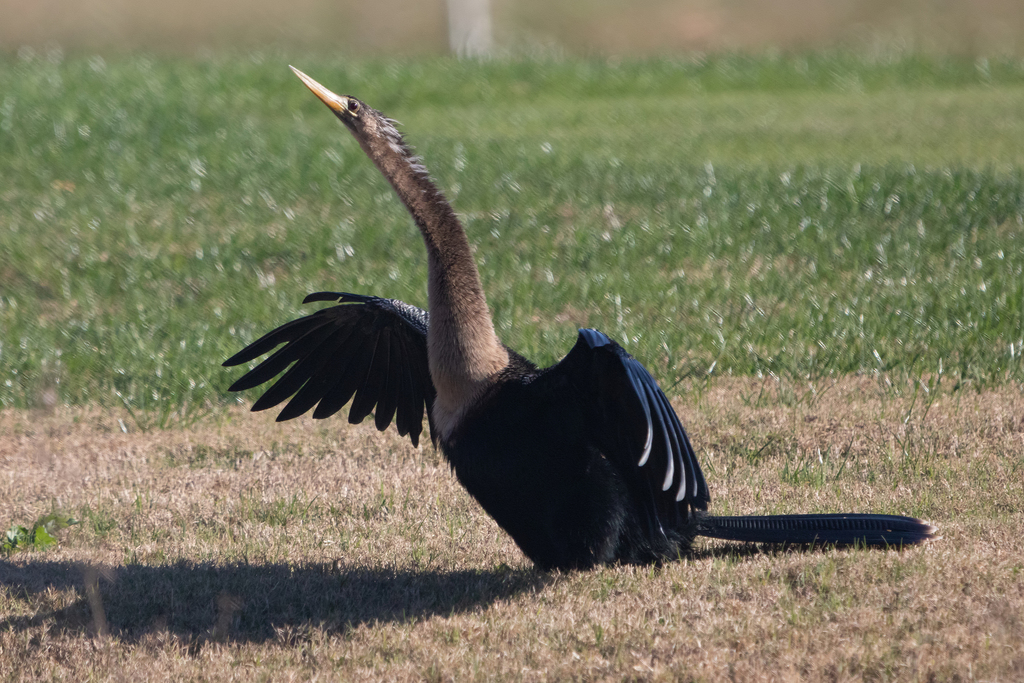
- AnhingaAnhinga anhinga





Plants 418
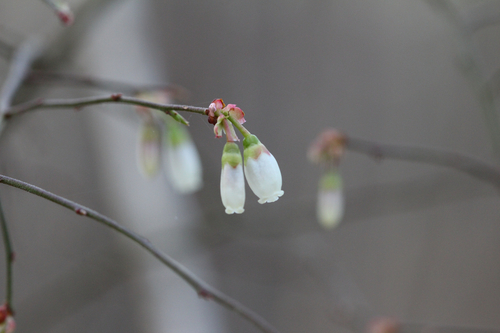
- Elliott's BlueberryVaccinium elliottii
- White Panicled Aster; Eastern Lined AsterSymphyotrichum lanceolatum var. latifolium
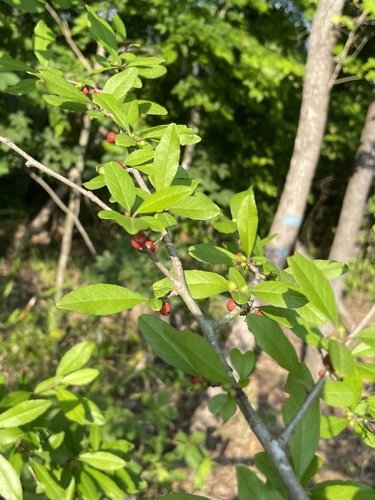
- Possumhaw HollyIlex decidua
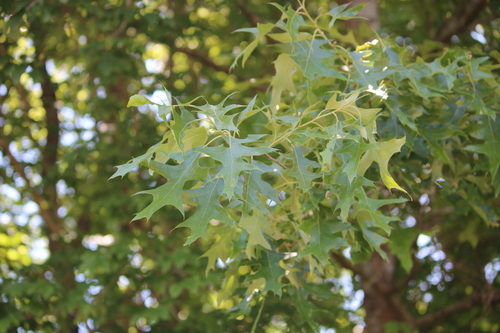
- Cherrybark OakQuercus pagoda
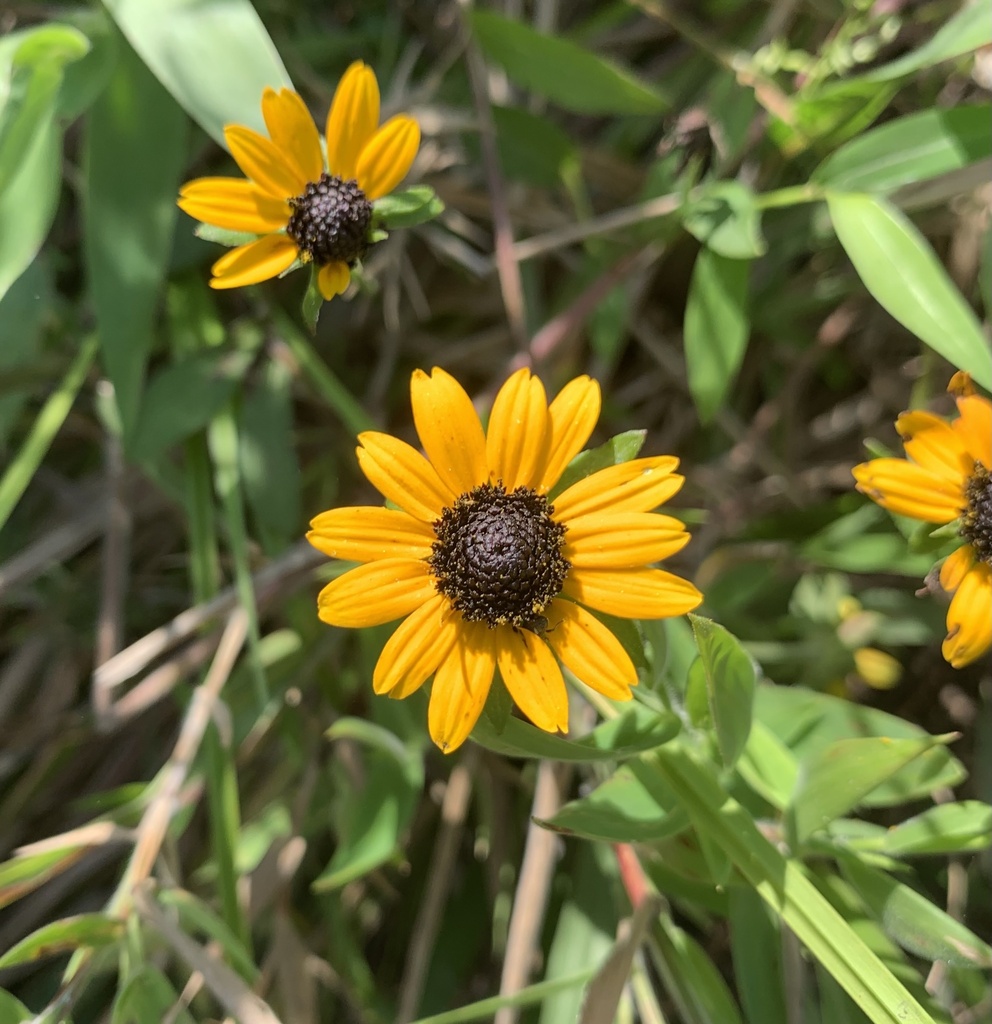
- Appalachian Orange ConeflowerRudbeckia umbrosa
- Rudbeckia fulgida var. spathulataRudbeckia spathulata
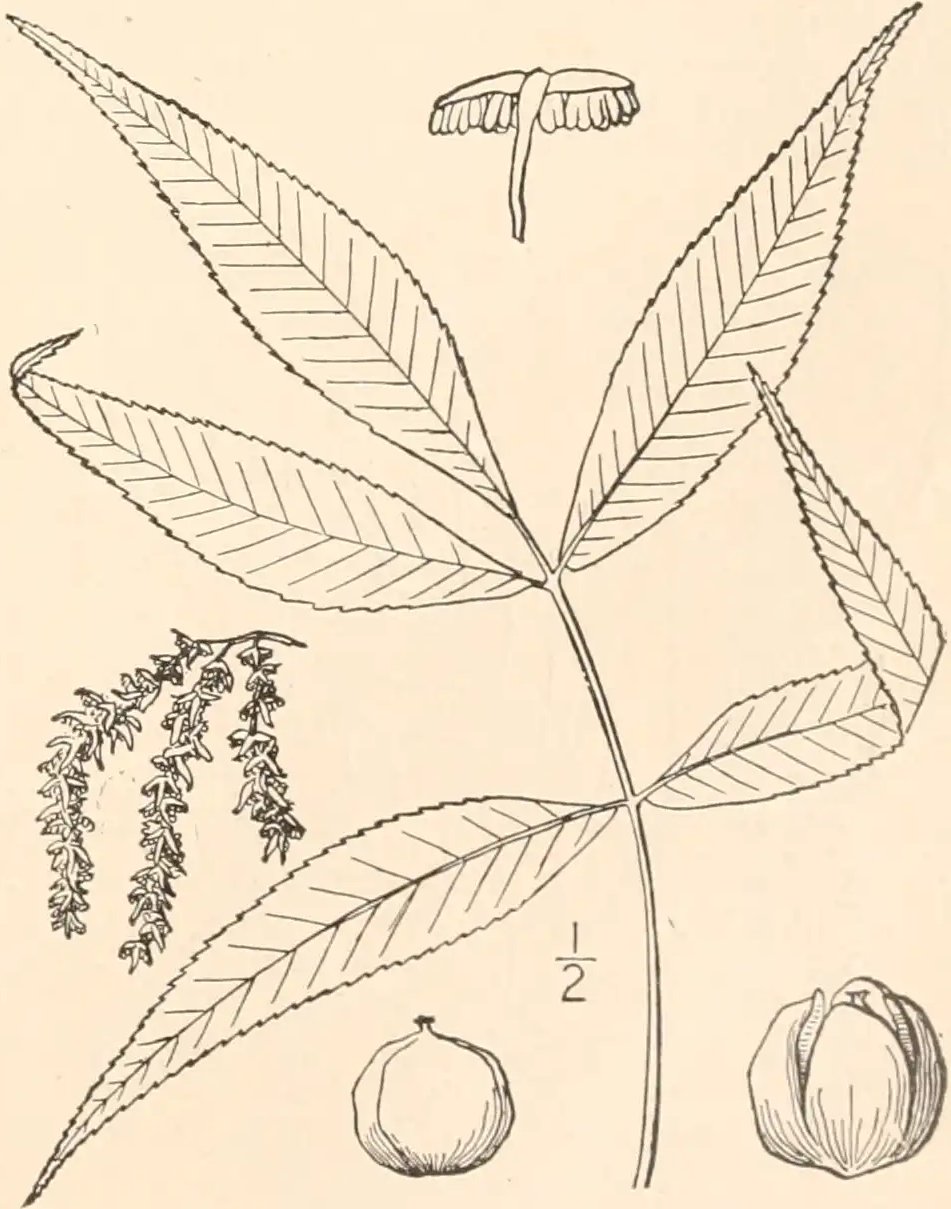
- Shagbark HickoryCarya ovata
- Southern Shagbark HickoryCarya carolinae-septentrionalis
- Spruce Pine; Walters Pine; Cedar PinePinus glabra
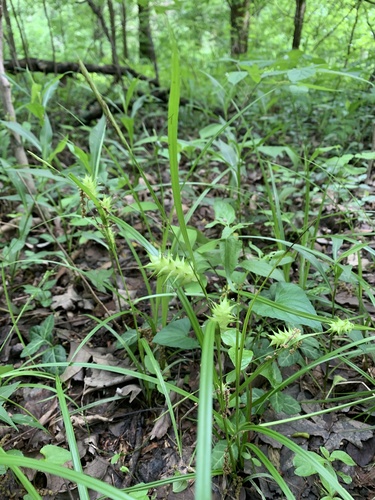
- Spreading SedgeCarex laxiculmis
- Louisiana SedgeCarex louisianica
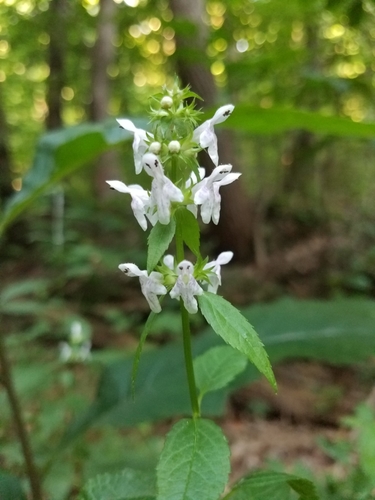
- Smooth Hedge-nettleStachys tenuifolia
Roadsides, fields and disturbed ground
Birds 114
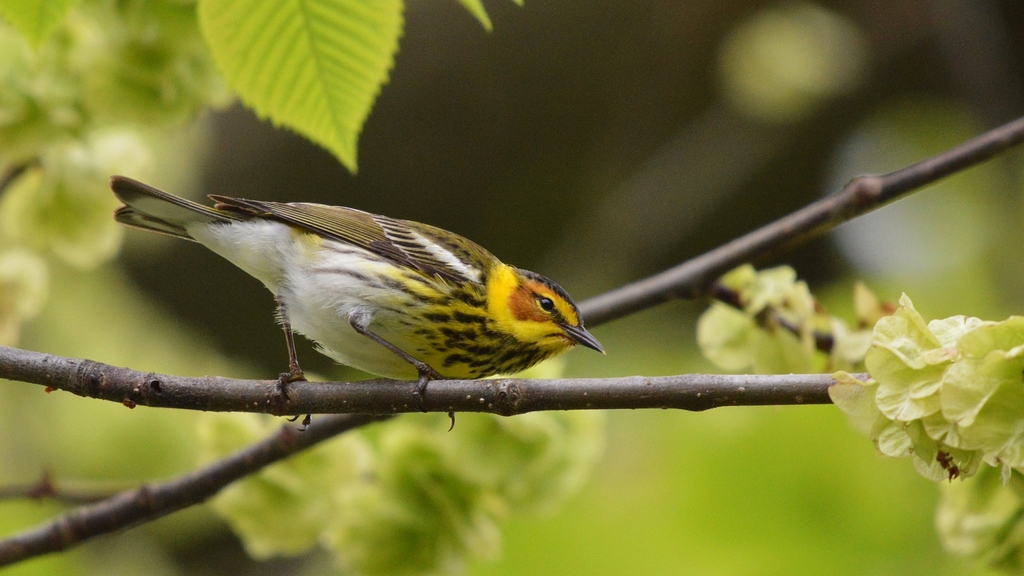
- Cape May WarblerDendroica tigrina
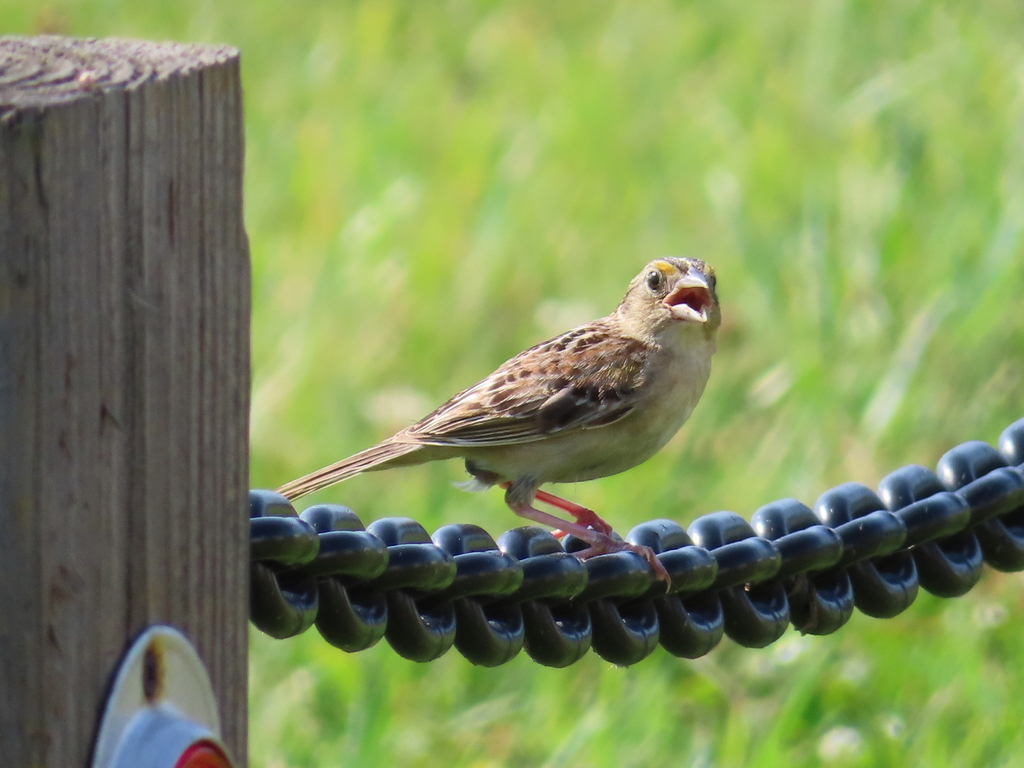
- Grasshopper SparrowAmmodramus savannarum
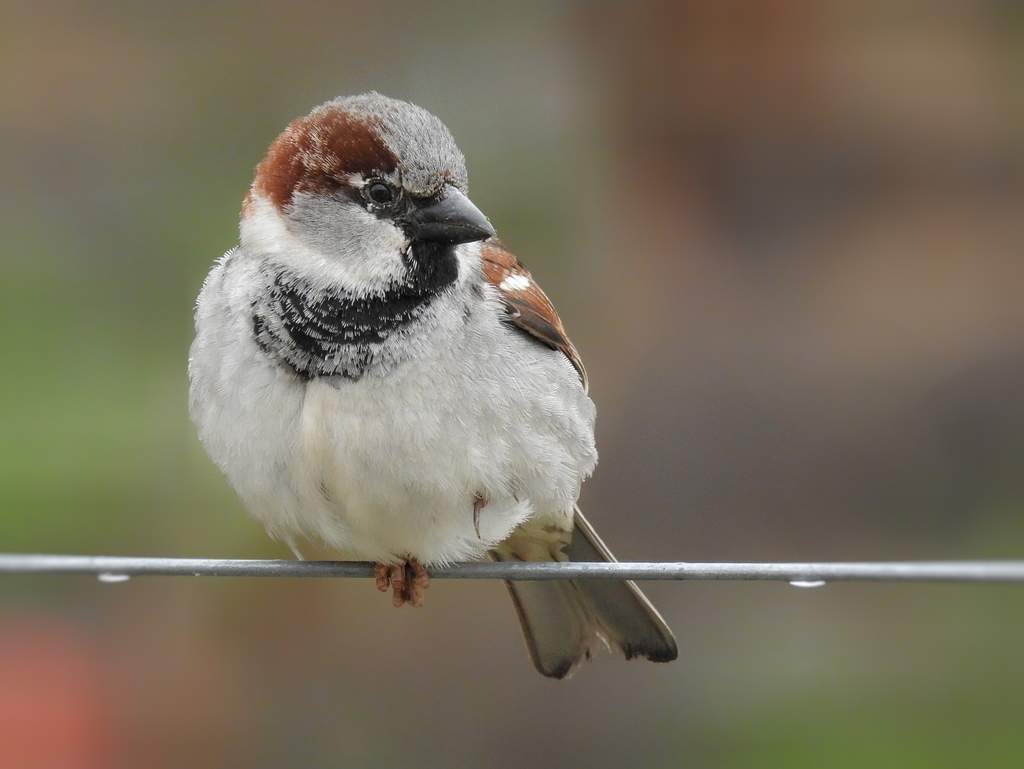
- House SparrowPasser domesticus
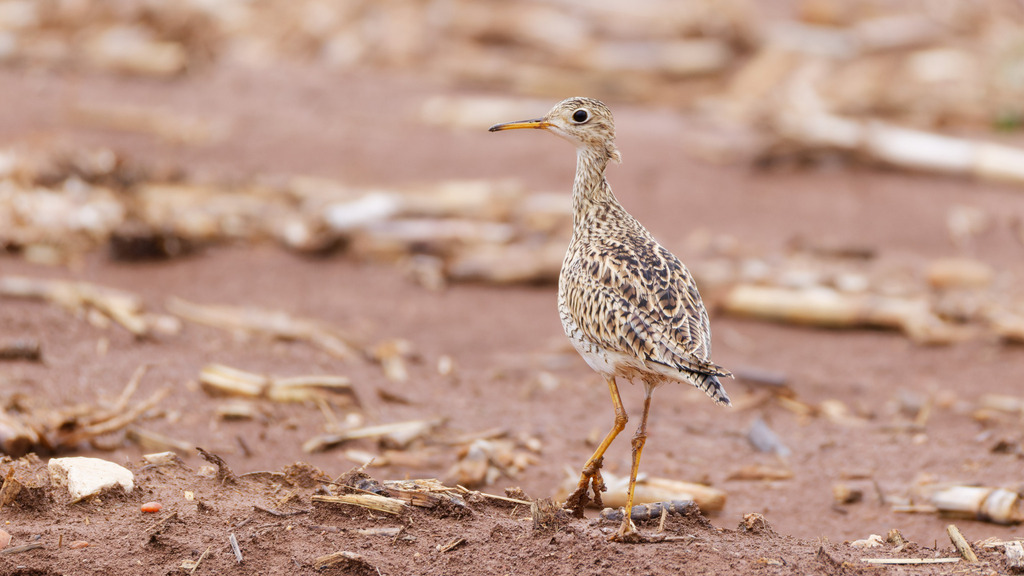
- Upland SandpiperBartramia longicauda
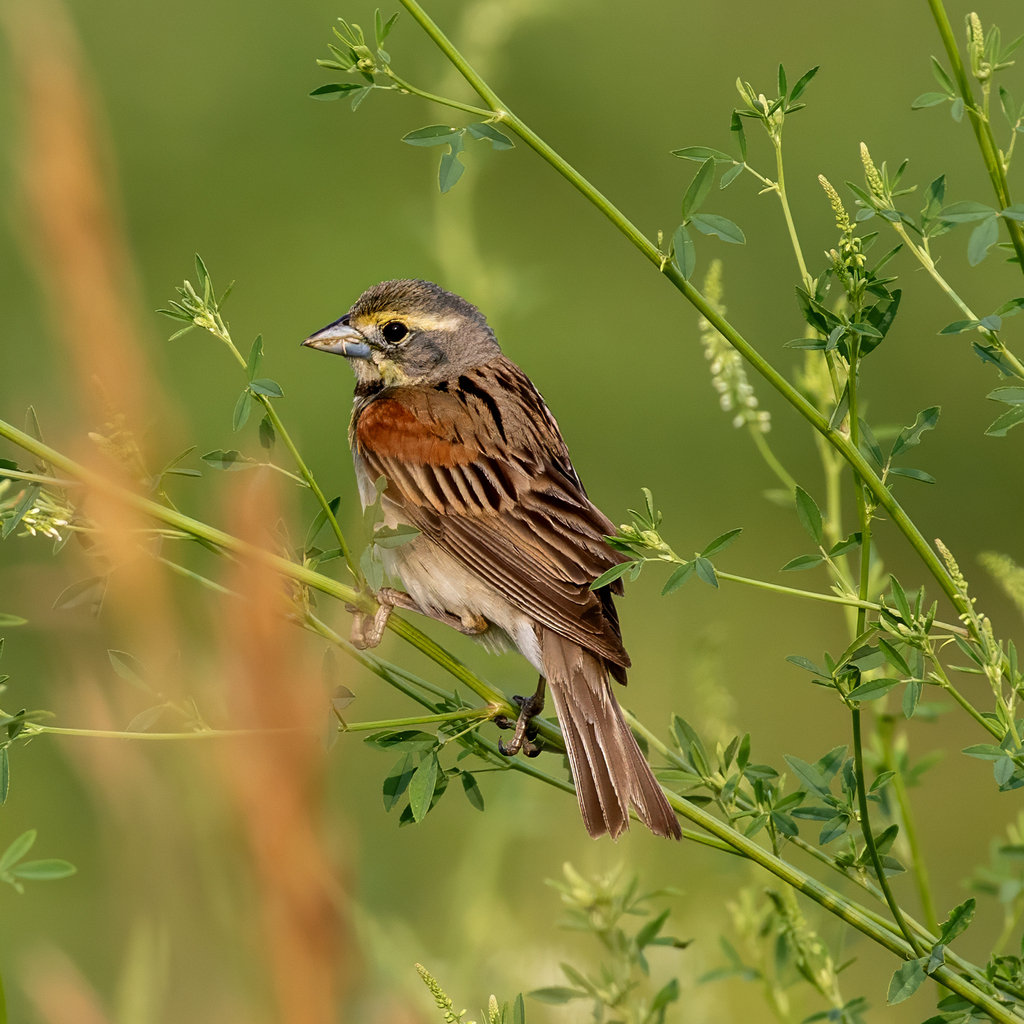
- DickcisselSpiza americana
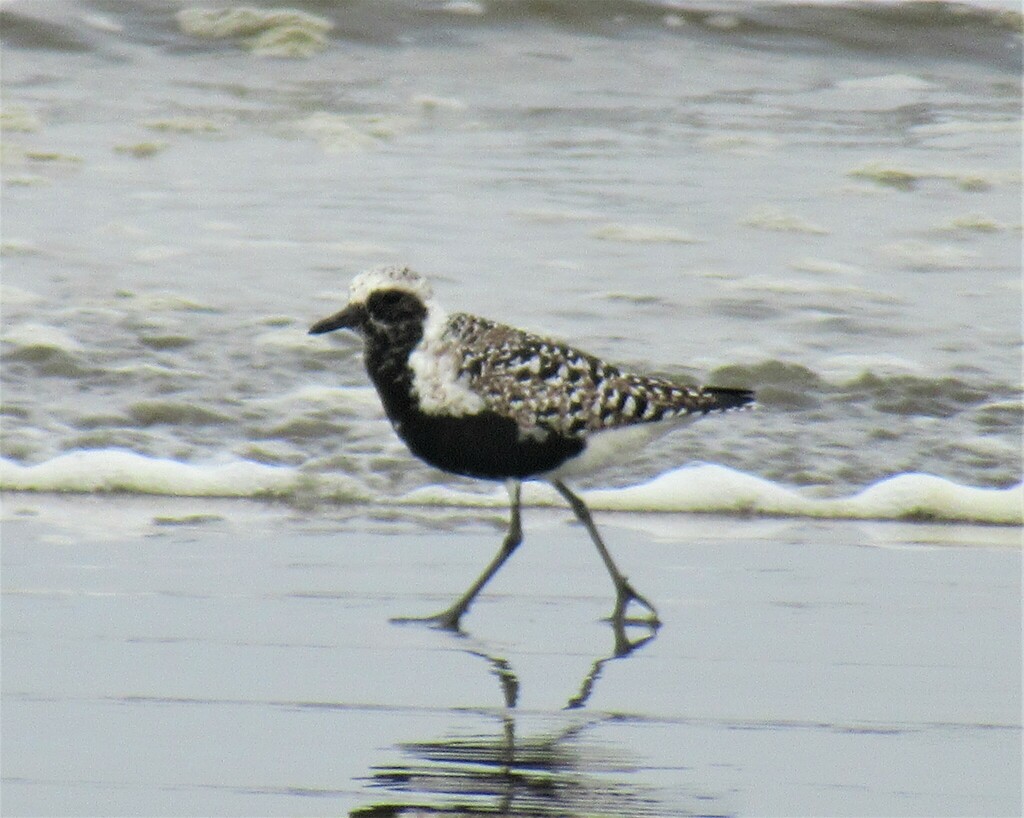
- Black-bellied PloverPluvialis squatarola
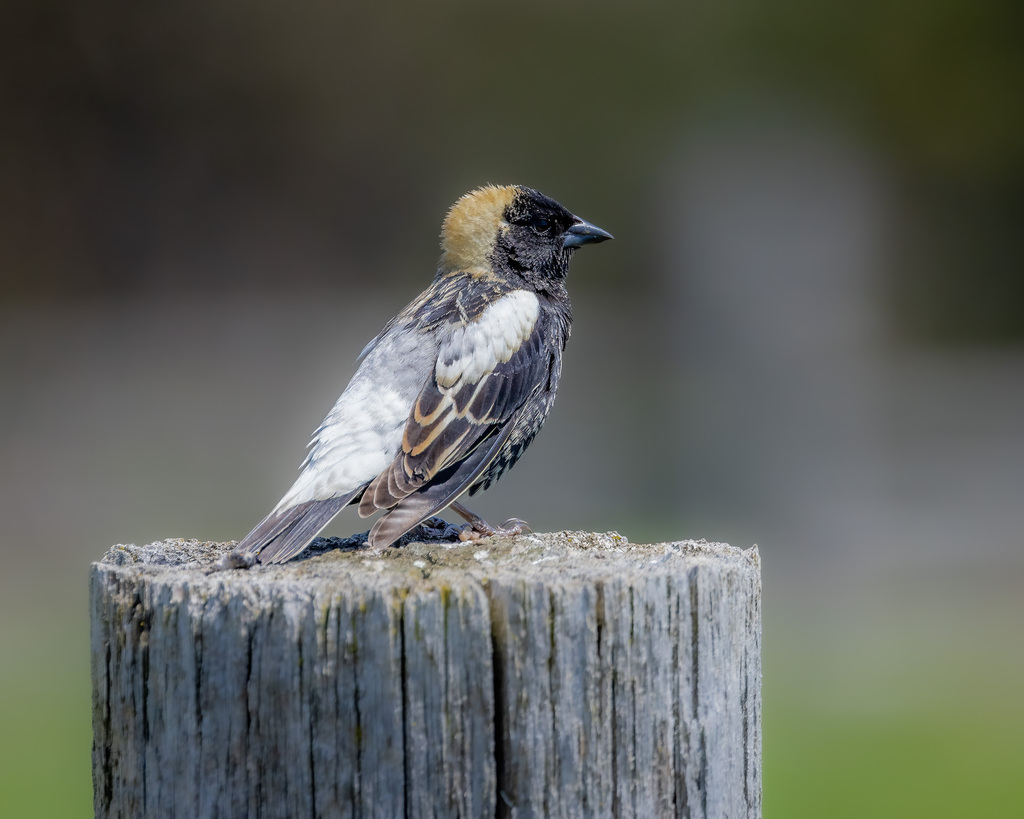
- BobolinkDolichonyx oryzivorus
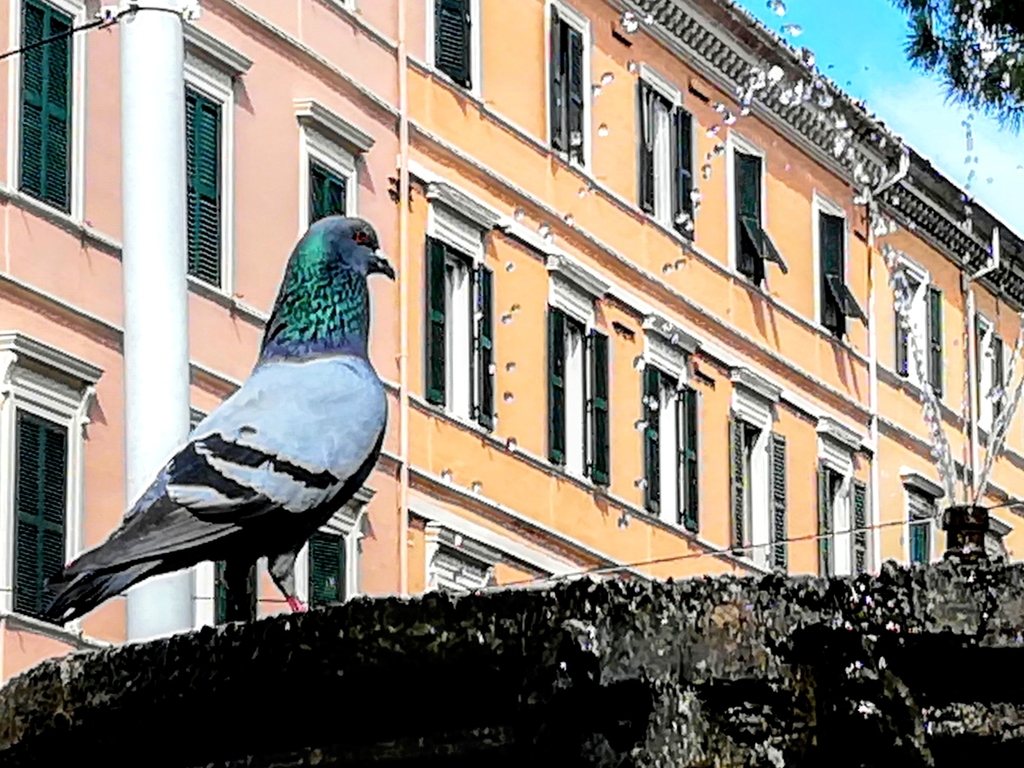
- Rock PigeonColumba livia
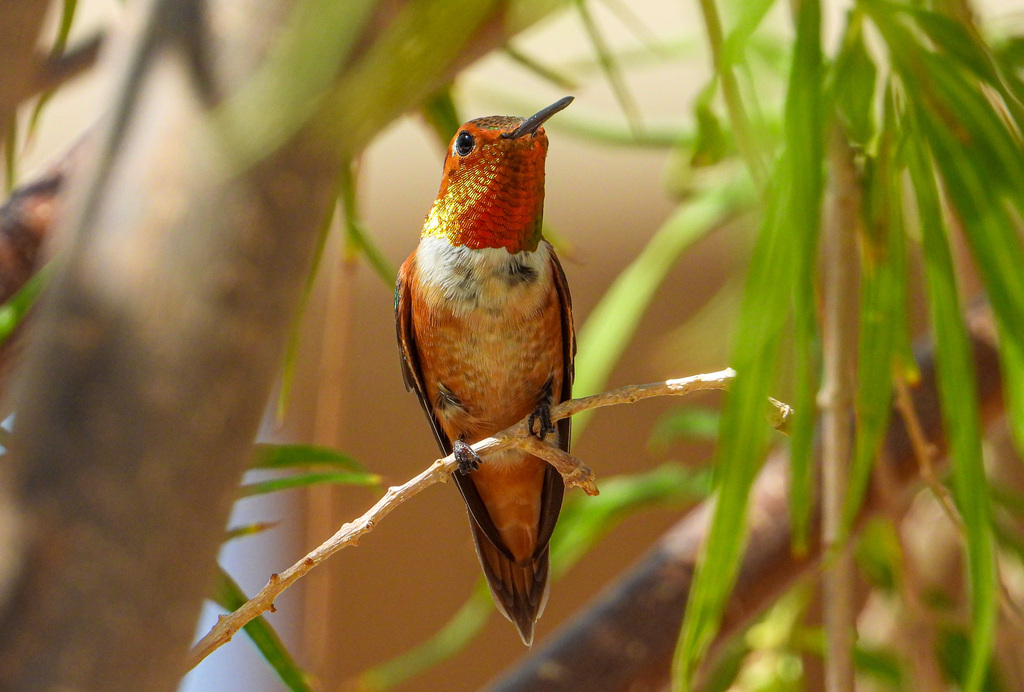
- Rufous HummingbirdSelasphorus rufus
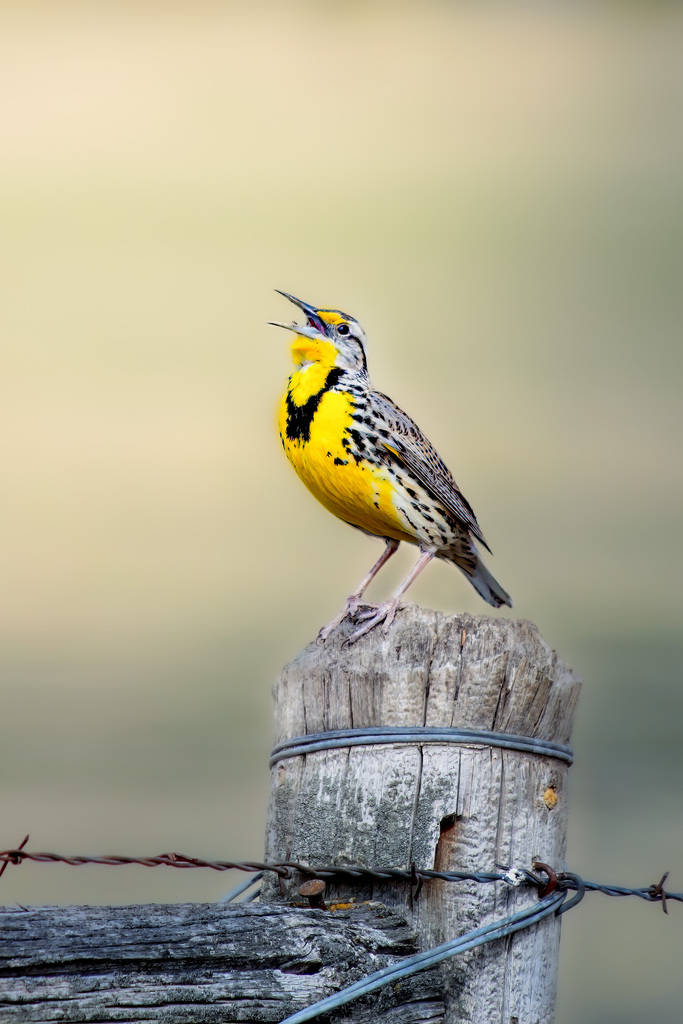
- Western MeadowlarkSturnella neglecta
- Yellow-throated VireoVireo flavifrons
- Long-eared OwlAsio otus
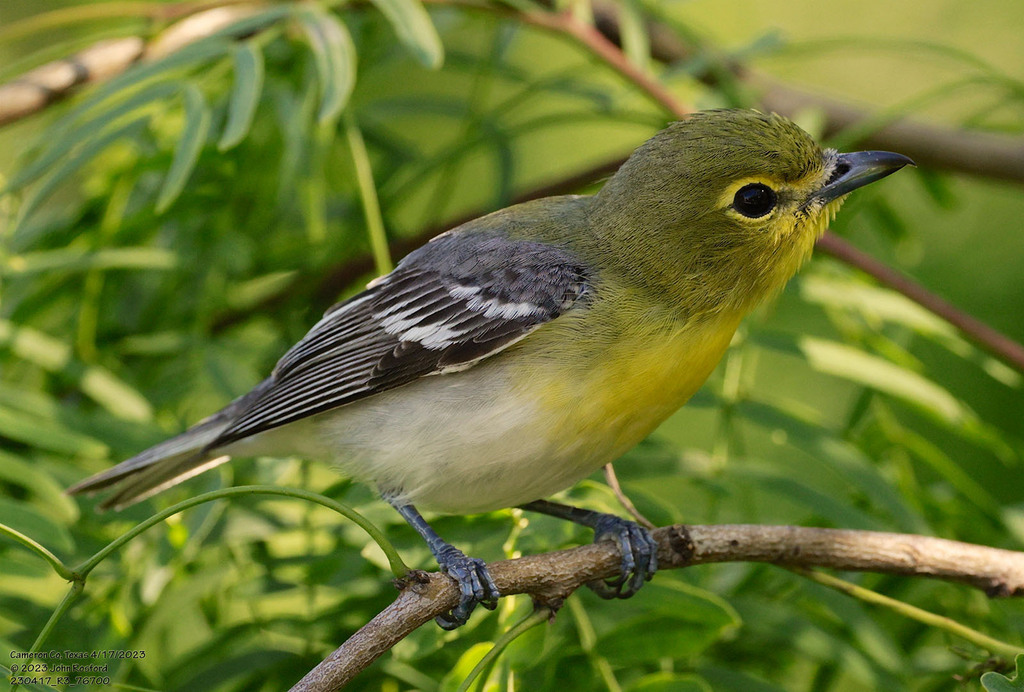
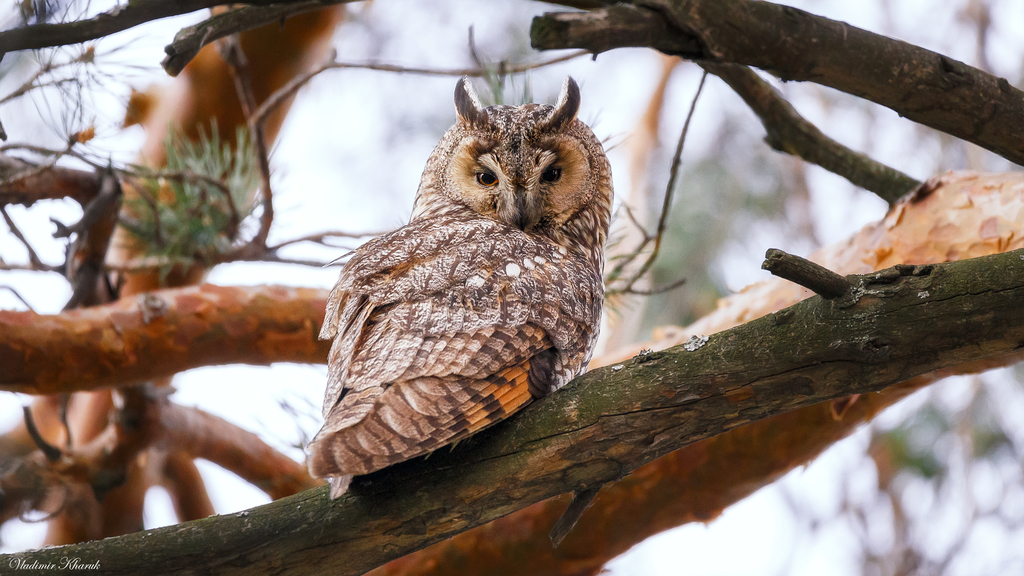
Plants 1485
- Muck SunflowerHelianthus simulans
- Dwarf HorseweedErigeron divaricatus
- Crooked-stem AsterSymphyotrichum prenanthoides
- Whitestar Morning-gloryIpomoea leucantha
- Common HorseweedErigeron canadensis
- Annual FleabaneErigeron annuus
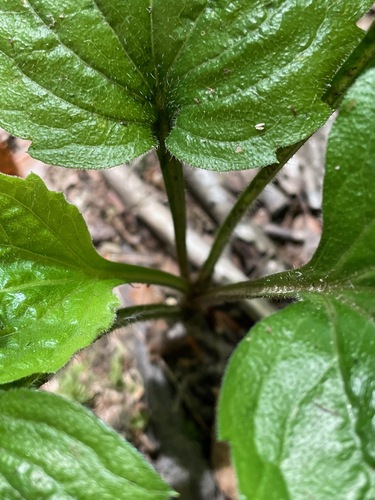
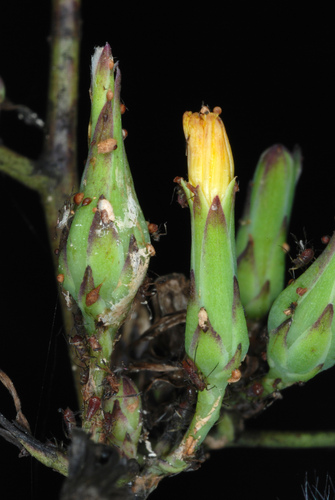
- Canada LettuceLactuca canadensis
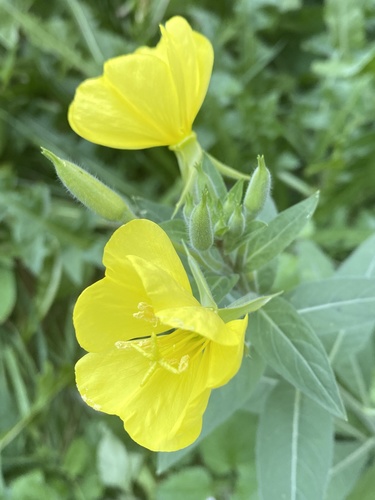
- Common Evening-primroseOenothera biennis
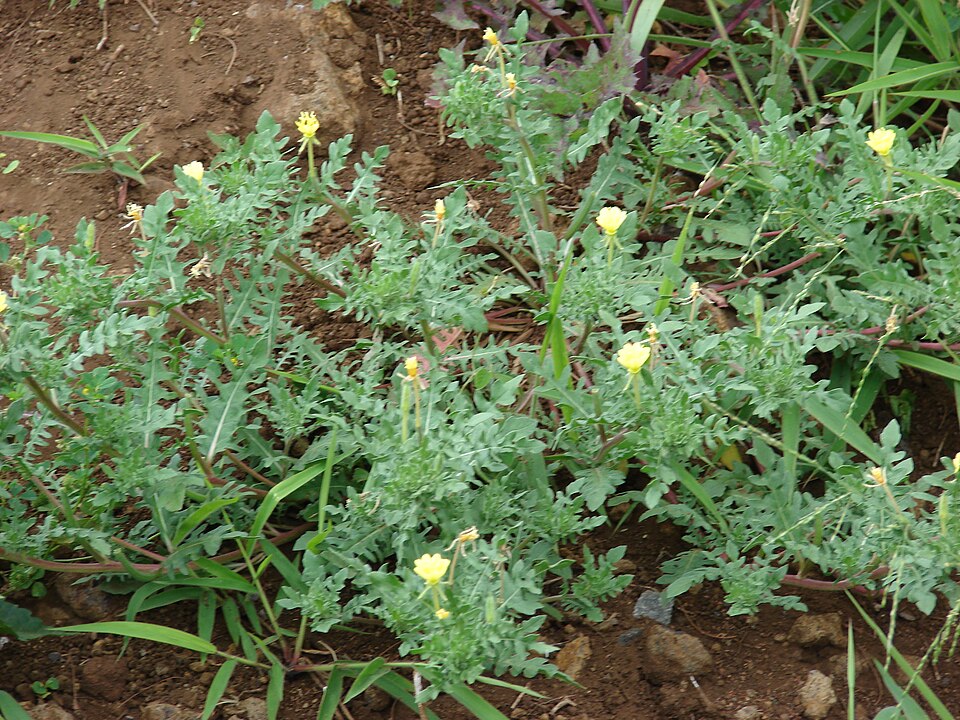
- Cutleaf Evening-primroseOenothera laciniata
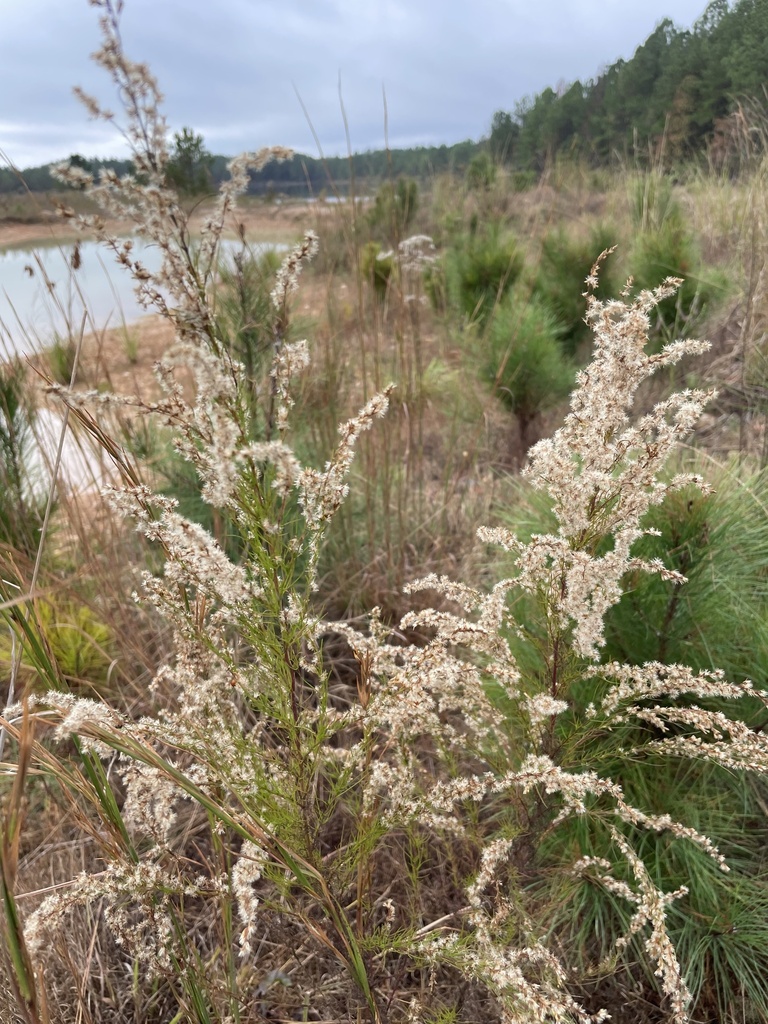
- Dog-fennelEupatorium capillifolium
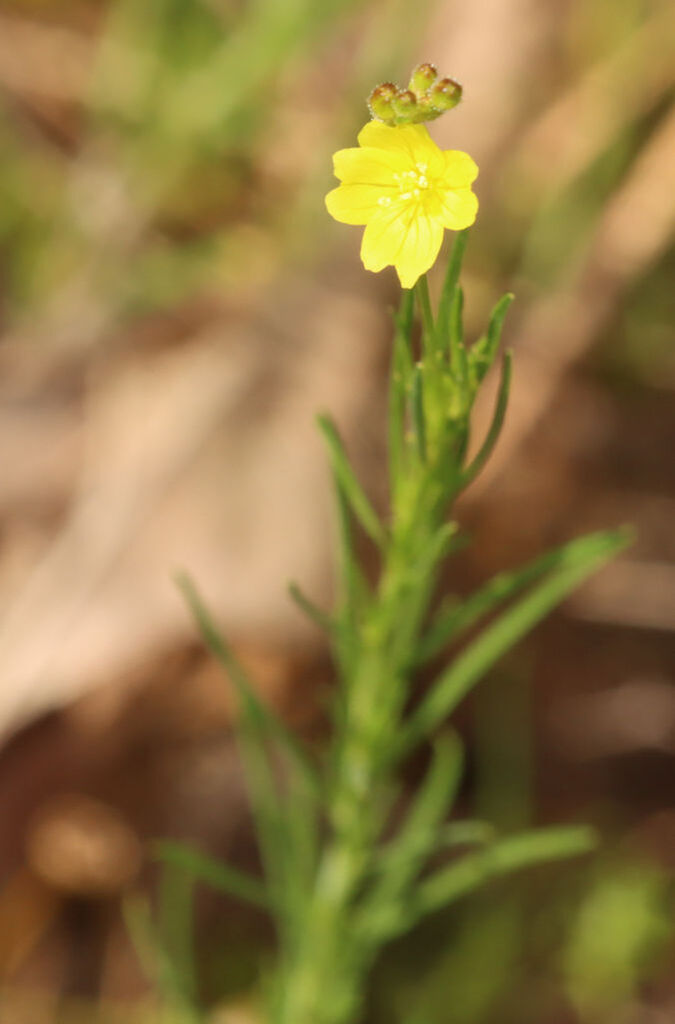
- Threadleaf SundropsOenothera linifolia
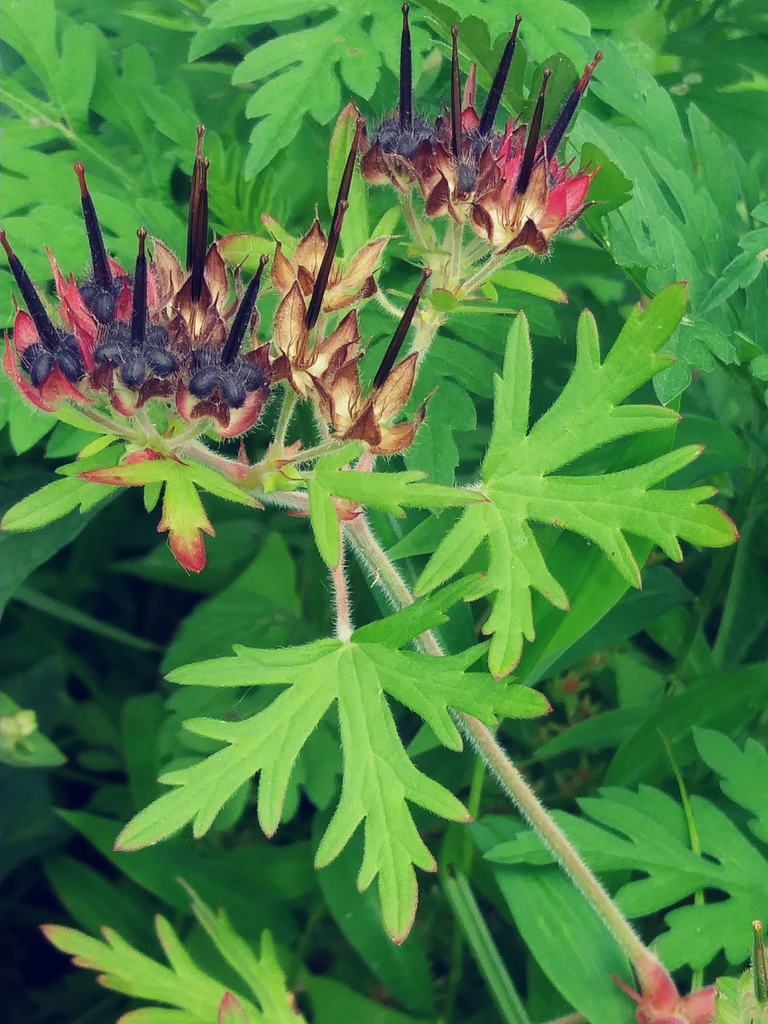
- Carolina Crane's-billGeranium carolinianum
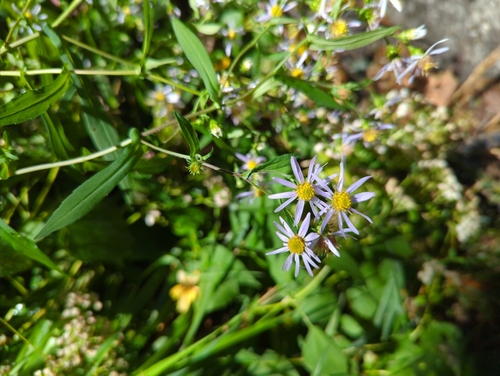
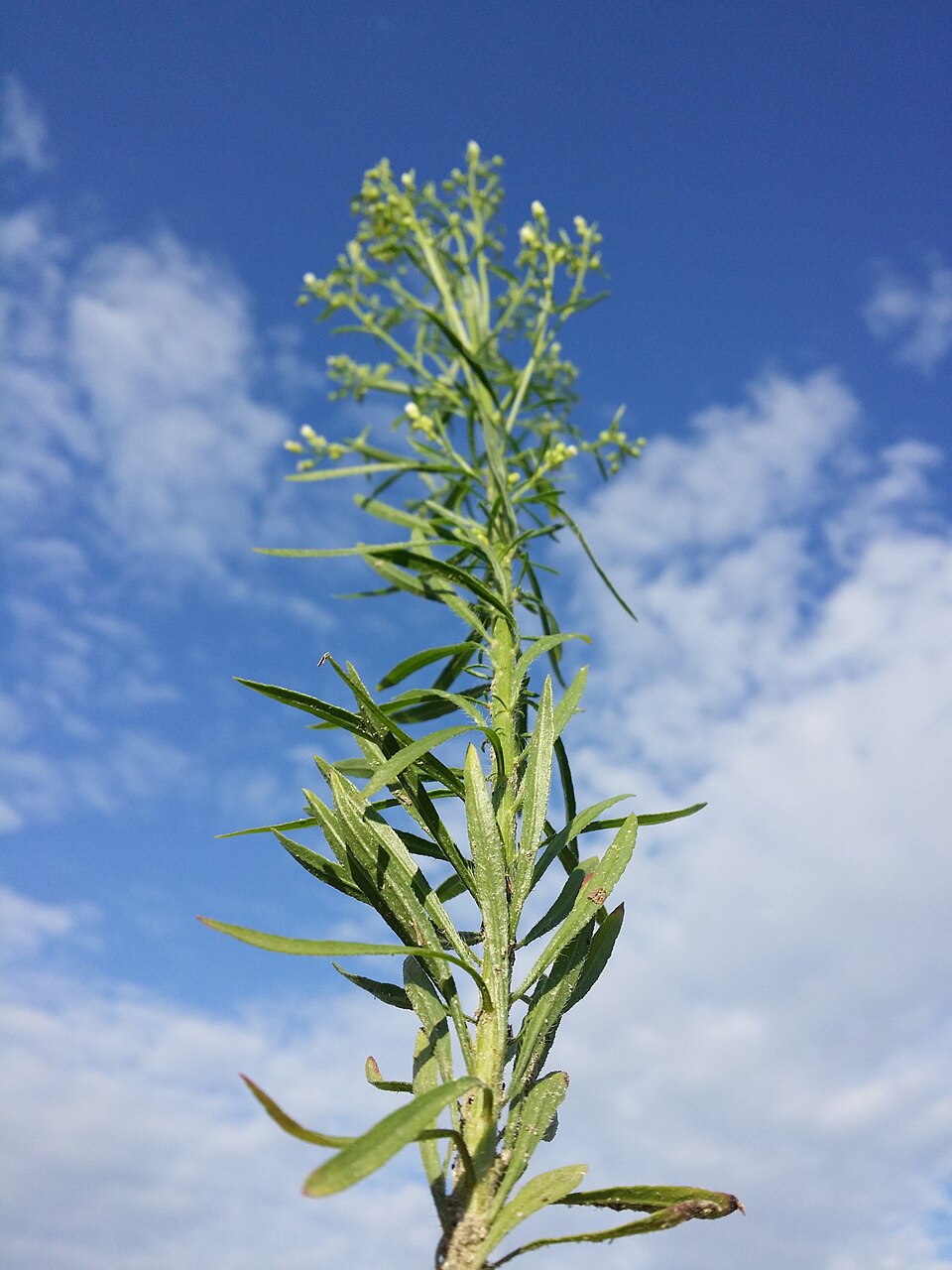
Glades, barrens and outcrops on limestone
Birds 49
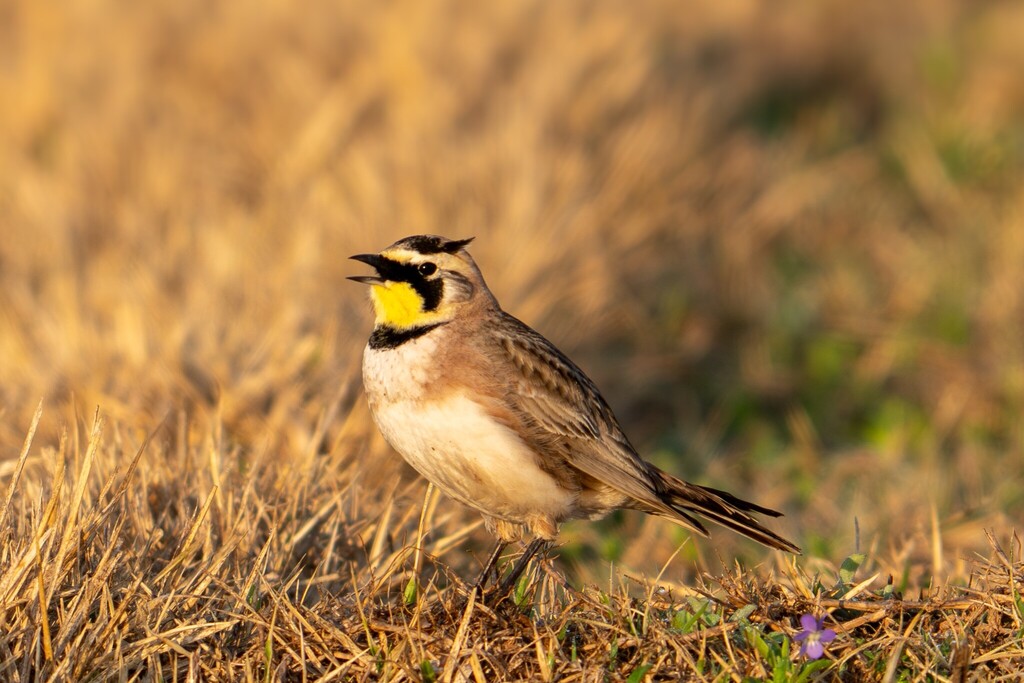
- Horned LarkEremophila alpestris
- Rock PigeonColumba livia
- Long-eared OwlAsio otus
- Ruffed GrouseBonasa umbellus
- American Tree SparrowSpizella arborea
- Rose-breasted GrosbeakPheucticus ludovicianus
- White-crowned SparrowZonotrichia leucophrys
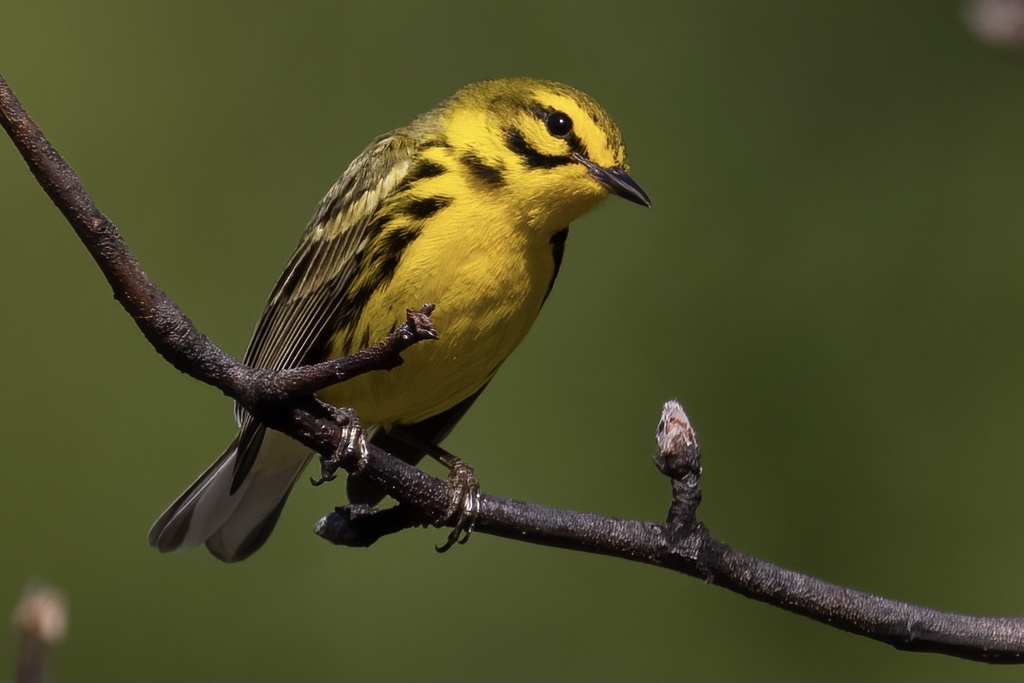
- Prairie WarblerDendroica discolor
- Eastern BluebirdSialia sialis
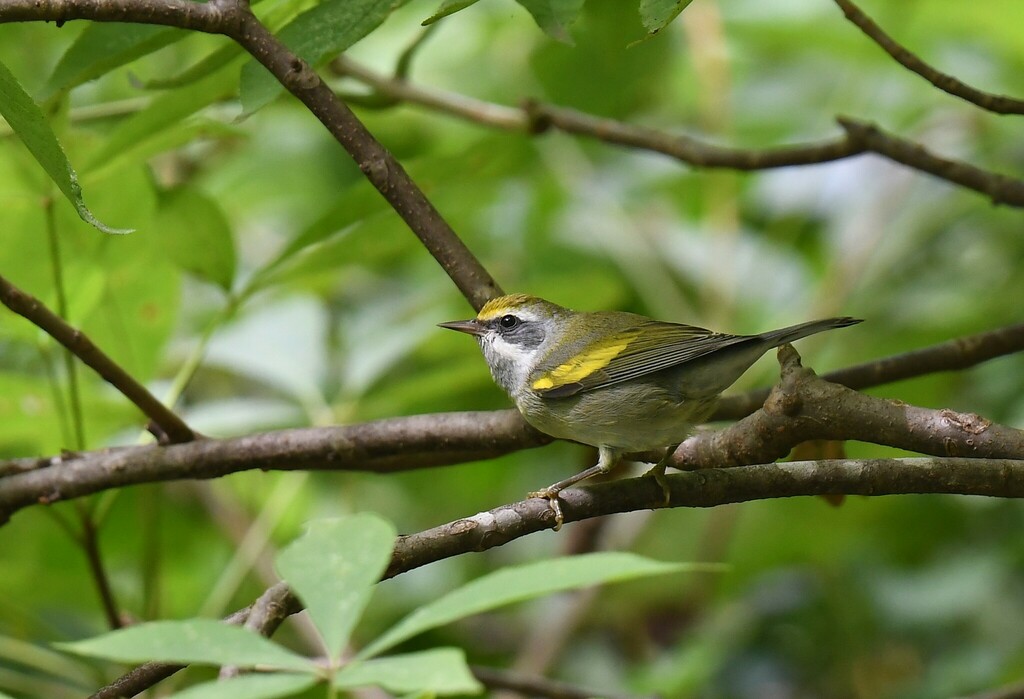
- Golden-winged WarblerVermivora chrysoptera
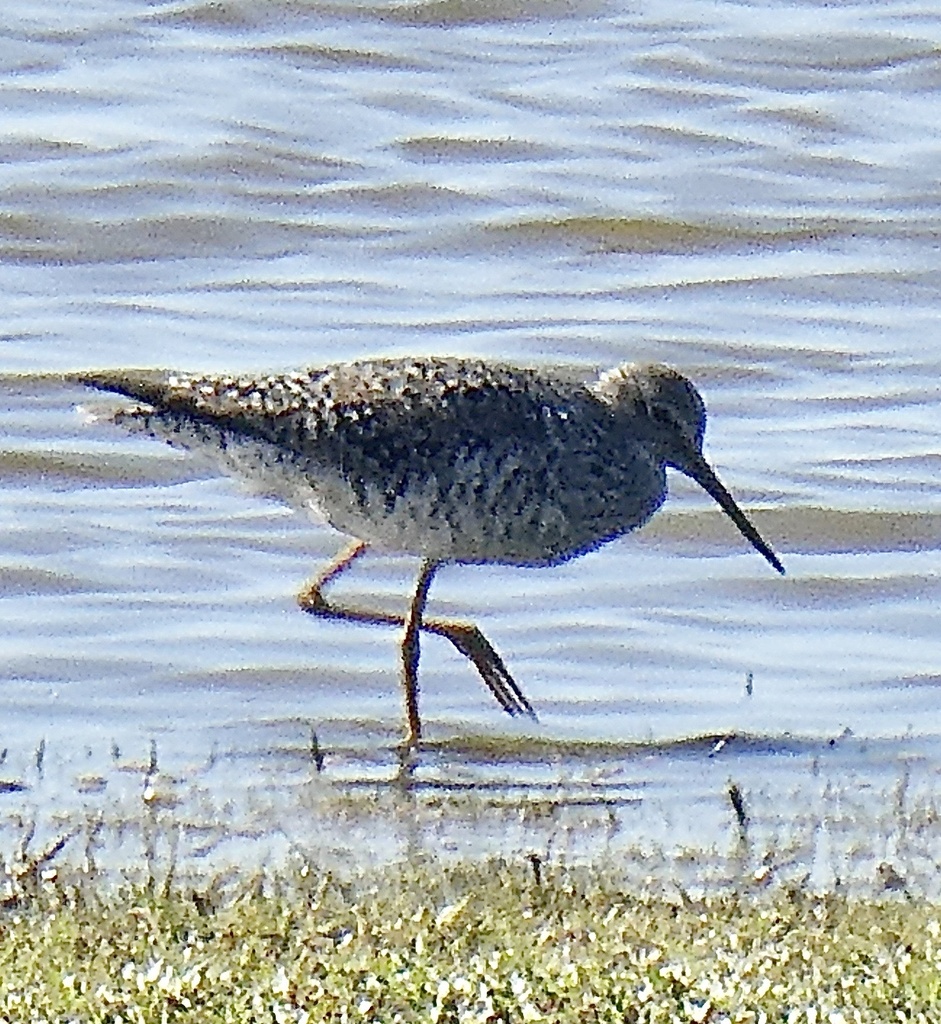
- Greater YellowlegsTringa melanoleuca
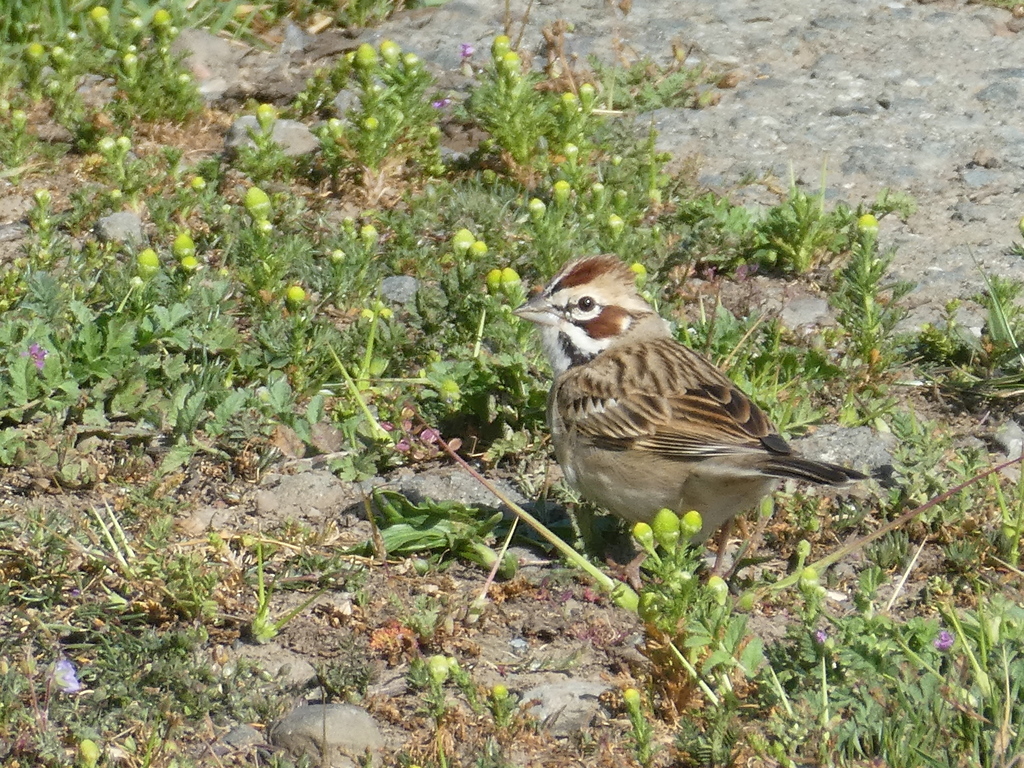
- Lark SparrowChondestes grammacus
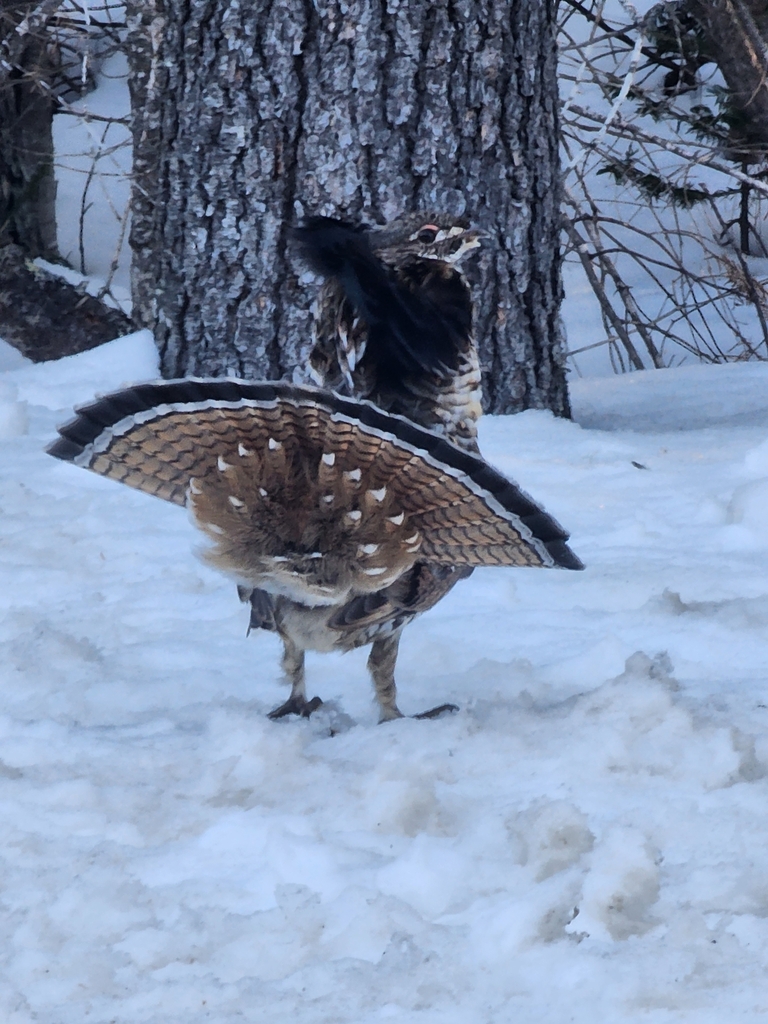
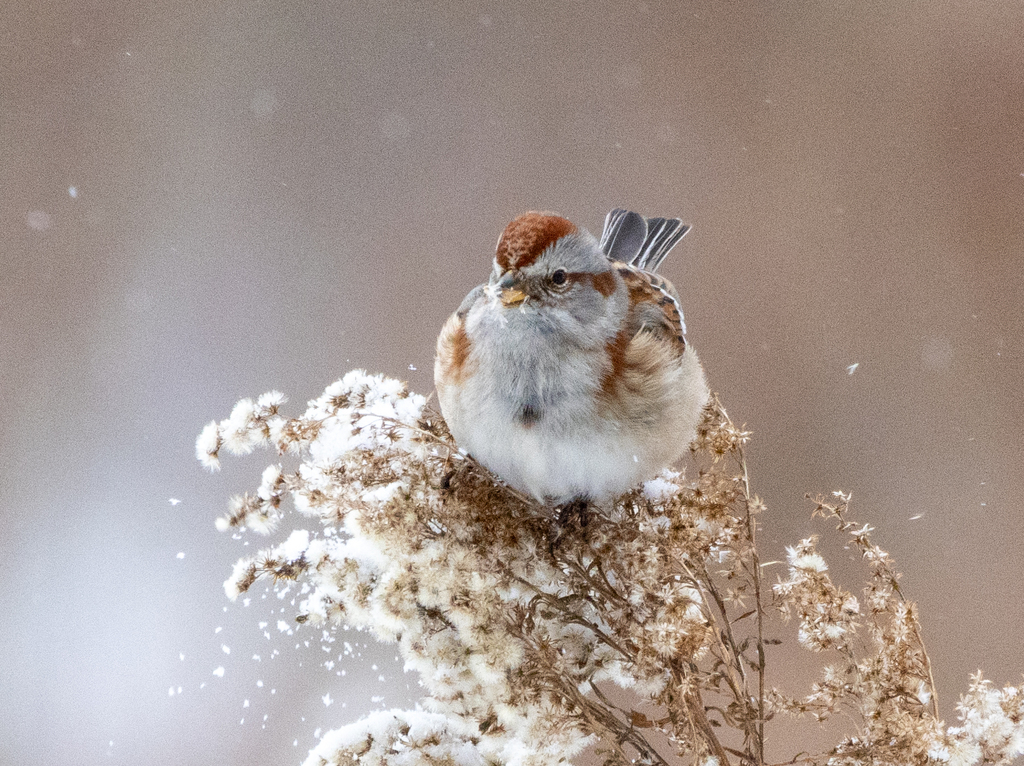
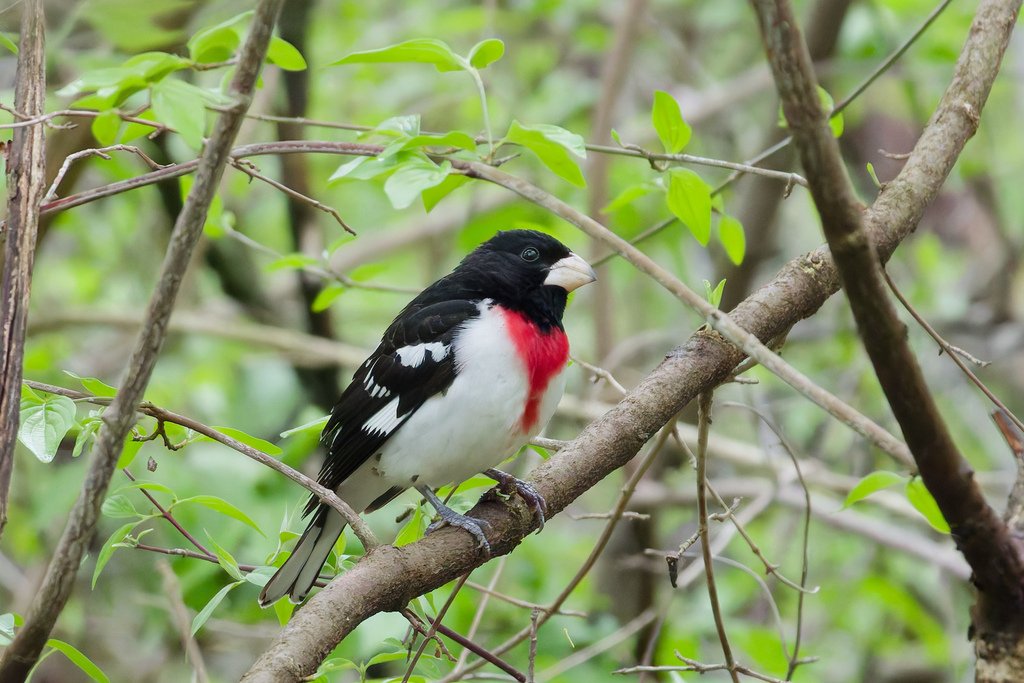
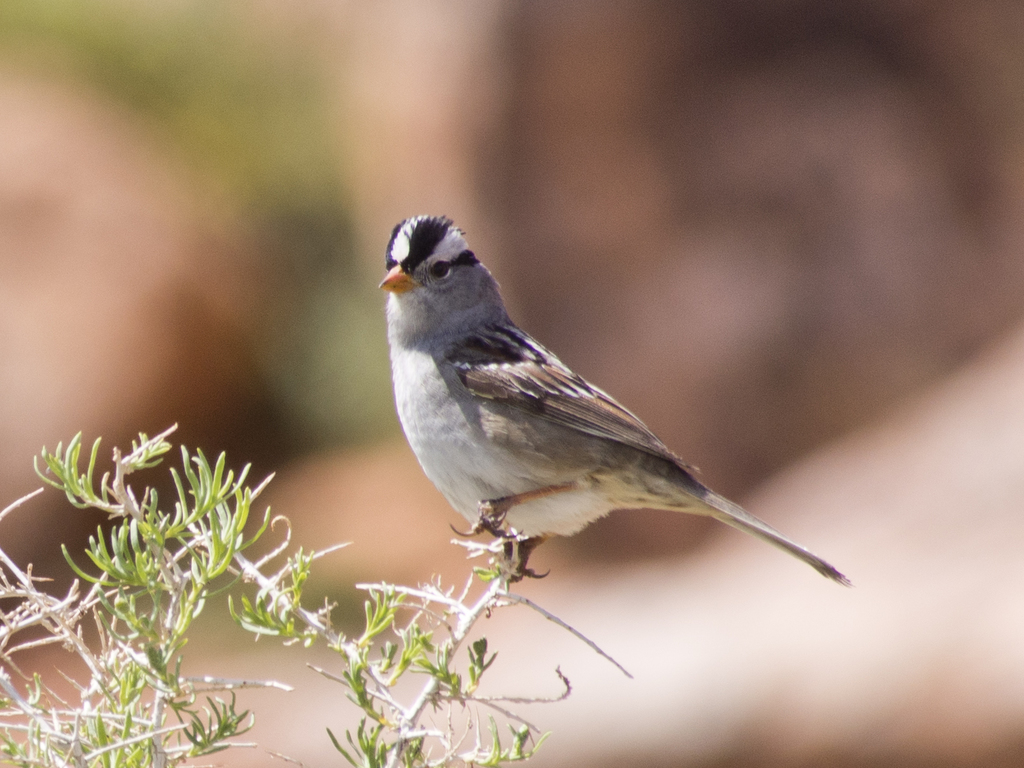

Plants 191
- Cahaba FleabaneErigeron dolomiticola
- Erigeron strigosus var. calcicolaErigeron allisonii
- Cahaba Prairie CloverDalea cahaba
- Cedar Glade Prairie CloverDalea foliosa
- Gattingers Prairie CloverDalea gattingeri
- Tennessee Ground PlumAstragalus tennesseensis
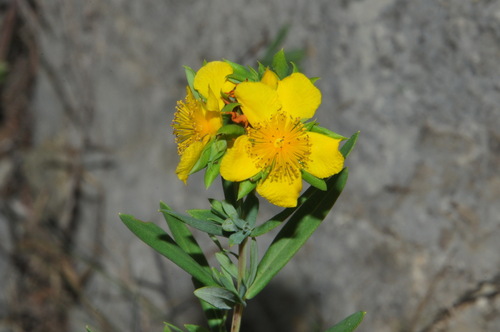
- Glade St. JohnswortHypericum dolabriforme
- Cahaba Blazing StarLiatris oligocephala
- Harpers Wild BuckwheatEriogonum harperi
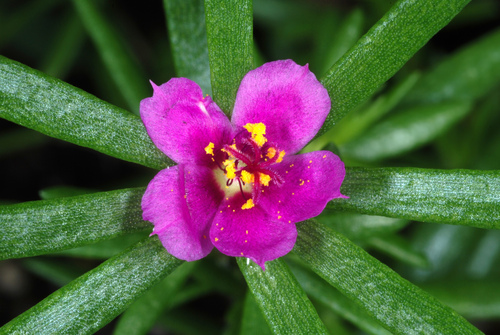
- Pink PurslanePortulaca pilosa
- Sticky RosinweedSilphium glutinosum
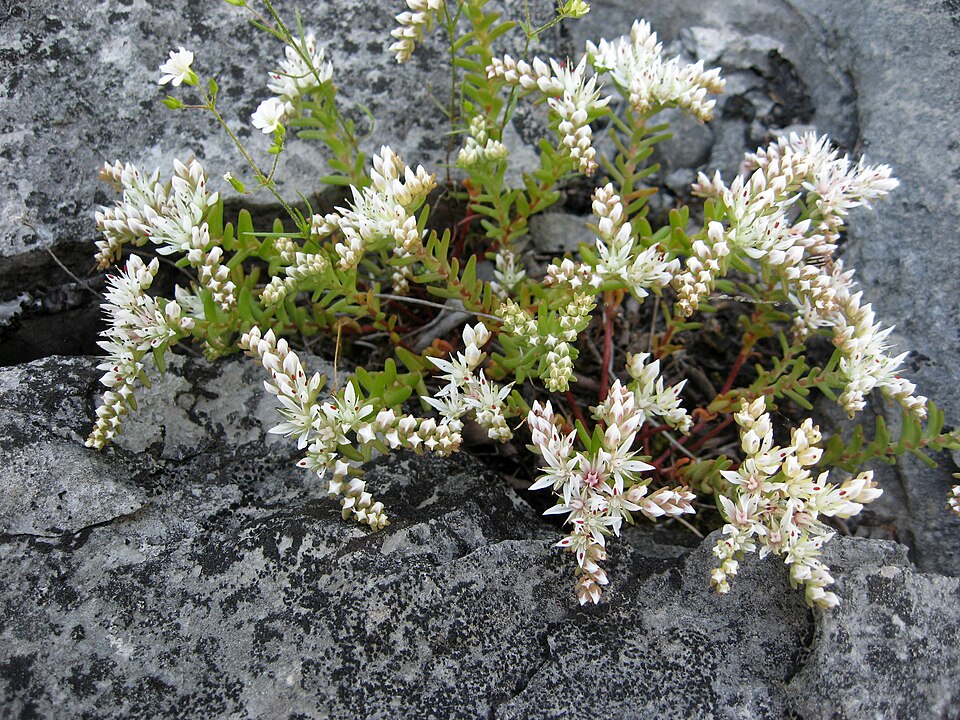
- WidowscrossSedum pulchellum


Sources
- USGS Gap Analysis Project habitat models (2001)
- USGS GAP winter habitat model for Eastern Phoebe Avoids forest interior
- USGS Gap Analysis Project range maps (2001), modeled by watershed; migratory gives no dates
- NatureServe Explorer (CC BY 4.0), habitat names
- US Census TIGER/Line counties
- Names follow the USGS Gap Analysis Project (2001)