

Bird
Willow Flycatcher
Empidonax traillii
A summer resident that nests in West Virginia. Found in all 55 counties, across 4 habitats.
- Here
- Summer
- Nesting
- Nests here
- Range
- All 55 counties
- Habitats
- 4
Photograph not available yet.
At a glance
- Group
- Birds
- Here
- Summer
- Nesting
- Nests here
- Range
- All 55 counties
- Habitats
- 4
- Habitat models
- Summer
Where it lives
The places its habitat model includes. It is not found everywhere a habitat occurs.
Habitats in West Virginia 4
Each habitat page lists the plants and wildlife also found there.
Disturbed and introduced wetlands
Wet ground taken over by weedy or introduced plants after disturbance, such as common reed, Chinese tallow or tamarisk stands; the upland counterpart is roadsides, fields and disturbed ground.
Floodplain and bottomland forests
Forests on low ground beside rivers and streams that flood from time to time.
Streams, rivers and their banks
Flowing water and its banks, bars and rocky shoals.
Other habitats in its models (6)
Land cover, or classes with no habitat page in West Virginia. Those recorded in West Virginia first, the rest by region.
Elsewhere in the South (2)
- Mississippi River Riparian Forest Summer.
- Southern and Central Appalachian Bog and Fen Summer.
Midwest (1)
- Western Great Plains Wooded Draw and Ravine Summer, only within 120 m of water.
Land cover and other classes (3)
- Central Interior and Appalachian Shrub-Herbaceous Wetland Systems Summer.
- Eastern Great Plains Floodplain Systems Summer.
- Western Great Plains Floodplain Systems Summer.
Seasons in West Virginia
- Summer: nests here, in all 55 counties.
Also found in this habitat
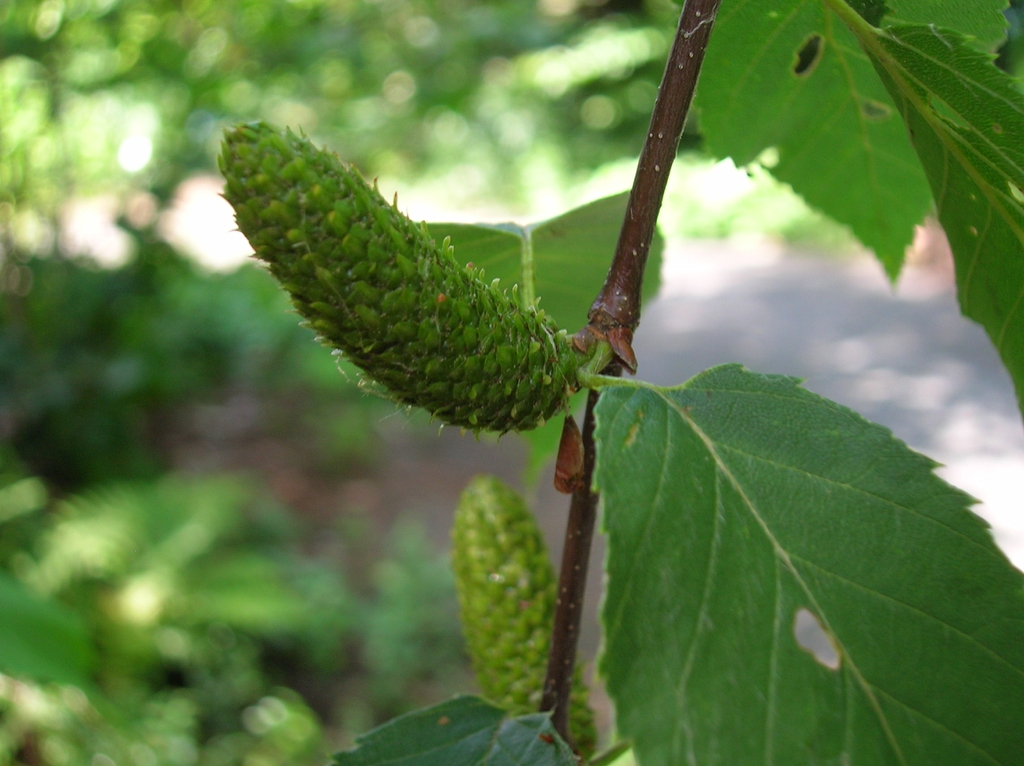
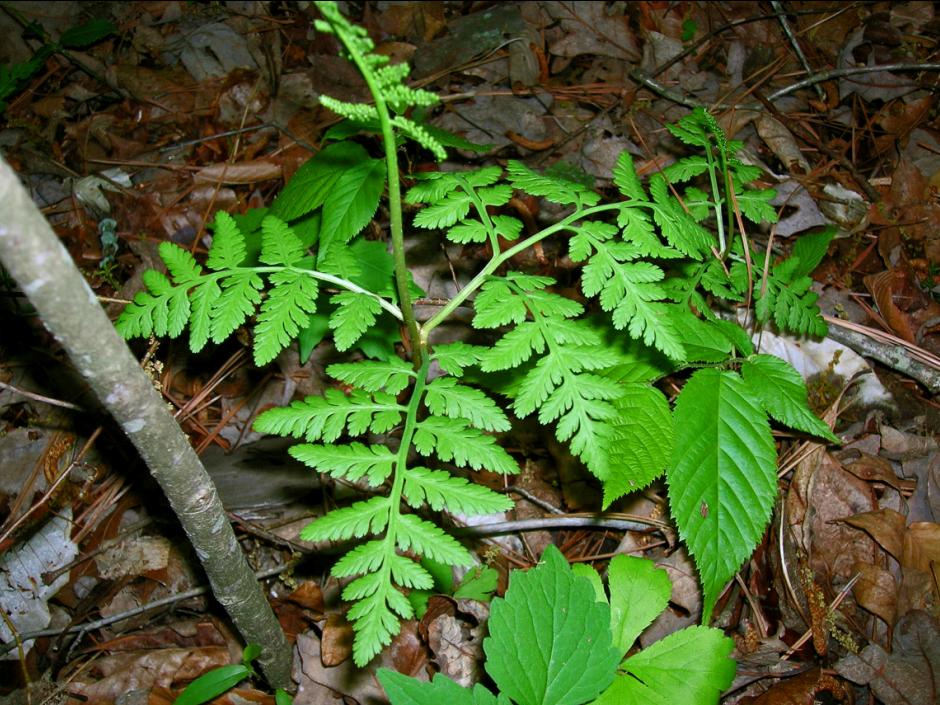
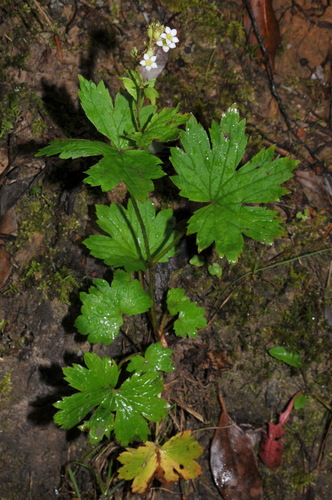
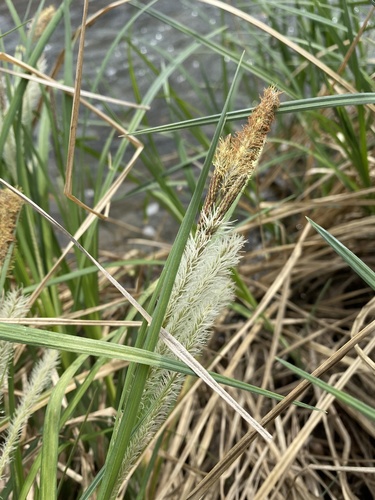
Plants 443
Plants named in NatureServe descriptions of these habitats that grow in West Virginia. Shared habitat, not food.
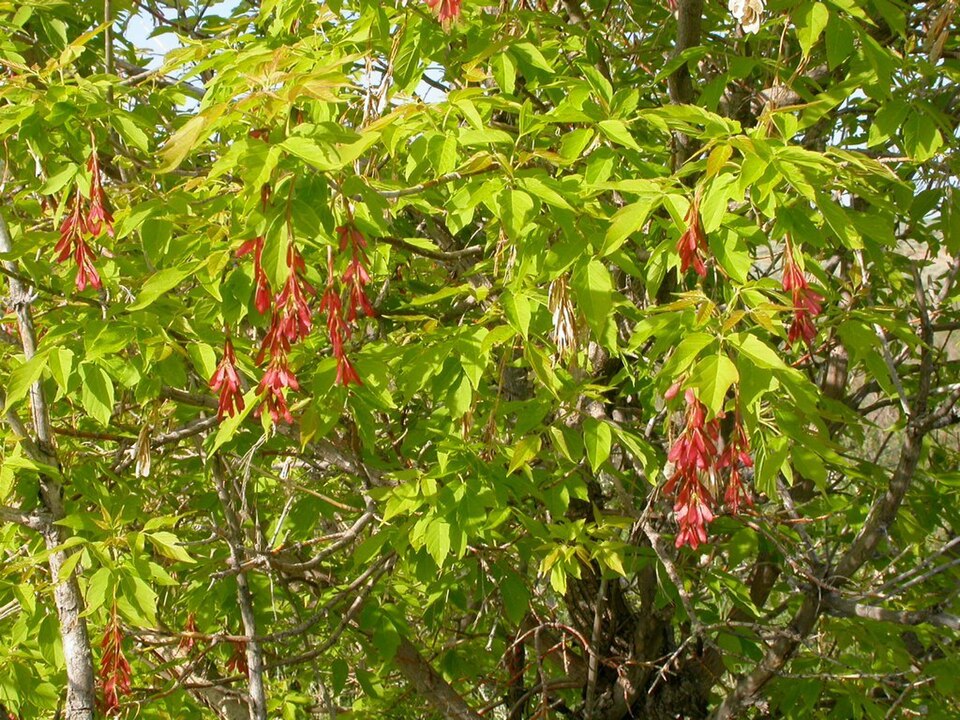
- Box-elderAcer negundo
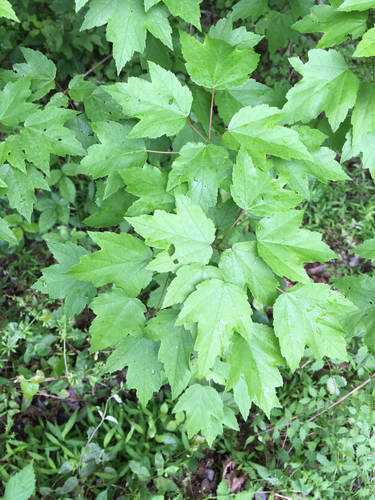
- Red MapleAcer rubrum
- Carolina Red MapleAcer rubrum var. trilobum
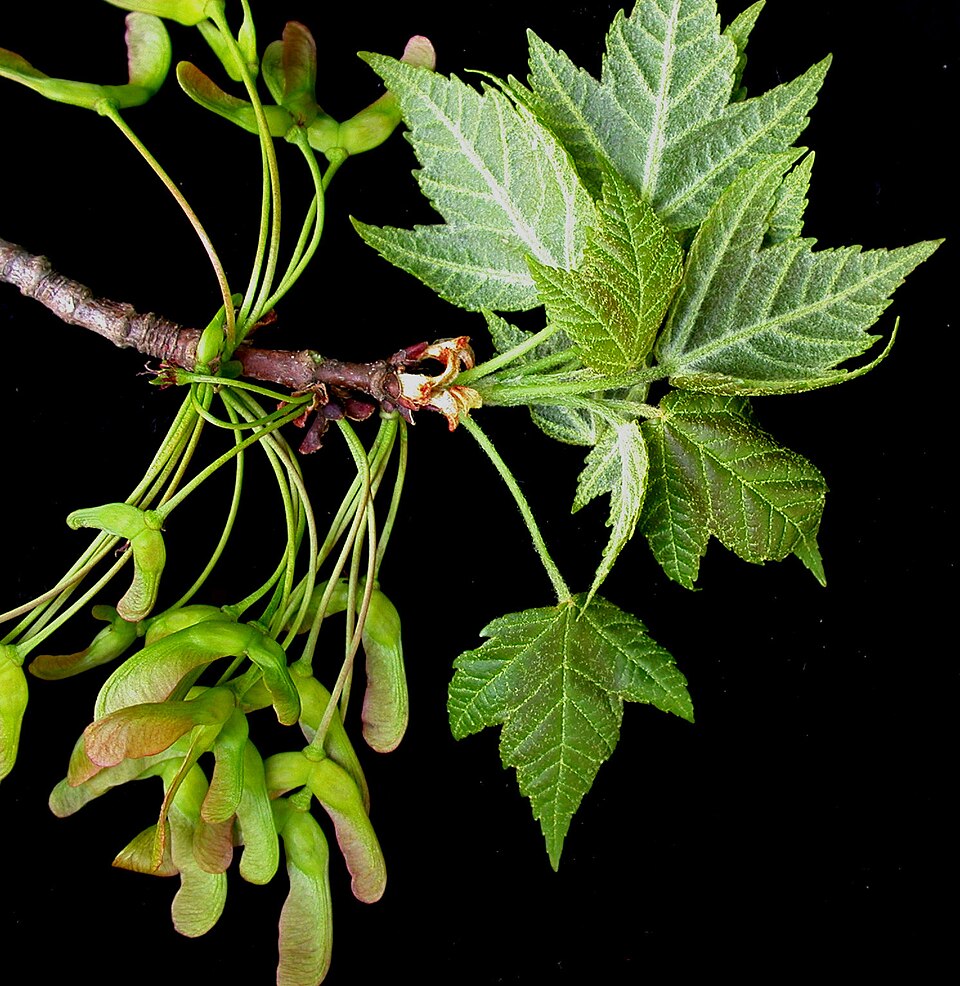
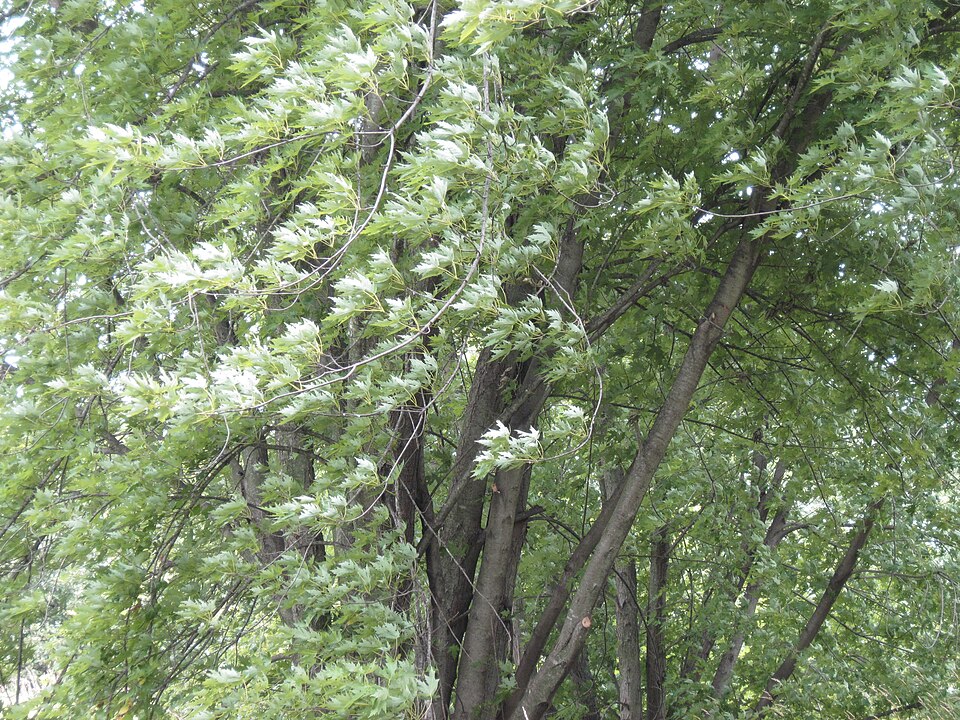
- Silver MapleAcer saccharinum
- American Hog-peanutAmphicarpaea bracteata
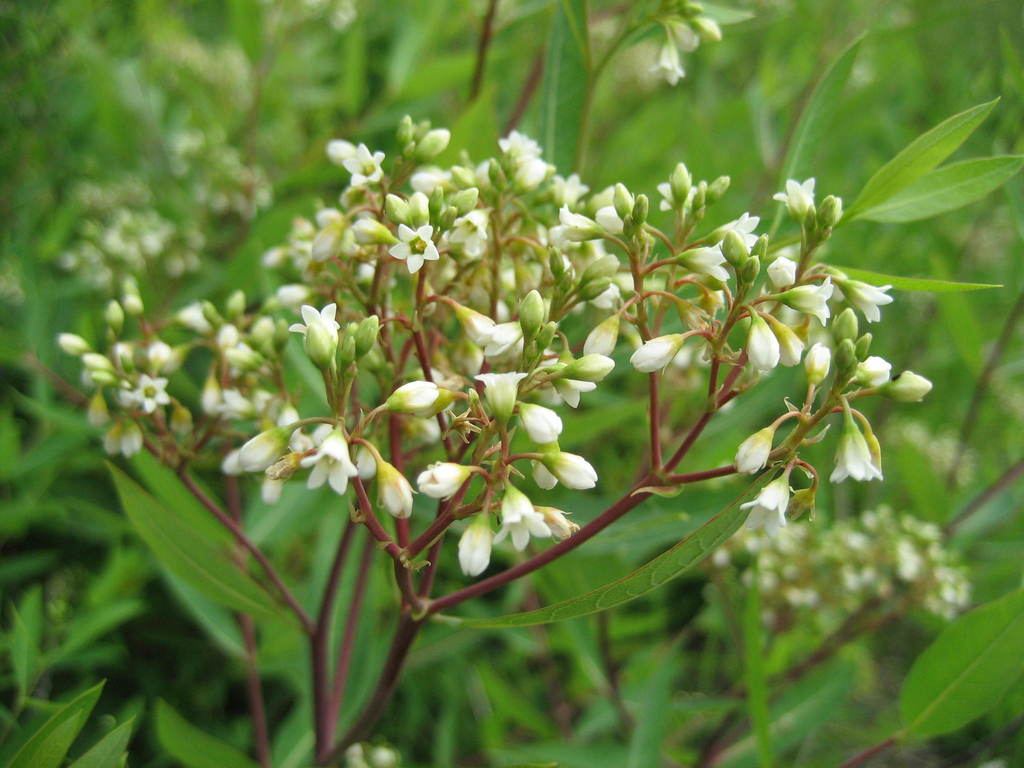
- Indian-hempApocynum cannabinum
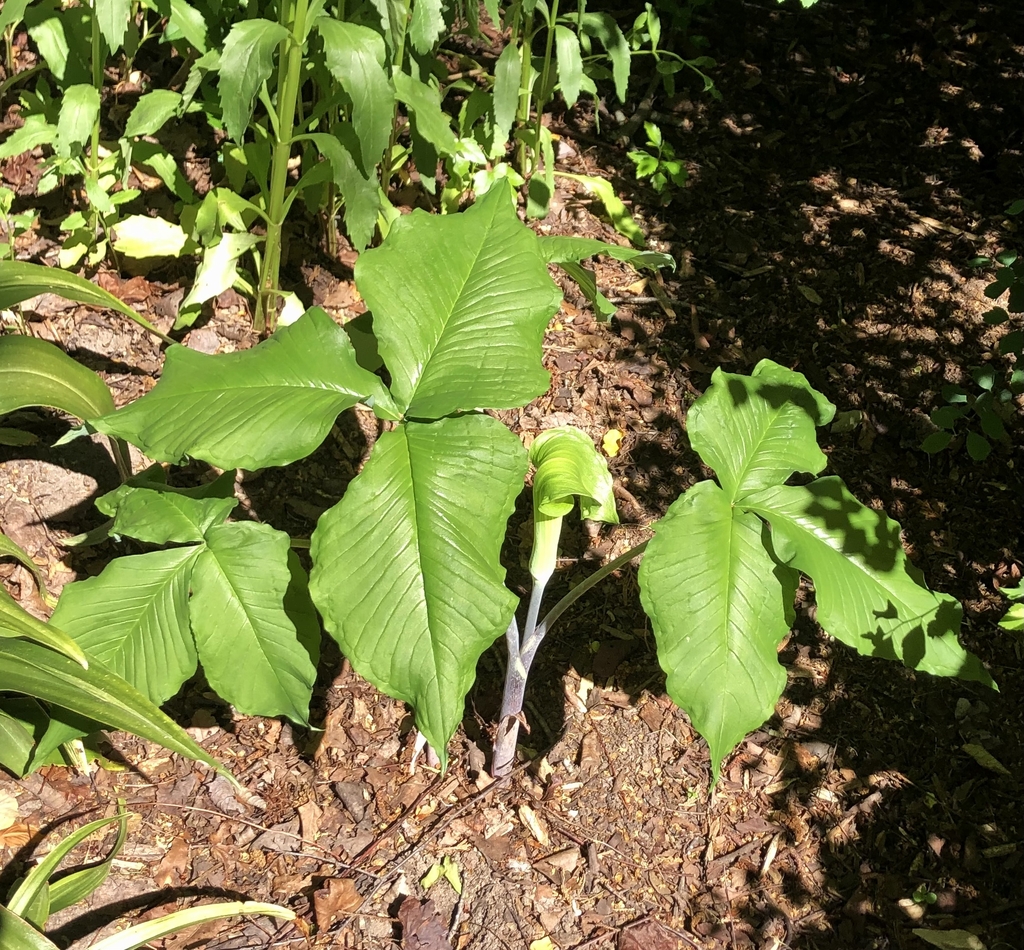
- Common Jack-in-the-pulpitArisaema triphyllum
- Giant CaneArundinaria gigantea
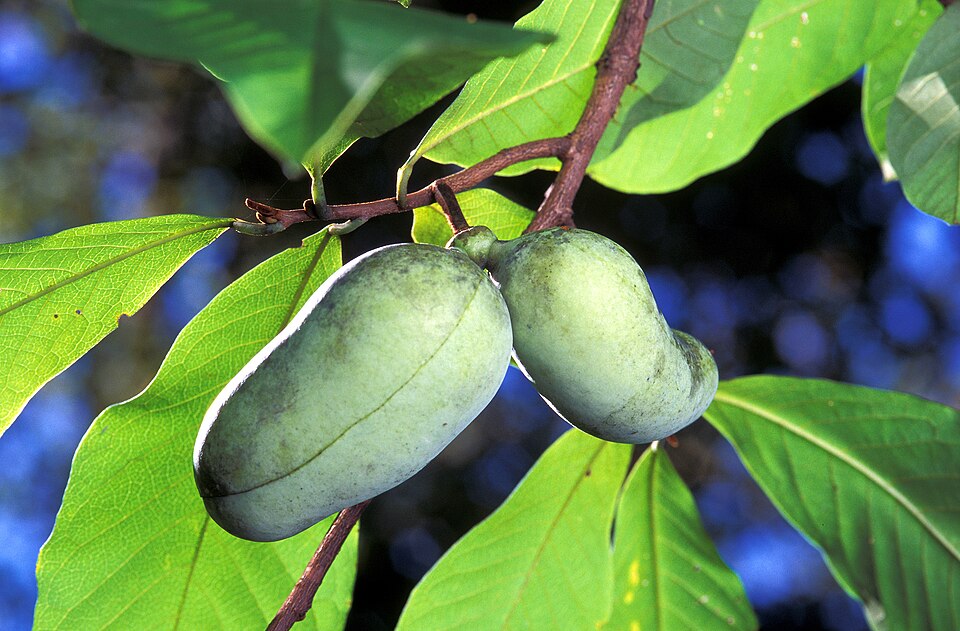
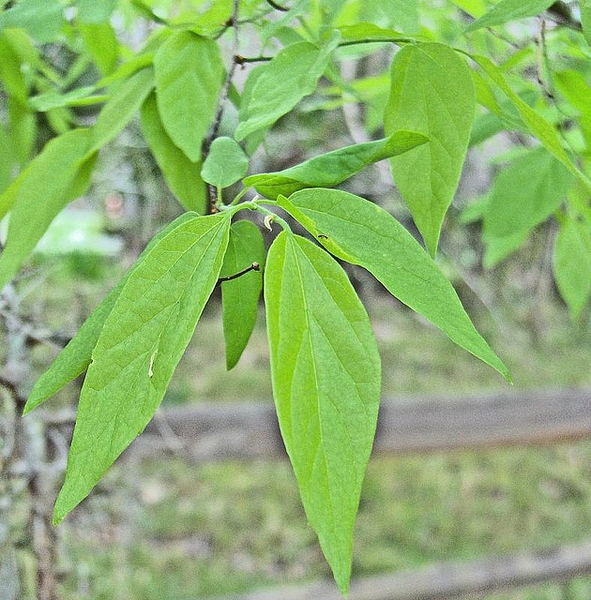
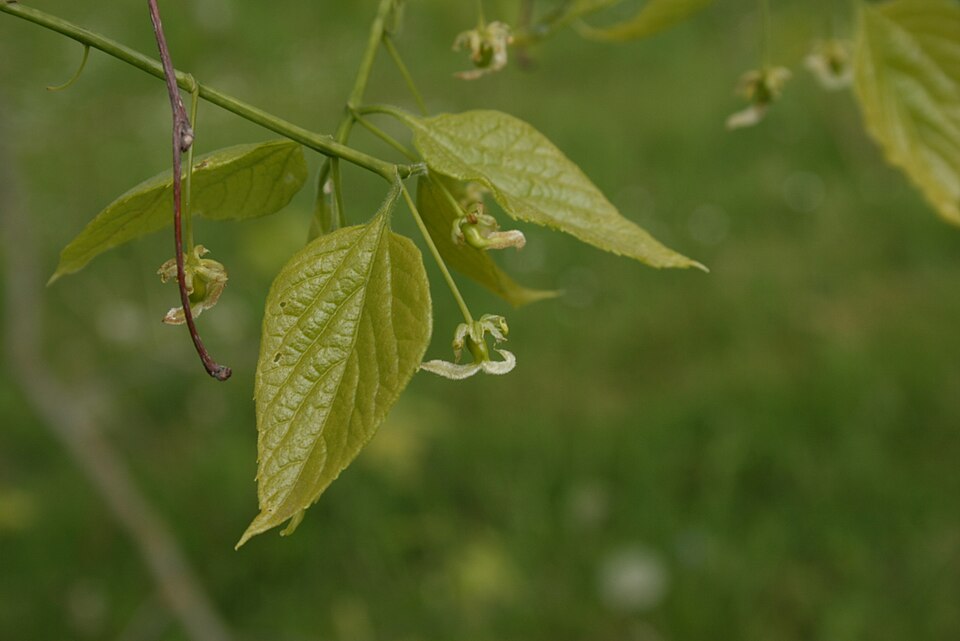
- Common PawpawAsimina triloba
- Wavy HairgrassAvenella flexuosa
- Yellow BirchBetula alleghaniensis
- Sweet BirchBetula lenta
- Rattlesnake FernBotrychium virginianum
- Allegheny BrookfoamBoykinia aconitifolia
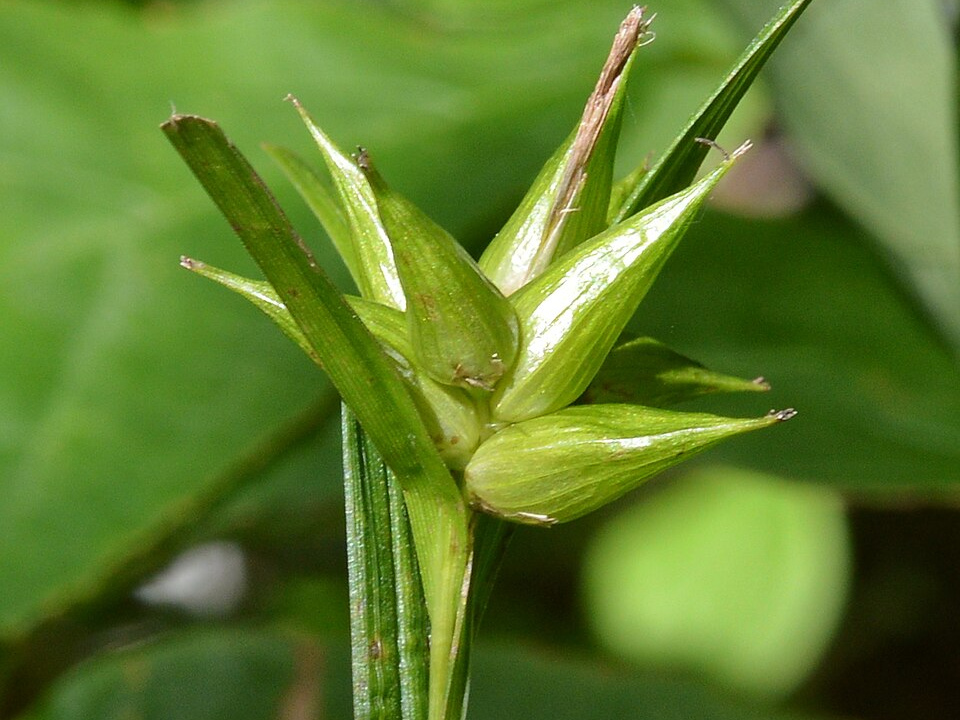
- Emory's SedgeCarex emoryi
- Bladder SedgeCarex intumescens
- Shagbark HickoryCarya ovata
- SugarberryCeltis laevigata
- Common HackberryCeltis occidentalis
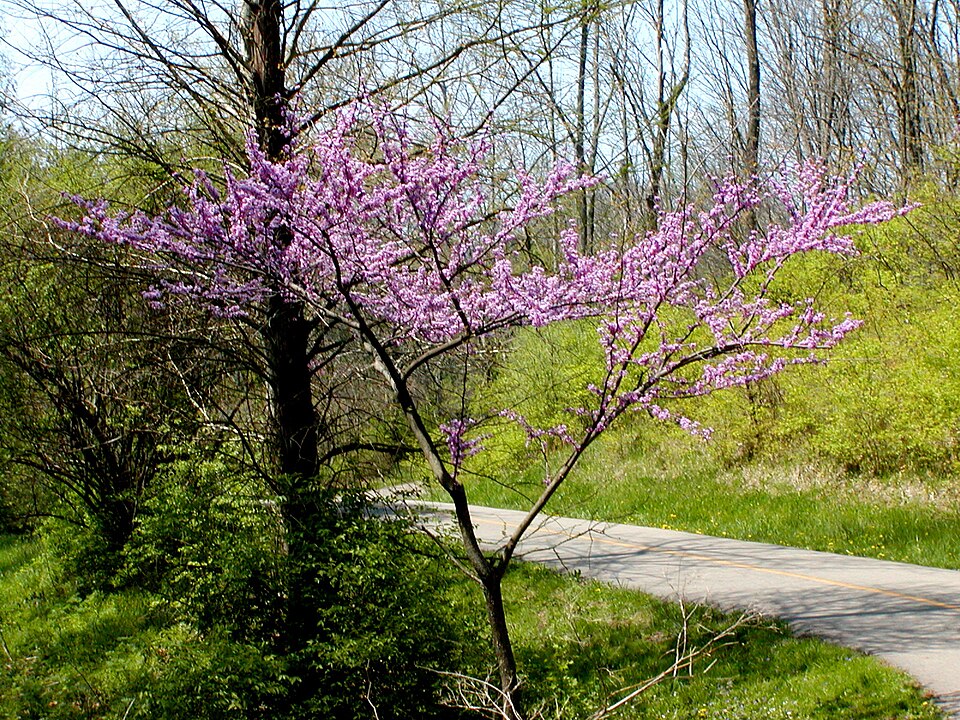
- Eastern RedbudCercis canadensis
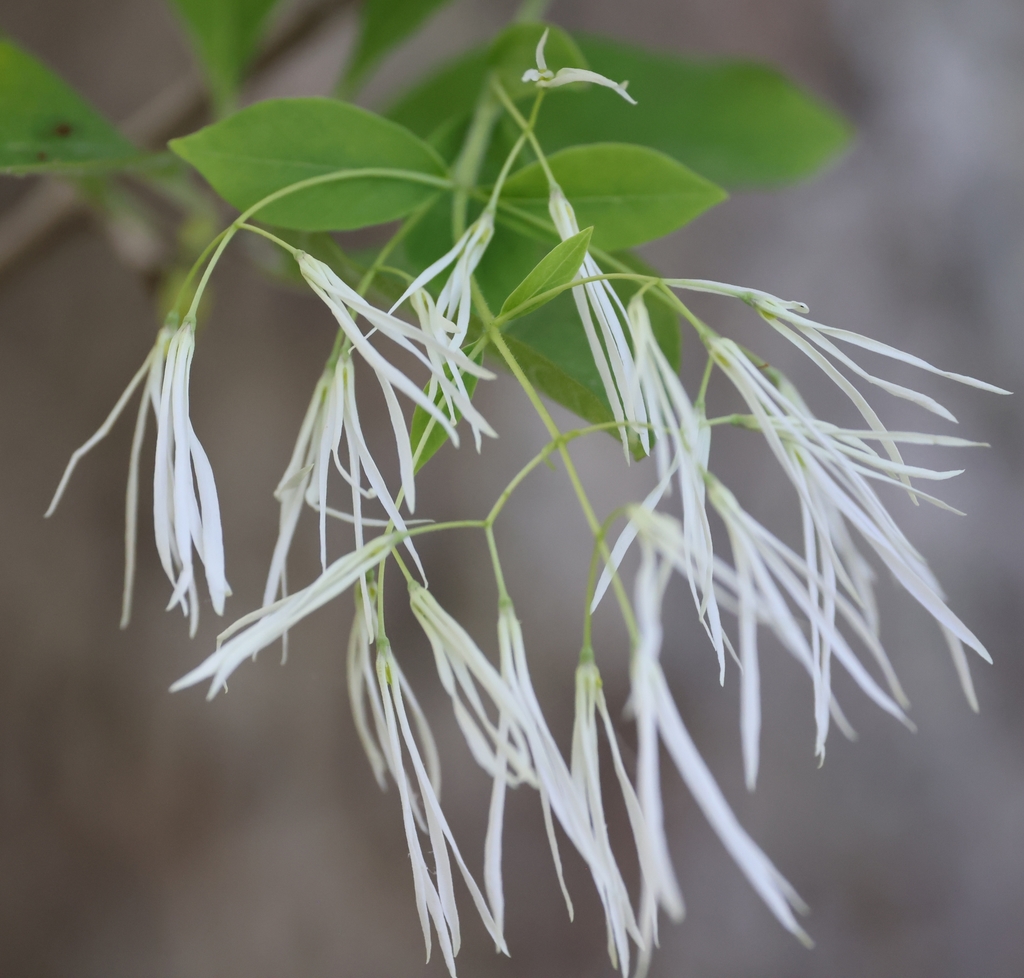
- FringetreeChionanthus virginicus
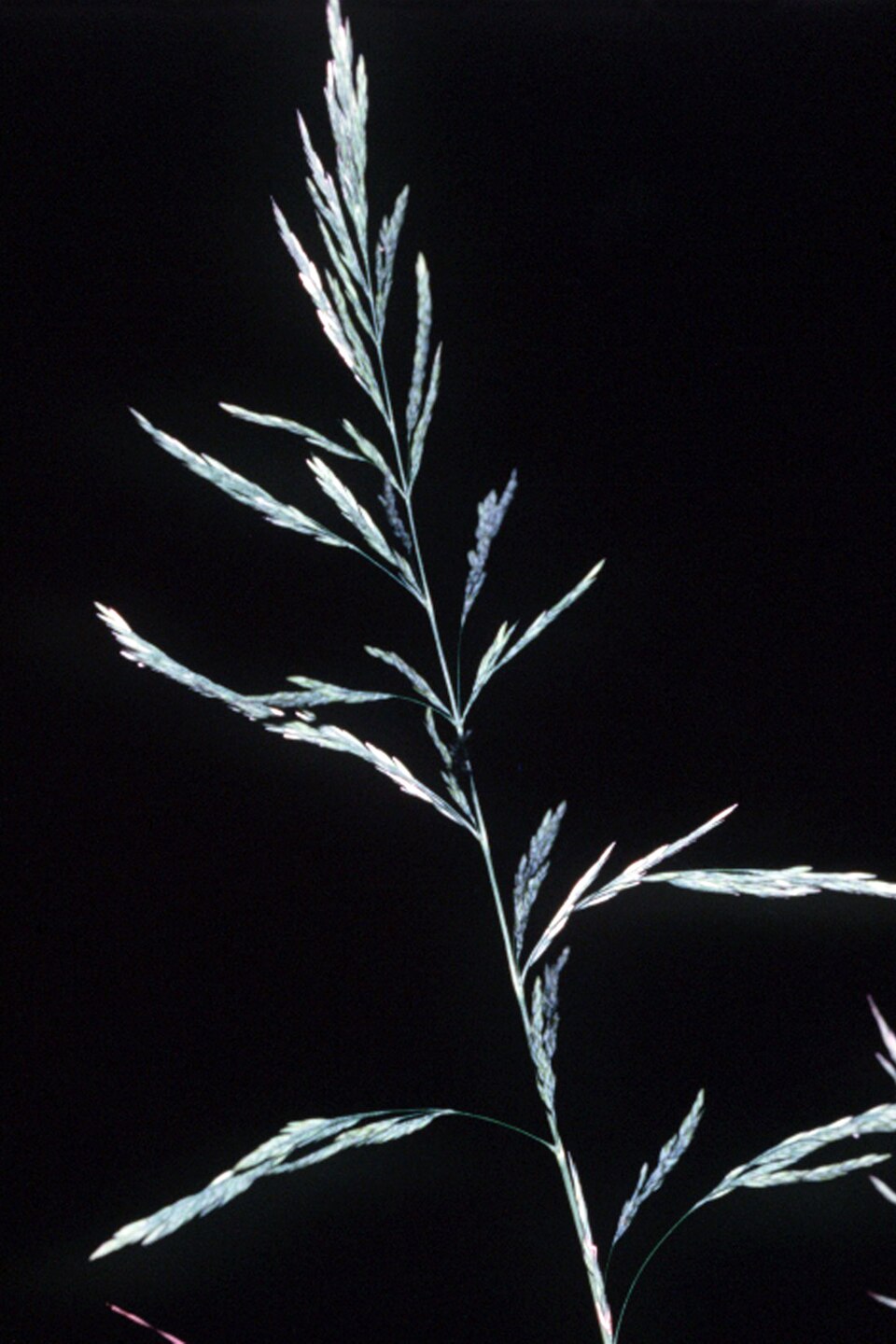
- Sweet WoodreedCinna arundinacea
- Common Hairy Coreopsis; Star Tickseed; Star Tick SeedCoreopsis pubescens var. robusta
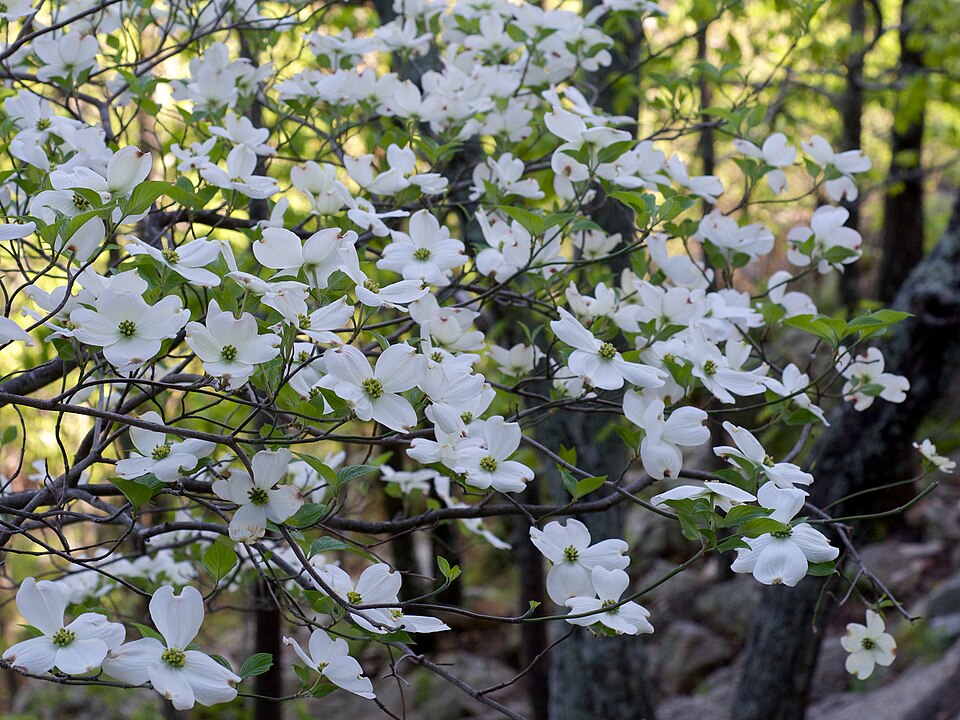
- Flowering DogwoodCornus florida
Wildlife 200
Other animals whose habitat models include the same habitats in West Virginia. Not sighting records.
- Alder FlycatcherEmpidonax alnorum
- American CrowCorvus brachyrhynchos
- American GoldfinchCarduelis tristis
- American RedstartSetophaga ruticilla
- American RobinTurdus migratorius
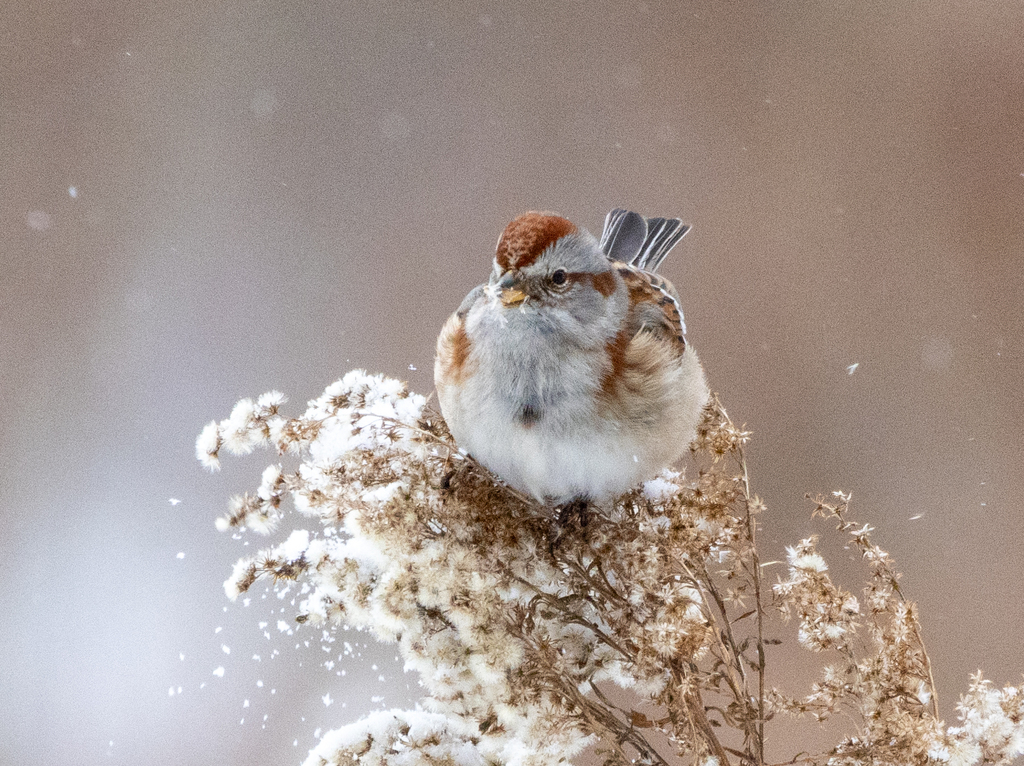
- American Tree SparrowSpizella arborea
- Baltimore OrioleIcterus galbula
- Bank SwallowRiparia riparia
- Belted KingfisherMegaceryle alcyon
- Bewick's WrenThryomanes bewickii
- Black-and-White WarblerMniotilta varia
- Black-billed CuckooCoccyzus erythropthalmus
- Black-crowned Night-heronNycticorax nycticorax
- Blue-gray GnatcatcherPolioptila caerulea
- Brown-headed CowbirdMolothrus ater
- Carolina WrenThryothorus ludovicianus
- Cedar WaxwingBombycilla cedrorum
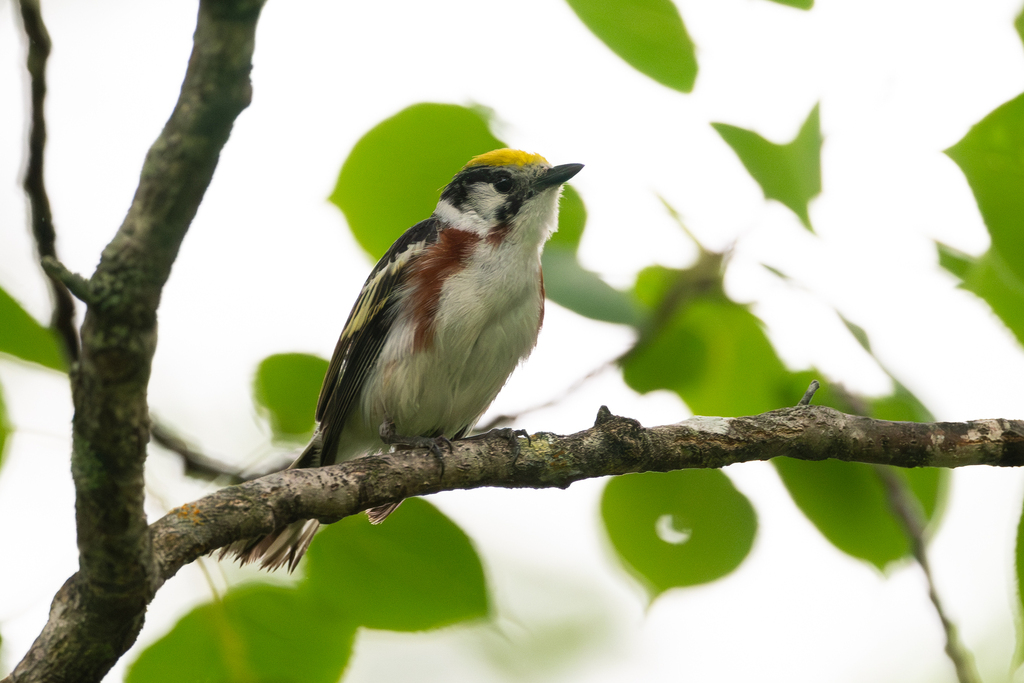
- Chestnut-sided WarblerDendroica pensylvanica
- Chimney SwiftChaetura pelagica
- Chipping SparrowSpizella passerina
- Cliff SwallowPetrochelidon pyrrhonota
- Common GrackleQuiscalus quiscula
- Common NighthawkChordeiles minor
- Common RavenCorvus corax





















NatureServe Explorer, CC BY 4.0. USGS Gap Analysis Project habitat models.
Sources
- USGS Gap Analysis Project habitat models (2001)
- USGS GAP summer habitat model for Willow Flycatcher Elevation up to 850 m
- USGS Gap Analysis Project range maps (2001), modeled by watershed; migratory gives no dates
- NatureServe Explorer (CC BY 4.0), habitat names
- US Census TIGER/Line counties
- Names follow the USGS Gap Analysis Project (2001)