

Bird
Red-shouldered Hawk
Buteo lineatus
Lives in West Virginia all year and nests here. Found in all 55 counties, across 9 habitats.
- Here
- All year
- Nesting
- Nests here
- Range
- All 55 counties
- Habitats
- 9

At a glance
- Group
- Birds
- Here
- All year
- Nesting
- Nests here
- Range
- All 55 counties
- Habitats
- 9
- Habitat models
- Year-round
Where it lives
The places its habitat model includes. It is not found everywhere a habitat occurs.
Habitats in West Virginia 9
Each habitat page lists the plants and wildlife also found there.
Floodplain and bottomland forests
Forests on low ground beside rivers and streams that flood from time to time.
Streams, rivers and their banks
Flowing water and its banks, bars and rocky shoals.
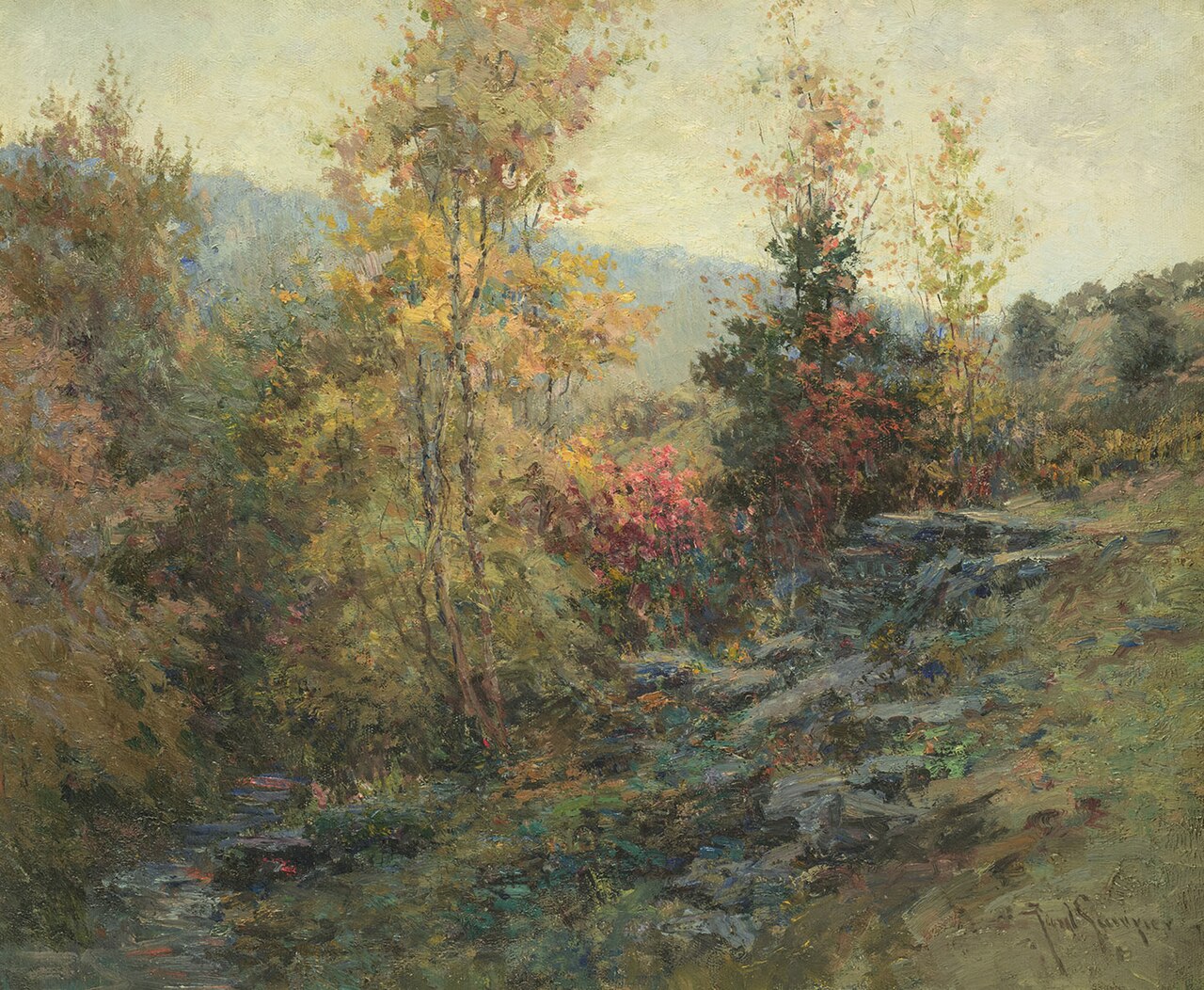
Forests and open woodlands on dry ridges and slopes, often oak or pine.
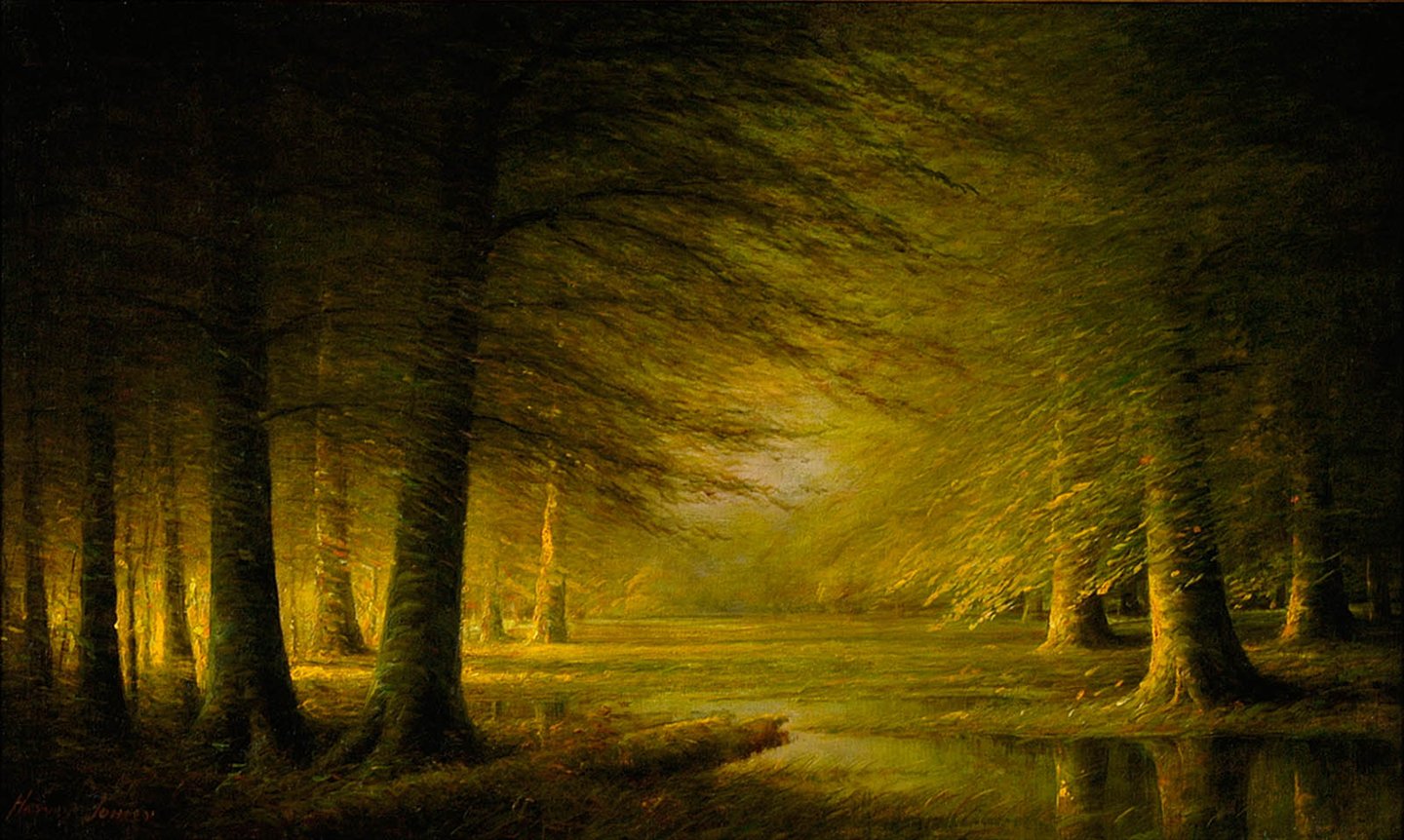
Shady, evergreen forests of eastern or Carolina hemlock, often along rocky mountain streams and in gorges.
Sheltered, moist mountain hollows and lower slopes with deep, fertile soil.
Roadsides, fields and disturbed ground
Ground opened by people: roadsides, old fields, pastures, fencerows and lots.
Tree plantations and managed pine
Planted or intensively managed stands of pine or hardwoods grown for timber; a land use rather than a natural community.
Other habitats in its models (87)
Land cover, or classes with no habitat page in West Virginia. Those recorded in West Virginia first, the rest by region.
Elsewhere in the South (55)
- Atlantic and Gulf Coastal Plain Interdunal Wetland Year-round.
- Atlantic Coastal Plain Brownwater Stream Floodplain Forest Year-round.
- Atlantic Coastal Plain Central Fresh-Oligohaline Tidal Marsh Year-round.
- Atlantic Coastal Plain Central Maritime Forest Year-round, only within 1,000 m of water.
- Atlantic Coastal Plain Embayed Region Tidal Freshwater Marsh Year-round.
- Atlantic Coastal Plain Mesic Hardwood and Mixed Forest Year-round, only within 1,000 m of water.
- Atlantic Coastal Plain Peatland Pocosin Year-round.
- Atlantic Coastal Plain Small Blackwater River Floodplain Forest Year-round.
- Atlantic Coastal Plain Small Brownwater River Floodplain Forest Year-round.
- Atlantic Coastal Plain Southern Dune and Maritime Grassland Year-round.
- Atlantic Coastal Plain Southern Maritime Forest Year-round, only within 1,000 m of water.
- Atlantic Coastal Plain Southern Wet Pine Savanna and Flatwoods Year-round.
- Central Atlantic Coastal Plain Wet Longleaf Pine Savanna and Flatwoods Year-round.
- Central Florida Herbaceous Seep Year-round.
- Central Florida Pine Flatwoods Year-round, only within 1,000 m of water.
- East Gulf Coastal Plain Dune and Coastal Grassland Year-round.
- East Gulf Coastal Plain Maritime Forest Year-round, only within 1,000 m of water.
- East Gulf Coastal Plain Near-Coast Pine Flatwoods Year-round, only within 1,000 m of water.
- East Gulf Coastal Plain Northern Loess Bluff Forest Year-round, only within 1,000 m of water.
- East Gulf Coastal Plain Northern Mesic Hardwood Forest Year-round, only within 1,000 m of water.
- East Gulf Coastal Plain Savanna and Wet Prairie Year-round.
- East Gulf Coastal Plain Small Stream and River Floodplain Forest Year-round.
- East Gulf Coastal Plain Southern Loblolly-Hardwood Flatwoods Year-round, only within 1,000 m of water.
- East Gulf Coastal Plain Southern Loess Bluff Forest Year-round, only within 1,000 m of water.
- East Gulf Coastal Plain Southern Mesic Slope Forest Year-round, only within 1,000 m of water.
- Florida Big Bend Fresh-Oligohaline Tidal Marsh Year-round.
- Florida Dry Prairie Year-round, only within 1,000 m of water.
- Floridian Highlands Freshwater Marsh Year-round.
- Lower Mississippi River Dune Woodland and Forest Year-round.
- Mississippi River Low Floodplain (Bottomland) Forest Year-round.
- Mississippi River Riparian Forest Year-round.
- Mississippi Sound Salt and Brackish Tidal Marsh Year-round.
- Nashville Basin Limestone Glade Year-round, only within 1,000 m of water.
- South Florida Bayhead Swamp Year-round.
- South Florida Cypress Dome Year-round.
- South Florida Dwarf Cypress Savanna Year-round.
- South Florida Freshwater Slough and Gator Hole Year-round.
- South Florida Hardwood Hammock Year-round.
- South Florida Pine Flatwoods Year-round, only within 1,000 m of water.
- South Florida Pine Rockland Year-round, only within 1,000 m of water.
- South Florida Wet Marl Prairie Year-round.
- South-Central Interior / Upper Coastal Plain Flatwoods Year-round, only within 1,000 m of water.
- South-Central Interior / Upper Coastal Plain Wet Flatwoods Year-round.
- Southeast Florida Coastal Strand and Maritime Hammock Year-round.
- Southern and Central Appalachian Bog and Fen Year-round.
- Southern Coastal Plain Blackwater River Floodplain Forest Year-round.
- Southern Coastal Plain Herbaceous Seepage Bog Year-round.
- Southern Coastal Plain Hydric Hammock Year-round.
- Southern Coastal Plain Nonriverine Basin Swamp Year-round.
- Southern Coastal Plain Nonriverine Cypress Dome Year-round.
- Southern Coastal Plain Seepage Swamp and Baygall Year-round.
- Southern Piedmont Mesic Forest Year-round, only within 1,000 m of water.
- Southern Piedmont Small Floodplain and Riparian Forest Year-round.
- Southwest Florida Coastal Strand and Maritime Hammock Year-round.
- Southwest Florida Dune and Coastal Grassland Year-round.
Northeast (4)
- Atlantic Coastal Plain Northern Fresh and Oligohaline Tidal Marsh Year-round.
- Atlantic Coastal Plain Northern Maritime Forest Year-round, only within 1,000 m of water.
- Northern Atlantic Coastal Plain Basin Swamp and Wet Hardwood Forest Year-round.
- Northern Atlantic Coastal Plain Dune and Swale Year-round.
Land cover and other classes (28)
- Atlantic Coastal Plain Blackwater Stream Floodplain Forest - Forest Modifier Year-round.
- Atlantic Coastal Plain Clay-Based Carolina Bay Forested Wetland Year-round.
- Atlantic Coastal Plain Clay-Based Carolina Bay Herbaceous Wetland Year-round.
- Atlantic Coastal Plain Depression Pondshore Year-round.
- Atlantic Coastal Plain Nonriverine Swamp and Wet Hardwood Forest - Oak Dominated Modifier Year-round.
- Atlantic Coastal Plain Nonriverine Swamp and Wet Hardwood Forest - Taxodium/Nyssa Modifier Year-round.
- Atlantic Coastal Plain Streamhead Seepage Swamp - Pocosin - and Baygall Year-round.
- Developed, Low Intensity Year-round, only within 1,000 m of water.
- East Gulf Coastal Plain Black Belt Calcareous Prairie and Woodland - Herbaceous Modifier Year-round, only within 1,000 m of water.
- East Gulf Coastal Plain Black Belt Calcareous Prairie and Woodland - Woodland Modifier Year-round, only within 1,000 m of water.
- East Gulf Coastal Plain Interior Shortleaf Pine-Oak Forest - Mixed Modifier Year-round, only within 1,000 m of water.
- East Gulf Coastal Plain Jackson Plain Dry Flatwoods - Open Understory Modifier Year-round, only within 1,000 m of water.
- East Gulf Coastal Plain Jackson Prairie and Woodland Year-round, only within 1,000 m of water.
- East Gulf Coastal Plain Large River Floodplain Forest - Forest Modifier Year-round.
- East Gulf Coastal Plain Large River Floodplain Forest - Herbaceous Modifier Year-round.
- East Gulf Coastal Plain Near-Coast Pine Flatwoods - Offsite Hardwood Modifier Year-round, only within 1,000 m of water.
- East Gulf Coastal Plain Near-Coast Pine Flatwoods - Open Understory Modifier Year-round, only within 1,000 m of water.
- East Gulf Coastal Plain Near-Coast Pine Flatwoods - Scrub/Shrub Understory Modifier Year-round, only within 1,000 m of water.
- East Gulf Coastal Plain Southern Depression Pondshore Year-round.
- Eastern Highland Rim Prairie and Barrens - Dry Modifier Year-round, only within 1,000 m of water.
- Harvested Forest - Grass/Forb Regeneration Year-round, only within 1,000 m of water.
- Lower Mississippi River Bottomland Depressions - Forest Modifier Year-round.
- Northeastern Interior Dry Oak Forest - Mixed Modifier Year-round, only within 1,000 m of water.
- South-Central Interior Large Floodplain - Herbaceous Modifier Year-round.
- Southern Piedmont Dry Oak-(Pine) Forest - Mixed Modifier Year-round, only within 1,000 m of water.
- Southern Piedmont Large Floodplain Forest - Forest Modifier Year-round.
- Southern Piedmont/Ridge and Valley Upland Depression Swamp Year-round.
- Unconsolidated Shore Year-round.
Seasons in West Virginia
- Year-round: nests here, in 34 of 55 counties.
- Summer: nests here, in 37 of 55 counties.
Also found in this habitat
Plants 591
Plants named in NatureServe descriptions of these habitats that grow in West Virginia. Shared habitat, not food.
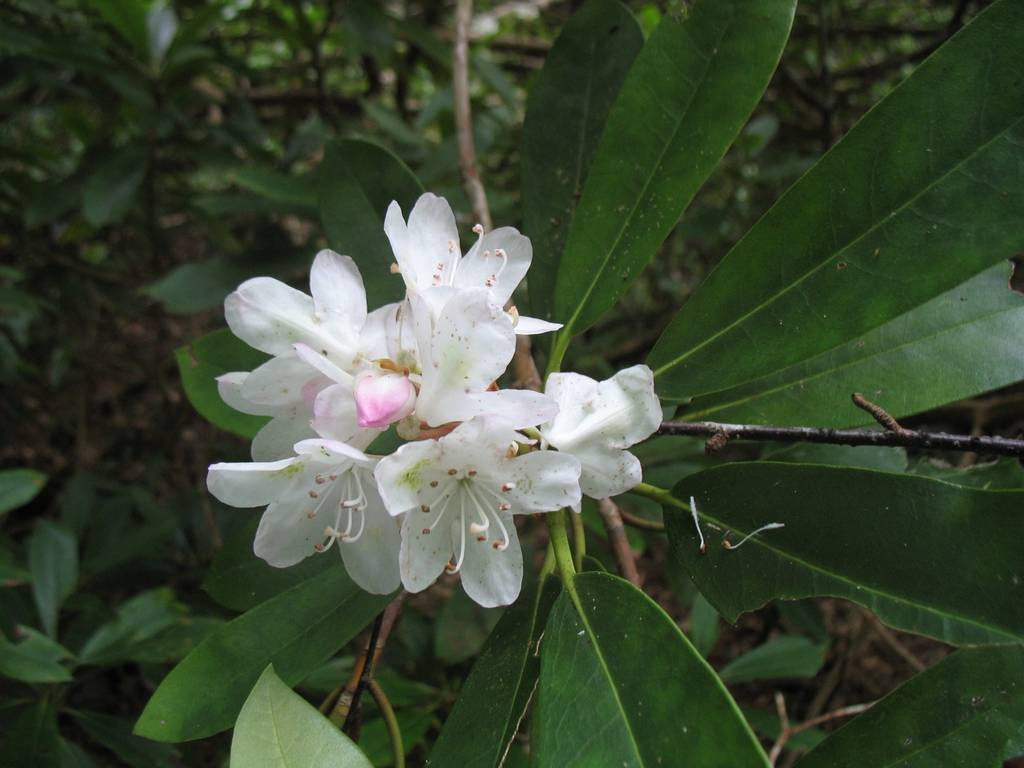
- Rosebay RhododendronRhododendron maximum
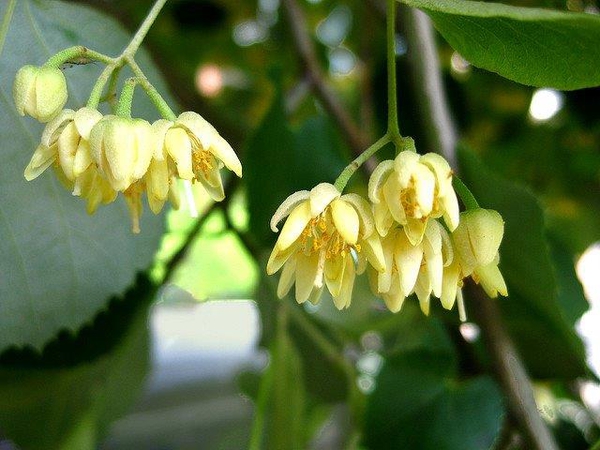
- American BasswoodTilia americana
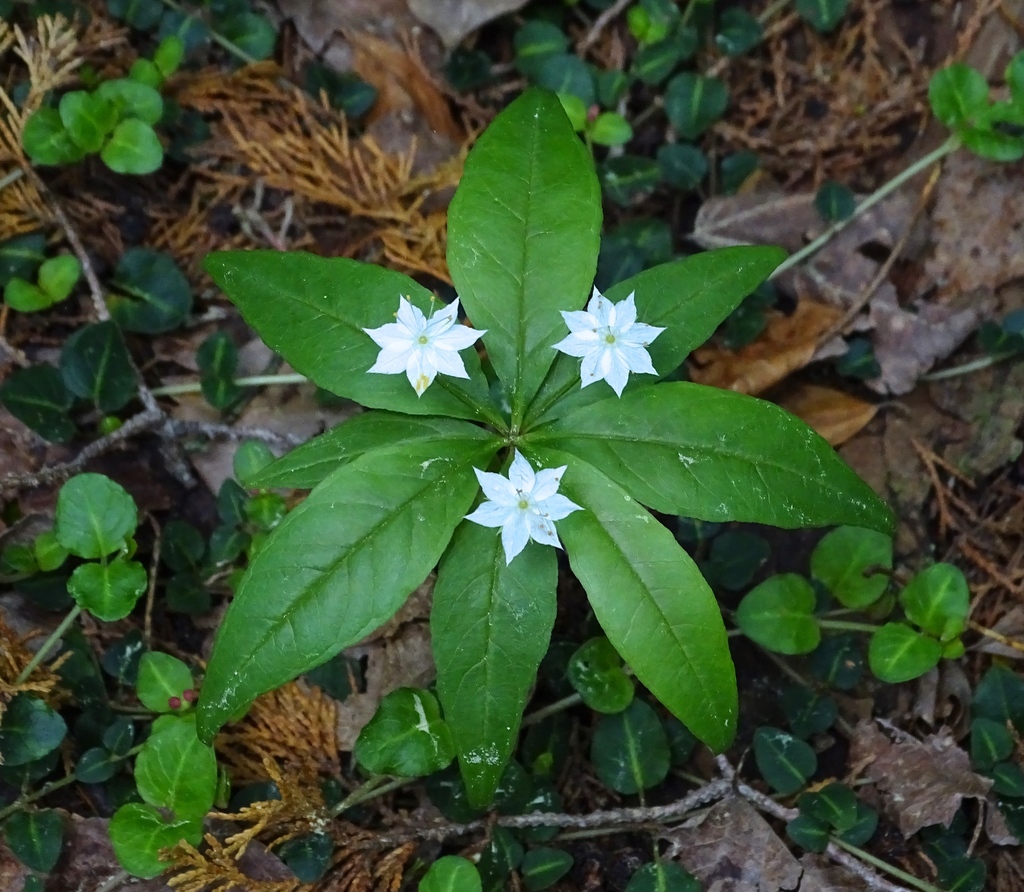
- StarflowerTrientalis borealis
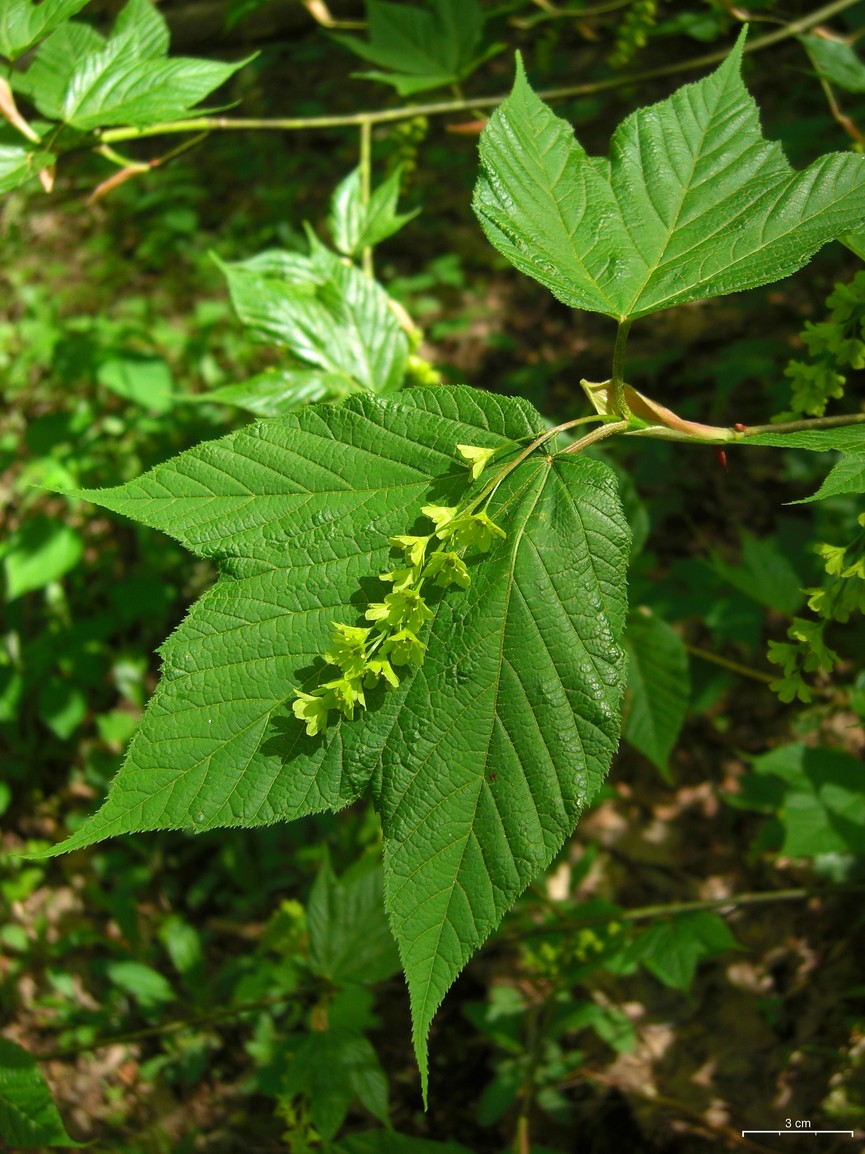
- Striped MapleAcer pensylvanicum
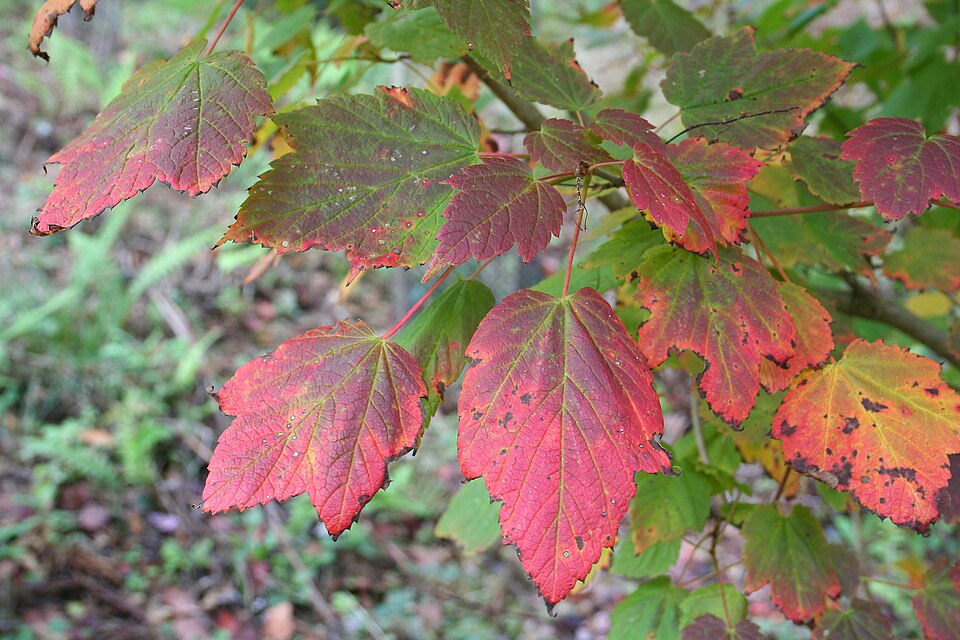
- Mountain MapleAcer spicatum
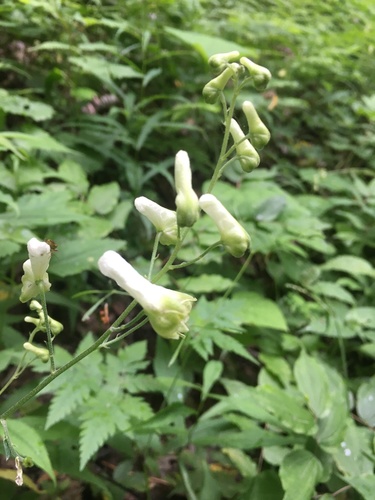
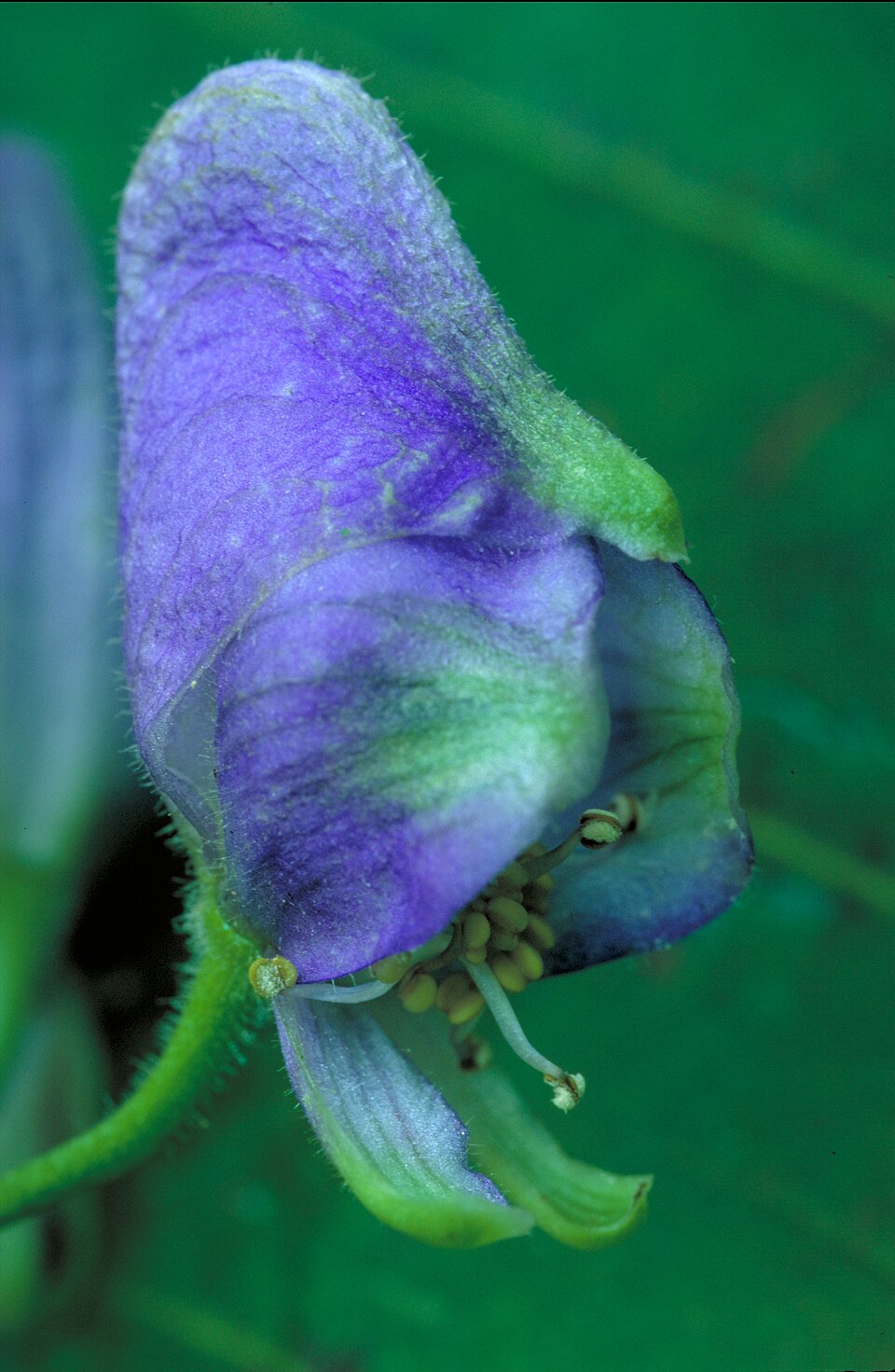
- White MonkshoodAconitum reclinatum
- Southern Blue MonkshoodAconitum uncinatum
- American Hog-peanutAmphicarpaea bracteata
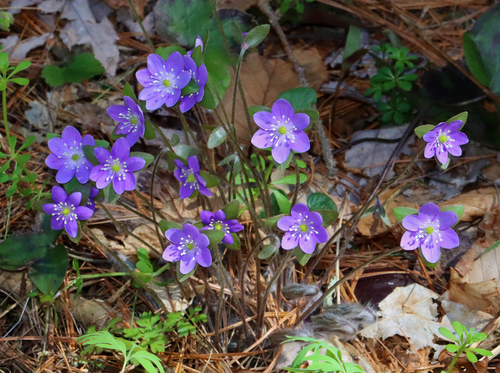
- Sharp-lobed HepaticaAnemone acutiloba
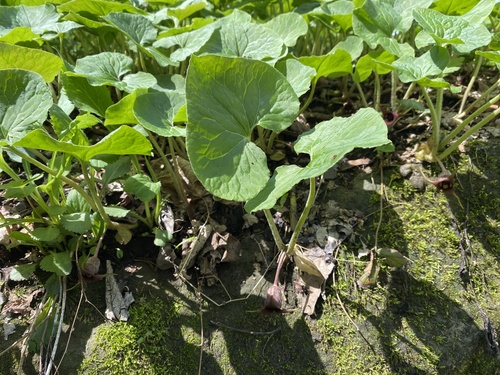
- Canada Wild-gingerAsarum canadense
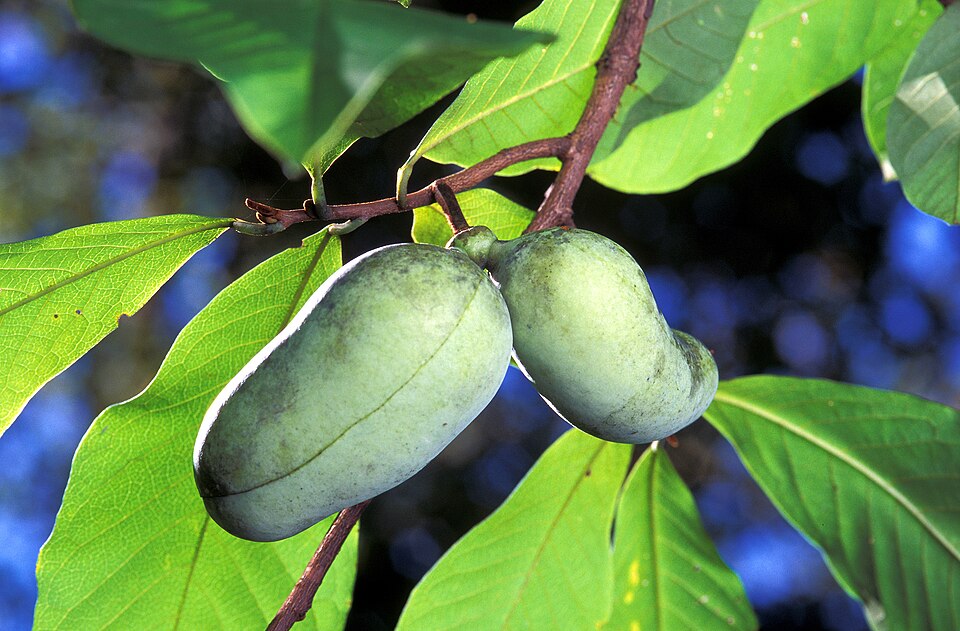
- Common PawpawAsimina triloba
- Yellow BirchBetula alleghaniensis
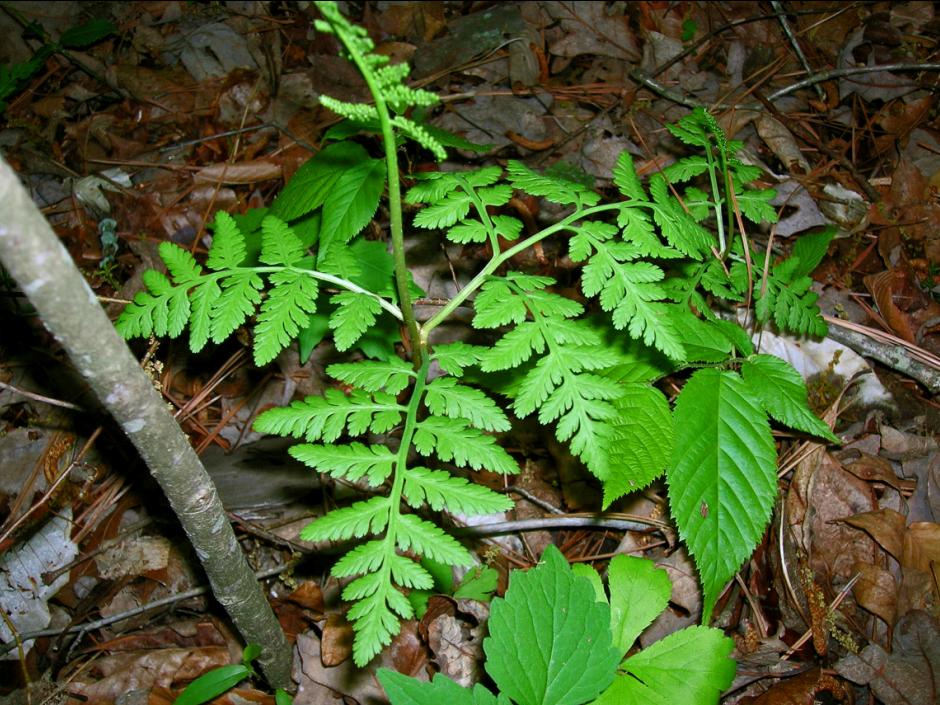
- Bluntlobe GrapefernBotrychium oneidense
- Rattlesnake FernBotrychium virginianum
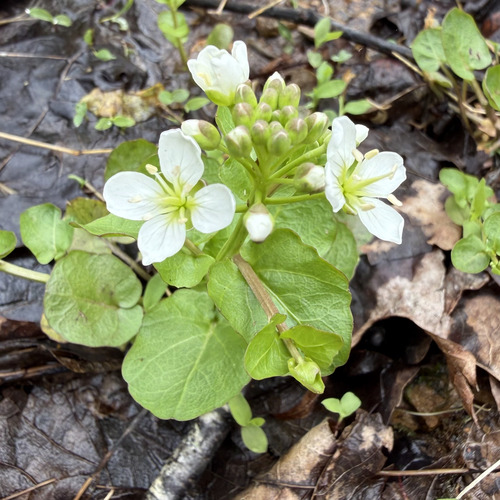
- American BittercressCardamine rotundifolia
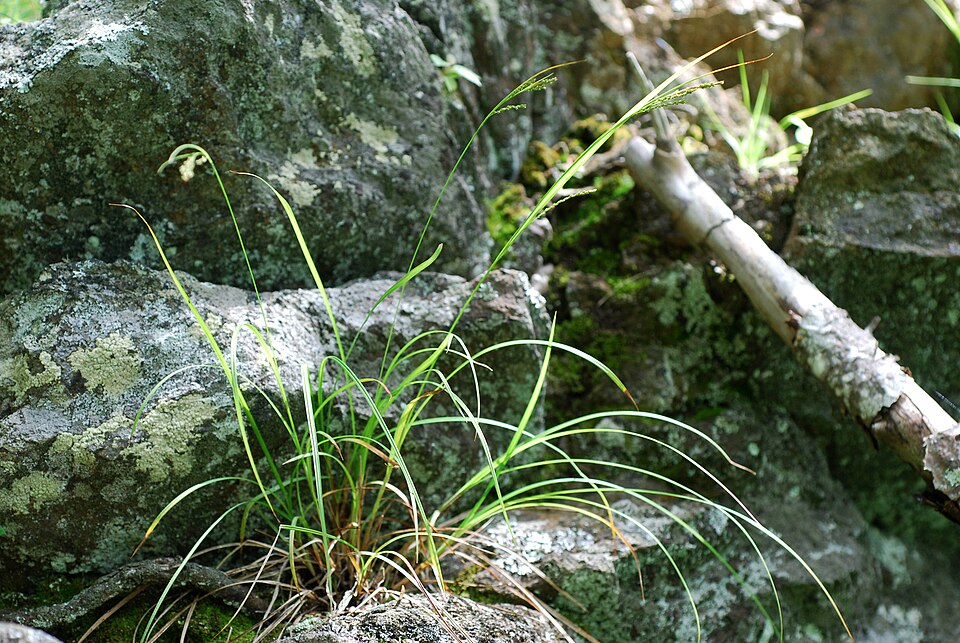
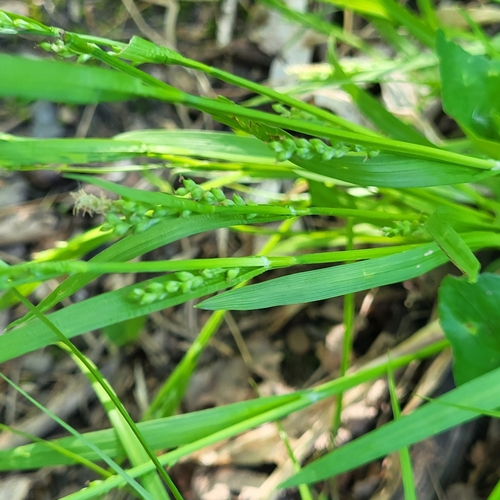
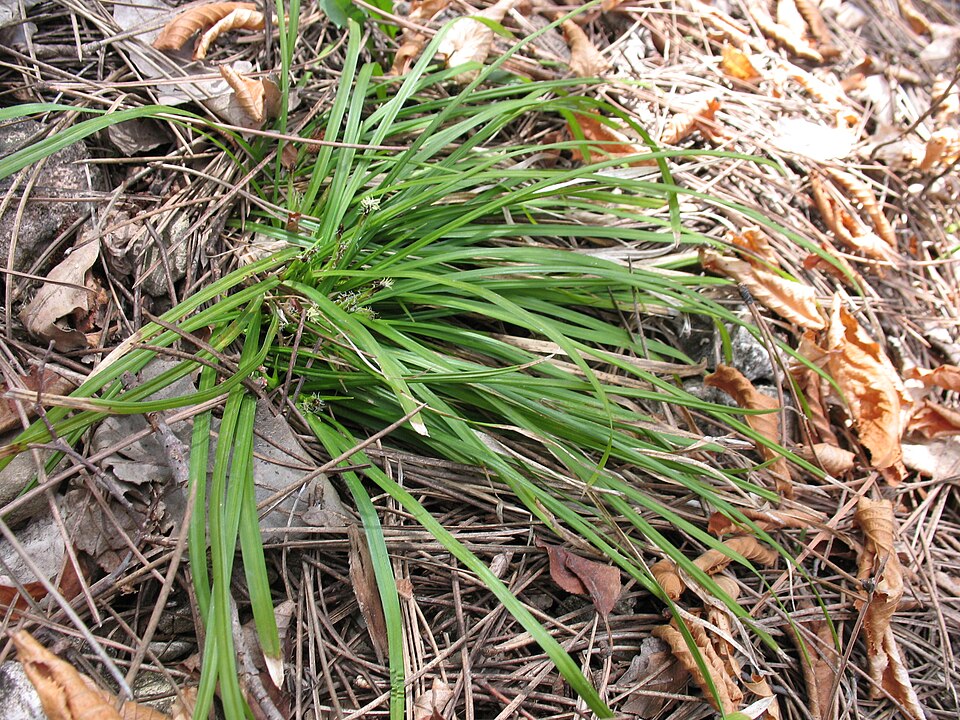
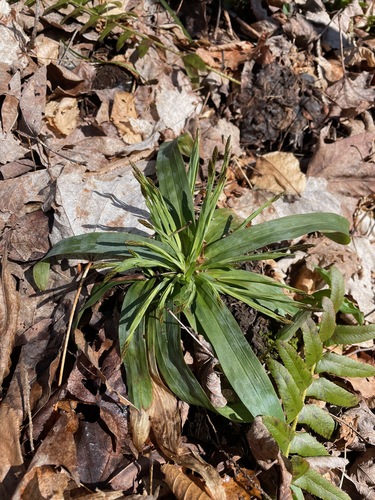
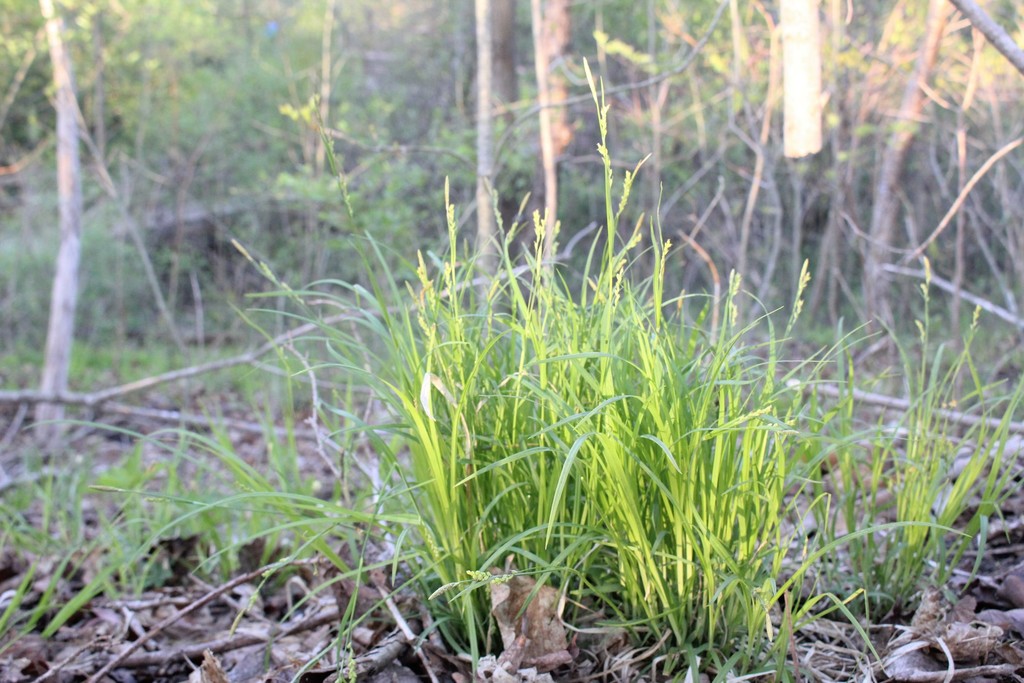
- Summer SedgeCarex aestivalis
- Nerveless Woodland SedgeCarex leptonervia
- Longstalk SedgeCarex pedunculata
- Broadleaf SedgeCarex platyphylla
- Pretty SedgeCarex woodii
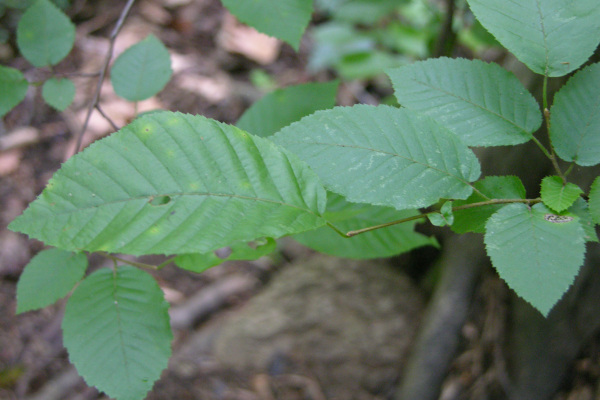
- American HornbeamCarpinus caroliniana
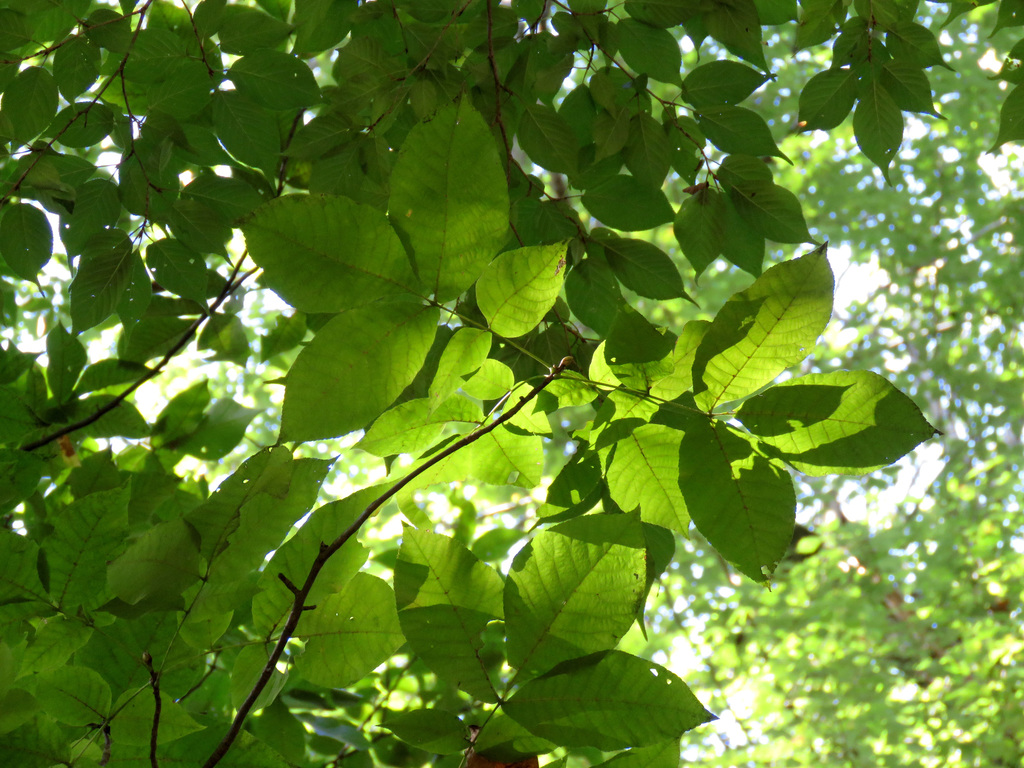
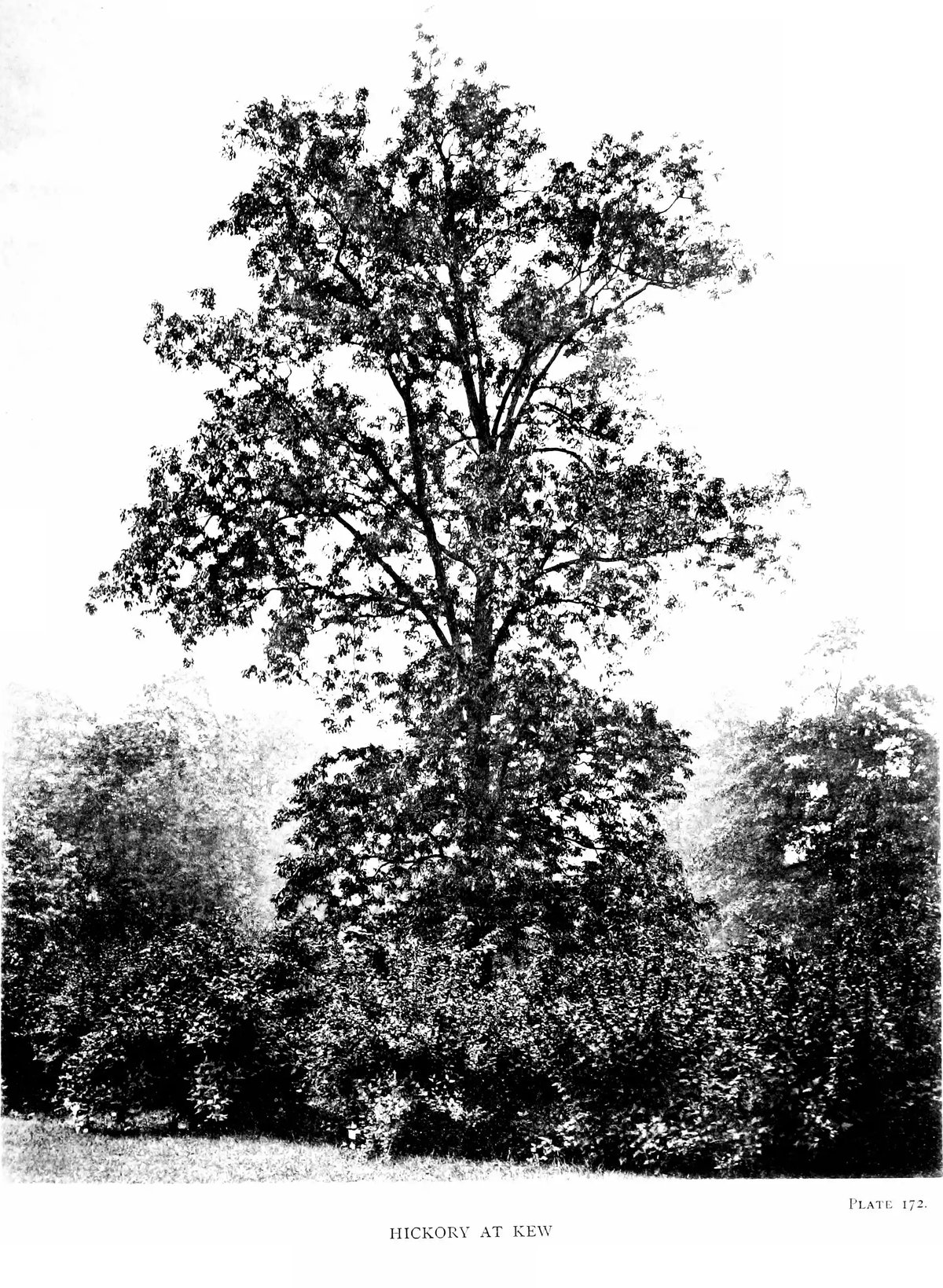
- Pignut HickoryCarya glabra
- Red HickoryCarya ovalis
- Shagbark HickoryCarya ovata
Wildlife 197
Other animals whose habitat models include the same habitats in West Virginia. Not sighting records.
- Alder FlycatcherEmpidonax alnorum
- American CrowCorvus brachyrhynchos
- American GoldfinchCarduelis tristis
- American RobinTurdus migratorius
- Baltimore OrioleIcterus galbula
- Black VultureCoragyps atratus
- Black-billed CuckooCoccyzus erythropthalmus
- Blue GrosbeakPasserina caerulea
- Blue-gray GnatcatcherPolioptila caerulea
- Carolina WrenThryothorus ludovicianus
- Cedar WaxwingBombycilla cedrorum
- Chimney SwiftChaetura pelagica
- Chipping SparrowSpizella passerina
- Common GrackleQuiscalus quiscula
- Common NighthawkChordeiles minor
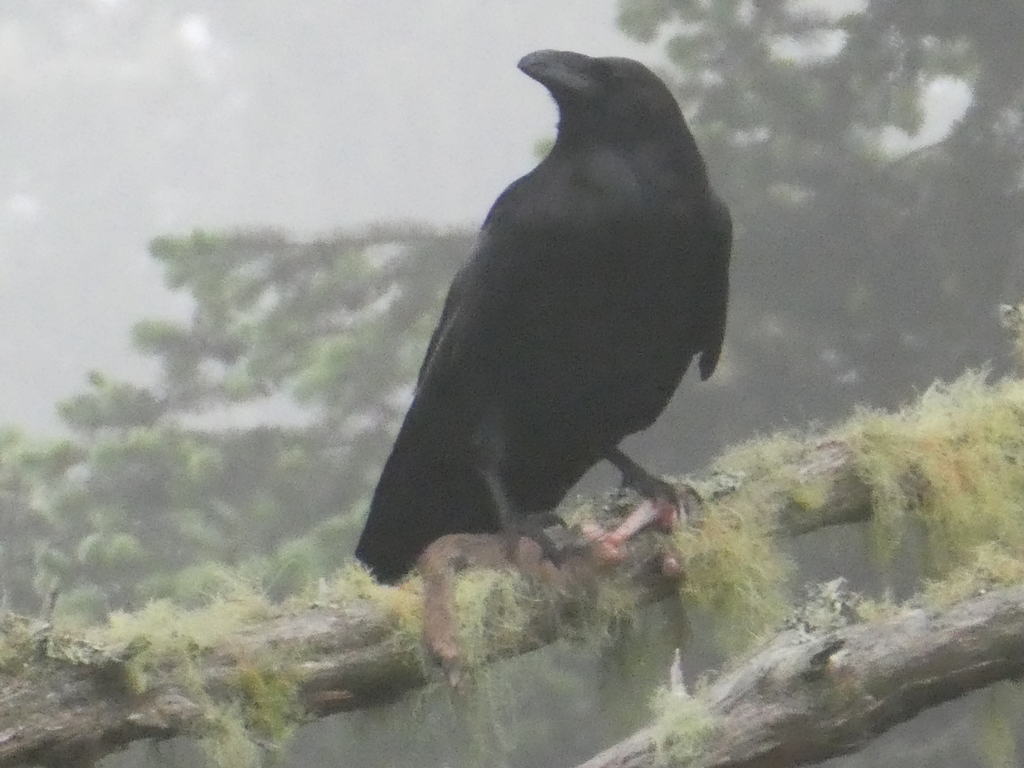
- Common RavenCorvus corax
- Common YellowthroatGeothlypis trichas
- Cooper's HawkAccipiter cooperii
- Dark-eyed JuncoJunco hyemalis
- Eastern KingbirdTyrannus tyrannus
- Eastern TowheePipilo erythrophthalmus
- European StarlingSturnus vulgaris
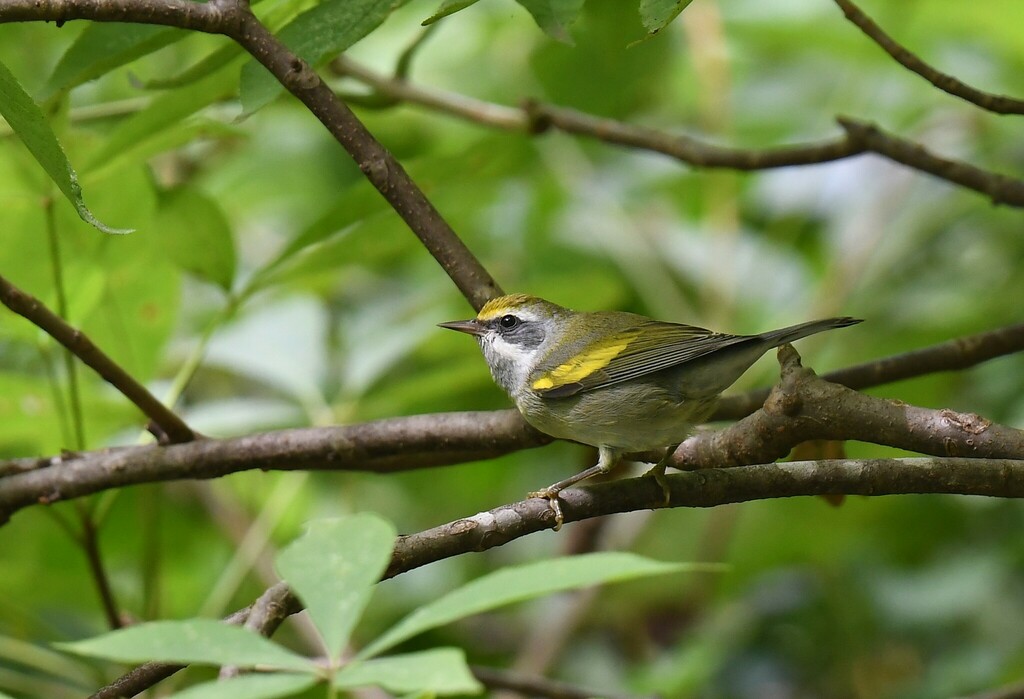
- Golden-winged WarblerVermivora chrysoptera
- Great Crested FlycatcherMyiarchus crinitus
























NatureServe Explorer, CC BY 4.0. USGS Gap Analysis Project habitat models.
Sources
- USGS Gap Analysis Project habitat models (2001)
- USGS GAP year-round habitat model for Red-shouldered Hawk
- USGS Gap Analysis Project range maps (2001), modeled by watershed; migratory gives no dates
- NatureServe Explorer (CC BY 4.0), habitat names
- US Census TIGER/Line counties
- Names follow the USGS Gap Analysis Project (2001)