

Bird
Red Crossbill
Loxia curvirostra
Lives in West Virginia all year and nests here. Found in all 55 counties, across 4 habitats.
- Here
- All year
- Nesting
- Nests here
- Range
- All 55 counties
- Habitats
- 4
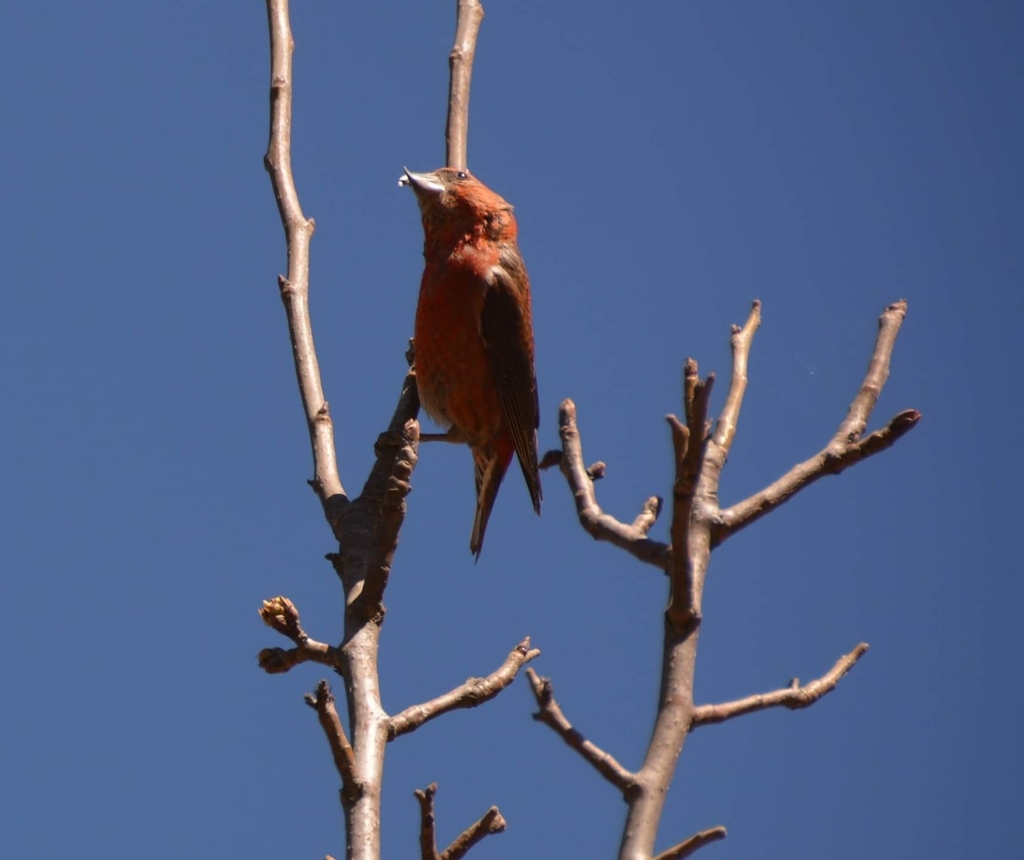
At a glance
- Group
- Birds
- Here
- All year
- Nesting
- Nests here
- Range
- All 55 counties
- Habitats
- 4
- Habitat models
- Summer, Winter
Where it lives
The places its habitat model includes. It is not found everywhere a habitat occurs.
Habitats in West Virginia 4
Each habitat page lists the plants and wildlife also found there.
Forests and open woodlands on dry ridges and slopes, often oak or pine.
Roadsides, fields and disturbed ground
Ground opened by people: roadsides, old fields, pastures, fencerows and lots.
Cool, evergreen forests of red spruce and Fraser fir on the highest mountains.
Tree plantations and managed pine
Planted or intensively managed stands of pine or hardwoods grown for timber; a land use rather than a natural community.
Other habitats in its models (9)
Land cover, or classes with no habitat page in West Virginia. Those recorded in West Virginia first, the rest by region.
Elsewhere in the South (1)
- Southern Appalachian Low Mountain Pine Forest Summer and winter.
Land cover and other classes (8)
- Allegheny-Cumberland Dry Oak Forest and Woodland - Pine Modifier Summer and winter.
- Developed, Low Intensity Winter.
- East Gulf Coastal Plain Northern Dry Upland Hardwood Forest - Offsite Pine Modifier Summer and winter.
- Northeastern Interior Dry Oak Forest - Mixed Modifier Summer and winter.
- Northeastern Interior Dry Oak Forest - Virginia/Pitch Pine Modifier Summer and winter.
- Southern Piedmont Dry Oak-(Pine) Forest - Mixed Modifier Summer and winter.
- Southern Piedmont Dry Oak-Heath Forest - Mixed Modifier Summer and winter.
- Southern Ridge and Valley Dry Calcareous Forest - Pine modifier Summer and winter.
Seasons in West Virginia
- Year-round: nests here, in 8 of 55 counties.
- Winter: does not nest here, in all 55 counties.
Also found in this habitat
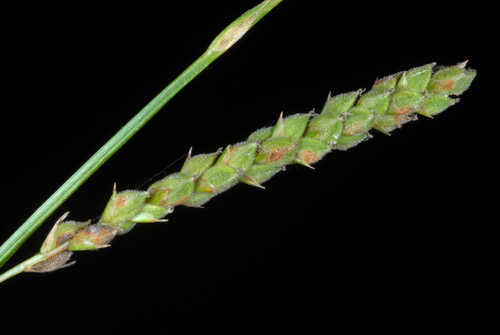
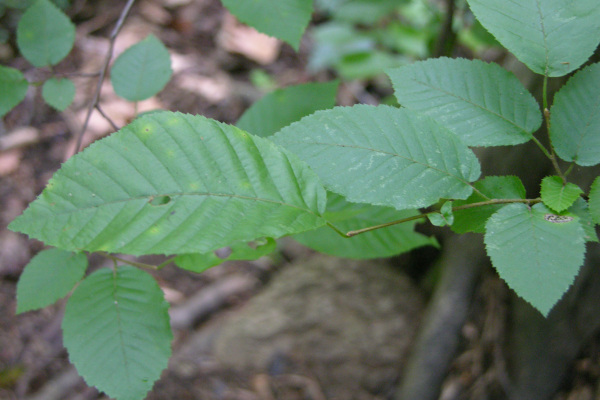
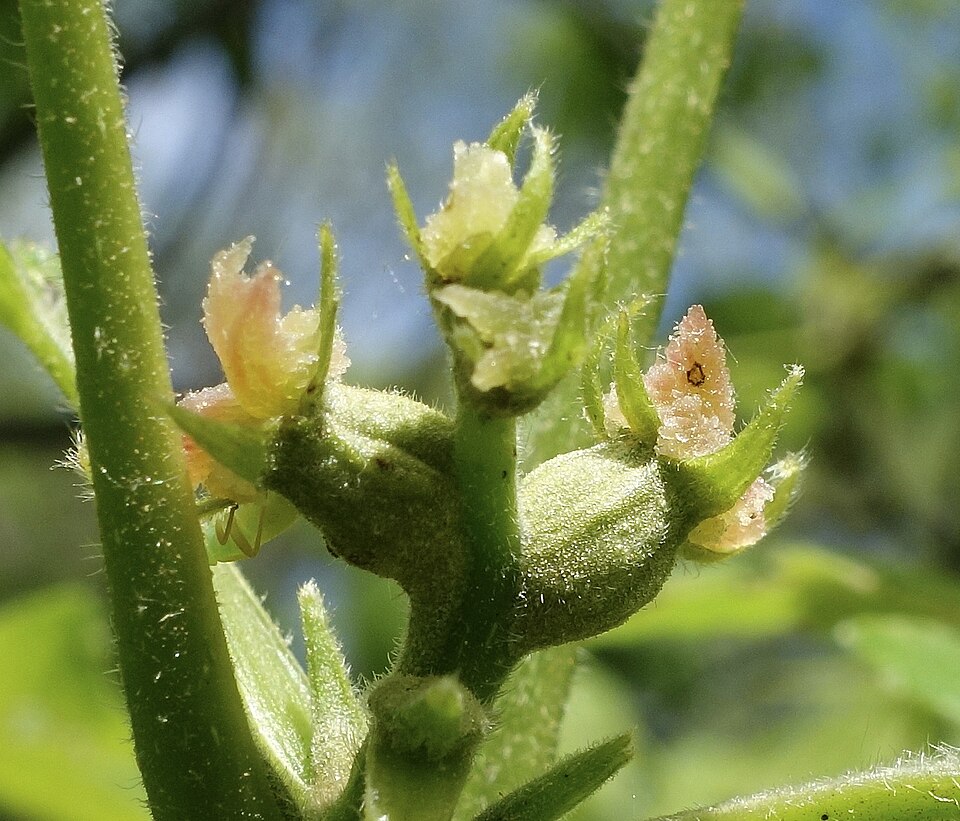
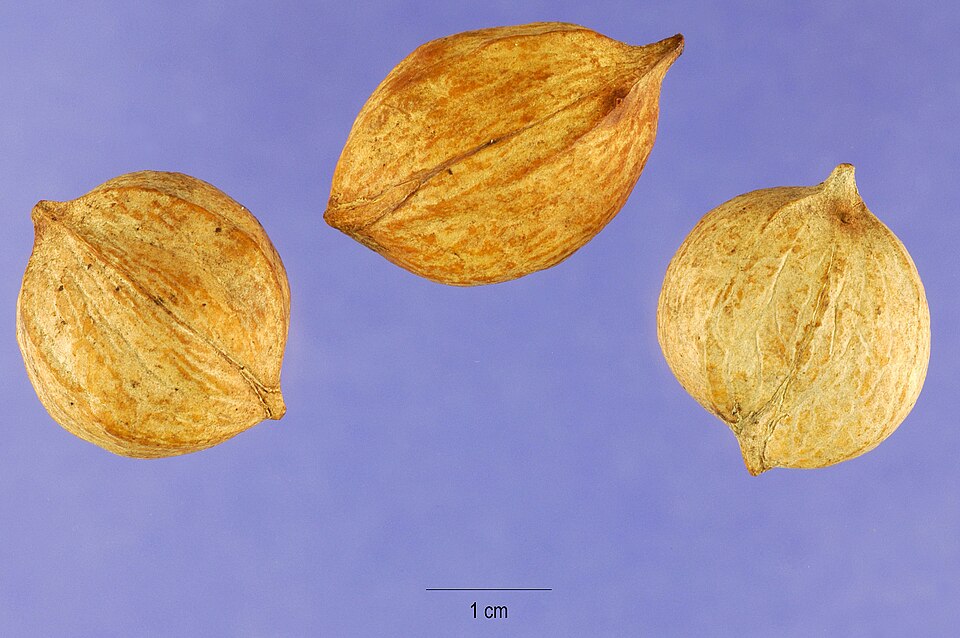
Plants 228
Plants named in NatureServe descriptions of these habitats that grow in West Virginia. Shared habitat, not food.
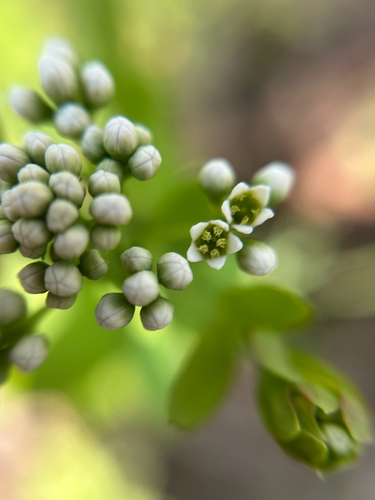
- Shale Barren Rock CressBorodinia serotina
- Bluntlobe GrapefernBotrychium oneidense
- Northern ShorthuskBrachyelytrum aristosum
- Bluejoint ReedgrassCalamagrostis canadensis
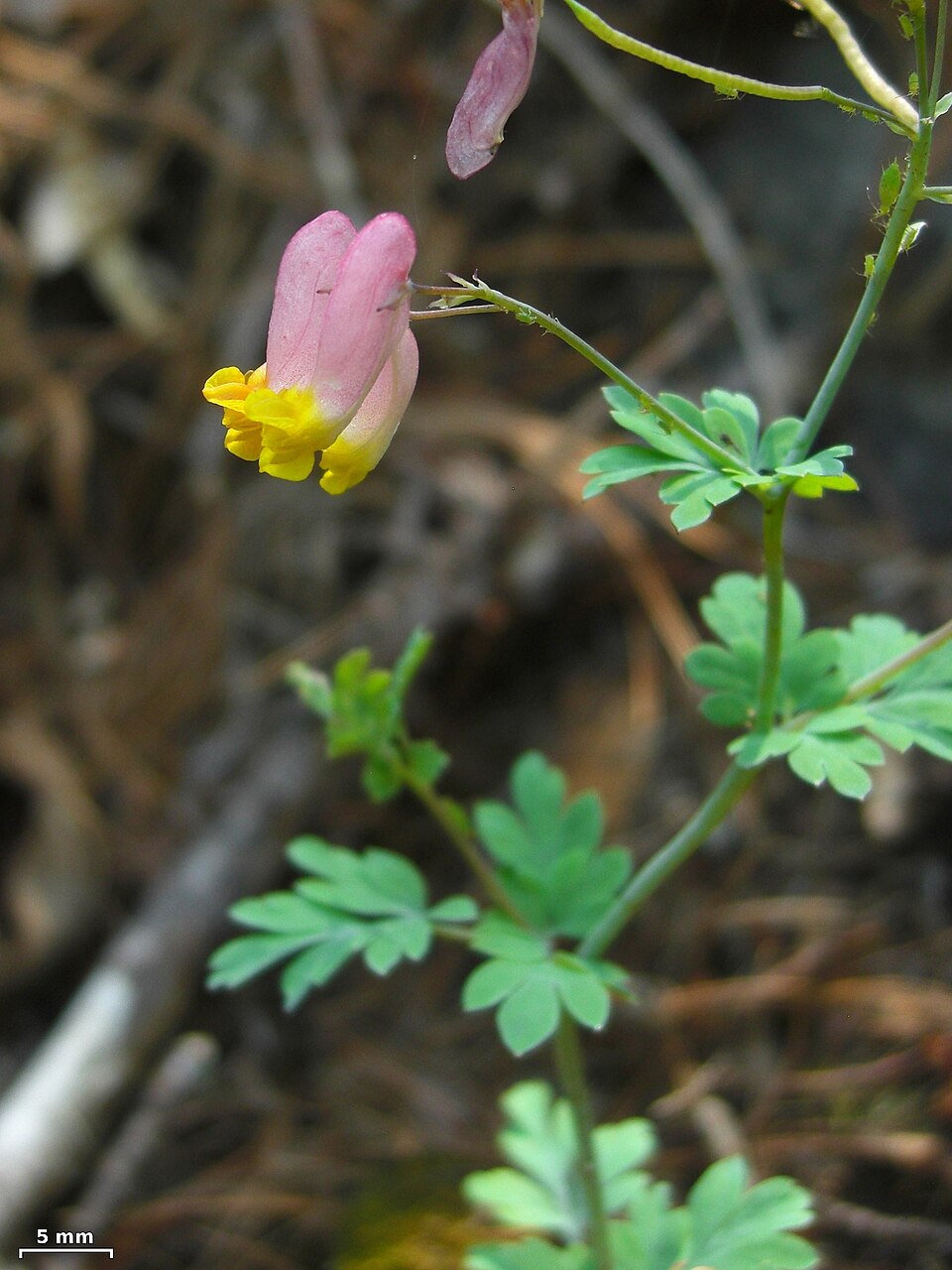
- Rock HarlequinCapnoides sempervirens
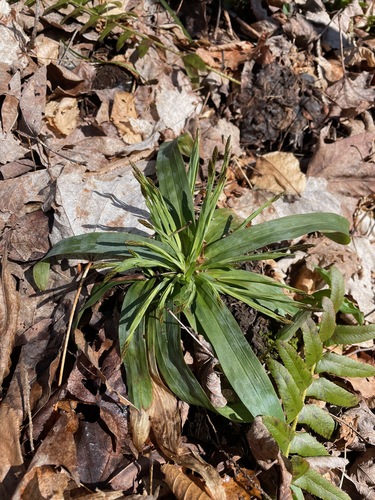
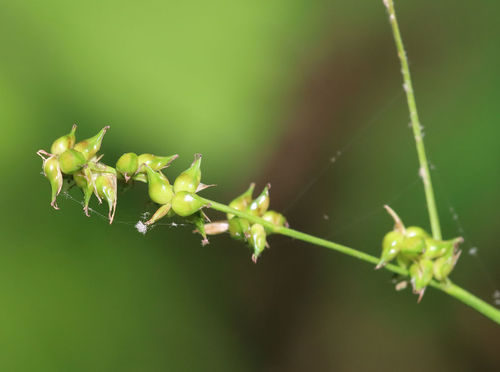
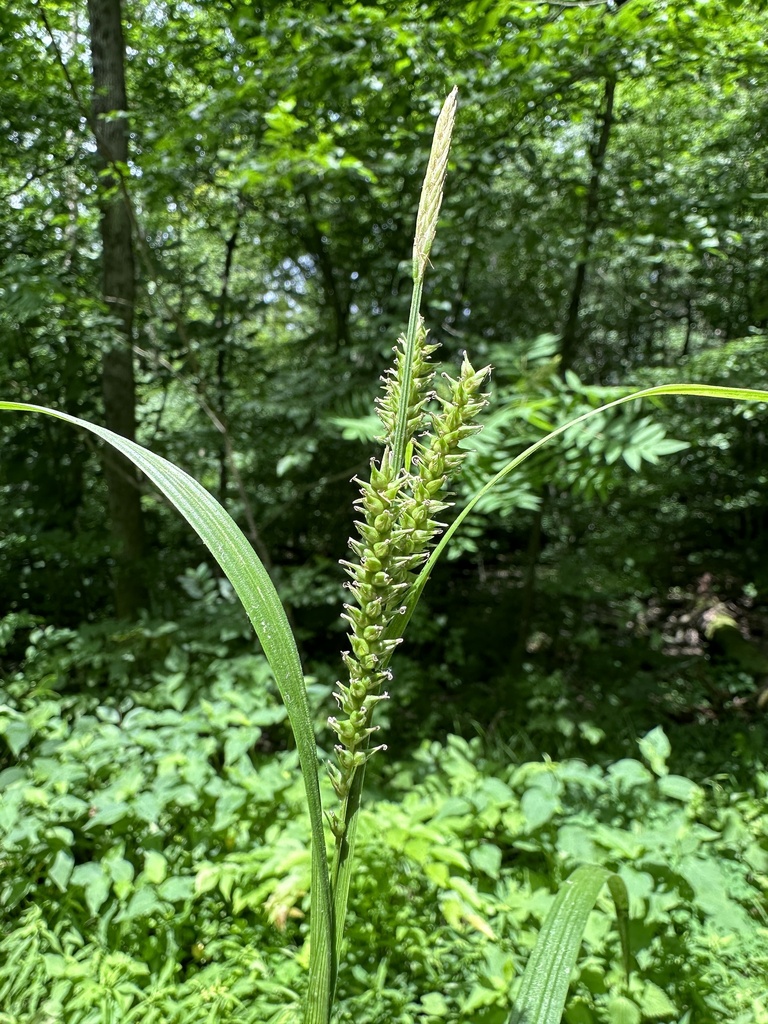
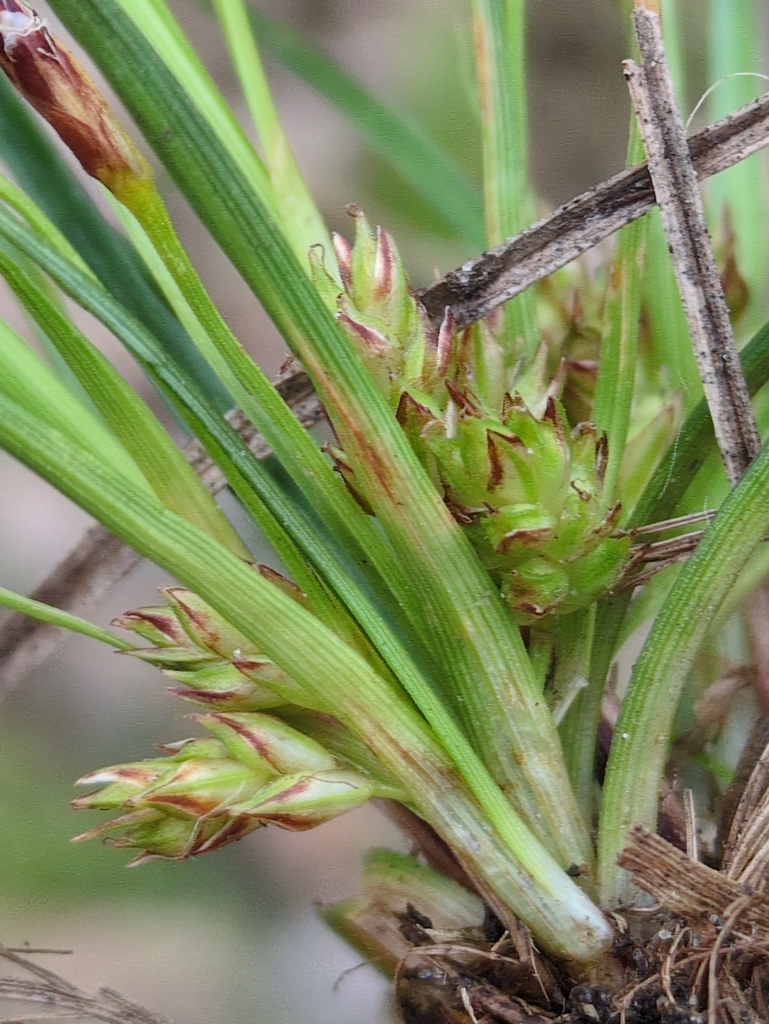
- Summer SedgeCarex aestivalis
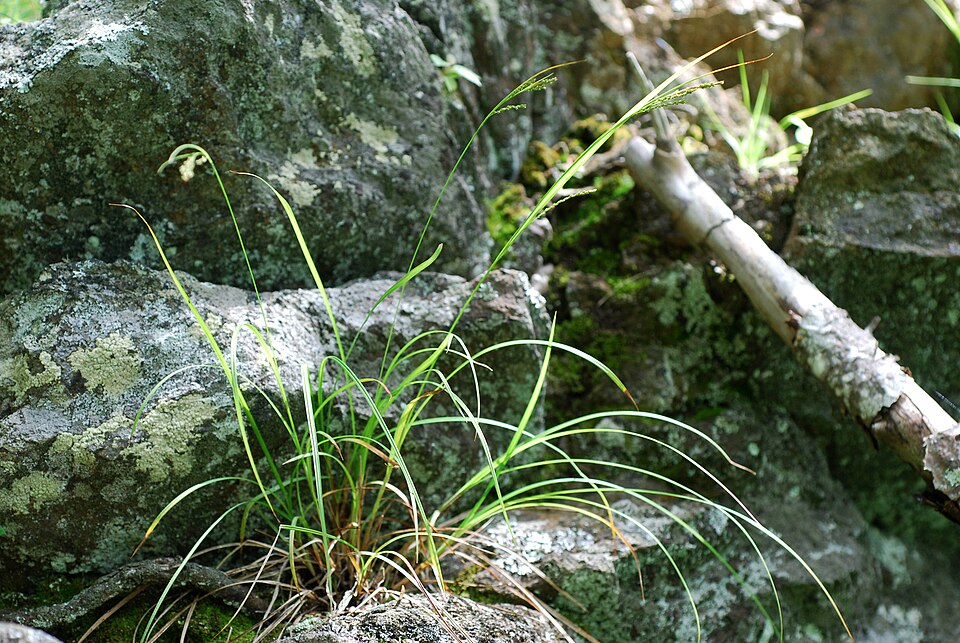
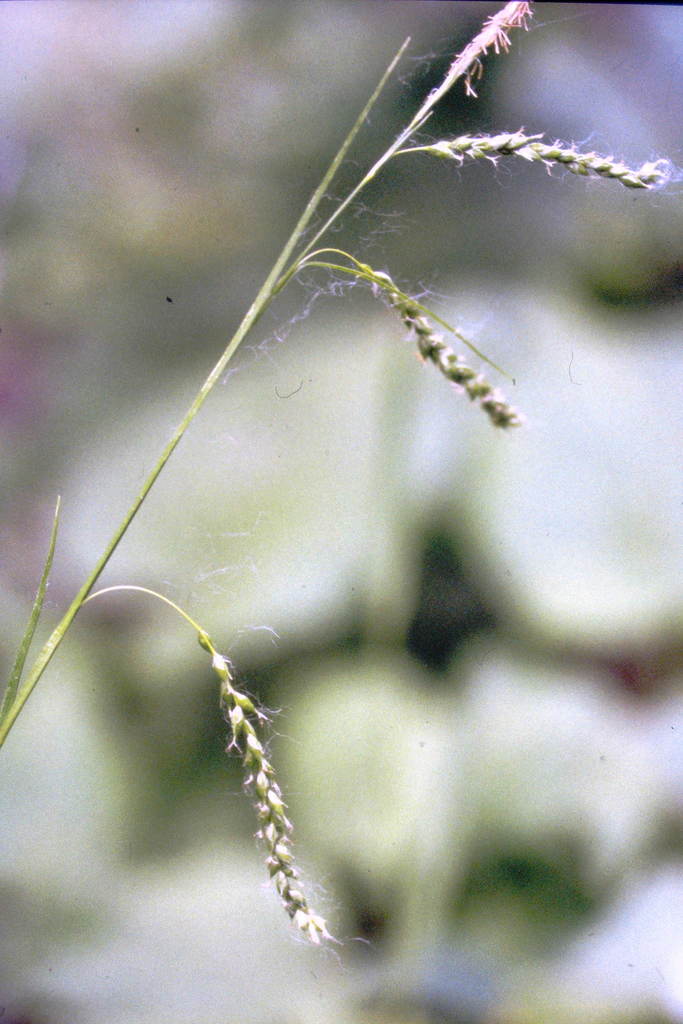
- Drooping Woodland SedgeCarex arctata
- Flexuous White-edge SedgeCarex debilis var. rudgei
- Broadleaf SedgeCarex platyphylla
- Necklace SedgeCarex projecta
- Rosy SedgeCarex rosea
- Eastern Rough SedgeCarex scabrata
- Parasol SedgeCarex umbellata
- Ribbed SedgeCarex virescens
- American HornbeamCarpinus caroliniana
- Shagbark HickoryCarya ovata
- Mockernut HickoryCarya tomentosa
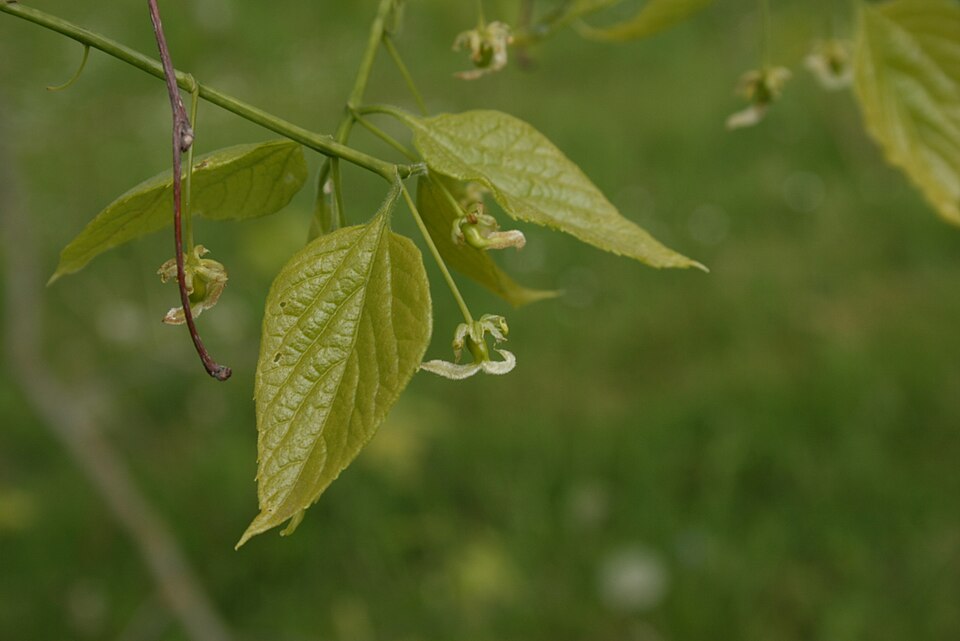
- Common HackberryCeltis occidentalis
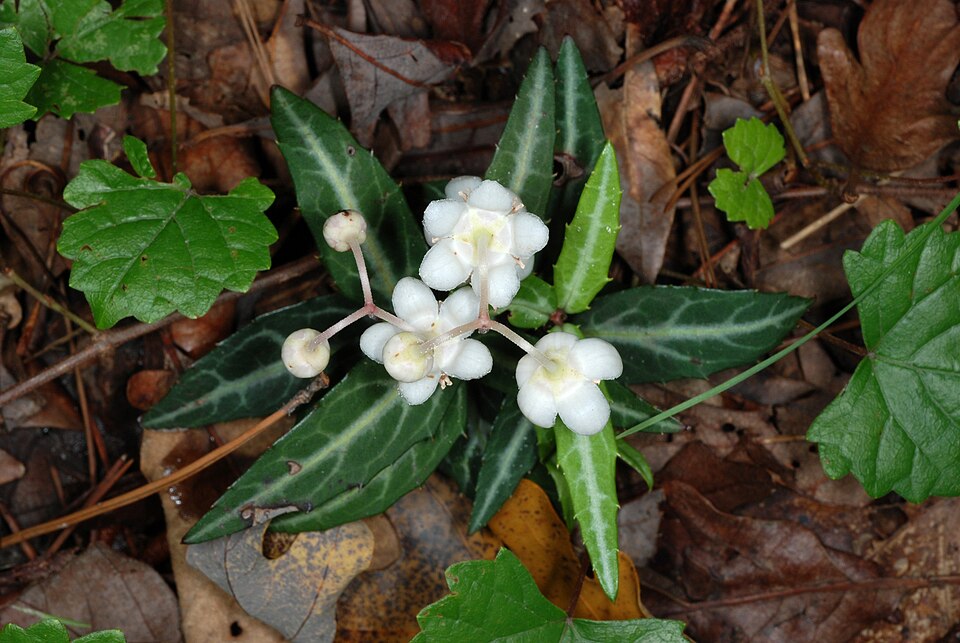
- Spotted WintergreenChimaphila maculata
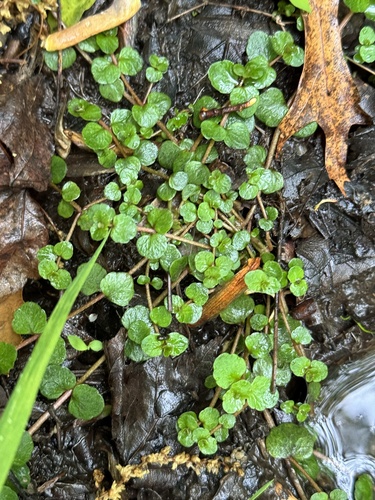
- American Golden-saxifrageChrysosplenium americanum
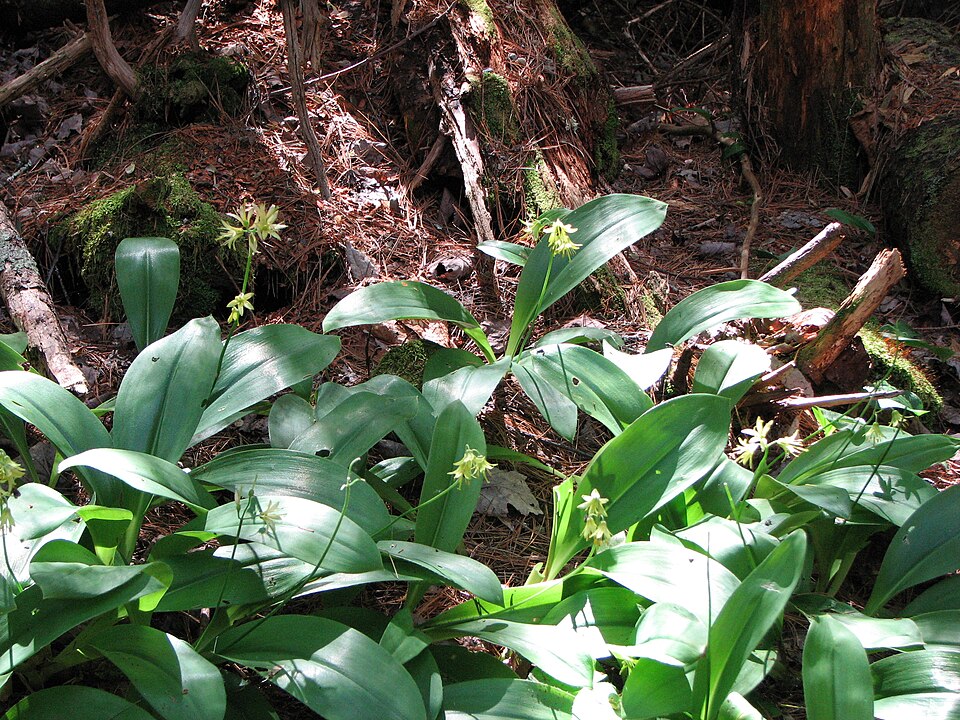
- Bluebead-lilyClintonia borealis
- Bastard ToadflaxComandra umbellata
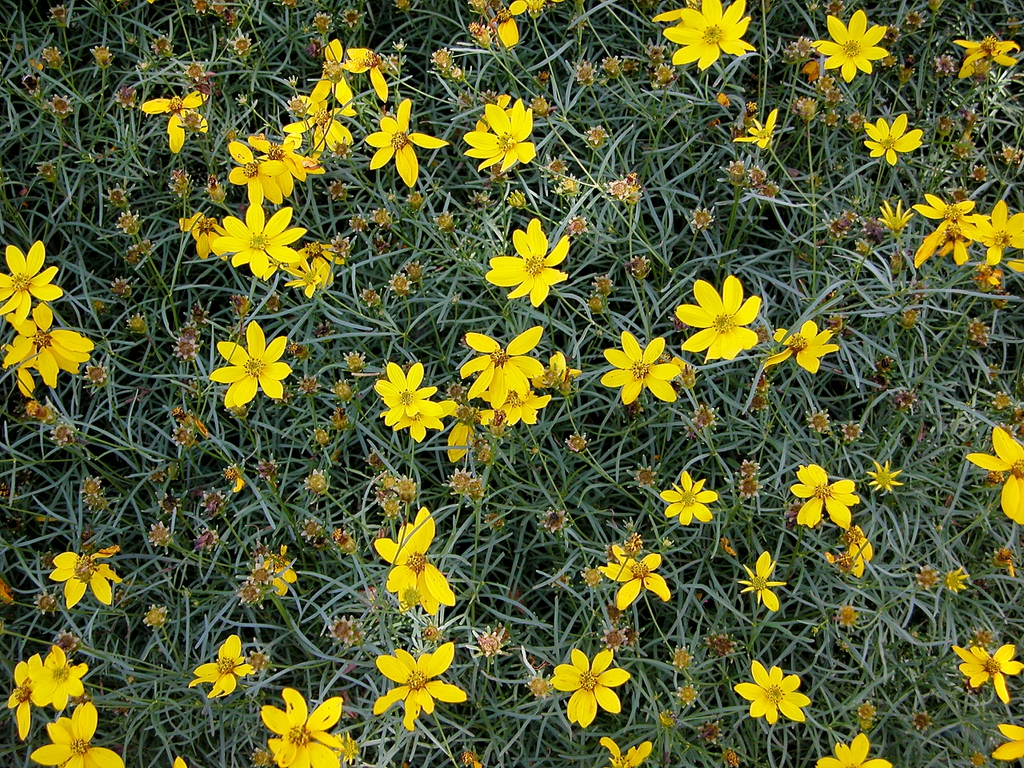
- Whorled TickseedCoreopsis verticillata
Wildlife 177
Other animals whose habitat models include the same habitats in West Virginia. Not sighting records.
- American CrowCorvus brachyrhynchos
- American GoldfinchCarduelis tristis
- American RobinTurdus migratorius
- Baltimore OrioleIcterus galbula
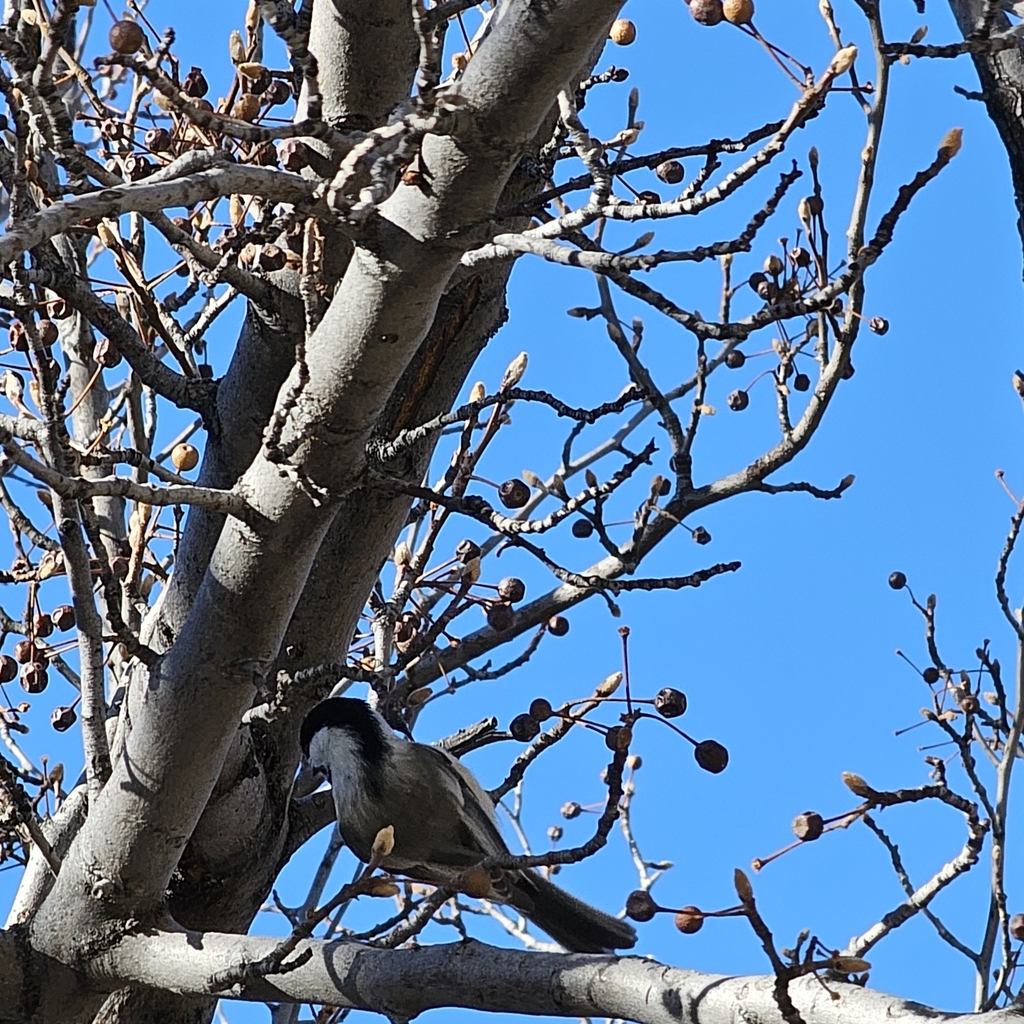
- Black-capped ChickadeePoecile atricapillus
- Brown ThrasherToxostoma rufum
- Cedar WaxwingBombycilla cedrorum
- Chipping SparrowSpizella passerina
- Common GrackleQuiscalus quiscula
- Common NighthawkChordeiles minor
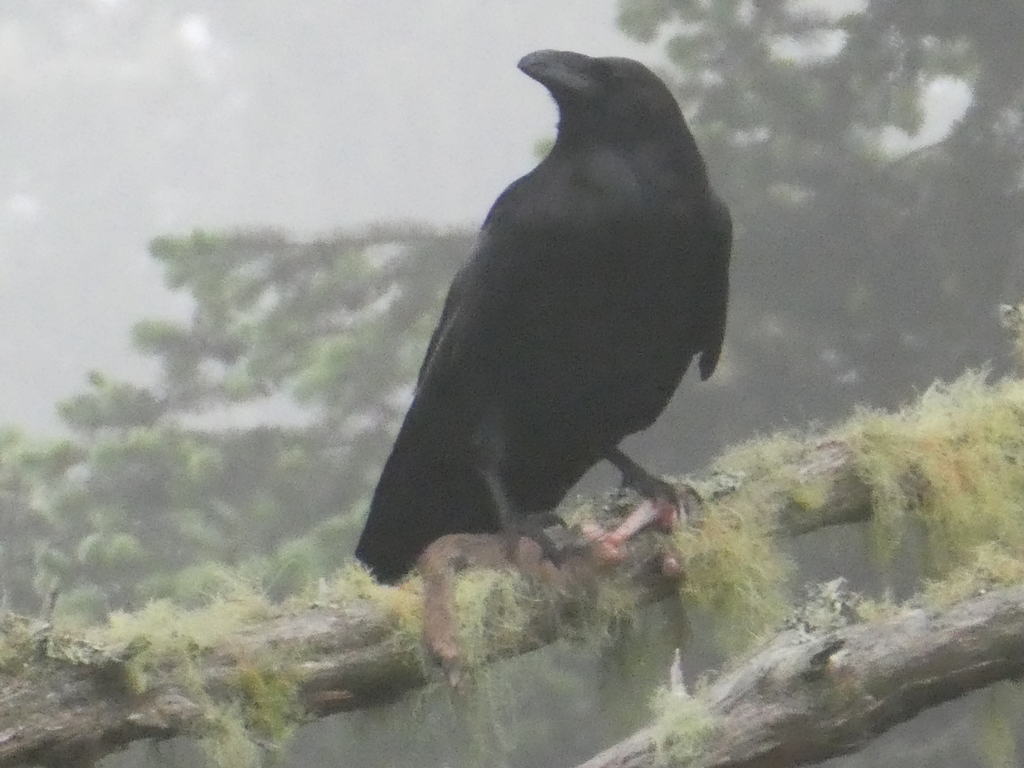
- Common RavenCorvus corax
- Cooper's HawkAccipiter cooperii
- Dark-eyed JuncoJunco hyemalis
- Eastern TowheePipilo erythrophthalmus
- European StarlingSturnus vulgaris
- Great Crested FlycatcherMyiarchus crinitus
- Great Horned OwlBubo virginianus
- Northern CardinalCardinalis cardinalis
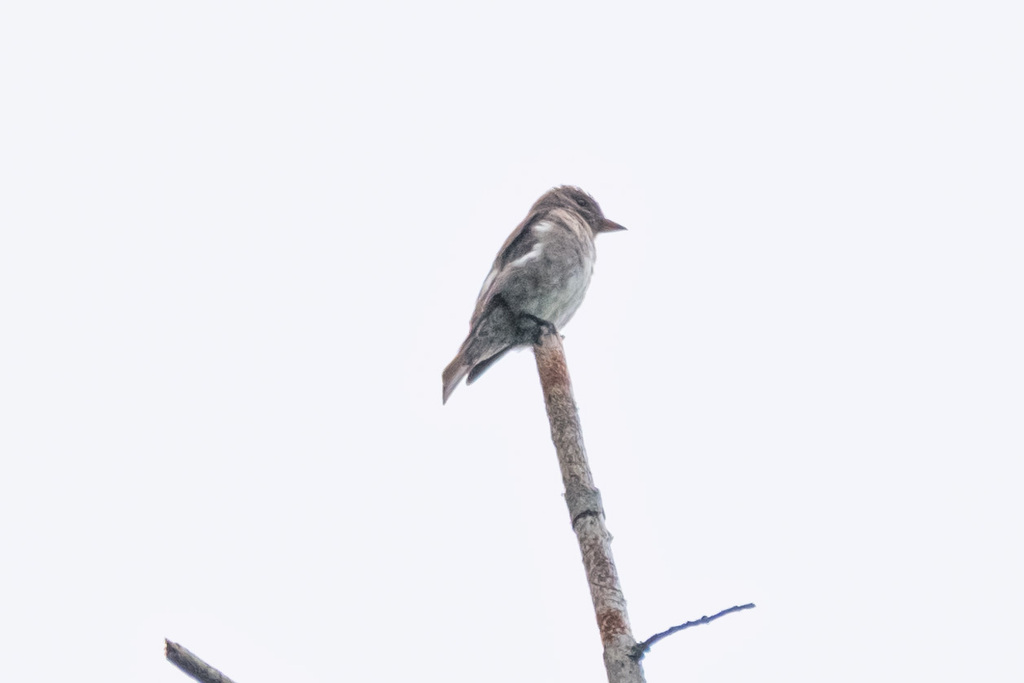
- Olive-sided FlycatcherContopus cooperi
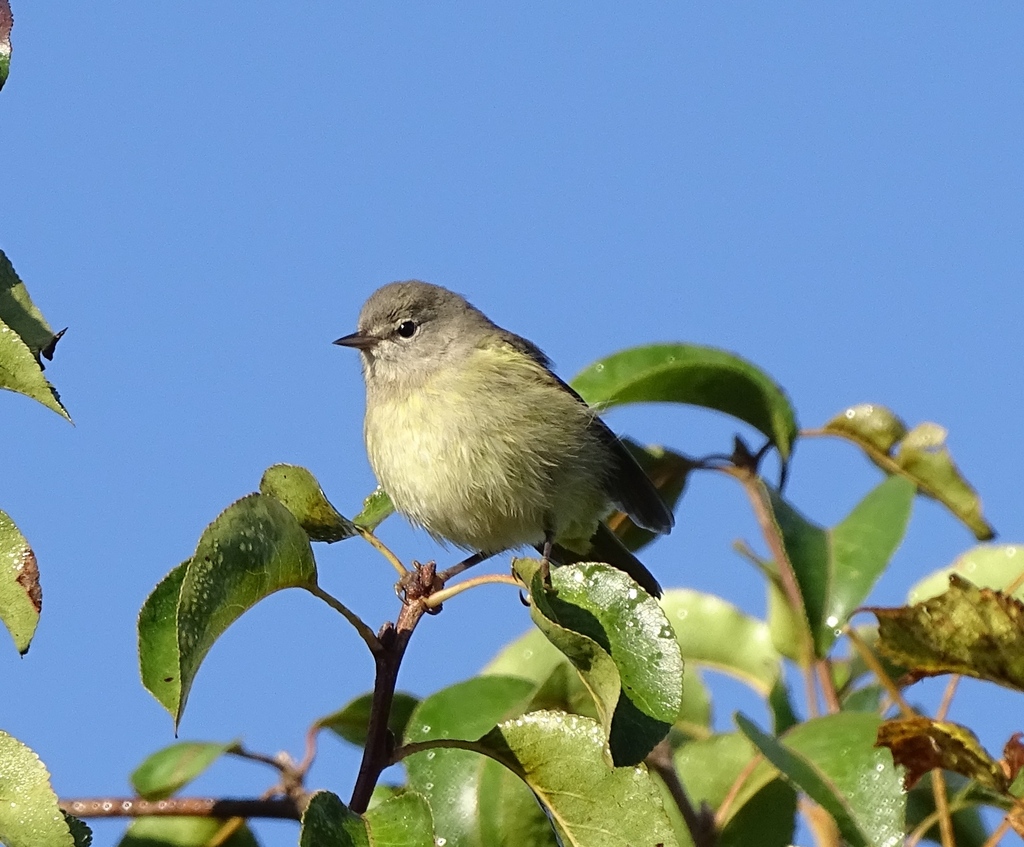
- Orange-crowned WarblerVermivora celata
- Pileated WoodpeckerDryocopus pileatus
- Pine SiskinCarduelis pinus
- Purple FinchCarpodacus purpureus
- Red-tailed HawkButeo jamaicensis




















NatureServe Explorer, CC BY 4.0. USGS Gap Analysis Project habitat models.
Sources
- USGS Gap Analysis Project habitat models (2001)
- USGS GAP winter habitat model for Red Crossbill
- USGS Gap Analysis Project range maps (2001), modeled by watershed; migratory gives no dates
- NatureServe Explorer (CC BY 4.0), habitat names
- US Census TIGER/Line counties
- Names follow the USGS Gap Analysis Project (2001)