

Bird
Field Sparrow
Spizella pusilla
Lives in West Virginia all year and nests here. Found in all 55 counties, across 4 habitats.
- Here
- All year
- Nesting
- Nests here
- Range
- All 55 counties
- Habitats
- 4
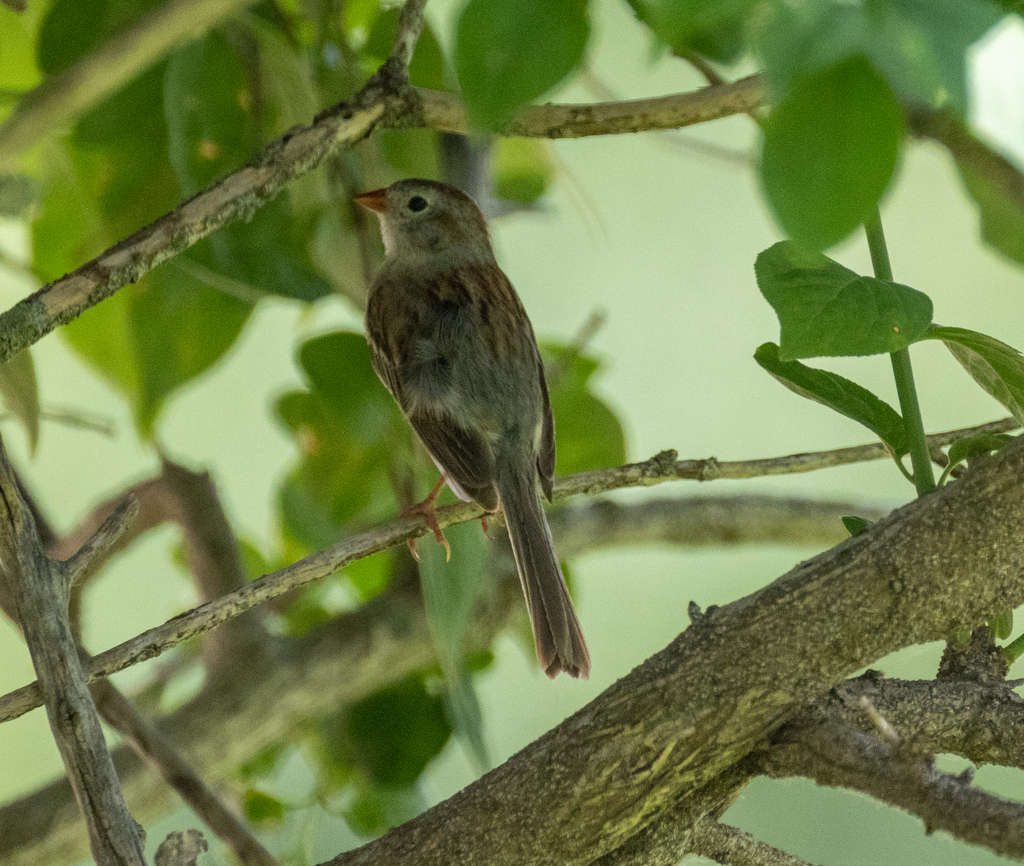
At a glance
- Group
- Birds
- Here
- All year
- Nesting
- Nests here
- Range
- All 55 counties
- Habitats
- 4
- Habitat models
- Summer, Winter
Where it lives
The places its habitat model includes. It is not found everywhere a habitat occurs.
Habitats in West Virginia 4
Each habitat page lists the plants and wildlife also found there.
Disturbed and introduced wetlands
Wet ground taken over by weedy or introduced plants after disturbance, such as common reed, Chinese tallow or tamarisk stands; the upland counterpart is roadsides, fields and disturbed ground.
Forests and open woodlands on dry ridges and slopes, often oak or pine.
Borders of forests, clearings and shrubby thickets.
Roadsides, fields and disturbed ground
Ground opened by people: roadsides, old fields, pastures, fencerows and lots.
Other habitats in its models (44)
Land cover, or classes with no habitat page in West Virginia.
- Developed, Low Intensity Winter.
- Orchards Vineyards and Other High Structure Agriculture Winter.
- Unconsolidated Shore (Lake/River/Pond) Winter.
- Unconsolidated Shore (Beach/Dune) Winter.
- Unconsolidated Shore Winter.
- Florida Panhandle Beach Vegetation Winter.
- Ridge and Valley Calcareous Valley Bottom Glade and Woodland Summer.
- East Gulf Coastal Plain Black Belt Calcareous Prairie and Woodland - Herbaceous Modifier Summer and winter.
- East Gulf Coastal Plain Black Belt Calcareous Prairie and Woodland - Woodland Modifier Summer and winter.
- East Gulf Coastal Plain Interior Upland Longleaf Pine Woodland - Offsite Hardwood Modifier Winter.
- East Gulf Coastal Plain Interior Upland Longleaf Pine Woodland - Loblolly Modifier Winter.
- East Gulf Coastal Plain Interior Upland Longleaf Pine Woodland - Open Understory Modifier Winter.
- East Gulf Coastal Plain Interior Upland Longleaf Pine Woodland - Scrub/Shrub Modifier Winter.
- Florida Peninsula Inland Scrub Winter.
- Southern Piedmont Glade and Barrens Summer.
- Nashville Basin Limestone Glade Summer.
- Cumberland Sandstone Glade and Barrens Summer.
- West Gulf Coastal Plain Catahoula Barrens Winter.
- West Gulf Coastal Plain Nepheline Syenite Glade Winter.
- Eastern Highland Rim Prairie and Barrens - Dry Modifier Summer and winter.
- Florida Dry Prairie Summer and winter.
- West Gulf Coastal Plain Northern Calcareous Prairie Winter.
- West Gulf Coastal Plain Southern Calcareous Prairie Winter.
- East Gulf Coastal Plain Jackson Prairie and Woodland Summer and winter.
- Atlantic Coastal Plain Southern Dune and Maritime Grassland Summer.
- Southwest Florida Dune and Coastal Grassland Winter.
- East Gulf Coastal Plain Dune and Coastal Grassland Summer and winter.
- Northern Atlantic Coastal Plain Dune and Swale Summer.
- Recently Logged Areas Summer and winter.
- Harvested Forest - Grass/Forb Regeneration Summer and winter.
- Recently Burned Summer and winter.
- Recently Burned Forest Summer and winter.
- Recently Burned Grassland Summer and winter.
- Recently Burned Shrubland Summer and winter.
- Introduced Upland Vegetation - Shrub Summer and winter.
- Introduced Upland Vegetation - Forbland Summer and winter.
- Introduced Upland Vegetation - Perennial Grassland Summer and winter.
- Introduced Upland Vegetation - Perennial Grassland and Forbland Summer and winter.
- Atlantic Coastal Plain Embayed Region Tidal Freshwater Marsh Summer.
- Florida Big Bend Fresh-Oligohaline Tidal Marsh Summer.
- Atlantic Coastal Plain Northern Fresh and Oligohaline Tidal Marsh Summer.
- Atlantic Coastal Plain Central Fresh-Oligohaline Tidal Marsh Summer.
- Atlantic and Gulf Coastal Plain Interdunal Wetland Summer.
- East Gulf Coastal Plain Savanna and Wet Prairie Winter.
- The model distinguishes abandoned fields from actively planted row crops.
Seasons in West Virginia
- Year-round: nests here, in all 55 counties.
Also found in this habitat
Plants 114
Plants named in NatureServe descriptions of these habitats that grow in West Virginia. Shared habitat, not food.
- Sand CherryPrunus pumila
- Pteridium aquilinumPteridium aquilinum
- Basil Mountain-mintPycnanthemum clinopodioides
- Torrey's Mountain-mintPycnanthemum torreyi
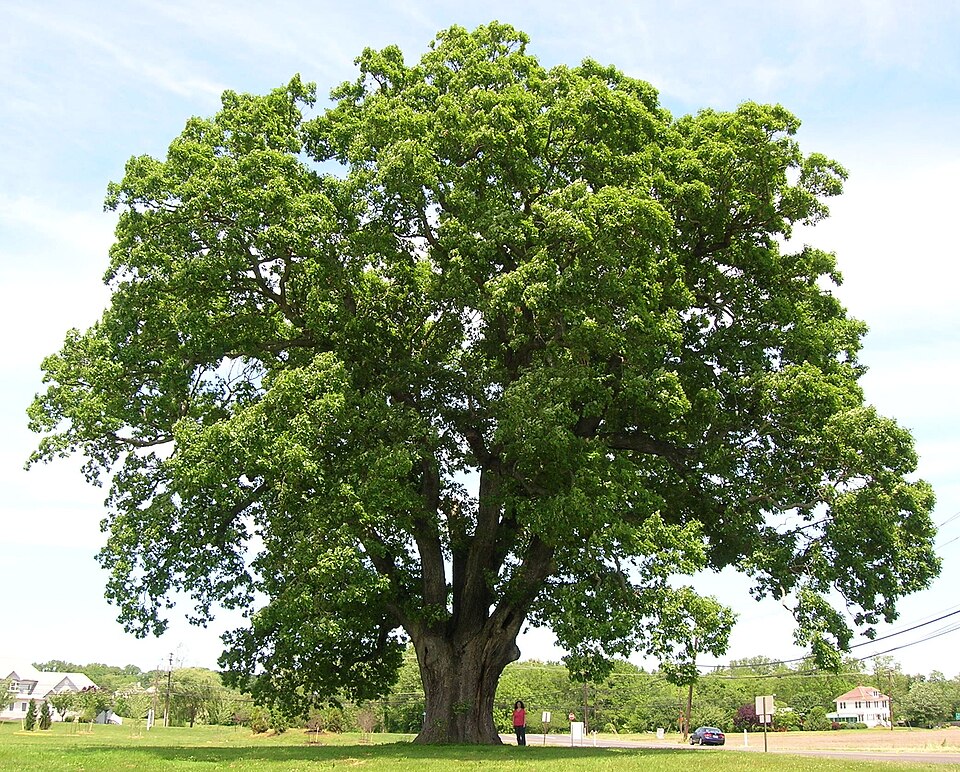
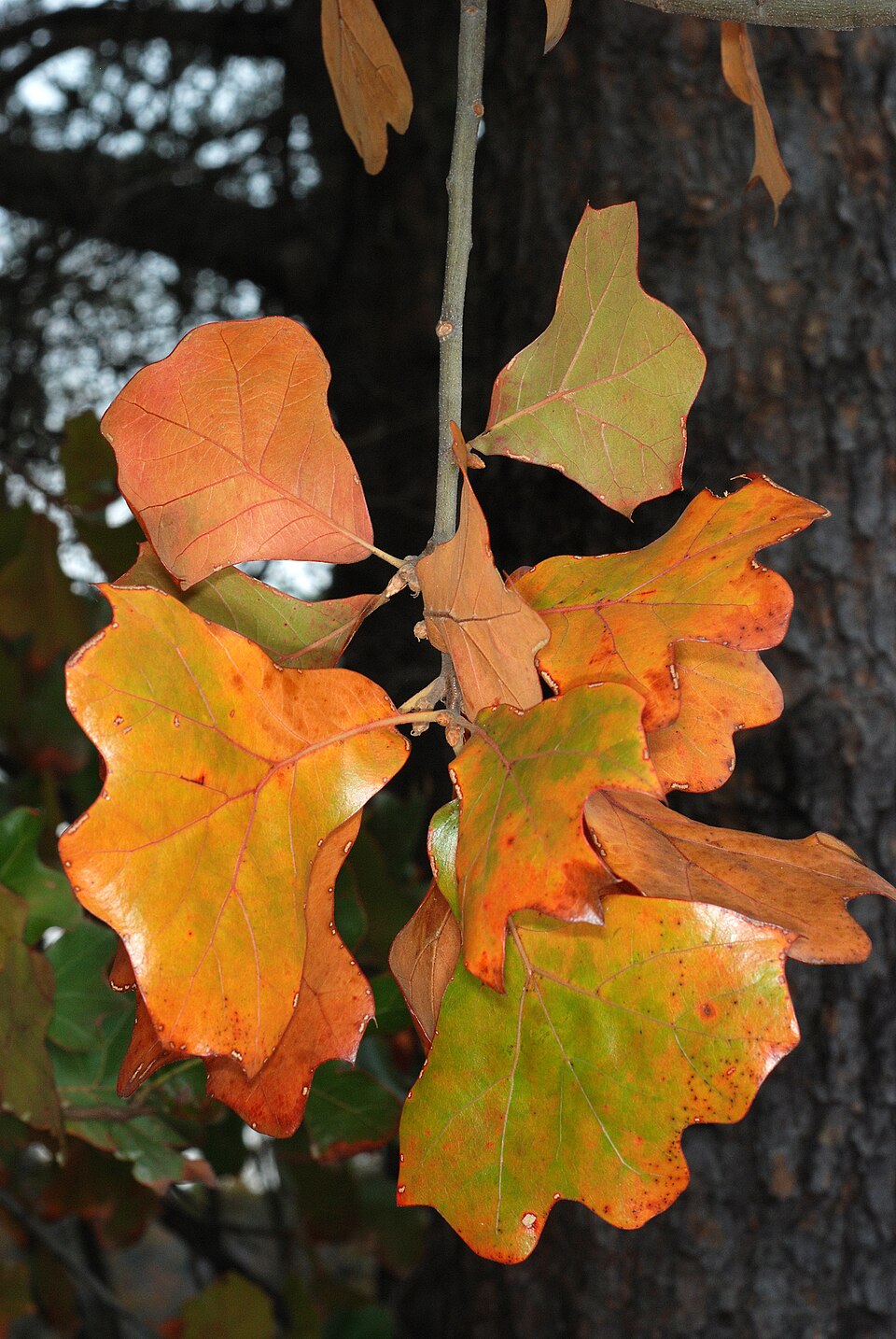
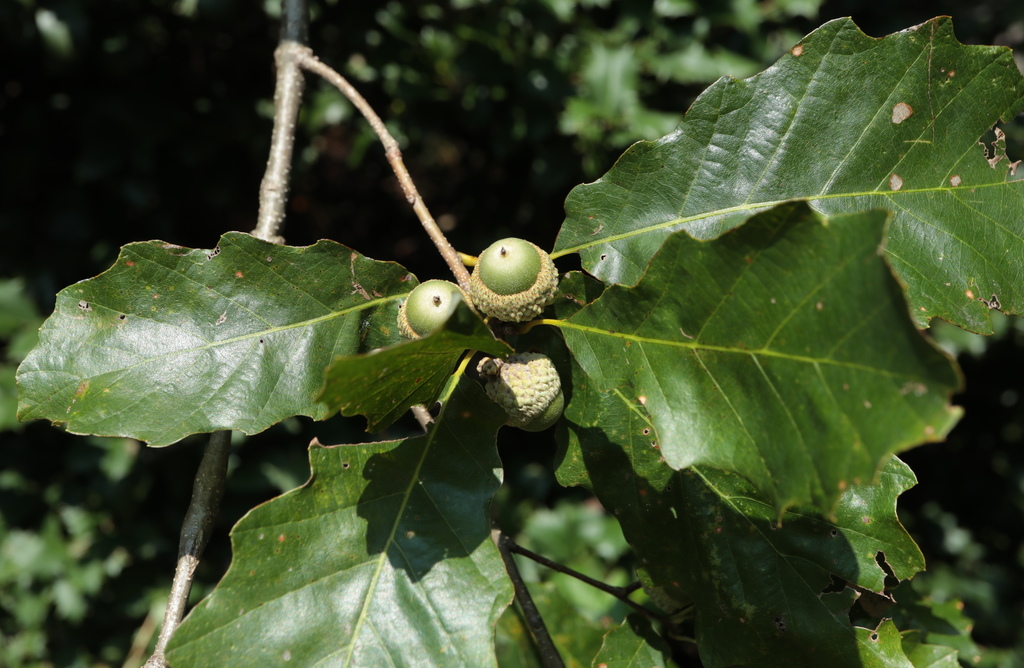
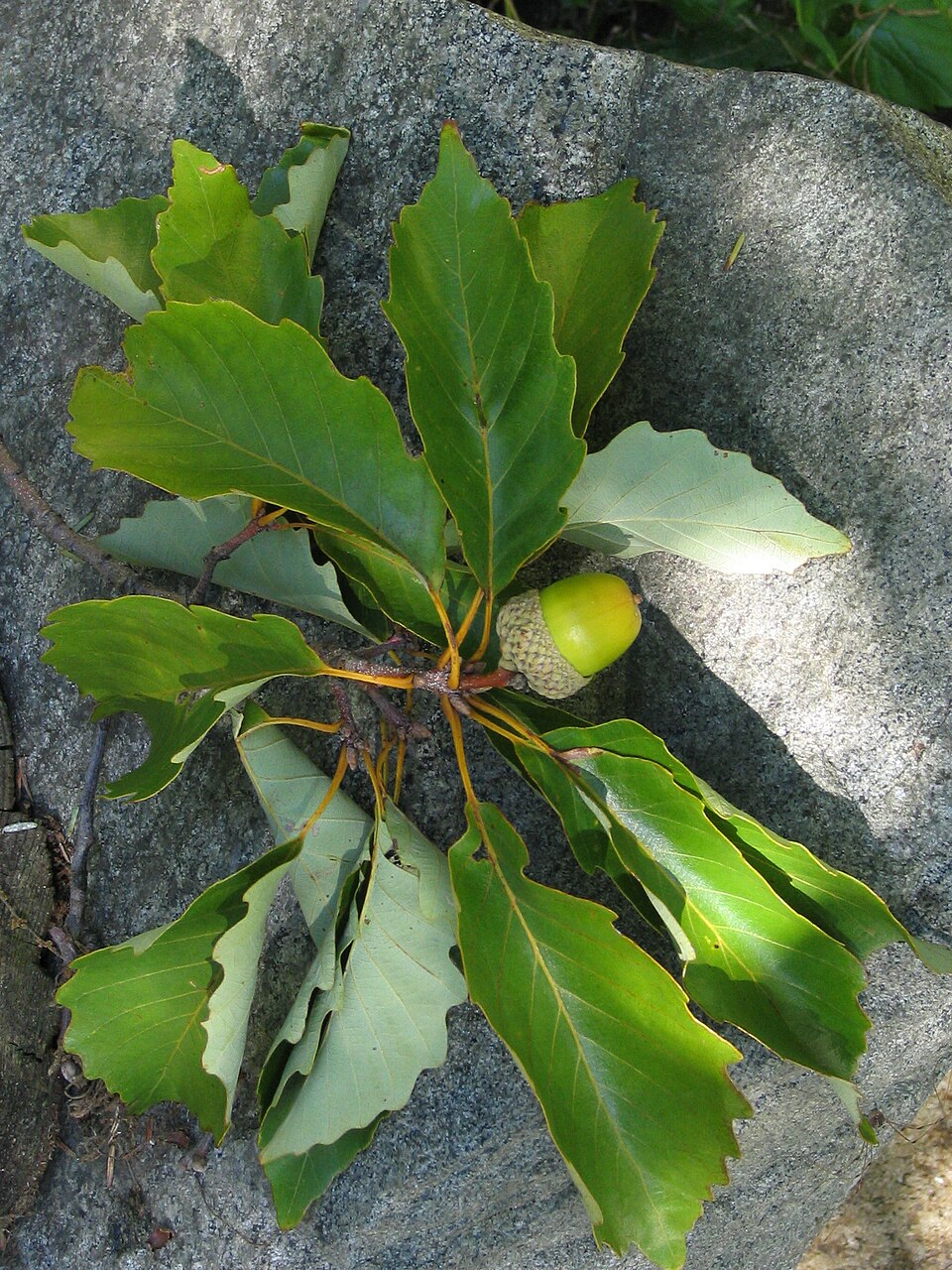
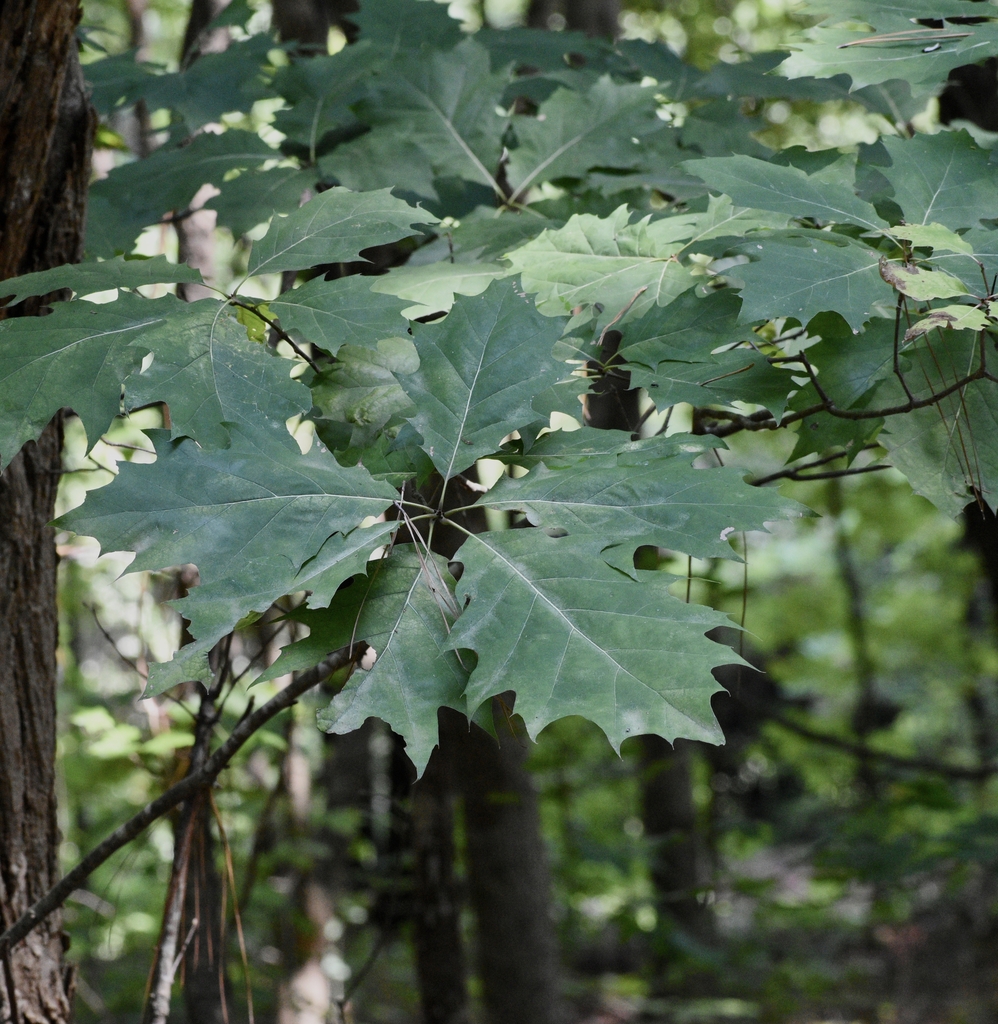
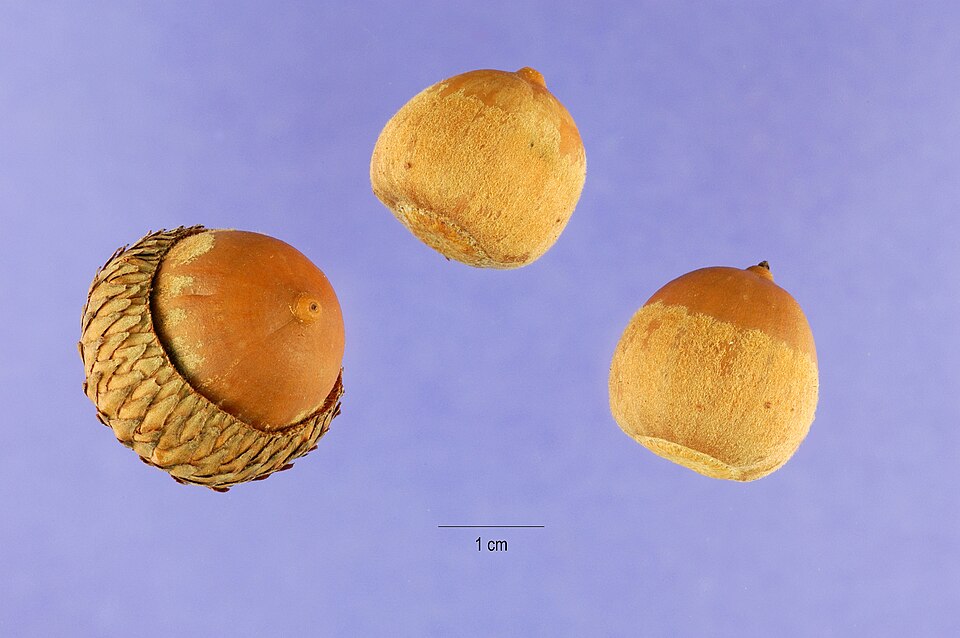
- White OakQuercus alba
- Scarlet OakQuercus coccinea
- Bear OakQuercus ilicifolia
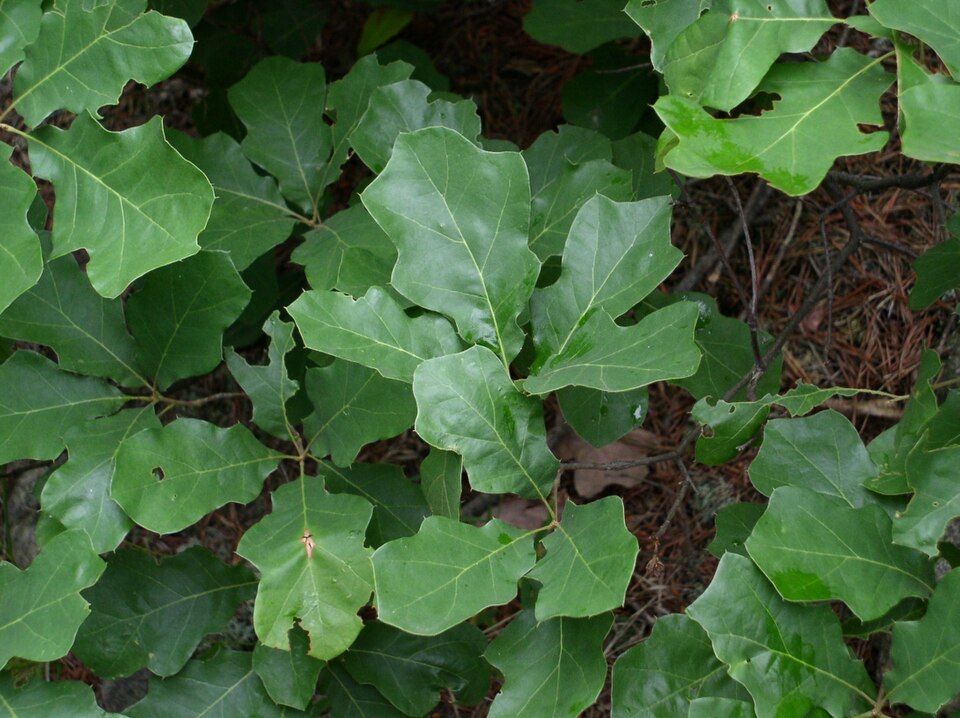
- Blackjack OakQuercus marilandica
- Dwarf Chinquapin OakQuercus prinoides
- Chestnut OakQuercus prinus
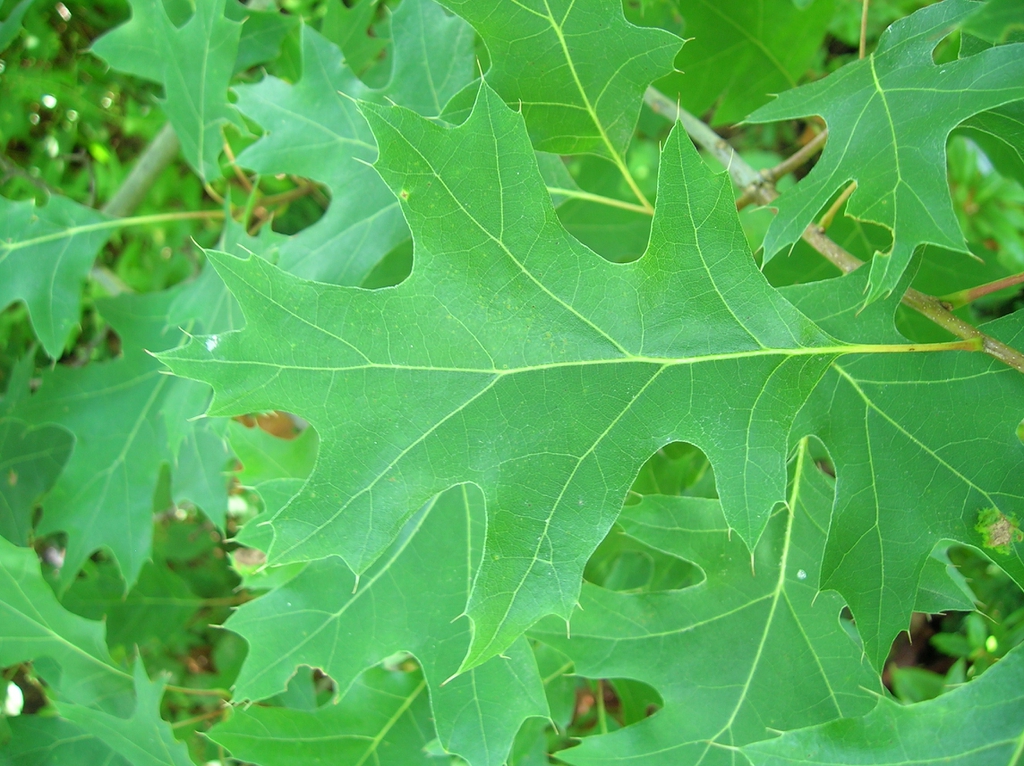
- Northern Red OakQuercus rubra
- Black OakQuercus velutina
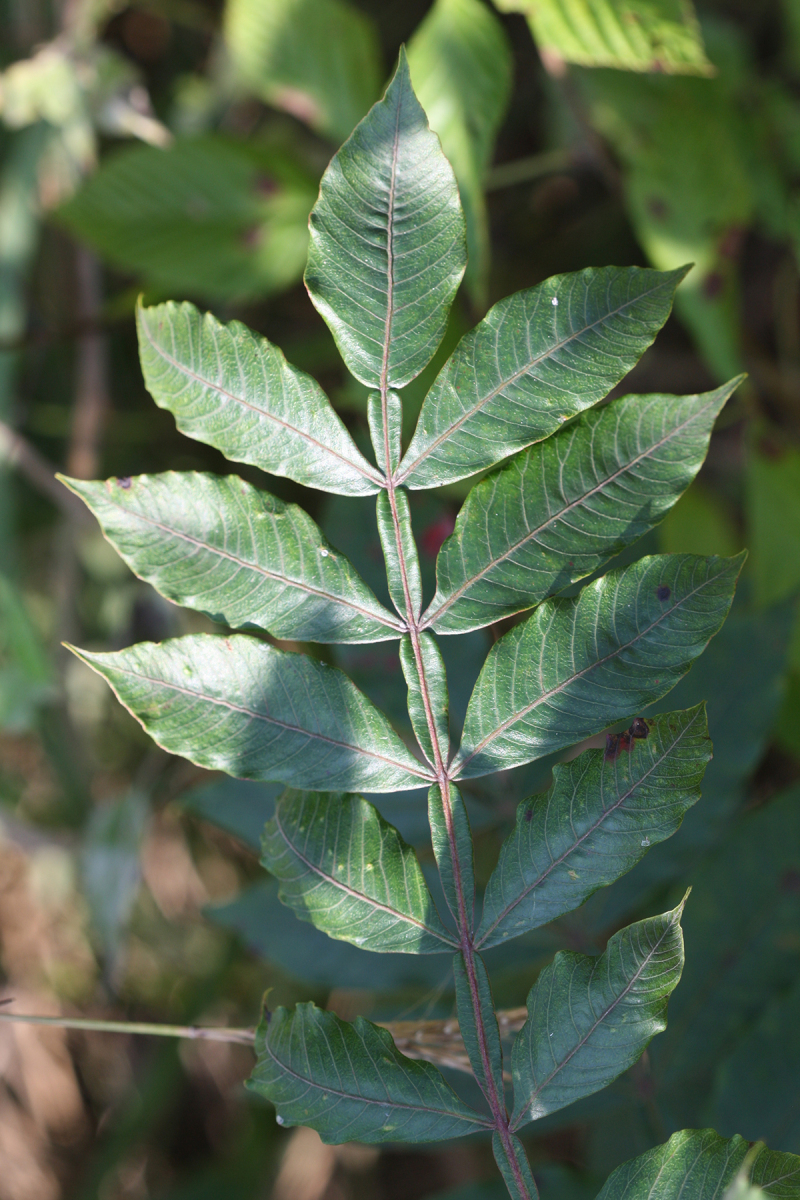
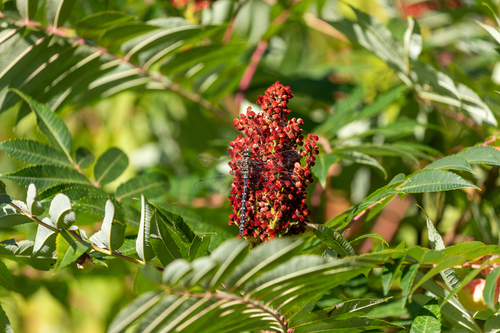
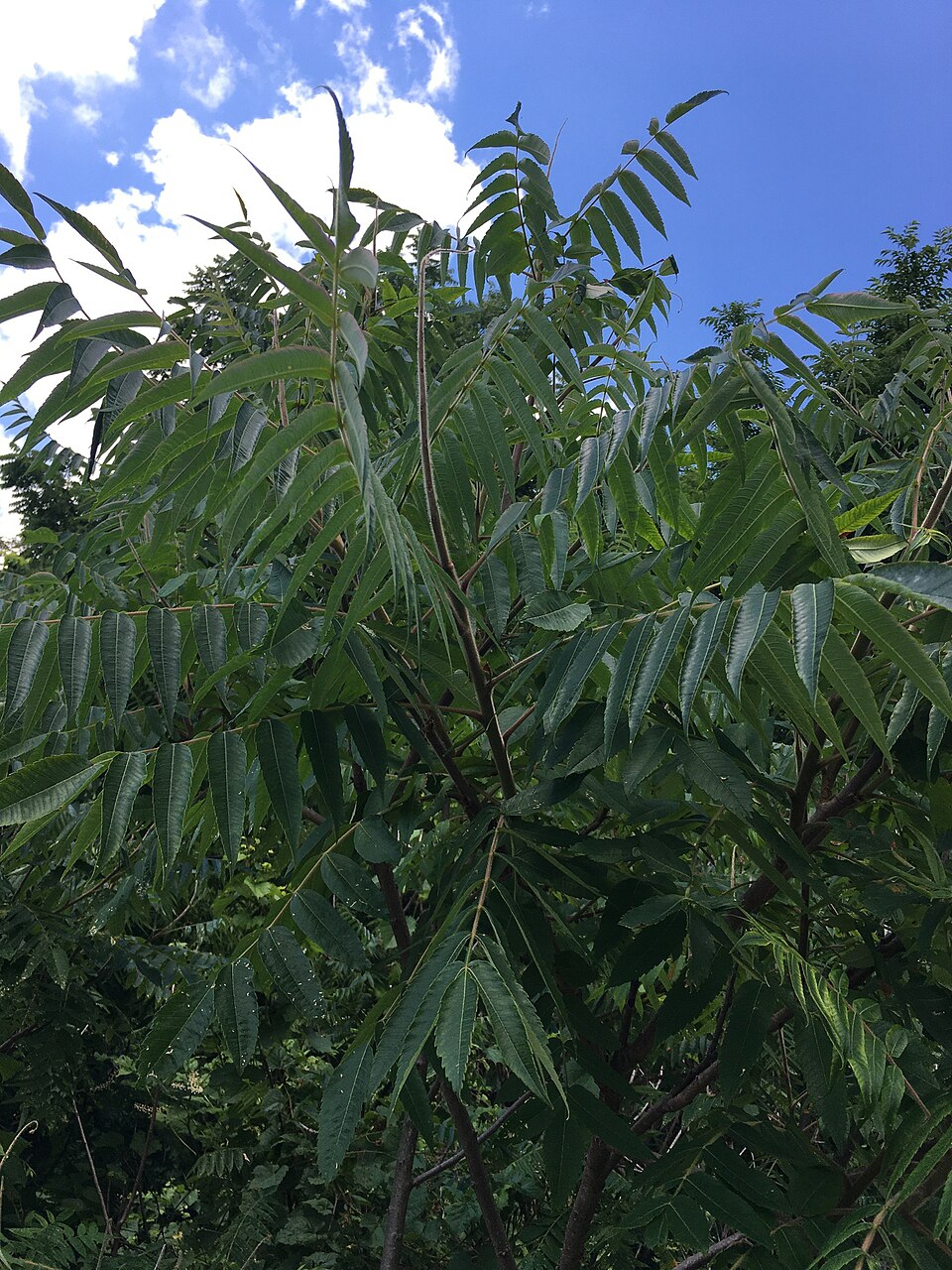
- Winged SumacRhus copallinum
- Smooth SumacRhus glabra
- Staghorn SumacRhus typhina
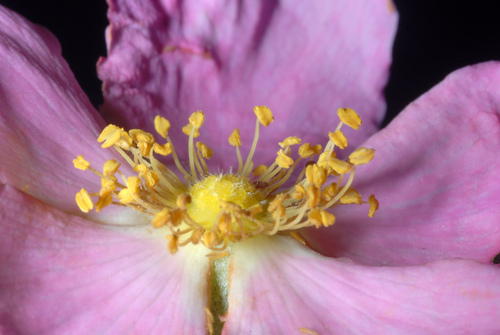
- Carolina RoseRosa carolina
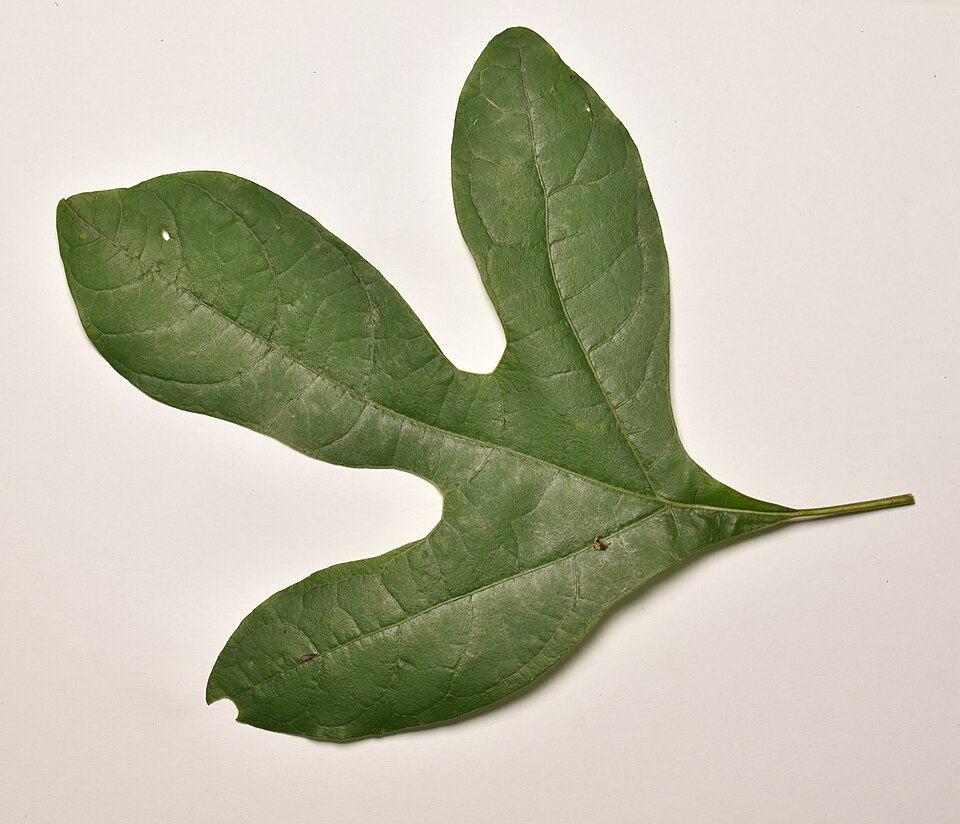
- SassafrasSassafras albidum
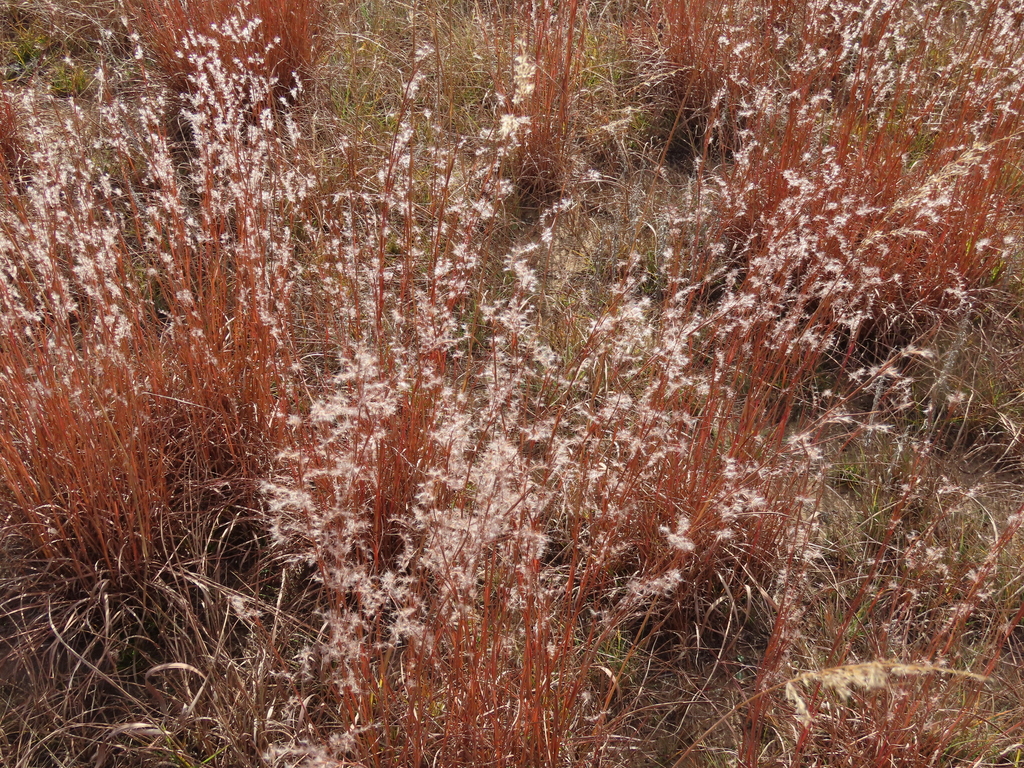
- Little BluestemSchizachyrium scoparium
- Leonard's SkullcapScutellaria parvula var. missouriensis
- Rock SpikemossSelaginella rupestris
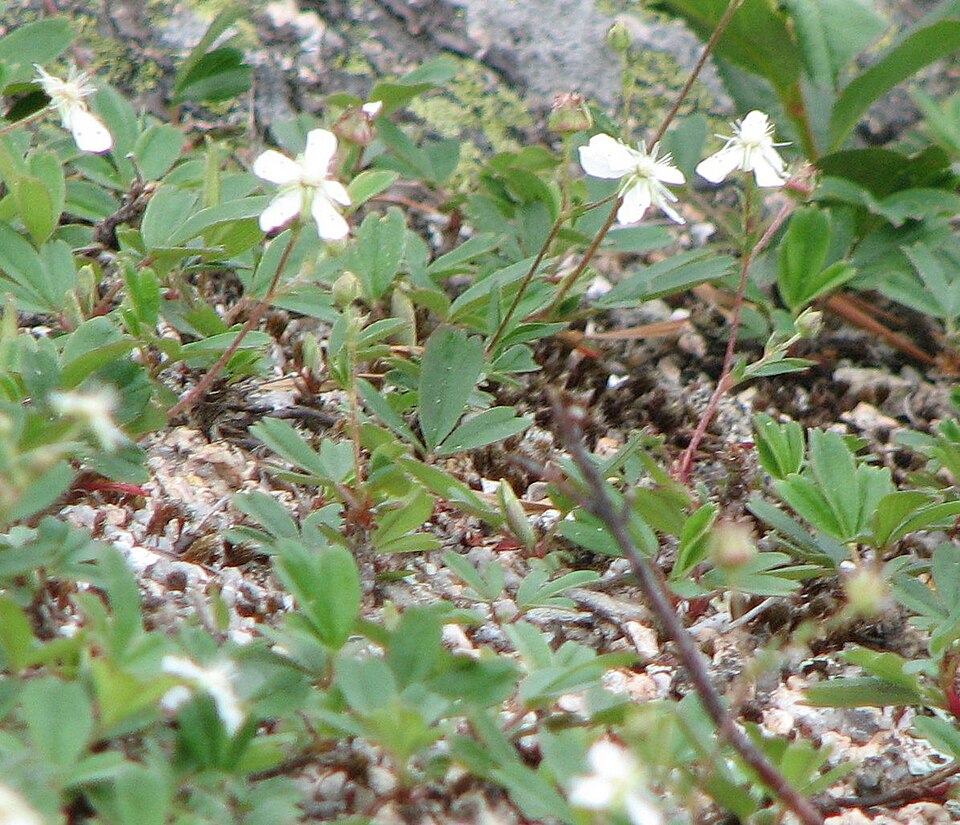
- Three-toothed CinquefoilSibbaldiopsis tridentata
- Smilax tamnoidesSmilax tamnoides
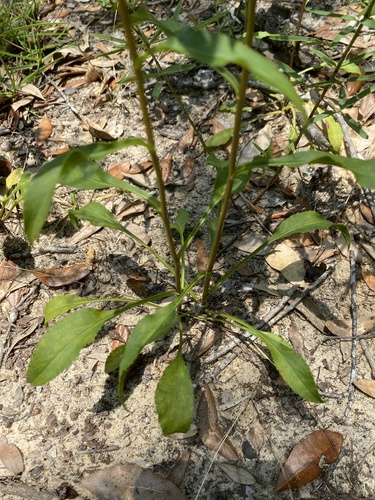
- Cutleaf GoldenrodSolidago arguta
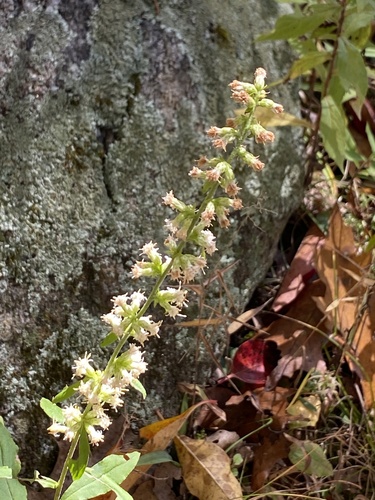
- White GoldenrodSolidago bicolor
Wildlife 210
Other animals whose habitat models include the same habitats in West Virginia. Not sighting records.
- Alder FlycatcherEmpidonax alnorum
- American CrowCorvus brachyrhynchos
- American GoldfinchCarduelis tristis
- American RobinTurdus migratorius
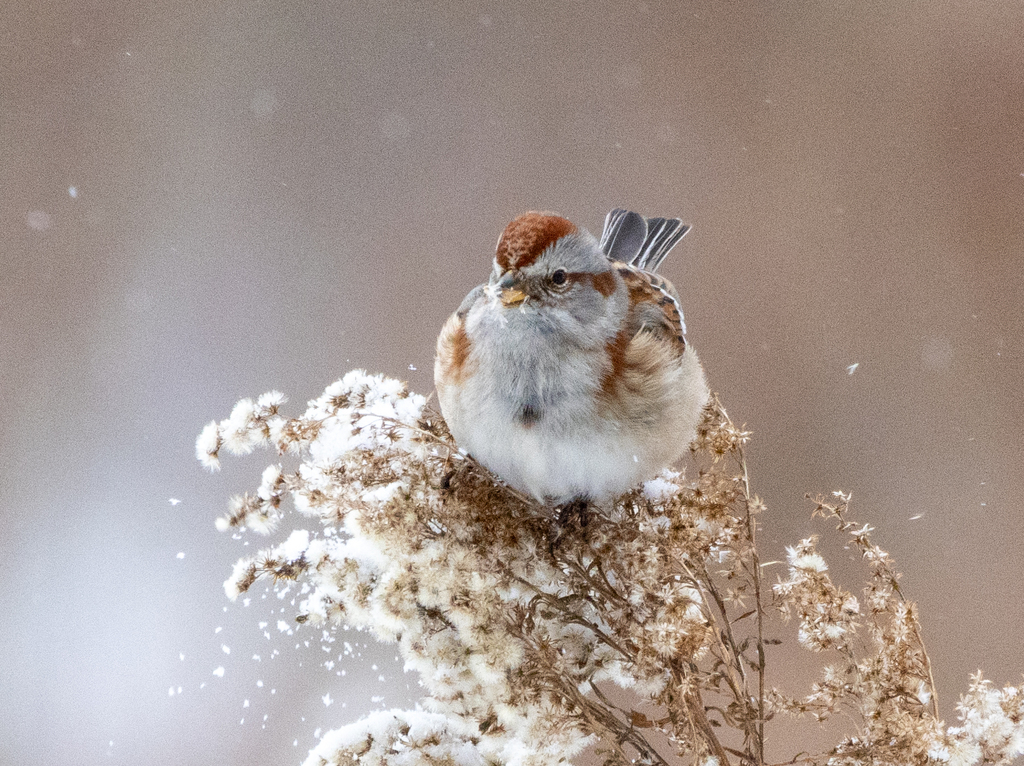
- American Tree SparrowSpizella arborea
- Baltimore OrioleIcterus galbula
- Bank SwallowRiparia riparia
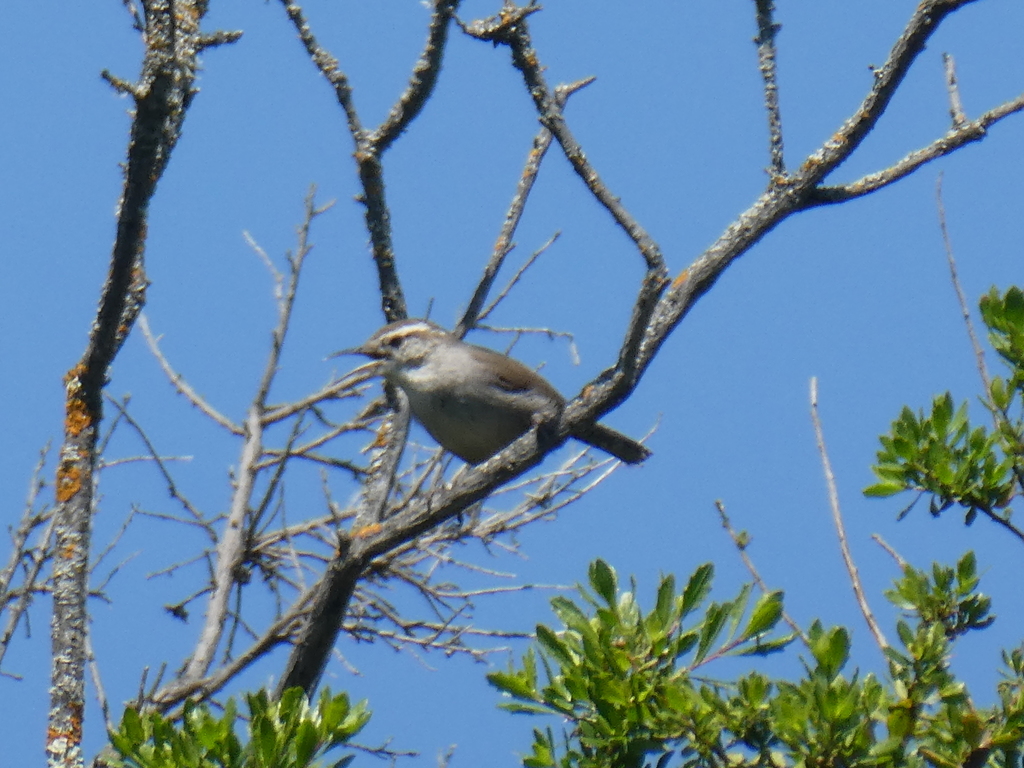
- Bewick's WrenThryomanes bewickii
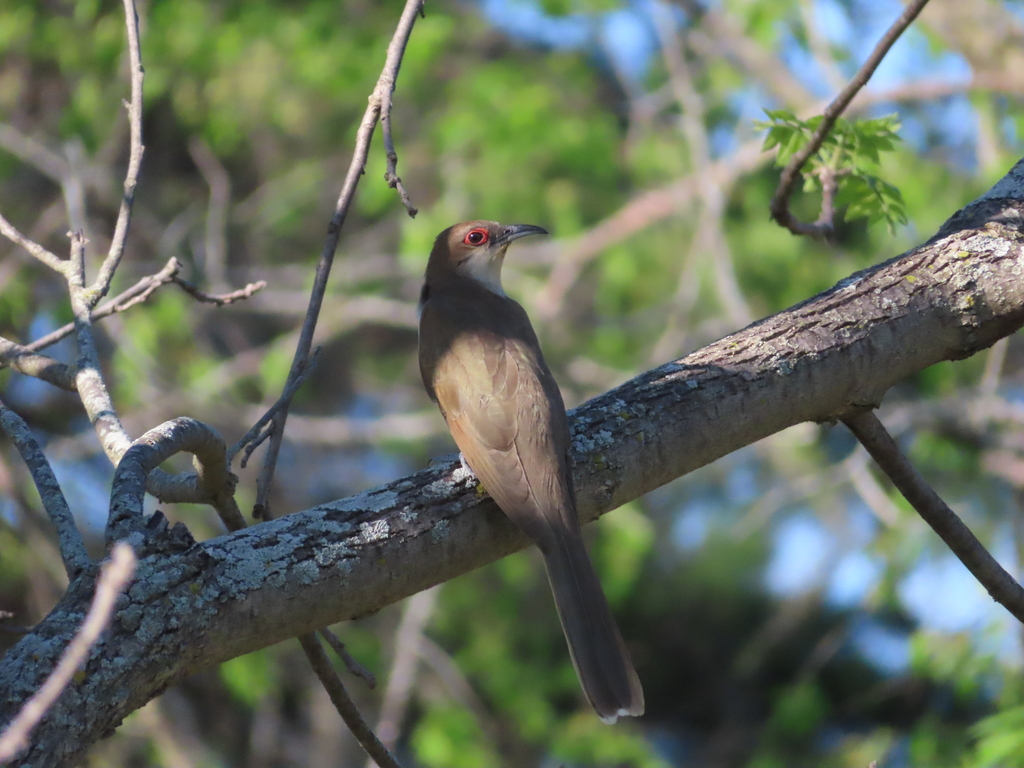
- Black-billed CuckooCoccyzus erythropthalmus
- Blue-gray GnatcatcherPolioptila caerulea
- Brown-headed CowbirdMolothrus ater
- Carolina WrenThryothorus ludovicianus
- Cedar WaxwingBombycilla cedrorum
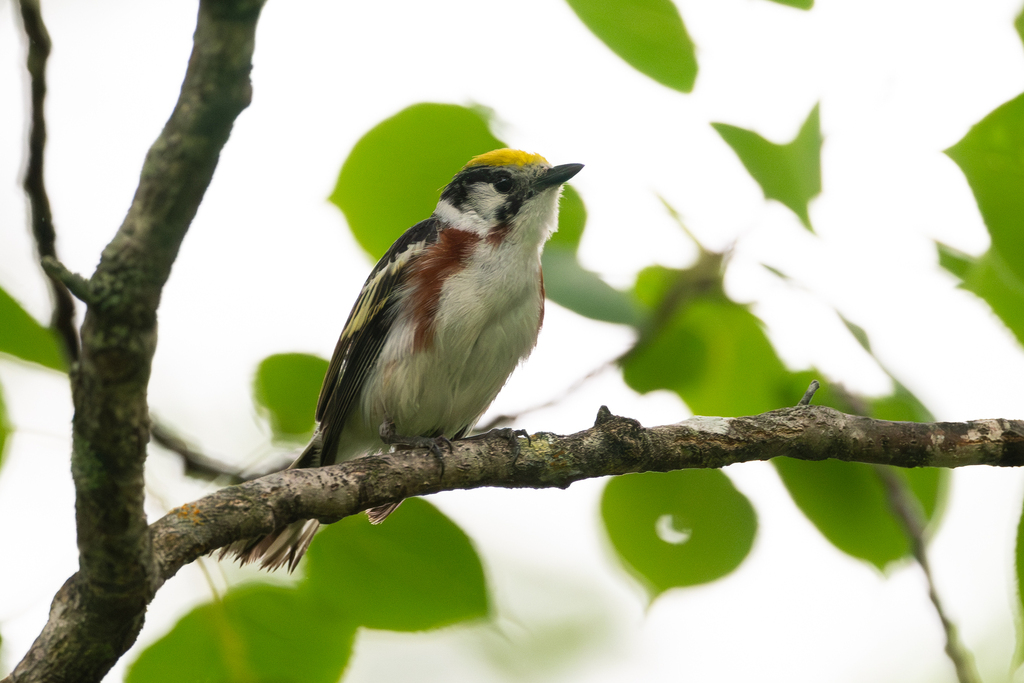
- Chestnut-sided WarblerDendroica pensylvanica
- Chimney SwiftChaetura pelagica
- Chipping SparrowSpizella passerina
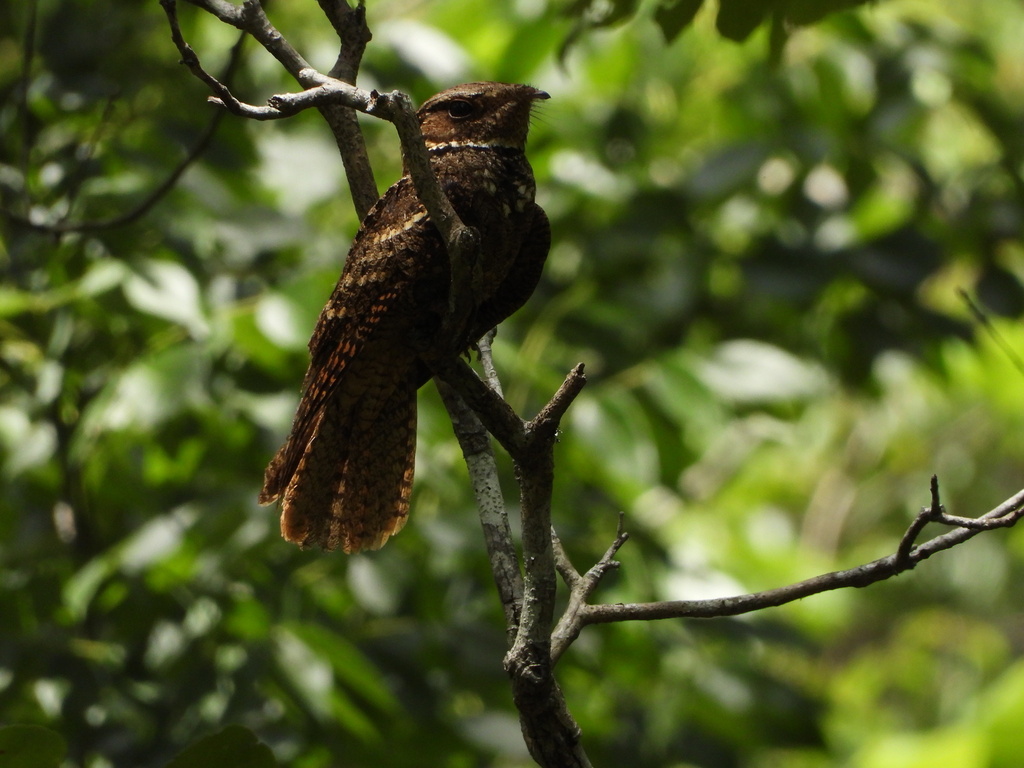
- Chuck-will's-widowCaprimulgus carolinensis
- Common GrackleQuiscalus quiscula
- Common NighthawkChordeiles minor
- Common RavenCorvus corax
- Common YellowthroatGeothlypis trichas
- Cooper's HawkAccipiter cooperii
- Dark-eyed JuncoJunco hyemalis
- Eastern KingbirdTyrannus tyrannus



















NatureServe Explorer, CC BY 4.0. USGS Gap Analysis Project habitat models.
Sources
- USGS Gap Analysis Project habitat models (2001)
- USGS GAP winter habitat model for Field Sparrow Avoids forest interior
- USGS Gap Analysis Project range maps (2001), modeled by watershed; migratory gives no dates
- NatureServe Explorer (CC BY 4.0), habitat names
- US Census TIGER/Line counties
- Names follow the USGS Gap Analysis Project (2001)