

Bird
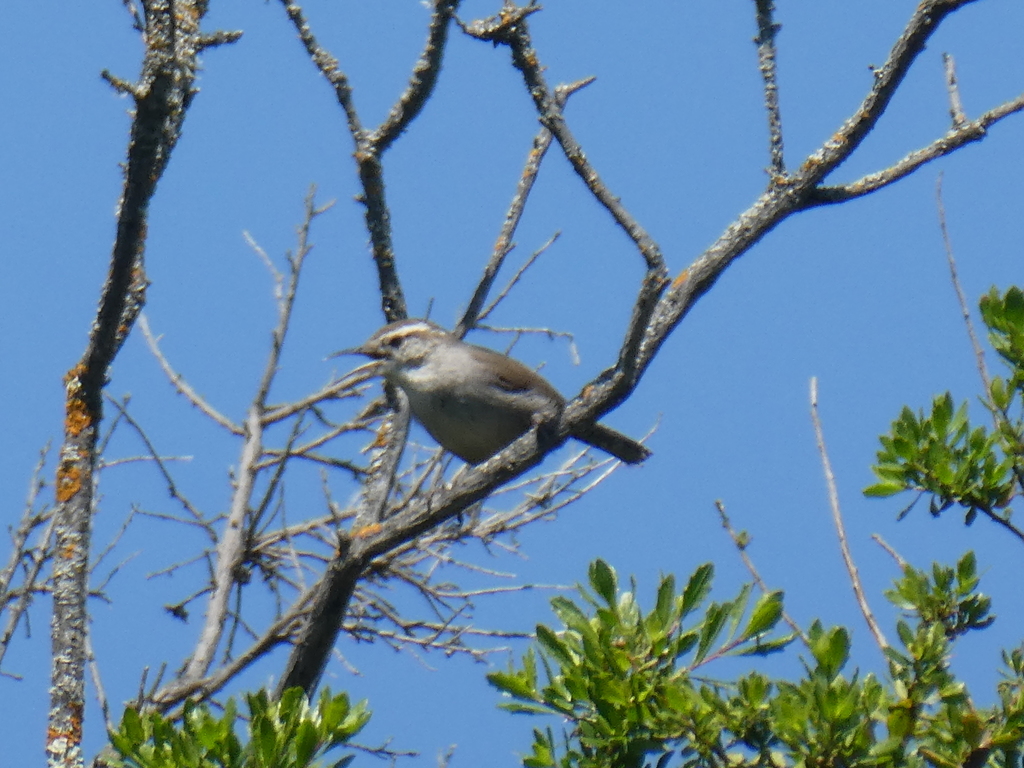
Bewick's Wren
Thryomanes bewickii
A summer resident that nests in West Virginia. Found in 3 of 55 counties, across 7 habitats.
- Here
- Summer
- Nesting
- Nests here
- Range
- 3 of 55 counties
- Habitats
- 7
At a glance
- Group
- Birds
- Here
- Summer
- Nesting
- Nests here
- Range
- 3 of 55 counties
- Habitats
- 7
- Habitat models
- Summer, Winter
Where it lives
The places its habitat model includes. It is not found everywhere a habitat occurs.
Habitats in West Virginia 7
Each habitat page lists the plants and wildlife also found there.
Disturbed and introduced wetlands
Wet ground taken over by weedy or introduced plants after disturbance, such as common reed, Chinese tallow or tamarisk stands; the upland counterpart is roadsides, fields and disturbed ground.
Forests and open woodlands on dry ridges and slopes, often oak or pine.
Floodplain and bottomland forests
Forests on low ground beside rivers and streams that flood from time to time.
Borders of forests, clearings and shrubby thickets.
Forests on moist but not wet ground, such as rich slopes and ravines.
Roadsides, fields and disturbed ground
Ground opened by people: roadsides, old fields, pastures, fencerows and lots.
Streams, rivers and their banks
Flowing water and its banks, bars and rocky shoals.
Other habitats in its models (34)
Land cover, or classes with no habitat page in West Virginia.
- Developed, Low Intensity Summer and winter.
- East Gulf Coastal Plain Limestone Forest Summer and winter.
- East Gulf Coastal Plain Northern Loess Plain Oak-Hickory Upland - Hardwood Modifier Summer and winter.
- East Gulf Coastal Plain Northern Loess Plain Oak-Hickory Upland - Juniper Modifier Summer and winter.
- Ridge and Valley Calcareous Valley Bottom Glade and Woodland Summer and winter.
- Southern Interior Low Plateau Dry-Mesic Oak Forest Summer and winter.
- East Gulf Coastal Plain Northern Dry Upland Hardwood Forest Summer and winter.
- Crosstimbers Oak Forest and Woodland Summer and winter.
- East Gulf Coastal Plain Northern Loess Bluff Forest Summer and winter.
- East Gulf Coastal Plain Southern Loess Bluff Forest Summer and winter.
- East-Central Texas Plains Post Oak Savanna and Woodland Summer and winter.
- Ozark-Ouachita Dry Oak Woodland Summer.
- Edwards Plateau Limestone Savanna and Woodland Summer and winter.
- Western Great Plains Wooded Draw and Ravine Summer and winter.
- East Gulf Coastal Plain Northern Mesic Hardwood Forest Summer and winter.
- East Gulf Coastal Plain Southern Mesic Slope Forest Summer and winter.
- East Gulf Coastal Plain Interior Shortleaf Pine-Oak Forest - Hardwood Modifier Summer and winter.
- East Gulf Coastal Plain Interior Shortleaf Pine-Oak Forest - Mixed Modifier Summer and winter.
- Central Interior Highlands Dry Acidic Glade and Barrens Summer and winter.
- Southern Ridge and Valley Dry Calcareous Forest Summer and winter.
- East Gulf Coastal Plain Interior Upland Longleaf Pine Woodland - Offsite Hardwood Modifier Summer and winter.
- East Gulf Coastal Plain Interior Upland Longleaf Pine Woodland - Loblolly Modifier Summer and winter.
- East Gulf Coastal Plain Interior Upland Longleaf Pine Woodland - Scrub/Shrub Modifier Summer and winter.
- Nashville Basin Limestone Glade Summer and winter.
- Cumberland Sandstone Glade and Barrens Summer and winter.
- Central Interior Highlands Calcareous Glade and Barrens Summer and winter.
- Central Mixedgrass Prairie Summer and winter.
- Central Tallgrass Prairie Summer and winter.
- Introduced Upland Vegetation - Shrub Summer and winter.
- Central Interior and Appalachian Shrub-Herbaceous Wetland Systems Summer and winter.
- East Gulf Coastal Plain Large River Floodplain Forest - Forest Modifier Summer and winter.
- East Gulf Coastal Plain Small Stream and River Floodplain Forest Summer and winter.
- East Gulf Coastal Plain Near-Coast Pine Flatwoods - Scrub/Shrub Understory Modifier Summer and winter.
- East Gulf Coastal Plain Southern Loblolly-Hardwood Flatwoods Summer and winter.
Seasons in West Virginia
- Summer: nests here, in 3 of 55 counties.
Also found in this habitat
Plants 533
Plants named in NatureServe descriptions of these habitats that grow in West Virginia. Shared habitat, not food.
- Allegheny BrookfoamBoykinia aconitifolia
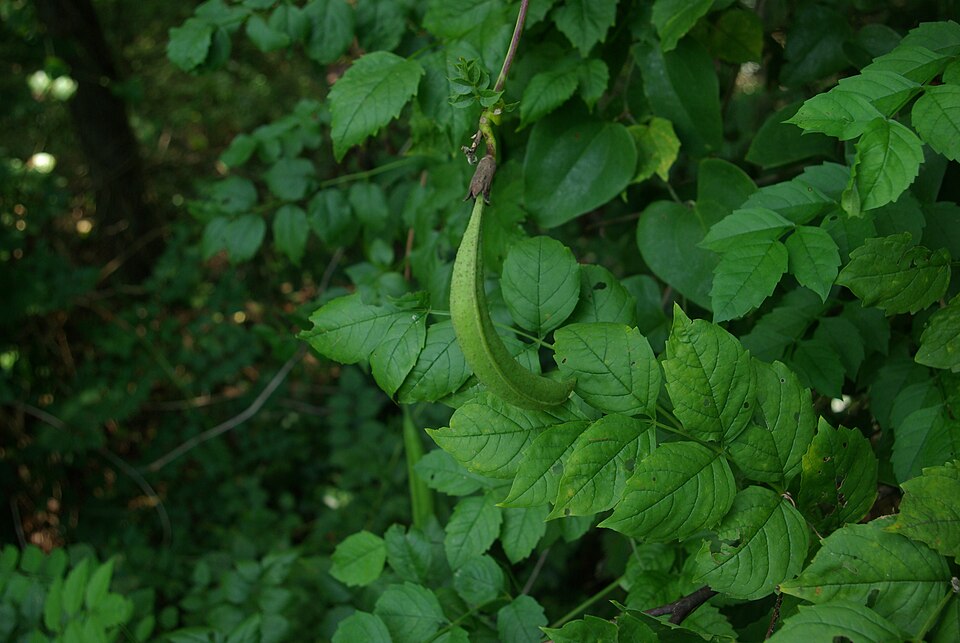
- Trumpet-creeperCampsis radicans
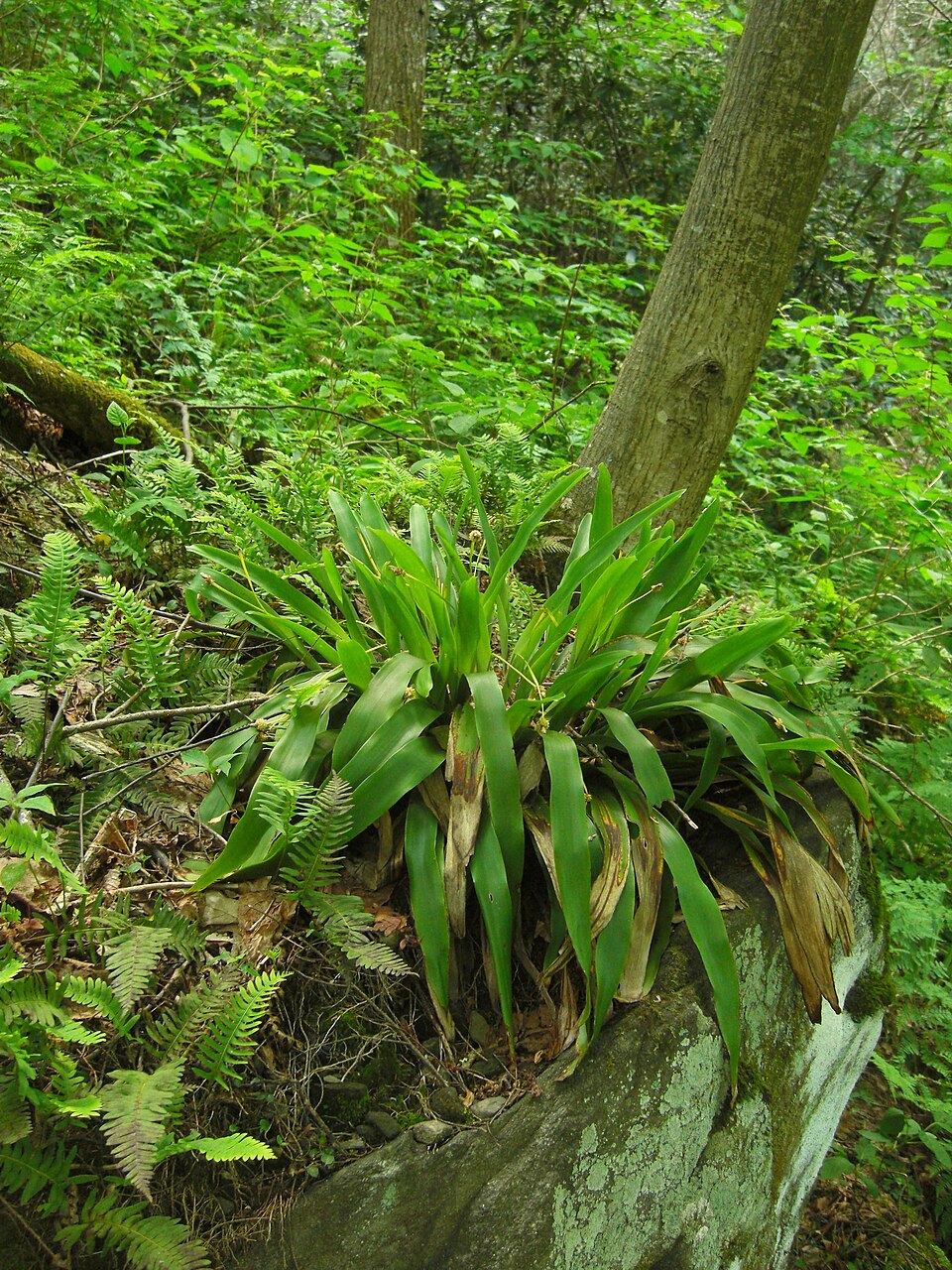
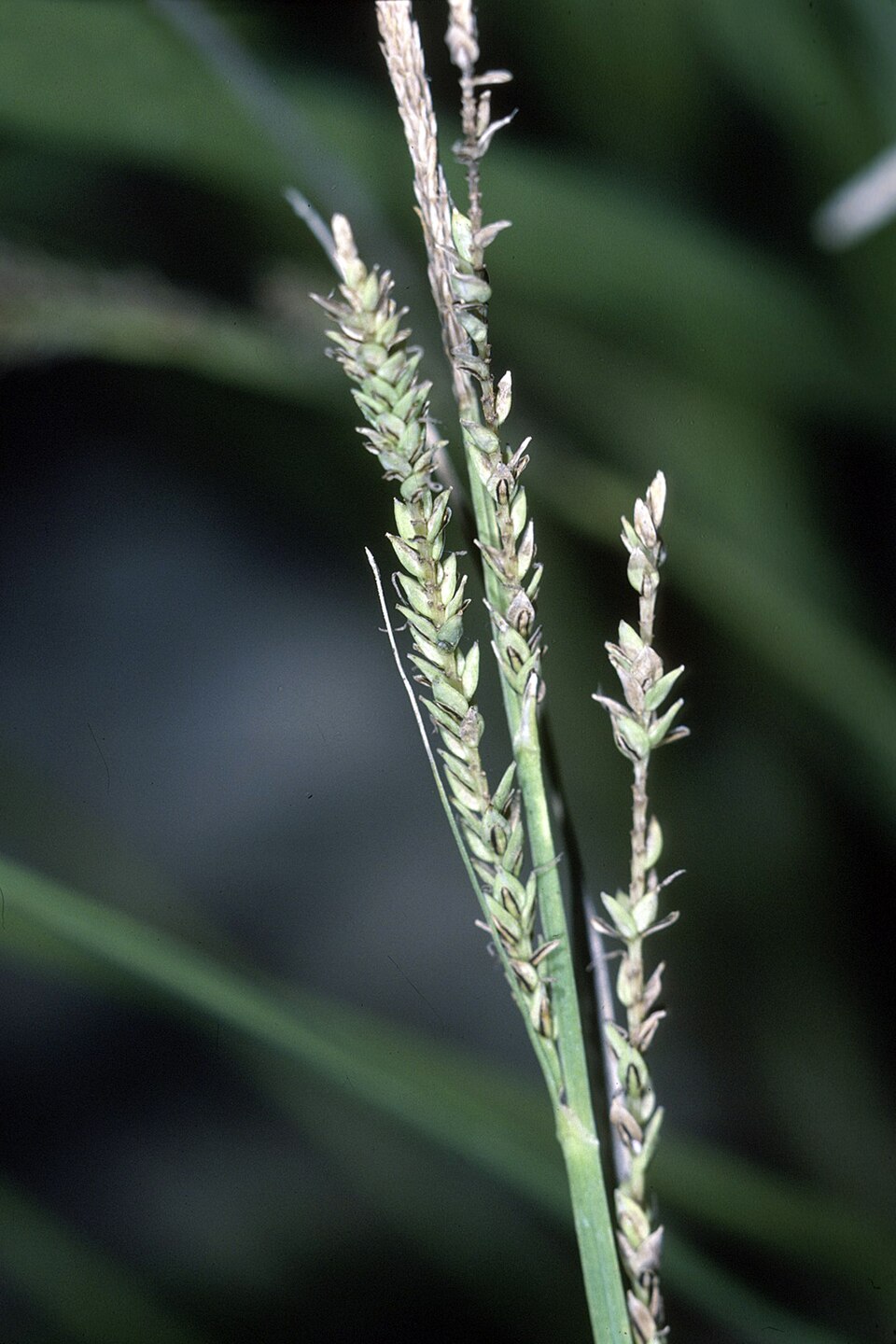
- Fraser's SedgeCarex fraseriana
- Twisted SedgeCarex torta
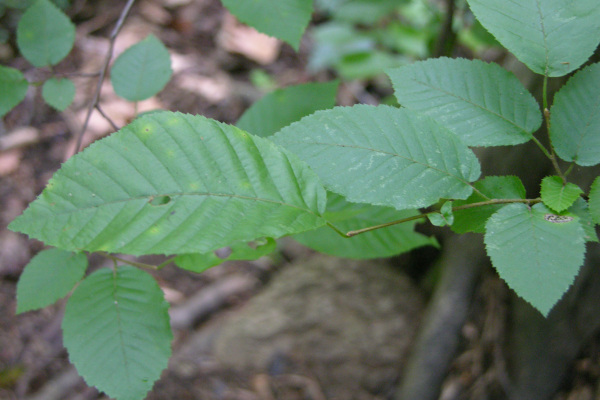
- American HornbeamCarpinus caroliniana
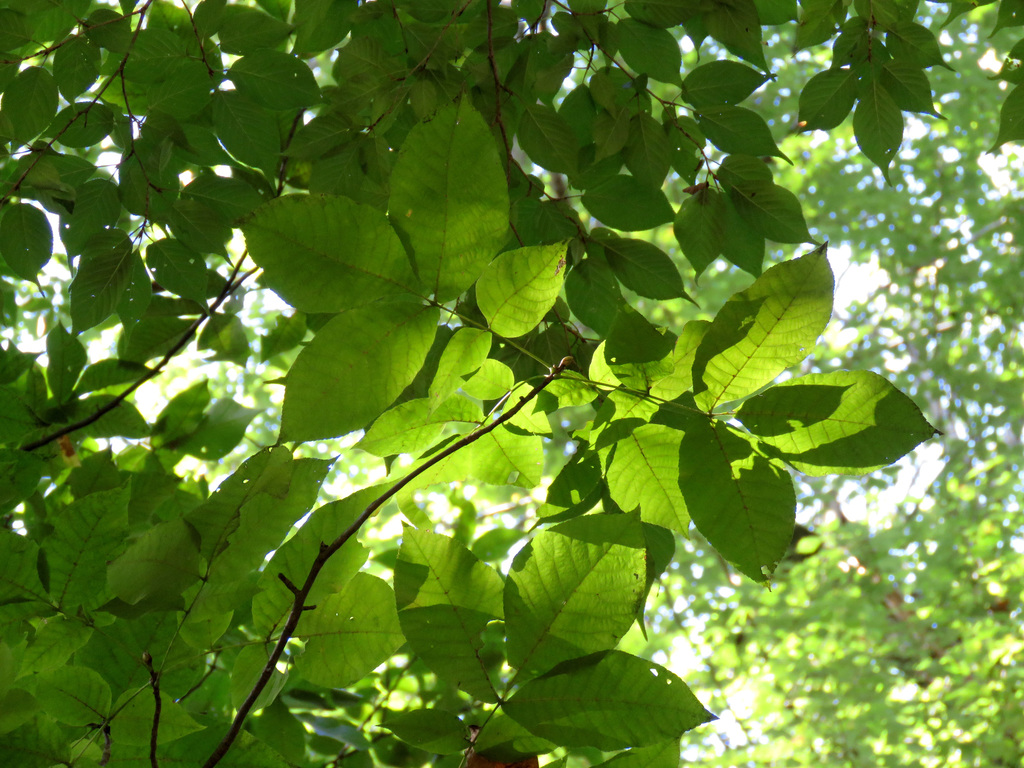
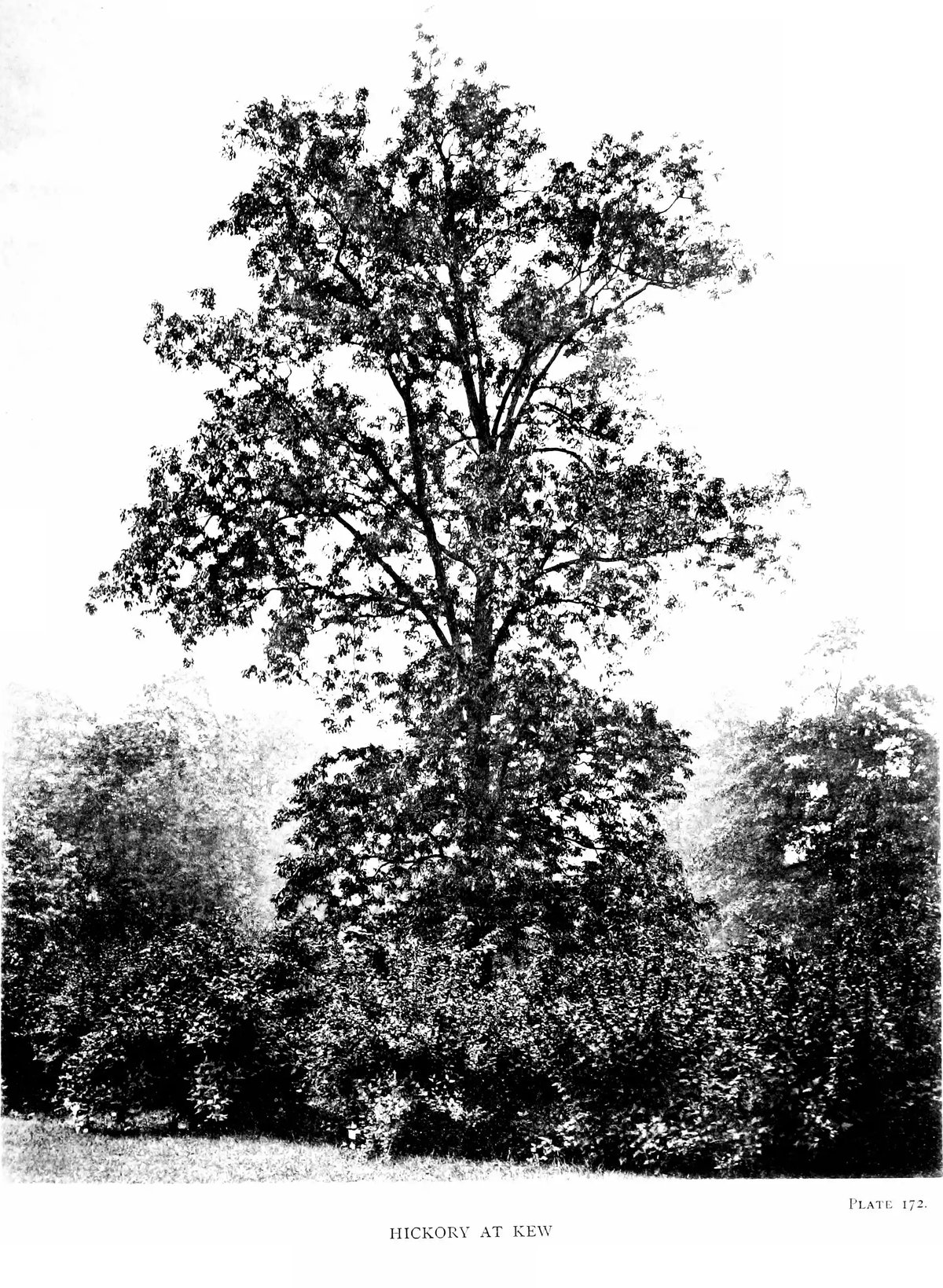
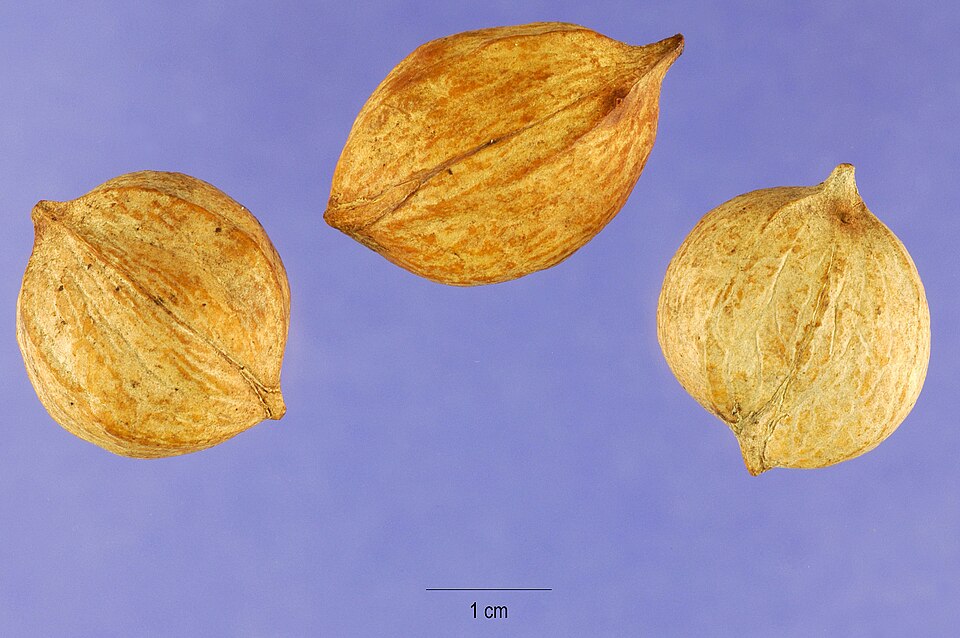
- Pignut HickoryCarya glabra
- Red HickoryCarya ovalis
- Mockernut HickoryCarya tomentosa
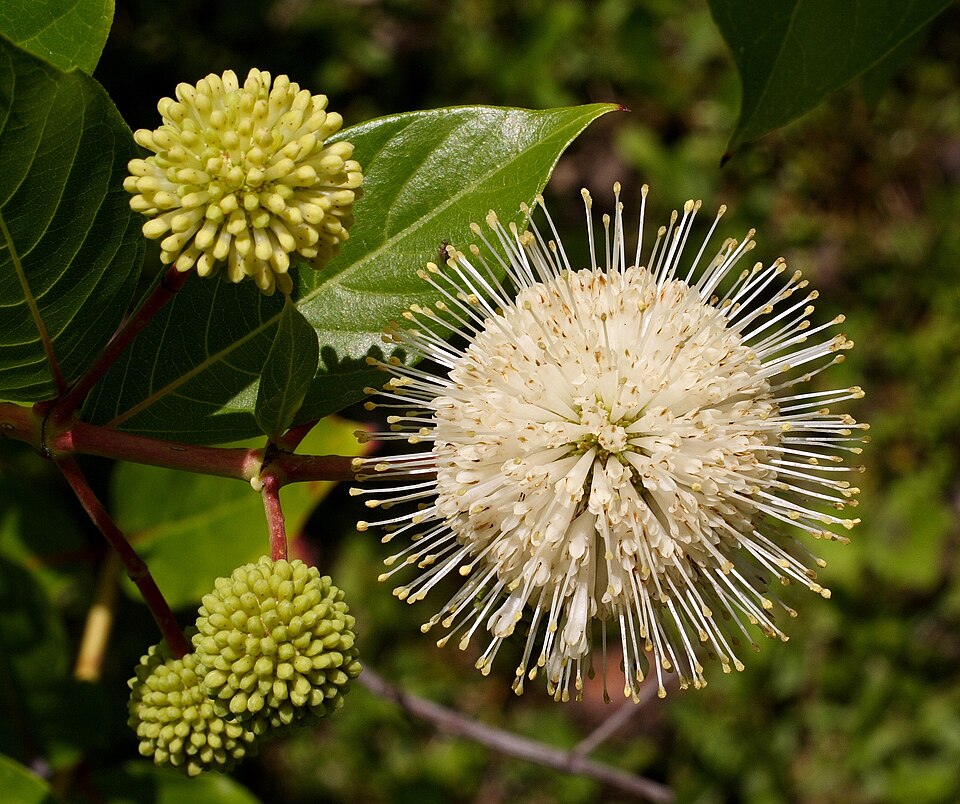
- ButtonbushCephalanthus occidentalis
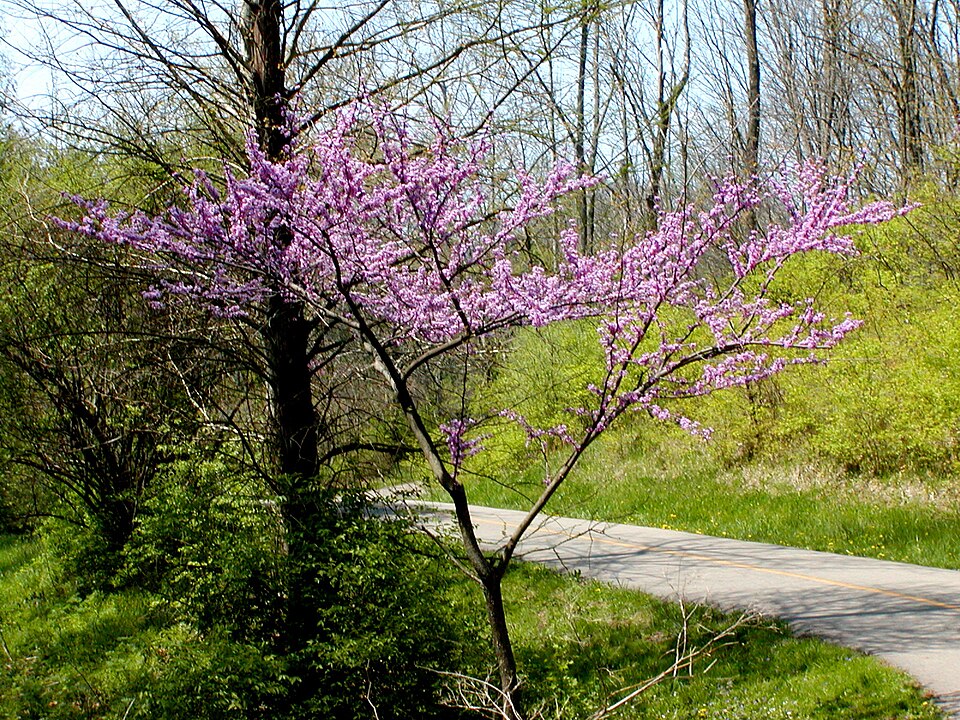
- Eastern RedbudCercis canadensis
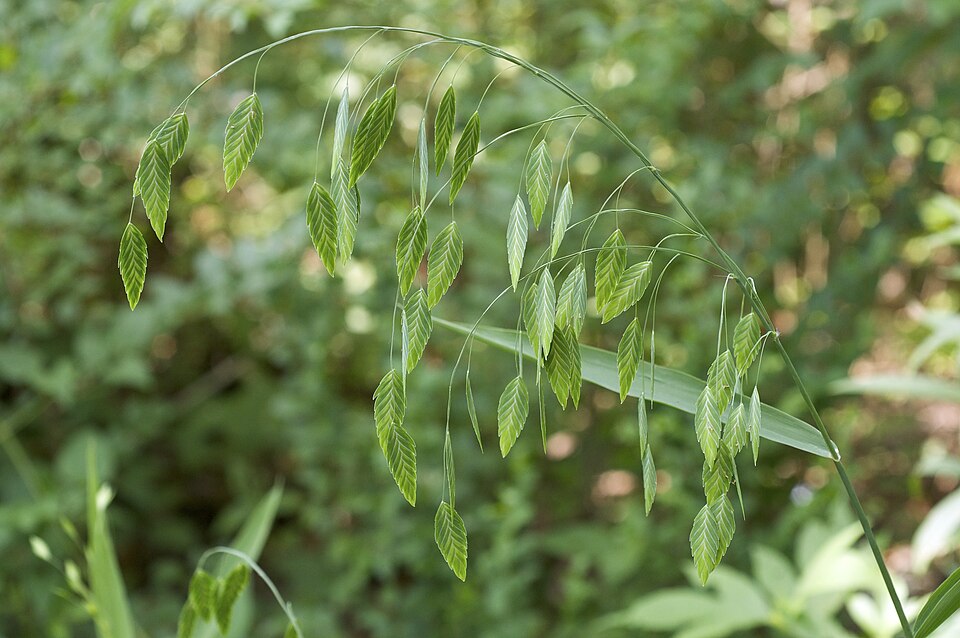
- River OatsChasmanthium latifolium
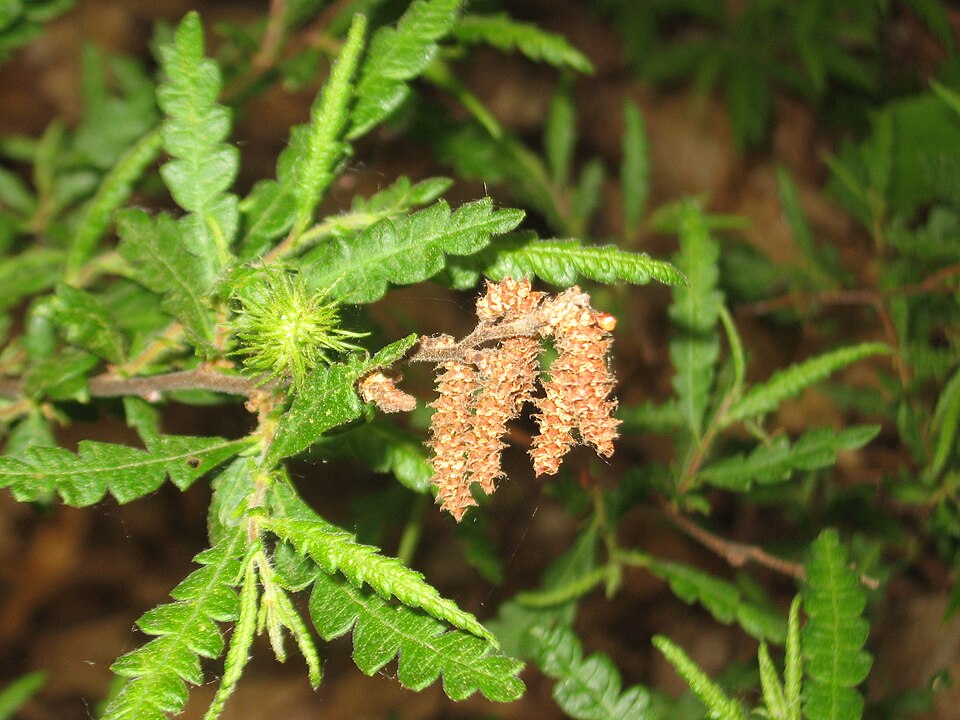
- Sweet-fernComptonia peregrina
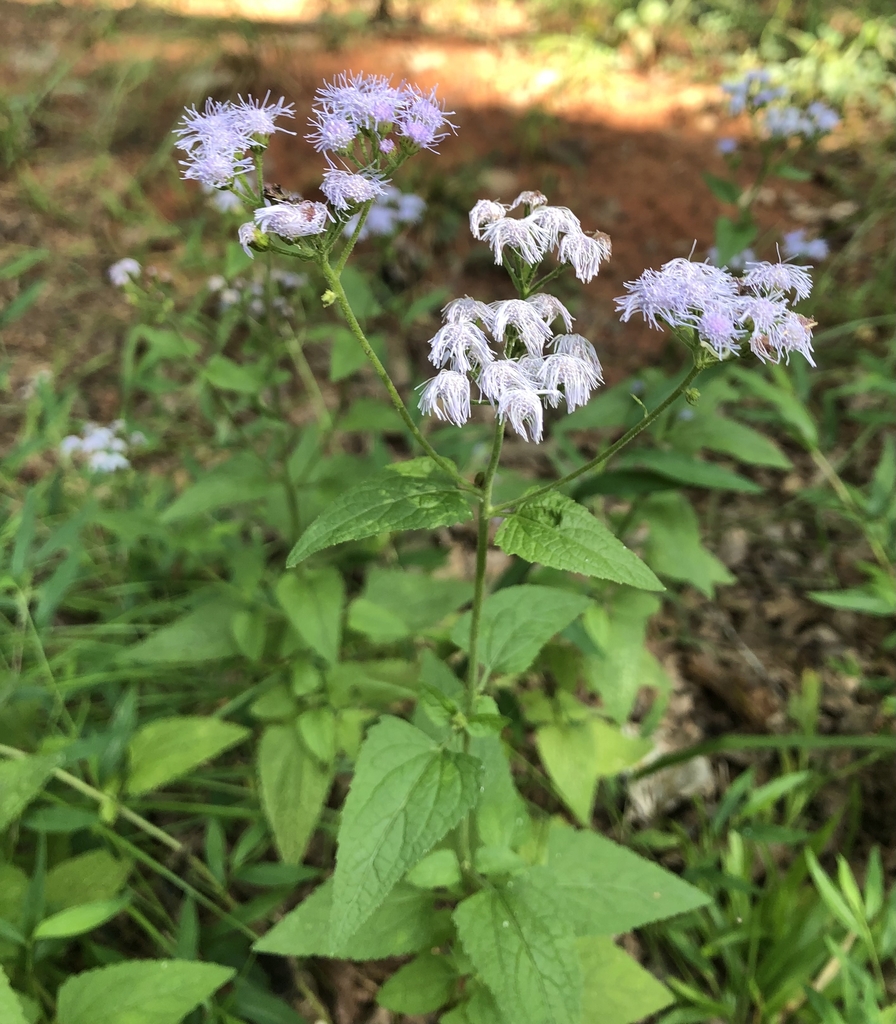
- Blue MistflowerConoclinium coelestinum
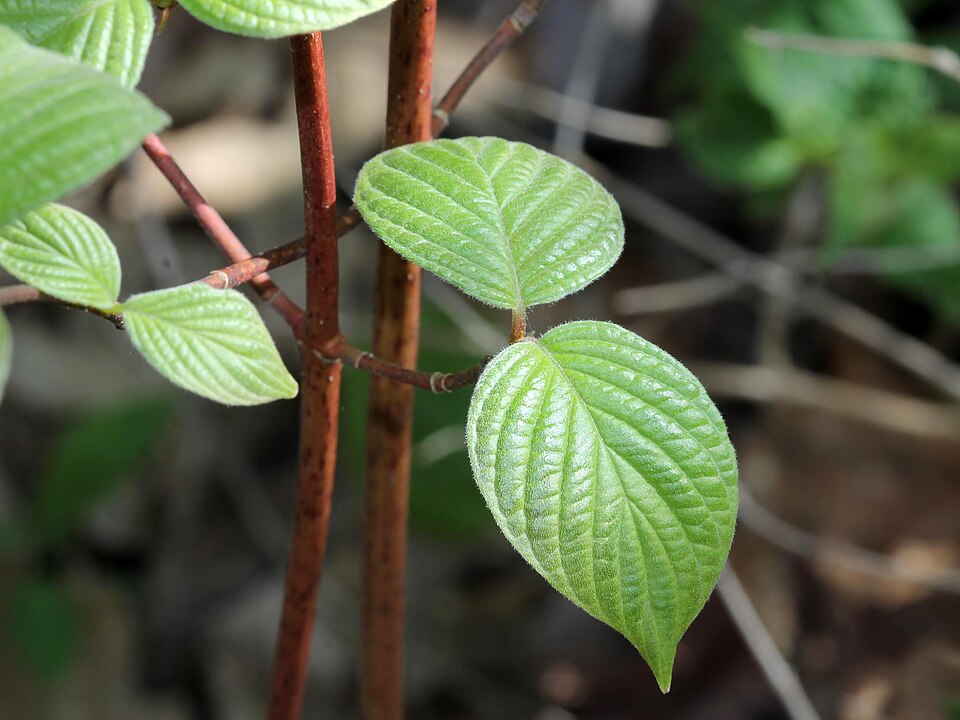
- Round Leaf DogwoodCornus rugosa
- Poverty OatgrassDanthonia spicata
- Deer-tongue WitchgrassDichanthelium clandestinum
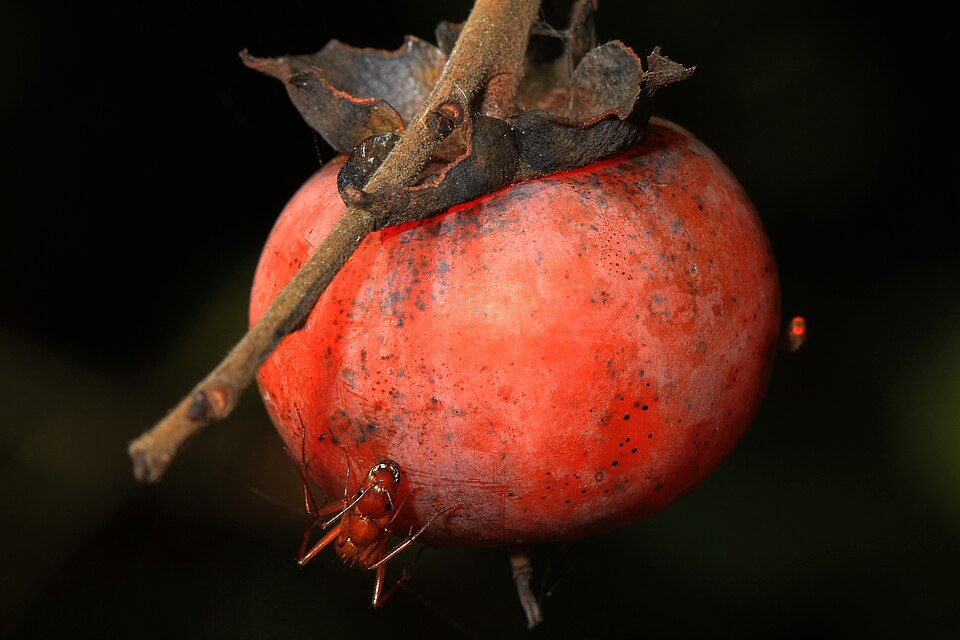
- American PersimmonDiospyros virginiana
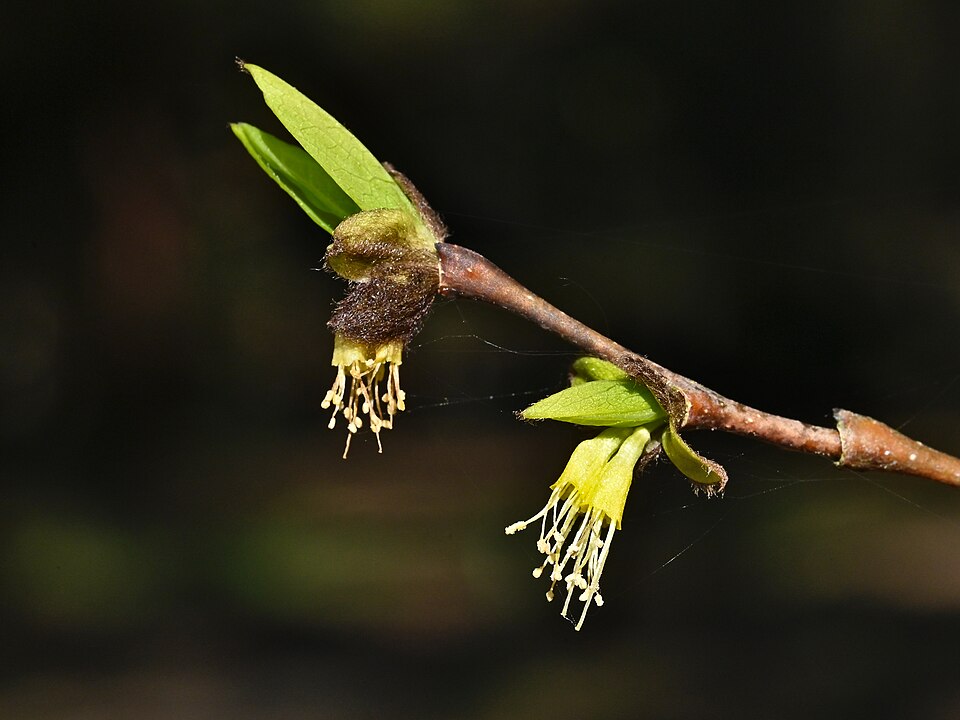
- Eastern LeatherwoodDirca palustris
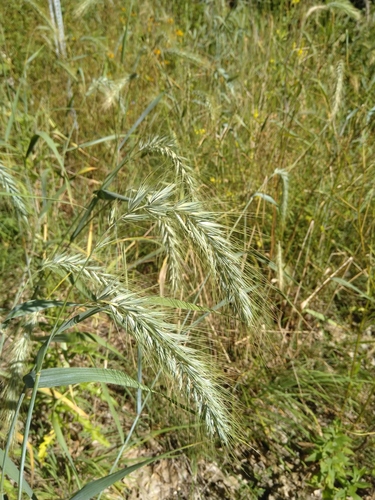
- Canada Wild-ryeElymus canadensis
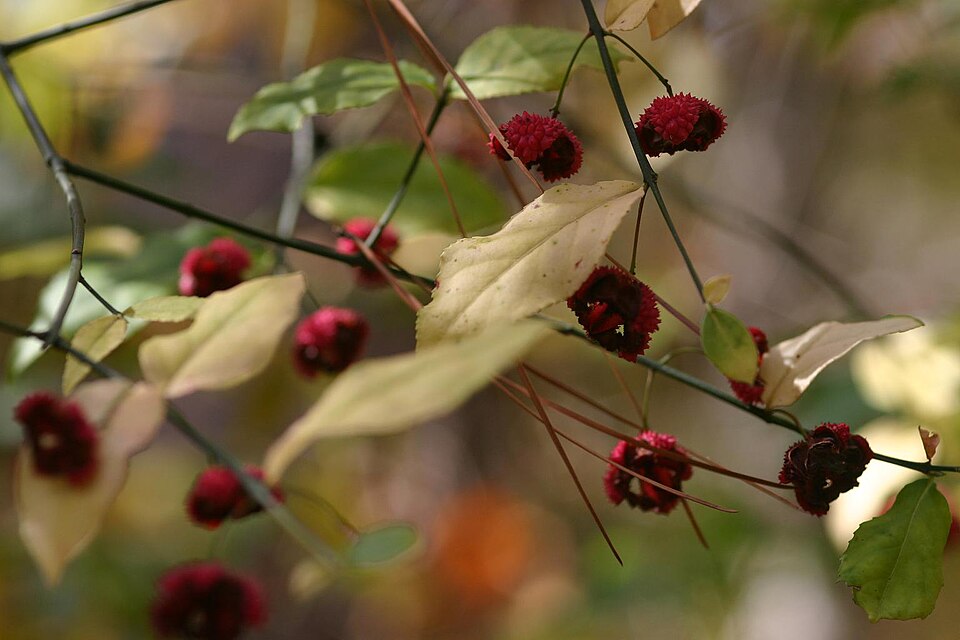
- American Strawberry-bushEuonymus americanus
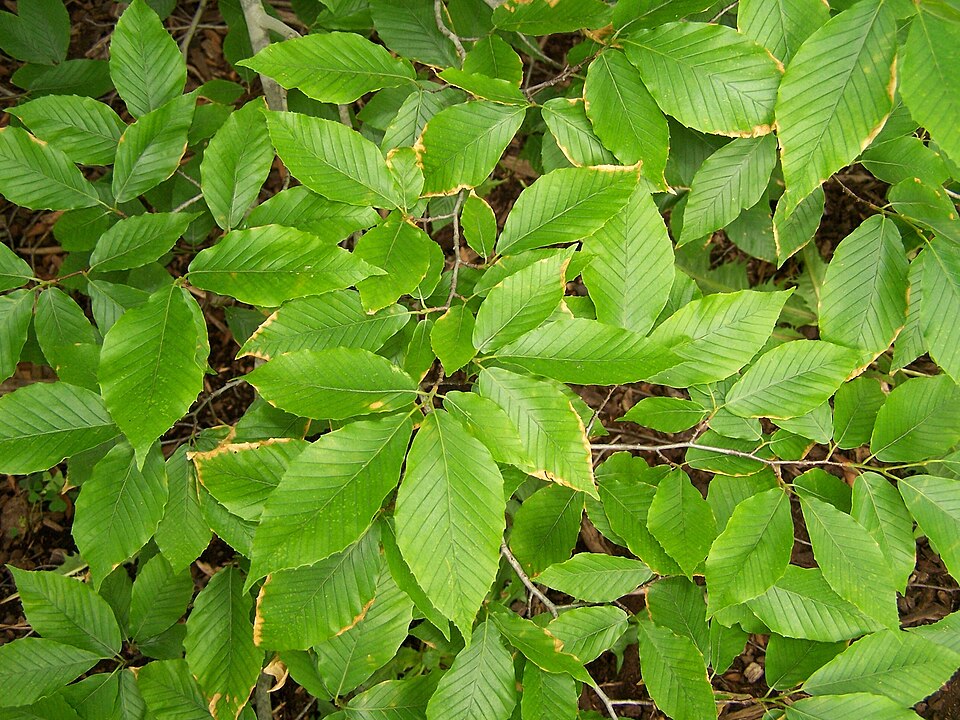
- American BeechFagus grandifolia
- White AshFraxinus americana
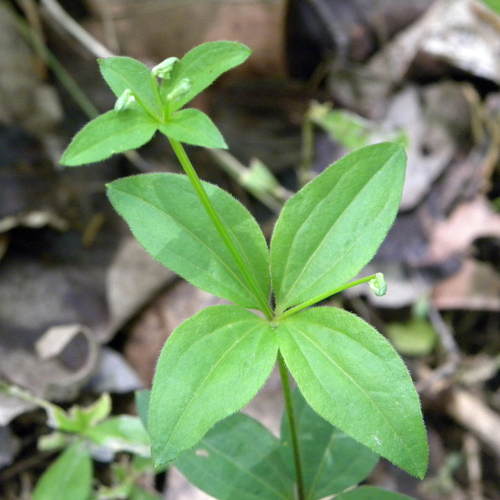
- Licorice BedstrawGalium circaezans
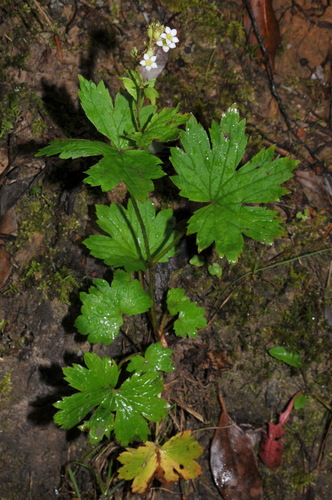
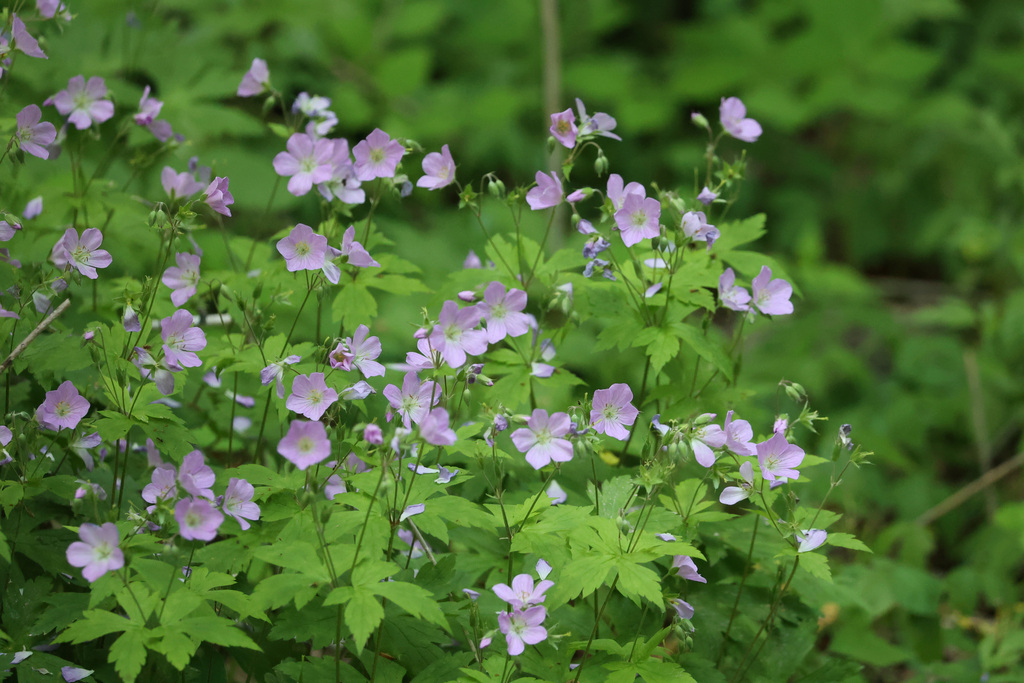
- Wild GeraniumGeranium maculatum

Wildlife 212
Other animals whose habitat models include the same habitats in West Virginia. Not sighting records.
- Alder FlycatcherEmpidonax alnorum
- American CrowCorvus brachyrhynchos
- American GoldfinchCarduelis tristis
- American RobinTurdus migratorius
- Baltimore OrioleIcterus galbula
- Black-billed CuckooCoccyzus erythropthalmus
- Blue-gray GnatcatcherPolioptila caerulea
- Brown-headed CowbirdMolothrus ater
- Carolina WrenThryothorus ludovicianus
- Cedar WaxwingBombycilla cedrorum
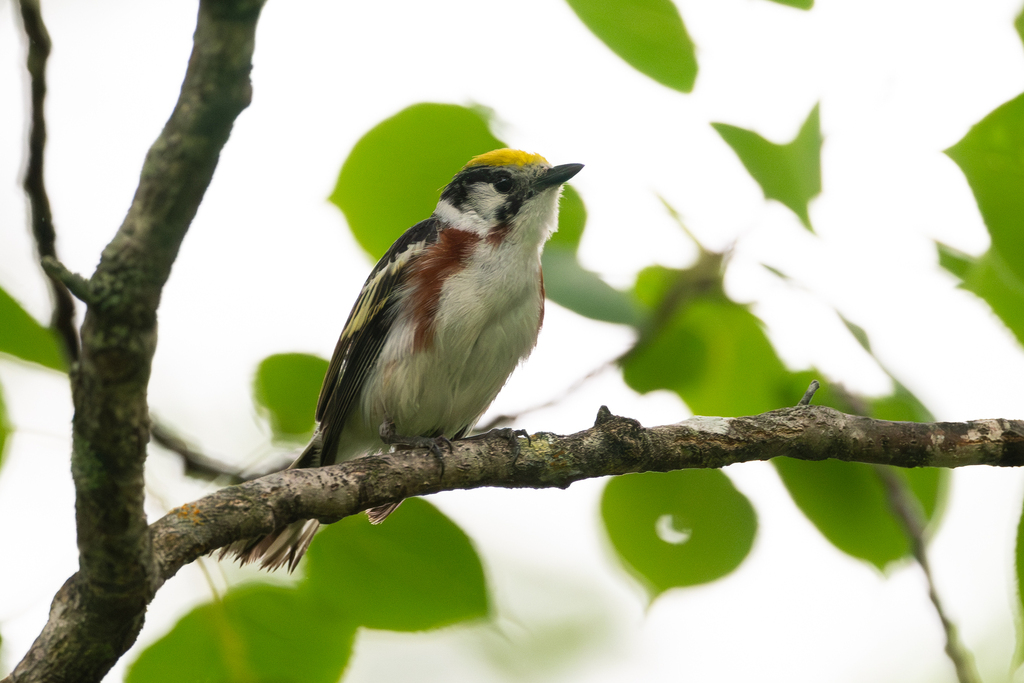
- Chestnut-sided WarblerDendroica pensylvanica
- Chimney SwiftChaetura pelagica
- Chipping SparrowSpizella passerina
- Common GrackleQuiscalus quiscula
- Common NighthawkChordeiles minor
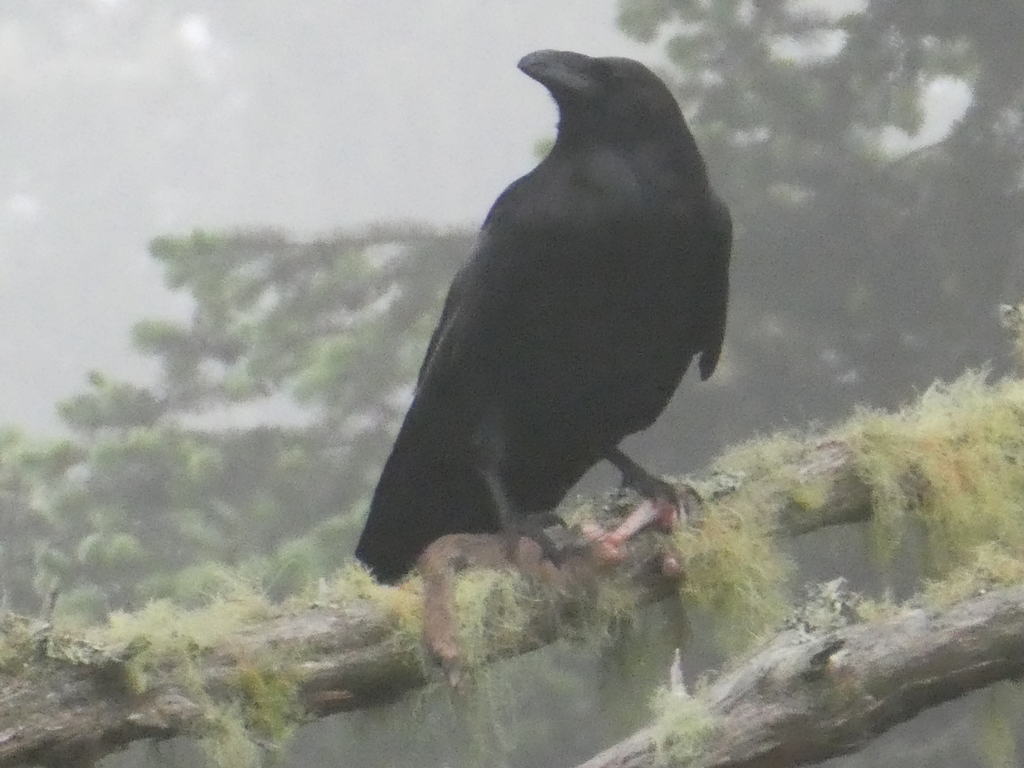
- Common RavenCorvus corax
- Common YellowthroatGeothlypis trichas
- Cooper's HawkAccipiter cooperii
- Dark-eyed JuncoJunco hyemalis
- Eastern KingbirdTyrannus tyrannus
- Eastern Screech-owlMegascops asio
- Eastern TowheePipilo erythrophthalmus
- European StarlingSturnus vulgaris
- Great Crested FlycatcherMyiarchus crinitus






















NatureServe Explorer, CC BY 4.0. USGS Gap Analysis Project habitat models.
Sources
- USGS Gap Analysis Project habitat models (2001)
- USGS GAP winter habitat model for Bewick's Wren
- USGS Gap Analysis Project range maps (2001), modeled by watershed; migratory gives no dates
- NatureServe Explorer (CC BY 4.0), habitat names
- US Census TIGER/Line counties
- Names follow the USGS Gap Analysis Project (2001)