

Striped Cream Violet
Viola striata
Found in moist forests and woodlands, disturbed areas. Weakley, Flora of the Southeastern United States (2025), Northern Tier edition What its natural habitat tells you
Native to West Virginia. How scores work Is it native here?
Profile 100%
- Height
- 8–16 inches
- Spread
- 8–12 inches
- Light
- Dappled sunlight, Partial shade
- Soil moisture
- Usually moist
Space about 1 ft apart from its recorded spread, about 100 per 100 sq ft. Enter your bed size for a count
Will it fit your yard?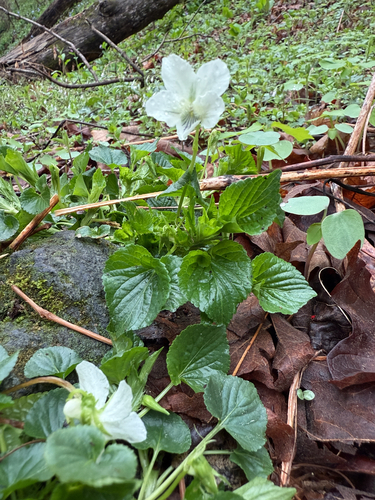
At a glance
- Life cycle
- Perennial
- Bloom
- Spring and summer
Not yet recorded · Leaves
Recorded in 28 West Virginia counties.
Natural habitats
Places it grows wild. Not a planting requirement. Each habitat page lists the plants and wildlife also found there.

Forest or woodland where the source does not say how moist or dry.
Roadsides, fields and disturbed ground
Ground opened by people: roadsides, old fields, pastures, fencerows and lots.
Also found with this plant
Wildlife whose habitat models include habitats this plant grows in, in West Virginia. Shared habitat, not food. 58 animals.
- Tree SwallowTachycineta bicolor
- White-breasted NuthatchSitta carolinensis
- White-throated SparrowZonotrichia albicollis
- Willow FlycatcherEmpidonax traillii
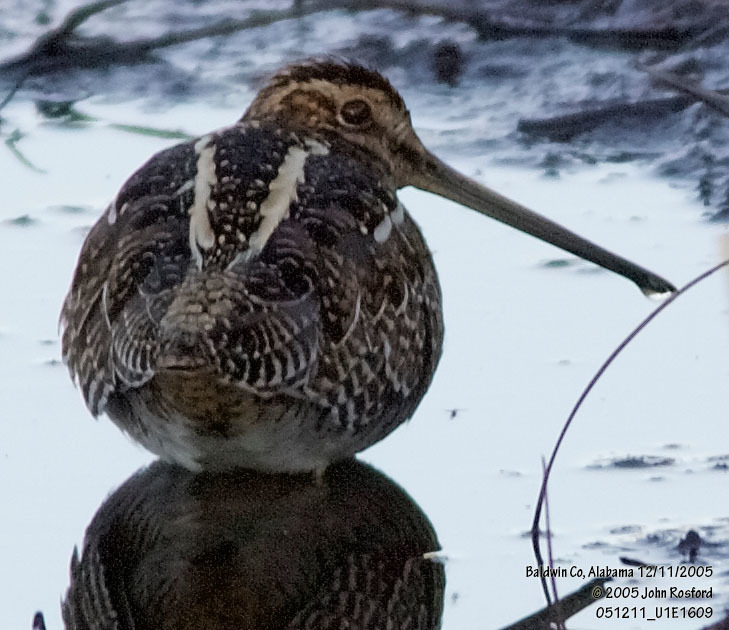
- Wilson's SnipeGallinago delicata
- Wood DuckAix sponsa
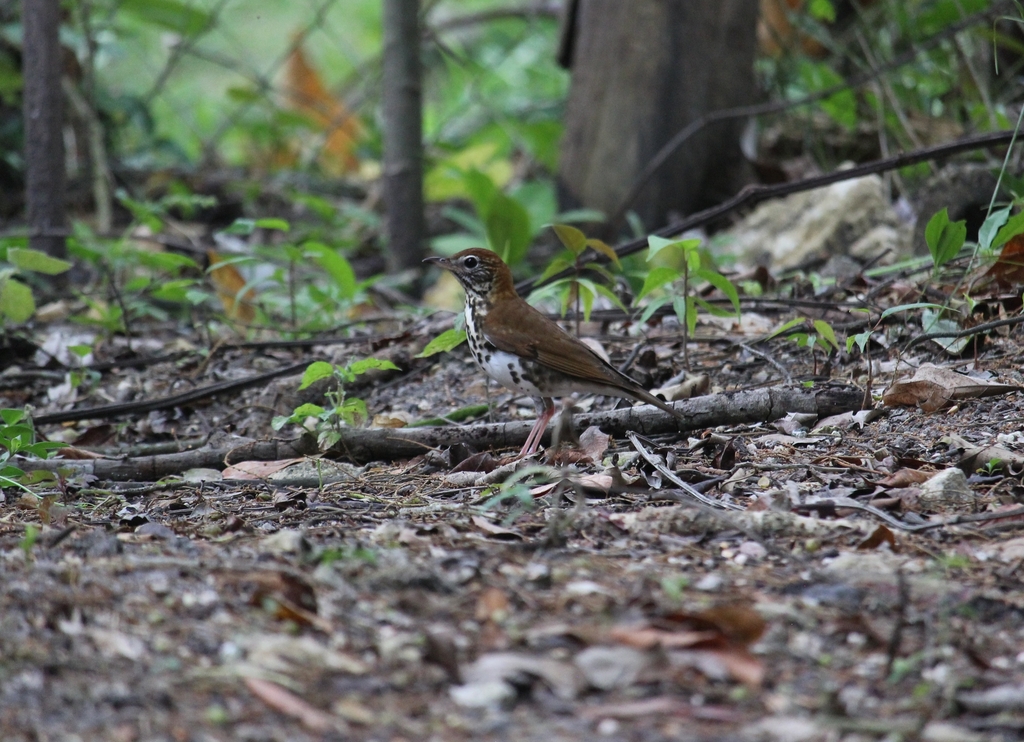
- Wood ThrushHylocichla mustelina
- Yellow-bellied SapsuckerSphyrapicus varius
- Yellow-billed CuckooCoccyzus americanus
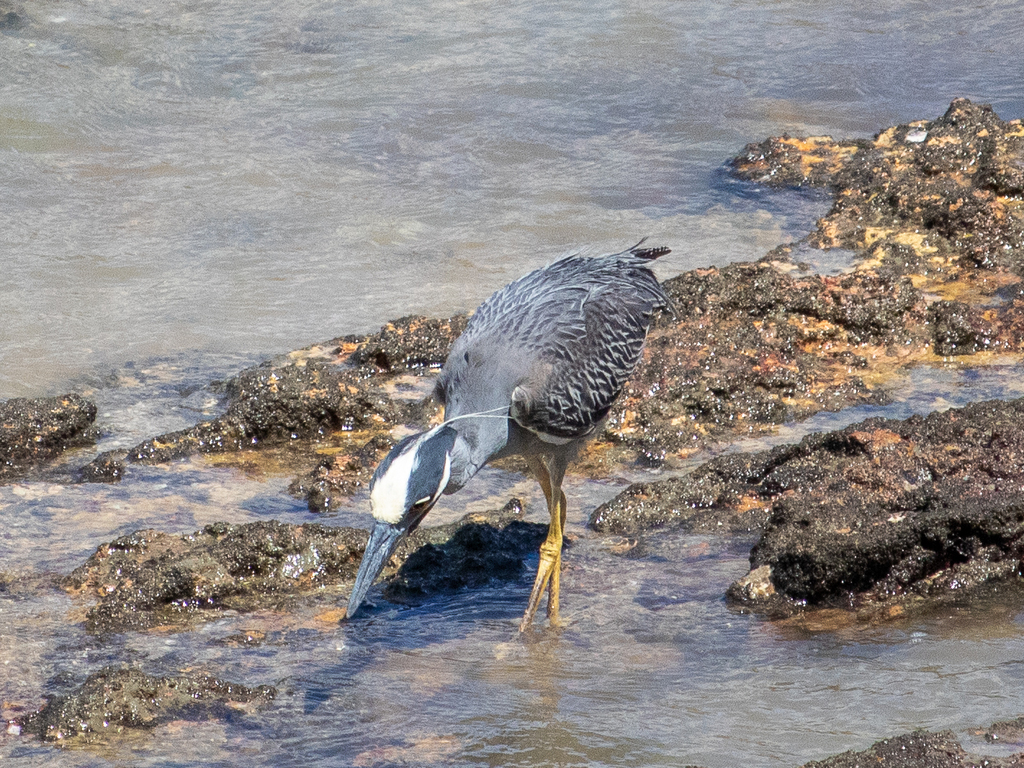
- Yellow-crowned Night-heronNyctanassa violacea






Widespread birds also seen here (29)
Found in many habitats here, so not listed above.
- Alder Flycatcher
- American Goldfinch
- American Robin
- Belted Kingfisher
- Blue Grosbeak
- Blue Jay
- Blue-gray Gnatcatcher
- Cedar Waxwing
- Chimney Swift
- Common Nighthawk
- Common Raven
- Cooper's Hawk
- Eastern Kingbird
- European Starling
- Great Horned Owl
- Mourning Dove
- Northern Cardinal
- Northern Flicker
- Northern Mockingbird
- Osprey
- Purple Finch
- Red-tailed Hawk
- Ruby-crowned Kinglet
- Sharp-shinned Hawk
- Spotted Sandpiper
- Tufted Titmouse
- Turkey Vulture
- Yellow-breasted Chat
- Yellow-rumped Warbler
Who uses this plant?
 29CaterpillarsGenus host records with ranges including WV
Genus host records with ranges including WV · Viola
- Euptoieta claudiaVariegated Fritillary
- Agrotis gladiariaSwordsman Dart, Clay-Backed Cut-Worm
- Agrotis venerabilisVenerable Dart, Dusky Cut-Worm
- Apantesis naisNais Tiger Moth
- Archips purpuranaOmnivorous Leafroller Moth
- Argynnis aphroditeAphrodite Fritillary, Great Spangled Fritillary
- Argynnis atlantisMountain Silver-Spot, Regal Fritillary, Atlantis Fritillary
- Argynnis cybeleGreat Spangled Fritillary, Variegated Fritillary
- Argynnis dianaVariegated Fritillary
- Argyrotaenia velutinanaRed-Banded Leafroller Moth, Jack Pine Tube Moth
Show all 29
- Boloria bellonaSilver-Bordered Fritillary, Meadow Fritillary
- Boloria myrinaAtlantis Fritillary, Silver-Bordered Fritillary
- Elaphria grataGrateful Midget
- Elophila obliteralisWaterlily Leafcutter Moth
- Eubaphe mendicaThe Beggar
- Eupsilia vinulentaStraight-Toothed Sallow
- Herpetogramma pertextalisBold-Feathered Grass Moth
- Herpetogramma thestealisZigzag Herpetogramma, Subtle-Feathered Grass Moth
- Hypercompe scriboniaGiant Leopard Moth, Great Leopard Moth
- Lacanobia subjunctaSpeckled Arches, Subdues Arches, Harnessed Mamestra, Speckled Cutworm Moth, Grand Arches?(incorrectly)
- Spilosoma virginicaVirginian Tiger Moth, Yellow Woolybear Moth, Yellow Bear
- Spodoptera frugiperdaFall Armyworm Moth
- Spodoptera ornithogalliYellow-Striped Armyworm Moth, Cotton Cutworm
- Trichordestra legitimaStriped Garden Caterpillar Moth
- Udea rubigalisCelery Leaftier
- Xestia c-nigrumSpotted Cut-Worm, Setaceous Hebrew Character, Lesser Black-letter Dart
- Xestia dolosaGreater Black-Letter Dart, Greater Spotted Cutworm
- Xestia smithiiSmith's Dart
- Herpetogramma aquilonalis
 16BeesSoutheastern regional records
Southeastern regional records · Viola
Individual names are not available yet.
Noori, Seltmann & Orr 2026, A curated and integrated dataset for exploring global bee-plant interactions (GloBI), Zenodo, CC BY 4.0 1Specialist beesPollen specialists
 7BirdsRecorded eating Viola in West Virginia
Diet records by plant genus, from studies across North America. Not a record from this state. Birds whose range includes West Virginia, most records first.
- Ruffed GrouseFruit and leaves. 13 diet records
- Wild Turkey4 diet records
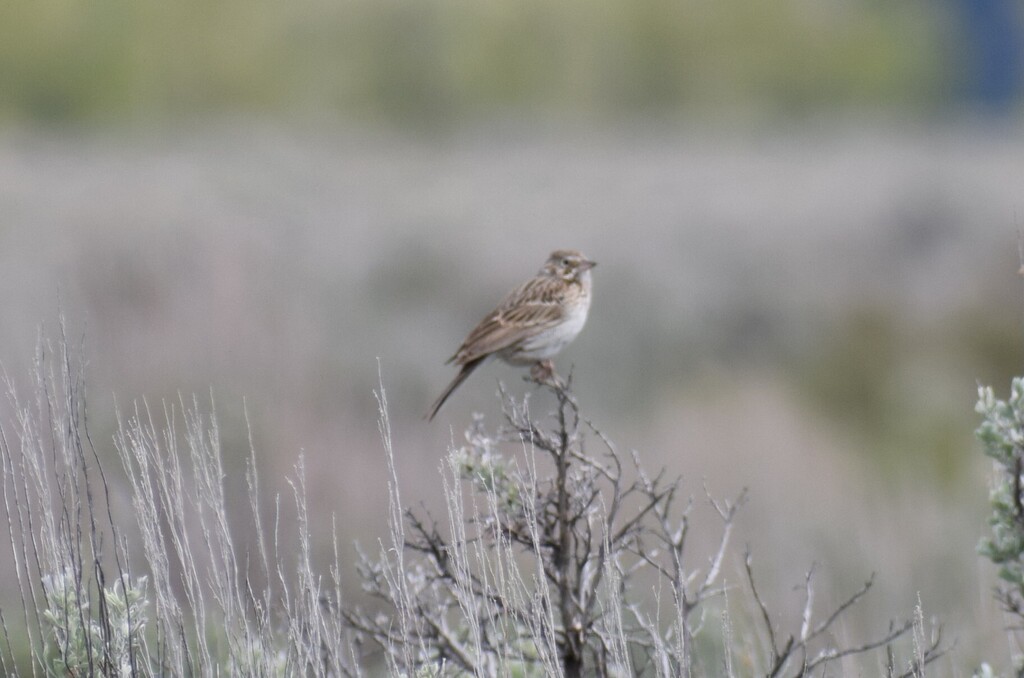
- Vesper Sparrow4 diet records
- Northern Bobwhite2 diet records
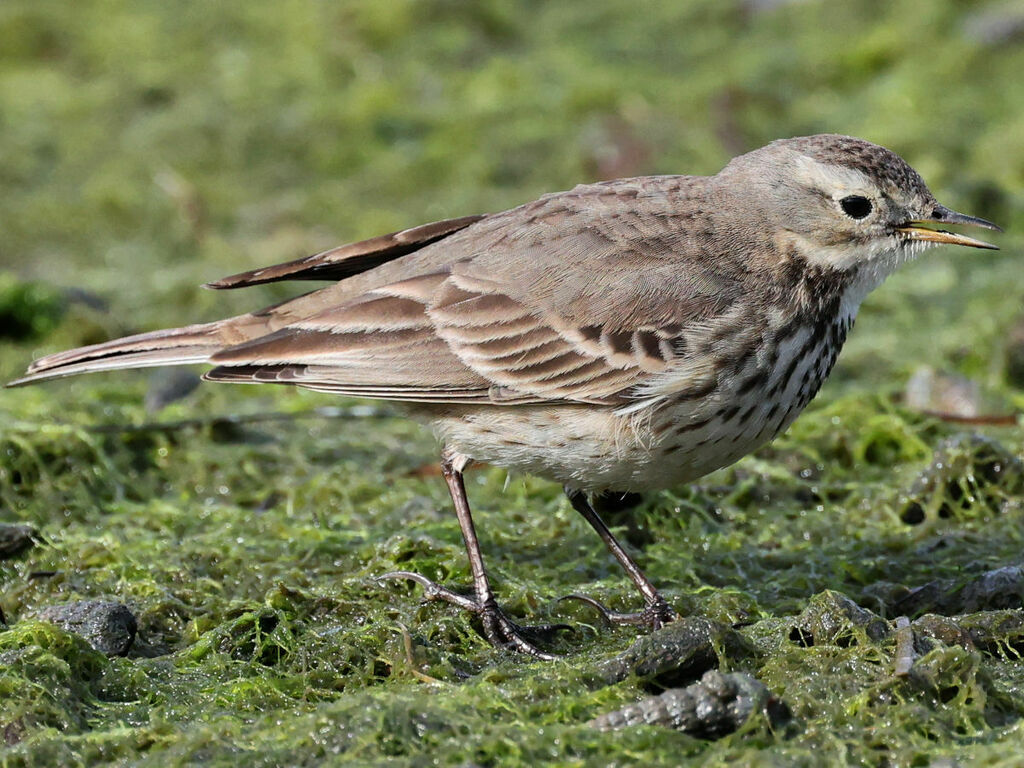
- American Pipit1 diet record
- Dark-eyed JuncoSeeds. 1 diet record
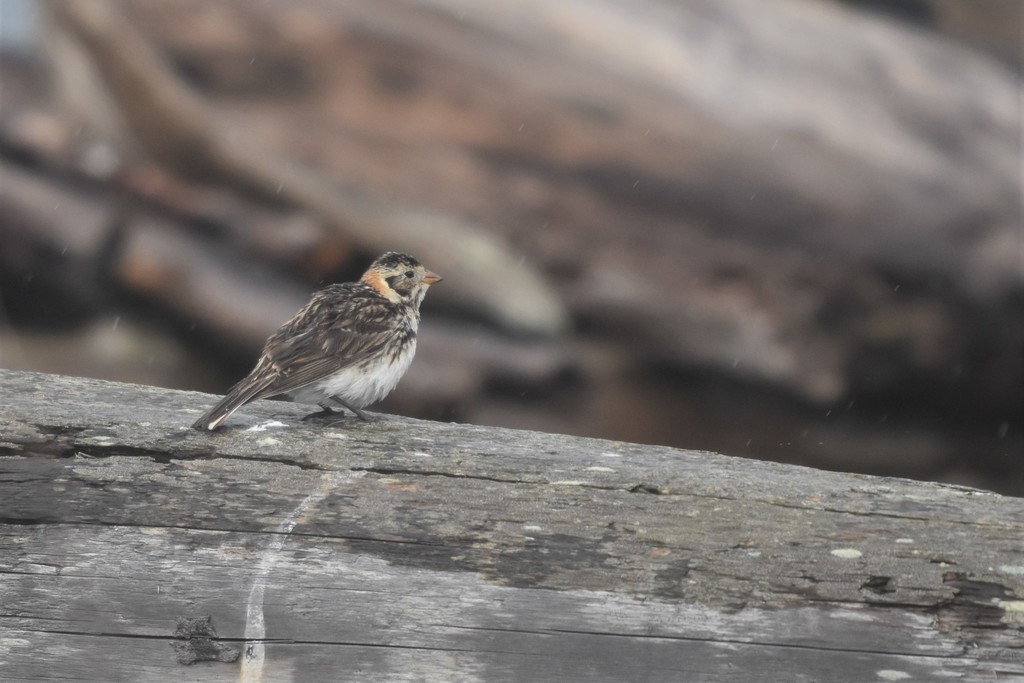
- Lapland Longspur1 diet record
Direct food only. Caterpillars on host plants also feed nesting birds. NC Native Plant Society: butterfly gardening
No records yet · Ants · Beetles · Flies · Adult butterflies / moths · Other wasps · Other insects
Birds that eat Viola 7
Diet records by plant genus, from studies across North America. Not a record from this state. Avian Diet Database (Hurlbert Lab), CC0 1.0.
- Ruffed GrouseBonasa umbellus
- Wild TurkeyMeleagris gallopavo
- Vesper SparrowPooecetes gramineus
- Northern BobwhiteColinus virginianus
- American PipitAnthus rubescens
- Dark-eyed JuncoJunco hyemalis
- Lapland LongspurCalcarius lapponicus





Plant details
- Family
- Violaceae
- Hardiness
- Zones 4a–7b
- Soil pH
- Neutral to alkaline
- Flower color
- Purple or white
Safety has not been reviewed for this plant; check toxicity and thorns before planting.
Growing sources and scope
- Bloom · “Spring and summer” · NC Extension Plant Toolbox (ranked first; Weakley, Flora of the Southeastern United States (2025), Carolinas & Georgia edition, Prairie Moon 2026 Cultural Guide differ)
- Flower color · “Purple or white” · NC Extension Plant Toolbox (ranked first; Lady Bird Johnson Wildflower Center, Prairie Moon 2026 Cultural Guide differ)
- Hardiness · “Zones 4a–7b” · NC Extension Plant Toolbox (ranked first; Missouri Botanical Garden Plant Finder differs)
- Height · “8–16 inches” · NC Extension Plant Toolbox (ranked first; Tennessee Smart Yards, Missouri Botanical Garden Plant Finder, Prairie Moon 2026 Cultural Guide differ)
- Life cycle · “Perennial” · NC Extension Plant Toolbox
- Light · “Dappled sunlight (shade through upper canopy all day); Partial shade (direct sunlight only part of the day, 2-6 hours)” · NC Extension Plant Toolbox (ranked first; Tennessee Smart Yards, Lady Bird Johnson Wildflower Center, Missouri Botanical Garden Plant Finder, Prairie Moon 2026 Cultural Guide differ)
- Soil · “Good drainage; Moist; Occasionally wet” · NC Extension Plant Toolbox (ranked first; NC Extension Plant Toolbox, Tennessee Smart Yards, Lady Bird Johnson Wildflower Center, Missouri Botanical Garden Plant Finder, Prairie Moon 2026 Cultural Guide differ)
- Soil pH · “Neutral to alkaline” · NC Extension Plant Toolbox
- Spread · “8–12 inches” · NC Extension Plant Toolbox (ranked first; Missouri Botanical Garden Plant Finder differs)
Also known as
Cream Violet; Pale Violet
Conservation status
| West Virginia rank | S5 |
|---|---|
| Global rank | G5 |
| WV status | Not verified |
| Federal status | Not verified |
Will it fit your yard?
Check this plant against your county, sun and soil moisture. Conditions are checked in your browser.
Growing cautions
- Spreads aggressively. Freely self-seeds and can be aggressive. Tennessee Smart Yards
For planning only; these do not change the score or Fit.
Sources
- NatureServe Explorer
- USDA PLANTS
- Vascular Plants of North Carolina (NC Natural Heritage Program)
- Weakley, Flora of the Southeastern United States (2025), Carolinas & Georgia edition
- West Virginia occurrence source
- Shropshire & Tallamy 2025, Lepidoptera of North America north of Mexico, ZooKeys 1261 (ODbL)
- Noori, Seltmann & Orr 2026, A curated and integrated dataset for exploring global bee-plant interactions (GloBI), Zenodo, CC BY 4.0
- Smith, Bachelder, Russell, Morales, Mosher & Seltmann 2024, Bee-Specialization-Modeling v0.6.1 (specialist host table compiled from J. Fowler's pollen specialist bee lists), Zenodo, CC BY 4.0
- Hurlbert, Olsen, Sawyer & Winner 2021, Avian Diet Database, Scientific Data 8: 260 (CC0)
- Narango, Tallamy & Shropshire 2020, Few keystone plant genera support the majority of Lepidoptera species, Nature Communications