

Curly Dock
Rumex crispus
Not native to West Virginia. How scores work Is it native here?
Profile 65%
- Height
- 1–5 feet
- Light
- Full sun, Partial shade
- Soil moisture
- Somewhat dry to moist
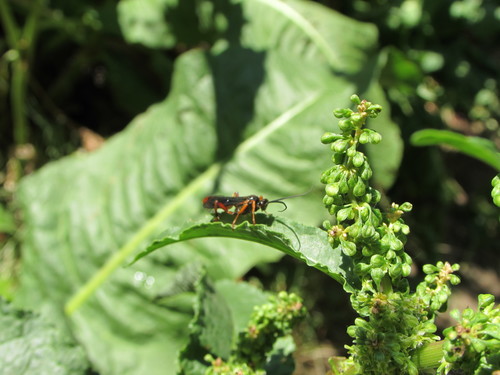
Plant this instead
Choose your county to list local plants first.
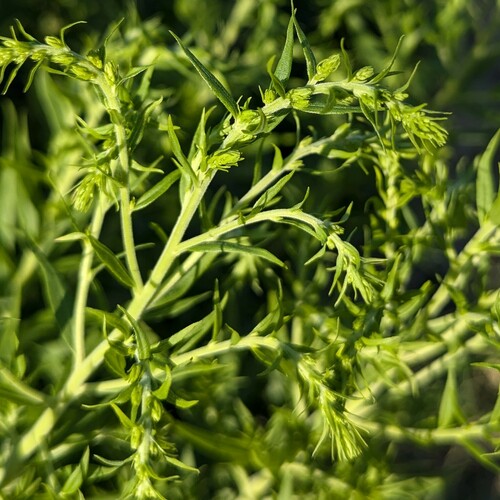
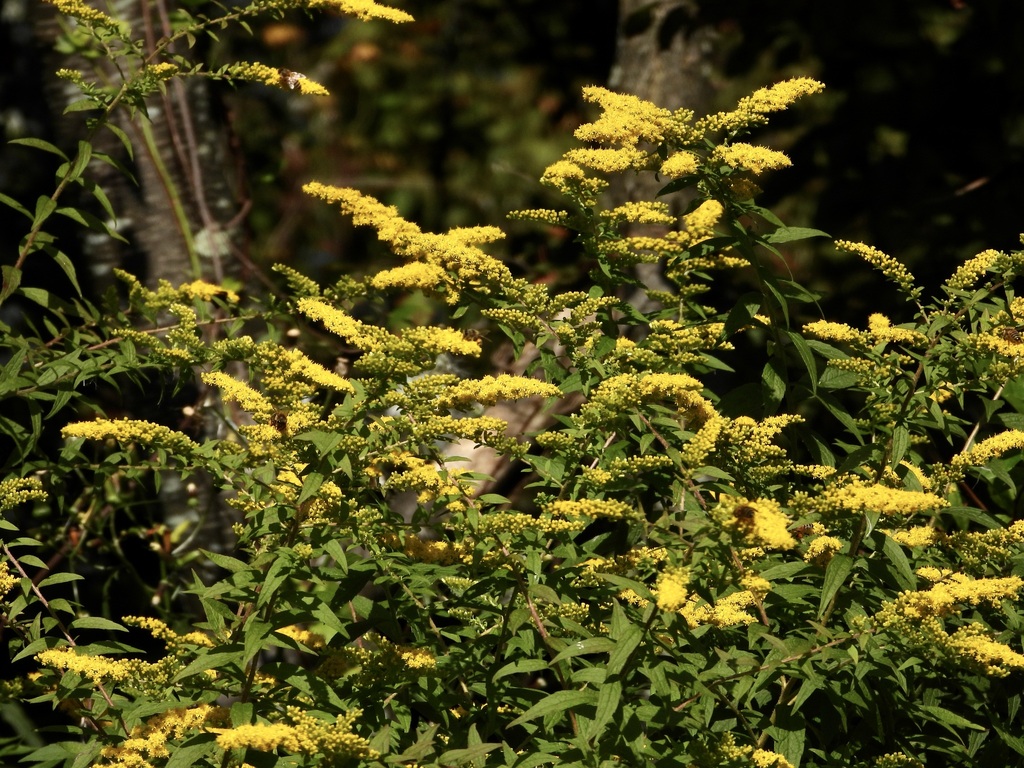
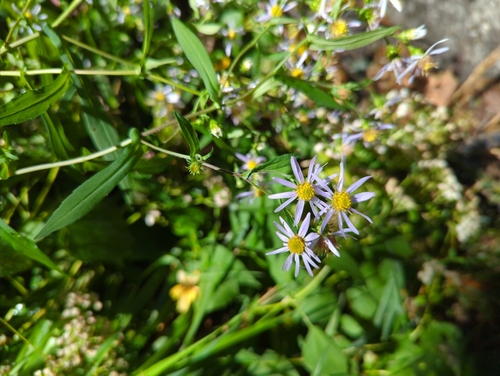
No recorded swaps for this county. Try the garden finder.
At a glance
- Life cycle
- Perennial
- Leaves
- Deciduous
Not yet recorded · Spread · Bloom
Recorded in 8 West Virginia counties.
Also found with this plant
Wildlife whose habitat models include habitats this plant grows in, in West Virginia. Shared habitat, not food. 74 animals.
Widespread birds also seen here (45)
Found in many habitats here, so not listed above.
- Alder Flycatcher
- American Crow
- American Goldfinch
- American Kestrel
- American Redstart
- American Robin
- Belted Kingfisher
- Black-billed Cuckoo
- Blue Grosbeak
- Blue Jay
- Blue-gray Gnatcatcher
- Cedar Waxwing
- Chimney Swift
- Chipping Sparrow
- Common Nighthawk
- Common Raven
- Common Yellowthroat
- Cooper's Hawk
- Eastern Kingbird
- Eastern Towhee
- European Starling
- Gray Catbird
- Great Crested Flycatcher
- Great Horned Owl
- Least Flycatcher
- Mourning Dove
- Northern Cardinal
- Northern Flicker
- Northern Mockingbird
- Olive-sided Flycatcher
- Orange-crowned Warbler
- Osprey
- Purple Finch
- Red-tailed Hawk
- Red-winged Blackbird
- Ruby-crowned Kinglet
- Sharp-shinned Hawk
- Spotted Sandpiper
- Tufted Titmouse
- Turkey Vulture
- Veery
- White-throated Sparrow
- Wild Turkey
- Yellow-breasted Chat
- Yellow-rumped Warbler
Who uses this plant?
 50CaterpillarsGenus host records with ranges including WV
Genus host records with ranges including WV · Rumex
- Achyra rantalisGarden Webworm Moth
- Agnorisma badinodisPale-Banded Dart
- Agrotis gladiariaSwordsman Dart, Clay-Backed Cut-Worm
- Anaplectoides prasinaGreen Arches Dart
- Anavitrinella pampinariaCommon Gray, Cranberry Spanworm
- Apantesis argeArge Tiger Moth
- Apantesis naisNais Tiger Moth
- Argyrogramma verrucaGolden Looper
- Calothysanis amaturariaCross-Lined Wave
- Chionodes discoocellellaEyeringed Chionodes
Show all 50
- Chloridea virescensTobacco Budworm Moth
- Chlorochlamys chloroleucariaBlackberry Looper Moth
- Chrysoteuchia topiariusCranberry Girder, Subterranean Webworm, Topiary Grass-Veneer
- Clepsis persicanaWhite Triangle Tortrix
- Dypterygia rozmaniAmerican Bird's-Wing
- Estigmene acreaSalt Marsh Moth, Acrea Moth
- Eupithecia miserulataCommon Eupithacia, Common Pug
- Euxoa tessellataTessellate Dart, Striped Cutworm
- Feltia jaculiferaDingy Cutworm
- Hahncappsia mancalisCommon Hahncappsia
- Hyles lineataWhite-Lined Sphinx
- Lacinipolia renigeraBristly Ground Cat, Bristly Cutworm Moth, Kidney Spotted "Mamestra"
- Leuconycta lepidulaMarble-Green Jaspidia, Marble-Green Leuconycta
- Lycaena hypophlaeasAmerican Copper
- Melanchra pictaPainted Arches, Zebra Caterpillar Moth
- Mythimna unipunctaArmyworm Moth, White Speck
- Nymphalis antiopaMourning Cloak
- Ochropleura implectaAmerican Flame-Shouldered Dart
- Olethreutes fasciatanaBanded Olethreutes
- Orthodes majusculaRustic Quaker, Rustic Groundcat
- Orthonama obstipataThe Gem
- Papaipema baptisiaeWild Indigo Borer, Indigo Stem Borer
- Papaipema nebrisStalk Borer
- Phlogophora irisOlive Angle Shades
- Phragmatobia fuliginosaRuby Tiger Moth
- Pseudeustrotia carneolaPink-Barred Lithacodia, Pink-Barred Pseudeustrotia
- Resapamea passerDock Rustic Moth
- Sparganothis sulfureanaSparganothis Fruitworm Moth, Sulfur Leafroller, False Yellow-Head
- Spilosoma virginicaVirginian Tiger Moth, Yellow Woolybear Moth, Yellow Bear
- Spodoptera frugiperdaFall Armyworm Moth
- Spodoptera ornithogalliYellow-Striped Armyworm Moth, Cotton Cutworm
- Strymon melinusGray Hairstreak
- Sunira bicoloragoBicolored Sallow
- Tharsalea hyllusBronze Copper
- Thyridopteryx ephemeraeformisEvergreen Bagworm Moth
- Trachea delicataDelicate Moth
- Trichoplusia niNi Moth, Cabbage Looper Moth
- Xestia c-nigrumSpotted Cut-Worm, Setaceous Hebrew Character, Lesser Black-letter Dart
- Xestia dolosaGreater Black-Letter Dart, Greater Spotted Cutworm
- Xestia smithiiSmith's Dart
 —BeesSoutheastern regional records
 —Specialist beesPollen specialists
 14BirdsRecorded eating Rumex in West Virginia
Diet records by plant genus, from studies across North America. Not a record from this state. Birds whose range includes West Virginia, most records first.
- Ruffed Grouse4 diet records
- Chipping SparrowSeeds. 2 diet records
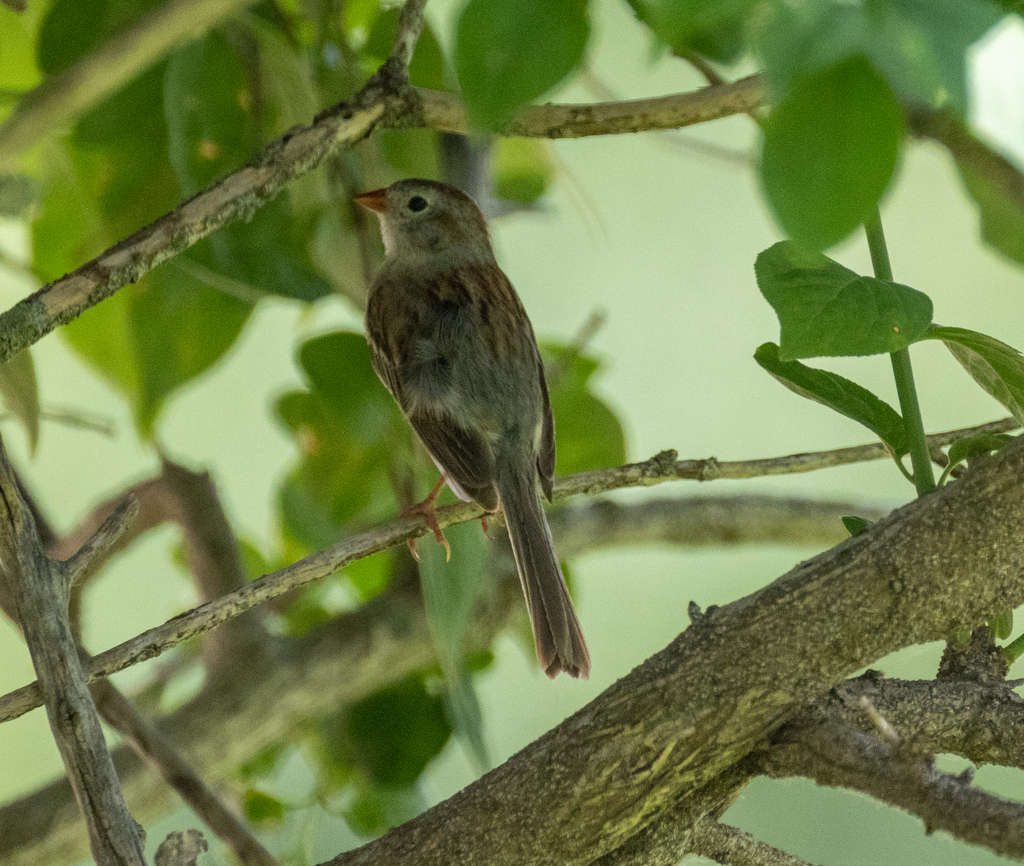
- Field SparrowSeeds. 2 diet records
- Wild Turkey2 diet records
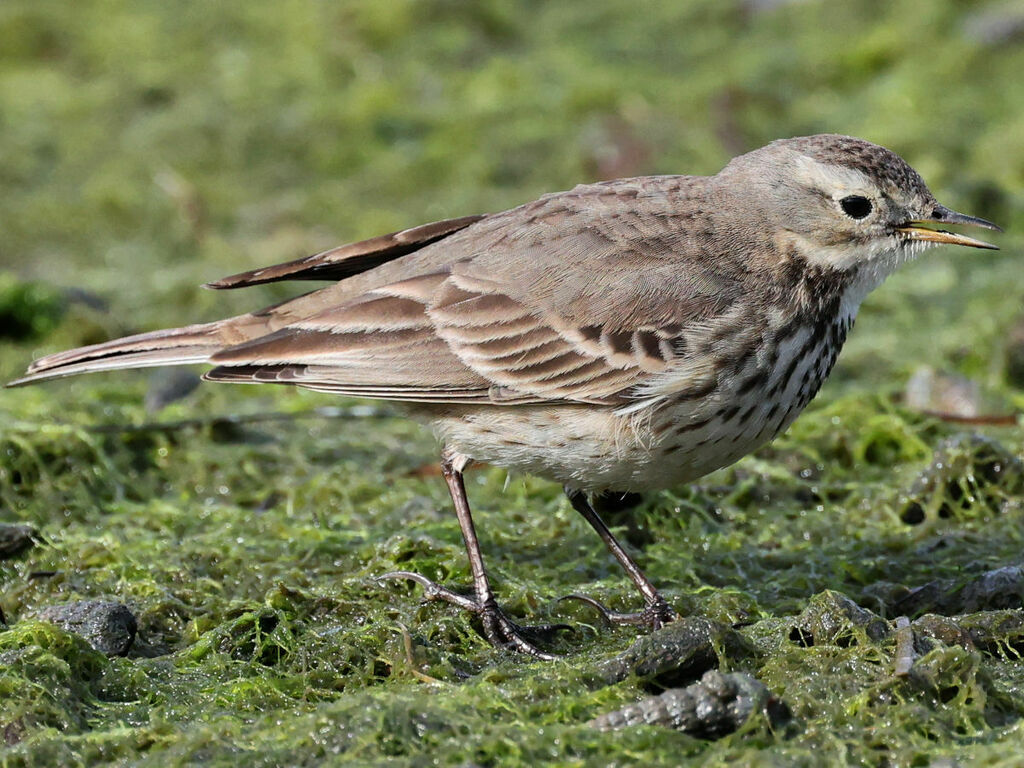
- American Pipit1 diet record
- American RobinFruit. 1 diet record
- Dark-eyed JuncoSeeds. 1 diet record
- Eastern BluebirdFruit. 1 diet record
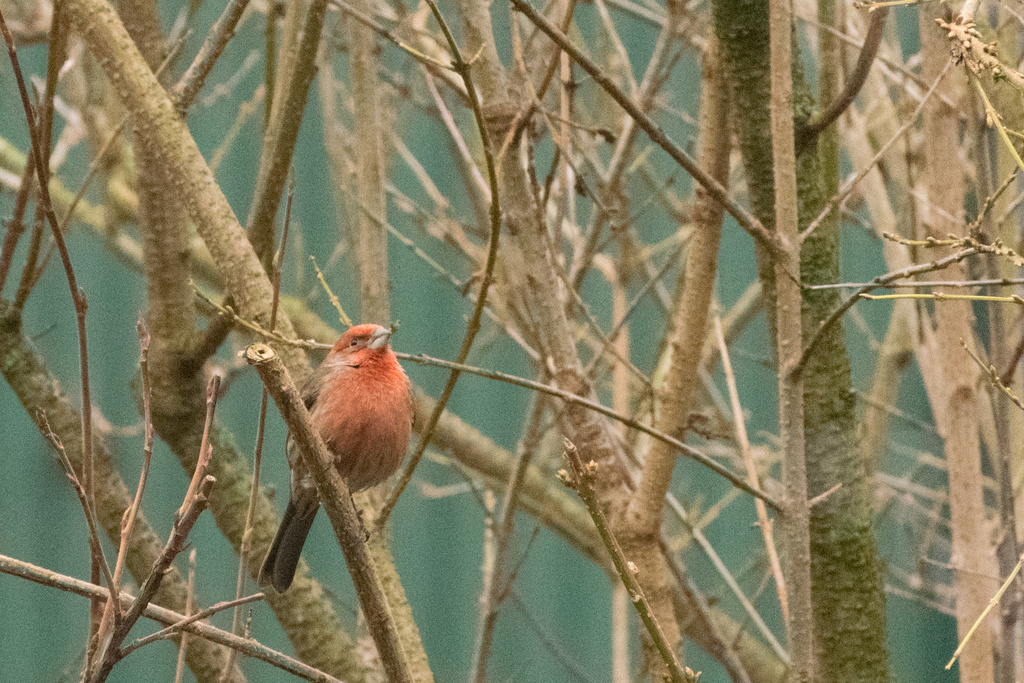
- House FinchSeeds. 1 diet record
- Lesser ScaupSeeds. 1 diet record
Show all 14
- Pine Grosbeak1 diet record
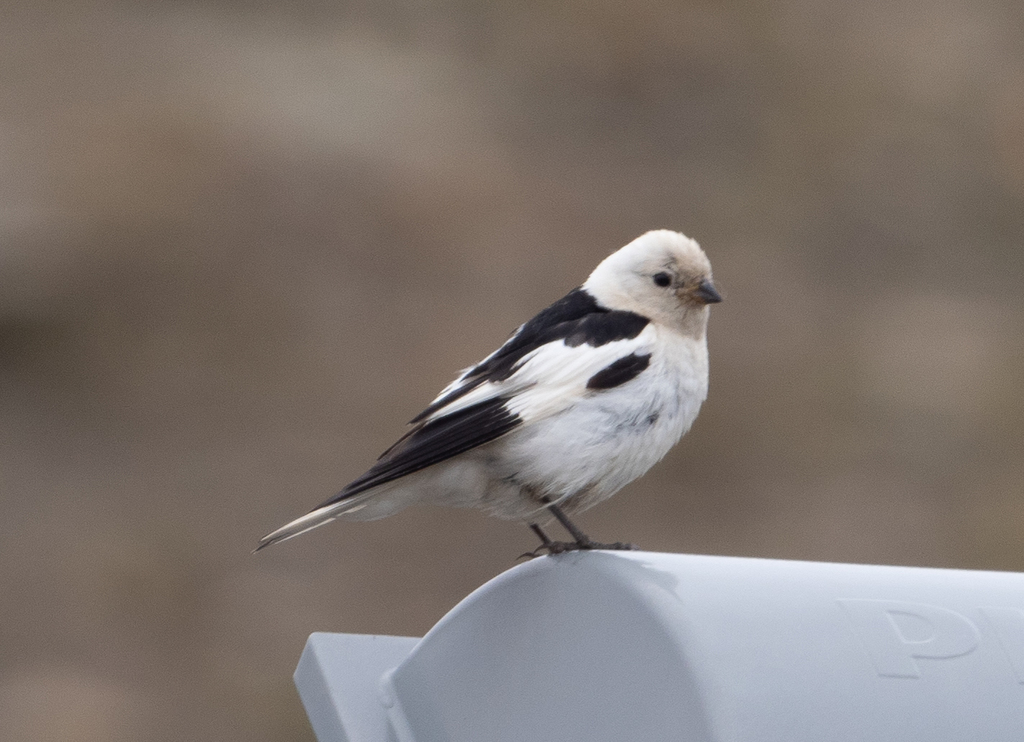
- Snow Bunting1 diet record
- Song SparrowSeeds. 1 diet record
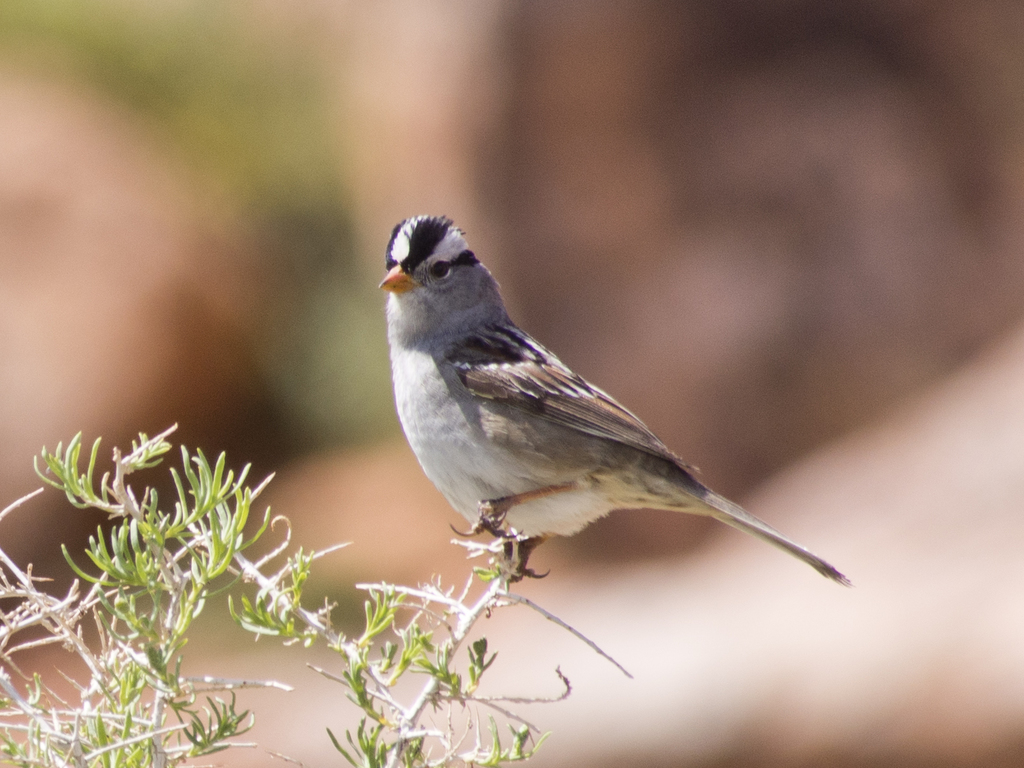
- White-crowned SparrowSeeds. 1 diet record
Direct food only. Caterpillars on host plants also feed nesting birds. NC Native Plant Society: butterfly gardening
Birds that eat Rumex 14
Diet records by plant genus, from studies across North America. Not a record from this state. Avian Diet Database (Hurlbert Lab), CC0 1.0.
- Ruffed GrouseBonasa umbellus
- Chipping SparrowSpizella passerina
- Field SparrowSpizella pusilla
- Wild TurkeyMeleagris gallopavo
- American PipitAnthus rubescens
- American RobinTurdus migratorius
- Dark-eyed JuncoJunco hyemalis
- Eastern BluebirdSialia sialis
- House FinchCarpodacus mexicanus
- Lesser ScaupAythya affinis
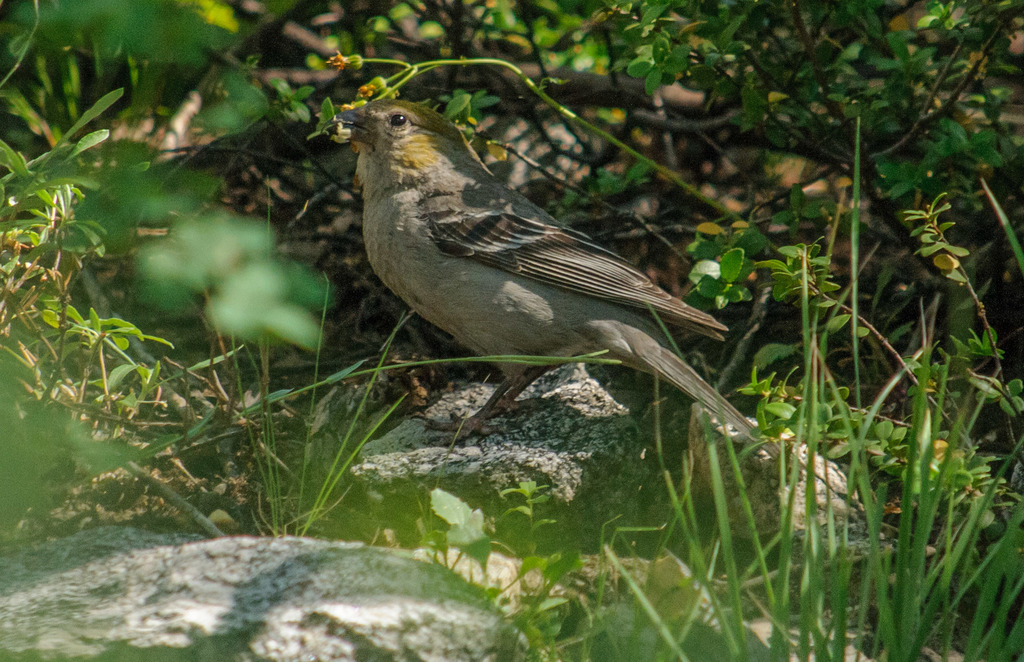
- Pine GrosbeakPinicola enucleator
- Snow BuntingPlectrophenax nivalis
- Song SparrowMelospiza melodia
- White-crowned SparrowZonotrichia leucophrys








Plant details
- Family
- Polygonaceae
- Hardiness
- Zones 4a–8b
- Flower color
- Brown/copper, yellow or green
What its natural habitat tells you
Safety has not been reviewed for this plant; check toxicity and thorns before planting.
Growing sources and scope
- Flower color · “Brown/copper, yellow or green” · NC Extension Plant Toolbox
- Hardiness · “Zones 4a–8b” · NC Extension Plant Toolbox
- Height · “1–5 feet” · Minnesota Wildflowers
- Leaves · “Deciduous” · NC Extension Plant Toolbox
- Life cycle · “Perennial” · NC Extension Plant Toolbox
- Light · “Full sun (6 or more hours of direct sunlight a day); Partial shade (direct sunlight only part of the day, 2-6 hours)” · NC Extension Plant Toolbox
- Soil · “Moist; Occasionally dry” · NC Extension Plant Toolbox
Also known as
Yellow Dock
Conservation status
| West Virginia rank | SNA |
|---|---|
| Global rank | GNR |
| WV status | Not verified |
| Federal status | Not verified |
Sources
- NatureServe Explorer
- USDA PLANTS
- West Virginia occurrence source
- Shropshire & Tallamy 2025, Lepidoptera of North America north of Mexico, ZooKeys 1261 (ODbL)
- Noori, Seltmann & Orr 2026, A curated and integrated dataset for exploring global bee-plant interactions (GloBI), Zenodo, CC BY 4.0
- Smith, Bachelder, Russell, Morales, Mosher & Seltmann 2024, Bee-Specialization-Modeling v0.6.1 (specialist host table compiled from J. Fowler's pollen specialist bee lists), Zenodo, CC BY 4.0
- Hurlbert, Olsen, Sawyer & Winner 2021, Avian Diet Database, Scientific Data 8: 260 (CC0)
- Narango, Tallamy & Shropshire 2020, Few keystone plant genera support the majority of Lepidoptera species, Nature Communications