

Common Selfheal
Prunella vulgaris
Native to West Virginia. How scores work Is it native here?
Profile 100%
- Height
- About 1.5 feet
- Light
- 2 or more hours of direct sun
- Soil moisture
- Somewhat dry to average
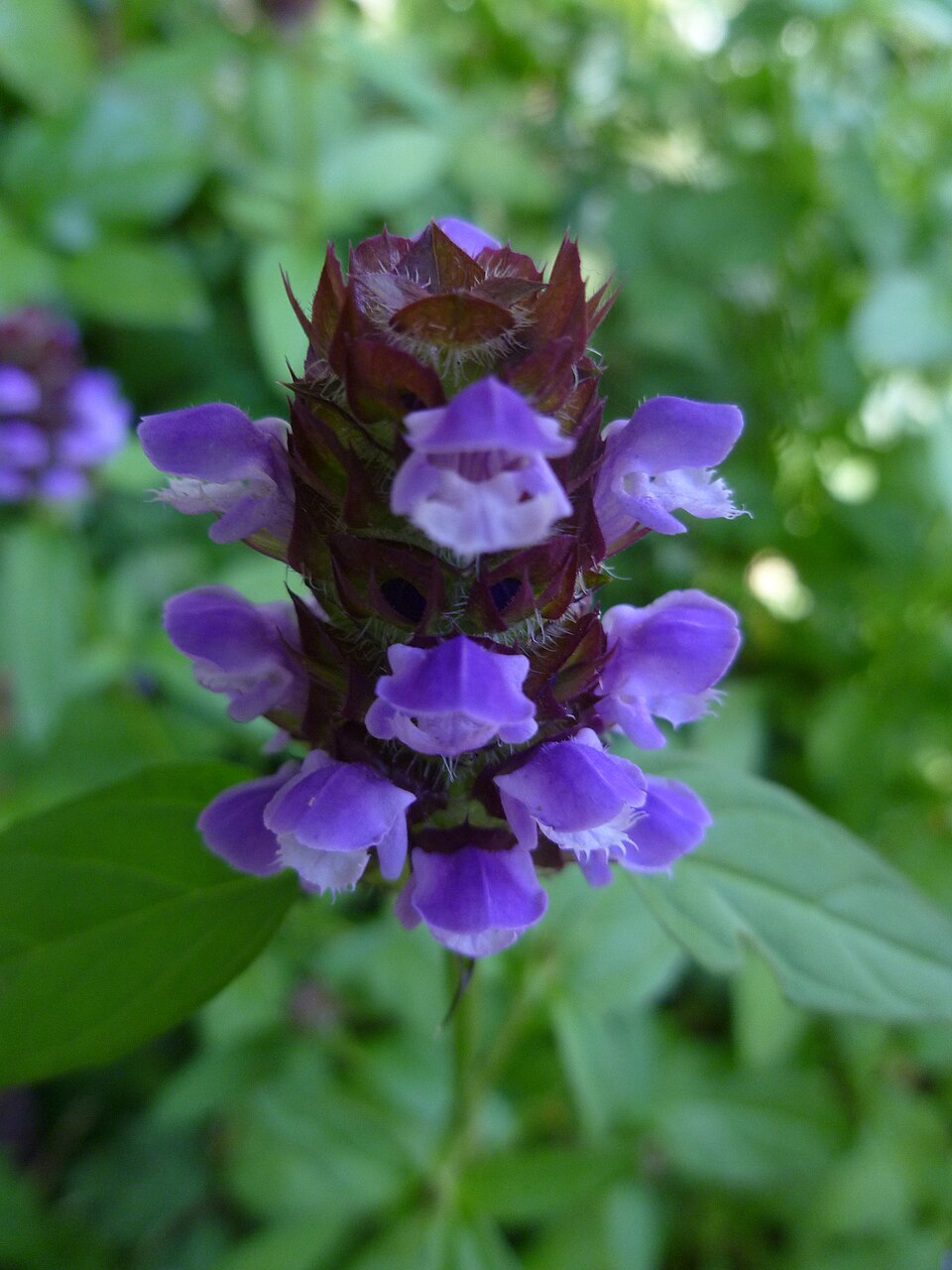
At a glance
- Life cycle
- Perennial
- Bloom
- Mid summer
- Fruiting season
- Summer to fall
Not yet recorded · Spread · Leaves
Recorded in 17 West Virginia counties.
Also found with this plant
Wildlife whose habitat models include habitats this plant grows in, in West Virginia. Shared habitat, not food. 93 animals.
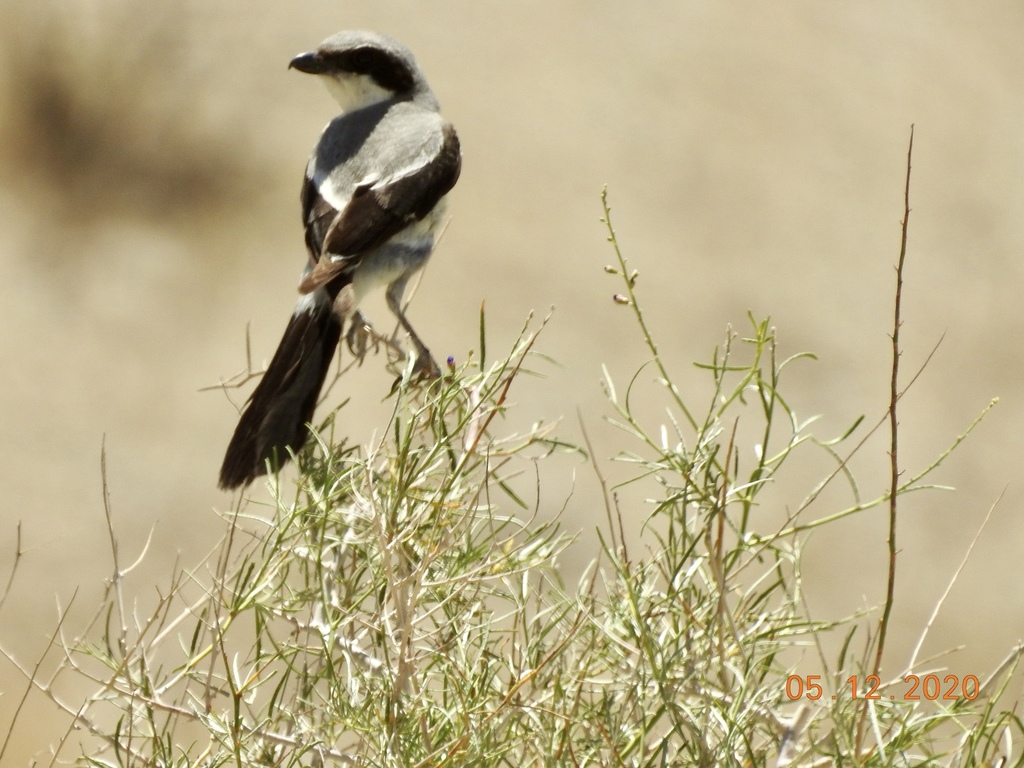
- Loggerhead ShrikeLanius ludovicianus
- Northern Rough-winged SwallowStelgidopteryx serripennis
- OvenbirdSeiurus aurocapilla
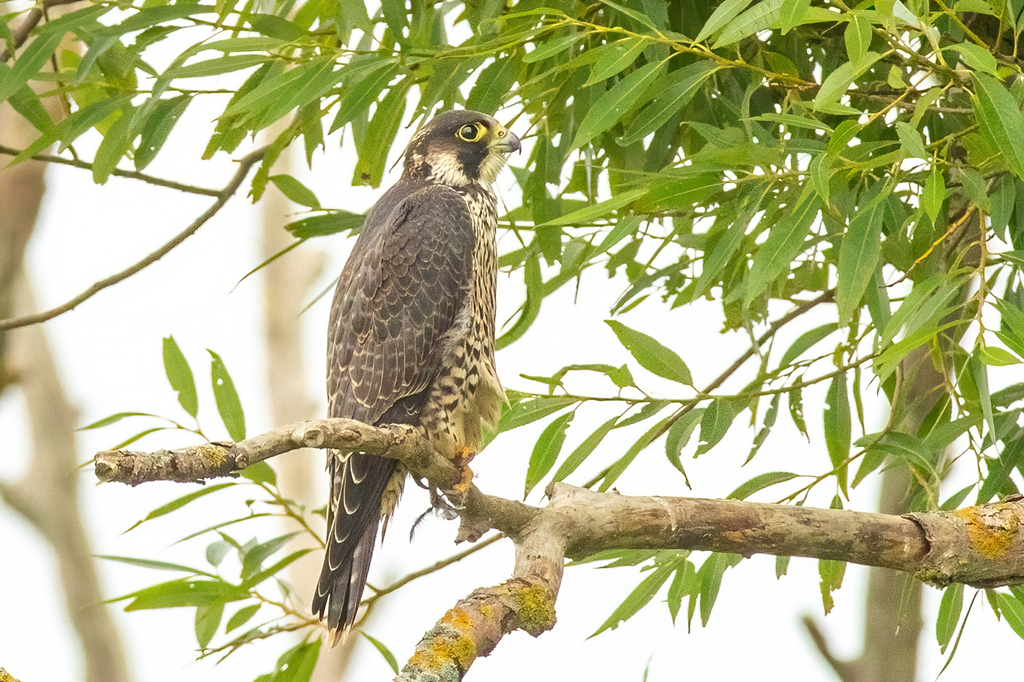
- Peregrine FalconFalco peregrinus
- Pileated WoodpeckerDryocopus pileatus
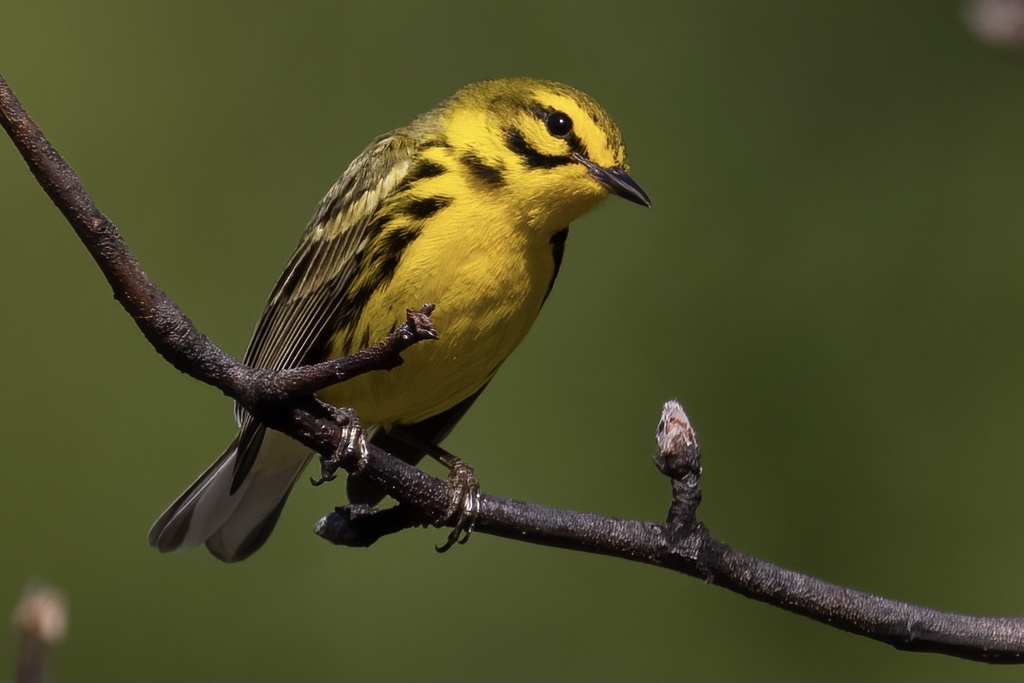
- Prairie WarblerDendroica discolor
- Red-bellied WoodpeckerMelanerpes carolinus
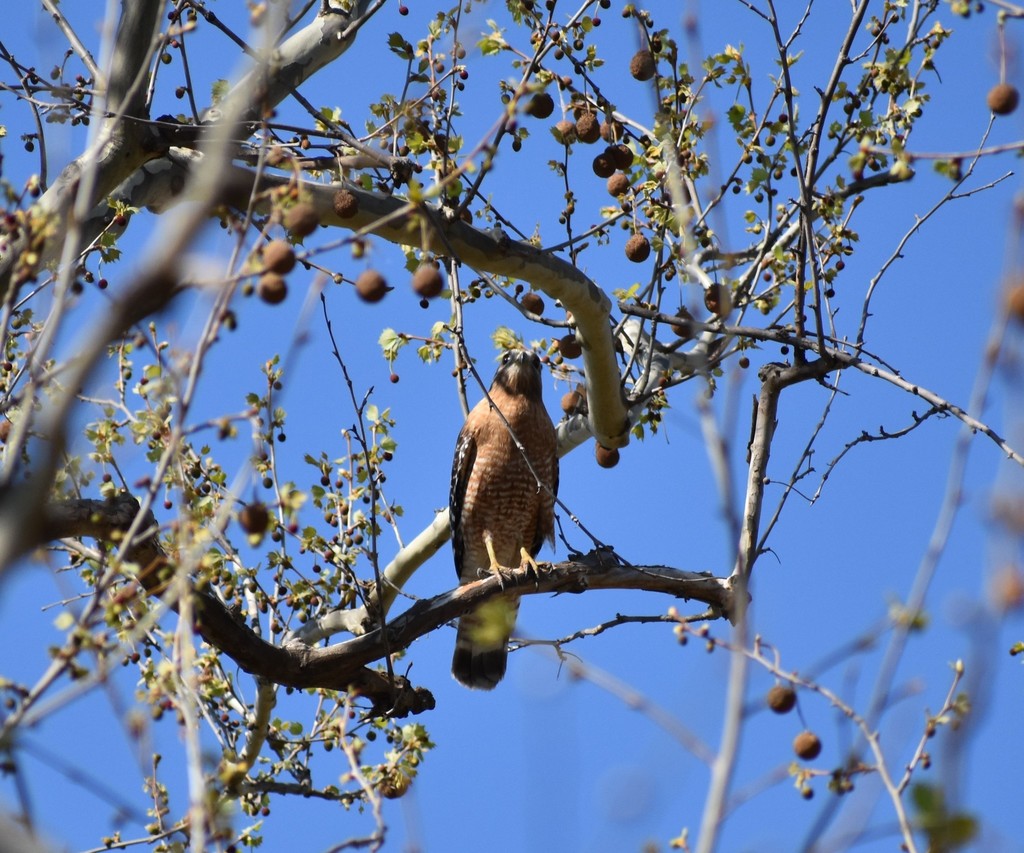
- Red-shouldered HawkButeo lineatus
- Ruby-throated HummingbirdArchilochus colubris
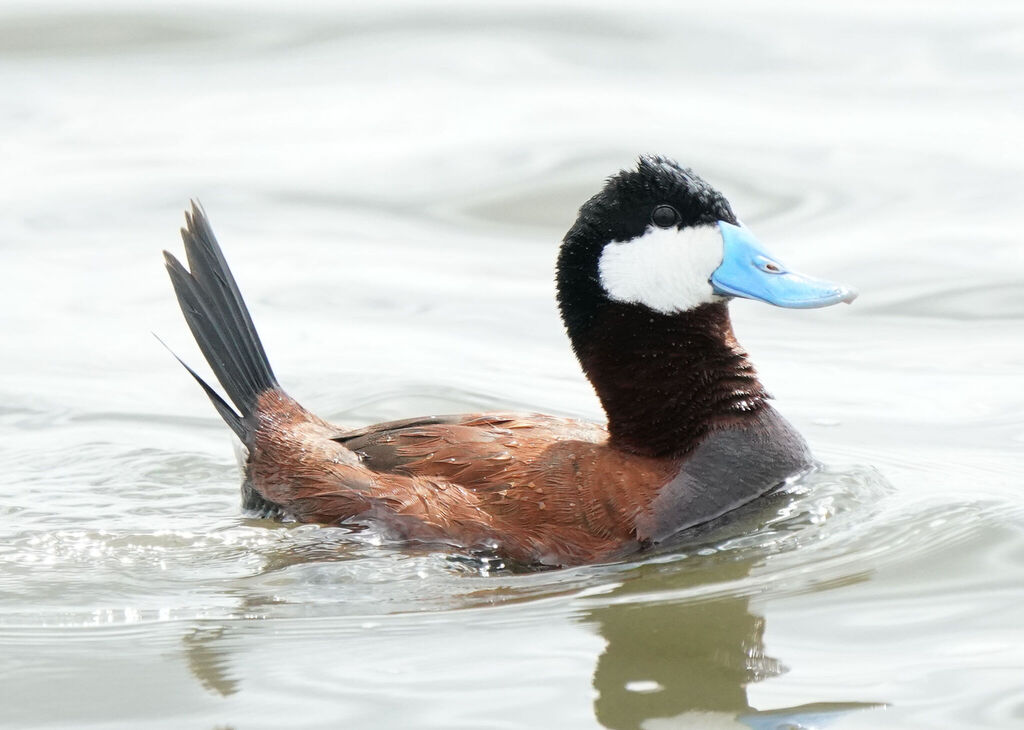
- Ruddy DuckOxyura jamaicensis
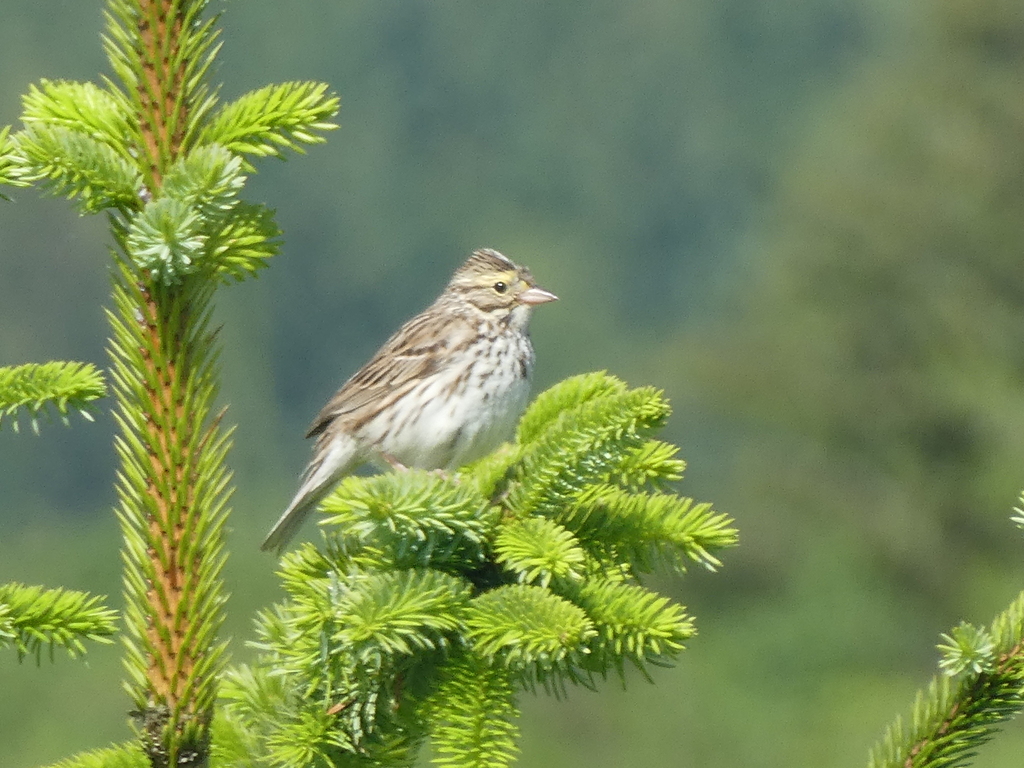
- Savannah SparrowPasserculus sandwichensis
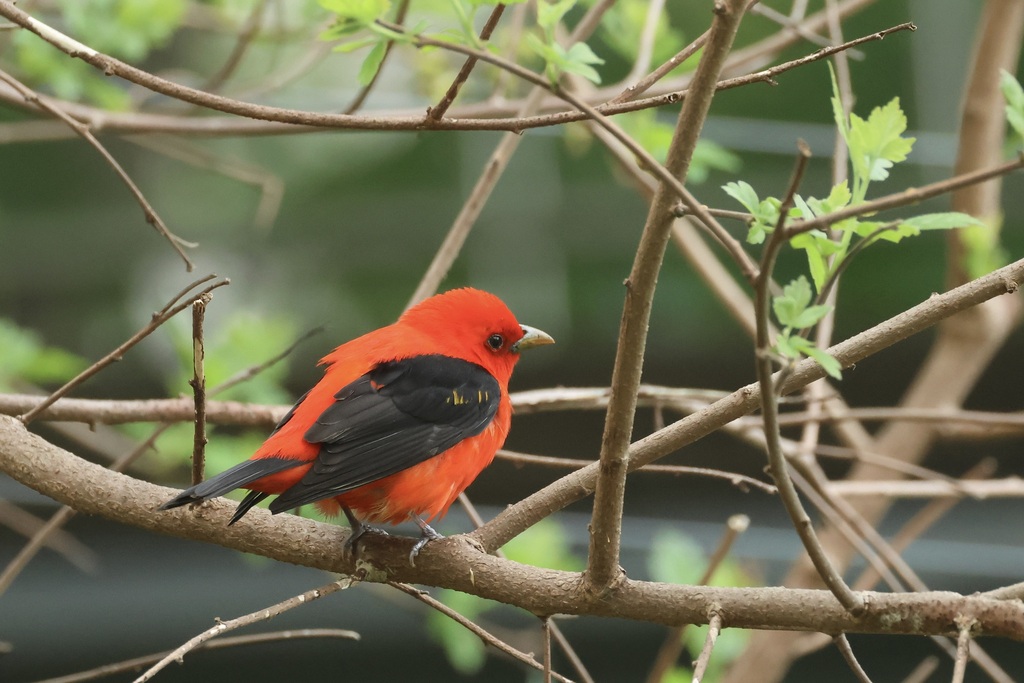
- Scarlet TanagerPiranga olivacea
- Short-eared OwlAsio flammeus
- Snowy EgretEgretta thula
- Snowy OwlBubo scandiacus
- SoraPorzana carolina
- Swainson's WarblerLimnothlypis swainsonii
- White-crowned SparrowZonotrichia leucophrys
- White-eyed VireoVireo griseus
- Worm-eating WarblerHelmitheros vermivorum
- Yellow-throated WarblerDendroica dominica





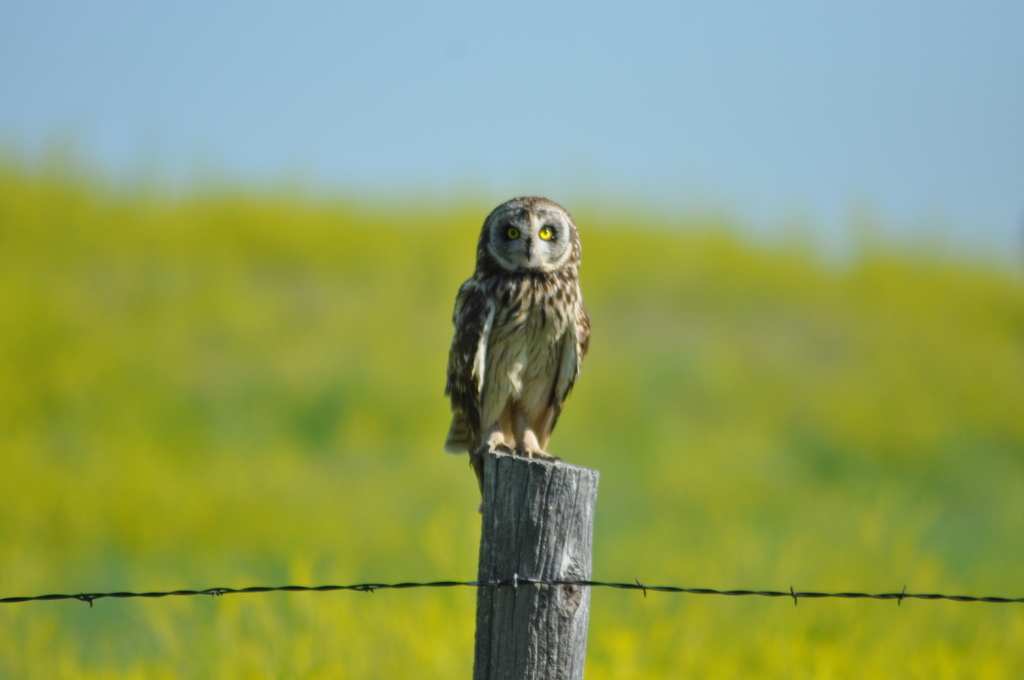
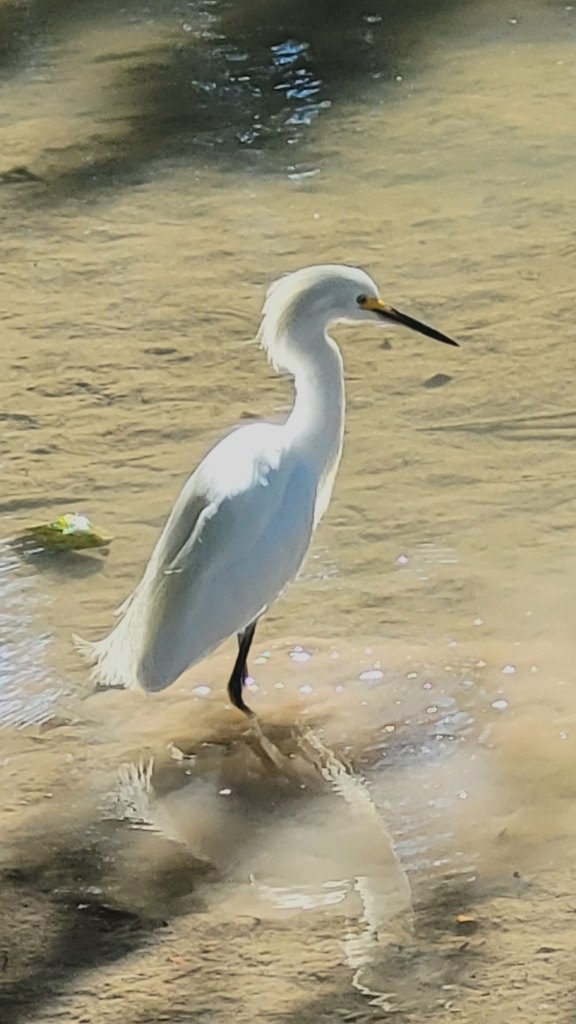
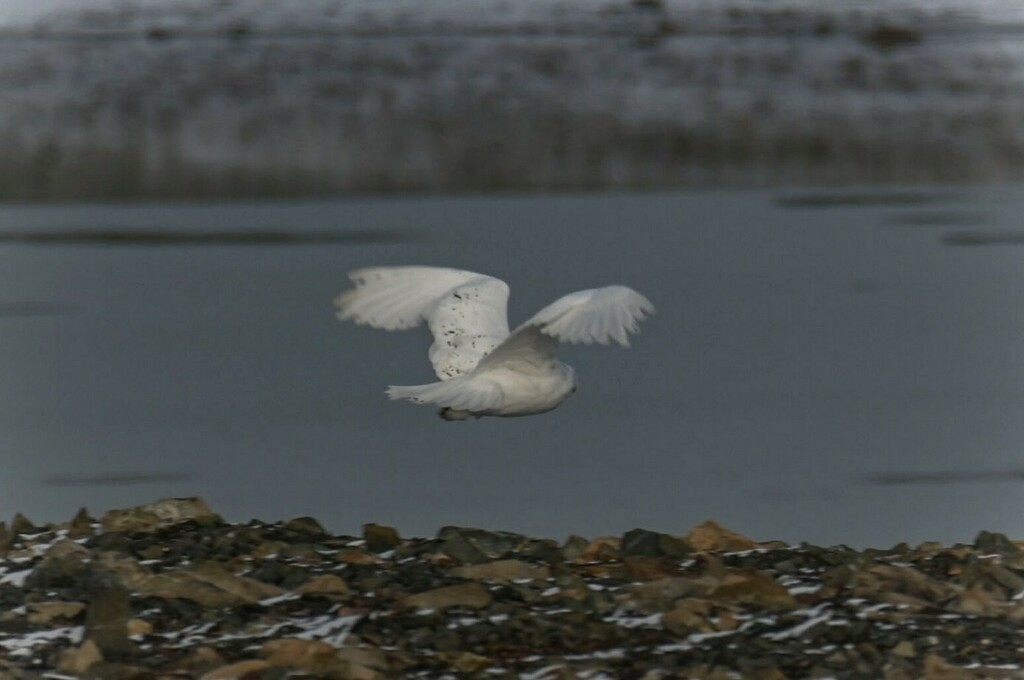
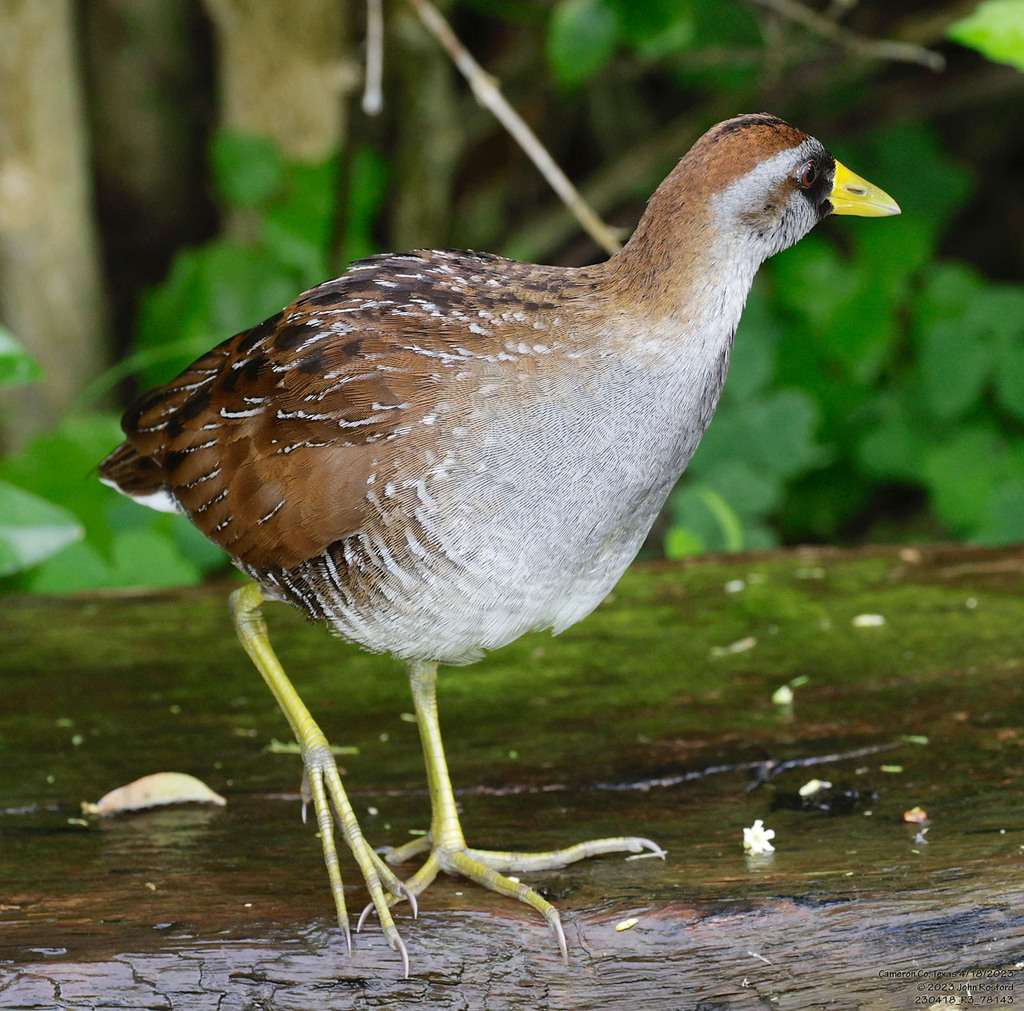
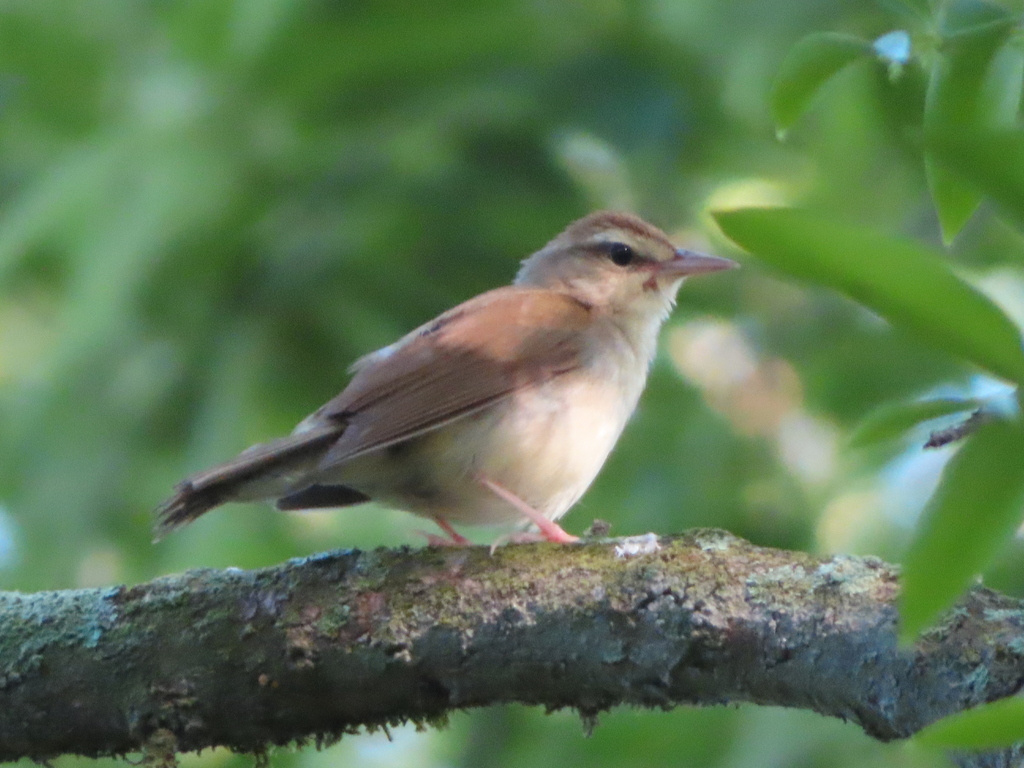
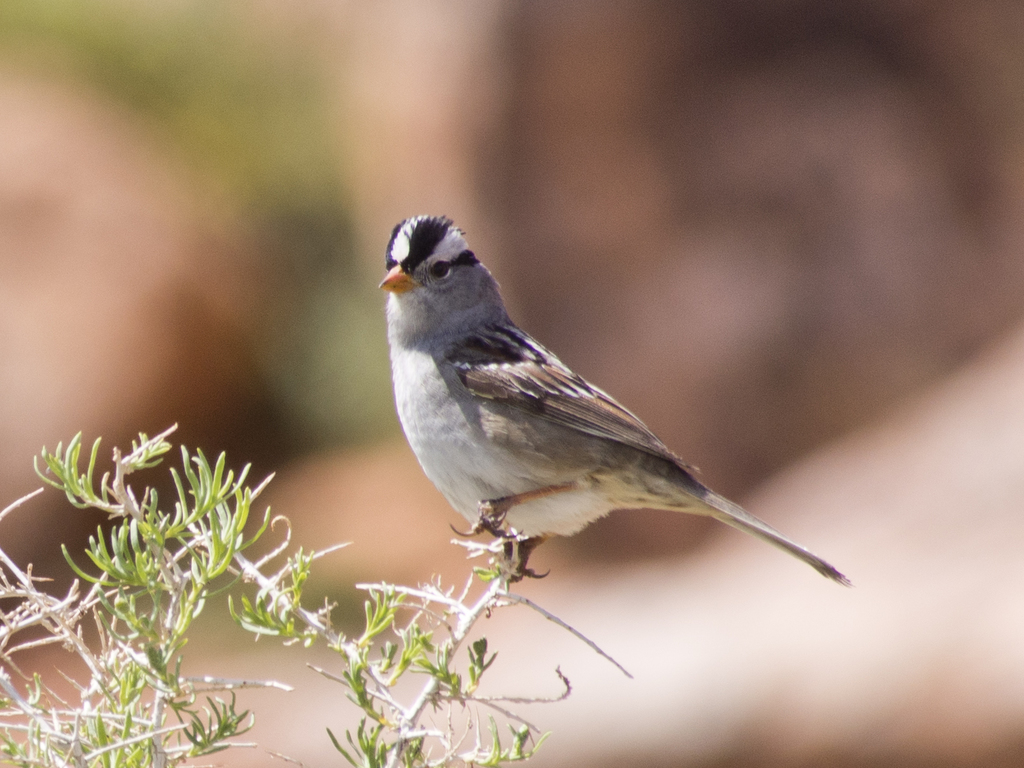

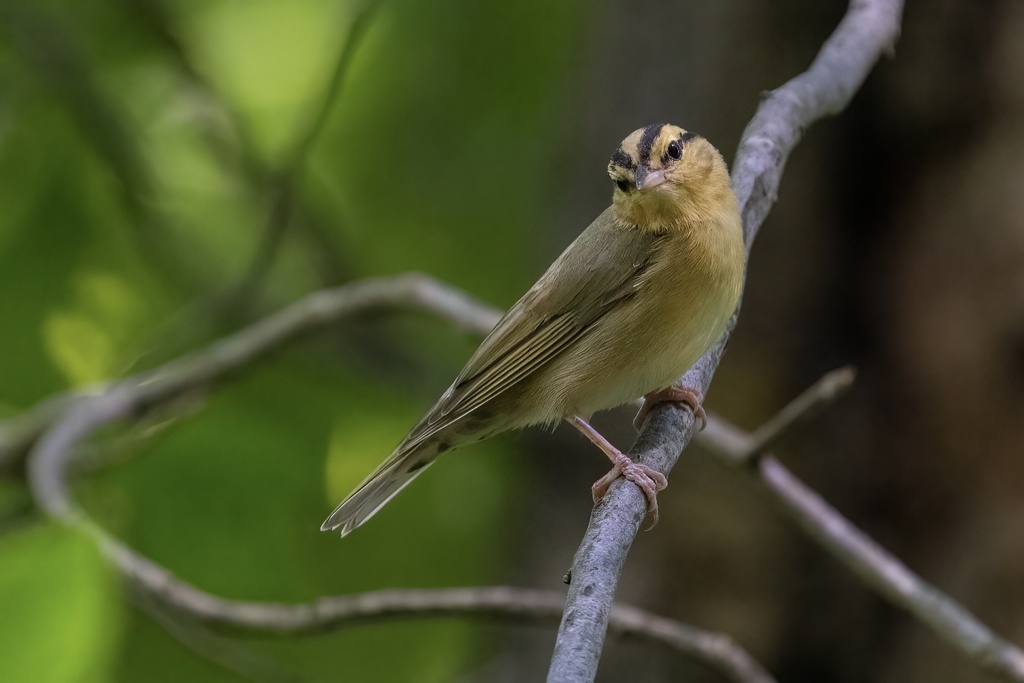


Widespread birds also seen here (46)
Found in many habitats here, so not listed above.
- Alder Flycatcher
- American Crow
- American Goldfinch
- American Kestrel
- American Redstart
- American Robin
- Belted Kingfisher
- Black-billed Cuckoo
- Blue Grosbeak
- Blue Jay
- Blue-gray Gnatcatcher
- Cedar Waxwing
- Chimney Swift
- Chipping Sparrow
- Common Nighthawk
- Common Raven
- Common Yellowthroat
- Cooper's Hawk
- Dark-eyed Junco
- Eastern Kingbird
- Eastern Towhee
- European Starling
- Gray Catbird
- Great Crested Flycatcher
- Great Horned Owl
- Least Flycatcher
- Mourning Dove
- Northern Cardinal
- Northern Flicker
- Northern Mockingbird
- Olive-sided Flycatcher
- Orange-crowned Warbler
- Osprey
- Purple Finch
- Red-tailed Hawk
- Red-winged Blackbird
- Ruby-crowned Kinglet
- Sharp-shinned Hawk
- Spotted Sandpiper
- Tufted Titmouse
- Turkey Vulture
- Veery
- White-throated Sparrow
- Wild Turkey
- Yellow-breasted Chat
- Yellow-rumped Warbler
Who uses this plant?
 0CaterpillarsGenus host records with ranges including WV
 11BeesSoutheastern regional records
Southeastern regional records · Prunella
Individual names are not available yet.
Noori, Seltmann & Orr 2026, A curated and integrated dataset for exploring global bee-plant interactions (GloBI), Zenodo, CC BY 4.0 0Specialist beesPollen specialists
 —BirdsRecorded genus food-resource interactions; not a state feeding claim
Flies 2
- Archytas aterrima
- Exoprosopa fasciata
Flower visits · Carlinville, Illinois, USA
Adult butterflies / moths 5
- Ancyloxypha numitor
- Atrytone delaware
- Limochores taumas
- Pholisora hayhurstii
- Pontia protodice
Flower visits · Carlinville, Illinois, USA
No records yet · Ants · Beetles · Other wasps · Other insects
Plant details
- Family
- Lamiaceae
- Flower color
- Purple
- Growth rate
- Rapid
- Growth habit
- Spreads by runners
- Foliage color
- Gray-green
- Fruit begins
- Summer
- Fruit ends
- Fall
What its natural habitat tells you
Safety has not been reviewed for this plant; check toxicity and thorns before planting.
Growing sources and scope
- Bloom · “Mid summer” · USDA PLANTS · Nationwide species characteristics; local growing conditions may vary
- Flower color · “Purple” · USDA PLANTS · Nationwide species characteristics; local growing conditions may vary
- Foliage color · “Gray-green” · USDA PLANTS · Nationwide species characteristics; local growing conditions may vary
- Fruit begins · “Summer” · USDA PLANTS · Nationwide species characteristics; local growing conditions may vary
- Fruit ends · “Fall” · USDA PLANTS · Nationwide species characteristics; local growing conditions may vary
- Growth habit · “Spreads by runners” · USDA PLANTS · Nationwide species characteristics; local growing conditions may vary
- Growth rate · “Rapid” · USDA PLANTS · Nationwide species characteristics; local growing conditions may vary
- Height · “About 1.5 feet” · USDA PLANTS (ranked first; Minnesota Wildflowers differs) · Nationwide species characteristics; local growing conditions may vary
- Life cycle · “Perennial” · Minnesota Wildflowers
- primary_flower_color · “purple” · USDA PLANTS
Also known as
Heal All; Self Heal
Conservation status
| West Virginia rank | S5 |
|---|---|
| Global rank | G5 |
| WV status | Not verified |
| Federal status | Not verified |
Will it fit your yard?
Check this plant against your county, sun and soil moisture. Conditions are checked in your browser.
Growing cautions
- Spreads by runners. USDA PLANTS lists its growth form as stoloniferous. USDA PLANTS
For planning only; these do not change the score or Fit.
Sources
- NatureServe Explorer
- USDA PLANTS
- Vascular Plants of North Carolina (NC Natural Heritage Program)
- West Virginia occurrence source
- Shropshire & Tallamy 2025, Lepidoptera of North America north of Mexico, ZooKeys 1261 (ODbL)
- Noori, Seltmann & Orr 2026, A curated and integrated dataset for exploring global bee-plant interactions (GloBI), Zenodo, CC BY 4.0
- Smith, Bachelder, Russell, Morales, Mosher & Seltmann 2024, Bee-Specialization-Modeling v0.6.1 (specialist host table compiled from J. Fowler's pollen specialist bee lists), Zenodo, CC BY 4.0
- Hurlbert, Olsen, Sawyer & Winner 2021, Avian Diet Database, Scientific Data 8: 260 (CC0)
- Narango, Tallamy & Shropshire 2020, Few keystone plant genera support the majority of Lepidoptera species, Nature Communications