

Woolly Plantain
Plantago patagonica
Found in sandy, gravelly, and rocky soils, prairies; eastwards on roadsides and in disturbed areas. Weakley, Flora of the Southeastern United States (2025), Northern Tier edition What its natural habitat tells you
Not native to West Virginia. How scores work Is it native here?
Profile 76%
- Height
- About 6 inches
- Light
- Partial shade, Full sun
- Soil moisture
- Dry to moist
No photograph yet. Looking for an old drawing…
Plant this instead
Choose your county to list local plants first.
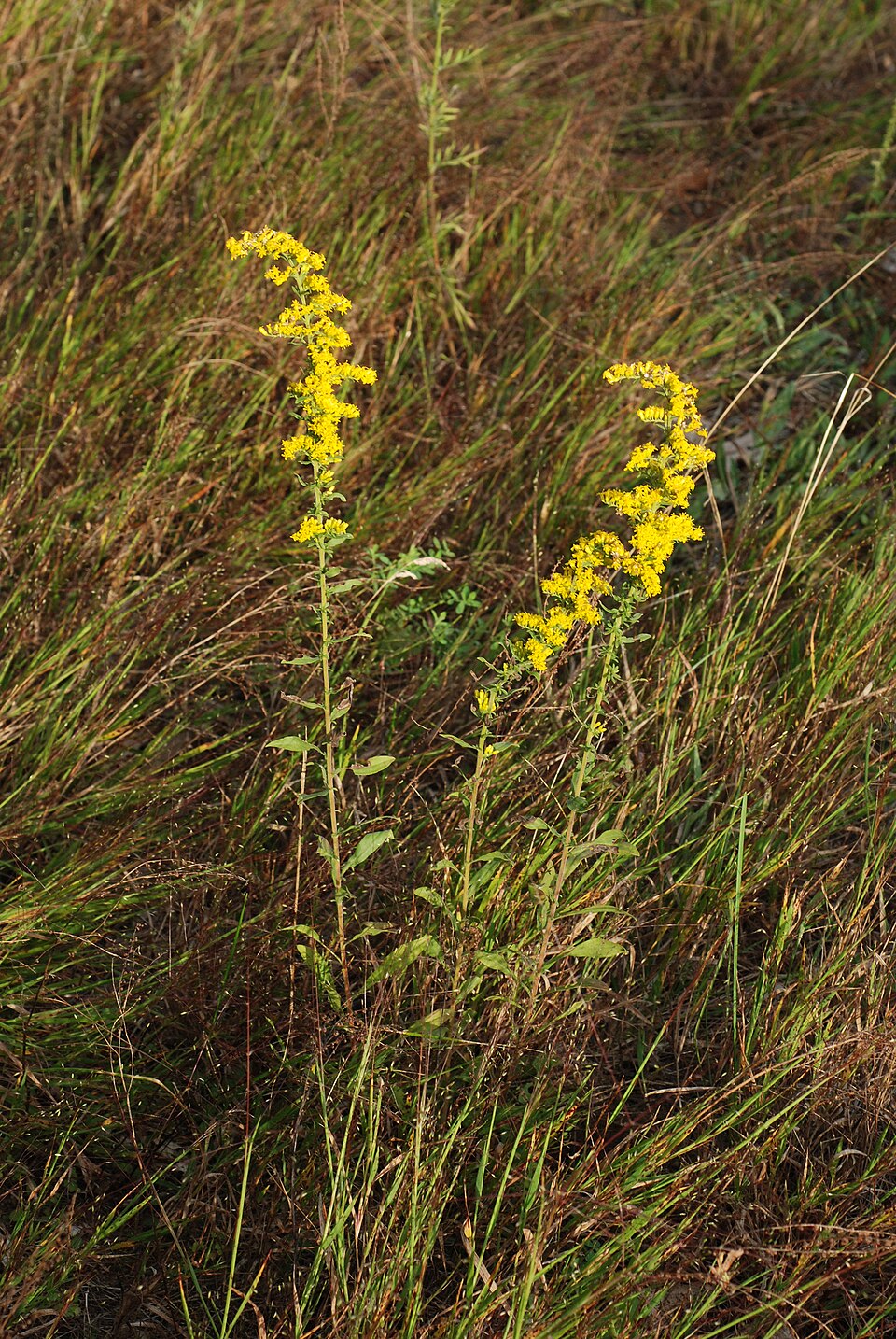
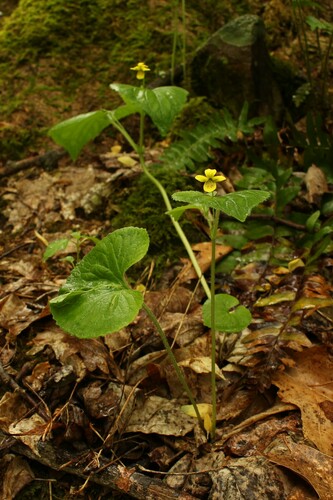
No recorded swaps for this county. Try the garden finder.
At a glance
- Life cycle
- Annual
- Bloom
- March to August
- Fruiting season
- Spring
Not yet recorded · Spread · Leaves
County records are not available.
Natural habitats
Places it grows wild. Not a planting requirement. Each habitat page lists the plants and wildlife also found there.
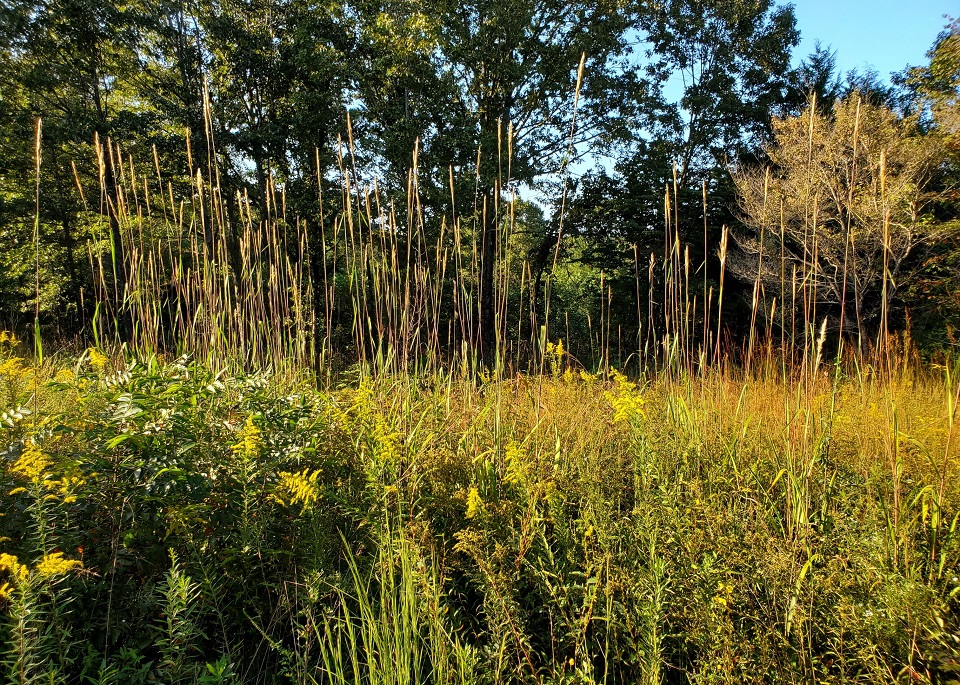
Roadsides, fields and disturbed ground
Ground opened by people: roadsides, old fields, pastures, fencerows and lots.
Who uses this plant?
 63CaterpillarsGenus host records with ranges including WV
Genus host records with ranges including WV · Plantago
- Anagrapha falciferaCelery Looper Moth
- Anicla infectaGreen Cutworm Moth
- Apantesis annaAnna Tiger Moth
- Apantesis argeArge Tiger Moth
- Apantesis figurataFigured Tiger Moth
- Apantesis naisNais Tiger Moth
- Apantesis partheniceParthenice Tiger Moth
- Apantesis phalerataHarnessed Moth
- Apantesis virgoVirgin Tiger Moth
- Apantesis vittataBanded Tiger Moth
Show all 63
- Autographa bimaculataTwo-Spotted Looper Moth
- Autographa precationisCommon Looper Moth
- Chlosyne nycteisSilvery Checkerspot
- Dypterygia rozmaniAmerican Bird's-Wing
- Dysstroma truncataMarbled Carpet
- Estigmene acreaSalt Marsh Moth, Acrea Moth
- Euphydryas phaetonThe Baltimore, The Black Checker
- Euptoieta claudiaVariegated Fritillary, (?)Gulf Fritillary
- Feltia jaculiferaDingy Cutworm
- Feltia subterraneaSubterranean Dart, Granulate Cutworm
- Herpetogramma pertextalisBold-Feathered Grass Moth
- Hyalophora cecropiaCecropia Silkmoth, Cecropia Moth
- Hyles lineataWhite-Lined Sphinx
- Hypercompe scriboniaGiant Leopard Moth, Great Leopard Moth
- Hyphantria cuneaFall Webworm
- Hyppa xylinoidesCommon Hyppa
- Junonia coeniaCommon Buckeye
- Lacinipolia olivaceaOlive Arches, Olive Groundcat
- Lacinipolia renigeraBristly Ground Cat, Bristly Cutworm Moth, Kidney Spotted "Mamestra"
- Lithophane bethuneiBethune's Pinion
- Megalographa bilobaBilobed Looper Moth
- Melanchra adjunctaHitched Arches
- Melanchra pictaPainted Arches, Zebra Caterpillar Moth
- Neodactria caliginosellusCorn Webworm, Corn Root Webworm, Sooty Crambus
- Orgyia leucostigmaWhite-Marked Tussock Moth
- Orthodes cynicaCynical Quaker, Cynical Groundcat
- Orthodes majusculaRustic Quaker, Rustic Groundcat
- Palthis angulalisDark-Spotted Palthis
- Papaipema nebrisStalk Borer
- Phlogophora periculosaBrown Angle Shades
- Phragmatobia fuliginosaRuby Tiger Moth
- Phyciodes tharosPearl Crescent, Crescentspot
- Pseudorthodes vecorsSmall Brown Quaker, Small Brown Groundcat
- Pyrausta subsequalisMottled Pyrausta
- Pyrrharctia isabellaIsabella Tiger Moth, Banded Woolybear
- Spaelotis clandestinaClandestine Dart, W-Marked Cutworm
- Spilosoma congruaAgreeable Tiger Moth
- Spilosoma dubiaDubious Tiger Moth
- Spilosoma latipennisPink-Legged Tiger Moth
- Spilosoma virginicaVirginian Tiger Moth, Yellow Woolybear Moth, Yellow Bear
- Spiramater lutraDarling Mamestra, Splashed Arches, Otter Spiramater, Otter Arches
- Spodoptera frugiperdaFall Armyworm Moth
- Spodoptera ornithogalliYellow-Striped Armyworm Moth, Cotton Cutworm
- Tricholita signataSignate Quaker, Signate Groundcat
- Trichoplusia niNi Moth, Cabbage Looper Moth
- Trichopolia oviducaRuddy Quaker
- Vanessa carduiPainted Lady, Cosmopolite
- Virbia aurantiacaOrange Virbia, Orange Holomelina
- Virbia laetaJoyful Virbia, Joyful Holomelina
- Xestia c-nigrumSpotted Cut-Worm, Setaceous Hebrew Character, Lesser Black-letter Dart
- Xestia dolosaGreater Black-Letter Dart, Greater Spotted Cutworm
- Xestia normanianusNorman's Dart
- Herpetogramma aquilonalis
 —BeesSoutheastern regional records
 —Specialist beesPollen specialists
 9BirdsRecorded genus food-resource interactions; not a state feeding claim
Recorded genus food-resource interactions; not a state feeding claim · Plantago
- Alectoris chukarChukar
- Anser caerulescensSnow Goose
- Branta canadensisCanada Goose
- Callipepla californicaCalifornia Quail
- Meleagris gallopavoWild Turkey
- Melozone crissalisCalifornia Towhee
- Pipilo maculatusSpotted Towhee
- Pooecetes gramineusVesper Sparrow
- Spizella breweriBrewer's Sparrow
Direct food only: birds recorded eating this genus across North America. Caterpillars on host plants also feed nesting birds. NC Native Plant Society: butterfly gardening
Plant details
- Family
- Plantaginaceae
- Flower color
- Yellow
- Growth rate
- Moderate
- Growth habit
- Single crown
- Foliage color
- Gray-green
- Fruit begins
- Spring
- Fruit ends
- Spring
Safety has not been reviewed for this plant; check toxicity and thorns before planting.
Growing sources and scope
- Bloom · “March to August” · Weakley, Flora of the Southeastern United States (2025), Carolinas & Georgia edition (ranked first; USDA PLANTS differs) · Carolinas and Georgia
- Flower color · “Yellow” · USDA PLANTS · Nationwide species characteristics; local growing conditions may vary
- Foliage color · “Gray-green” · USDA PLANTS · Nationwide species characteristics; local growing conditions may vary
- Fruit begins · “Spring” · USDA PLANTS · Nationwide species characteristics; local growing conditions may vary
- Fruit ends · “Spring” · USDA PLANTS · Nationwide species characteristics; local growing conditions may vary
- Growth habit · “Single crown” · USDA PLANTS · Nationwide species characteristics; local growing conditions may vary
- Growth rate · “Moderate” · USDA PLANTS · Nationwide species characteristics; local growing conditions may vary
- Height · “About 6 inches” · USDA PLANTS (ranked first; Minnesota Wildflowers differs) · Nationwide species characteristics; local growing conditions may vary
- Life cycle · “Annual” · Minnesota Wildflowers
- Light · “Partial shade; Full sun (documented habitat)” · Weakley, Flora of the Southeastern United States (2025), Carolinas & Georgia edition · Carolinas and Georgia
- primary_flower_color · “yellow” · USDA PLANTS
- Soil · “Dry; Moist (documented habitat)” · Weakley, Flora of the Southeastern United States (2025), Carolinas & Georgia edition · Carolinas and Georgia
Also known as
Plantago purshii
Conservation status
| West Virginia rank | SH |
|---|---|
| Global rank | G5 |
| WV status | Not verified |
| Federal status | Not verified |
Sources
- Weakley, Flora of the Southeastern United States (2025), Northern Tier edition
- USDA PLANTS
- NatureServe Explorer
- West Virginia occurrence source
- Shropshire & Tallamy 2025, Lepidoptera of North America north of Mexico, ZooKeys 1261 (ODbL)
- Noori, Seltmann & Orr 2026, A curated and integrated dataset for exploring global bee-plant interactions (GloBI), Zenodo, CC BY 4.0
- Smith, Bachelder, Russell, Morales, Mosher & Seltmann 2024, Bee-Specialization-Modeling v0.6.1 (specialist host table compiled from J. Fowler's pollen specialist bee lists), Zenodo, CC BY 4.0
- Hurlbert, Olsen, Sawyer & Winner 2021, Avian Diet Database, Scientific Data 8: 260 (CC0)
- Narango, Tallamy & Shropshire 2020, Few keystone plant genera support the majority of Lepidoptera species, Nature Communications