

Panicum gattingeri
Panicum gattingeri
Found in damp or dry, usually calcareous sandy soils of fields, roadsides, shores, and cultivated ground. Weakley, Flora of the Southeastern United States (2025), Northern Tier edition What its natural habitat tells you
Native to West Virginia. How scores work Is it native here?
Profile 53%
- Light
- 4 or more hours of direct sun
- Soil moisture
- Somewhat dry to moist
No photograph yet. Looking for an old drawing…
At a glance
Not yet recorded · Height · Spread · Life cycle · Leaves · Bloom
This plant is missing most of its facts, so Quercus is looking them up in old botany books.
Recorded in 2 West Virginia counties.
Natural habitats
Places it grows wild. Not a planting requirement. Each habitat page lists the plants and wildlife also found there.
Roadsides, fields and disturbed ground
Ground opened by people: roadsides, old fields, pastures, fencerows and lots.
Also found with this plant
Wildlife whose habitat models include habitats this plant grows in, in West Virginia. Shared habitat, not food. 119 animals.
- Broad-winged HawkButeo platypterus
- Brown CreeperCerthia americana
- Brown ThrasherToxostoma rufum
- Brown-headed CowbirdMolothrus ater
- Canada GooseBranta canadensis
- Carolina ChickadeePoecile carolinensis
- Carolina WrenThryothorus ludovicianus
- Cedar WaxwingBombycilla cedrorum
- Cerulean WarblerDendroica cerulea
- Chimney SwiftChaetura pelagica
- Chipping SparrowSpizella passerina
- Cliff SwallowPetrochelidon pyrrhonota
- Common GrackleQuiscalus quiscula
- Common NighthawkChordeiles minor
- Common RavenCorvus corax
- Common YellowthroatGeothlypis trichas
- Cooper's HawkAccipiter cooperii
- Double-crested CormorantPhalacrocorax auritus
- Downy WoodpeckerPicoides pubescens
- Eastern KingbirdTyrannus tyrannus
- Eastern PhoebeSayornis phoebe
- Eastern Screech-owlMegascops asio
- Eastern TowheePipilo erythrophthalmus
- Eastern Wood-peweeContopus virens





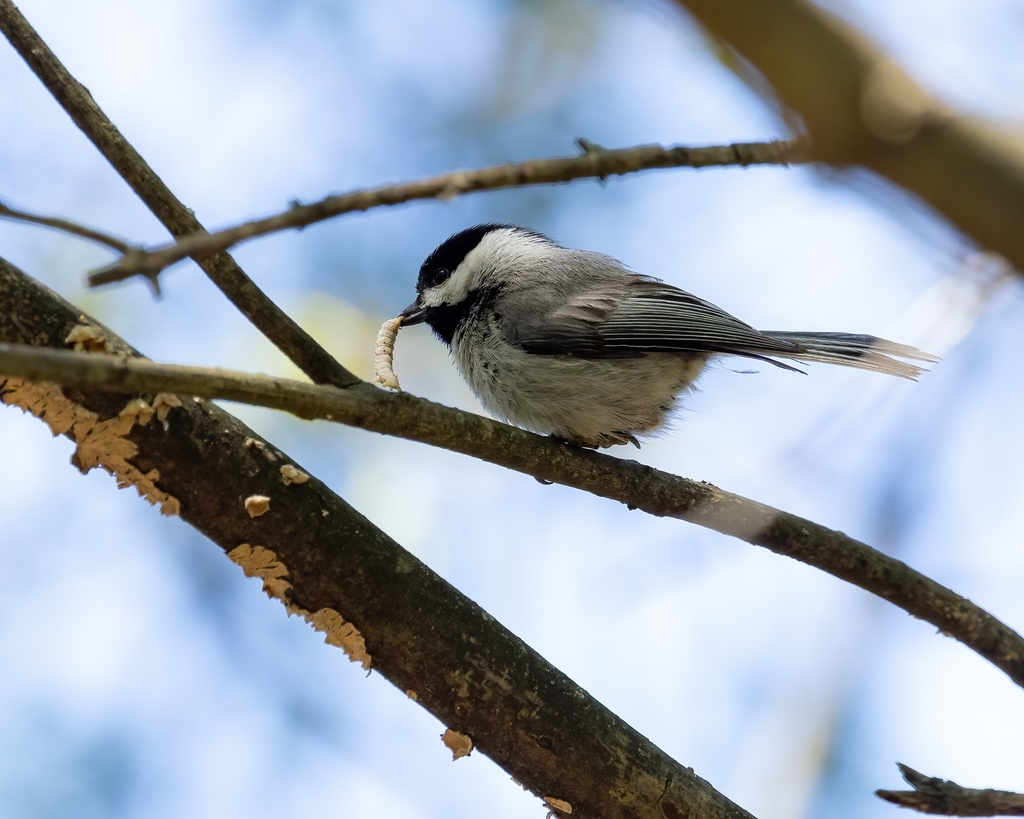
















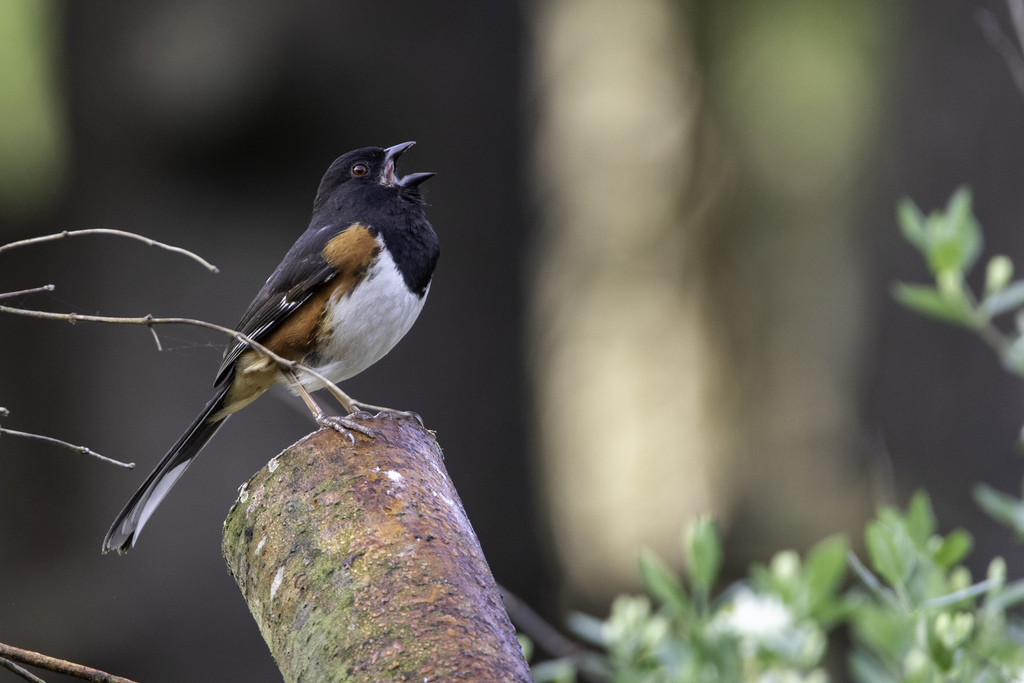
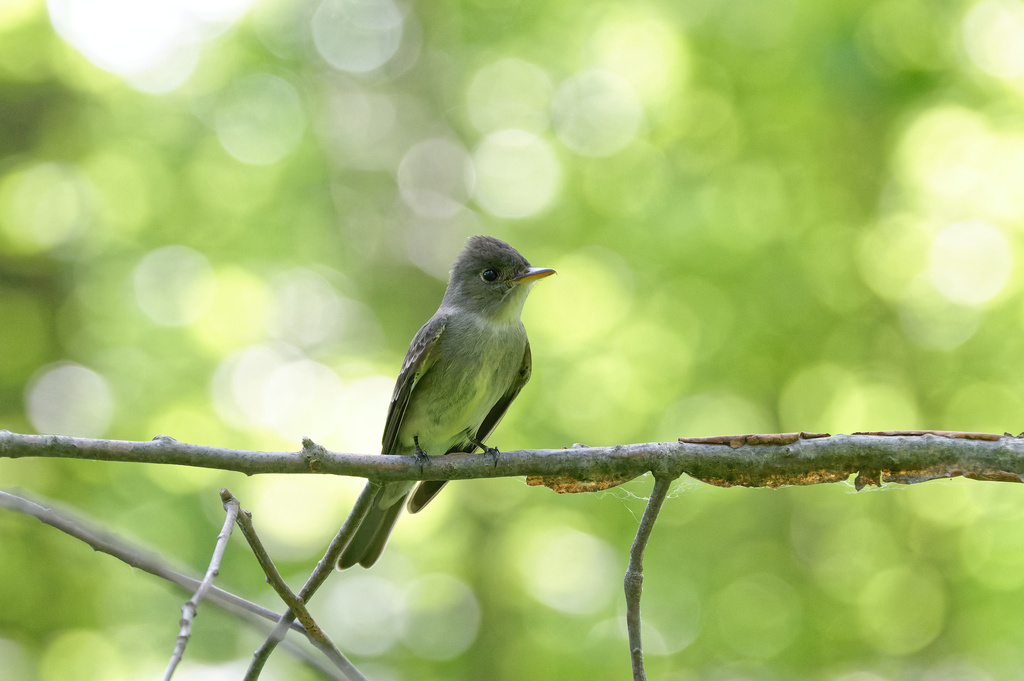
Who uses this plant?
 22CaterpillarsGenus host records with ranges including WV
Genus host records with ranges including WV · Panicum
- Anatrytone loganDelaware Skipper, Logan Skipper, Black-Vein Skipper
- Ancyloxypha numitorLeast Skipper
- Ctenucha virginicaVirginia Ctenucha
- Dargida diffusaWheat Head Armywotm Moth
- Dargida rubripennisThe Pink-Streak
- Dichagyris acclivisSwitchgrass Dart, Inclined Dart
- Hesperia leonardusLeonard's Skipper, Blazing Star Skipper, Pawnee Prairie Skipper, Pawnee Montane Skipper
- Hesperia sassacusIndian Skipper
- Hylephila phyleusFiery Skipper
- Hypena scabraGreen Cloverworm Bomolocha, Black Snout
Show all 22
- Lethe anthedonNorthern Pearly Eye
- Leucania linitaReed Wainscot, Linen Wainscot
- Lon hobomokHobomok Skipper
- Marimatha nigrofimbriaBlack-Bordered Lemon
- Mocis latipesSmall Mocis, Striped Grass Looper
- Mocis texanaTexas Mocis
- Mythimna unipunctaArmyworm Moth, White Speck
- Papaipema nebrisStalk Borer
- Polites egeremetNorthern Broken-Dash
- Polites themistoclesTawny-Edged Skipper
- Spodoptera frugiperdaFall Armyworm Moth
- Idioglossa miraculosa
 0BeesSoutheastern regional records
 0Specialist beesPollen specialists
 35BirdsRecorded genus food-resource interactions; not a state feeding claim
Recorded genus food-resource interactions; not a state feeding claim · Panicum
- Acanthis flammeaCommon Redpoll
- Agelaius phoeniceusRed-winged Blackbird
- Aix sponsaWood Duck
- Anas creccaGreen-winged Teal
- Anthus rubescensAmerican Pipit
- Anthus spragueiiSprague's Pipit
- Aythya collarisRing-necked Duck
- Calcarius lapponicusLapland Longspur
- Calcarius ornatusChestnut-collared Longspur
- Calcarius pictusSmith's Longspur
Show all 35
- Callipepla gambeliiGambel's Quail
- Colinus virginianusNorthern Bobwhite
- Columbina passerinaCommon Ground Dove
- Contopus virensEastern Wood-Pewee
- Cyrtonyx montezumaeMontezuma Quail
- Dendrocygna bicolorFulvous Whistling-Duck
- Dolichonyx oryzivorusBobolink
- Fulica americanaAmerican Coot
- Gallinula galeataCommon Gallinule
- Junco hyemalisDark-eyed Junco
- Mareca streperaGadwall
- Meleagris gallopavoWild Turkey
- Molothrus aterBrown-headed Cowbird
- Passer domesticusHouse Sparrow
- Peucaea aestivalisBachman's Sparrow
- Plectrophenax nivalisSnow Bunting
- Pooecetes gramineusVesper Sparrow
- Porzana carolinaSora
- Quiscalus quisculaCommon Grackle
- Sialia sialisEastern Bluebird
- Spizella passerinaChipping Sparrow
- Spizella pusillaField Sparrow
- Turdus migratoriusAmerican Robin
- Xanthocephalus xanthocephalusYellow-headed Blackbird
- Zenaida macrouraMourning Dove
Direct food only: birds recorded eating this genus across North America. Caterpillars on host plants also feed nesting birds. NC Native Plant Society: butterfly gardening
No records yet · Ants · Beetles · Flies · Adult butterflies / moths · Other wasps · Other insects
Plant details
- Family
- POACEAE
Safety has not been reviewed for this plant; check toxicity and thorns before planting.
Conservation status
| West Virginia rank | SH |
|---|---|
| Global rank | Not available |
| WV status | Not verified |
| Federal status | Not verified |
Will it fit your yard?
Check this plant against your county, sun and soil moisture. Conditions are checked in your browser.
Sources
- NatureServe Explorer
- Vascular Plants of North Carolina (NC Natural Heritage Program)
- Weakley, Flora of the Southeastern United States (2025), Northern Tier edition
- West Virginia occurrence source
- Shropshire & Tallamy 2025, Lepidoptera of North America north of Mexico, ZooKeys 1261 (ODbL)
- Noori, Seltmann & Orr 2026, A curated and integrated dataset for exploring global bee-plant interactions (GloBI), Zenodo, CC BY 4.0
- Smith, Bachelder, Russell, Morales, Mosher & Seltmann 2024, Bee-Specialization-Modeling v0.6.1 (specialist host table compiled from J. Fowler's pollen specialist bee lists), Zenodo, CC BY 4.0
- Hurlbert, Olsen, Sawyer & Winner 2021, Avian Diet Database, Scientific Data 8: 260 (CC0)
- Narango, Tallamy & Shropshire 2020, Few keystone plant genera support the majority of Lepidoptera species, Nature Communications