

Garden Loosestrife; Garden Yellow Loosestrife; Garden Loose Strife; Garden Yellow Loose Strife
Lysimachia vulgaris
Found in disturbed bottomlands, riverbanks, marshes, disturbed areas. Weakley, Flora of the Southeastern United States (2025), Northern Tier edition What its natural habitat tells you
Not native to West Virginia. How scores work Is it native here?
Profile 29%
- Soil moisture
- Somewhat dry to moist
No photograph yet. Looking for an old drawing…
At a glance
Not yet recorded · Height · Spread · Light · Life cycle · Leaves · Bloom
This plant is missing most of its facts, so Quercus is looking them up in old botany books.
Recorded in 2 West Virginia counties.
Natural habitats
Places it grows wild. Not a planting requirement. Each habitat page lists the plants and wildlife also found there.
Floodplain and bottomland forests
Forests on low ground beside rivers and streams that flood from time to time.
Streams, rivers and their banks
Flowing water and its banks, bars and rocky shoals.
Open, herb-covered wetlands with fresh, non-tidal water.
Roadsides, fields and disturbed ground
Ground opened by people: roadsides, old fields, pastures, fencerows and lots.
Also found with this plant
Wildlife whose habitat models include habitats this plant grows in, in West Virginia. Shared habitat, not food. 136 animals.
- Northern CardinalCardinalis cardinalis
- Northern FlickerColaptes auratus
- Northern MockingbirdMimus polyglottos
- Purple FinchCarpodacus purpureus
- Red-tailed HawkButeo jamaicensis
- Red-winged BlackbirdAgelaius phoeniceus
- Sharp-shinned HawkAccipiter striatus
- Spotted SandpiperActitis macularius
- Tufted TitmouseBaeolophus bicolor
- Turkey VultureCathartes aura
- White-breasted NuthatchSitta carolinensis
- Willow FlycatcherEmpidonax traillii
- Wood DuckAix sponsa
- Yellow-breasted ChatIcteria virens
- Acadian FlycatcherEmpidonax virescens
- American Black DuckAnas rubripes
- American CrowCorvus brachyrhynchos
- American GoldfinchCarduelis tristis
- American RedstartSetophaga ruticilla
- Bank SwallowRiparia riparia
- Belted KingfisherMegaceryle alcyon
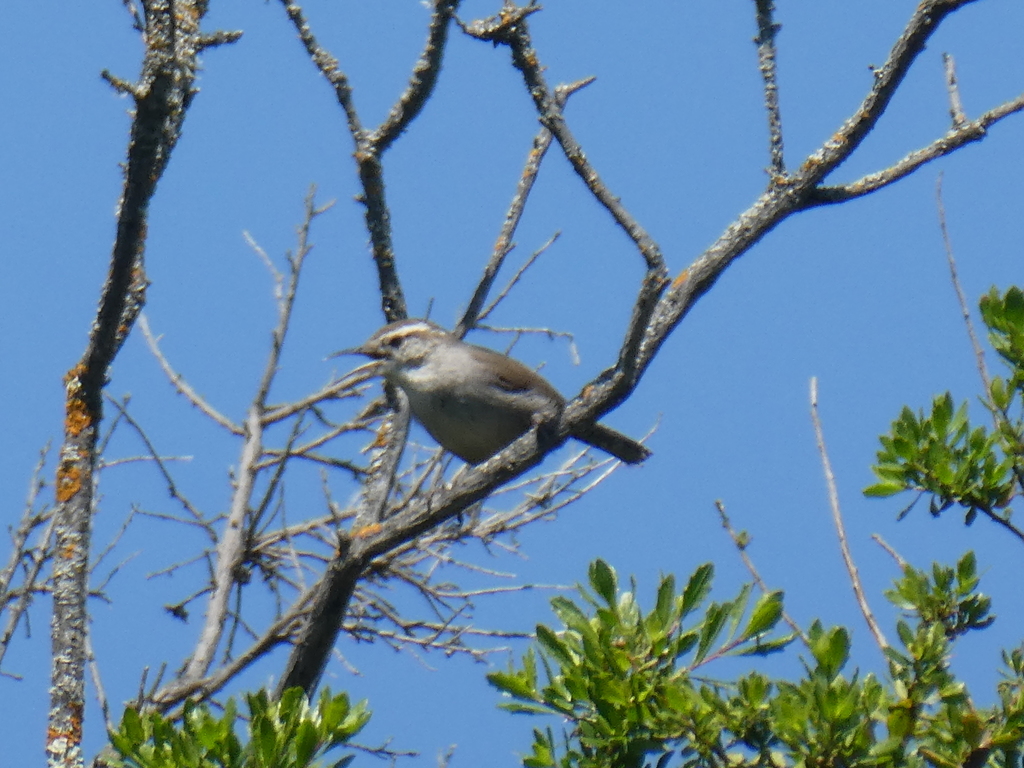
- Bewick's WrenThryomanes bewickii
- Black-and-White WarblerMniotilta varia
- Blue GrosbeakPasserina caerulea






















Who uses this plant?
 6CaterpillarsGenus host records with ranges including WV
Genus host records with ranges including WV · Lysimachia
- Catocala consorsThe Consort
- Herpetogramma pertextalisBold-Feathered Grass Moth
- Melanchra adjunctaHitched Arches
- Nola cilicoidesBlurry-Patched Nola
- Papaipema lysimachiaeLoosestrife Borer
- Papaipema nebrisStalk Borer
 —BeesSoutheastern regional records
 4Specialist beesPollen specialists
Pollen specialists · Lysimachia
- Macropis ciliata
- Macropis nuda
- Macropis patellata
- Macropis steironematis
 —BirdsRecorded genus food-resource interactions; not a state feeding claim
Plant details
- Family
- Myrsinaceae
Safety has not been reviewed for this plant; check toxicity and thorns before planting.
Conservation status
| West Virginia rank | SNA |
|---|---|
| Global rank | Not available |
| WV status | Not verified |
| Federal status | Not verified |
Native alternatives
Find natives for your gardenSources
- NatureServe Explorer
- Weakley, Flora of the Southeastern United States (2025)
- West Virginia occurrence source
- Shropshire & Tallamy 2025, Lepidoptera of North America north of Mexico, ZooKeys 1261 (ODbL)
- Noori, Seltmann & Orr 2026, A curated and integrated dataset for exploring global bee-plant interactions (GloBI), Zenodo, CC BY 4.0
- Smith, Bachelder, Russell, Morales, Mosher & Seltmann 2024, Bee-Specialization-Modeling v0.6.1 (specialist host table compiled from J. Fowler's pollen specialist bee lists), Zenodo, CC BY 4.0
- Hurlbert, Olsen, Sawyer & Winner 2021, Avian Diet Database, Scientific Data 8: 260 (CC0)
- Narango, Tallamy & Shropshire 2020, Few keystone plant genera support the majority of Lepidoptera species, Nature Communications