

Marsh Pea
Lathyrus palustris
Found in tidal freshwater marshes, calcareous fens, bottomland forests, other marshes, streambanks. Weakley, Flora of the Southeastern United States (2025), Northern Tier edition What its natural habitat tells you
Native to West Virginia. How scores work Is it native here?
Profile 76%
- Light
- Partial shade, Full sun
- Soil moisture
- Wet
No photograph yet. Looking for an old drawing…
Rare or protected plant. Specialist conservation planting; excluded from routine garden suggestions. Plant caution source
Hidden from default planting suggestions. Wildlife value and native status remain unchanged.
At a glance
- Life cycle
- Perennial
- Bloom
- April to August
- Fruiting season
- July to September
Not yet recorded · Height · Spread · Leaves
Height: NC species account not read yet.
Spread and leaves: no source found yet.
Recorded in 1 West Virginia county.
Natural habitats
Places it grows wild. Not a planting requirement. Each habitat page lists the plants and wildlife also found there.
Wet, open, peaty mountain wetlands fed by seepage, often with sphagnum moss.
Floodplain and bottomland forests
Forests on low ground beside rivers and streams that flood from time to time.
Open, herb-covered wetlands with fresh, non-tidal water.
Streams, rivers and their banks
Flowing water and its banks, bars and rocky shoals.
Also found with this plant
Wildlife whose habitat models include habitats this plant grows in, in West Virginia. Shared habitat, not food. 59 animals.
- Alder FlycatcherEmpidonax alnorum
- American CrowCorvus brachyrhynchos
- American RobinTurdus migratorius
- Bank SwallowRiparia riparia
- Bewick's WrenThryomanes bewickii
- Black-capped ChickadeePoecile atricapillus
- Black-crowned Night-heronNycticorax nycticorax
- Blue JayCyanocitta cristata
- Blue-gray GnatcatcherPolioptila caerulea
- Broad-winged HawkButeo platypterus
- Canada GooseBranta canadensis
- Carolina ChickadeePoecile carolinensis
- Cedar WaxwingBombycilla cedrorum
- Chimney SwiftChaetura pelagica
- Chipping SparrowSpizella passerina
- Cliff SwallowPetrochelidon pyrrhonota
- Common GrackleQuiscalus quiscula
- Common NighthawkChordeiles minor
- Common RavenCorvus corax
- Cooper's HawkAccipiter cooperii
- Dark-eyed JuncoJunco hyemalis
- Double-crested CormorantPhalacrocorax auritus
- Downy WoodpeckerPicoides pubescens
- Eastern KingbirdTyrannus tyrannus




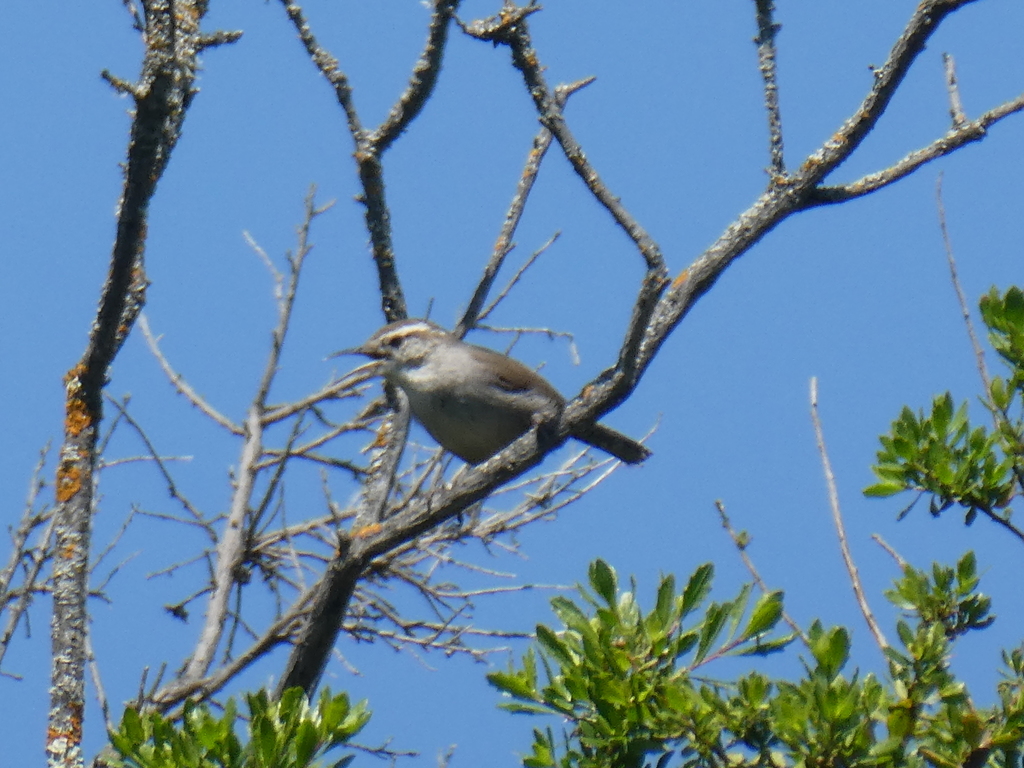
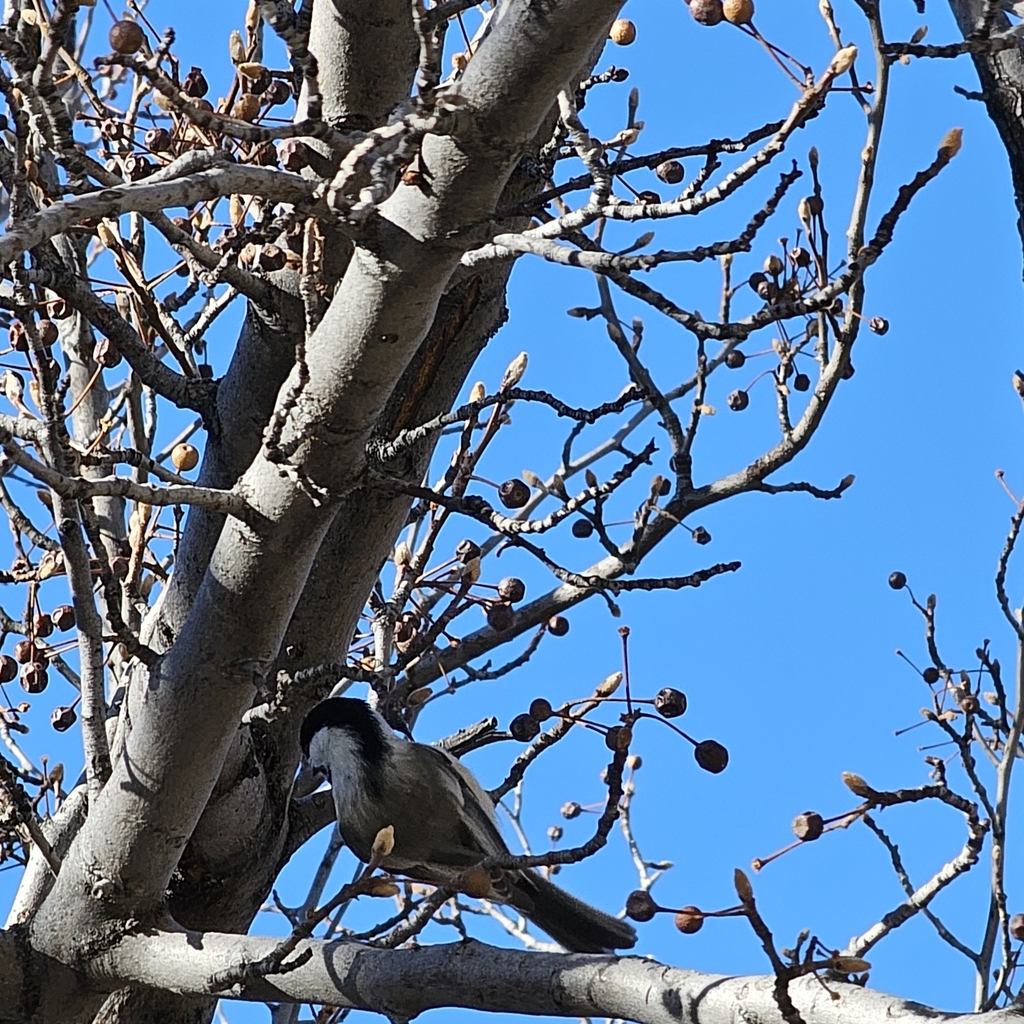












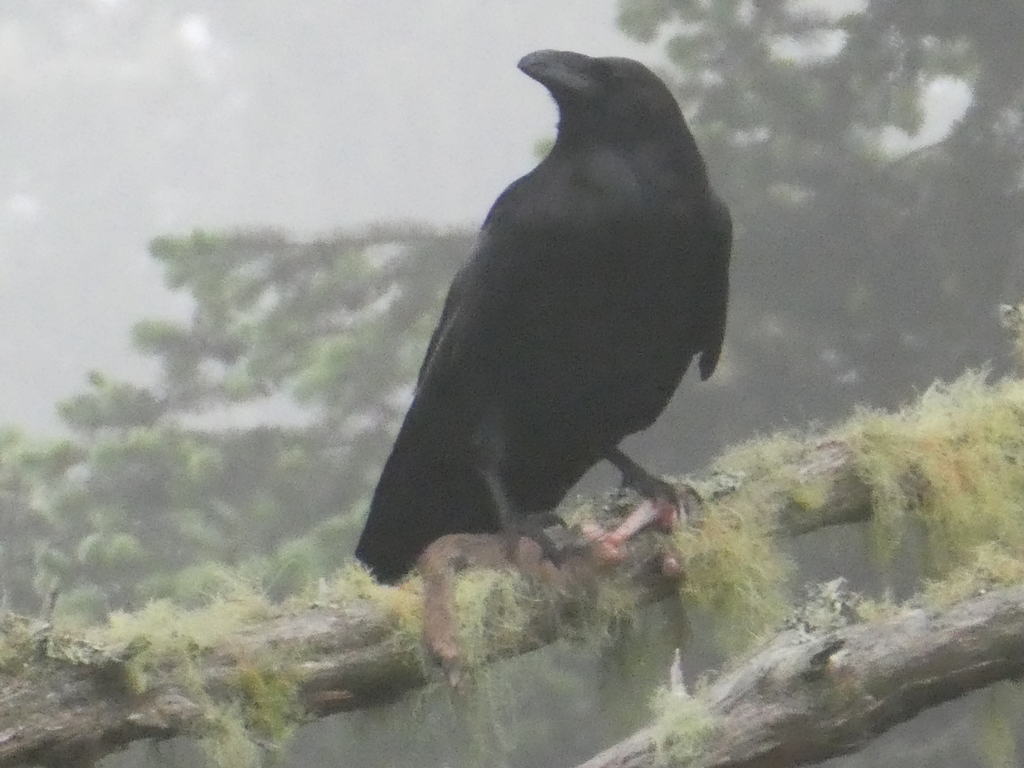





Who uses this plant?
 18CaterpillarsGenus host records with ranges including WV
Genus host records with ranges including WV · Lathyrus
- Apantesis phylliraPhyllira Tiger Moth
- Cecropterus pyladesNorthern Cloudywing
- Chloridea virescensTobacco Budworm Moth
- Chrysodeixis includensSoybean Looper Moth
- Colias eurythemeOrange Sulphur, Alfalfa Butterfly
- Colias philodiceClouded Sulphur, Clover Butterfly
- Cupido comyntasEastern Tailed-Blue
- Epargyreus clarusSilver-Spotted Skipper
- Gesta juvenalisJuvenal's Duskywing
- Glaucopsyche lygdamusSilvery Blue
Show all 18
- Helicoverpa zeaCorn Earworm Moth
- Heliothis phloxiphagaSpotted Straw Sun Moth, Darker Spotted Straw Moth
- Melanchra adjunctaHitched Arches
- Melanchra pictaPainted Arches, Zebra Caterpillar Moth
- Pyrrhia exprimensPurple-Lined Sallow, Purple-Lined Sun Moth
- Trichoplusia niNi Moth, Cabbage Looper Moth
- Urbanus proteusLong-Tailed Skipper, Bean Leaf Roller
- Caryocolum pullatella
 3BeesSoutheastern regional records
Southeastern regional records · Lathyrus
Individual names are not available yet.
Noori, Seltmann & Orr 2026, A curated and integrated dataset for exploring global bee-plant interactions (GloBI), Zenodo, CC BY 4.0 1Specialist beesPollen specialists
Pollen specialists · Lathyrus
- Megachile melanophaea
 2BirdsRecorded genus food-resource interactions; not a state feeding claim
Recorded genus food-resource interactions; not a state feeding claim · Lathyrus
- Agelaius phoeniceusRed-winged Blackbird
- Callipepla californicaCalifornia Quail
Direct food only: birds recorded eating this genus across North America. Caterpillars on host plants also feed nesting birds. NC Native Plant Society: butterfly gardening
No records yet · Ants · Beetles · Flies · Adult butterflies / moths · Other wasps · Other insects
Plant details
- Family
- Fabaceae
- Flower color
- White, blue, purple or violet
- Fruit begins
- July
- Fruit ends
- September
Growing sources and scope
- Bloom · “April to August” · Weakley, Flora of the Southeastern United States (2025), Carolinas & Georgia edition · Carolinas and Georgia
- Flower color · “White, blue, purple or violet” · Lady Bird Johnson Wildflower Center
- Fruit begins · “July” · Weakley, Flora of the Southeastern United States (2025), Carolinas & Georgia edition · Carolinas and Georgia
- Fruit ends · “September” · Weakley, Flora of the Southeastern United States (2025), Carolinas & Georgia edition · Carolinas and Georgia
- Life cycle · “Perennial” · Minnesota Wildflowers
- Light · “Partial shade; Full sun (documented habitat)” · Weakley, Flora of the Southeastern United States (2025), Carolinas & Georgia edition · Carolinas and Georgia
- Soil · “Wet (documented habitat)” · Weakley, Flora of the Southeastern United States (2025), Carolinas & Georgia edition · Carolinas and Georgia
Also known as
Marsh Vetchling
Conservation status
| West Virginia rank | S1 |
|---|---|
| Global rank | G5 |
| WV status | Not verified |
| Federal status | Not verified |
Will it fit your yard?
Check this plant against your county, sun and soil moisture. Conditions are checked in your browser.
Sources
- NatureServe Explorer
- USDA PLANTS
- Vascular Plants of North Carolina (NC Natural Heritage Program)
- Weakley, Flora of the Southeastern United States (2025), Carolinas & Georgia edition
- West Virginia occurrence source
- Shropshire & Tallamy 2025, Lepidoptera of North America north of Mexico, ZooKeys 1261 (ODbL)
- Noori, Seltmann & Orr 2026, A curated and integrated dataset for exploring global bee-plant interactions (GloBI), Zenodo, CC BY 4.0
- Smith, Bachelder, Russell, Morales, Mosher & Seltmann 2024, Bee-Specialization-Modeling v0.6.1 (specialist host table compiled from J. Fowler's pollen specialist bee lists), Zenodo, CC BY 4.0
- Hurlbert, Olsen, Sawyer & Winner 2021, Avian Diet Database, Scientific Data 8: 260 (CC0)
- Narango, Tallamy & Shropshire 2020, Few keystone plant genera support the majority of Lepidoptera species, Nature Communications