

Sheep Laurel
Kalmia angustifolia
Found in sandy, dry to moist hillsides and moist areas, rocky areas, in ne. NC and se. VA in longleaf pine sandhills. Weakley, Flora of the Southeastern United States (2025), Northern Tier edition What its natural habitat tells you
Native to West Virginia. How scores work Is it native here?
Profile 100%
- Height
- 1–3 feet
- Spread
- 4–6 feet
- Light
- Full sun
- Soil moisture
- Somewhat dry to moist
Space about 5 ft apart from its recorded spread, about 4 per 100 sq ft. Enter your bed size for a count
Will it fit your yard?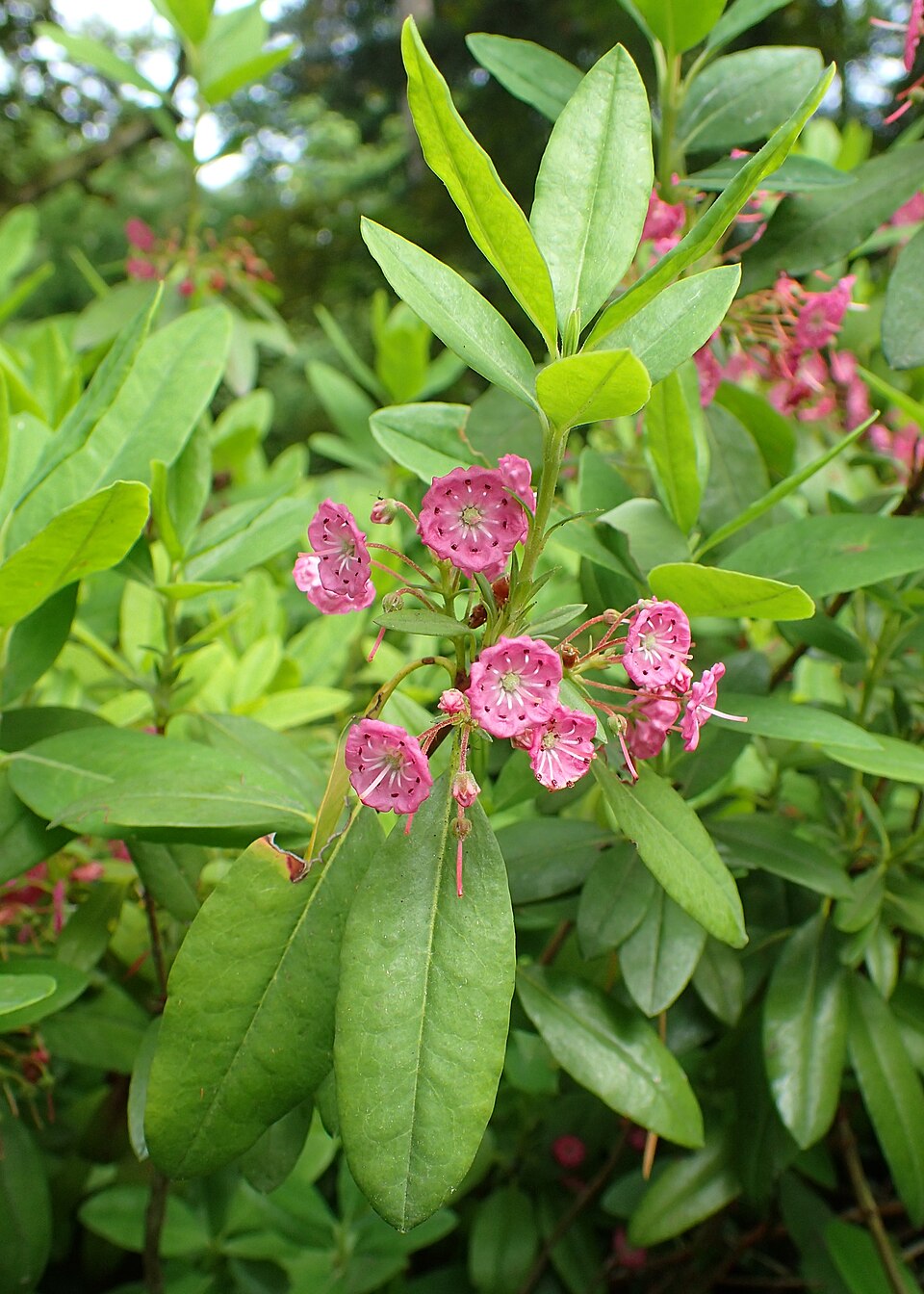
At a glance
- Life cycle
- Woody perennial
- Leaves
- Evergreen
- Bloom
- April to June
- Fruiting season
- September to October
County records are not available.
Also found with this plant
Wildlife whose habitat models include habitats this plant grows in, in West Virginia. Shared habitat, not food. 97 animals.
- American CrowCorvus brachyrhynchos
- American GoldfinchCarduelis tristis
- American KestrelFalco sparverius
- American RobinTurdus migratorius
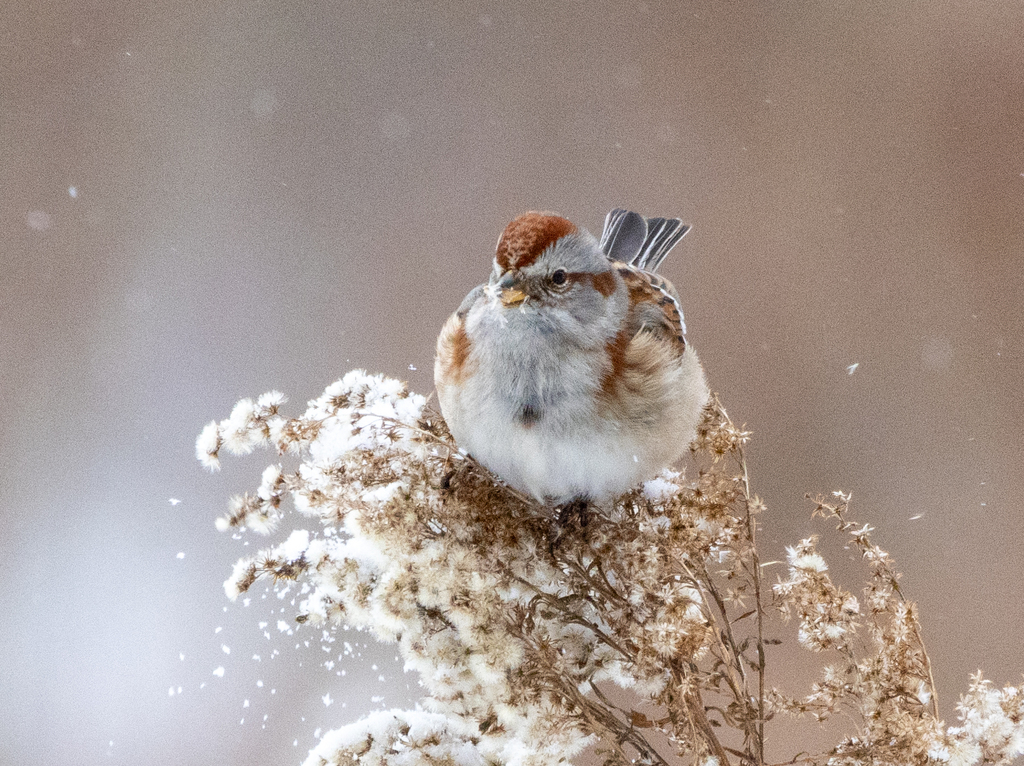
- American Tree SparrowSpizella arborea
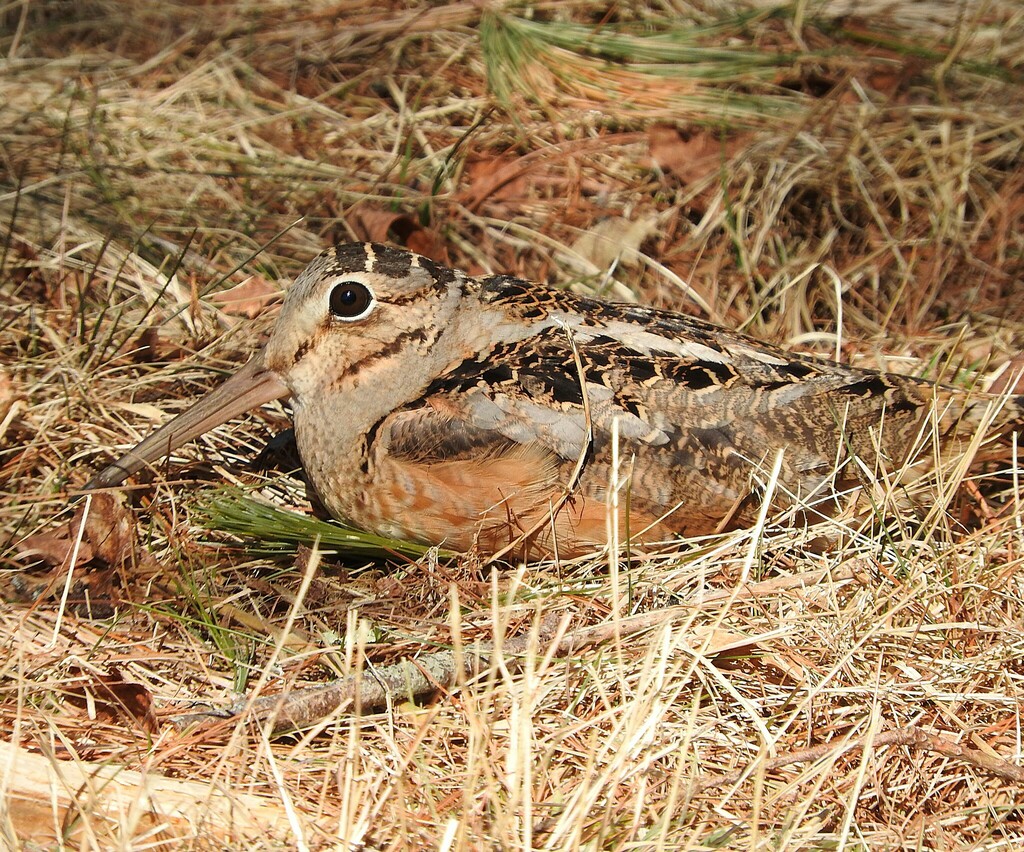
- American WoodcockScolopax minor
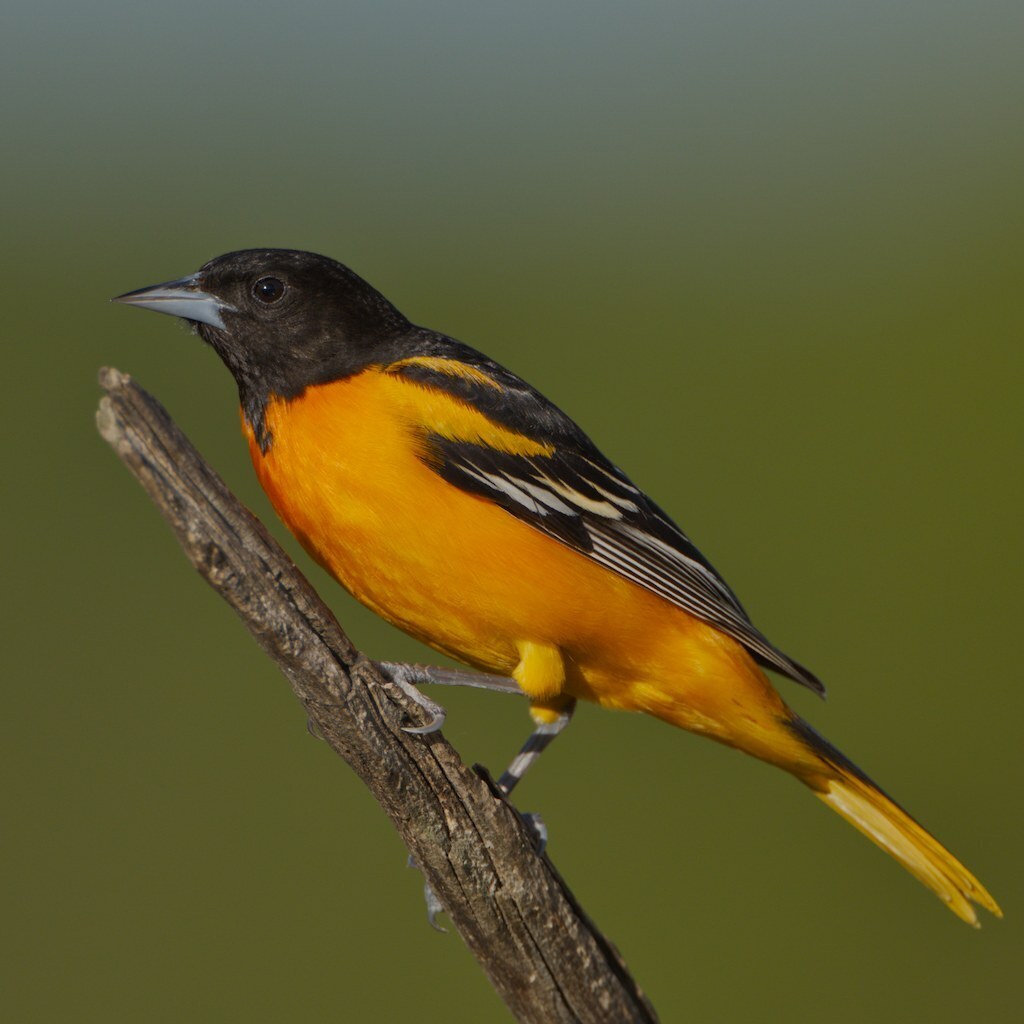
- Baltimore OrioleIcterus galbula
- Bank SwallowRiparia riparia
- Belted KingfisherMegaceryle alcyon
- Bewick's WrenThryomanes bewickii
- Black VultureCoragyps atratus
- Black-and-White WarblerMniotilta varia
- Black-billed CuckooCoccyzus erythropthalmus
- Black-capped ChickadeePoecile atricapillus
- Black-throated Blue WarblerDendroica caerulescens
- Blue GrosbeakPasserina caerulea
- Blue JayCyanocitta cristata
- Blue-gray GnatcatcherPolioptila caerulea
- Brown CreeperCerthia americana
- Brown ThrasherToxostoma rufum
- Brown-headed CowbirdMolothrus ater
- Carolina ChickadeePoecile carolinensis
- Cedar WaxwingBombycilla cedrorum
- Cerulean WarblerDendroica cerulea




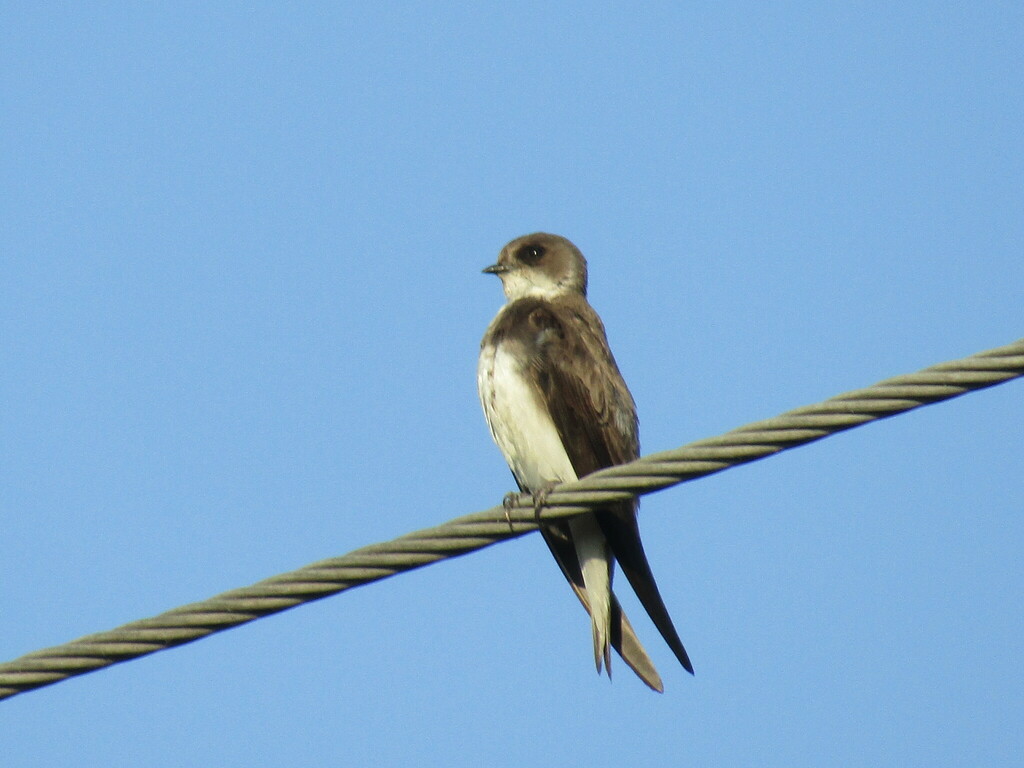

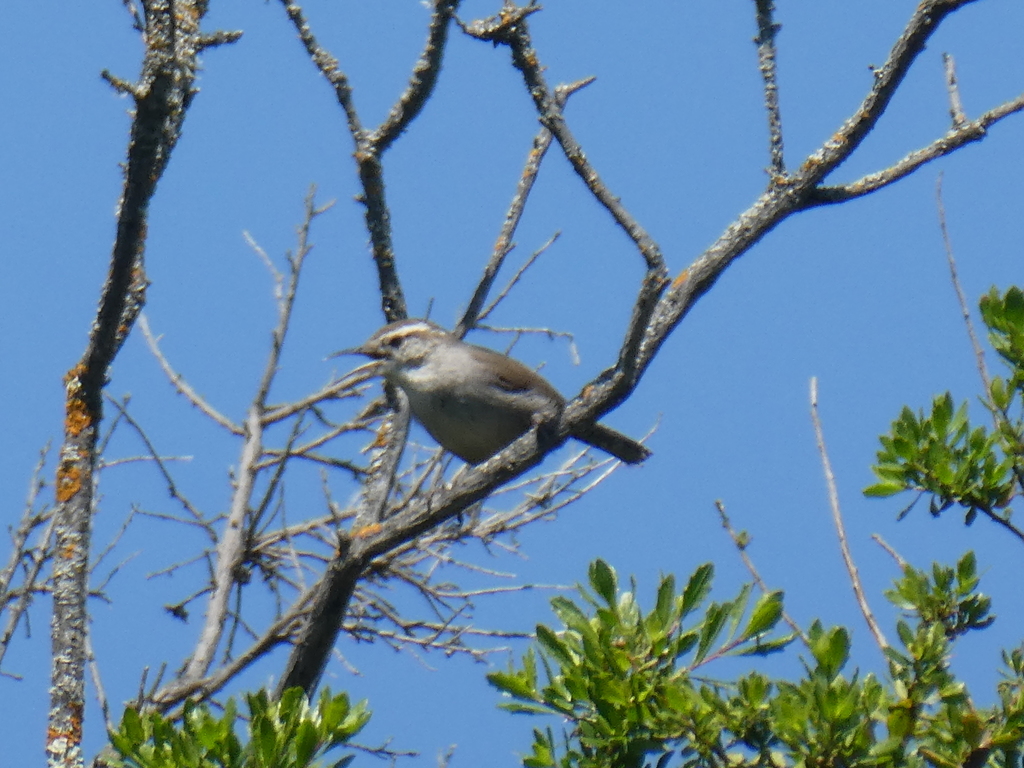
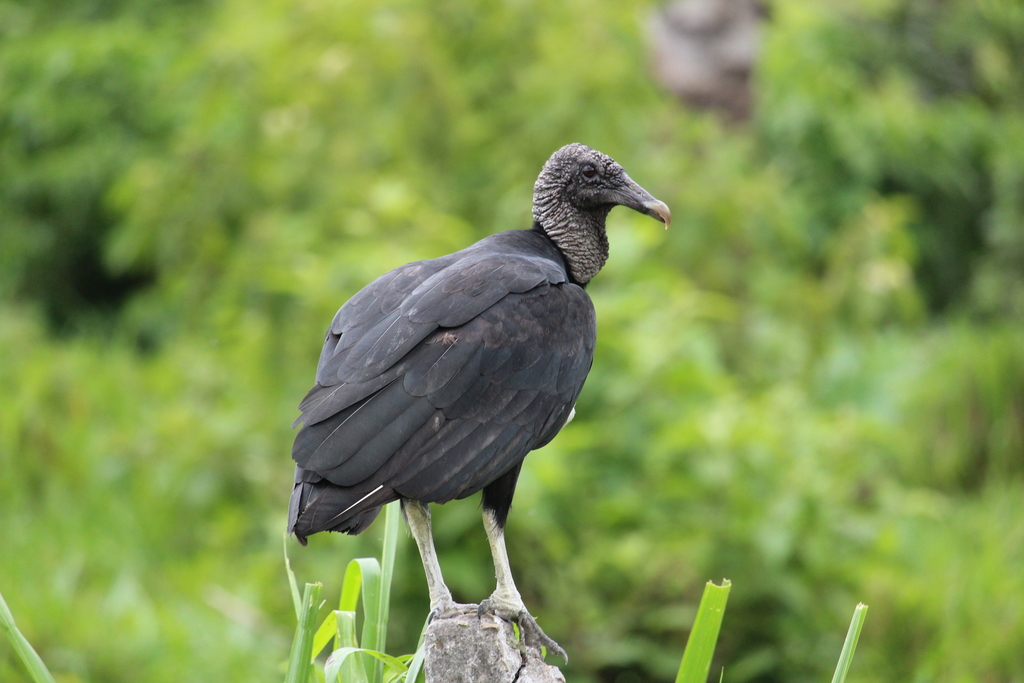

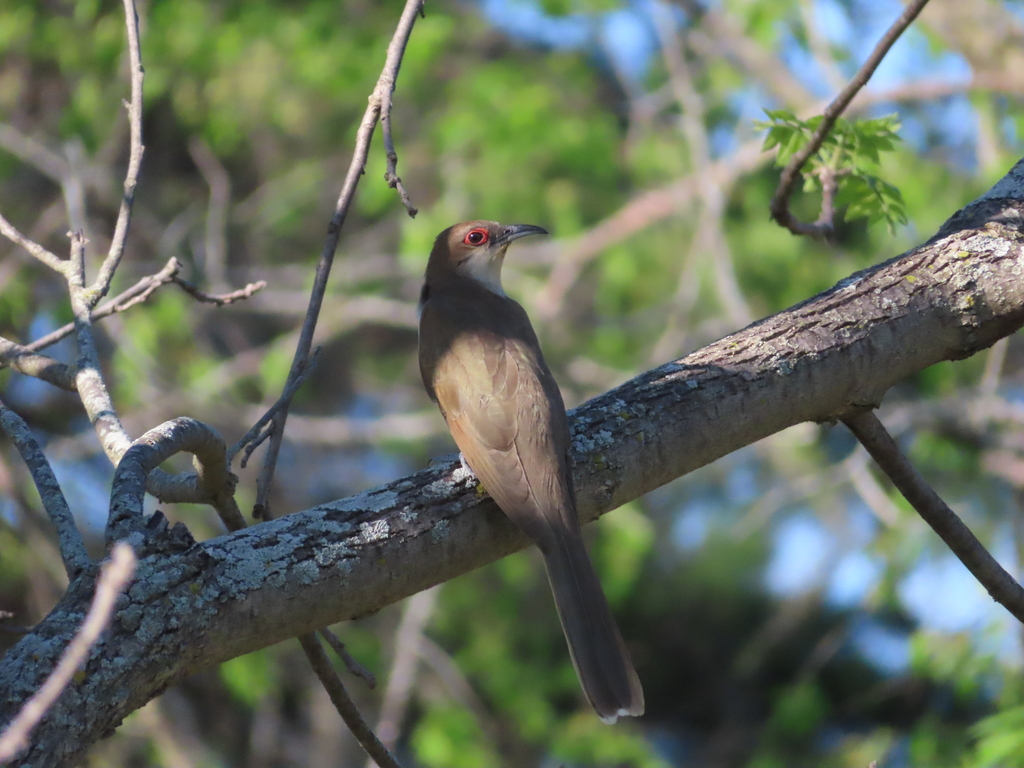
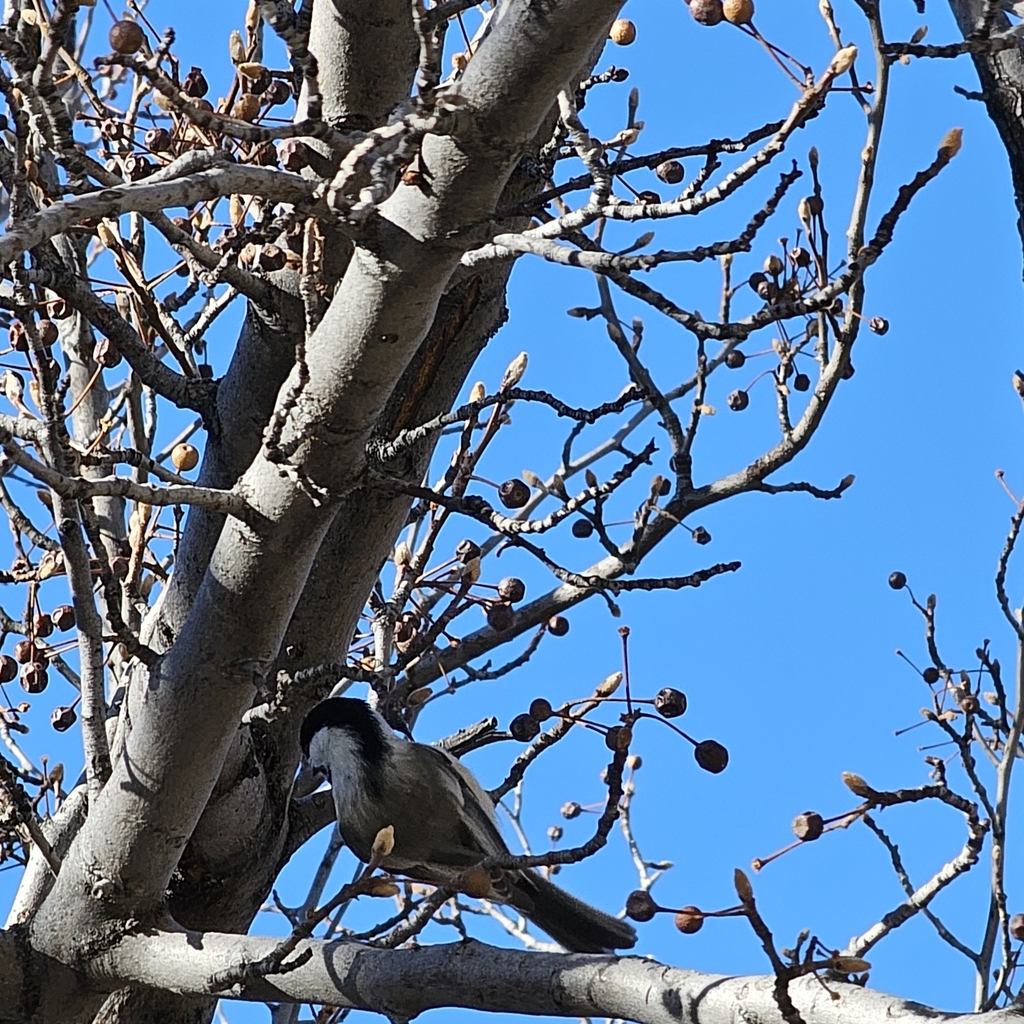
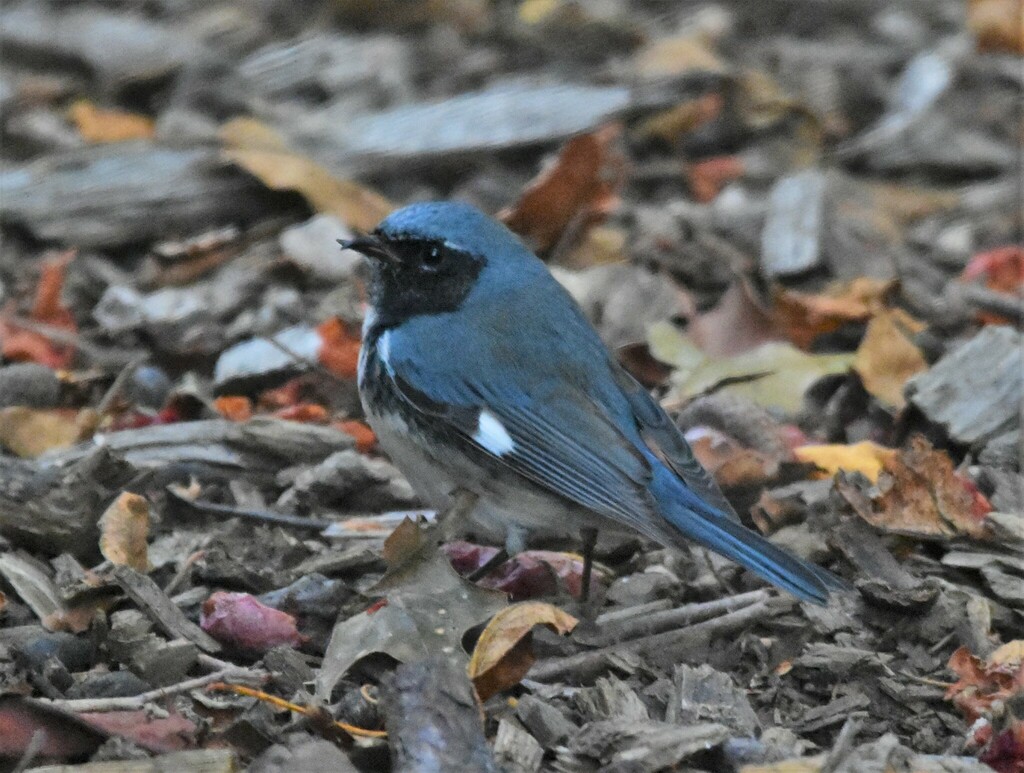








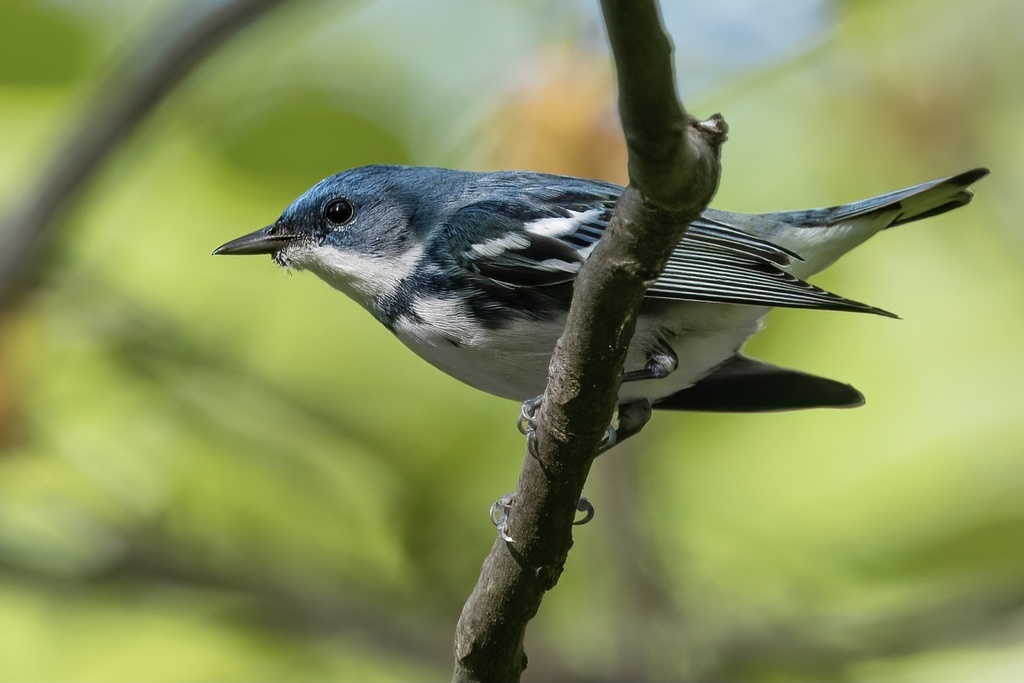

Who uses this plant?
 21CaterpillarsGenus host records with ranges including WV
Genus host records with ranges including WV · Kalmia
- Acleris maculidorsanaStained-Back Leafroller Moth
- Acleris minutaLesser Apple Leaf Folder, Yellowheaded Fireworm
- Argyrotaenia marianaGray-Banded Leafroller Moth
- Callosamia prometheaPromethea Silkmoth, Promethea Moth
- Celastrina luciaLucia Azure
- Cladara limitariaMottled Gray Carpet, Yellow-Lined Conifer Looper, Yellow-Lined Forest Looper, Black-Angled Wave
- Darapsa choerilusAzalea Sphinx
- Hyphantria cuneaFall Webworm
- Morrisonia evictaBicolored Woodgrain
- Nemoria rubrifrontariaRed-Fronted Emerald
Show all 21
- Orgyia leucostigmaWhite-Marked Tussock Moth
- Phlogophora periculosaBrown Angle Shades
- Probole amicariaFriendly Probole
- Probole nepiasariaHeath Probole
- Pseudexentera cressonianaShagbark Hickory Leafroller
- Sphinx kalmiaeFawn Sphinx, Laurel Sphinx
- Spiramater lutraDarling Mamestra, Splashed Arches, Otter Spiramater, Otter Arches
- Synanthedon rhododendriRhododendron Borer
- Tetracis cachexiataWhite Slant-Line
- Olethreutes melanomesum
- Paralobesia rhoifructana
 6BeesSoutheastern regional records
Southeastern regional records · Kalmia
Individual names are not available yet.
Noori, Seltmann & Orr 2026, A curated and integrated dataset for exploring global bee-plant interactions (GloBI), Zenodo, CC BY 4.0 3Specialist beesPollen specialists
Pollen specialists · Kalmia
- Andrena bradleyi
- Andrena kalmiae
- Colletes productus
 3BirdsRecorded genus food-resource interactions; not a state feeding claim
Recorded genus food-resource interactions; not a state feeding claim · Kalmia
- Bonasa umbellusRuffed Grouse
- Lagopus lagopusWillow Ptarmigan
- Lagopus leucuraWhite-tailed Ptarmigan
Direct food only: birds recorded eating this genus across North America. Caterpillars on host plants also feed nesting birds. NC Native Plant Society: butterfly gardening
No records yet · Ants · Beetles · Flies · Adult butterflies / moths · Other wasps · Other insects
Plant details
- Family
- Ericaceae
- Hardiness
- Zones 5a–8b
- Soil pH
- Acidic to neutral
- Flower color
- Pink, purple or red
- Fruit begins
- September
- Fruit ends
- October
Safety has not been reviewed for this plant; check toxicity and thorns before planting.
Growing sources and scope
- Bloom · “April to June” · Weakley, Flora of the Southeastern United States (2025), Carolinas & Georgia edition · Carolinas and Georgia
- Flower color · “Pink, purple or red” · NC Extension Plant Toolbox
- Fruit begins · “September” · Weakley, Flora of the Southeastern United States (2025), Carolinas & Georgia edition · Carolinas and Georgia
- Fruit ends · “October” · Weakley, Flora of the Southeastern United States (2025), Carolinas & Georgia edition · Carolinas and Georgia
- Hardiness · “Zones 5a–8b” · NC Extension Plant Toolbox
- Height · “1–3 feet” · NC Extension Plant Toolbox (ranked first; Fire Effects Information System: Kalmia angustifolia differs)
- Leaves · “Evergreen” · NC Extension Plant Toolbox
- Life cycle · “Woody perennial” · NC Extension Plant Toolbox
- Light · “Full sun (6 or more hours of direct sunlight a day)” · NC Extension Plant Toolbox
- Soil · “Moist; Occasionally dry; Occasionally wet” · NC Extension Plant Toolbox
- Soil pH · “Acidic to neutral” · NC Extension Plant Toolbox
- Spread · “4–6 feet” · NC Extension Plant Toolbox
Also known as
Kalmia angustifolia var. caroliniana
Conservation status
| West Virginia rank | Not available |
|---|---|
| Global rank | G5 |
| WV status | Not verified |
| Federal status | Not verified |
Will it fit your yard?
Check this plant against your county, sun and soil moisture. Conditions are checked in your browser.
Sources
- Weakley, Flora of the Southeastern United States (2025), Northern Tier edition
- USDA PLANTS
- Vascular Plants of North Carolina (NC Natural Heritage Program)
- West Virginia occurrence source
- Shropshire & Tallamy 2025, Lepidoptera of North America north of Mexico, ZooKeys 1261 (ODbL)
- Noori, Seltmann & Orr 2026, A curated and integrated dataset for exploring global bee-plant interactions (GloBI), Zenodo, CC BY 4.0
- Smith, Bachelder, Russell, Morales, Mosher & Seltmann 2024, Bee-Specialization-Modeling v0.6.1 (specialist host table compiled from J. Fowler's pollen specialist bee lists), Zenodo, CC BY 4.0
- Hurlbert, Olsen, Sawyer & Winner 2021, Avian Diet Database, Scientific Data 8: 260 (CC0)
- Narango, Tallamy & Shropshire 2020, Few keystone plant genera support the majority of Lepidoptera species, Nature Communications