

Swamp Rosemallow
Hibiscus moscheutos
Native to West Virginia. How scores work Is it native here?
Profile 100%
- Height
- 2–6 feet
- Spread
- 2–5 feet
- Light
- Full sun, Partial shade
- Soil moisture
- Usually moist
Space about 3.5 ft apart from its recorded spread, about 8 per 100 sq ft. Enter your bed size for a count
Will it fit your yard?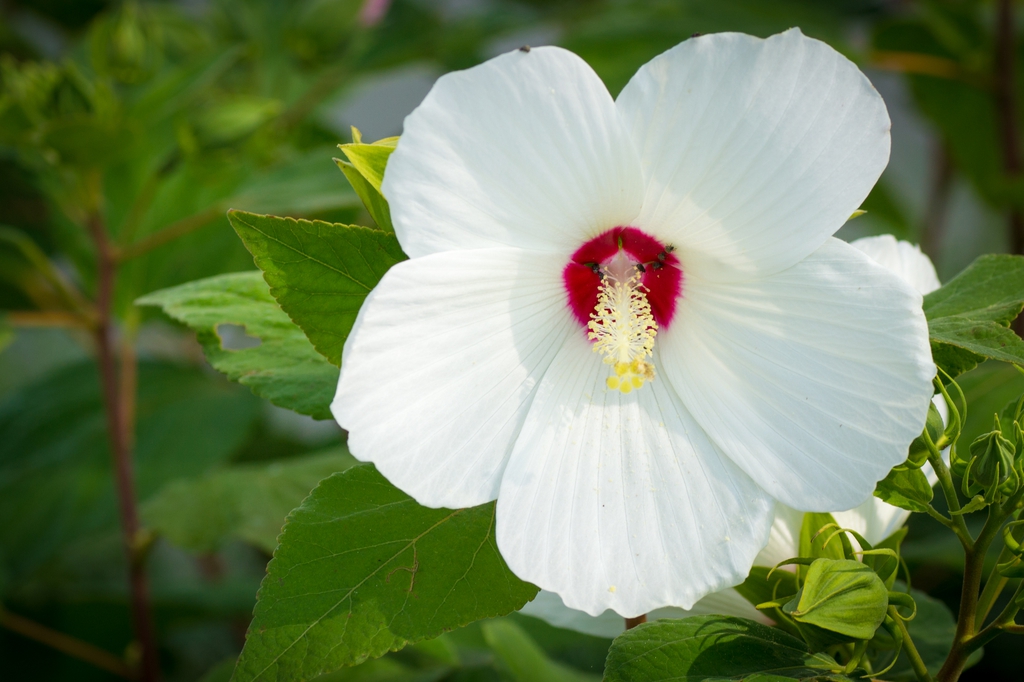
At a glance
- Life cycle
- Perennial
- Leaves
- Deciduous
- Bloom
- Summer and fall
- Fruiting season
- Fall to winter
Recorded in 2 West Virginia counties.
Also found with this plant
Wildlife whose habitat models include habitats this plant grows in, in West Virginia. Shared habitat, not food. 83 animals.
- White-eyed VireoVireo griseus
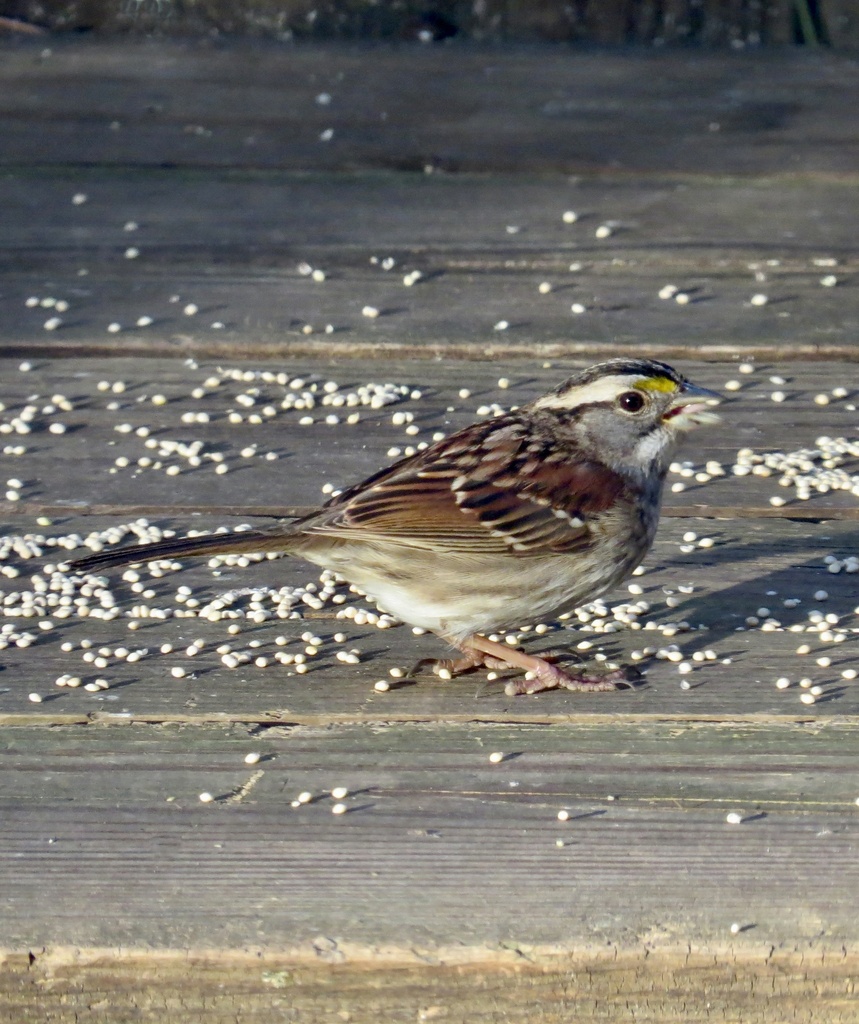
- White-throated SparrowZonotrichia albicollis
- Willow FlycatcherEmpidonax traillii
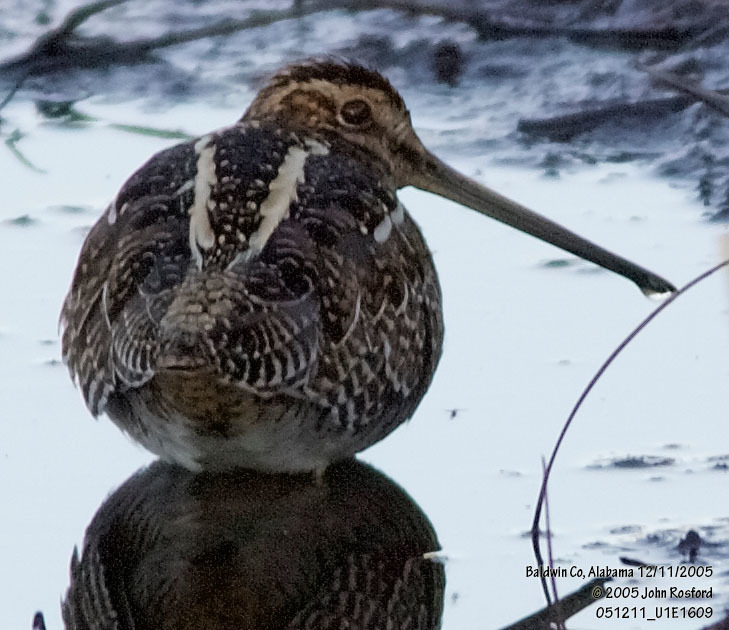
- Wilson's SnipeGallinago delicata
- Wood DuckAix sponsa
- Wood ThrushHylocichla mustelina
- Worm-eating WarblerHelmitheros vermivorum
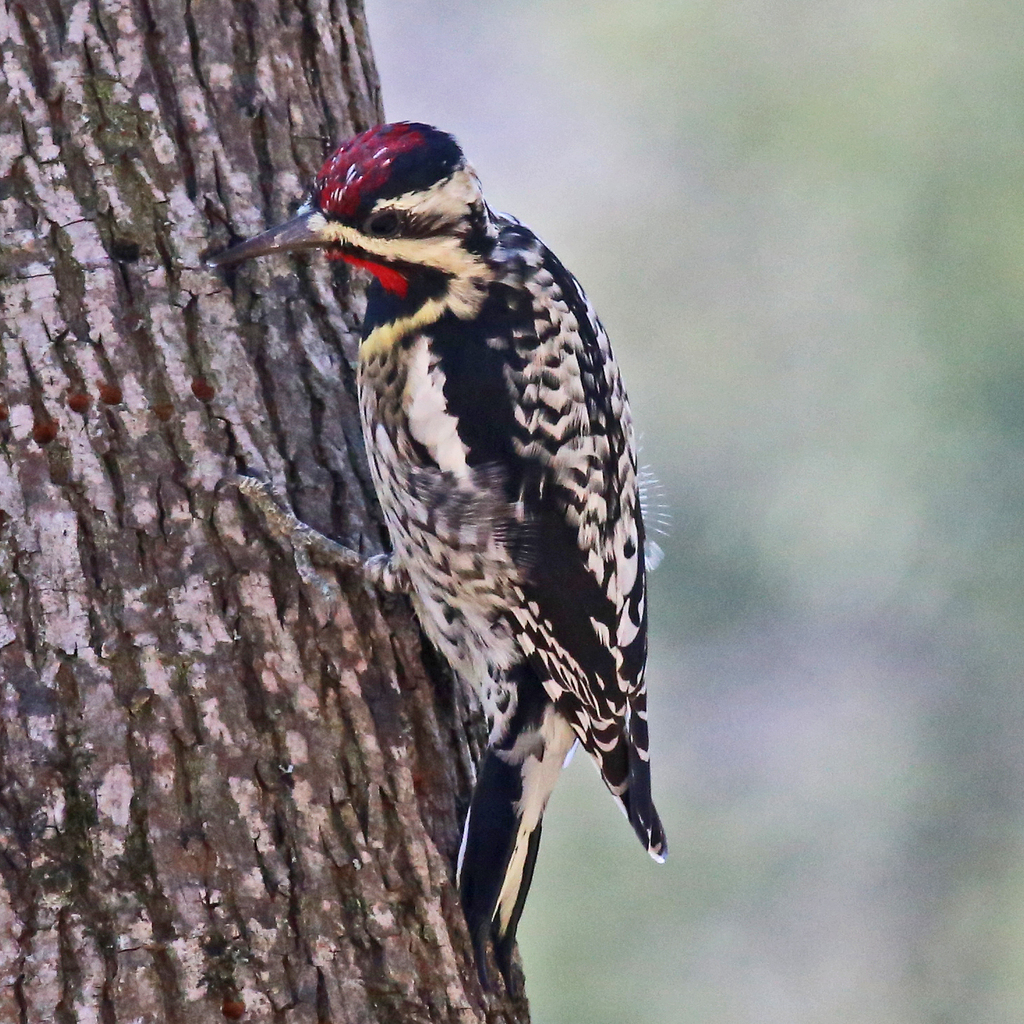
- Yellow-bellied SapsuckerSphyrapicus varius
- Yellow-billed CuckooCoccyzus americanus
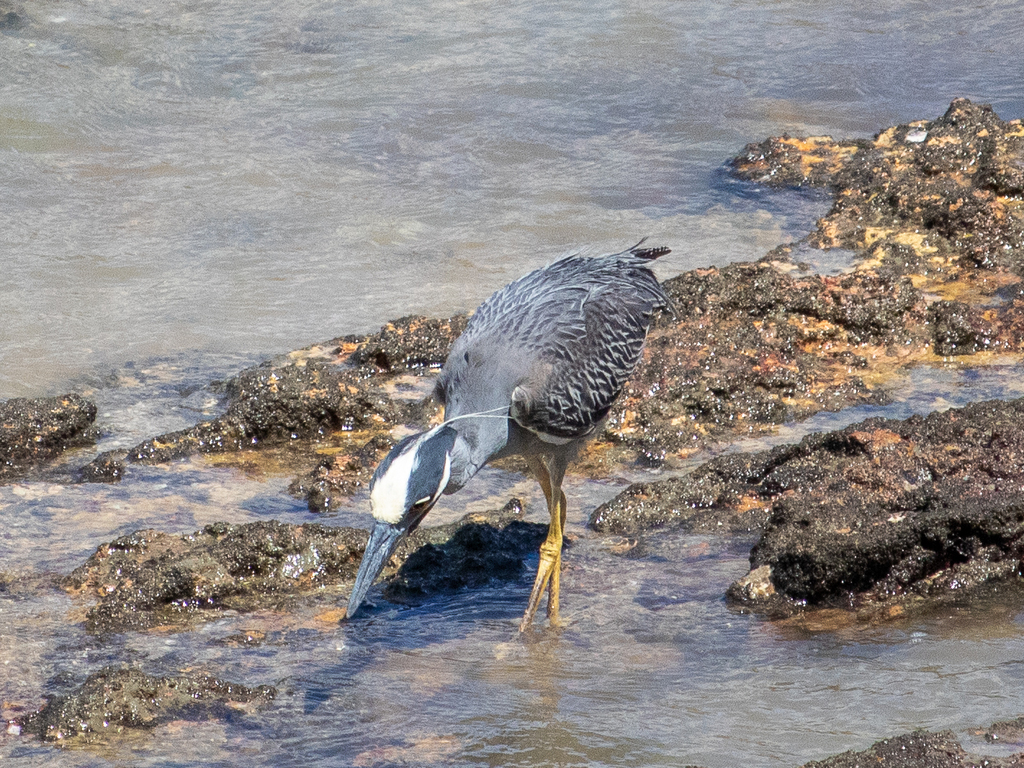
- Yellow-crowned Night-heronNyctanassa violacea
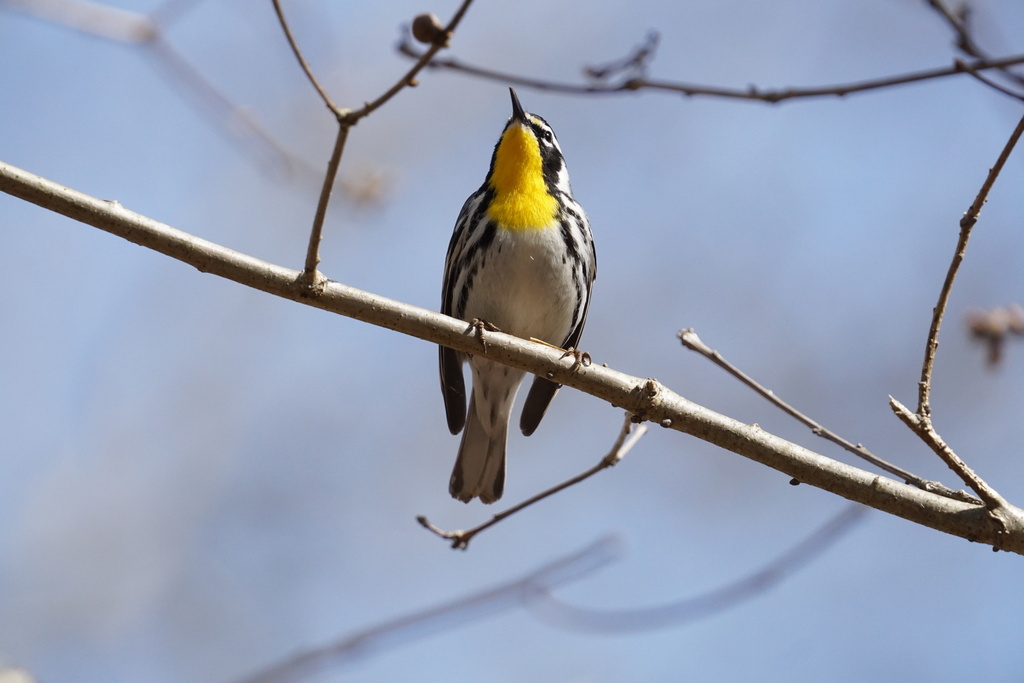
- Yellow-throated WarblerDendroica dominica





Widespread birds also seen here (36)
Found in many habitats here, so not listed above.
- Alder Flycatcher
- American Crow
- American Goldfinch
- American Kestrel
- American Robin
- Belted Kingfisher
- Blue Grosbeak
- Blue Jay
- Blue-gray Gnatcatcher
- Cedar Waxwing
- Chimney Swift
- Chipping Sparrow
- Common Nighthawk
- Common Raven
- Cooper's Hawk
- Eastern Kingbird
- Eastern Towhee
- European Starling
- Great Crested Flycatcher
- Great Horned Owl
- Least Flycatcher
- Mourning Dove
- Northern Cardinal
- Northern Flicker
- Northern Mockingbird
- Osprey
- Purple Finch
- Red-tailed Hawk
- Ruby-crowned Kinglet
- Sharp-shinned Hawk
- Spotted Sandpiper
- Tufted Titmouse
- Turkey Vulture
- Wild Turkey
- Yellow-breasted Chat
- Yellow-rumped Warbler
Care
- Keep the soil from drying out.
Who uses this plant?
 26CaterpillarsGenus host records with ranges including WV
Genus host records with ranges including WV · Hibiscus
- Acharia stimuleaSaddleback Caterpillar Moth
- Amyna strictaEight-Spot Moth
- Anarta trifoliiThe Nutmeg, Clover Cutworm
- Anomis erosaYellow Scallop Moth, Mallow Caterpillar
- Anomis flavaTropical Anomis Moth
- Anticarsia gemmatalisVelvetbean Caterpillar Moth
- Automeris ioIo Moth
- Burnsius communisCommon Checkered-Skipper
- Chloridea virescensTobacco Budworm Moth
- Euclea delphiniiSpiny Oak-Slug Moth
Show all 26
- Eudryas unioPearly Wood-Nymph
- Feltia subterraneaSubterranean Dart, Granulate Cutworm
- Helicoverpa zeaCorn Earworm Moth
- Hypena scabraGreen Cloverworm Bomolocha, Black Snout
- Hyphantria cuneaFall Webworm
- Idia lubricalisGlossy Black Idia
- Megalopyge opercularisSouthern Flannel Moth, Puss Caterpillar
- Orgyia leucostigmaWhite-Marked Tussock Moth
- Papaipema nebrisStalk Borer
- Spodoptera frugiperdaFall Armyworm Moth
- Spodoptera ornithogalliYellow-Striped Armyworm Moth, Cotton Cutworm
- Strymon melinusGray Hairstreak
- Tarache apricaExposed Bird-Dropping Moth
- Thyridopteryx ephemeraeformisEvergreen Bagworm Moth
- Chionodes hibiscella
- Epiblema numerosana
 26BeesSoutheastern regional records
Southeastern regional records · Hibiscus
Individual names are not available yet.
Noori, Seltmann & Orr 2026, A curated and integrated dataset for exploring global bee-plant interactions (GloBI), Zenodo, CC BY 4.0 1Specialist beesPollen specialists
Pollen specialists · Hibiscus
- Ptilothrix bombiformis
 1BirdsRecorded eating Hibiscus in West Virginia
Diet records by plant genus, from studies across North America. Not a record from this state. Birds whose range includes West Virginia, most records first.
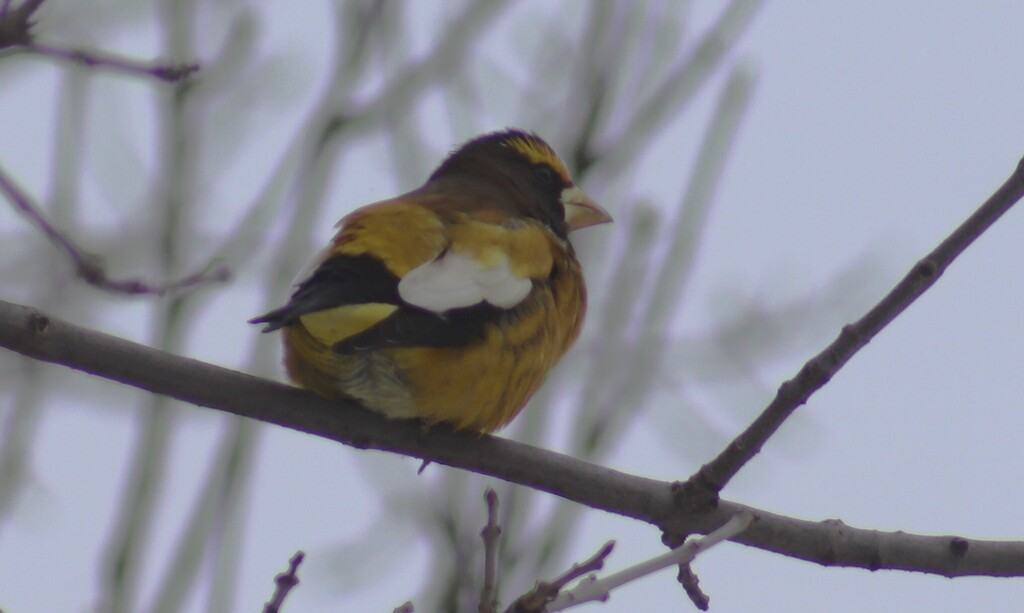
- Evening Grosbeak1 diet record
Direct food only. Caterpillars on host plants also feed nesting birds. NC Native Plant Society: butterfly gardening
No records yet · Ants · Beetles · Flies · Adult butterflies / moths · Other wasps · Other insects
Birds that eat Hibiscus 1
Diet records by plant genus, from studies across North America. Not a record from this state. Avian Diet Database (Hurlbert Lab), CC0 1.0.
- Evening GrosbeakCoccothraustes vespertinus
Plant details
- Family
- Malvaceae
- Hardiness
- Zones 4a–9b
- Soil pH
- Acidic to neutral
- Flower color
- Pink, red or white
- Growth rate
- Rapid
- Growth habit
- Several stems
- Foliage color
- Gray-green
- Fruit begins
- Fall
- Fruit ends
- Winter
What its natural habitat tells you
Safety has not been reviewed for this plant; check toxicity and thorns before planting.
Growing sources and scope
- Bloom · “Summer and fall” · NC Extension Plant Toolbox (ranked first; USDA PLANTS, Prairie Moon 2026 Cultural Guide differ)
- Flower color · “Pink, red or white” · NC Extension Plant Toolbox (ranked first; USDA PLANTS, Lady Bird Johnson Wildflower Center, Prairie Moon 2026 Cultural Guide differ)
- Foliage color · “Gray-green” · USDA PLANTS · Nationwide species characteristics; local growing conditions may vary
- Fruit begins · “Fall” · NC Extension Plant Toolbox (ranked first; USDA PLANTS differs) · Species profile fruit display season; not a local ripening date
- Fruit ends · “Winter” · NC Extension Plant Toolbox (ranked first; USDA PLANTS differs) · Species profile fruit display season; not a local ripening date
- Growth habit · “Several stems” · USDA PLANTS · Nationwide species characteristics; local growing conditions may vary
- Growth rate · “Rapid” · USDA PLANTS · Nationwide species characteristics; local growing conditions may vary
- Hardiness · “Zones 4a–9b” · NC Extension Plant Toolbox (ranked first; Missouri Botanical Garden Plant Finder differs)
- Height · “2–6 feet” · NC Extension Plant Toolbox (ranked first; Tennessee Smart Yards, USDA PLANTS, Lady Bird Johnson Wildflower Center, Missouri Botanical Garden Plant Finder, Prairie Moon 2026 Cultural Guide differ)
- Leaves · “Deciduous” · NC Extension Plant Toolbox
- Life cycle · “Perennial” · NC Extension Plant Toolbox
- Light · “Full sun (6 or more hours of direct sunlight a day); Partial shade (direct sunlight only part of the day, 2-6 hours)” · NC Extension Plant Toolbox (ranked first; Tennessee Smart Yards, Virginia DCR Piedmont, Virginia DCR Coastal Plain, Lady Bird Johnson Wildflower Center, Missouri Botanical Garden Plant Finder, Prairie Moon 2026 Cultural Guide differ)
- Soil · “Moist; Occasionally wet” · NC Extension Plant Toolbox (ranked first; Tennessee Smart Yards, Virginia DCR Piedmont, Virginia DCR Coastal Plain, Lady Bird Johnson Wildflower Center, Missouri Botanical Garden Plant Finder, Prairie Moon 2026 Cultural Guide differ)
- Soil pH · “Acidic to neutral” · NC Extension Plant Toolbox (ranked first; Lady Bird Johnson Wildflower Center differs)
- Spread · “2–5 feet” · NC Extension Plant Toolbox (ranked first; Missouri Botanical Garden Plant Finder differs)
Also known as
Crimsoneye Rose Mallow; Eastern Rose Mallow; Muenchhusia moscheutos subsp. moscheutos
Conservation status
| West Virginia rank | S5 |
|---|---|
| Global rank | G5 |
| WV status | Not verified |
| Federal status | Not verified |
Will it fit your yard?
Check this plant against your county, sun and soil moisture. Conditions are checked in your browser.
Growing cautions
- Spreads slowly. Spreads slowly by seed. Tennessee Smart Yards
For planning only; these do not change the score or Fit.
Sources
- NatureServe Explorer
- USDA PLANTS
- Vascular Plants of North Carolina (NC Natural Heritage Program)
- Weakley, Flora of the Southeastern United States (2025)
- West Virginia occurrence source
- Shropshire & Tallamy 2025, Lepidoptera of North America north of Mexico, ZooKeys 1261 (ODbL)
- Noori, Seltmann & Orr 2026, A curated and integrated dataset for exploring global bee-plant interactions (GloBI), Zenodo, CC BY 4.0
- Smith, Bachelder, Russell, Morales, Mosher & Seltmann 2024, Bee-Specialization-Modeling v0.6.1 (specialist host table compiled from J. Fowler's pollen specialist bee lists), Zenodo, CC BY 4.0
- Hurlbert, Olsen, Sawyer & Winner 2021, Avian Diet Database, Scientific Data 8: 260 (CC0)
- Narango, Tallamy & Shropshire 2020, Few keystone plant genera support the majority of Lepidoptera species, Nature Communications