

Habitat in West Virginia
Forests and woodlands
Forest or woodland where the source does not say how moist or dry. Schafale
- Plants
- 646
Plants
Plants that grow wild in this habitat in West Virginia. Not a planting list.
Most characteristic plants of this habitat 646
Natives first, plants found in fewer other habitats first.
- Hortulan PlumPrunus hortulana
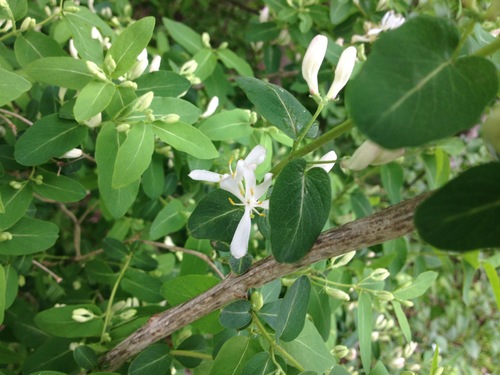
- Morrow's HoneysuckleLonicera morrowii
- Tartarian HoneysuckleLonicera tatarica
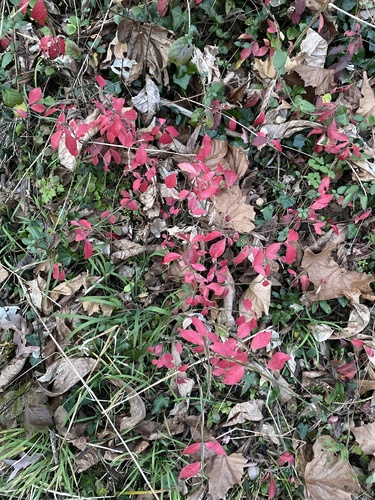
- Winged Burning-bushEuonymus alatus
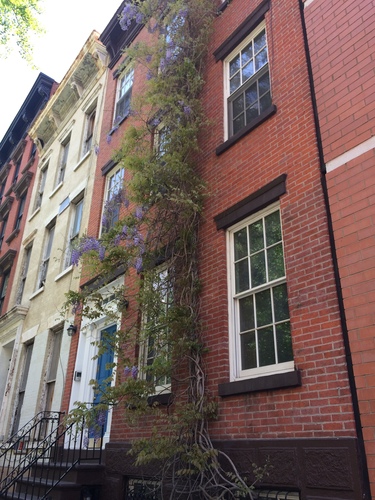
- Chinese WisteriaWisteria sinensis
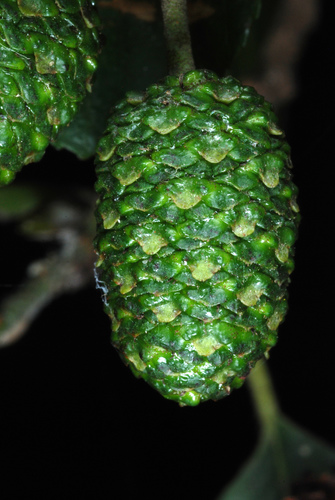
- European AlderAlnus glutinosa
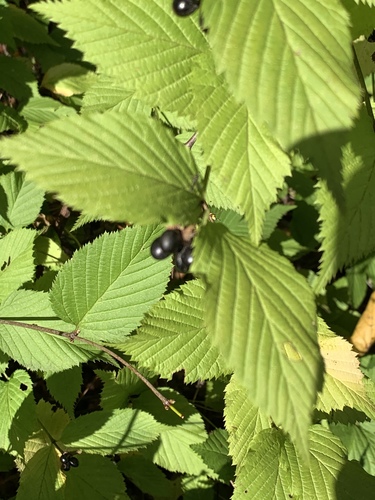
- Black JetbeadRhodotypos scandens
- Drooping Star-of-BethlehemOrnithogalum nutans
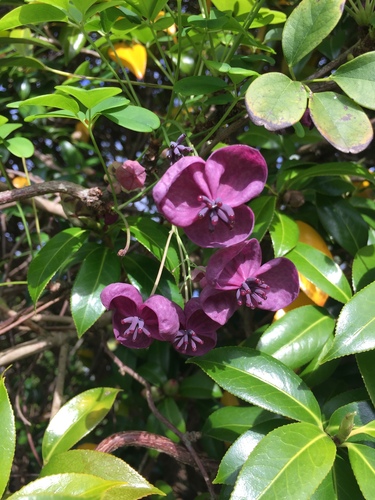
- Five-leaf AkebiaAkebia quinata
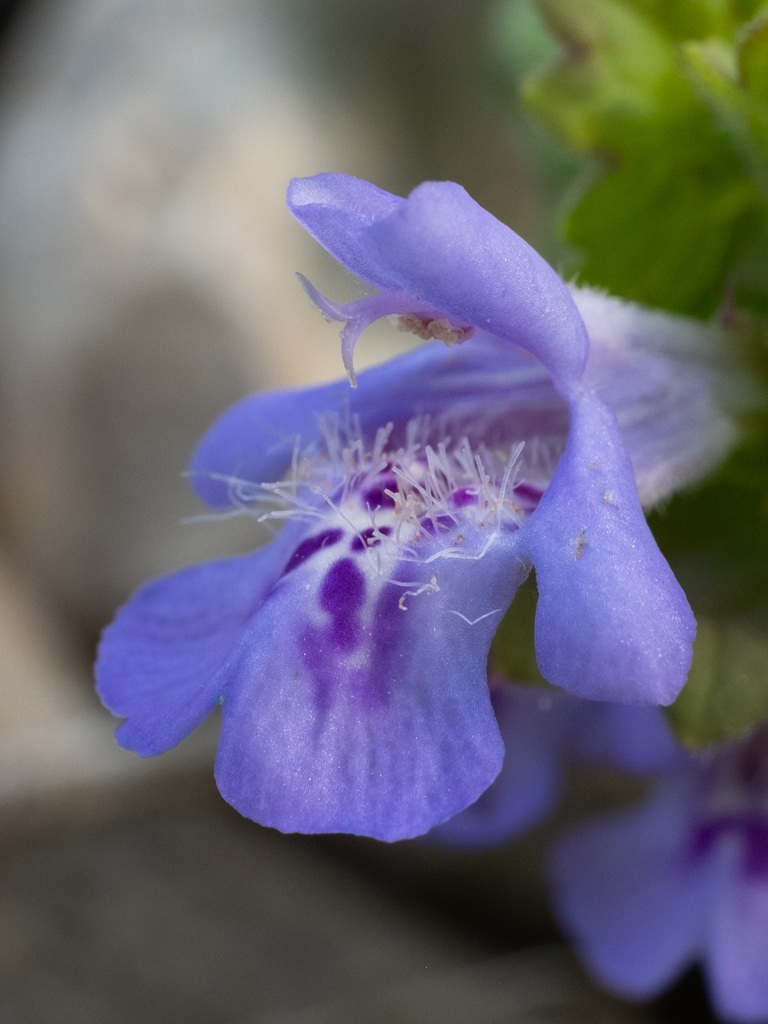
- Ground-ivyGlechoma hederacea
- Bicolor LespedezaLespedeza bicolor
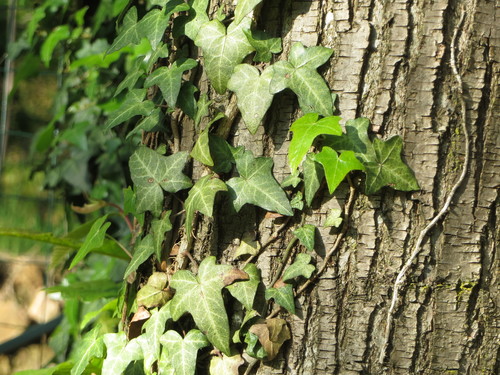
- English IvyHedera helix
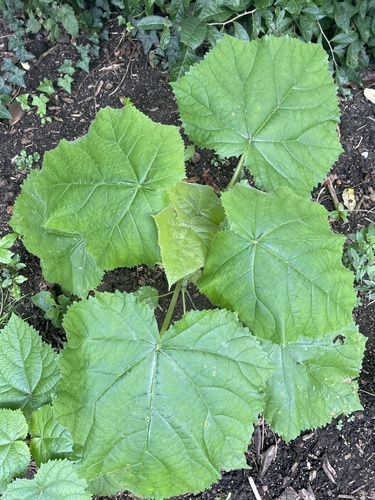
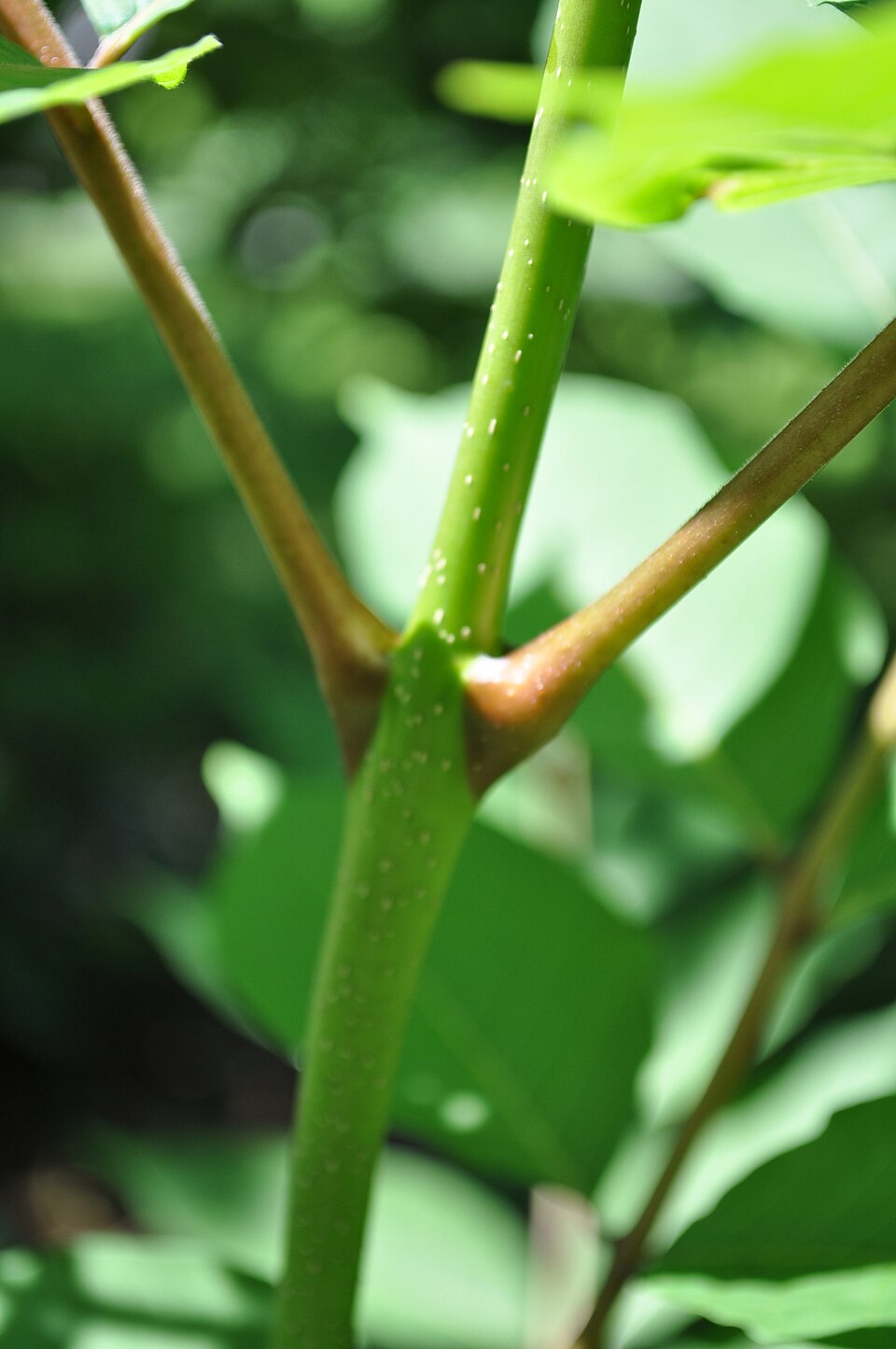
- Princess-treePaulownia tomentosa
- Tree-of-heavenAilanthus altissima
- White PoplarPopulus alba
- Amur HoneysuckleLonicera maackii
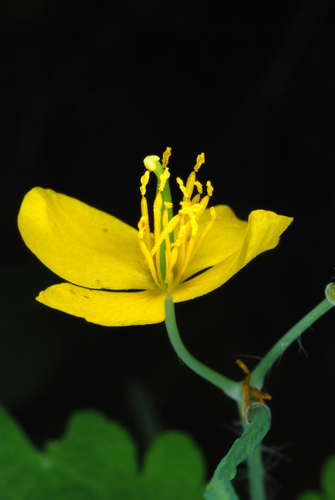
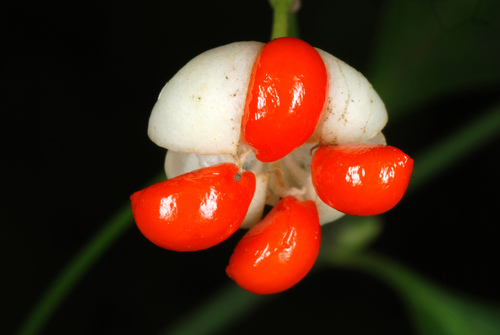
- Greater CelandineChelidonium majus
- Orange Day-lilyHemerocallis fulva
- Winter-creeperEuonymus fortunei
- Multiflora RoseRosa multiflora
- Oriental BittersweetCelastrus orbiculatus
- Trifoliate OrangePoncirus trifoliata

Wildlife
Animals whose habitat model includes this habitat in West Virginia. Shared habitat, not food.
No wildlife recorded in this habitat in West Virginia yet.
Sources
- Schafale, Guide to the Natural Communities of North Carolina, Fourth Approximation (NC Natural Heritage Program, 2012) habitat description
- Weakley, Flora of the Southeastern United States (2025), Carolinas & Georgia edition, habitat text phone app
- NC Parks species accounts
- USDA Forest Service Fire Effects Information System (reviewed notes)
- USGS Gap Analysis Project habitat models (2001)
- USGS Gap Analysis Project range maps (2001)
- NatureServe Explorer ecological systems (CC BY 4.0)
Habitat classes are filed under these habitat types by reviewed matches; descriptions are short glosses.