

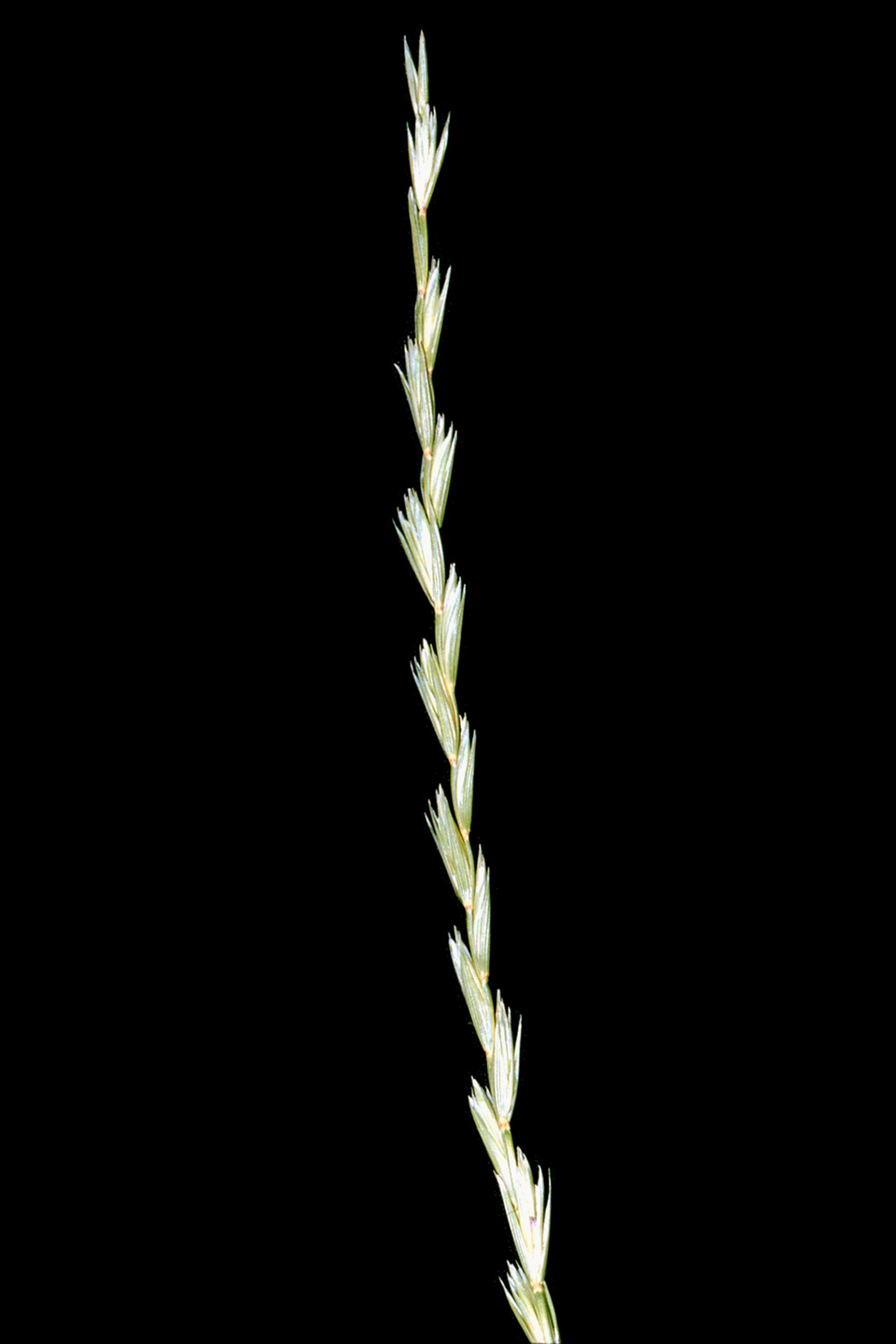
Slender Wheatgrass
Elymus trachycaulus
Native to West Virginia. How scores work Is it native here?
Profile 71%
- Height
- ranging from 6 to 48 inches
- Soil moisture
- Somewhat dry to average
Rare or protected plant. Specialist conservation planting; excluded from routine garden suggestions. Plant caution source
Hidden from default planting suggestions. Wildlife value and native status remain unchanged.
At a glance
- Life cycle
- Perennial
Not yet recorded · Spread · Light · Leaves · Bloom
Bloom: NC species account not read yet.
Spread, light and leaves: no source found yet.
This plant is missing most of its facts, so Quercus is looking them up in old botany books.
Recorded in 2 West Virginia counties.
Also found with this plant
Wildlife whose habitat models include habitats this plant grows in, in West Virginia. Shared habitat, not food. 76 animals.
- Common NighthawkChordeiles minor
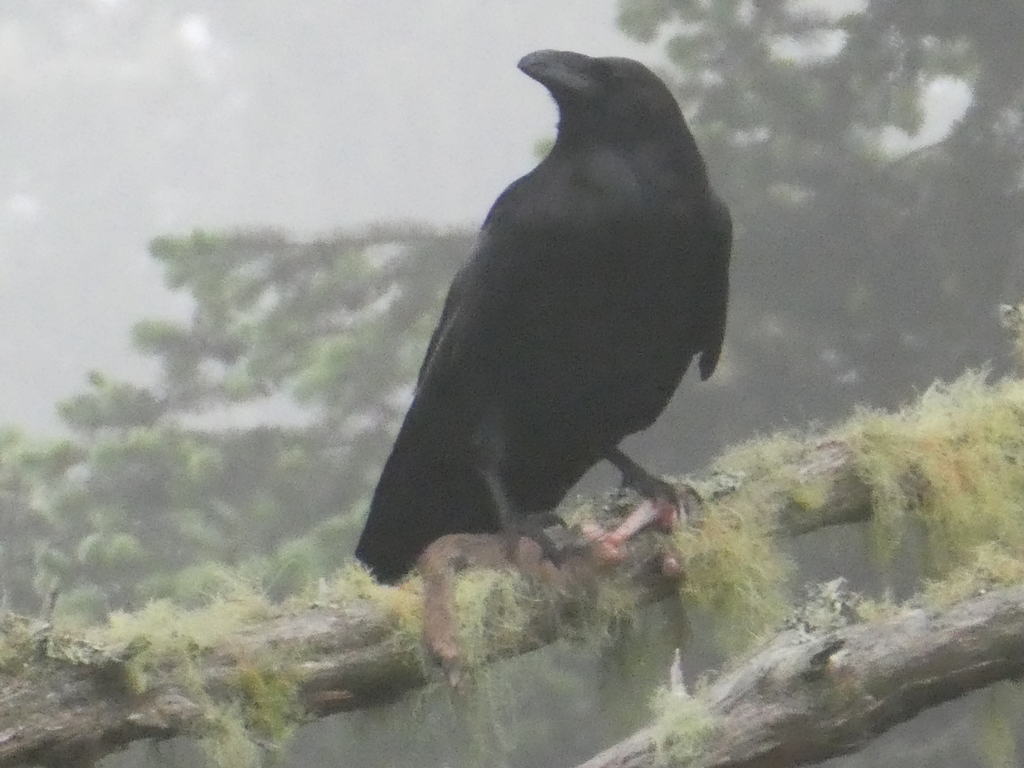
- Common RavenCorvus corax
- Cooper's HawkAccipiter cooperii
- Dark-eyed JuncoJunco hyemalis
- Double-crested CormorantPhalacrocorax auritus
- Downy WoodpeckerPicoides pubescens
- Eastern BluebirdSialia sialis
- Eastern KingbirdTyrannus tyrannus
- Eastern Screech-owlMegascops asio
- European StarlingSturnus vulgaris
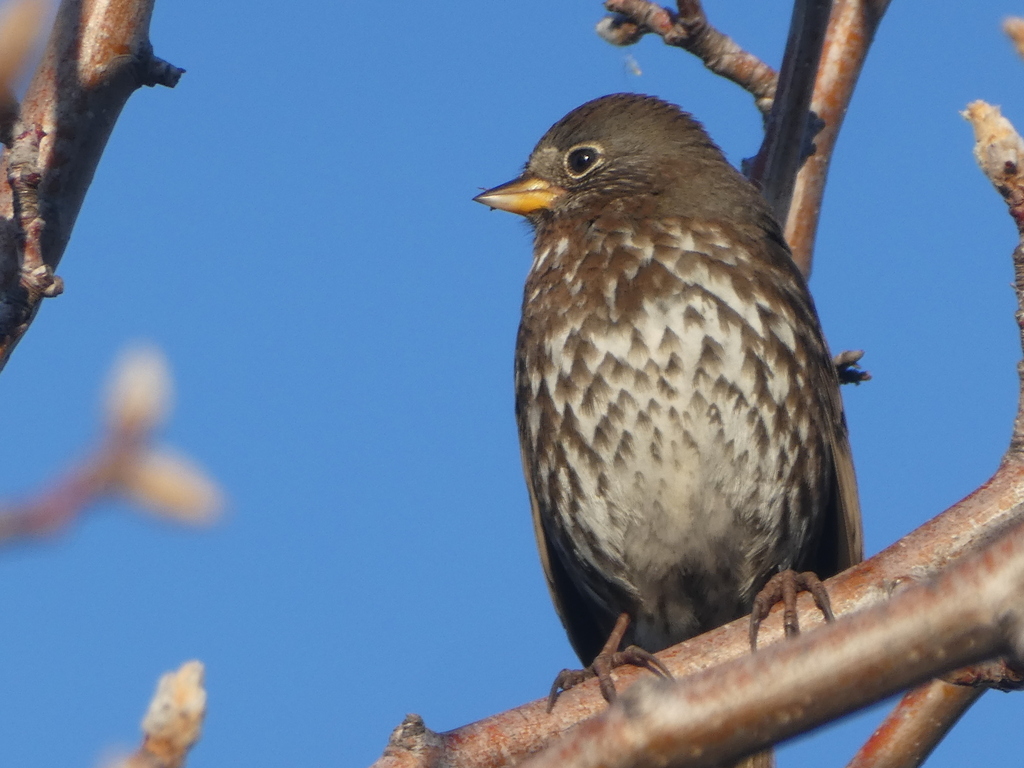
- Fox SparrowPasserella iliaca
- Golden-crowned KingletRegulus satrapa
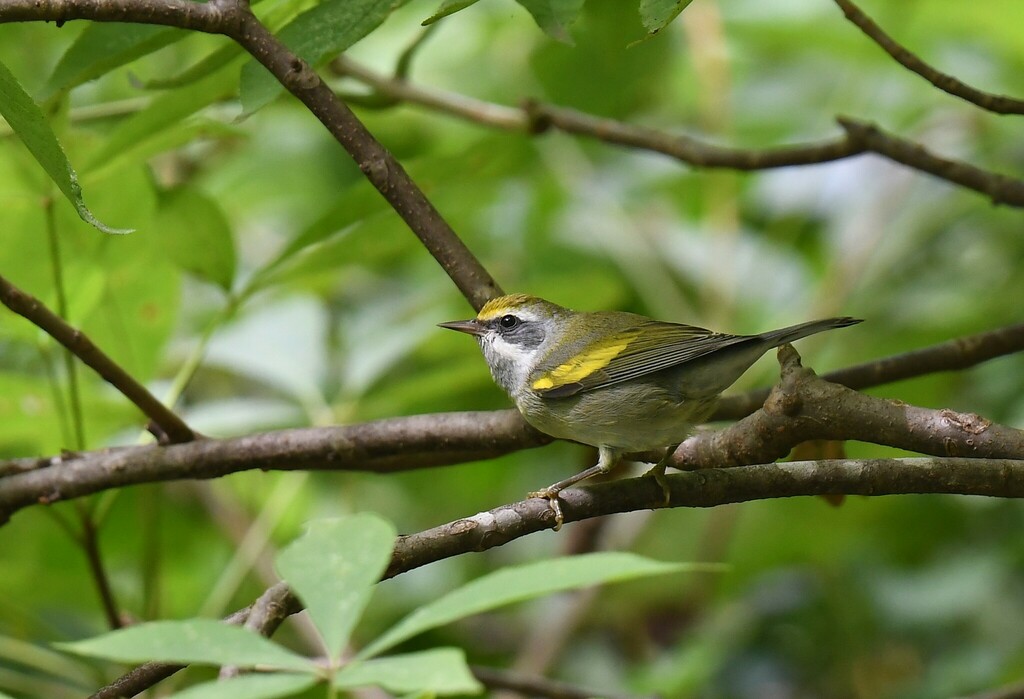
- Golden-winged WarblerVermivora chrysoptera
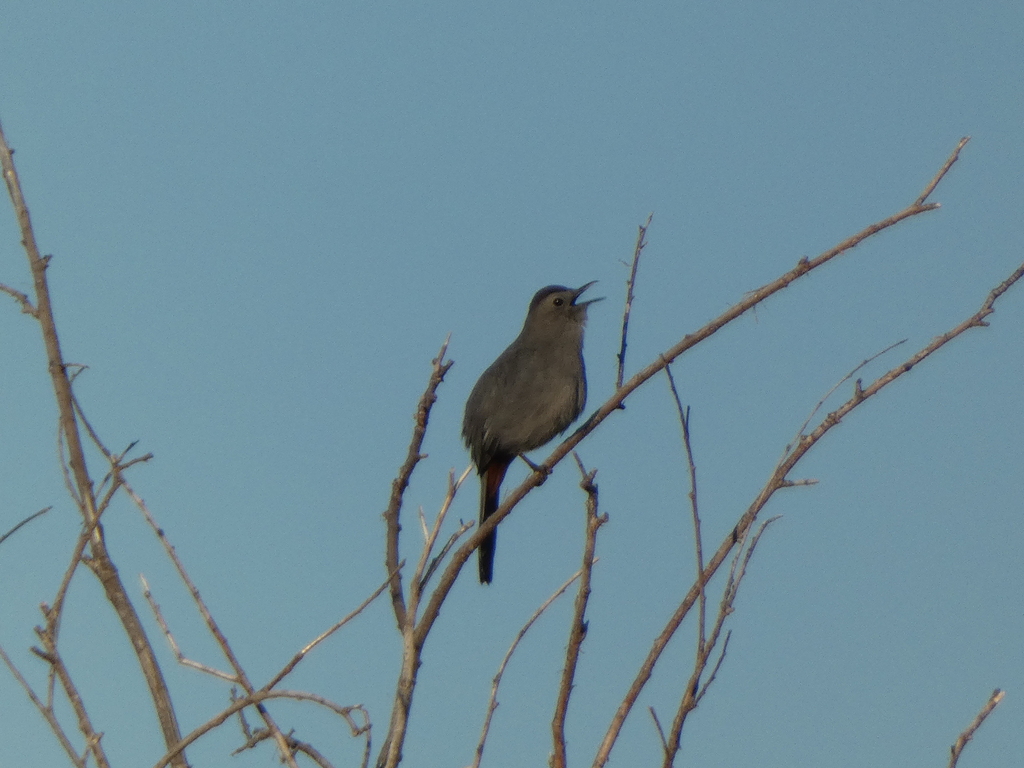
- Gray CatbirdDumetella carolinensis
- Great Horned OwlBubo virginianus
- Hairy WoodpeckerPicoides villosus
- Hermit ThrushCatharus guttatus
- Hooded MerganserLophodytes cucullatus
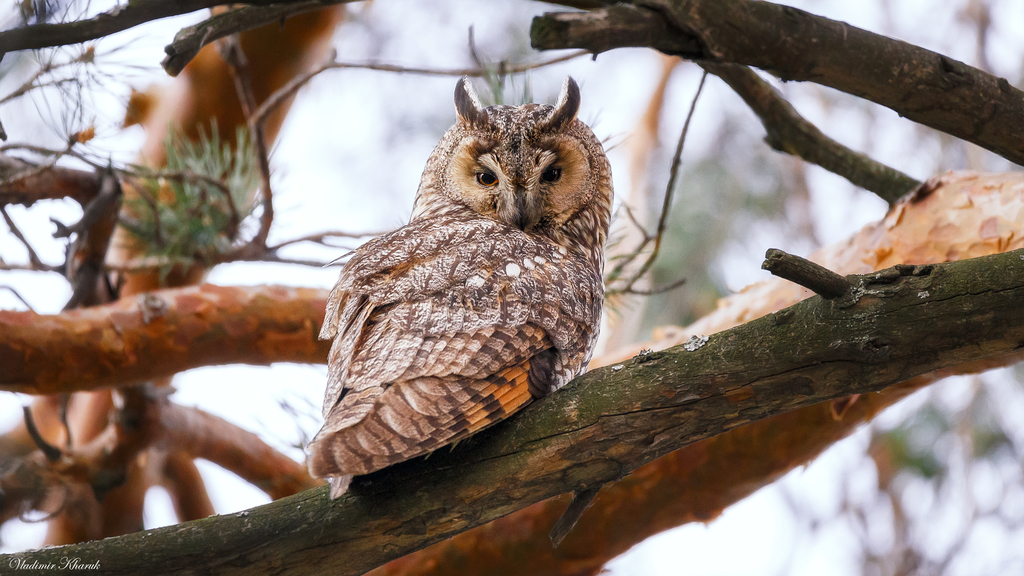
- Long-eared OwlAsio otus
- Mourning DoveZenaida macroura
- Northern FlickerColaptes auratus
- Northern MockingbirdMimus polyglottos
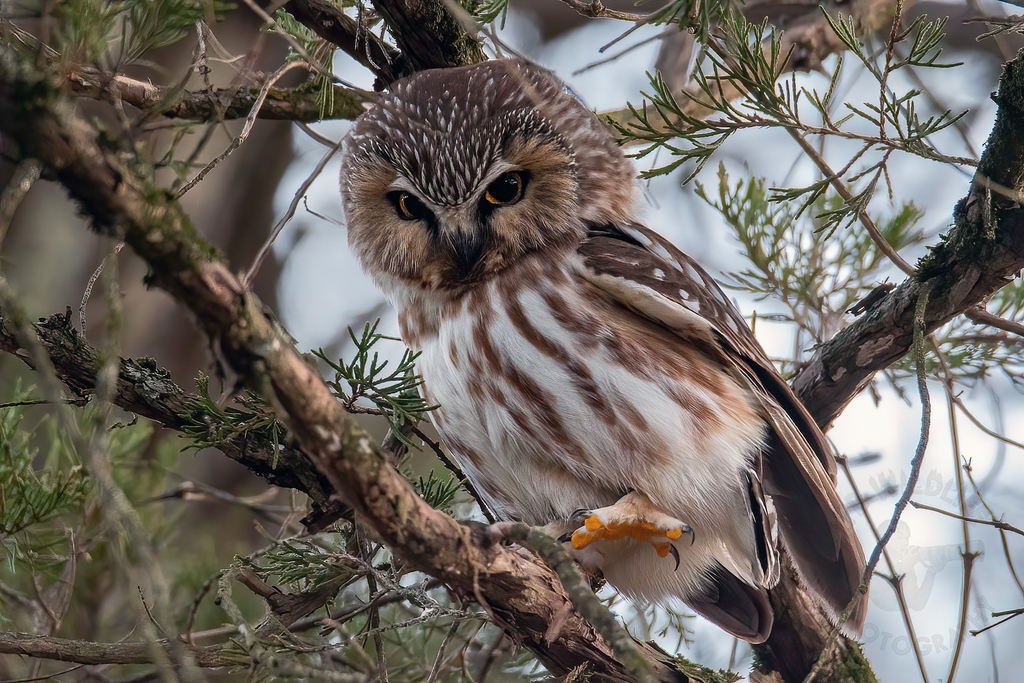
- Northern Saw-whet OwlAegolius acadicus
- OspreyPandion haliaetus



















Who uses this plant?
 25CaterpillarsGenus host records with ranges including WV
Genus host records with ranges including WV · Elymus
- Amblyscirtes vialisCommon Roadside-Skipper, Black Little Skipper
- Ancyloxypha numitorLeast Skipper
- Apamea devastatorGlassy Borer, Glassy Cutworm Moth
- Apamea lignicoloraWood-Colored Apamea
- Apamea sordensBordered Apamea, Rustic Shoulder-Knot
- Cercyonis pegalaCommon Wood Nymph
- Clepsis persicanaWhite Triangle Tortrix
- Ctenucha virginicaVirginia Ctenucha
- Dargida diffusaWheat Head Armywotm Moth
- Lethe anthedonNorthern Pearly Eye
Show all 25
- Leucania commoidesDusky Wainscot, Comma Wainscot
- Leucania phragmitidicolaNeedle Wainscot, Phragmites Wainscot
- Leucania pseudargyriaFalse Wainscot
- Limochores mysticLong Dash
- Lon zabulonZabulon Skipper
- Loscopia velataVeiled Ear Moth, Veiled Grass Moth
- Mythimna unipunctaArmyworm Moth, White Speck
- Nephelodes miniansBronzed Cutworm
- Papaipema cataphractaBurdock Border, Potato-Stalk Borer
- Papaipema nebrisStalk Borer
- Polites themistoclesTawny-Edged Skipper
- Pyrrharctia isabellaIsabella Tiger Moth, Banded Woolybear
- Spodoptera frugiperdaFall Armyworm Moth
- Apamea lutosa
- Elachista illectella
 0BeesSoutheastern regional records
 0Specialist beesPollen specialists
 4BirdsRecorded genus food-resource interactions; not a state feeding claim
Recorded genus food-resource interactions; not a state feeding claim · Elymus
- Alectoris chukarChukar
- Anser albifronsGreater White-fronted Goose
- Perdix perdixGray Partridge
- Plectrophenax nivalisSnow Bunting
Direct food only: birds recorded eating this genus across North America. Caterpillars on host plants also feed nesting birds. NC Native Plant Society: butterfly gardening
No records yet · Ants · Beetles · Flies · Adult butterflies / moths · Other wasps · Other insects
Plant details
- Family
- Poaceae
- Flower color
- Green
What its natural habitat tells you
Growing sources and scope
- Flower color · “Green” · Lady Bird Johnson Wildflower Center
- Height · “ranging from 6 to 48 inches” · Fire Effects Information System: Elymus trachycaulus (ranked first; Lady Bird Johnson Wildflower Center differs) · Source botanical description; original units and scope retained
- Life cycle · “Perennial” · Lady Bird Johnson Wildflower Center
Also known as
Agropyron trachycaulum
Conservation status
| West Virginia rank | S2 |
|---|---|
| Global rank | G5 |
| WV status | Not verified |
| Federal status | Not verified |
Will it fit your yard?
Check this plant against your county, sun and soil moisture. Conditions are checked in your browser.
Sources
- NatureServe Explorer
- USDA PLANTS
- Vascular Plants of North Carolina (NC Natural Heritage Program)
- West Virginia occurrence source
- Shropshire & Tallamy 2025, Lepidoptera of North America north of Mexico, ZooKeys 1261 (ODbL)
- Noori, Seltmann & Orr 2026, A curated and integrated dataset for exploring global bee-plant interactions (GloBI), Zenodo, CC BY 4.0
- Smith, Bachelder, Russell, Morales, Mosher & Seltmann 2024, Bee-Specialization-Modeling v0.6.1 (specialist host table compiled from J. Fowler's pollen specialist bee lists), Zenodo, CC BY 4.0
- Hurlbert, Olsen, Sawyer & Winner 2021, Avian Diet Database, Scientific Data 8: 260 (CC0)
- Narango, Tallamy & Shropshire 2020, Few keystone plant genera support the majority of Lepidoptera species, Nature Communications