

Eastern Bottlebrush-grass
Elymus hystrix
Native to West Virginia. How scores work Is it native here?
Profile 100%
- Height
- 2.5–3 feet
- Spread
- 1–1.5 feet
- Light
- Dappled sunlight, Partial shade
- Soil moisture
- Usually moist
Space about 1 ft apart from its recorded spread, about 100 per 100 sq ft. Enter your bed size for a count
Will it fit your yard?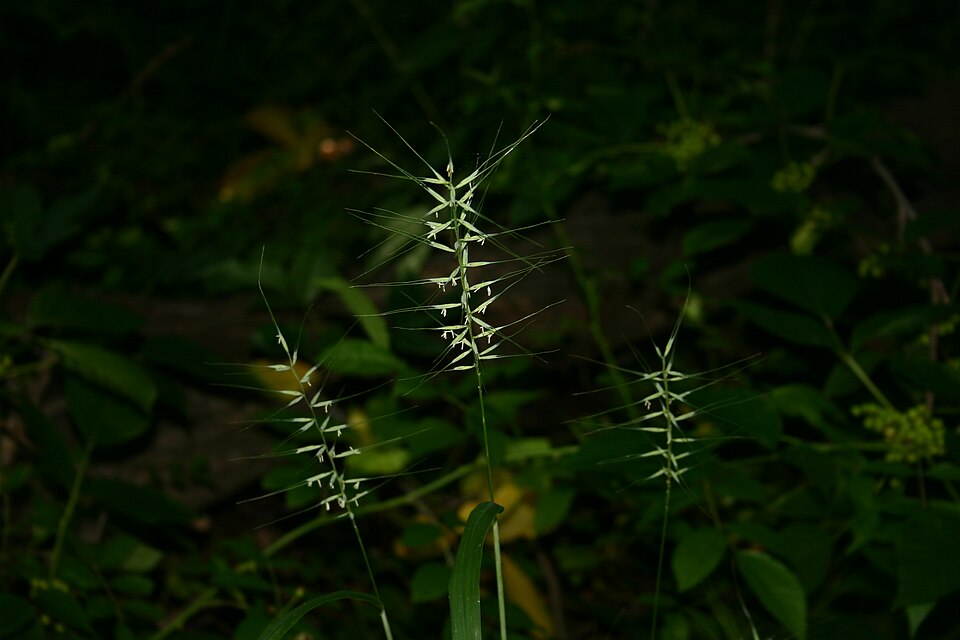
At a glance
- Life cycle
- Perennial
- Bloom
- June to August
Not yet recorded · Leaves
Recorded in 17 West Virginia counties.
Also found with this plant
Wildlife whose habitat models include habitats this plant grows in, in West Virginia. Shared habitat, not food. 141 animals.
- Sharp-shinned HawkAccipiter striatus
- Spotted SandpiperActitis macularius
- Tufted TitmouseBaeolophus bicolor
- Turkey VultureCathartes aura
- White-breasted NuthatchSitta carolinensis
- Yellow-billed CuckooCoccyzus americanus
- Yellow-breasted ChatIcteria virens
- Yellow-rumped WarblerDendroica coronata
- Belted KingfisherMegaceryle alcyon
- Black-and-White WarblerMniotilta varia
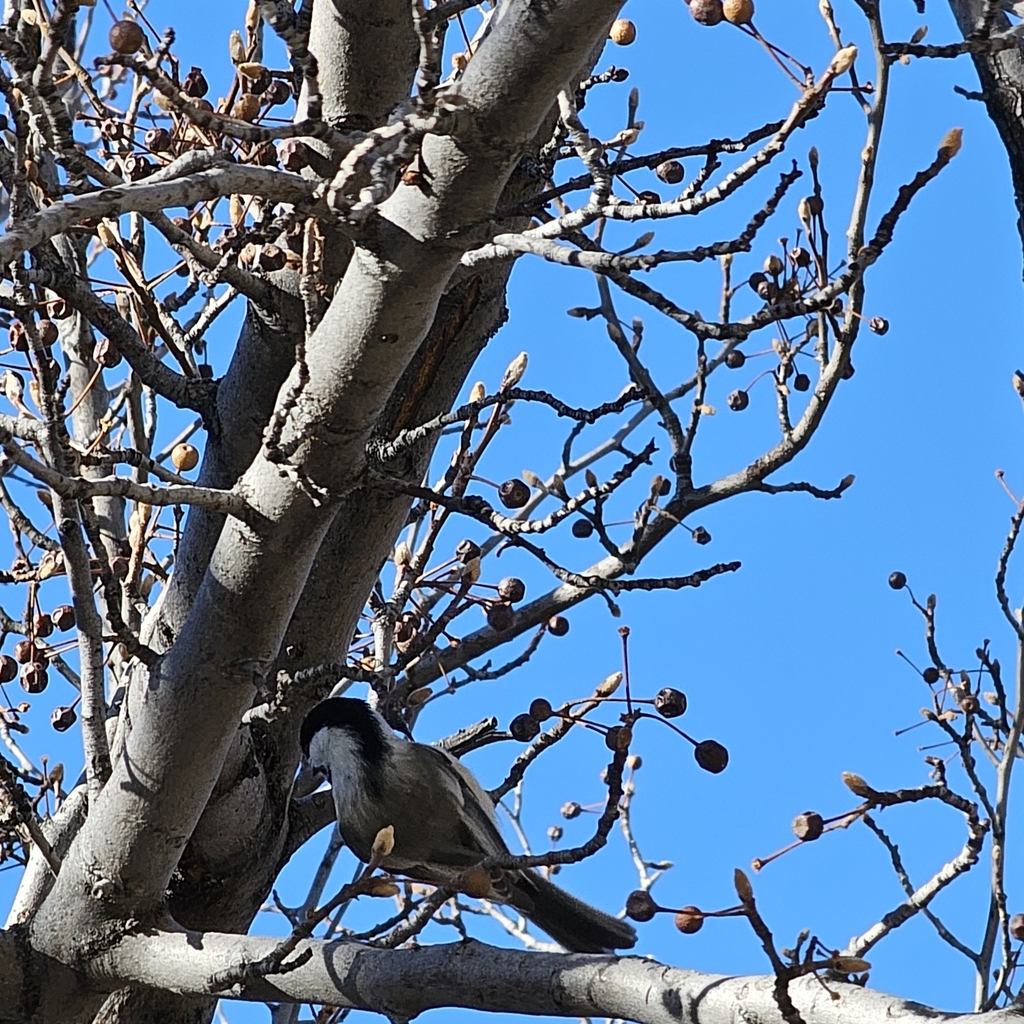
- Black-capped ChickadeePoecile atricapillus
- Chimney SwiftChaetura pelagica
- Chipping SparrowSpizella passerina
- Dark-eyed JuncoJunco hyemalis
- Double-crested CormorantPhalacrocorax auritus
- Eastern BluebirdSialia sialis
- Eastern PhoebeSayornis phoebe
- Eastern Screech-owlMegascops asio
- Eurasian Collared-doveStreptopelia decaocto
- Hooded MerganserLophodytes cucullatus
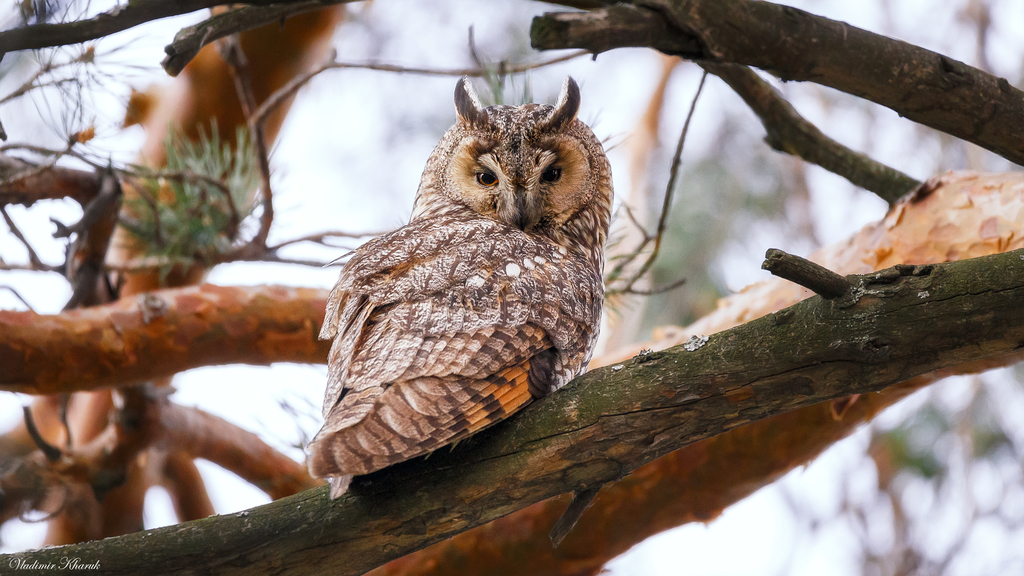
- Long-eared OwlAsio otus
- Northern Saw-whet OwlAegolius acadicus
- Pine SiskinCarduelis pinus
- Red-breasted NuthatchSitta canadensis























Who uses this plant?
 25CaterpillarsGenus host records with ranges including WV
Genus host records with ranges including WV · Elymus
- Amblyscirtes vialisCommon Roadside-Skipper, Black Little Skipper
- Ancyloxypha numitorLeast Skipper
- Apamea devastatorGlassy Borer, Glassy Cutworm Moth
- Apamea lignicoloraWood-Colored Apamea
- Apamea sordensBordered Apamea, Rustic Shoulder-Knot
- Cercyonis pegalaCommon Wood Nymph
- Clepsis persicanaWhite Triangle Tortrix
- Ctenucha virginicaVirginia Ctenucha
- Dargida diffusaWheat Head Armywotm Moth
- Lethe anthedonNorthern Pearly Eye
Show all 25
- Leucania commoidesDusky Wainscot, Comma Wainscot
- Leucania phragmitidicolaNeedle Wainscot, Phragmites Wainscot
- Leucania pseudargyriaFalse Wainscot
- Limochores mysticLong Dash
- Lon zabulonZabulon Skipper
- Loscopia velataVeiled Ear Moth, Veiled Grass Moth
- Mythimna unipunctaArmyworm Moth, White Speck
- Nephelodes miniansBronzed Cutworm
- Papaipema cataphractaBurdock Border, Potato-Stalk Borer
- Papaipema nebrisStalk Borer
- Polites themistoclesTawny-Edged Skipper
- Pyrrharctia isabellaIsabella Tiger Moth, Banded Woolybear
- Spodoptera frugiperdaFall Armyworm Moth
- Apamea lutosa
- Elachista illectella
 0BeesSoutheastern regional records
 0Specialist beesPollen specialists
 4BirdsRecorded genus food-resource interactions; not a state feeding claim
Recorded genus food-resource interactions; not a state feeding claim · Elymus
- Alectoris chukarChukar
- Anser albifronsGreater White-fronted Goose
- Perdix perdixGray Partridge
- Plectrophenax nivalisSnow Bunting
Direct food only: birds recorded eating this genus across North America. Caterpillars on host plants also feed nesting birds. NC Native Plant Society: butterfly gardening
No records yet · Ants · Beetles · Flies · Adult butterflies / moths · Other wasps · Other insects
Plant details
- Family
- Poaceae
- Hardiness
- Zones 5a–9b
- Soil pH
- Neutral
- Flower color
- Brown/copper or green
What its natural habitat tells you
Safety has not been reviewed for this plant; check toxicity and thorns before planting.
Growing sources and scope
- Bloom · “June to August” · Prairie Moon 2026 Cultural Guide · Nursery cultural guide; height in flower; moisture categories retained as printed
- Flower color · “Brown/copper or green” · NC Extension Plant Toolbox
- Hardiness · “Zones 5a–9b” · NC Extension Plant Toolbox
- Height · “2.5–3 feet” · NC Extension Plant Toolbox (ranked first; Prairie Moon 2026 Cultural Guide differs)
- Life cycle · “Perennial” · NC Extension Plant Toolbox
- Light · “Dappled sunlight (shade through upper canopy all day); Partial shade (direct sunlight only part of the day, 2-6 hours)” · NC Extension Plant Toolbox (ranked first; Virginia DCR Piedmont, Virginia DCR Coastal Plain, Prairie Moon 2026 Cultural Guide differ)
- Soil · “Moist” · NC Extension Plant Toolbox (ranked first; Virginia DCR Piedmont, Virginia DCR Coastal Plain, Prairie Moon 2026 Cultural Guide differ)
- Soil pH · “Neutral” · NC Extension Plant Toolbox
- Spread · “1–1.5 feet” · NC Extension Plant Toolbox
Also known as
Bottlebrush Grass; Eastern Bottlebrush grass; Hystrix patula
Conservation status
| West Virginia rank | S5 |
|---|---|
| Global rank | G5 |
| WV status | Not verified |
| Federal status | Not verified |
Will it fit your yard?
Check this plant against your county, sun and soil moisture. Conditions are checked in your browser.
Sources
- NatureServe Explorer
- USDA PLANTS
- Vascular Plants of North Carolina (NC Natural Heritage Program)
- West Virginia occurrence source
- Shropshire & Tallamy 2025, Lepidoptera of North America north of Mexico, ZooKeys 1261 (ODbL)
- Noori, Seltmann & Orr 2026, A curated and integrated dataset for exploring global bee-plant interactions (GloBI), Zenodo, CC BY 4.0
- Smith, Bachelder, Russell, Morales, Mosher & Seltmann 2024, Bee-Specialization-Modeling v0.6.1 (specialist host table compiled from J. Fowler's pollen specialist bee lists), Zenodo, CC BY 4.0
- Hurlbert, Olsen, Sawyer & Winner 2021, Avian Diet Database, Scientific Data 8: 260 (CC0)
- Narango, Tallamy & Shropshire 2020, Few keystone plant genera support the majority of Lepidoptera species, Nature Communications