

Mexican-tea
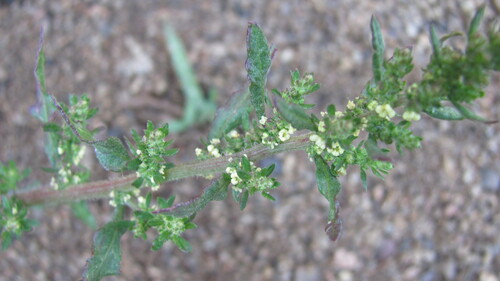
Chenopodium ambrosioides
Found in disturbed habitats; common, probably native southward. Weakley, Flora of the Southeastern United States (2025), Northern Tier edition What its natural habitat tells you
Native status: sources disagree, under review. How scores work Is it native here?
Profile 65%
- Height
- Up to about 5 feet
- Light
- Full sun
- Soil moisture
- Somewhat dry to moist
At a glance
- Life cycle
- Annual or perennial
Not yet recorded · Spread · Leaves · Bloom
This plant is missing most of its facts, so Quercus is looking them up in old botany books.
Recorded in 9 West Virginia counties.
Also found with this plant
Wildlife whose habitat models include habitats this plant grows in, in West Virginia. Shared habitat, not food. 83 animals.
- Northern Saw-whet OwlAegolius acadicus
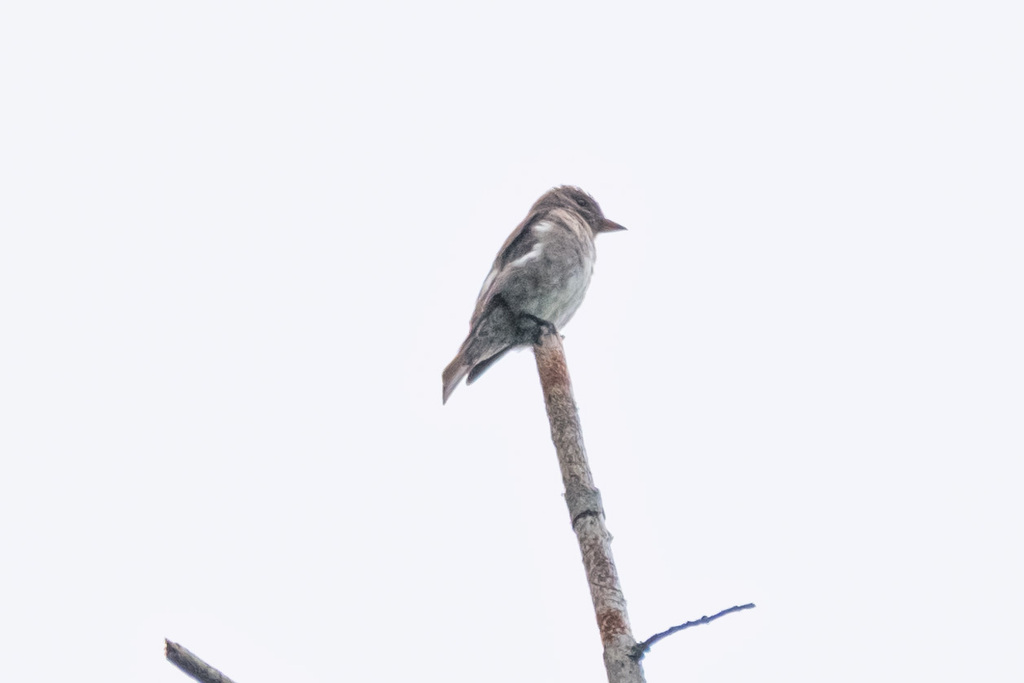
- Olive-sided FlycatcherContopus cooperi
- Orange-crowned WarblerVermivora celata
- Orchard OrioleIcterus spurius
- OvenbirdSeiurus aurocapilla
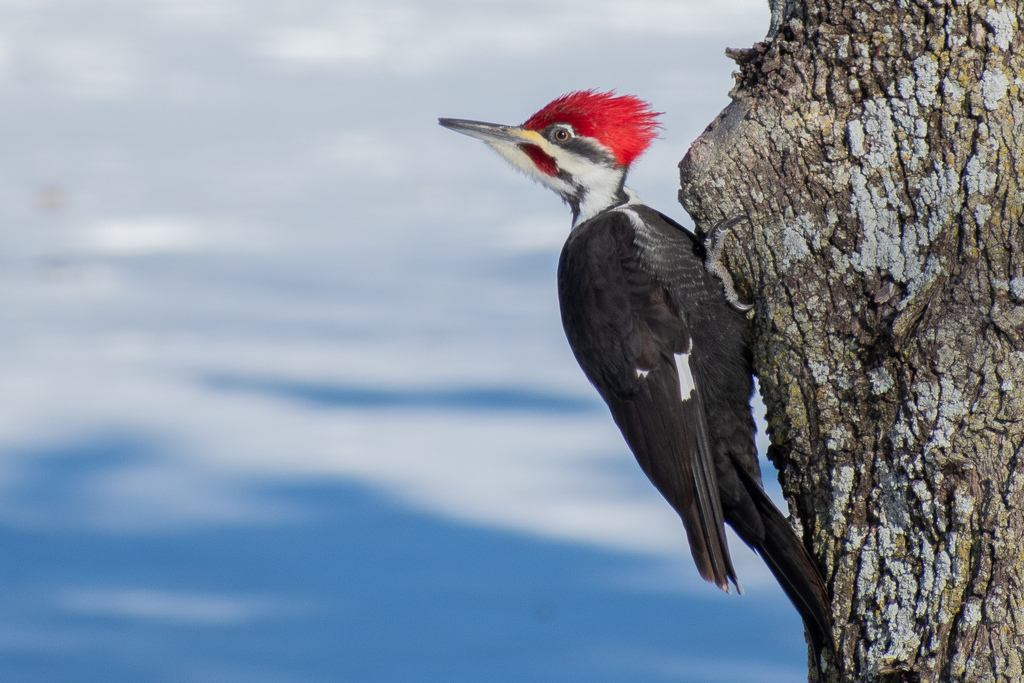
- Pileated WoodpeckerDryocopus pileatus
- Pine SiskinCarduelis pinus
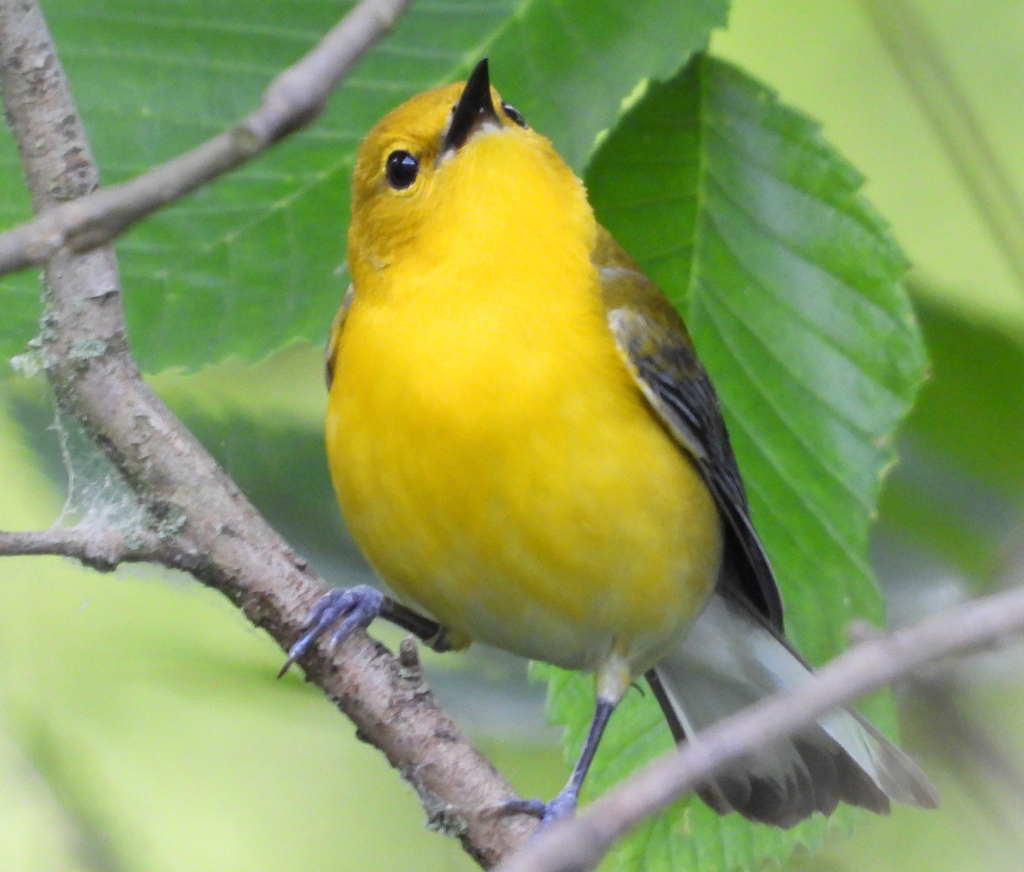
- Prothonotary WarblerProtonotaria citrea
- Red-bellied WoodpeckerMelanerpes carolinus
- Red-breasted NuthatchSitta canadensis
- Red-headed WoodpeckerMelanerpes erythrocephalus
- Red-shouldered HawkButeo lineatus
- Red-winged BlackbirdAgelaius phoeniceus
- Ring-necked DuckAythya collaris
- Ruby-throated HummingbirdArchilochus colubris
- Ruffed GrouseBonasa umbellus
- Rusty BlackbirdEuphagus carolinus
- Scarlet TanagerPiranga olivacea
- Song SparrowMelospiza melodia
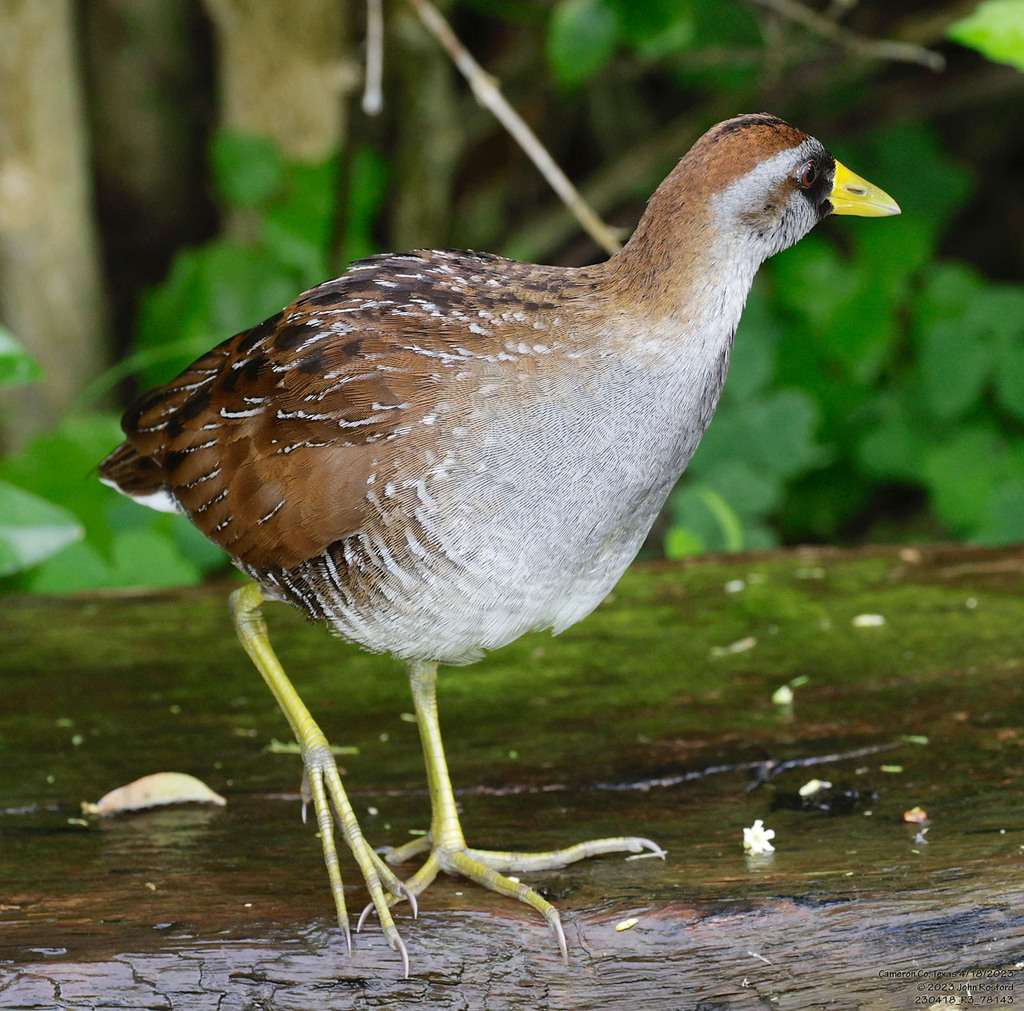
- SoraPorzana carolina
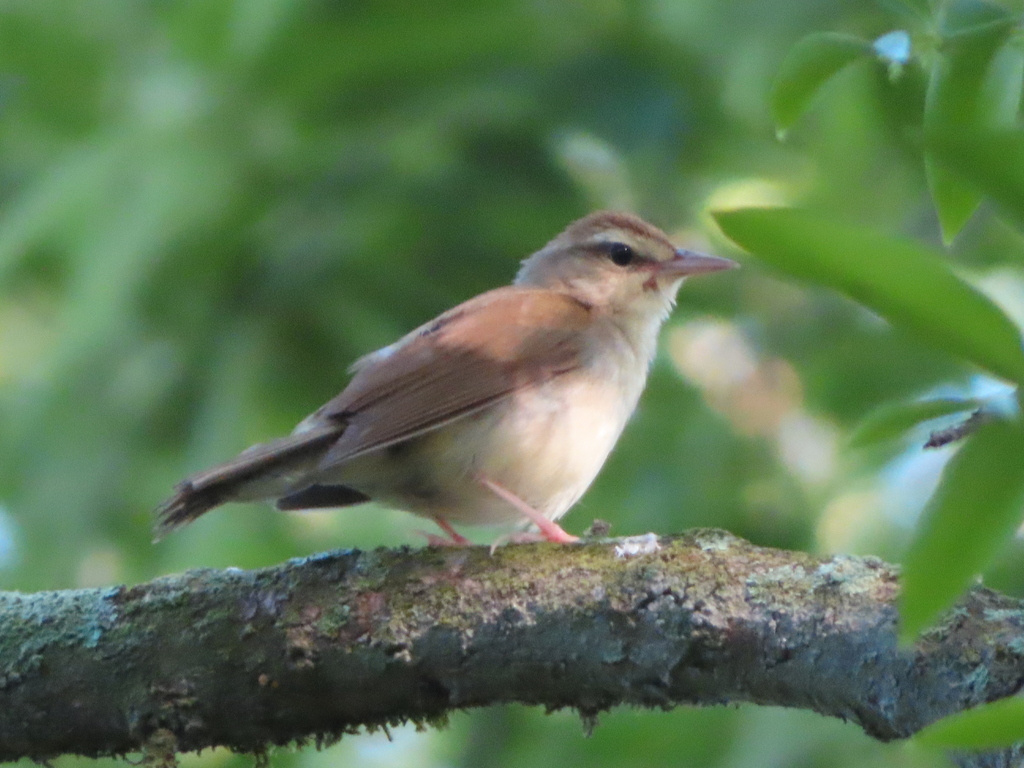
- Swainson's WarblerLimnothlypis swainsonii
- Tree SwallowTachycineta bicolor
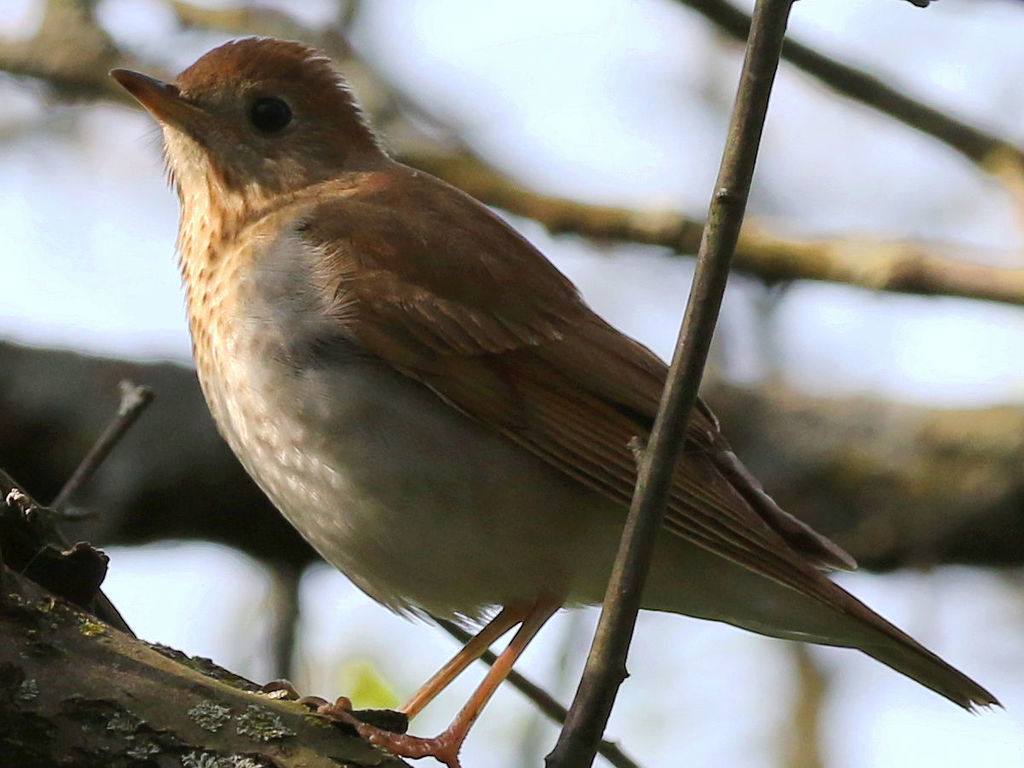
- VeeryCatharus fuscescens
- White-breasted NuthatchSitta carolinensis


















Widespread birds also seen here (36)
Found in many habitats here, so not listed above.
- Alder Flycatcher
- American Crow
- American Goldfinch
- American Kestrel
- American Robin
- Belted Kingfisher
- Blue Grosbeak
- Blue Jay
- Blue-gray Gnatcatcher
- Cedar Waxwing
- Chimney Swift
- Chipping Sparrow
- Common Nighthawk
- Common Raven
- Cooper's Hawk
- Eastern Kingbird
- Eastern Towhee
- European Starling
- Great Crested Flycatcher
- Great Horned Owl
- Least Flycatcher
- Mourning Dove
- Northern Cardinal
- Northern Flicker
- Northern Mockingbird
- Osprey
- Purple Finch
- Red-tailed Hawk
- Ruby-crowned Kinglet
- Sharp-shinned Hawk
- Spotted Sandpiper
- Tufted Titmouse
- Turkey Vulture
- Wild Turkey
- Yellow-breasted Chat
- Yellow-rumped Warbler
Who uses this plant?
 33CaterpillarsGenus host records with ranges including WV
Genus host records with ranges including WV · Chenopodium
- Achyra rantalisGarden Webworm Moth
- Amyna strictaEight-Spot Moth
- Anarta trifoliiThe Nutmeg, Clover Cutworm
- Apantesis argeArge Tiger Moth
- Apantesis naisNais Tiger Moth
- Apantesis partheniceParthenice Tiger Moth
- Apantesis virgoVirgin Tiger Moth
- Autographa precationisCommon Looper Moth
- Blepharomastix ranalisHollow-Spotted Blepharomastix Moth
- Burnsius communisCommon Checkered-Skipper
Show all 33
- Cenopis reticulatanaReticulated Fruitworm Moth
- Chrysodeixis includensSoybean Looper Moth
- Emmelina monodactylaMorning-Glory Plume Moth
- Epiblema otiosanaBidens Borer Moth
- Epiblema strenuanaRagweed Borer
- Helicoverpa zeaCorn Earworm Moth
- Herpetogramma bipunctalisSouthern Beet Webworm, Two-Spotted Herpetogramma
- Hyles lineataWhite-Lined Sphinx
- Hyphantria cuneaFall Webworm
- Hyppa xylinoidesCommon Hyppa
- Melanchra pictaPainted Arches, Zebra Caterpillar Moth
- Orgyia leucostigmaWhite-Marked Tussock Moth
- Papaipema nebrisStalk Borer
- Pholisora catullusCommon Sootywing
- Rachiplusia ouGray Looper
- Spilosoma congruaAgreeable Tiger Moth
- Spilosoma virginicaVirginian Tiger Moth, Yellow Woolybear Moth, Yellow Bear
- Spodoptera frugiperdaFall Armyworm Moth
- Spodoptera ornithogalliYellow-Striped Armyworm Moth, Cotton Cutworm
- Spoladea recurvalisHawaiian Beet Webworm
- Trichoplusia niNi Moth, Cabbage Looper Moth
- Vanessa carduiPainted Lady, Cosmopolite
- Virbia aurantiacaOrange Virbia, Orange Holomelina
 —BeesSoutheastern regional records
 —Specialist beesPollen specialists
 14BirdsRecorded eating Chenopodium in West Virginia
Diet records by plant genus, from studies across North America. Not a record from this state. Birds whose range includes West Virginia, most records first.
- Mourning DoveSeeds. 14 diet records
- Brown-headed Cowbird5 diet records
- Red-winged Blackbird4 diet records
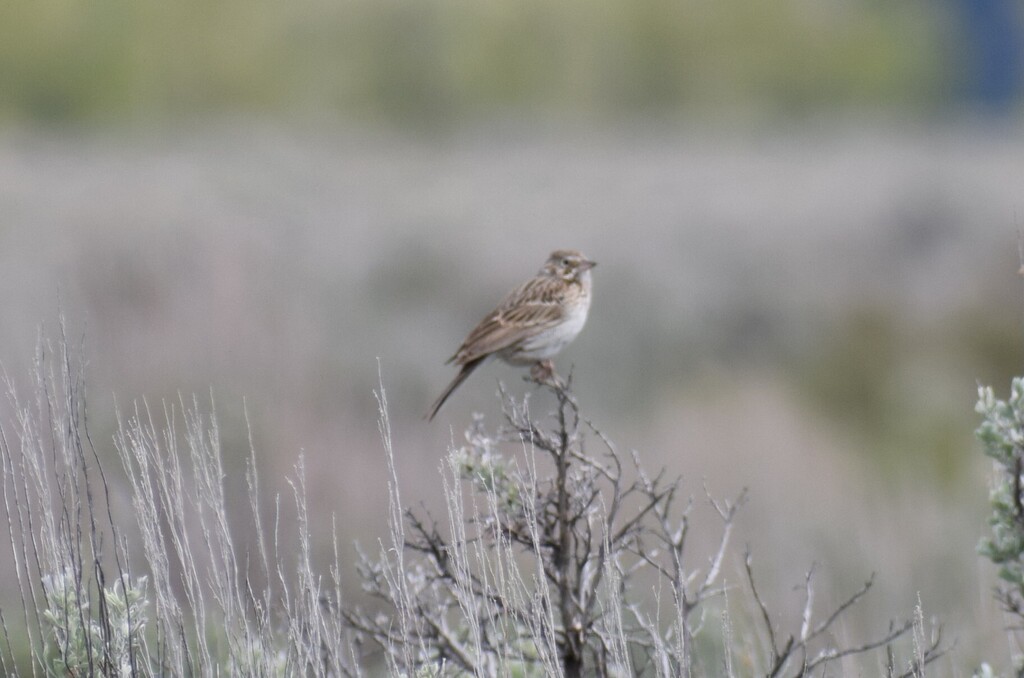
- Vesper Sparrow4 diet records
- Wild Turkey4 diet records
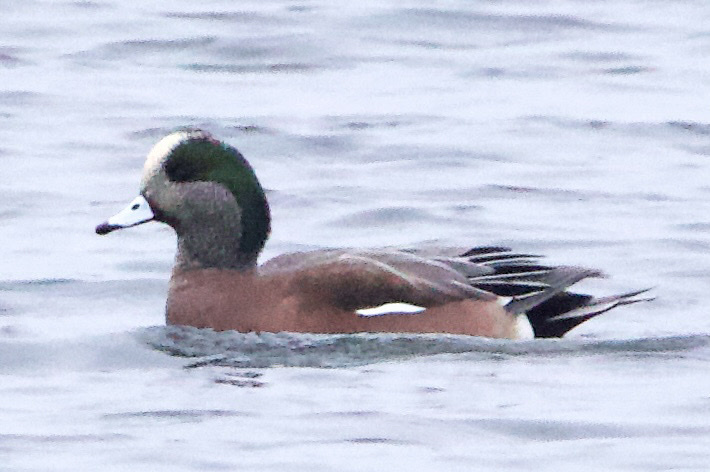
- American WigeonSeeds. 2 diet records
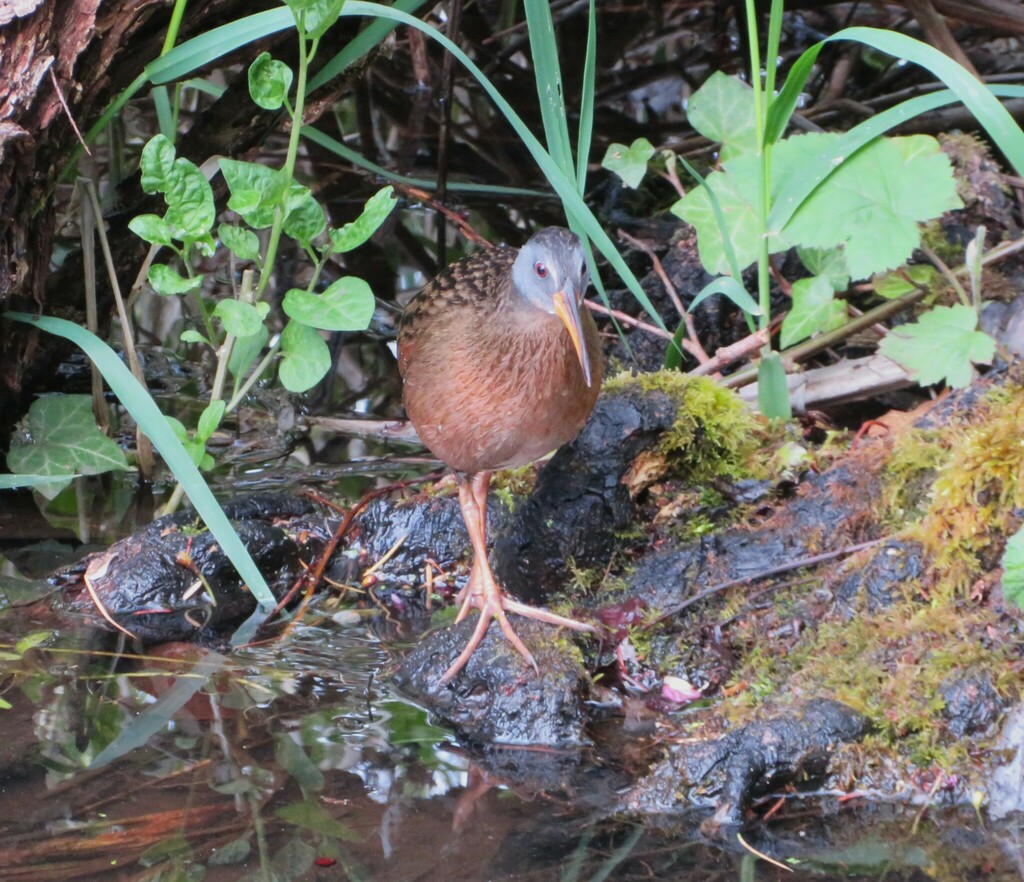
- Virginia RailSeeds. 2 diet records
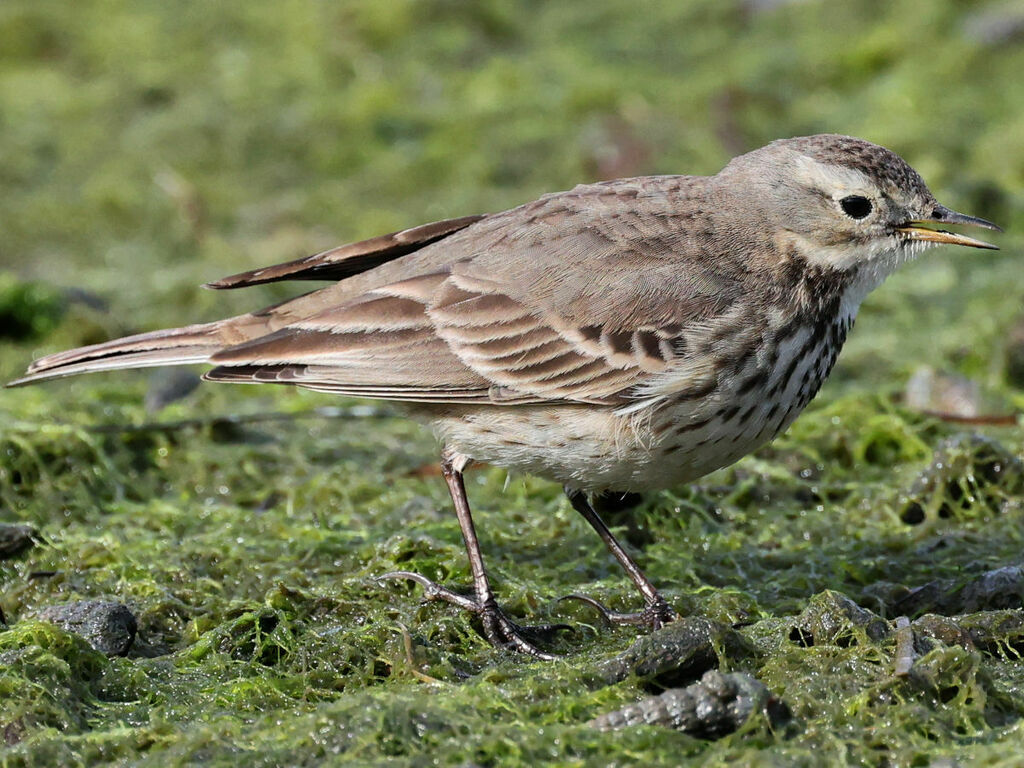
- American Pipit1 diet record
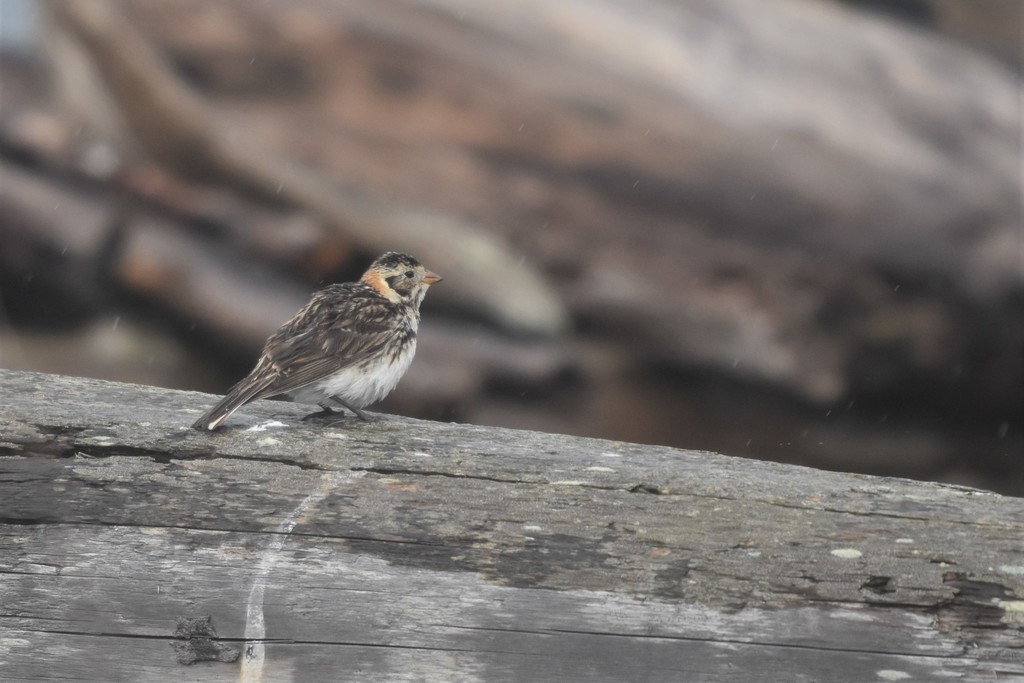
- Lapland Longspur1 diet record
- Ring-necked DuckSeeds. 1 diet record
Show all 14
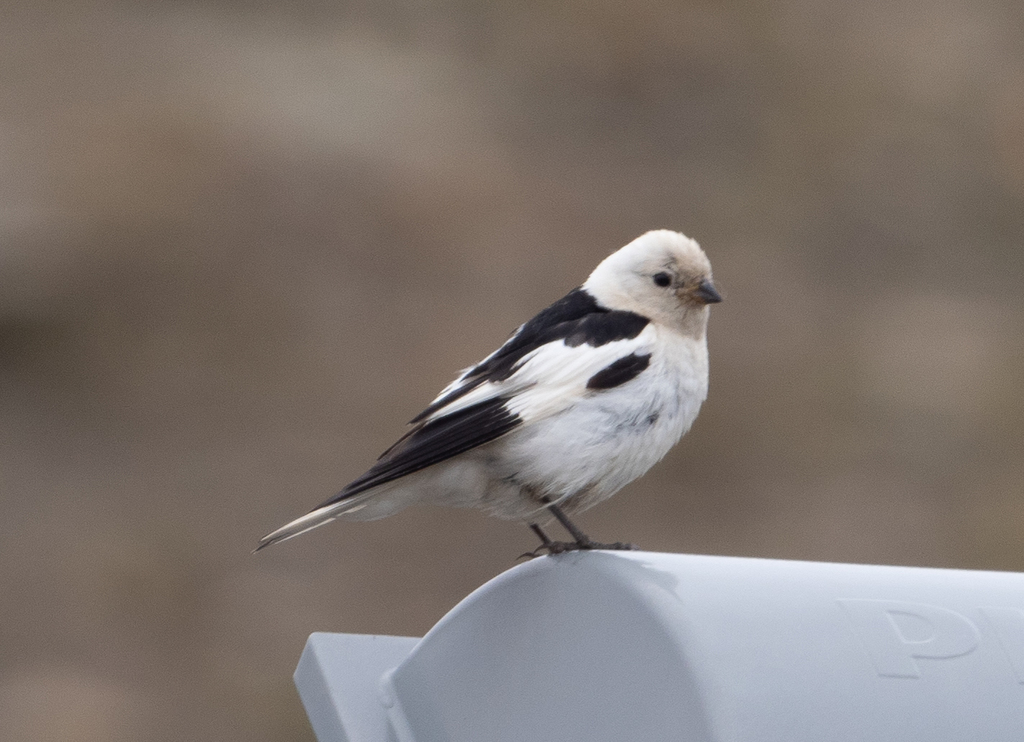
- Snow Bunting1 diet record
- Song SparrowSeeds. 1 diet record
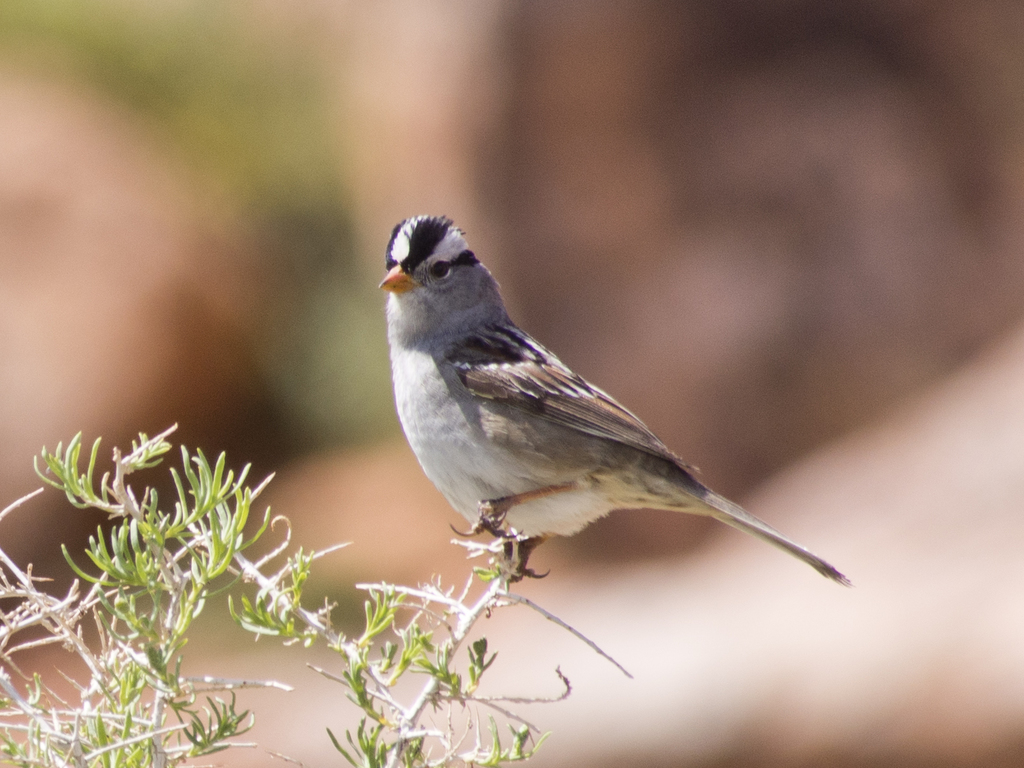
- White-crowned SparrowSeeds. 1 diet record
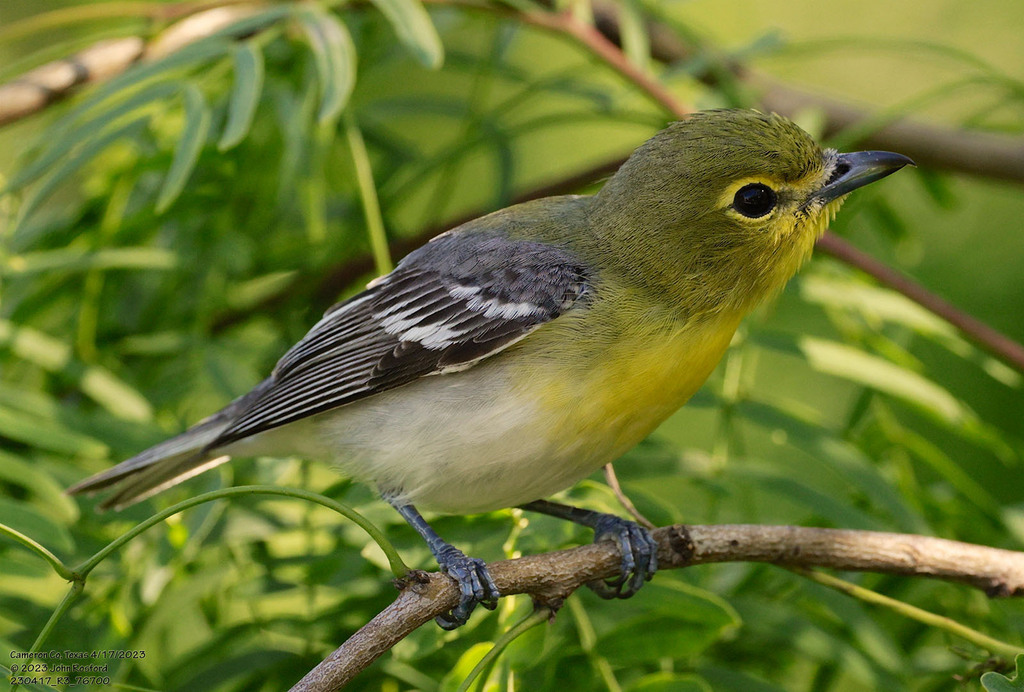
- Yellow-throated Vireo1 diet record
Direct food only. Caterpillars on host plants also feed nesting birds. NC Native Plant Society: butterfly gardening
Birds that eat Chenopodium 14
Diet records by plant genus, from studies across North America. Not a record from this state. Avian Diet Database (Hurlbert Lab), CC0 1.0.
- Mourning DoveZenaida macroura
- Brown-headed CowbirdMolothrus ater
- Red-winged BlackbirdAgelaius phoeniceus
- Vesper SparrowPooecetes gramineus
- Wild TurkeyMeleagris gallopavo
- American WigeonAnas americana
- Virginia RailRallus limicola
- American PipitAnthus rubescens
- Lapland LongspurCalcarius lapponicus
- Ring-necked DuckAythya collaris
- Snow BuntingPlectrophenax nivalis
- Song SparrowMelospiza melodia
- White-crowned SparrowZonotrichia leucophrys
- Yellow-throated VireoVireo flavifrons



Plant details
- Family
- Chenopodiaceae
- Flower color
- Green
Safety has not been reviewed for this plant; check toxicity and thorns before planting.
Growing sources and scope
- Flower color · “Green” · NC Extension Plant Toolbox
- Height · “Up to about 5 feet” · Lady Bird Johnson Wildflower Center
- Life cycle · “Annual or perennial” · NC Extension Plant Toolbox (ranked first; Lady Bird Johnson Wildflower Center differs)
- Light · “Full sun (6 or more hours of direct sunlight a day)” · NC Extension Plant Toolbox
- primary_flower_color · “green” · NC Extension Plant Toolbox
- Soil · “Moist; Occasionally dry” · NC Extension Plant Toolbox
Also known as
Chenopodium ambrosioides; Mexican Tea; goosefoot
Conservation status
| West Virginia rank | SNA |
|---|---|
| Global rank | GNR |
| WV status | Not verified |
| Federal status | Not verified |
Will it fit your yard?
Check this plant against your county, sun and soil moisture. Conditions are checked in your browser.
Sources
- NatureServe Explorer
- USDA PLANTS
- Weakley, Flora of the Southeastern United States (2025)
- West Virginia occurrence source
- Shropshire & Tallamy 2025, Lepidoptera of North America north of Mexico, ZooKeys 1261 (ODbL)
- Noori, Seltmann & Orr 2026, A curated and integrated dataset for exploring global bee-plant interactions (GloBI), Zenodo, CC BY 4.0
- Smith, Bachelder, Russell, Morales, Mosher & Seltmann 2024, Bee-Specialization-Modeling v0.6.1 (specialist host table compiled from J. Fowler's pollen specialist bee lists), Zenodo, CC BY 4.0
- Hurlbert, Olsen, Sawyer & Winner 2021, Avian Diet Database, Scientific Data 8: 260 (CC0)
- Narango, Tallamy & Shropshire 2020, Few keystone plant genera support the majority of Lepidoptera species, Nature Communications