

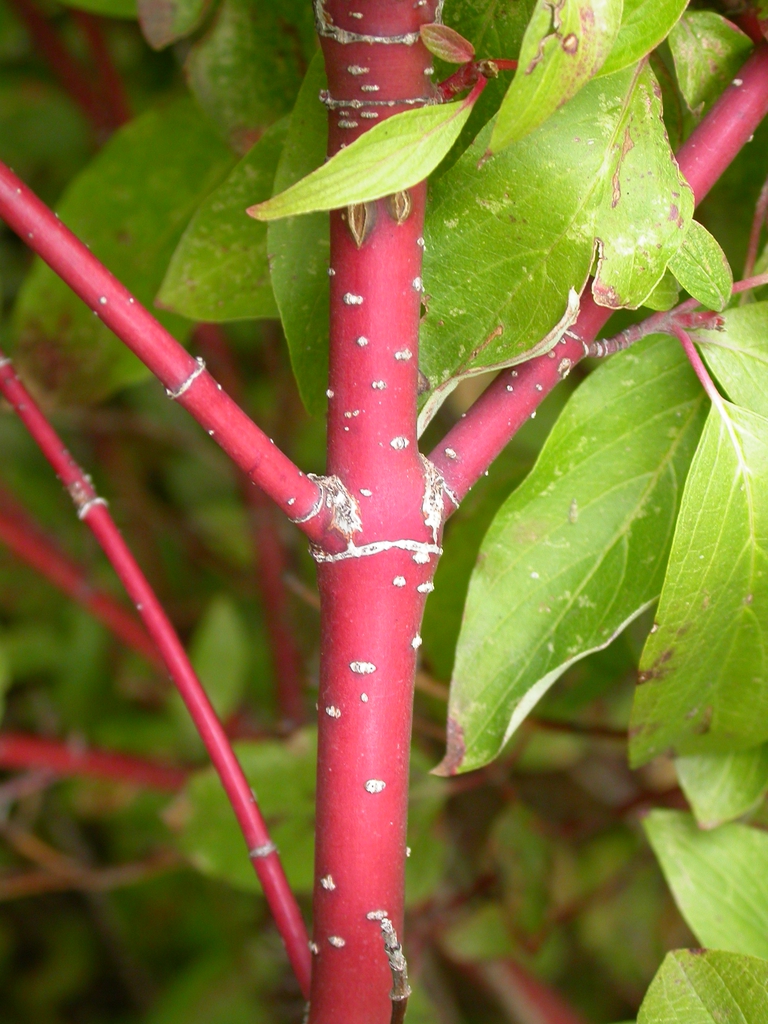
Red Osier Dogwood
Cornus sericea
Not native to West Virginia. How scores work Is it native here?
Profile 71%
- Height
- 5–9 feet
- Spread
- 5–10 feet
- Light
- Full sun, Partial shade
- Soil moisture
- Somewhat dry to moist
Plant this instead
Choose your county to list local plants first.
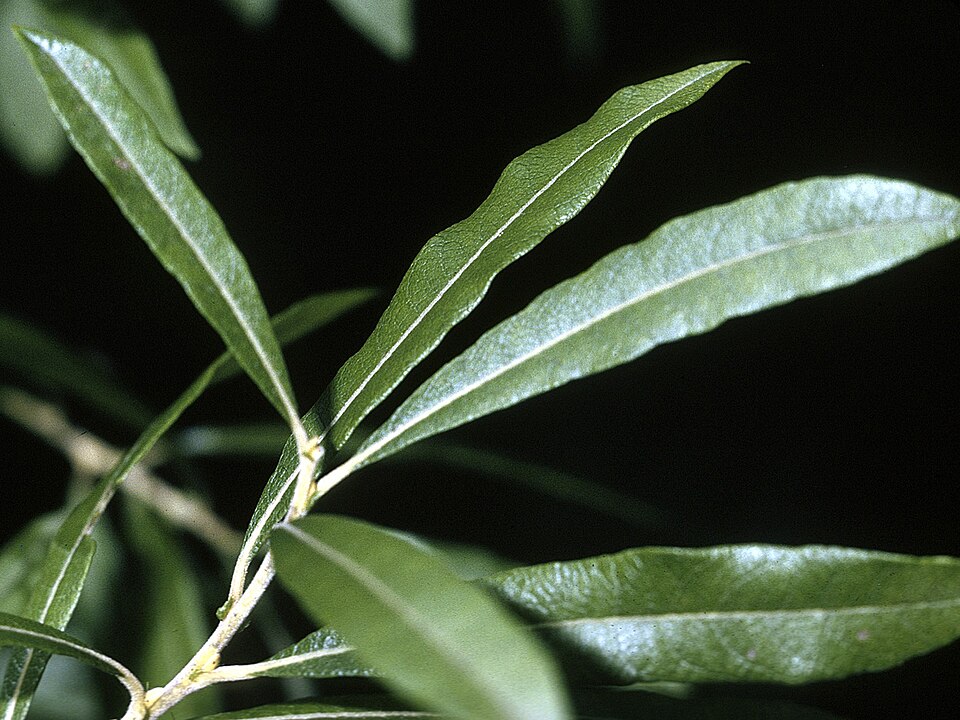
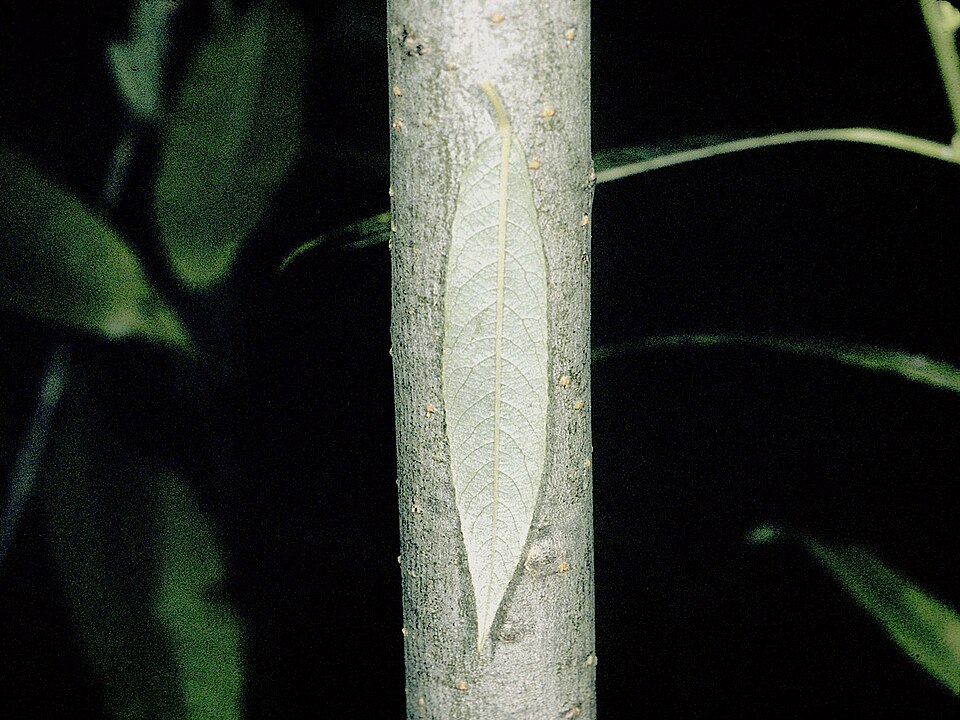
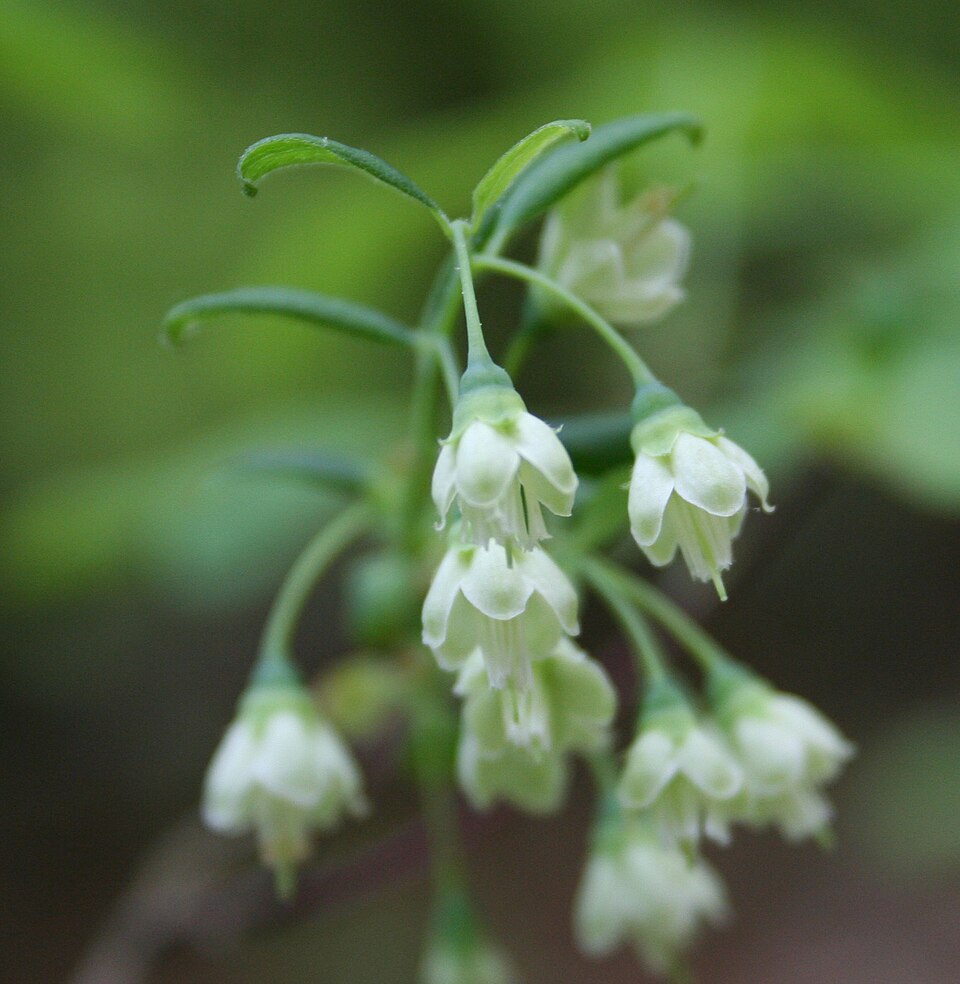
No recorded swaps for this county. Try the garden finder.
At a glance
- Life cycle
- Woody perennial
- Leaves
- Deciduous
- Fruiting season
- Summer
Not yet recorded · Bloom
Recorded in 3 West Virginia counties.
Also found with this plant
Wildlife whose habitat models include habitats this plant grows in, in West Virginia. Shared habitat, not food. 83 animals.
- White-eyed VireoVireo griseus
- White-throated SparrowZonotrichia albicollis
- Willow FlycatcherEmpidonax traillii
- Wilson's SnipeGallinago delicata
- Wood DuckAix sponsa
- Wood ThrushHylocichla mustelina
- Worm-eating WarblerHelmitheros vermivorum
- Yellow-bellied SapsuckerSphyrapicus varius
- Yellow-billed CuckooCoccyzus americanus
- Yellow-crowned Night-heronNyctanassa violacea
- Yellow-throated WarblerDendroica dominica


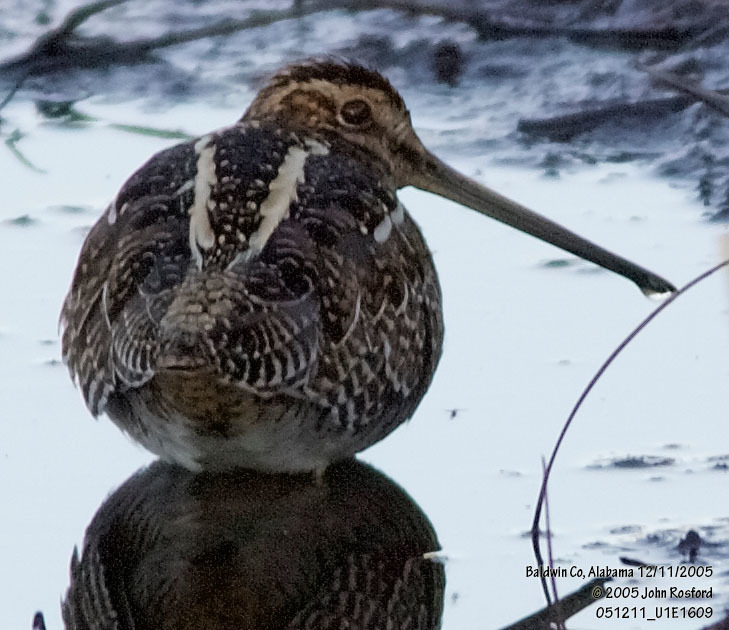

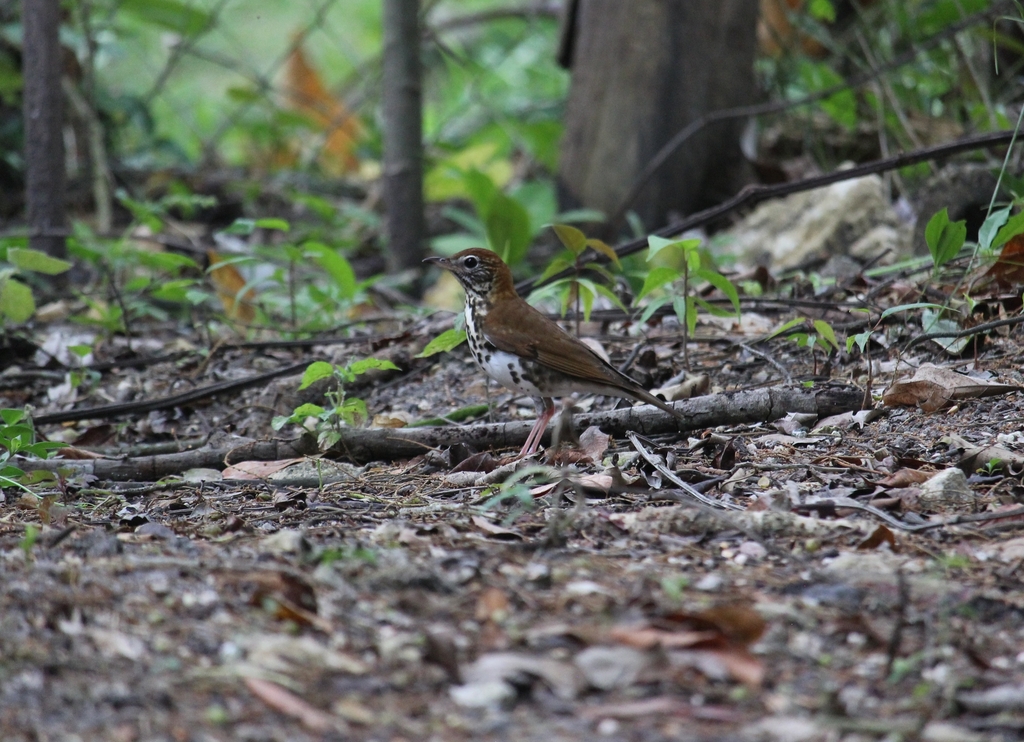
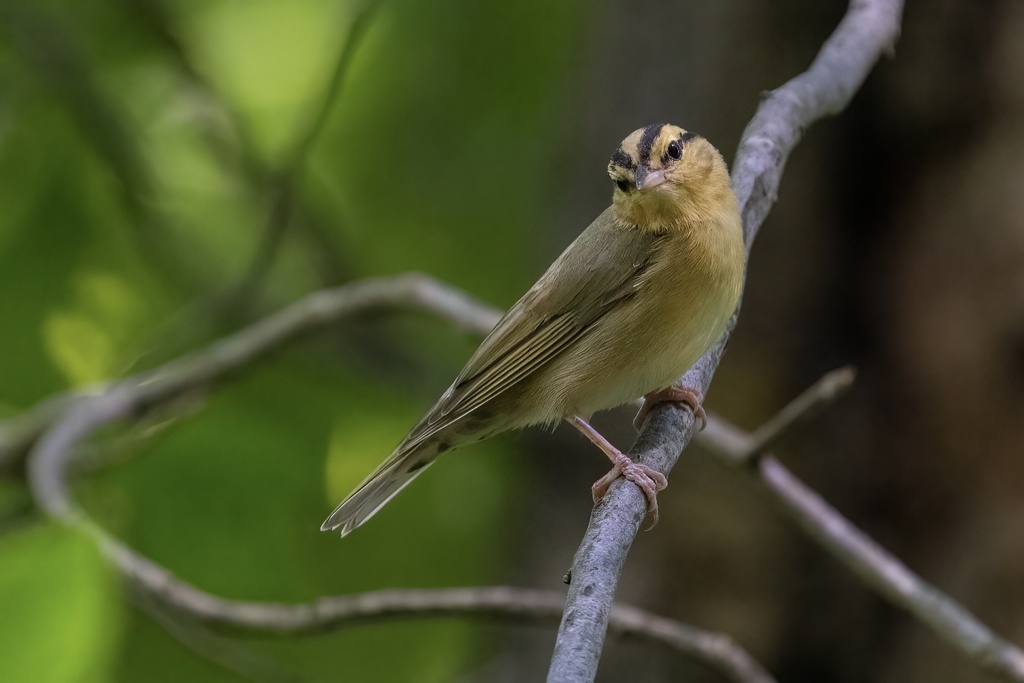


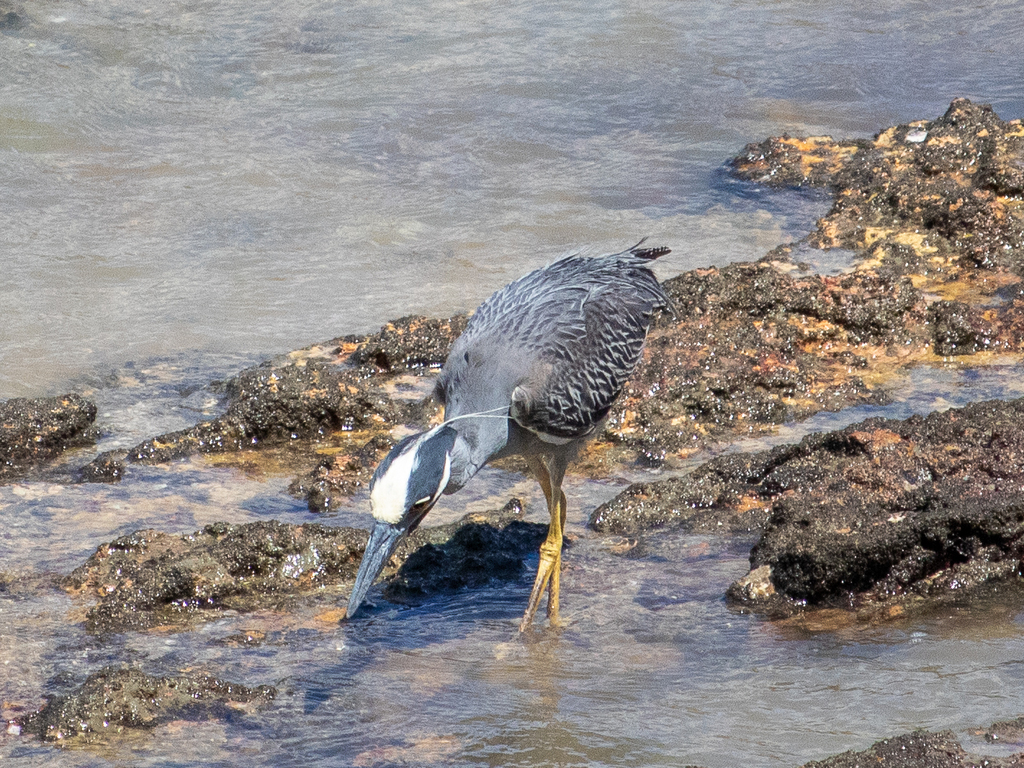

Widespread birds also seen here (36)
Found in many habitats here, so not listed above.
- Alder Flycatcher
- American Crow
- American Goldfinch
- American Kestrel
- American Robin
- Belted Kingfisher
- Blue Grosbeak
- Blue Jay
- Blue-gray Gnatcatcher
- Cedar Waxwing
- Chimney Swift
- Chipping Sparrow
- Common Nighthawk
- Common Raven
- Cooper's Hawk
- Eastern Kingbird
- Eastern Towhee
- European Starling
- Great Crested Flycatcher
- Great Horned Owl
- Least Flycatcher
- Mourning Dove
- Northern Cardinal
- Northern Flicker
- Northern Mockingbird
- Osprey
- Purple Finch
- Red-tailed Hawk
- Ruby-crowned Kinglet
- Sharp-shinned Hawk
- Spotted Sandpiper
- Tufted Titmouse
- Turkey Vulture
- Wild Turkey
- Yellow-breasted Chat
- Yellow-rumped Warbler
Who uses this plant?
 116CaterpillarsGenus host records with ranges including WV
Genus host records with ranges including WV · Cornus
- Celastrina ladonSpring Azure
- Acharia stimuleaSaddleback Caterpillar Moth
- Acronicta americanaAmerican Dagger
- Acronicta funeralisFunerary Dagger, Paddle Caterpillar
- Acronicta griseaGray Dagger
- Acronicta impletaYellow-Haired Dagger
- Acronicta impressaImpressive Dagger, Printed Dagger
- Acronicta longaLong-Winged Dagger, Darkish Dagger
- Amorbia humerosanaWhite-Lined Leafroller Moth
- Amphipyra pyramidoidesMiranda Underwing, Copper Underwing, Copper Amphipyra
Show all 116
- Anavitrinella pampinariaCommon Gray, Cranberry Spanworm
- Ancylis muricanaRed-Headed Ancylis
- Anisota virginiensisPink-striped Oakworm Moth
- Antaeotricha leucillanaWell-Marked Leaf Tier, Pale Gray Bird-Dropping Moth
- Antheraea polyphemusPolyphemus Moth
- Archips argyrospilaFruit-Tree Leafroller Moth
- Archips griseaGray Archips
- Archips purpuranaOmnivorous Leafroller Moth
- Archips rileyanaSouthern Ugly-Nest Caterpillar Moth
- Argyrotaenia velutinanaRed-Banded Leafroller Moth, Jack Pine Tube Moth
- Automeris ioIo Moth
- Biston betulariaSalt-and-Pepper Geometer, Cleft-Headed Looper
- Caloptilia belfragellaDogwood Caloptilia
- Campaea perlataPale Beauty, Fringed Looper
- Cecrita biundataWavy-Lined Heterocampa
- Cecrita guttivittaMaple Prominent, Saddled Prominent
- Celastrina luciaLucia Azure
- Celastrina serotinaCherry Gall Azure
- Cenopis diluticostanaSpring Dead-Leaf Roller Moth, Oak Cenopis
- Choristoneura conflictanaLarge Aspen Tortrix
- Choristoneura fractivittanaBroken-Banded Leafroller, Lined Corn-Borer Moth
- Choristoneura rosaceanaOblique-Banded Leafroller Moth, Rosaceous Leaf Roller
- Citheronia regalisRoyal Walnut Moth, Hickory Horned Devil
- Clepsis persicanaWhite Triangle Tortrix
- Coelodasys unicornisUnicorn Caterpillar Moth
- Dasychira basiflavaYellow-Based Tussock Moth
- Eacles imperialisImperial Moth, Imperial Spiny Caterpillar
- Ectropis crepusculariaThe Small Engrailed, Saddleback Looper
- Ennomos subsignariaElm Spanworm Moth
- Epinotia lindanaDiamondback Epinotia, Dogwood Leafroller
- Erannis tiliariaLinden Looper Moth, Western Winter Moth, Lime Looper
- Euchlaena irrariaLeast-Marked Euchlaena
- Euchlaena johnsonariaJohnson's Euchlaena
- Euchlaena marginariaOchre Euchlaena
- Euchlaena serrataThe Saw-Wing
- Euchlaena tigrinariaMotted Euchlaena
- Eudeilinia herminiataNorthern Eudeilinia [for Eudeilinia herminiata], Dogwood Caterpillar, Southern Eudeilinia [for Eudeilinia luteifera]
- Eugonobapta nivosariaSnowy Geometer
- Eumarozia malachitanaSculptured Moth
- Eupithecia miserulataCommon Eupithacia, Common Pug
- Euplexia benesimilisAmerican Angle Shades
- Euthyatira pudensDogwood Thyatirid
- Eutrapela clematariaCurved-Tooth Geometer, Purplish Brown Looper
- Halysidota tessellarisBanded Tussock Moth, Pale Tiger Moth
- Haploa leconteiLeconte's Haploa
- Herpetogramma pertextalisBold-Feathered Grass Moth
- Hesperumia sulphurariaSulphur Moth
- Hyalophora cecropiaCecropia Silkmoth, Cecropia Moth
- Hydrelia albiferaFragile White Carpet
- Hypagyrtis unipunctataOne-Spotted Variant
- Hypena abalienalisWhite-Lined Bomolocha, White-Lined Snout
- Hypena bijugalisDimorphic Bomolocha, Dimorphic Snout
- Hyphantria cuneaFall Webworm
- Iridopsis larvariaBent-Line Gray
- Lacanobia grandisGrand Arches
- Lithacodes fasciolaYellow-Shouldered Slug
- Lithophane baileyiBailey's Pinion
- Lithophane laticinereaBroad Ashen Pinion, Russet Spotted Pinion, Triple-Spotted Pinion
- Machimia tentoriferellaGold-Striped Leaftier Moth
- Malacosoma americanaEastern Tent Caterpillar
- Malacosoma disstriaForest Tent Caterpillar
- Melanolophia canadariaCanadian Melanolphia, Variable Redmarked Looper
- Melanolophia signatariaSignate Melanolphia
- Morrisonia confusaConfused Woodgrain
- Morrisonia evictaBicolored Woodgrain
- Nematocampa resistariaFilament Bearer, Horned Spanworm Moth
- Oedemasia concinnaRed-Humped Caterpillar, Red-Humped Appleworm
- Olethreutes connectumBunchberry Leaffolder
- Olethreutes inornatanaInornate Olethreutes
- Olethreutes malanaSlender Brown Budworm, Malana Leafroller
- Orgyia definitaDefinite Tussock Moth
- Orgyia leucostigmaWhite-Marked Tussock Moth
- Orthosia garmaniGarman's Quaker
- Orthosia hibisciSpeckled Green Fruitworm Moth, Speckled Green Quaker
- Orthotaenia undulanaDusky Leafroller
- Palthis angulalisDark-Spotted Palthis
- Pandemis limitataThree-Lined Leafroller Moth
- Parasa chlorisSmaller Parasa, Green Slug Moth
- Parasa indeterminaStinging Rose Caterpillar Moth, Rose Slug Caterpillar
- Pero morrisonariaMorrison's Pero
- Phigalia strigatariaSmall Phigalia, Small Oak Looper
- Phigalia titeaThe Half-Wing Geometer, Spiney Looper, Eastern Oak Looper
- Phobetron pitheciumHag Moth, Monkey Slug
- Platynota idaeusalisTufted Apple-Bud Moth
- Platypolia mactataAdorable Brocade, Prairie Quaker
- Probole alienariaDogwood Probole, Alien Probole
- Probole amicariaFriendly Probole
- Probole nepiasariaHeath Probole
- Prochoerodes lineolaLarge Maple Spanworm Moth
- Rifargia subrotataSmall Heterocampa
- Schizura ipomaeaeMorning-Glory Prominent, Checkered-Fringe Prominent
- Sphinx chersisGreat Ash Sphinx
- Spiramater lutraDarling Mamestra, Splashed Arches, Otter Spiramater, Otter Arches
- Synanthedon scitulaDogwood Borer, Pecan Borer
- Syndemis afflictanaFall Dead-Leaf Roller, Gray Leafroller, Black-and-Grey Banded Leafroller
- Tetracis cachexiataWhite Slant-Line
- Thyridopteryx ephemeraeformisEvergreen Bagworm Moth
- Tortricidia pallidaRed-Cross Button Slug
- Xanthotype sospetaCrocus Geometer
- Xanthotype urticariaFalse Crocus Geometer
- Zale aeruginosaGreen-Dusted Zale
- Zale undularisBlack Zale
- Carposina ottawana
- Olethreutes exaeresimum
- Olethreutes subnubilum
- Paralobesia rhoifructana
 —BeesSoutheastern regional records
 4Specialist beesPollen specialists
Pollen specialists · Cornus
- Andrena fragilis
- Andrena integra
- Andrena persimulata
- Andrena platyparia
 20BirdsRecorded eating Cornus in West Virginia
Diet records by plant genus, from studies across North America. Not a record from this state. Birds whose range includes West Virginia, most records first.
- Ruffed GrouseFruit. 36 diet records
- American RobinFruit. 5 diet records
- Eastern BluebirdFruit. 5 diet records
- Eastern KingbirdFruit. 5 diet records
- Swainson's ThrushFruit and seeds. 5 diet records
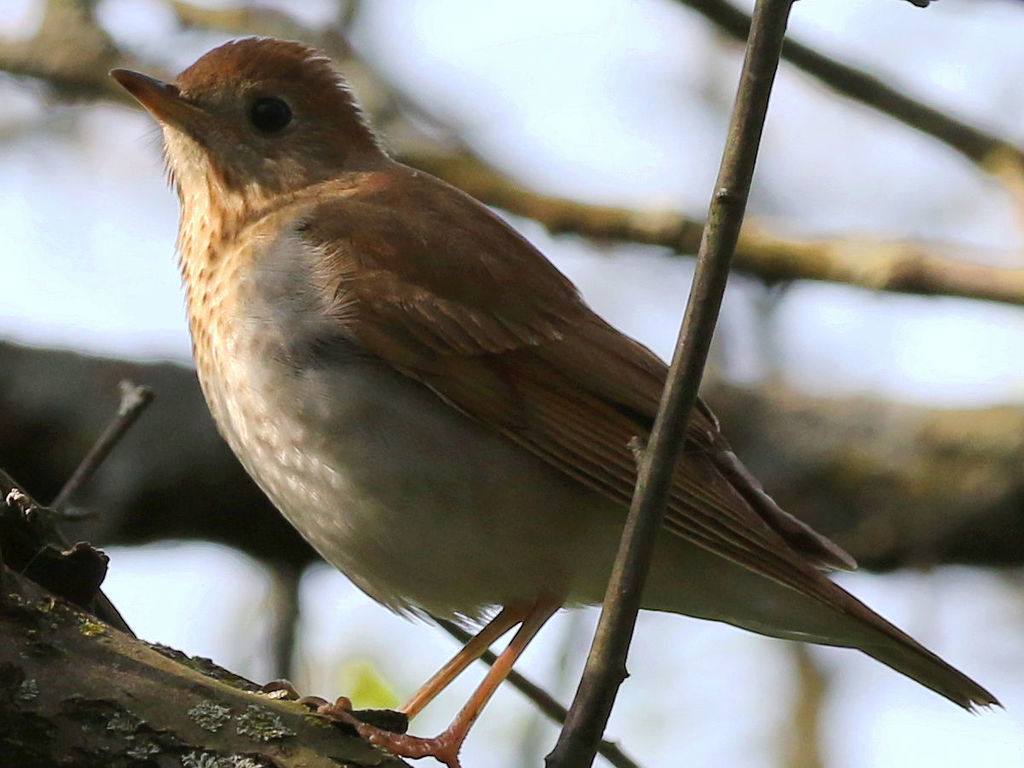
- VeeryFruit and seeds. 4 diet records
- Wood ThrushFruit and seeds. 3 diet records
- Blue-headed Vireo2 diet records
- Eastern Wood-peweeFruit. 2 diet records
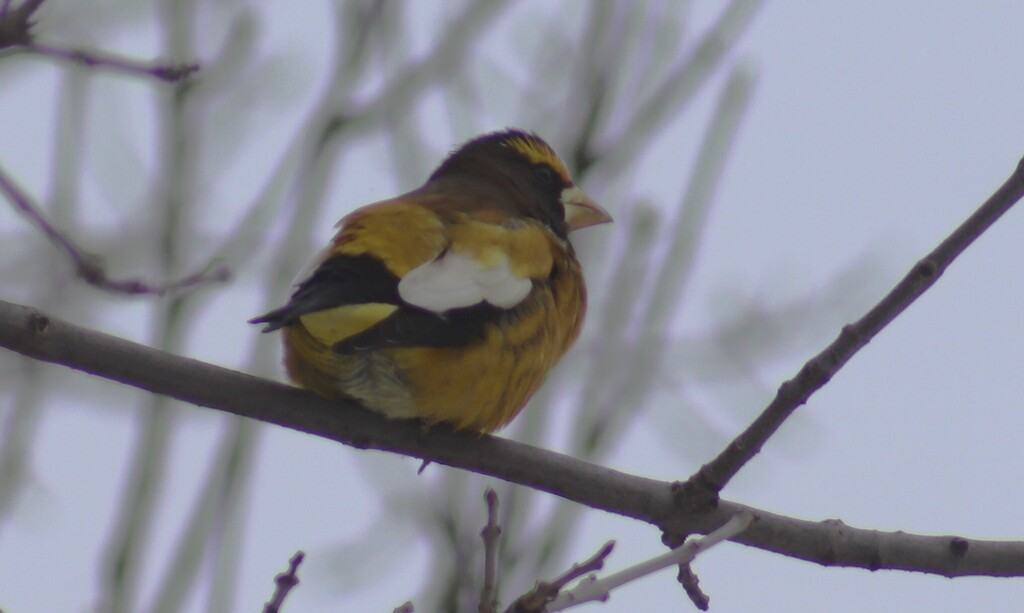
- Evening Grosbeak2 diet records
Show all 20
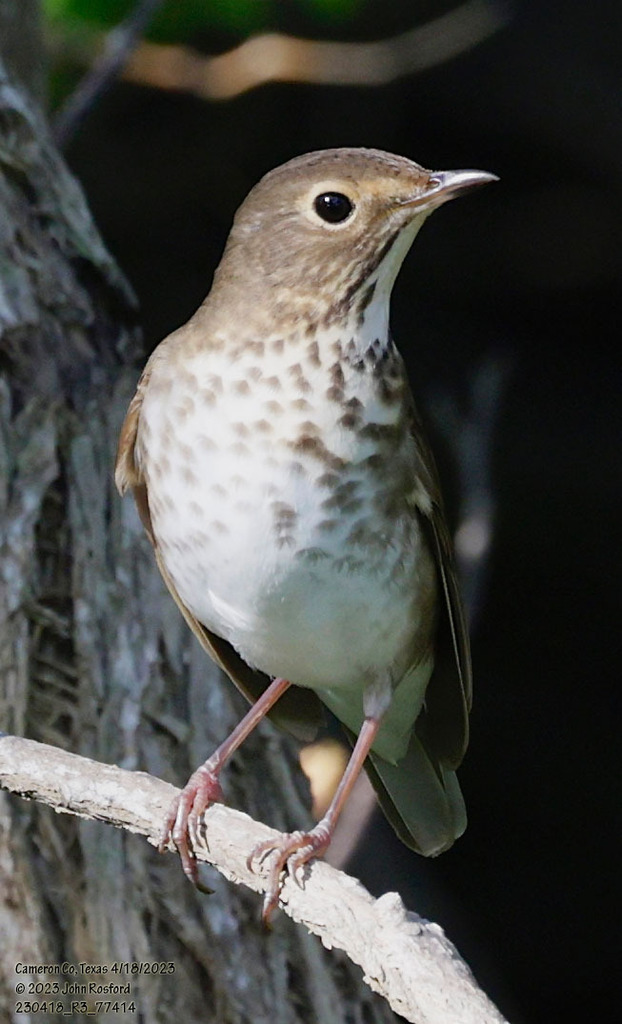
- Hermit ThrushFruit and seeds. 2 diet records
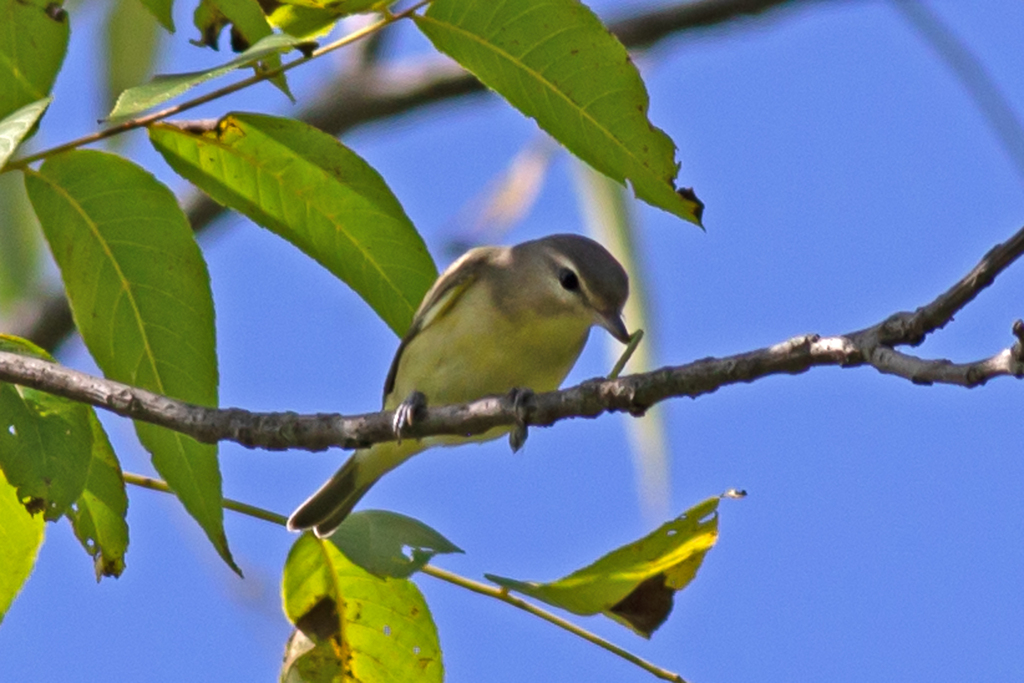
- Philadelphia Vireo2 diet records
- Pine Grosbeak2 diet records
- Red-headed Woodpecker2 diet records
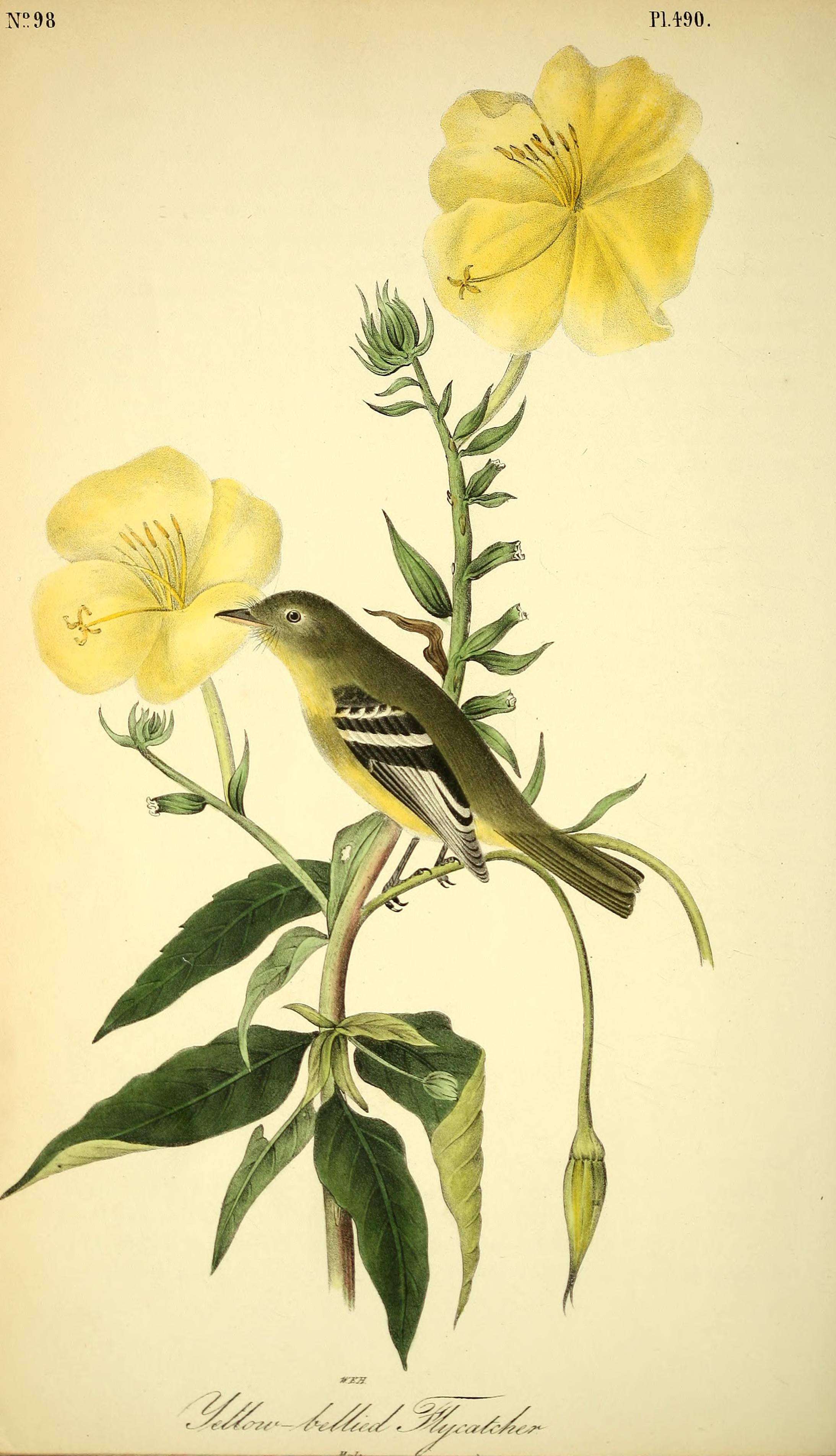
- Yellow-bellied FlycatcherFruit. 2 diet records
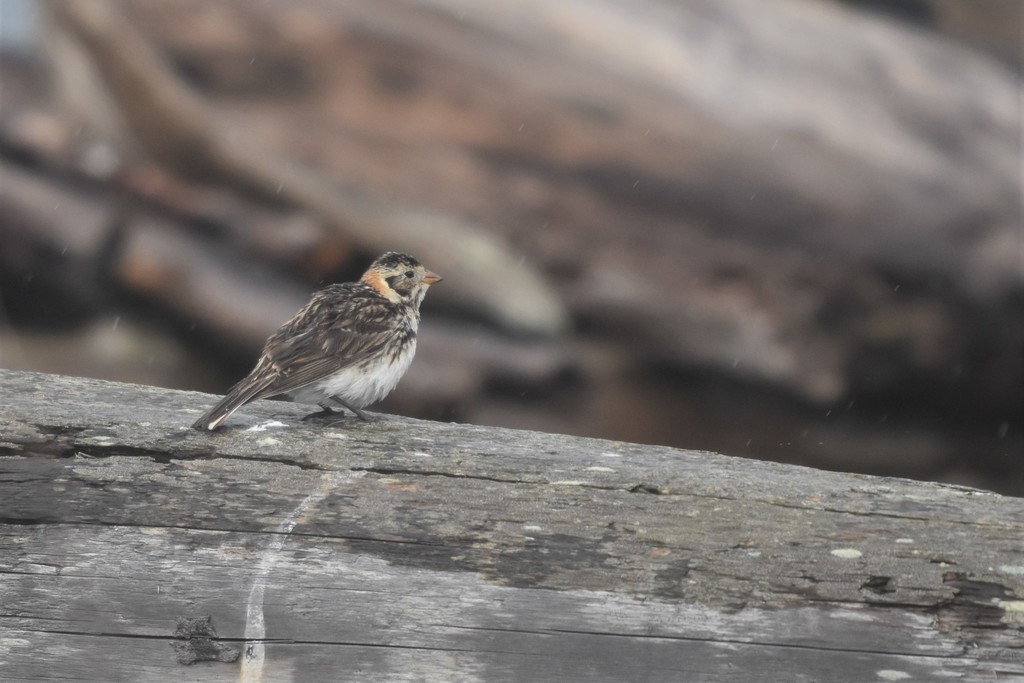
- Lapland Longspur1 diet record
- Northern CardinalSeeds. 1 diet record
- Tree SwallowFruit. 1 diet record
- White-eyed Vireo1 diet record
- Wild Turkey1 diet record
Direct food only. Caterpillars on host plants also feed nesting birds. NC Native Plant Society: butterfly gardening
Birds that eat Cornus 20
Diet records by plant genus, from studies across North America. Not a record from this state. Avian Diet Database (Hurlbert Lab), CC0 1.0.
- Ruffed GrouseBonasa umbellus
- American RobinTurdus migratorius
- Eastern BluebirdSialia sialis
- Eastern KingbirdTyrannus tyrannus
- Swainson's ThrushCatharus ustulatus
- VeeryCatharus fuscescens
- Wood ThrushHylocichla mustelina
- Blue-headed VireoVireo solitarius
- Eastern Wood-peweeContopus virens
- Evening GrosbeakCoccothraustes vespertinus
- Hermit ThrushCatharus guttatus
- Philadelphia VireoVireo philadelphicus
- Pine GrosbeakPinicola enucleator
- Red-headed WoodpeckerMelanerpes erythrocephalus
- Yellow-bellied FlycatcherEmpidonax flaviventris
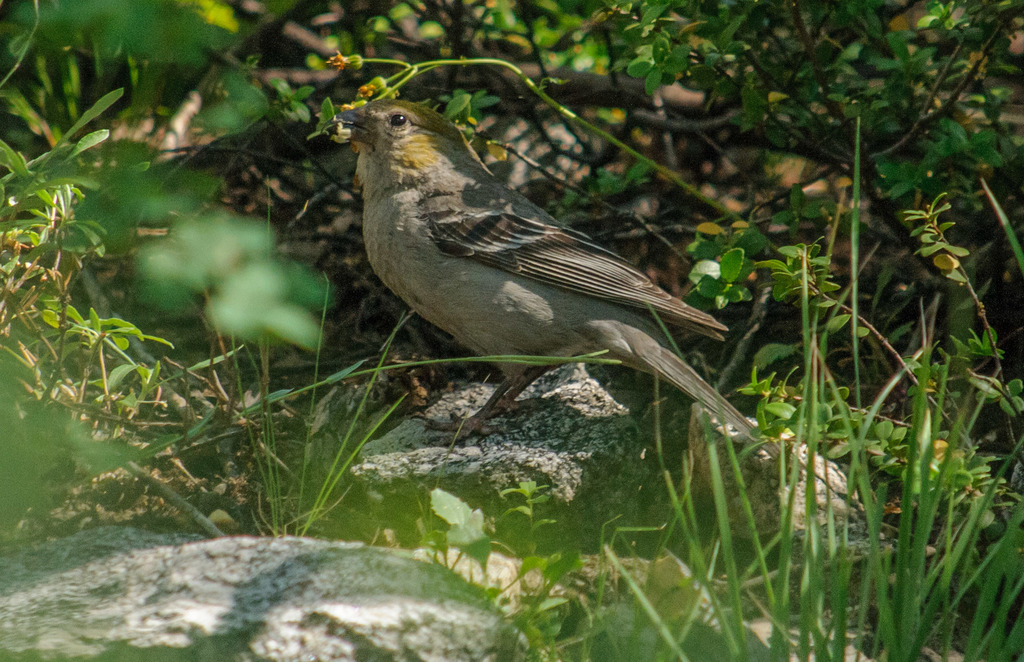
- Lapland LongspurCalcarius lapponicus
- Northern CardinalCardinalis cardinalis
- Tree SwallowTachycineta bicolor
- White-eyed VireoVireo griseus
- Wild TurkeyMeleagris gallopavo











Plant details
- Family
- Cornaceae
- Hardiness
- Zones 2a–7b
- Soil pH
- Neutral to alkaline
- Flower color
- Cream, yellow, green or white
- Fruit begins
- Summer
- Fruit ends
- Summer
What its natural habitat tells you
Safety has not been reviewed for this plant; check toxicity and thorns before planting.
Growing sources and scope
- Flower color · “Cream, yellow, green or white” · NC Extension Plant Toolbox
- Fruit begins · “Summer” · NC Extension Plant Toolbox · Species profile fruit display season; not a local ripening date
- Fruit ends · “Summer” · NC Extension Plant Toolbox · Species profile fruit display season; not a local ripening date
- Hardiness · “Zones 2a–7b” · NC Extension Plant Toolbox
- Height · “5–9 feet” · NC Extension Plant Toolbox (ranked first; Fire Effects Information System: Cornus sericea, Minnesota Wildflowers differ)
- Leaves · “Deciduous” · NC Extension Plant Toolbox
- Life cycle · “Woody perennial” · NC Extension Plant Toolbox
- Light · “Full sun (6 or more hours of direct sunlight a day); Partial shade (direct sunlight only part of the day, 2-6 hours)” · NC Extension Plant Toolbox
- Soil · “Moist; Occasionally dry; Occasionally wet” · NC Extension Plant Toolbox
- Soil pH · “Neutral to alkaline” · NC Extension Plant Toolbox
- Spread · “5–10 feet” · NC Extension Plant Toolbox
Conservation status
| West Virginia rank | SNA |
|---|---|
| Global rank | Not available |
| WV status | Not verified |
| Federal status | Not verified |
Sources
- NatureServe Explorer
- West Virginia occurrence source
- Shropshire & Tallamy 2025, Lepidoptera of North America north of Mexico, ZooKeys 1261 (ODbL)
- Noori, Seltmann & Orr 2026, A curated and integrated dataset for exploring global bee-plant interactions (GloBI), Zenodo, CC BY 4.0
- Smith, Bachelder, Russell, Morales, Mosher & Seltmann 2024, Bee-Specialization-Modeling v0.6.1 (specialist host table compiled from J. Fowler's pollen specialist bee lists), Zenodo, CC BY 4.0
- Hurlbert, Olsen, Sawyer & Winner 2021, Avian Diet Database, Scientific Data 8: 260 (CC0)
- Narango, Tallamy & Shropshire 2020, Few keystone plant genera support the majority of Lepidoptera species, Nature Communications