

Prairie Red Root
Ceanothus herbaceus
Found in prairies, glades, upland woodlands, eastwards in flood-scoured rocky and/or sandy riverbanks. Weakley, Flora of the Southeastern United States (2025), Northern Tier edition What its natural habitat tells you
Native to West Virginia. How scores work Is it native here?
Profile 71%
- Height
- 2–3 feet
- Spread
- 1–2 feet
- Light
- Full sun
- Soil moisture
- Dry to average
Space about 1.5 ft apart from its recorded spread, about 44 per 100 sq ft. Enter your bed size for a count
Will it fit your yard?No photograph yet. Looking for an old drawing…
At a glance
- Life cycle
- Woody perennial
Not yet recorded · Leaves · Bloom
This plant is missing most of its facts, so Quercus is looking them up in old botany books.
County records are not available.
Natural habitats
Places it grows wild. Not a planting requirement. Each habitat page lists the plants and wildlife also found there.
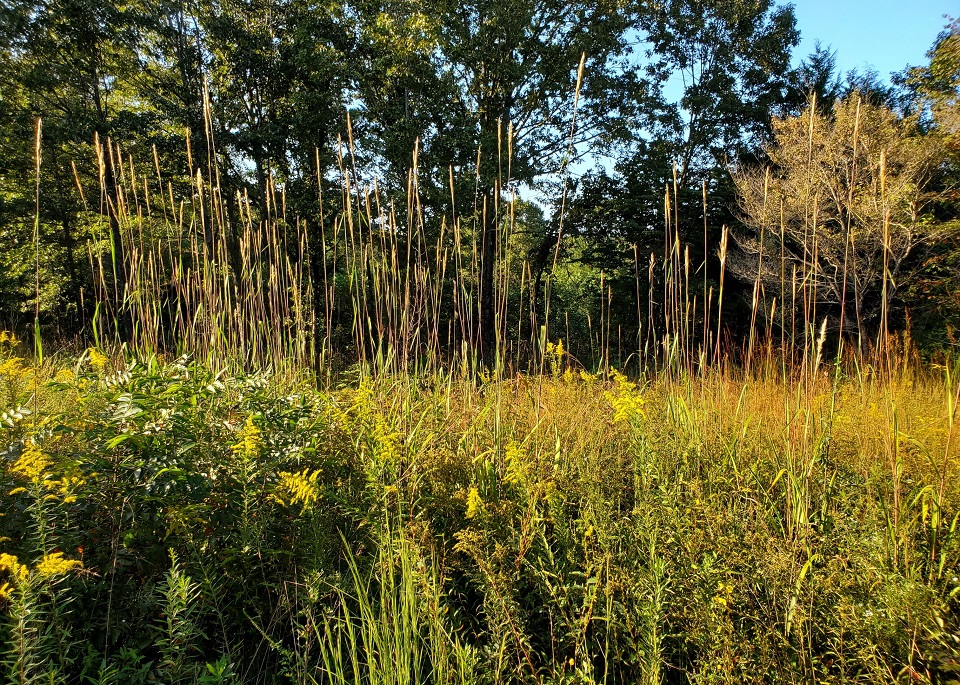
Forest or woodland where the source does not say how moist or dry.
Streams, rivers and their banks
Flowing water and its banks, bars and rocky shoals.
Also found with this plant
Wildlife whose habitat models include habitats this plant grows in, in West Virginia. Shared habitat, not food. 59 animals.
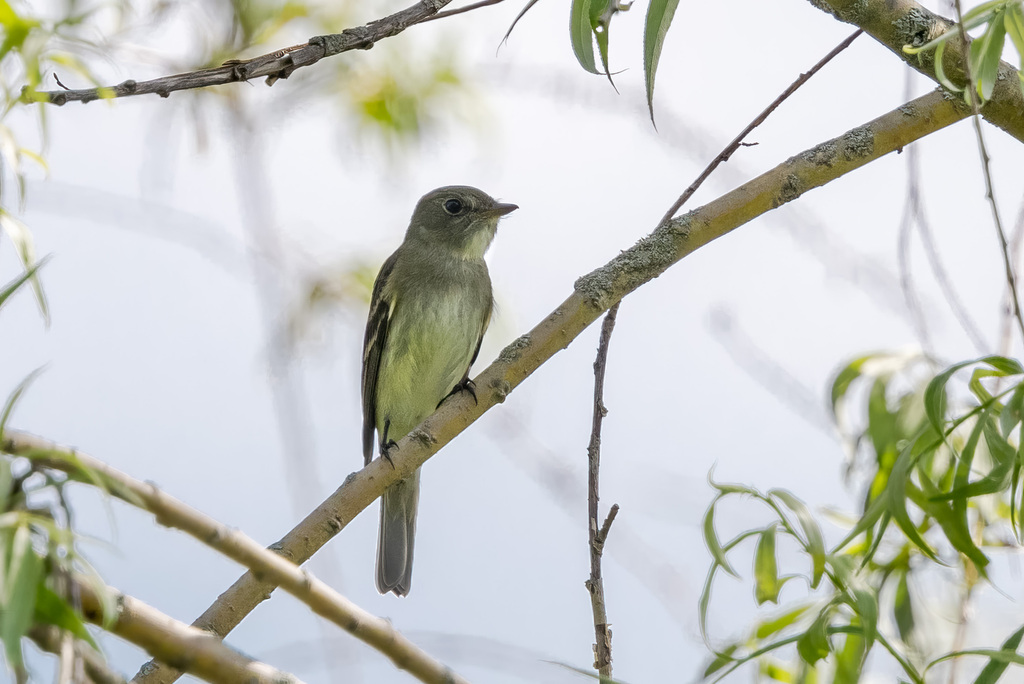
- Alder FlycatcherEmpidonax alnorum
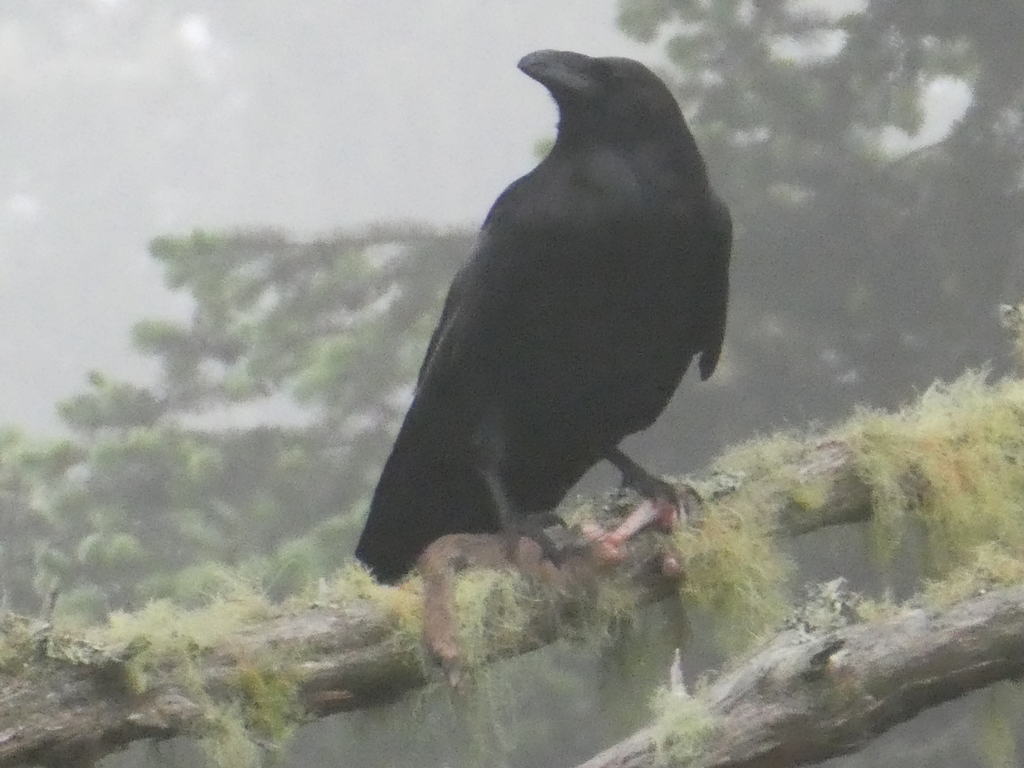
- American CrowCorvus brachyrhynchos
- American RobinTurdus migratorius
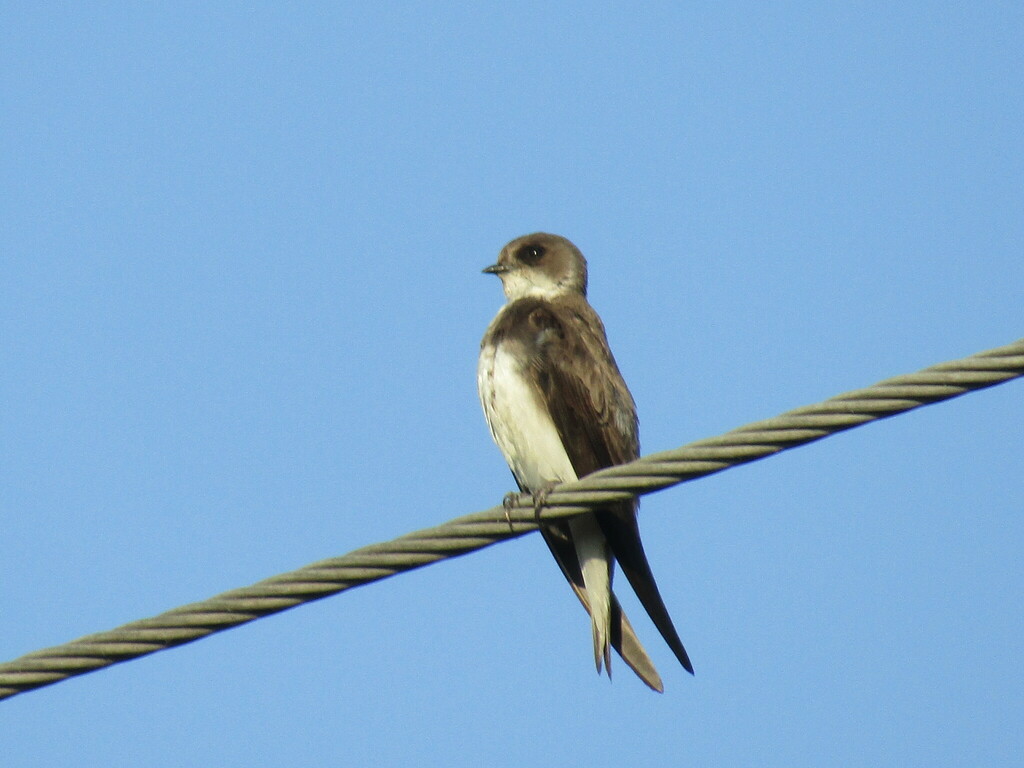
- Bank SwallowRiparia riparia
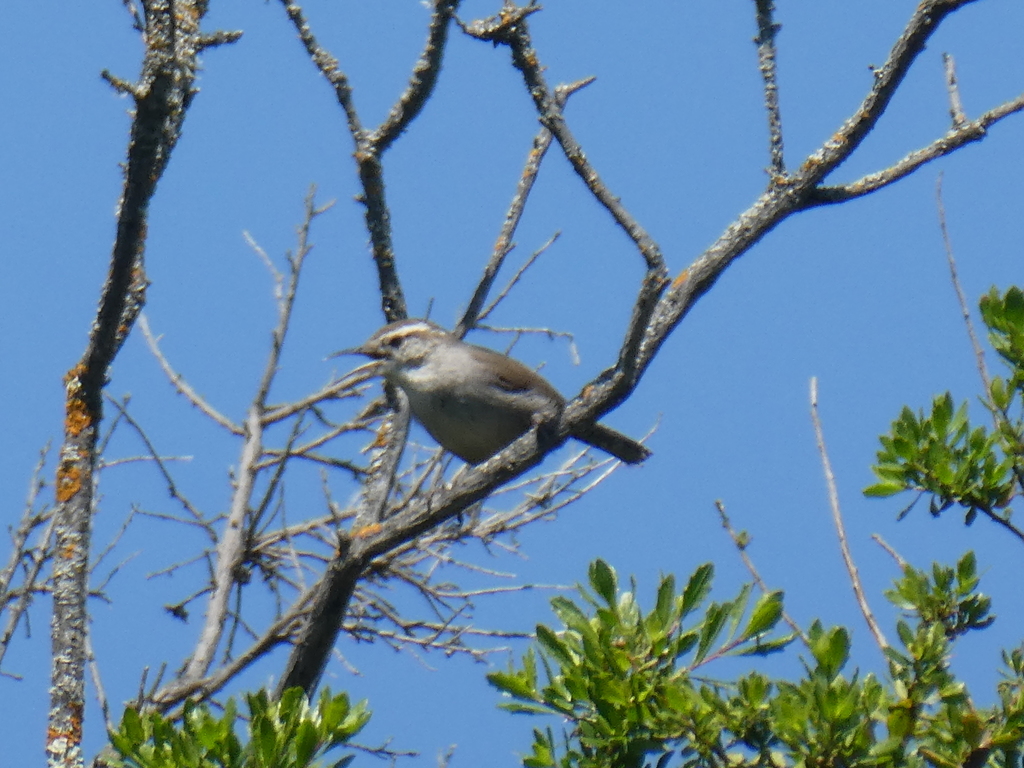
- Bewick's WrenThryomanes bewickii
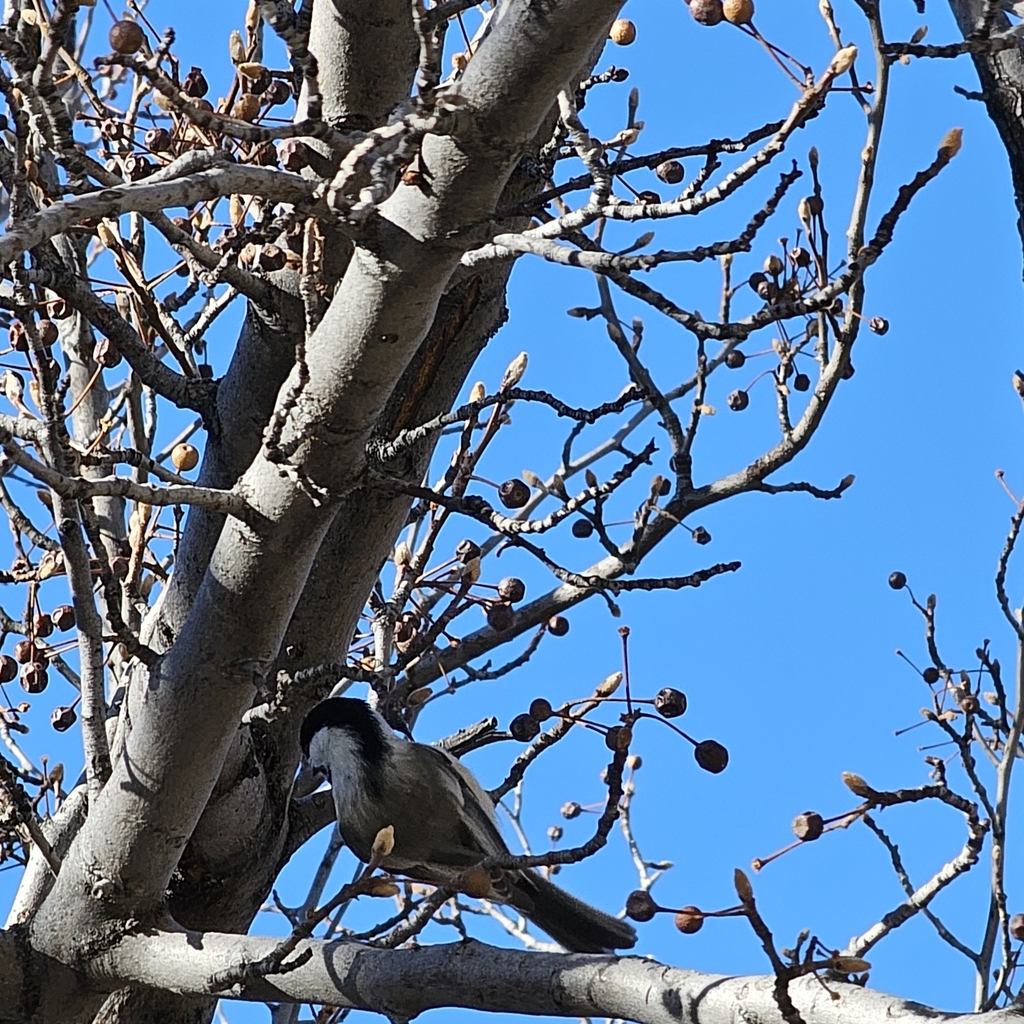
- Black-capped ChickadeePoecile atricapillus
- Black-crowned Night-heronNycticorax nycticorax
- Blue JayCyanocitta cristata
- Blue-gray GnatcatcherPolioptila caerulea
- Broad-winged HawkButeo platypterus
- Canada GooseBranta canadensis
- Carolina ChickadeePoecile carolinensis
- Cedar WaxwingBombycilla cedrorum
- Chimney SwiftChaetura pelagica
- Chipping SparrowSpizella passerina
- Cliff SwallowPetrochelidon pyrrhonota
- Common GrackleQuiscalus quiscula
- Common NighthawkChordeiles minor
- Common RavenCorvus corax
- Cooper's HawkAccipiter cooperii
- Dark-eyed JuncoJunco hyemalis
- Double-crested CormorantPhalacrocorax auritus
- Downy WoodpeckerPicoides pubescens
- Eastern KingbirdTyrannus tyrannus



















Who uses this plant?
 44CaterpillarsGenus host records with ranges including WV
Genus host records with ranges including WV · Ceanothus
- Anavitrinella pampinariaCommon Gray, Cranberry Spanworm
- Ancylis semiovanaHalf-Oval Ancylis
- Apodrepanulatrix liberariaBarrens Carpet
- Archips argyrospilaFruit-Tree Leafroller Moth
- Biston betulariaSalt-and-Pepper Geometer, Cleft-Headed Looper
- Calycopis cecropsRed-Banded Hairstreak, Cecrops Hairstreak
- Celastrina luciaLucia Azure
- Celastrina serotinaCherry Gall Azure
- Chlorochlamys chloroleucariaBlackberry Looper Moth
- Choristoneura rosaceanaOblique-Banded Leafroller Moth, Rosaceous Leaf Roller
Show all 44
- Clepsis persicanaWhite Triangle Tortrix
- Coelodasys unicornisUnicorn Caterpillar Moth
- Ectropis crepusculariaThe Small Engrailed, Saddleback Looper
- Erastria colorariaBroad-Lined Erastria
- Erastria cruentariaThin-Lined Erastria
- Euchlaena marginariaOchre Euchlaena
- Eupithecia columbiataColumbia Pug
- Eupithecia miserulataCommon Eupithacia, Common Pug
- Eutrapela clematariaCurved-Tooth Geometer, Purplish Brown Looper
- Gesta martialisMottled Duskywing
- Haploa leconteiLeconte's Haploa
- Harrisimemna trisignataHarris's Three-Spot
- Hesperumia sulphurariaSulphur Moth
- Hyalophora cecropiaCecropia Silkmoth, Cecropia Moth
- Hypena bijugalisDimorphic Bomolocha, Dimorphic Snout
- Hypena scabraGreen Cloverworm Bomolocha, Black Snout
- Lyonetia prunifoliellaStriped Bent-wing
- Malacosoma americanaEastern Tent Caterpillar
- Nematocampa resistariaFilament Bearer, Horned Spanworm Moth
- Nemoria rubrifrontariaRed-Fronted Emerald
- Oedemasia concinnaRed-Humped Caterpillar, Red-Humped Appleworm
- Orthosia hibisciSpeckled Green Fruitworm Moth, Speckled Green Quaker
- Palthis angulalisDark-Spotted Palthis
- Phyllodesma americanaLappet Moth, American Lappet Moth, Southern Lappet Moth
- Platynota idaeusalisTufted Apple-Bud Moth
- Redectis vitreaWhite-Spotted Redactis
- Schizura ipomaeaeMorning-Glory Prominent, Checkered-Fringe Prominent
- Sicya maculariaSharp-Lined Yellow
- Spiramater lutraDarling Mamestra, Splashed Arches, Otter Spiramater, Otter Arches
- Strymon melinusGray Hairstreak
- Synchlora aerataWavy-Lined Emerald, Camouflaged Looper
- Xanthotype sospetaCrocus Geometer
- Zale minereaColorful Zale
- Lithacodes fiskeanus
 46BeesSoutheastern regional records
Southeastern regional records · Ceanothus
Individual names are not available yet.
Noori, Seltmann & Orr 2026, A curated and integrated dataset for exploring global bee-plant interactions (GloBI), Zenodo, CC BY 4.0 1Specialist beesPollen specialists
Pollen specialists · Ceanothus
- Protandrena pauper
 2BirdsRecorded genus food-resource interactions; not a state feeding claim
Recorded genus food-resource interactions; not a state feeding claim · Ceanothus
- Coccothraustes vespertinusEvening Grosbeak
- Zonotrichia leucophrysWhite-crowned Sparrow
Direct food only: birds recorded eating this genus across North America. Caterpillars on host plants also feed nesting birds. NC Native Plant Society: butterfly gardening
No records yet · Ants · Beetles · Flies · Adult butterflies / moths · Other wasps · Other insects
Plant details
- Family
- Rhamnaceae
- Hardiness
- Zones 4–8
Safety has not been reviewed for this plant; check toxicity and thorns before planting.
Growing sources and scope
- Hardiness · “Zones 4–8” · Missouri Botanical Garden Plant Finder
- Height · “2–3 feet” · Missouri Botanical Garden Plant Finder (ranked first; Minnesota Wildflowers differs)
- Life cycle · “Woody perennial” · Minnesota Wildflowers
- Light · “Full sun” · Missouri Botanical Garden Plant Finder
- Soil · “Dry to medium” · Missouri Botanical Garden Plant Finder
- Spread · “1–2 feet” · Missouri Botanical Garden Plant Finder
Also known as
Prairie Ceanothus
Conservation status
| West Virginia rank | SH |
|---|---|
| Global rank | Not available |
| WV status | Not verified |
| Federal status | Not verified |
Will it fit your yard?
Check this plant against your county, sun and soil moisture. Conditions are checked in your browser.
Sources
- NatureServe Explorer
- Weakley, Flora of the Southeastern United States (2025), Northern Tier edition
- West Virginia occurrence source
- Shropshire & Tallamy 2025, Lepidoptera of North America north of Mexico, ZooKeys 1261 (ODbL)
- Noori, Seltmann & Orr 2026, A curated and integrated dataset for exploring global bee-plant interactions (GloBI), Zenodo, CC BY 4.0
- Smith, Bachelder, Russell, Morales, Mosher & Seltmann 2024, Bee-Specialization-Modeling v0.6.1 (specialist host table compiled from J. Fowler's pollen specialist bee lists), Zenodo, CC BY 4.0
- Hurlbert, Olsen, Sawyer & Winner 2021, Avian Diet Database, Scientific Data 8: 260 (CC0)
- Narango, Tallamy & Shropshire 2020, Few keystone plant genera support the majority of Lepidoptera species, Nature Communications