

Thicket Sedge
Carex abscondita
Found in bottomlands, other moist forests, seepage swamps. Weakley, Flora of the Southeastern United States (2025), Northern Tier edition What its natural habitat tells you
Native to West Virginia (estimated). How scores work Is it native here?
Profile 100%
- Height
- About 8.4 inches
- Light
- Partial shade, Full shade
- Soil moisture
- Moist to wet
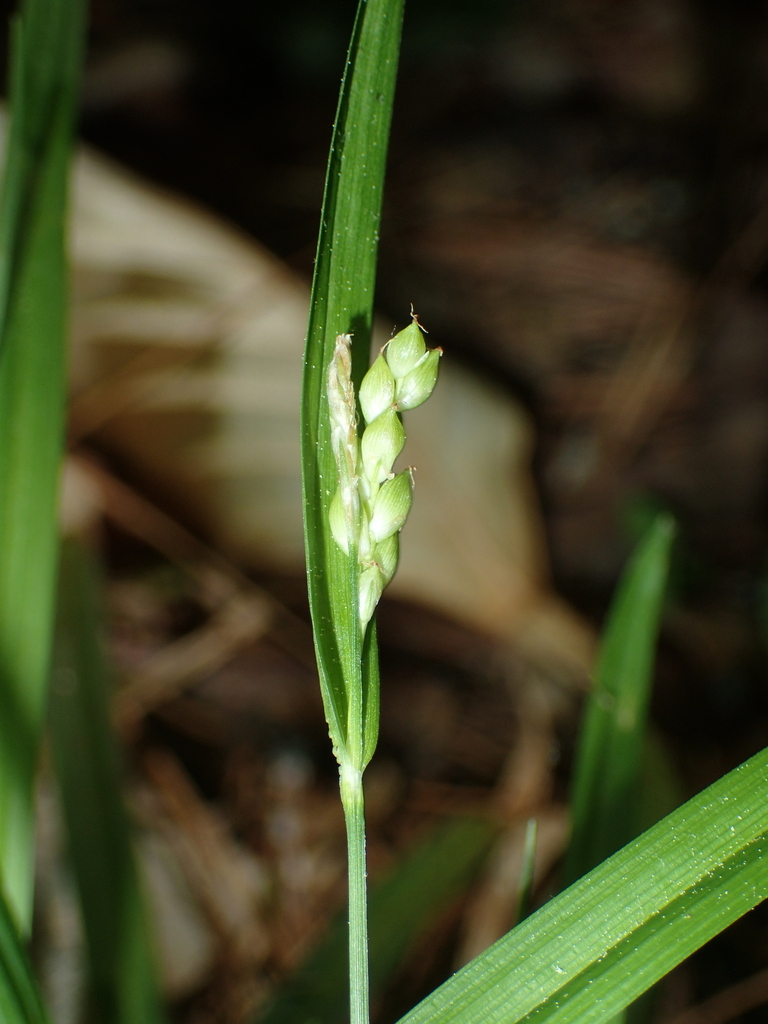
At a glance
- Bloom
- April to June
- Fruiting season
- Spring to summer
Not yet recorded · Spread · Life cycle · Leaves
County records are not available.
Natural habitats
Places it grows wild. Not a planting requirement. Each habitat page lists the plants and wildlife also found there.

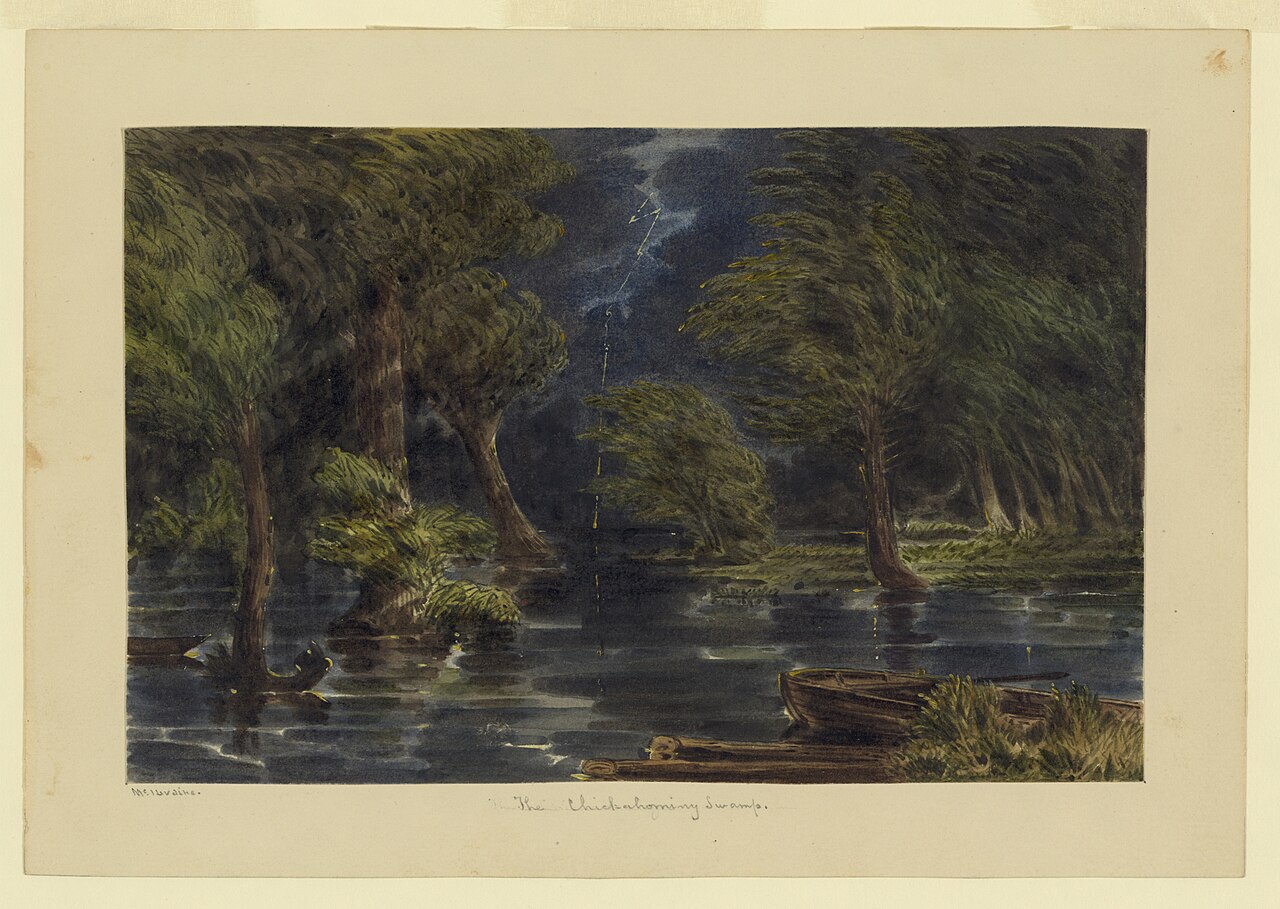
Floodplain and bottomland forests
Forests on low ground beside rivers and streams that flood from time to time.
Places where groundwater keeps the soil or rock wet, such as seepage slopes and spring runs.
Who uses this plant?
 23CaterpillarsGenus host records with ranges including WV
Genus host records with ranges including WV · Carex
- Acronicta insularisHenry's Marsh Moth, Cattail Caterpillar
- Amolita roseolaPink Sedge Moth, Rosy Grass Moth
- Amphipoea americanaAmerican Ear Moth, American Borer
- Anatrytone loganDelaware Skipper, Logan Skipper, Black-Vein Skipper
- Apamea sordensBordered Apamea, Rustic Shoulder-Knot
- Cercyonis pegalaCommon Wood Nymph
- Ctenucha virginicaVirginia Ctenucha
- Deltote belliculaBurnished Bog Moth, Bog Deltote, Bog Lithacodia
- Euphyes bimaculaTwo-Spotted Skipper, Two-Spotted Sedge Skipper
- Euphyes vestrisDun Skipper, Dun Sedge Skipper, Sedge Witch)\
Show all 23
- Hesperia leonardusLeonard's Skipper, Blazing Star Skipper, Pawnee Prairie Skipper, Pawnee Montane Skipper
- Lethe appalachiaAppalachian Brown, Appalachian Eyed Brown
- Leucania phragmitidicolaNeedle Wainscot, Phragmites Wainscot
- Limochores mysticLong Dash
- Loscopia velataVeiled Ear Moth, Veiled Grass Moth
- Macrochilo absorptalisSlant-Lined Owlet; Slant-Lined Fan-foot
- Maliattha synochitisBlack-Dotted Lithacodia, Black-Dotted Glyph, Brass-Dotted Grass Moth
- Meropleon diversicolorMulticolored Sedgeminer
- Mythimna oxygalaLesser Wainscot
- Papaipema nebrisStalk Borer
- Pseudeustrotia carneolaPink-Barred Lithacodia, Pink-Barred Pseudeustrotia
- Spodoptera frugiperdaFall Armyworm Moth
- Elachista cucullata
 1BeesSoutheastern regional records
Southeastern regional records · Carex
Individual names are not available yet.
Noori, Seltmann & Orr 2026, A curated and integrated dataset for exploring global bee-plant interactions (GloBI), Zenodo, CC BY 4.0 0Specialist beesPollen specialists
 28BirdsRecorded eating Carex in West Virginia
Diet records by plant genus, from studies across North America. Not a record from this state. Birds whose range includes West Virginia, most records first.
- Ruffed GrouseSeeds and fruit. 25 diet records
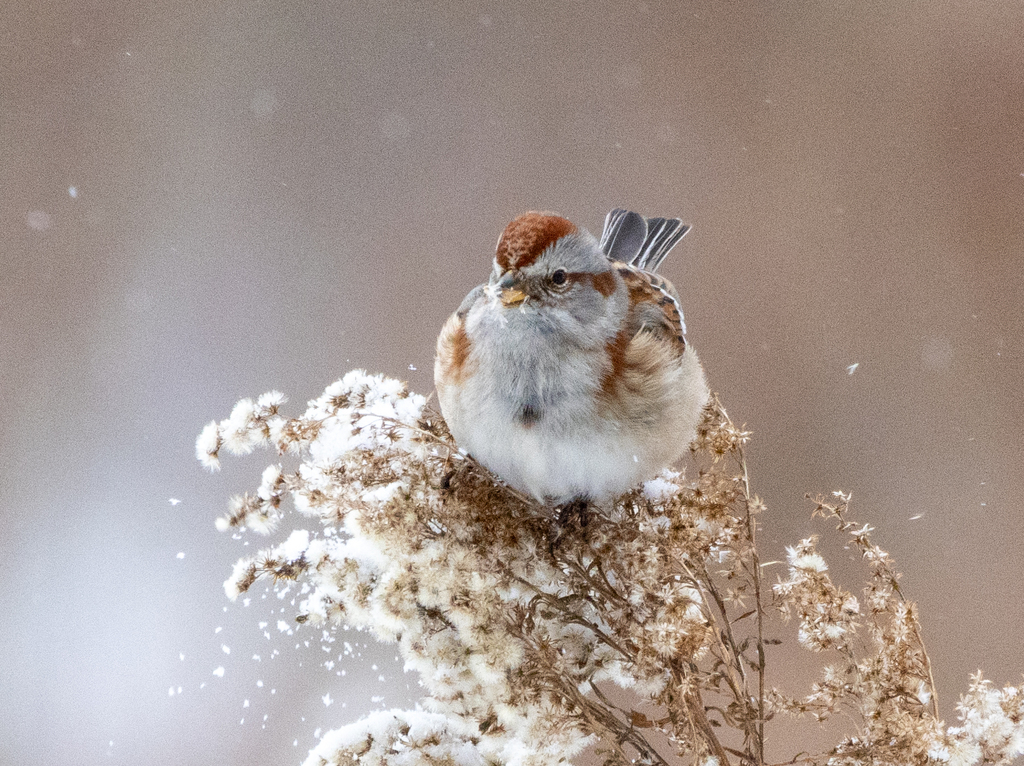
- American Tree SparrowSeeds. 24 diet records
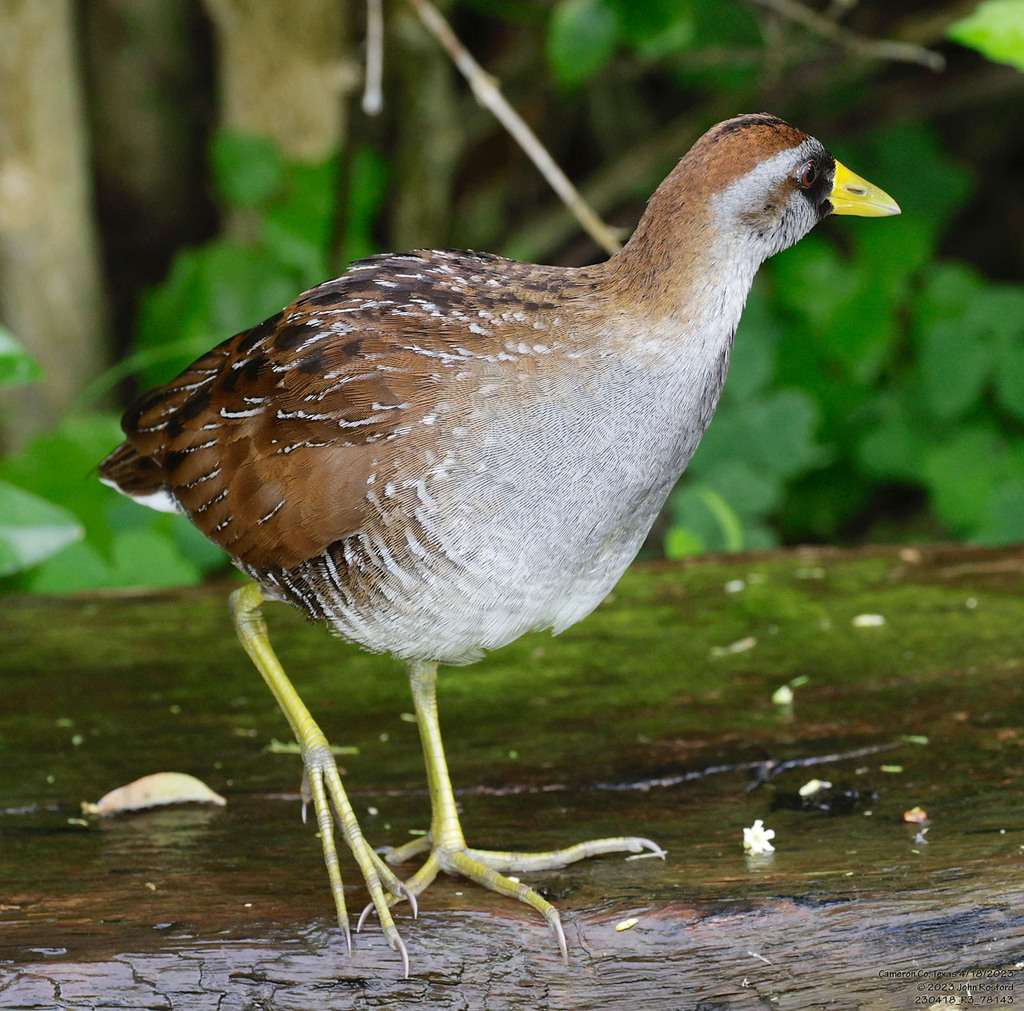
- SoraSeeds. 9 diet records
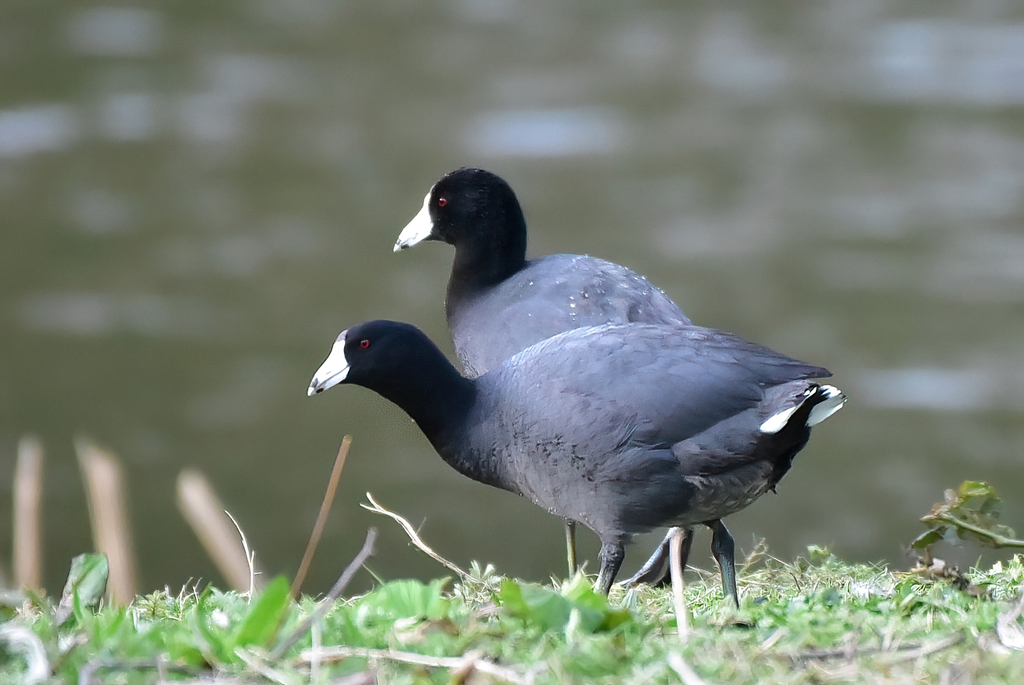
- American CootSeeds. 6 diet records
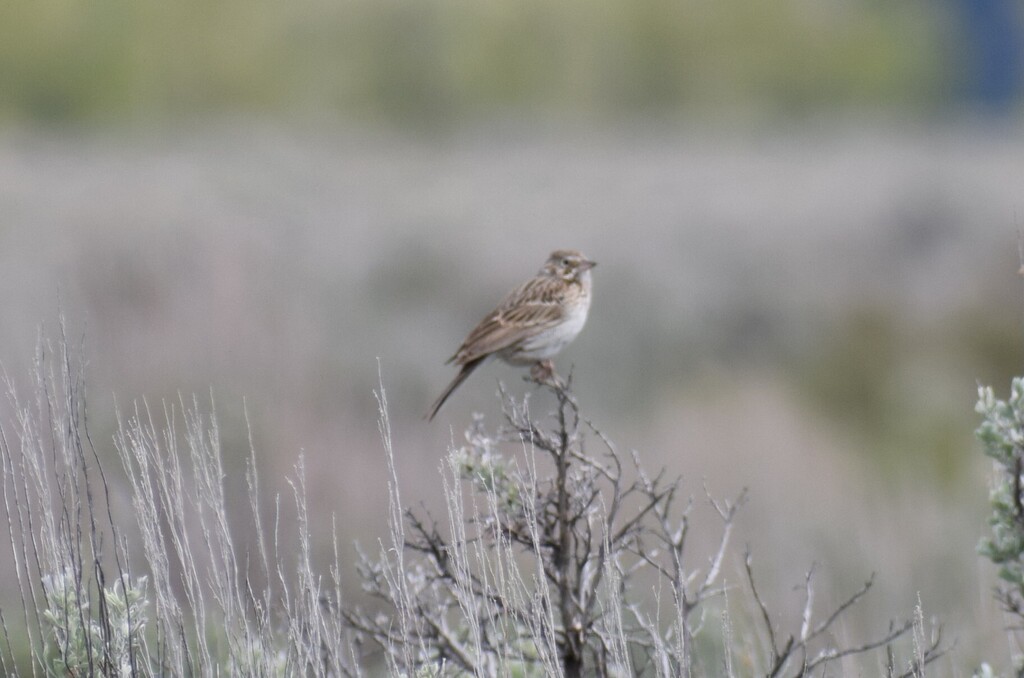
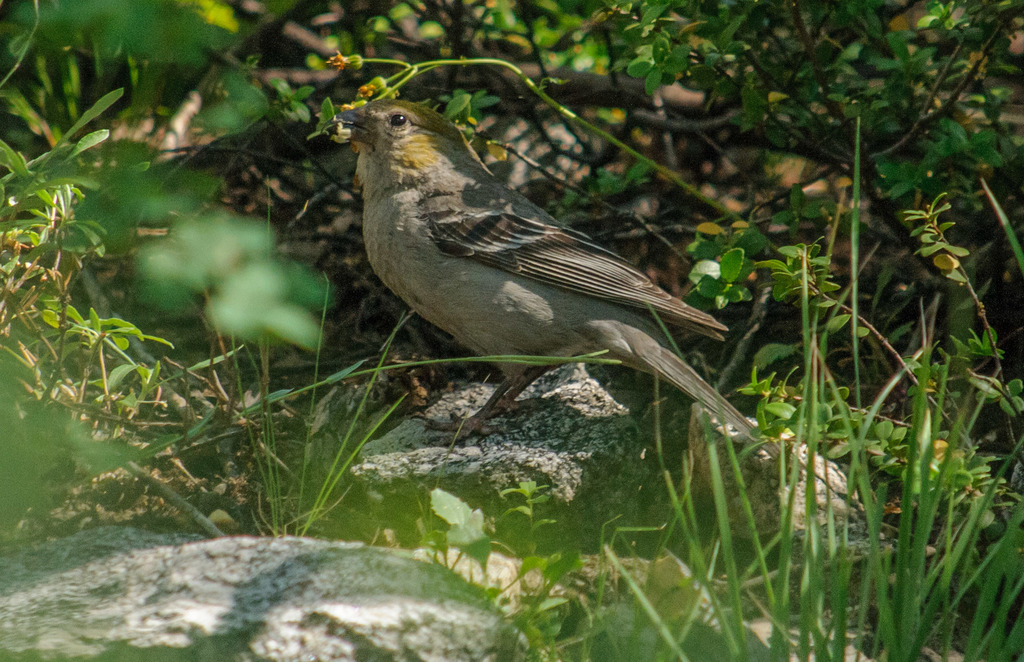
- Vesper Sparrow6 diet records
- MallardSeeds. 5 diet records
- Northern Bobwhite3 diet records
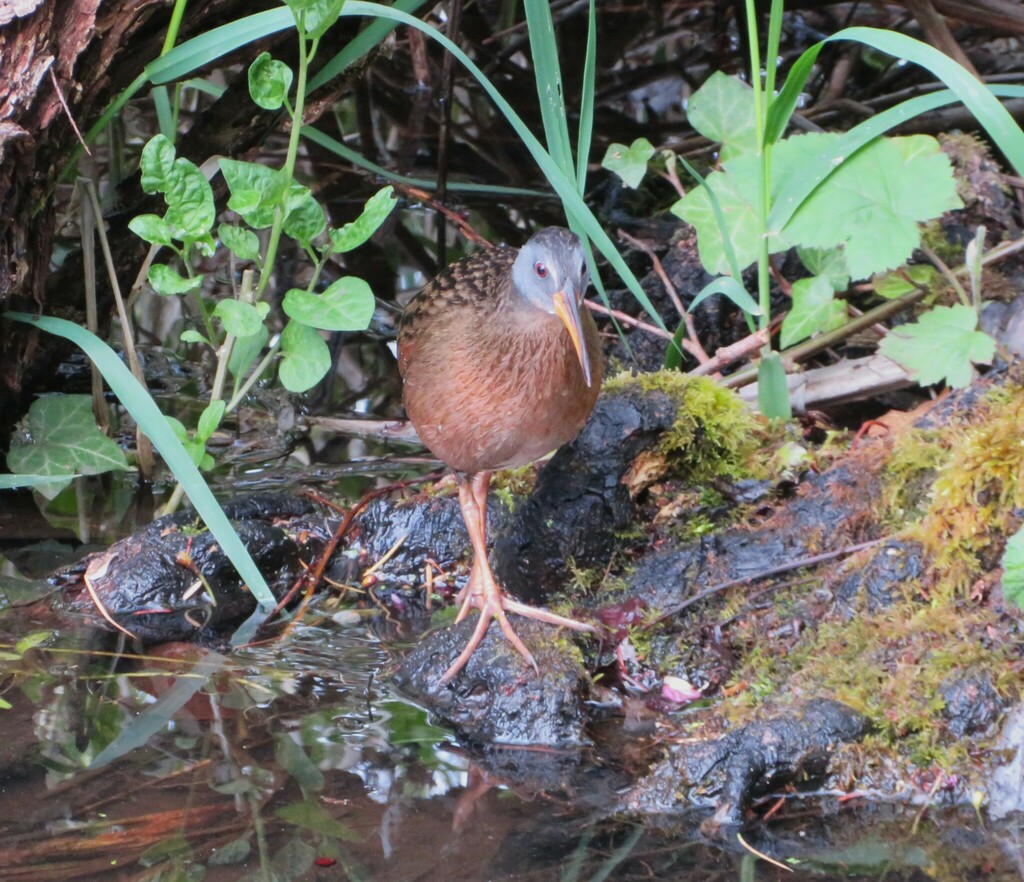
- Virginia Rail3 diet records
- Wild Turkey2 diet records
- American Black DuckSeeds. 1 diet record
Show all 28
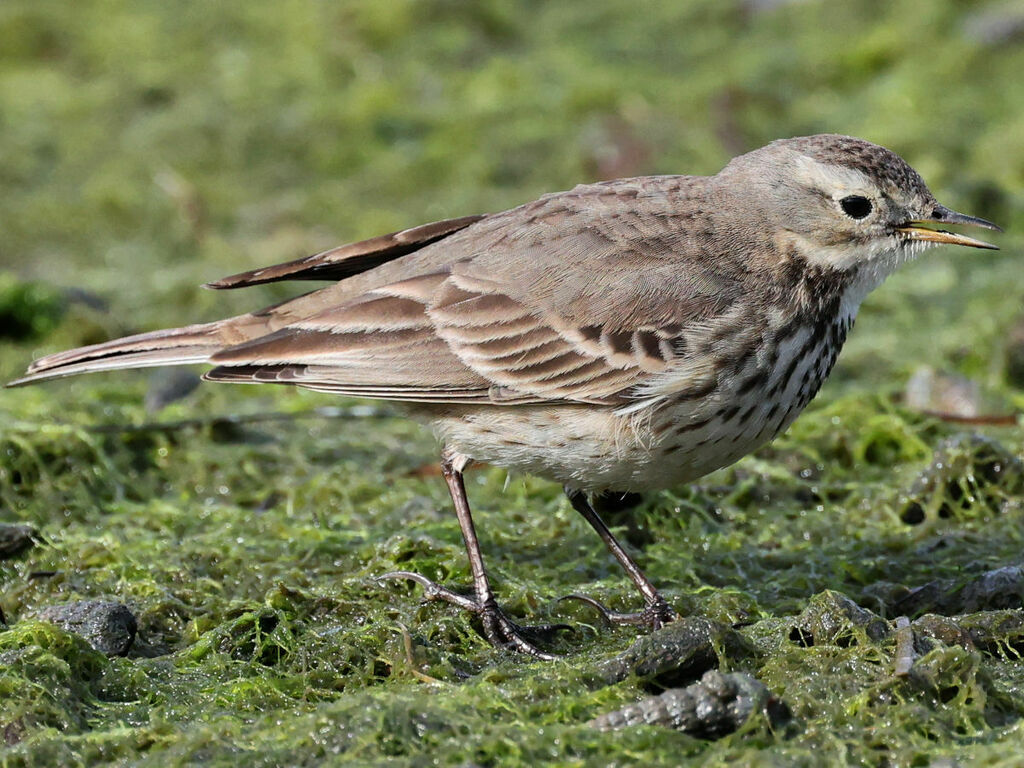
- American Pipit1 diet record
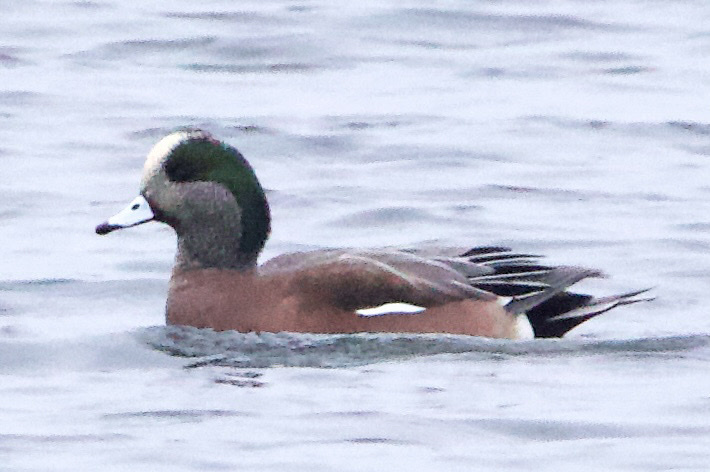
- American Wigeon1 diet record
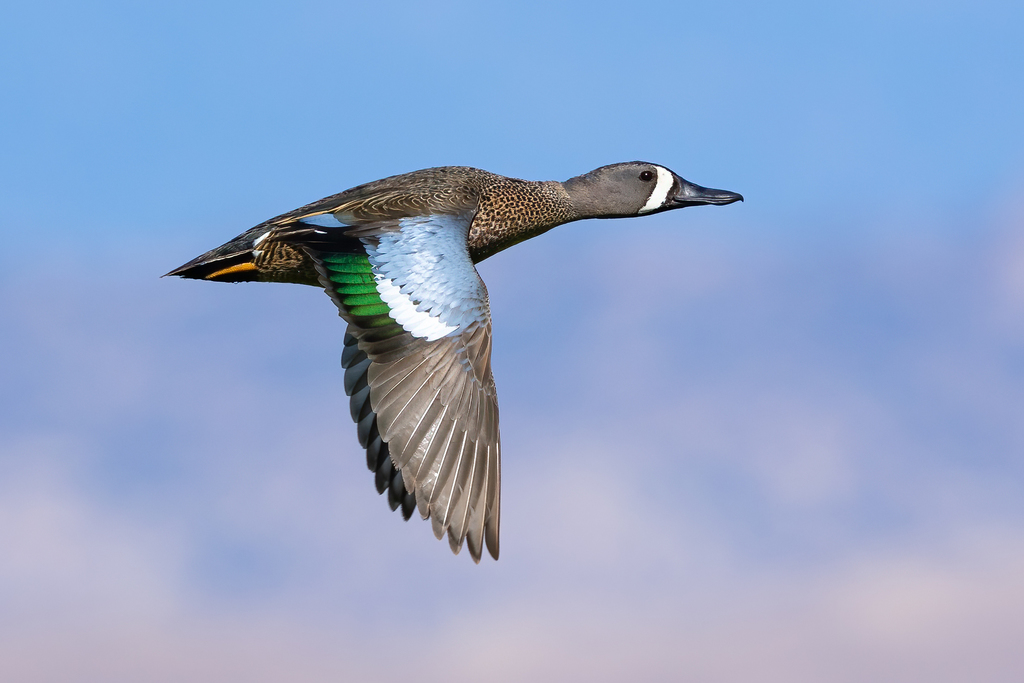
- Blue-winged TealSeeds. 1 diet record
- Brown-headed Cowbird1 diet record
- Canada GooseLeaves. 1 diet record
- Chipping SparrowSeeds. 1 diet record
- Dark-eyed JuncoSeeds. 1 diet record
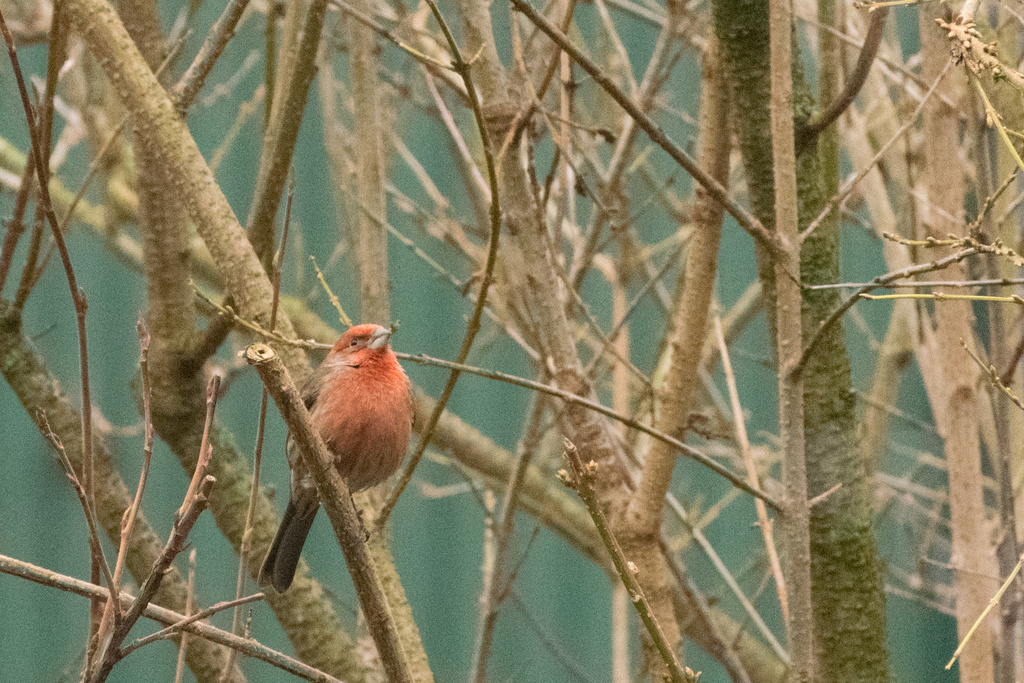
- House FinchSeeds. 1 diet record
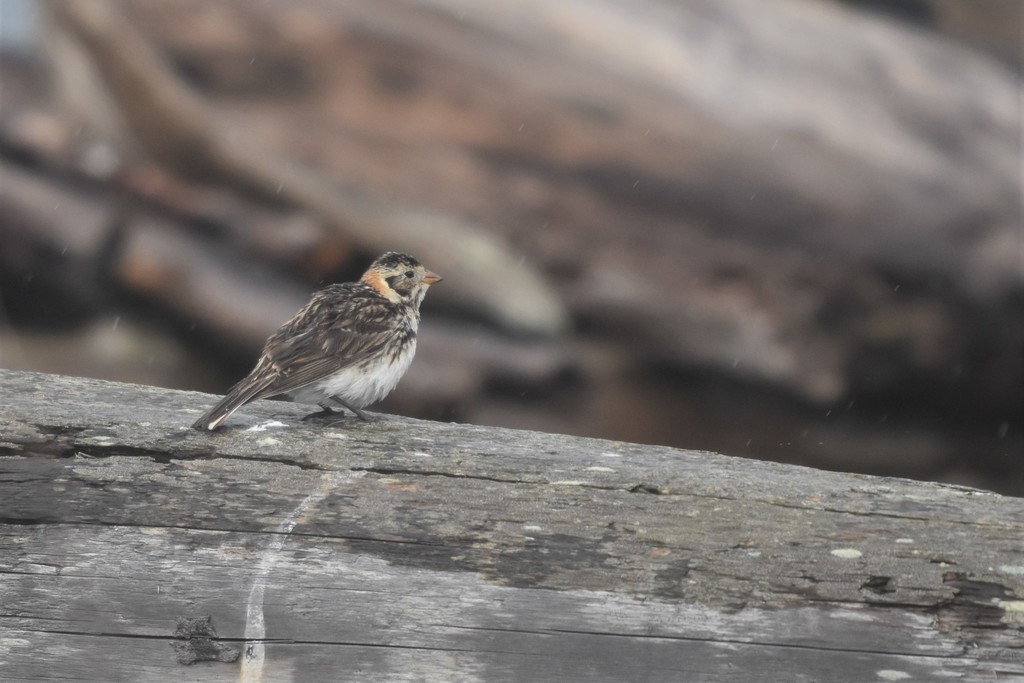
- Lapland Longspur1 diet record
- Northern CardinalSeeds. 1 diet record
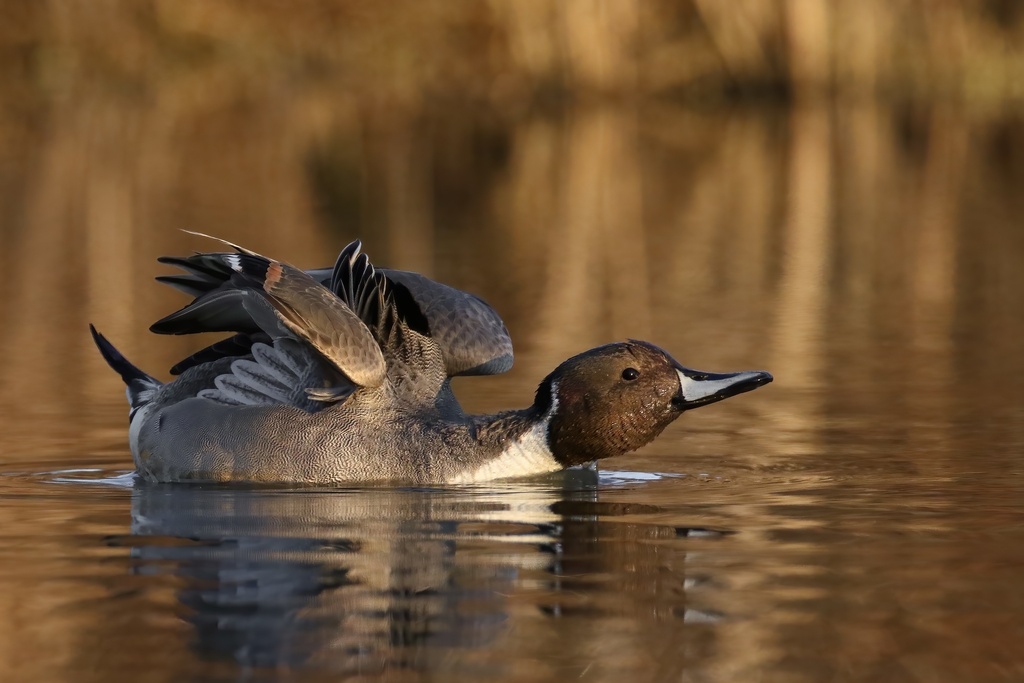
- Northern PintailSeeds. 1 diet record
- Pine Grosbeak1 diet record
- Red-winged Blackbird1 diet record
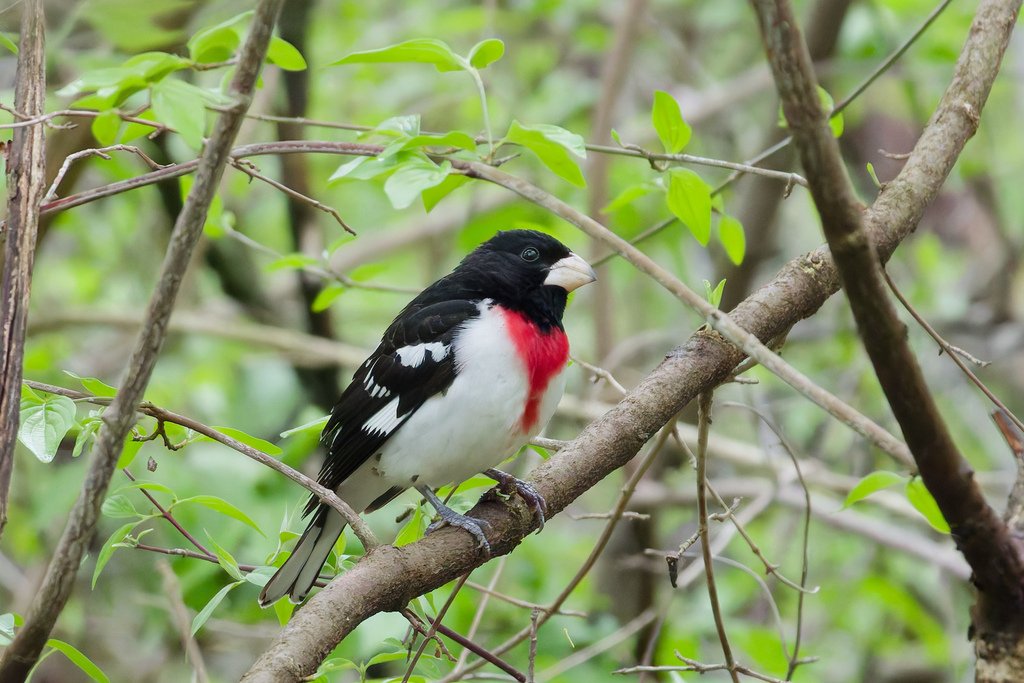
- Rose-breasted GrosbeakSeeds. 1 diet record
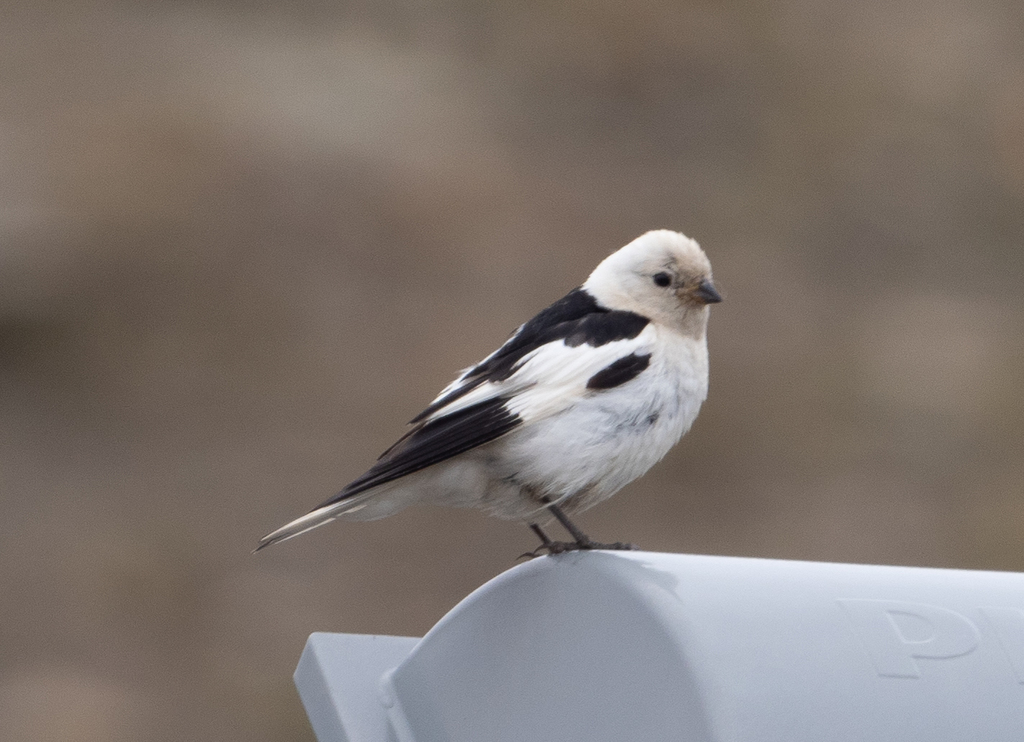
- Snow Bunting1 diet record
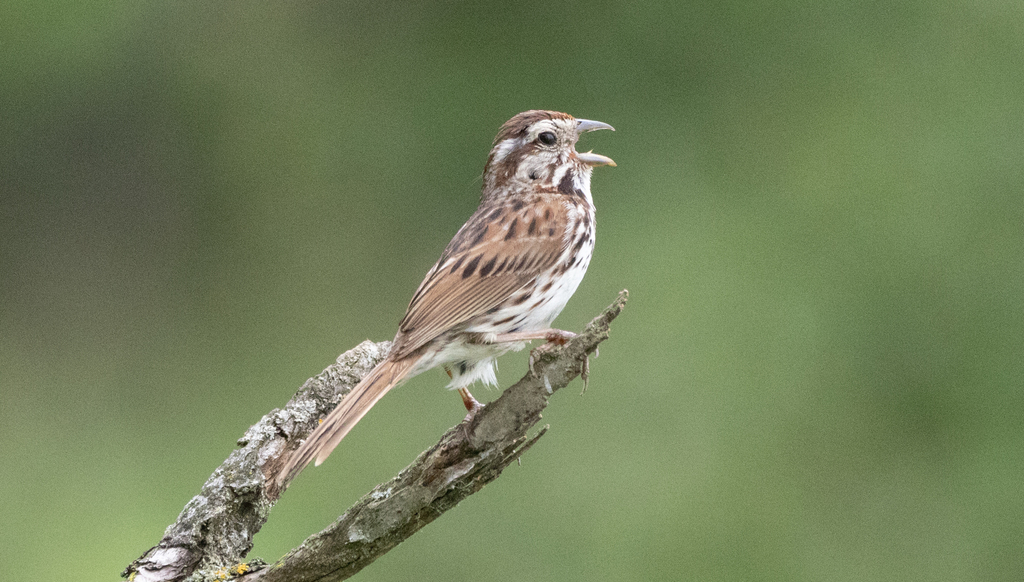
- Song SparrowSeeds. 1 diet record
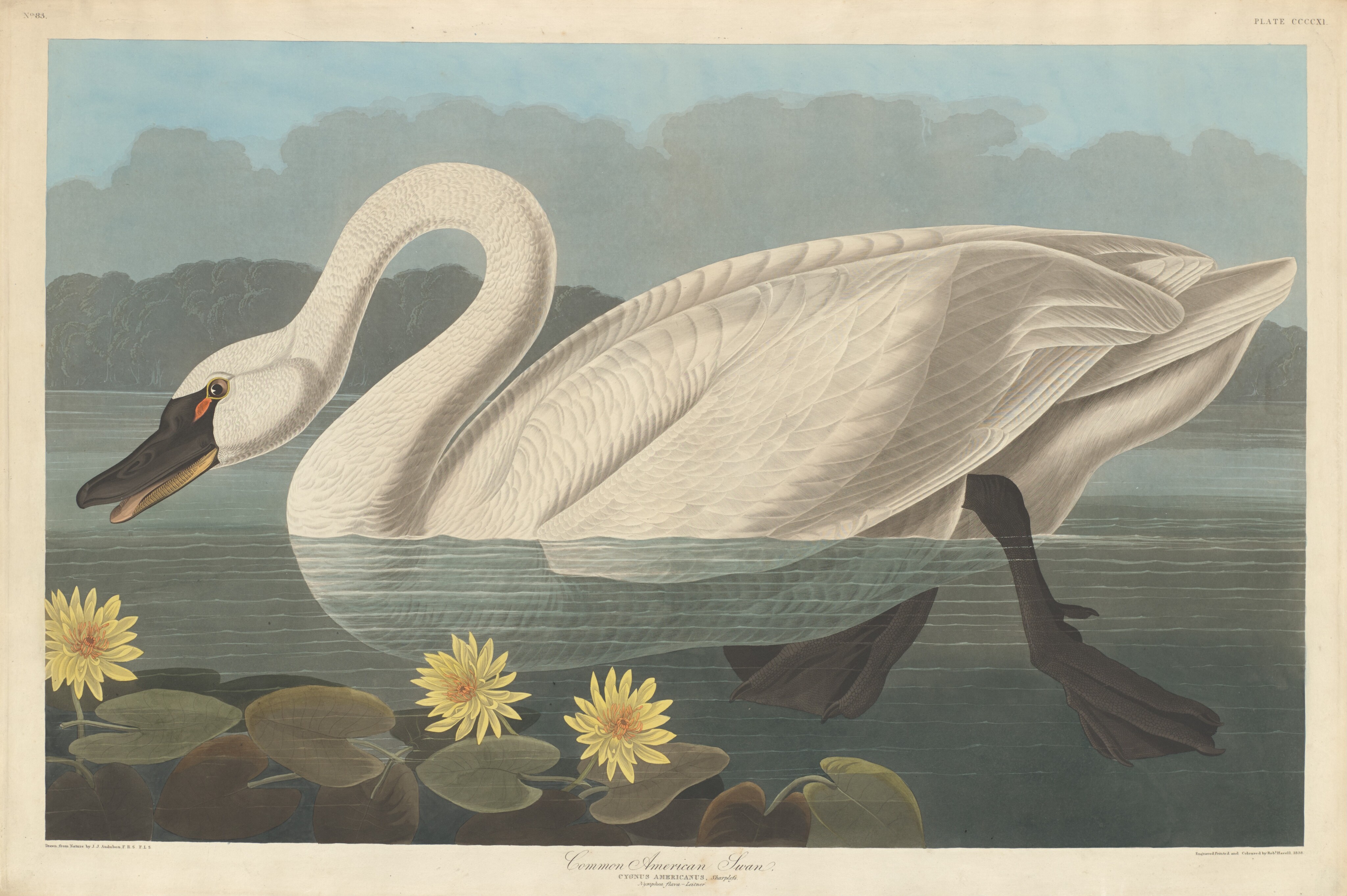
- Tundra Swan1 diet record
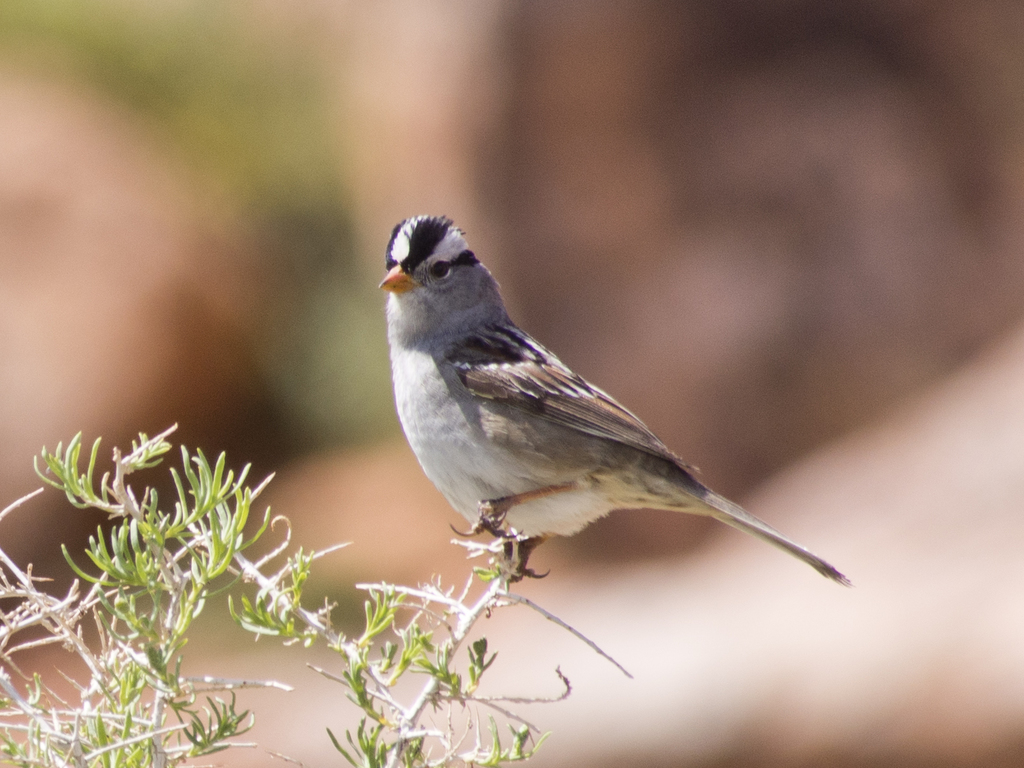
- White-crowned SparrowSeeds. 1 diet record
Direct food only. Caterpillars on host plants also feed nesting birds. NC Native Plant Society: butterfly gardening
No records yet · Ants · Beetles · Flies · Adult butterflies / moths · Other wasps · Other insects
Birds that eat Carex 28
Diet records by plant genus, from studies across North America. Not a record from this state. Avian Diet Database (Hurlbert Lab), CC0 1.0.
- Ruffed GrouseBonasa umbellus
- American Tree SparrowSpizella arborea
- SoraPorzana carolina
- American CootFulica americana
- Vesper SparrowPooecetes gramineus
- MallardAnas platyrhynchos
- Northern BobwhiteColinus virginianus
- Virginia RailRallus limicola
- Wild TurkeyMeleagris gallopavo
- American Black DuckAnas rubripes
- American PipitAnthus rubescens
- American WigeonAnas americana
- Blue-winged TealAnas discors
- Brown-headed CowbirdMolothrus ater
- Canada GooseBranta canadensis
- Chipping SparrowSpizella passerina
- Dark-eyed JuncoJunco hyemalis
- House FinchCarpodacus mexicanus
- Lapland LongspurCalcarius lapponicus
- Northern CardinalCardinalis cardinalis
- Northern PintailAnas acuta
- Pine GrosbeakPinicola enucleator
- Red-winged BlackbirdAgelaius phoeniceus
- Rose-breasted GrosbeakPheucticus ludovicianus
- Snow BuntingPlectrophenax nivalis
- Song SparrowMelospiza melodia
- Tundra SwanCygnus columbianus
- White-crowned SparrowZonotrichia leucophrys













Plant details
- Family
- Cyperaceae
- Flower color
- Green
- Growth rate
- Slow
- Growth habit
- Grows in clumps
- Foliage color
- Green
- Fruit begins
- Spring
- Fruit ends
- Summer
Safety has not been reviewed for this plant; check toxicity and thorns before planting.
Growing sources and scope
- Bloom · “April to June” · Weakley, Flora of the Southeastern United States (2025), Carolinas & Georgia edition (ranked first; USDA PLANTS differs) · Carolinas and Georgia
- Flower color · “Green” · USDA PLANTS · Nationwide species characteristics; local growing conditions may vary
- Foliage color · “Green” · USDA PLANTS · Nationwide species characteristics; local growing conditions may vary
- Fruit begins · “Spring” · USDA PLANTS · Nationwide species characteristics; local growing conditions may vary
- Fruit ends · “Summer” · USDA PLANTS · Nationwide species characteristics; local growing conditions may vary
- Growth habit · “Grows in clumps” · USDA PLANTS · Nationwide species characteristics; local growing conditions may vary
- Growth rate · “Slow” · USDA PLANTS · Nationwide species characteristics; local growing conditions may vary
- Height · “About 8.4 inches” · USDA PLANTS · Nationwide species characteristics; local growing conditions may vary
- Light · “Partial shade; Full shade (documented habitat)” · Weakley, Flora of the Southeastern United States (2025), Carolinas & Georgia edition · Carolinas and Georgia
- Soil · “Moist; Wet (documented habitat)” · Weakley, Flora of the Southeastern United States (2025), Carolinas & Georgia edition · Carolinas and Georgia
Conservation status
| West Virginia rank | SU |
|---|---|
| Global rank | G4G5 |
| WV status | Not verified |
| Federal status | Not verified |
Will it fit your yard?
Check this plant against your county, sun and soil moisture. Conditions are checked in your browser.
Sources
- Weakley, Flora of the Southeastern United States (2025), Northern Tier edition
- USDA PLANTS
- Vascular Plants of North Carolina (NC Natural Heritage Program)
- West Virginia occurrence source
- Shropshire & Tallamy 2025, Lepidoptera of North America north of Mexico, ZooKeys 1261 (ODbL)
- Noori, Seltmann & Orr 2026, A curated and integrated dataset for exploring global bee-plant interactions (GloBI), Zenodo, CC BY 4.0
- Smith, Bachelder, Russell, Morales, Mosher & Seltmann 2024, Bee-Specialization-Modeling v0.6.1 (specialist host table compiled from J. Fowler's pollen specialist bee lists), Zenodo, CC BY 4.0
- Hurlbert, Olsen, Sawyer & Winner 2021, Avian Diet Database, Scientific Data 8: 260 (CC0)
- Narango, Tallamy & Shropshire 2020, Few keystone plant genera support the majority of Lepidoptera species, Nature Communications