

Bird
Ring-necked Duck
Aythya collaris
A winter visitor to Virginia, found in 120 of 133 counties and cities and 10 habitats.
- Here
- Winter and on migration
- Nesting
- Not known to nest here
- Range
- 120 of 133 counties and cities
- Habitats
- 10

At a glance
- Group
- Birds
- Here
- Winter and on migration
- Nesting
- Not known to nest here
- Range
- 120 of 133 counties and cities
- Habitats
- 10
- Habitat models
- Winter
Where it lives
The places its habitat model includes. It is not found everywhere a habitat occurs.
Habitats in Virginia 10
Each habitat page lists the plants and wildlife also found there.
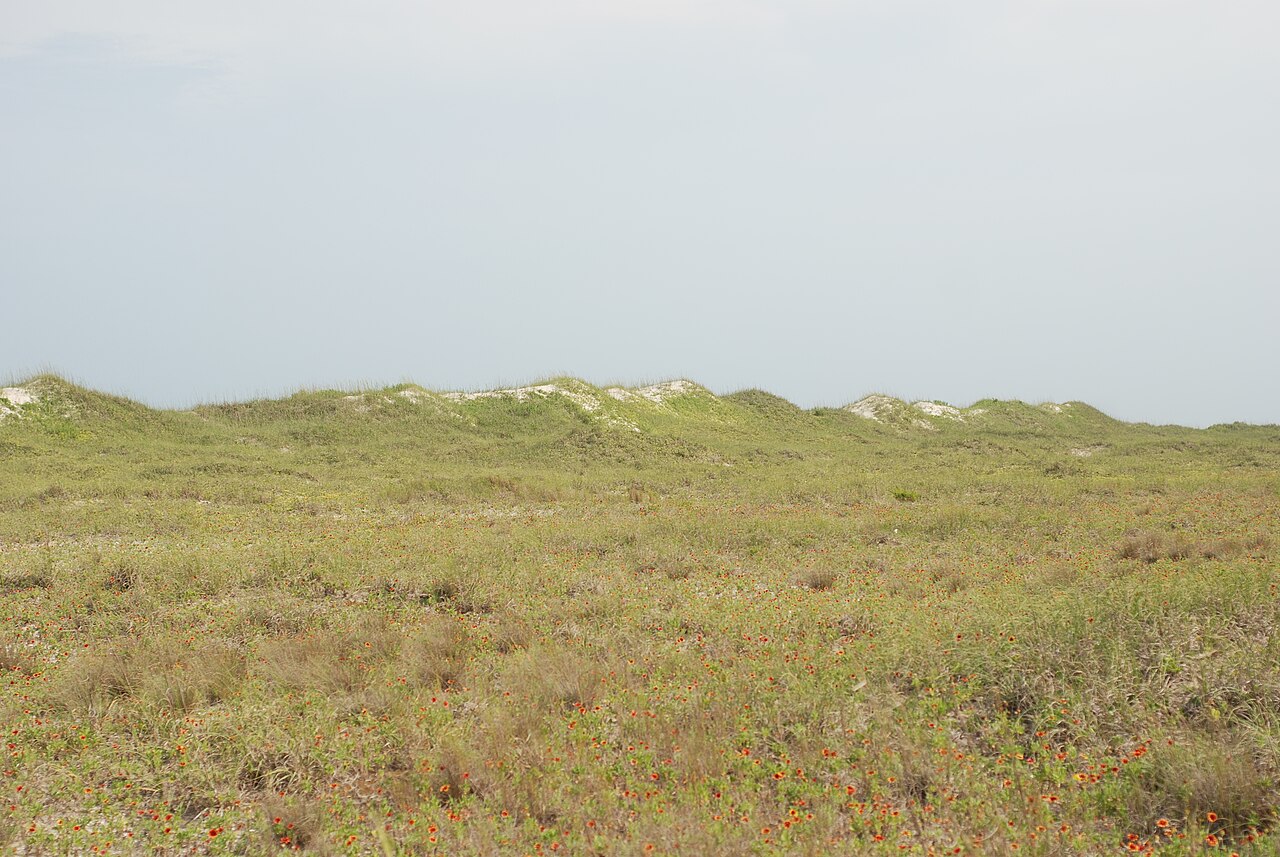
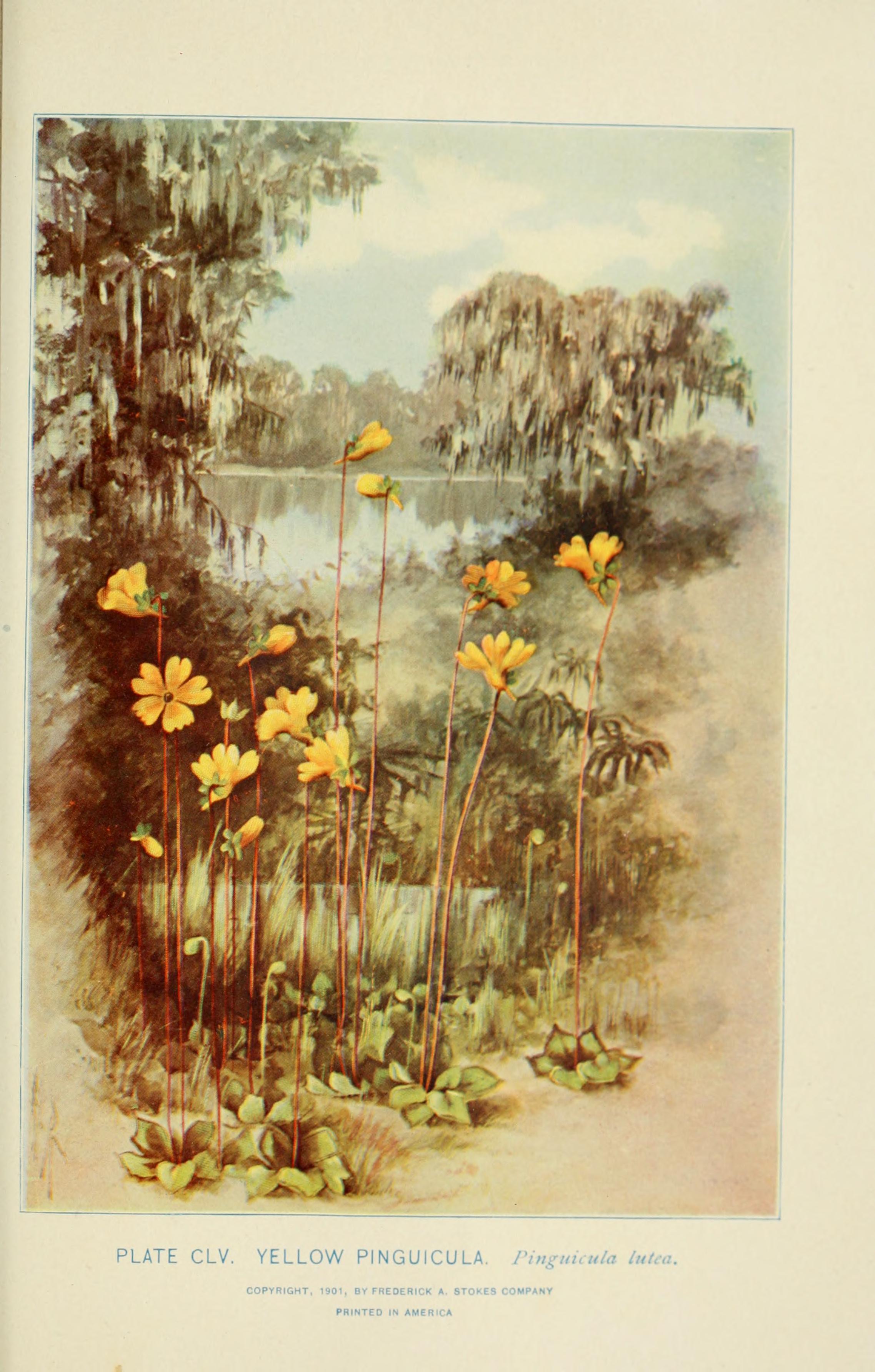
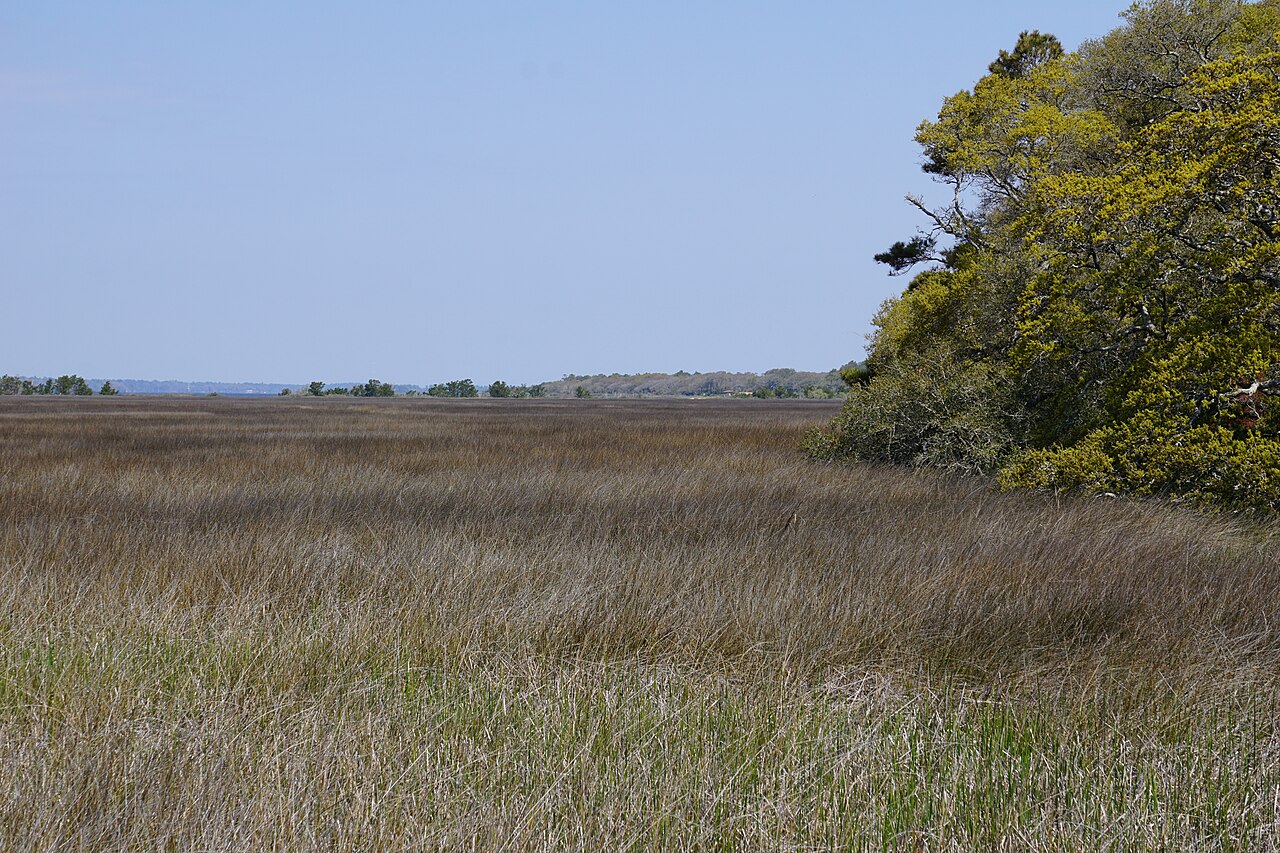
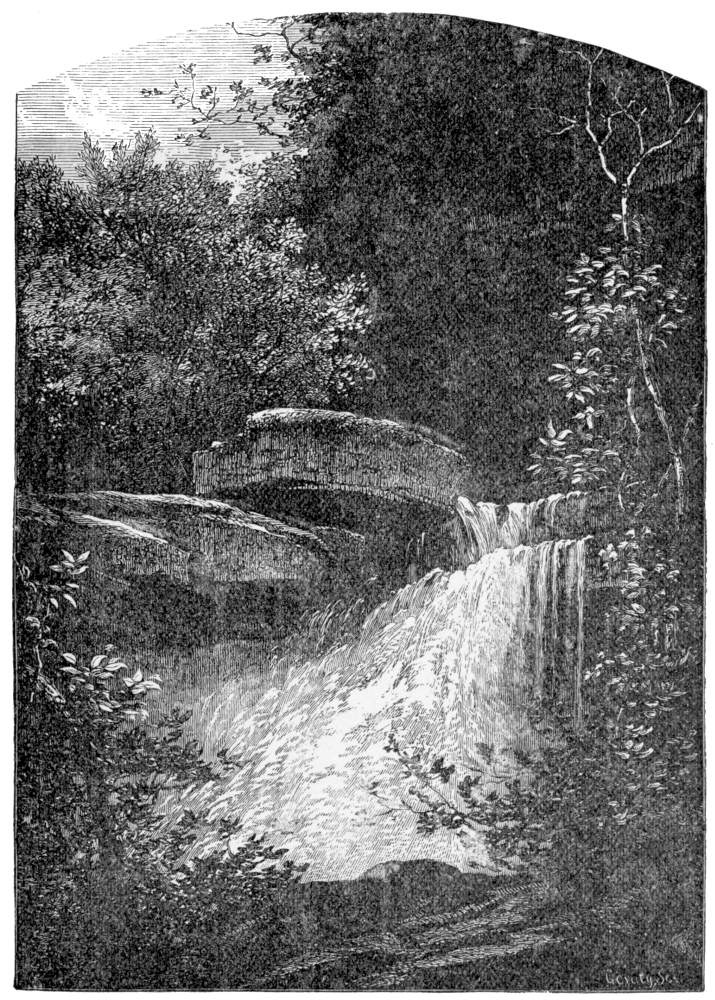
Streams, rivers and their banks
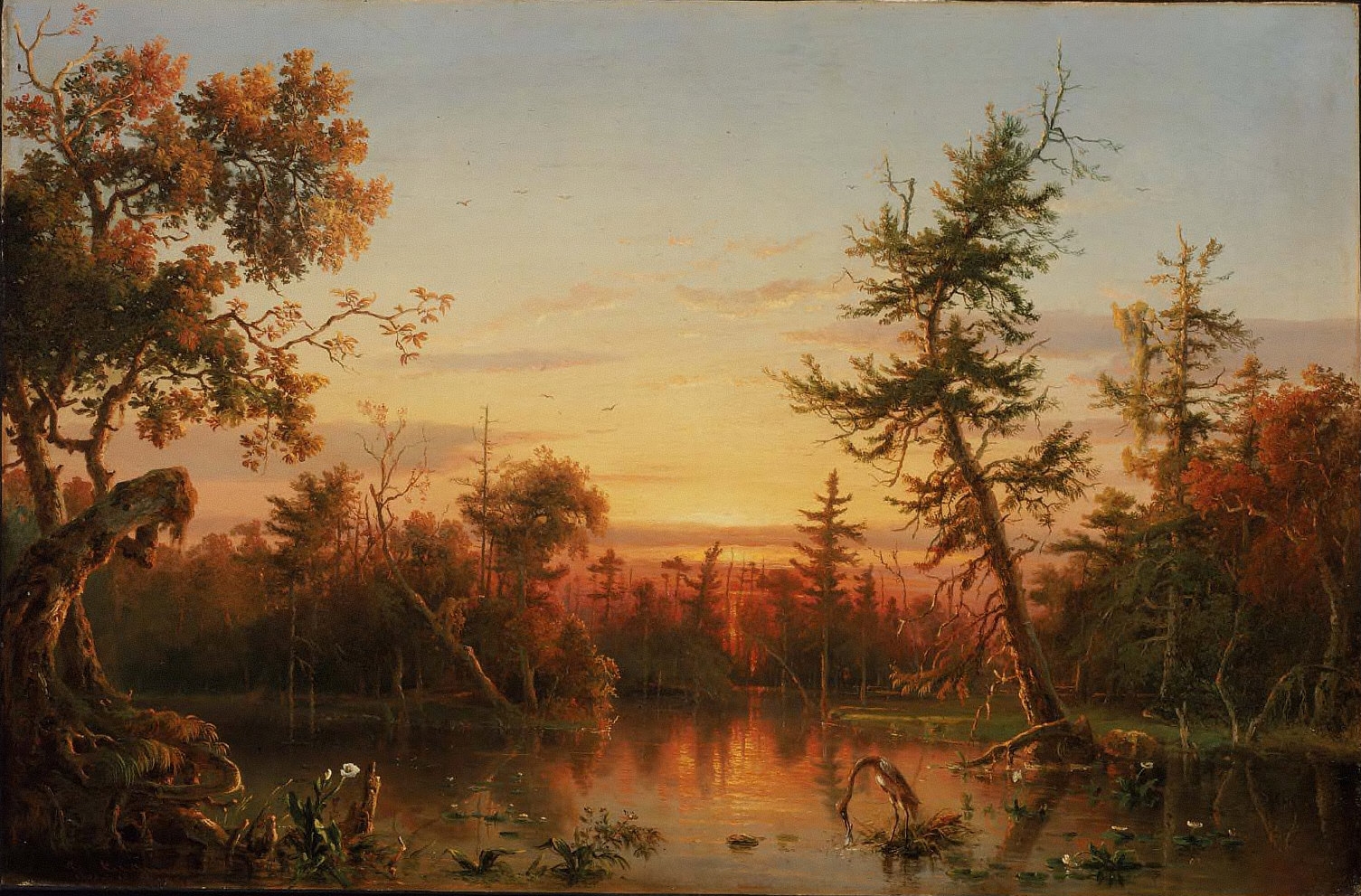
Disturbed and introduced wetlands
Wet ground taken over by weedy or introduced plants after disturbance, such as common reed, Chinese tallow or tamarisk stands; the upland counterpart is roadsides, fields and disturbed ground.
Floodplain and bottomland forests
Forests on low ground beside rivers and streams that flood from time to time.
Marshes along tidal rivers where the water is fresh but rises and falls with the tide.
Wet, open, peaty mountain wetlands fed by seepage, often with sphagnum moss.
Salt and brackish open water of sounds, bays and estuaries, with the mud and sand flats and seagrass beds that tides cover and uncover; the vegetated marsh is salt and brackish marshes.
Other habitats in its models (44)
Land cover, or classes with no habitat page in Virginia.
- Unconsolidated Shore (Lake/River/Pond) Winter.
- Unconsolidated Shore Winter.
- East-Central Texas Plains Floodplain Forest Winter.
- Atlantic Coastal Plain Xeric River Dune Winter.
- Atlantic Coastal Plain Central Salt and Brackish Tidal Marsh Winter.
- Atlantic Coastal Plain Indian River Lagoon Tidal Marsh Winter.
- Mississippi Sound Salt and Brackish Tidal Marsh Winter.
- Florida Big Bend Salt-Brackish Tidal Marsh Winter.
- Southern Coastal Plain Nonriverine Basin Swamp - Okefenokee Bay/Gum Modifier Winter.
- Southern Coastal Plain Seepage Swamp and Baygall Winter.
- West Gulf Coastal Plain Seepage Swamp and Baygall Winter.
- East Gulf Coastal Plain Tidal Wooded Swamp Winter.
- South Florida Everglades Sawgrass Marsh Winter.
- Central Interior and Appalachian Shrub-Herbaceous Wetland Systems Winter.
- Florida Big Bend Fresh-Oligohaline Tidal Marsh Winter.
- South Florida Mangrove Swamp Winter.
- West Gulf Coastal Plain Near-Coast Large River Swamp Winter.
- South Florida Bayhead Swamp Winter.
- Southern Coastal Plain Nonriverine Basin Swamp Winter.
- Southern Coastal Plain Herbaceous Seepage Bog Winter.
- Atlantic Coastal Plain Central Fresh-Oligohaline Tidal Marsh Winter.
- South Florida Wet Marl Prairie Winter.
- East Gulf Coastal Plain Savanna and Wet Prairie Winter.
- Lower Mississippi River Bottomland Depressions - Forest Modifier Winter.
- South Florida Cypress Dome Winter.
- Southern Coastal Plain Nonriverine Cypress Dome Winter.
- Central Florida Herbaceous Pondshore Winter.
- Mississippi River Bottomland Depression Winter.
- South Florida Freshwater Slough and Gator Hole Winter.
- East Gulf Coastal Plain Large River Floodplain Forest - Forest Modifier Winter.
- South-Central Interior Large Floodplain - Herbaceous Modifier Winter.
- Mississippi River Low Floodplain (Bottomland) Forest Winter.
- Southern Coastal Plain Hydric Hammock Winter.
- West Gulf Coastal Plain Large River Floodplain Forest Winter.
- Atlantic Coastal Plain Small Blackwater River Floodplain Forest Winter.
- Red River Large Floodplain Forest Winter.
- Southern Coastal Plain Blackwater River Floodplain Forest Winter.
- Texas-Louisiana Coastal Prairie Slough Winter.
- South Florida Pine Flatwoods Winter, only within 120 m of water.
- South-Central Interior / Upper Coastal Plain Wet Flatwoods Winter.
- West Gulf Coastal Plain Pine-Hardwood Flatwoods Winter, only within 120 m of water.
- North-Central Interior Wet Flatwoods Winter.
- Lower Mississippi River Flatwoods Winter, only within 120 m of water.
- West Gulf Coastal Plain Nonriverine Wet Hardwood Flatwoods Winter.
Seasons in Virginia
- Migratory: does not nest here, in 1 of 133 counties and cities.
- Winter: does not nest here, in 120 of 133 counties and cities.
Also found in this habitat
Plants 672
Plants named in NatureServe descriptions of these habitats that grow in Virginia. Shared habitat, not food.
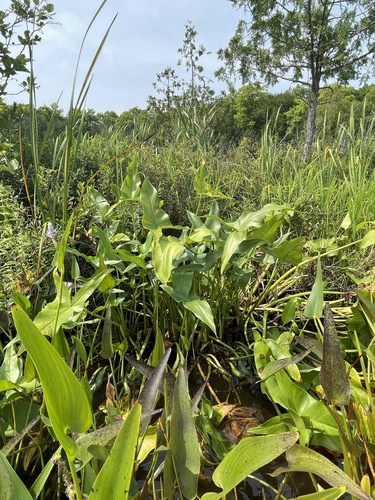
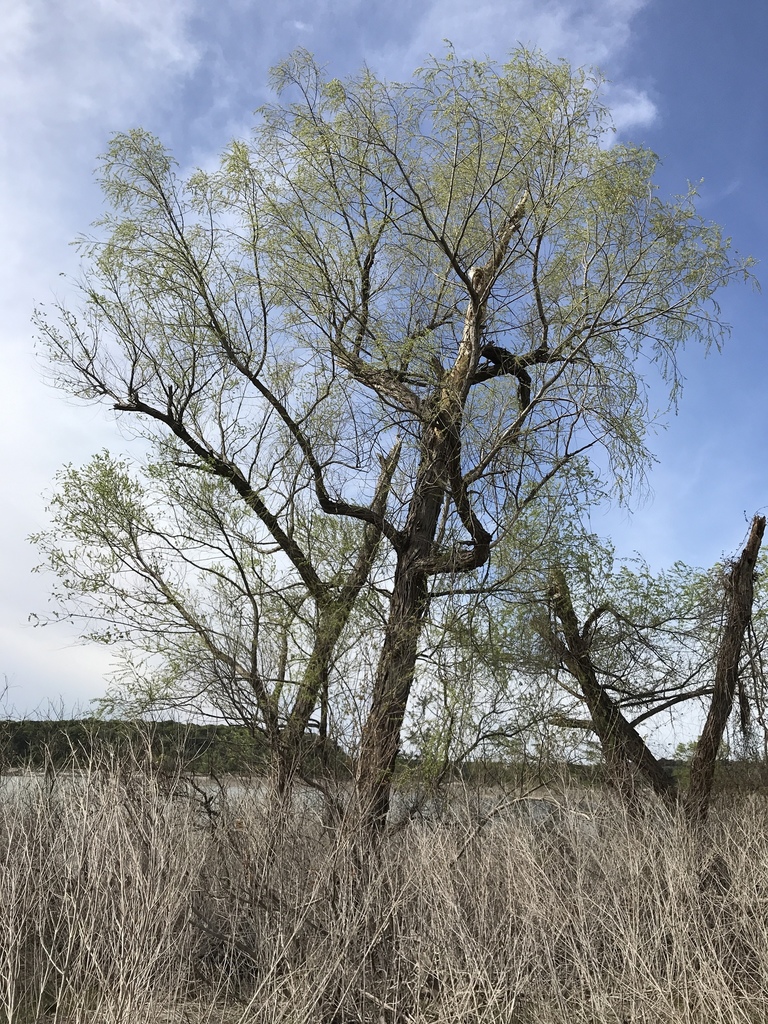
- Green Arrow-arumPeltandra virginica
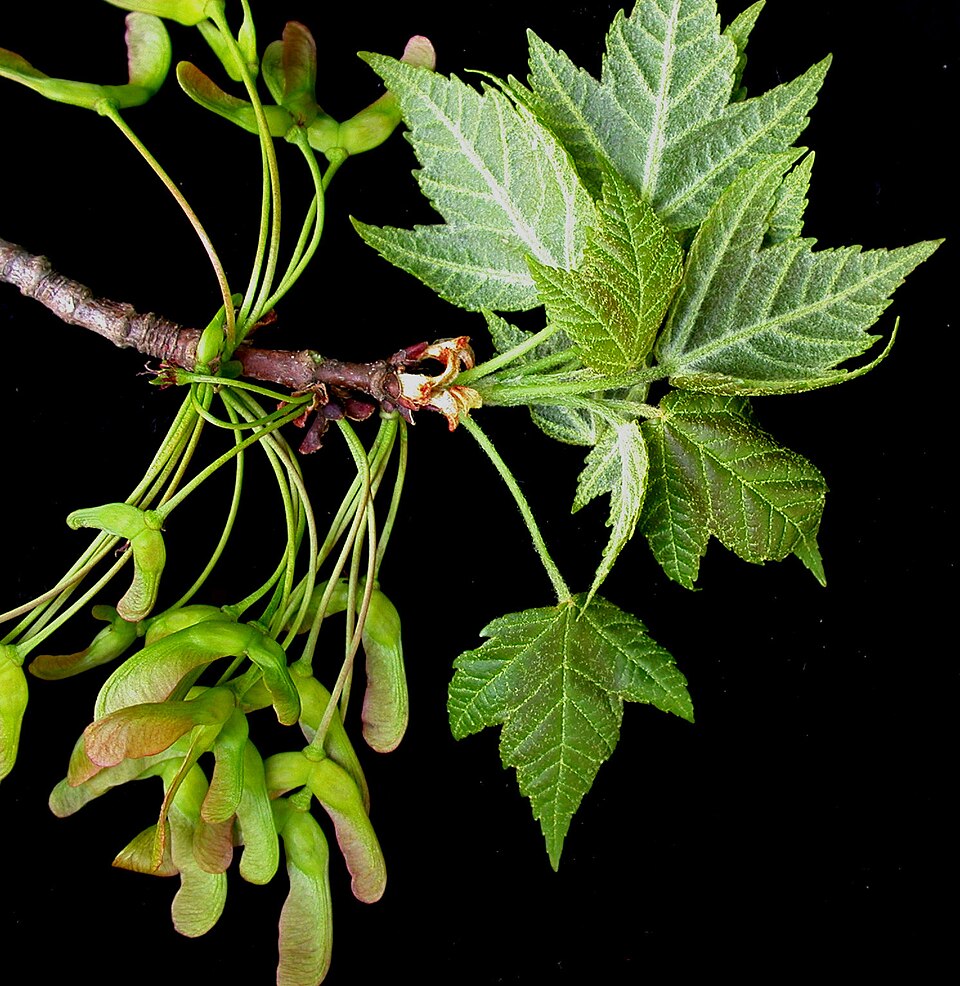
- Red MapleAcer rubrum
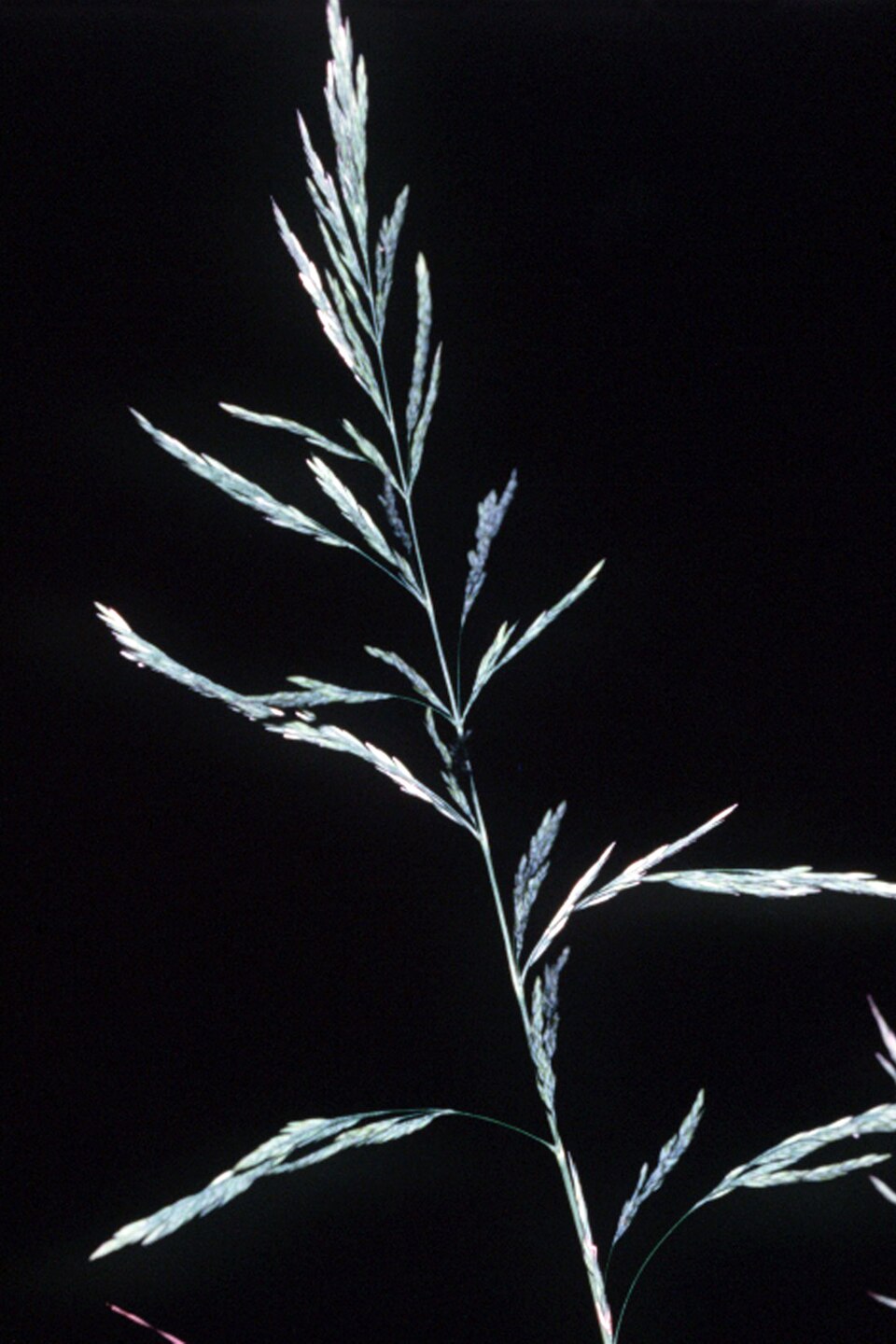
- Sweet WoodreedCinna arundinacea
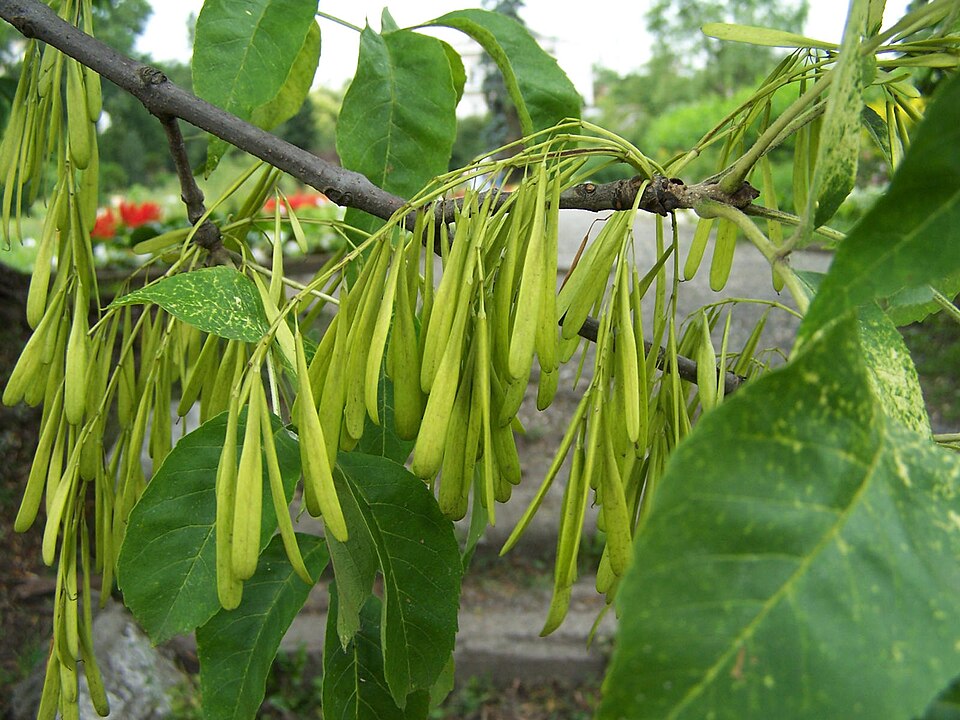
- Green AshFraxinus pennsylvanica
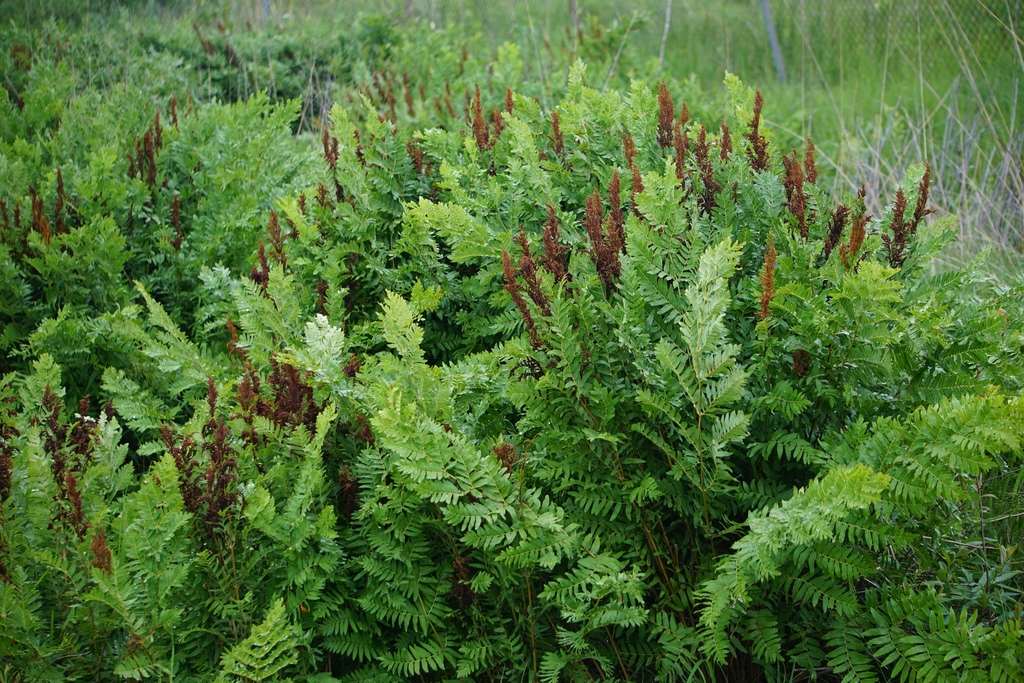
- Royal FernOsmunda spectabilis
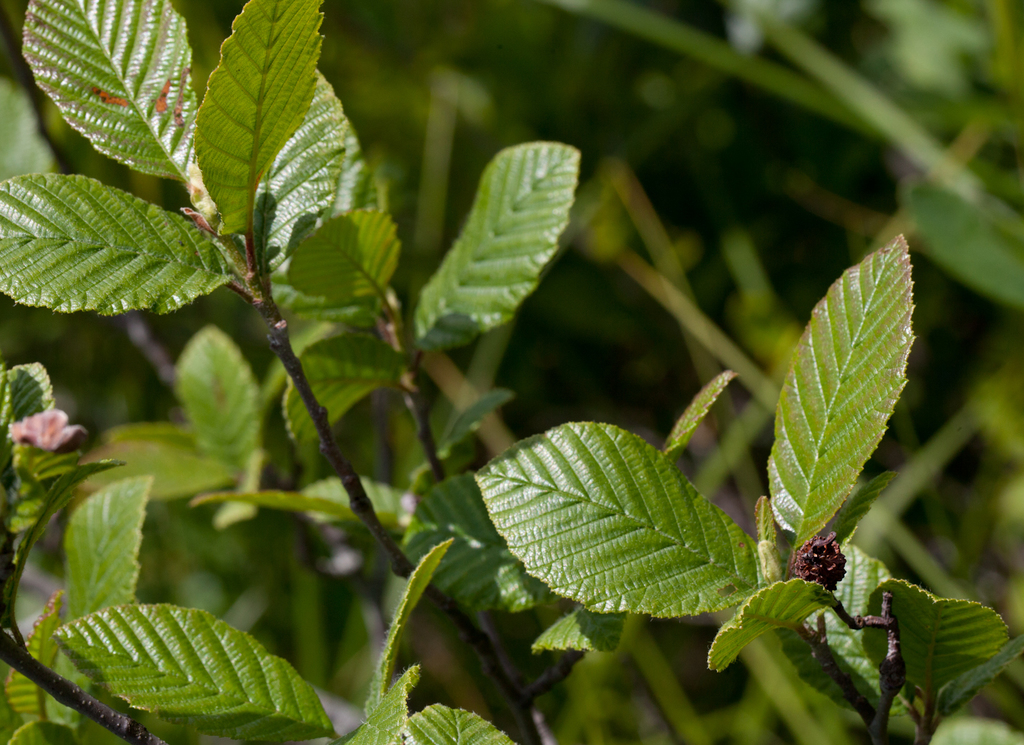
- Hazel AlderAlnus serrulata
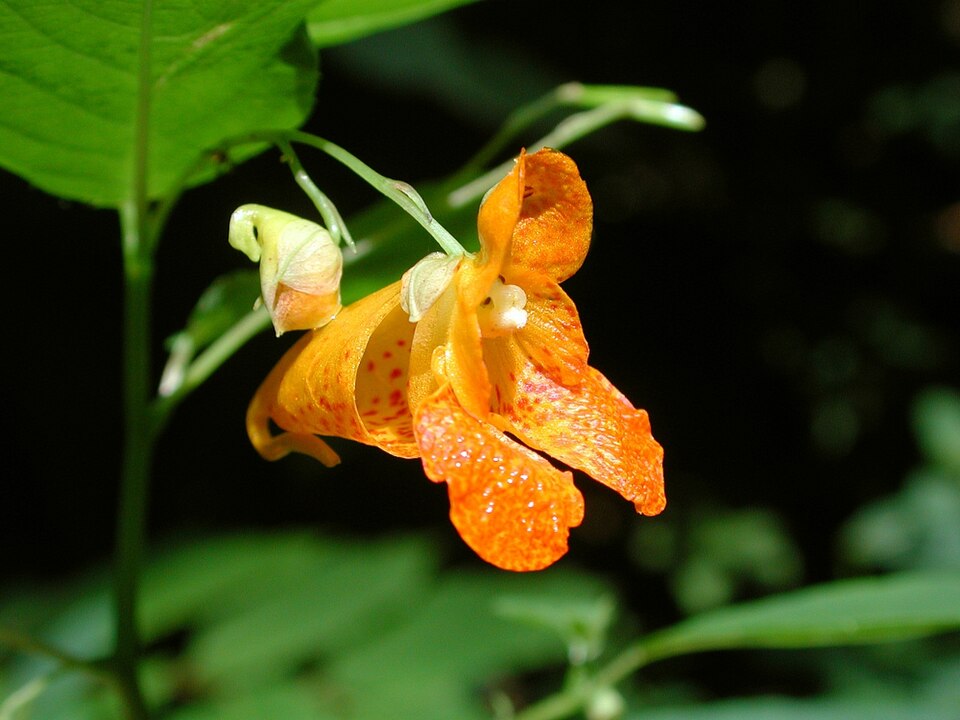
- Spotted JewelweedImpatiens capensis
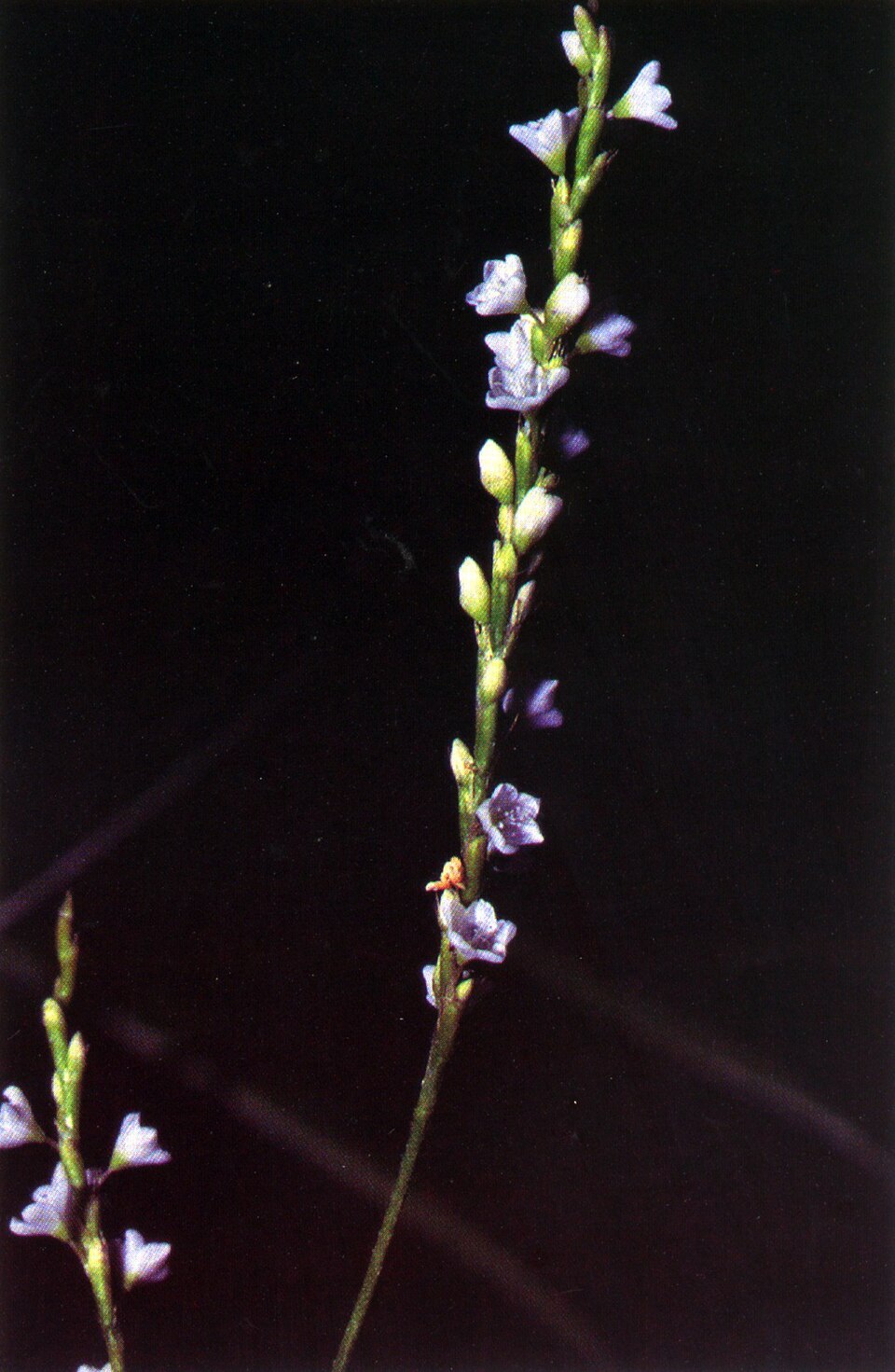
- Dotted SmartweedPersicaria punctata
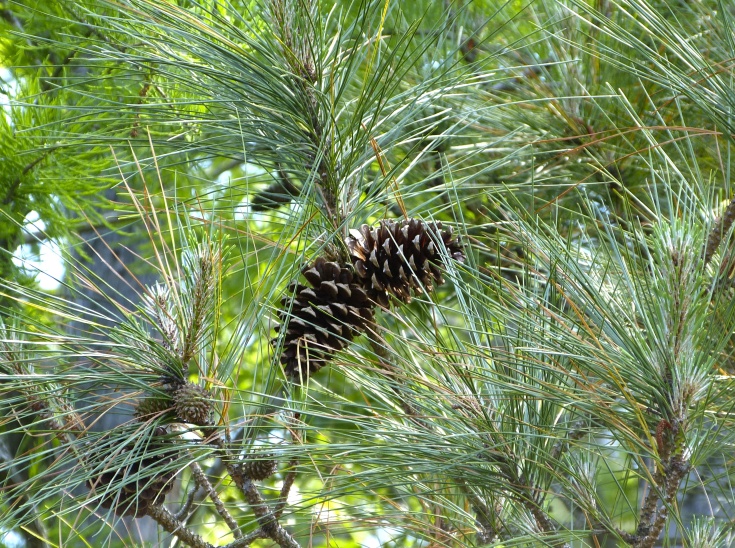
- Loblolly PinePinus taeda
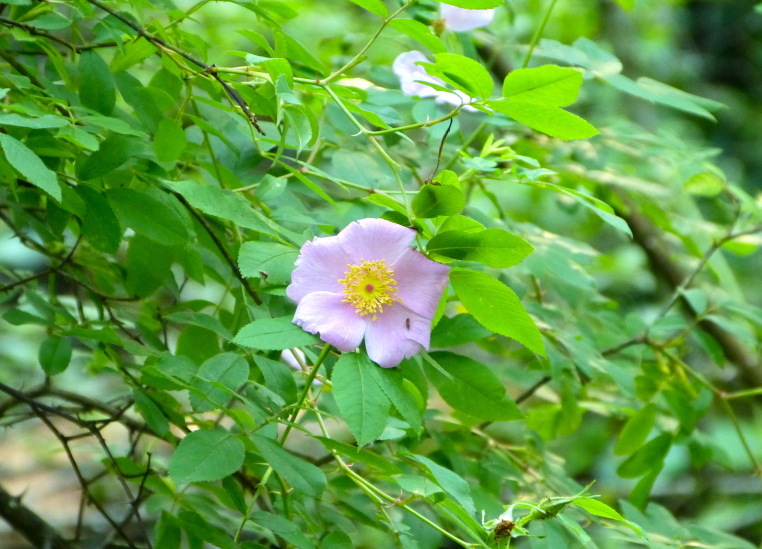
- Swamp RoseRosa palustris
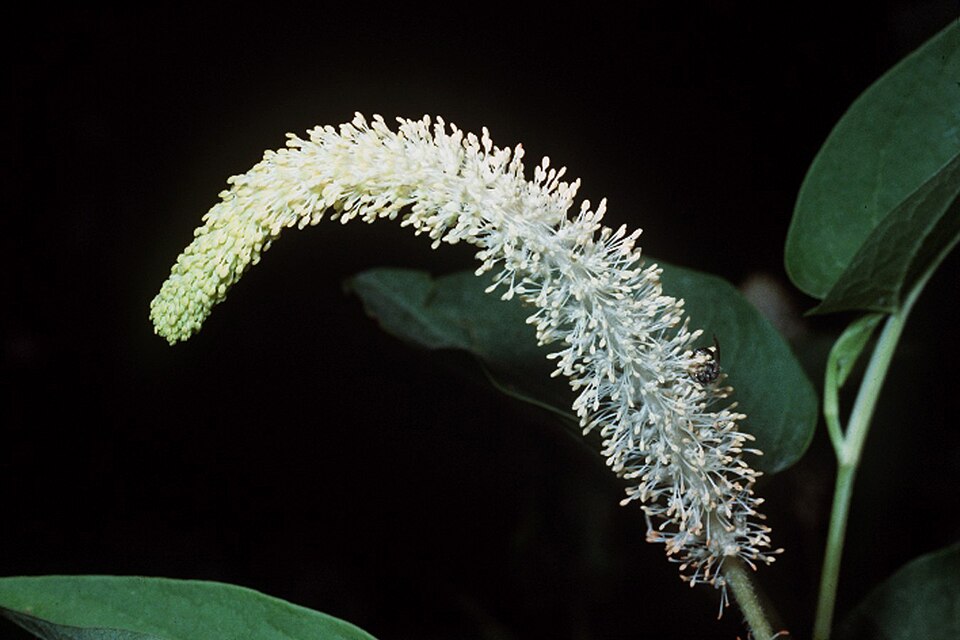
- Lizard's-tailSaururus cernuus
- Rice CutgrassLeersia oryzoides
- SweetgumLiquidambar styraciflua
- Common WaxmyrtleMorella cerifera
- Swamp TupeloNyssa biflora
- SwitchgrassPanicum virgatum
- Black WillowSalix nigra
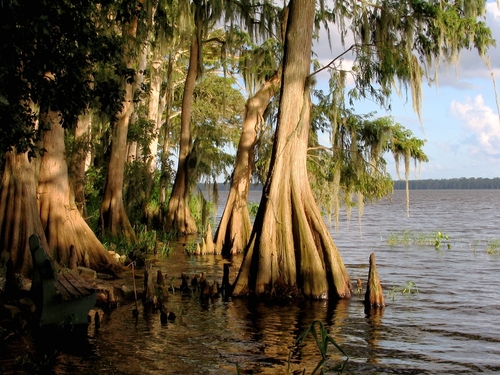
- Bald CypressTaxodium distichum
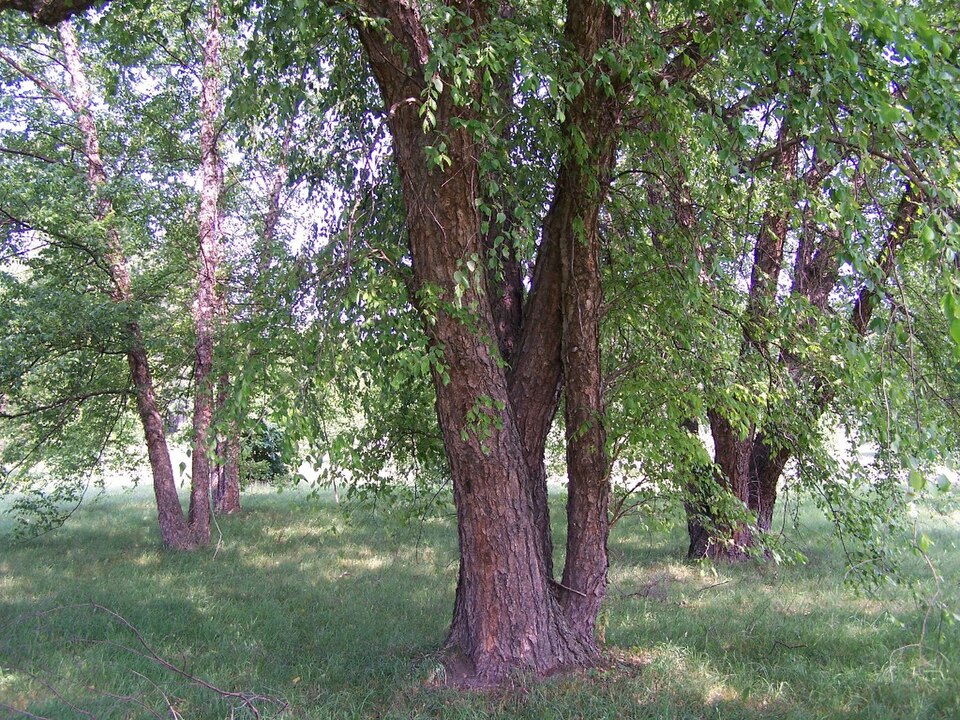
- River BirchBetula nigra
- False NettleBoehmeria cylindrica
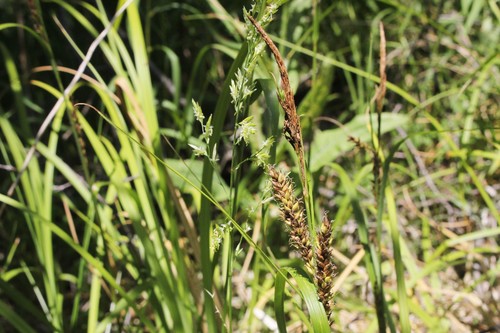
- Shoreline SedgeCarex hyalinolepis
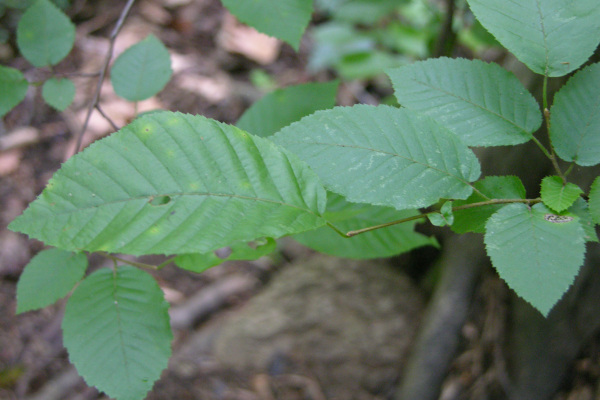
- American HornbeamCarpinus caroliniana
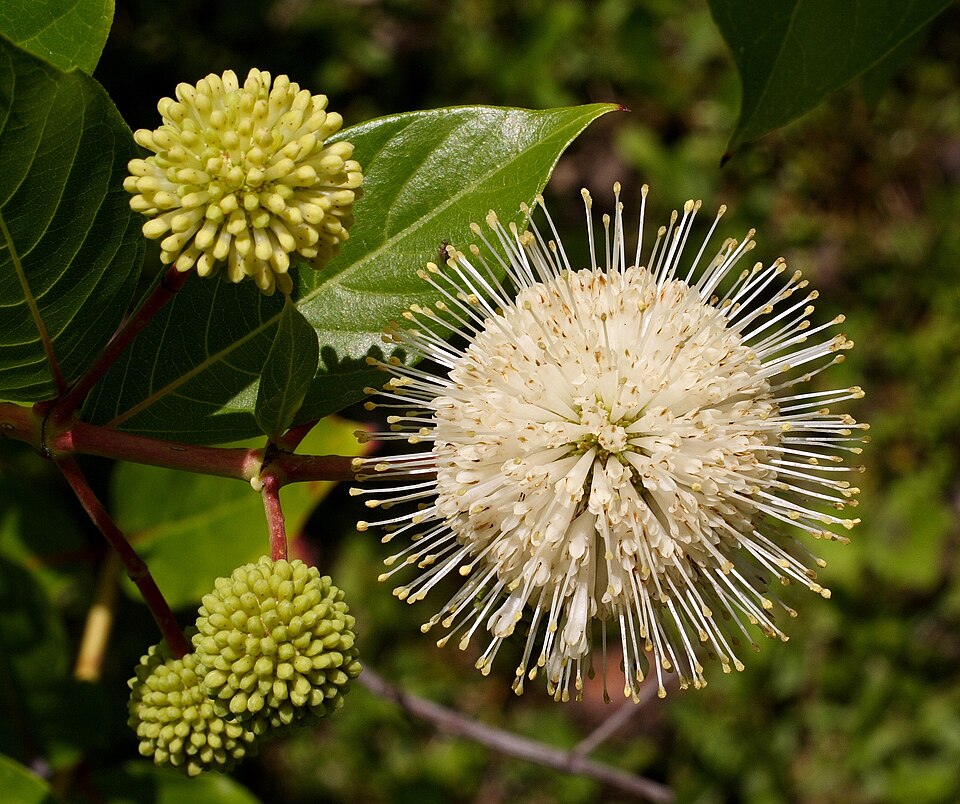
- ButtonbushCephalanthus occidentalis
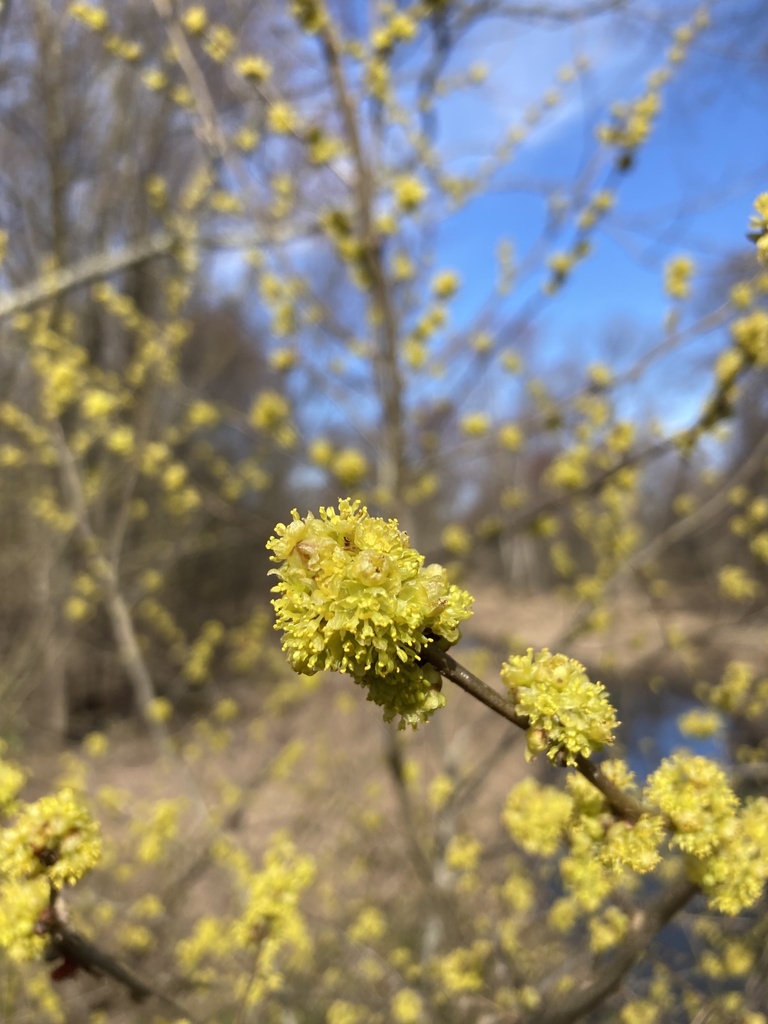
- Northern SpicebushLindera benzoin
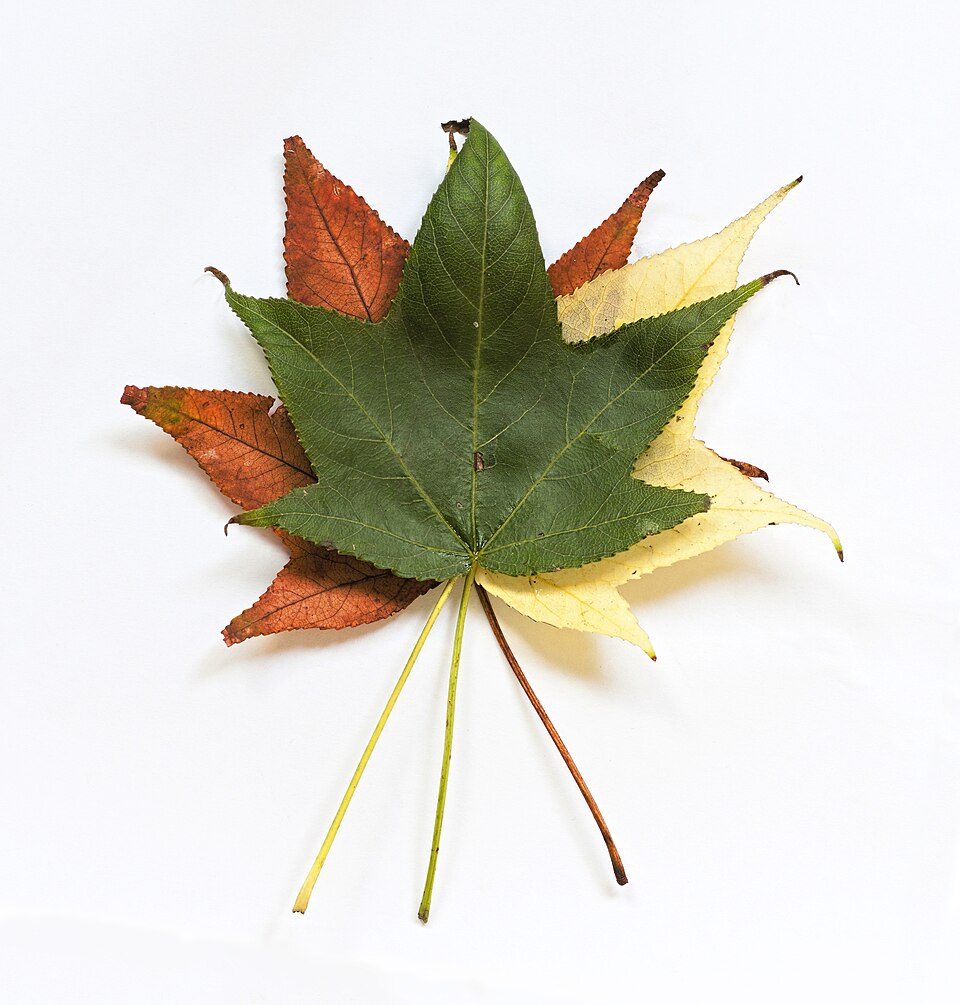
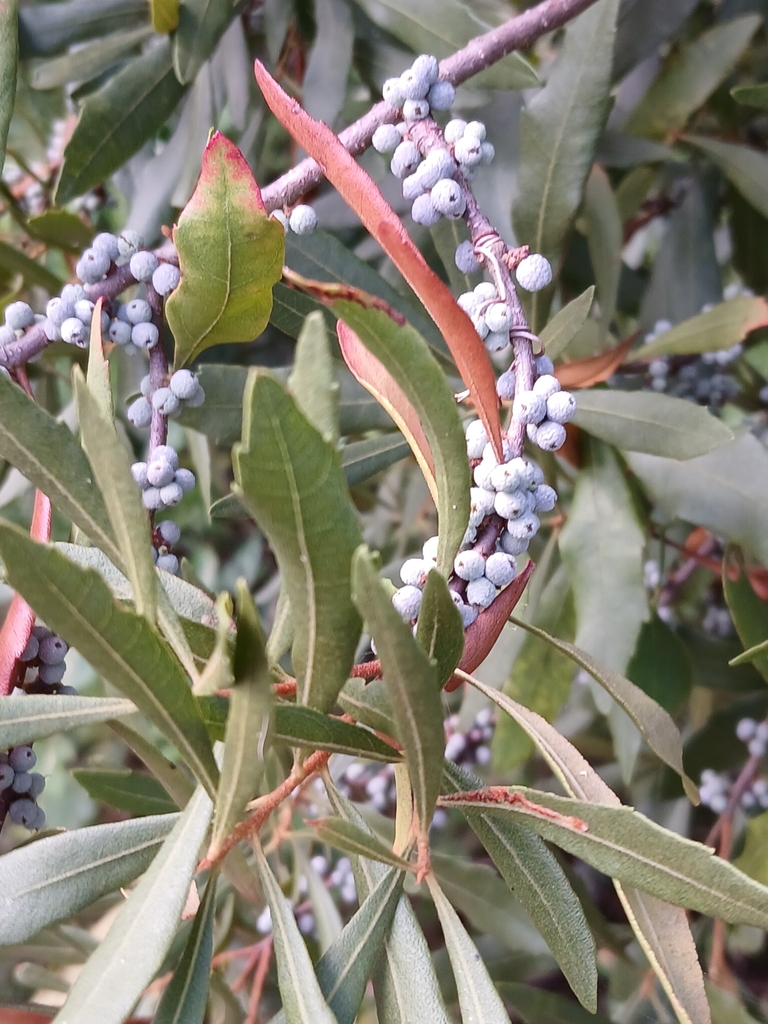
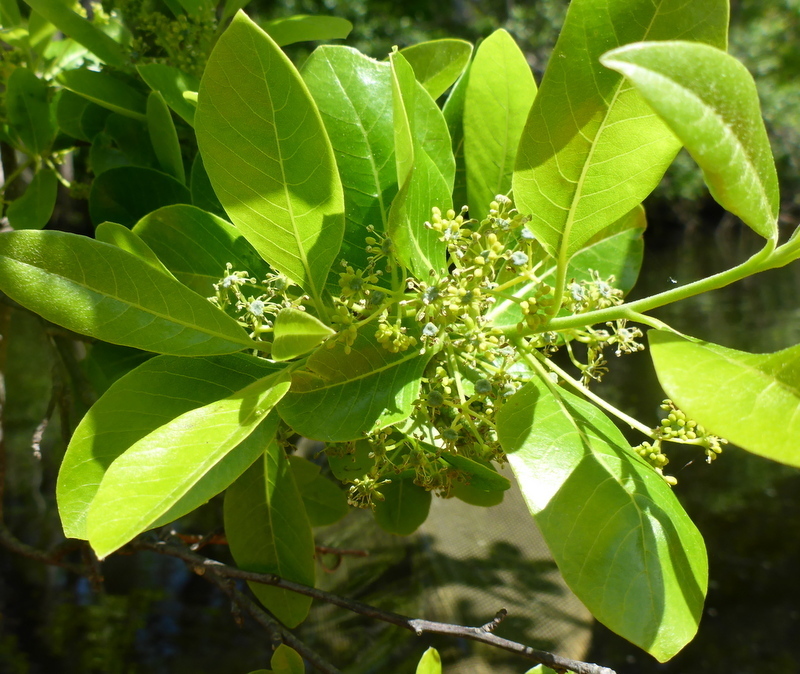
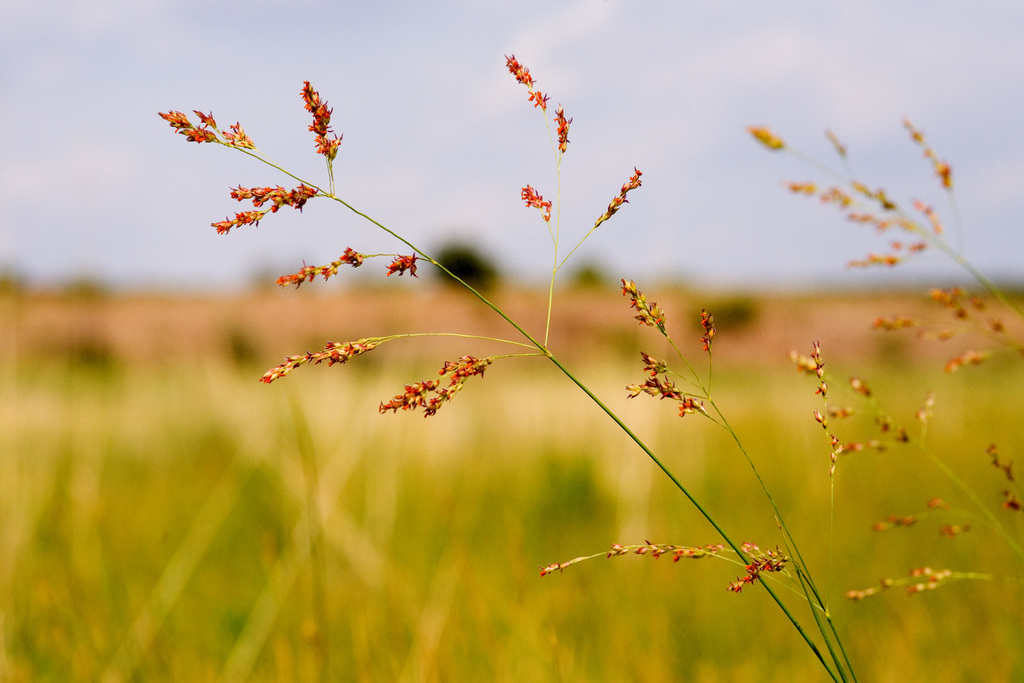
Wildlife 249
Other animals whose habitat models include the same habitats in Virginia. Not sighting records.
- Prothonotary WarblerProtonotaria citrea
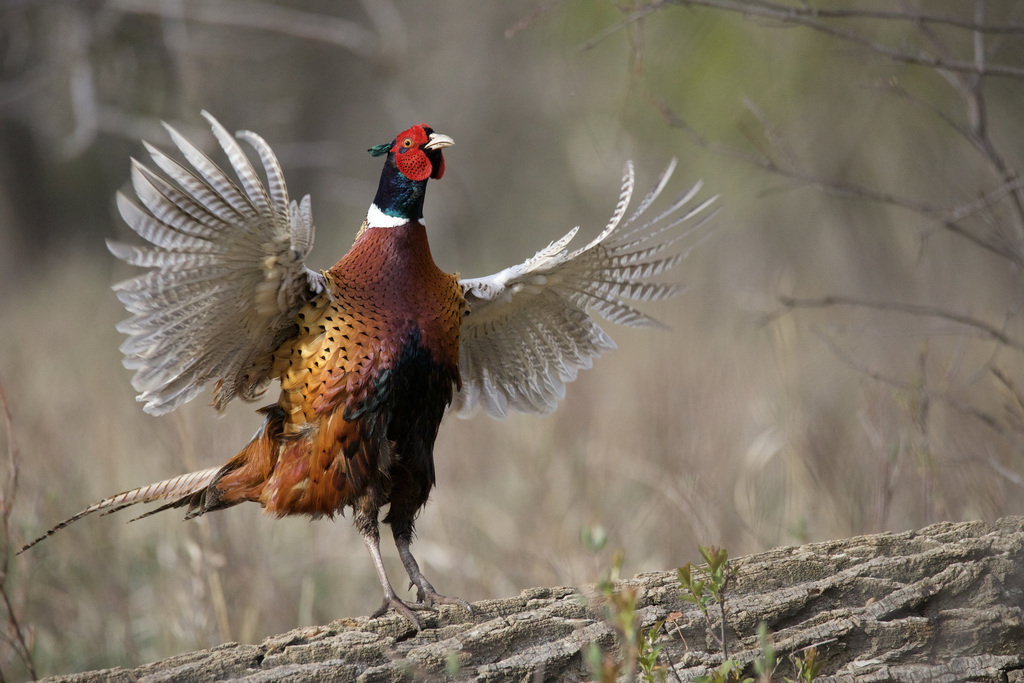
- Ring-necked PheasantPhasianus colchicus
- Rose-breasted GrosbeakPheucticus ludovicianus
- Ruby-throated HummingbirdArchilochus colubris
- Short-eared OwlAsio flammeus
- White-eyed VireoVireo griseus
- Yellow-billed CuckooCoccyzus americanus
- Acadian FlycatcherEmpidonax virescens
- American OystercatcherHaematopus palliatus
- American RedstartSetophaga ruticilla
- American Tree SparrowSpizella arborea
- Baltimore OrioleIcterus galbula
- Black SkimmerRynchops niger
- Black-and-White WarblerMniotilta varia
- Black-capped ChickadeePoecile atricapillus
- Blue JayCyanocitta cristata
- Blue-gray GnatcatcherPolioptila caerulea
- Blue-winged WarblerVermivora pinus
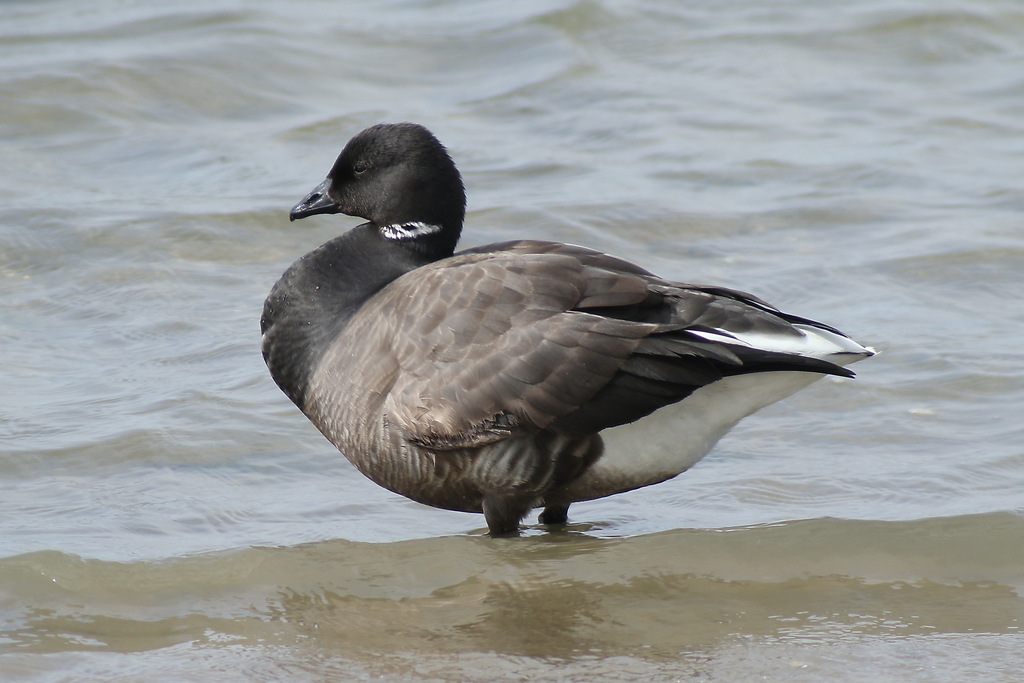
- BrantBranta bernicla
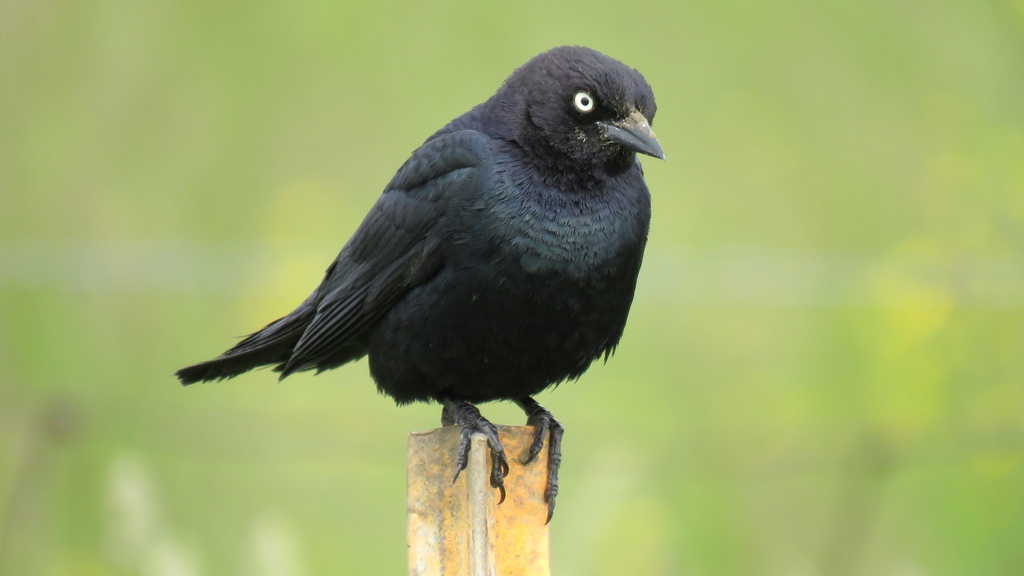
- Brewer's BlackbirdEuphagus cyanocephalus
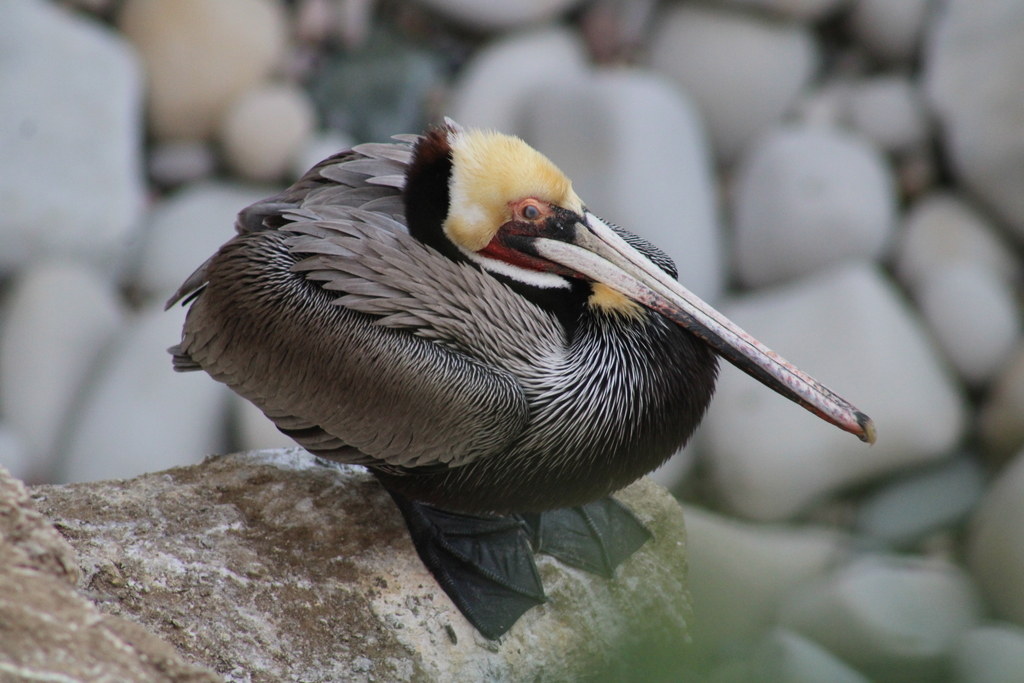
- Brown PelicanPelecanus occidentalis
- Dark-eyed JuncoJunco hyemalis
- Downy WoodpeckerPicoides pubescens
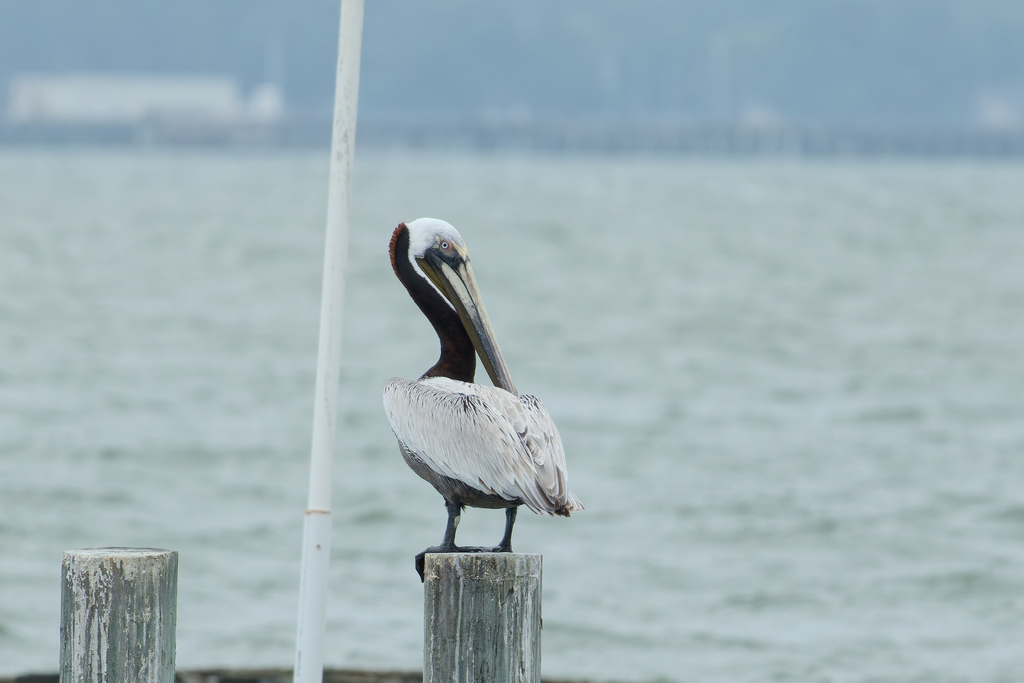
- Eastern Brown PelicanPelecanus occidentalis carolinensis

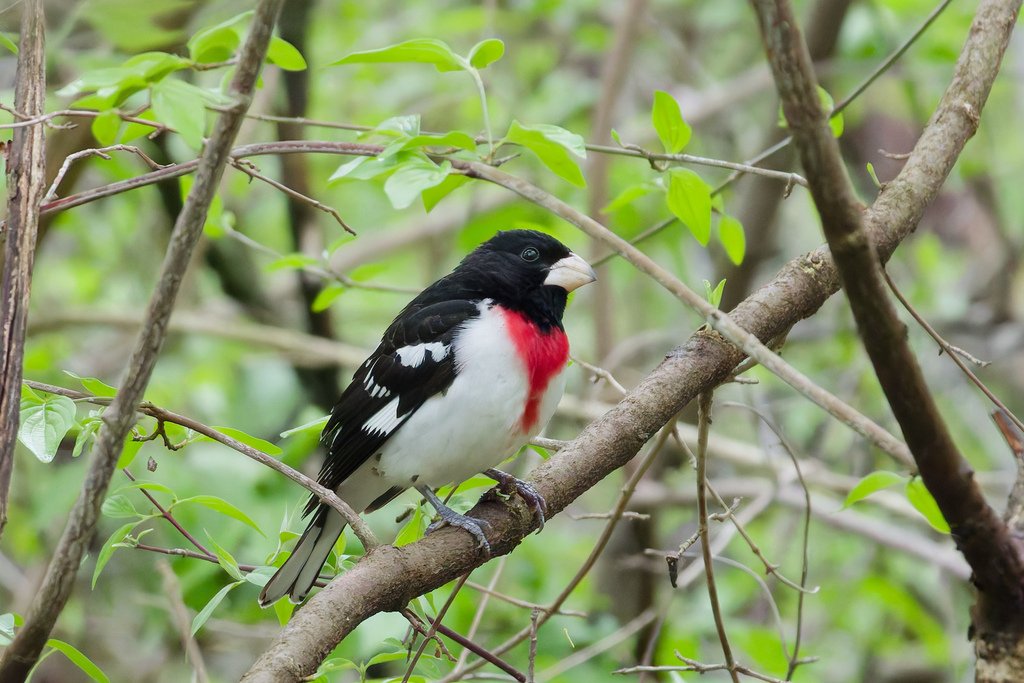

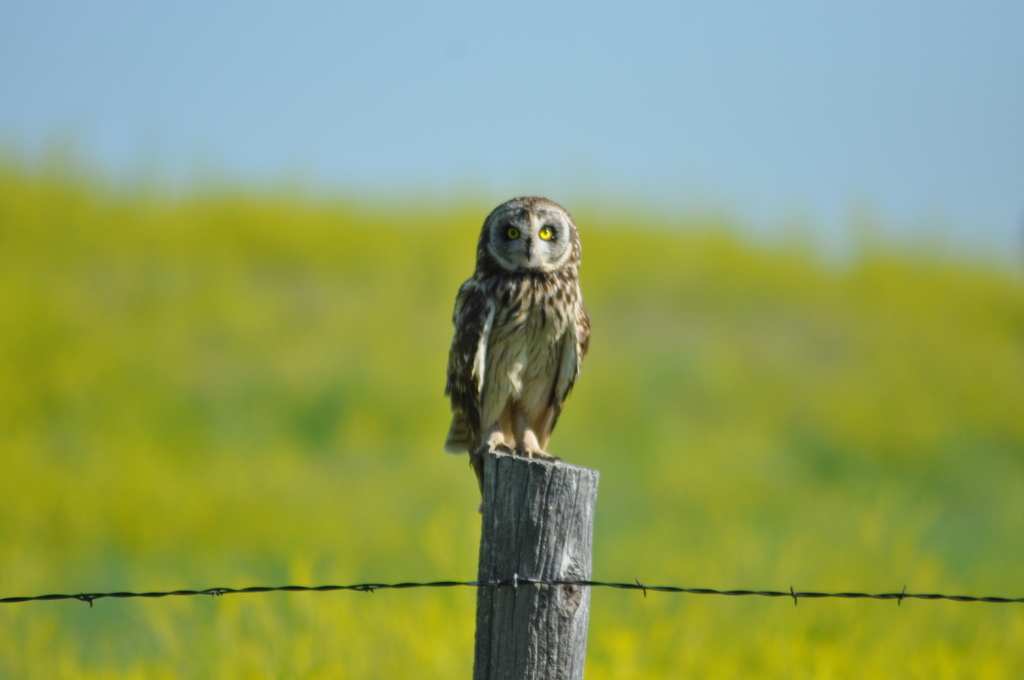
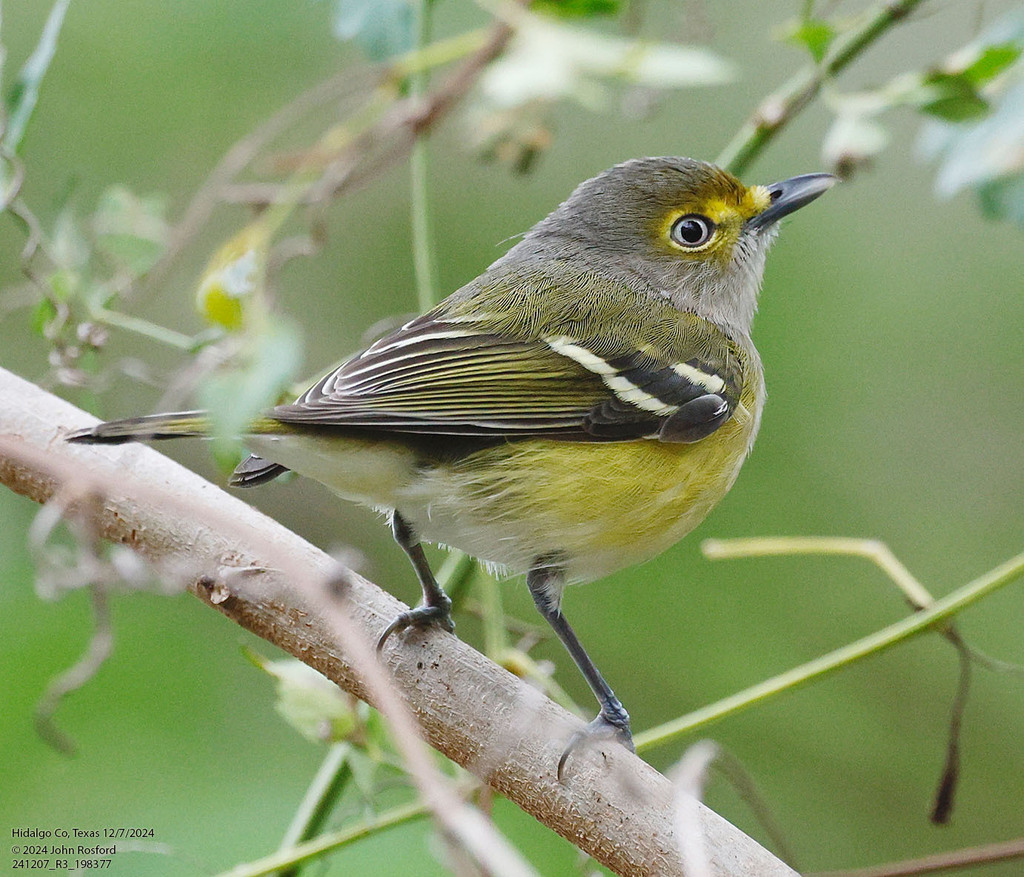
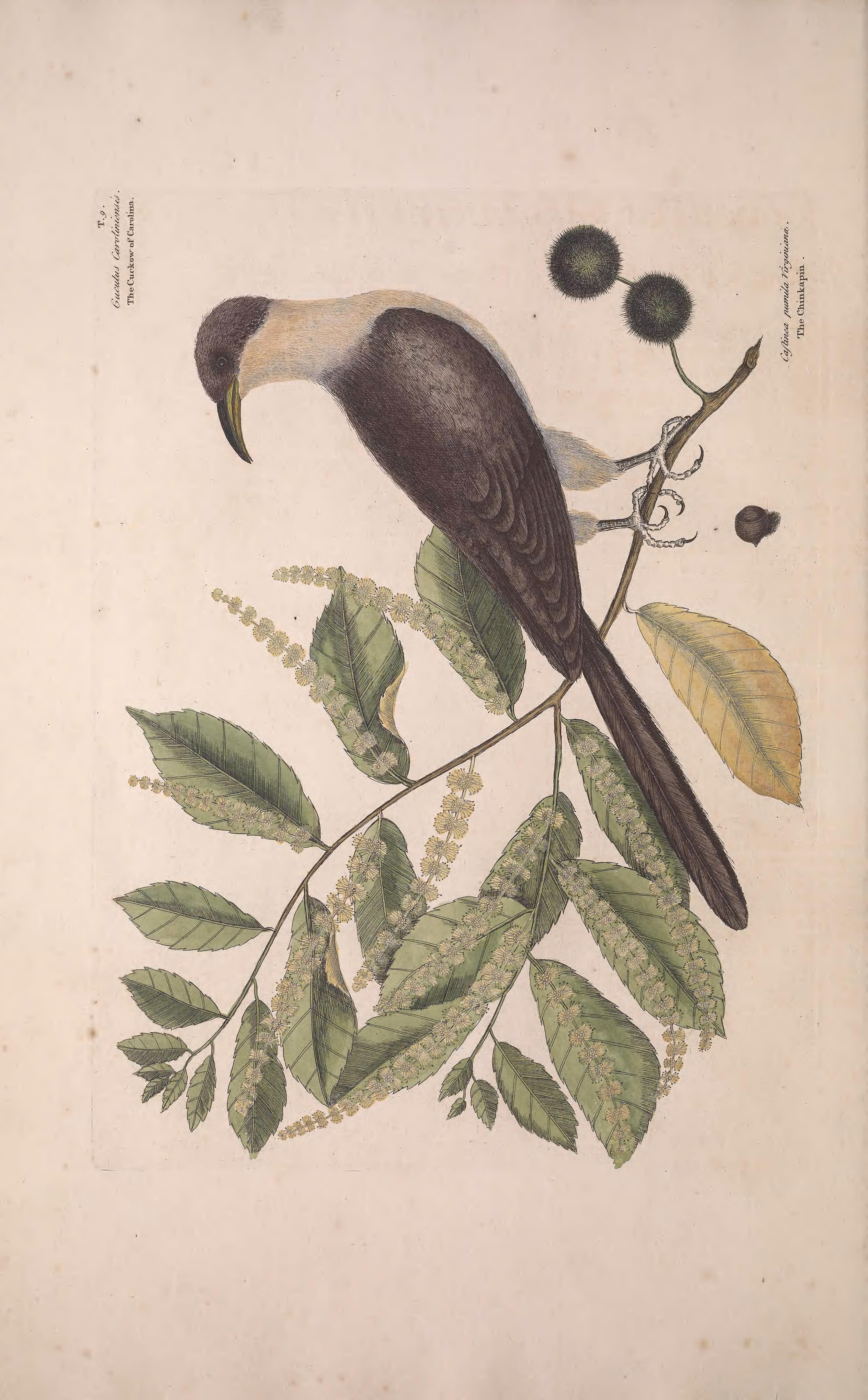

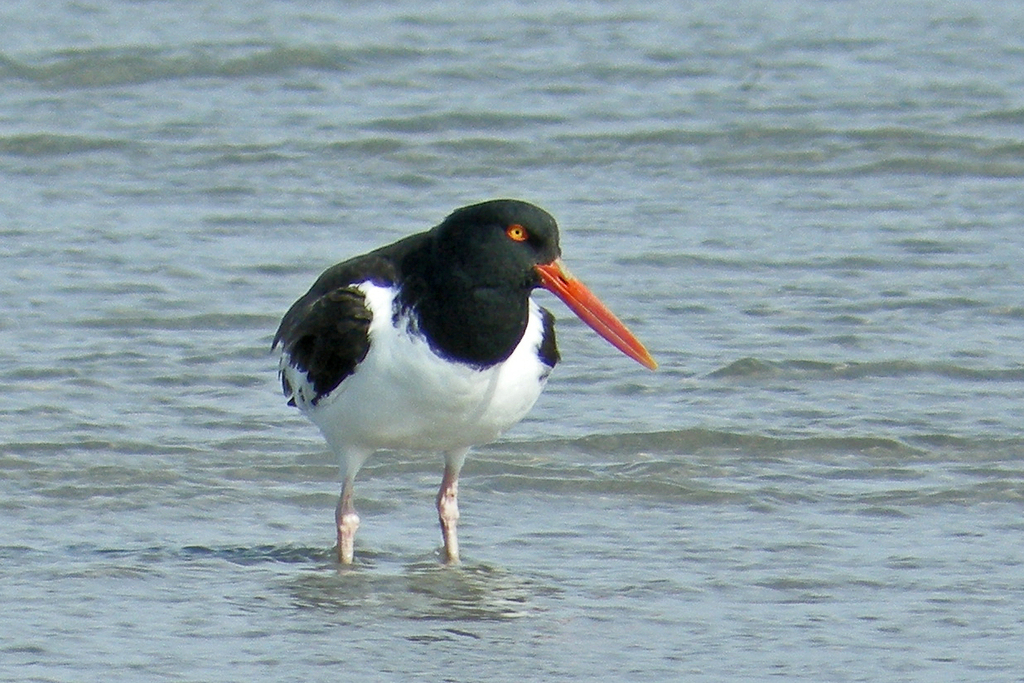

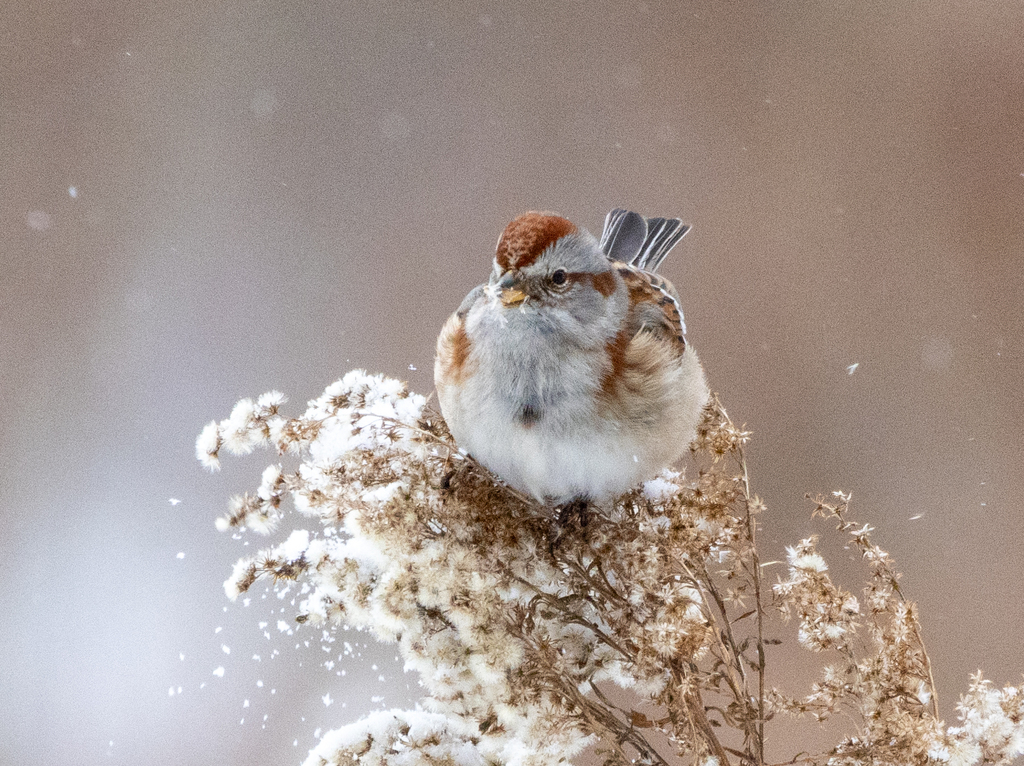

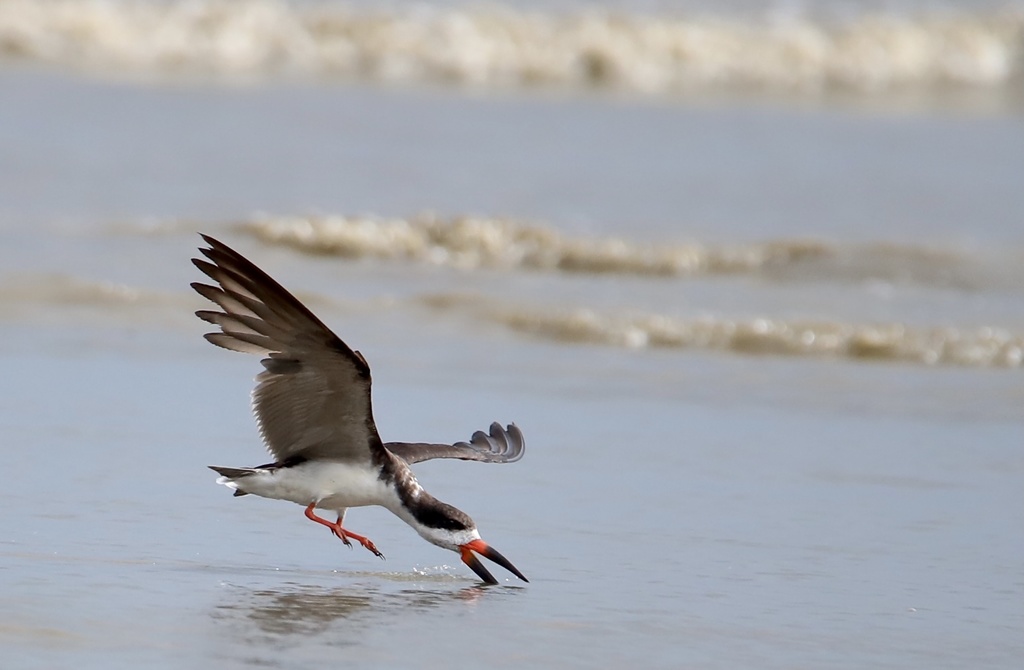

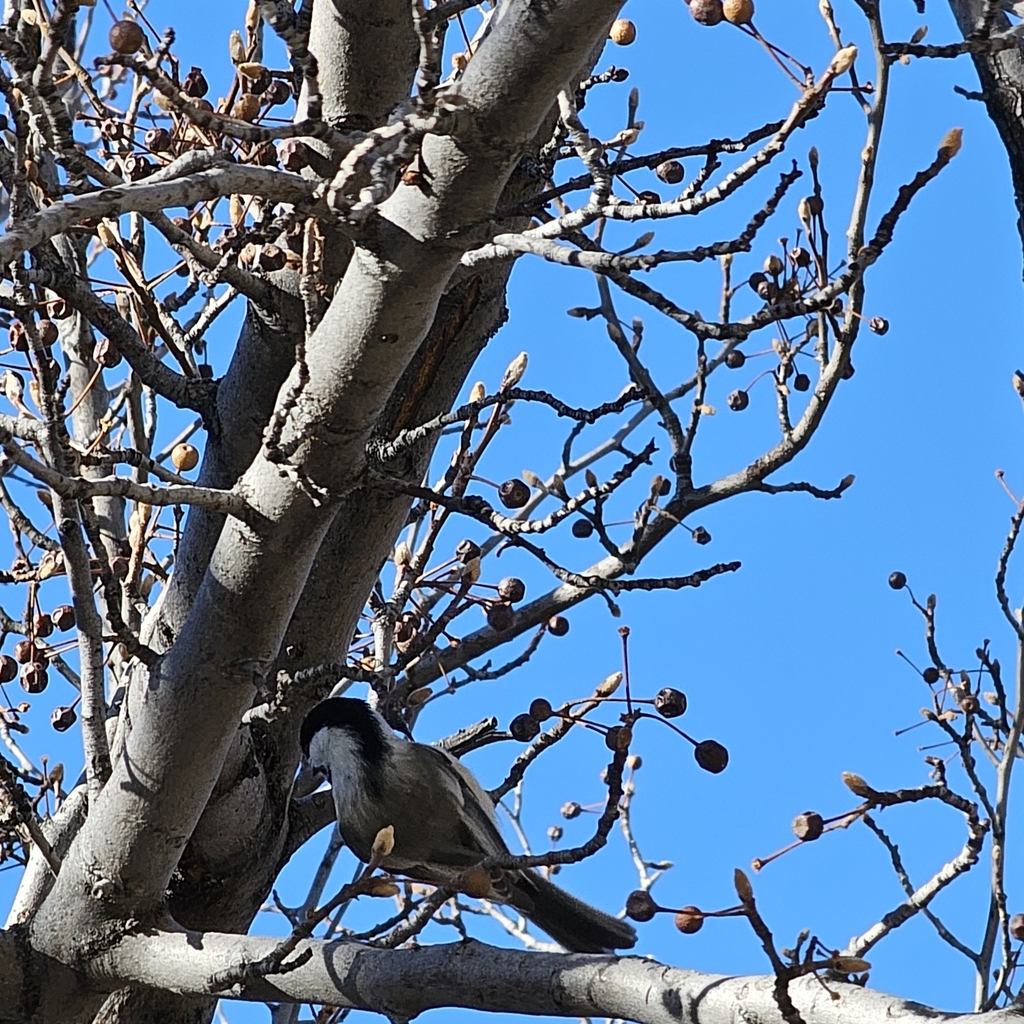







NatureServe Explorer, CC BY 4.0. USGS Gap Analysis Project habitat models.
Sources
- USGS Gap Analysis Project habitat models (2001)
- USGS GAP winter habitat model for Ring-necked Duck Slow streams only
- USGS Gap Analysis Project range maps (2001), modeled by watershed; migratory gives no dates
- NatureServe Explorer (CC BY 4.0), habitat names
- US Census TIGER/Line counties
- Names follow the USGS Gap Analysis Project (2001)