

Bird
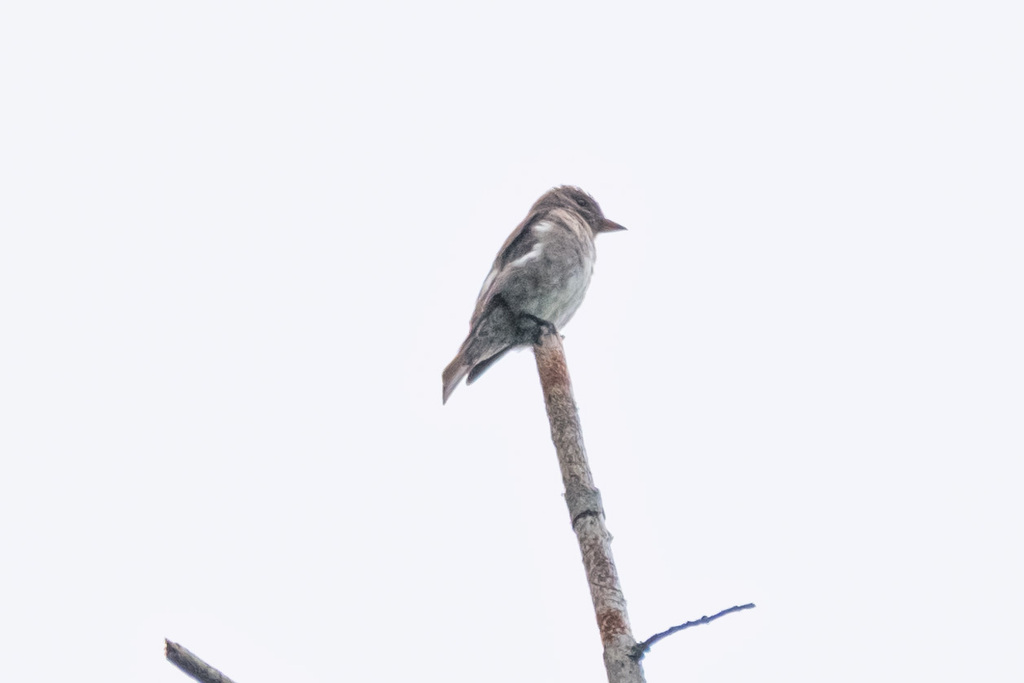
Olive-sided Flycatcher
Contopus cooperi
A summer resident that nests in Virginia. Found in 6 of 133 counties and cities, across 16 habitats.
- Here
- Summer
- Nesting
- Nests here
- Range
- 6 of 133 counties and cities
- Habitats
- 16
At a glance
- Group
- Birds
- Here
- Summer
- Nesting
- Nests here
- Range
- 6 of 133 counties and cities
- Habitats
- 16
- Habitat models
- Summer
Where it lives
The places its habitat model includes. It is not found everywhere a habitat occurs.
Habitats in Virginia 16
Each habitat page lists the plants and wildlife also found there.
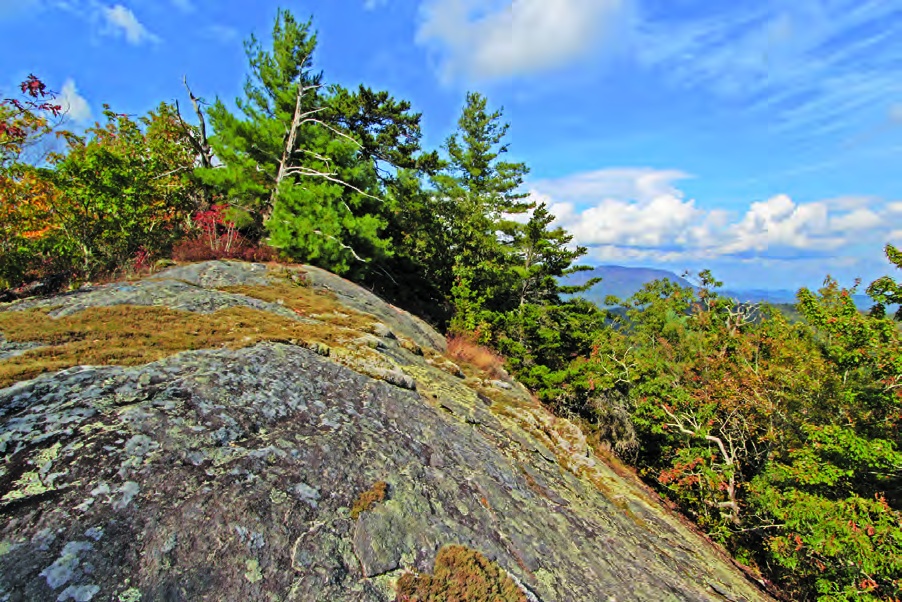
Cliffs, ledges and rocky summits
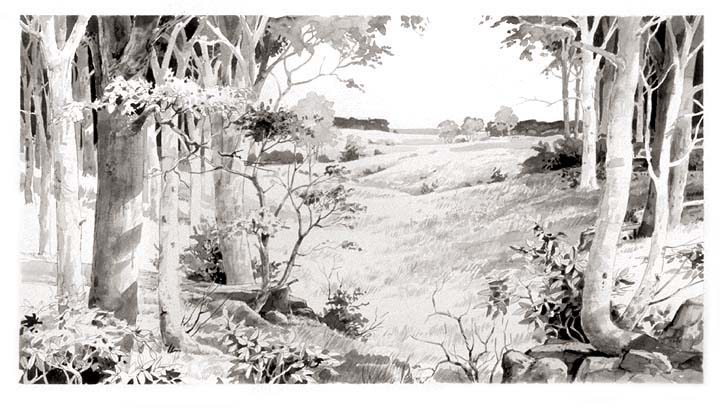
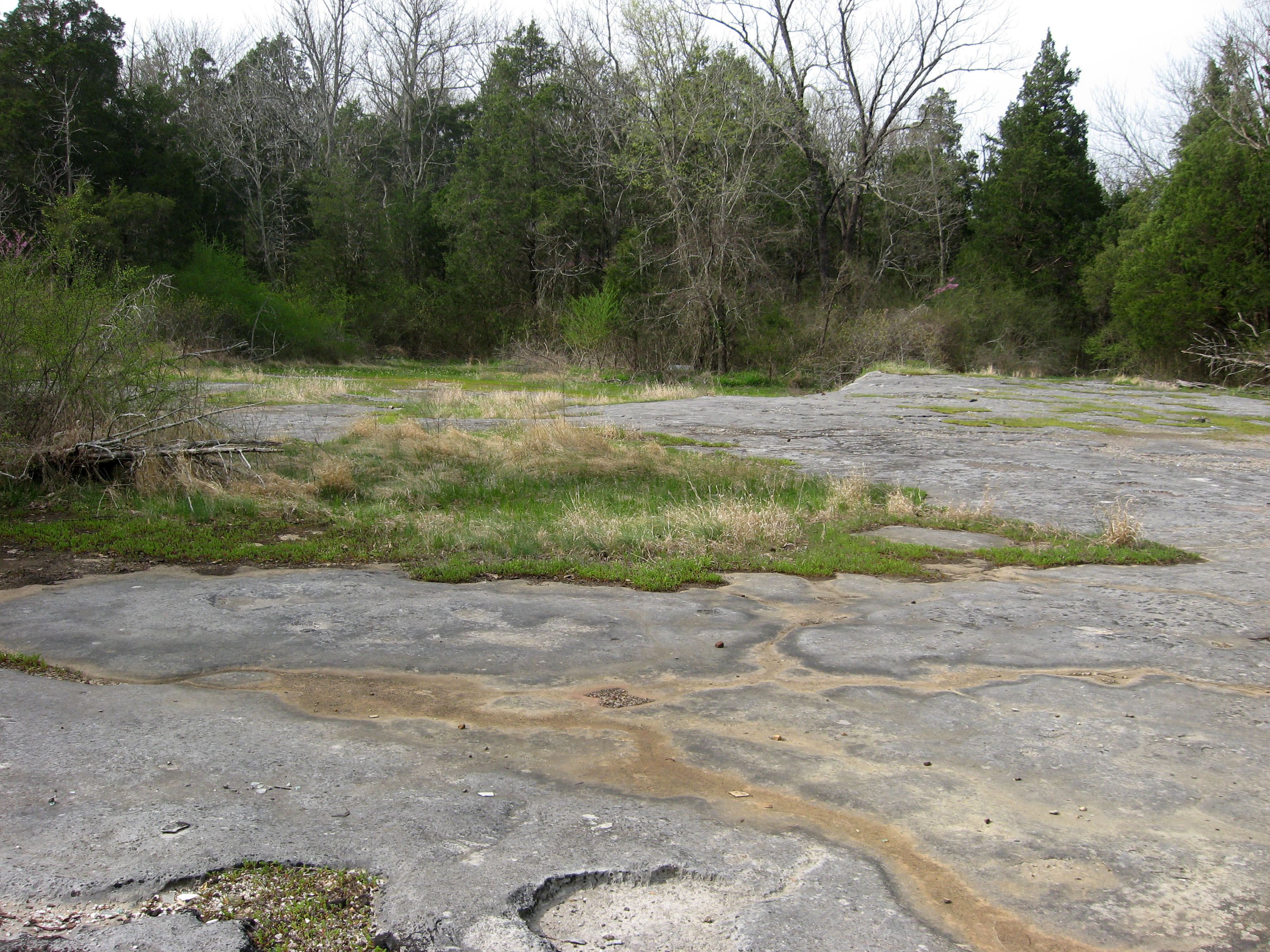
Glades, barrens and outcrops on limestone
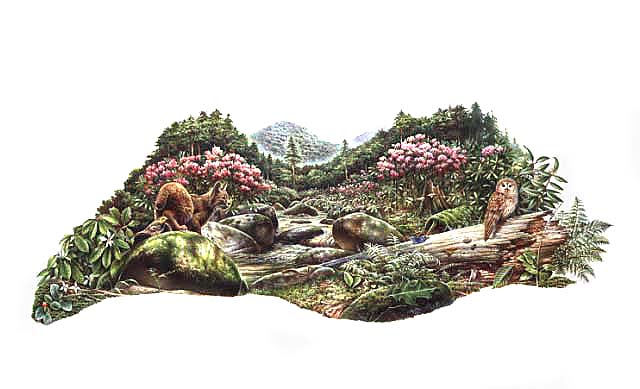
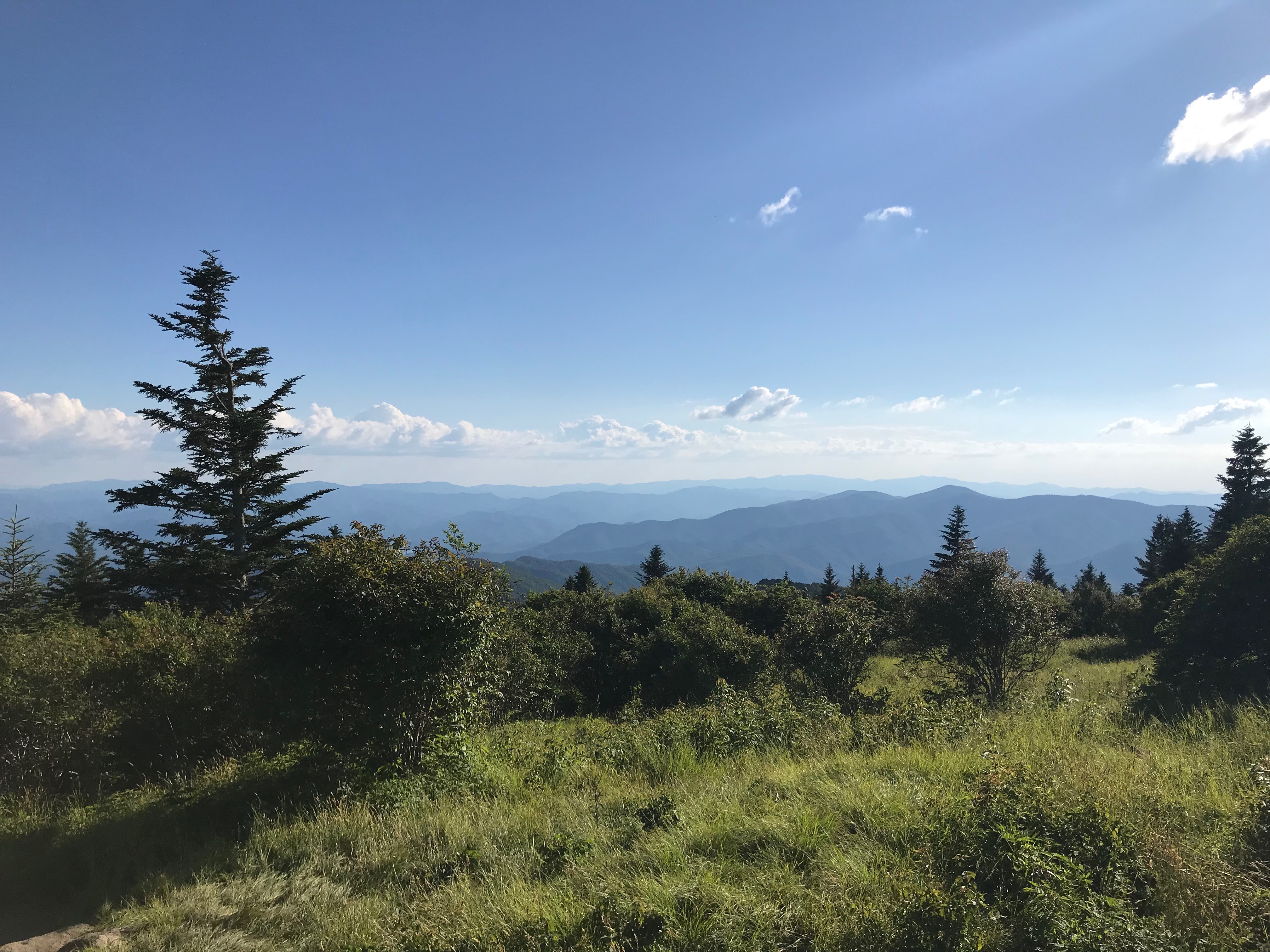
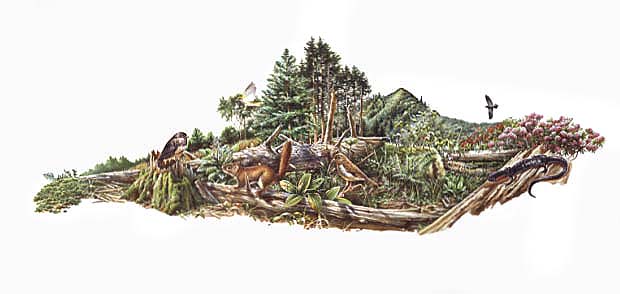
Streams, rivers and their banks
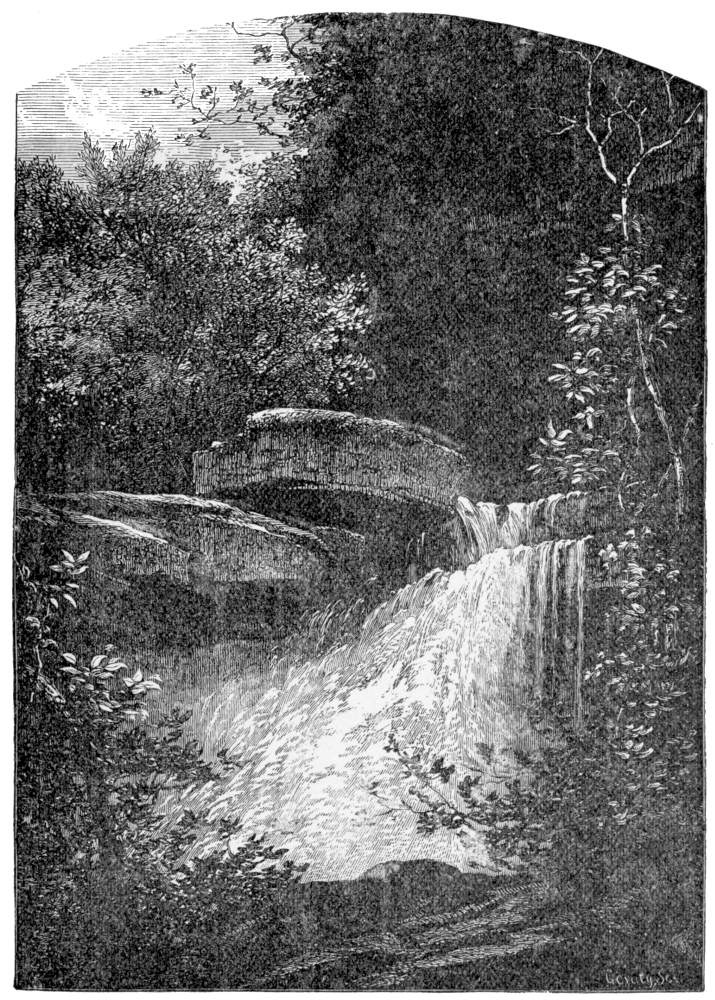
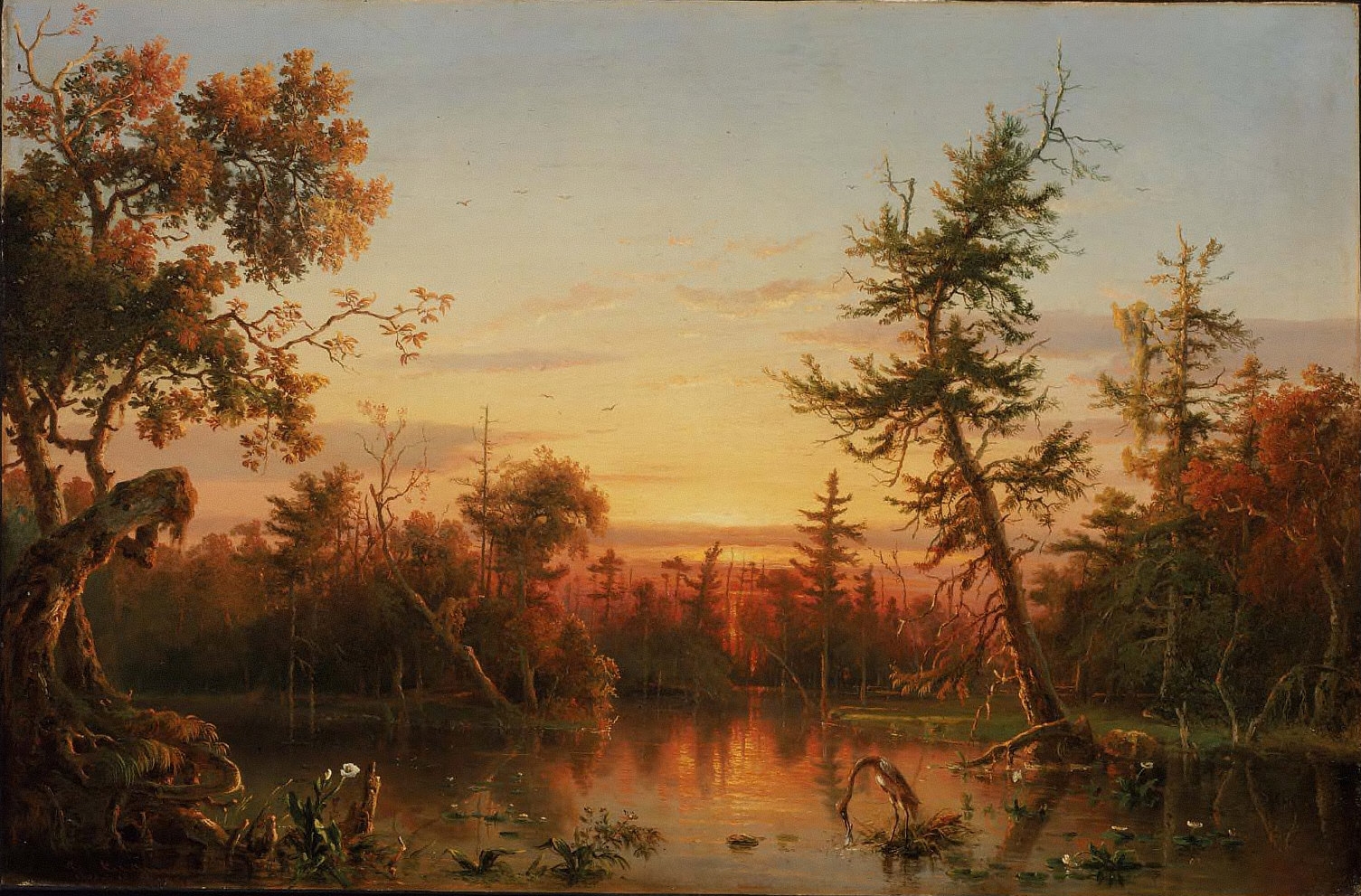
Disturbed and introduced wetlands
Wet ground taken over by weedy or introduced plants after disturbance, such as common reed, Chinese tallow or tamarisk stands; the upland counterpart is roadsides, fields and disturbed ground.
Forests and open woodlands on dry ridges and slopes, often oak or pine.
Floodplain and bottomland forests
Forests on low ground beside rivers and streams that flood from time to time.
Granite and other acidic rock outcrops
Bare or thin-soil rock on granite, gneiss, sandstone, quartzite and similar acidic rock, including granite flatrocks and domes.
Wet, open, peaty mountain wetlands fed by seepage, often with sphagnum moss.
Roadsides, fields and disturbed ground
Ground opened by people: roadsides, old fields, pastures, fencerows and lots.
Steep, sun-baked slopes of loose shale with sparse oaks and Virginia pine and their own endemic wildflowers. Linked only where the source names shale barrens; calcareous shale stays with the limestone glades.
Tree plantations and managed pine
Planted or intensively managed stands of pine or hardwoods grown for timber; a land use rather than a natural community.
Other habitats in its models (18)
Land cover, or classes with no habitat page in Virginia.
- North-Central Appalachian Circumneutral Cliff and Talus Summer.
- Southern Appalachian Rocky Summit Summer.
- Southern Appalachian Granitic Dome Summer.
- Northeastern Interior Dry Oak Forest - Mixed Modifier Summer.
- Northeastern Interior Dry Oak Forest - Virginia/Pitch Pine Modifier Summer.
- Southern Piedmont Dry Oak-(Pine) Forest - Loblolly Pine Modifier Summer.
- Southern Ridge and Valley Dry Calcareous Forest - Pine modifier Summer.
- Southern Piedmont Dry Oak-(Pine) Forest - Mixed Modifier Summer.
- Southeastern Interior Longleaf Pine Woodland Summer.
- Southern Piedmont Glade and Barrens Summer.
- Central Appalachian Alkaline Glade and Woodland Summer.
- Recently Logged Areas Summer.
- Recently Burned Summer.
- Recently Burned Forest Summer.
- Recently Burned Shrubland Summer.
- Introduced Upland Vegetation - Shrub Summer.
- Introduced Upland Vegetation - Perennial Grassland and Forbland Summer.
- Central Interior and Appalachian Shrub-Herbaceous Wetland Systems Summer.
Seasons in Virginia
- Summer: nests here, in 6 of 133 counties and cities.
Also found in this habitat
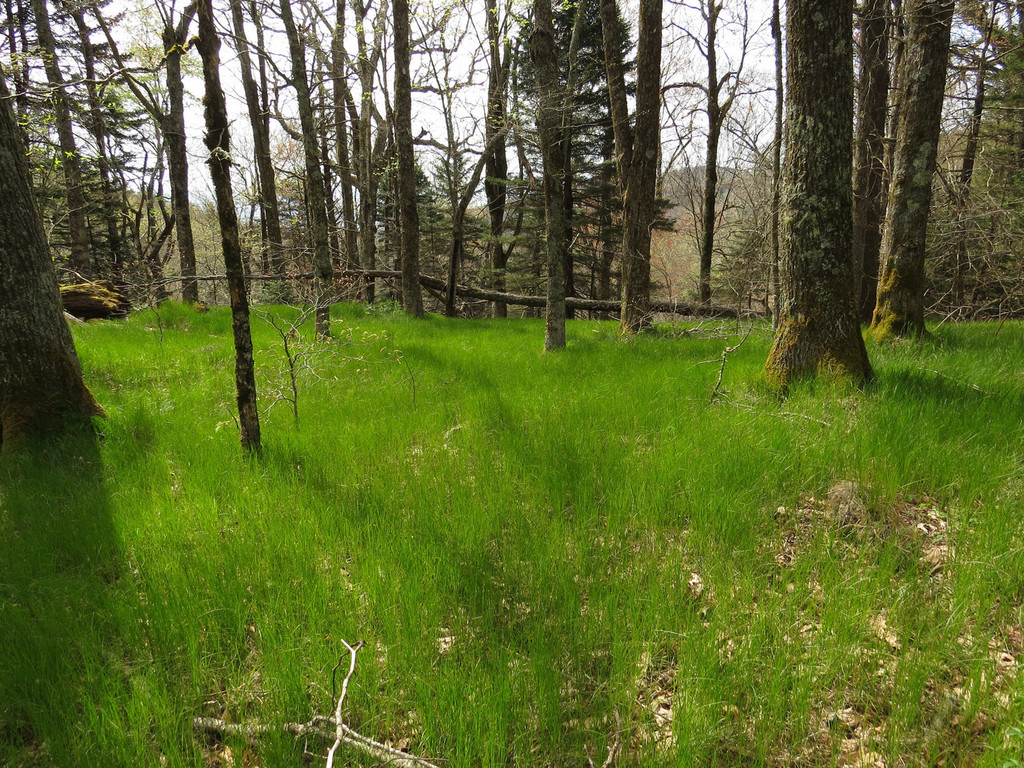
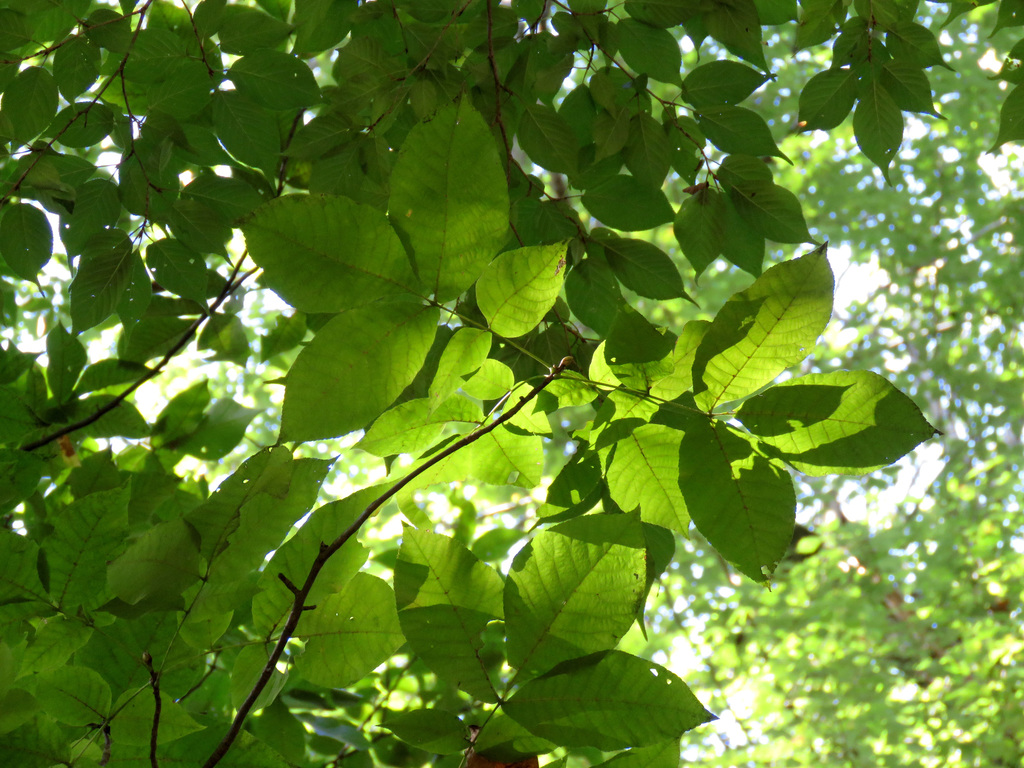
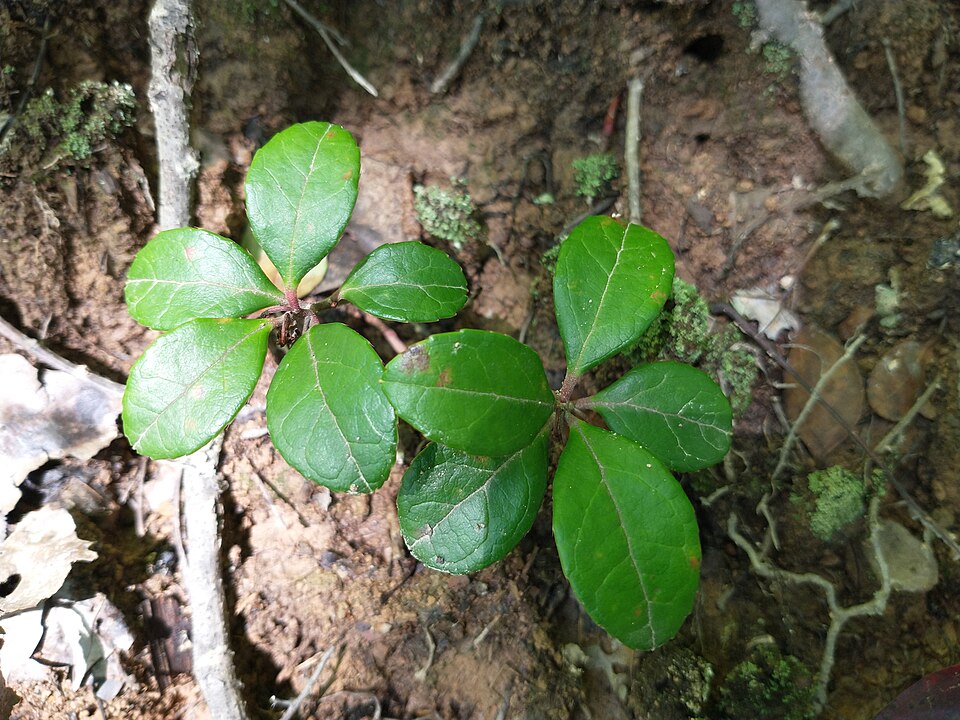
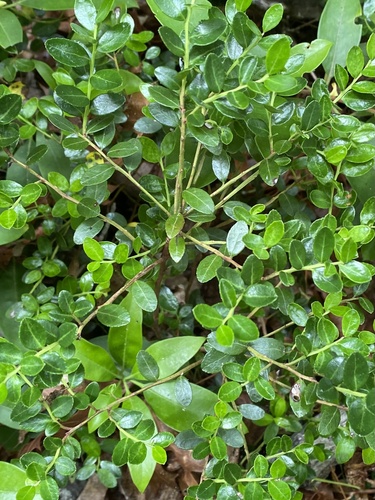
Plants 834
Plants named in NatureServe descriptions of these habitats that grow in Virginia. Shared habitat, not food.
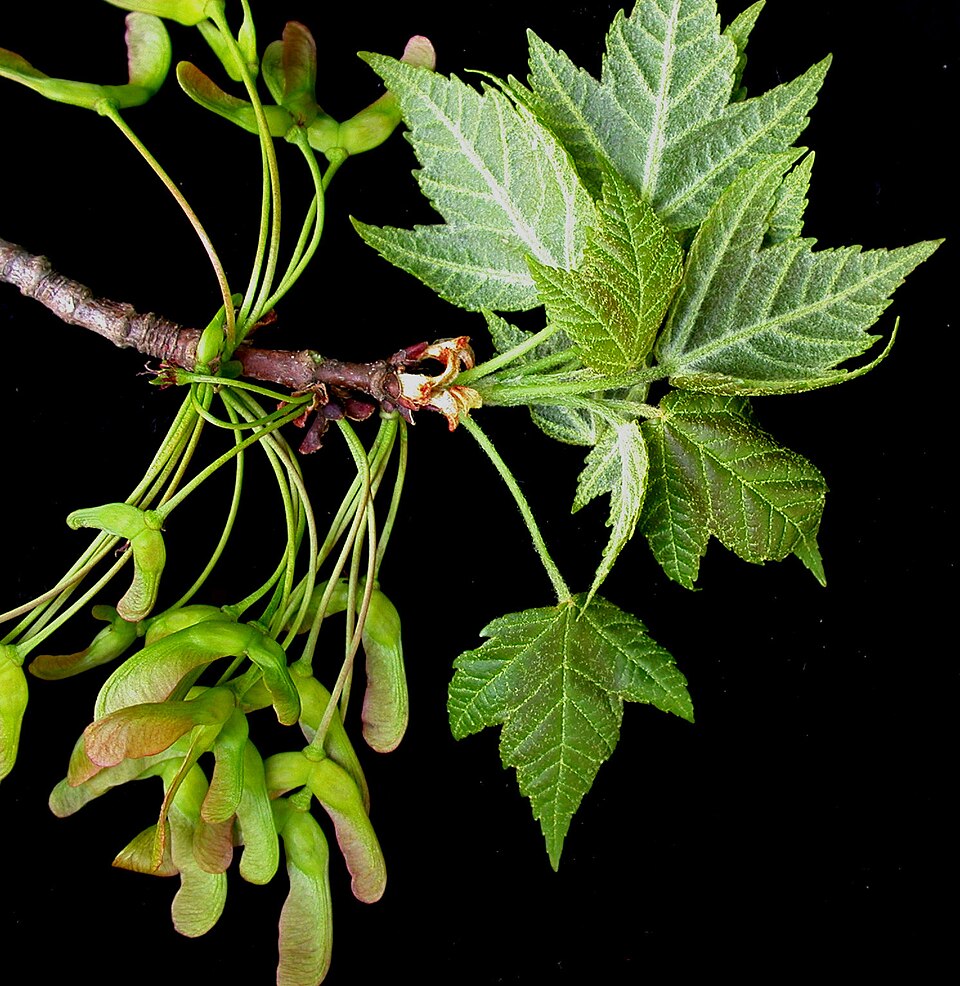
- Red MapleAcer rubrum
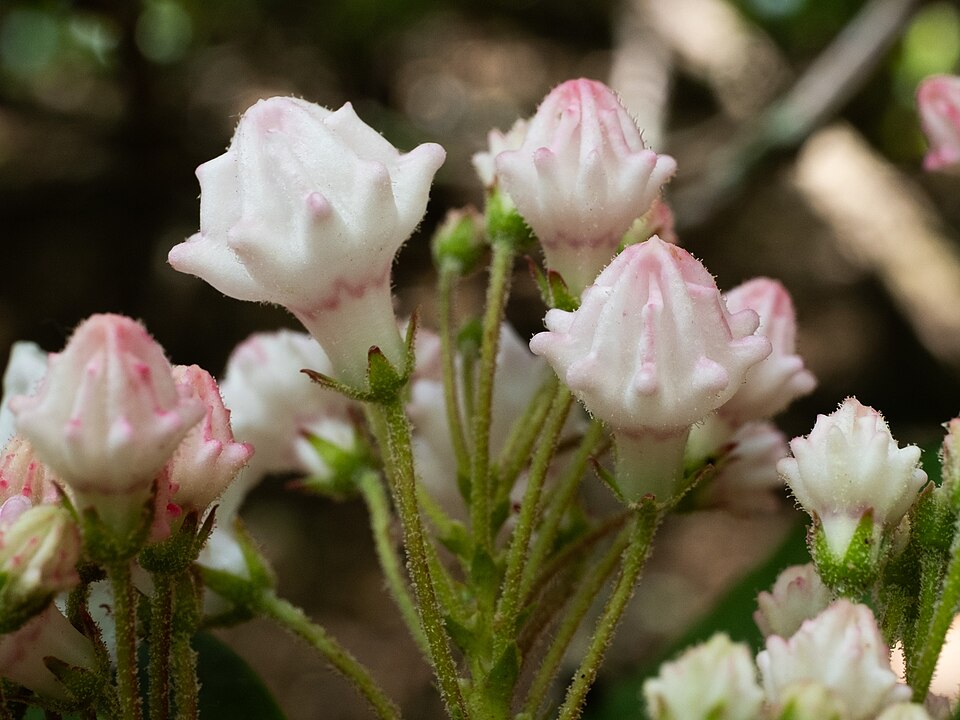
- Mountain LaurelKalmia latifolia
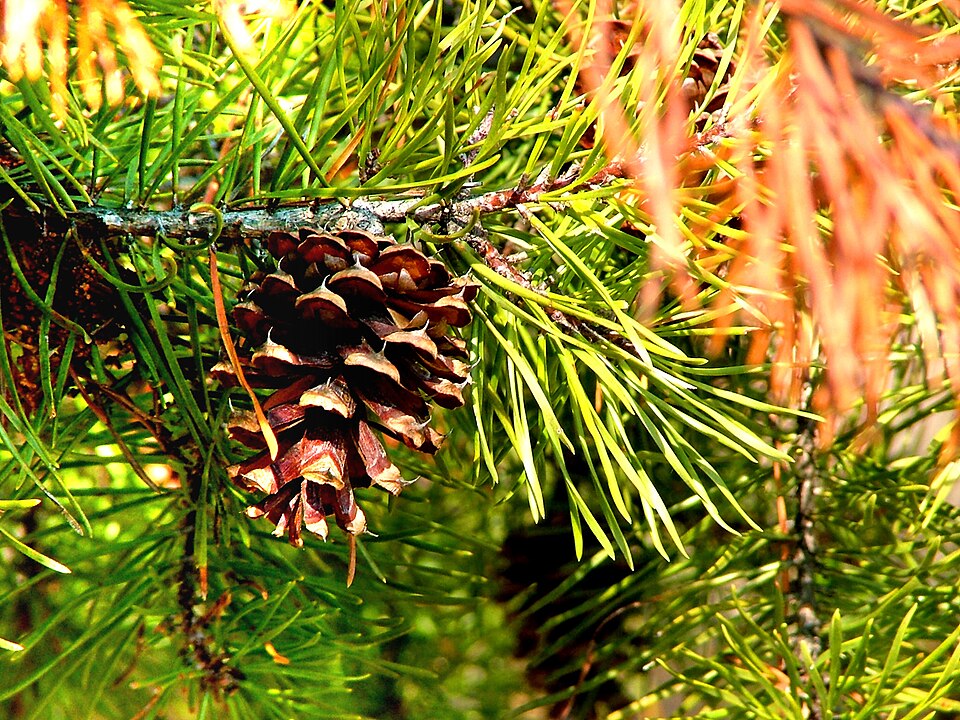
- Virginia PinePinus virginiana
- Poverty OatgrassDanthonia spicata
- White AshFraxinus americana
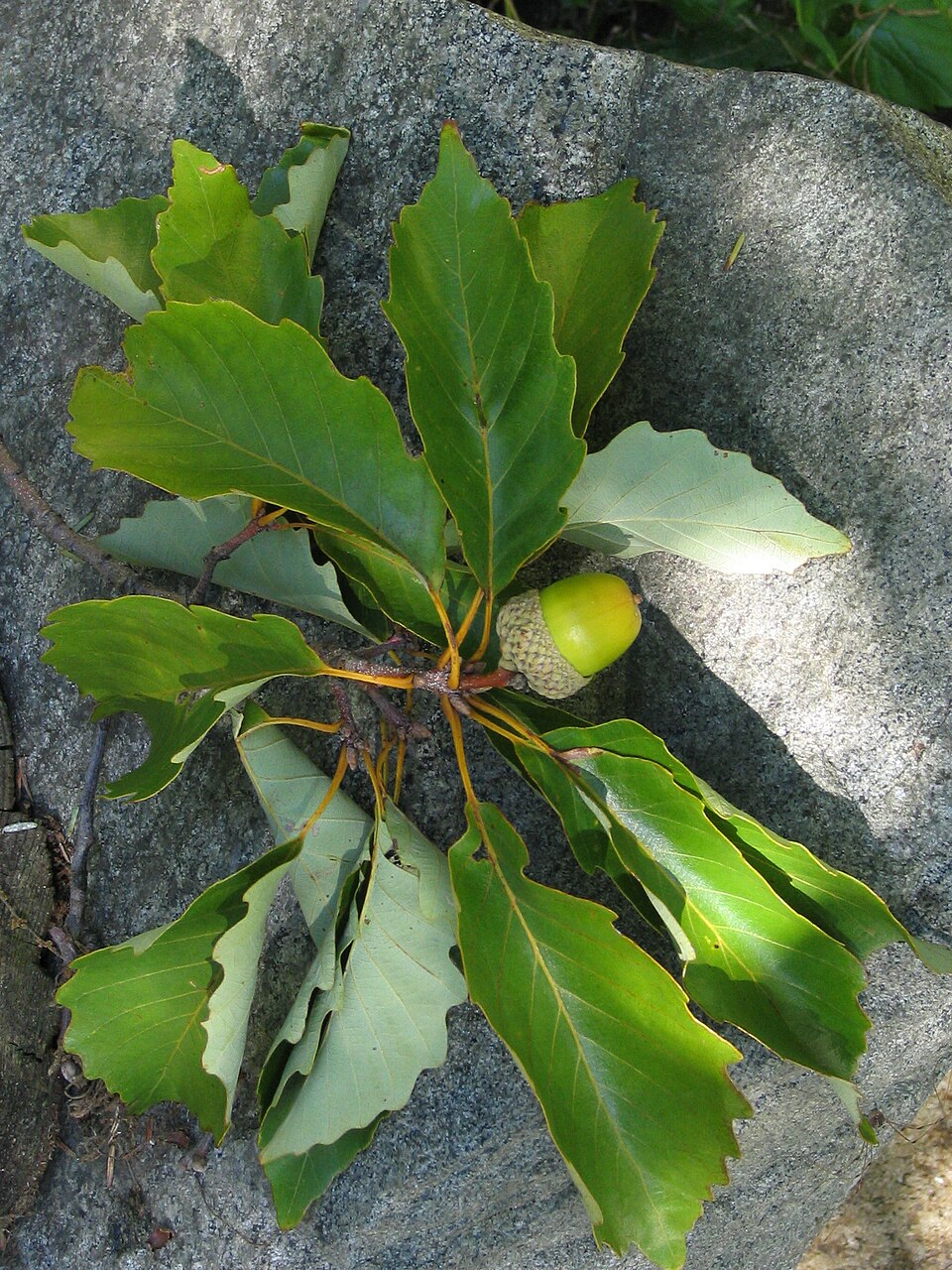
- Chestnut OakQuercus montana
- Wavy HairgrassAvenella flexuosa
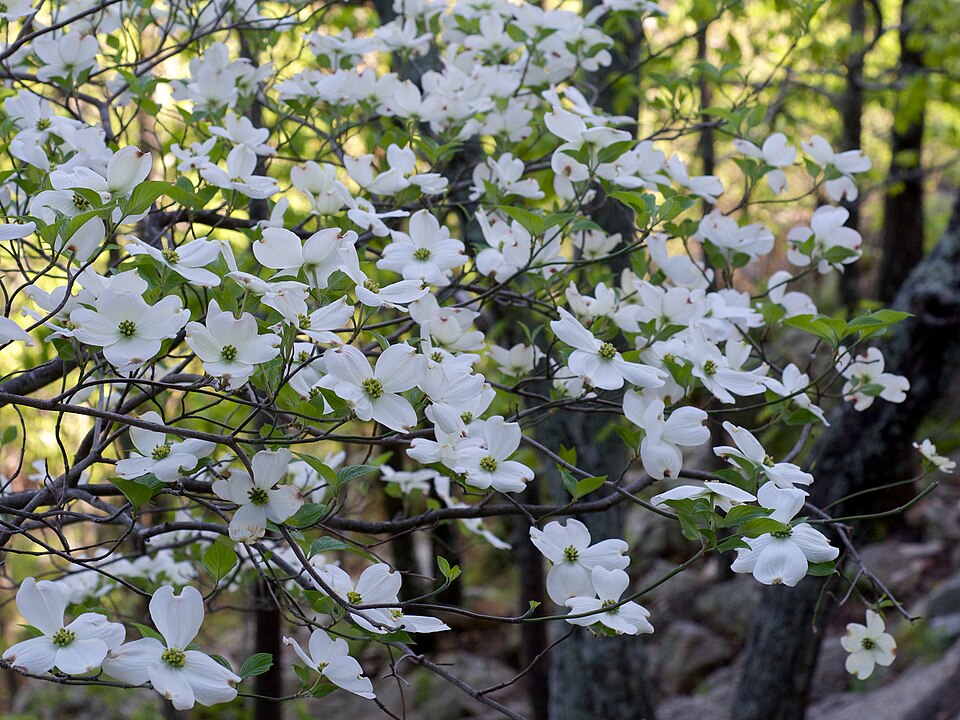
- Flowering DogwoodBenthamidia florida
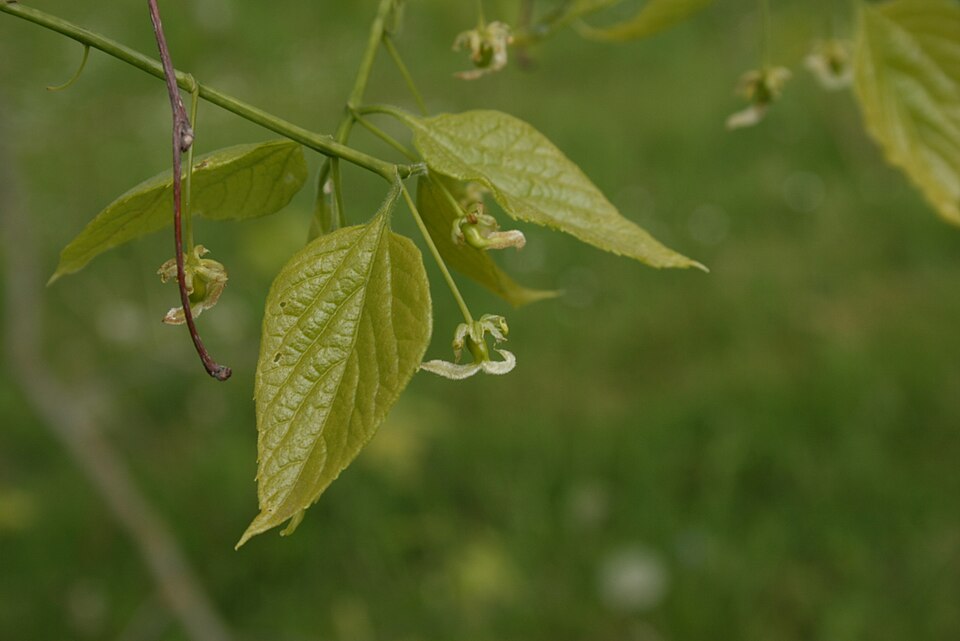
- Common HackberryCeltis occidentalis
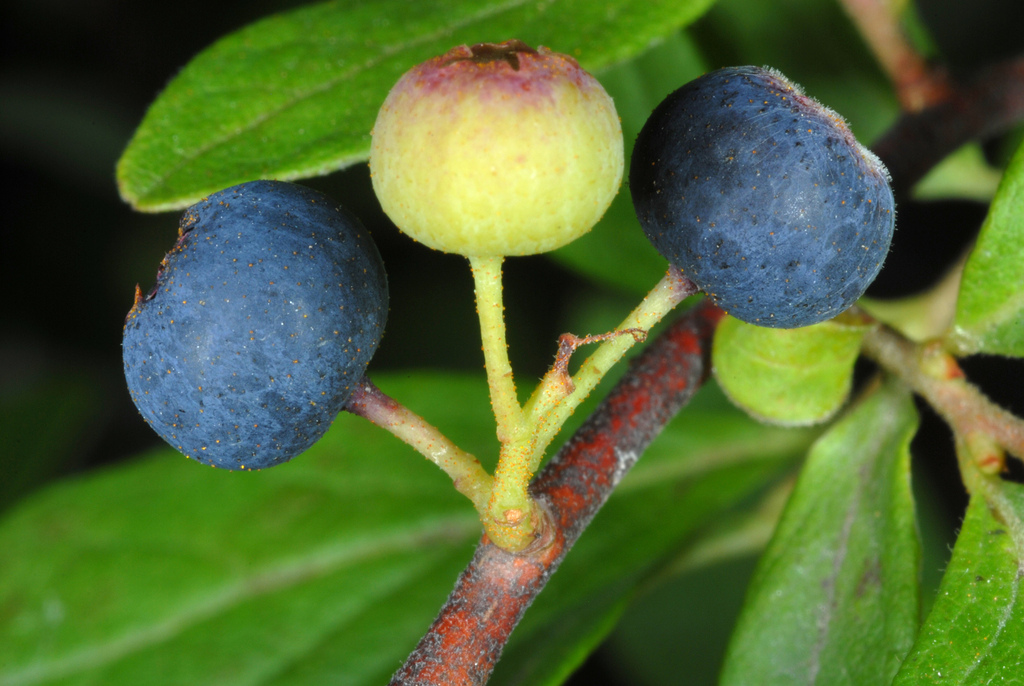
- Black HuckleberryGaylussacia baccata
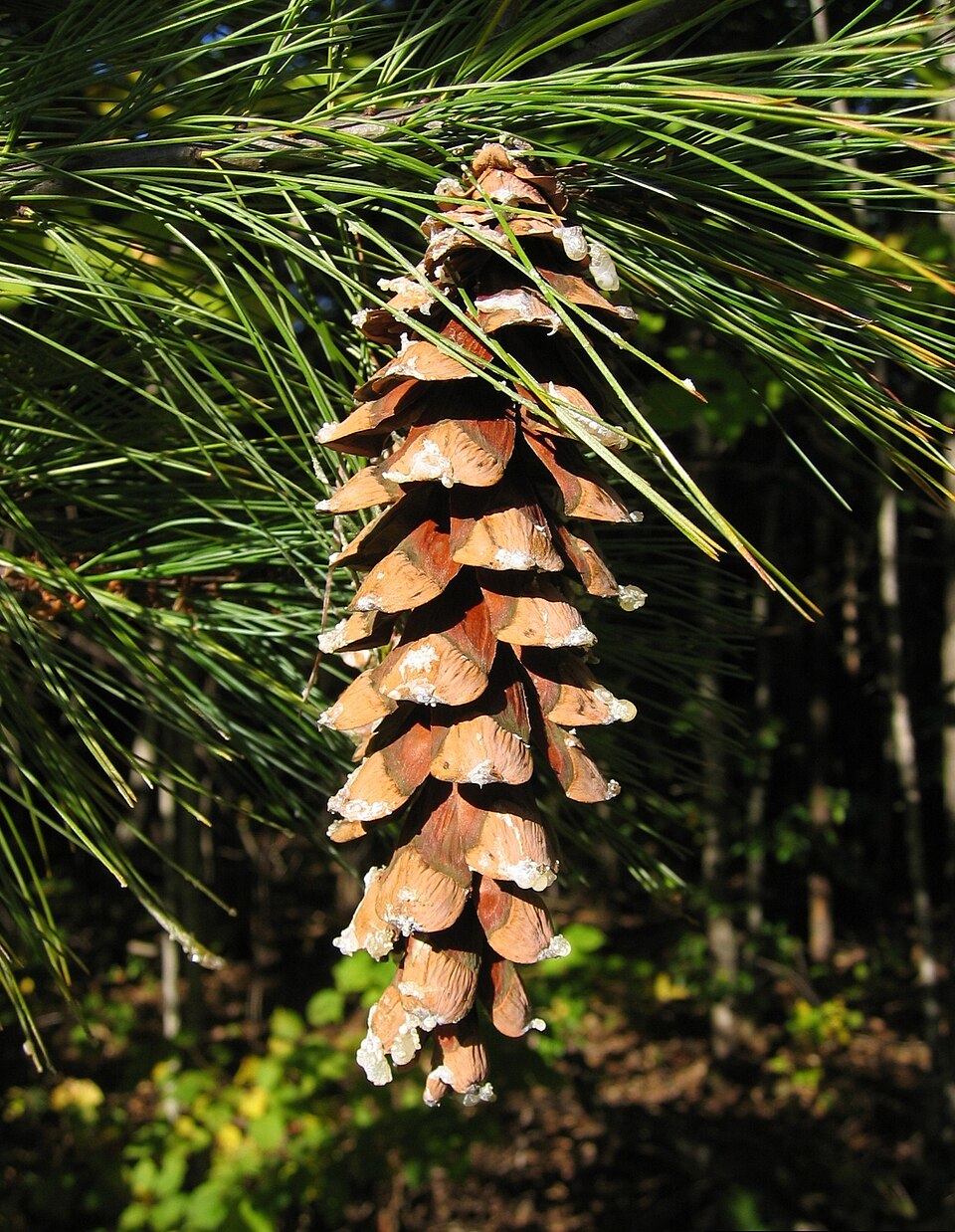
- Eastern White PinePinus strobus
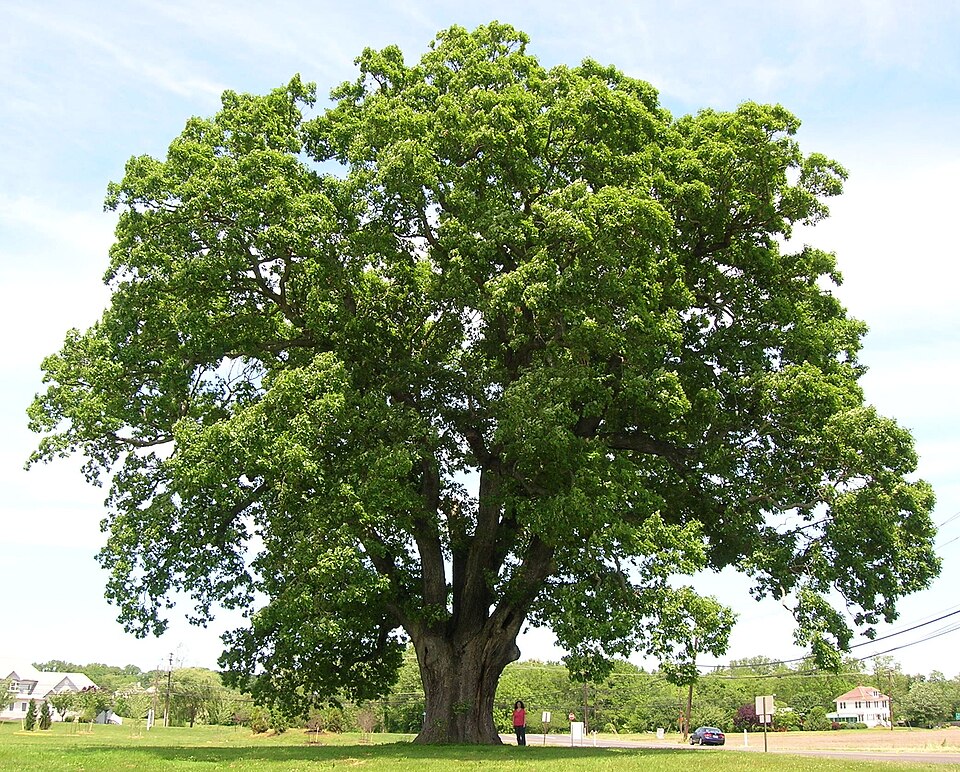
- White OakQuercus alba
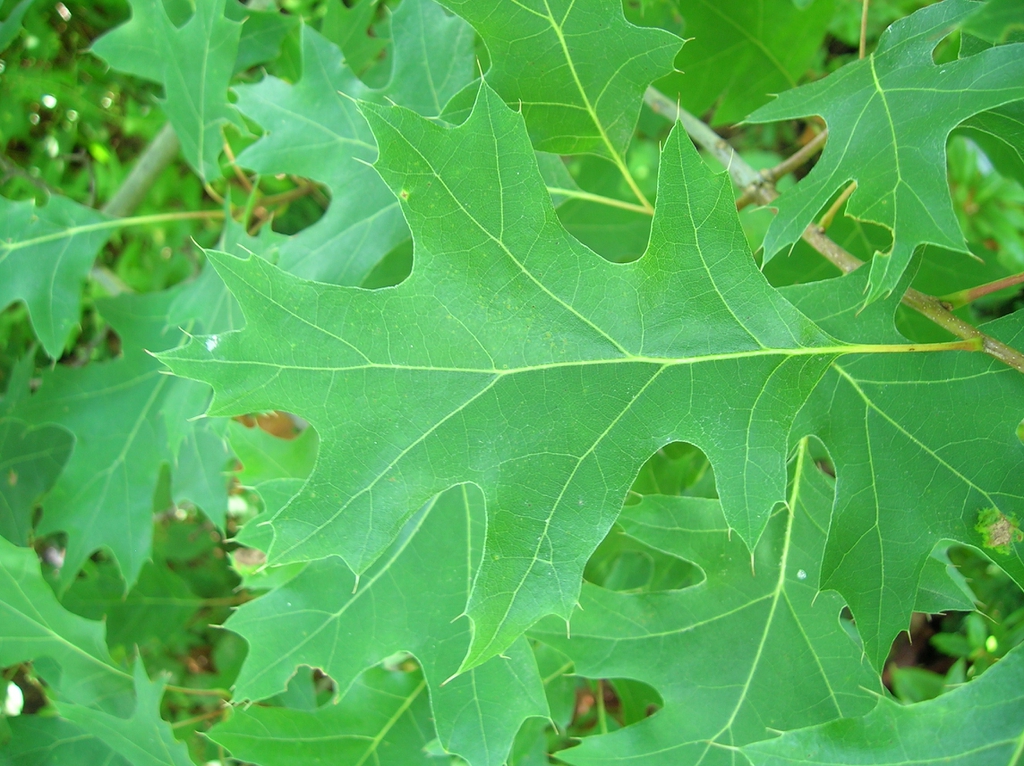
- Scarlet OakQuercus coccinea
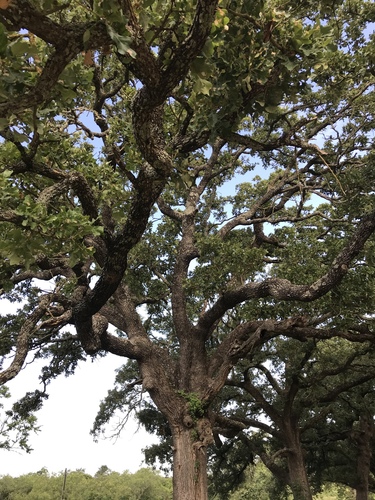
- Post OakQuercus stellata
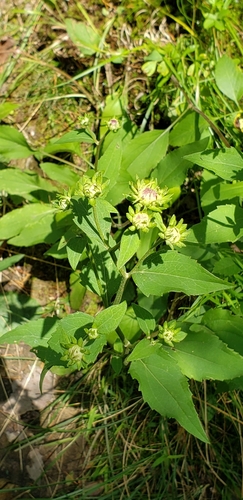
- Sun-facing ConeflowerRudbeckia heliopsidis
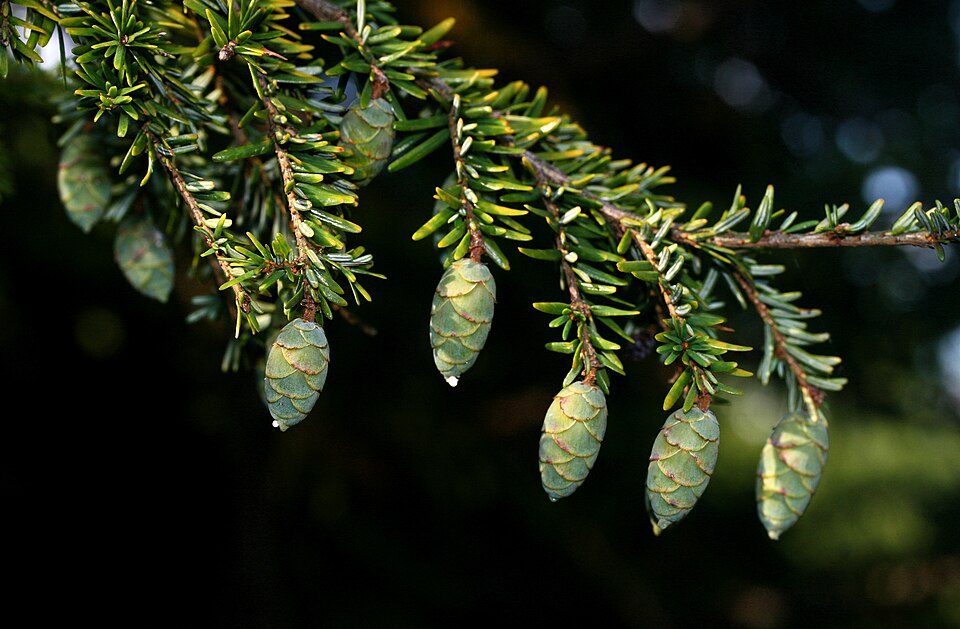
- Eastern HemlockTsuga canadensis
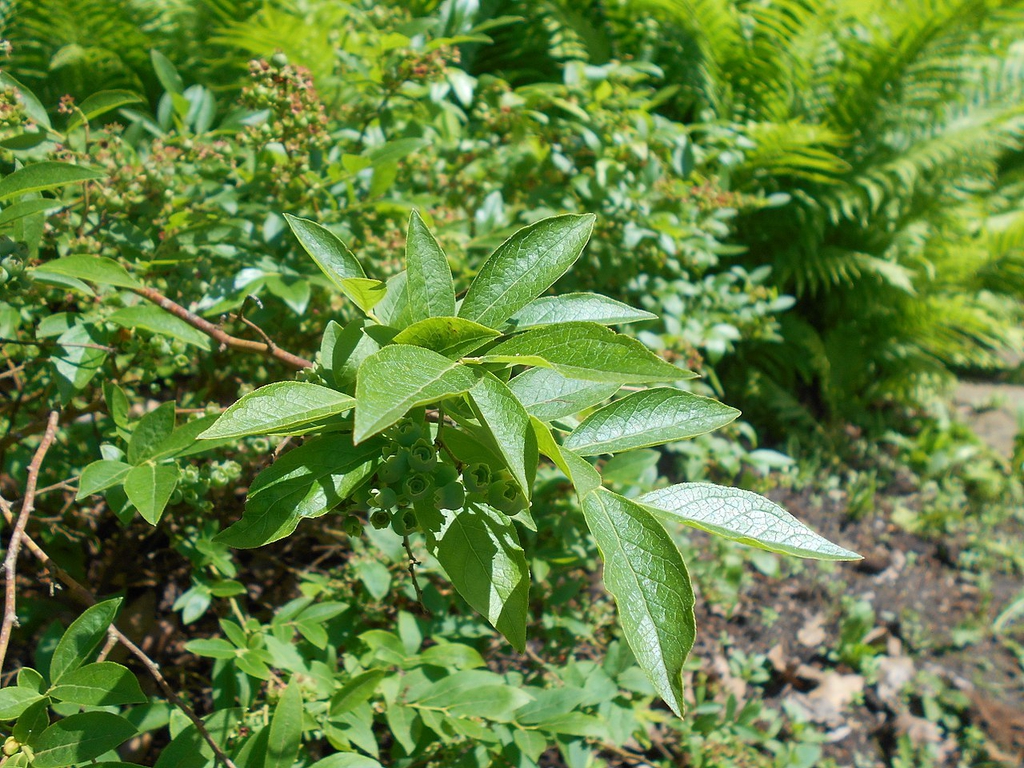
- Hillside BlueberryVaccinium pallidum
- PiratebushBuckleya distichophylla
- Pennsylvania SedgeCarex pensylvanica
- Pignut HickoryCarya glabra
- Eastern TeaberryGaultheria procumbens
- Box HuckleberryGaylussacia brachycera
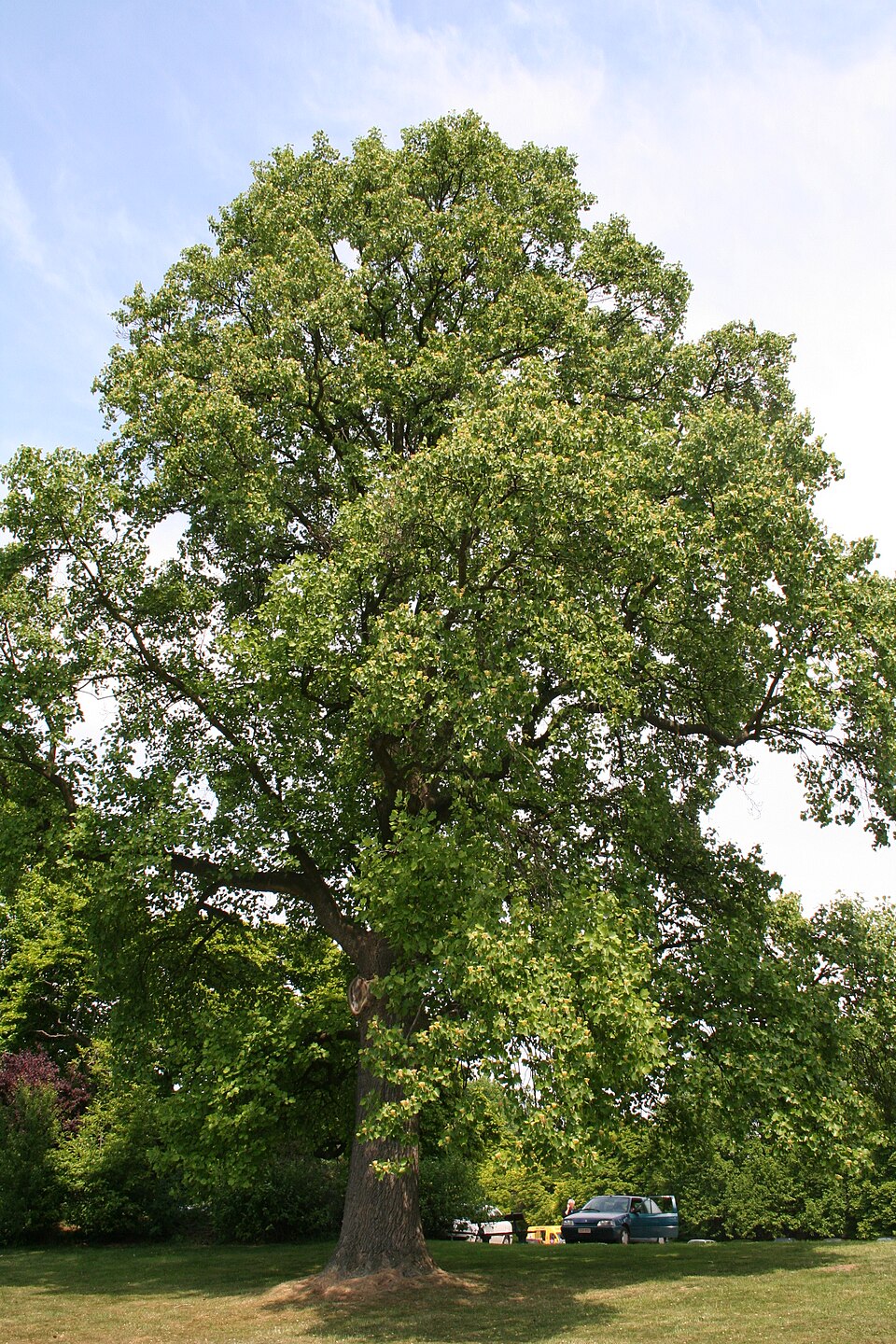
- TuliptreeLiriodendron tulipifera
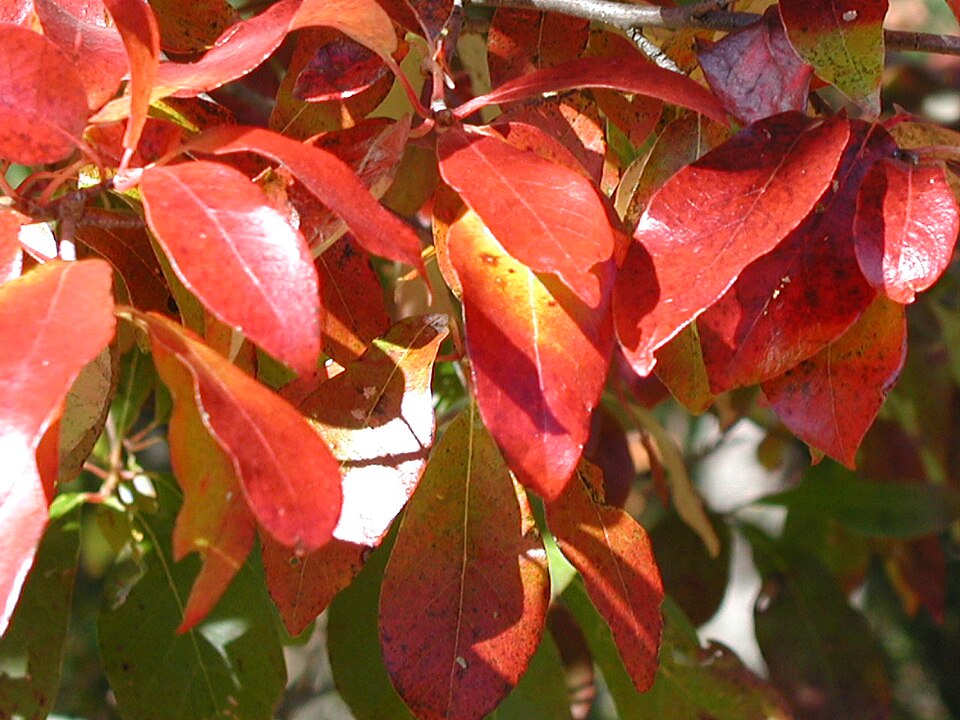
- BlackgumNyssa sylvatica

Wildlife 248
Other animals whose habitat models include the same habitats in Virginia. Not sighting records.
- Northern MockingbirdMimus polyglottos
- Ruby-crowned KingletRegulus calendula
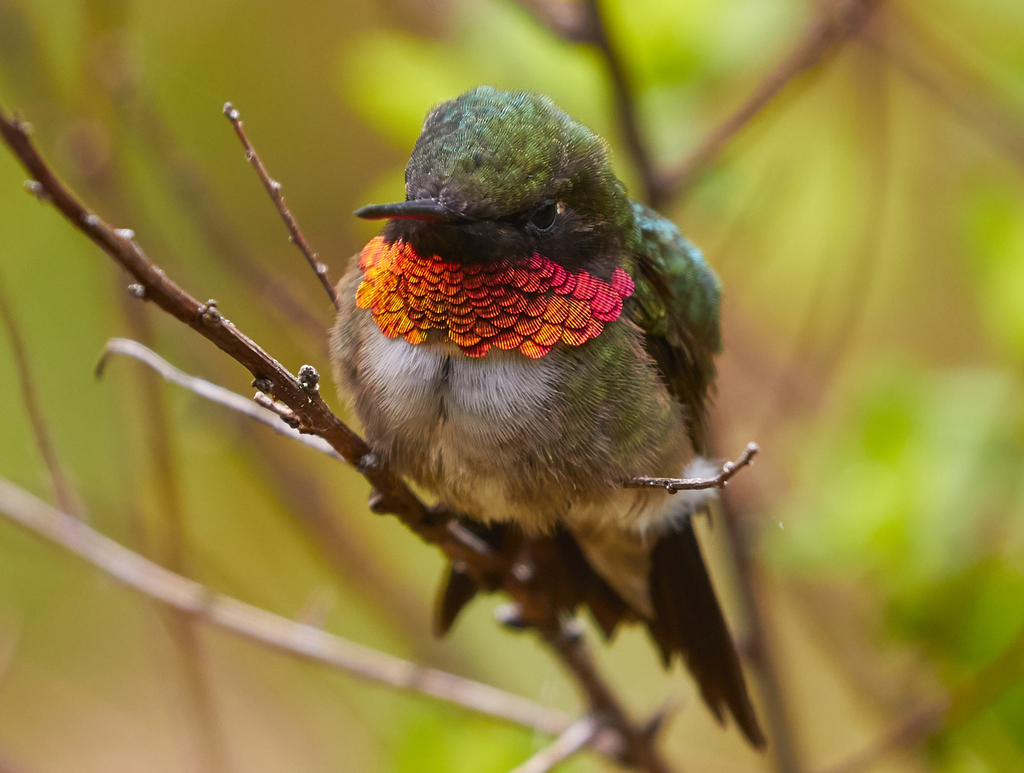
- Ruby-throated HummingbirdArchilochus colubris
- Spotted SandpiperActitis macularius
- American KestrelFalco sparverius
- Baltimore OrioleIcterus galbula
- Bank SwallowRiparia riparia
- Blue GrosbeakPasserina caerulea
- Carolina WrenThryothorus ludovicianus
- Eurasian Collared-doveStreptopelia decaocto
- Mourning DoveZenaida macroura
- Tufted TitmouseBaeolophus bicolor
- Wild TurkeyMeleagris gallopavo
- Yellow-billed CuckooCoccyzus americanus
- Alder FlycatcherEmpidonax alnorum
- Belted KingfisherMegaceryle alcyon
- Black VultureCoragyps atratus
- Blue-gray GnatcatcherPolioptila caerulea
- Common GrackleQuiscalus quiscula
- Downy WoodpeckerPicoides pubescens
- Eastern PhoebeSayornis phoebe
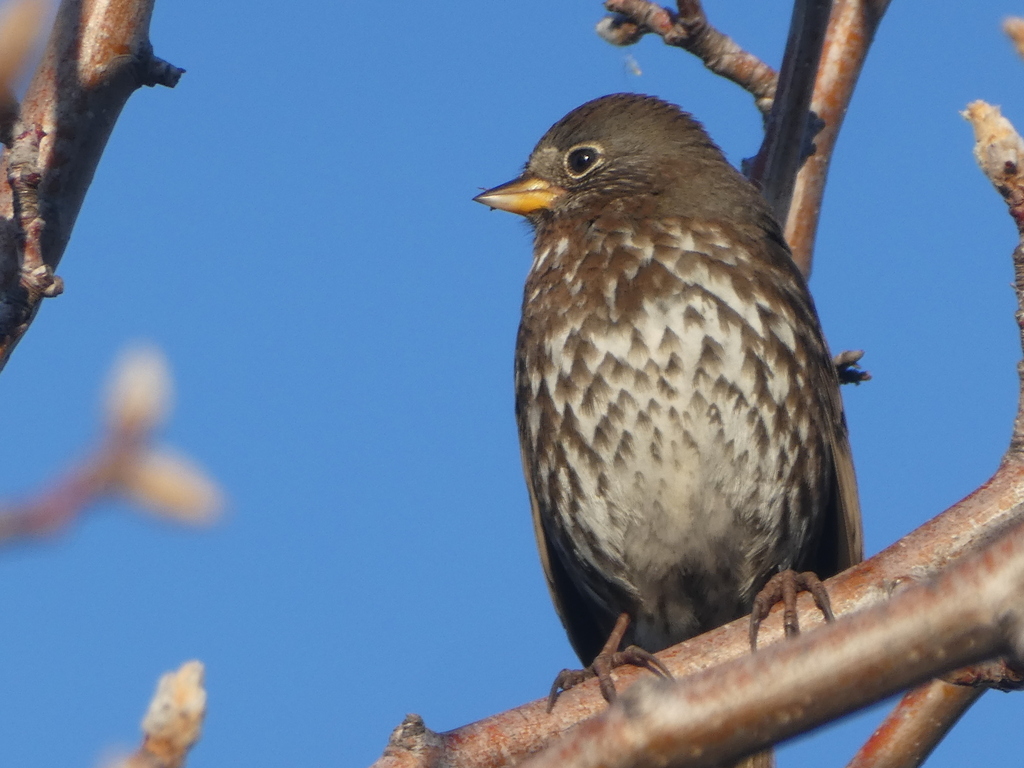
- Fox SparrowPasserella iliaca
- Golden-crowned KingletRegulus satrapa
- Gray CatbirdDumetella carolinensis





















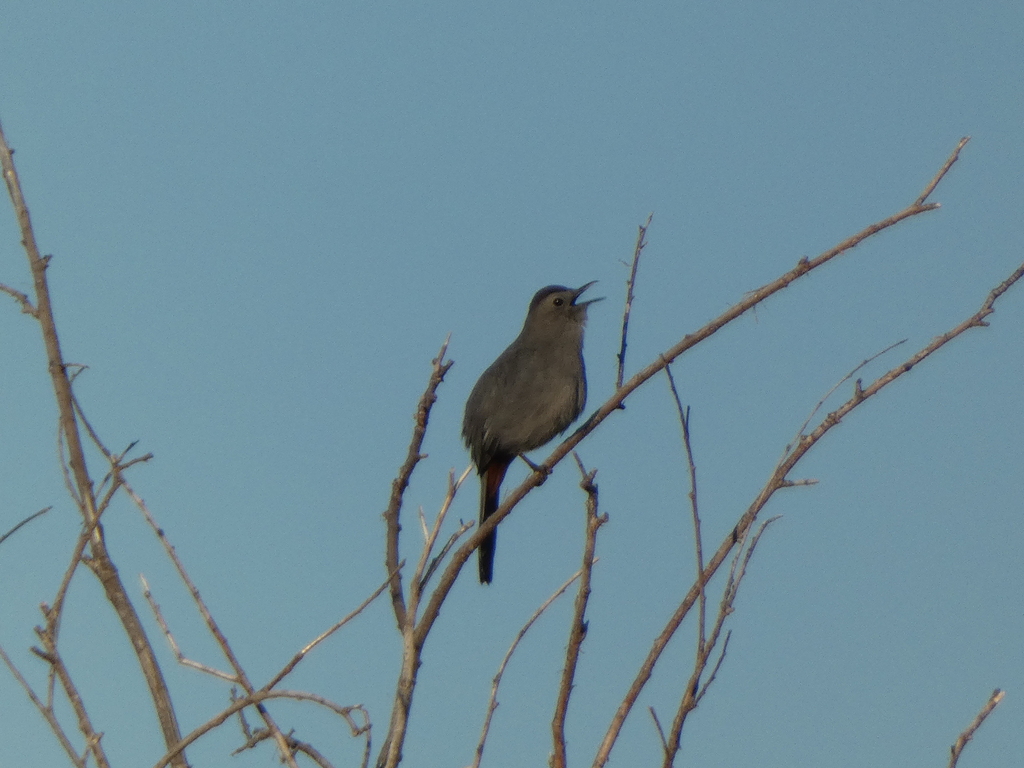


NatureServe Explorer, CC BY 4.0. USGS Gap Analysis Project habitat models.
Sources
- USGS Gap Analysis Project habitat models (2001)
- USGS GAP summer habitat model for Olive-sided Flycatcher
- USGS Gap Analysis Project range maps (2001), modeled by watershed; migratory gives no dates
- NatureServe Explorer (CC BY 4.0), habitat names
- US Census TIGER/Line counties
- Names follow the USGS Gap Analysis Project (2001)