

Bird
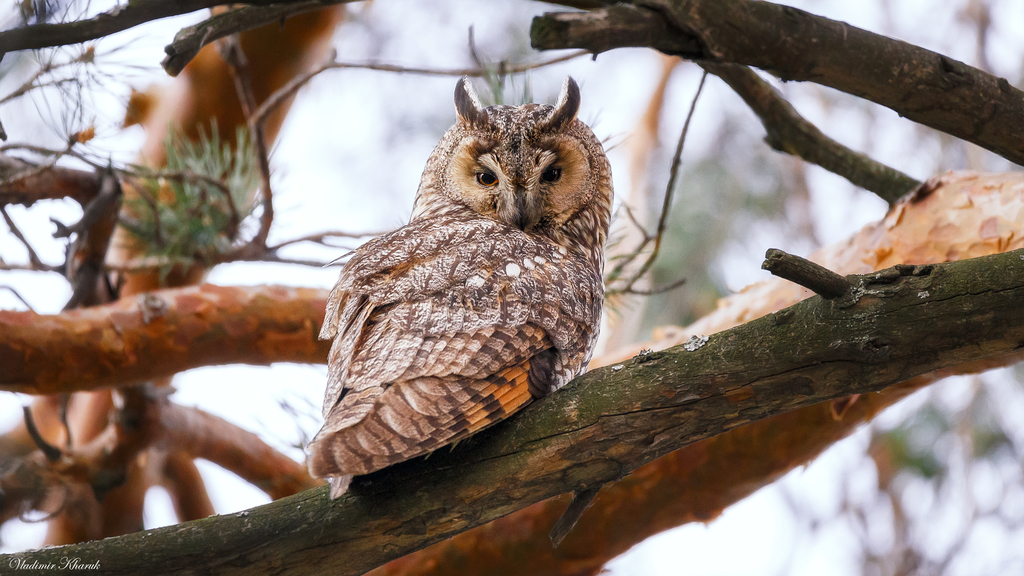
Long-eared Owl
Asio otus
Lives in Virginia all year and nests here. Found in all 133 counties and cities, across 13 habitats.
- Here
- All year
- Nesting
- Nests here
- Range
- All 133 counties and cities
- Habitats
- 13
At a glance
- Group
- Birds
- Here
- All year
- Nesting
- Nests here
- Range
- All 133 counties and cities
- Habitats
- 13
- Habitat models
- Summer, Winter
Where it lives
The places its habitat model includes. It is not found everywhere a habitat occurs.
Habitats in Virginia 13
Each habitat page lists the plants and wildlife also found there.
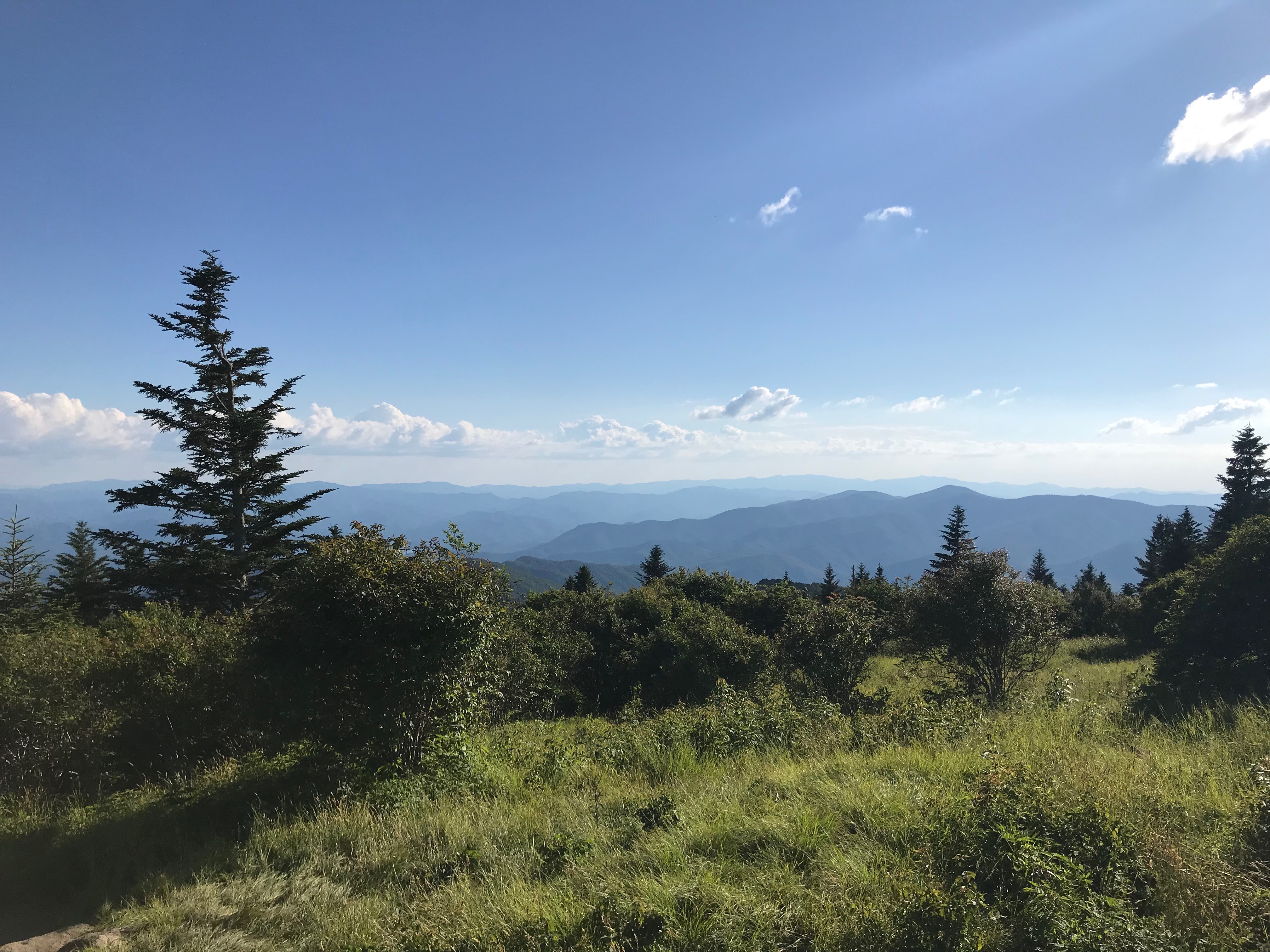
Roadsides, fields and disturbed ground
Ground opened by people: roadsides, old fields, pastures, fencerows and lots.
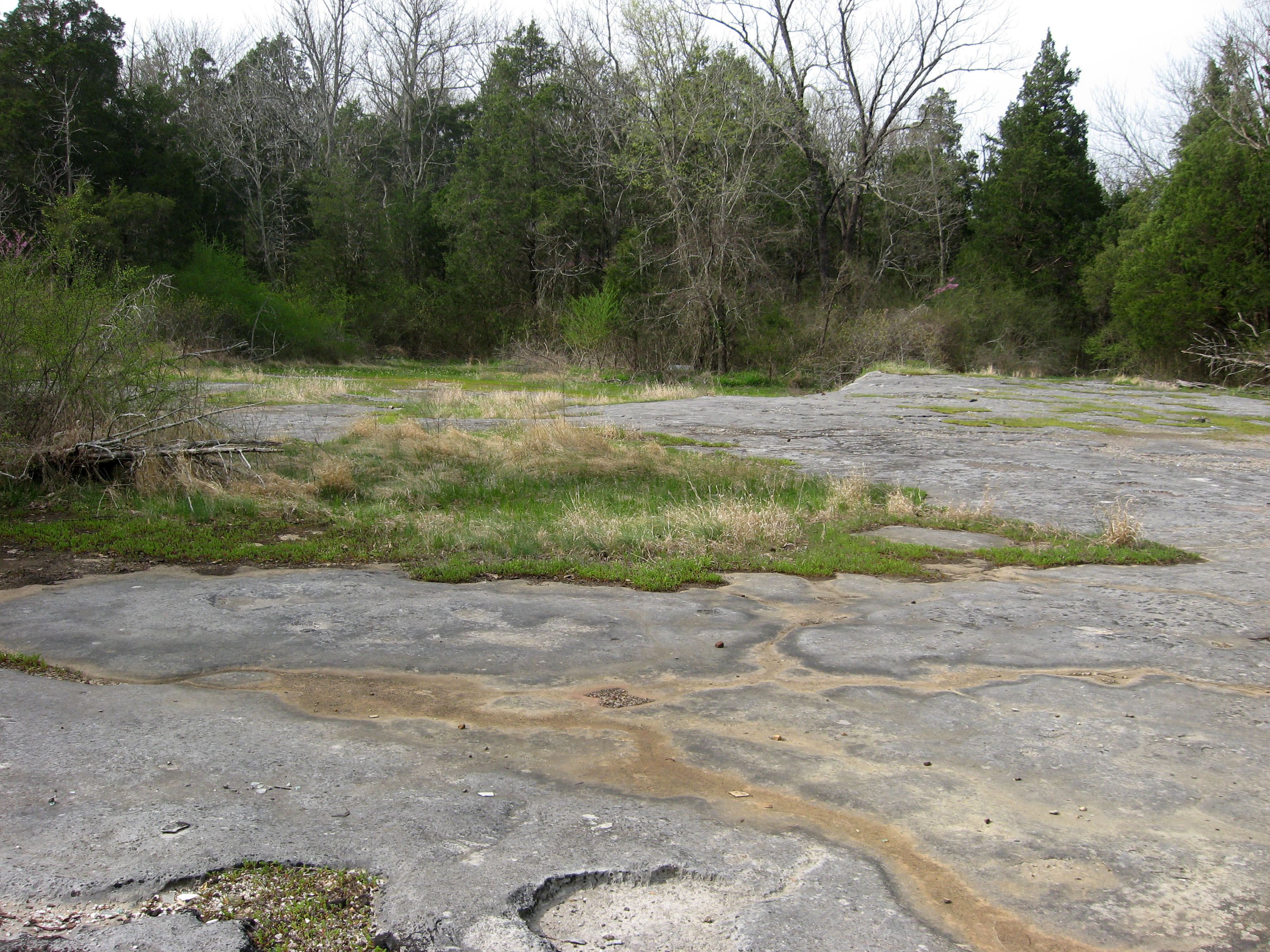
Glades, barrens and outcrops on limestone
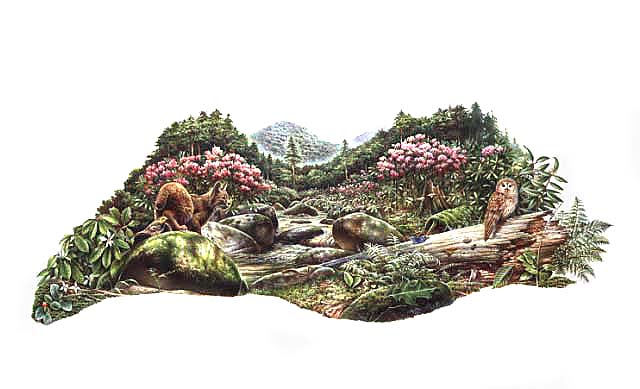
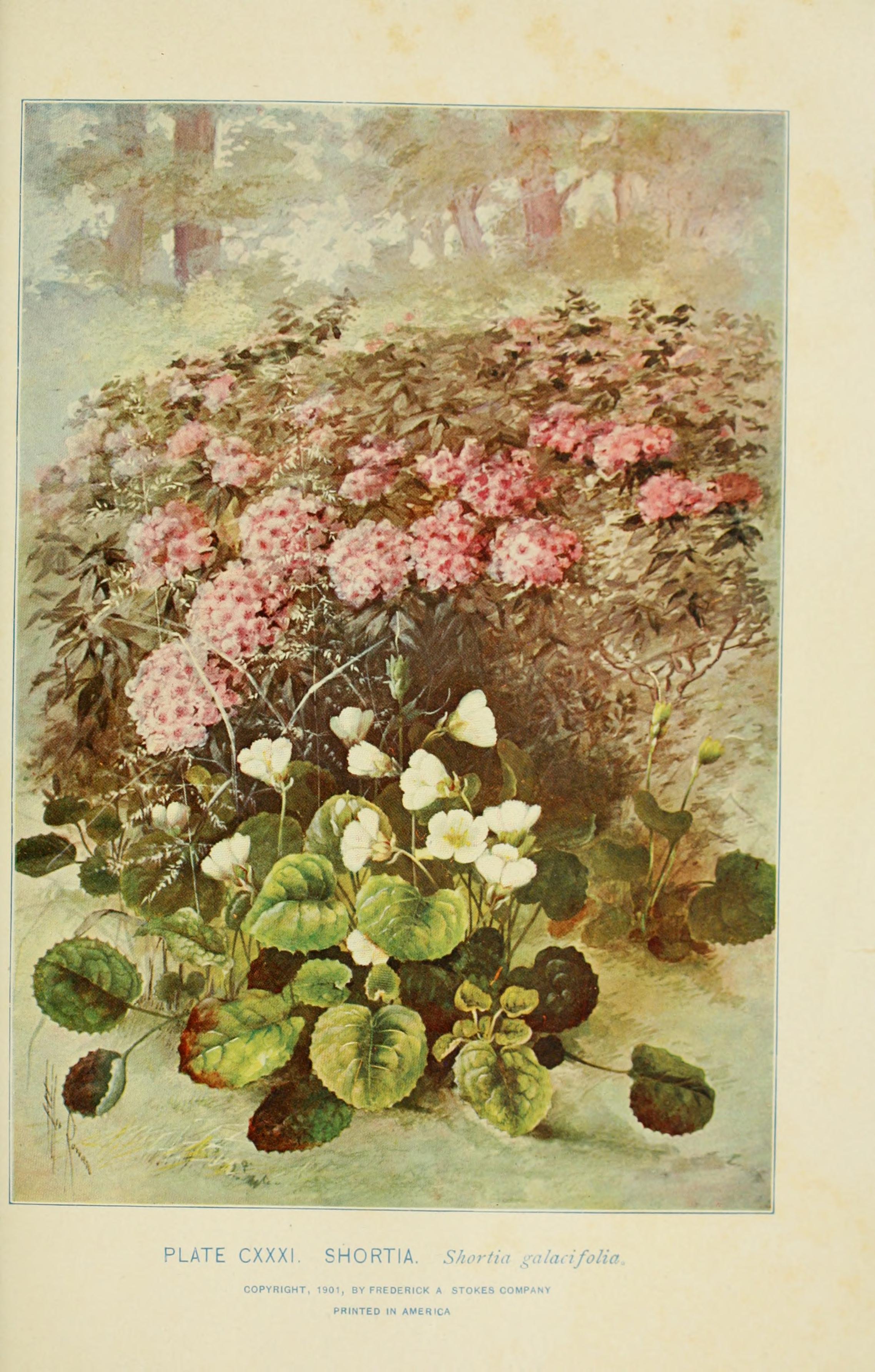
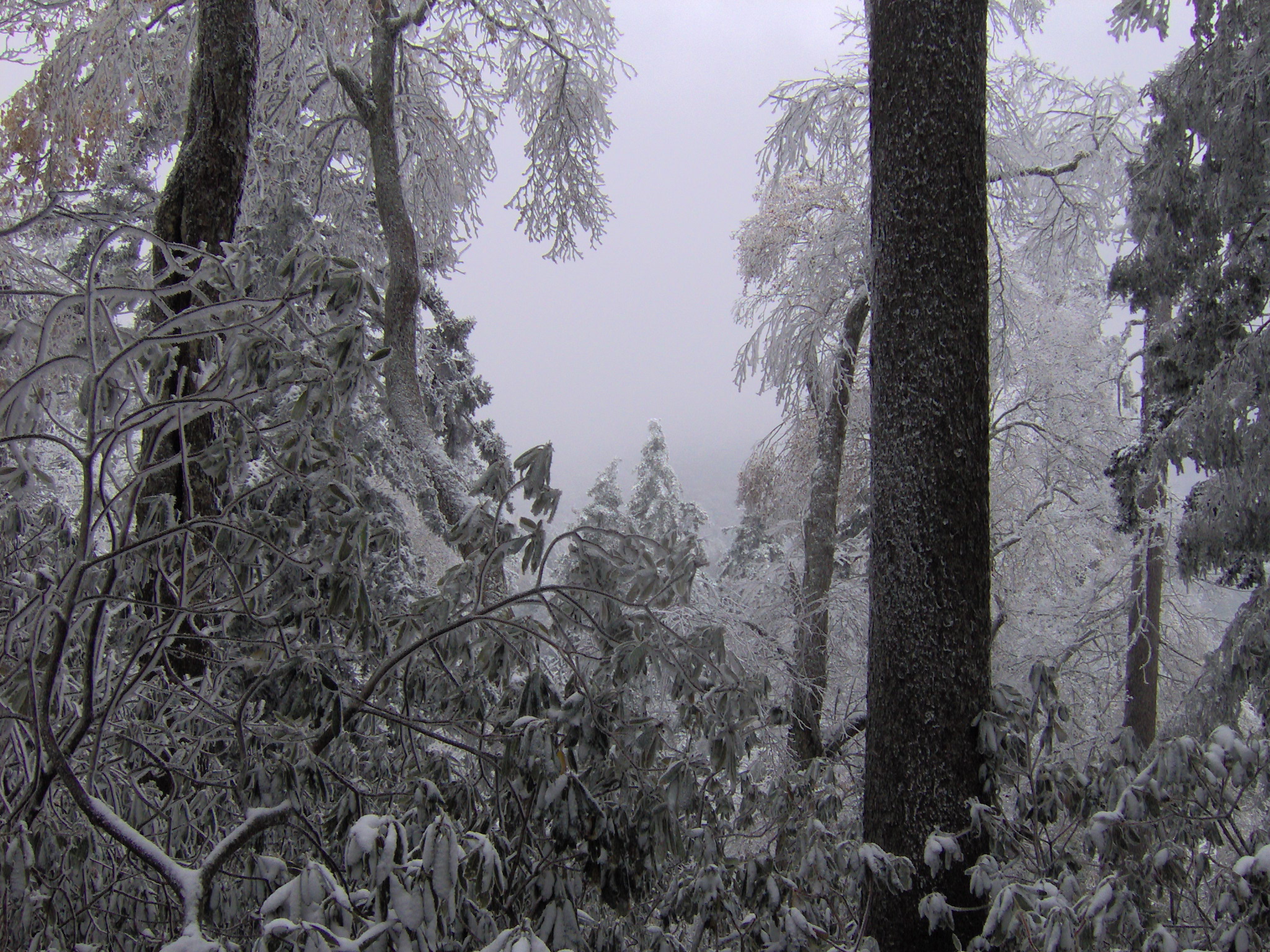
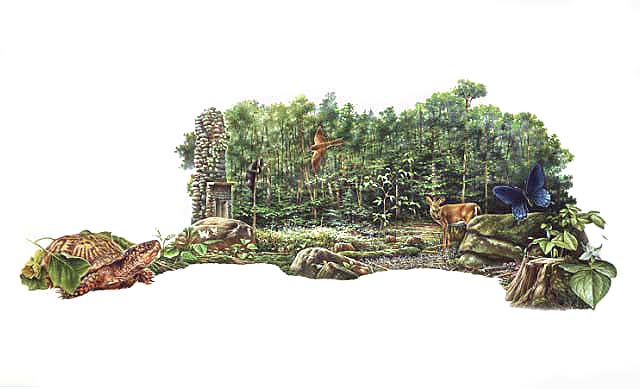
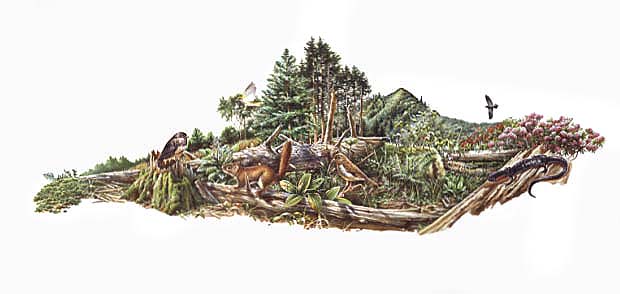
Streams, rivers and their banks
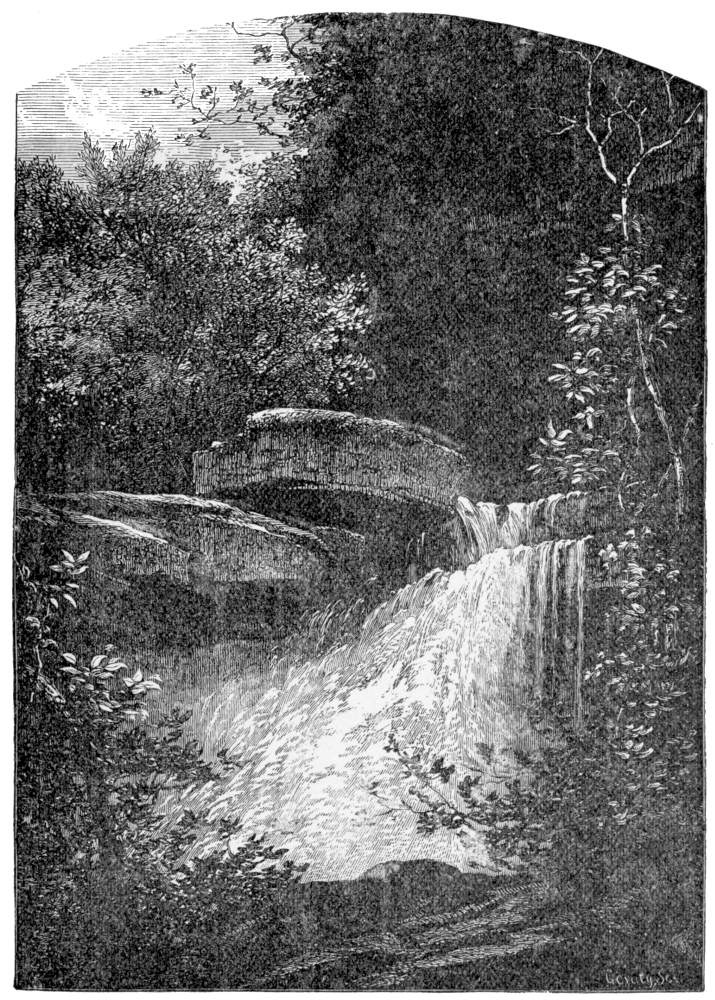
Forests and open woodlands on dry ridges and slopes, often oak or pine.
Floodplain and bottomland forests
Forests on low ground beside rivers and streams that flood from time to time.
Forests between dry and moist, often oak-hickory on slopes.
Steep, sun-baked slopes of loose shale with sparse oaks and Virginia pine and their own endemic wildflowers. Linked only where the source names shale barrens; calcareous shale stays with the limestone glades.
Other habitats in its models (23)
Land cover, or classes with no habitat page in Virginia.
- Northeastern Interior Dry Oak Forest-Hardwood Modifier Summer and winter, beside its main habitat.
- Northeastern Interior Dry Oak Forest - Mixed Modifier Summer and winter, beside its main habitat.
- North-Central Interior Dry-Mesic Oak Forest and Woodland Summer and winter, beside its main habitat.
- North-Central Interior Dry Oak Forest and Woodland Summer and winter, beside its main habitat.
- North-Central Interior Beech-Maple Forest Summer and winter, beside its main habitat.
- North-Central Interior Maple-Basswood Forest Summer and winter, beside its main habitat.
- Northeastern Interior Dry Oak Forest - Virginia/Pitch Pine Modifier Summer and winter, beside its main habitat.
- Southern Ridge and Valley Dry Calcareous Forest - Pine modifier Summer and winter, beside its main habitat.
- North-Central Interior Oak Savanna Summer and winter.
- North-Central Oak Barrens Summer and winter.
- Central Appalachian Alkaline Glade and Woodland Summer and winter, beside its main habitat.
- North-Central Interior Sand and Gravel Tallgrass Prairie Summer and winter.
- Southeastern Great Plains Tallgrass Prairie Summer and winter.
- Recently Logged Areas Summer and winter.
- Harvested Forest - Grass/Forb Regeneration Summer and winter.
- Recently Burned Grassland Summer and winter.
- Recently Burned Shrubland Summer and winter.
- Introduced Upland Vegetation - Forbland Winter.
- Introduced Upland Vegetation - Annual Grassland Summer and winter.
- Introduced Upland Vegetation - Perennial Grassland Summer and winter.
- Introduced Upland Vegetation - Perennial Grassland and Forbland Winter.
- Eastern Great Plains Floodplain Systems Summer and winter, beside its main habitat.
- North-Central Interior Wet Flatwoods Summer and winter, beside its main habitat.
Seasons in Virginia
- Year-round: nests here, in 19 of 133 counties and cities.
- Winter: does not nest here, in 132 of 133 counties and cities.
Also found in this habitat
Plants 597
Plants named in NatureServe descriptions of these habitats that grow in Virginia. Shared habitat, not food.
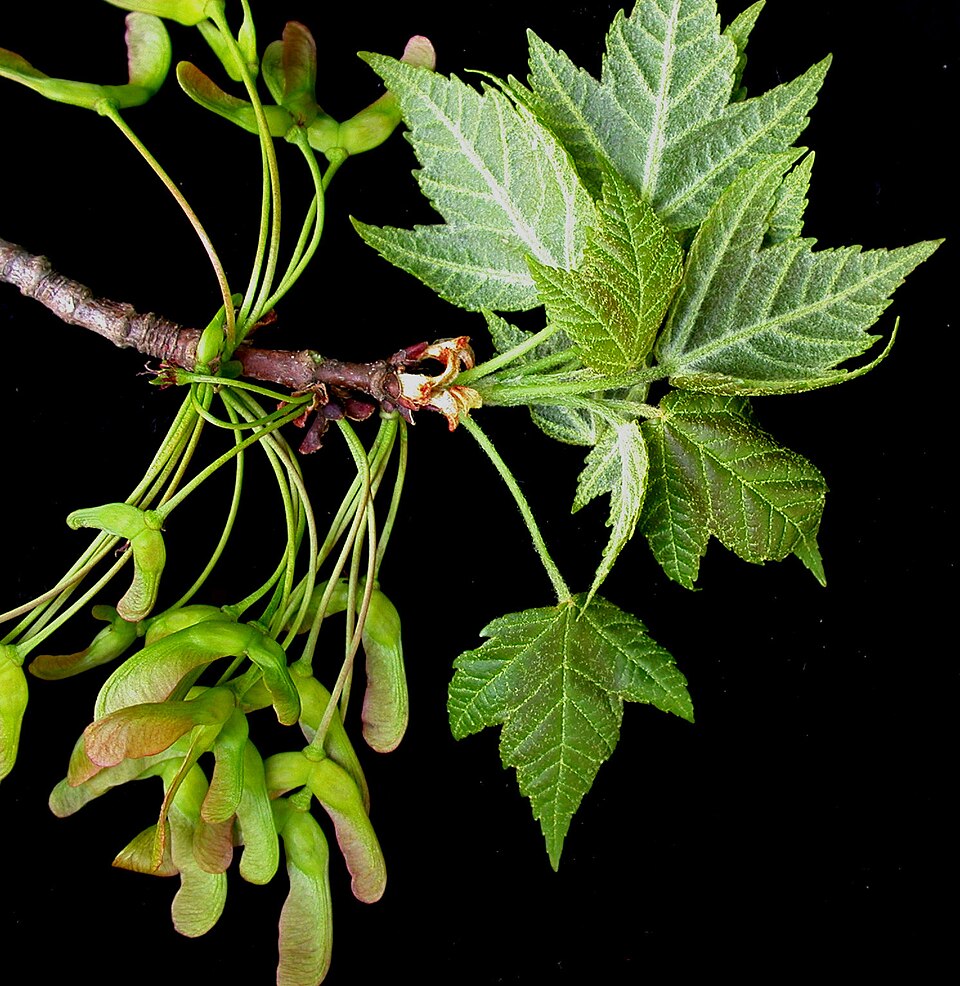
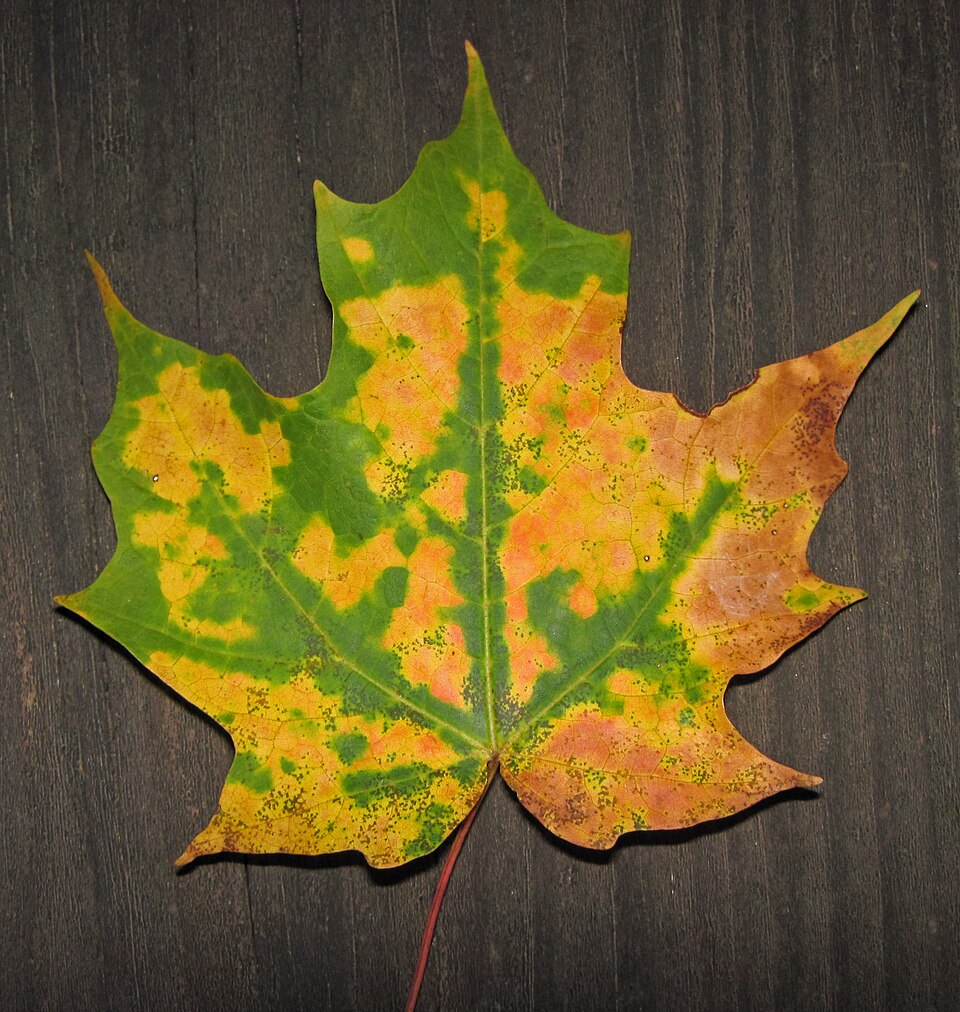
- Red MapleAcer rubrum
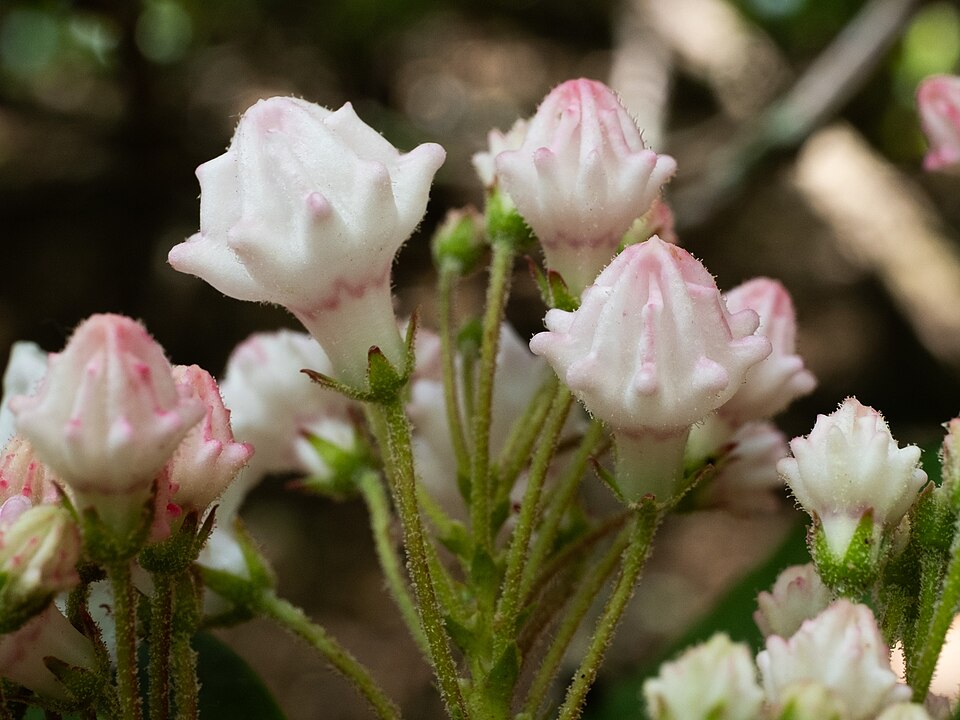
- Mountain LaurelKalmia latifolia
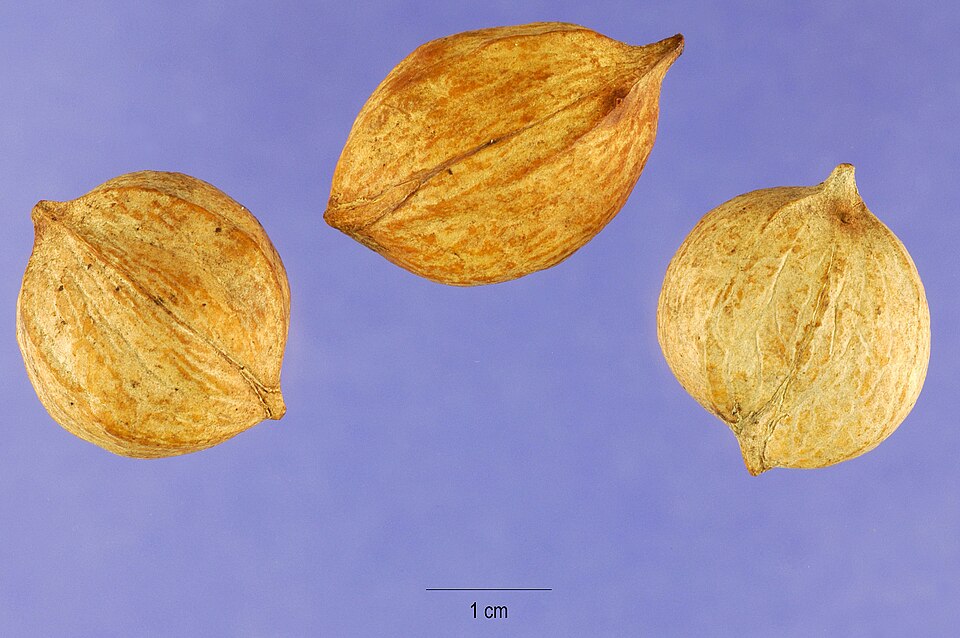
- Pignut HickoryCarya glabra
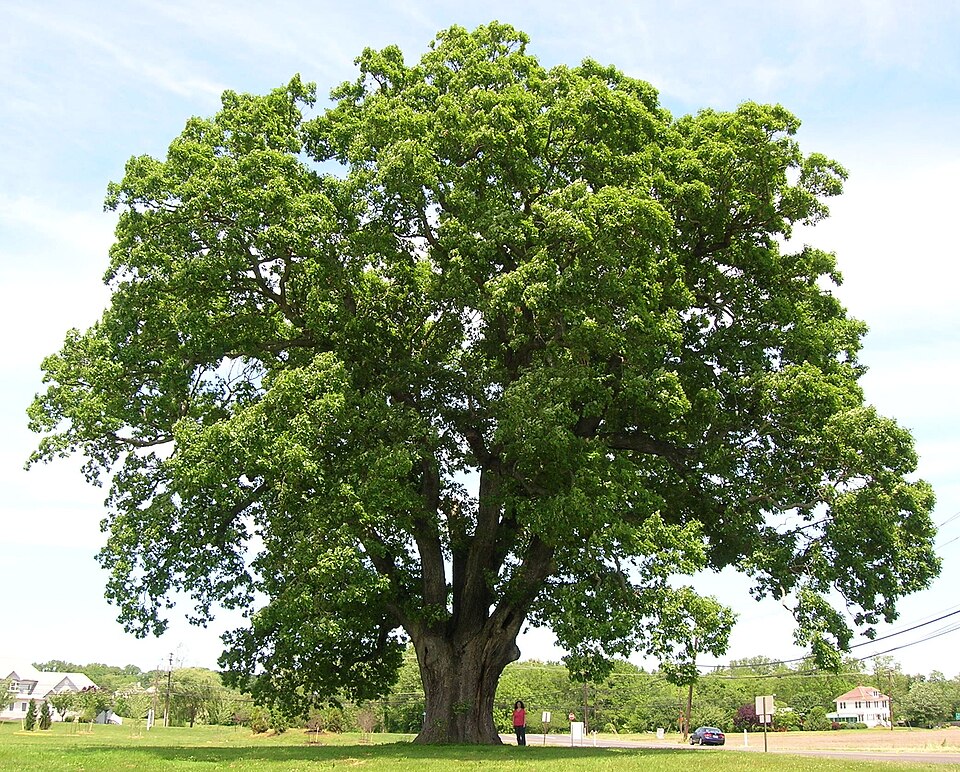
- White OakQuercus alba
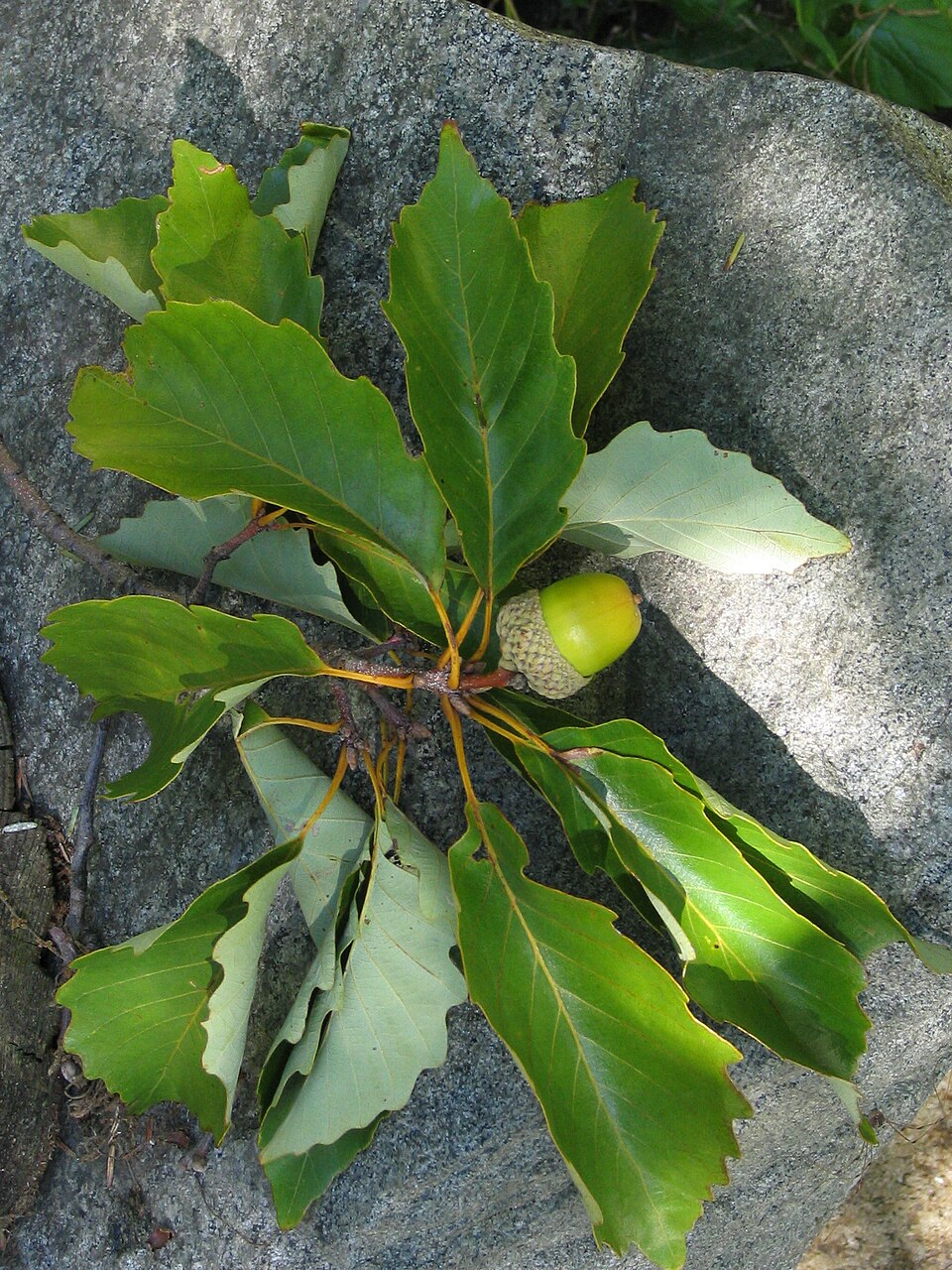
- Chestnut OakQuercus montana
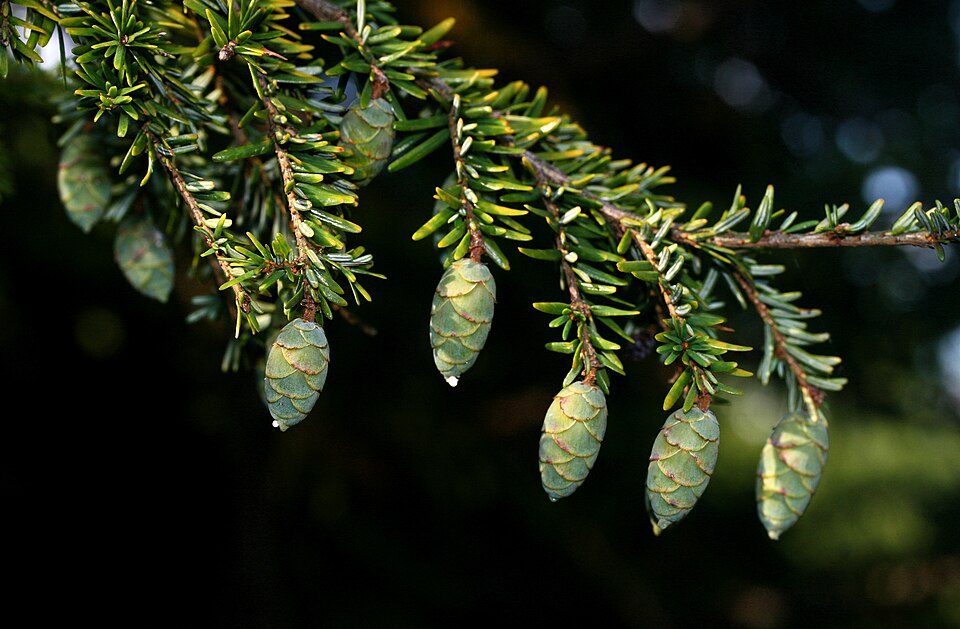
- Eastern HemlockTsuga canadensis
- Sugar MapleAcer saccharum
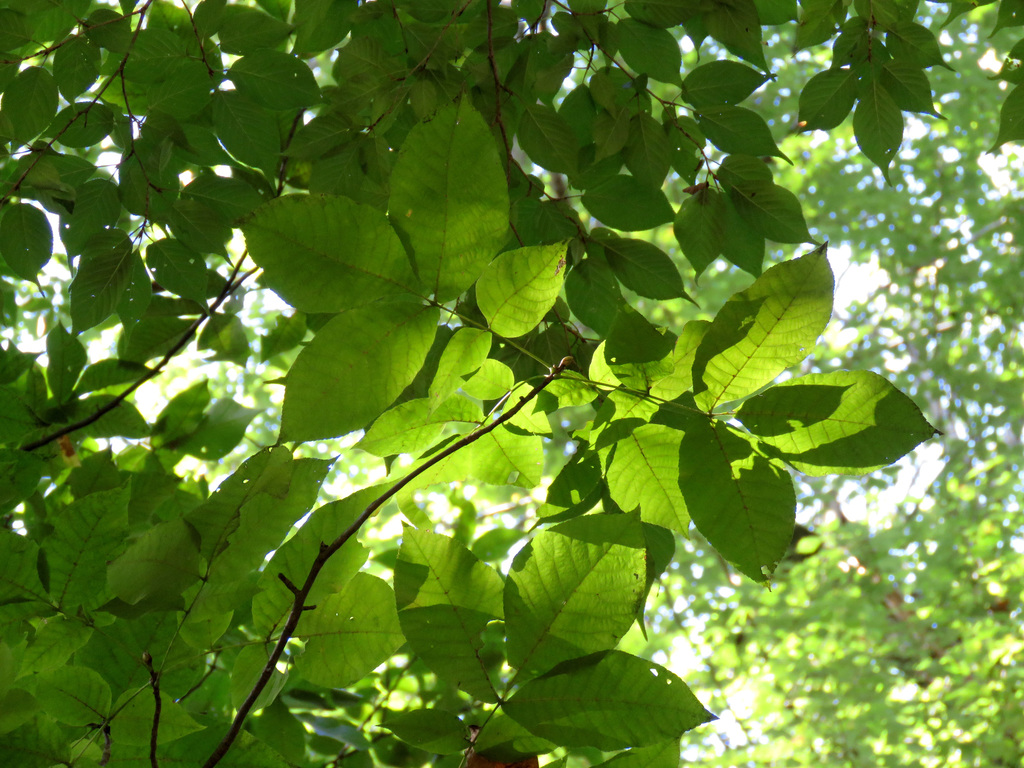
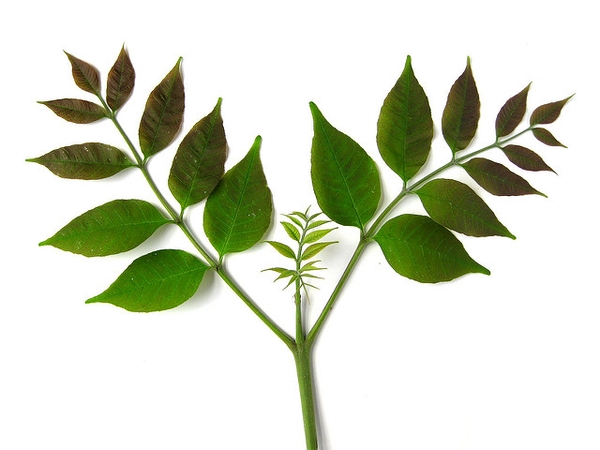
- White AshFraxinus americana
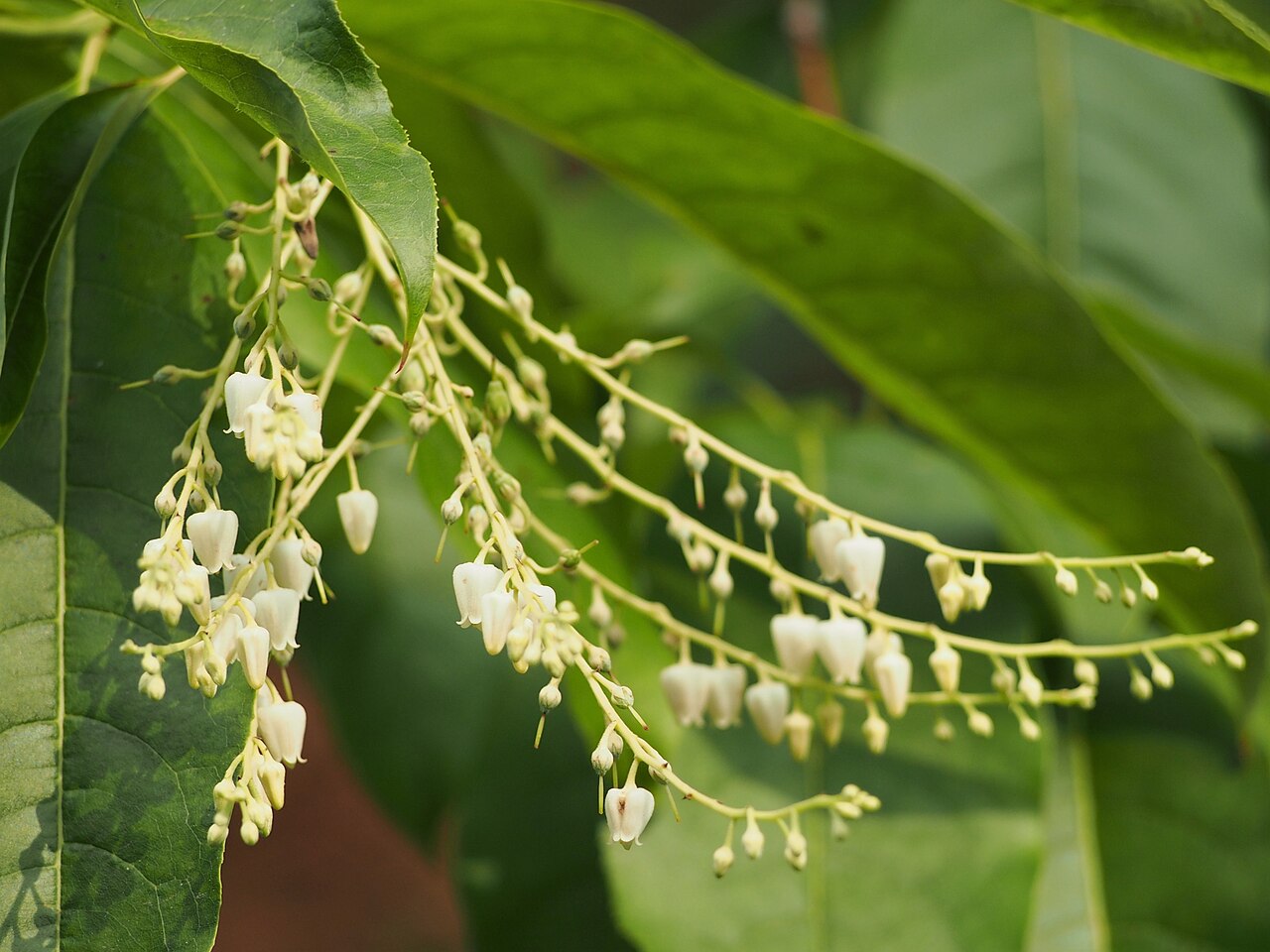
- SourwoodOxydendrum arboreum
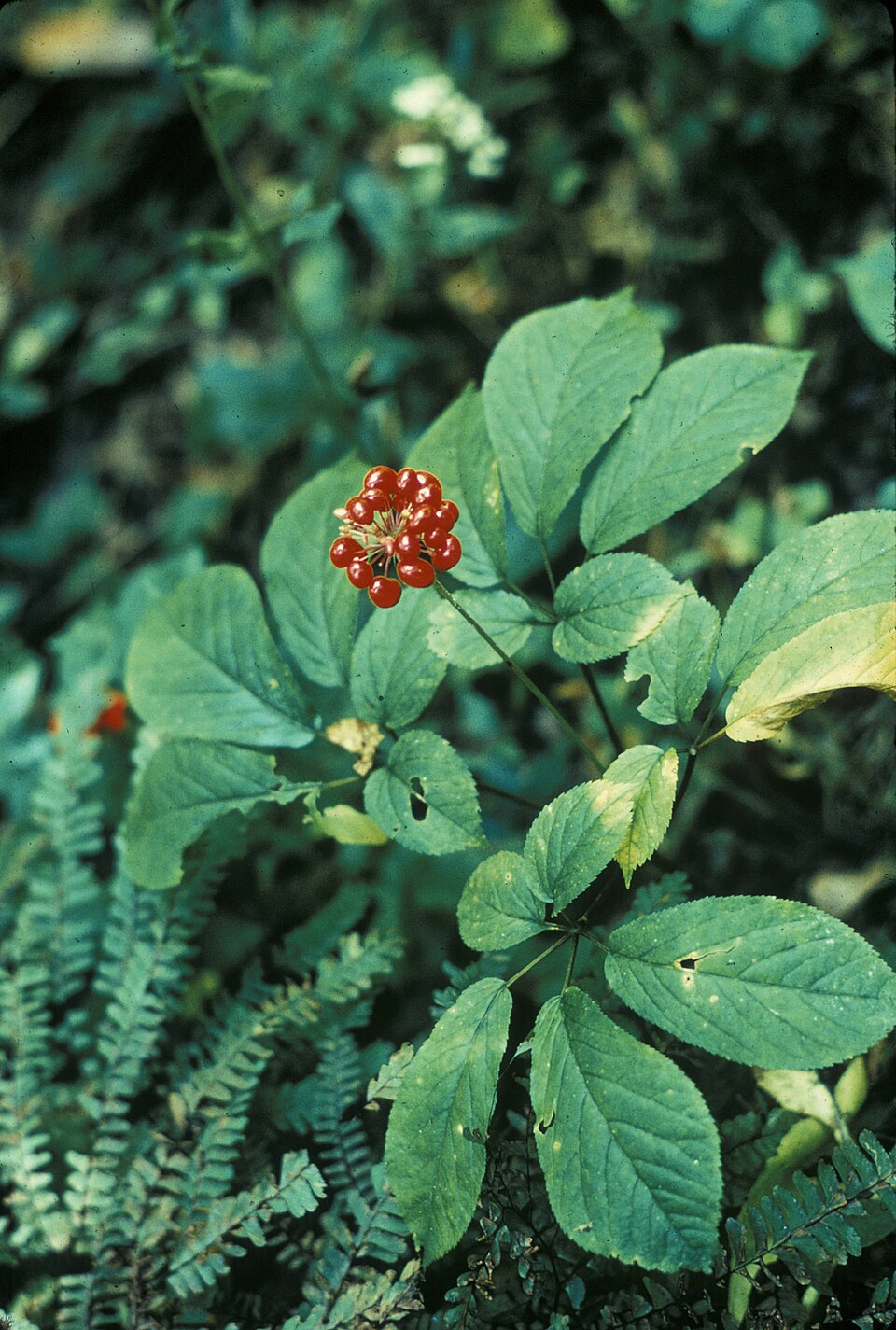
- American GinsengPanax quinquefolius
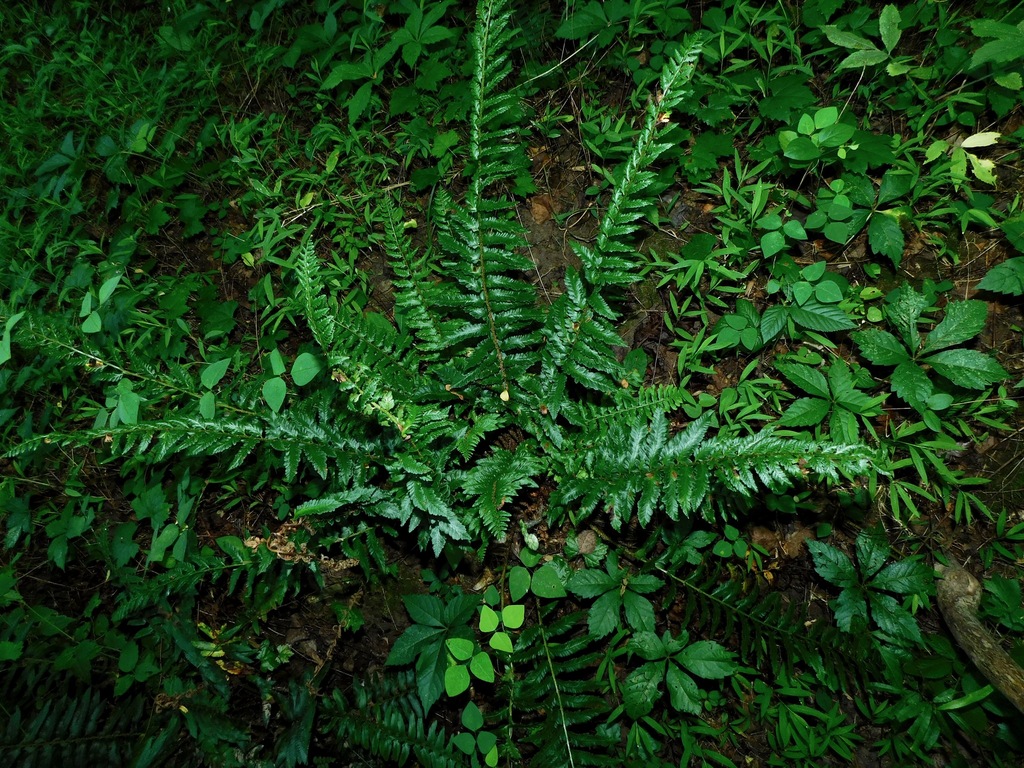
- Christmas FernPolystichum acrostichoides
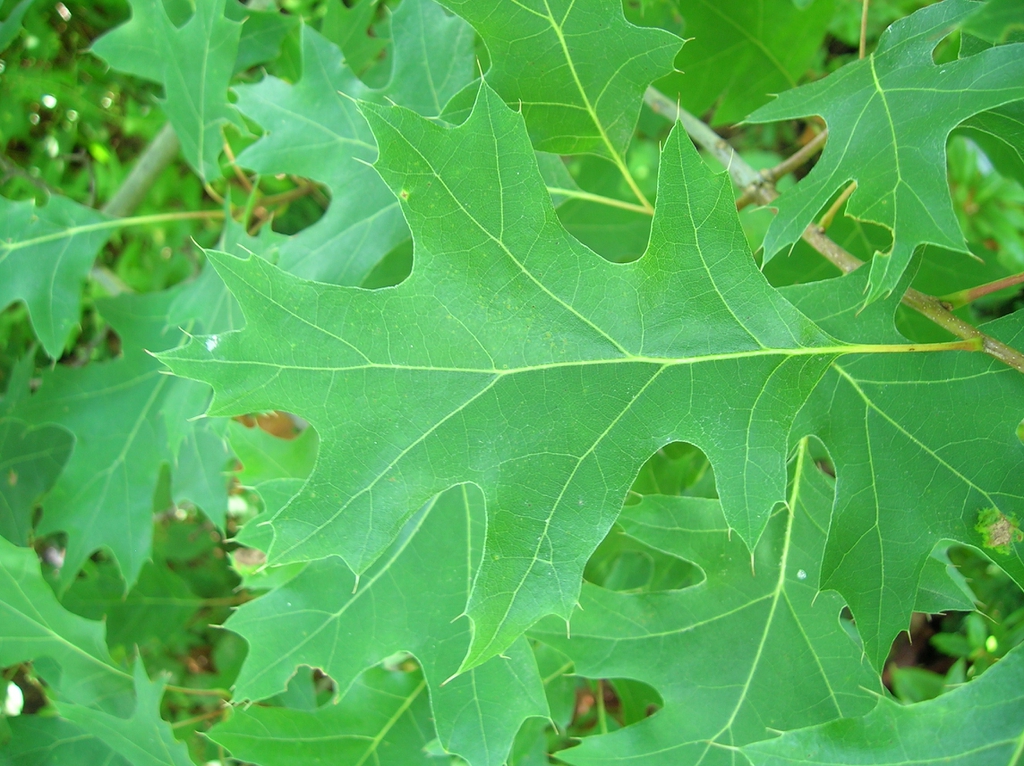
- Scarlet OakQuercus coccinea
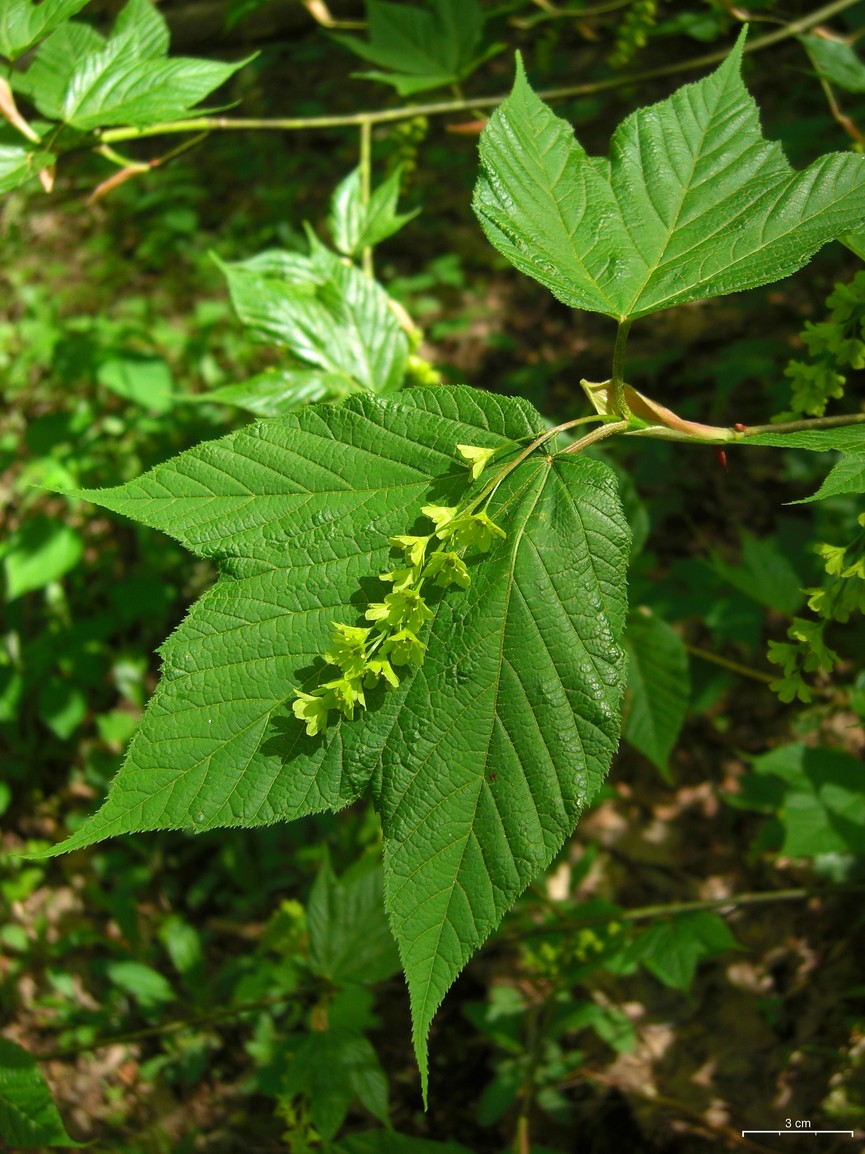
- Striped MapleAcer pensylvanicum
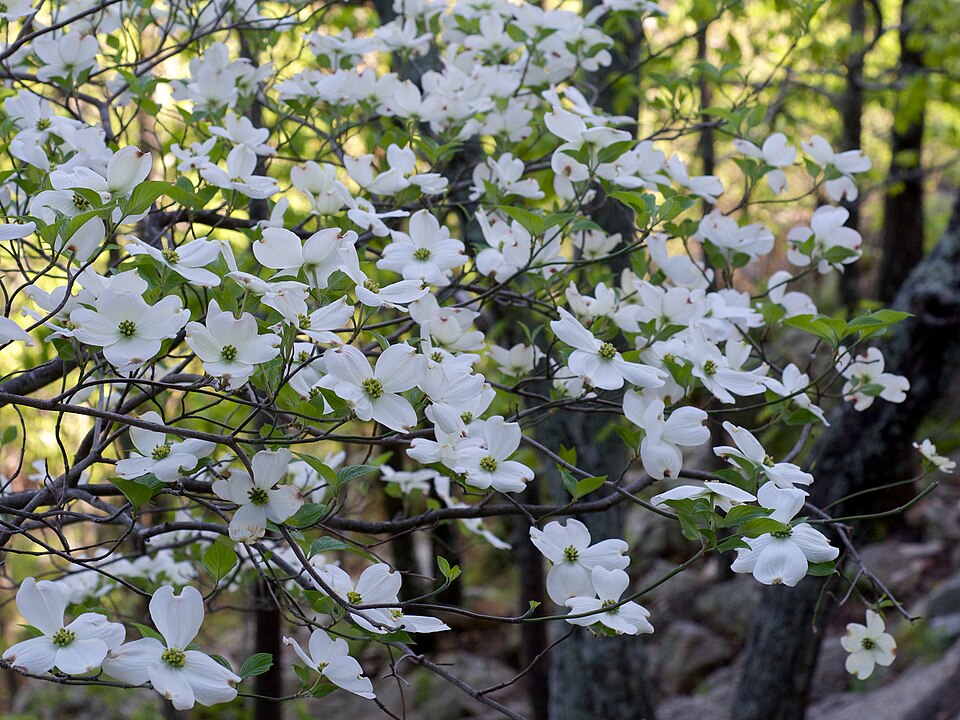
- Flowering DogwoodBenthamidia florida
- Mockernut HickoryCarya tomentosa
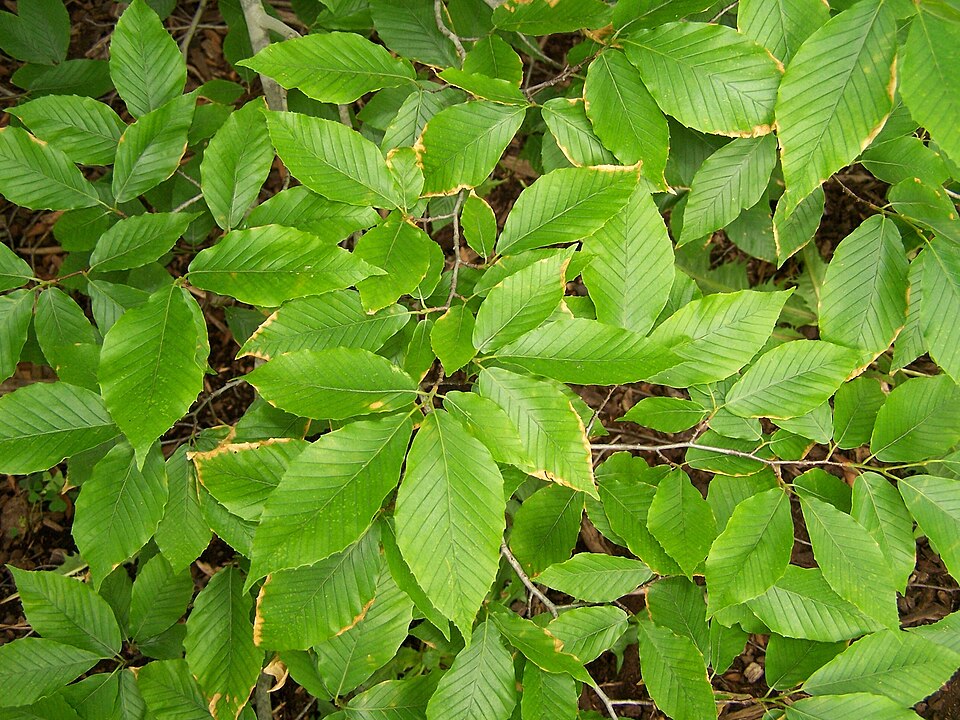
- American BeechFagus grandifolia
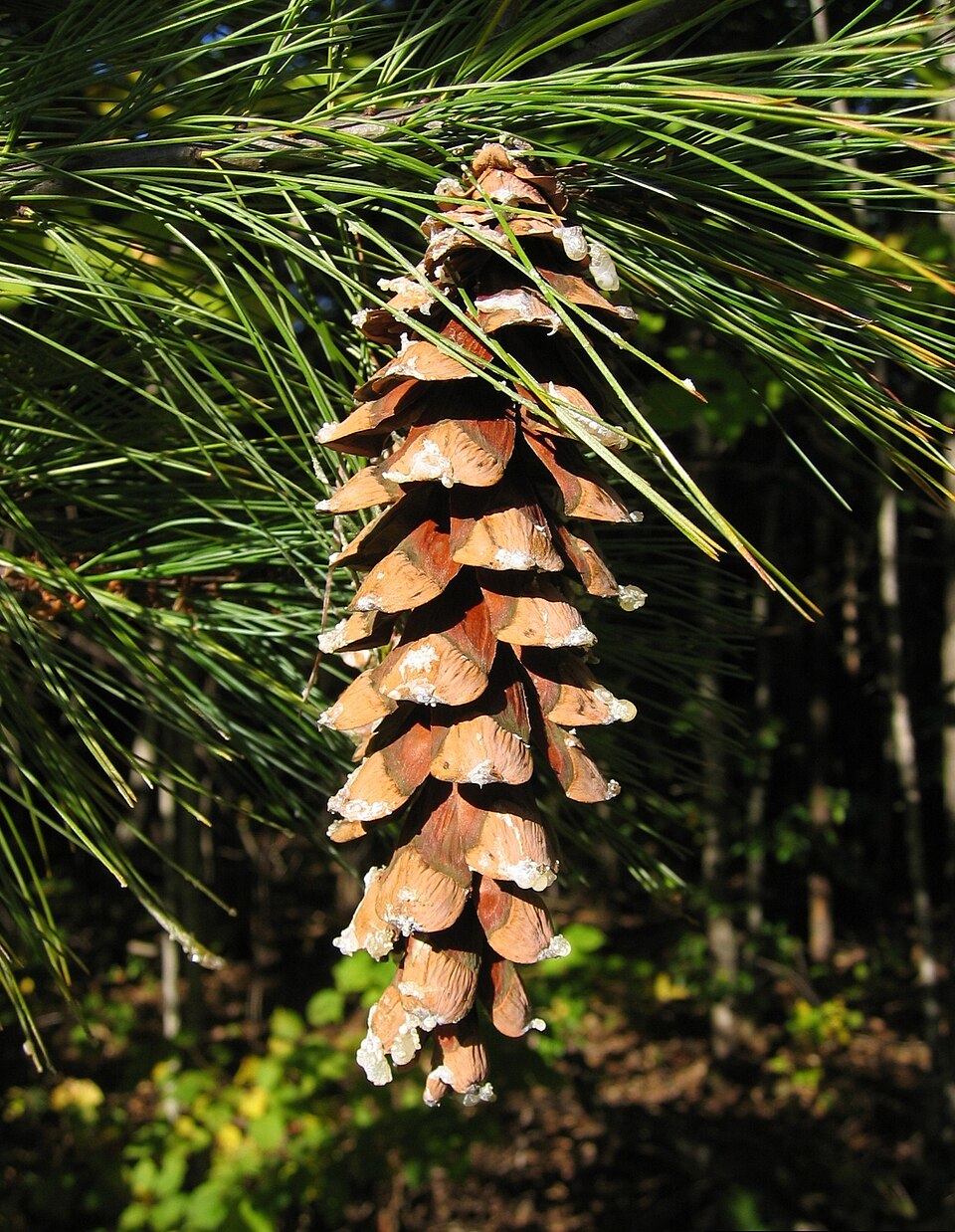
- Eastern White PinePinus strobus
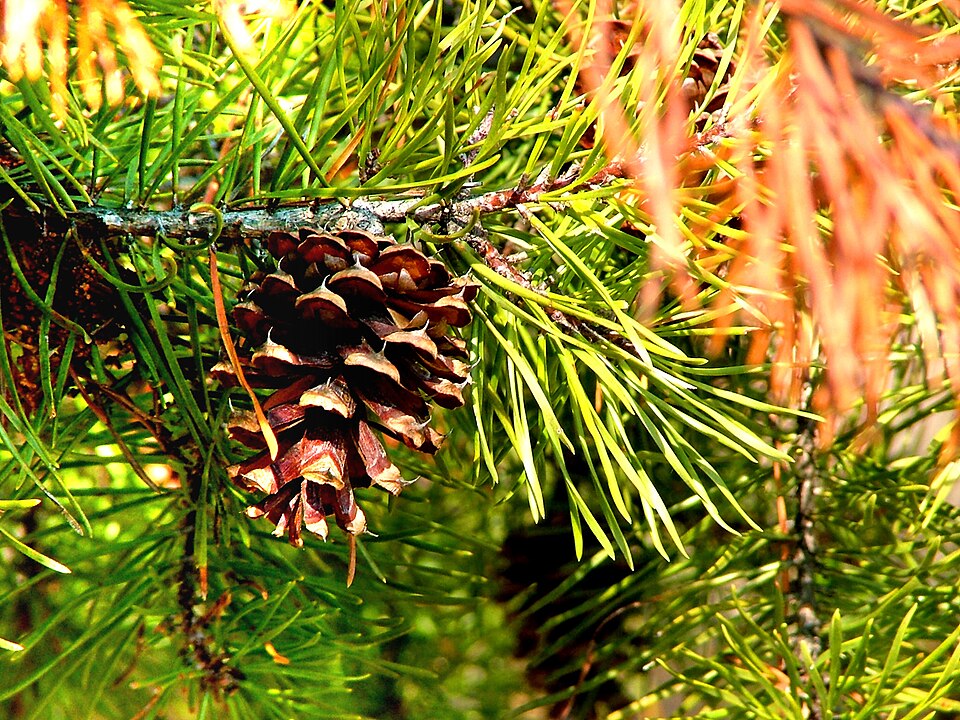
- Virginia PinePinus virginiana
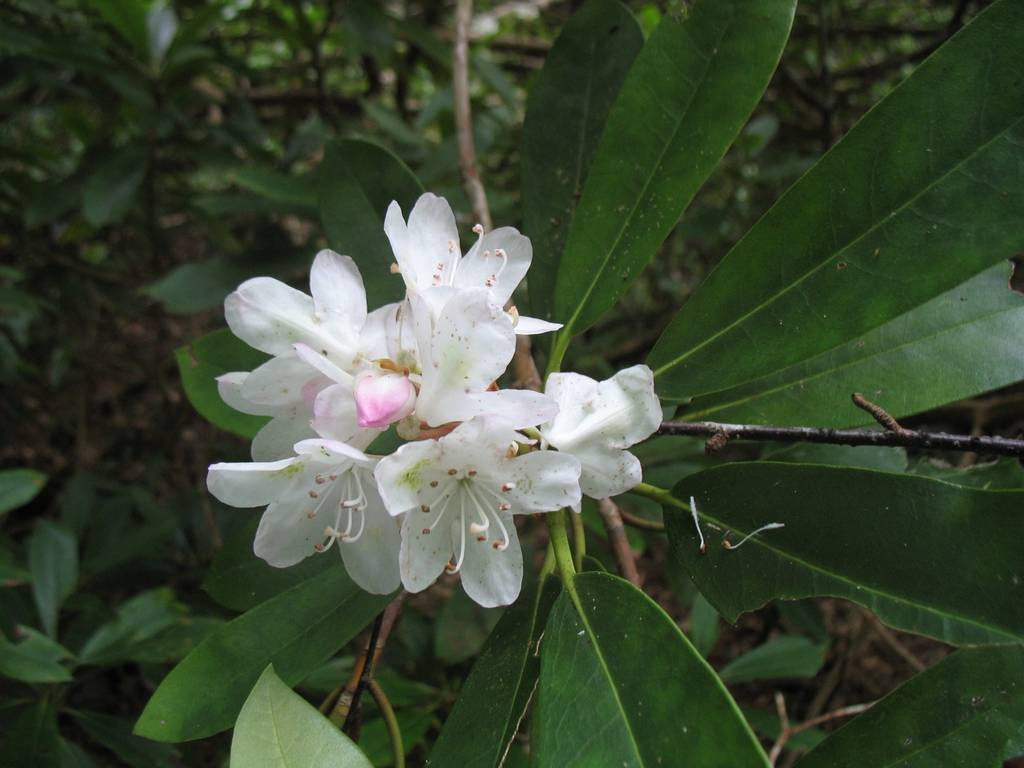
- Rosebay RhododendronRhododendron maximum
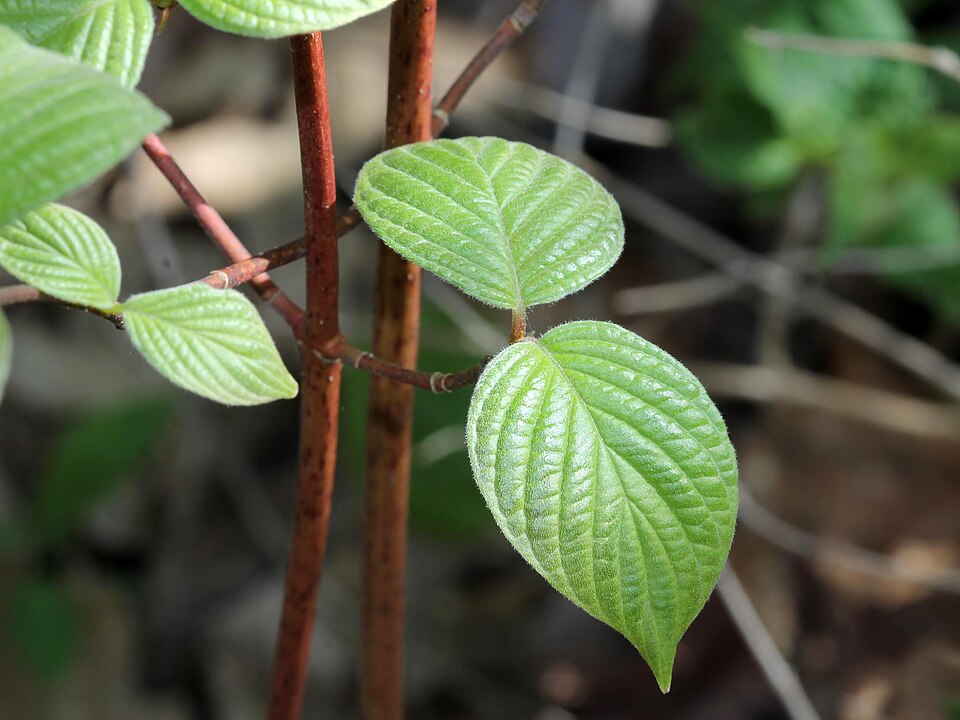
- Round Leaf DogwoodSwida rugosa
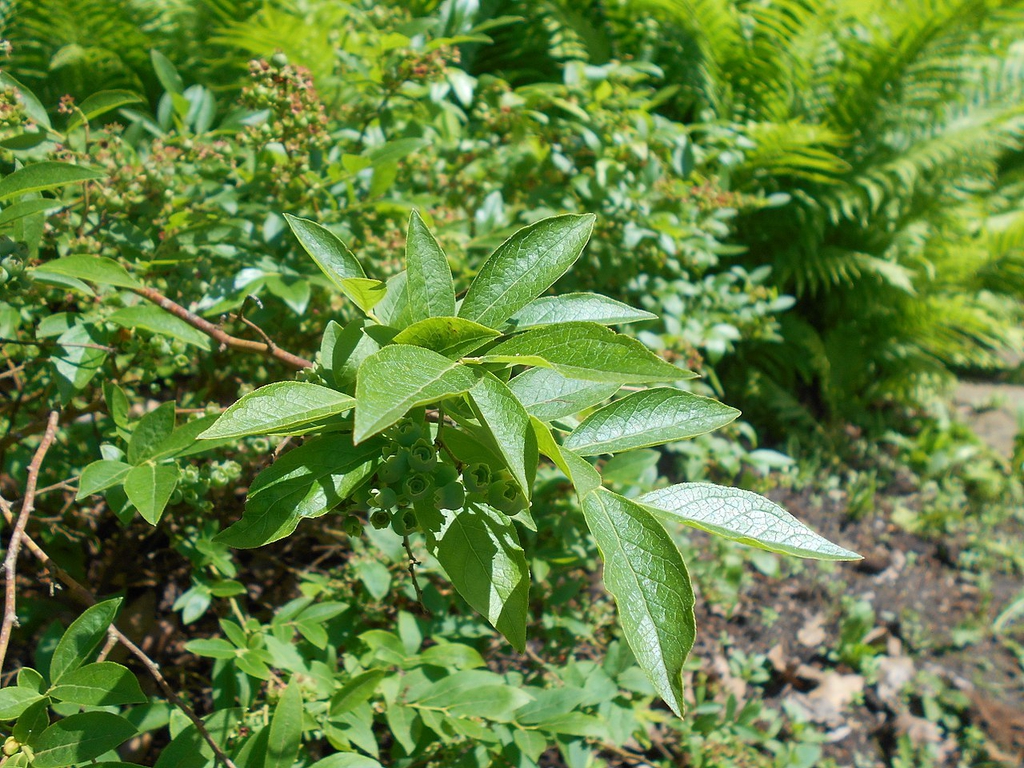
- Hillside BlueberryVaccinium pallidum
- Yellow BirchBetula alleghaniensis
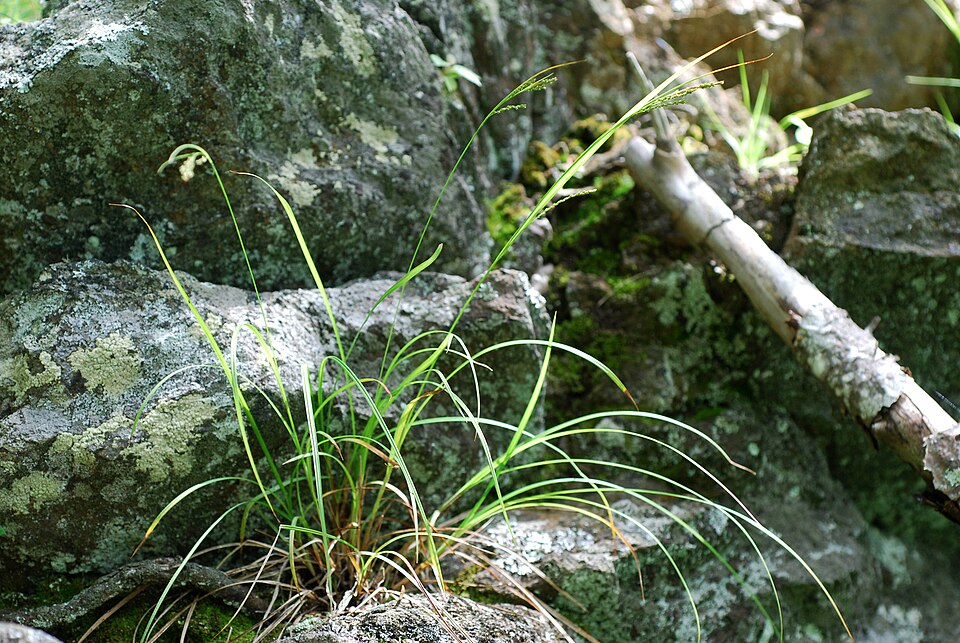
- Summer SedgeCarex aestivalis
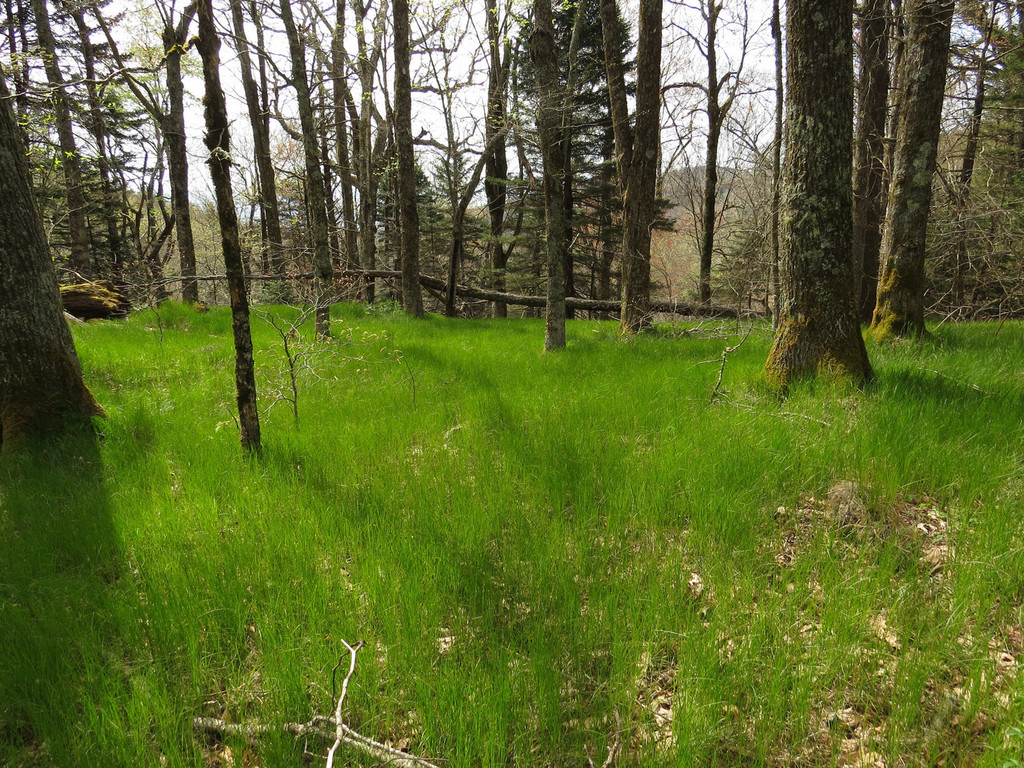
- Pennsylvania SedgeCarex pensylvanica
Wildlife 212
Other animals whose habitat models include the same habitats in Virginia. Not sighting records.
- Eastern Screech-owlMegascops asio
- Eastern Wood-peweeContopus virens
- Eurasian Collared-doveStreptopelia decaocto
- Evening GrosbeakCoccothraustes vespertinus
- Hermit ThrushCatharus guttatus
- Northern Saw-whet OwlAegolius acadicus
- Olive-sided FlycatcherContopus cooperi
- OvenbirdSeiurus aurocapilla
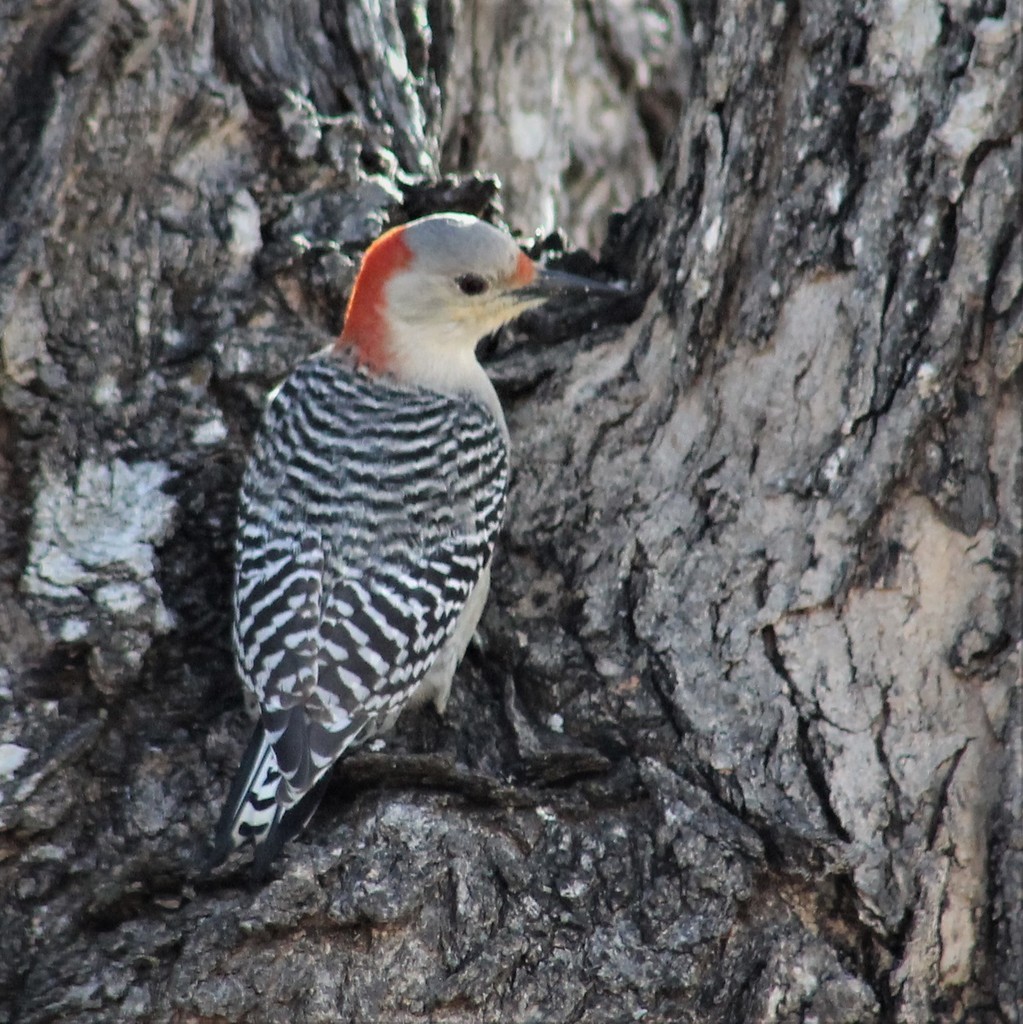
- Red-bellied WoodpeckerMelanerpes carolinus
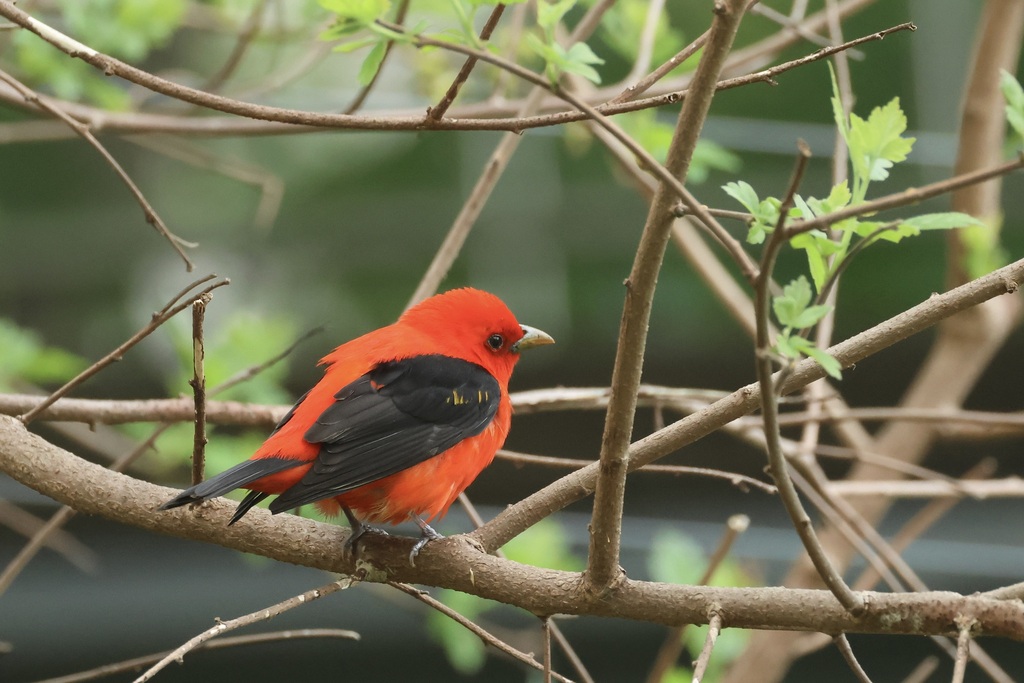
- Scarlet TanagerPiranga olivacea
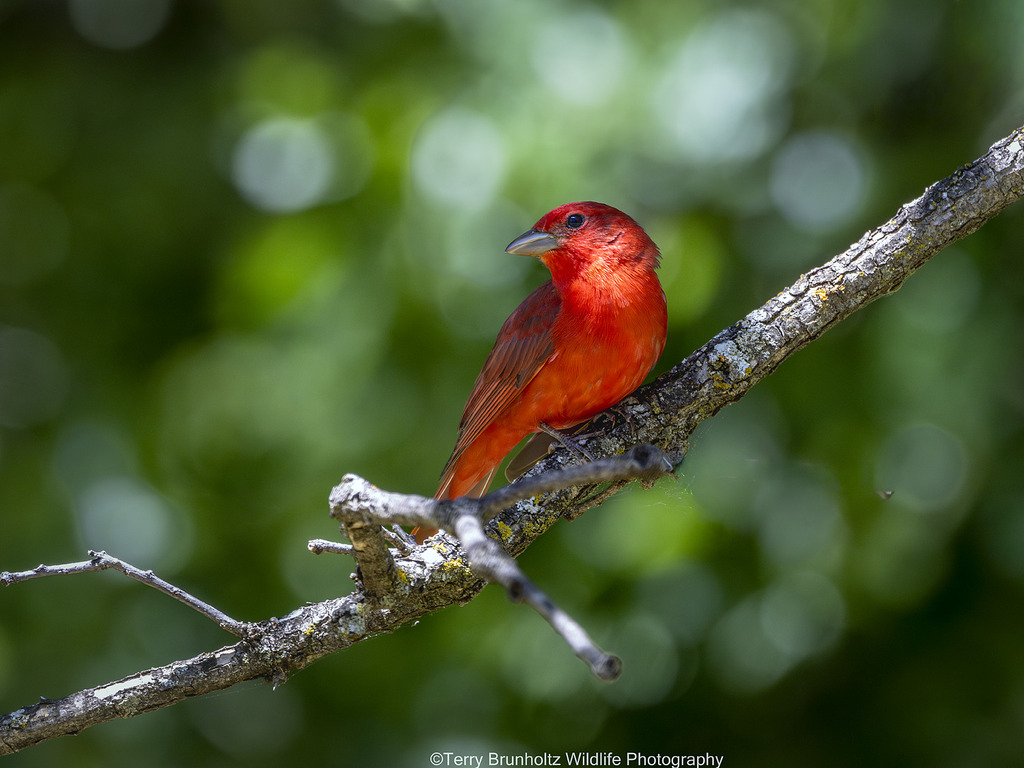
- Summer TanagerPiranga rubra
- Wood ThrushHylocichla mustelina
- American RedstartSetophaga ruticilla
- Barred OwlStrix varia
- Black-throated Blue WarblerDendroica caerulescens
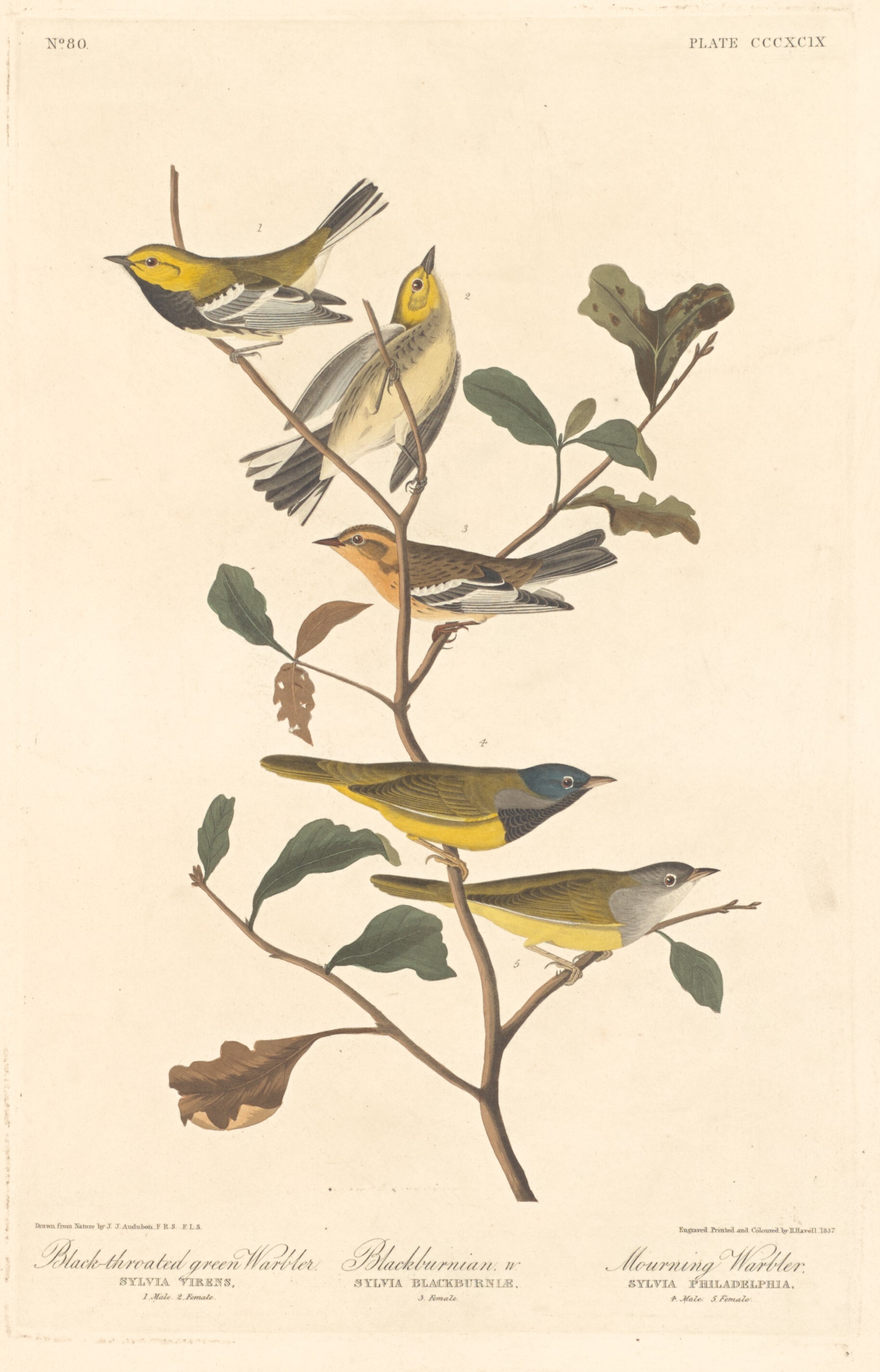
- Black-throated Green WarblerDendroica virens
- Blue-winged WarblerVermivora pinus
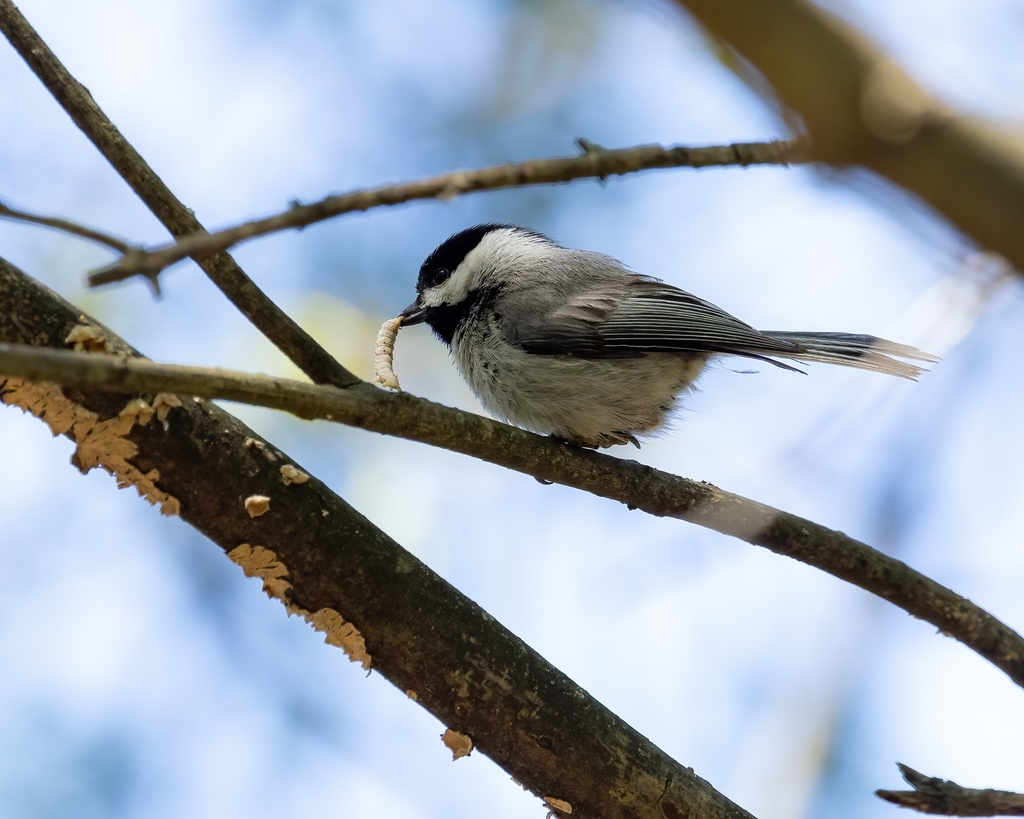
- Carolina ChickadeePoecile carolinensis
- Cerulean WarblerDendroica cerulea
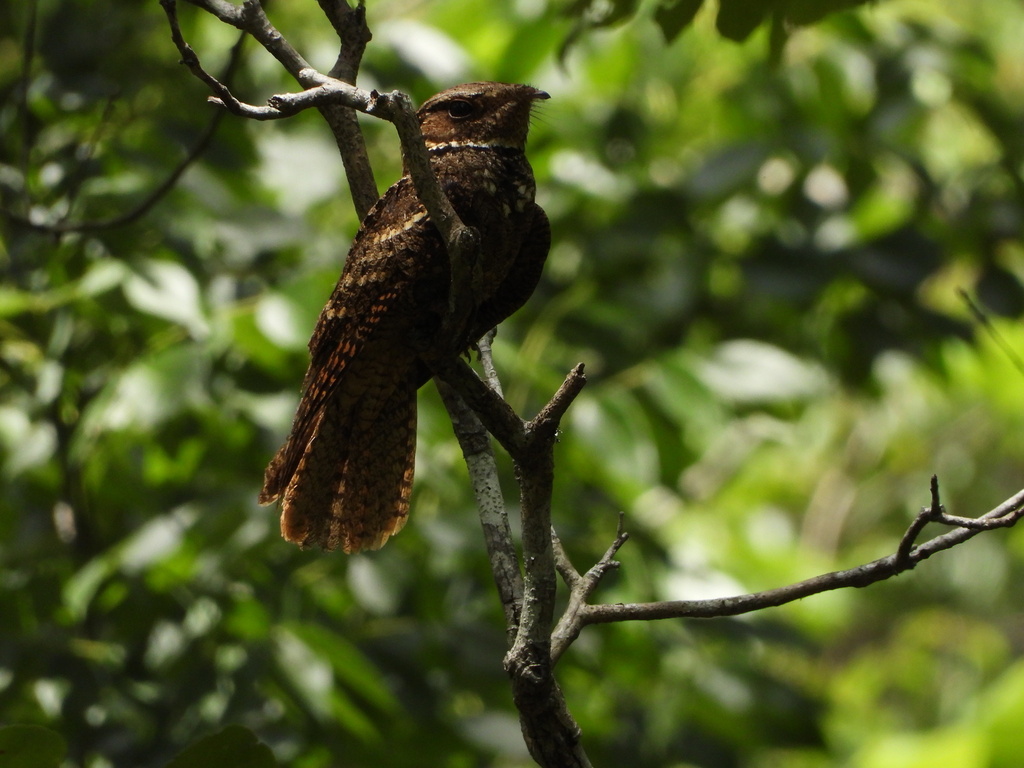
- Chuck-will's-widowCaprimulgus carolinensis
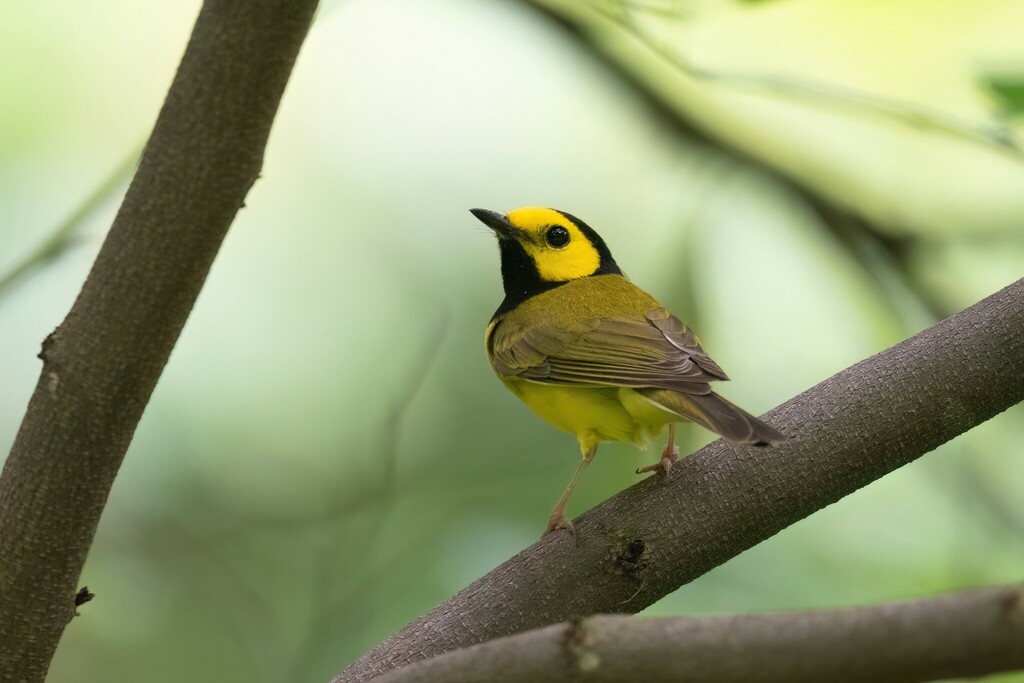
- Hooded WarblerWilsonia citrina
- Indigo BuntingPasserina cyanea
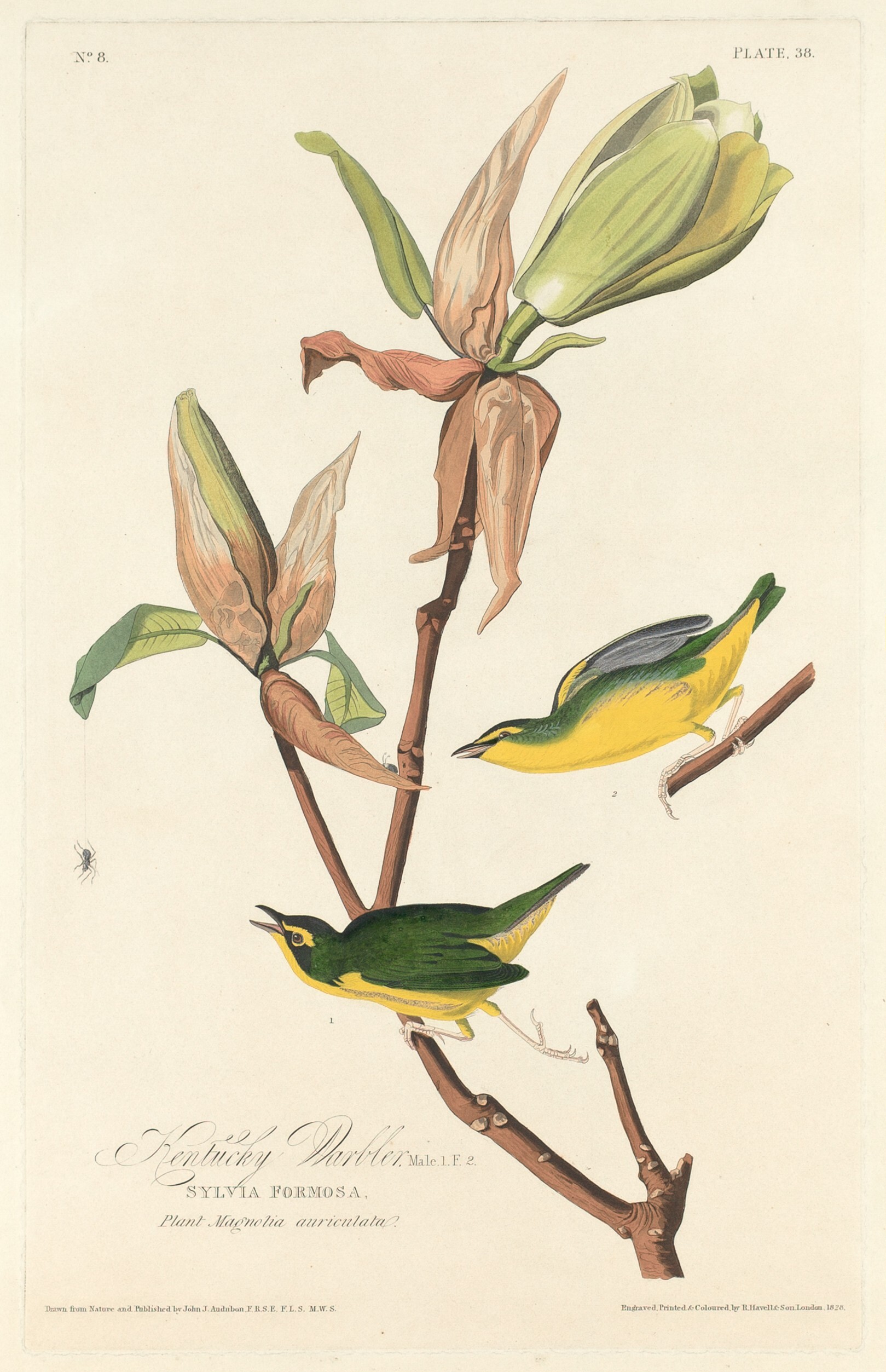
- Kentucky WarblerOporornis formosus
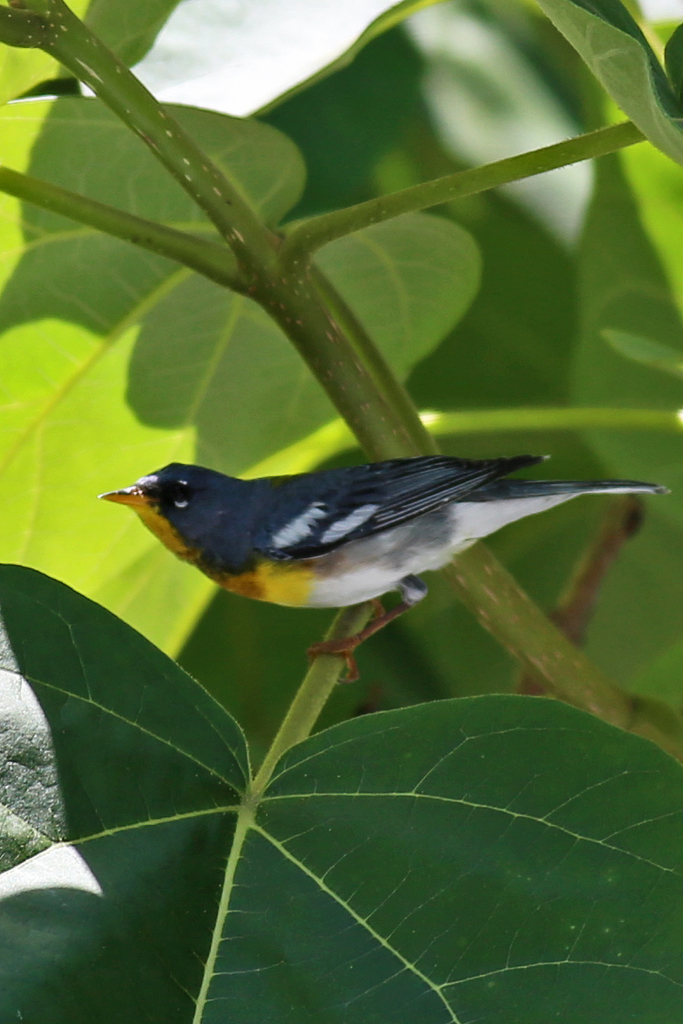
- Northern ParulaParula americana

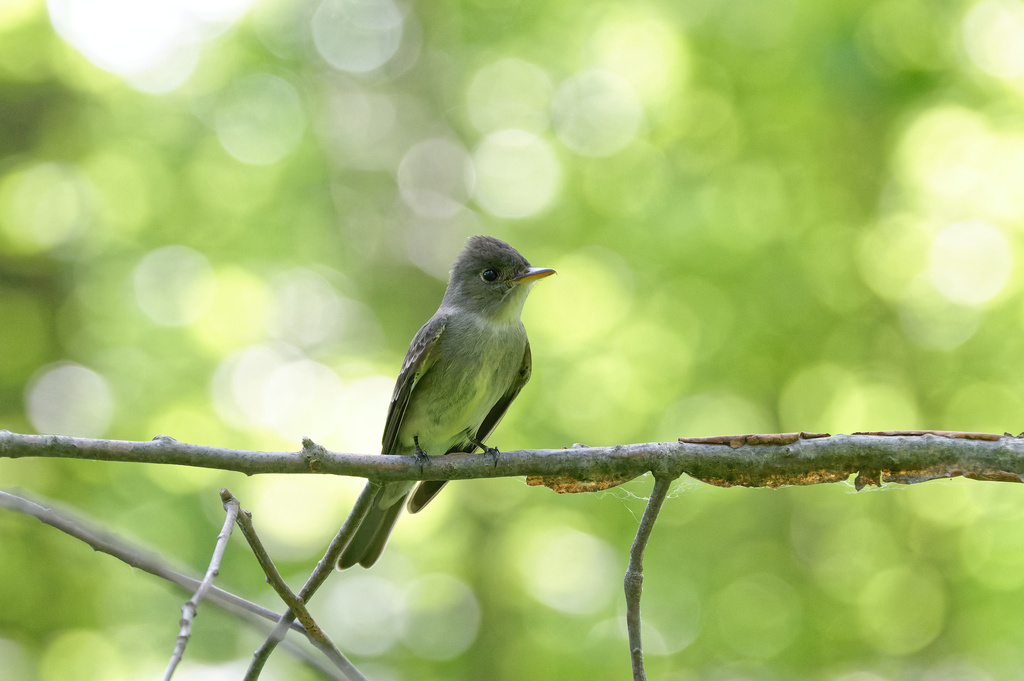

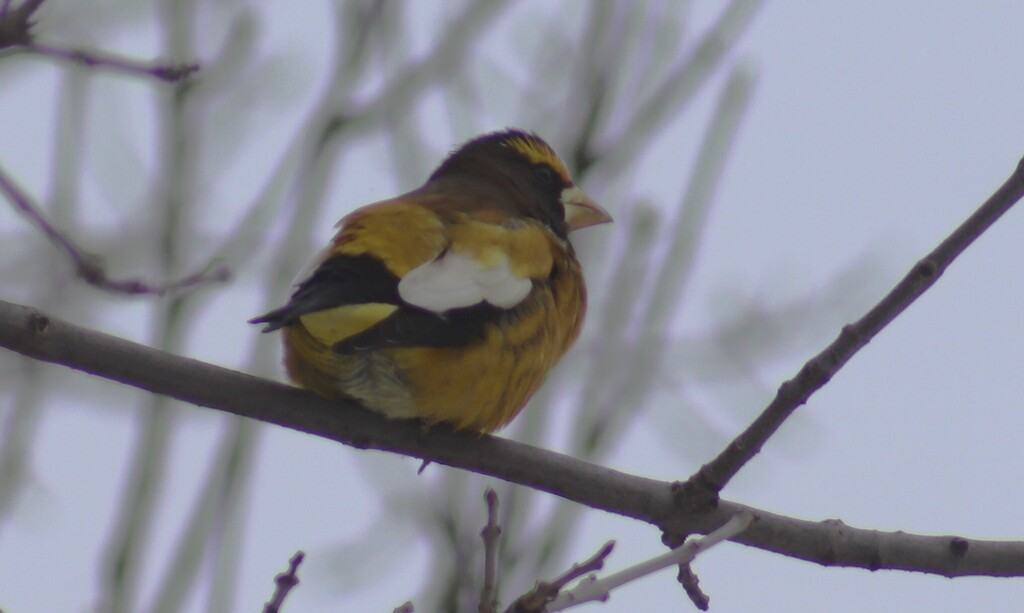

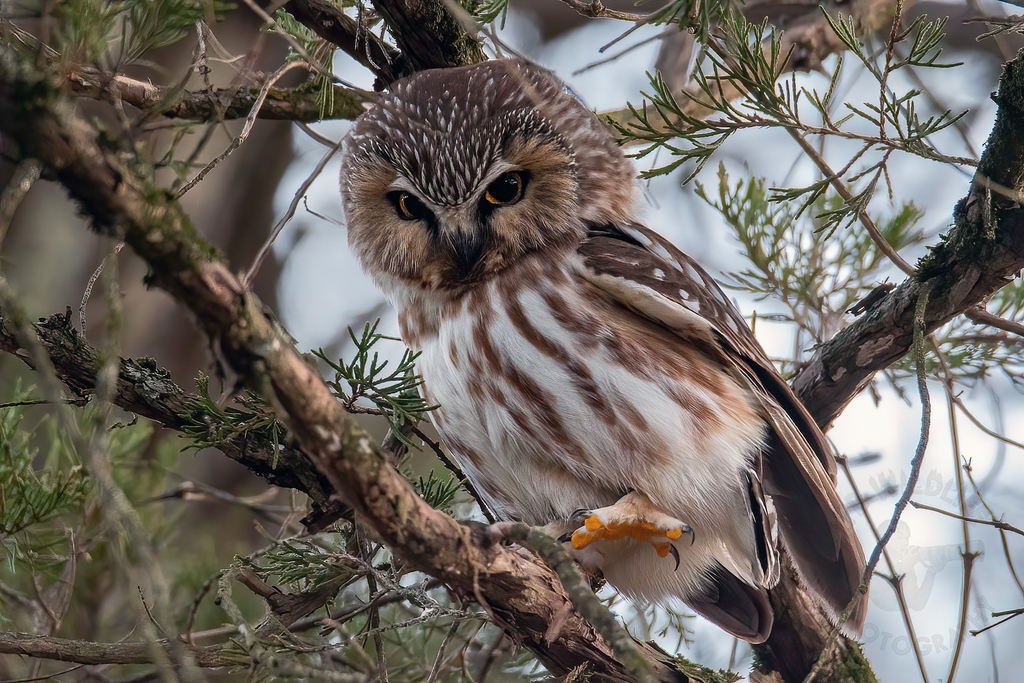
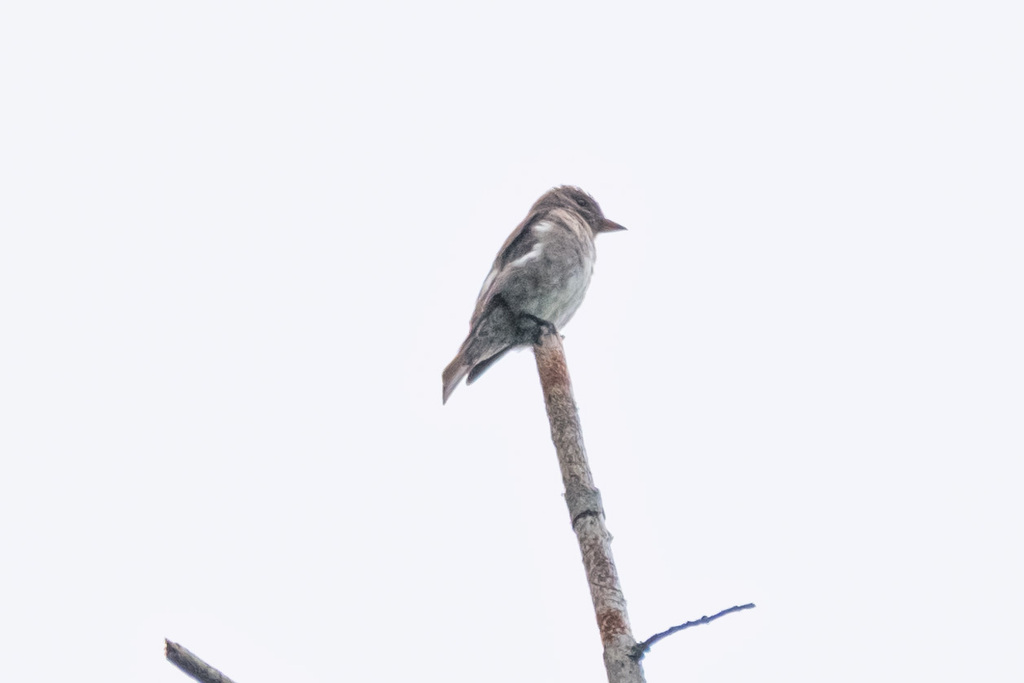










NatureServe Explorer, CC BY 4.0. USGS Gap Analysis Project habitat models.
Sources
- USGS Gap Analysis Project habitat models (2001)
- USGS GAP winter habitat model for Long-eared Owl
- USGS Gap Analysis Project range maps (2001), modeled by watershed; migratory gives no dates
- NatureServe Explorer (CC BY 4.0), habitat names
- US Census TIGER/Line counties
- Names follow the USGS Gap Analysis Project (2001)