

Bird
Hooded Warbler
Wilsonia citrina
A summer resident that nests in Virginia. Found in all 133 counties and cities, across 14 habitats.
- Here
- Summer
- Nesting
- Nests here
- Range
- All 133 counties and cities
- Habitats
- 14

At a glance
- Group
- Birds
- Here
- Summer
- Nesting
- Nests here
- Range
- All 133 counties and cities
- Habitats
- 14
- Habitat models
- Summer
Where it lives
The places its habitat model includes. It is not found everywhere a habitat occurs.
Habitats in Virginia 14
Each habitat page lists the plants and wildlife also found there.
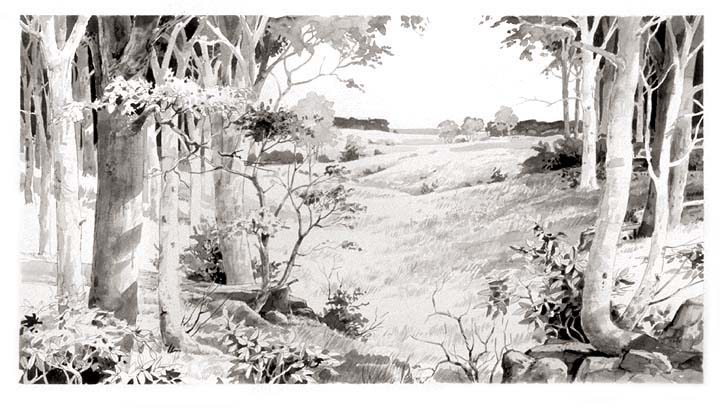
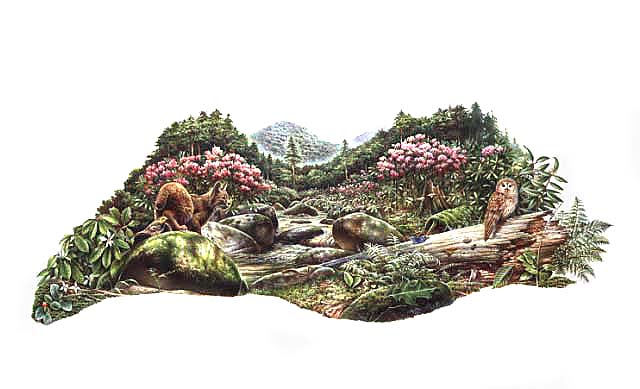
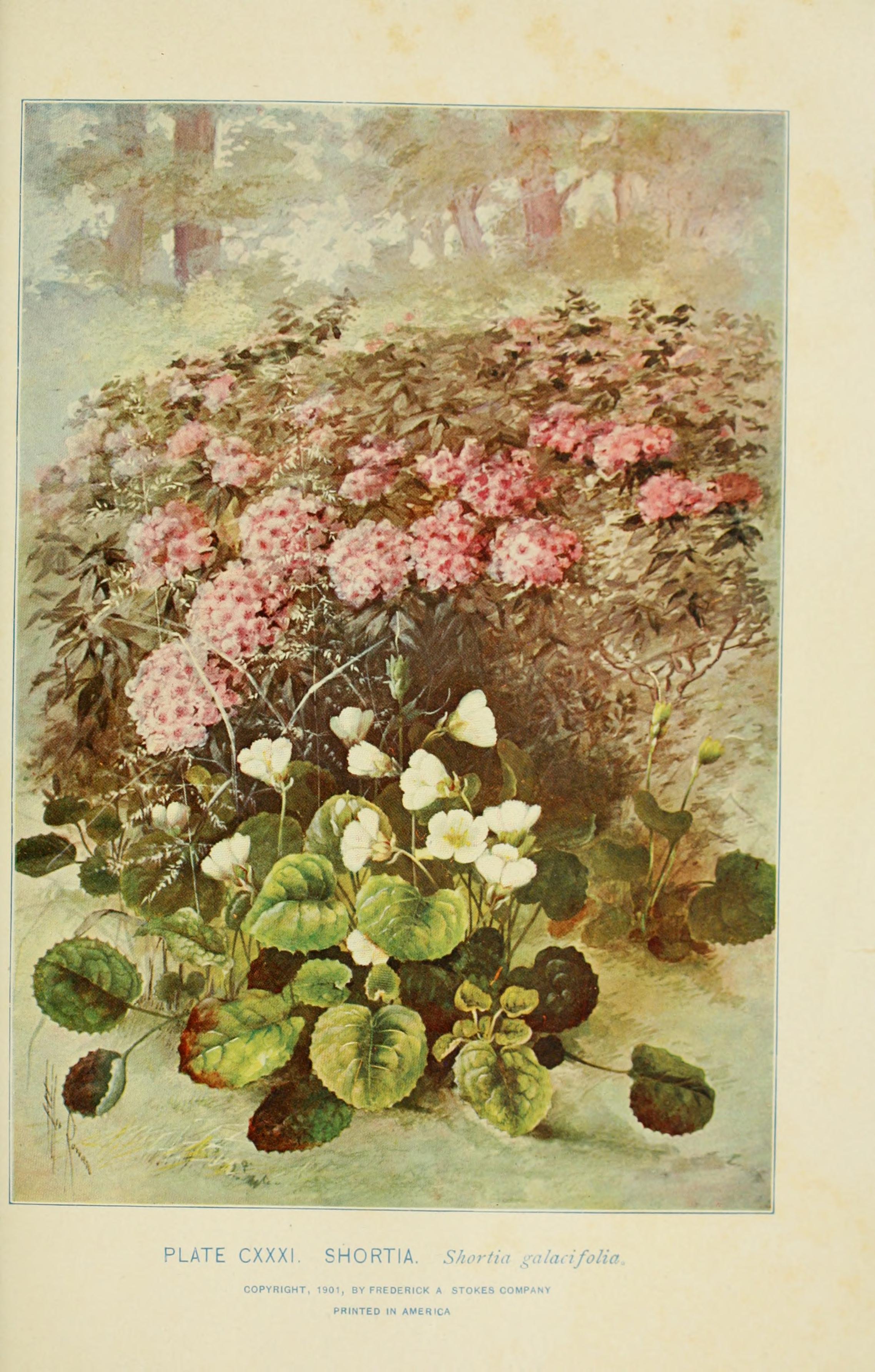
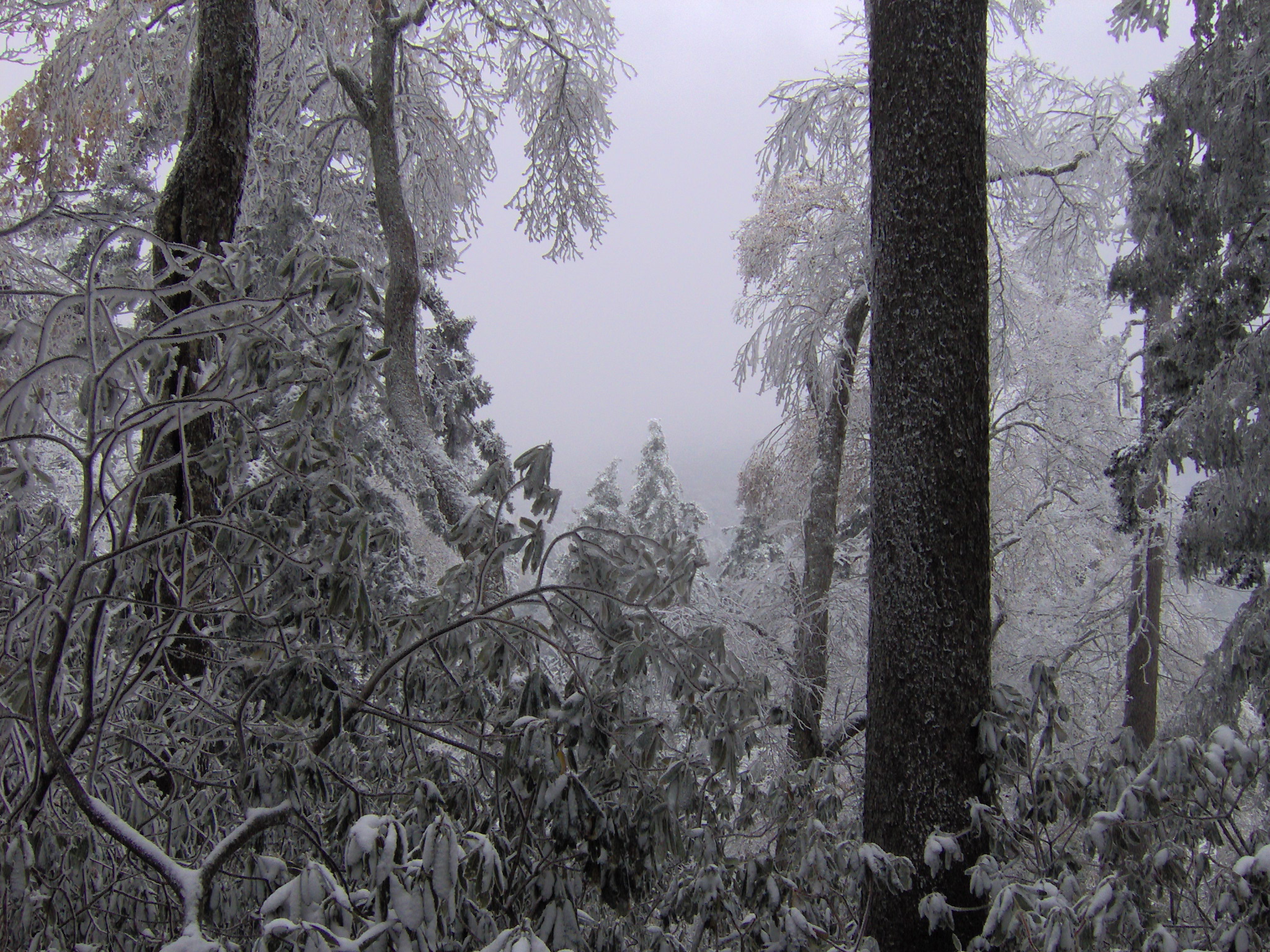
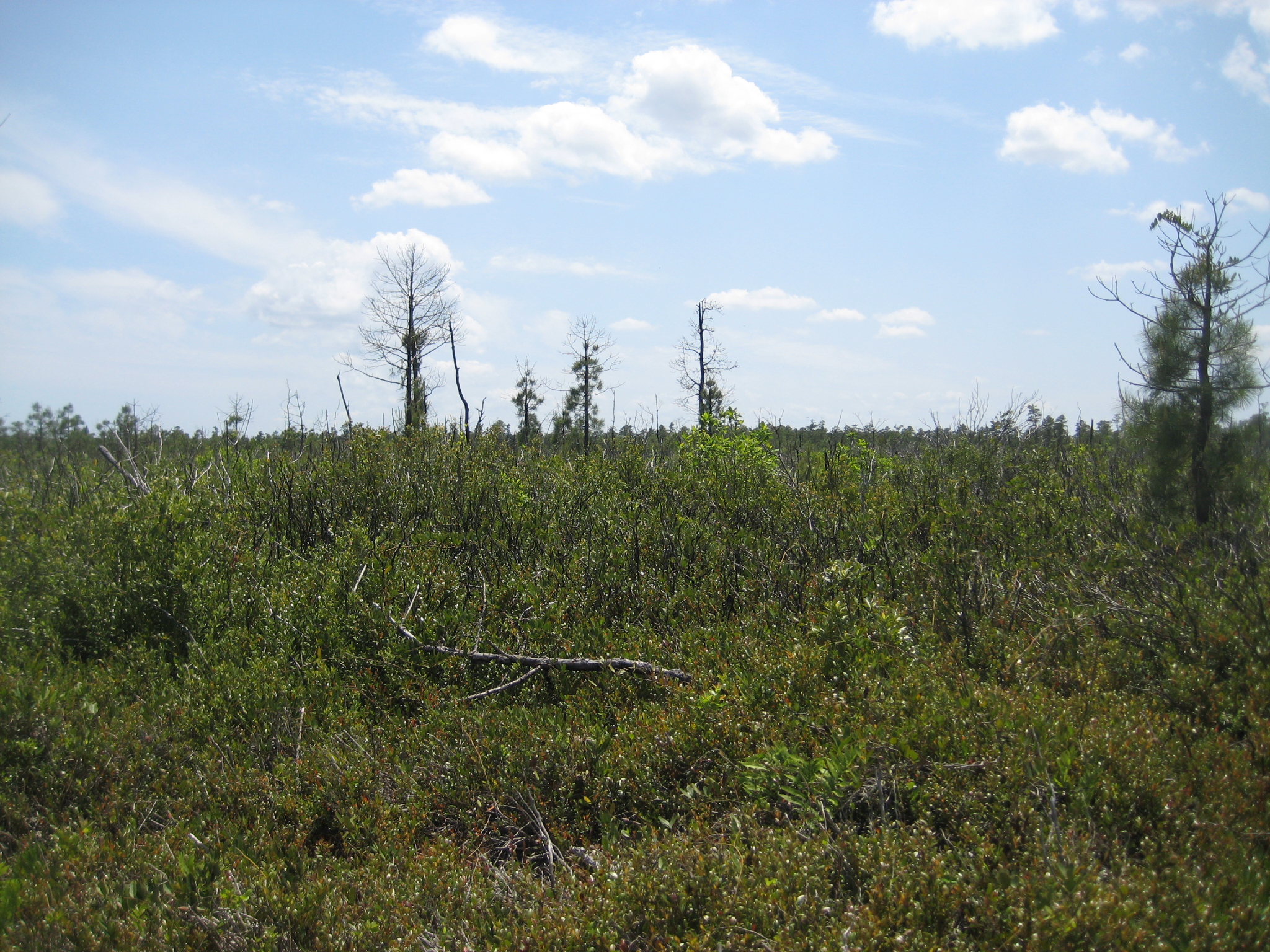
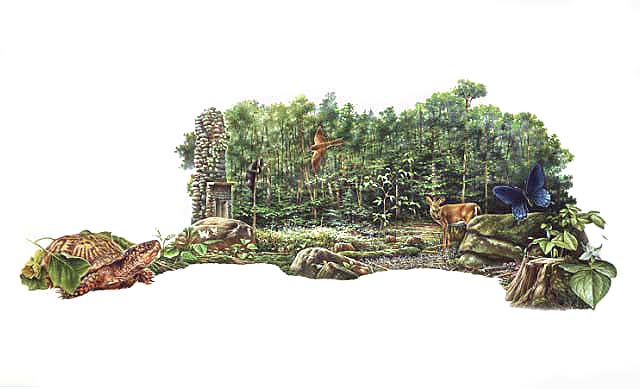
Streams, rivers and their banks
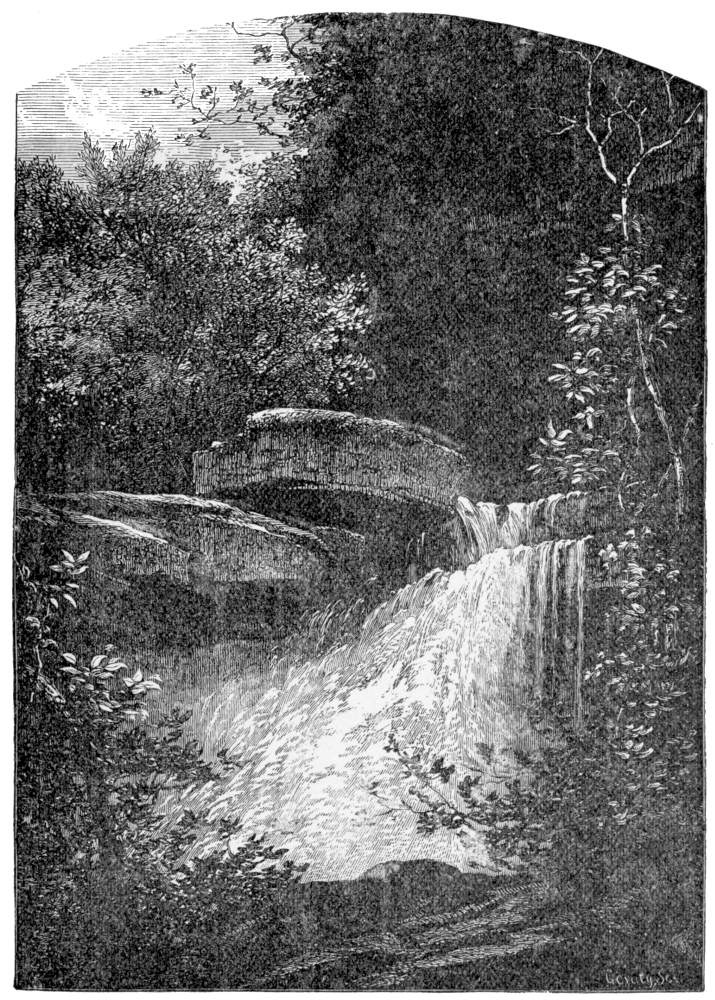
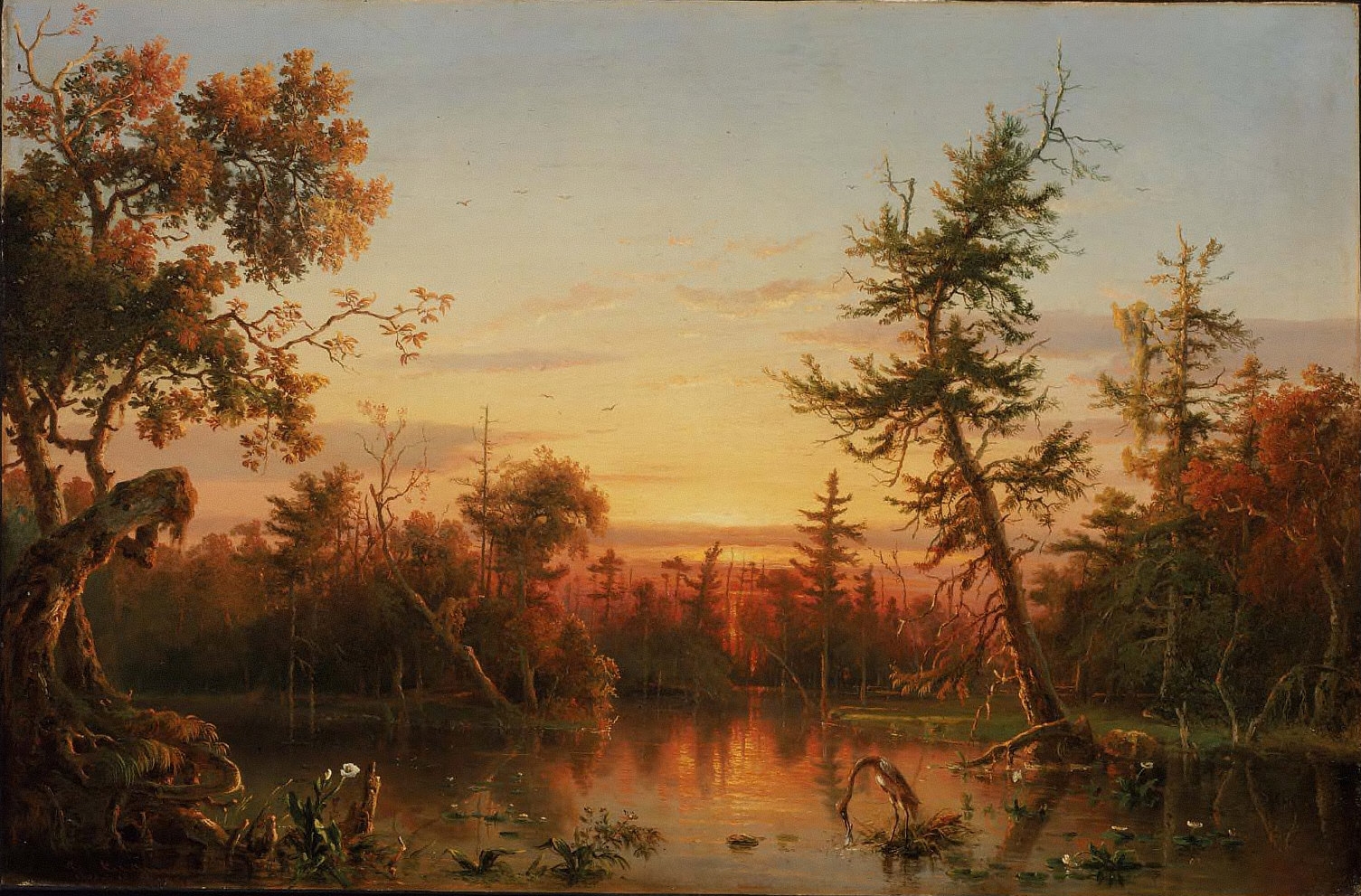
Forests and open woodlands on dry ridges and slopes, often oak or pine.
Floodplain and bottomland forests
Forests on low ground beside rivers and streams that flood from time to time.
Flat, poorly drained uplands and terraces with oaks, sweetgum and sometimes loblolly pine, wet in winter and dry in summer, but neither a floodplain nor a swamp.
Salt-pruned forests and shrub thickets behind coastal dunes.
Forests between dry and moist, often oak-hickory on slopes.
Wet, open, peaty mountain wetlands fed by seepage, often with sphagnum moss.
Other habitats in its models (44)
Land cover, or classes with no habitat page in Virginia.
- East Gulf Coastal Plain Limestone Forest Summer.
- East Gulf Coastal Plain Northern Loess Plain Oak-Hickory Upland - Hardwood Modifier Summer.
- Northeastern Interior Dry Oak Forest-Hardwood Modifier Summer.
- Northeastern Interior Dry Oak Forest - Mixed Modifier Summer.
- Ozark-Ouachita Dry-Mesic Oak Forest Summer.
- Southern Interior Low Plateau Dry-Mesic Oak Forest Summer.
- East Gulf Coastal Plain Northern Dry Upland Hardwood Forest Summer.
- Ouachita Montane Oak Forest Summer.
- East Gulf Coastal Plain Northern Loess Bluff Forest Summer.
- East Gulf Coastal Plain Southern Loess Bluff Forest Summer.
- Southern Coastal Plain Dry Upland Hardwood Forest Summer.
- Southwest Florida Coastal Strand and Maritime Hammock Summer.
- West Gulf Coastal Plain Chenier and Upper Texas Coastal Fringe Forest and Woodland Summer.
- East-Central Texas Plains Post Oak Savanna and Woodland Summer.
- East-Central Texas Plains Riparian Forest Summer.
- East-Central Texas Plains Floodplain Forest Summer.
- Ozark-Ouachita Dry Oak Woodland Summer.
- East Gulf Coastal Plain Maritime Forest Summer.
- Edwards Plateau Dry-Mesic Slope Forest and Woodland Summer.
- West Gulf Coastal Plain Mesic Hardwood Forest Summer.
- East Gulf Coastal Plain Northern Mesic Hardwood Forest Summer.
- Ozark-Ouachita Mesic Hardwood Forest Summer.
- East Gulf Coastal Plain Southern Mesic Slope Forest Summer.
- Atlantic Coastal Plain Southern Maritime Forest Summer.
- East Gulf Coastal Plain Interior Shortleaf Pine-Oak Forest - Hardwood Modifier Summer.
- Southern Piedmont Dry Oak-(Pine) Forest - Mixed Modifier Summer.
- Southern Piedmont Dry Oak-Heath Forest - Mixed Modifier Summer.
- Ozark-Ouachita Shortleaf Pine-Oak Forest and Woodland Summer.
- Southern Coastal Plain Nonriverine Basin Swamp - Okefenokee Taxodium Modifier Summer.
- Southern Coastal Plain Nonriverine Basin Swamp - Okefenokee Bay/Gum Modifier Summer.
- Southern Coastal Plain Seepage Swamp and Baygall Summer.
- Southern Coastal Plain Nonriverine Basin Swamp Summer.
- Lower Mississippi River Bottomland Depressions - Forest Modifier Summer.
- Southern Coastal Plain Nonriverine Cypress Dome Summer.
- East Gulf Coastal Plain Large River Floodplain Forest - Forest Modifier Summer.
- Mississippi River Riparian Forest Summer.
- Mississippi River Low Floodplain (Bottomland) Forest Summer.
- Atlantic Coastal Plain Small Blackwater River Floodplain Forest Summer.
- Red River Large Floodplain Forest Summer.
- East Gulf Coastal Plain Small Stream and River Floodplain Forest Summer.
- Southern Coastal Plain Blackwater River Floodplain Forest Summer.
- East Gulf Coastal Plain Southern Loblolly-Hardwood Flatwoods Summer.
- Lower Mississippi River Flatwoods Summer.
- West Gulf Coastal Plain Nonriverine Wet Hardwood Flatwoods Summer.
Seasons in Virginia
- Summer: nests here, in all 133 counties and cities.
Also found in this habitat
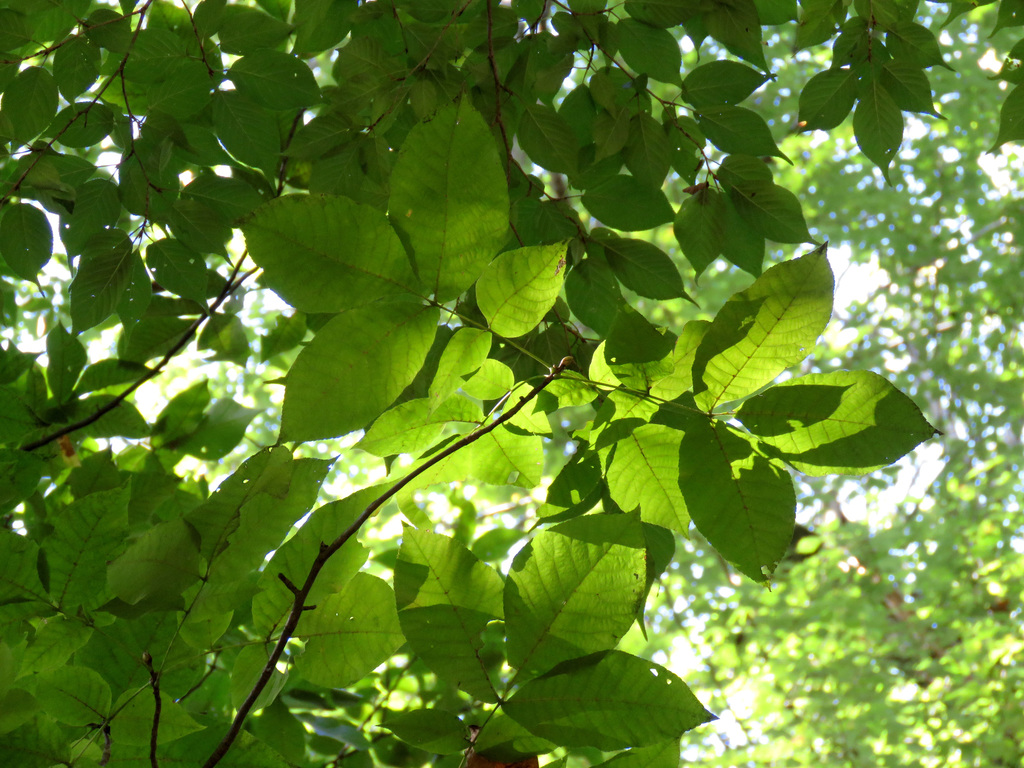
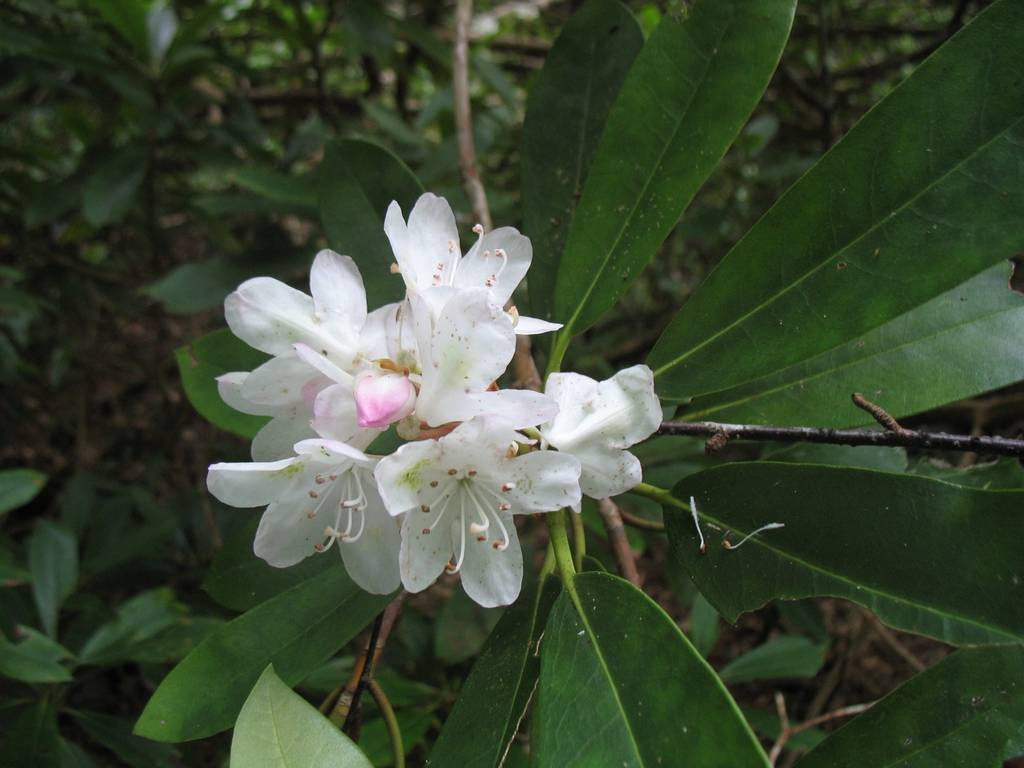
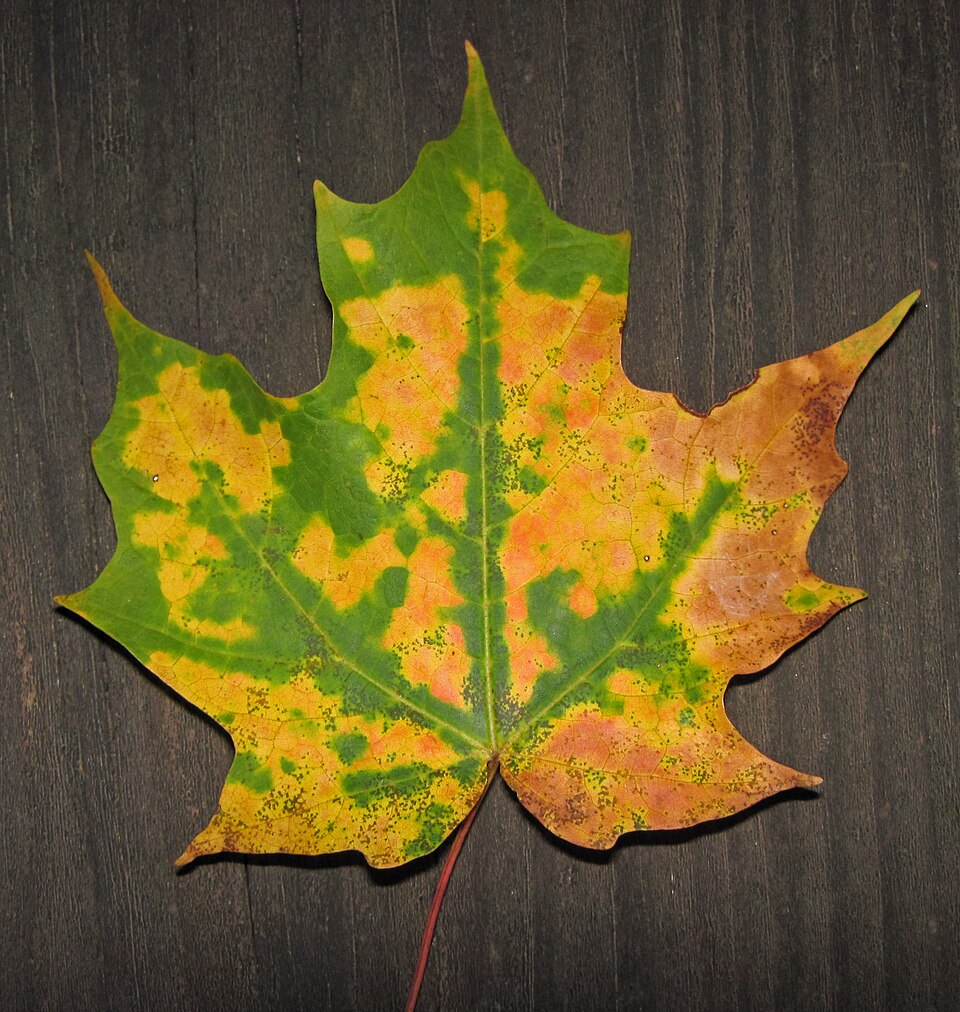
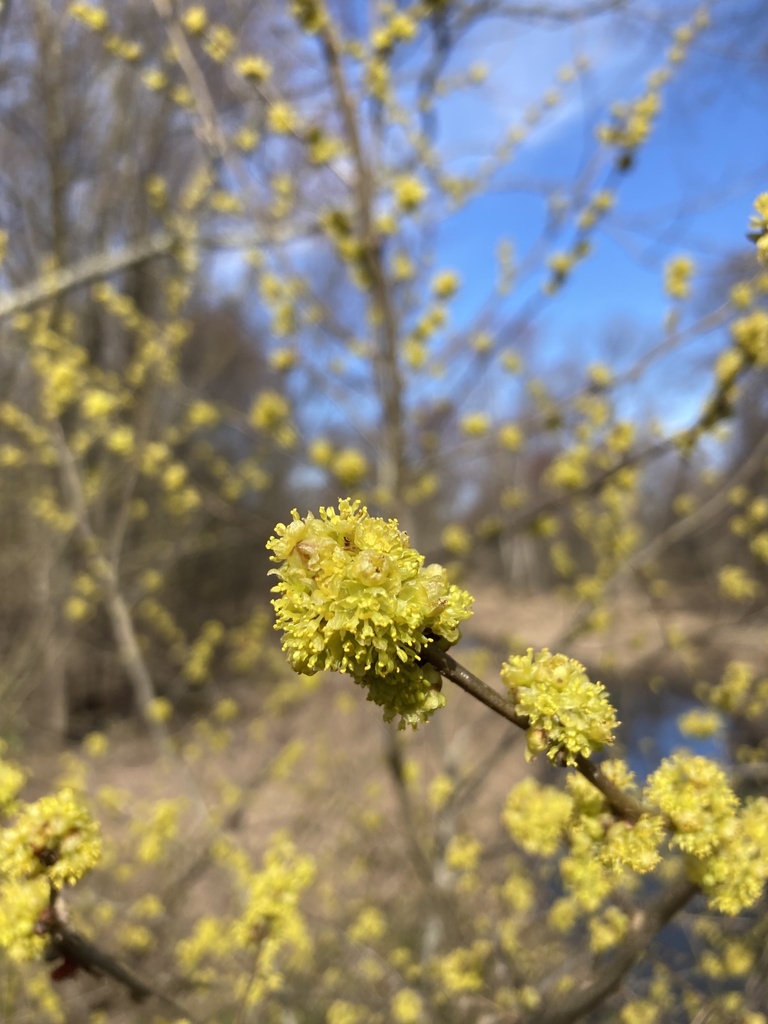
Plants 891
Plants named in NatureServe descriptions of these habitats that grow in Virginia. Shared habitat, not food.
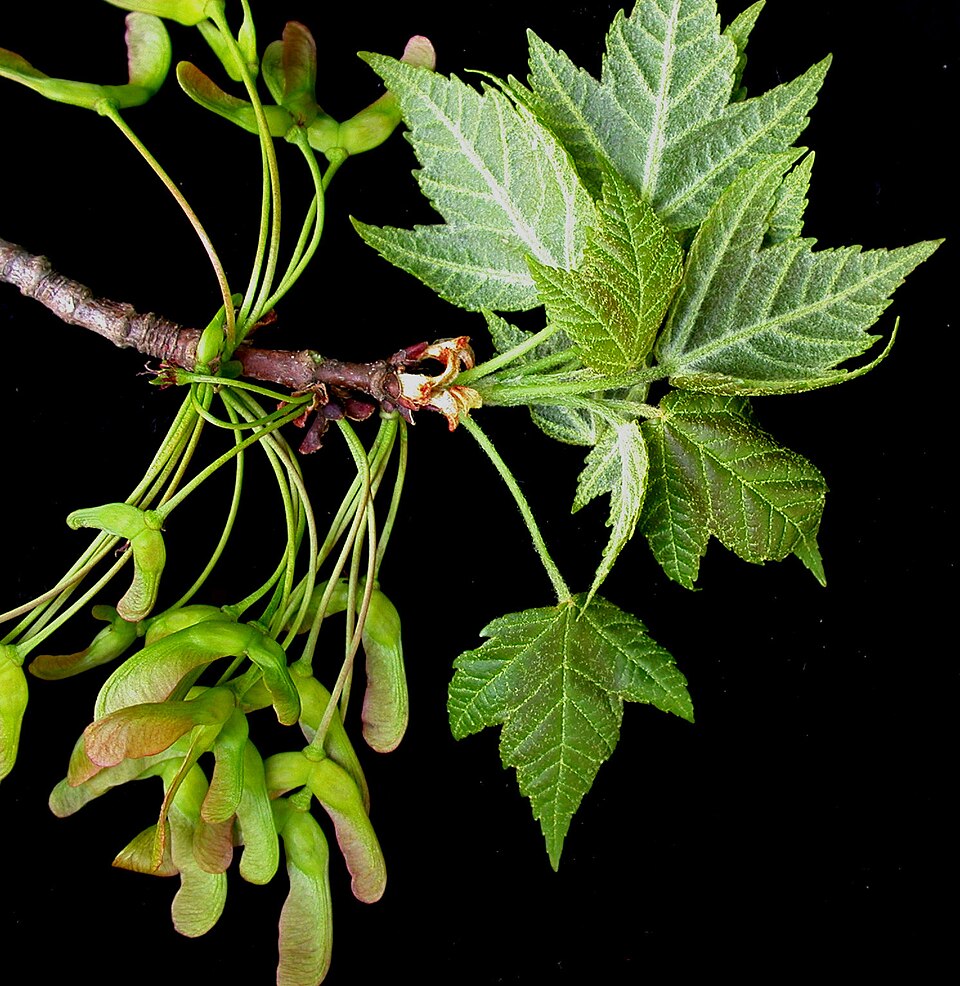
- Red MapleAcer rubrum
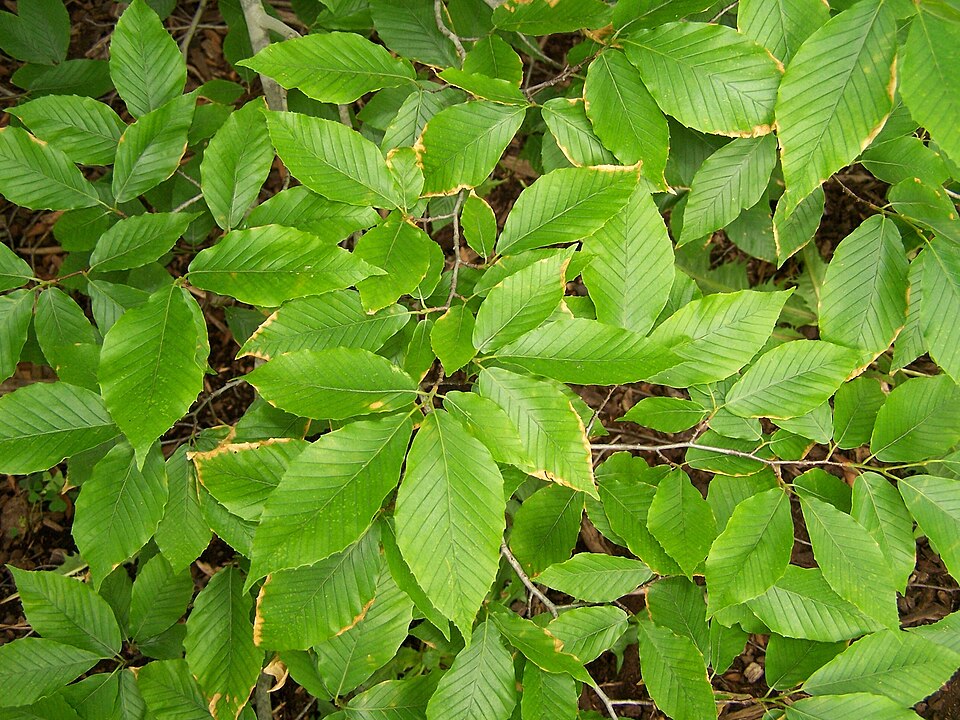
- American BeechFagus grandifolia
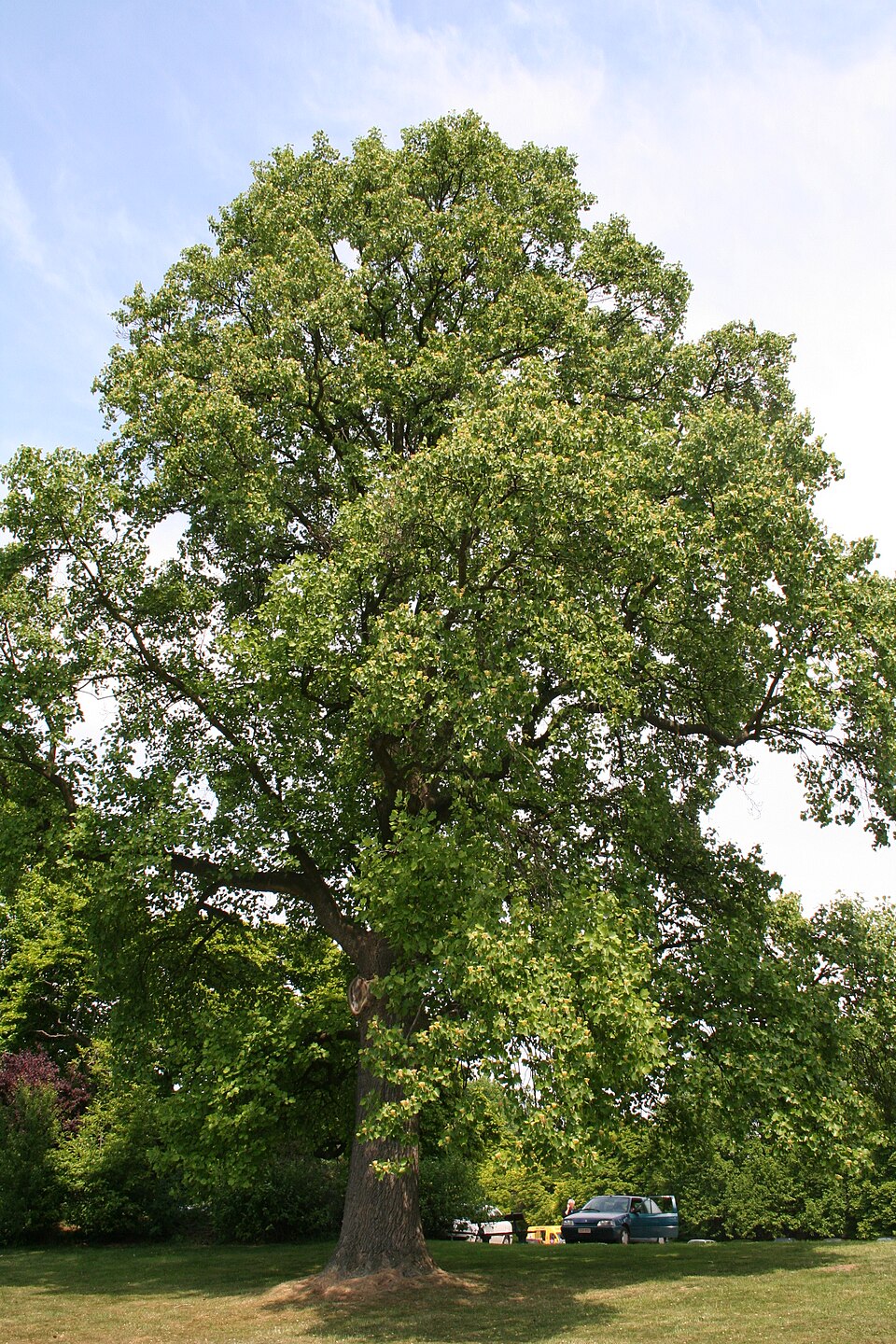
- TuliptreeLiriodendron tulipifera
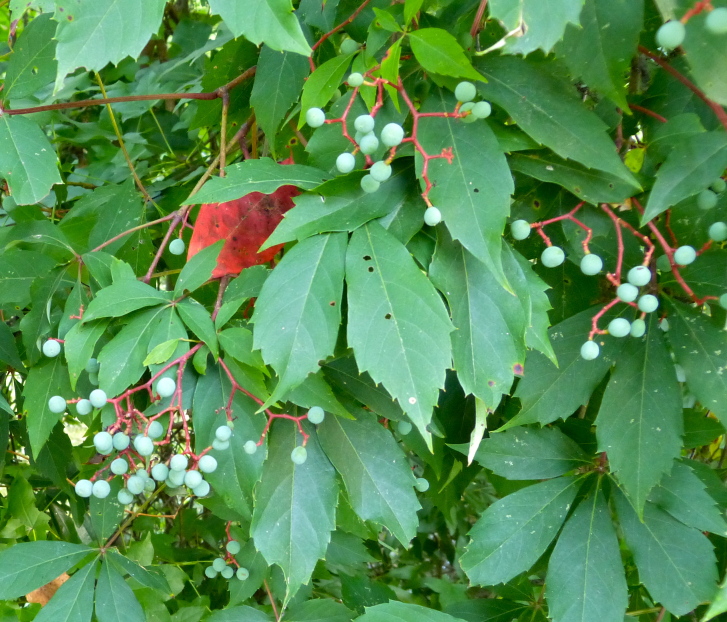
- Virginia CreeperParthenocissus quinquefolia
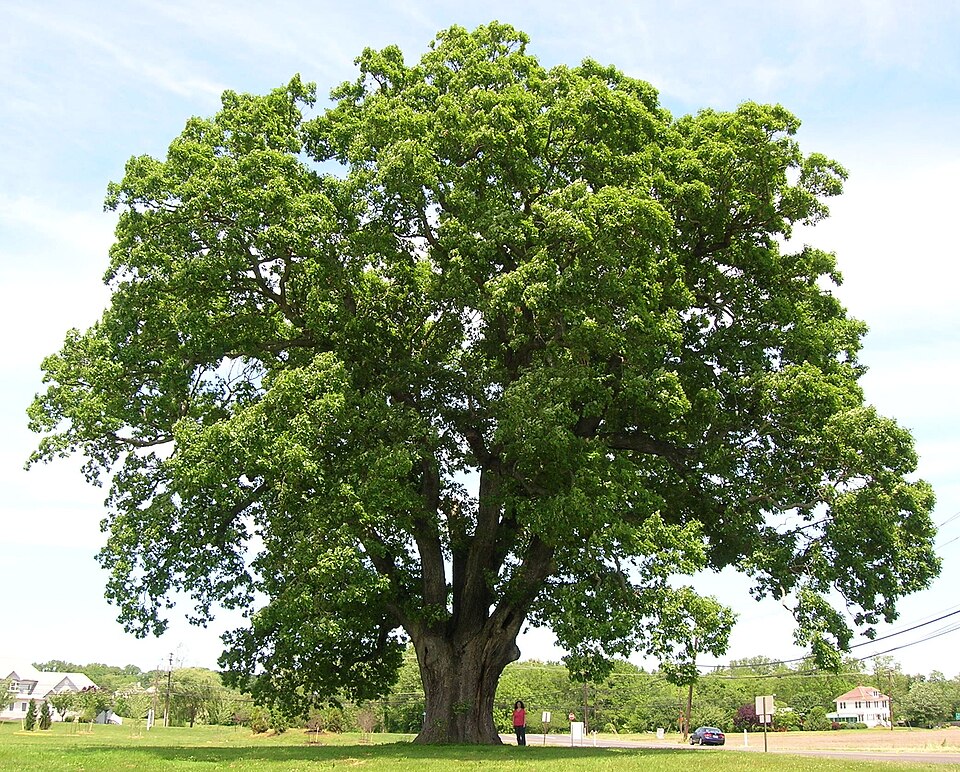
- White OakQuercus alba
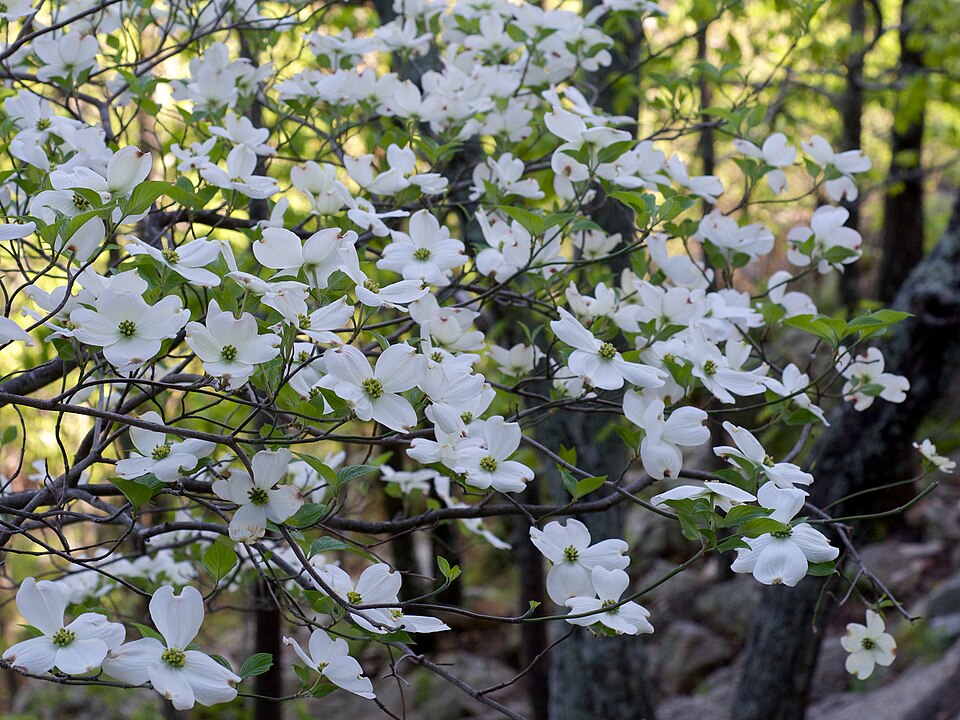
- Flowering DogwoodBenthamidia florida
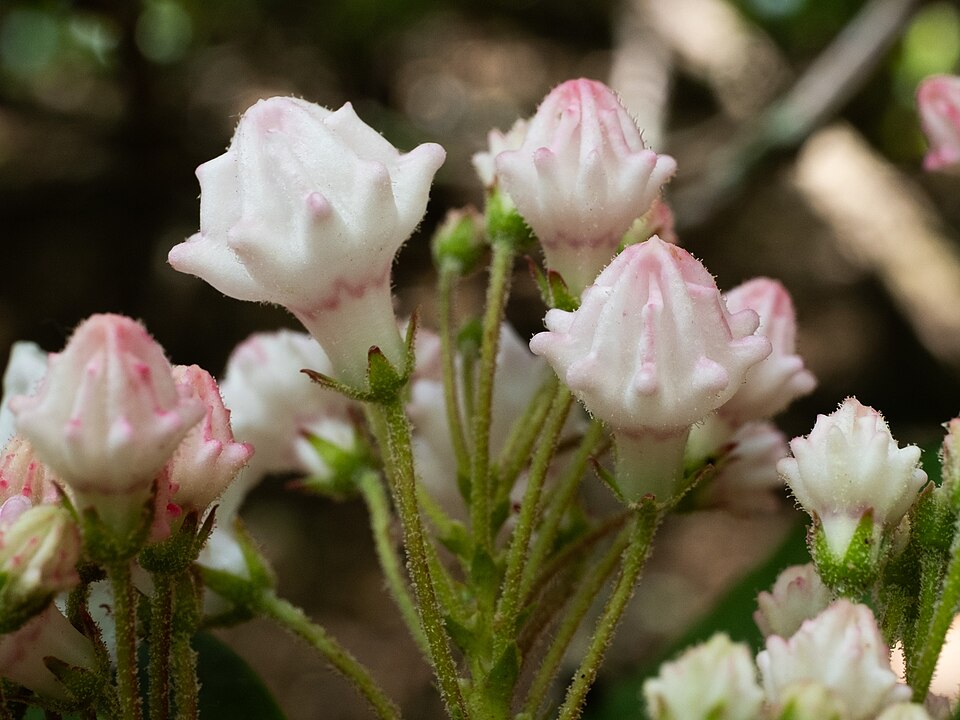
- Mountain LaurelKalmia latifolia
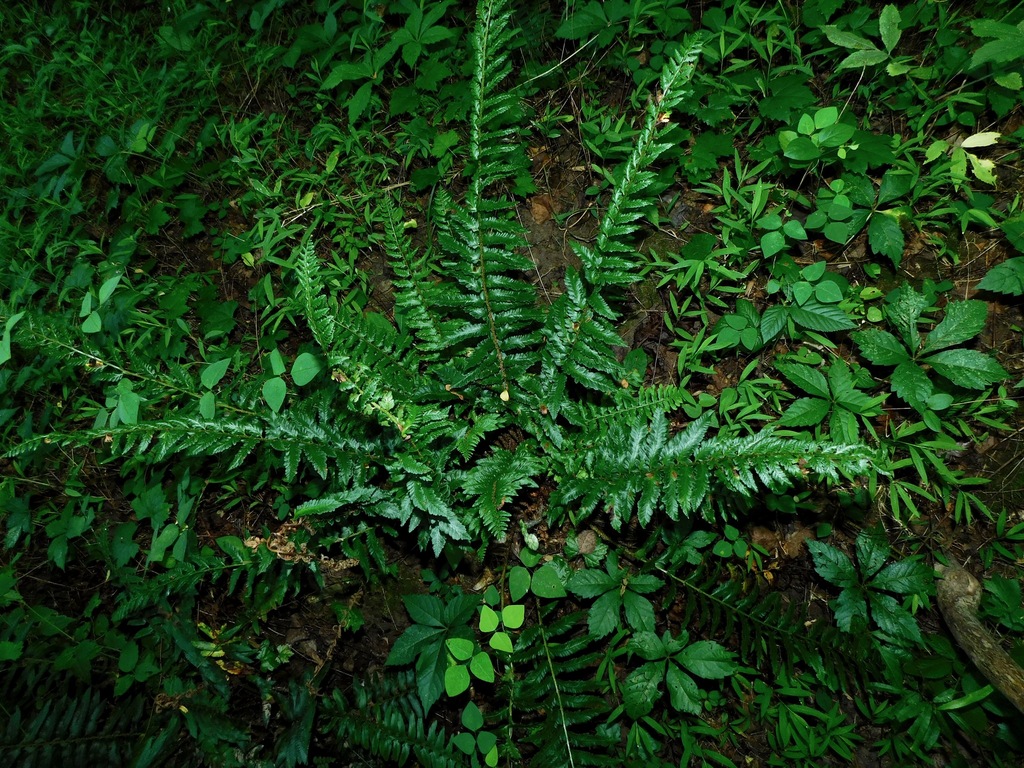
- Christmas FernPolystichum acrostichoides
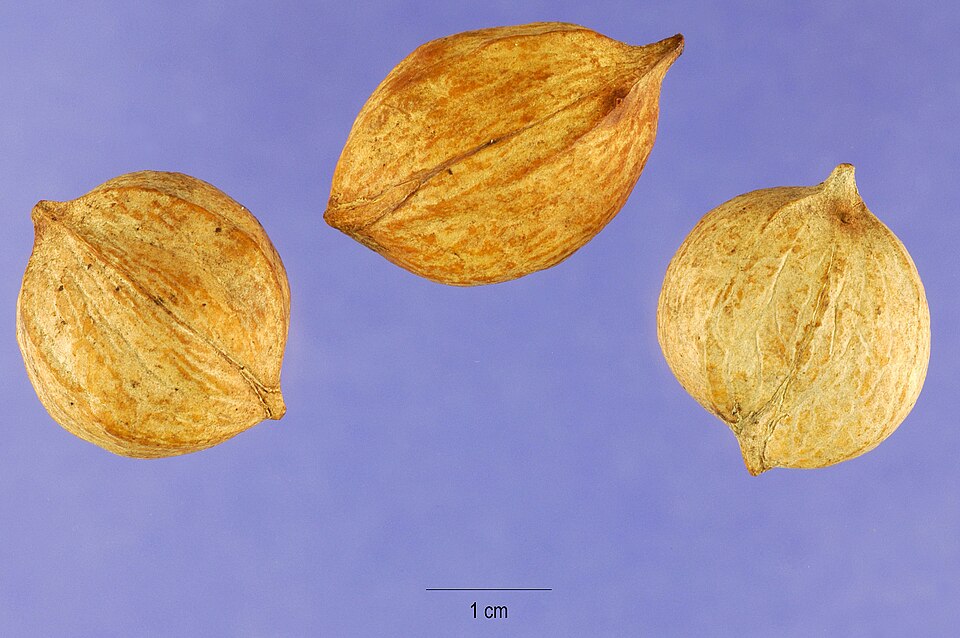
- Pignut HickoryCarya glabra
- Rosebay RhododendronRhododendron maximum
- Sugar MapleAcer saccharum
- White AshFraxinus americana
- Northern SpicebushLindera benzoin
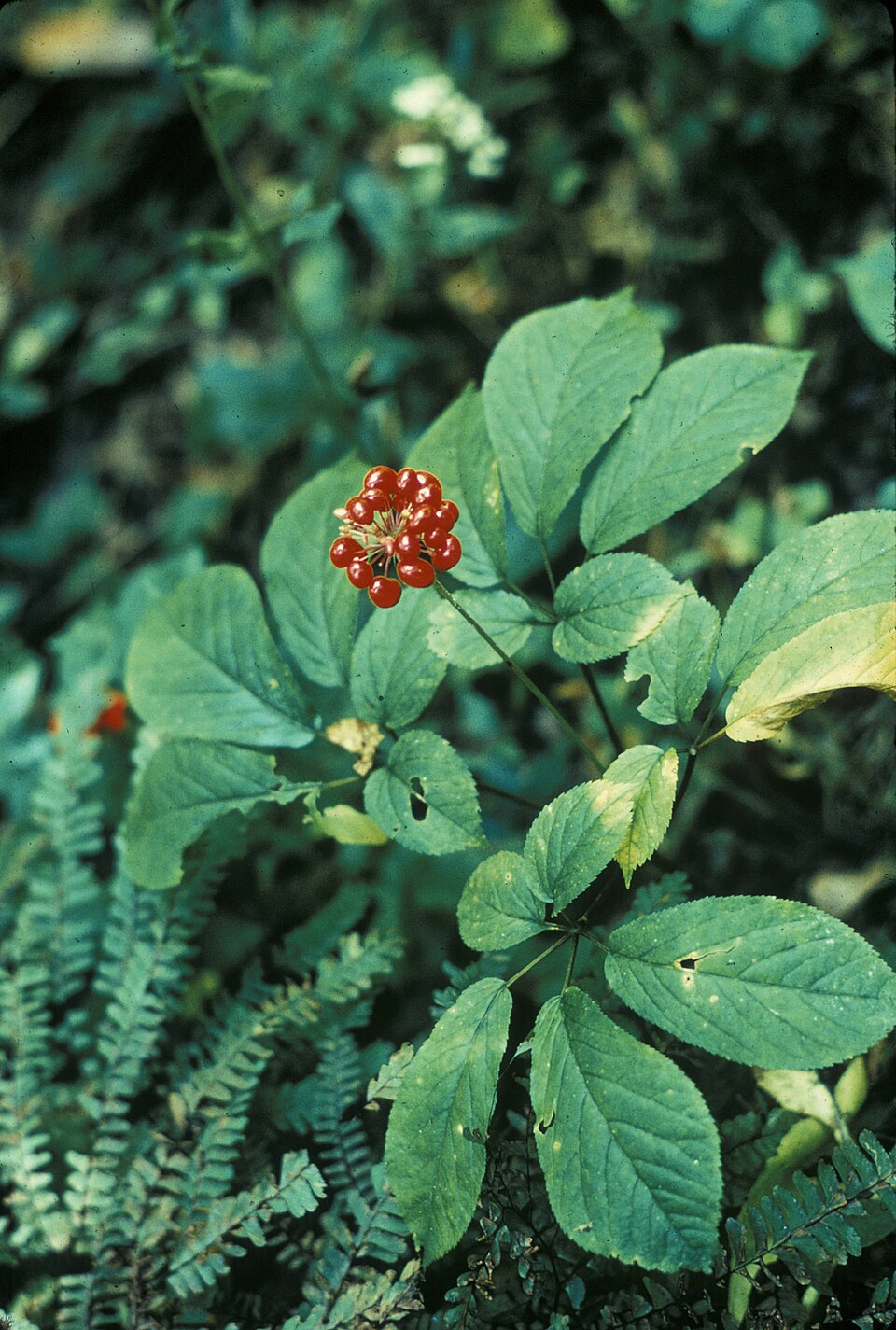
- American GinsengPanax quinquefolius
- Blue Ridge CatchflySilene ovata
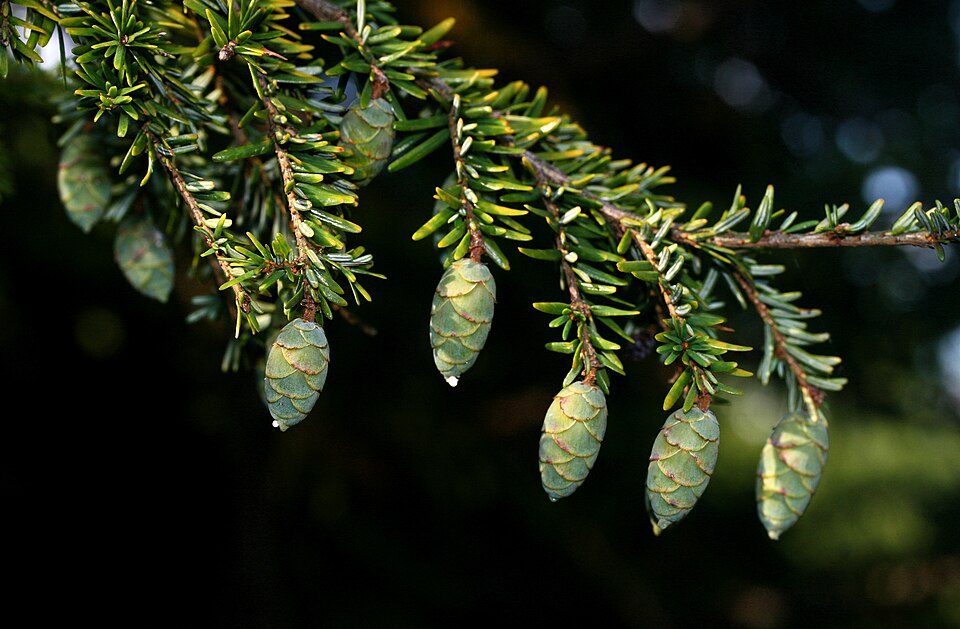
- Eastern HemlockTsuga canadensis
- Mockernut HickoryCarya tomentosa
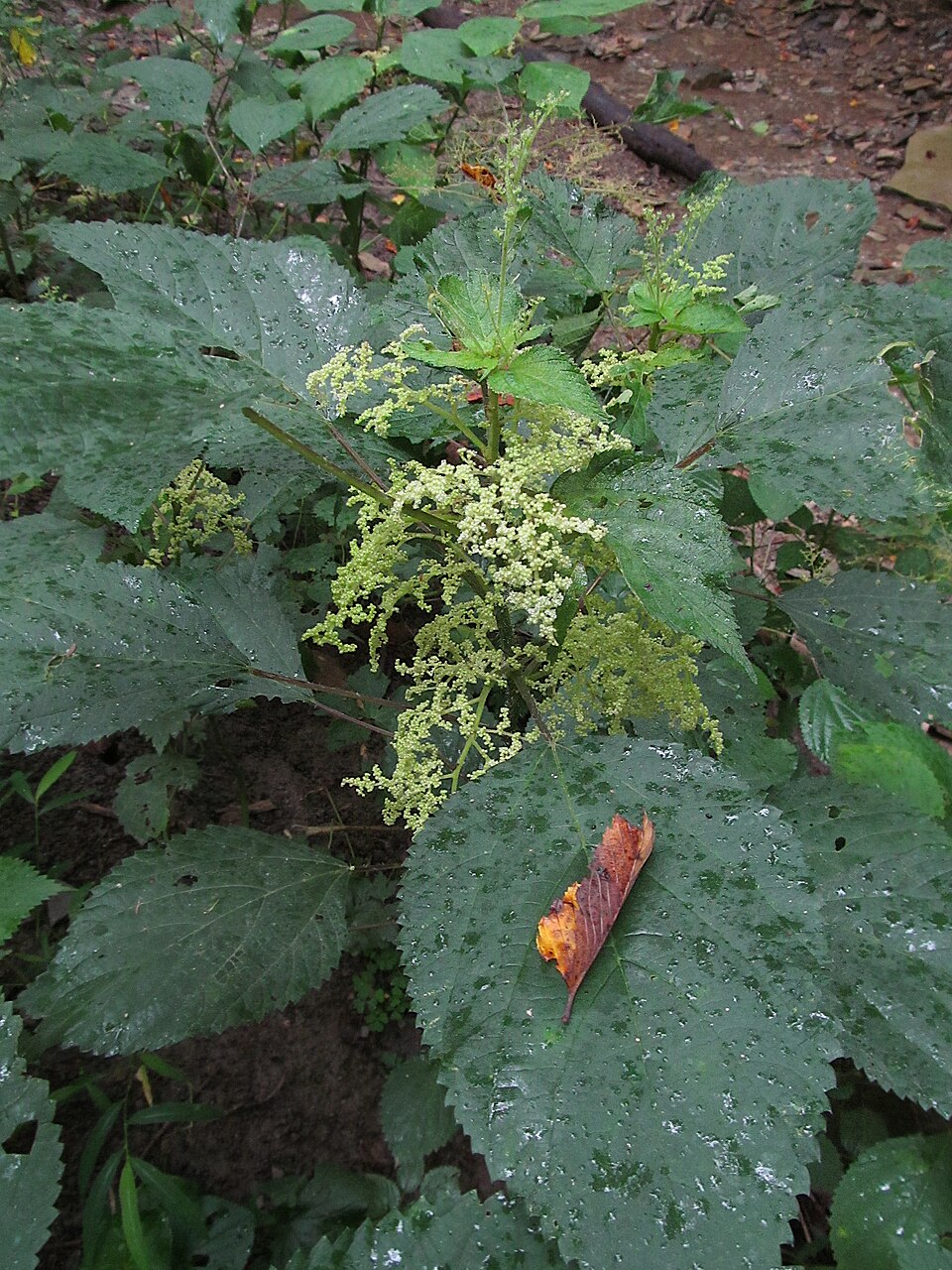
- Canada Wood-nettleLaportea canadensis
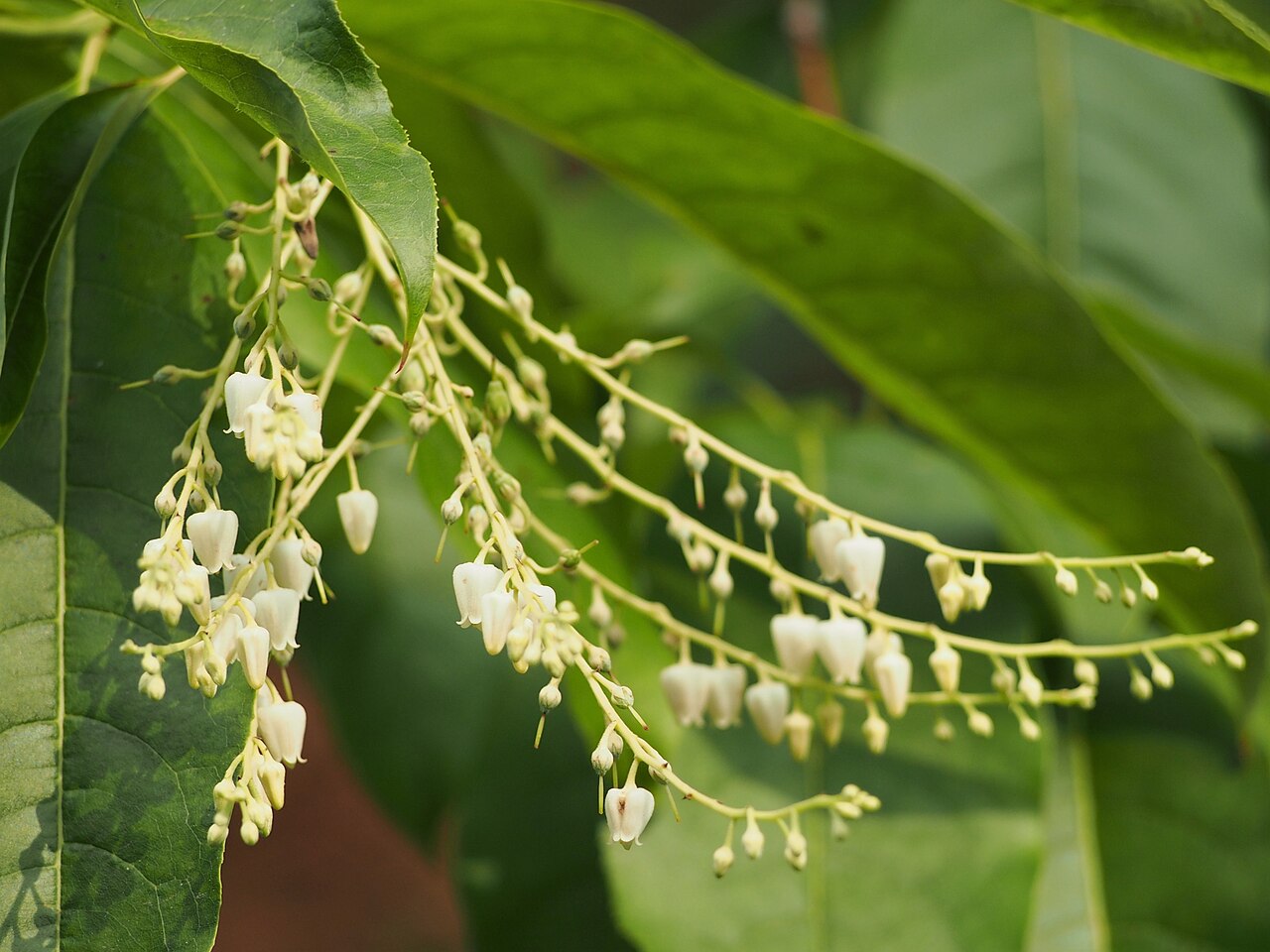
- SourwoodOxydendrum arboreum
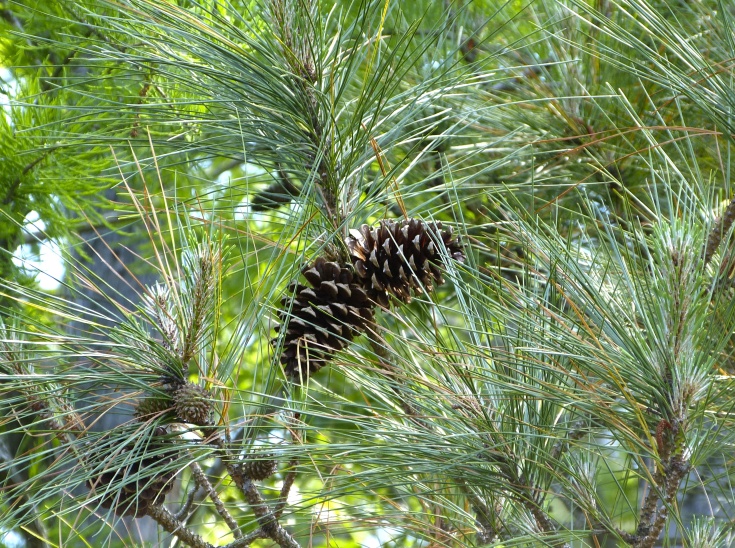
- Loblolly PinePinus taeda
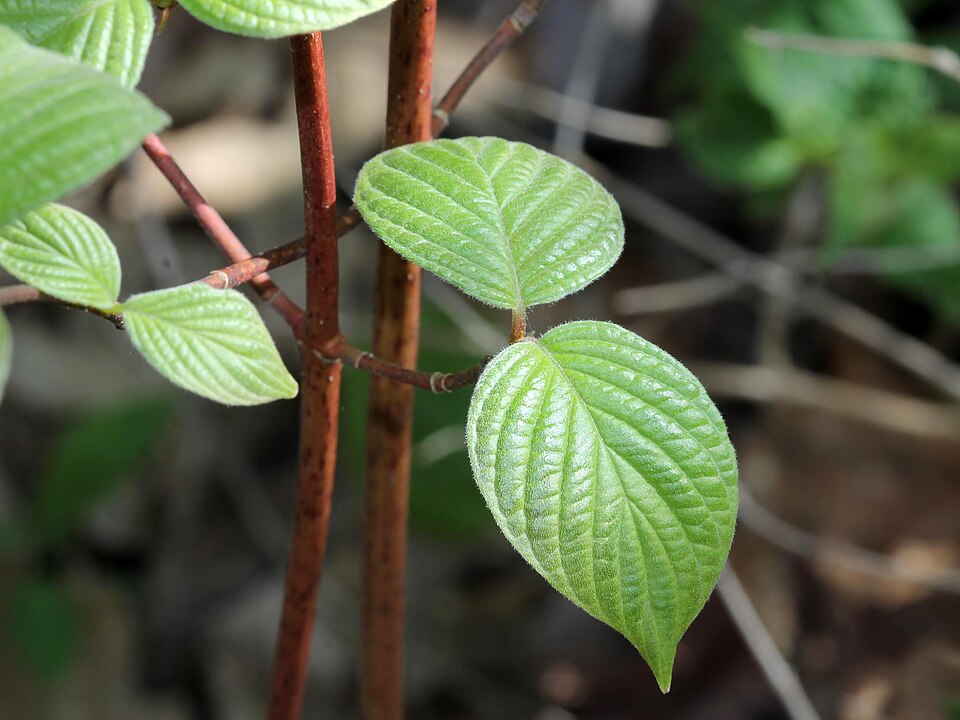
- Round Leaf DogwoodSwida rugosa
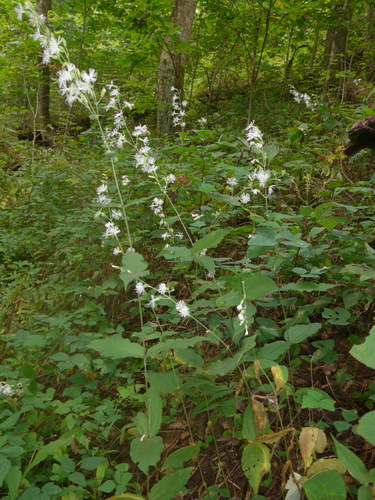
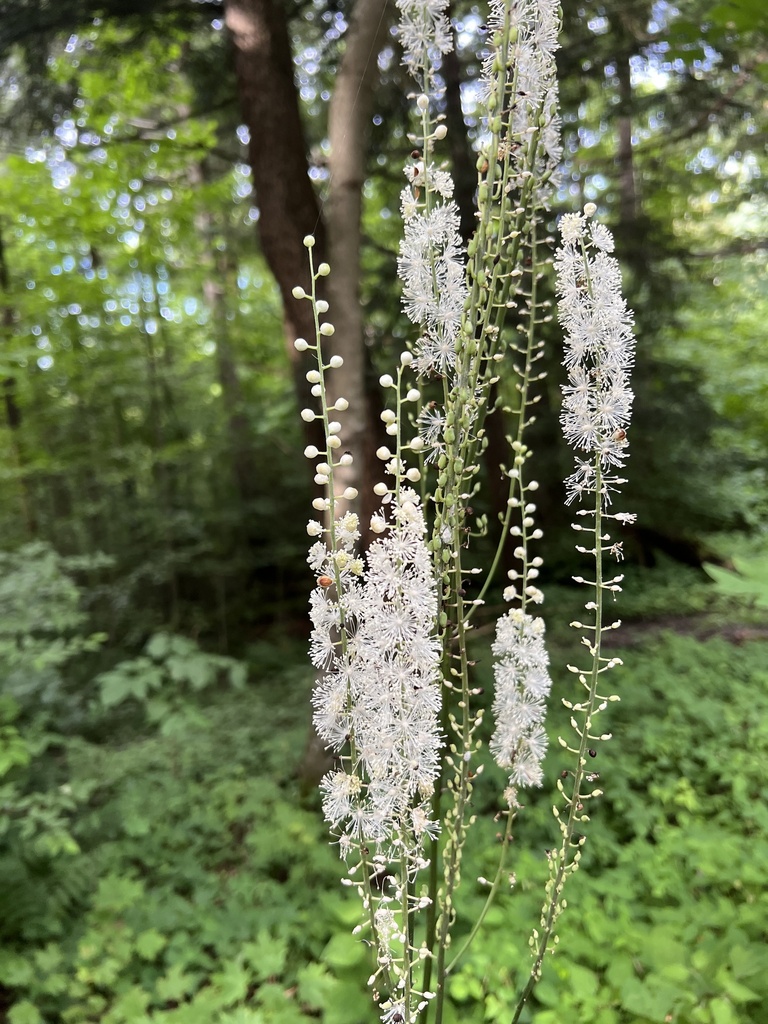
- Black CohoshActaea racemosa
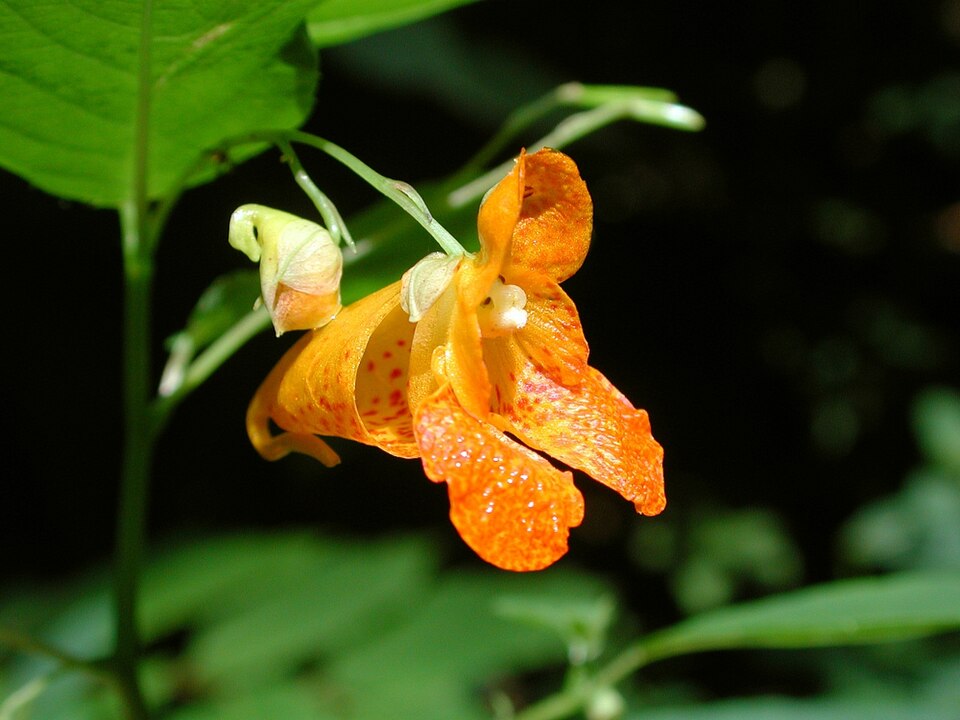
- Spotted JewelweedImpatiens capensis
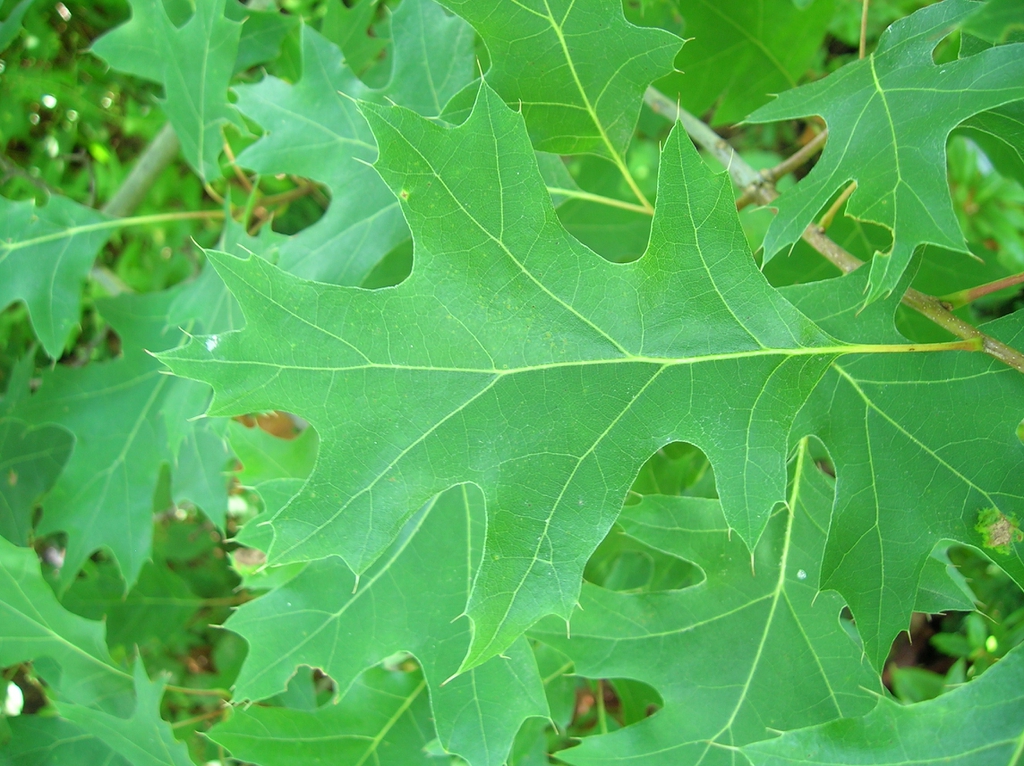
- Scarlet OakQuercus coccinea

Wildlife 193
Other animals whose habitat models include the same habitats in Virginia. Not sighting records.
- Chipping SparrowSpizella passerina
- Dark-eyed JuncoJunco hyemalis
- Double-crested CormorantPhalacrocorax auritus
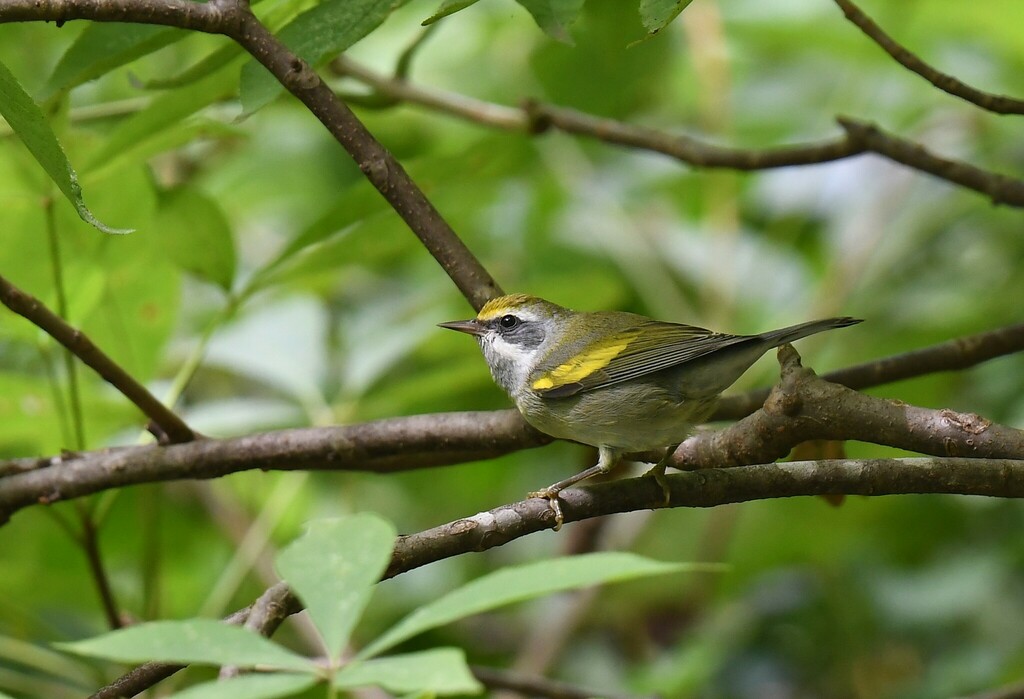
- Golden-winged WarblerVermivora chrysoptera
- Kentucky WarblerOporornis formosus
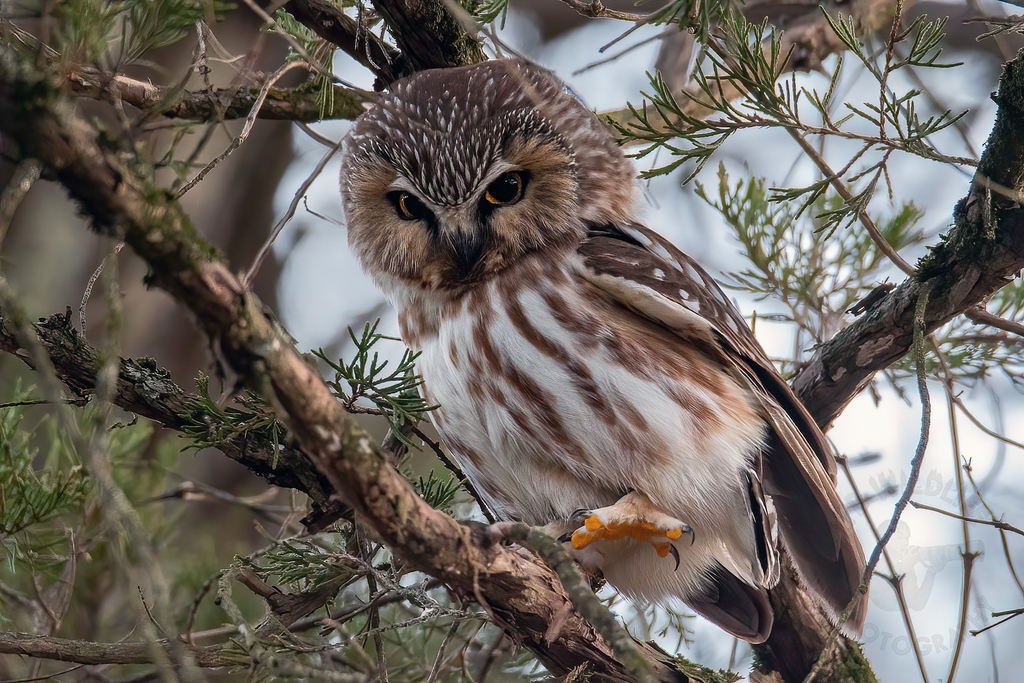
- Northern Saw-whet OwlAegolius acadicus
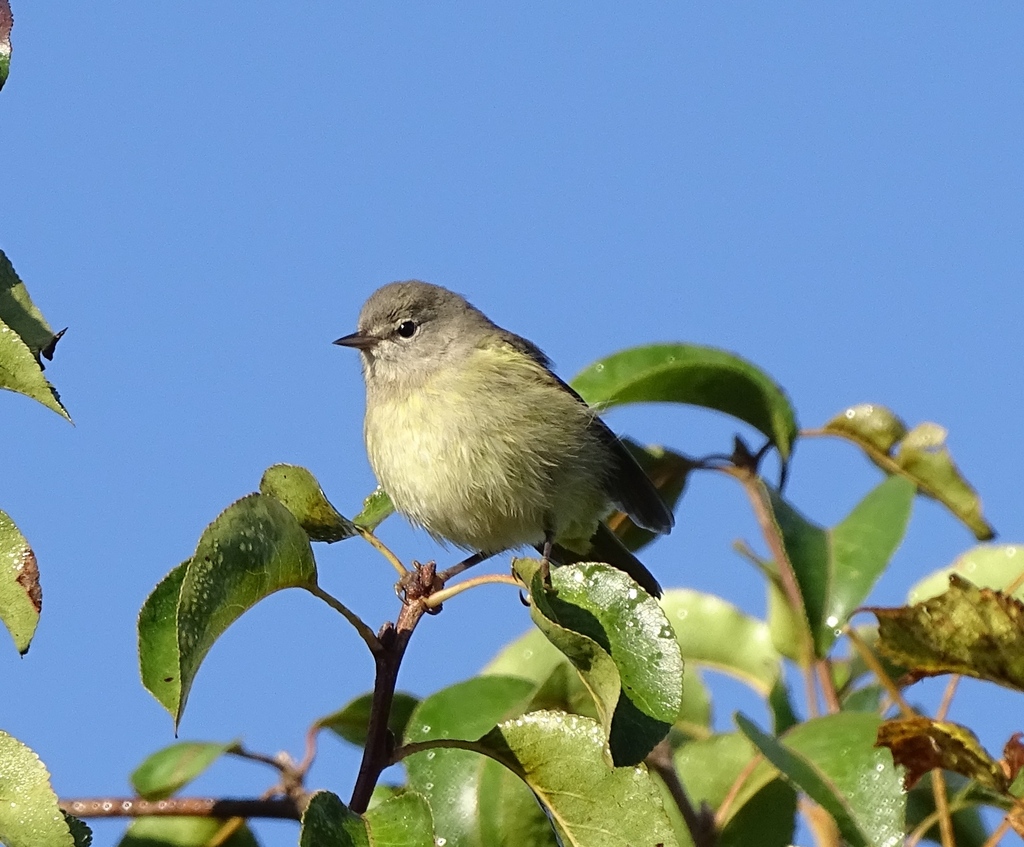
- Orange-crowned WarblerVermivora celata
- OvenbirdSeiurus aurocapilla
- Pine SiskinCarduelis pinus
- Red-headed WoodpeckerMelanerpes erythrocephalus
- Ruffed GrouseBonasa umbellus
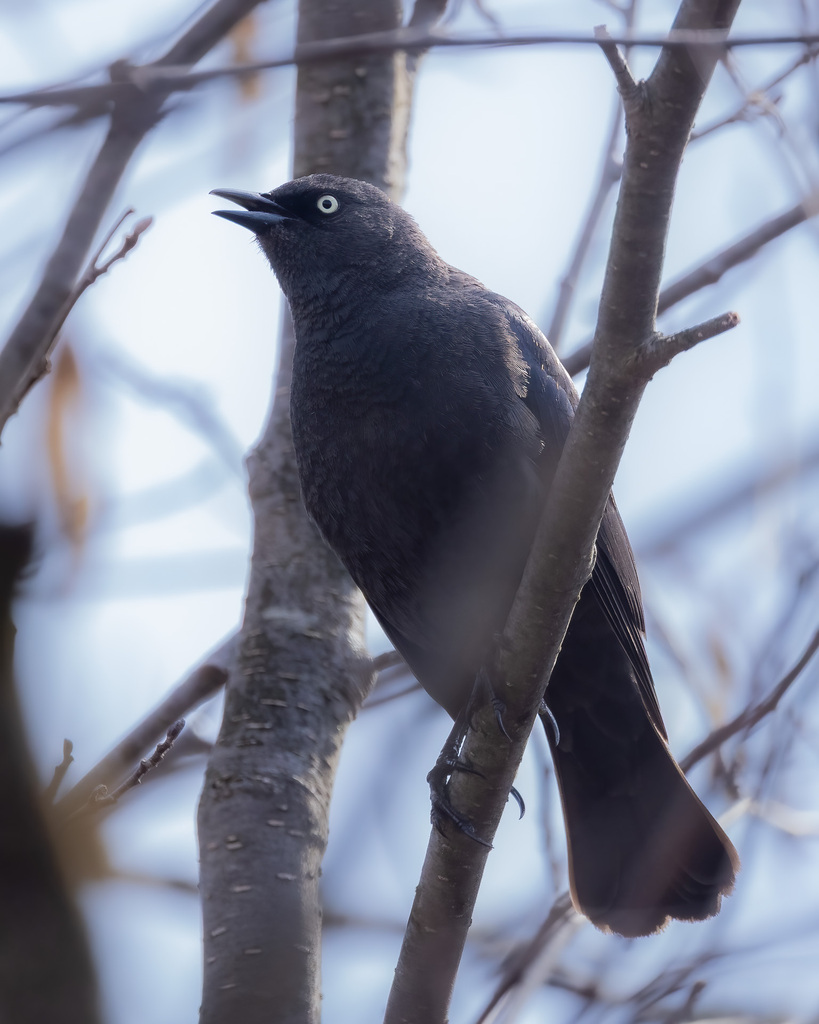
- Rusty BlackbirdEuphagus carolinus
- Swainson's WarblerLimnothlypis swainsonii
- White-breasted NuthatchSitta carolinensis
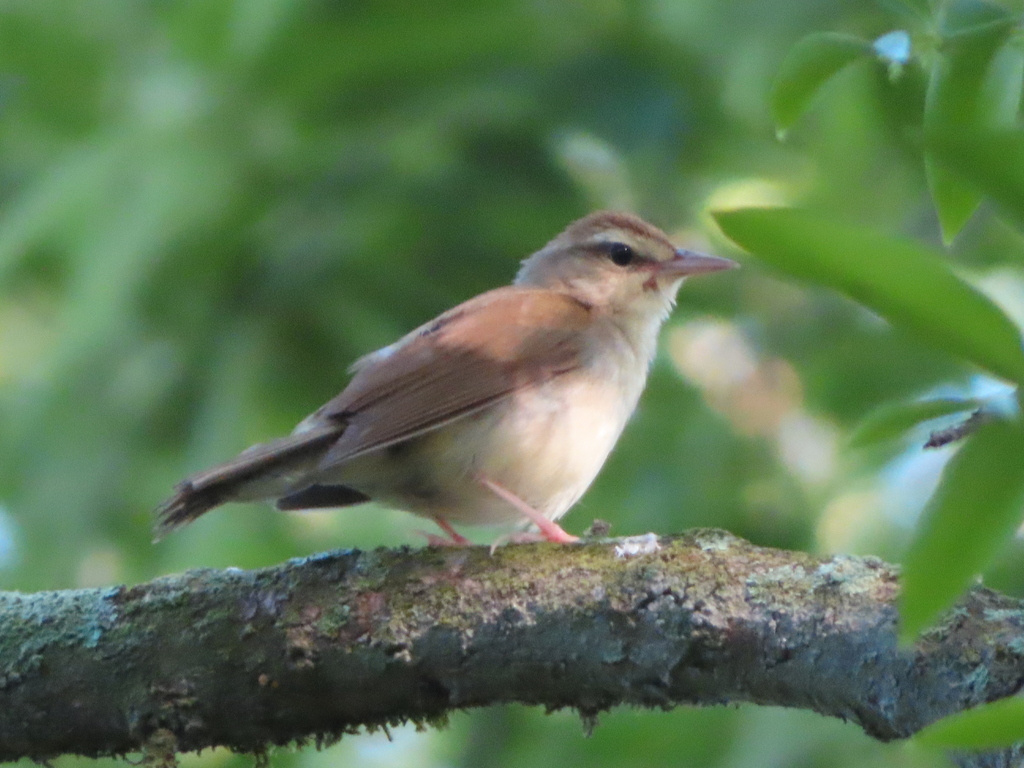
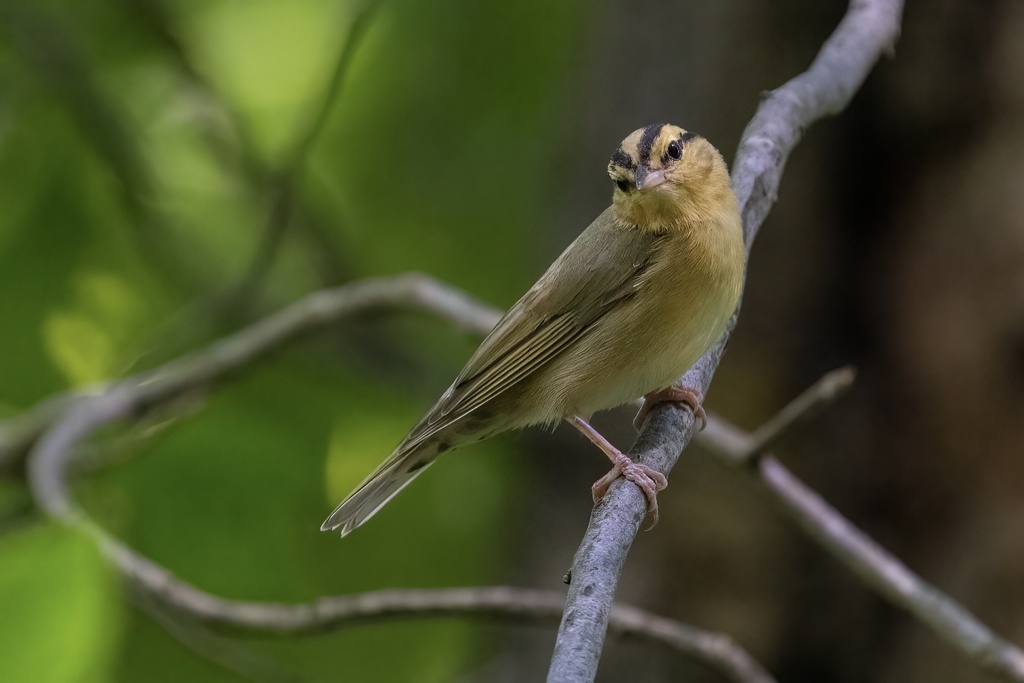
- Worm-eating WarblerHelmitheros vermivorum
- Black-billed CuckooCoccyzus erythropthalmus
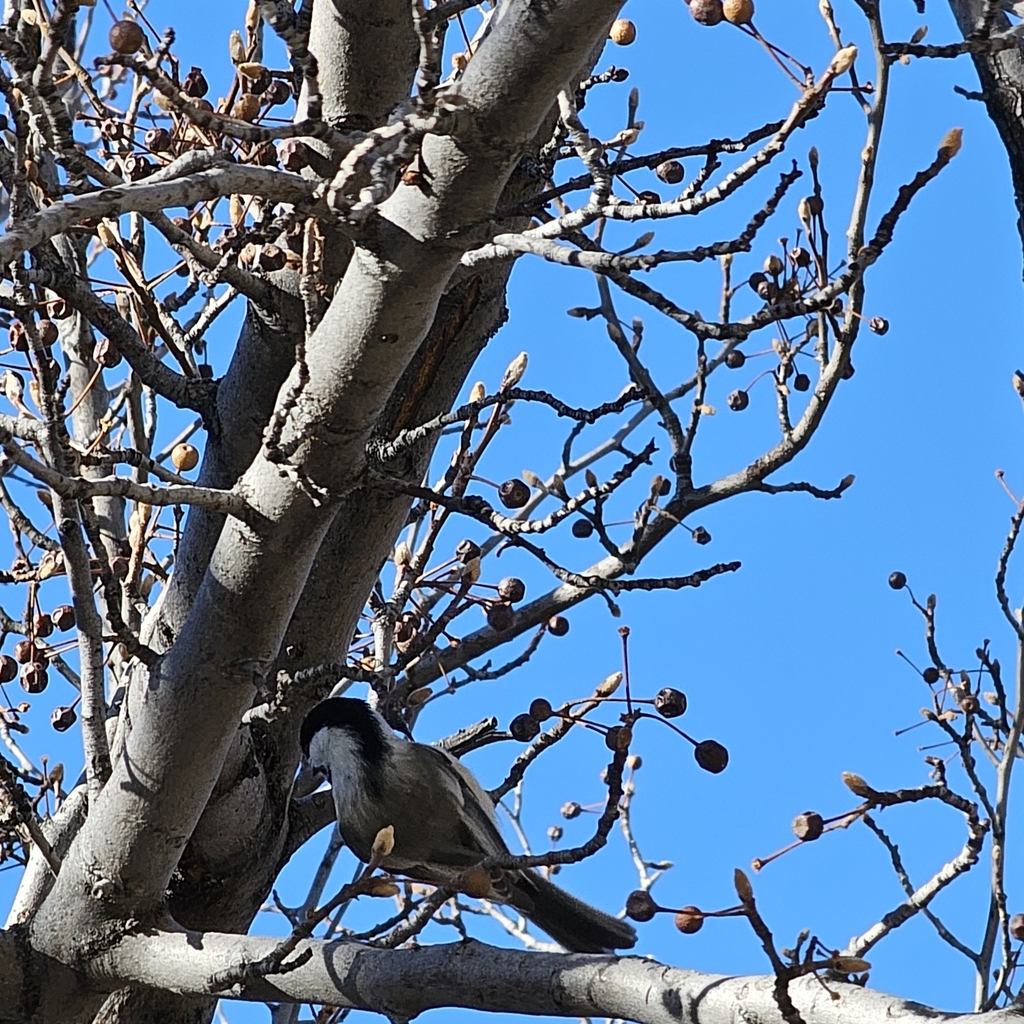
- Black-capped ChickadeePoecile atricapillus
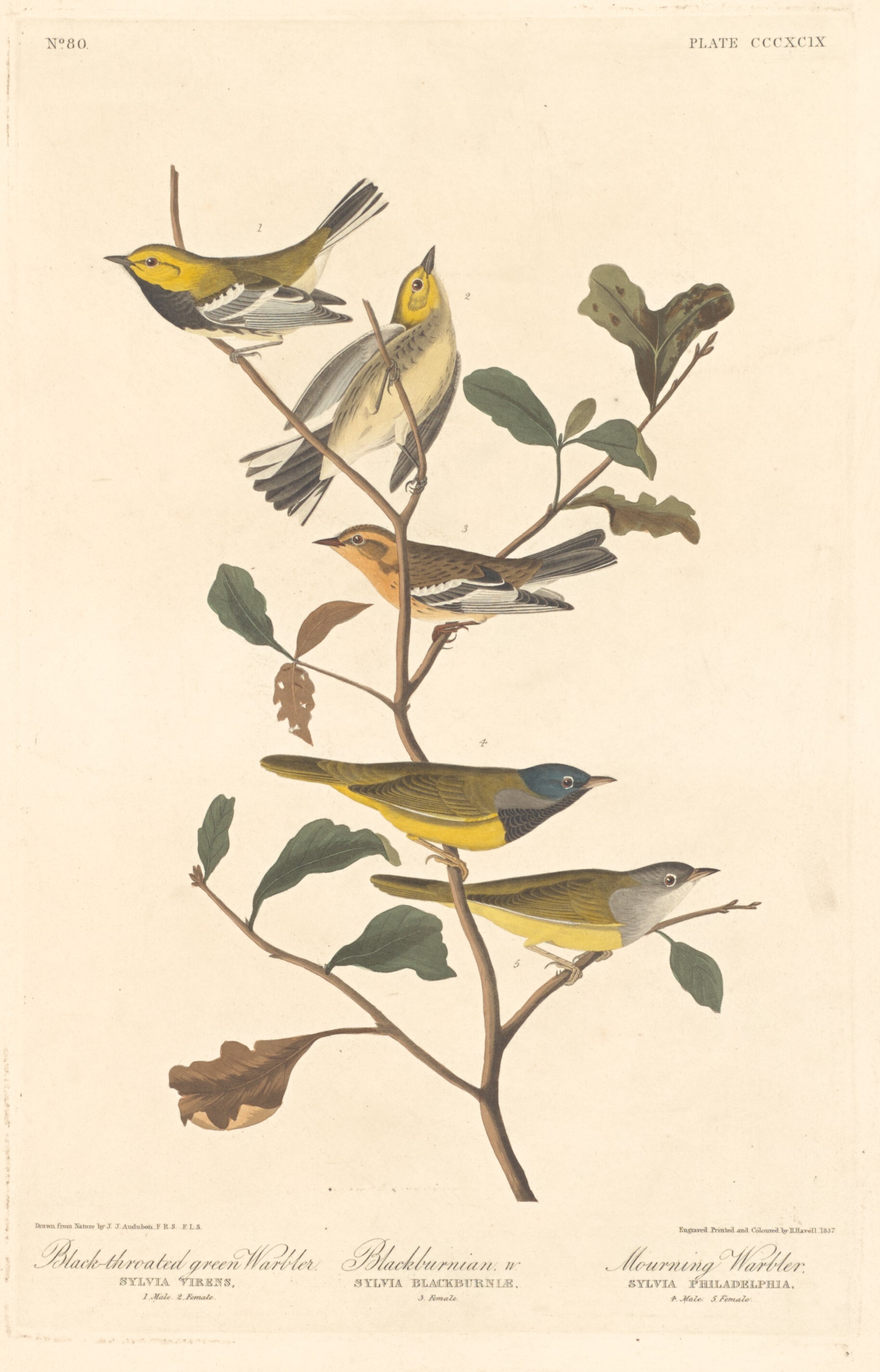
- Black-throated Green WarblerDendroica virens
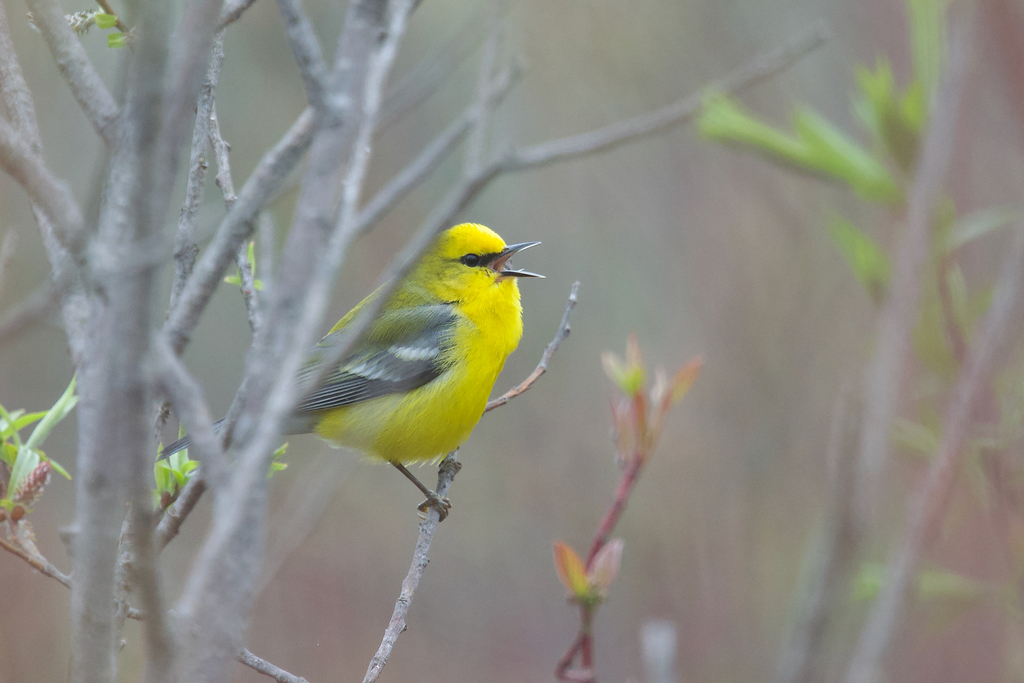
- Blue-winged WarblerVermivora pinus
- Brown ThrasherToxostoma rufum
- Cerulean WarblerDendroica cerulea
- Eurasian Collared-doveStreptopelia decaocto
- Indigo BuntingPasserina cyanea
- Louisiana WaterthrushSeiurus motacilla











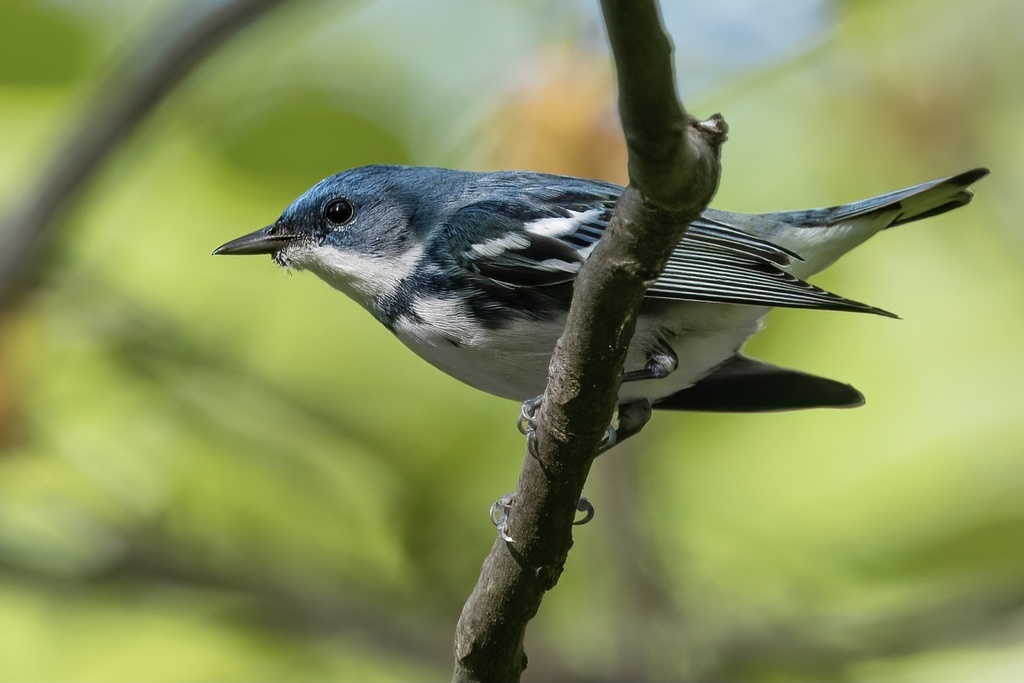




NatureServe Explorer, CC BY 4.0. USGS Gap Analysis Project habitat models.
Sources
- USGS Gap Analysis Project habitat models (2001)
- USGS GAP summer habitat model for Hooded Warbler Elevation up to 1,200 m
- USGS Gap Analysis Project range maps (2001), modeled by watershed; migratory gives no dates
- NatureServe Explorer (CC BY 4.0), habitat names
- US Census TIGER/Line counties
- Names follow the USGS Gap Analysis Project (2001)